Sleep Better with Sleep Apnea: 8 Habits to Try
Discover habits to improve sleep quality with sleep apnea. Embrace better rest with simple lifestyle changes.
Struggling with sleep?
Find out if sleep apnea is the reason.
FDA-cleared. $149 flat. Physician-reviewed results in 48 hours.


Understanding Sleep Apnea
What is Sleep Apnea?
Sleep apnea is a common sleep disorder where breathing repeatedly stops and starts during sleep. It comes in three types: obstructive, central, and complex sleep apnea syndrome. Common symptoms include loud snoring, episodes of breathing cessation during sleep, and excessive daytime sleepiness.
Why Sleep Habits Matter
Your lifestyle choices can significantly impact sleep apnea. Developing a consistent sleep routine can help manage symptoms and improve your overall quality of life. Small, positive changes can make a big difference in how you feel.
Habit 1: Establish a Consistent Sleep Schedule
Benefits of Regular Sleep Patterns
Establishing a regular sleep schedule helps regulate your body's internal clock, also known as the circadian rhythm. This synchronization can enhance your sleep quality and energy levels throughout the day.
Tips for Staying Consistent
Set a consistent bedtime and wake-up time, even on weekends. Create a calming bedtime routine, and use alarms and reminders to maintain these habits.
Habit 2: Optimize Your Sleep Environment
Creating a Sleep-Friendly Bedroom
Your bedroom should be a sanctuary for rest. Ideal conditions include a cool temperature, dim lighting, and a comfortable mattress.
Reducing Noise and Distractions
Consider using white noise machines to block out disruptive sounds. Keep electronics out of the bedroom to minimize distractions and enhance sleep quality.
Habit 3: Mindful Eating and Drinking
Foods That Affect Sleep Apnea
Certain foods and drinks can exacerbate sleep apnea symptoms. Avoid heavy meals, alcohol, and caffeine close to bedtime to prevent disrupted sleep.
Healthier Choices for Better Sleep
Incorporate foods rich in magnesium and tryptophan, such as nuts and dairy, which promote better sleep. Pay attention to meal timing to avoid discomfort at night.
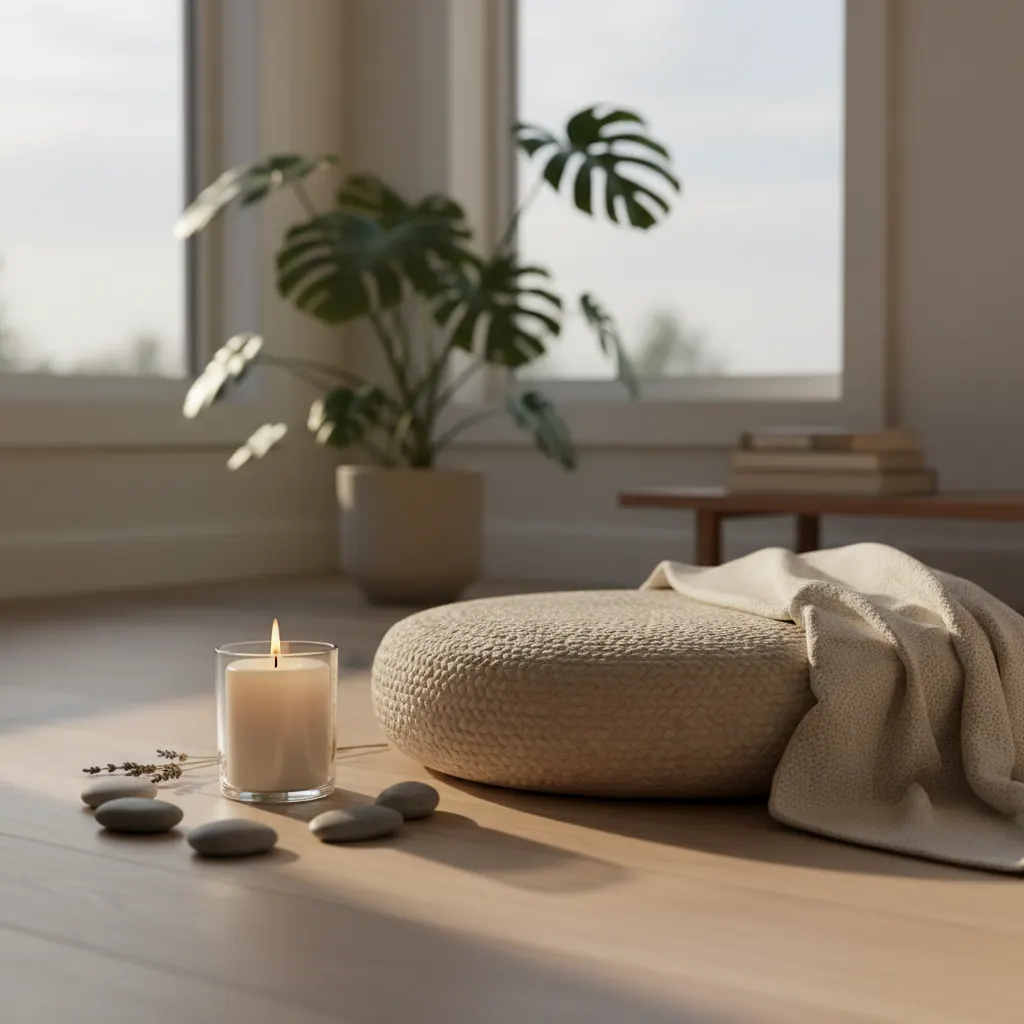
Habit 4: Incorporate Relaxation Techniques
Benefits of Relaxation Before Bed
Relaxation techniques can reduce stress and anxiety, preparing your mind and body for restful sleep.
Simple Practices to Try
Experiment with deep breathing exercises or engage in meditation and mindfulness practices before bed to calm your mind.
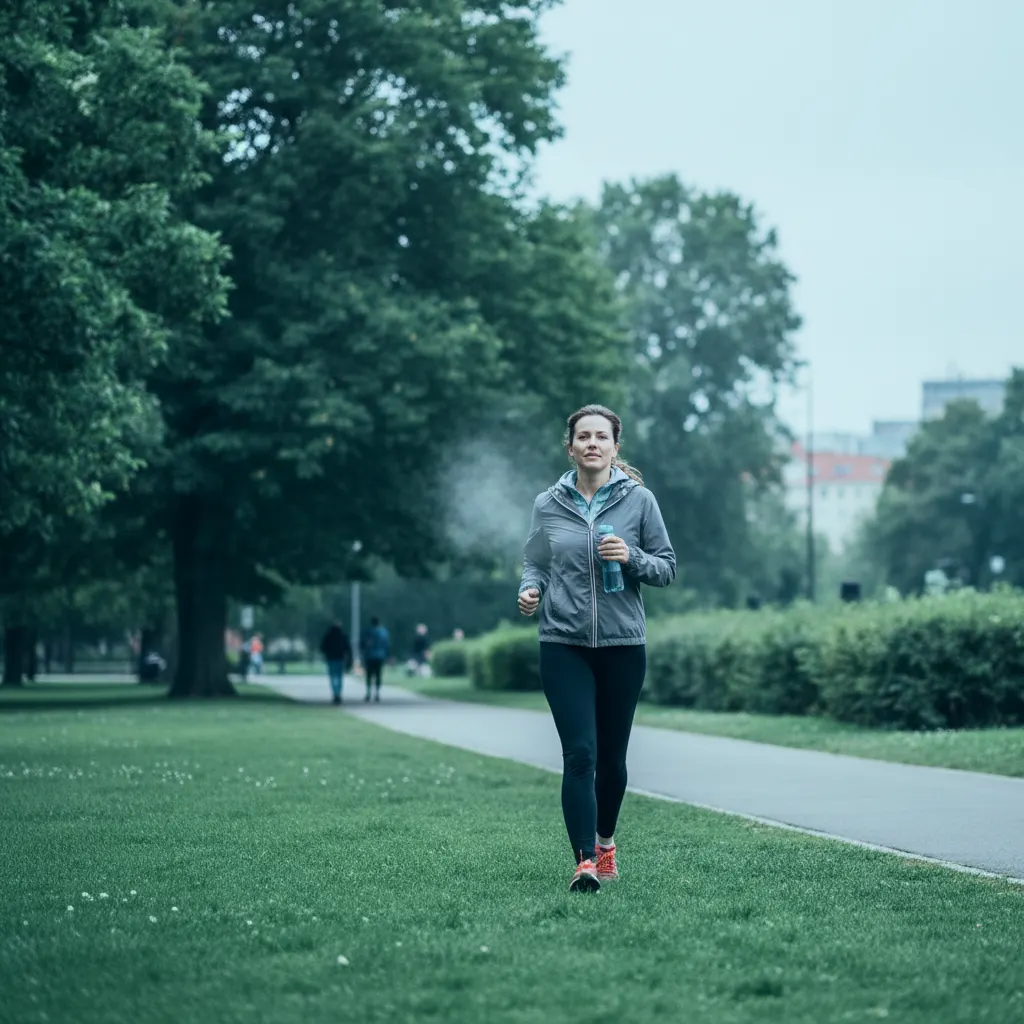
Habit 5: Stay Physically Active
Exercise and Sleep Apnea
Regular physical activity can alleviate sleep apnea symptoms by promoting weight loss and enhancing respiratory function.
Timing Your Workouts
Exercise in the morning or early afternoon to avoid overstimulation before bed. Balance activity with adequate rest for optimal results.
Habit 6: Monitor Your Sleep Patterns
Using Wearable Technology
Wearable sleep trackers can provide valuable insights into your sleep patterns. Understanding this data can help you make informed lifestyle adjustments. Learn more about choosing the right sleep tracker.
Keeping a Sleep Journal
Document your sleep habits and patterns in a journal. This can help you identify and address potential triggers. Discover the benefits of maintaining a sleep journal.
How Dumbo Health Helps
Our Approach
Dumbo Health offers accessible, stigma-free solutions for sleep apnea. Our personalized care plans are designed to fit your unique needs, helping you manage your condition with confidence.
Get Started with Dumbo Health
Take an at-home sleep test today to understand your condition better. Explore our pricing plans and start your journey to better sleep.
FAQ Section
Q: What are the symptoms of sleep apnea?
A: Common symptoms include loud snoring, episodes of stopped breathing, gasping for air, and excessive daytime sleepiness.
Q: Can lifestyle changes cure sleep apnea?
A: While lifestyle changes can significantly improve symptoms, they may not cure sleep apnea entirely. A comprehensive treatment plan is often required.
Q: How does a sleep test work?
A: A sleep test monitors your sleep patterns to diagnose sleep disorders like sleep apnea. Learn more about how sleep tests work.
Q: Are there over-the-counter treatments for sleep apnea?
A: Some OTC treatments claim to help, but it's important to evaluate their effectiveness critically. Explore OTC treatments and their validity.
Q: Why is my sleep apnea worse some nights?
A: Factors like alcohol consumption, sleep position, and stress levels can worsen sleep apnea symptoms on certain nights.
Ready to take control of your sleep apnea? Let Dumbo Health guide you on your journey to better sleep. Get Started today and embrace a life where you can breathe easy and live fully.
AI summary
This article explores eight habits to improve sleep quality for those with sleep apnea. It emphasizes the importance of a consistent sleep schedule, optimizing the sleep environment, and mindful eating. By adopting these habits, individuals can better manage sleep apnea symptoms and enhance their overall well-being.


