How to Get Tested for Sleep Apnea: The Complete Guide to Diagnosis, Sleep Studies, and Treatment
This guide explains how to recognize sleep apnea symptoms and decide when testing is warranted, including loud snoring, gasping, witnessed breathing pauses, and persistent daytime sleepiness. It breaks down risk factors such as higher BMI, large neck circumference, nasal obstruction, age, and cardiometabolic conditions. You will learn the difference between in-lab polysomnography and a home sleep apnea test (HSAT), including what each study measures and which disorders HSAT cannot detect. It shows how results are interpreted using the apnea-hypopnea index (AHI) and oxygen metrics. It also reviews treatment options from CPAP and BPAP to oral appliances, lifestyle changes, and surgery, plus testing limitations like false negatives and single-night variability. Cost expectations without insurance and practical preparation steps are included.
Struggling with sleep?
Find out if sleep apnea is the reason.
FDA-cleared. $149 flat. Physician-reviewed results in 48 hours.

How to Get Tested for Sleep Apnea: The Complete Guide to Diagnosis, Sleep Studies, and Treatment
How to get tested for sleep apnea starts with recognizing symptoms such as loud snoring, gasping during sleep, or excessive daytime sleepiness, then getting a sleep study through either an in-lab polysomnography or a home sleep apnea test. The American Academy of Sleep Medicine estimates that roughly 80% of moderate to severe obstructive sleep apnea cases remain undiagnosed, which means millions of people live with disrupted breathing, poor oxygen levels, and elevated cardiovascular risk without knowing it. This guide is for anyone who suspects they may have sleep apnea, including commercial drivers facing DOT requirements, people with chronic snoring, and individuals whose bed partners have noticed breathing pauses during the night. You will learn exactly how sleep apnea testing works, what each type of sleep study measures, how results are interpreted, what treatments are available, and how to access affordable testing without insurance. Every section is designed to help you take the next step with confidence.
Quick Answer
To get tested for sleep apnea, discuss symptoms such as snoring, gasping, or daytime sleepiness with your doctor, who may refer you to a sleep specialist. The standard diagnostic test is either an in-lab polysomnography or a home sleep apnea test. Both measure breathing patterns, oxygen levels, and airflow during sleep to calculate your apnea-hypopnea index. Home sleep tests offer a convenient, lower-cost alternative to lab studies. dumbo.health provides a home sleep test for $149 with physician interpretation and no insurance required.
Key Takeaways
- Sleep apnea testing uses either in-lab polysomnography or a home sleep apnea test to measure breathing disruptions, oxygen saturation, and heart rate during sleep.
- The apnea-hypopnea index is the primary metric used for diagnosis, with 5 or more events per hour indicating sleep apnea.
- Home sleep apnea tests are clinically validated for diagnosing obstructive sleep apnea in adults with a high pretest probability, according to the American Academy of Sleep Medicine.
- An estimated 80% of moderate to severe obstructive sleep apnea cases remain undiagnosed, making accessible testing critical.
- dumbo.health offers a home sleep test for $149 with no insurance required, plus ongoing CPAP therapy plans starting at $59 per month.
- Untreated sleep apnea is linked to increased risk of high blood pressure, heart failure, stroke, and cardiovascular disease, according to the National Heart, Lung, and Blood Institute.
Recognizing Sleep Apnea Symptoms That Signal You Need Testing
sleep apnea symptoms often develop gradually, which is why many people live with the condition for years before seeking a diagnosis. Recognizing these warning signs is the first step toward getting tested.
Obstructive sleep apnea is the most common form and occurs when the upper airway becomes partially or fully blocked during sleep, causing repeated breathing pauses. Central sleep apnea, a less common type, happens when the brain fails to send proper signals to the muscles that control breathing. Treatment-emergent central sleep apnea can also develop in some people who begin PAP therapy.
Primary Warning Signs
The following symptoms should prompt a conversation with your doctor or a sleep specialist about sleep apnea testing:
- Loud, chronic snoring, especially if a bed partner has noticed it
- Witnessed breathing pauses or apnea events during sleep
- Gasping or choking upon waking
- Excessive daytime sleepiness despite sleeping 7 or more hours
- Morning headaches that resolve within a few hours
- Difficulty concentrating or memory problems during the day
- Irritability or mood changes
- Frequent nighttime urination
- Dry mouth or sore throat upon waking
DID YOU KNOW: According to the Sleep Foundation, snoring affects approximately 57% of adult men and 40% of adult women, but not all snoring indicates sleep apnea. The distinguishing factor is whether snoring is accompanied by breathing pauses, oxygen dips, or daytime symptoms.
Risk Factors That Increase Your Likelihood
Certain factors make sleep apnea more likely. These include a body mass index of 30 or higher, a neck circumference greater than 17 inches in men or 16 inches in women, nasal obstruction, enlarged tonsils, a family history of sleep apnea, and being male. Age also plays a role, with prevalence increasing significantly after age 40. Medical conditions such as high blood pressure, heart failure, and metabolic disease further elevate risk.
People with neurological conditions, those who use certain medications or sedatives, and individuals who consume caffeine or alcohol close to bedtime may also experience disrupted sleep patterns and sleep activity that mimic or worsen sleep apnea symptoms.
KEY TAKEAWAY: Loud snoring combined with witnessed breathing pauses, gasping, or persistent daytime sleepiness are the strongest indicators that you should get tested for sleep apnea.
Understanding which type of test is right for you depends on your symptoms, risk factors, and provider recommendations.
Types of Sleep Apnea Tests: Polysomnography vs. Home Sleep Test
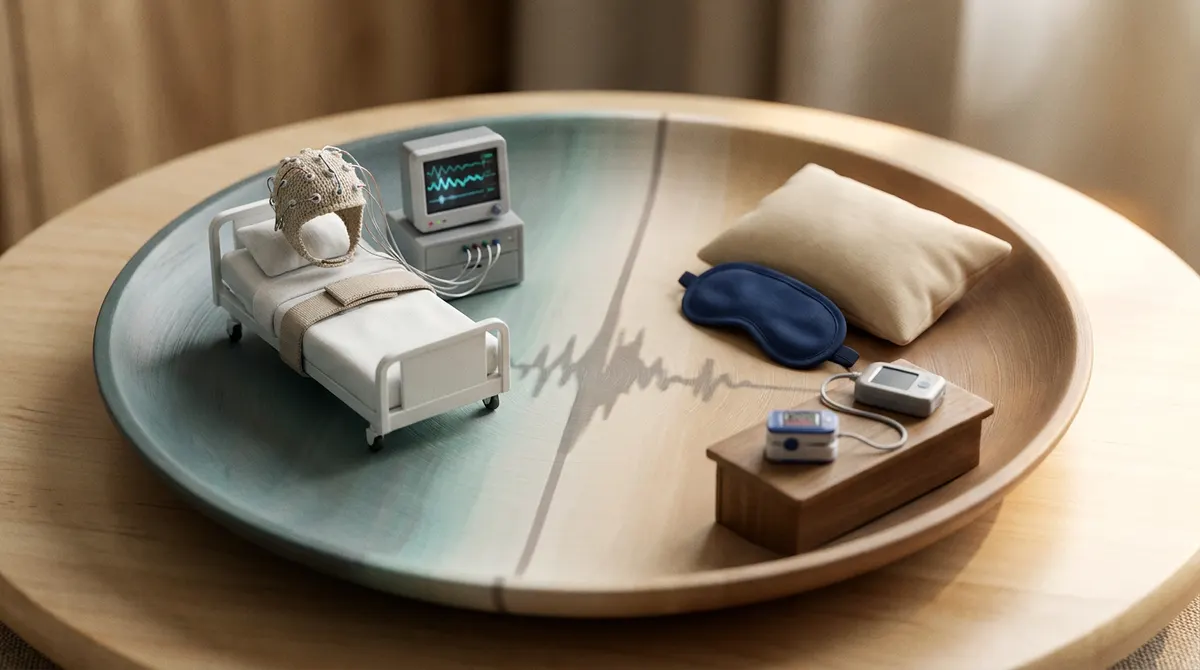
Two primary methods exist for diagnosing sleep apnea: in-lab polysomnography and the home sleep apnea test. Both measure key physiological data during sleep, but they differ significantly in setting, comprehensiveness, and cost.
In-Lab Polysomnography
Polysomnography is the gold standard sleep study for diagnosing all types of sleep disorders. A polysomnogram is conducted overnight at a sleep lab, sleep clinic, or sleep center and records a comprehensive set of data. Sensors attached to the body track brain waves using electroencephalography, eye movements, muscle activity via electromyogram, heart rate and heart rhythms, airflow through the nose and mouth, breathing effort using a belt around the chest and abdomen, blood oxygen levels via an oximeter, and limb movements.
This level of detail makes polysomnography essential when a provider suspects central sleep apnea, narcolepsy, Restless legs syndrome, Circadian rhythm sleep disorders, insomnia, or other complex sleep disorders that a home test cannot detect. According to the American Academy of Sleep Medicine, polysomnography remains the required diagnostic tool when these conditions are part of the clinical picture.
Home Sleep Apnea Test
A home sleep apnea test, also called an HSAT, is a simplified version of a sleep study designed specifically to diagnose obstructive sleep apnea. Home sleep monitoring devices typically measure airflow, breathing effort, oxygen saturation using photoplethysmography or peripheral arterial tonometry, and pulse rate. Some devices, like the NightOwl Home Sleep Test, use compact sensors that attach to the fingertip rather than requiring a full belt and multiple wired connections.
The home sleep test does not record brain waves, eye movements, or detailed sleep cycle data. This means it cannot diagnose central sleep apnea, narcolepsy, or other non-respiratory sleep disorders. However, for adults with a moderate to high pretest probability of obstructive sleep apnea and no significant comorbidities, the AASM recognizes home sleep apnea testing as a valid diagnostic pathway.
dumbo.health offers an at-home sleep test for $149 as a one-time cost. The test device is shipped directly to you, requires one night of testing in your own bed, and produces sleep data that is reviewed by a physician. No insurance is required, no prior authorization is needed, and there are no surprise bills.
Comparing Polysomnography and Home Sleep Apnea Tests
The following comparison highlights the key differences between these two testing methods.
Setting
- polysomnography: Sleep lab, sleep clinic, or sleep center
- Home Sleep Apnea Test: Your own bed at home
Data Recorded
- polysomnography: Brain waves, eye movements, electromyogram, heart rate, airflow, breathing effort, oxygen levels, limb movements
- Home Sleep Apnea Test: Airflow, breathing effort, oxygen saturation, pulse rate
Conditions Diagnosed
- polysomnography: Obstructive sleep apnea, central sleep apnea, narcolepsy, Restless legs syndrome, insomnia, Circadian rhythm sleep disorders, and other sleep disorders
- Home Sleep Apnea Test: Obstructive sleep apnea only
Cost
- Polysomnography: Typically $1,000 to $3,000 or more without insurance
- Home Sleep Apnea Test: Typically $149 to $500 without insurance
Convenience
- Polysomnography: Requires overnight stay at a facility, often with a waitlist
- Home Sleep Apnea Test: Completed at home on your own schedule
Accuracy for Obstructive Sleep Apnea
- Polysomnography: Highest accuracy across all sleep disorders
- Home Sleep Apnea Test: Clinically validated for obstructive sleep apnea in appropriate candidates
For most adults with straightforward symptoms of obstructive sleep apnea, a home sleep apnea test provides sufficient diagnostic accuracy and far greater convenience. Polysomnography is the better choice when complex sleep disorders are suspected or when a home test produces inconclusive results.
KEY TAKEAWAY: A home sleep apnea test is a clinically validated, lower-cost option for diagnosing obstructive sleep apnea, while polysomnography is required for diagnosing central sleep apnea and other complex sleep disorders.
Knowing what each test measures is important, but understanding how to prepare and what to expect matters just as much.
How to Get a Sleep Apnea Test: Step-by-Step Process
Getting tested for sleep apnea involves a clear sequence of steps, from recognizing symptoms to receiving your results and starting treatment. The process is straightforward whether you choose an in-lab study or a home sleep test.
Steps to Complete Sleep Apnea Testing
1. Identify your symptoms. Track how often you snore, experience daytime sleepiness, wake up gasping, or have headaches in the morning. Note your sleep habits, including typical bedtime, wake time, and any disruptions to your sleep cycle.
2. Consult a doctor or sleep specialist. Discuss your symptoms, sleep patterns, and risk factors. Your provider will determine whether a sleep study is appropriate and which type of test to recommend. Many healthcare practitioners now offer telehealth consultations, making it easier to get a referral without an office visit.
3. Choose your testing method. If your provider recommends a home sleep apnea test, you can order one through dumbo.health for $149 with no insurance required. If polysomnography is needed, your provider will schedule an overnight stay at a sleep lab near you.
4. Complete the test. For a home sleep test, attach the sensor according to the instructions, sleep in your normal bed, and return the device the next day. For lab-based sleep studies, arrive at the sleep center in the evening, get connected to monitoring equipment, and sleep under clinical observation.
5. Receive your results. Sleep data is scored and reviewed by a physician or sleep specialist. The primary diagnostic metric is the apnea-hypopnea index, which counts the number of apnea events and hypopnea episodes per hour of sleep. Results are typically available within 3 to 7 business days for home tests, though dumbo.health Premium Plan members receive priority results turnaround.
6. Discuss your diagnosis and treatment plan. Based on your apnea-hypopnea index score and overall sleep data, your provider will recommend a treatment program that may include CPAP therapy, an oral appliance, lifestyle changes, or further evaluation.
After completing these steps, you will have a clear diagnosis and a defined path forward. If you are diagnosed with obstructive sleep apnea, treatment can begin immediately, and many patients report improvement in daytime sleepiness and energy levels within the first few weeks of consistent CPAP therapy.
KEY TAKEAWAY: Sleep apnea testing follows a simple process of symptom recognition, provider consultation, test completion, and results review, with home tests offering the fastest and most convenient pathway for most adults.
Once you receive your results, the next critical step is understanding what those numbers actually mean.
Understanding Your Sleep Apnea Test Results
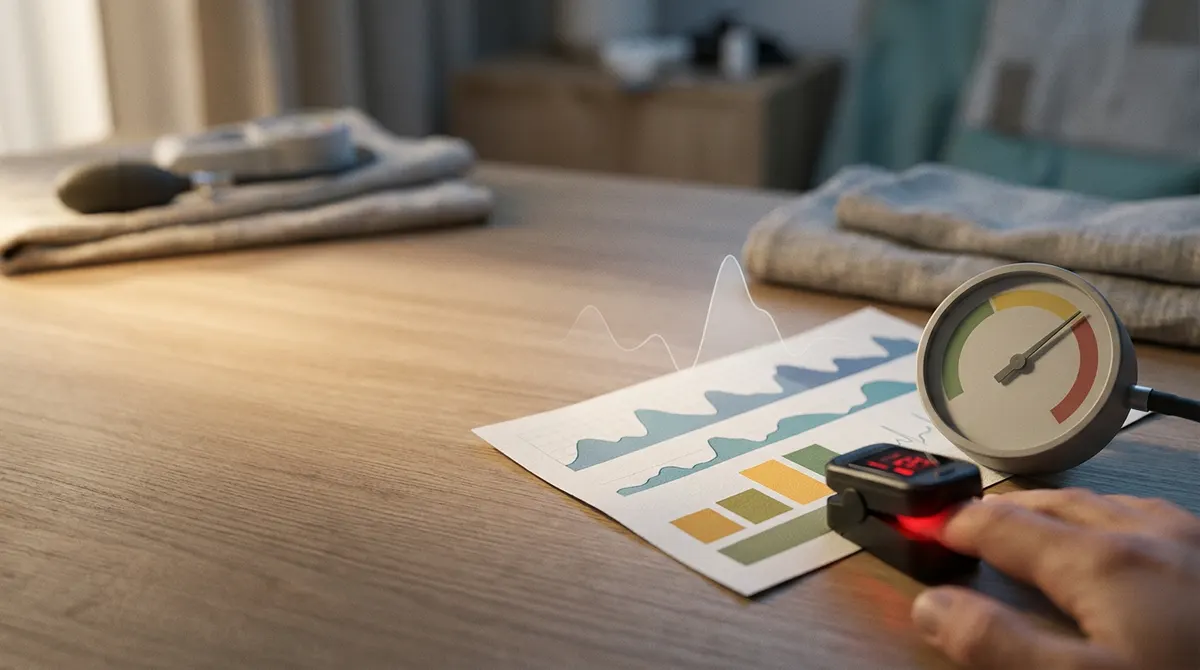
Your sleep apnea diagnosis depends primarily on the apnea-hypopnea index, which is the number of breathing disruptions recorded per hour during your sleep study. This metric is the single most important number in your results.
An apnea event is a complete pause in airflow lasting at least 10 seconds. A hypopnea is a partial reduction in airflow, typically 30% or more, lasting at least 10 seconds and associated with either a 3% or greater drop in oxygen saturation or a brain signal indicating arousal. The apnea-hypopnea index combines both types of events into one score.
AHI Severity Ranges
The American Academy of Sleep Medicine defines severity as follows:
- Normal: fewer than 5 events per hour
- Mild obstructive sleep apnea: 5 to 14 events per hour
- Moderate obstructive sleep apnea: 15 to 29 events per hour
- Severe obstructive sleep apnea: 30 or more events per hour
Additional Metrics in Your Results
Beyond the apnea-hypopnea index, your results may include oxygen saturation data showing the lowest blood oxygen level recorded during sleep, the average blood oxygen level, and the total number and duration of oxygen dips below 90%. Heart rate variability and pulse rate trends may also appear, revealing how your heart responds to each breathing pause.
For in-lab polysomnography, results also include sleep cycle staging based on brain waves, rapid eye movement data, limb movement counts, and total sleep time versus time in bed. These details help a sleep specialist differentiate between obstructive sleep apnea, central sleep apnea, and other sleep disorders.
IMPORTANT: A normal result on a home sleep apnea test does not always rule out sleep apnea. Because home tests do not measure brain activity, they may undercount events in some patients. If your symptoms persist despite a normal HSAT result, your provider may recommend an in-lab polysomnography for a more detailed evaluation.
When you complete a home sleep test through dumbo.health, your sleep data is reviewed by a physician who provides a detailed interpretation and report. This report is included in all monthly care plans, starting with the Essentials Plan at $59 per month, and can be sent directly to your referring provider or DOT examiner.
KEY TAKEAWAY: The apnea-hypopnea index is the primary diagnostic metric for sleep apnea, with 5 or more events per hour confirming a diagnosis, and severity classified as mild, moderate, or severe based on defined thresholds.
With your diagnosis in hand, the next decision is which treatment approach fits your situation.
Sleep Apnea Treatments: From CPAP Therapy to Surgery
CPAP therapy is the most widely prescribed and evidence-supported treatment for moderate to severe obstructive sleep apnea. However, multiple treatment options exist, and the best choice depends on severity, anatomy, and patient preference.
CPAP and Positive Airway Pressure Therapy
Continuous positive airway pressure, or CPAP, works by delivering a steady stream of pressurized air through a mask to keep the upper airway open during sleep. CPAP therapy eliminates apnea events, restores normal oxygen levels, and significantly reduces daytime sleepiness when used consistently. The National Heart, Lung, and Blood Institute states that CPAP is the most effective nonsurgical treatment for obstructive sleep apnea.
Variations of Positive Airway Pressure therapy include BPAP, which delivers different pressure levels for inhalation and exhalation, and auto-CPAP, which automatically adjusts pressure based on real-time breathing patterns. The choice between these depends on your specific pressure needs and comfort.
Modern CPAP equipment includes a compact device, tubing, and a mask. Masks come in nasal, nasal pillow, and full-face configurations. Finding the right mask is critical for adherence, and many patients report that comfort improves significantly after the first few weeks of adjustment.
dumbo.health includes CPAP therapy and equipment in all monthly plans. The Essentials Plan at $59 per month covers the CPAP device, standard follow-up care, and physician interpretation. The Premium Plan at $89 per month adds a dedicated sleep coach and advanced adherence monitoring to help you stay on track, which is especially valuable during the first 90 days when adherence habits are formed.
Oral Appliances
An oral appliance is a custom-fitted dental device that repositions the lower jaw and tongue to keep the airway open during sleep. Oral appliance therapy is typically recommended for mild to moderate obstructive sleep apnea or for patients who cannot tolerate CPAP. According to the American Academy of Sleep Medicine, oral appliances are effective but generally produce lower reductions in apnea-hypopnea index compared to CPAP.
Lifestyle and Behavioral Interventions
Weight loss, positional therapy (avoiding sleeping on the back), reducing alcohol and caffeine consumption, and improving sleep habits can all reduce the severity of obstructive sleep apnea. For some patients with mild cases, lifestyle changes alone may be sufficient. However, these approaches are typically used alongside CPAP or oral appliance therapy rather than as standalone treatments.
Myofunctional therapy, which involves exercises to strengthen the muscles of the throat, tongue, and upper airway, has shown some benefit in reducing mild sleep apnea symptoms, though evidence is limited compared to CPAP.
Surgical Options
Surgery is generally reserved for patients who have not responded to CPAP therapy or oral appliances, or who have a specific anatomical cause such as enlarged tonsils, nasal polyps, or nasal obstruction.
Common surgical procedures include:
- Uvulopalatopharyngoplasty (UPPP), which removes excess tissue from the throat to widen the airway
- Maxillomandibular advancement, which repositions the upper and lower jaw forward to enlarge the airway space
- Hypoglossal Nerve Simulator Implant, a surgically implanted device that stimulates the hypoglossal nerve to keep the tongue from blocking the airway during sleep
- Tracheostomy, which creates a direct opening in the trachea and is reserved for the most severe, life-threatening cases
- Ear, Nose, and Throat Surgeries addressing nasal polyps, deviated septum, or tonsil enlargement
Drug Induced Sleep Endoscopy, or DISE, is a diagnostic procedure where a sleep specialist uses sleep endoscopy and Fiberoptic Nasolaryngoscopy (nasolaryngoscopy) to visualize where the airway collapses during induced sleep. This helps guide surgical decision-making in the field of Otolaryngology and Head and Neck Surgery.
Emerging Treatments
Transvenous phrenic nerve stimulation is an emerging therapy for central sleep apnea that uses an implanted device to stimulate the phrenic nerve and restore natural breathing patterns. Tirzepatide, a medication originally developed for diabetes and weight management, has shown promising results in clinical trials for reducing sleep apnea severity in patients with obesity, though it is not yet a standard treatment for sleep apnea.
TIP: If you are newly diagnosed and unsure which treatment is right for you, start a free sleep assessment at dumbo.health. The assessment helps match you with the appropriate care pathway, and all plans include no contracts and cancel-anytime flexibility.
KEY TAKEAWAY: CPAP therapy is the most effective nonsurgical treatment for obstructive sleep apnea, but oral appliances, lifestyle changes, and surgery are viable alternatives depending on severity and individual anatomy.
Not every testing method works for every person, and understanding the limitations helps you avoid delays in getting an accurate diagnosis.
Limitations and Risks of Sleep Apnea Testing
No sleep apnea test is perfect for every situation, and understanding where tests fall short helps you and your provider make better decisions. Acknowledging these limitations leads to more accurate results and faster treatment.
When a Home Sleep Test May Not Be the Right Choice
A home sleep apnea test is designed specifically to detect obstructive sleep apnea. It is not appropriate for diagnosing central sleep apnea, narcolepsy, Restless legs syndrome, Circadian rhythm sleep disorders, or other complex sleep disorders that require brain wave monitoring and detailed sleep cycle analysis.
If you have significant neurological conditions, heart failure, chronic respiratory disease, or are currently using opioid medications, your provider may bypass the home test entirely and refer you directly to a sleep lab for polysomnography. The American Academy of Sleep Medicine guidelines specify that HSAT should only be used when clinical suspicion for obstructive sleep apnea is moderate to high and there are no significant comorbid conditions.
Risk of False Negatives
Home sleep tests can underestimate the severity of sleep apnea. Because these devices do not measure brain activity, they cannot distinguish between time asleep and time awake. If you sleep poorly during the test night due to discomfort with the sensor, anxiety, or disrupted sleep habits, the device may record fewer apnea events than you actually experience. This can lead to a falsely normal result.
In clinical practice, clinicians frequently observe that patients with strong symptoms but a negative or borderline home test result benefit from a follow-up polysomnogram. dumbo.health addresses this by including physician interpretation in every care plan, so if your results are borderline or inconsistent with your reported symptoms, the reviewing physician can recommend next steps, including referral for an in-lab study.
Equipment and Technical Issues
Both home and lab-based sleep studies depend on sensors staying properly attached throughout the night. A loose oximeter, displaced belt, or improperly sealed mask can compromise sleep data quality. For home tests, patient education on device setup is essential. Most test failures occur because of sensor displacement rather than device malfunction.
Limitations of a Single-Night Test
Sleep apnea severity can vary from night to night based on factors like alcohol consumption, sleep position, caffeine intake, and overall sleep patterns. A single-night test captures only one snapshot of your sleep activity. Some patients with positional or REM-dependent apnea may test normal on a given night. If your symptoms persist despite normal results, discuss the possibility of retesting or pursuing in-lab evaluation with your provider.
KEY TAKEAWAY: Home sleep tests are effective for diagnosing obstructive sleep apnea in appropriate candidates, but they cannot detect central sleep apnea or other sleep disorders, and a single-night test may not capture the full picture for every patient.
Seeing how testing plays out in real scenarios can help you understand what to expect and which path suits your situation.
Real-World Scenarios: Who Gets Tested and How
Sleep apnea testing applies to a wide range of people, from commercial drivers to middle-aged adults with chronic snoring. The following examples illustrate common pathways to diagnosis.
Common Scenarios
A 48-year-old long-haul truck driver with a BMI of 34 is flagged during a DOT physical for a neck circumference of 18 inches and reported daytime sleepiness. The DOT examiner requires a sleep apnea test before issuing medical certification. The driver does not have health insurance and cannot afford a $2,000 in-lab study. He orders a home sleep test through dumbo.health for $149, completes the test at home during a rest stop night, and receives results within days. His apnea-hypopnea index comes back at 22, confirming moderate obstructive sleep apnea. He enrolls in the dumbo.health Essentials Plan at $59 per month, receives a CPAP device, and his updated results are sent directly to his referring DOT provider.
A 55-year-old office worker has been told by her partner that she snores heavily and occasionally stops breathing during the night. She experiences morning headaches and struggles to stay awake during afternoon meetings. Her primary care doctor refers her to a sleep specialist, who orders a home sleep apnea test. Her results reveal an AHI of 8, indicating mild obstructive sleep apnea. She starts oral appliance therapy and adjusts her sleep habits, including reducing caffeine after noon and maintaining a consistent sleep cycle.
A 62-year-old man with a history of heart failure and high blood pressure reports gasping episodes during sleep and unrefreshing rest despite 8 hours in bed. His cardiologist suspects central sleep apnea and refers him directly to a sleep center for an in-lab polysomnography. The polysomnogram reveals a mix of obstructive and central apnea events. His treatment program includes BPAP therapy with a backup respiratory rate setting, along with close follow-up with a sleep medicine team.
A 38-year-old woman with insomnia and restless sleep asks her doctor about sleep apnea but has no snoring, no witnessed apnea events, and a BMI of 23. Her provider suspects her symptoms may be related to insomnia or Restless legs syndrome rather than sleep apnea and orders polysomnography to evaluate multiple sleep disorders simultaneously. The study confirms periodic limb movement disorder but no significant apnea events.
These scenarios demonstrate that the right testing path depends on symptoms, risk factors, comorbidities, and access. For most adults with classic obstructive sleep apnea symptoms, a home sleep test provides a fast, affordable, and clinically valid diagnosis. For complex cases involving heart failure, neurological conditions, or suspected central sleep apnea, lab-based sleep studies remain necessary.
KEY TAKEAWAY: Testing pathways vary based on individual risk factors and suspected conditions, with home sleep tests serving as the most accessible option for straightforward obstructive sleep apnea and polysomnography reserved for complex diagnostic questions.
Many people delay testing because of common misconceptions about what sleep apnea is and how testing works.
Common Myths About Sleep Apnea Testing Debunked
MYTH: Only overweight people get sleep apnea.
FACT: While a higher BMI is a significant risk factor, sleep apnea also occurs in people of normal weight. Anatomical factors such as a narrow airway, enlarged tonsils, nasal obstruction, and jaw structure contribute independently of body weight. The American Academy of Sleep Medicine notes that thin individuals with specific craniofacial features can have clinically significant obstructive sleep apnea.
MYTH: A home sleep test is not accurate enough to diagnose sleep apnea.
FACT: Home sleep apnea tests are clinically validated and endorsed by the American Academy of Sleep Medicine for diagnosing obstructive sleep apnea in adults with moderate to high pretest probability. While they do not capture as much data as polysomnography, they reliably measure airflow, oxygen saturation, and breathing effort, which are the core metrics needed for an obstructive sleep apnea diagnosis.
MYTH: You need insurance to get tested for sleep apnea.
FACT: Insurance is not required for sleep apnea testing. Cash-pay options are widely available. dumbo.health offers a home sleep test for $149 with no insurance, no prior authorization, and no surprise bills. Many patients find that cash-pay testing is faster and more straightforward than navigating insurance approvals.
MYTH: If you snore, you definitely have sleep apnea.
FACT: Snoring is common and does not always indicate sleep apnea. According to the Sleep Foundation, snoring occurs when airflow causes tissue in the throat to vibrate, but it only becomes clinically significant when combined with breathing pauses, oxygen dips, or daytime symptoms. A sleep study is the only way to confirm whether snoring is associated with apnea events.
MYTH: Sleep apnea is not dangerous and does not need treatment.
FACT: Untreated sleep apnea is associated with a significantly increased risk of high blood pressure, cardiovascular disease, heart failure, stroke, and metabolic disease. The National Heart, Lung, and Blood Institute identifies obstructive sleep apnea as an independent risk factor for these conditions. Chronic oxygen dips during sleep place ongoing stress on the heart and blood vessels, and excessive daytime sleepiness increases the risk of motor vehicle accidents.
KEY TAKEAWAY: Misconceptions about weight, test accuracy, insurance requirements, and medical seriousness prevent many people from getting tested, but the evidence is clear that sleep apnea testing is accessible, accurate, and medically important.
Understanding what is true and what is not removes barriers, but knowing who to see and where to get tested in your area is equally important.
Finding a Sleep Specialist or Provider Near You
A sleep specialist, also called a sleep medicine physician, is a doctor with specialized training in diagnosing and treating sleep disorders. Finding the right provider is essential for accurate testing and effective treatment.
You can start by asking your primary care doctor for a referral to a sleep specialist or a sleep center in your area. Many sleep clinics accept both in-lab and home test referrals. The American Academy of Sleep Medicine maintains a directory of accredited sleep centers and sleep experts across the country, which can help you find a provider near you.
For patients who prefer to start testing without waiting for a referral or who do not have a primary care provider, telehealth options have expanded access significantly. dumbo.health offers a fully remote pathway where you can take a free sleep assessment, order a home sleep test, and receive physician-reviewed results without visiting a clinic in person. This is particularly valuable for people in rural areas, commercial drivers on the road, and anyone looking for a no-insurance-required option close to their schedule.
Centers for Medicare and Medicaid Services also cover sleep apnea testing and CPAP therapy for eligible beneficiaries, though coverage rules and prior authorization requirements vary. Cash-pay options like dumbo.health eliminate those administrative hurdles entirely.
Checklist: What to Prepare Before Your Sleep Apnea Test
Before scheduling or completing your sleep study, confirm the following:
- Document your primary symptoms, including snoring severity, witnessed apnea events, gasping episodes, daytime sleepiness, and morning headaches
- Record your typical sleep habits, including bedtime, wake time, and any disruptions to your sleep cycle
- List all current medications, including over-the-counter drugs, supplements, and any medication that affects sleep
- Note your caffeine and alcohol intake, particularly in the hours before bedtime
- Measure your neck circumference and know your current BMI
- Confirm whether your provider recommends a home sleep test or in-lab polysomnography
- If using a home test, verify the device instructions and sensor placement before the test night
- Complete the free sleep assessment at dumbo.health to determine your recommended care pathway
- If applicable, confirm any DOT or employer requirements for testing documentation
- Arrange for uninterrupted sleep on the test night, free of unusual disruptions to your sleep patterns
KEY TAKEAWAY: A sleep specialist can be found through your doctor, accredited sleep center directories, or telehealth platforms like dumbo.health, which provides a fully remote testing pathway with no insurance required.
Cost is one of the biggest barriers to testing, so understanding exactly what you will pay matters.
How Much Does Sleep Apnea Testing Cost Without Insurance

The cost of sleep apnea testing varies widely depending on the type of test, the facility, and whether you use insurance. For many people, the price of testing is the single biggest barrier to getting a diagnosis.
In-lab polysomnography typically costs between $1,000 and $3,000 or more without insurance, depending on location and facility. Lab-based sleep studies at accredited sleep centers may cost more than those at hospital outpatient sleep labs. Insurance may cover part or all of the cost, but prior authorization is often required, which can add weeks of delay.
A home sleep apnea test costs significantly less. Prices at various providers range from $149 to $500 or more for uninsured patients. dumbo.health offers one of the most transparent and affordable options at $149 for the home sleep test, with no insurance required, no prior authorizations, and no surprise bills. The test is purchased as a one-time cost before the test night and is billed separately from monthly care plans.
If you are diagnosed with obstructive sleep apnea and need ongoing treatment, costs continue. CPAP equipment purchased independently can range from $500 to $2,000 for the device alone, plus ongoing costs for masks, filters, and tubing. dumbo.health sleep apnea care plans bundle physician interpretation, CPAP therapy, equipment, and follow-up care into a single monthly price:
- Essentials Plan: $59 per month, which includes CPAP therapy and equipment, physician interpretation and report, standard follow-up care, and updates sent to your referring provider
- Premium Plan: $89 per month, which adds a dedicated sleep coach, advanced adherence monitoring, and priority results turnaround
- Elite Plan: $129 per month, which adds concierge clinical support, direct physician messaging, and custom reporting
All plans operate with no contracts and cancel-anytime flexibility. This pricing model eliminates the uncertainty that comes with insurance billing and makes ongoing care predictable.
DID YOU KNOW: According to the American Academy of Sleep Medicine, CPAP adherence rates improve significantly when patients receive structured follow-up and coaching during the first 90 days of therapy, which is why dumbo.health's Premium Plan includes a dedicated sleep coach and advanced adherence monitoring.
KEY TAKEAWAY: Sleep apnea testing costs range from $149 for a home test through dumbo.health to $3,000 or more for in-lab polysomnography, and bundled care plans starting at $59 per month make ongoing treatment predictable and affordable.
Testing and treatment are only half the equation. Understanding the long-term health consequences of untreated sleep apnea reinforces why prompt action matters.
Why Untreated Sleep Apnea Is Medically Serious
Untreated obstructive sleep apnea increases the risk of multiple serious medical conditions. The health consequences extend far beyond poor sleep quality and daytime fatigue.
Each apnea event causes a temporary drop in blood oxygen levels, triggering a stress response that raises blood pressure and heart rate. Over time, these repeated oxygen dips place chronic strain on the cardiovascular system. The National Heart, Lung, and Blood Institute identifies untreated obstructive sleep apnea as an independent risk factor for high blood pressure, heart failure, stroke, and cardiovascular disease.
According to the CDC, adults with untreated sleep apnea are more likely to develop type 2 diabetes, metabolic disease, and obesity, creating a cycle where excess weight worsens airway obstruction and sleep apnea worsens metabolic function. The brain is also affected: chronic intermittent hypoxia from repeated oxygen dips is associated with cognitive decline, memory impairment, and mood disorders.
Sleep apnea causes an estimated 7-fold increase in the risk of motor vehicle accidents due to excessive daytime sleepiness, according to data referenced by the National Highway Traffic Safety Administration. For commercial drivers, this risk has direct implications for DOT medical certification and career sustainability.
Obstructive sleep apnea is also linked to disturbances in heart rhythms, including atrial fibrillation. The repeated surges in blood pressure and oxygen desaturation stress the heart muscle, and people with severe untreated apnea face a substantially elevated risk of sudden cardiac events during sleep.
Restful sleep is not a luxury. It is a physiological necessity. Sleep apnea disrupts the restorative stages of the sleep cycle, including deep sleep and REM sleep, which are essential for brain repair, immune function, and metabolic regulation. People who undergo testing and treatment often find that improvements in energy, concentration, and mood are noticeable within weeks of consistent CPAP use.
KEY TAKEAWAY: Untreated sleep apnea is directly associated with high blood pressure, heart failure, stroke, cardiovascular disease, and a significantly elevated risk of motor vehicle accidents, making timely testing and treatment a medical priority.
Understanding the stakes makes the next step clearer: getting tested and starting treatment as soon as possible.
Conclusion
Getting tested for sleep apnea is one of the most impactful steps you can take for your long-term health. The process is straightforward, with home sleep testing offering a fast, clinically validated, and affordable pathway to diagnosis for most adults with obstructive sleep apnea symptoms. Once diagnosed, effective treatments like CPAP therapy are available and can produce noticeable improvements in sleep quality, energy, and cardiovascular health within weeks.
If you suspect you may have sleep apnea, do not wait for symptoms to worsen. dumbo.health makes testing accessible with a home sleep test for $149, no insurance required, and ongoing care plans starting at $59 per month with no contracts and cancel-anytime flexibility. Take the first step today and find out where you stand.
Frequently Asked Questions About How to Get Tested for Sleep Apnea
What is sleep apnea?
Sleep apnea is a sleep disorder in which breathing repeatedly stops and starts during sleep. The most common form is obstructive sleep apnea (OSA), which occurs when the muscles supporting the upper airway relax and temporarily block airflow. Central sleep apnea is less common and occurs when the brain fails to send proper signals to the muscles that control breathing. According to the American Academy of Sleep Medicine, untreated sleep apnea is associated with increased risk of high blood pressure, cardiovascular disease, stroke, and daytime sleepiness. A healthcare professional can help determine whether evaluation is appropriate based on your symptoms and risk factors.
What are the common symptoms of sleep apnea?
The most recognised symptoms of sleep apnea include loud snoring, gasping or choking during sleep, breathing pauses observed by a partner, waking with a dry mouth or headache, and excessive daytime sleepiness. Some people also experience difficulty staying focused, irritability, or waking repeatedly during the night even after what feels like a full night's sleep. Not everyone with sleep apnea snores, and not everyone who snores has sleep apnea. If you regularly feel tired after sleeping, have been told you stop breathing at night, or struggle to stay awake during routine tasks like reading or driving, speaking with a healthcare professional is a sensible next step.
Do I feel tired during the day even after a full night of sleep?
Waking up tired after sleeping a full night is one of the most common signs that sleep quality may be disrupted. In obstructive sleep apnea, repeated breathing pauses fragment the sleep cycle, preventing the body from reaching the deeper, restorative stages of sleep. This can result in unrefreshing sleep, difficulty concentrating, irritability, and persistent daytime fatigue even when total sleep time appears adequate. Daytime sleepiness caused by untreated sleep apnea can also increase the risk of accidents, particularly for people who drive professionally or for long distances. A sleep assessment can help identify whether testing may be worthwhile.
Has anyone told you that you snore loudly or stop breathing during sleep?
Loud snoring and observed breathing pauses during sleep are two of the strongest indicators that obstructive sleep apnea may be present. Because most sleep apnea events occur during unconscious sleep, partners or household members are often the first to notice gasping sounds, choking episodes, or complete pauses in breathing. If someone has told you that you snore loudly or stop breathing during the night, this information is clinically relevant and worth discussing with a healthcare professional. Keeping a note of how often this happens and whether it occurs in a specific sleep position or after alcohol consumption can also help during a clinical evaluation.
What is a sleep apnea test?
A sleep apnea test is a diagnostic evaluation that measures breathing patterns, oxygen levels, and related physiological signals during sleep to identify whether apnea events are occurring. The two main types are a home sleep apnea test (HSAT) and an in-lab sleep study known as polysomnography. An HSAT uses a portable device worn during sleep at home to track airflow, oxygen saturation, heart rate, and respiratory effort. Polysomnography is conducted in a sleep lab and additionally monitors brain waves, eye movements, muscle activity via electromyogram, and heart rhythms. The appropriate test type depends on symptom severity, medical history, and clinical judgment.
How is sleep apnea diagnosed?
Sleep apnea is diagnosed by a qualified healthcare professional or sleep specialist using data from a sleep study, either a home sleep apnea test or an in-lab polysomnogram. The key diagnostic measure is the apnea-hypopnea index (AHI), which counts the average number of apnea and hypopnea events per hour of sleep. According to the American Academy of Sleep Medicine, an AHI of 5 to 14 events per hour is classified as mild OSA, 15 to 29 as moderate, and 30 or more as severe. A physician reviews the sleep data, considers your symptoms and medical history, and makes a clinical determination. Testing alone does not produce a diagnosis without physician interpretation.
How do you get tested for sleep apnea?
Getting tested for sleep apnea typically involves three steps: identifying symptoms, selecting the appropriate test type, and having a physician review the results. For many adults with suspected obstructive sleep apnea and no complex medical history, a home sleep apnea test is a clinically appropriate starting point. You can begin by completing a sleep assessment to evaluate whether at-home testing may suit your situation. If your symptoms are straightforward, an HSAT ordered through a qualified provider allows you to complete the test in your own bed. For more complex cases, such as suspected central sleep apnea or significant comorbidities, an in-lab sleep study may be recommended by your clinician. Start with a free sleep assessment to explore whether at-home testing is a reasonable next step.
Can sleep apnea be diagnosed without a sleep study?
Sleep apnea cannot be reliably diagnosed without a formal sleep study. Symptoms such as snoring, daytime sleepiness, or observed breathing pauses can indicate a high probability of sleep apnea, but they are not sufficient for a clinical diagnosis on their own. Conditions including hypothyroidism, narcolepsy, restless legs syndrome, insomnia, and circadian rhythm sleep disorders can produce overlapping symptoms. Blood work does not diagnose sleep apnea, though it may identify related conditions. A home sleep apnea test or polysomnography, followed by physician interpretation, is the accepted pathway to diagnosis. A healthcare professional can help determine which type of study is appropriate based on your symptoms and medical history.
Does blood work show sleep apnea?
Blood work cannot diagnose sleep apnea. Sleep apnea is identified by measuring breathing events, oxygen saturation, and airflow during sleep, not through blood markers. However, blood tests may reveal related conditions such as hypothyroidism, which can contribute to sleep apnea symptoms, or they may show secondary effects of untreated sleep apnea such as elevated markers associated with cardiovascular disease or metabolic conditions. If blood results are abnormal alongside sleep symptoms, a healthcare professional may recommend a sleep study to assess whether obstructive sleep apnea is a contributing factor. A sleep study remains the required diagnostic tool.
How does an at-home sleep apnea test work?
A home sleep apnea test uses a portable monitoring device worn during a normal night of sleep at home. The device typically includes a nasal airflow sensor, a pulse oximeter to measure blood oxygen levels and pulse rate, and a belt placed around the chest and abdomen to detect respiratory effort. Some devices also use photoplethysmography or peripheral arterial tonometry to gather additional physiological data. The device records sleep activity throughout the night, and the collected data is then reviewed and interpreted by a qualified sleep physician. Results are generally expressed as an apnea-hypopnea index score, which reflects the average number of breathing pauses per hour. Learn more about the at-home sleep test process.
What does a home sleep apnea test measure?
A home sleep apnea test measures key signals related to breathing and oxygenation during sleep. These typically include airflow through the nose and mouth, blood oxygen saturation (SpO2), oxygen dips during apnea events, pulse rate or heart rate, and respiratory effort through chest and abdomen movement. Some advanced devices also record body position and snoring intensity. What a home sleep test does not directly measure, unlike a full polysomnogram, includes brain waves, full heart rhythms, detailed eye movements, and limb muscle activity via electromyogram. This makes HSATs well suited for diagnosing obstructive sleep apnea in adults with a moderate to high clinical probability, but less suitable for complex diagnostic scenarios.
How accurate are home sleep apnea tests?
Home sleep apnea tests are clinically validated for diagnosing obstructive sleep apnea in adults who are likely candidates based on symptoms and medical history. The American Academy of Sleep Medicine supports HSAT as an appropriate diagnostic tool for uncomplicated suspected OSA. Because HSATs do not capture total sleep time with the same precision as a polysomnogram, they can sometimes underestimate AHI, meaning the true severity may be slightly higher than reported. False negatives are possible, particularly in people with milder apnea. Despite this limitation, HSATs reliably identify moderate to severe obstructive sleep apnea in the majority of appropriate candidates. A physician reviewing the results can advise whether the findings are conclusive or whether further in-lab testing is warranted.
When is a home sleep apnea test appropriate?
A home sleep apnea test is appropriate for adults who have symptoms consistent with obstructive sleep apnea, such as snoring, daytime sleepiness, or observed breathing pauses, and who do not have significant comorbidities that would complicate interpretation. The American Academy of Sleep Medicine recommends HSAT as suitable for patients with a high pre-test probability of moderate to severe obstructive sleep apnea who are otherwise in reasonable health. Home testing is generally not recommended as the first-line study for people with suspected central sleep apnea, significant heart failure, neuromuscular disease, neurological conditions affecting breathing, or complex sleep disorders such as narcolepsy or restless legs syndrome that require full polysomnographic evaluation. A healthcare professional can advise whether an HSAT or in-lab study is more appropriate for your situation.
What are the limitations of a home sleep apnea test?
The main limitations of a home sleep apnea test are that it measures fewer physiological signals than a full polysomnogram, does not record brain waves or detailed sleep staging, and may underestimate AHI in some individuals. Equipment can occasionally shift during sleep, which may affect signal quality. If a home study returns a negative or inconclusive result but symptoms remain strong, a healthcare professional may recommend an in-lab polysomnography for a more complete evaluation. Home tests also cannot reliably diagnose central sleep apnea, treatment-emergent central sleep apnea, narcolepsy, insomnia, or circadian rhythm sleep disorders. Understanding these limitations helps set accurate expectations and ensures that results are interpreted within the full clinical picture.
How many times can I take an at-home sleep apnea test?
There is no strict medical limit on how many times an at-home sleep apnea test can be taken. A repeat test may be clinically appropriate if the initial result was inconclusive due to equipment issues, poor signal quality, or if a result was negative but symptoms persist and clinical suspicion remains high. Repeat testing may also be ordered after treatment begins to assess whether therapy such as CPAP is effectively controlling apnea events. The decision to repeat testing should be guided by a healthcare professional based on the quality of the initial study and whether the results align with your reported symptoms.
What sleep disorders can a home sleep apnea test detect?
Home sleep apnea tests are specifically designed to detect obstructive sleep apnea in adults. They are not designed to diagnose the full range of sleep disorders. Conditions such as central sleep apnea, narcolepsy, restless legs syndrome, insomnia, circadian rhythm sleep disorders, and parasomnias generally require full in-lab polysomnography, which captures brain waves, detailed sleep staging, limb movements, and eye activity that an HSAT does not record. If a home study returns negative results but symptoms of a sleep disorder persist, a healthcare professional may recommend further evaluation at a sleep center or sleep clinic to investigate other potential causes.
What is the difference between a home sleep apnea test and a polysomnogram?
A home sleep apnea test (HSAT) and a polysomnogram are both used to evaluate sleep apnea, but they differ significantly in scope. A polysomnogram is conducted in a sleep lab overnight and records brain waves, eye movements, muscle activity via electromyogram, heart rhythms, oxygen levels, airflow, and respiratory effort. It is considered the gold standard for comprehensive sleep disorder diagnosis. An HSAT is a portable, simplified version that monitors airflow, oxygen saturation, pulse rate, and respiratory effort at home. It is appropriate for uncomplicated suspected obstructive sleep apnea but cannot diagnose the full range of sleep disorders. Polysomnography is generally recommended when HSAT results are inconclusive or when complex sleep disorders are suspected.
What if I cannot sleep well during a sleep study?
Concern about not sleeping normally during a study is common, particularly for in-lab polysomnography. Most sleep labs are designed to be comfortable, and technicians are experienced at helping patients settle. In practice, even a modest amount of sleep is usually sufficient to gather usable diagnostic data. For home sleep apnea tests, the comfort of sleeping in your own bed often makes this less of a concern. If you take medications that affect sleep, use caffeine regularly, or have significant anxiety about the study, it is worth discussing this with your healthcare professional beforehand, as they may offer guidance on preparation or adjust the testing approach accordingly.
How should I prepare for an at-home sleep apnea test?
Preparation for an at-home sleep apnea test is straightforward. On the test night, follow your normal routine as closely as possible, as this produces the most representative results. Avoid alcohol and caffeine in the hours before sleep, as both can affect breathing patterns and sleep quality. Do not take sleep medications unless prescribed, and avoid napping during the day before the test. Follow the setup instructions provided with the device carefully, ensuring the nasal sensor, oximeter, and respiratory belt are positioned correctly before sleep. Sleeping in your usual position is recommended. Your physician or testing provider will give specific instructions based on the device being used.
How do I interpret home sleep apnea test results?
home sleep apnea test results are interpreted by a qualified sleep physician, not by the patient independently. The primary output is the apnea-hypopnea index, which reflects how many apnea and hypopnea events occur per hour of sleep. Supporting data typically includes oxygen saturation levels, the frequency and duration of oxygen dips, pulse rate variability, and positional information. A physician reviews this data alongside your symptoms and medical history to determine whether obstructive sleep apnea is present and, if so, how severe it is. Results are then used to recommend appropriate treatment, which may include CPAP therapy, an oral appliance, lifestyle changes, or referral for further evaluation. Never attempt to self-diagnose from raw sleep data without clinician review.
What are the pros and cons of a home sleep study?
The main advantages of a home sleep study are convenience, comfort, lower cost compared to in-lab testing, no need to travel to a sleep clinic, and the ability to sleep in your own environment, which some people find produces more natural results. Home tests are also faster to access in many cases. The limitations include a narrower range of signals captured compared to polysomnography, potential for minor AHI underestimation, no real-time technical support if equipment shifts during the night, and unsuitability for diagnosing conditions beyond obstructive sleep apnea. For straightforward suspected OSA in otherwise healthy adults, a home sleep test is a clinically sound and practical first-line option.
Who should consider getting tested for sleep apnea?
Testing for sleep apnea may be worth considering for adults who regularly snore loudly, experience daytime sleepiness or fatigue despite adequate sleep time, have been observed gasping or stopping breathing during sleep, frequently wake with headaches or a dry mouth, or have risk factors including obesity, high blood pressure, a family history of sleep apnea, or a large neck circumference. The NHLBI notes that sleep apnea is underdiagnosed, with many people remaining unaware of their condition for years. If you recognise these symptoms in yourself, or a partner has mentioned concerns about your breathing during sleep, a healthcare professional can help you assess whether sleep testing is appropriate.
What could be mistaken for sleep apnea?
Several conditions can produce symptoms that overlap with obstructive sleep apnea, making accurate diagnosis important. Hypothyroidism can cause fatigue, weight gain, and sleep disruption. Narcolepsy causes excessive daytime sleepiness. Restless legs syndrome disrupts sleep continuity. Insomnia, depression, anaemia, and circadian rhythm sleep disorders can all produce daytime fatigue and difficulty concentrating. Nasal obstruction from nasal polyps or structural issues can cause snoring without apnea. In some cases, central sleep apnea or treatment-emergent central sleep apnea may be present alongside or instead of obstructive sleep apnea. Only a qualified healthcare professional reviewing sleep study data alongside your full medical history can distinguish between these possibilities reliably.
Do I need a prescription for a CPAP machine?
Yes, in most cases a prescription from a licensed healthcare professional is required to obtain a CPAP machine. This is because CPAP therapy involves applying positive airway pressure to maintain an open upper airway during sleep, and the appropriate pressure settings must be determined based on your sleep study results and clinical assessment. Using a CPAP machine without a proper prescription and physician guidance may result in incorrect pressure settings that are ineffective or uncomfortable. If you are an existing CPAP user who needs a new prescription, or if you are starting CPAP therapy following a diagnosis, a qualified provider can issue the necessary documentation as part of your ongoing care. Learn about CPAP therapy and equipment through dumbo.health.
What treatments are available for sleep apnea?
Treatment for obstructive sleep apnea depends on severity, anatomy, and individual patient factors. The most common and evidence-based treatment is CPAP therapy, which uses a mask and machine to deliver continuous positive airway pressure to keep the upper airway open during sleep. BPAP therapy, which delivers different pressure levels for inhalation and exhalation, is used in some cases. Oral appliance therapy, provided by a dentist with sleep medicine training, can be effective for mild to moderate OSA. Surgical options include uvulopalatopharyngoplasty, maxillomandibular advancement, tonsil removal, nasal obstruction correction, and hypoglossal nerve stimulator implant procedures. Lifestyle changes such as weight reduction, positional therapy, and myofunctional therapy may also contribute. A healthcare professional can advise which treatments are appropriate based on your diagnosis and test results.
What is CPAP therapy and how does it work?
CPAP, or continuous positive airway pressure, is the most widely prescribed treatment for moderate to severe obstructive sleep apnea. A CPAP machine delivers a steady stream of pressurised air through a mask worn over the nose or nose and mouth during sleep. This air pressure acts as a pneumatic splint, keeping the upper airway open and preventing the throat muscles from collapsing in a way that would block airflow and cause apnea events. Auto-CPAP devices automatically adjust the delivered pressure throughout the night in response to changes in breathing patterns. Effective CPAP therapy reduces the apnea-hypopnea index, improves oxygen saturation during sleep, reduces daytime sleepiness, and may benefit blood pressure and cardiovascular health over time. Mask fit and pressure settings should be guided by a clinician.
What is CPAP adherence and why does it matter?
CPAP adherence refers to how consistently and for how long a patient uses their CPAP machine each night. Clinical standards generally define adequate adherence as using CPAP for at least four hours per night on at least 70 percent of nights. Adherence matters because the health benefits of CPAP, including reduced daytime sleepiness, improved blood oxygen levels, and cardiovascular risk reduction, are closely linked to consistent nightly use. Poor adherence limits these benefits and can leave sleep apnea effectively untreated. Common barriers to adherence include mask discomfort, nasal congestion, difficulty tolerating air pressure, and anxiety. Ongoing follow-up with a care team, mask fitting support, and adherence monitoring can help patients maintain effective therapy. dumbo.health monthly plans include adherence follow-up and, for higher-tier plans, advanced adherence monitoring through a licensed care team.
How much does a sleep apnea test cost?
The cost of sleep apnea testing varies depending on the test type and provider. In-lab polysomnography at a sleep center can cost several hundred to several thousand dollars, with costs varying by region and insurance coverage. Home sleep apnea tests are considerably less expensive. dumbo.health offers an at-home sleep test for a one-time fee of $149, with no insurance required, no prior authorizations, and no surprise bills. This includes the home test device and one night of testing. Ongoing care including physician interpretation, a formal report, CPAP therapy, equipment, and adherence follow-up is available through separate monthly plans starting at $59 per month with no long-term contracts. Explore at-home sleep testing and transparent cash-pay pricing.
Does insurance cover a home sleep apnea test?
Insurance coverage for home sleep apnea tests varies by plan, insurer, and eligibility criteria. Many insurance plans do cover HSAT when ordered by a physician and when specific diagnostic criteria are met, but prior authorization requirements, deductibles, and out-of-pocket costs can vary significantly. Some patients find that cash-pay options are simpler, faster, and more predictable in cost. dumbo.health operates on a transparent cash-pay model with no insurance required, no prior authorizations, and no surprise bills. The home sleep test is $149 one-time. For patients who prefer to use insurance, checking directly with your insurer about HSAT coverage and in-network provider options is recommended before booking.
What happens after a home sleep apnea test?
After completing a home sleep apnea test, the recorded sleep data is reviewed and interpreted by a qualified sleep physician. The physician produces a clinical report that includes your apnea-hypopnea index, oxygen saturation data, and a diagnosis where supported by the results. Based on these findings, a treatment plan may be recommended, which could include CPAP therapy, an oral appliance, lifestyle changes, or referral to a sleep specialist or Ear, Nose and Throat specialist for further evaluation. Results and recommendations are typically communicated to you and, where applicable, to your referring provider. dumbo.health monthly plans include physician interpretation, a formal report, and ongoing care coordination with updates sent to your referring provider.
What is included in a dumbo.health monthly care plan?
dumbo.health offers three monthly plans for ongoing sleep apnea care, all with no contracts and the option to cancel anytime. The Essentials Plan at $59 per month includes physician interpretation and a formal report, CPAP therapy and equipment, standard follow-up care, and provider updates. The Premium Plan at $89 per month adds a dedicated sleep coach from a licensed care team, advanced adherence monitoring, and priority results turnaround. The Elite Plan at $129 per month further adds concierge clinical support with priority care team access, direct physician messaging, and custom reporting. The home sleep test itself is a separate one-time cost of $149. Compare sleep apnea care options to find the plan that fits your needs.
Should I see a sleep specialist?
Whether you need to see a sleep specialist depends on your symptoms, the complexity of your case, and the results of any initial testing. Many adults with suspected straightforward obstructive sleep apnea can be appropriately evaluated and managed with a home sleep apnea test and physician interpretation without requiring a specialist referral initially. A referral to a sleep specialist or sleep medicine physician is more likely to be recommended if your home study is inconclusive, if central sleep apnea or complex sleep disorders are suspected, if you have significant comorbidities such as heart failure or neurological conditions, if standard treatments are not working, or if surgical options such as a hypoglossal nerve stimulator implant or upper airway surgery are being considered. A healthcare professional can guide whether specialist involvement is appropriate.
Can sleep apnea affect commercial drivers and CDL holders?
Sleep apnea is a significant concern for commercial drivers because untreated obstructive sleep apnea is associated with excessive daytime sleepiness, impaired reaction time, and increased crash risk. The FMCSA does not currently have a specific federal sleep apnea regulation, but certified medical examiners are required to assess whether a driver has a medical condition that could affect safe operation of a commercial motor vehicle. A driver identified as being at high risk for sleep apnea may be referred for testing before a medical certificate is issued or renewed. Completing testing and demonstrating effective treatment through documented CPAP adherence can support a driver's fitness determination. A certified medical examiner, not dumbo.health, makes all DOT certification decisions. Learn more about at-home sleep testing for truck drivers.
How can commercial drivers access sleep apnea testing?
Commercial drivers who need sleep apnea evaluation can access home sleep apnea testing without the need for insurance or lengthy prior authorizations. At-home testing allows drivers to complete the study at home on a night that works within their schedule, rather than requiring an overnight stay at a sleep center. dumbo.health supports commercial drivers with at-home sleep apnea testing, physician interpretation, formal reports, CPAP therapy, and adherence documentation that can be shared with a certified medical examiner. Testing and treatment documentation can support the driver's fitness determination process, though the certified medical examiner retains full authority over DOT certification decisions. For further detail on the process, see the CDL driver sleep apnea test guide.
What is the apnea-hypopnea index?
The apnea-hypopnea index (AHI) is the primary metric used to diagnose and classify the severity of sleep apnea. It measures the average number of apnea events (complete breathing pauses) and hypopnea events (partial reductions in airflow) per hour of sleep. An AHI below 5 is generally considered normal in adults. An AHI of 5 to 14 indicates mild obstructive sleep apnea, 15 to 29 indicates moderate OSA, and 30 or above indicates severe OSA. The AHI is calculated from sleep study data, whether from a home sleep apnea test or polysomnography, and is reviewed by a physician alongside oxygen saturation data and clinical symptoms to determine whether and how to treat sleep apnea.
What is the role of a sleep physician in the testing process?
A sleep physician is a qualified healthcare professional who reviews sleep study data, interprets results, and makes clinical determinations about whether a sleep disorder such as obstructive sleep apnea is present. In the context of a home sleep apnea test, the sleep physician analyses the recorded airflow, oxygen saturation, and respiratory effort data to calculate the AHI and assess oxygen dip frequency and severity. Based on this analysis and the patient's clinical history, the physician produces a formal diagnostic report and recommends an appropriate treatment plan. Without physician interpretation, raw sleep data from an HSAT does not constitute a diagnosis. dumbo.health monthly plans include physician interpretation and a formal written report as standard.
Are there other treatments for sleep apnea beyond CPAP?
Yes, several alternatives to CPAP therapy exist, depending on the type and severity of sleep apnea and individual patient factors. Oral appliance therapy, which uses a custom-fitted dental device to reposition the jaw and keep the airway open, is recognised as an effective treatment for mild to moderate obstructive sleep apnea. Surgical interventions include uvulopalatopharyngoplasty, maxillomandibular advancement, nasal surgery for obstruction, tonsil removal, and hypoglossal nerve stimulator implant procedures such as the hypoglossal nerve stimulator (also referenced commercially as Inspire). Drug-induced sleep endoscopy (DISE) or fiberoptic nasolaryngoscopy may be used prior to surgery to assess the anatomy of airway collapse. Positional therapy and myofunctional therapy can also contribute to symptom management. Treatment decisions should be made with a qualified healthcare professional.
What is the link between sleep apnea and high blood pressure?
Obstructive sleep apnea is closely associated with high blood pressure. Repeated apnea events during sleep cause intermittent oxygen desaturation, which activates the sympathetic nervous system and drives repeated spikes in blood pressure throughout the night. Over time, this sustained nocturnal stress response can contribute to persistent daytime hypertension. The NHLBI notes that sleep apnea is one of the most common secondary causes of high blood pressure. Effective treatment with CPAP therapy may reduce blood pressure in patients with both conditions, though the degree of benefit varies and should be assessed by a healthcare professional alongside any existing medication regimen. Untreated sleep apnea is also associated with increased risk of cardiovascular disease, heart failure, and stroke.
What is the link between sleep apnea and heart health?
Obstructive sleep apnea places significant strain on the cardiovascular system. Repeated breathing pauses during sleep cause drops in blood oxygen levels, sudden blood pressure surges, and increased heart rate variability. Over time, these repeated stressors are associated with an elevated risk of high blood pressure, coronary artery disease, heart failure, atrial fibrillation, and stroke. The American Academy of Sleep Medicine has identified untreated OSA as a significant contributor to cardiovascular morbidity. Effective treatment with CPAP therapy supports better oxygen saturation throughout the night and may reduce some cardiovascular risks, though outcomes vary by individual. Anyone with known cardiovascular disease who also experiences sleep apnea symptoms should discuss evaluation with their healthcare professional promptly.
When should I seek urgent medical care related to sleep symptoms?
If you experience severe chest pain, sudden shortness of breath, difficulty breathing at rest, or signs of stroke such as sudden facial drooping, arm weakness, or speech difficulty, seek emergency medical care immediately. These are not sleep apnea management situations and require prompt clinical attention. For concerning but non-emergency symptoms such as persistent severe daytime sleepiness, frequent waking with gasping or choking, or significant unrefreshing sleep over a prolonged period, schedule an appointment with a healthcare professional to discuss whether sleep testing is appropriate. dumbo.health supports testing and ongoing care but is not a substitute for emergency medical care or a personal physician.
Related Home Sleep Apnea Test Topics
- How Do You Get a Home Sleep Apnea Test The Complete Guide to At-Home Sleep Testing
- Sleep Apnea Diagnosis How Sleep Apnea Is Detected, Tested, and Confirmed
- Sleep Test to CPAP How Sleep Apnea Testing Leads to Treatment
- At-Home Sleep Apnea Test The Complete Guide to Testing, Results, and Treatment
- Sleep Apnea Test at Home The Complete Guide to Home Sleep Testing for Adults
- Sleep Apnea Test The Complete Guide to Diagnosis, Home Testing, and What Your Results Mean
- Sleep Apnea Testing The Complete Guide to Diagnosis, Home Tests, and What Your Results Mean
- Sleep Apnea Testing Near Me How to Find the Right Test, Provider, and Path to Diagnosis
- How Is a Home Sleep Apnea Test Done A Complete Guide to At-Home Sleep Testing
- Can You Test for Sleep Apnea at Home A Complete Guide to Home Sleep Testing
- How Does a Home Sleep Apnea Test Work A Complete Guide to At-Home Sleep Testing
- Home Sleep Test The Complete Guide to At-Home Sleep Apnea Testing
- Apnea Monitor The Complete Guide to Breathing Monitors for Sleep Apnea and Infant Care
- What Is a Home Sleep Apnea Test How At-Home Sleep Testing Works, What It Measures, and Who Needs One
- Home Sleep Apnea Test The Complete Guide to At-Home Sleep Apnea Testing
- Sleep Apnea Checker How to Screen for Sleep Apnea and What Your Results Mean
- Home Sleep Apnea Test Near Me How to Get Tested Without a Sleep Lab Visit
- HSAT The Complete Guide to Home Sleep Apnea Testing
- Disadvantages of Home Sleep Testing What Patients and Providers Need to Know
- CPAP Test What It Is, How It Works, and What Your Results Mean
- Sleep Apnea Test Near Me How to Find Local and At-Home Testing Options
- How Long Does a Home Sleep Apnea Test Take What to Expect Before, During, and After Testing
- What Does a Home Sleep Apnea Test Consist Of Sensors, Equipment, and What to Expect
- Does Anyone Ever Pass a Sleep Apnea Test What Normal Results Actually Look Like
- Cost of Sleep Apnea Testing What You Will Actually Pay
- Best At Home Sleep Apnea Test A Clinical Comparison
AI summary
Sleep apnea testing is a diagnostic evaluation that measures breathing disruptions during sleep to confirm obstructive sleep apnea (OSA) or other sleep disorders. The two main options are in-lab polysomnography and a home sleep apnea test (HSAT). Polysomnography is performed in a sleep lab and records electroencephalography (brain waves), eye movements, electromyogram activity, heart rhythms, airflow, breathing effort, oxygen saturation, and limb movements. It is required when central sleep apnea, narcolepsy, insomnia, restless legs syndrome, or circadian rhythm sleep disorders are suspected. HSAT is designed to diagnose OSA in adults with moderate to high pretest probability and no significant comorbidities. It typically measures airflow, respiratory effort, oxygen saturation (SpO2), and pulse rate using technologies such as photoplethysmography or peripheral arterial tonometry. Results are interpreted by a physician using the apnea-hypopnea index (AHI). AHI ranges are: normal under 5; mild 5–14; moderate 15–29; severe 30 or more. HSAT can undercount events and may require follow-up polysomnography if symptoms persist. Treatments discussed include CPAP, BPAP, auto-CPAP, oral appliances, lifestyle interventions, and selected surgical options.

Nicolas Nemeth
Co-Founder
Nico is the co-founder of Dumbo Health, a digital sleep clinic that brings the entire obstructive sleep apnea journey home. Patients skip the sleep lab and the long wait to see a specialist. Dumbo Health ships an at home test, connects patients with licensed sleep clinicians by video, and delivers CPAP or a custom oral appliance with ongoing coaching and automatic resupply in one clear subscription.
Keep reading

VA At Home Sleep Apnea Test: The Complete Guide for Veterans

Home Sleep Apnea Test App: What Works, What Doesn't, and How to Get a Real Diagnosis


