Sleep Apnea Checker: How to Screen for Sleep Apnea and What Your Results Mean
This guide explains what a sleep apnea checker is and how it fits into the path from symptoms to a confirmed diagnosis. It reviews the most important warning signs, including loud snoring, witnessed breathing pauses, gasping or choking, and persistent daytime sleepiness. You will learn how common screening tools like STOP-BANG, the Epworth Sleepiness Scale, and the Berlin Questionnaire estimate risk, and why screening is not the same as diagnosis. It compares home sleep apnea testing (HSAT) with in-lab polysomnography, including who each option is best for and key limitations. It also explains how results are interpreted using the Apnea Hypopnea Index (AHI) and oxygen desaturation. Practical preparation tips and treatment pathways, including CPAP, oral appliances, lifestyle changes, and follow-up for adherence, are included.
Struggling with sleep?
Find out if sleep apnea is the reason.
FDA-cleared. $149 flat. Physician-reviewed results in 48 hours.

Sleep Apnea Checker: How to Screen for Sleep Apnea and What Your Results Mean
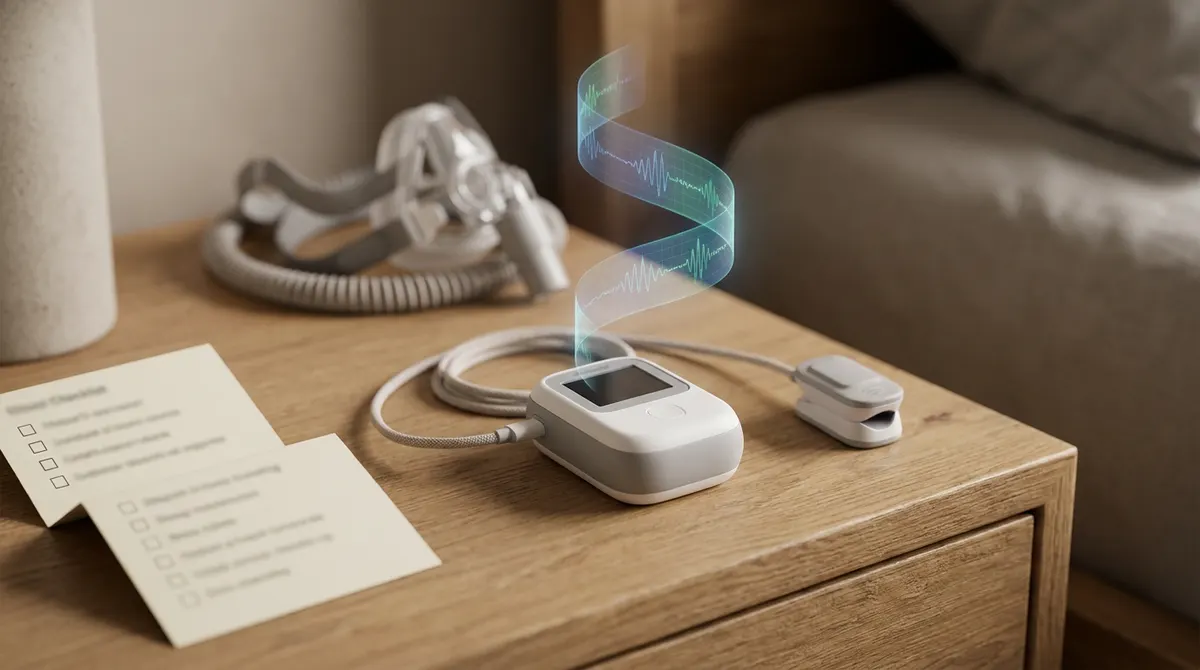
A sleep apnea checker is any screening method, questionnaire, or diagnostic tool used to identify whether you show signs of obstructive sleep apnea or other forms of sleep-disordered breathing. According to the American Academy of Sleep Medicine, an estimated 30 million Americans have sleep apnea, yet roughly 80% remain undiagnosed. This article is for anyone who suspects they may have sleep apnea, including commercial drivers facing DOT requirements, people with chronic snoring, and individuals experiencing unexplained daytime fatigue. You will learn how sleep apnea screening works, what red flags to watch for, which diagnostic tests confirm the condition, how treatments like CPAP therapy are prescribed, and when a home sleep test may be the fastest path to answers. Understanding each step of the screening and testing process can help you move from suspicion to diagnosis with confidence.
Quick Answer
A sleep apnea checker is a screening tool or clinical process that evaluates symptoms such as loud snoring, gasping during sleep, and excessive daytime sleepiness to determine whether further diagnostic testing for obstructive sleep apnea is needed. Screening may involve validated questionnaires, wearable sensors, or clinical assessments by a physician or sleep specialist. A confirmed diagnosis typically requires a sleep study, either polysomnography in a sleep lab or an at-home sleep test. dumbo.health offers a home sleep test for $149 with no insurance required, making it one of the most accessible starting points for people ready to get screened.
Key Takeaways
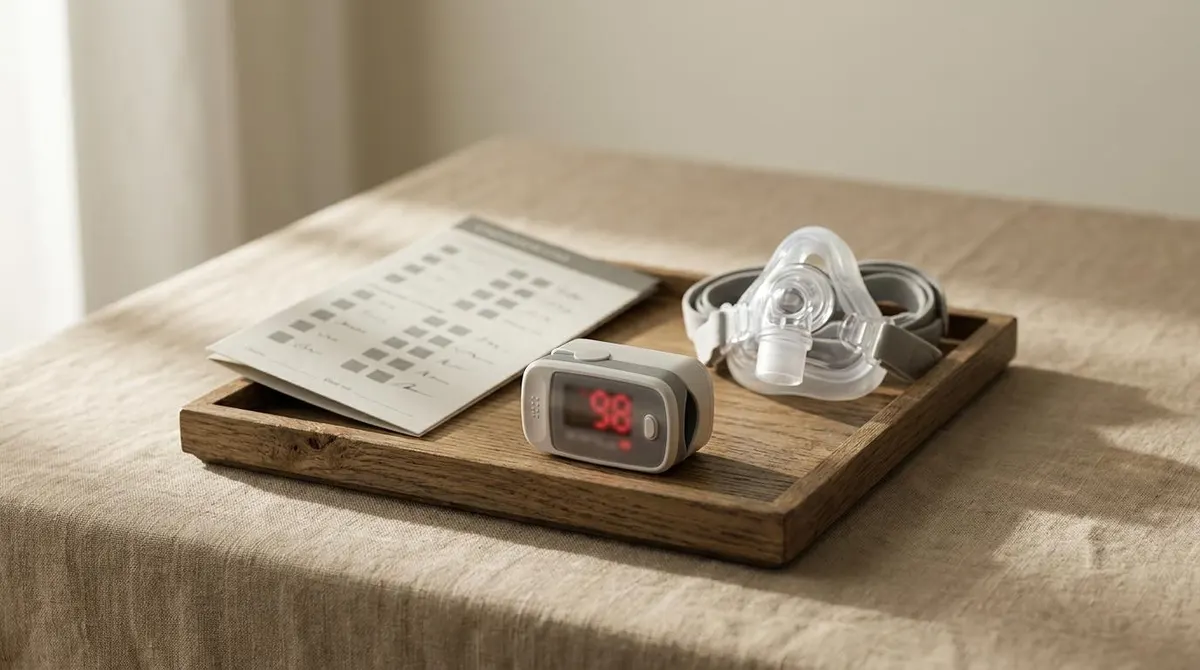
- Sleep apnea checkers range from simple symptom questionnaires to clinical-grade diagnostic sleep studies that measure breathing, oxygen levels, heart rate, and airflow during sleep.
- The most common red flags for sleep apnea include loud snoring, witnessed breathing pauses, gasping or choking during sleep, and persistent daytime sleepiness.
- home sleep apnea testing (HSAT) is a validated, convenient alternative to in-lab polysomnography for diagnosing obstructive sleep apnea in adults with moderate to high pretest probability.
- CPAP therapy remains the gold-standard treatment for moderate to severe obstructive sleep apnea, with adherence rates improving significantly when patients receive coaching and follow-up support.
- dumbo.health provides a complete at-home sleep test for $149, with monthly care plans starting at $59 per month that include physician interpretation, CPAP therapy, and equipment with no contracts.
- Central sleep apnea, complex sleep apnea syndrome, and certain comorbidities may require in-lab polysomnography rather than home testing.
What Is a Sleep Apnea Checker and Why Does It Matter
A sleep apnea checker is any method used to screen for or diagnose sleep apnea, a condition where breathing repeatedly stops and starts during sleep. The term covers everything from online symptom questionnaires and AI-driven screening tools to formal clinical evaluations and diagnostic sleep studies.
Sleep apnea is a sleep disorder that affects breathing during sleep. Obstructive sleep apnea, the most common form, occurs when the muscles in the throat relax excessively and block the airway. Central sleep apnea, a less common type, happens when the brain fails to send proper signals to the muscles controlling breathing. Both types disrupt sleep architecture and reduce blood oxygen levels, which can affect the heart, brain, and nearly every organ system.
The reason screening matters is straightforward. The National Heart, Lung, and Blood Institute estimates that untreated sleep apnea increases the risk of heart disease, heart failure, high blood pressure, stroke, and type 2 diabetes. Clinicians frequently observe that patients live with symptoms for years before seeking evaluation, often because they attribute loud snoring or daytime fatigue to stress or aging rather than a treatable medical condition.
DID YOU KNOW: According to the Sleep Foundation, obstructive sleep apnea affects an estimated 10% to 30% of adults in the United States, making it one of the most prevalent yet underdiagnosed sleep disorders.
Screening is not diagnosis. A sleep apnea checker helps you assess risk, but confirming sleep apnea requires a sleep study that measures specific biomarkers such as the Apnea Hypopnea Index (AHI), blood oxygen levels, heart rate, airflow, and breathing effort.
KEY TAKEAWAY: A sleep apnea checker identifies risk factors and red flags, but a formal sleep study is required to confirm a diagnosis and determine severity.
Knowing what red flags to look for is the first step toward getting screened effectively.
Red Flags and Symptoms That Suggest Sleep Apnea
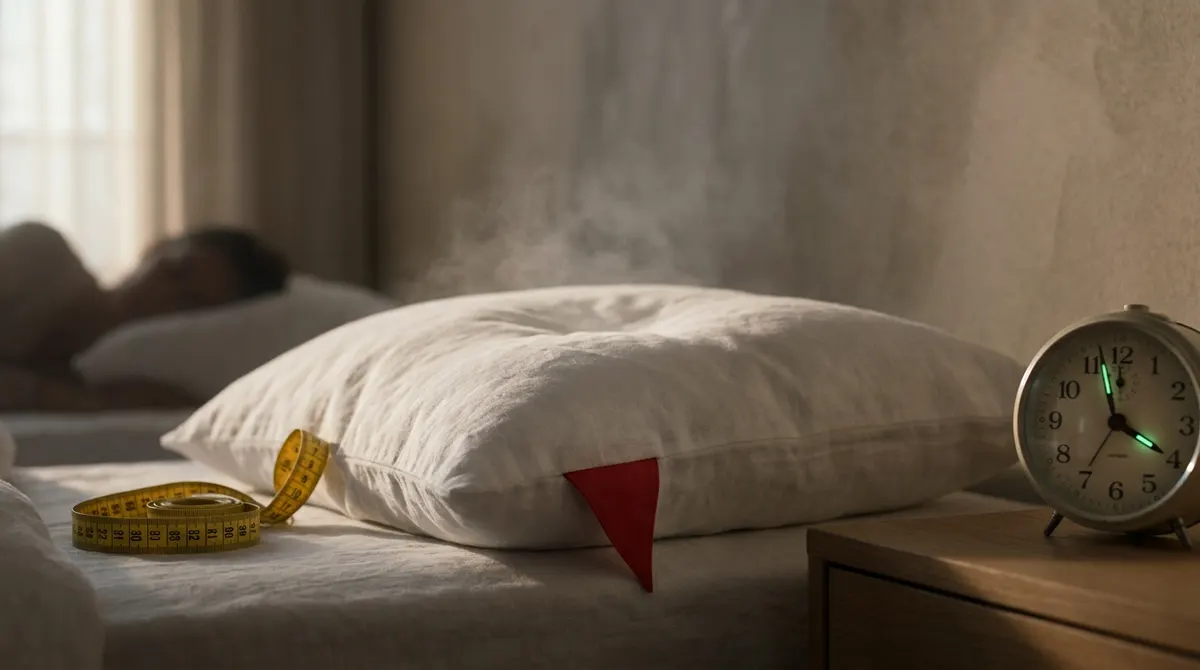
The most common red flags for sleep apnea include loud snoring, witnessed episodes of stopped breathing, gasping or choking during sleep, and excessive daytime sleepiness that persists despite adequate time in bed.
Primary Symptoms to Monitor
Not every symptom appears in every patient, but certain patterns strongly suggest sleep-disordered breathing. A physician or sleep specialist will typically ask about the following when evaluating you:
- Loud snoring that disrupts your bed partner or can be heard through walls
- Episodes where someone observes you stop breathing during sleep
- Gasping or choking that wakes you suddenly
- Excessive daytime sleepiness or fatigue despite sleeping 7 or more hours
- Morning headaches that resolve within a few hours of waking
- Dry mouth or sore throat upon waking
- Difficulty concentrating or persistent brain fog during the day
- Irritability, mood changes, or symptoms overlapping with insomnia
- Frequent nighttime urination
According to the Mayo Clinic, snoring alone does not confirm sleep apnea, but loud snoring combined with witnessed breathing pauses and daytime sleepiness represents a high-probability symptom cluster.
Physical and Medical Risk Factors
Certain physical characteristics and medical conditions increase your likelihood of having obstructive sleep apnea. A larger neck size (greater than 17 inches in men or 16 inches in women) correlates with a higher risk because excess tissue around the airway can obstruct airflow during sleep. Obesity is the single strongest modifiable risk factor. The AASM notes that approximately 60% to 70% of people with obstructive sleep apnea are overweight or obese.
Other risk factors include a narrow airway or throat anatomy, nasal congestion, a family history of sleep apnea, smoking, and medical conditions such as heart failure, GERD, or thyroid disorders. Age also plays a role, with prevalence increasing in adults over 40, though sleep apnea can occur at any age.
Sleep apnea checkers and validated screening questionnaires, such as the STOP-BANG questionnaire, use combinations of these symptoms and risk factors to estimate your probability of having the condition. A score of 5 or higher on the STOP-BANG scale is associated with a high probability of moderate to severe obstructive sleep apnea.
IMPORTANT: Gasping or choking during sleep, especially when combined with observed breathing pauses and daytime sleepiness, warrants prompt evaluation by a physician or sleep specialist. These symptoms can indicate moderate to severe sleep apnea that affects heart health and daily function.
KEY TAKEAWAY: Loud snoring, witnessed breathing pauses, gasping during sleep, and persistent daytime sleepiness are the strongest red flags that should prompt a formal sleep apnea evaluation.
Once you recognize these red flags, the next step is understanding what types of screening and diagnostic tools are available.
Types of Sleep Apnea Screening Tools and How They Work
Sleep apnea screening tools range from simple questionnaires you can complete in minutes to wearable sensor devices that record physiological data overnight. Each tool serves a different purpose in the screening-to-diagnosis pathway.
Symptom Questionnaires and AI Symptom Checkers
The most accessible sleep apnea checkers are validated screening questionnaires. These include the STOP-BANG questionnaire, the Epworth Sleepiness Scale (ESS), and the Berlin Questionnaire. Each asks a series of questions about symptoms, physical characteristics, and medical history to estimate your risk level. Some newer tools use AI-driven algorithms to analyze your responses and generate a risk score. An AI Symptom Checker can help you organize your symptoms before consulting a provider, but it cannot replace a clinical evaluation or diagnostic sleep study.
These questionnaires are useful as a first step. They help patients and providers decide whether further testing is warranted. However, they cannot measure what happens physiologically during sleep, which is why a sleep study remains necessary for diagnosis.
Wearable Sleep Trackers and Consumer Devices
Consumer sleep trackers, including smartwatches and ring-based devices like the SleepImage Ring, can monitor metrics such as heart rate, blood oxygen, and movement during sleep. Sleep Tracker Data from these devices may flag patterns consistent with sleep-disordered breathing. However, the AASM does not currently endorse consumer-grade sleep trackers as diagnostic tools for sleep apnea. They may underestimate or overestimate severity because they lack the clinical-grade sensors needed to measure airflow, breathing effort, and sleep architecture accurately.
Consumer devices can be helpful for tracking trends over time and for motivating you to seek a formal evaluation if patterns look concerning.
Clinical-Grade Screening Devices
Some clinical-grade portable devices, such as the NightOwl Device, WatchPAT, and SleepView, are designed specifically for home-based sleep apnea screening and diagnosis. These devices measure multiple channels, including blood oxygen levels, peripheral arterial tone, airflow, and body position, to calculate the Apnea Hypopnea Index (AHI). The WatchPAT ONE, for example, uses peripheral arterial tonometry to detect respiratory events without a nasal cannula. The NightOwl Device uses a fingertip sensor and the NightOwl Companion app to record data that a physician then interprets.
These tools bridge the gap between consumer trackers and full polysomnography. When ordered through a qualified provider and interpreted by a physician, they form the basis of a home sleep apnea test (HSAT) that meets AASM diagnostic standards.
dumbo.health uses validated clinical-grade equipment for its at-home sleep test, ensuring that results are physician-reviewed and meet diagnostic standards. At $149 with no insurance required, it removes common access barriers that delay screening.
KEY TAKEAWAY: Validated screening questionnaires identify risk, consumer trackers highlight trends, and clinical-grade home sleep testing devices provide the data needed for a physician to diagnose sleep apnea.
Understanding how these tools compare to formal diagnostic tests helps you choose the right next step.
Home Sleep Test vs. In-Lab Polysomnography: Choosing the Right Diagnostic Path
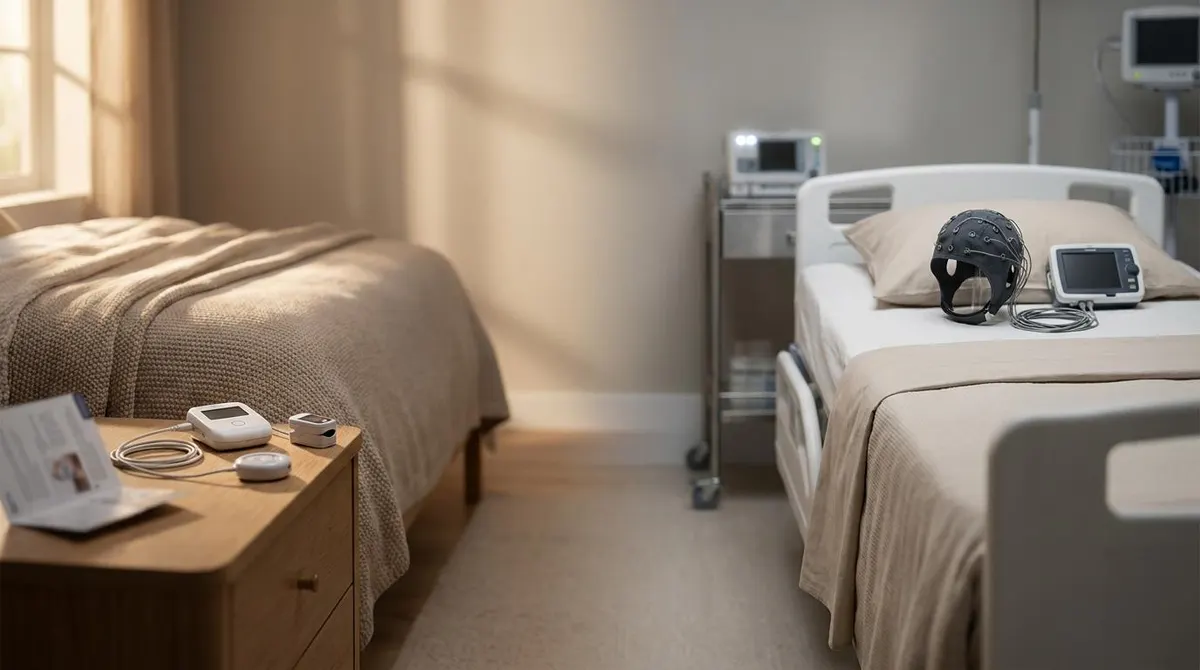
A home sleep apnea test (HSAT) is a validated diagnostic option for obstructive sleep apnea in adults with a moderate to high pretest probability, while in-lab polysomnography remains the gold standard when a more comprehensive evaluation is needed.
How Home Sleep Apnea Testing Works
home sleep apnea testing uses a portable device that you wear during a single night of sleep in your own bed. The equipment typically includes sensors that measure airflow (via a nasal cannula or thermistor), blood oxygen levels (via a fingertip sensor), breathing effort (sometimes via a chest or abdominal belt), and body position. Some devices like the WatchPAT use peripheral arterial tone instead of a traditional cannula. The data is uploaded and reviewed by a physician who calculates the Apnea Hypopnea Index and determines whether obstructive sleep apnea is present and how severe it is.
HSAT is convenient, less expensive than in-lab testing, and produces clinically valid results for most adults suspected of having obstructive sleep apnea. The AASM supports HSAT when performed with validated devices and interpreted by a qualified sleep specialist or physician.
How In-Lab Polysomnography Works
polysomnography is conducted overnight in a sleep lab or hospital setting. A sleep technologist attaches multiple sensors to monitor brain waves (EEG), eye movements, heart rate, muscle activity, airflow, breathing effort, blood oxygen, and leg movements. This comprehensive monitoring allows detection of all types of sleep apnea, including central sleep apnea and complex sleep apnea syndrome, as well as other sleep disorders like narcolepsy, insomnia, restless legs syndrome, and circadian rhythm sleep disorders.
A sleep study in-lab provides the most detailed picture of sleep architecture and physiological events during sleep. It is required when HSAT results are inconclusive, when central sleep apnea is suspected, or when the patient has significant comorbidities such as heart failure or chronic lung disease.
Structured Comparison: Home Sleep Test vs. Polysomnography
Here is how the two primary diagnostic approaches compare across key decision factors.
Setting
- Home Sleep Test: Your own bed at home
- polysomnography: Sleep lab or hospital overnight
Cost
- Home Sleep Test: Typically $149 to $500 depending on provider
- polysomnography: Often $1,000 to $3,000 or more, depending on facility and insurance
Convenience
- Home Sleep Test: High, no travel required, test on your own schedule
- Polysomnography: Lower, requires scheduling, travel, and an overnight stay
What It Measures
- Home Sleep Test: Airflow, blood oxygen, breathing effort, heart rate, body position
- Polysomnography: All of the above plus brain waves, eye movements, muscle activity, leg movements
Best For
- Home Sleep Test: Adults with moderate to high suspicion of obstructive sleep apnea and no major comorbidities
- Polysomnography: Patients with suspected central sleep apnea, complex presentations, or inconclusive HSAT results
Turnaround Time
- Home Sleep Test: Results typically available within days
- Polysomnography: Results may take 1 to 2 weeks depending on the sleep lab
For most adults who score high on a sleep apnea checker questionnaire and show classic symptoms of obstructive sleep apnea, a home sleep test is the most practical and cost-effective starting point. dumbo.health offers a home sleep apnea test for $149 that ships directly to you, with physician interpretation included in the monthly care plan. If your results are inconclusive or suggest central sleep apnea, your provider can refer you for in-lab polysomnography.
KEY TAKEAWAY: home sleep testing is a validated, lower-cost alternative to polysomnography for diagnosing obstructive sleep apnea in most adults, while in-lab studies remain necessary for complex or atypical cases.
Knowing the diagnostic options leads naturally to understanding how the testing process works step by step.
How to Get Tested for Sleep Apnea: Step-by-Step Process
Getting tested for sleep apnea involves a clear sequence of steps, from recognizing symptoms to receiving a diagnosis and starting treatment.
Step-by-Step Guide to Sleep Apnea Testing
1. Complete a sleep apnea screening questionnaire or use an online sleep apnea checker to assess your risk level. You can take the free sleep assessment at dumbo.health to see if testing is right for you.
2. Consult with a physician or sleep specialist who can review your symptoms, medical history, and screening results. This consultation can happen via telehealth, making it accessible even if no sleep specialist is available near you.
3. Receive an order for a sleep study. Based on your risk profile, your provider will recommend either a home sleep apnea test or in-lab polysomnography.
4. Order your home sleep test through dumbo.health for $149. The device ships directly to your home. No insurance, no prior authorization, and no referral paperwork are required.
5. Complete the test by wearing the device during one night of sleep, following the included instructions for sensor placement. Perform a Sensor Check or Smart Check using the companion app if available to confirm the device is recording properly.
6. Return or upload your data as instructed. A physician reviews the results, calculates your Apnea Hypopnea Index, and prepares a clinical report.
7. Review your results with your provider. If sleep apnea is confirmed, discuss treatment options including CPAP therapy, oral appliances, or lifestyle changes based on severity.
After completing these steps, you will have a confirmed diagnosis, a severity classification, and a clear treatment pathway. Many patients report that the hardest part is simply taking the first step, and that home testing makes the process far less intimidating than expected.
KEY TAKEAWAY: sleep apnea testing follows a straightforward path from screening to diagnosis, and home sleep testing makes the process accessible without requiring a sleep lab visit.
With a diagnosis in hand, the next question most patients ask is what their treatment options are.
Sleep Apnea Treatments: From CPAP Therapy to Lifestyle Changes
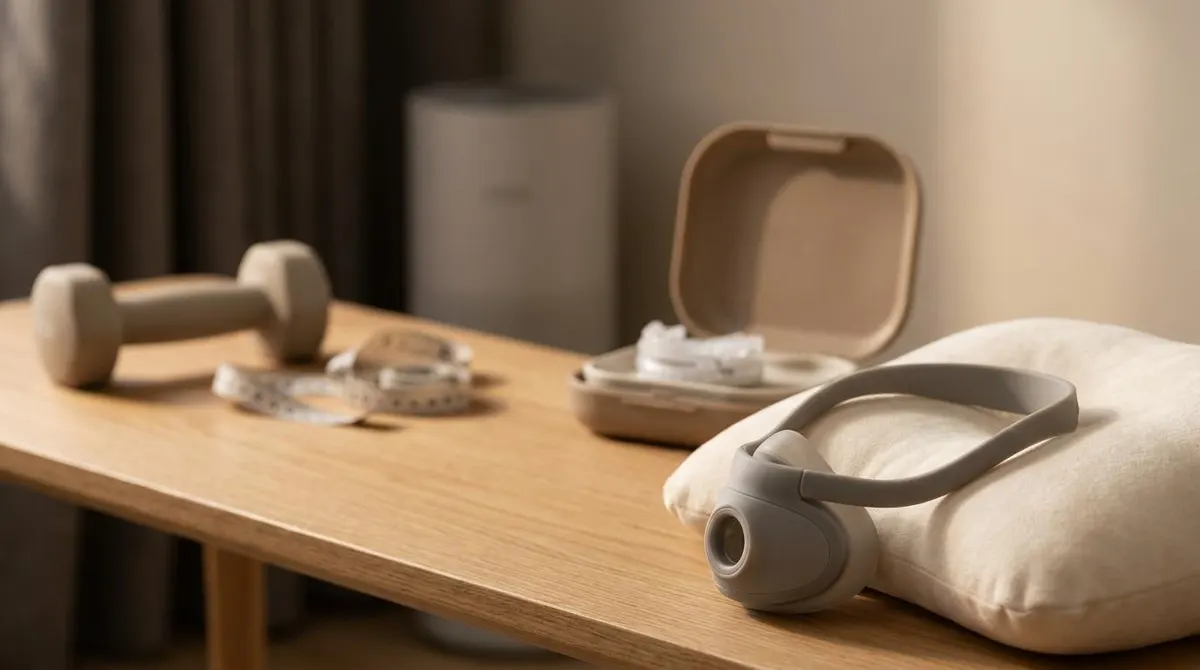
CPAP therapy is the gold-standard treatment for moderate to severe obstructive sleep apnea, but treatment plans often include additional approaches depending on severity and individual factors.
CPAP and PAP Therapy
CPAP (Continuous Positive Airway Pressure) works by delivering a steady stream of air through a mask to keep the airway open during sleep. A CPAP machine connected to one of several mask types (nasal, nasal pillow, or full-face masks) maintains positive pressure throughout the breathing cycle. BiPAP (Bilevel Positive Airway Pressure) is an alternative that delivers different pressures for inhalation and exhalation, which some patients find more comfortable.
According to the AASM, CPAP is recommended as first-line therapy for adults diagnosed with obstructive sleep apnea with an AHI of 15 or greater, or an AHI of 5 to 14 with documented symptoms. Adherence is critical. Research published in the journal Sleep indicates that using CPAP for at least 4 hours per night on 70% of nights is the minimum threshold for clinical benefit, though greater usage produces better outcomes.
Many patients struggle with CPAP adherence in the first few weeks. This is where ongoing support matters. dumbo.health's Premium Plan at $89 per month includes a dedicated sleep coach from a licensed care team, advanced adherence monitoring, and priority results turnaround, all designed to help you stay on track during the adjustment period. The Essentials Plan at $59 per month covers CPAP therapy and equipment with standard follow-up care, and every plan operates with no contracts so you can cancel anytime.
A CPAP prescription is required to obtain a CPAP machine. After a sleep study confirms your diagnosis, your physician or sleep specialist writes a prescription specifying the pressure settings. dumbo.health includes physician interpretation and prescription services within its monthly care plans, eliminating the need for separate appointments.
Oral Appliances and Dental Devices
Oral appliances, also called dental devices or custom-fit mouthpieces, are an alternative for patients with mild to moderate obstructive sleep apnea who cannot tolerate CPAP. These devices work by repositioning the lower jaw or tongue to keep the airway open. The AASM recommends oral appliance therapy as a first-line alternative for patients who prefer it over CPAP, provided the device is custom-fitted by a qualified dental sleep medicine provider.
Surgery and ENT Evaluation
Surgery is generally reserved for patients who do not respond to CPAP therapy or oral appliances, or who have a specific anatomical obstruction. An ENT evaluation can identify structural issues such as enlarged tonsils, a deviated septum, or excess tissue in the throat. Surgical options range from uvulopalatopharyngoplasty (UPPP) to hypoglossal nerve stimulation for select patients.
Lifestyle Changes and Adjunctive Approaches
Lifestyle changes play a supporting role in sleep apnea management. Weight loss is the most impactful modifiable factor. The Sleep Foundation notes that a 10% reduction in body weight can lead to a significant decrease in AHI for overweight patients. Other beneficial changes include adjusting sleep position (side sleeping reduces airway collapse compared to back sleeping), avoiding alcohol before bed, improving sleep hygiene, and treating nasal congestion.
Some patients explore GLP-1 care for weight management, which may indirectly improve sleep apnea severity through weight reduction. Medications such as sleep medications are not a direct treatment for obstructive sleep apnea and can worsen the condition by relaxing throat muscles further.
TIP: If you have been diagnosed with sleep apnea and need CPAP therapy, dumbo.health's care plans bundle the machine, equipment, physician oversight, and follow-up into one monthly price starting at $59 per month, with no insurance needed and no surprise bills.
KEY TAKEAWAY: CPAP therapy is the first-line treatment for moderate to severe obstructive sleep apnea, but oral appliances, surgery, and lifestyle changes may be appropriate depending on severity and patient preferences.
Treatment effectiveness depends on several factors, and understanding limitations helps you set realistic expectations.
Limitations and Risks: When a Sleep Apnea Checker or Home Test May Not Be Enough
home sleep apnea testing and online sleep apnea checkers have clear clinical value, but they are not appropriate for every patient or every type of sleep disorder.
Limitation 1: Home Tests Cannot Diagnose Central Sleep Apnea
Home sleep apnea tests are designed to detect obstructive sleep apnea. They measure airflow, breathing effort, and oxygen drops, but they do not monitor brain waves. Central sleep apnea, which occurs when the brain fails to signal the breathing muscles properly, requires in-lab polysomnography with EEG monitoring for accurate diagnosis. If you have heart failure or a neurological condition, your physician may require polysomnography rather than home testing.
Limitation 2: Screening Questionnaires Can Miss Mild Cases
Validated questionnaires like the STOP-BANG are effective at identifying moderate to severe cases, but their sensitivity for mild obstructive sleep apnea is lower. Patients with atypical presentations, such as younger, leaner individuals or women who present with insomnia rather than snoring, may score low on a standard sleep apnea checker despite having clinically significant sleep-disordered breathing. A physician who understands these nuances can recommend testing even when a questionnaire result seems reassuring.
Limitation 3: Home Tests May Underestimate Severity
Because HSAT does not monitor total sleep time the way polysomnography does, the AHI calculated from a home test may underestimate severity. If you sleep poorly during the test night, the device may record fewer events than a typical night. The AASM recommends that if HSAT results are negative but clinical suspicion remains high, the patient should be referred for in-lab polysomnography.
Limitation 4: Coexisting Sleep Disorders Require Broader Evaluation
Home testing does not evaluate for narcolepsy, restless legs syndrome, circadian rhythm sleep disorders, or other conditions that may coexist with or mimic sleep apnea. Patients with complex symptom profiles may need a comprehensive sleep evaluation that only a sleep lab can provide.
Limitation 5: Not All Providers Offer Adequate Follow-Up
A sleep apnea checker or home test is only as useful as the clinical pathway that follows. Receiving a positive result without access to a qualified physician for interpretation, a CPAP prescription, and ongoing adherence support leaves the diagnosis incomplete. This is one reason dumbo.health builds physician interpretation, treatment, and follow-up care into every plan, ensuring that results lead to action rather than sitting in a drawer.
IMPORTANT: If your home sleep test results are negative but you continue to experience symptoms such as excessive daytime sleepiness, gasping during sleep, or morning headaches, ask your provider about in-lab polysomnography. A negative home test does not always rule out sleep apnea.
KEY TAKEAWAY: Home sleep tests and screening questionnaires are highly effective for obstructive sleep apnea in straightforward cases, but they have defined limitations that require clinical judgment and sometimes in-lab testing.
Seeing how these limitations play out in real-world situations helps clarify when each pathway makes the most sense.
Real-World Scenarios: Who Needs a Sleep Apnea Checker and What Happens Next
Understanding how different people move through the screening-to-treatment process makes the options more concrete.
Common Scenarios
Scenario 1: A 48-year-old long-haul truck driver with a BMI of 34 is referred for sleep apnea testing during a DOT physical. His provider notes a neck size of 18 inches and reports from his wife that he snores loudly and occasionally stops breathing during sleep. He needs a confirmed diagnosis quickly to maintain his CDL certification. He orders a home sleep apnea test through dumbo.health for $149, completes the test at home, and receives his results within days. His AHI comes back at 22 (moderate obstructive sleep apnea). He enrolls in the Premium Plan at $89 per month, which includes CPAP therapy, equipment, a dedicated sleep coach, and advanced adherence monitoring. His DOT examiner receives a compliance update from his provider.
Scenario 2: A 35-year-old woman experiences persistent insomnia, morning headaches, and brain fog. She does not snore loudly, and her BMI is 24. She completes an online sleep apnea checker that scores her as low risk. However, her physician recognizes that women often present with atypical symptoms and orders a home sleep test. Her AHI is 12 (mild obstructive sleep apnea). She discusses options with her physician and chooses to try an oral appliance, a custom-fit mouthpiece fitted by a dental sleep medicine provider, combined with positional therapy adjustments to her sleep position.
Scenario 3: A 62-year-old retired teacher with a history of heart failure and atrial fibrillation reports excessive daytime sleepiness, oxygen drops recorded by a consumer wrist device, and restless legs at night. His physician orders in-lab polysomnography rather than a home test because of suspected central sleep apnea and the need to evaluate for restless legs syndrome and other sleep disorders. The sleep study confirms complex sleep apnea syndrome (a combination of obstructive and central events). He is prescribed BiPAP therapy with backup rate settings and referred for cardiology follow-up.
These scenarios illustrate that the right diagnostic path depends on individual risk factors, symptom profiles, and comorbidities. For the majority of adults with classic symptoms, a home sleep test provides fast, accurate, and affordable answers.
KEY TAKEAWAY: Real-world sleep apnea screening outcomes vary widely depending on age, symptoms, comorbidities, and sex, which is why clinical judgment guides the choice between home testing and in-lab polysomnography.
Beyond clinical scenarios, several persistent myths discourage people from getting screened in the first place.
Common Myths About Sleep Apnea Screening and Diagnosis Debunked
MYTH: Only overweight people get sleep apnea.
FACT: While obesity is the strongest modifiable risk factor for obstructive sleep apnea, the condition also affects people with a normal BMI. According to the AASM, factors such as airway anatomy, neck size, jaw structure, nasal obstruction, and family history contribute to risk independently of weight. Many patients with a healthy BMI are diagnosed with moderate or severe sleep apnea.
MYTH: If you do not snore, you cannot have sleep apnea.
FACT: Snoring is a common symptom but not a requirement for diagnosis. Some patients, particularly women and younger adults, present primarily with insomnia, fatigue, brain fog, or morning headaches rather than loud snoring. Cleveland Clinic notes that silent apnea events are well-documented and can go undetected without a formal sleep study.
MYTH: A sleep apnea checker app on your phone can diagnose you.
FACT: Consumer apps and smartphone-based tools can record sounds and track movement, but they cannot measure airflow, breathing effort, or blood oxygen levels with diagnostic accuracy. The AASM does not recognize consumer apps as valid diagnostic tools for sleep apnea. A confirmed diagnosis requires a clinical-grade sleep study, either a home sleep apnea test or in-lab polysomnography, interpreted by a physician.
MYTH: Home sleep tests are not as accurate as in-lab sleep studies.
FACT: For uncomplicated obstructive sleep apnea in adults with moderate to high pretest probability, HSAT using validated devices produces clinically reliable results. Studies published in the Journal of Clinical Sleep Medicine have shown that HSAT and polysomnography demonstrate strong agreement for diagnosing moderate to severe obstructive sleep apnea. Home tests may underestimate mild cases, but they are accepted by the AASM as a valid diagnostic pathway.
MYTH: You need insurance to get a sleep study.
FACT: Insurance is not required for sleep apnea testing. dumbo.health offers a complete at-home sleep test for $149 as a one-time cash payment, with no insurance, no prior authorization, and no surprise bills. Monthly care plans covering physician review, CPAP therapy, and equipment start at $59 per month.
KEY TAKEAWAY: Common misconceptions about weight, snoring, apps, home testing accuracy, and insurance requirements prevent many people from getting screened, but the facts show that sleep apnea screening and diagnosis are more accessible than most people realize.
With myths cleared away, preparing for your test properly ensures the most accurate results.
Preparing for a Sleep Apnea Test: What to Do Before Your Test Night
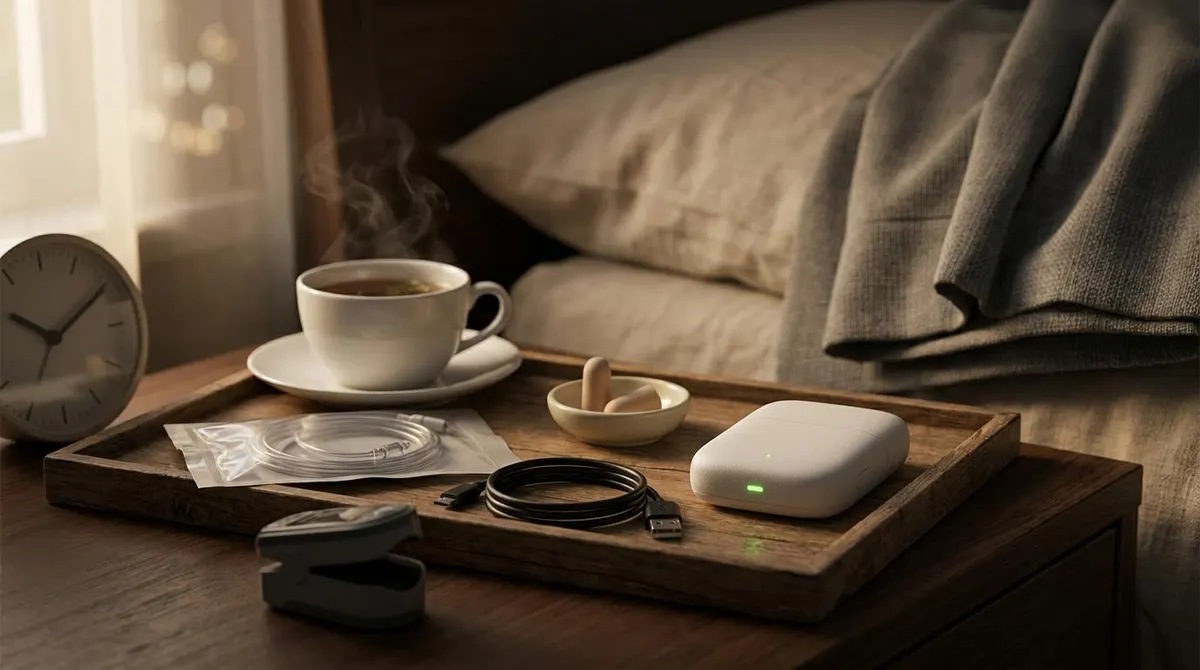
Proper preparation for a home sleep test or in-lab polysomnography improves the accuracy of your results and reduces the chance of needing a repeat study.
Pre-Test Checklist
- Confirm your test date and that your home sleep test device has arrived with all components (sensor, any belt, cannula or thermistor if applicable, and instructions)
- Read the full instruction guide before your test night so you understand sensor placement and device activation
- Avoid alcohol for at least 24 hours before the test, as alcohol relaxes the throat muscles and can alter results
- Avoid caffeine after noon on the day of the test to support your ability to fall asleep on schedule
- Avoid napping on the day of the test so you are sufficiently tired at bedtime
- Skip heavy meals within 2 to 3 hours of bedtime
- Follow your normal sleep routine as closely as possible, including your usual sleep environment, bed, pillow, and temperature
- Charge or verify the battery on your device if required
- Have your Activation Code ready if your device uses a companion app
- Perform a Sensor Check or Smart Check through the app before settling in for the night
- Keep a phone nearby in case you need troubleshooting support during setup
- Complete the free sleep assessment at dumbo.health if you have not yet ordered your test, to confirm that home testing is appropriate for your situation
These steps apply whether you are using a NightOwl Device, WatchPAT ONE, SleepView, or another validated HSAT device. The goal is to replicate a typical night of sleep as closely as possible so that your results reflect your real condition.
DID YOU KNOW: According to Johns Hopkins Hospital, the most common reason for an inconclusive home sleep test is poor sensor placement or accidental removal of the device during sleep. Following setup instructions carefully and performing a pre-sleep sensor check significantly reduces this risk.
KEY TAKEAWAY: Careful preparation, including avoiding alcohol and caffeine, following device setup instructions, and replicating your normal sleep routine, gives you the most accurate home sleep test results.
After understanding how to prepare, it helps to know how results are interpreted and what the numbers mean.
Understanding Your Sleep Apnea Test Results
Sleep apnea severity is determined primarily by the Apnea Hypopnea Index (AHI), which counts the number of apnea and hypopnea events per hour of sleep.
The AHI is the central metric in sleep apnea diagnosis. An apnea event is a complete pause in airflow lasting at least 10 seconds. A hypopnea event is a partial reduction in airflow lasting at least 10 seconds, accompanied by a drop in blood oxygen or an arousal from sleep. The AHI represents the total number of these events per hour.
The AASM classifies severity as follows:
- Normal: AHI below 5 events per hour
- Mild obstructive sleep apnea: AHI of 5 to 14 events per hour
- Moderate obstructive sleep apnea: AHI of 15 to 29 events per hour
- Severe obstructive sleep apnea: AHI of 30 or more events per hour
Beyond the AHI, your physician will also review oxygen desaturation data (how low your blood oxygen levels drop and how frequently), heart rate patterns, sleep position data, and total recording time. Oxygen drops below 90% are clinically significant and correlate with increased cardiovascular risk. According to the NIH, repeated oxygen desaturation during sleep contributes to oxidative stress, systemic inflammation, and elevated blood pressure.
Your physician interprets these numbers in the context of your symptoms. An AHI of 8 in a patient with severe daytime sleepiness and hypertension may warrant treatment, while the same AHI in an asymptomatic patient might be monitored conservatively.
dumbo.health's care plans include physician interpretation of your sleep test results. On the Essentials Plan at $59 per month, you receive a full physician report along with CPAP therapy and equipment if treatment is needed. The Premium and Elite plans add faster turnaround and more personalized support, including direct physician messaging on the Elite Plan at $129 per month.
KEY TAKEAWAY: The Apnea Hypopnea Index is the primary measure of sleep apnea severity, with clinical decisions based on AHI combined with oxygen desaturation patterns, symptom burden, and cardiovascular risk factors.
Interpreting results is one piece. Understanding the broader health consequences motivates consistent treatment.
Health Consequences of Untreated Sleep Apnea
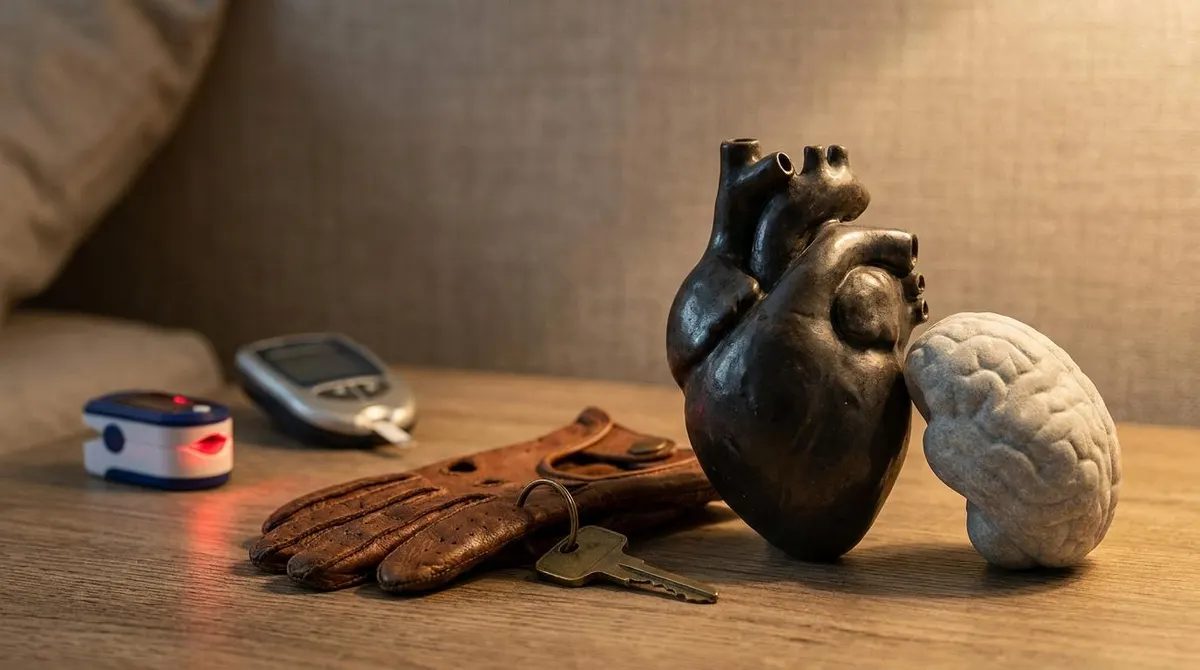
Untreated sleep apnea significantly increases the risk of cardiovascular disease, metabolic dysfunction, cognitive decline, and motor vehicle accidents.
The connection between sleep apnea and heart disease is well established. The National Heart, Lung, and Blood Institute links untreated obstructive sleep apnea to hypertension, coronary artery disease, heart failure, atrial fibrillation, and stroke. Repeated oxygen drops during sleep trigger sympathetic nervous system activation, which raises blood pressure and heart rate throughout the night. Over time, this sustained cardiovascular stress damages blood vessels and heart muscle.
The brain is also directly affected. Chronic intermittent hypoxia disrupts neurotransmitter balance and damages neural pathways, contributing to brain fog, memory problems, difficulty concentrating, and mood disturbances. The CDC notes that drowsy driving caused by untreated sleep disorders contributes to an estimated 100,000 motor vehicle crashes annually in the United States, a statistic particularly relevant for commercial drivers.
Metabolic effects include insulin resistance and impaired glucose metabolism. The NIH has documented that untreated obstructive sleep apnea is independently associated with an increased risk of type 2 diabetes, even after adjusting for obesity.
Sleep apnea also interacts with other medical conditions. GERD symptoms can worsen with untreated sleep apnea due to changes in intrathoracic pressure. Patients with restless legs syndrome may experience compounded sleep fragmentation. The vagus nerve, which regulates heart rate and digestive function, can be affected by the autonomic disruption caused by repeated apnea events.
Untreated obstructive sleep apnea reduces sleep quality, fragments sleep architecture, and prevents the restorative deep sleep stages that the brain and body require for recovery. The cumulative effect is a cycle of worsening health that compounds over months and years.
KEY TAKEAWAY: Untreated sleep apnea carries serious risks for the heart, brain, metabolic health, and daily safety, making early diagnosis and consistent treatment essential.
Understanding these consequences underscores why building an effective sleep environment and pursuing proper care matter so much.
Building a Better Sleep Environment Alongside Treatment
CPAP therapy treats the mechanical obstruction, but optimizing your sleep environment and habits amplifies treatment results and improves overall sleep quality.
Sleep hygiene refers to the set of behaviors and environmental conditions that promote consistent, restorative sleep. For patients with sleep apnea, good sleep hygiene complements medical treatment and improves CPAP adherence. The Sleep Foundation recommends maintaining a consistent sleep routine by going to bed and waking up at the same time every day, including weekends.
Your sleep environment should be cool (typically 60 to 67 degrees Fahrenheit), dark, and quiet. Blackout curtains block ambient light that can disrupt circadian rhythm signaling. An air purifier can reduce allergens and particulate matter that cause nasal congestion and increase airway resistance. A cervical pillow designed to support neutral head and neck alignment can improve comfort for CPAP mask users and reduce mask leak.
Certain supplements are commonly discussed in the context of sleep health. Magnesium, particularly magnesium glycinate, is sometimes used to support relaxation and sleep onset, though it is not a treatment for sleep apnea itself. Ferritin and thyroid tests may be relevant if your physician suspects iron deficiency or thyroid dysfunction as contributing factors to your fatigue or restless legs symptoms.
Sleep position matters significantly. Sleeping on your back allows gravity to pull the tongue and soft tissues backward, worsening airway obstruction. Side sleeping is generally recommended for patients with positional obstructive sleep apnea.
TIP: Pair your CPAP therapy with a consistent sleep routine, a dark and cool sleep environment, and side sleeping to get the most benefit from treatment. Small environmental changes can meaningfully improve both adherence and sleep quality.
KEY TAKEAWAY: Optimizing your sleep environment, routine, and position enhances the effectiveness of CPAP therapy and supports overall sleep quality beyond what medical treatment alone provides.
These complementary strategies work best when combined with structured clinical support.
Why Ongoing Care and Adherence Monitoring Matter
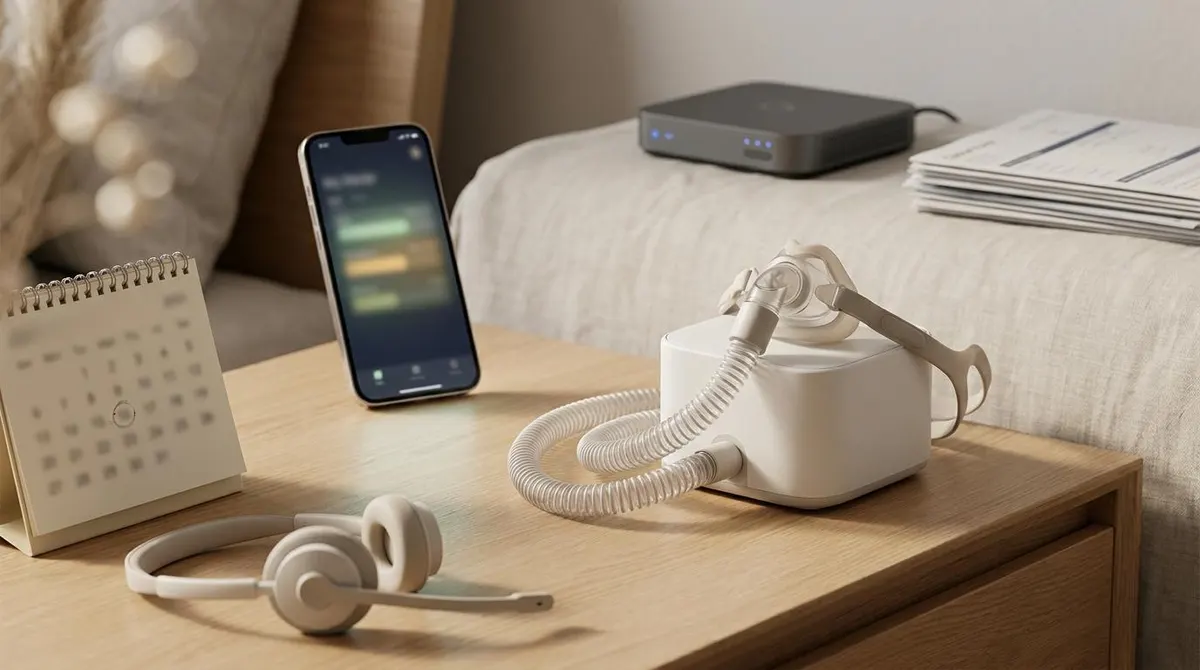
CPAP therapy is most effective when supported by regular clinical follow-up, adherence monitoring, and access to a care team that can troubleshoot problems early.
Adherence to CPAP therapy is one of the biggest challenges in sleep apnea management. The AASM defines adequate adherence as using the device for at least 4 hours per night on at least 70% of nights. Research published in Sleep Medicine Reviews shows that approximately 30% to 50% of patients discontinue CPAP within the first year, often due to mask discomfort, nasal dryness, claustrophobia, or the perception that the device is not working.
Regular follow-up addresses these issues before they lead to abandonment. A sleep coach can help you find the right mask type (nasal, nasal pillow, or full-face masks), adjust pressure settings, and troubleshoot common complaints. Advanced adherence monitoring uses data from the CPAP machine to track nightly usage, mask leak, and residual AHI, allowing the care team to intervene proactively.
dumbo.health structures its care plans around this exact need. The Essentials Plan at $59 per month includes standard follow-up care and updates sent to your referring provider. The Premium Plan at $89 per month adds a dedicated sleep coach and advanced adherence monitoring. The Elite Plan at $129 per month provides concierge clinical support, direct physician messaging, and custom reporting for practices managing multiple patients. All plans are cash-pay, require no contracts, and can be cancelled anytime.
For patients who need a CPAP prescription, Medicare and private insurance often have specific compliance requirements. Medicare typically requires documented CPAP usage of at least 4 hours per night on 70% of nights during the first 90 days to continue coverage. Even if you are paying out of pocket, meeting these adherence thresholds correlates with better health outcomes and symptom relief.
dumbo.health's approach to CPAP treatment integrates the machine, equipment, clinical oversight, and coaching into a single monthly plan, which simplifies the process and removes the fragmentation that causes many patients to fall through the cracks.
KEY TAKEAWAY: Ongoing care, adherence monitoring, and access to a responsive care team are the strongest predictors of long-term success with CPAP therapy and improved sleep apnea outcomes.
Some persistent myths about treatment and screening continue to create unnecessary barriers.
Other Sleep Disorders to Rule Out During Evaluation
A thorough sleep apnea evaluation should also consider other sleep disorders that can coexist with or mimic sleep apnea symptoms.
Insomnia, defined as persistent difficulty falling asleep, staying asleep, or waking too early, affects a significant percentage of sleep apnea patients. Comorbid insomnia and obstructive sleep apnea, sometimes called COMISA, requires a combined treatment approach because treating one condition without addressing the other often leads to incomplete symptom relief.
Narcolepsy is a neurological disorder characterized by excessive daytime sleepiness and, in some cases, sudden loss of muscle tone (cataplexy). While narcolepsy is far less common than sleep apnea, its hallmark symptom of overwhelming daytime sleepiness overlaps with sleep apnea, making differentiation important.
Restless legs syndrome (RLS) involves an irresistible urge to move the legs, typically worsening in the evening and during periods of inactivity. RLS disrupts sleep onset and can compound the sleep fragmentation caused by sleep apnea. Testing for ferritin levels is sometimes recommended, as iron deficiency is a known contributing factor for RLS.
Circadian rhythm sleep disorders occur when the body's internal clock is misaligned with desired sleep times. Shift workers, including many commercial drivers, are particularly susceptible. These disorders can coexist with obstructive sleep apnea and may require separate intervention such as light therapy or melatonin timing.
If your sleep apnea checker or home test raises additional concerns, your provider may recommend a comprehensive sleep evaluation, potentially including in-lab polysomnography with additional monitoring channels.
KEY TAKEAWAY: Sleep apnea often coexists with insomnia, restless legs syndrome, or circadian rhythm disorders, and identifying comorbid conditions is essential for effective treatment.
With a comprehensive understanding of the diagnostic and treatment landscape, the final step is taking action.
Conclusion
A sleep apnea checker is your starting point for identifying whether loud snoring, breathing pauses, gasping, or persistent daytime sleepiness warrant formal diagnostic testing. From validated screening questionnaires to clinical-grade home sleep tests and in-lab polysomnography, multiple pathways exist to move from suspicion to confirmed diagnosis and effective treatment. The key is not to wait. The longer sleep apnea goes untreated, the greater the cumulative impact on your heart, brain, and daily quality of life.
dumbo.health makes the process straightforward with a [$149 at-home sleep test](https://www.dumbo.health
Frequently Asked Questions About Sleep Apnea Checkers and At-Home Sleep Testing
What is a sleep apnea checker and how does it work?
A sleep apnea checker is a structured symptom screening tool that helps you identify whether your symptoms, such as snoring, morning headaches, daytime fatigue, or gasping during sleep, may be consistent with obstructive sleep apnea. Most checkers ask about common warning signs and risk factors, including neck size, sleep position, body weight, and whether a bed partner has noticed breathing pauses. The results are not a diagnosis. They indicate whether a formal home sleep apnea test or clinical evaluation may be a reasonable next step. A healthcare professional should review any screening results before a diagnosis is made.
What is sleep apnea syndrome?
Sleep apnea syndrome is a sleep-disordered breathing condition in which the airway repeatedly narrows or collapses during sleep, causing breathing interruptions called apneas. The most common form is obstructive sleep apnea, where the throat muscles relax and block airflow. These breathing pauses reduce blood oxygen levels, disrupt sleep architecture, and force the brain to trigger brief arousals to restart breathing. According to the American Academy of Sleep Medicine, obstructive sleep apnea is one of the most prevalent sleep disorders in adults and is significantly underdiagnosed. Symptoms can include loud snoring, gasping or choking at night, and excessive daytime sleepiness.
What are the main symptoms of obstructive sleep apnea?
The most commonly reported symptoms of obstructive sleep apnea include loud snoring, gasping or choking during sleep, restless sleep, waking unrefreshed, excessive daytime sleepiness, morning headaches, difficulty concentrating, and brain fog. Some people also experience dry mouth on waking, irritability, and mood changes. Not everyone with sleep apnea snores loudly, and many people are unaware their breathing stops during the night. The Mayo Clinic notes that a bed partner is often the first to observe apnea episodes. If you recognise several of these symptoms, a home sleep apnea test may help clarify whether further clinical evaluation is needed.
Can I use a home sleep apnea test for diagnosis?
A home sleep apnea test, also called an HSAT, can be used to support a diagnosis of obstructive sleep apnea in adults who are at moderate to high risk and do not have significant comorbidities such as heart failure or central sleep apnea. The device records breathing effort, airflow, blood oxygen levels, and heart rate during sleep. A physician then interprets the data and calculates the apnea-hypopnea index, which measures the frequency of breathing interruptions per hour. The American Academy of Sleep Medicine supports HSAT as an appropriate diagnostic pathway in suitable patients. A clinician should determine whether a home test or an in-lab sleep study is more appropriate for your situation.
What is the gold standard test for diagnosing sleep apnea?
In-lab polysomnography is the gold standard for diagnosing sleep apnea. It records brain waves, eye movements, muscle activity, airflow, breathing effort, blood oxygen levels, heart rate, and body position simultaneously throughout the night in a supervised sleep lab. Polysomnography can detect obstructive sleep apnea, central sleep apnea, REM sleep behavior disorder, narcolepsy, and other sleep disorders that a home sleep apnea test cannot fully assess. For many adults with a straightforward clinical picture, a home sleep test provides accurate and actionable results. A sleep specialist or physician can advise which test is appropriate based on your symptoms and medical history.
How accurate is a home sleep apnea test compared to a sleep lab study?
Home sleep apnea tests are clinically validated for detecting moderate to severe obstructive sleep apnea in adults without major comorbidities. Because the device records fewer channels than in-lab polysomnography and does not measure brain waves, it may underestimate the severity of sleep apnea in some cases. The apnea-hypopnea index from a home test is calculated against total recording time rather than total sleep time, which can result in a slightly lower reading than a lab study. If results come back negative but symptoms remain strong, a physician may recommend an in-lab study for a more complete picture. Home testing remains a well-supported, convenient, and cost-effective first step for many patients.
What symptoms should prompt me to use a sleep apnea checker or seek testing?
You should consider using a sleep apnea checker or speaking with a healthcare professional if you regularly experience loud snoring, restless sleep, waking up gasping or choking, morning headaches, difficulty concentrating during the day, excessive daytime sleepiness, or if someone has observed that your breathing stops during sleep. Other risk factors that increase the likelihood of obstructive sleep apnea include a larger neck size, higher body weight, high blood pressure, and GERD. If you have severe symptoms, chest pain, significant breathing difficulty, or urgent health concerns, seek prompt medical care rather than waiting for a sleep apnea checker result.
What is the apnea-hypopnea index and what does it measure?
The apnea-hypopnea index, commonly abbreviated as AHI, is the primary measure used to assess sleep apnea severity. It counts the average number of apneas and hypopneas, which are partial breathing reductions, per hour of sleep. An AHI below 5 is generally considered normal in adults. An AHI between 5 and 14 suggests mild sleep apnea, between 15 and 29 suggests moderate sleep apnea, and 30 or above indicates severe sleep apnea. The AHI is calculated by a physician after reviewing data from either a home sleep apnea test or an in-lab polysomnography study. Treatment decisions are typically based on AHI in combination with symptoms and overall health.
How does obstructive sleep apnea affect cardiovascular health?
Untreated obstructive sleep apnea places significant stress on the cardiovascular system. Repeated breathing interruptions cause drops in blood oxygen levels, increased blood pressure, and spikes in heart rate throughout the night. According to the National Heart, Lung, and Blood Institute, obstructive sleep apnea is associated with an increased risk of high blood pressure, heart disease, irregular heart rhythms, heart failure, and stroke. The repeated oxygen drops and sleep fragmentation activate the sympathetic nervous system and promote inflammation, both of which contribute to cardiovascular strain over time. Managing sleep apnea through CPAP therapy or other treatments may help reduce these risks, but a clinician should guide all treatment decisions.
How serious are the health risks of untreated sleep apnea?
The health risks of untreated obstructive sleep apnea are significant. Beyond cardiovascular effects, untreated sleep apnea is associated with metabolic consequences including insulin resistance and weight gain, cognitive impairment such as memory difficulties and brain fog, increased depression risk, reduced immune function, and a higher risk of motor vehicle accidents due to daytime sleepiness. The CDC highlights drowsy driving as a serious public safety concern, and commercial drivers with untreated sleep apnea face particular occupational risks. Treating sleep apnea does not guarantee resolution of all associated conditions, but identifying and managing the condition with a healthcare professional can meaningfully reduce long-term risk.
What is CPAP therapy and how does it treat sleep apnea?
CPAP, which stands for continuous positive airway pressure, is the most widely used first-line treatment for obstructive sleep apnea. A CPAP machine delivers a steady stream of pressurised air through a mask worn during sleep. This air pressure acts as a pneumatic splint, keeping the upper airway open and preventing apneas and hypopneas. The American Academy of Sleep Medicine describes CPAP as the most effective non-surgical treatment for obstructive sleep apnea across all severity levels. Benefits may include reduced daytime sleepiness, improved sleep quality, and lower blood pressure, though individual outcomes vary. A CPAP prescription and ongoing adherence monitoring from a healthcare provider are typically required for effective treatment. You can learn about CPAP treatment options available through dumbo.health.
What alternative treatments exist if CPAP therapy does not work for me?
Several alternatives to CPAP therapy exist for patients who cannot tolerate PAP therapy. Oral appliances, sometimes called dental devices or custom-fit mouthpieces, reposition the jaw to keep the airway open during sleep and are often recommended for mild to moderate obstructive sleep apnea. Positional therapy devices help patients with positional obstructive sleep apnea avoid sleeping on their back, where airway collapse is more likely. Weight loss, where relevant, can meaningfully reduce apnea severity. Surgical options such as uvulopalatopharyngoplasty or an ENT evaluation for structural airway issues may be considered in specific cases. BiPAP therapy, which provides different pressure levels for inhalation and exhalation, is another option for some patients. A sleep specialist can advise which alternative best fits your clinical profile.
What is the difference between obstructive sleep apnea and central sleep apnea?
Obstructive sleep apnea occurs when the throat muscles relax and physically block the airway during sleep. Central sleep apnea occurs when the brain temporarily fails to send the correct signals to the muscles that control breathing. Obstructive sleep apnea is by far the more common form and is typically associated with snoring, gasping, and obesity. Central sleep apnea is less common and is more often linked to heart failure, stroke, or use of certain medications such as opioids. The two types can also occur together, a condition known as complex or mixed sleep apnea. Home sleep apnea tests can detect obstructive sleep apnea effectively but may not fully characterise central sleep apnea, which often requires in-lab polysomnography.
What lifestyle changes can help manage obstructive sleep apnea?
Lifestyle changes can support sleep apnea management alongside clinical treatment. Maintaining a healthy weight can reduce the severity of obstructive sleep apnea because excess tissue around the throat contributes to airway narrowing. Regular aerobic exercise has been shown to improve sleep quality and reduce daytime sleepiness. Avoiding alcohol and sedative medications before bed reduces throat muscle relaxation. Adjusting sleep position away from back sleeping may reduce the frequency of apneas in people with positional obstructive sleep apnea. Improving sleep hygiene through a consistent sleep routine, reduced screen exposure, a cool room, and blackout curtains may also help overall sleep quality. Lifestyle changes alone rarely eliminate moderate or severe sleep apnea, so clinical evaluation remains important.
How does sleep quality change as you get older?
Sleep architecture changes naturally with age. Older adults typically experience less slow-wave deep sleep, more frequent awakenings during the night, earlier sleep and wake times related to circadian rhythm shifts, and reduced total sleep efficiency. According to the Sleep Foundation, these changes are normal but can be worsened by underlying conditions such as obstructive sleep apnea, restless legs syndrome, GERD, chronic pain, or medications. Distinguishing between normal age-related sleep changes and a treatable sleep disorder is important because untreated conditions such as sleep apnea can accelerate cognitive decline, increase cardiovascular risk, and reduce quality of life in older adults. A healthcare professional can help identify whether sleep difficulties require further evaluation.
How much sleep do older adults really need?
Most sleep guidelines suggest that adults aged 65 and older need between seven and eight hours of sleep per night, which is similar to recommendations for younger adults. The need for less sleep is often a misconception. Older adults may feel they need less sleep because they sleep more lightly and wake more frequently, but the biological requirement for restorative sleep does not significantly decrease with healthy aging. Consistently sleeping fewer than six hours or more than nine hours has been associated with increased health risks in older populations. If an older adult is sleeping adequate hours but still feels excessively tired, an underlying condition such as obstructive sleep apnea should be considered and evaluated by a healthcare professional.
What are the common types of sleep disorders in adults?
The most common sleep disorders in adults include obstructive sleep apnea, insomnia, restless legs syndrome, circadian rhythm sleep disorders such as delayed sleep-wake phase disorder, narcolepsy, and REM sleep behavior disorder. Insomnia involves difficulty falling or staying asleep and is the most prevalent sleep complaint across all age groups. Obstructive sleep apnea involves repeated airway obstruction during sleep and is particularly common in middle-aged and older adults. Restless legs syndrome causes uncomfortable sensations in the legs that worsen at rest and interfere with sleep onset. Each disorder has distinct diagnostic criteria and treatment pathways, and some conditions can coexist, making accurate evaluation important.
What are the symptoms of restless legs syndrome in older adults?
Restless legs syndrome causes uncomfortable urges to move the legs, often described as crawling, tingling, pulling, or aching sensations that worsen during rest or in the evening. Symptoms typically improve temporarily with movement. In older adults, restless legs syndrome can significantly disrupt sleep onset and contribute to excessive daytime sleepiness. Low iron levels, specifically low ferritin, are a known trigger, and thyroid tests may also be relevant in some cases. Restless legs syndrome can coexist with obstructive sleep apnea, making symptom evaluation by a healthcare professional important. If restless legs symptoms are disrupting your sleep regularly, speak with your doctor about evaluation and appropriate management options.
What are the symptoms of REM sleep behavior disorder?
REM sleep behavior disorder occurs when the normal muscle paralysis that accompanies REM sleep is absent or incomplete, causing people to physically act out their dreams. Symptoms include talking, shouting, punching, kicking, or falling out of bed during sleep. The person is often unaware of these episodes but a bed partner may observe them. REM sleep behavior disorder is more common in older adults and men, and it has been associated with an increased risk of neurodegenerative conditions such as Parkinson's disease. It is distinct from obstructive sleep apnea, though both conditions can occur in the same person. Diagnosis typically requires in-lab polysomnography, and a sleep specialist should evaluate suspected cases.
What is narcolepsy and how is it diagnosed?
Narcolepsy is a chronic neurological condition in which the brain cannot properly regulate the sleep-wake cycle, resulting in sudden episodes of extreme daytime sleepiness, uncontrolled sleep attacks, and in some cases muscle weakness triggered by emotions, known as cataplexy. It is caused by a deficiency of the brain chemical hypocretin, also called orexin. Narcolepsy is significantly less common than obstructive sleep apnea and requires in-lab polysomnography followed by a multiple sleep latency test for diagnosis. Treatment typically includes medication and structured sleep scheduling. If your daytime sleepiness is extreme, sudden, or accompanied by muscle collapse episodes, a sleep specialist should evaluate you rather than relying on a home sleep apnea checker alone.
What is delayed sleep-wake phase disorder?
Delayed sleep-wake phase disorder is a circadian rhythm sleep disorder in which a person's internal body clock is significantly shifted later than the conventional sleep and wake schedule. People with this condition feel alert late at night and have extreme difficulty waking at conventional morning times. When allowed to sleep on their own schedule, they typically sleep normally. It is more common in teenagers and young adults but can persist into adulthood. Delayed sleep-wake phase disorder is managed through light therapy, melatonin timing, and gradual sleep schedule adjustments guided by a sleep specialist. It should not be confused with insomnia or obstructive sleep apnea, though the conditions can coexist.
What is positional obstructive sleep apnea?
Positional obstructive sleep apnea refers to a pattern in which sleep apnea events occur predominantly or exclusively when a person sleeps on their back, a position called supine. Gravity causes the tongue and soft tissues to fall back into the airway more easily in this position. Many home sleep apnea tests and in-lab sleep studies record body position to identify this pattern. People with positional sleep apnea may benefit from positional therapy, such as specialised pillows, a cervical pillow, or wearable devices that encourage side sleeping, sometimes in combination with CPAP therapy. A physician should review home sleep test data to determine whether positional therapy is an appropriate part of the treatment plan.
Can diet and exercise habits affect sleep quality?
Yes, diet and exercise habits meaningfully influence sleep quality. Regular aerobic exercise has been associated with improvements in sleep duration, sleep architecture, and reductions in daytime sleepiness, including in people with mild sleep apnea. Avoiding heavy meals, alcohol, and caffeine close to bedtime can reduce sleep fragmentation. Some research suggests that magnesium, including magnesium glycinate, may support muscle relaxation and sleep quality, though this should be discussed with a healthcare professional before supplementation. Obesity is one of the strongest modifiable risk factors for obstructive sleep apnea, and weight loss through diet and exercise can reduce apnea severity in some patients. Lifestyle changes work best alongside, not instead of, clinically guided treatment.
Can anxiety and racing thoughts disrupt sleep in older adults?
Yes, anxiety is a significant contributor to sleep disruption, particularly in older adults. Racing thoughts, worry, and heightened autonomic arousal at bedtime can delay sleep onset, cause frequent nighttime awakenings, and reduce overall sleep quality. Chronic insomnia and anxiety often reinforce each other in a cycle that becomes self-sustaining over time. In some cases, poor sleep caused by obstructive sleep apnea can worsen anxiety and mood, making it difficult to distinguish between a primary anxiety disorder and a sleep-disorder-related problem. Cognitive behavioral therapy for insomnia is a first-line treatment for chronic insomnia with an anxiety component. A healthcare professional can help determine whether anxiety, sleep apnea, or both are contributing to sleep difficulties.
What is the first-line treatment for chronic insomnia?
Cognitive behavioral therapy for insomnia, commonly called CBT-I, is the recommended first-line treatment for chronic insomnia in adults, including older adults. CBT-I addresses the thoughts, habits, and behaviors that perpetuate poor sleep through structured techniques including sleep restriction therapy, stimulus control, relaxation training, and cognitive restructuring. Unlike sleep medications, CBT-I produces durable improvements without the risks associated with long-term medication use. The Sleep Foundation and the American Academy of Sleep Medicine both support CBT-I as the preferred initial treatment. Sleep medications may be appropriate in some circumstances but should be used under medical supervision and are generally recommended for short-term use. If chronic insomnia coexists with obstructive sleep apnea, both conditions typically need to be addressed.
Are long-term sleeping pills safe for older adults?
Long-term use of sleep medications carries meaningful risks for older adults. Sedative-hypnotic medications, including benzodiazepines and related drugs, are associated with increased fall risk, cognitive impairment, dependence, and rebound insomnia when discontinued. Some antihistamine-based sleep aids also carry risks of confusion and daytime sedation in older populations. The American Geriatrics Society includes many sedative sleep aids on its Beers Criteria list of medications that are potentially inappropriate for older adults. Cognitive behavioral therapy for insomnia is a safer long-term option. If you are an older adult currently taking prescription sleep medications, speak with your healthcare provider before making any changes, as abrupt discontinuation can carry its own risks.
Can prescription medications cause sleep problems in older adults?
Yes, many commonly prescribed medications can disrupt sleep architecture, cause insomnia, or worsen obstructive sleep apnea symptoms. Diuretics taken late in the day can increase nighttime awakenings. Beta-blockers may suppress REM sleep and cause vivid dreams or insomnia. Some antidepressants affect sleep onset and architecture. Corticosteroids can cause alertness and difficulty sleeping. Opioid pain medications can suppress breathing during sleep and contribute to central sleep apnea. Older adults taking multiple medications are particularly susceptible to sleep-disrupting side effects. A physician or pharmacist can review your medications and identify whether any may be contributing to sleep difficulties before pursuing additional sleep disorder testing.
How does obstructive sleep apnea affect women differently?
Obstructive sleep apnea is often underdiagnosed in women because the symptom presentation can differ from the classic male pattern of loud snoring and gasping. Women more frequently report insomnia, fatigue, morning headaches, mood disturbances, and restless sleep rather than prominent snoring. A study published in Sleep Medicine Clinics noted that sex differences in symptom presentation contribute to delayed diagnosis in women. Hormonal changes during menopause increase the risk of sleep apnea in women significantly. Because symptoms may not fit the stereotypical profile, women may be more likely to receive a diagnosis of insomnia, depression, or anxiety before sleep apnea is considered. A sleep apnea checker or formal evaluation is appropriate for any woman with unexplained fatigue, poor sleep quality, or related symptoms.
What health conditions make sleeping difficult for older adults?
Several medical conditions commonly interfere with sleep in older adults. Obstructive sleep apnea causes fragmented sleep and oxygen drops throughout the night. Restless legs syndrome disrupts sleep onset. Chronic pain from arthritis or other conditions causes frequent awakening. GERD can worsen when lying flat, disrupting sleep comfort. Heart failure can cause breathing difficulties at night, including central sleep apnea. Thyroid disorders can cause insomnia or hypersomnia depending on whether thyroid function is elevated or reduced. Neurodegenerative conditions such as Parkinson's disease are associated with REM sleep behavior disorder. Identifying the specific underlying cause is important because treatment varies significantly by condition. A healthcare professional should evaluate persistent sleep difficulties in older adults.
What are the health consequences of chronically disturbed sleep?
Chronically disturbed sleep, regardless of cause, is associated with a broad range of health consequences. These include increased cardiovascular risk, impaired glucose regulation and higher diabetes risk, reduced immune function, accelerated cognitive decline, increased depression and anxiety, weight gain, reduced physical performance, and higher mortality risk over time. Sleep fragmentation caused by obstructive sleep apnea compounds these effects through repeated oxygen drops and sympathetic nervous system activation. The CDC states that adults who regularly sleep less than seven hours per night are at higher risk for multiple chronic conditions. Addressing the root cause of sleep disruption, whether it is sleep apnea, insomnia, medication effects, or another condition, is an important step toward protecting long-term health.
Can biomarkers help assess sleep apnea severity?
Emerging research is exploring the use of biomarkers to assess obstructive sleep apnea severity and guide personalised treatment. Blood oxygen saturation patterns recorded during sleep are a well-established physiological marker already used in home sleep apnea tests and in-lab studies. Inflammatory markers such as C-reactive protein and cardiovascular biomarkers have been studied in relation to sleep apnea severity and cardiovascular risk. Low ferritin levels are associated with restless legs syndrome and may also affect sleep quality in patients with overlapping conditions. Thyroid function tests are sometimes relevant when thyroid disorder contributes to sleep disruption. The field of personalised medicine in sleep apnea treatment is developing, but clinical decisions currently rely primarily on the apnea-hypopnea index, symptoms, and physiological data from sleep testing.
What is personalised medicine in sleep apnea treatment?
Personalised medicine in sleep apnea treatment refers to tailoring diagnosis and therapy to the individual's specific clinical profile rather than applying a uniform treatment pathway. This includes identifying the predominant cause of airway obstruction, whether anatomical, positional, or related to arousal threshold, and matching treatment accordingly. For example, patients with mild positional sleep apnea may respond well to positional therapy and oral appliances rather than CPAP, while patients with severe obstructive sleep apnea and cardiovascular comorbidities may need more intensive monitoring and adherence support. Biomarker data, sleep position analysis, and detailed polysomnography findings all contribute to a more personalised approach. A sleep specialist can advise on whether a standard or more individualised treatment pathway is appropriate for your situation.
What is the difference between a home sleep test and an in-lab sleep study?
A home sleep apnea test is a portable device worn in your own bedroom overnight. It typically records airflow, breathing effort, blood oxygen levels, heart rate, and body position. An in-lab sleep study, or polysomnography, is conducted in a supervised sleep laboratory and records all of the same signals plus brain waves, eye movements, and detailed muscle activity. In-lab studies can detect a wider range of sleep disorders and provide more comprehensive data, but they are more expensive, less convenient, and require a lab visit. Home sleep apnea tests are appropriate for adults with a moderate to high likelihood of obstructive sleep apnea who do not have complex medical comorbidities. A physician determines which test is most appropriate based on your clinical picture.
How much does an at-home sleep apnea test cost?
The cost of an at-home sleep apnea test varies depending on the provider and what is included. dumbo.health offers a home sleep test for a one-time cost of $149, with transparent cash-pay pricing, no insurance required, no prior authorizations, and no surprise bills. The $149 fee covers the at-home test device and one test night. Ongoing care, including physician interpretation, CPAP therapy and equipment, adherence follow-up, and provider reporting, is available separately through monthly plans starting at $59 per month. No contracts are required and plans can be cancelled at any time. Visit the at-home sleep test page to see what is included.
Do I need insurance to get a home sleep apnea test?
No. dumbo.health does not require insurance to access an at-home sleep apnea test or ongoing sleep apnea care. The platform operates on a transparent cash-pay model with no prior authorizations and no surprise bills. The home sleep test is $149 as a one-time purchase, and monthly care plans for physician review, CPAP therapy, equipment, adherence monitoring, and provider reporting start at $59 per month. This can make testing and treatment more accessible for patients who are uninsured, have high deductibles, or prefer not to navigate insurance processes. Explore sleep apnea care solutions to review plan options and what each level of care includes.
What is included in dumbo.health monthly care plans?
dumbo.health monthly care plans cover ongoing sleep apnea care after the initial home sleep test. The Essentials plan at $59 per month includes physician interpretation and report, CPAP therapy and equipment, standard follow-up care, and updates sent to your referring provider. The Premium plan at $89 per month adds a dedicated sleep coach from a licensed care team, advanced adherence monitoring, and priority results turnaround. The Elite plan at $129 per month adds concierge clinical support with priority care team access, direct physician messaging, and custom reporting for your practice. All plans are month-to-month with no contracts and can be cancelled at any time. The home sleep test at $149 is separate from monthly plans and purchased before your test night.
Do commercial drivers need a sleep apnea test for their DOT physical?
Commercial drivers are not automatically required to complete a sleep apnea test as part of every DOT physical, but a certified medical examiner may refer a driver for sleep apnea evaluation based on symptoms, risk factors, or physical findings during the examination. Risk factors commonly considered include high body mass index, large neck size, observed daytime sleepiness, and reported snoring or gasping. The FMCSA does not have a single universal sleep apnea mandate, but certified medical examiners are trained to evaluate sleep apnea risk and may require documentation of testing and treatment before issuing or renewing a medical certificate. Decisions about DOT certification are made by the certified medical examiner, not by dumbo.health. For more detail, see our DOT sleep apnea test guide.
How can dumbo.health support commercial drivers who need sleep apnea testing?
dumbo.health can support commercial drivers by providing access to at-home sleep apnea testing and ongoing care documentation without requiring insurance or long wait times. The $149 home sleep test can be completed in the driver's own environment, and physician-interpreted results and reports are provided through the monthly care plan. Drivers receiving CPAP therapy through dumbo.health have access to adherence monitoring data, which can support documentation for medical examiner review. It is important to note that dumbo.health does not guarantee DOT certification or medical clearance. All certification decisions are made by a certified medical examiner. Drivers with questions about DOT physical requirements can review our complete guide for commercial drivers.
Why do I wake up gasping for air and could it be sleep apnea?
Waking up gasping or choking is one of the more recognisable symptoms of obstructive sleep apnea. It occurs when a breathing interruption becomes severe enough that the brain triggers a strong arousal response to restore airflow. The sensation can be frightening and is often accompanied by a rapid heart rate. While sleep apnea is a common cause, waking up gasping can also be associated with acid reflux, heart failure, central sleep apnea, severe anxiety, or other conditions. A healthcare professional should evaluate recurring gasping episodes rather than self-diagnosing. If symptoms are severe or accompanied by chest pain or significant shortness of breath, seek medical care promptly. A home sleep apnea test may be a useful first step once urgent causes have been ruled out.
Can a primary care physician diagnose and treat sleep apnea?
Yes, a primary care physician can initiate the evaluation of sleep apnea, order a home sleep apnea test, interpret results, and prescribe CPAP therapy in many cases. Complex presentations, diagnostic uncertainty, or cases requiring in-lab polysomnography may be referred to a sleep specialist or a physician with formal training in sleep medicine. Primary care involvement is particularly valuable for identifying sleep apnea alongside other conditions such as high blood pressure, heart disease, or diabetes, where sleep apnea management may be part of a broader treatment plan. If you are concerned about sleep apnea symptoms, your primary care physician is a reasonable first point of contact, or you can start with a free sleep assessment to help clarify whether testing may be appropriate.
Is snoring always a sign of sleep apnea?
Snoring is common and does not always indicate sleep apnea. Many people snore due to nasal congestion, alcohol use, sleep position, or anatomy without having clinically significant breathing interruptions during sleep. However, loud, habitual snoring that is accompanied by gasping, choking, witnessed breathing pauses, morning headaches, or excessive daytime sleepiness is a stronger indicator that obstructive sleep apnea may be present. Research published in Frontiers in Pediatrics highlights that while snoring and obstructive sleep apnea frequently overlap, not all snorers have sleep apnea and not all people with sleep apnea snore loudly. A sleep apnea checker or home sleep test can help distinguish between primary snoring and clinically significant sleep-disordered breathing when combined with a physician review.
What happens if sleep apnea is left untreated?
Untreated obstructive sleep apnea is associated with progressively worsening health outcomes over time. Repeated overnight oxygen drops and sleep fragmentation contribute to high blood pressure that is resistant to medication, increased risk of heart disease, atrial fibrillation, stroke, type 2 diabetes, depression, and cognitive decline. Daytime sleepiness caused by untreated sleep apnea also substantially increases the risk of motor vehicle accidents, which is particularly significant for commercial drivers. Social and occupational functioning can also deteriorate as fatigue and concentration difficulties worsen. Early identification through a sleep apnea checker, home sleep test, or clinical evaluation, followed by appropriate treatment, can help reduce these risks. A healthcare professional should guide all treatment decisions.
How does CPAP adherence affect treatment outcomes?
CPAP therapy is most effective when used consistently throughout the night. Adherence is typically measured as the number of hours per night the device is used and the percentage of nights it is used. Most clinical guidelines consider adequate adherence to be at least four hours of use on seventy percent of nights, though greater use is generally associated with better outcomes including reduced daytime sleepiness, lower blood pressure, and improved cognitive function. Poor adherence is common and is often related to mask fit, pressure comfort, or insufficient follow-up support. dumbo.health Premium and Elite plan members have access to advanced adherence monitoring and dedicated sleep coaching, which can support consistent CPAP use over time. A clinician should review adherence data to adjust therapy as needed.
Can a sleep apnea checker replace a formal sleep test?
No. A sleep apnea checker is a screening tool, not a diagnostic test. It can help identify whether your symptoms and risk factors are consistent with obstructive sleep apnea and whether further evaluation is appropriate. It cannot measure breathing interruptions, blood oxygen levels, airflow, or other physiological signals that are required for diagnosis. A diagnosis of sleep apnea requires either a home sleep apnea test with physician interpretation or an in-lab sleep study. Using a symptom checker is a useful starting point, particularly if you are unsure whether your symptoms warrant testing, but it should be followed by a formal evaluation with a healthcare professional before any treatment is considered. You can take the sleep assessment quiz as a first step.
Related Home Sleep Apnea Test Topics
- CPAP Test What It Is, How It Works, and What Your Results Mean
- Sleep Apnea Test The Complete Guide to Diagnosis, Home Testing, and What Your Results Mean
- Sleep Apnea Testing The Complete Guide to Diagnosis, Home Tests, and What Your Results Mean
- What Is a Home Sleep Apnea Test How At-Home Sleep Testing Works, What It Measures, and Who Needs One
- Does Anyone Ever Pass a Sleep Apnea Test What Normal Results Actually Look Like
- At-Home Sleep Apnea Test The Complete Guide to Testing, Results, and Treatment
- Sleep Apnea Diagnosis How Sleep Apnea Is Detected, Tested, and Confirmed
- How to Get Tested for Sleep Apnea The Complete Guide to Diagnosis, Sleep Studies, and Treatment
- How Long Does a Home Sleep Apnea Test Take What to Expect Before, During, and After Testing
- Apnea Monitor The Complete Guide to Breathing Monitors for Sleep Apnea and Infant Care
- What Does a Home Sleep Apnea Test Consist Of Sensors, Equipment, and What to Expect
- Sleep Apnea Testing Near Me How to Find the Right Test, Provider, and Path to Diagnosis
- How Is a Home Sleep Apnea Test Done A Complete Guide to At-Home Sleep Testing
- Sleep Apnea Test Near Me How to Find Local and At-Home Testing Options
- Home Sleep Apnea Test Near Me How to Get Tested Without a Sleep Lab Visit
- Can You Test for Sleep Apnea at Home A Complete Guide to Home Sleep Testing
- How Do You Get a Home Sleep Apnea Test The Complete Guide to At-Home Sleep Testing
- Home Sleep Apnea Test The Complete Guide to At-Home Sleep Apnea Testing
- Sleep Test to CPAP How Sleep Apnea Testing Leads to Treatment
- How Does a Home Sleep Apnea Test Work A Complete Guide to At-Home Sleep Testing
- Sleep Apnea Test at Home The Complete Guide to Home Sleep Testing for Adults
- Cost of Sleep Apnea Testing What You Will Actually Pay
- Disadvantages of Home Sleep Testing What Patients and Providers Need to Know
- Home Sleep Test The Complete Guide to At-Home Sleep Apnea Testing
- HSAT The Complete Guide to Home Sleep Apnea Testing
- Best At Home Sleep Apnea Test A Clinical Comparison
AI summary
A sleep apnea checker is a screening method used to estimate risk for sleep-disordered breathing, especially obstructive sleep apnea, based on symptoms and risk factors. It may be a validated questionnaire, an AI symptom checker, wearable tracking data, or a clinician assessment, but it does not confirm diagnosis. Key red flags include loud snoring, witnessed breathing pauses, gasping or choking during sleep, morning headaches, and excessive daytime sleepiness. Risk factors discussed include obesity, larger neck size (over 17 inches in men or 16 inches in women), narrow airway anatomy, nasal congestion, smoking, family history, and comorbidities such as heart failure, GERD, and thyroid disorders. Common tools include STOP-BANG (scores of 5 or higher suggest high probability), the Epworth Sleepiness Scale, and the Berlin Questionnaire. Diagnosis requires a sleep study measuring airflow, oxygen saturation, heart rate, and breathing effort, reported as the Apnea Hypopnea Index (AHI): normal under 5, mild 5 to 14, moderate 15 to 29, severe 30 or higher. HSAT is appropriate for many adults with moderate to high pretest probability of uncomplicated obstructive sleep apnea, while in-lab polysomnography is needed for suspected central sleep apnea, complex sleep apnea syndrome, inconclusive HSAT, or significant comorbidities. Treatment options covered include CPAP or BiPAP, oral appliances, surgery in selected cases, and lifestyle changes such as weight loss and side sleeping, with emphasis on adherence monitoring and follow-up.

Nicolas Nemeth
Co-Founder
Nico is the co-founder of Dumbo Health, a digital sleep clinic that brings the entire obstructive sleep apnea journey home. Patients skip the sleep lab and the long wait to see a specialist. Dumbo Health ships an at home test, connects patients with licensed sleep clinicians by video, and delivers CPAP or a custom oral appliance with ongoing coaching and automatic resupply in one clear subscription.
Keep reading

VA At Home Sleep Apnea Test: The Complete Guide for Veterans

Home Sleep Apnea Test App: What Works, What Doesn't, and How to Get a Real Diagnosis


