Sleep Apnea Test Near Me: How to Find Local and At-Home Testing Options
This guide explains how sleep apnea testing works and how to choose between an in-lab polysomnography study and an FDA-approved home sleep apnea test (HSAT). It reviews the symptoms that commonly prompt testing and why diagnosis matters for risks like hypertension, heart failure, stroke, and drowsy driving. You will learn what each test measures, including airflow, oxygen saturation, respiratory effort, and how results are summarized using the Apnea-Hypopnea Index (AHI). The article compares cost, convenience, and turnaround time, and outlines when home testing is not enough. It also covers next steps after diagnosis, including CPAP therapy, oral appliances, lifestyle approaches, and when to consider in-lab evaluation for conditions like narcolepsy or periodic limb movement disorder.
Struggling with sleep?
Find out if sleep apnea is the reason.
FDA-cleared. $149 flat. Physician-reviewed results in 48 hours.

Sleep Apnea Test Near Me: How to Find Local and At-Home Testing Options
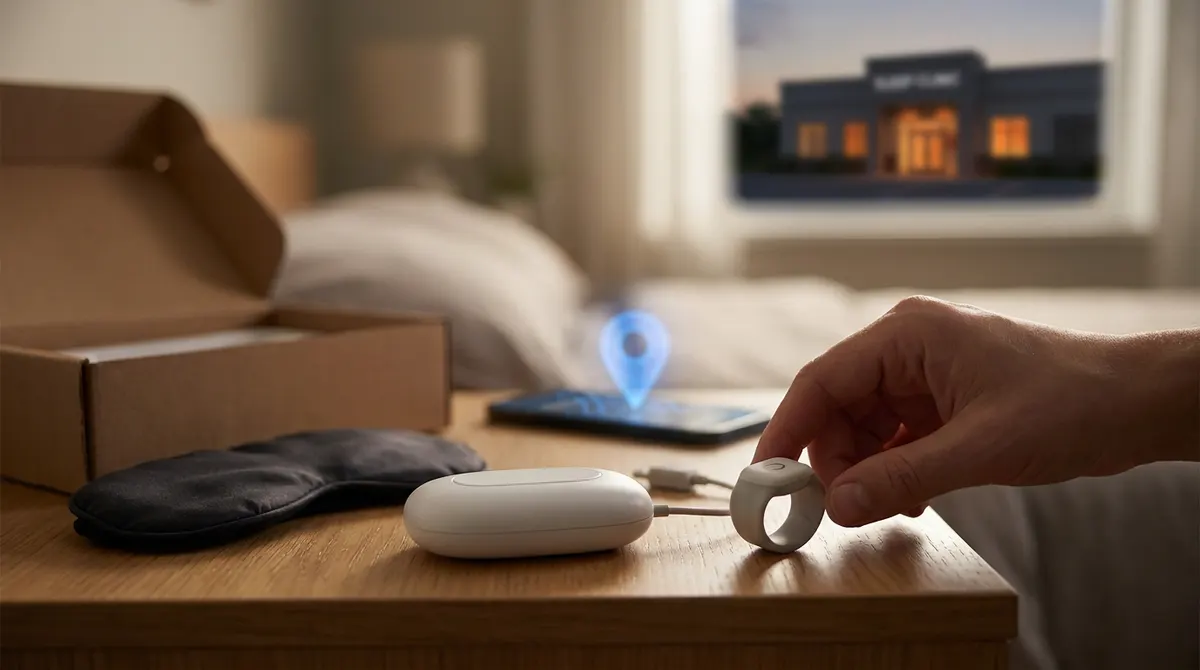
sleep apnea test near me is one of the most common searches among adults who suspect their snoring, daytime fatigue, or breathing pauses during sleep point to something more serious. According to the American Academy of Sleep Medicine, an estimated 30 million Americans have obstructive sleep apnea, yet roughly 80 percent remain undiagnosed. This guide is for anyone experiencing sleep problems and looking for a convenient, affordable path to diagnosis, whether that means visiting a sleep center in your area or completing a home sleep test from your own bed. You will learn exactly what each type of sleep study measures, how to compare costs and accuracy, which treatment options follow a positive diagnosis, and where dumbo.health fits into a streamlined, cash-pay testing pathway. Every section is designed to help you take the next step with confidence.
Quick Answer
A sleep apnea test near you can be completed at a local sleep center through an overnight polysomnography study or at home using an FDA-approved home sleep apnea test device. Home sleep tests measure airflow, oxygen saturation, and respiratory effort while you sleep in your own bed. In-lab studies add brain wave and limb movement monitoring for complex cases. dumbo.health offers a home sleep test for $149 with no insurance required, shipped directly to your door.
Key Takeaways
- Home sleep apnea tests and in-lab polysomnography are the two primary methods for diagnosing obstructive sleep apnea, each suited to different clinical situations.
- Roughly 80 percent of Americans with obstructive sleep apnea remain undiagnosed, according to the American Academy of Sleep Medicine, making accessible testing critical.
- A home sleep test through dumbo.health costs $149 as a one-time payment with no insurance, referrals, or prior authorizations needed.
- In-lab sleep studies can cost $1,000 to $3,000 or more without insurance, while home sleep tests typically range from $149 to $500.
- CPAP therapy is the most common treatment after a positive sleep apnea diagnosis, and dumbo.health monthly plans start at $59 per month with no contracts.
- Not every sleep disorder can be diagnosed at home; conditions like narcolepsy, parasomnias, and periodic limb movement disorder usually require in-lab polysomnography.
What Is a Sleep Apnea Test and Why Does It Matter?
A sleep apnea test is a diagnostic evaluation that records your breathing patterns, oxygen levels, and other sleep biometrics overnight to determine whether you have obstructive sleep apnea or another sleep disorder. Getting tested matters because untreated sleep apnea raises the risk of hypertension, heart failure, stroke, and motor vehicle accidents.
Sleep apnea is a condition in which the upper airway becomes partially or fully blocked during sleep, often due to relaxation of the soft palate, tongue, and uvula. Each breathing pause, called an apnea or hypopnea event, can last 10 seconds or longer. The number of these respiratory events per hour of sleep produces your Apnea-Hypopnea Index, or AHI, which sleep specialists use to classify the severity of your condition.
The National Heart, Lung, and Blood Institute explains that obstructive sleep apnea is the most common form, but central sleep apnea, where the brain fails to send proper signals to breathing muscles, also exists. Both types require a sleep study for accurate diagnosis. Without testing, symptoms like loud snoring, gasping during sleep, morning headaches, and excessive daytime sleepiness often go unaddressed for years.
Many patients report that the hardest part of getting tested was simply knowing where to start. Whether you search for a sleep center close to you or order an at-home device, the goal is the same: capture a night of sleep data so a qualified sleep doctor can interpret your results and recommend a treatment plan.
DID YOU KNOW: The American Sleep Apnea Association estimates that 38,000 cardiovascular deaths per year in the United States are linked to sleep apnea, underscoring the urgency of timely diagnosis.
KEY TAKEAWAY: A sleep apnea test records your breathing and oxygen levels overnight, and getting tested is the only reliable way to confirm whether obstructive sleep apnea is causing your symptoms.
Understanding what a sleep apnea test measures is the first step, but choosing between an in-lab study and a home-based test is the decision most people face next.
Types of Sleep Studies: In-Lab Polysomnography vs. Home Sleep Apnea Tests
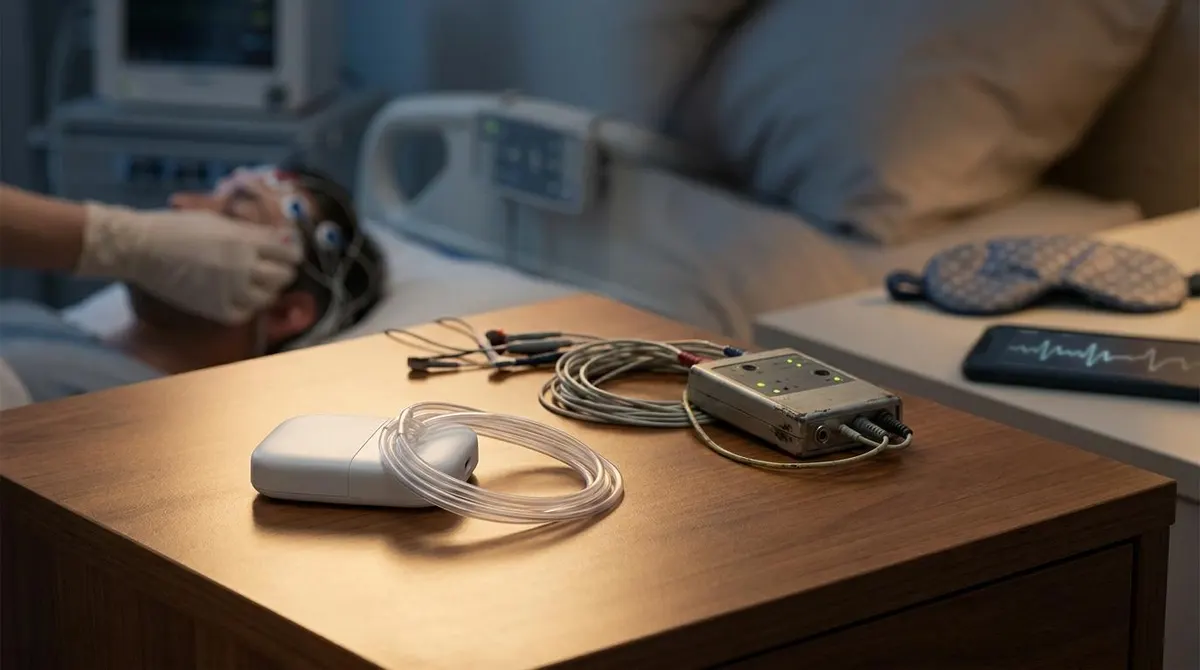
In-lab polysomnography and home sleep apnea tests are the two main options for sleep apnea testing, and each one collects different data using different sensors in different settings. Your choice depends on your symptoms, medical history, and what your healthcare practitioner suspects.
In-Lab Polysomnography
polysomnography is the gold standard sleep study performed at a sleep center or sleep lab. During an overnight polysomnogram, a Polysomnographic Technologist attaches electrodes and sensors to your scalp, face, chest, and legs. These sensors measure brain waves, electrical activity in the muscles, heart rate, oxygen saturation, airflow, respiratory effort, snoring volume, and limb movements.
A polysomnogram can detect obstructive sleep apnea, central sleep apnea, narcolepsy, periodic limb movement disorder, Restless Leg Syndrome, parasomnias like Sleep Terrors, and Circadian Rhythm Disorder. If your sleep doctor suspects a neurological sleep disorder or needs to conduct a Multiple Sleep Latency Test (MSLT) or Maintenance of Wakefulness Test the following day, an in-lab study is typically required.
Sleep centers such as Gwinnett Sleep in the Buford and Suwanee areas, Allina Health Sleep Centers, and facilities within the Atlanta metropolitan area often provide private bedrooms designed to replicate a comfortable sleep environment. Organizations like Summit Health, Atlantic Medical Group, and Reading Hospital also operate sleep labs across the country.
Home Sleep Apnea Tests
A home sleep test, also called an HSAT (Home Sleep Apnea Test) or Home Sleep Study, is a simplified evaluation you complete in your own bed. The device typically uses a sensor worn on your finger to measure oxygen saturation and pulse rate via photoplethysmography or peripheral arterial tonometry, along with a nasal cannula or breathing monitor to track airflow and respiratory events.
Home sleep apnea tests are designed specifically to diagnose obstructive sleep apnea in adults with a moderate to high pre-test probability. They do not measure brain waves or sleep stages, which means they cannot diagnose narcolepsy, insomnia driven by behavioral aspects, periodic limb movements, or complex parasomnias.
The NightOwl Home Sleep Test and other FDA-approved devices use an actigraphy sensor to estimate sleep versus wake time. dumbo.health ships an at-home sleep test device directly to you for $149, requiring no insurance and no prior authorization, making it one of the most accessible paths to sleep apnea testing available.
Structured Comparison: In-Lab vs. Home Sleep Test
Here is how the two primary sleep study options compare across decision-relevant factors.
Setting
- In-Lab polysomnography: Sleep center or hospital sleep lab with private bedrooms
- Home Sleep Apnea Test: Your own bed at home
Sensors and Data Collected
- In-Lab polysomnography: Brain waves, heart rate, oxygen levels, airflow, respiratory effort, limb movements, snoring volume, sleep stages, electrodes for electrical activity
- Home Sleep Apnea Test: Oxygen saturation, pulse rate, airflow, respiratory effort, snoring volume, actigraphy sensor data
Conditions Diagnosed
- In-Lab polysomnography: Obstructive sleep apnea, central sleep apnea, narcolepsy, periodic limb movement disorder, parasomnias, Circadian Rhythm Disorder
- Home Sleep Apnea Test: Obstructive sleep apnea (primary focus)
Typical Cost Without Insurance
- In-Lab polysomnography: $1,000 to $3,000 or more
- Home Sleep Apnea Test: $149 to $500
Convenience
- In-Lab polysomnography: Requires scheduling, travel, and an overnight stay
- Home Sleep Apnea Test: Completed at home, shipped to your door
Turnaround for Results
- In-Lab polysomnography: Typically 1 to 3 weeks
- Home Sleep Apnea Test: Often within days, depending on provider
For most adults whose primary concern is obstructive sleep apnea, a home sleep test provides a faster, more affordable, and equally valid path to diagnosis. dumbo.health offers this option for $149 with physician interpretation included in any monthly care plan starting at $59 per month.
KEY TAKEAWAY: In-lab polysomnography is necessary for complex sleep disorders, but a home sleep apnea test is the most practical and cost-effective choice for diagnosing obstructive sleep apnea in most adults.
Knowing which test type fits your situation helps, but understanding exactly what these tests measure gives you a clearer picture of how your diagnosis is determined.
What a Sleep Apnea Test Measures: Sensors, Data, and What Your Results Mean
A sleep apnea test measures specific sleep biometrics overnight, and the results tell your sleep doctor whether your airway is becoming blocked repeatedly during sleep and how severely. The data collected determines your diagnosis and shapes your treatment plan.
Sensors Used During Testing
During polysomnography, electrodes placed on the scalp record brain waves and electrical activity to identify sleep stages, including light sleep, deep sleep, and REM sleep. Additional sensors track heart rate, oxygen levels via pulse oximetry, airflow through nasal cannulas, respiratory effort through chest and abdominal belts, and limb movements through leg electrodes. A microphone or vibration sensor captures snoring volume.
Home sleep apnea tests use fewer sensors but still capture the critical data for obstructive sleep apnea diagnosis. A typical HSAT device records oxygen saturation, pulse rate, airflow, and respiratory effort. Some devices use photoplethysmography to measure blood oxygen changes at the fingertip, while others use peripheral arterial tonometry to detect breathing disruptions through arterial pulse signals.
Understanding Your Results
The primary metric from any sleep apnea test is the Apnea-Hypopnea Index, or AHI. This number represents the average count of apnea and hypopnea events per hour of recorded sleep. The American Academy of Sleep Medicine classifies severity as follows:
- Normal: fewer than 5 events per hour
- Mild obstructive sleep apnea: 5 to 14 events per hour
- Moderate obstructive sleep apnea: 15 to 29 events per hour
- Severe obstructive sleep apnea: 30 or more events per hour
Your results will also show your lowest oxygen saturation during the night. Drops below 90 percent are clinically significant and indicate that your airway was blocked long enough to reduce oxygen delivery to your brain and organs. Heart rate variability during respiratory events and total sleep time estimates round out the picture.
After you complete a home sleep test through dumbo.health, a board-certified physician reviews your sleep data and provides an interpretation report. On the Essentials Plan at $59 per month, this physician interpretation is included along with CPAP therapy and equipment if treatment is indicated.
IMPORTANT: A sleep apnea test provides objective data, but the final diagnosis must come from a qualified physician who interprets your results alongside your sleep history and symptoms.
KEY TAKEAWAY: Your AHI score and oxygen saturation readings are the core results from any sleep apnea test, and they determine whether you have sleep apnea, how severe it is, and what treatment is appropriate.
Once you understand what your test measures, the next practical question is how to actually find and access testing near you or from home.
How to Find a Sleep Apnea Test Near You
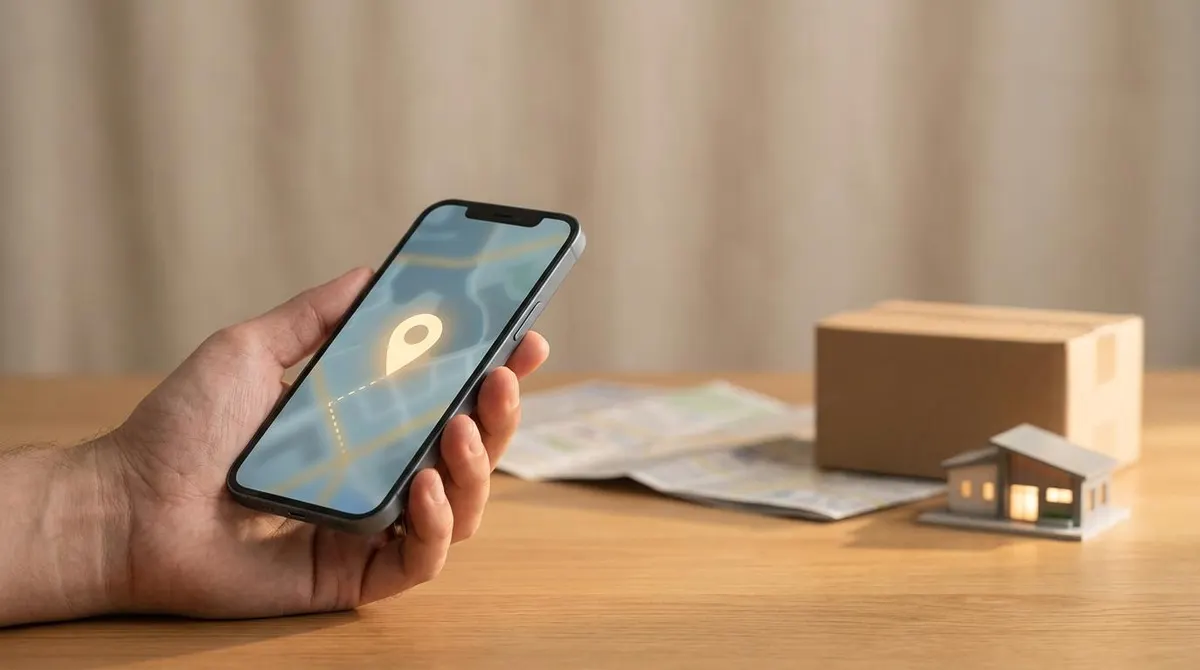
Finding a sleep apnea test near you involves choosing between visiting a local sleep center, going through your primary care provider, or ordering a home sleep test online. The best path depends on your symptoms, insurance situation, and how quickly you need results.
Option 1: Local Sleep Centers and Sleep Labs
Sleep centers in your area offer in-lab polysomnography and sometimes dispense CPAP equipment on-site. You can search for "sleep center near me" or "sleep lab near me" to find accredited facilities. The American Academy of Sleep Medicine maintains a directory of accredited sleep centers. Facilities like Gwinnett Sleep serving Buford, Suwanee, and the broader Atlanta metropolitan area, as well as national networks like Allina Health Sleep Centers and Atlantic Medical Group, provide comprehensive sleep testing and follow-up care.
When choosing a sleep center close to you, verify that the facility is accredited, ask about wait times, and confirm whether they accept your insurance or offer self-pay pricing. Many sleep labs have wait times of 2 to 6 weeks for an appointment, which can delay your diagnosis significantly.
Option 2: Referral Through Your Doctor
Your primary care physician or a sleep doctor can order a sleep study based on your symptoms and sleep history. A referral is often required for insurance-covered in-lab studies. During your evaluation, your healthcare practitioner may screen you using questionnaires like the STOP-BANG or Epworth Sleepiness Scale to assess your risk level before deciding on the type of sleep testing.
Option 3: At-Home Sleep Testing Through Telehealth
Telehealth-based sleep apnea testing eliminates the need for in-person visits, referrals, and insurance approvals. dumbo.health provides a streamlined path to diagnosis: you complete a free sleep assessment online, receive an FDA-approved home sleep test device by mail for $149, complete one night of testing in your own bed, and get physician-reviewed results without leaving home. This approach works particularly well for people without insurance, those in areas with limited access to sleep specialists, or anyone who wants to avoid the scheduling delays common at traditional sleep centers.
People who undergo home sleep testing often find the process far less disruptive than expected. You sleep in your own bed, in your normal sleep environment, which can produce sleep data that more accurately reflects your typical sleep patterns compared to sleeping in an unfamiliar sleep lab.
How to Get Started: Step-by-Step Process
1. Take the free online sleep assessment at dumbo.health to evaluate your symptoms and risk factors.
2. Order your home sleep test device for $149 through dumbo.health, with no insurance or referral needed.
3. Receive the FDA-approved device at your door and follow the included setup instructions.
4. Wear the device for one night of sleep in your own bed.
5. Return the device using the prepaid shipping label provided.
6. A board-certified physician reviews your sleep data and prepares your interpretation report.
7. Choose a monthly care plan starting at $59 per month if treatment is indicated, with CPAP therapy and equipment included.
After completing these steps, you have a confirmed diagnosis and a clear treatment pathway, all without navigating insurance approvals or waiting weeks for an in-lab appointment.
TIP: If you are unsure whether your symptoms warrant testing, the Epworth Sleepiness Scale is a validated screening tool that takes under two minutes. A score of 10 or higher suggests excessive daytime sleepiness that should be evaluated.
KEY TAKEAWAY: You can access sleep apnea testing through a local sleep center, a physician referral, or a telehealth-based home sleep test, and dumbo.health offers one of the fastest, most affordable paths at $149 with no insurance required.
Cost is one of the biggest factors influencing whether people follow through with testing, so understanding what you will actually pay is the next critical step.
How Much Does a Sleep Apnea Test Cost?
A sleep apnea test costs anywhere from $149 for an at-home study to $3,000 or more for an in-lab polysomnography without insurance. Your actual cost depends on the type of test, where you get it, and whether you have insurance coverage.
Cost Breakdown by Test Type
In-lab polysomnography at a sleep center typically bills between $1,000 and $3,000 for a single overnight study. If a split-night study is needed, where the first half diagnoses sleep apnea and the second half titrates CPAP pressure, costs can be similar or slightly higher. Insurance may cover part of the expense, but copays, deductibles, and prior authorization requirements often leave patients responsible for several hundred dollars out of pocket.
Home sleep apnea tests purchased through hospitals or traditional clinics generally range from $300 to $600. Many require a physician visit or referral before the test can be ordered, adding consultation fees to the total.
dumbo.health eliminates the typical cost barriers entirely. The at-home sleep test is $149 as a one-time payment, with no insurance required, no prior authorizations, and no surprise bills. Monthly care plans covering physician interpretation, CPAP therapy, and ongoing support start at $59 per month on the Essentials Plan, $89 per month on the Premium Plan with a dedicated sleep coach, or $129 per month on the Elite Plan with concierge clinical support and direct physician messaging. All plans are contract-free and can be cancelled anytime.
Why Cost Prevents Testing and How to Overcome It
The Sleep Foundation reports that cost and lack of insurance are among the most commonly cited barriers to sleep apnea diagnosis. Many adults who suspect they have sleep apnea delay testing for months or years because they assume it will be expensive or complicated. Cash-pay options like those from dumbo.health remove this barrier by offering transparent pricing that patients can plan around.
Cost
- In-Lab polysomnography: $1,000 to $3,000 without insurance
- Traditional home sleep test (clinic-ordered): $300 to $600
- dumbo.health Home sleep test: $149 one-time
Insurance Required
- In-Lab polysomnography: Usually yes, with prior authorization often needed
- Traditional Home Sleep Test (clinic-ordered): Often yes, referral may be required
- dumbo.health Home Sleep Test: No, cash-pay only
Additional Fees
- In-Lab Polysomnography: Consultation, facility, interpretation, and equipment fees possible
- Traditional Home Sleep Test (clinic-ordered): Office visit copay, interpretation fee possible
- dumbo.health Home Sleep Test: None beyond the $149 test cost; monthly plans billed separately
For most people searching for an affordable sleep apnea test near them, the dumbo.health home sleep test at $149 offers the lowest total cost with the fewest administrative hurdles.
KEY TAKEAWAY: In-lab sleep studies can cost over $1,000 without insurance, while dumbo.health offers a complete home sleep test for $149 with no insurance, referrals, or hidden fees.
After understanding costs, the natural next question is what happens if your test confirms sleep apnea and you need to start treatment.
Treatment Options After a Positive Sleep Apnea Diagnosis
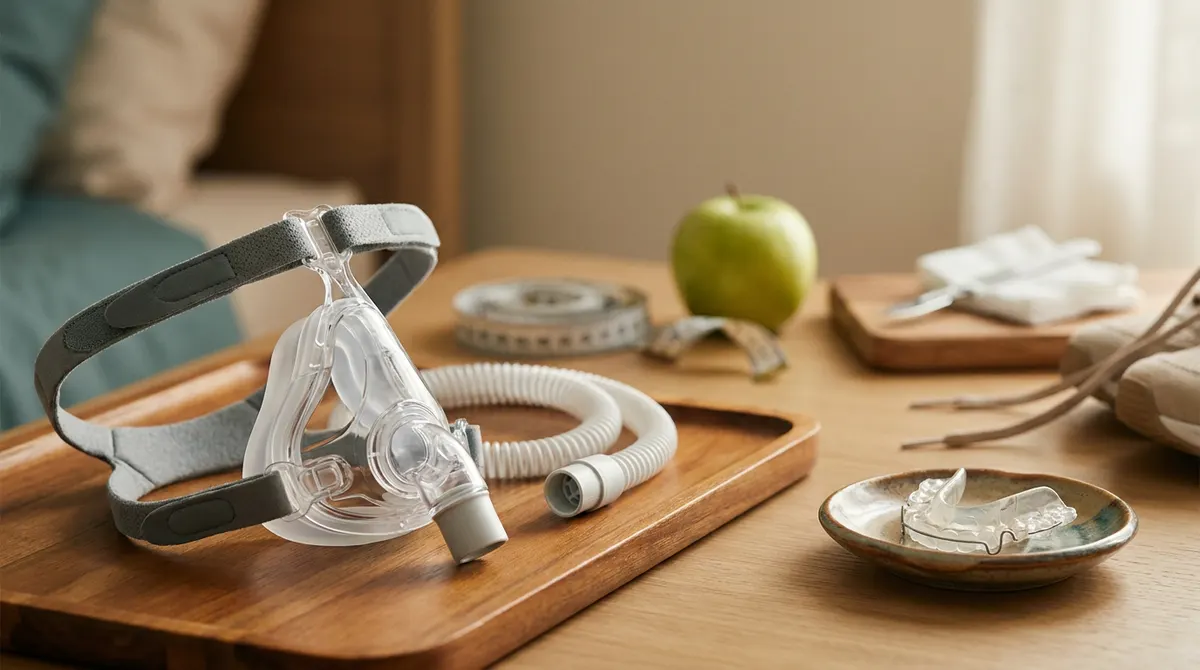
CPAP therapy is the first-line treatment for moderate to severe obstructive sleep apnea, and starting treatment promptly after diagnosis reduces cardiovascular risk and improves sleep quality. Your treatment plan depends on the severity of your condition and your individual needs.
CPAP Therapy
Continuous positive airway pressure, or CPAP, works by delivering a steady stream of pressurized air through a mask worn during sleep. This positive airway pressure keeps the soft palate, tongue, and surrounding tissues from collapsing and blocking the airway. The American Academy of Sleep Medicine recommends CPAP as the primary treatment for obstructive sleep apnea with an AHI of 15 or greater, or an AHI of 5 to 14 with symptoms like excessive daytime sleepiness.
Clinicians frequently observe that patients who use CPAP consistently for at least 4 hours per night experience significant improvements in daytime alertness, blood pressure, and overall sleep quality. The Centers for Medicare and Medicaid Services define adherence as using CPAP for at least 4 hours per night on at least 70 percent of nights during a consecutive 30-day period.
dumbo.health includes CPAP therapy and equipment in every monthly care plan. The Essentials Plan at $59 per month covers the physician interpretation report, CPAP device, and standard follow-up care. The Premium Plan at $89 per month adds a dedicated sleep coach from a licensed care team and advanced adherence monitoring. The Elite Plan at $129 per month includes concierge clinical support, direct physician messaging, and custom reporting.
Oral Appliance Therapy
For mild to moderate obstructive sleep apnea, or for patients who cannot tolerate CPAP, oral appliance therapy may be an alternative. A custom-fitted dental device repositions the lower jaw forward to keep the airway open. The American Academy of Sleep Medicine notes that oral appliances are effective for some patients but generally less effective than CPAP for severe cases.
Lifestyle and Behavioral Approaches
Weight loss, positional therapy, and sleep hygiene improvements can reduce the severity of obstructive sleep apnea in some individuals. A Sleep diary can help you and your sleep doctor track sleep patterns and identify behavioral aspects that worsen your condition. Sleep routine changes such as maintaining a consistent bedtime, avoiding alcohol before sleep, and optimizing your sleep environment can complement primary treatment.
Cognitive Behavioral Therapy for insomnia, often called CBT-I, may be recommended alongside sleep apnea treatment if insomnia is a co-occurring issue. Medications such as melatonin are not treatments for sleep apnea itself but may be used to support overall sleep quality when recommended by a physician.
Surgical and Advanced Options
Sleep Apnea Surgery may be considered when CPAP and oral appliances are ineffective or not tolerated. Procedures can address structural issues involving the soft palate, uvula, or tongue base. The Inspire device, an FDA-approved implantable device, stimulates the hypoglossal nerve to keep the airway open during sleep. Implantable device testing and candidacy evaluation are performed by sleep specialists and surgical teams.
Oxygen Therapy and Breathing Therapy are used in specific situations, particularly for central sleep apnea or patients with co-existing conditions like Chronic Obstructive Pulmonary Disease or heart failure. These are not substitutes for CPAP in obstructive sleep apnea but may be part of a broader care plan.
KEY TAKEAWAY: CPAP therapy is the gold standard for treating obstructive sleep apnea, and dumbo.health monthly plans starting at $59 per month include CPAP equipment, physician oversight, and ongoing care with no contracts.
Treatment is most effective when it follows a proper diagnosis, but not every testing method works for every person, which brings us to important limitations you should understand.
Limitations and Risks: When a Home Sleep Test May Not Be Enough
A home sleep apnea test is highly effective for diagnosing obstructive sleep apnea in adults, but it has limitations that make it unsuitable for certain patients and conditions. Understanding these boundaries ensures you get the right test the first time.
Limitation 1: Cannot Diagnose Complex Sleep Disorders
Home sleep apnea tests do not measure brain waves or sleep stages. This means they cannot diagnose narcolepsy, a neurological sleep disorder characterized by excessive daytime sleepiness and sudden sleep attacks. The Multiple Sleep Latency Test (MSLT), which measures how quickly you fall asleep during daytime nap opportunities, requires an in-lab setting. Similarly, parasomnias, Sleep Terrors, periodic limb movement disorder, and Circadian Rhythm Disorder all require the full sensor array of polysomnography for accurate diagnosis.
If your sleep doctor suspects a condition beyond obstructive sleep apnea, an in-lab polysomnogram is the appropriate next step. dumbo.health offers telehealth consultations that can help determine whether a home test is right for your symptoms or whether you should seek an in-lab evaluation.
Limitation 2: May Underestimate Severity
Because home devices estimate rather than directly measure total sleep time, the AHI calculated from a home sleep test can sometimes underestimate severity. If you spend a long time in bed but sleep poorly, the device may divide respiratory events by a larger time window, producing a lower AHI than you would receive in a lab where brain wave monitoring confirms actual sleep time. The American Academy of Sleep Medicine acknowledges this limitation and recommends that a negative or inconclusive home test in a patient with high clinical suspicion should be followed by in-lab polysomnography.
Limitation 3: Not Suitable for All Patients
home sleep testing is generally not recommended for patients with significant comorbidities such as severe heart failure, Chronic Obstructive Pulmonary Disease, or suspected central sleep apnea. Patients with neurological conditions that affect breathing patterns may also need in-lab monitoring. Additionally, children typically require testing at a pediatric sleep center where specialized protocols and equipment are available.
Limitation 4: User Error Can Affect Results
The accuracy of a home sleep test depends partly on correct device placement. If a sensor shifts during the night or the nasal cannula becomes dislodged, the sleep data may be incomplete. Most FDA-approved home devices include clear instructions and fail-safes, but in real-world use, some tests need to be repeated. dumbo.health provides setup guidance and support to minimize this risk.
Limitation 5: Does Not Replace a Full Medical Evaluation
A home sleep apnea test provides diagnostic data, but it does not replace a comprehensive evaluation by a sleep specialist. Conditions like Allergies, enlarged tonsils, jaw structure issues, or medication side effects contributing to sleep problems require clinical assessment. A home test is one piece of the diagnostic puzzle, not the entire picture.
IMPORTANT: If your home sleep test results are negative but you continue to experience excessive daytime sleepiness, loud snoring, or witnessed breathing pauses, follow up with a sleep doctor for further evaluation, which may include in-lab polysomnography.
KEY TAKEAWAY: Home sleep tests are effective for obstructive sleep apnea but cannot diagnose narcolepsy, parasomnias, or central sleep apnea, and a negative result in a symptomatic patient should always be followed up with a sleep specialist.
Knowing these limitations helps set realistic expectations, and seeing how testing plays out in real scenarios can make the decision even clearer.
Real-World Scenarios: Who Needs a Sleep Apnea Test and What Happens Next
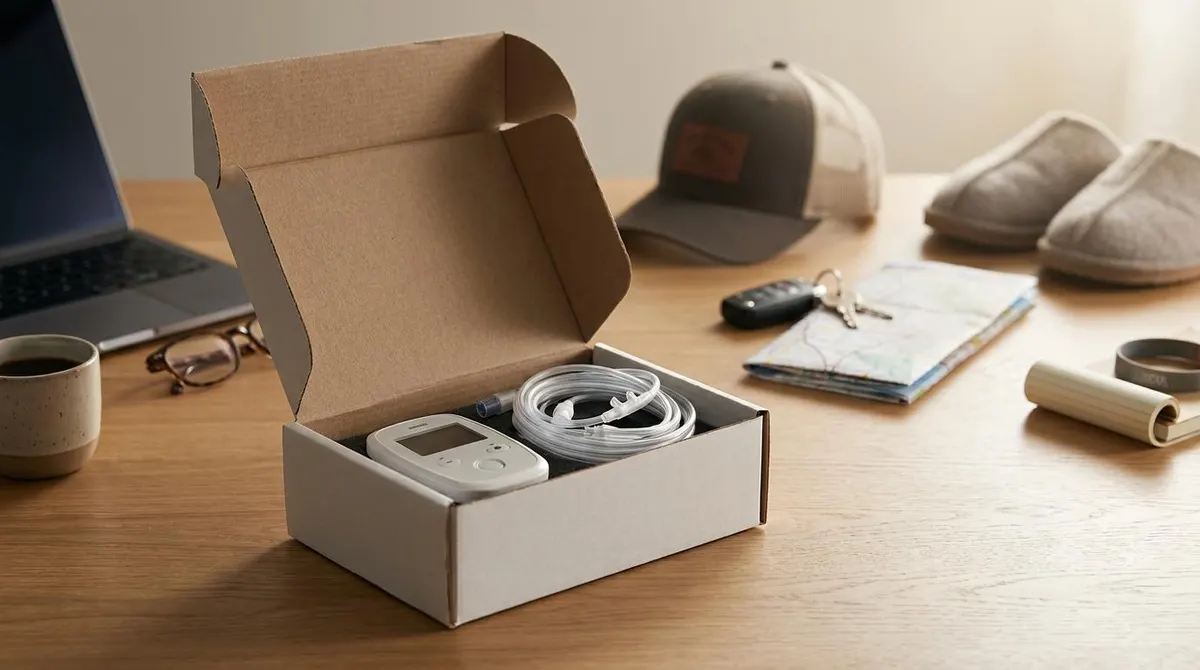
Real-world examples illustrate how different people find and complete sleep apnea testing based on their unique situations. These scenarios show common pathways from symptoms to diagnosis to treatment.
Scenario 1: A 48-Year-Old Office Manager With Chronic Fatigue
A 48-year-old office manager has been waking up with headaches and struggling to stay awake during afternoon meetings for over a year. Her partner reports loud snoring and occasional gasping sounds during the night. She has a BMI of 32 and a family history of hypertension. Her primary care physician screens her using the STOP-BANG questionnaire, and her score of 6 places her in the high-risk category for obstructive sleep apnea.
Rather than waiting 4 weeks for an in-lab appointment at a local sleep center, she orders a home sleep test through dumbo.health for $149. The device arrives in days. After one night of testing, her results show an AHI of 22, confirming moderate obstructive sleep apnea with oxygen saturation drops to 84 percent. She enrolls in the Premium Plan at $89 per month, receives a CPAP device, and begins working with a dedicated sleep coach to optimize her therapy. Within 3 weeks of consistent CPAP use, her morning headaches resolve and her daytime energy improves noticeably.
Scenario 2: A 55-Year-Old Long-Haul Truck Driver Facing DOT Recertification
A 55-year-old owner-operator with a CDL has a BMI of 38 and a neck circumference of 18 inches. During his DOT physical, the medical examiner flags him for sleep apnea screening and requires a sleep study before issuing a full medical certificate. He does not have health insurance and needs results quickly to maintain his livelihood.
He completes the free sleep assessment at dumbo.health, orders the home sleep test for $149, and finishes testing within a week of his DOT physical. His results reveal severe obstructive sleep apnea with an AHI of 41. He starts on the Essentials Plan at $59 per month, which includes CPAP therapy and equipment along with updates sent to his referring provider. His adherence data is tracked and can be shared with his DOT medical examiner to support recertification.
Scenario 3: A 35-Year-Old Woman With Insomnia and Restless Legs
A 35-year-old woman reports difficulty falling asleep, frequent awakenings, and uncomfortable leg sensations that worsen at night. She suspects sleep apnea because she occasionally wakes gasping. Her sleep doctor reviews her sleep history and suspects a combination of insomnia, Restless Leg Syndrome, and possibly periodic limb movements during sleep.
Because her symptom profile suggests conditions beyond obstructive sleep apnea, her sleep specialist orders an in-lab polysomnogram with additional leg electrodes to measure periodic limb movements. The study reveals mild obstructive sleep apnea with an AHI of 8, but also confirms periodic limb movement disorder with over 25 limb movements per hour. Her treatment plan includes behavioral therapy for insomnia, medication for Restless Leg Syndrome, and positional therapy for her mild sleep apnea. This scenario demonstrates why a home sleep test alone would not have captured her full clinical picture.
KEY TAKEAWAY: Each person's path to diagnosis depends on their symptoms, risk factors, and clinical complexity, and home sleep testing through dumbo.health works well for straightforward obstructive sleep apnea while complex cases may require in-lab polysomnography.
These scenarios show the range of outcomes, but before you pursue testing, a simple preparation checklist can help ensure your results are as accurate as possible.
Preparing for Your Sleep Apnea Test: What to Do Before Test Night
Proper preparation before a sleep apnea test improves the accuracy of your results and reduces the chance of needing a repeat study. Whether you test at a sleep lab or at home, a few simple actions make a significant difference.
Pre-Test Checklist
- Avoid caffeine after noon on the day of your test, as it can delay sleep onset and alter sleep patterns
- Avoid alcohol on the day of your test, since alcohol relaxes airway muscles and can artificially worsen respiratory events
- Do not nap during the day of your test to ensure adequate sleep drive at bedtime
- Shower before testing but avoid applying lotions, oils, or hair products that can interfere with sensor adhesion
- Remove nail polish from at least one finger if your test uses a fingertip oxygen sensor
- Charge your home sleep test device fully if required by the manufacturer
- Review the device setup instructions before bedtime so you are comfortable with placement
- Keep a Sleep diary for the week before your test, noting bedtimes, wake times, and any sleep problems
- Document your current medications, including over-the-counter sleep aids or melatonin, as some medications can affect sleep data
- Complete the free sleep assessment at dumbo.health to confirm your symptoms align with obstructive sleep apnea risk factors
- Prepare your sleep environment by reducing noise and light to match your normal bedtime conditions
- Set aside enough time for at least 6 hours of sleep to ensure adequate data collection
If you are going to a sleep center, bring comfortable sleepwear, any prescribed medications, and your insurance card or self-pay confirmation. Arrive on time, as sleep technologists need time to attach electrodes and sensors before your normal bedtime.
In real-world use, patients who follow these preparation steps produce higher quality sleep data and are less likely to need a repeat test. A Respiratory Therapist or sleep technologist at an in-lab facility will guide you through the setup, but for a home test, your preparation is entirely in your own hands.
KEY TAKEAWAY: Following a simple pre-test checklist, including avoiding caffeine and alcohol, removing nail polish, and reviewing device instructions, improves the reliability of your sleep apnea test results.
Preparation matters, but so does knowing the full range of sleep disorders that testing can reveal beyond obstructive sleep apnea.
Beyond Sleep Apnea: Other Sleep Disorders That Testing Can Identify
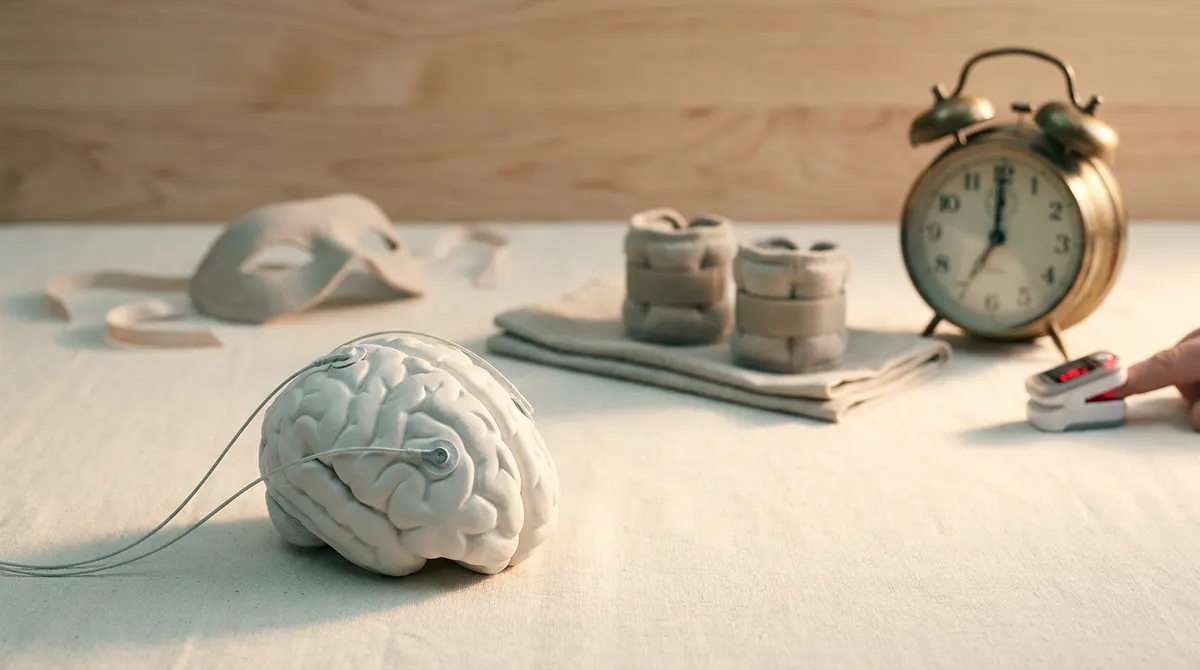
Sleep testing can diagnose a wide range of sleep disorders beyond obstructive sleep apnea, and identifying the correct condition is essential for receiving the right treatment. A sleep study is not just a sleep apnea test; it is a comprehensive window into what happens while you sleep.
Narcolepsy
Narcolepsy is a neurological sleep disorder that causes overwhelming daytime sleepiness and sudden, uncontrollable sleep episodes. According to the NIH, narcolepsy affects approximately 1 in 2,000 people in the United States. Diagnosis requires an overnight polysomnogram followed by a Multiple Sleep Latency Test, which measures how quickly you fall asleep during 4 to 5 scheduled daytime nap opportunities. An average sleep onset of 8 minutes or less, combined with at least 2 REM-onset periods during the naps, supports a narcolepsy diagnosis.
Periodic Limb Movement Disorder
Periodic limb movement disorder involves repetitive, involuntary leg movements during sleep that cause brief arousals. These periodic limb movements are recorded by electrodes placed on the legs during polysomnography. The condition is distinct from Restless Leg Syndrome, which involves uncomfortable sensations and an urge to move the legs while awake. Both conditions can fragment sleep and reduce sleep quality even when the person is unaware of the movements.
Parasomnias and Sleep Terrors
Parasomnias are disruptive sleep events that occur during transitions between sleep stages. Sleep Terrors, sleepwalking, and REM sleep behavior disorder fall into this category. Polysomnography captures the brain wave patterns and muscle activity that help sleep specialists determine which sleep stage the events occur in, guiding treatment decisions.
Central Sleep Apnea
Central sleep apnea differs from obstructive sleep apnea because the airway is not physically blocked. Instead, the brain intermittently fails to send signals to the breathing muscles. Central sleep apnea is more common in patients with heart failure or neurological conditions and requires in-lab testing for accurate diagnosis. Treatment may involve adaptive servo-ventilation or bilevel positive airway pressure rather than standard CPAP.
Circadian Rhythm Disorder
Circadian Rhythm Disorder occurs when your internal body clock is misaligned with the demands of your daily schedule. Shift workers, frequent travelers, and people with delayed or advanced sleep phase patterns may have this condition. Diagnosis often involves actigraphy sensor monitoring over 1 to 2 weeks along with a detailed sleep history and Sleep diary review.
Many people who search for a sleep apnea test near them are actually experiencing symptoms caused by one of these other sleep disorders. A thorough evaluation by a sleep expert ensures that the correct diagnosis is made and the right treatment plan is developed. If your initial home sleep test results are negative but your symptoms persist, a sleep specialist can order additional testing such as an in-lab nocturnal polysomnogram, MSLT, or Maintenance of Wakefulness Test to identify the underlying condition.
DID YOU KNOW: According to the Sleep Foundation, insomnia affects approximately 10 to 15 percent of the adult population on a chronic basis, making it the most prevalent sleep disorder, yet it is often undiagnosed or attributed to stress alone.
KEY TAKEAWAY: In-lab polysomnography can diagnose narcolepsy, periodic limb movement disorder, parasomnias, central sleep apnea, and Circadian Rhythm Disorder, all of which require different treatments than obstructive sleep apnea.
Understanding the full spectrum of diagnosable conditions makes clear why accurate testing is so important. However, misconceptions about sleep apnea testing still prevent many people from getting evaluated.
Common Myths About Sleep Apnea Testing Debunked
Misinformation about sleep apnea testing discourages millions of people from getting the evaluation they need. These are the most common myths and the facts that correct them.
MYTH: Only overweight, older men get sleep apnea.
FACT: While obesity and male sex are risk factors, the American Academy of Sleep Medicine confirms that sleep apnea affects women, younger adults, and people of normal weight. Post-menopausal women, people with anatomical features like a narrow airway or enlarged tongue, and those with conditions like Allergies or Chronic Obstructive Pulmonary Disease are also at risk. The CDC notes that sleep apnea prevalence increases across all demographics, not just one profile.
MYTH: You have to sleep in a hospital to get diagnosed.
FACT: Home sleep apnea tests are a validated, FDA-approved method for diagnosing obstructive sleep apnea. The American Academy of Sleep Medicine supports the use of home sleep apnea tests for adults with a high pre-test probability of moderate to severe obstructive sleep apnea and no significant comorbidities. dumbo.health ships an at-home test device for $149, allowing you to complete testing in your own bed without visiting a sleep center.
MYTH: Sleep apnea is not dangerous, it is just snoring.
FACT: Obstructive sleep apnea involves repeated episodes where the airway becomes blocked, causing oxygen saturation to drop and the heart to work harder. The National Heart, Lung, and Blood Institute links untreated sleep apnea to hypertension, heart failure, type 2 diabetes, stroke, and increased motor vehicle accident risk. The NHTSA estimates that drowsy driving causes approximately 100,000 crashes per year in the United States, and undiagnosed sleep apnea is a significant contributing factor.
MYTH: CPAP machines are too uncomfortable to use long-term.
FACT: Modern CPAP devices are smaller, quieter, and more comfortable than models from even 5 years ago. Mask options range from nasal pillows to full-face designs, and pressure settings can be auto-adjusted based on your breathing patterns. Clinicians frequently observe that patients who work with a sleep coach or care team during the adjustment period achieve higher long-term adherence. dumbo.health's Premium Plan at $89 per month includes a dedicated sleep coach and advanced adherence monitoring to help you adapt to CPAP therapy successfully.
MYTH: If you do not feel tired during the day, you do not have sleep apnea.
FACT: Many people with obstructive sleep apnea do not report classic daytime sleepiness because they have adapted to chronically poor sleep quality over years. According to Mayo Clinic, some patients present primarily with morning headaches, difficulty concentrating, irritability, or hypertension rather than obvious fatigue. A sleep apnea test is the only way to confirm whether respiratory events are disrupting your sleep, regardless of how you feel during the day.
KEY TAKEAWAY: Myths about who gets sleep apnea, how it is tested, and whether it is serious prevent many people from pursuing diagnosis, but the facts support accessible, at-home testing as a validated starting point for most adults.
With these myths corrected, you now have a clear, evidence-based understanding of sleep apnea testing from start to finish.
Conclusion
Finding a sleep apnea test near you does not have to involve long wait times, insurance battles, or unexpected costs. Whether you pursue in-lab polysomnography for complex sleep disorders or choose the convenience of a home sleep test for suspected obstructive sleep apnea, the most important step is getting tested. Roughly 80 percent of cases remain undiagnosed, and every undiagnosed night carries real health consequences.
dumbo.health makes testing accessible with a $149 home sleep test, no insurance required, and monthly sleep apnea care plansstarting at $59 per month with no contracts. Take the free sleep assessment today to find out if home sleep testing is right for you, and move from uncertainty to a clear diagnosis and personalized recommendations for restful sleep.
Frequently Asked Questions About Sleep Apnea Tests Near You
What is a sleep apnea test and what does it involve?
A sleep apnea test is a diagnostic evaluation that measures breathing, oxygen levels, heart rate, and other sleep biometrics to determine whether a person has obstructive sleep apnea or another sleep-related breathing disorder. Testing can take place in a sleep lab through polysomnography, which records brain waves, electrical activity, airflow, respiratory effort, and periodic limb movements, or at home through a home sleep apnea test (HSAT) that monitors oxygen saturation, pulse rate, and breathing patterns. A healthcare professional reviews the results and uses them to guide diagnosis and treatment planning.
How do I find a sleep apnea test near me?
You can find sleep apnea testing through local sleep centers, hospital sleep labs, and telehealth providers offering at-home options. Sleep clinics and certified sleep specialists are available across most metropolitan areas in the United States. If you prefer to avoid travel and scheduling delays, an at-home sleep apnea test is a practical alternative that allows you to sleep in your own environment. dumbo.health offers a $149 at-home sleep test with transparent cash-pay pricing, no insurance required, and no prior authorization needed.
What is the difference between a home sleep apnea test and an in-lab sleep study?
A home sleep apnea test (HSAT) is a simplified overnight test completed in your own bed using a portable device that monitors oxygen saturation, airflow, pulse rate, and respiratory events. An in-lab sleep study, or polysomnography, is conducted at a sleep center and records additional data including brain waves, eye movements, electrical activity, muscle activity, and sleep stages using two dozen or more sensors applied to the skin. According to the American Academy of Sleep Medicine, home sleep apnea tests are generally appropriate for adults with a high likelihood of moderate to severe obstructive sleep apnea, while in-lab polysomnography may be recommended when other sleep disorders such as narcolepsy, periodic limb movement disorder, or central sleep apnea are suspected.
What signs or symptoms suggest I should get a sleep apnea test?
Common signs that may indicate a sleep-related breathing problem include loud snoring, observed pauses in breathing during sleep, waking frequently during the night, waking up with a headache, feeling exhausted despite sleeping eight hours, daytime sleepiness, difficulty staying awake while driving, and falling asleep unintentionally during everyday activities such as watching television or talking on the phone. Restless or uncomfortable legs before or during sleep may suggest restless leg syndrome or periodic limb movement disorder rather than obstructive sleep apnea. A healthcare professional can help determine whether testing is appropriate based on your symptoms and risk factors. You can also take a free sleep assessment to help clarify your next step.
What conditions can a sleep study help identify?
A sleep study can help identify a range of sleep disorders beyond obstructive sleep apnea. These include central sleep apnea, narcolepsy, insomnia, restless leg syndrome, periodic limb movement disorder, parasomnias such as sleep terrors, circadian rhythm disorders, and neurological sleep disorders affecting brain wave activity and sleep stages. A nocturnal polysomnogram is the most comprehensive evaluation for diagnosing these conditions. The Multiple Sleep Latency Test (MSLT) and the Maintenance of Wakefulness Test are separate daytime evaluations used to assess excessive daytime sleepiness and are often used when narcolepsy is suspected. A sleep specialist will determine which evaluation is most appropriate.
How accurate is a home sleep apnea test?
Home sleep apnea tests are considered a reliable and clinically validated method for diagnosing moderate to severe obstructive sleep apnea in adults without significant comorbidities. Devices approved by the FDA measure oxygen saturation, airflow, respiratory effort, pulse rate, and peripheral arterial tonometry or photoplethysmography depending on the device type. However, HSATs have limitations. They typically do not measure brain waves, sleep stages, or the full range of data captured by polysomnography in a sleep lab. A home test may underestimate the apnea-hypopnea index because it calculates based on recording time rather than confirmed sleep time. A physician interprets results in the context of your symptoms, sleep history, and overall health.
Where are sleep studies conducted?
Sleep studies are conducted either in an accredited sleep lab or sleep center, or at home using an HSAT device. In-lab studies take place in private, monitored rooms designed to replicate a comfortable sleep environment, with sleep technologists and polysomnographic technologists monitoring data in real time. Home sleep tests are mailed to the patient and completed in their own bedroom. Sleep centers are available in major metropolitan areas including Atlanta and the Atlanta metropolitan area, and through networks such as Atlantic Medical Group and Allina Health Sleep Centers. For patients who prefer a convenient, non-clinic option, home sleep apnea testing can be arranged without visiting a facility.
Are sleep studies available for children?
Yes, sleep studies are available for children through pediatric sleep centers staffed by clinicians with experience in childhood sleep disorders. Pediatric polysomnography uses the same general approach as adult studies but is adapted for children and may assess different threshold values for respiratory events, oxygen saturation, and sleep stages. If your child shows signs of disrupted sleep, loud snoring, breathing pauses, restless sleep, or difficulty waking in the morning, a healthcare professional can advise whether a pediatric sleep evaluation is appropriate. home sleep apnea testing as described in this article is generally designed for adults, and a clinician should determine the right evaluation pathway for a child.
What happens during an in-lab polysomnography sleep study?
During an in-lab polysomnogram, sensors are applied to your skin using conductive paste and adhesive. These typically include electrodes that measure brain waves, eye movements, and muscle activity, along with elastic belts placed around your chest and abdomen to monitor respiratory effort, a probe placed on your finger to measure oxygen saturation, and sensors to monitor airflow, heart rate, and snoring volume. The sensors work together to record detailed sleep data including sleep stages, breathing patterns, and any respiratory events, periodic limb movements, or arousals. Sleep technologists monitor the equipment throughout the night. You do not need to do anything special during the study beyond sleeping as normally as possible.
What is a sleep diary and why might a sleep doctor ask me to keep one?
A sleep diary is a written log of your daily sleep patterns, typically completed over one to two weeks before a sleep evaluation. Your sleep doctor may ask you to record the time you went to bed, the time you woke up, whether you had trouble falling asleep, how often you woke during the night, how rested you felt in the morning, and any daytime sleep episodes. This information helps the sleep specialist understand your sleep habits, identify patterns consistent with insomnia or circadian rhythm disorders, and inform the evaluation and care plan. A sleep diary is often used alongside actigraphy sensors or a formal sleep history questionnaire.
What does the apnea-hypopnea index mean and how is it used?
The apnea-hypopnea index (AHI) is the number of apnea and hypopnea events recorded per hour of sleep. An apnea is a complete pause in breathing lasting at least ten seconds, and a hypopnea is a partial reduction in airflow accompanied by a drop in oxygen saturation or an arousal from sleep. According to the American Academy of Sleep Medicine, an AHI of 5 to 14 events per hour is classified as mild obstructive sleep apnea, 15 to 29 is moderate, and 30 or more is severe. The AHI is a central measure used by physicians to determine whether sleep apnea is present and how it should be treated.
What treatment options are available for obstructive sleep apnea?
Treatment options for obstructive sleep apnea depend on the severity of the condition, the patient's anatomy, and overall health. CPAP therapy, or continuous positive airway pressure, is the most widely used and evidence-supported treatment. It delivers pressurised air through a mask to keep the airway open during sleep. Other options may include oral appliance therapy, which repositions the jaw and tongue to reduce airway obstruction, positional therapy, sleep hygiene and behavioral changes, weight management, oxygen therapy, breathing therapy, and in some cases sleep apnea surgery or the Inspire implantable device. A physician will recommend a treatment plan based on your diagnosis, symptoms, and preferences. Learn more about CPAP therapy and equipment.
What is CPAP therapy and how does it work?
CPAP, or continuous positive airway pressure, is the primary treatment for moderate to severe obstructive sleep apnea. A CPAP machine delivers a continuous stream of pressurised air through a mask worn over the nose or mouth during sleep. This positive airway pressure prevents the soft palate, uvula, and surrounding tissues from collapsing and blocking the airway, which is the physical mechanism behind most obstructive sleep apnea events. CPAP therapy is typically prescribed following a physician-interpreted sleep study and requires consistent nightly use for meaningful benefit. Many patients find CPAP significantly reduces daytime sleepiness, improves sleep quality, and may help manage related conditions such as hypertension and heart failure over time, though individual outcomes vary.
What is CPAP adherence and why does it matter?
CPAP adherence refers to how consistently and for how long a patient uses their CPAP device each night. The FMCSA and most clinical guidelines consider adequate adherence to be at least four hours of use per night on 70 percent or more of nights, though your treating clinician may apply different thresholds. Poor adherence reduces the clinical benefit of treatment and, for commercial drivers, may affect medical certification decisions. Adherence data is typically transmitted from the CPAP machine and reviewed by a physician or sleep care team. dumbo.health monthly plans include adherence monitoring and follow-up support to help patients stay on track with therapy.
Does sleep apnea affect blood pressure, heart rate, and cardiovascular health?
Untreated obstructive sleep apnea is associated with elevated blood pressure, irregular heart rate, and increased risk of cardiovascular conditions including hypertension and heart failure. The NHLBI explains that repeated drops in oxygen saturation during apnea events place stress on the cardiovascular system and may contribute to hypertension and arrhythmia over time. These associations are well documented, but whether treating sleep apnea directly improves cardiovascular outcomes depends on individual factors and treatment adherence. Anyone with symptoms of sleep apnea alongside existing cardiovascular conditions should consult a healthcare professional about evaluation and care.
Can I get a sleep apnea test without insurance?
Yes. home sleep apnea testing and ongoing care are available on a cash-pay basis without insurance. dumbo.health offers a $149 at-home sleep test with no insurance required, no prior authorizations, and no surprise bills. Monthly care plans start at $59 per month and cover physician interpretation and report, CPAP therapy and equipment, and follow-up care. There are no contracts and you can cancel anytime. This pricing model gives patients a clear cost before they commit. For patients who do have insurance and want to check coverage, calling the member services number on the back of your insurance card is the most direct way to understand your options.
How much does a sleep apnea test cost?
The cost of a sleep apnea test varies widely depending on the type of test and whether insurance is involved. In-lab polysomnography at a sleep center can cost several hundred to several thousand dollars without insurance coverage. Home sleep apnea tests are significantly more affordable. dumbo.health offers a $149 at-home sleep test on a one-time cash-pay basis. This one-time cost covers the test device and one night of testing. Ongoing care, including physician interpretation, CPAP therapy, equipment, and adherence follow-up, is available through separate monthly plans starting at $59 per month with no contracts and no insurance required.
What is included in dumbo.health monthly sleep apnea care plans?
dumbo.health offers three monthly plans for ongoing sleep apnea care after testing. The Essentials plan at $59 per month includes physician interpretation and report, CPAP therapy and equipment, standard follow-up care, and updates sent to your referring provider. The Premium plan at $89 per month adds a dedicated sleep coach from a licensed care team, advanced adherence monitoring, and priority results turnaround. The Elite plan at $129 per month includes everything in Premium plus concierge clinical support, direct physician messaging, and custom reporting for your practice. All plans are no-contract and can be cancelled anytime. Compare sleep apnea care options to find the plan that fits your needs.
Do commercial drivers and CDL holders need a sleep apnea test?
The FMCSA does not have a specific federal sleep apnea testing mandate, but certified medical examiners may require commercial drivers to undergo sleep apnea evaluation if they present with risk factors such as a high body mass index, witnessed apnea, daytime sleepiness, or hypertension during a DOT physical. Undiagnosed or untreated sleep apnea can affect a driver's ability to maintain wakefulness and is considered a safety concern. A certified medical examiner makes the decision about whether to require testing and how it affects medical certification. dumbo.health can support DOT sleep apnea testing and care documentation for commercial drivers, but it does not guarantee DOT certification or medical clearance.
Can I get a new CPAP prescription through at-home sleep testing?
An existing CPAP user who needs a new prescription to obtain CPAP equipment may be able to obtain one through a physician-reviewed home sleep test, depending on clinical circumstances. A physician interprets the home sleep test results and, if appropriate, can issue a CPAP prescription as part of ongoing care. A new test may be recommended if your previous diagnosis was some time ago, if your symptoms have changed, or if your current treatment no longer appears to be effective. A healthcare professional should review your sleep history and current symptoms before a new prescription is issued. dumbo.health monthly plans include physician interpretation and can support this pathway.
What sleep disorders other than sleep apnea might be evaluated during a sleep study?
Sleep studies can evaluate a broad range of conditions beyond obstructive sleep apnea. These include narcolepsy, which is a neurological sleep disorder causing excessive daytime sleepiness and sudden muscle weakness, restless leg syndrome, periodic limb movement disorder, parasomnias such as sleep terrors and sleepwalking, central sleep apnea, circadian rhythm disorders, and insomnia with a neurological component. The Multiple Sleep Latency Test (MSLT) is specifically used to evaluate excessive daytime sleepiness and is the standard diagnostic tool for narcolepsy. A sleep specialist will determine which studies are appropriate based on your symptoms and sleep history.
What is Cognitive Behavioral Therapy for insomnia and when is it recommended?
Cognitive Behavioral Therapy for insomnia, often called CBT-I, is a structured, evidence-based approach to treating chronic insomnia by addressing the thoughts and behaviors that interfere with sleep. It typically includes sleep restriction therapy, stimulus control, sleep hygiene education, relaxation techniques, and cognitive restructuring. The American Academy of Sleep Medicine recommends CBT-I as a first-line treatment for chronic insomnia in adults, often before medications such as melatonin or prescription sleep aids are considered. CBT-I addresses the behavioral aspects of sleep problems rather than underlying respiratory issues, so it is distinct from treatments for sleep apnea. A sleep specialist can help determine whether CBT-I, medication, or another approach is appropriate for your situation.
How long does it take to get sleep apnea test results?
Turnaround time for sleep apnea test results depends on the type of test and the provider. In-lab sleep studies are typically reviewed by a sleep physician within a few days to two weeks, depending on the facility. Home sleep apnea tests are generally faster because the device can be returned or the data uploaded promptly after the test night. dumbo.health Premium plan includes priority results turnaround as part of dedicated sleep coaching and advanced adherence monitoring. For any test, a physician must interpret the data before results are shared and acted upon. If you have urgent symptoms such as severe daytime sleepiness, difficulty breathing, or chest pain, seek medical care promptly rather than waiting for test results.
What should I do if I wake up tired every morning despite getting enough sleep?
Waking up exhausted after a full night of sleep is one of the most common reasons patients seek a sleep evaluation. This symptom can result from obstructive sleep apnea, where repeated breathing interruptions fragment sleep without the person being aware, but it can also indicate other conditions such as insomnia, circadian rhythm disorder, narcolepsy, periodic limb movement disorder, or medical factors unrelated to sleep. A healthcare professional can assess your symptoms, sleep history, and risk factors to determine whether a sleep study or home sleep apnea test is appropriate. The CDC notes that sleep disorders are significantly underdiagnosed, with many people living with undiagnosed conditions for years. A sleep assessment is a practical first step if you are unsure where to start.
What happens if sleep apnea is left undiagnosed or untreated?
Undiagnosed obstructive sleep apnea can have significant health consequences over time. According to the NHLBI, untreated sleep apnea is associated with increased risk of hypertension, cardiovascular disease, type 2 diabetes, stroke, and excessive daytime sleepiness that impairs concentration and driving safety. For commercial drivers, undiagnosed sleep apnea also carries occupational and regulatory risk. A sleep apnea test is the only way to confirm whether sleep-disordered breathing is present and how severe it is. If symptoms such as loud snoring, witnessed apneas, or persistent fatigue are present, a healthcare professional should be consulted about evaluation.
Related Home Sleep Apnea Test Topics
- Sleep Apnea Testing Near Me How to Find the Right Test, Provider, and Path to Diagnosis
- Home Sleep Apnea Test Near Me How to Get Tested Without a Sleep Lab Visit
- What Is a Home Sleep Apnea Test How At-Home Sleep Testing Works, What It Measures, and Who Needs One
- How Do You Get a Home Sleep Apnea Test The Complete Guide to At-Home Sleep Testing
- Home Sleep Apnea Test The Complete Guide to At-Home Sleep Apnea Testing
- How to Get a Sleep Apnea Test at Home The Complete Guide to Home Sleep Testing
- How Is a Home Sleep Apnea Test Done A Complete Guide to At-Home Sleep Testing
- How Does a Home Sleep Apnea Test Work A Complete Guide to At-Home Sleep Testing
- Sleep Test at Home The Complete Guide to Home Sleep Apnea Testing
- How Long Does a Home Sleep Apnea Test Take What to Expect Before, During, and After Testing
- Sleep Apnea Test at Home The Complete Guide to Home Sleep Testing for Adults
- CPAP Test at Home The Complete Guide to Home Sleep Apnea Testing and Treatment
- Home Sleep Test The Complete Guide to At-Home Sleep Apnea Testing
- Can You Test for Sleep Apnea at Home A Complete Guide to Home Sleep Testing
- At-Home Sleep Apnea Test The Complete Guide to Testing, Results, and Treatment
- Sleep Test to CPAP How Sleep Apnea Testing Leads to Treatment
- How Much Does a Home Sleep Apnea Test Cost Complete Pricing Breakdown for Self-Pay and Insured Patients
- Sleep Apnea Test at Home with Insurance What Your Plan Actually Covers and How to Get Tested
- Polysomnography at Home How Home Sleep Testing Compares to In-Lab Sleep Studies
- Home Sleep Testing Companies A Complete Guide to At-Home Sleep Apnea Diagnosis
- Sleep Apnea Diagnosis How Sleep Apnea Is Detected, Tested, and Confirmed
- Sleep Apnea Test The Complete Guide to Diagnosis, Home Testing, and What Your Results Mean
- Sleep Apnea Checker How to Screen for Sleep Apnea and What Your Results Mean
- What Is the Best At-Home Sleep Apnea Test A Clinical Comparison of Devices, Accuracy, and Cost
- What Happens After a Home Sleep Apnea Test Results, Diagnosis, and Next Steps
- Sleep Apnea Test at Home DOT Approved Options for Commercial Drivers
- What Does a Home Sleep Apnea Test Consist Of Sensors, Equipment, and What to Expect
- Can a Home Sleep Apnea Test Be Wrong Accuracy, False Negatives, and What to Do Next
- Home Sleep Testing The Complete Guide to Diagnosing Sleep Apnea From Your Own Bed
- Sleep Apnea Testing The Complete Guide to Diagnosis, Home Tests, and What Your Results Mean
- How to Get Tested for Sleep Apnea The Complete Guide to Diagnosis, Sleep Studies, and Treatment
- Do At-Home Sleep Apnea Tests Work Clinical Accuracy, Limitations, and What the Evidence Shows
- Does Insurance Cover a Home Sleep Apnea Test What You Actually Pay
- Does Medicare Cover a Home Sleep Apnea Test What Beneficiaries Need to Know
- Can Dentists Prescribe a Home Sleep Apnea Test What You Need to Know
- Sleep Test What It Measures, How It Works, and What Your Results Mean
- Are Sleep Studies Covered by Insurance What You Actually Pay for Sleep Apnea Testing
- Home Sleep Test Cost What You Actually Pay With and Without Insurance
- Apnea Monitor The Complete Guide to Breathing Monitors for Sleep Apnea and Infant Care
- Do You Need a Prescription for a Home Sleep Apnea Test
- Can My Doctor Prescribe a Home Sleep Apnea Test What You Need to Know
- Are Home Sleep Apnea Tests Reliable Clinical Evidence, Accuracy, and What the Data Actually Shows
- Does a Home Sleep Apnea Test Measure Apneas What the Device Actually Records
- HSAT The Complete Guide to Home Sleep Apnea Testing
- Disadvantages of Home Sleep Testing What Patients and Providers Need to Know
- Best At Home Sleep Apnea Test A Clinical Comparison
- Does Anyone Ever Pass a Sleep Apnea Test What Normal Results Actually Look Like
- CPAP Test What It Is, How It Works, and What Your Results Mean
- Cost of Sleep Apnea Testing What You Will Actually Pay
- Are Home Sleep Apnea Tests Accurate What the Evidence Actually Shows
AI summary
A sleep apnea test is an overnight diagnostic evaluation that records breathing patterns and oxygen levels to confirm sleep-disordered breathing, most commonly obstructive sleep apnea. Testing is done either with in-lab polysomnography or a home sleep apnea test (HSAT). In-lab polysomnography is the gold standard and uses multiple sensors to measure brain waves, sleep stages, airflow, oxygen saturation, respiratory effort, heart rate, snoring, and limb movements. It can help diagnose obstructive and central sleep apnea, narcolepsy (with Multiple Sleep Latency Test), periodic limb movement disorder, parasomnias, and circadian rhythm disorders. HSAT is a simplified, FDA-approved home study that typically measures airflow, oxygen saturation, pulse rate, and respiratory effort, sometimes using photoplethysmography, peripheral arterial tonometry, and actigraphy. HSAT is intended for adults with moderate to high pre-test probability of obstructive sleep apnea and may underestimate severity because total sleep time is estimated. Key results include the Apnea-Hypopnea Index (AHI): normal under 5, mild 5–14, moderate 15–29, severe 30 or more, plus lowest oxygen saturation. Costs cited range from $1,000–$3,000+ for in-lab studies and $149–$500 for HSAT. Treatment after diagnosis commonly includes CPAP therapy, with alternatives such as oral appliances, lifestyle changes, and selected surgical or advanced options.

Nicolas Nemeth
Co-Founder
Nico is the co-founder of Dumbo Health, a digital sleep clinic that brings the entire obstructive sleep apnea journey home. Patients skip the sleep lab and the long wait to see a specialist. Dumbo Health ships an at home test, connects patients with licensed sleep clinicians by video, and delivers CPAP or a custom oral appliance with ongoing coaching and automatic resupply in one clear subscription.
Keep reading

VA At Home Sleep Apnea Test: The Complete Guide for Veterans

Home Sleep Apnea Test App: What Works, What Doesn't, and How to Get a Real Diagnosis


