Do You Need a Prescription for a Home Sleep Apnea Test?
Home sleep apnea testing is a medical diagnostic procedure in the US and usually must be ordered and interpreted by a licensed clinician. The article explains why prescriptions exist, including medical necessity for Medicare and insurer coverage and the requirement for physician oversight. It outlines what HSAT devices measure overnight, how sensors collect airflow, oxygen saturation, breathing effort, and heart rate, and how results are scored using the Apnea-Hypopnea Index. It also compares HSAT with in-lab polysomnography for complex cases like suspected central sleep apnea. Readers get practical preparation tips, cost expectations, and how telehealth can streamline ordering, shipping, interpretation, and treatment.
Struggling with sleep?
Find out if sleep apnea is the reason.
FDA-cleared. $149 flat. Physician-reviewed results in 48 hours.

Do You Need a Prescription for a Home Sleep Apnea Test?
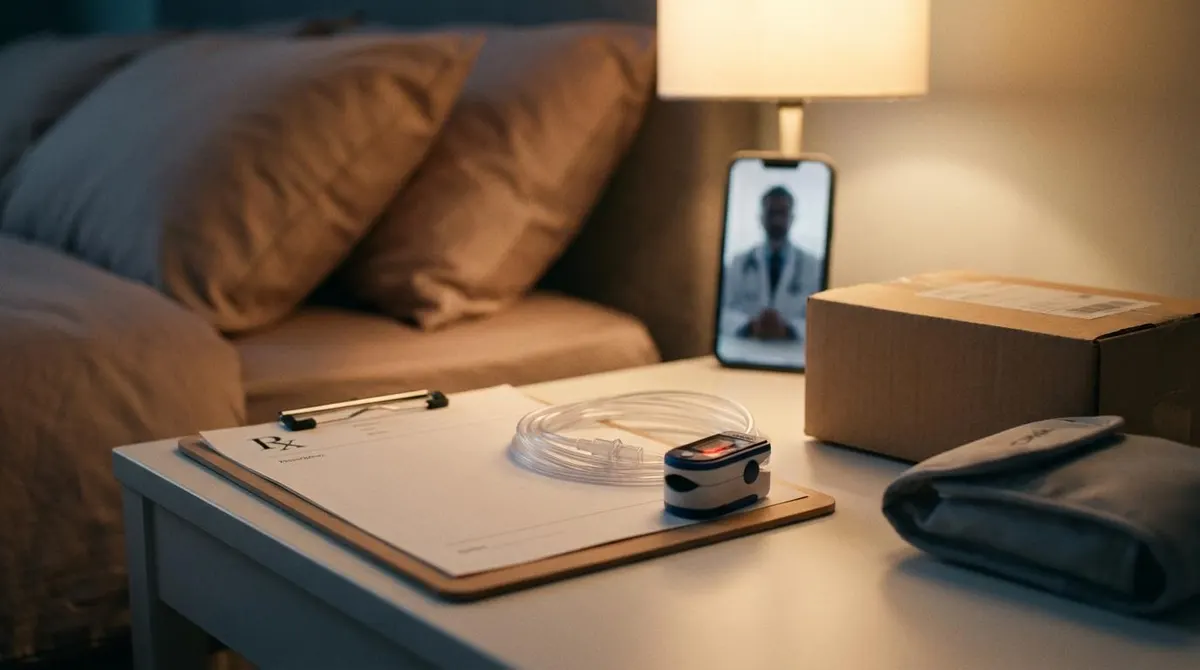
A home sleep apnea test typically requires a prescription from a licensed physician or health care provider in the United States. The American Academy of Sleep Medicine classifies home sleep apnea testing as a medical diagnostic procedure, which means it must be ordered and interpreted under medical oversight. This article is for anyone who suspects they have sleep apnea, including commercial drivers facing DOT requirements, people who snore heavily, and individuals exploring testing options without insurance. You will learn exactly when a prescription is required, when it may not be, how the testing process works, what sensors measure, how results are interpreted, and how to access affordable home sleep apnea testing through services like dumbo.health. By the end, you will know the fastest path from symptoms to diagnosis and treatment.
Quick Answer
A home sleep apnea test requires a prescription from a doctor or qualified health care provider in most clinical and insurance contexts. The prescription confirms medical necessity and authorizes the test. Some telehealth platforms, including dumbo.health, connect you with a physician who can evaluate your symptoms and order the test as part of one streamlined process. dumbo.health offers a home sleep test for $149 with no insurance required, plus physician interpretation starting at $59 per month.
Key Takeaways
- A prescription from a licensed physician is required for a home sleep apnea test under standard medical and insurance guidelines.
- Home sleep apnea tests measure oxygen levels, airflow, breathing effort, and heart rate using portable sensors you wear overnight.
- Medicare and most insurers require a prescription and documented symptoms before covering or authorizing a home sleep test.
- dumbo.health offers a home sleep test for $149 with physician interpretation and CPAP therapy plans starting at $59 per month, no insurance needed.
- A home sleep apnea test is not appropriate for diagnosing central sleep apnea, and a polysomnography test in a sleep lab may be needed for complex sleep disorders.
- Results are typically reported using the Apnea-Hypopnea Index, with a score of 5 or higher indicating some degree of sleep-disordered breathing.
Why a Home Sleep Apnea Test Requires a Prescription
A home sleep apnea test requires a prescription because sleep apnea is a medical condition that demands professional evaluation before diagnosis and treatment. Federal guidelines and medical standards treat home sleep apnea testing (HSAT) as a diagnostic procedure, not a consumer wellness product.
The prescription serves three purposes. First, it confirms that a qualified physician has reviewed your symptoms, medical history, and risk factors. Second, it establishes medical necessity, which Medicare and private insurers require before covering any sleep study. Third, it creates a legal chain of medical oversight so that a physician is responsible for interpreting the sleep data and recommending treatments.
According to the Centers for Medicare and Medicaid Services, Medicare Part B covers home sleep apnea testing only when ordered by a treating physician who has documented symptoms such as excessive daytime sleepiness, witnessed apnea episodes, or loud habitual snoring. Without a prescription, most insurance companies will deny reimbursement entirely.
Even in self-pay or cash-pay scenarios, reputable testing services still require physician involvement. dumbo.health, for example, includes physician evaluation and interpretation as part of its care pathway. You do not need to visit a separate doctor first because dumbo.health connects you with a licensed physician who can assess your symptoms and order the test directly.
DID YOU KNOW: According to the American Academy of Sleep Medicine, an estimated 80 percent of moderate-to-severe obstructive sleep apnea cases in the United States remain undiagnosed, often because people do not know how to access testing.
KEY TAKEAWAY: A prescription is required for a home sleep apnea test in the United States, but telehealth services like dumbo.health simplify the process by combining physician evaluation and test ordering into a single step.
Understanding what the prescription actually authorizes helps clarify what a home sleep test measures and how it differs from a full sleep lab study.
What a Home Sleep Apnea Test Measures
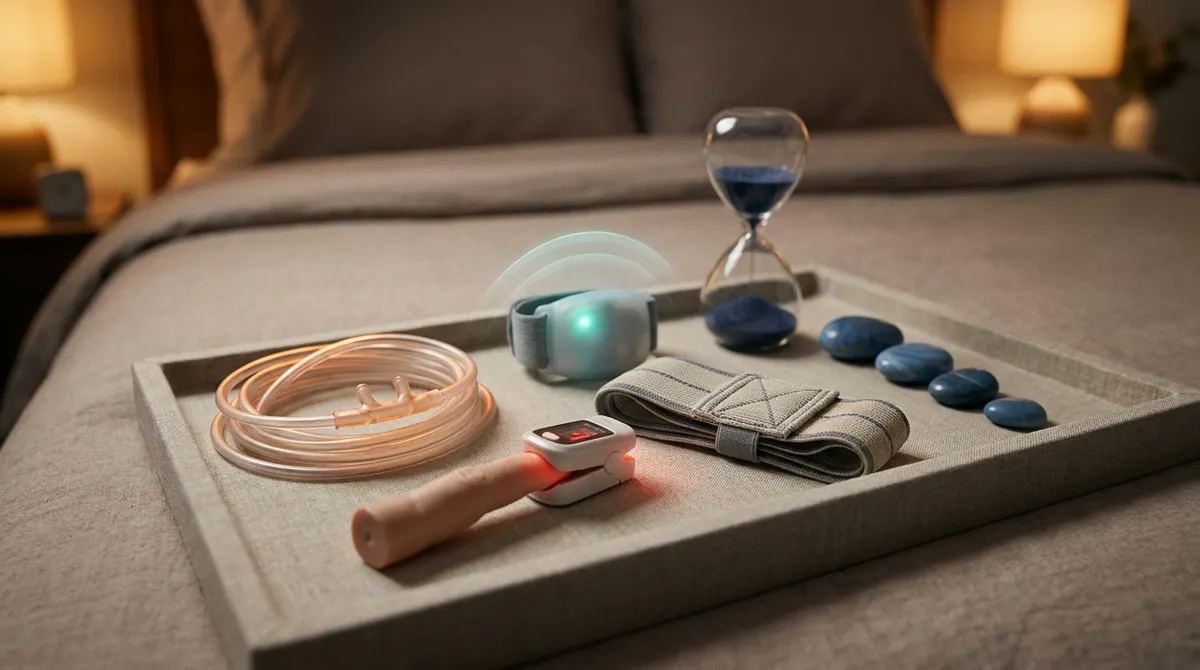
A home sleep apnea test measures breathing, oxygen saturation, heart rate, and airflow while you sleep in your own bed. It is designed to detect obstructive sleep apnea, the most common form of sleep-disordered breathing.
Sensors and Equipment Used
Home sleep test equipment varies by device, but most HSAT kits use a combination of the following sensors:
- A nasal cannula that measures airflow through your nose and mouth
- A pulse oximeter worn on the finger that tracks blood oxygen levels and heart rate using a photoplethysmography sensor
- A chest strap or belt that detects breathing effort and chest wall movement
- Some devices, like the WatchPAT One, use a wrist-mounted sensor that measures peripheral arterial tone, oxygen saturation, and body position via Bluetooth connectivity
Devices such as the SleepImage Ring and Wesper use simplified sensor arrays to capture similar data in a less intrusive form. The WatchPAT One, developed by Itamar Medical, is one of the most widely used FDA Approved home sleep testing devices and captures data through a finger-mounted photoplethysmography sensor combined with a wrist unit.
What the Data Reveals
The primary metric from a home sleep test is the Apnea-Hypopnea Index (AHI). The AHI counts the number of times per hour that breathing partially or fully stops during sleep. The National Heart, Lung, and Blood Institute classifies AHI scores as follows:
- Normal: fewer than 5 events per hour
- Mild sleep apnea: 5 to 14 events per hour
- Moderate sleep apnea: 15 to 29 events per hour
- Severe sleep apnea: 30 or more events per hour
A home sleep test also records oxygen desaturation patterns. Drops in oxygen saturation below 90 percent are clinically significant and may indicate that the airway is collapsing during sleep, reducing airflow to the lungs and stressing the heart.
Unlike polysomnography, a home sleep test does not measure brain waves or sleep stages. This means it cannot determine whether you are in REM sleep, light sleep, or deep sleep when breathing events occur. It also cannot detect central sleep apnea, which involves the brain failing to send proper signals to the muscles that control breathing.
KEY TAKEAWAY: A home sleep apnea test uses portable sensors to measure airflow, oxygen levels, heart rate, and breathing effort, and it produces an AHI score that determines the severity of obstructive sleep apnea.
Knowing what the test measures is essential, but many people first need to understand whether they can access testing without a traditional in-person doctor visit.
How to Get a Prescription for a Home Sleep Test
Getting a prescription for a home sleep test can happen through an in-person visit, a telehealth platform, or a combined testing service that includes physician access.
Traditional Route: In-Person Doctor Visit
You can schedule an appointment with your primary care doctor or a sleep specialist. During the visit, the doctor will review your symptoms, which often include loud snoring, gasping during sleep, excessive daytime sleepiness, morning headaches, and observed breathing pauses. If the doctor determines you are a candidate for sleep apnea testing, they will write a prescription for a home sleep test or refer you to a sleep lab for polysomnography.
This route works but can take weeks depending on appointment availability, especially if a referral to a sleep specialist is required. Many patients report frustration with long wait times between the initial visit, the referral, the sleep test, and the results interpretation.
Telehealth Route: Virtual Appointment
Telehealth platforms have made it faster to access a prescription for a home sleep test. A virtual appointment with a licensed physician can often be completed in a single day. The physician reviews your symptoms, medical history, and risk factors through a video or phone consultation and can issue a prescription immediately if testing is appropriate.
dumbo.health streamlines this process further. When you start the free sleep assessment at dumbo.health, you complete a sleep questionnaire that evaluates your symptoms and risk factors. A physician reviews your information and, if appropriate, orders the home sleep test. The test device ships directly to your home. This eliminates the need for a separate doctor visit, a referral, or prior authorization from an insurance company.
Step-by-Step Process to Get a Home Sleep Test Through dumbo.health
1. Complete the free online sleep questionnaire at dumbo.health to assess your symptoms and risk factors.
2. A licensed physician reviews your responses and determines whether a home sleep test is appropriate for your situation.
3. Order the home sleep test through dumbo.health for $149, which includes the test device and one night of testing.
4. Receive the test kit at your home, follow the included instructions to attach the sensors, and sleep in your own bed.
5. Return the device using the prepaid shipping label provided.
6. A physician interprets your sleep data and provides a detailed report, available through dumbo.health monthly plans starting at $59 per month.
7. If sleep apnea is diagnosed, your physician discusses treatment options, which may include CPAP therapy, available through dumbo.health care plans.
After completing these steps, you will have a professional diagnosis and a clear treatment path without navigating insurance prior authorizations or waiting weeks for specialist appointments.
KEY TAKEAWAY: You can get a prescription for a home sleep test through your regular doctor, a sleep specialist, or a telehealth service like dumbo.health, which combines physician evaluation, test ordering, and results interpretation in one streamlined process.
The prescription is only one part of the process. Understanding how a home sleep test compares to an in-lab sleep study helps you choose the right option.
Home Sleep Test vs. Polysomnography: Which Do You Need?
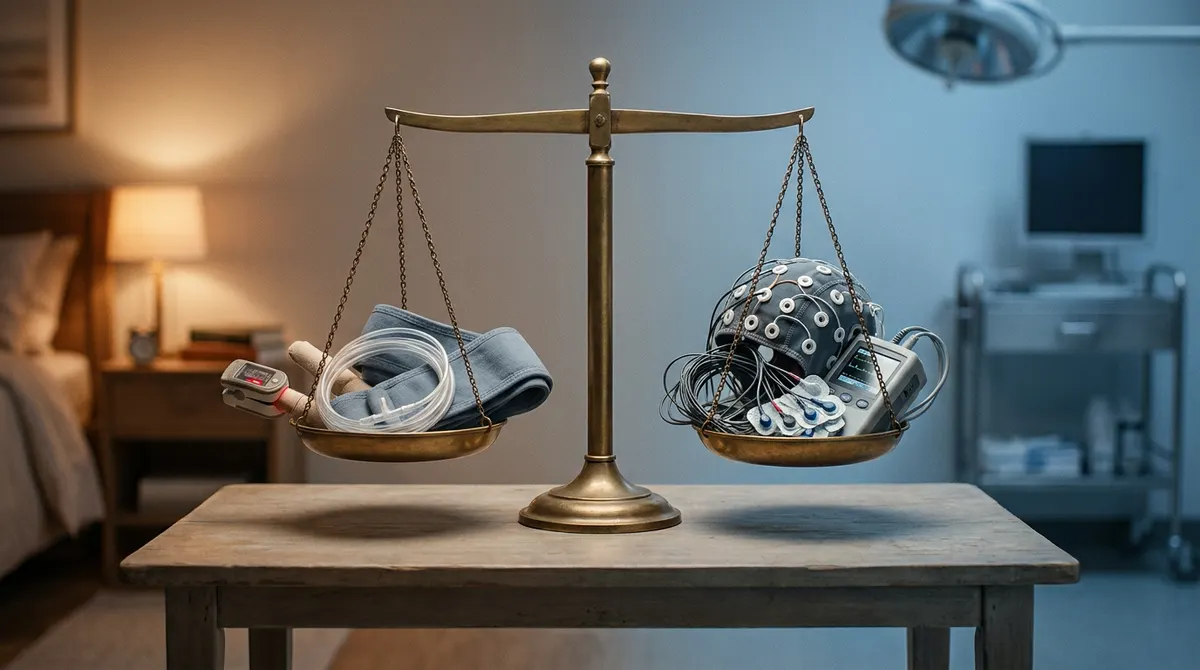
A home sleep apnea test is appropriate for most adults with suspected obstructive sleep apnea, while a polysomnography test is needed for complex cases involving central sleep apnea, heart failure, or other sleep disorders.
Setting
- Home Sleep Apnea Test: Your own bed at home
- polysomnography: Sleep lab facility or hospital
Sensors Used
- Home Sleep Apnea Test: Nasal cannula, pulse oximeter, chest belt, and sometimes a wrist sensor
- polysomnography: Full sensor array including EEG for brain waves, EMG for muscle activity, EOG for eye movements, plus all sensors used in a home test
What It Diagnoses
- Home Sleep Apnea Test: Obstructive sleep apnea
- polysomnography: Obstructive sleep apnea, central sleep apnea, narcolepsy, periodic limb movement disorder, and other sleep disorders
Typical Cost Without Insurance
- Home Sleep Apnea Test: $149 to $500 depending on the provider. dumbo.health charges $149.
- Polysomnography: $1,000 to $3,000 or more depending on the facility and location
Convenience
- Home Sleep Apnea Test: High. Test in your own bed with no travel required.
- Polysomnography: Low. Requires an overnight stay at a sleep lab facility near you.
Turnaround for Results
- Home Sleep Apnea Test: Typically days. dumbo.health Premium plan members receive priority results turnaround.
- Polysomnography: Often 1 to 3 weeks depending on the sleep lab and physician schedule.
Insurance Requirements
- Home Sleep Apnea Test: Prescription required. Medicare and most insurers cover with documented medical necessity. Self-pay available.
- Polysomnography: Prescription and often prior authorization required. Higher deductible impact.
For most adults with classic obstructive sleep apnea symptoms such as snoring, witnessed apneas, and daytime sleepiness, a home sleep test is the recommended first step. The American Academy of Sleep Medicine endorses HSAT as an appropriate diagnostic tool for uncomplicated obstructive sleep apnea in adults. A polysomnography test becomes necessary when the home test is inconclusive, when central sleep apnea is suspected, or when the patient has significant comorbidities such as heart failure, chronic lung disease, or neuromuscular disorders.
IMPORTANT: A home sleep apnea test cannot diagnose central sleep apnea because it does not measure brain waves or sleep stages. If your physician suspects central sleep apnea, a Type I polysomnography test in a sleep lab is required.
KEY TAKEAWAY: A home sleep test is the right first step for most people with suspected obstructive sleep apnea, while polysomnography is reserved for complex cases or inconclusive home test results.
Once you understand the testing options, the next question is how results are interpreted and what happens after diagnosis.
How Home Sleep Test Results Are Interpreted
A physician or sleep specialist interprets home sleep test results by analyzing the AHI score, oxygen desaturation index, and breathing event patterns recorded during the test night.
The raw sleep data from your home sleep test is downloaded from the device and reviewed by a physician trained in sleep medicine. The interpretation process is not automated. A licensed physician must review the data, correlate it with your reported symptoms, and issue a diagnosis. This is why the prescription requirement exists: it ensures qualified medical oversight from test ordering through results interpretation.
The key metrics in the results include:
- Apnea-Hypopnea Index: total breathing events per hour
- Oxygen Desaturation Index: number of times oxygen saturation drops by 3 percent or more per hour
- Minimum oxygen saturation: the lowest blood oxygen level recorded during the test
- Average heart rate and heart rate variability patterns
- Total recording time and estimated sleep time
According to the Sleep Foundation, an AHI of 5 or higher combined with symptoms such as daytime sleepiness or loud snoring typically supports a diagnosis of obstructive sleep apnea. An AHI of 15 or higher may support a diagnosis even without reported symptoms.
dumbo.health includes physician interpretation in all monthly care plans. The Essentials plan at $59 per month covers physician interpretation and a detailed report. The Premium plan at $89 per month adds priority results turnaround and a dedicated sleep coach from a licensed care team. Results and updates are sent to your referring provider if applicable.
A home sleep apnea test records data from a single night. Clinicians frequently observe that a single night may not capture the full severity of a patient's condition, particularly if the person sleeps poorly, has an unusual night, or consumes alcohol before the test. If results are borderline or inconclusive, a repeat home test or a polysomnography test in a sleep lab may be recommended.
KEY TAKEAWAY: A physician must interpret your home sleep test results, analyzing AHI, oxygen desaturation, and breathing patterns to determine whether you have obstructive sleep apnea and how severe it is.
With a diagnosis in hand, the next step is understanding the treatment options available and what role the prescription plays in accessing them.
Treatment Options After a Sleep Apnea Diagnosis
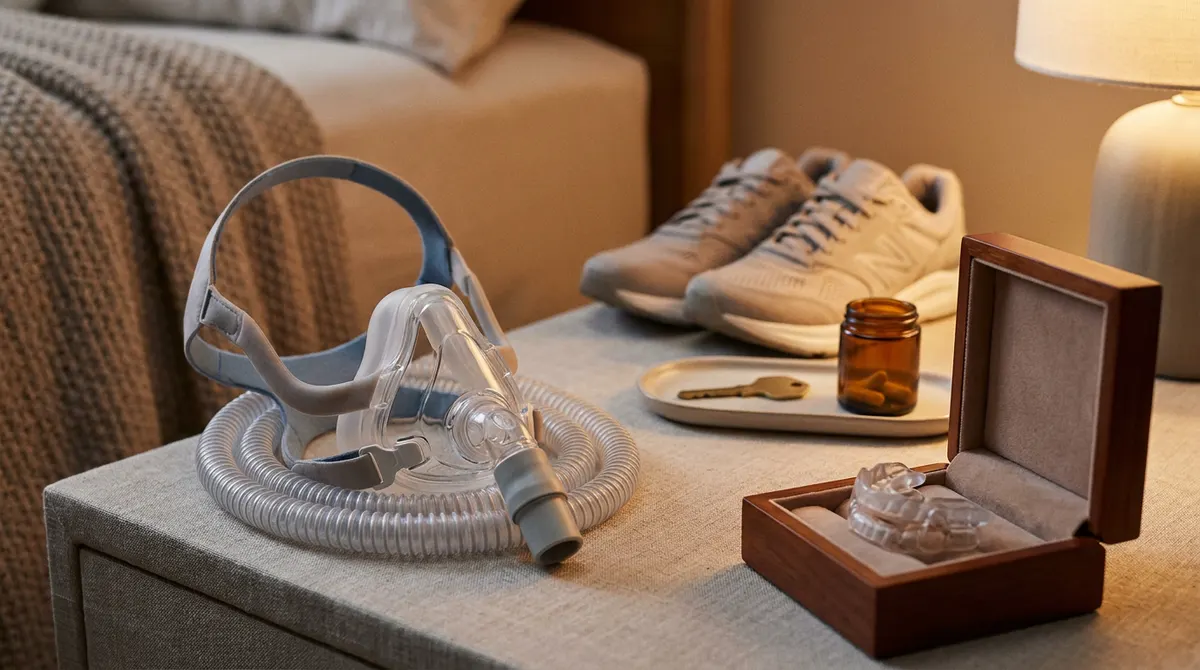
CPAP therapy is the gold-standard therapy for moderate to severe obstructive sleep apnea, but treatment options also include oral appliances, surgery, and lifestyle changes depending on severity.
CPAP Therapy
Continuous Positive Airway Pressure (CPAP) therapy works by delivering a steady stream of pressurized air through a mask to keep your airway open during sleep. A CPAP prescription is required to obtain a CPAP machine, and the pressure setting is determined by your physician based on your test results.
CPAP machines come in several types:
- Standard CPAP machines deliver a fixed pressure throughout the night
- Auto CPAP Machines adjust pressure automatically based on detected breathing events
- BiPAP/BiLevel Machines deliver different pressures for inhalation and exhalation, often prescribed for patients with higher pressure needs or central sleep apnea
- Travel CPAP Machines are smaller, portable units designed for drivers and frequent travelers
CPAP masks also vary:
- Full Face Masks cover both the nose and mouth and are used by patients who breathe through their mouth
- Nasal Masks cover only the nose and are lighter and less intrusive
- Nasal Pillow Masks use small cushions that seal at the nostrils, offering the least coverage
dumbo.health provides CPAP therapy and equipment through its monthly care plans. The Essentials plan at $59 per month includes CPAP therapy and equipment along with standard follow-up care. The Premium plan at $89 per month adds a dedicated sleep coach and advanced adherence monitoring. None of the plans require contracts, and you can cancel anytime.
Oral Appliances
Oral appliances are custom-fit mouthpieces designed to reposition the lower jaw and tongue to keep the airway open during sleep. They are typically recommended for mild to moderate obstructive sleep apnea or for patients who cannot tolerate CPAP. A dentist trained in sleep medicine creates the device using dental impressions.
Surgical Options
Surgery is considered when CPAP and oral appliances fail or when a clear anatomical obstruction exists. Surgical procedures may target the throat, airway, or nasal structures. Surgery is not a first-line treatment for most patients with obstructive sleep apnea.
Lifestyle and Positional Therapy
Weight loss, positional therapy (avoiding sleeping on the back), reducing alcohol intake, and treating nasal congestion can reduce the severity of mild obstructive sleep apnea. These approaches are rarely sufficient as standalone treatments for moderate to severe cases.
Medication and Emerging Therapies
No medication is currently approved as a primary treatment for obstructive sleep apnea. Some emerging therapies, including GLP-1 care medications being studied for weight reduction in obese patients with sleep apnea, may become part of treatment pathways in the future, though they remain adjunctive rather than primary.
TIP: If you have been diagnosed with sleep apnea and need CPAP therapy, dumbo.health offers complete care plans that include the machine, equipment, physician oversight, and adherence support starting at roughly $2 per day with no insurance required.
KEY TAKEAWAY: CPAP therapy is the most effective treatment for moderate to severe obstructive sleep apnea, and a prescription is required to obtain CPAP equipment, which dumbo.health provides through affordable monthly plans with no contracts.
Not every patient is a good candidate for home sleep testing. Understanding the limitations helps you avoid delays in getting the right diagnosis.
Limitations and Risks of Home Sleep Apnea Testing
A home sleep apnea test is not appropriate for every patient, and there are situations where it may produce inaccurate results or fail to detect the correct condition.
Limitation 1: Cannot Diagnose Central Sleep Apnea
Home sleep tests do not include EEG sensors to measure brain waves. Central sleep apnea involves the brain failing to signal the breathing muscles properly, and diagnosing it requires a full polysomnography test in a sleep lab. If you have heart failure or a neurological condition, your physician may skip the home test and order polysomnography directly.
Limitation 2: Single-Night Data May Not Be Representative
A home sleep test records one night of data. If you sleep poorly, wake frequently, or have an atypical night, the AHI may underestimate or overestimate the severity of your condition. The Mayo Clinic notes that test night variability is a recognized limitation of all single-night sleep studies, whether conducted at home or in a sleep lab.
Limitation 3: Sensor Displacement Can Compromise Data
If the nasal cannula shifts during the night, the pulse oximeter falls off your finger, or the chest belt loosens, the recorded data may be incomplete. Most modern devices like the WatchPAT One are designed to minimize this risk, but user error during self-application remains a factor. Clinicians frequently observe that clear instructions and practice before the test night improve data quality.
Limitation 4: Not Suitable for Complex Sleep Disorders
If your physician suspects conditions beyond obstructive sleep apnea, such as narcolepsy, periodic limb movement disorder, or REM sleep behavior disorder, a polysomnography test is required. These conditions require monitoring of brain waves, sleep stages, and muscle activity that home tests cannot capture.
Limitation 5: Results Require Physician Interpretation
A home sleep test device does not provide a diagnosis on its own. The raw sleep data must be reviewed and interpreted by a qualified physician. Without medical oversight, the data has no clinical value. This is one reason the prescription requirement exists and why services like dumbo.health include physician interpretation in every care plan.
When limitations apply, dumbo.health physicians can identify the need for a sleep lab referral and coordinate next steps. The goal is always an accurate diagnosis, whether that comes from a home test or a polysomnography study.
KEY TAKEAWAY: Home sleep tests are effective for diagnosing obstructive sleep apnea but cannot detect central sleep apnea, complex sleep disorders, or brain wave activity, and results always require physician interpretation.
Knowing these limitations helps set realistic expectations. Real-world scenarios illustrate how different people navigate the testing process.
Real-World Scenarios: Who Gets a Home Sleep Test and How
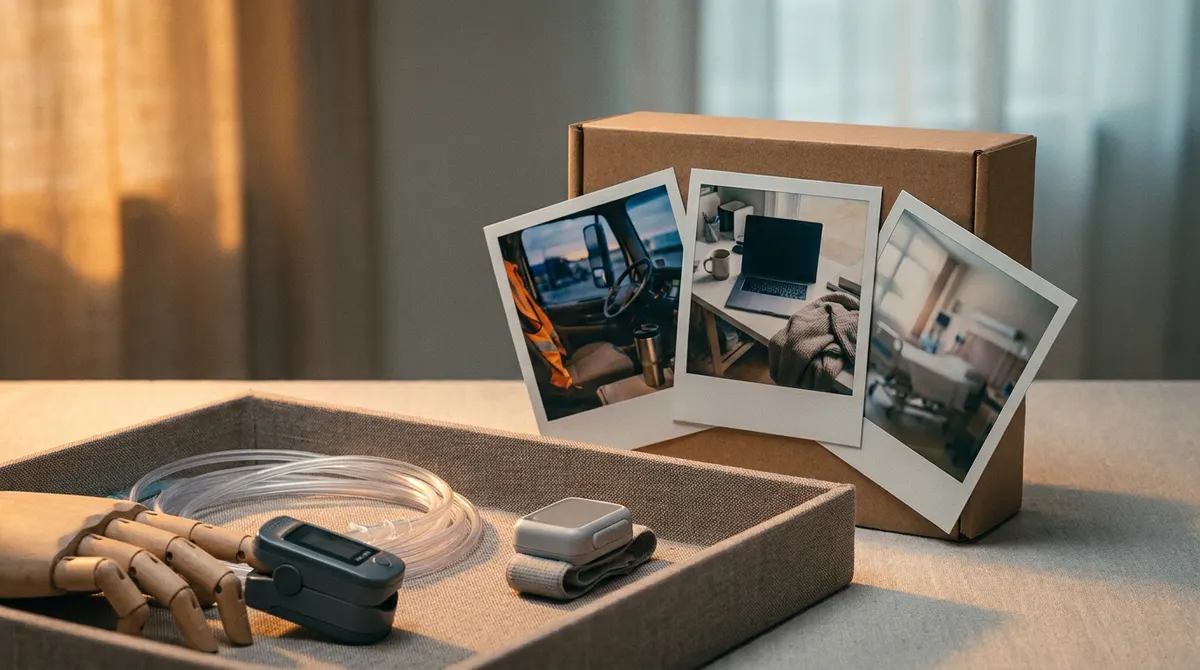
Understanding how home sleep apnea testing works in practice helps clarify the process for different types of people.
Scenario 1: A 48-Year-Old Long-Haul Truck Driver
A 48-year-old long-haul truck driver with a BMI of 36 is flagged during a DOT physical for possible sleep apnea. His physician notes loud snoring reported by his wife, a neck circumference above 17 inches, and excessive daytime sleepiness. The DOT examiner requires a sleep study before issuing a full medical certificate.
Rather than scheduling an in-lab polysomnography test that would require him to park his truck and find a sleep lab facility near his current location, the driver orders a home sleep test through dumbo.health for $149. The device arrives at his home address. He completes the test on a night off, returns the device, and receives physician-interpreted results within days. His AHI is 22, indicating moderate obstructive sleep apnea. He enrolls in the dumbo.health Premium plan at $89 per month, which includes CPAP therapy, equipment, a dedicated sleep coach, and adherence monitoring. His results and compliance data are sent to his DOT examiner.
Scenario 2: A 55-Year-Old Office Worker Without Insurance
A 55-year-old office worker has been waking with headaches and feeling exhausted for months. She snores loudly but has no health insurance and does not want to pay $1,500 or more for a polysomnography test at a sleep lab. She finds dumbo.health online, completes the free sleep assessment, and a physician reviews her responses.
The physician orders a home sleep apnea test. She pays $149 for the test device and then enrolls in the Essentials plan at $59 per month for physician interpretation, a diagnosis report, and CPAP therapy with equipment. No insurance verification, no prior authorizations, and no surprise bills. Her AHI comes back at 31, confirming severe obstructive sleep apnea. She starts CPAP therapy within two weeks of her initial assessment.
Scenario 3: A 38-Year-Old with Heart Failure and Suspected Central Sleep Apnea
A 38-year-old man with congestive heart failure reports fragmented sleep and episodes where his breathing appears to stop and start in a periodic pattern. His cardiologist suspects central sleep apnea, which involves abnormal signaling from the brain rather than a physical airway obstruction.
Because a home sleep test cannot measure brain waves or distinguish central from obstructive events reliably, his cardiologist orders a Type I polysomnography test at a sleep lab. The in-lab study confirms central sleep apnea, and he is prescribed a BiPAP/BiLevel Machine with a backup respiratory rate. This scenario illustrates when a home test is not the right tool and a sleep lab study is necessary.
KEY TAKEAWAY: A home sleep test works well for straightforward obstructive sleep apnea cases, including commercial drivers and self-pay patients, but complex conditions like central sleep apnea require in-lab polysomnography.
These scenarios show that the path to diagnosis depends on symptoms and risk factors. Misconceptions about the process often create unnecessary delays.
Common Myths About Home Sleep Apnea Tests Debunked
MYTH: You can buy a home sleep test online without any doctor involvement.
FACT: Legitimate home sleep apnea testing requires a physician to order the test and interpret the results. The test is a medical diagnostic procedure, not a consumer gadget. Even cash-pay services like dumbo.health include physician evaluation and interpretation as part of the process. Devices sold without any medical oversight do not produce clinically valid results and cannot be used for an official diagnosis.
MYTH: A home sleep test is less accurate than an in-lab sleep study.
FACT: For diagnosing obstructive sleep apnea in adults without complex comorbidities, the American Academy of Sleep Medicine considers home sleep apnea testing an appropriate and validated diagnostic tool. Studies published in the Journal of Clinical Sleep Medicine have shown that HSAT devices have strong agreement with polysomnography for detecting moderate to severe obstructive sleep apnea. The limitation is in scope, not accuracy. Home tests do not measure brain waves or sleep stages, which means they are not suitable for all sleep disorders.
MYTH: Insurance will not cover a home sleep test.
FACT: Medicare Part B and most private medical insurance plans cover home sleep apnea testing when ordered by a physician with documented symptoms and medical necessity. The Medicare-approved amount for a home sleep test is generally lower than for polysomnography, which often means a lower deductible impact for patients. For those without insurance, dumbo.health offers the test at $149 with no insurance reimbursement needed and no additional costs beyond the clearly listed plan prices.
MYTH: You need to see a sleep specialist before you can get a home sleep test.
FACT: A primary care doctor, a telehealth physician, or any licensed health care provider can order a home sleep test. You do not need a referral to a sleep specialist first. Services like dumbo.health connect you with a physician who can evaluate your symptoms through a telemedicine visit or digital consultation and order the test directly.
MYTH: If your home sleep test is negative, you definitely do not have sleep apnea.
FACT: A single negative home sleep test does not always rule out sleep apnea. If you had an atypical sleep night, if sensors were displaced, or if your AHI was borderline, your physician may recommend a repeat test or an in-lab polysomnography study. The Sleep Foundation notes that false negatives are possible with any single-night study.
KEY TAKEAWAY: Home sleep tests are medically valid, physician-ordered diagnostic tools, and most myths stem from confusion about the role of medical oversight and the difference between consumer gadgets and clinical devices.
Getting past these myths is important for anyone preparing for a home sleep test. A preparation checklist ensures the best possible results.
How to Prepare for a Home Sleep Apnea Test
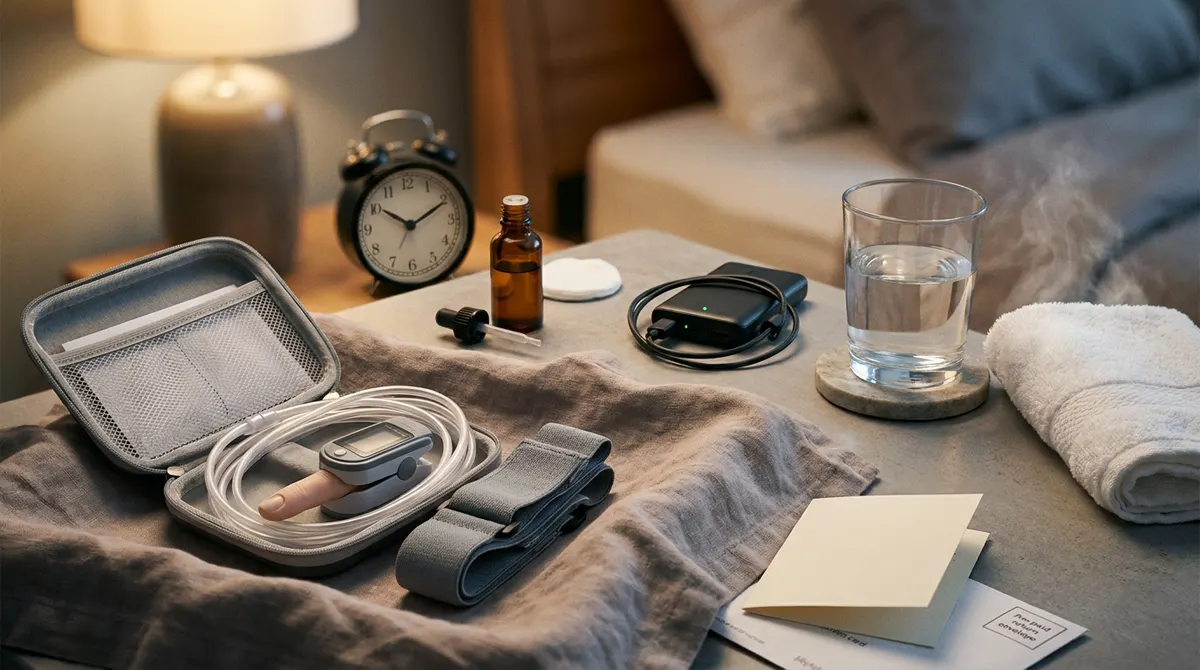
Proper preparation increases the accuracy of your home sleep test and reduces the chance of needing a retest due to poor data quality.
Pre-Test Preparation Checklist
- Confirm your physician has ordered the home sleep test and you have the device in hand
- Read all instructions included with the home sleep test kit before the test night
- Avoid alcohol for at least 24 hours before the test, as alcohol relaxes airway muscles and can alter results
- Avoid caffeine after noon on the test day to improve your chances of falling asleep normally
- Avoid napping on the test day so you are sufficiently tired at bedtime
- Shower before attaching sensors to ensure clean skin contact for the pulse oximeter and chest strap
- Charge or verify the battery level of the test device if required
- Set up the nasal cannula, pulse oximeter, and belt or chest strap according to the instructions
- Sleep in your normal sleeping position in your own bed
- Remove nail polish from the finger where the pulse oximeter will be placed, as polish can interfere with oxygen saturation readings
- Place the device and all components within reach on your bedside table
- Complete the dumbo.health sleep questionnaire before your test night if you have not already done so
Following these steps gives the sensors the best chance of recording a full, accurate night of sleep data. If you have questions about device setup, dumbo.health Premium and Elite plan members have access to a licensed care team for support.
KEY TAKEAWAY: Preparing properly for a home sleep test by avoiding alcohol, following sensor setup instructions, and sleeping in your normal bed improves data quality and reduces the need for a retest.
Preparation is one piece of the puzzle. Understanding cost and insurance factors helps you plan the financial side.
Cost of a Home Sleep Apnea Test With and Without Insurance
A home sleep apnea test costs between $149 and $500 out of pocket depending on the provider, while insurance coverage varies based on your plan, deductible, and whether prior authorization requirements are met.
Self-Pay and Cash-Pay Cost
For patients paying out of pocket, dumbo.health offers the most transparent pricing structure in the market. The home sleep test costs $149 as a one-time payment. This covers the test device and one night of testing. There are no hidden fees, no insurance verification steps, and no surprise bills.
After the test, ongoing care is covered through monthly plans:
- Essentials Plan at $59 per month includes physician interpretation, a diagnosis report, CPAP therapy with equipment, standard follow-up care, and updates sent to your referring provider
- Premium Plan at $89 per month adds a dedicated sleep coach, advanced adherence monitoring, and priority results turnaround
- Elite Plan at $129 per month adds concierge clinical support, direct physician messaging, and custom reporting for your practice
All plans are month-to-month with no contracts and the ability to cancel anytime.
Insurance Coverage
Medicare Part B covers home sleep apnea testing when ordered by a treating physician with documented symptoms. The Medicare-approved amount is typically lower than the out-of-pocket cost of polysomnography. However, patients with a high deductible may still pay significant costs before coverage kicks in. Private medical insurance plans vary widely, and many require prior authorization, which can delay testing by days or weeks.
Insurance reimbursement processes can involve claim denials, appeals, and additional costs that are difficult to predict in advance. Many patients report that the simplicity of cash-pay testing through a service like dumbo.health eliminates the uncertainty and administrative burden.
IMPORTANT: dumbo.health is cash-pay only. No insurance is required, no prior authorizations are needed, and pricing is listed upfront so patients can plan their costs before committing.
KEY TAKEAWAY: A home sleep test through dumbo.health costs $149 with no insurance required, while insurance-covered tests involve variable costs depending on your deductible, authorization requirements, and plan terms.
Cost clarity is a major factor, but the role of the physician throughout the process is equally important to understand.
The Role of Medical Oversight in Home Sleep Testing
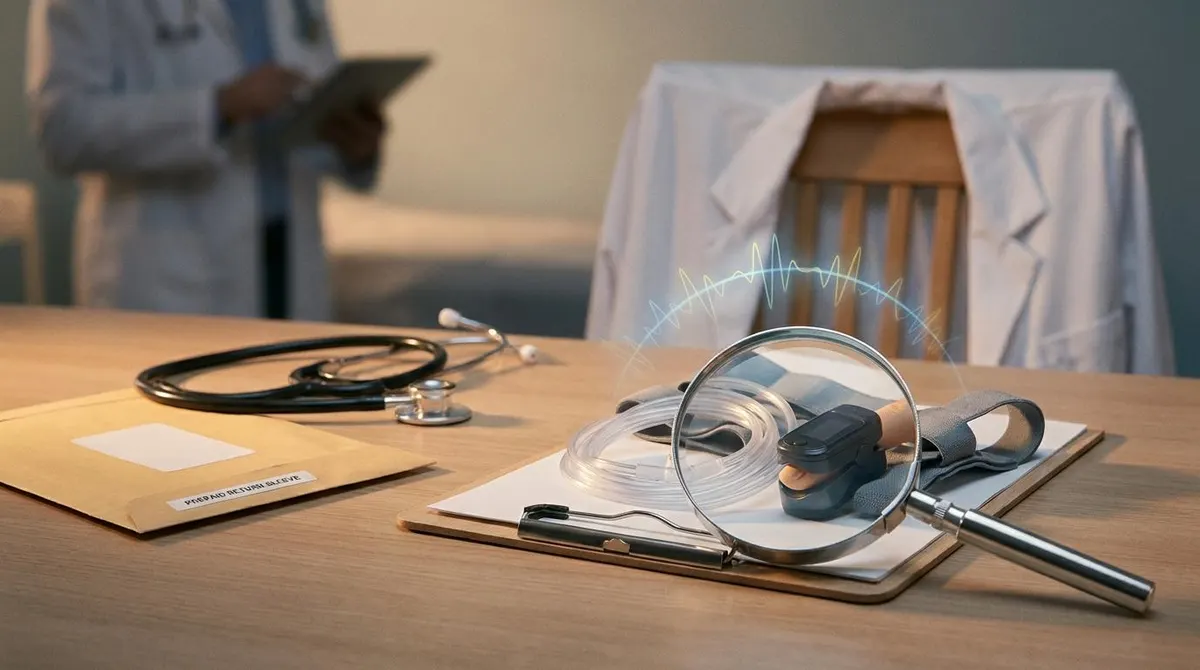
Medical oversight is required throughout the home sleep apnea testing process because sleep apnea is a medical condition with serious health consequences if left untreated.
A physician's role extends beyond writing the initial prescription. The physician evaluates whether a home test or an in-lab polysomnography study is appropriate based on your symptoms, risk factors, and medical history. After the test, the physician interprets the sleep data, assigns the diagnosis, determines severity, and recommends treatment. Without this oversight, raw test data is clinically meaningless.
Obstructive sleep apnea is linked to elevated cardiovascular risk. According to the NIH, untreated sleep apnea is associated with increased risk of hypertension, stroke, heart failure, and arrhythmias. The repeated drops in oxygen saturation during sleep place stress on the heart and blood vessels over time. This is why diagnosis and treatment are considered medically necessary and why insurance, Medicare, and medical standards require physician involvement.
A home sleep apnea test that records one night of sleep data produces raw numbers. The physician contextualizes those numbers. An AHI of 12 in a 30-year-old athlete with mild snoring may be interpreted differently than an AHI of 12 in a 60-year-old patient with hypertension and a BMI of 38. The prescription and interpretation requirements exist to protect patients from misdiagnosis and inappropriate treatment.
dumbo.health builds physician oversight into every step. The physician reviews your intake, orders the test, interprets the results, prescribes treatment, and monitors adherence. This is not optional. It is a core part of the sleep apnea care solution that dumbo.health provides.
A respiratory therapist may also play a role in CPAP setup and mask fitting. Sleep coaches, like those included in the dumbo.health Premium and Elite plans, help patients adjust to therapy, troubleshoot mask comfort issues, and maintain consistent usage. According to research published through the AASM, CPAP adherence rates improve significantly when patients receive ongoing coaching and follow-up.
KEY TAKEAWAY: Medical oversight is not just a regulatory requirement but a clinical necessity that ensures accurate diagnosis, appropriate treatment, and safe ongoing care for sleep apnea.
With a clear picture of the medical framework, it is important to address one widely misunderstood aspect of home sleep testing.
What Most People Get Wrong About Home Sleep Test Prescriptions
The most common misunderstanding is that the prescription is a barrier to accessing care, when in reality it is a safeguard that makes the diagnosis valid and the treatment effective.
Many people search for ways to get a home sleep test without a prescription because they see the prescription as an unnecessary hurdle. Consumer wearables and sleep tracking apps contribute to this confusion by offering "sleep scores" and oxygen monitoring features that look similar to medical test outputs. However, consumer devices are not FDA Approved for diagnosing sleep apnea. They do not produce AHI scores that a physician can use for clinical decision-making, and their data is not accepted by Medicare, insurers, or DOT examiners.
The distinction matters because a valid diagnosis opens the door to treatment. Without a physician-ordered test and interpretation, you cannot obtain a CPAP prescription, you cannot satisfy DOT requirements, and you cannot access insurance coverage for treatment. The prescription is not a barrier. It is the mechanism that gives your test results clinical and legal validity.
Telehealth has made the prescription faster and easier to obtain than ever. Services like dumbo.health have reduced the process from multiple appointments spread over weeks to a single streamlined pathway. The physician evaluation, test ordering, device shipping, and results interpretation all happen through one platform.
In real-world use, people who approach testing through a structured service report faster time to diagnosis and treatment initiation compared to those who attempt to navigate the traditional referral chain independently. Many patients report that the biggest delay in their diagnosis was not the test itself but the process of getting the prescription and finding providers in their area who could interpret the results.
KEY TAKEAWAY: The prescription requirement is not a barrier to care but a clinical safeguard, and telehealth services have made obtaining one faster and more accessible than traditional in-person referral pathways.
Addressing this misconception prepares you for a confident, informed approach to the testing process.
Conclusion
A home sleep apnea test requires a prescription from a licensed physician, and that requirement exists to ensure accurate diagnosis and safe treatment. For most adults with symptoms of obstructive sleep apnea, a home test is the most convenient, affordable, and clinically validated first step toward diagnosis. The process does not need to be complicated or expensive. dumbo.health offers a complete pathway from physician evaluation to home sleep testing at $149, followed by care plans starting at $59 per month that include physician interpretation, CPAP therapy, and equipment with no insurance required and no contracts. If you suspect you have sleep apnea, take the free sleep assessment at dumbo.health to find out whether a home sleep test is right for you.
Frequently Asked Questions About Getting a Home Sleep Apnea Test Without a Prescription
Do you need a prescription for a home sleep apnea test?
In most cases, yes, a prescription or clinical order is required to obtain and interpret a home sleep apnea test. Most home sleep apnea tests are medical devices that need to be ordered by a licensed healthcare provider who can then review the results and make a clinical determination. However, some telehealth platforms allow patients to complete a brief online sleep questionnaire and receive a physician order as part of the same workflow, which simplifies the process considerably. dumbo.health follows this model, pairing the at-home sleep test with physician interpretation so patients get both testing and a reviewed result without a separate clinic visit.
What is a home sleep apnea test?
A home sleep apnea test, also called an HSAT or home sleep test, is a simplified diagnostic device used to detect signs of obstructive sleep apnea while you sleep in your own bed. Unlike a full in-lab polysomnography, an HSAT typically measures breathing effort, airflow, oxygen saturation, and heart rate using a compact sensor worn on the wrist, finger, or chest. According to the American Academy of Sleep Medicine, HSATs are a validated option for diagnosing moderate to severe obstructive sleep apnea in adults without significant comorbidities. The results are then reviewed by a physician who produces an interpretation and report.
How does a home sleep apnea test work?
A home sleep apnea test works by recording key physiological signals while you sleep using a wearable device. Most devices include a pulse oximeter to measure blood oxygen levels and heart rate, along with sensors that track airflow and breathing effort. Some devices use a nasal cannula, chest strap, or photoplethysmography sensor to gather additional data. After your test night, the recorded sleep data is uploaded or the device is returned, and a physician reviews the results to calculate your apnea-hypopnea index and assess the severity of any sleep-disordered breathing. You can learn more about the testing process at dumbo.health's at-home sleep test page.
What does a home sleep test measure?
A home sleep test primarily measures breathing patterns, airflow, blood oxygen levels, heart rate, and breathing effort during sleep. These signals allow a physician to calculate the apnea-hypopnea index, which reflects how many times per hour breathing stops or becomes significantly reduced. Home sleep tests do not measure brain waves, sleep stages, or leg movements the way a full polysomnography does. This means they are well suited for detecting obstructive sleep apnea but are not designed to diagnose other sleep disorders such as narcolepsy, restless leg syndrome, or central sleep apnea.
How accurate are home sleep apnea tests?
Home sleep apnea tests are clinically validated for detecting moderate to severe obstructive sleep apnea and are considered accurate for that purpose when used appropriately. The American Academy of Sleep Medicine recognises HSATs as an acceptable diagnostic tool for uncomplicated obstructive sleep apnea cases. However, home sleep tests can underestimate apnea severity because they measure recording time rather than actual sleep time. They may also produce inconclusive results in patients with complex medical histories, suspected central sleep apnea, or significant comorbidities such as heart failure. A healthcare professional can help determine whether a home test is appropriate for your situation or whether a full in-lab sleep study is needed.
Can a home sleep apnea test produce an incorrect result?
Yes, a home sleep apnea test can produce inaccurate or inconclusive results in some situations. If the sensor shifts during the night, if there is signal loss, or if the patient has difficulty sleeping in an unfamiliar setup, the data quality may be poor. Home tests can also underestimate apnea severity because they divide events by recording time rather than actual sleep time, which means a person who woke frequently during the night might receive a lower apnea-hypopnea index than their true severity. If results do not match your symptoms, a physician may recommend repeating the test or proceeding to an in-lab polysomnography for a more complete evaluation.
How many nights does a home sleep apnea test require?
Most home sleep apnea tests are completed over a single night. One night of good-quality data is typically sufficient for a physician to calculate your apnea-hypopnea index and assess for obstructive sleep apnea. If the first night produces poor data due to sensor displacement, low signal quality, or insufficient sleep time, you may be asked to repeat the test. Some testing protocols or providers allow for two nights of recording to improve the reliability of the result. A healthcare professional reviewing your results will determine whether the data collected is sufficient for a clinical interpretation.
What sleep disorders can a home sleep apnea test detect?
Home sleep apnea tests are designed specifically to detect obstructive sleep apnea. They can identify patterns of reduced or absent airflow, drops in blood oxygen saturation, and increased breathing effort that are characteristic of obstructive sleep apnea. They are not able to reliably detect central sleep apnea, periodic limb movement disorder, narcolepsy, insomnia, or other sleep disorders, because these conditions require brain wave monitoring, limb movement sensors, or more comprehensive data collection available only in a full in-lab sleep study. If your symptoms suggest a sleep disorder beyond obstructive sleep apnea, a sleep specialist can advise on whether additional testing is needed.
Who is a good candidate for a home sleep apnea test?
A home sleep apnea test is most appropriate for adults who have symptoms suggesting moderate to severe obstructive sleep apnea, such as loud snoring, witnessed breathing pauses, gasping during sleep, and excessive daytime sleepiness. The American Academy of Sleep Medicine recommends HSATs for otherwise healthy adults without significant comorbidities. Candidates who may not be suitable include people with suspected central sleep apnea, heart failure, chronic lung disease, neuromuscular disorders, or other complex medical conditions. A healthcare professional can assess your symptoms, medical history, and risk factors to determine whether a home test is the right starting point or whether an in-lab polysomnography is more appropriate.
Who should not take a home sleep apnea test?
A home sleep apnea test is not recommended for everyone. People with suspected central sleep apnea, significant heart or lung conditions, neuromuscular disease, or other complex medical comorbidities may need a full in-lab polysomnography instead. Home tests are also less reliable for patients who have very mild symptoms or whose clinical presentation does not clearly suggest obstructive sleep apnea. Children are generally not evaluated using home sleep tests designed for adults. If you have significant health concerns or are unsure whether a home test is appropriate, a healthcare professional should guide the decision. This is general information, not personal medical advice.
Is it better to do a sleep study at home or in a lab?
The right choice depends on your symptoms, health history, and what your physician needs to assess. For uncomplicated obstructive sleep apnea, a home sleep apnea test is often sufficient, more convenient, and significantly less expensive than a full in-lab polysomnography. In-lab sleep studies provide more detailed data including brain waves, sleep stages, limb movements, and continuous monitoring by a sleep technician, which makes them better suited for diagnosing complex or atypical sleep disorders. According to the American Academy of Sleep Medicine, in-lab polysomnography remains the gold standard for comprehensive sleep evaluation. A healthcare professional can help determine which type of sleep study is appropriate for your situation.
How do you prepare for an at-home sleep apnea test?
Preparing for a home sleep apnea test is straightforward. Most providers ask patients to avoid caffeine and alcohol on the test day, follow their normal bedtime routine, and sleep in their usual position and environment. You should read the device instructions carefully before the test night and ensure the sensors are fitted correctly to avoid data loss. Avoid napping on the test day so that you sleep as naturally as possible during the recording. Some providers include a brief setup guide or video walkthrough with the device. A comfortable, representative night of sleep produces the most reliable data for physician interpretation.
What happens after a home sleep apnea test diagnosis?
After your home sleep apnea test results are reviewed by a physician, you will receive an interpretation that includes your apnea-hypopnea index and a clinical summary. If the results indicate obstructive sleep apnea, the next step typically involves discussing treatment options with a healthcare professional. The most common and evidence-supported treatment is CPAP therapy, which delivers continuous positive airway pressure to keep the airway open during sleep. Other options may include oral appliances, positional therapy, or surgical referral in selected cases. Ongoing follow-up and CPAP adherence monitoring are important parts of long-term management. dumbo.health's monthly care plans can support physician review, CPAP therapy, equipment, and adherence follow-up after diagnosis.
Do you need a prescription for a CPAP machine?
Yes, a CPAP machine requires a prescription in the United States. The FDA classifies CPAP devices as prescription medical equipment, meaning a physician must order the therapy based on a diagnosis of sleep apnea confirmed by a sleep study. A home sleep apnea test interpreted by a physician can generate the prescription needed to begin CPAP therapy. Attempting to use a CPAP machine without a diagnosis and prescription is not recommended, as incorrect pressure settings may be ineffective or uncomfortable. A healthcare professional should guide CPAP initiation, pressure settings, mask selection, and ongoing adherence monitoring.
What level of sleep apnea requires CPAP therapy?
CPAP therapy is typically recommended for moderate to severe obstructive sleep apnea, defined by an apnea-hypopnea index of 15 or more events per hour. It may also be recommended for mild sleep apnea, with an apnea-hypopnea index of 5 to 14 events per hour, when accompanied by significant symptoms such as excessive daytime sleepiness, cardiovascular conditions, or impaired quality of life. A certified sleep physician or healthcare professional reviews your test results, symptoms, and overall health to determine whether CPAP therapy is appropriate and what pressure settings are needed. Treatment decisions are always made by a qualified clinician, not by a testing platform. Learn more about CPAP therapy and equipment at dumbo.health.
How much does a home sleep apnea test cost without insurance?
Home sleep apnea test costs without insurance vary depending on the provider and what is included. Tests that cover only the device rental may cost less, but physician interpretation, results reporting, and follow-up care are often billed separately. dumbo.health offers a home sleep test for a one-time fee of $149, which includes the at-home test device and one night of testing. Physician interpretation and ongoing care are available through monthly plans starting at $59 per month with no contracts, no insurance required, and no prior authorisations. Transparent cash-pay pricing allows patients to know the cost before they begin, with no surprise bills.
Will insurance cover a home sleep apnea test?
Insurance coverage for a home sleep apnea test depends on your plan, your insurer, and whether your physician has documented medical necessity. Medicare Part B may cover home sleep testing under certain conditions. However, coverage can involve prior authorisations, deductibles, and additional costs that make the actual out-of-pocket amount unpredictable. For patients who prefer clarity, cash-pay options like dumbo.health offer transparent, upfront pricing with no insurance required, no prior authorisations, and no surprise bills. If you are considering insurance reimbursement, contact your insurer directly to confirm your coverage before ordering a test.
Can you get a free home sleep apnea test?
Some insurance plans, including certain Medicare plans, may cover the full cost of a home sleep apnea test when medical necessity is documented, which could result in no out-of-pocket cost for eligible patients. Free or subsidised testing may also be available through hospital systems, academic medical programmes, or employer wellness programmes in some areas. However, completely free home sleep tests are not widely available outside covered insurance benefits. If insurance coverage is not an option or the process is unclear, cash-pay services like dumbo.health provide a straightforward $149 home sleep test with known pricing and no hidden fees.
What are the benefits of a home sleep apnea test compared to an in-lab sleep study?
Home sleep apnea tests offer several practical advantages over in-lab sleep studies. They allow patients to sleep in their own environment, which can produce more representative results than spending a night in a clinical facility. They are significantly less expensive than polysomnography, faster to access, and do not require an overnight clinic stay. The process is also less disruptive, with fewer sensors and no overnight monitoring by a sleep technician. For patients with straightforward symptoms suggesting obstructive sleep apnea, the American Academy of Sleep Medicine considers home testing a clinically appropriate and convenient diagnostic option.
What are the limitations of a home sleep apnea test?
Home sleep apnea tests have meaningful limitations. They do not record brain waves, sleep stages, or limb movements, which means they cannot diagnose sleep disorders beyond obstructive sleep apnea. Because they calculate the apnea-hypopnea index based on recording time rather than confirmed sleep time, they may underestimate apnea severity in patients who spend significant time awake during the recording. Signal loss, sensor displacement, and patient discomfort with the device can also affect data quality. For patients with complex medical histories, suspected central sleep apnea, or atypical symptoms, an in-lab polysomnography remains the more comprehensive and clinically preferred option.
How does a home sleep study diagnose obstructive sleep apnea?
A home sleep study diagnoses obstructive sleep apnea by measuring breathing patterns during sleep and calculating the apnea-hypopnea index. The device records how often airflow stops or becomes significantly reduced for ten seconds or more, alongside corresponding drops in blood oxygen saturation and changes in heart rate. A physician then reviews the recorded sleep data and applies clinical criteria to determine whether the pattern and frequency of events is consistent with obstructive sleep apnea and, if so, whether the severity is mild, moderate, or severe. The Mayo Clinic describes obstructive sleep apnea as a condition in which the throat muscles intermittently relax and block the airway during sleep, which is what these physiological markers help identify.
What symptoms might suggest I need a sleep apnea test?
Common symptoms that may suggest obstructive sleep apnea include loud snoring, gasping or choking during sleep, witnessed breathing pauses, waking with a dry mouth or sore throat, morning headaches, difficulty concentrating, irritability, and excessive daytime sleepiness. Not everyone with sleep apnea snores, and some people have no awareness of nighttime symptoms at all. Risk factors include obesity, a large neck circumference, a recessed jaw, nasal congestion, smoking, alcohol use, and a family history of sleep apnea. If you are experiencing symptoms that may suggest a sleep problem, a healthcare professional can help determine whether sleep apnea testing is appropriate. You can also take a free sleep assessment to help evaluate your symptoms.
What is the apnea-hypopnea index and why does it matter?
The apnea-hypopnea index, or AHI, is the key measurement used to diagnose and classify obstructive sleep apnea. It reflects the average number of apneas and hypopneas per hour of sleep. An apnea is a complete pause in breathing lasting at least ten seconds, while a hypopnea is a partial reduction in airflow accompanied by a drop in oxygen saturation or an arousal. An AHI below 5 is generally considered normal in adults. An AHI of 5 to 14 indicates mild sleep apnea, 15 to 29 indicates moderate sleep apnea, and 30 or more indicates severe sleep apnea. The AHI guides treatment decisions, including whether CPAP therapy is recommended.
Can I take a home sleep apnea test more than once?
Yes, you can take a home sleep apnea test more than once if needed. A repeat test may be recommended if the first recording produced poor data quality, if symptoms persist after treatment, or if a follow-up evaluation is needed to assess treatment effectiveness. Some patients also repeat testing after significant weight loss or other lifestyle changes that may have reduced sleep apnea severity. There is no clinical limit on the number of tests, but each test should be ordered and interpreted by a qualified healthcare professional to ensure the results are used appropriately in your care.
How do commercial drivers get tested for sleep apnea?
Commercial drivers who need sleep apnea evaluation for DOT compliance can access home sleep testing as a convenient and clinically validated option. A certified medical examiner may recommend sleep apnea evaluation if a driver presents with relevant risk factors or symptoms during a DOT physical. The driver can then undergo a home sleep apnea test, which a physician interprets and documents. Results and adherence records may be submitted to the certified medical examiner as part of the certification process. dumbo.health supports commercial drivers with at-home sleep testing for CDL drivers, physician interpretation, and ongoing care documentation, though it does not guarantee DOT certification or medical clearance, as those decisions are made by a certified medical examiner.
Does sleep apnea affect DOT medical certification for commercial drivers?
Sleep apnea can affect a commercial driver's ability to obtain or maintain DOT medical certification. The FMCSA does not have a formal mandatory sleep apnea regulation, but certified medical examiners are required to evaluate whether a driver's medical condition, including untreated sleep apnea, may impair safe driving. According to the FMCSA, drivers with untreated obstructive sleep apnea may be considered medically unqualified until the condition is treated and adherence is documented. Drivers who are evaluated, diagnosed, and actively treated with documented CPAP adherence may be certified, but the decision rests entirely with the certified medical examiner. For more detail, see the ultimate DOT physical guide for commercial drivers.
What happens if I cannot sleep during a home sleep apnea test?
If you cannot sleep or sleep poorly during a home sleep apnea test, the data collected may be insufficient for an accurate interpretation. In this situation, your physician may recommend repeating the test on a different night. It is common to sleep less well on the first test night due to the unfamiliar device, so most home testing protocols accept this as normal and allow for a second recording if needed. To improve your chances of sleeping well, follow your normal bedtime routine, avoid caffeine and alcohol on the test day, and try not to approach the test with anxiety. Sleeping in your own bed is one of the practical advantages of home testing over an in-lab sleep study.
How does an at-home sleep apnea test differ from polysomnography?
A home sleep apnea test and polysomnography both assess for sleep-disordered breathing, but they differ significantly in scope and complexity. Polysomnography, conducted in a sleep lab, records brain waves, eye movements, muscle activity, heart rhythm, breathing, oxygen levels, and limb movements simultaneously, overseen by a sleep technician throughout the night. A home sleep apnea test records a smaller set of signals, typically airflow, oxygen saturation, breathing effort, and heart rate, without monitoring sleep stages or brain activity. Polysomnography is considered the gold standard for comprehensive sleep evaluation and is used when a home test is inconclusive or when conditions beyond obstructive sleep apnea are suspected.
How do I get started with a home sleep apnea test through dumbo.health?
Getting started with dumbo.health begins with a free sleep assessment that helps evaluate your symptoms and determine whether at-home sleep testing may be appropriate. If testing is suitable, you can order a home sleep test for a one-time fee of $149, which includes the device and one test night. After your test night, a physician reviews your sleep data and produces an interpretation and report. Ongoing care, including CPAP therapy, equipment, adherence monitoring, and provider updates, is available through monthly plans starting at $59 per month with no contracts and no insurance required. You can get started with a free sleep assessment to take the first step.
Related Home Sleep Apnea Test Topics
- Can You Test for Sleep Apnea at Home A Complete Guide to Home Sleep Testing
- How Do You Get a Home Sleep Apnea Test The Complete Guide to At-Home Sleep Testing
- Home Sleep Apnea Test The Complete Guide to At-Home Sleep Apnea Testing
- Sleep Apnea Test at Home The Complete Guide to Home Sleep Testing for Adults
- How Is a Home Sleep Apnea Test Done A Complete Guide to At-Home Sleep Testing
- Can My Doctor Prescribe a Home Sleep Apnea Test What You Need to Know
- What Is a Home Sleep Apnea Test How At-Home Sleep Testing Works, What It Measures, and Who Needs One
- How Does a Home Sleep Apnea Test Work A Complete Guide to At-Home Sleep Testing
- Can Dentists Prescribe a Home Sleep Apnea Test What You Need to Know
- Sleep Test at Home The Complete Guide to Home Sleep Apnea Testing
- How to Get a Sleep Apnea Test at Home The Complete Guide to Home Sleep Testing
- Home Sleep Test The Complete Guide to At-Home Sleep Apnea Testing
- Home Sleep Apnea Test Near Me How to Get Tested Without a Sleep Lab Visit
- How Much Does a Home Sleep Apnea Test Cost Complete Pricing Breakdown for Self-Pay and Insured Patients
- Does Insurance Cover a Home Sleep Apnea Test What You Actually Pay
- Does Medicare Cover a Home Sleep Apnea Test What Beneficiaries Need to Know
- Are Sleep Studies Covered by Insurance What You Actually Pay for Sleep Apnea Testing
- CPAP Test at Home The Complete Guide to Home Sleep Apnea Testing and Treatment
- Home Sleep Testing Companies A Complete Guide to At-Home Sleep Apnea Diagnosis
- Sleep Apnea Test at Home DOT Approved Options for Commercial Drivers
- Sleep Apnea Checker How to Screen for Sleep Apnea and What Your Results Mean
- Sleep Apnea Test Near Me How to Find Local and At-Home Testing Options
- How Long Does a Home Sleep Apnea Test Take What to Expect Before, During, and After Testing
- Apnea Monitor The Complete Guide to Breathing Monitors for Sleep Apnea and Infant Care
- At-Home Sleep Apnea Test The Complete Guide to Testing, Results, and Treatment
- Sleep Test to CPAP How Sleep Apnea Testing Leads to Treatment
- Can a Home Sleep Apnea Test Be Wrong Accuracy, False Negatives, and What to Do Next
- What Does a Home Sleep Apnea Test Consist Of Sensors, Equipment, and What to Expect
- Does a Home Sleep Apnea Test Measure Apneas What the Device Actually Records
- What Is the Best At-Home Sleep Apnea Test A Clinical Comparison of Devices, Accuracy, and Cost
- What Happens After a Home Sleep Apnea Test Results, Diagnosis, and Next Steps
- Sleep Apnea Test at Home with Insurance What Your Plan Actually Covers and How to Get Tested
- Home Sleep Test Cost What You Actually Pay With and Without Insurance
- Polysomnography at Home How Home Sleep Testing Compares to In-Lab Sleep Studies
- Sleep Apnea Diagnosis How Sleep Apnea Is Detected, Tested, and Confirmed
- Sleep Apnea Test The Complete Guide to Diagnosis, Home Testing, and What Your Results Mean
- How to Get Tested for Sleep Apnea The Complete Guide to Diagnosis, Sleep Studies, and Treatment
- Best At Home Sleep Apnea Test A Clinical Comparison
- Sleep Apnea Testing Near Me How to Find the Right Test, Provider, and Path to Diagnosis
- Does Anyone Ever Pass a Sleep Apnea Test What Normal Results Actually Look Like
- Cost of Sleep Apnea Testing What You Will Actually Pay
- Disadvantages of Home Sleep Testing What Patients and Providers Need to Know
- Are Home Sleep Apnea Tests Accurate What the Evidence Actually Shows
- Are Home Sleep Apnea Tests Reliable Clinical Evidence, Accuracy, and What the Data Actually Shows
- Do At-Home Sleep Apnea Tests Work Clinical Accuracy, Limitations, and What the Evidence Shows
- HSAT The Complete Guide to Home Sleep Apnea Testing
- Sleep Apnea Testing The Complete Guide to Diagnosis, Home Tests, and What Your Results Mean
- Sleep Test What It Measures, How It Works, and What Your Results Mean
- CPAP Test What It Is, How It Works, and What Your Results Mean
AI summary
A home sleep apnea test (HSAT) is an at-home diagnostic study used to evaluate suspected obstructive sleep apnea. In the United States, HSAT is typically prescription-only because it must be ordered and interpreted under licensed medical oversight. HSAT measures airflow, oxygen saturation, breathing effort, and heart rate using portable sensors such as a nasal cannula, finger pulse oximeter (photoplethysmography), and a chest belt; some devices use wrist-based sensors (e.g., WatchPAT One). Results are reported using the Apnea-Hypopnea Index (AHI): normal is under 5 events/hour, mild is 5–14, moderate is 15–29, and severe is 30 or more. Clinicians also review oxygen desaturation patterns and related metrics (e.g., oxygen desaturation index). HSAT does not measure EEG or sleep stages and is not appropriate for diagnosing central sleep apnea or many complex sleep disorders; polysomnography in a sleep lab may be required, especially with comorbidities such as heart failure. Proper setup and avoiding alcohol and late-day caffeine can improve data quality, and single-night variability may require repeat testing.

Nicolas Nemeth
Co-Founder
Nico is the co-founder of Dumbo Health, a digital sleep clinic that brings the entire obstructive sleep apnea journey home. Patients skip the sleep lab and the long wait to see a specialist. Dumbo Health ships an at home test, connects patients with licensed sleep clinicians by video, and delivers CPAP or a custom oral appliance with ongoing coaching and automatic resupply in one clear subscription.
Keep reading

VA At Home Sleep Apnea Test: The Complete Guide for Veterans

Home Sleep Apnea Test App: What Works, What Doesn't, and How to Get a Real Diagnosis


