Does Insurance Cover a Home Sleep Apnea Test? What You Actually Pay
This article explains when a home sleep apnea test is covered by insurance and what patients typically pay out of pocket. It breaks down the key requirements for coverage, including a physician order, documented medical necessity, and common prior authorization rules. Medicare Part B coverage is detailed, including the 80% payment structure after the annual deductible and typical Medicare-approved price ranges. For private plans, it reviews how deductibles, copays, coinsurance, and in-network rules affect final cost and timing. It also clarifies what HSAT devices measure, who should not use them, and why results can be inconclusive. Readers get practical steps to prepare for testing and a clear comparison with a $149 cash-pay option.
Struggling with sleep?
Find out if sleep apnea is the reason.
FDA-cleared. $149 flat. Physician-reviewed results in 48 hours.

Does Insurance Cover a Home Sleep Apnea Test? What You Actually Pay
Does insurance cover a home sleep apnea test? Most insurance plans, including Medicare Part B, do cover home sleep apnea testing when a doctor determines it is medically necessary. According to the American Academy of Sleep Medicine, home sleep apnea tests are a validated diagnostic tool for obstructive sleep apnea in adults with a high pretest probability. This article is for anyone considering a home sleep test, including commercial drivers, people experiencing chronic snoring, and patients trying to understand what insurance will and will not pay. You will learn how insurance coverage works for sleep testing, what out-of-pocket costs to expect, how Medicare handles these claims, when prior authorization is required, and what alternatives exist when insurance creates barriers. If you want a clear breakdown before calling your insurance company, keep reading.
Quick Answer
Most insurance plans cover a home sleep apnea test when ordered by a doctor and deemed medically necessary. Coverage depends on your specific plan, deductible status, and whether prior authorization is required. Medicare Part B covers home sleep testing at 80% of the Medicare-approved amount after the annual deductible. Out-of-pocket costs through insurance typically range from $0 to $250 depending on your plan. For those who want to skip insurance altogether, dumbo.health offers a home sleep test for $149 with no insurance or prior authorization needed.
Key Takeaways
- Most private insurance plans and Medicare Part B cover home sleep apnea tests when a physician determines medical necessity
- Prior authorization is required by many insurance companies before a home sleep test will be approved for coverage
- Even with insurance, patients may pay $100 to $250 or more out of pocket depending on their deductible and copay structure
- Medicare Part B covers 80% of the Medicare-approved amount for home sleep testing, leaving patients responsible for the remaining 20%
- Processing insurance claims for sleep testing can take 2 to 6 weeks, delaying diagnosis and treatment
- dumbo.health offers a $149 home sleep test with no insurance required, no prior authorization, and no surprise bills
How Insurance Coverage Works for Home Sleep Apnea Tests
Insurance coverage for a home sleep apnea test depends on three factors: your specific plan benefits, whether your doctor establishes medical necessity, and whether your insurance company requires prior authorization. Most major medical insurance plans classify home sleep testing as a covered diagnostic service.
Home sleep apnea testing, also called home sleep testing or an at-home sleep study, is a diagnostic procedure used to detect obstructive sleep apnea. The test measures airflow, respiratory effort, blood oxygen levels, and heart rate while you sleep in your own bed. Unlike an in-lab sleep study (polysomnography), a home sleep test does not monitor brain activity or sleep phases.
The National Heart, Lung, and Blood Institute states that obstructive sleep apnea affects an estimated 25 million adults in the United States. Because untreated sleep apnea increases the risk of cardiovascular disease, stroke, and motor vehicle accidents, most insurance companies recognize home sleep testing as a medically justified diagnostic tool.
Coverage typically requires all of the following conditions to be met:
- A referring doctor or sleep specialist documents symptoms such as loud snoring, witnessed breathing pauses, or excessive daytime sleepiness
- The patient has no significant comorbidities that would require a more comprehensive in-lab sleep study
- The insurance company receives and approves a prior authorization request (if required by the plan)
DID YOU KNOW: According to the Sleep Foundation, approximately 80% of moderate to severe obstructive sleep apnea cases remain undiagnosed, partly because insurance processes delay or discourage testing.
Even when a plan covers the test, the amount you pay depends on whether you have met your annual deductible. If your deductible is $1,500 and you have not yet spent that amount on covered services, you may pay the full negotiated rate for the test until your deductible is satisfied.
KEY TAKEAWAY: Most insurance plans cover home sleep apnea tests, but coverage requires a physician order, documented medical necessity, and often prior authorization before the test is approved.
Understanding what Medicare specifically covers is essential for a large portion of patients, so the next section breaks down Medicare Part B coverage in detail.
Medicare Coverage for Home Sleep Apnea Testing
Medicare Part B covers home sleep apnea tests at 80% of the Medicare-approved amount once the patient has met the annual Part B deductible. The patient is responsible for the remaining 20% coinsurance.
Medicare Part B is the portion of Medicare that covers outpatient diagnostic tests, including sleep studies. For a home sleep test to be covered, the ordering physician must document that the patient has clinical signs and symptoms consistent with obstructive sleep apnea. Medicare also requires that the test be performed using an FDA-approved device that records airflow, respiratory effort, and blood oxygen saturation at a minimum.
What Medicare Pays vs. What You Pay
The Medicare-approved amount for a home sleep apnea test typically falls between $200 and $500 depending on the type of device used and the geographic region. After meeting the Part B deductible (which is $257 in 2026), Medicare pays 80% of the approved amount. The patient pays the remaining 20%.
For example, if the Medicare-approved amount for your home sleep test is $300, Medicare pays $240 and you pay $60 after your deductible has been met. If you have a Medigap (Medicare Supplement) policy, it may cover part or all of that 20% coinsurance.
Medicare also covers the physician interpretation of the sleep study results. This is billed separately from the device and technical component. The sleep physician or sleep specialist who reads and interprets your data submits a separate claim to Medicare.
IMPORTANT: Medicare does not cover home sleep tests ordered solely for screening purposes. A clinical assessment documenting symptoms such as snoring, observed apneas, or excessive sleepiness is required before Medicare will approve the claim.
If you are a Medicare beneficiary who wants to avoid the claims process entirely, dumbo.health provides a home sleep test for a flat $149, which includes the test device and one night of testing with no Medicare paperwork involved.
KEY TAKEAWAY: Medicare Part B covers 80% of the Medicare-approved amount for home sleep apnea tests after the annual deductible, but requires documented medical necessity and an FDA-approved testing device.
Private insurance plans handle coverage differently than Medicare, and the next section explains what to expect from employer-sponsored and marketplace plans.
Private Insurance Plans and Home Sleep Test Coverage
Private insurance plans generally cover home sleep apnea tests as a diagnostic benefit, but the specific terms vary widely between insurance companies, plan tiers, and employer group policies. Understanding your plan details before ordering a test can prevent unexpected bills.
How Private Insurance Typically Handles Sleep Testing
Most private insurance plans, including PPO, HMO, and EPO plans, include coverage for sleep disorder diagnostics. Home sleep testing is classified under diagnostic testing benefits, which means it falls under the same category as blood work, imaging, and other outpatient tests.
Coverage usually depends on:
- Whether the test is ordered by a primary care physician, sleep specialist, or other qualified provider
- Whether the insurance company requires prior authorization
- Whether the patient has met their annual deductible
- Whether the provider performing or supplying the test is in-network
Many patients report that the prior authorization process is the most significant barrier. Some insurance companies take 5 to 14 business days to process authorization requests, and denials are not uncommon if documentation is incomplete.
Common Out-of-Pocket Costs with Private Insurance
Even with coverage, patients frequently face out-of-pocket costs. The actual amount depends on the plan structure:
- Patients with a high-deductible health plan (HDHP) may pay the full negotiated rate ($200 to $600) until the deductible is met
- Patients with a traditional copay plan may pay a flat specialist visit copay ($30 to $75) plus a percentage of the test cost
- Some plans require a separate copay or coinsurance for the physician interpretation of results
Structured Comparison: Insurance vs. Cash Pay for Home Sleep Tests
Upfront Cost
- Insurance: $0 to $250+ depending on deductible and copay (after potential $200 to $600 negotiated rate applies to deductible)
- Cash Pay (dumbo.health): $149 flat, no variables
Prior Authorization Required
- Insurance: Yes, required by most plans
- Cash Pay (dumbo.health): No authorization needed
Time to Start Testing
- Insurance: 1 to 4 weeks (authorization plus scheduling)
- Cash Pay (dumbo.health): Order and receive test within days
Surprise Bills
- Insurance: Possible if out-of-network or if interpretation is billed separately
- Cash Pay (dumbo.health): No surprise bills, price is all-inclusive for test device and one night of testing
Physician Interpretation Included
- Insurance: Billed separately, may require additional copay
- Cash Pay (dumbo.health): Included in monthly care plans starting at $59/month
For patients who want predictable pricing without insurance delays, dumbo.health offers a straightforward path. The at-home sleep test costs $149, and ongoing care including physician interpretation and CPAP therapy starts at $59 per month with no contracts.
KEY TAKEAWAY: Private insurance coverage for home sleep tests varies significantly by plan, and many patients face delays from prior authorization and unexpected costs from deductibles and separate interpretation fees.
Before your insurance company will approve a home sleep test, you need to understand the prior authorization process and how to navigate it.
Prior Authorization: Why Insurance Companies Require It and How to Navigate It
Prior authorization is a requirement by many insurance companies that your doctor obtain approval before a home sleep test is performed. Without it, your claim may be denied even if the test is a covered benefit under your plan.
Prior authorization exists because insurance companies want to verify that the test is medically necessary before committing to pay for it. The insurance company reviews the clinical documentation submitted by your doctor, including your medical history, reported symptoms, and any previous clinical assessment results.
How the Prior Authorization Process Works
The typical prior authorization workflow for a home sleep apnea test follows this pattern:
1. Your doctor evaluates your symptoms and determines that a home sleep test is appropriate based on your medical history, reported snoring, witnessed apneas, or daytime sleepiness
2. Your doctor's office submits a prior authorization request to your insurance company, including clinical documentation supporting medical necessity
3. The insurance company reviews the request, which typically takes 3 to 14 business days
4. If approved, the insurance company issues an authorization number that must be included on the claim
5. If denied, your doctor can submit an appeal with additional clinical information
Common Reasons for Prior Authorization Denials
Insurance companies deny prior authorization for home sleep tests for several reasons:
- Insufficient documentation of symptoms or clinical findings
- The insurance company determines that an in-lab sleep study (polysomnography) is more appropriate due to comorbidities such as congestive heart failure, severe COPD, or suspected central sleep apnea
- The referring provider is not in-network or not credentialed as a qualified ordering physician for sleep testing
- The patient has already had a recent sleep study and the insurance company does not see justification for repeat testing
If your prior authorization is denied, you have the right to appeal. Many denials are overturned when the doctor provides more detailed clinical notes. However, the appeal process can add another 2 to 4 weeks.
TIP: Ask your doctor's office to check with your insurance company about prior authorization requirements before your appointment. Some plans have streamlined electronic authorization that can be completed in 24 to 48 hours.
For patients frustrated by the authorization process, cash-pay options eliminate this step entirely. dumbo.health requires no prior authorization, no insurance involvement, and no referral to order a home sleep test for $149.
KEY TAKEAWAY: Prior authorization is the most common reason for delays in getting a home sleep apnea test through insurance, and denials can add weeks to the process even when coverage exists.
Once you understand authorization, it helps to know what a home sleep test actually measures and how the process works from start to finish.
What a Home Sleep Apnea Test Measures and How It Works
A home sleep apnea test measures airflow, blood oxygen levels, respiratory effort, heart rate, and body position while you sleep to determine whether you have obstructive sleep apnea. It is a simplified version of the in-lab polysomnography that focuses specifically on breathing-related sleep disorders.
Home sleep apnea testing uses a portable device equipped with sensors that you wear during one or more nights of sleep. Unlike a Type I in-lab sleep study that monitors brain activity, eye movements, and muscle tone using multiple electrodes and sleeping wires, a home sleep test focuses on the respiratory system and oxygen saturation.
What the Sensors Track
Most FDA-approved home sleep test devices measure four to six data channels:
- Airflow through a nasal cannula or thermistor sensor
- Blood oxygen levels (oxygen saturation) via a finger pulse oximeter using photoplethysmography sensor technology
- Respiratory effort through chest and abdominal belts or piezoelectric sensors
- Heart rate derived from the pulse oximeter
- Body position via an accelerometer in the device
- Snoring intensity through a microphone or vibration sensor
Some newer devices such as the WatchPAT ONE use peripheral arterial tonometry and actigraphy instead of traditional airflow sensors. The SleepImage Ring measures cardiopulmonary coupling to assess sleep quality and respiratory disturbance. These represent different approaches to home sleep monitoring, but all aim to calculate the apnea-hypopnea index (AHI), which is the primary metric used for diagnosis.
The apnea-hypopnea index counts the number of apneas (complete breathing pauses) and hypopneas (partial airflow reductions) per hour of sleep. According to the American Academy of Sleep Medicine, an AHI of 5 to 14 indicates mild obstructive sleep apnea, 15 to 29 indicates moderate, and 30 or higher indicates severe.
Step-by-Step: How to Complete a Home Sleep Apnea Test
1. Obtain a referral or order from your doctor, sleep specialist, or a direct-to-patient provider such as dumbo.health
2. Receive the home sleep test device by mail or pick it up from a sleep lab facility or provider office
3. On the night of your test, apply the sensors as directed, typically a finger clip, nasal cannula, and chest strap, then go to sleep in your normal sleep environment
4. Sleep for at least 4 to 6 hours with the device on to ensure adequate data collection
5. Remove the sensors in the morning and return the device or upload data as instructed
6. A sleep physician reviews and interprets your data, generating a report that includes your apnea-hypopnea index and oxygen desaturation metrics
7. Review your results with your ordering provider to discuss diagnosis and treatment options
After completing these steps, most patients receive results within 3 to 7 business days. With dumbo.health's Premium Plan ($89/month), patients receive priority results turnaround along with a dedicated sleep coach for ongoing support.
home sleep apnea testing is a reliable diagnostic tool for obstructive sleep apnea in patients without significant comorbidities. Home sleep tests are less comprehensive than in-lab polysomnography, but they offer significantly greater convenience and lower cost. For most adults with suspected obstructive sleep apnea, a home sleep test provides sufficient diagnostic data to guide treatment decisions.
KEY TAKEAWAY: Home sleep apnea tests measure airflow, oxygen levels, heart rate, respiratory effort, and body position to calculate the apnea-hypopnea index, which determines the presence and severity of obstructive sleep apnea.
Not every patient is a candidate for a home sleep test, and knowing the limitations helps you make the right testing decision.
Limitations and Risks: When a Home Sleep Test May Not Be the Right Choice
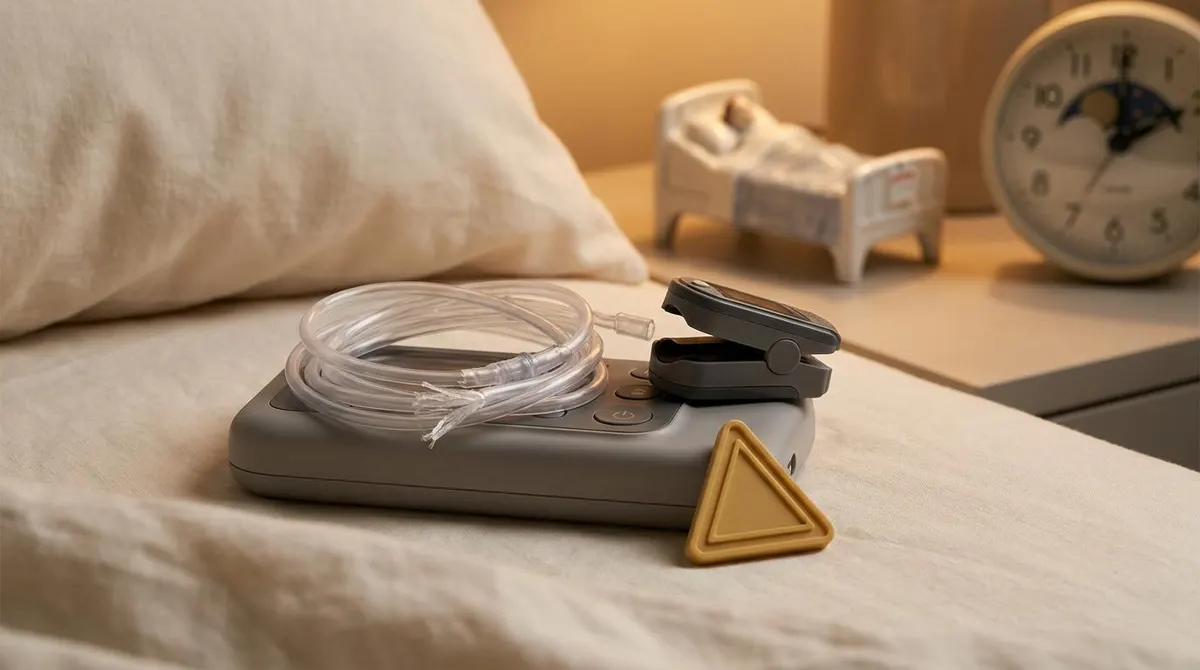
A home sleep apnea test is not appropriate for every patient. Certain medical conditions, sleep disorders, and clinical situations require the more comprehensive monitoring that only an in-lab polysomnography can provide.
While home sleep testing has expanded access to sleep apnea diagnosis and reduced costs, it has specific clinical limitations that patients and providers should understand before choosing this testing pathway.
Limitation 1: Cannot Diagnose Central Sleep Apnea or Complex Sleep Disorders
Home sleep tests are designed to detect obstructive sleep apnea. They do not measure brain activity, which means they cannot identify central sleep apnea, periodic limb movement disorder, narcolepsy, or parasomnias. The National Heart, Lung, and Blood Institute notes that in-lab polysomnography remains the gold standard for diagnosing sleep disorders beyond obstructive sleep apnea.
If your doctor suspects a sleep disorder other than obstructive sleep apnea, an in-lab sleep study with full electroencephalography (EEG) monitoring is necessary.
Limitation 2: May Underestimate Severity
Because home sleep tests calculate the apnea-hypopnea index based on recording time rather than actual sleep time (which requires brain activity monitoring to determine), the AHI from a home test may be lower than what a polysomnography would show. This means some patients with moderate obstructive sleep apnea may appear to have mild disease on a home test.
Clinicians frequently observe this underestimation in patients who spend significant time lying awake during the test night. Poor sleep quality or an unfamiliar testing setup can affect the accuracy of results.
Limitation 3: Not Recommended for Patients with Significant Comorbidities
Insurance companies and clinical guidelines generally recommend in-lab testing for patients with:
- Congestive heart failure
- Severe chronic obstructive pulmonary disease (COPD)
- Neuromuscular disorders affecting respiration
- Suspected hypoventilation syndromes
- History of stroke with respiratory complications
These conditions can affect the respiratory system in ways that a home sleep test cannot fully capture.
Limitation 4: Single Night of Data
Most home sleep tests collect data from one night only. If you sleep poorly, have an atypical night, or the sensors become dislodged during sleep, the test may need to be repeated. In-lab studies have a technician present to troubleshoot equipment issues in real time.
Limitation 5: Device Failure or User Error
Approximately 10% to 15% of home sleep tests produce inconclusive results due to sensor displacement, insufficient recording time, or device malfunction. When this happens, the patient must repeat the test, which adds time and potentially additional cost.
dumbo.health addresses several of these limitations by providing clear setup instructions, physician oversight, and the option to escalate to additional testing or consultation if results are inconclusive. The Essentials Plan at $59 per month includes physician interpretation, CPAP therapy and equipment, and follow-up care. The Premium Plan at $89 per month adds a dedicated sleep coach who can help troubleshoot testing issues and guide patients through next steps.
IMPORTANT: If your home sleep test results are negative but you continue to experience symptoms such as excessive daytime sleepiness, loud snoring, or witnessed apneas, your doctor may recommend an in-lab polysomnography for a more comprehensive evaluation.
KEY TAKEAWAY: Home sleep tests cannot diagnose central sleep apnea or complex sleep disorders, may underestimate severity, and are not suitable for patients with significant cardiopulmonary comorbidities, making it important to discuss the right testing approach with your doctor.
Understanding the full cost picture, beyond just the test itself, helps you plan for the entire sleep apnea care pathway.
The True Cost of Sleep Apnea Testing and Treatment: Insurance vs. Cash Pay
The total cost of sleep apnea diagnosis and treatment extends well beyond the initial sleep test. Understanding the full financial picture helps patients avoid surprises and make informed decisions about whether to use insurance or pay out of pocket.
Costs Beyond the Sleep Test
A sleep apnea diagnosis is the starting point, not the endpoint. After diagnosis, most patients need:
- Physician interpretation of sleep study results
- A treatment plan, most commonly CPAP therapy
- CPAP machine and equipment (mask, tubing, humidifier)
- Ongoing adherence monitoring and follow-up visits
- Replacement supplies every 3 to 6 months
- Potential retesting or titration studies
Through insurance, these costs accumulate across multiple billing codes, copays, and deductible contributions. Many patients report that the combined cost of diagnosis and the first year of CPAP therapy through insurance exceeds $1,500 to $3,000 out of pocket when accounting for deductibles, copays, equipment costs, and supply replacements.
How dumbo.health Simplifies the Cost Structure
dumbo.health uses a transparent, cash-pay model that bundles testing and ongoing treatment into predictable monthly costs:
- Home sleep test: $149 (one-time, billed separately)
- Essentials Plan: $59/month, includes physician interpretation, CPAP therapy and equipment, standard follow-up care, and updates sent to referring provider
- Premium Plan: $89/month, adds a dedicated sleep coach, advanced adherence monitoring, and priority results turnaround
- Elite Plan: $129/month, adds concierge clinical support, direct physician messaging, and custom reporting
All plans operate with no contracts and the ability to cancel anytime. There are no prior authorizations, no insurance paperwork, and no surprise bills.
Annual Cost Comparison
First-Year Total Cost (Test Plus Treatment)
- Insurance Route: $1,500 to $3,000+ (varies by plan, deductible, equipment costs, and supply replacement fees)
- dumbo.health Essentials: $149 test + $708/year ($59 x 12) = approximately $857 total first year
- dumbo.health Premium: $149 test + $1,068/year ($89 x 12) = approximately $1,217 total first year
Insurance Paperwork Required
- Insurance Route: Yes, including prior authorization, claims, appeals, and equipment approval
- dumbo.health: None
Equipment Included
- Insurance Route: Usually requires separate durable medical equipment (DME) provider with additional copays
- dumbo.health: CPAP therapy and equipment included in monthly plans
Contracts
- Insurance Route: Some DME suppliers require rental agreements
- dumbo.health: No contracts, cancel anytime
For many patients, especially those with high-deductible insurance plans, the cash-pay route through dumbo.health can be less expensive overall while also being faster and simpler to navigate.
KEY TAKEAWAY: When comparing total first-year costs including testing, physician interpretation, CPAP equipment, and follow-up care, dumbo.health's bundled pricing often costs less than the insurance route for patients with high deductibles or complex plan structures.
Knowing the costs is helpful, but seeing how different types of patients navigate the process makes the decision more concrete.
Real-World Scenarios: How Different Patients Handle Sleep Apnea Testing Coverage

Real-world examples show how insurance coverage for home sleep tests plays out differently depending on the patient's situation, insurance plan, and personal priorities.
Common Scenarios
Scenario 1: A 48-Year-Old Office Worker with Employer PPO Insurance
Maria is a 48-year-old office worker whose primary care physician refers her for a home sleep test after she reports chronic snoring and daytime fatigue. Her employer PPO plan covers diagnostic sleep testing with a $40 specialist copay and 20% coinsurance after a $500 deductible. She has already met $350 of her deductible.
Maria's doctor submits a prior authorization request. After 8 business days, authorization is approved. She receives the home sleep test device from an in-network sleep lab facility. The test is billed at $400. Because she has $150 remaining on her deductible, she pays $150 toward the deductible plus 20% of the remaining $250, which equals $50. Total out of pocket for the test alone: $200. She later receives a separate bill of $75 for physician interpretation. Her total diagnostic cost: $275.
Scenario 2: A 55-Year-Old Long-Haul Truck Driver on Medicare
James is a 55-year-old CDL holder flagged for sleep apnea testing during his DOT physical due to a BMI of 38 and a neck circumference over 17 inches. His sleep specialist orders a home sleep apnea test covered by Medicare Part B. James has already met his annual Part B deductible.
Medicare covers 80% of the Medicare-approved amount of $320. James pays $64 (20% coinsurance). He does not have a Medigap policy. After diagnosis, James needs CPAP therapy to maintain his CDL medical certification. Through Medicare's DME process, he enters a 13-month CPAP rental program with additional monthly copays. The process takes 3 weeks from referral to receiving test results.
If James had chosen dumbo.health, he could have ordered an at-home sleep test for $149 and started the Premium Plan at $89/month for CPAP therapy, dedicated sleep coaching, and priority results. His total first-month cost would have been $238, and he would have avoided the multi-week Medicare processing timeline, which matters when his CDL certification is on the line.
Scenario 3: A 34-Year-Old Freelancer with No Health Insurance
Amir is a 34-year-old freelance graphic designer with no medical insurance. His partner has noticed that he stops breathing during sleep, and he wakes up with headaches most mornings. Amir looked into getting a sleep study at a local sleep lab facility, where quoted prices ranged from $1,200 to $3,000 for an in-lab polysomnography without insurance.
Without insurance, Amir finds that a home sleep test through dumbo.health costs $149 with no referral required. He completes the free sleep assessment on the dumbo.health website and orders the test. After one night of testing, a physician reviews his data and identifies moderate obstructive sleep apnea with an AHI of 22. He starts the Essentials Plan at $59/month, which includes his CPAP machine, equipment, and ongoing follow-up care. His total first-month cost is $208.
These scenarios illustrate that insurance coverage does not always mean lower cost or faster access. The best choice depends on your plan details, deductible status, timeline needs, and personal preferences.
KEY TAKEAWAY: Whether you have private insurance, Medicare, or no insurance at all, the most cost-effective and time-efficient path to a home sleep apnea test depends on your individual deductible status, plan structure, and urgency of diagnosis.
Many patients delay testing based on misconceptions about coverage, cost, and how sleep testing works. The next section clears up the most common myths.
Common Myths About Sleep Apnea Test Insurance Coverage Debunked
Misinformation about insurance coverage for sleep apnea testing causes many patients to delay diagnosis or assume testing is unaffordable. These are the most persistent myths and the facts that correct them.
MYTH: Insurance always covers the full cost of a home sleep apnea test.
FACT: Insurance coverage does not mean free. Most plans require copays, coinsurance, or deductible payments. According to a 2023 Kaiser Family Foundation report, the average annual deductible for employer-sponsored plans exceeds $1,700 for single coverage. If you have not met your deductible, you may pay the full negotiated rate for the test out of pocket before insurance contributes anything.
MYTH: You need to see a sleep specialist before you can get a home sleep test.
FACT: While a sleep specialist can order a home sleep test, many primary care physicians can also order one if they document appropriate clinical findings. Some direct-to-patient services, including dumbo.health, allow patients to initiate testing without a separate specialist visit, reducing wait times and additional costs.
MYTH: Home sleep tests are not accurate enough for a real diagnosis.
FACT: The American Academy of Sleep Medicine endorses home sleep apnea testing as a valid diagnostic method for obstructive sleep apnea in adults who have a high pretest probability and no significant comorbidities. While home tests may slightly underestimate the apnea-hypopnea index compared to in-lab polysomnography, they are clinically sufficient for diagnosing and initiating treatment in the majority of cases.
MYTH: If your insurance denies coverage, you cannot get tested.
FACT: A coverage denial does not prevent you from getting a home sleep test. Cash-pay options exist at a fraction of the cost of an in-lab study. dumbo.health offers a home sleep test for $149 regardless of insurance status. Many patients find that bypassing insurance entirely saves both time and money compared to pursuing appeals.
MYTH: Medicare does not cover home sleep tests.
FACT: Medicare Part B covers home sleep apnea tests when ordered by a physician and performed using an FDA-approved device. Medicare pays 80% of the Medicare-approved amount after the Part B deductible is met. This coverage has been in place since 2008.
KEY TAKEAWAY: Most myths about sleep apnea test coverage stem from confusion about deductibles, authorization requirements, and testing validity, and all of these barriers have practical solutions including affordable cash-pay alternatives.
Before ordering a test, a quick preparation checklist ensures you are ready whether you go through insurance or pay out of pocket.
How to Prepare for a Home Sleep Apnea Test
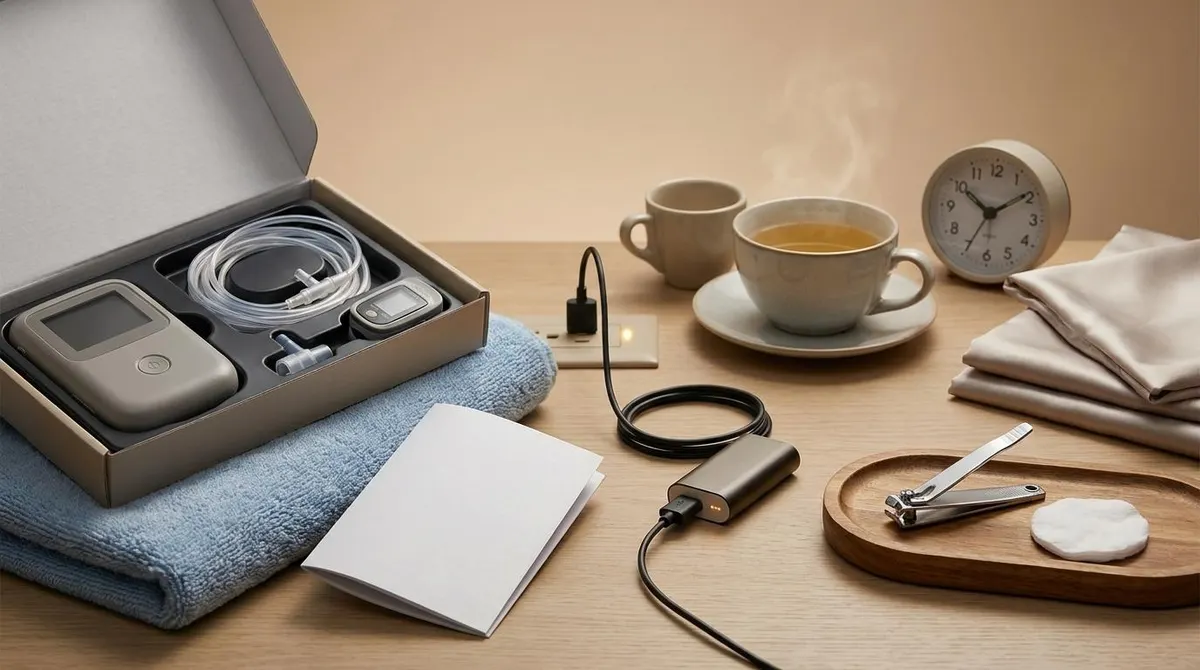
Preparation for a home sleep apnea test is straightforward, but completing a few steps beforehand improves data quality and reduces the chance of needing a retest.
Pre-Test Preparation Checklist
- Confirm with your doctor or provider that a home sleep test (rather than an in-lab study) is appropriate for your situation
- If using insurance, verify that prior authorization has been approved and obtain the authorization number
- If paying cash, order your test through a provider such as dumbo.health's home sleep test for $149 with no authorization required
- Avoid alcohol and sedative medications on the test night, as these can alter your respiratory patterns and affect results
- Avoid caffeine after 2 PM on the test day to support normal sleep onset
- Maintain your usual sleep position and sleep environment to ensure representative data
- Charge the device (if applicable) and review all setup instructions before bedtime
- Keep fingernails trimmed short so the pulse oximeter finger clip sits flush against your skin
- Plan to sleep for at least 6 hours to ensure adequate recording time
- Set a backup alarm in case you need to remove the device at a specific time
Following these steps helps ensure your test produces usable data on the first attempt, which prevents delays in getting your diagnosis and starting treatment.
KEY TAKEAWAY: Simple preparation steps such as avoiding alcohol, charging the device, and sleeping at least 6 hours significantly improve the chance of getting a valid home sleep test result on the first attempt.
Once you have your results, understanding what comes next in the treatment pathway is the final piece of the puzzle.
What Happens After Your Home Sleep Test: Diagnosis, Treatment, and Next Steps
After completing a home sleep test, a sleep physician interprets your data and provides a diagnosis based on your apnea-hypopnea index and oxygen desaturation patterns. If obstructive sleep apnea is confirmed, treatment typically begins with CPAP therapy.
Understanding Your Results
Your sleep physician will review the recorded data, which includes airflow patterns, oxygen saturation levels, heart rate variability, and respiration rate throughout the night. The key metric is the apnea-hypopnea index:
- AHI below 5: No significant sleep apnea
- AHI 5 to 14: Mild obstructive sleep apnea
- AHI 15 to 29: Moderate obstructive sleep apnea
- AHI 30 or higher: Severe obstructive sleep apnea
The physician interpretation also notes oxygen desaturations (drops in blood oxygen levels below 90%), minimum oxygen saturation, and total respiratory disturbance patterns. These details help determine the urgency and type of treatment recommended.
Treatment Options After Diagnosis
CPAP therapy is the first-line treatment for moderate to severe obstructive sleep apnea. A CPAP machine delivers continuous positive airway pressure through a mask during sleep, keeping the airway open and preventing apneas. Auto-adjusting CPAP devices (also called APAP or auto-CPAP) automatically adjust pressure based on detected events throughout the night.
Other treatment options may include:
- Oral appliances (mandibular advancement devices) for mild to moderate cases or for patients who cannot tolerate CPAP
- Positional therapy for patients whose sleep apnea occurs primarily in the supine sleep position
- Weight management, as the Mayo Clinic notes that weight loss can reduce AHI in overweight patients
- Bilevel-PAP (BiPAP) for patients who need different pressures for inhalation and exhalation
- Surgery in select cases where anatomical obstruction is identified
Insurance Coverage for CPAP Treatment
If you used insurance for your sleep test, your insurance company will likely also cover CPAP equipment, though this typically involves a separate prior authorization for durable medical equipment. Many insurance plans require a 90-day compliance period where you must demonstrate that you use the CPAP machine for at least 4 hours per night on at least 70% of nights before the insurance company commits to long-term coverage.
This compliance tracking requirement, established by Centers for Medicare and Medicaid Services guidelines and widely adopted by private insurance companies, means that failing to meet usage thresholds can result in losing insurance coverage for your CPAP equipment.
dumbo.health eliminates this conditional coverage model entirely. All monthly plans include CPAP therapy and equipment with no usage-based coverage threats. The Premium Plan at $89/month includes advanced adherence monitoring and a dedicated sleep coach who helps patients build consistent CPAP habits, and the Elite Plan at $129/month adds direct physician messaging and concierge clinical support.
Starting Your Sleep Journey
For patients who want to move from testing to treatment without navigating multiple insurance authorizations, dumbo.health provides a complete sleep apnea care pathway that includes the home sleep test, physician review, CPAP therapy, equipment, and ongoing care under one transparent pricing structure.
Providers in your area who offer home sleep testing through insurance may also provide CPAP therapy services, but the process typically involves separate approvals, separate DME providers, and separate billing for each component.
KEY TAKEAWAY: After a positive home sleep test, most patients start CPAP therapy, which through insurance requires separate equipment authorization and a 90-day compliance period, while dumbo.health bundles diagnosis, treatment, and follow-up care into a single monthly plan with no compliance-based coverage restrictions.
Conclusion

Insurance does cover home sleep apnea tests in most cases, but coverage comes with deductibles, prior authorization requirements, processing delays, and often unexpected out-of-pocket costs that can make the process slower and more expensive than patients expect. Understanding your specific plan details before ordering a test is the most important step you can take.
For those who want a faster, simpler path to diagnosis and treatment, dumbo.health offers a $149 home sleep test with no insurance required, no prior authorization, and no surprise bills. Monthly care plans starting at $59 per month include physician interpretation, CPAP therapy and equipment, and ongoing follow-up with no contracts and the ability to cancel anytime.
Take the first step by completing the free sleep assessment at dumbo.health to find out if a home sleep test is right for you.
Frequently Asked Questions About Does Insurance Cover a Home Sleep Apnea Test?
Does insurance cover a home sleep apnea test?
Many insurance plans do cover a home sleep apnea test (HSAT), but coverage depends on your specific plan, whether you have a qualifying diagnosis or referral, and whether the test is considered medically necessary. Most commercial insurance plans and Medicare Part B include some level of coverage for home sleep apnea testing when ordered by a physician. However, prior authorization is often required, and out-of-pocket costs such as deductibles and copays still apply. A healthcare professional can help determine whether testing is appropriate and whether your plan is likely to cover it.
What is a home sleep apnea test and how does it work?
A home sleep apnea test (HSAT) is a simplified diagnostic device used to detect obstructive sleep apnea in adults while sleeping in their own home. The device typically measures airflow, blood oxygen levels, respiration rate, and heart rate during sleep. Unlike an in-lab polysomnography study, an HSAT does not measure brain activity or sleep stages. You wear the device for one or more nights, then return or mail it for physician interpretation. The American Academy of Sleep Medicine recognises HSAT as an appropriate diagnostic option for patients with a moderate to high likelihood of obstructive sleep apnea.
What types of sleep studies does insurance typically cover?
Most insurance plans cover two main types of sleep studies when medically necessary. An in-lab sleep study, also called a Type I polysomnogram, measures brain activity, eye movement, muscle activity, heart rate, airflow, and oxygen saturation in a supervised sleep lab facility. A home sleep apnea test is a portable, simplified alternative that measures key respiratory signals at home. Insurance coverage for both types usually requires a physician referral and documentation of symptoms. Some plans cover in-lab studies more readily than at-home options, while others now prefer HSAT as a lower-cost first step.
Does Medicare cover a home sleep study?
Yes, Medicare Part B can cover a home sleep apnea test when it is ordered by a treating physician and the patient shows clinical signs of obstructive sleep apnea. According to the Centers for Medicare and Medicaid Services, coverage for home sleep testing falls under Medicare's national coverage determination for sleep testing. The test must meet Medicare's criteria for medical necessity, and the device used must be a Medicare-approved type. Patients typically pay 20 percent of the Medicare-approved amount after meeting their Part B deductible. A healthcare professional can review whether your symptoms and medical history meet Medicare's coverage requirements.
How often will Medicare pay for a sleep study?
Medicare does not publish a strict fixed limit on how frequently it will cover sleep studies, but repeat testing must be medically justified. If your initial home sleep apnea test is inconclusive or your condition changes significantly, a physician may request a follow-up study, including an in-lab polysomnogram. Medicare Part B generally applies the same medical necessity standard to repeat studies as to initial ones. If a second sleep study is needed, your physician will need to document the clinical reason. A certified medical examiner or treating physician can advise whether repeat testing is appropriate for your situation.
Does Medicaid cover a sleep apnea test?
Medicaid coverage for sleep apnea testing varies by state because each state administers its own Medicaid program with different benefit rules. Many state Medicaid programs do cover home sleep apnea tests and in-lab sleep studies when ordered by a physician and deemed medically necessary, but prior authorisation requirements and covered device types differ. If you are on Medicaid and have symptoms of sleep apnea such as loud snoring, pauses in breathing, or excessive daytime sleepiness, speak with your healthcare provider about whether a referral for sleep testing is appropriate under your state's plan.
Will my at-home sleep study be covered by insurance?
Whether your at-home sleep study is covered depends on your insurance plan, whether your physician has documented medical necessity, and whether the testing provider is in-network. Many commercial insurance plans cover home sleep apnea tests, but they often require prior authorisation. If insurance denies coverage, you may face full out-of-pocket costs. For patients who prefer to skip the insurance process entirely, at-home sleep testing through dumbo.health costs $149 as a one-time cash-pay fee with no insurance required, no prior authorisations, and no surprise bills.
Why would insurance deny coverage for an in-lab sleep study?
Insurance companies often deny coverage for an in-lab sleep study when they determine that a home sleep apnea test is a sufficient first step for patients who have a straightforward clinical presentation of obstructive sleep apnea. Insurers typically apply medical necessity criteria, meaning they want documentation of relevant symptoms such as snoring, witnessed apneas, or excessive daytime sleepiness before approving a more expensive in-lab study. Denial can also occur when prior authorisation was not obtained, the ordering provider is out of network, or the insurer considers the test duplicative. A healthcare professional can help you appeal a denial or determine whether an HSAT is an appropriate alternative.
Which is better: a home sleep apnea test or an in-lab sleep study?
Neither option is universally better. The right choice depends on your symptoms, medical history, and clinical complexity. The American Academy of Sleep Medicine explains that home sleep apnea tests are appropriate for adults with a high clinical likelihood of moderate to severe obstructive sleep apnea and no significant comorbidities. In-lab polysomnography is recommended when a more complex sleep disorder is suspected, such as central sleep apnea, periodic limb movement disorder, or narcolepsy, because it captures brain activity, sleep stages, and a broader range of physiological signals that an HSAT cannot measure. A sleep specialist or physician can recommend the most appropriate study for your situation.
How accurate is a home sleep apnea test?
Home sleep apnea tests are clinically validated for detecting obstructive sleep apnea in adults with a moderate to high pre-test probability of the condition. They measure airflow, blood oxygen levels, respiration, and heart rate, which are sufficient to calculate the apnea-hypopnea index and support a diagnosis. Because HSATs do not measure brain activity, they may underestimate sleep apnea severity in some cases, as they record time worn rather than actual sleep time. The Sleep Foundation notes that HSATs have strong diagnostic accuracy for obstructive sleep apnea in appropriate patient populations, though in-lab testing may be needed when results are inconclusive or a different sleep disorder is suspected.
What is the apnea-hypopnea index and why does it matter?
The apnea-hypopnea index (AHI) is the number of apneas and hypopneas, meaning full or partial breathing interruptions, recorded per hour of sleep. It is the primary metric used to diagnose obstructive sleep apnea and classify its severity. An AHI of fewer than 5 events per hour is considered normal in adults. An AHI of 5 to 14 indicates mild sleep apnea, 15 to 29 indicates moderate sleep apnea, and 30 or more indicates severe sleep apnea. Physician interpretation of home sleep test data uses AHI alongside oxygen desaturation levels and other respiratory signals to guide diagnosis and treatment decisions.
How much does a home sleep apnea test cost without insurance?
The cost of a home sleep apnea test without insurance varies depending on the provider and what is included. Prices typically range from around $150 to $500 or more when physician interpretation and a formal report are included. dumbo.health offers a home sleep apnea test for $149 as a transparent one-time cash-pay fee, which includes the at-home device and one night of testing. Physician interpretation and ongoing care are available through separate monthly plans starting at $59 per month. There are no contracts, no prior authorisations, and no surprise bills, which makes it easier to plan around the cost from the start.
How much does an in-lab sleep study cost?
An in-lab sleep study, or polysomnogram, typically costs significantly more than a home sleep apnea test. According to the Sleep Foundation, in-lab sleep studies can cost between $1,000 and $7,500 or more without insurance, depending on the facility and location. With insurance, patients usually pay their deductible and a copay or coinsurance amount after the plan pays its share. In-lab studies are more comprehensive but also more expensive, which is one reason why insurers increasingly prefer home sleep apnea tests as a first-line diagnostic option when clinically appropriate.
Do I need a referral from my doctor to get a home sleep apnea test?
For insurance to cover a home sleep apnea test, most plans require a referral or prescription from a treating physician. The physician must document your symptoms, clinical assessment, and the medical necessity of the test. If you are paying out of pocket, some cash-pay providers can facilitate physician review without a separate referral appointment. If you are unsure whether you need a referral, a healthcare professional can guide you through the process, or you can start with a free sleep assessment to help clarify whether at-home testing may be a reasonable next step.
What symptoms suggest I should be tested for sleep apnea?
Common symptoms that may suggest obstructive sleep apnea include loud or frequent snoring, witnessed pauses in breathing during sleep, waking with gasping or choking, excessive daytime sleepiness, morning headaches, difficulty concentrating, and waking with a dry mouth or sore throat. The Mayo Clinic notes that sleep apnea can affect people of any age or body size, though risk increases with factors such as excess body weight, a large neck circumference, high blood pressure, and a family history of sleep apnea. If you regularly experience several of these symptoms, a healthcare professional can help determine whether a sleep study is appropriate.
Can a home sleep apnea test detect all sleep disorders?
No. A home sleep apnea test is designed specifically to detect obstructive sleep apnea in adults and is not capable of diagnosing the full range of sleep disorders. HSATs measure airflow, blood oxygen levels, respiration, and heart rate, but they do not capture brain activity, eye movements, or limb movements. Conditions such as central sleep apnea, narcolepsy, REM sleep behaviour disorder, restless legs syndrome, and insomnia require in-lab polysomnography for accurate diagnosis. If your symptoms suggest a more complex sleep disorder, or if your home sleep test results are inconclusive, a sleep specialist may recommend an in-lab study.
What is the difference between a Type I polysomnogram and a home sleep apnea test?
A Type I polysomnogram is a comprehensive, in-lab sleep study performed in a supervised sleep lab facility. It records brain activity, eye movement, muscle tone, heart rate, oxygen saturation, airflow, and respiratory effort using multiple sensors and electrodes. It is the gold standard for diagnosing complex sleep disorders. A home sleep apnea test is a portable diagnostic device used at home that records a more limited set of signals, typically airflow, blood oxygen levels, heart rate, and respiration, without measuring brain activity. HSATs are appropriate for adults with a clear clinical picture of obstructive sleep apnea, while Type I studies are required for more complex or ambiguous cases.
How do I prepare for a home sleep apnea test?
Preparation for a home sleep apnea test is straightforward. On the night of the test, avoid alcohol, sedatives, and caffeine, as these can affect your breathing patterns and sleep quality. Follow the setup instructions provided with the device carefully, ensuring sensors are correctly placed for airflow, oxygen saturation, and heart rate monitoring. Sleep in your normal position and environment where possible. Avoid napping excessively during the day before the test night so your sleep is representative. Your physician or the testing provider will give specific instructions for the device you are using.
How many nights do I need to complete a home sleep apnea test?
Most home sleep apnea tests require only one night of data collection, though some protocols recommend two nights to account for night-to-night variability in sleep and breathing. If the first night produces insufficient data, due to sensor displacement or an unusually disrupted night, a second night may be needed. Your physician or testing provider will advise how many nights are required based on the device used and the quality of the recorded data. Dumbo.health's at-home sleep test is designed for one night of testing, with physician interpretation included through the available monthly care plans.
How long does it take to get home sleep test results?
Turnaround time for home sleep apnea test results depends on the testing provider and the plan selected. After you complete the test and return or upload the recorded data, a sleep physician reviews and interprets the results. Standard turnaround is typically within a few days to one week. dumbo.health's Premium plan includes priority results turnaround as part of the $89 per month plan, alongside dedicated sleep coaching and advanced adherence monitoring. The Essentials plan at $59 per month covers physician interpretation and a formal report with standard follow-up care.
Can I view my home sleep test results online?
Many home sleep test providers offer an online patient portal where you can view your results and physician report after interpretation is complete. Access methods vary by provider. dumbo.health supports physician interpretation and written reports as part of its monthly care plans, with results and care coordination managed through its care team. If you need results shared with a referring provider or specialist, dumbo.health's monthly plans include provider updates as a standard feature, and the Elite plan at $129 per month offers custom reporting for practices that require detailed documentation.
What happens after a home sleep apnea test is positive for sleep apnea?
If your home sleep apnea test results indicate obstructive sleep apnea, a physician will typically discuss your diagnosis, severity classification based on the apnea-hypopnea index, and recommended treatment options. The most common treatment is continuous positive airway pressure therapy, known as CPAP, which delivers gentle air pressure to keep the airway open during sleep. Other options may include oral appliances, positional therapy, or lifestyle changes, depending on severity and clinical factors. A healthcare professional will guide your treatment decisions. CPAP therapy and equipment are available through dumbo.health as part of its ongoing monthly care plans.
What is CPAP therapy and how does it treat sleep apnea?
Continuous positive airway pressure therapy, or CPAP, is the most widely used treatment for moderate to severe obstructive sleep apnea. A CPAP machine delivers a continuous stream of pressurised air through a mask worn over the nose or nose and mouth during sleep. This airflow keeps the upper airway open, preventing the breathing interruptions that characterise obstructive sleep apnea. According to the NHLBI, effective CPAP use can reduce daytime sleepiness, lower blood pressure, and reduce cardiovascular risk associated with untreated sleep apnea. Optimal CPAP pressure is typically determined during a titration process following diagnosis.
Does CPAP adherence matter for ongoing care?
CPAP adherence, meaning how consistently and for how long you use your CPAP machine each night, is critically important for effective sleep apnea treatment. Medicare and many insurance plans require documentation of adequate CPAP use, typically at least four hours per night on 70 percent of nights over a 30-day period, before they will continue to cover CPAP equipment. Poor adherence reduces the clinical benefits of therapy and may affect continued coverage. dumbo.health's Premium and Elite monthly plans include advanced adherence monitoring and dedicated sleep coaching to support patients in maintaining consistent CPAP use over time.
What sleep apnea care solutions does dumbo.health offer?
dumbo.health offers at-home sleep apnea testing and ongoing care with transparent cash-pay pricing and no insurance required. The at-home sleep test is $149 as a one-time fee. Monthly care plans start at $59 per month for the Essentials plan, which includes physician interpretation, a formal report, CPAP therapy and equipment, standard follow-up care, and provider updates. The Premium plan at $89 per month adds a dedicated sleep coach, advanced adherence monitoring, and priority results turnaround. The Elite plan at $129 per month adds concierge clinical support, direct physician messaging, and custom reporting. There are no contracts and you can cancel at any time. You can explore sleep apnea care solutions to compare plan options.
Is sleep apnea testing available for commercial drivers?
Yes. Commercial drivers, including CDL holders and owner-operators, may be required to undergo sleep apnea evaluation as part of the DOT physical process if a certified medical examiner identifies risk factors. Untreated obstructive sleep apnea can affect driving safety and CDL medical certification. The FMCSA does not have a specific federal sleep apnea regulation, but certified medical examiners have discretion to refer drivers for evaluation based on symptoms, body mass index, neck circumference, and other risk factors. dumbo.health supports at-home sleep apnea testing and documentation for commercial drivers. Learn more about DOT sleep apnea testing at homeor review the CDL driver home sleep apnea test guide.
Can a home sleep apnea test satisfy DOT sleep apnea requirements?
A home sleep apnea test can be used to evaluate a commercial driver for obstructive sleep apnea, and a positive result followed by documented CPAP treatment and adherence can support a driver's return to or maintenance of DOT medical certification. However, the certified medical examiner makes the final certification decision based on the driver's overall medical fitness, test results, and treatment adherence documentation. dumbo.health can support testing and care documentation workflows for commercial drivers, but it does not guarantee DOT certification or medical clearance. A certified medical examiner will assess each driver's case individually.
Does sleep apnea affect cardiovascular health?
Yes. Untreated obstructive sleep apnea is associated with an increased risk of cardiovascular conditions including high blood pressure, heart disease, stroke, and atrial fibrillation. During apnea events, oxygen levels drop and carbon dioxide rises, placing repeated stress on the cardiovascular system. The NHLBI states that obstructive sleep apnea is a recognised risk factor for hypertension and cardiovascular disease. Effective treatment with CPAP therapy may help reduce these risks over time, though outcomes vary between individuals. If you have existing cardiovascular conditions alongside sleep apnea symptoms, a healthcare professional should guide your testing and treatment approach.
Is a home sleep apnea test safe to use?
Home sleep apnea tests are non-invasive and considered safe for the vast majority of adults. The devices use external sensors to measure airflow, blood oxygen saturation, and heart rate without any procedure or sedation. They are FDA-cleared medical devices intended for supervised use under physician guidance. If you have complex medical conditions such as severe heart failure, chronic obstructive pulmonary disease, or neuromuscular disease, an in-lab polysomnogram may be more appropriate than a home sleep apnea test. A healthcare professional can confirm whether home sleep testing is a suitable option based on your medical history.
Can I find at-home sleep apnea testing near me?
At-home sleep apnea testing is available across the United States because the test device is mailed to your home, removing the need to travel to a sleep lab facility. Rather than searching for providers in your area, patients can access testing entirely remotely. dumbo.health ships the at-home sleep test device to patients nationwide, allowing you to complete testing in your own home regardless of location. Physician interpretation is completed remotely, and ongoing care is managed through telehealth-supported monthly plans. This makes at-home testing a practical option for patients in rural areas or those with limited access to local sleep specialists.
What is the difference between a home sleep apnea test and a consumer sleep tracker?
A home sleep apnea test (HSAT) is an FDA-cleared medical device used to diagnose obstructive sleep apnea under physician supervision. It measures clinical signals including airflow, blood oxygen levels, heart rate, and respiratory effort to calculate the apnea-hypopnea index. A consumer sleep tracker, such as a smartwatch or wearable fitness band, monitors general sleep patterns using accelerometers and photoplethysmography sensors, but it is not validated for diagnosing sleep apnea and does not produce medically actionable diagnostic data. Sleep trackers can raise awareness of potential sleep issues, but a formal diagnosis requires a physician-ordered sleep study and clinical interpretation.
When should I see a sleep specialist rather than doing a home sleep test first?
A sleep specialist evaluation may be more appropriate than starting with a home sleep test if you have complex or atypical symptoms, a history of multiple sleep disorders, significant cardiovascular or respiratory comorbidities, suspected central sleep apnea, or a prior inconclusive home sleep test result. A primary care physician or sleep specialist can assess your full medical history and symptom profile before recommending the most appropriate diagnostic pathway. If you have severe daytime sleepiness, witnessed apneas, or symptoms that significantly affect your daily function, speaking with a healthcare professional promptly is advisable rather than self-initiating testing without clinical input.
Related Home Sleep Apnea Test Topics
- Are Sleep Studies Covered by Insurance What You Actually Pay for Sleep Apnea Testing
- Home Sleep Test Cost What You Actually Pay With and Without Insurance
- Does Medicare Cover a Home Sleep Apnea Test What Beneficiaries Need to Know
- Sleep Apnea Test at Home with Insurance What Your Plan Actually Covers and How to Get Tested
- How Much Does a Home Sleep Apnea Test Cost Complete Pricing Breakdown for Self-Pay and Insured Patients
- Cost of Sleep Apnea Testing What You Will Actually Pay
- What Is a Home Sleep Apnea Test How At-Home Sleep Testing Works, What It Measures, and Who Needs One
- What Is the Best At-Home Sleep Apnea Test A Clinical Comparison of Devices, Accuracy, and Cost
- How Do You Get a Home Sleep Apnea Test The Complete Guide to At-Home Sleep Testing
- Home Sleep Apnea Test The Complete Guide to At-Home Sleep Apnea Testing
- How Does a Home Sleep Apnea Test Work A Complete Guide to At-Home Sleep Testing
- What Does a Home Sleep Apnea Test Consist Of Sensors, Equipment, and What to Expect
- Does a Home Sleep Apnea Test Measure Apneas What the Device Actually Records
- Can You Test for Sleep Apnea at Home A Complete Guide to Home Sleep Testing
- Does Anyone Ever Pass a Sleep Apnea Test What Normal Results Actually Look Like
- Can Dentists Prescribe a Home Sleep Apnea Test What You Need to Know
- Sleep Test at Home The Complete Guide to Home Sleep Apnea Testing
- How to Get a Sleep Apnea Test at Home The Complete Guide to Home Sleep Testing
- How Is a Home Sleep Apnea Test Done A Complete Guide to At-Home Sleep Testing
- How Long Does a Home Sleep Apnea Test Take What to Expect Before, During, and After Testing
- Can My Doctor Prescribe a Home Sleep Apnea Test What You Need to Know
- Sleep Apnea Test at Home The Complete Guide to Home Sleep Testing for Adults
- Home Sleep Test The Complete Guide to At-Home Sleep Apnea Testing
- HSAT The Complete Guide to Home Sleep Apnea Testing
- What Happens After a Home Sleep Apnea Test Results, Diagnosis, and Next Steps
- Home Sleep Testing Companies A Complete Guide to At-Home Sleep Apnea Diagnosis
- Do You Need a Prescription for a Home Sleep Apnea Test
- Are Home Sleep Apnea Tests Accurate What the Evidence Actually Shows
- Are Home Sleep Apnea Tests Reliable Clinical Evidence, Accuracy, and What the Data Actually Shows
- CPAP Test at Home The Complete Guide to Home Sleep Apnea Testing and Treatment
- Home Sleep Apnea Test Near Me How to Get Tested Without a Sleep Lab Visit
- Can a Home Sleep Apnea Test Be Wrong Accuracy, False Negatives, and What to Do Next
- Sleep Apnea Test The Complete Guide to Diagnosis, Home Testing, and What Your Results Mean
- Sleep Apnea Checker How to Screen for Sleep Apnea and What Your Results Mean
- At-Home Sleep Apnea Test The Complete Guide to Testing, Results, and Treatment
- Sleep Test to CPAP How Sleep Apnea Testing Leads to Treatment
- Do At-Home Sleep Apnea Tests Work Clinical Accuracy, Limitations, and What the Evidence Shows
- Sleep Test What It Measures, How It Works, and What Your Results Mean
- Polysomnography at Home How Home Sleep Testing Compares to In-Lab Sleep Studies
- Sleep Apnea Test at Home DOT Approved Options for Commercial Drivers
- Sleep Apnea Test Near Me How to Find Local and At-Home Testing Options
- Sleep Apnea Diagnosis How Sleep Apnea Is Detected, Tested, and Confirmed
- Home Sleep Testing The Complete Guide to Diagnosing Sleep Apnea From Your Own Bed
- Sleep Apnea Testing The Complete Guide to Diagnosis, Home Tests, and What Your Results Mean
- Best At Home Sleep Apnea Test A Clinical Comparison
- Sleep Apnea Testing Near Me How to Find the Right Test, Provider, and Path to Diagnosis
- CPAP Test What It Is, How It Works, and What Your Results Mean
- Apnea Monitor The Complete Guide to Breathing Monitors for Sleep Apnea and Infant Care
- Disadvantages of Home Sleep Testing What Patients and Providers Need to Know
- How to Get Tested for Sleep Apnea The Complete Guide to Diagnosis, Sleep Studies, and Treatment
AI summary
A home sleep apnea test (HSAT) is an at-home diagnostic study used to detect obstructive sleep apnea by measuring airflow, respiratory effort, blood oxygen saturation, heart rate, and sometimes body position and snoring. Unlike in-lab polysomnography, HSAT does not measure brain activity or sleep stages. Insurance coverage typically applies when a physician orders the test and documents medical necessity, and many plans also require prior authorization. Out-of-pocket cost depends on deductible status, copays, coinsurance, and in-network billing; patients may still pay $0 to $250+ and may receive separate charges for physician interpretation. Medicare Part B covers HSAT at 80% of the Medicare-approved amount after the annual deductible, with 20% coinsurance. Medicare generally requires an FDA-approved device and does not cover HSAT for screening without symptoms. HSAT is not recommended for suspected central sleep apnea, complex sleep disorders, or significant comorbidities (e.g., congestive heart failure, severe COPD). HSAT can underestimate apnea-hypopnea index (AHI) and 10% to 15% of tests may be inconclusive due to user error or device issues.

Nicolas Nemeth
Co-Founder
Nico is the co-founder of Dumbo Health, a digital sleep clinic that brings the entire obstructive sleep apnea journey home. Patients skip the sleep lab and the long wait to see a specialist. Dumbo Health ships an at home test, connects patients with licensed sleep clinicians by video, and delivers CPAP or a custom oral appliance with ongoing coaching and automatic resupply in one clear subscription.
Keep reading

VA At Home Sleep Apnea Test: The Complete Guide for Veterans

Home Sleep Apnea Test App: What Works, What Doesn't, and How to Get a Real Diagnosis


