How Do You Get a Home Sleep Apnea Test? The Complete Guide to At-Home Sleep Testing
This guide explains how to access a home sleep apnea test (HSAT), starting with a clinical evaluation and a required prescription. It covers who is a good candidate, using criteria such as symptoms, BMI, neck circumference, and STOP-BANG risk screening. You will learn what common at-home devices measure, including airflow, breathing effort, oxygen saturation, and heart rate, and how results are reviewed by a board-certified sleep physician. It also explains how to prepare for test night to reduce errors and improve data quality. The article breaks down how Apnea-Hypopnea Index (AHI) is calculated and classified, what happens after diagnosis, and when an in-lab polysomnography is a better fit. Practical sections address cost, telehealth access, and key limitations such as false negatives and inability to diagnose central sleep apnea.
Struggling with sleep?
Find out if sleep apnea is the reason.
FDA-cleared. $149 flat. Physician-reviewed results in 48 hours.

How Do You Get a Home Sleep Apnea Test? The Complete Guide to At-Home Sleep Testing
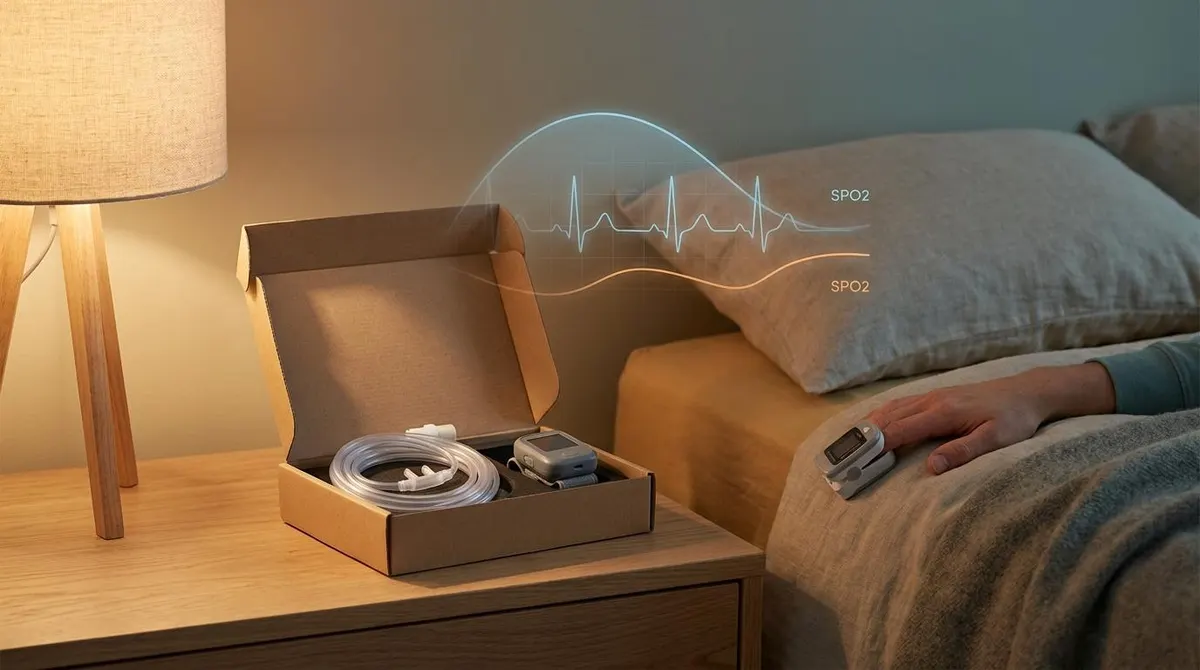
Home sleep apnea test access starts with a clinical evaluation and a prescription from a qualified physician. The American Academy of Sleep Medicine estimates that obstructive sleep apnea affects roughly 25 to 30 percent of adult men and 9 to 17 percent of adult women, yet the majority of cases remain undiagnosed. This guide is for anyone experiencing symptoms like loud snoring, daytime fatigue, or witnessed breathing pauses during sleep and wondering how to get tested without the hassle of an overnight sleep lab visit. You will learn exactly how home sleep apnea testing works, what the devices measure, how to prepare, what results mean, and how to move from diagnosis to treatment. Whether you are a commercial driver, a shift worker, or simply someone losing sleep, every step is covered below.
Quick Answer
A home sleep apnea test requires a prescription from a physician or sleep specialist who evaluates your symptoms and determines you are a candidate. Once prescribed, a portable device is shipped to your home or picked up from a provider. You wear the sensors overnight while sleeping in your own bed. The recorded sleep data is then interpreted by a board-certified sleep physician who provides a diagnosis and treatment recommendations. dumbo.health offers a complete home sleep test for $149 with no insurance required.
Key Takeaways
- You need a prescription from a physician or sleep specialist before you can take a home sleep apnea test.
- home sleep apnea testing uses portable sensors to measure breathing effort, oxygen saturation, airflow, and heart rate while you sleep.
- The test is designed primarily to diagnose obstructive sleep apnea and is not recommended for central sleep apnea or complex sleep disorders.
- Results are interpreted by a board-certified sleep physician who calculates your Apnea-Hypopnea Index to determine severity.
- dumbo.health provides a home sleep test for a one-time cost of $149, with monthly care plans starting at $59 per month and no contracts.
- Most patients complete the entire process from ordering to receiving results within days rather than the weeks or months typical of in-lab sleep study scheduling.
What Is a Home Sleep Apnea Test and How Does It Work?
A home sleep apnea test is a portable diagnostic study that records your breathing patterns, oxygen levels, and other physiological signals overnight while you sleep in your own bed. This type of testing is medically known as an HSAT (Home Sleep Apnea Test) and serves as a convenient alternative to an in-lab sleep study for diagnosing obstructive sleep apnea.
What a Home Sleep Test Measures
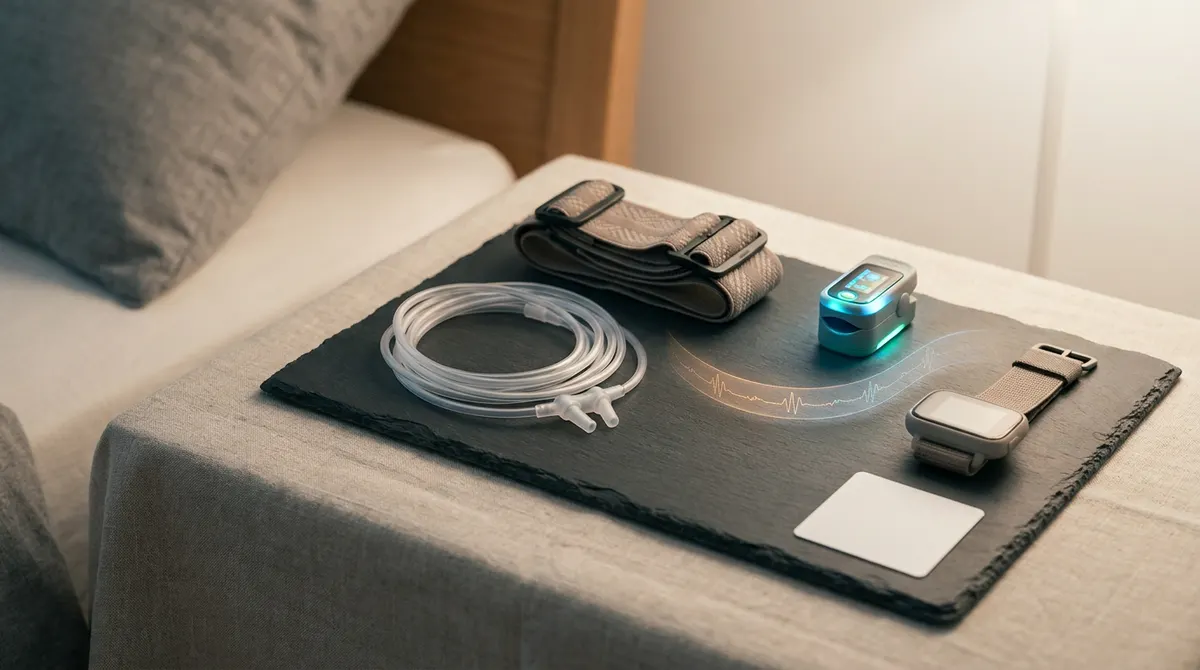
home sleep testing equipment typically records between four and seven channels of data. The core measurements include respiratory flow detected through a nasal cannula, breathing effort tracked by flexible elastic belts around the chest and abdomen using Respiratory Inductance Plethysmography, oxygen saturation measured by a pulse oximeter clipped to the finger, and heart rate captured through pulse oximetry or photoplethysmography sensors.
Some advanced devices like the WatchPAT ONE by Itamar Medical use Peripheral Arterial Tonometry to measure changes in arterial blood flow at the fingertip. This approach captures cardiovascular monitoring data, snore detection, sleep staging, and body position from a single wrist-worn unit. Other devices such as the NightOwl Home Sleep Test and the SleepImage Ring use different biometrics and sensor configurations to collect sleep data through compact form factors.
Regardless of the specific device, the goal is the same. The recording device captures enough physiological data overnight for a sleep physician to calculate your Apnea-Hypopnea Index, which is the number of times per hour your breathing partially or completely stops during sleep. According to the American Academy of Sleep Medicine, an AHI of 5 or more events per hour combined with symptoms suggests obstructive sleep apnea.
DID YOU KNOW: The American Academy of Sleep Medicine reports that an estimated 80 percent of moderate to severe obstructive sleep apnea cases in the United States remain undiagnosed, making accessible testing a critical public health need.
KEY TAKEAWAY: A home sleep apnea test uses portable sensors to measure airflow, breathing effort, oxygen saturation, and heart rate overnight, providing enough data for a physician to diagnose obstructive sleep apnea without requiring an overnight stay at a sleep lab.
Understanding what the test measures is important, but knowing whether you actually qualify for home testing is the essential first step.
Who Qualifies for a Home Sleep Apnea Test?
Most adults with symptoms of obstructive sleep apnea qualify for a home sleep apnea test, but not everyone is an appropriate candidate. Your physician or sleep specialist evaluates your medical history, symptoms, and risk factors to determine whether home sleep testing will provide reliable results for your specific situation.
Clinical Criteria for HSAT Eligibility
The American Academy of Sleep Medicine recommends home sleep apnea testing for patients who have a high pretest probability of moderate to severe obstructive sleep apnea. This typically means you have two or more of the following: loud habitual snoring, witnessed breathing pauses or gasping during sleep, excessive daytime sleepiness, a BMI over 30, a neck circumference greater than 17 inches for men or 16 inches for women, or a score suggesting high risk on a validated sleep questionnaire such as the STOP-BANG.
Patients with significant cardiovascular disease, heart failure, chronic lung conditions, or suspected central sleep apnea are generally directed to a full polysomnography study at a sleep lab instead. Similarly, individuals with sleep-related movements, suspected narcolepsy, or other complex sleep disorders typically need the additional data channels available only through an in-lab sleep study, including electroencephalogram, electrooculogram, and electromyography recordings.
Who Should Get an In-Lab Study Instead
If your physician suspects cardiopulmonary diseases beyond simple obstructive sleep apnea, a home sleep test may not capture enough information. Polysomnography at a sleep center monitors brain activity, eye movements, muscle activity, electrocardiogram signals, and additional respiratory sounds that home devices cannot record. Patients with prior inconclusive home sleep test results are also commonly referred for in-lab testing.
IMPORTANT: A home sleep apnea test does not rule out all sleep disorders. If your symptoms persist after a negative HSAT result, your provider may recommend a comprehensive in-lab sleep study for a more complete evaluation.
KEY TAKEAWAY: You qualify for a home sleep apnea test if you are an adult with a high probability of obstructive sleep apnea and no significant comorbid conditions like heart failure or suspected central sleep apnea that require the full monitoring of polysomnography.
Once you know you qualify, the next question is how to actually get the test ordered and shipped to your door.
How to Get a Home Sleep Apnea Test: Step by Step
Getting a home sleep apnea test involves a clear sequence of actions from initial evaluation through receiving your results. The process is faster and more straightforward than most people expect.
The Complete Process from Start to Finish
1. Complete a sleep assessment or schedule a consultation with a physician. You can visit your primary care provider, a sleep specialist near you, or use a telehealth service. dumbo.health offers a free sleep assessment online that helps determine whether you are a candidate for home testing.
2. Receive a clinical evaluation. Your physician reviews your symptoms, medical history, and risk factors. This may include a validated sleep questionnaire and a physical examination of your airway, tonsils, tongue, and tissue in the airway that could contribute to obstruction.
3. Get a prescription for a home sleep apnea test. If your provider determines you are a candidate, they issue a prescription for an HSAT. This prescription is required by FDA-cleared devices and by most testing services.
4. Order or receive your testing equipment. Your test device ships directly to your home. Through dumbo.health's at-home sleep test program, the kit costs $149 as a one-time payment with no insurance required and no prior authorizations needed.
5. Conduct the test overnight in your own bed. Follow the device instructions to attach the sensors, which typically takes less than 10 minutes. Sleep as normally as possible for one full night.
6. Return or upload your sleep data. Depending on the device, you either return the portable unit by mail or the data uploads automatically. Some newer devices transmit data digitally for faster processing.
7. Receive physician interpretation and results. A board-certified sleep physician analyzes your sleep data and provides a detailed report including your Apnea-Hypopnea Index and a diagnosis. dumbo.health's care plans include physician interpretation starting at $59 per month with the Essentials Plan.
8. Discuss treatment options with your provider. Based on your results, your physician recommends next steps, which may include CPAP therapy, oral appliances, positional therapy, lifestyle changes, or further evaluation.
After completing these steps, most patients go from ordering to receiving a diagnosis within approximately one to two weeks, compared to the multi-week or multi-month wait times common at many sleep centers in your area.
KEY TAKEAWAY: Getting a home sleep apnea test follows a clear eight-step process starting with a clinical evaluation and ending with physician-interpreted results, and services like dumbo.health streamline the entire pathway from assessment to diagnosis.
With the process mapped out, knowing exactly what equipment you will use and how to set it up makes test night much less stressful.
Home Sleep Test Equipment: What Devices Are Used and What to Expect
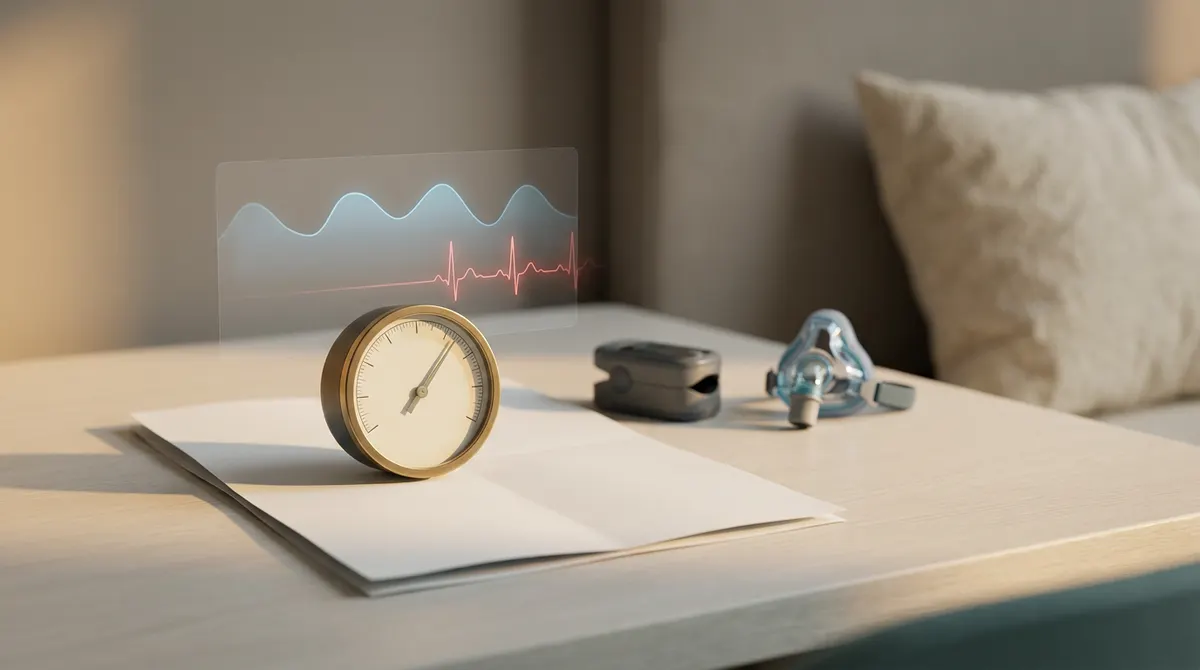
home sleep apnea testing devices are FDA-cleared portable units designed to be self-applied at home without a technician present. The equipment varies by brand and model, but all FDA-cleared devices measure the core channels needed for obstructive sleep apnea diagnosis.
Common HSAT Device Types
Several device categories are used in home sleep testing today. Traditional multi-channel portable units include a nasal cannula to detect respiratory flow, a pulse oximeter to measure blood oxygen levels and heart rate, and one or two flexible elastic belts worn around the chest and abdomen to track breathing effort through Respiratory Inductance Plethysmography. These devices also often include a small data monitor or recording device worn on the chest or clipped to a belt.
The WatchPAT ONE, manufactured by Itamar Medical, takes a different approach. This single-use wrist-worn device uses Peripheral Arterial Tonometry along with an oxygen sensor and actigraphy to derive sleep staging, respiratory data, and cardiovascular monitoring information. Many patients report that the WatchPAT is simpler to set up because it eliminates the need for a separate chest strap and nasal cannula.
Other devices on the market include the NightOwl Home Sleep Test, which uses a fingertip sensor and photoplethysmography, and the SleepImage Ring, which collects biometrics through a ring-shaped sensor. Each device has specific strengths, but all must meet FDA standards for diagnostic accuracy.
Setting Up the Equipment
Regardless of which device your provider prescribes, setup typically involves three main actions. First, you position any respiratory sensors such as the nasal cannula and chest or abdomen belts. Second, you attach the pulse oximeter or oxygen sensor to your finger. Third, you activate the recording device and confirm it is capturing data. Most current devices include visual or haptic feedback to verify proper placement.
Sleep technologists are not present during home testing, so clear instruction materials are critical. Most testing services include step-by-step visual guides, and some offer video tutorials or telehealth appointments to walk you through setup beforehand.
TIP: Apply the sensors in the same order each time if you need to repeat the test, and avoid acrylic nails or nail polish on the finger used for pulse oximetry, as these can interfere with oxygen saturation readings.
KEY TAKEAWAY: FDA-cleared home sleep test devices range from multi-sensor portable units with belts and cannulas to compact single-sensor wrist or finger devices, and all are designed for patients to self-apply at home following provided instructions.
Knowing the equipment is only half the preparation. How you set up your sleep environment and what you do in the hours before the test directly affect the quality of your results.
How to Prepare for Your Home Sleep Apnea Test
Proper preparation improves the accuracy of your home sleep test results. Following a few straightforward guidelines on the day and evening of testing ensures the sensors capture clean, interpretable sleep data.
Preparation Checklist Before Test Night
- Avoid caffeinated products after noon on the day of your test, as caffeine can delay sleep onset and alter sleep architecture.
- Avoid alcoholic beverages for at least four hours before bed, since alcohol relaxes airway muscles and can artificially worsen or mask certain respiratory patterns.
- Remove nail polish or acrylic nails from the finger designated for pulse oximetry to ensure accurate oxygen saturation readings.
- Avoid heavy hair styling products near the forehead or temples if your device uses any head-mounted sensors.
- Set up a comfortable sleep environment that mirrors your typical routine, including your usual pillow, mattress, and room temperature.
- Have your insurance card available if your provider requires insurance verification, though cash-pay services like dumbo.health do not require this step.
- Charge or check the battery of your testing device if required by the manufacturer instructions.
- Complete a brief test fitting of all sensors at least one hour before bed so you can troubleshoot any issues while fully awake.
- Keep your prescription documentation accessible in case your provider or testing service needs to verify it.
- Set a morning alarm to remind you to stop the recording and remove sensors upon waking.
Your sleep environment matters more than people often realize. The American Academy of Sleep Medicine recommends sleeping in your own bed under normal conditions, as the purpose of home sleep testing is to capture data that reflects your actual nightly breathing patterns. Sleeping in an unfamiliar location, staying up significantly later than usual, or using sleep medication you do not normally take can all affect your results.
KEY TAKEAWAY: Preparation for a home sleep test centers on avoiding stimulants and alcohol, ensuring proper sensor contact by removing nail polish, and maintaining your normal sleep environment and routine for the most accurate results.
Once your test night is complete and the data has been submitted, understanding what happens next and how long it takes is the natural next concern.
Understanding Your Home Sleep Test Results
home sleep apnea test results are interpreted by a board-certified sleep physician who reviews the raw sleep data and generates a diagnostic report. The most important metric in that report is your Apnea-Hypopnea Index, which quantifies the severity of any sleep-disordered breathing detected during the test.
What the Apnea-Hypopnea Index Means
The Apnea-Hypopnea Index is the average number of apnea and hypopnea events per hour of recorded sleep. An apnea is a complete pause in airflow lasting at least 10 seconds. A hypopnea is a partial reduction in airflow, typically 30 percent or more, associated with a drop in oxygen saturation of at least 3 to 4 percent. According to the American Academy of Sleep Medicine, AHI results are categorized as follows: normal is fewer than 5 events per hour, mild obstructive sleep apnea is 5 to 14 events per hour, moderate is 15 to 29 events per hour, and severe is 30 or more events per hour.
Your report also typically includes data on minimum and average oxygen saturation levels, time spent below 90 percent oxygen saturation, heart rate trends, total recording time, and estimated sleep time. These additional metrics help your physician assess how significantly your breathing disruptions are affecting your cardiovascular health and sleep quality.
How Long Results Take
Turnaround time varies depending on the testing service and the physician interpreting your data. Traditional sleep centers may take one to three weeks to return results. dumbo.health provides faster turnaround, with physician interpretation included in all monthly care plans. The Premium Plan at $89 per month includes priority results turnaround, which is particularly valuable for commercial drivers who need clearance for DOT certification on a tight timeline.
home sleep apnea testing results are diagnostic for obstructive sleep apnea. If the test is negative but your symptoms persist, your physician may recommend a full in-lab polysomnography to evaluate for central sleep apnea, sleep staging abnormalities, sleep-related movements, or other conditions that an HSAT cannot detect.
KEY TAKEAWAY: Your Apnea-Hypopnea Index is the central metric in your home sleep test results, with an AHI of 5 or more per hour indicating sleep apnea, and the full report also includes oxygen saturation data and heart rate information that guides treatment decisions.
Knowing your AHI is the starting point. What comes next is choosing the right treatment path based on your diagnosis.
Treatment After Diagnosis: From Results to CPAP and Beyond
CPAP therapy is the first-line treatment for moderate to severe obstructive sleep apnea, and it remains the most effective approach for most patients. Once your physician confirms a diagnosis through your home sleep test results, treatment can begin quickly, especially when testing and treatment are coordinated through a single care pathway.
CPAP Therapy
CPAP stands for Continuous Positive Airway Pressure. The device delivers a steady stream of pressurized air through a mask to keep your airway open during sleep. According to the National Heart, Lung, and Blood Institute, CPAP therapy reduces AHI events, improves oxygen saturation, lowers cardiovascular risk, and restores restorative sleep patterns when used consistently. The generally accepted adherence standard is using the device for at least 4 hours per night on at least 70 percent of nights.
Clinicians frequently observe that the biggest barrier to CPAP success is not the therapy itself but the gap between diagnosis and receiving equipment. dumbo.health eliminates this delay by bundling CPAP therapy and equipment into its monthly care plans. The Essentials Plan at $59 per month includes CPAP therapy, equipment, physician interpretation, and standard follow-up care. The Premium Plan at $89 per month adds a dedicated sleep coach from a licensed care team and advanced adherence monitoring to help patients stay on track.
Other Treatment Options
Not all patients need or tolerate CPAP. Depending on the severity of your sleep apnea and your individual anatomy, your sleep physician may recommend oral appliances, which are custom-fitted dental devices that reposition the lower jaw to keep the airway open. Oral appliances are most effective for mild to moderate obstructive sleep apnea.
Positional therapy may help patients whose breathing disruptions occur primarily when sleeping on their back. Weight management is also a significant factor. The Sleep Foundation notes that losing 10 percent or more of body weight can meaningfully reduce AHI in overweight patients. Some providers now integrate GLP-1 care into comprehensive sleep apnea management for patients where weight loss is a primary treatment strategy.
Surgical options exist for specific anatomical causes, such as enlarged tonsils or excess tissue in the airway, but these are typically reserved for cases where other treatments have failed.
IMPORTANT: CPAP therapy requires a prescription and should be initiated under physician supervision. Do not purchase CPAP equipment from unverified sources without a confirmed diagnosis and proper pressure settings.
KEY TAKEAWAY: CPAP therapy is the gold standard treatment for moderate to severe obstructive sleep apnea, and coordinated services like dumbo.health bundle testing, equipment, physician oversight, and adherence coaching into affordable monthly plans starting at $59 per month.
Choosing between home testing and an in-lab study is a decision many patients face, so understanding the differences in detail helps you make a confident choice.
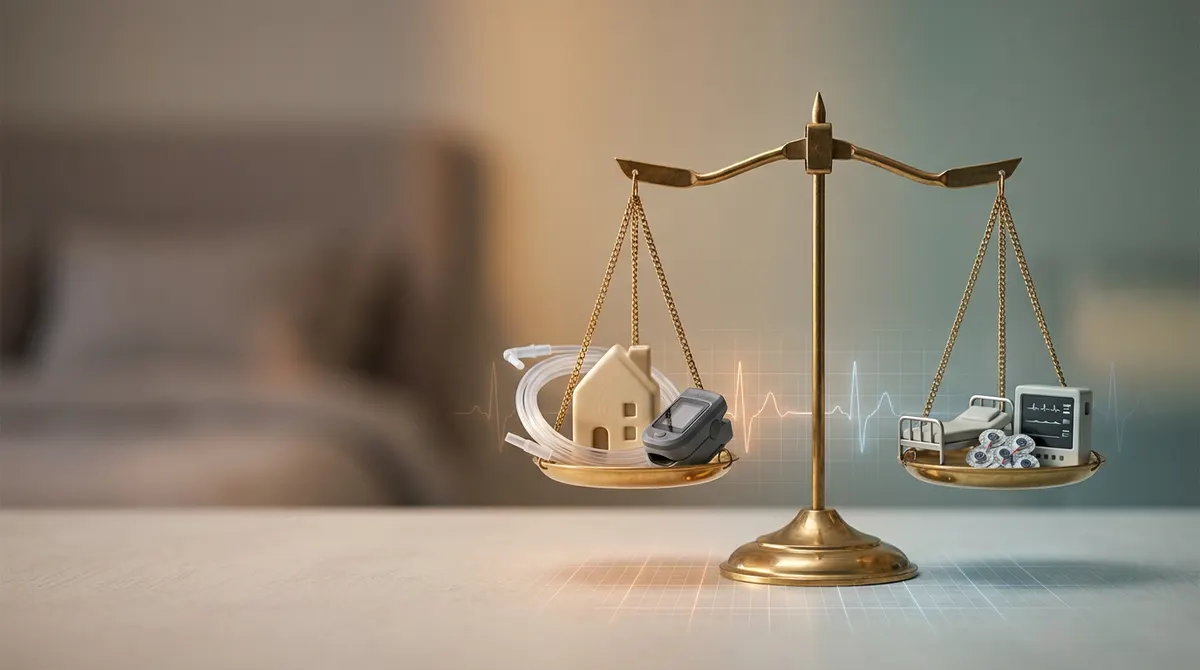
Home Sleep Test vs. In-Lab Polysomnography: Which Should You Choose?
A home sleep apnea test is appropriate for most adults with suspected obstructive sleep apnea, while in-lab polysomnography is necessary for diagnosing complex or multiple sleep disorders. The right choice depends on your symptoms, medical history, and what your physician needs to evaluate.
Channels Monitored
- Home Sleep Apnea Test: 4 to 7 channels, including airflow, breathing effort, oxygen saturation, and heart rate
- In-Lab polysomnography: 12 or more channels, including electroencephalogram, electrooculogram, electromyography, electrocardiogram, respiratory flow, respiratory sounds, oxygen saturation, and body position
Setting
- Home Sleep Apnea Test: Your own bed at home
- In-Lab polysomnography: Sleep lab or sleep center, requiring an overnight stay
Cost
- Home Sleep Apnea Test: Typically $149 to $500 without insurance. dumbo.health offers the test for $149 one-time.
- In-Lab polysomnography: Often $1,000 to $3,000 or more without insurance, varying by location and facility
Convenience
- Home Sleep Apnea Test: High. No travel, no time off work, no overnight facility stay.
- In-Lab polysomnography: Lower. Requires scheduling weeks or months in advance and spending one or two nights at a sleep center.
Best For
- Home Sleep Apnea Test: Adults with high pretest probability of obstructive sleep apnea and no major comorbidities
- In-Lab Polysomnography: Patients with suspected central sleep apnea, complex sleep-disordered breathing, heart failure, cardiopulmonary diseases, or prior inconclusive home test results
Accuracy for OSA Diagnosis
- Home Sleep Apnea Test: Studies published on PubMed indicate sensitivity of 79 to 97 percent for moderate to severe obstructive sleep apnea when compared to polysomnography
- In-Lab Polysomnography: Considered the gold standard with comprehensive diagnostic capability across all sleep disorders
For most patients with straightforward symptoms and a high clinical suspicion of obstructive sleep apnea, a home sleep apnea test provides an accurate, affordable, and convenient diagnostic pathway. Polysomnography remains essential when the clinical picture is complex or when initial home testing is inconclusive.
KEY TAKEAWAY: Home sleep apnea testing is the preferred first-line diagnostic tool for uncomplicated obstructive sleep apnea due to its lower cost, greater convenience, and strong diagnostic accuracy, while polysomnography is reserved for complex cases requiring comprehensive multi-channel monitoring.
Cost is one of the most common reasons people delay testing, so understanding what you will actually pay is critical.
Cost of a Home Sleep Apnea Test: Insurance, Cash Pay, and What to Expect
A home sleep apnea test costs between $149 and $500 for most patients paying out of pocket, with costs varying based on the provider, the device used, and whether insurance is involved. Understanding the full cost picture helps you make a decision without unexpected bills.
Insurance Coverage
Many insurance plans, including Medicare, cover home sleep apnea testing when medically necessary and ordered by a physician. However, coverage often comes with requirements. Medicare, for example, requires that an HSAT be ordered by the treating physician and that the device records at minimum airflow, respiratory effort, and blood oxygen levels. Prior authorizations, copays, deductibles, and in-network restrictions can add complexity and delay.
Some patients find that the administrative burden of insurance verification, prior authorization, and potential claim denials makes cash-pay options more practical. This is especially true for commercial drivers or shift workers who cannot afford to wait weeks for insurance approvals.
Cash-Pay Pricing Through dumbo.health
dumbo.health is designed specifically for patients who want transparent, predictable pricing without insurance complications. The full breakdown includes:
Home sleep test: $149 one-time, purchased before the test night, with no insurance required, no prior authorizations, and no surprise bills.
For ongoing care after diagnosis, monthly plans cover physician review, CPAP equipment, treatment, and adherence follow-up:
The Essentials Plan costs $59 per month, approximately $2 per day, and includes physician interpretation and report, CPAP therapy and equipment, standard follow-up care, and updates sent to referring providers. The Premium Plan costs $89 per month, approximately $3 per day, and adds a dedicated sleep coach from a licensed care team, advanced adherence monitoring, and priority results turnaround. The Elite Plan costs $129 per month, approximately $4 per day, and adds concierge clinical support with priority care team access, direct physician messaging, and custom reporting for your practice. All plans operate with no contracts and cancel-anytime terms.
Real-World Cost Scenarios
A 45-year-old office worker with insurance discovers her plan requires a referral, prior authorization, and a $75 copay for the sleep study plus additional cost sharing for CPAP equipment. After factoring in the time spent on phone calls and paperwork, her total out-of-pocket cost exceeds $400 and the process takes six weeks.
A 38-year-old owner-operator truck driver without insurance orders the at-home sleep test through dumbo.health for $149, receives results within days, and enrolls in the Essentials Plan at $59 per month for CPAP therapy and physician oversight. His total first-month cost is $208 with no surprise bills and no insurance card needed.
A 52-year-old nurse working night shifts uses a telehealth consultation through her provider to get a prescription, then selects dumbo.health for testing and treatment because the process fits around her rotating schedule without requiring daytime appointments at a sleep center close to her.
KEY TAKEAWAY: Cash-pay home sleep testing through dumbo.health costs $149 with no insurance, no prior authorizations, and no surprise bills, making it the simplest financial pathway for patients who want to avoid insurance delays and unpredictable costs.
Price clarity is one barrier removed. But access and convenience are equally important, which is why telehealth has changed how patients reach the starting line.
Telehealth and Online Access: Getting Tested Without Leaving Home

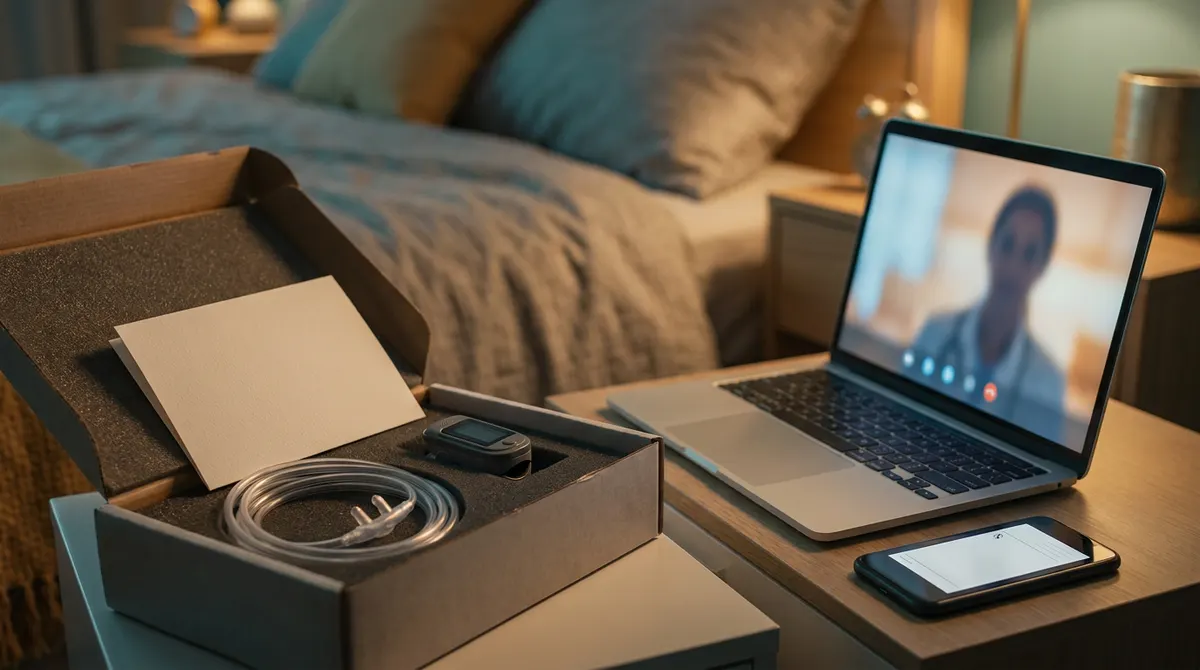
Telehealth consultations make it possible to get evaluated, prescribed, and started on a home sleep apnea test entirely from home. This is a significant shift from the traditional model that required multiple in-person visits before any testing could begin.
Many patients report that the most frustrating part of getting a sleep apnea diagnosis is not the test itself but the weeks of scheduling, commuting, and waiting that precede it. Telehealth appointments eliminate several of these friction points. A sleep physician or qualified provider can review your symptoms, medical history, and risk factors during a video consultation, determine your eligibility for home sleep testing, and issue a prescription during the same visit.
dumbo.health's sleep apnea care pathway integrates telehealth access with at-home testing and ongoing treatment management. Patients begin with a free online assessment, move through a clinical evaluation, receive their test kit by mail, and access physician-interpreted results and treatment plans without needing to visit a physical location. This model is particularly valuable for patients in rural areas with limited access to sleep centers or board-certified sleep physicians in their area.
According to the American Academy of Sleep Medicine, telehealth-delivered sleep medicine services expanded significantly after 2020 and continue to be recognized as clinically appropriate for obstructive sleep apnea evaluation and management. The combination of telehealth consultations and home sleep testing creates a fully remote diagnostic pathway that maintains clinical rigor while removing geographic and scheduling barriers.
KEY TAKEAWAY: Telehealth consultations allow you to receive a clinical evaluation, prescription, and home sleep test coordination entirely from home, and services like dumbo.health offer a complete remote pathway from initial assessment through treatment.
Remote access solves the convenience problem, but there are genuine limitations to home sleep testing that every patient should understand before proceeding.
Limitations and Risks of Home Sleep Apnea Testing
home sleep apnea testing is highly effective for its intended purpose, but it has specific limitations that can affect diagnostic accuracy and clinical usefulness. Recognizing these limitations helps you and your physician choose the right testing approach for your situation.
When a Home Sleep Test May Not Be Sufficient
First, home sleep tests are not designed to diagnose central sleep apnea. Central sleep apnea involves the brain failing to send proper signals to the breathing muscles, and it requires the electroencephalogram and other neurological channels available only through in-lab polysomnography. If your physician suspects central sleep apnea, particularly in the context of heart failure or opioid use, an HSAT is not the appropriate study.
Second, home sleep tests can underestimate severity. Because HSATs estimate sleep time rather than measuring it directly through brain wave monitoring, the Apnea-Hypopnea Index may be calculated against total recording time rather than actual sleep time. This can produce a lower AHI than the true value. The American Academy of Sleep Medicine acknowledges this limitation and recommends clinical correlation. If your AHI is borderline on a home test but your symptoms are significant, your provider may recommend repeating the study or proceeding to polysomnography.
Third, technical failures occur in approximately 10 to 15 percent of home sleep studies, according to data reviewed in sleep medicine literature. Sensors can become dislodged during the night, devices may malfunction, or insufficient data may be recorded. When this happens, the test must be repeated. dumbo.health addresses this by including clear setup instructions and offering support to help patients troubleshoot before test night, reducing the likelihood of failed studies.
Fourth, home sleep tests do not evaluate other sleep disorders. Conditions such as narcolepsy, periodic limb movement disorder, sleep-related movements, and parasomnias require the full polysomnography setup with electroencephalogram, electromyography, and electrooculogram channels.
Fifth, patients with significant cardiopulmonary diseases, morbid obesity with hypoventilation syndromes, or complex medical histories may need the supervised environment and expanded monitoring of a sleep lab rather than an unsupervised home study.
IMPORTANT: A negative home sleep test does not rule out all sleep disorders. If symptoms like excessive daytime sleepiness, gasping during sleep, or cognitive impairment persist after a negative HSAT, consult your provider about in-lab polysomnography.
KEY TAKEAWAY: Home sleep apnea tests have genuine limitations, including inability to diagnose central sleep apnea, potential underestimation of severity, a 10 to 15 percent technical failure rate, and lack of capability to detect non-respiratory sleep disorders, all of which may require follow-up with in-lab polysomnography.
Understanding what the test cannot do is just as important as understanding what it can do. Seeing how real people navigate this process makes the decision even more concrete.
Real-World Scenarios: How Different People Get Tested
home sleep apnea testing fits into different lives in different ways. The following scenarios illustrate how the process works in practice for people with varying circumstances and needs.
Common Scenarios
A 48-year-old long-haul truck driver with a BMI of 36 is flagged during a DOT physical for possible sleep apnea based on his neck circumference and reported snoring. His examiner requires a sleep study before extending his medical certification. Rather than waiting three weeks for an in-lab appointment at a sleep disorders center, he completes dumbo.health's free sleep assessment online, receives a prescription through a telehealth consultation, and orders a home sleep test for $149. His results come back showing an AHI of 22, confirming moderate obstructive sleep apnea. He enrolls in the Premium Plan at $89 per month to receive CPAP therapy with a dedicated sleep coach and advanced adherence monitoring, which generates the compliance documentation his DOT examiner requires.
A 34-year-old software developer has been experiencing persistent daytime fatigue and morning headaches for over a year. Her partner reports loud snoring and occasional gasping episodes. She brings these concerns to her primary care physician, who administers a STOP-BANG questionnaire. She scores a 5, indicating high risk. Her physician writes a prescription for a home sleep apnea test. She uses a portable unit with a nasal cannula, chest belt, and pulse oximeter, completes the study at home, and receives a report showing mild obstructive sleep apnea with an AHI of 8. Her physician recommends starting with positional therapy and weight management before considering CPAP, and schedules a follow-up in three months.
A 61-year-old retired teacher with a history of atrial fibrillation and heart failure is referred by her cardiologist for evaluation of sleep-disordered breathing. Given her cardiac history, her sleep specialist recommends in-lab polysomnography rather than a home sleep test. The polysomnography reveals both obstructive and central sleep apnea, with an overall AHI of 41. She is started on an adaptive servo-ventilation device under close supervision. Her case illustrates why home testing is not appropriate for every patient.
These scenarios show that the right testing choice depends on individual risk factors, medical history, and the specific clinical question being asked. For most adults with straightforward obstructive sleep apnea symptoms, a home sleep test provides fast, accurate, and affordable results. For complex cases, the additional data from polysomnography is essential.
KEY TAKEAWAY: Real-world testing decisions depend on individual circumstances, with home sleep apnea tests serving most straightforward obstructive sleep apnea cases efficiently while complex presentations involving cardiac disease or central sleep apnea require in-lab polysomnography.
With real examples in mind, it is worth clearing up the most common misconceptions that prevent people from getting tested at all.
Common Myths About Home Sleep Apnea Tests Debunked
MYTH: Home sleep apnea tests are not as accurate as in-lab studies.
FACT: For diagnosing obstructive sleep apnea, home sleep tests using FDA-cleared devices demonstrate sensitivity between 79 and 97 percent for moderate to severe cases compared to polysomnography, according to studies indexed on PubMed. While they measure fewer data channels, they are clinically validated for their intended diagnostic purpose. The American Academy of Sleep Medicine endorses HSAT as an appropriate first-line test for uncomplicated obstructive sleep apnea.
MYTH: You need insurance to get a home sleep apnea test.
FACT: Insurance is not required. While many plans cover HSAT when medically necessary, cash-pay options provide a direct path to testing without prior authorizations, referral chains, or claim denials. dumbo.health offers the complete home sleep test for $149 with no insurance required, no prior authorization, and no surprise bills. Many patients find cash pay faster and simpler than navigating insurance requirements.
MYTH: Sleep apnea only affects overweight older men.
FACT: Obstructive sleep apnea occurs across all ages, genders, and body types. While higher BMI and male sex are risk factors, the Sleep Foundation notes that post-menopausal women, people with naturally narrow airways, and individuals with enlarged tonsils or tongue anatomy are also at elevated risk. The CDC reports that sleep apnea affects an estimated 30 million Americans, and the condition is significantly underdiagnosed in women and younger adults.
MYTH: If you do not snore, you cannot have sleep apnea.
FACT: Snoring is a common symptom but not a requirement for diagnosis. Some patients with obstructive sleep apnea experience silent apneas where airflow stops without audible snoring. Others present primarily with daytime symptoms like fatigue, morning headaches, or difficulty concentrating. Snore detection is one data point among several that a sleep physician evaluates, but absence of snoring does not rule out the condition.
MYTH: A home sleep test means you are on your own without medical support.
FACT: Every home sleep apnea test must be prescribed by a physician, and the results must be interpreted by a qualified sleep medicine professional. Services like dumbo.health pair home testing with board-certified physician interpretation, care coordination, and optional sleep coach support through the Premium and Elite Plans. You are never without clinical oversight in a properly managed HSAT program.
KEY TAKEAWAY: Home sleep apnea tests are clinically validated, do not require insurance, diagnose sleep apnea across diverse populations regardless of gender or body type, and are always conducted under physician supervision when obtained through a legitimate provider.
With myths cleared up, pulling all of this information together into a clear summary helps you decide on your next step.
Conclusion
Getting a home sleep apnea test is a straightforward process that starts with a clinical evaluation, requires a prescription, and delivers physician-interpreted results from the comfort of your own bed. For the estimated 80 percent of moderate to severe obstructive sleep apnea cases that remain undiagnosed, accessible testing is not a luxury but a health priority. Home sleep testing offers a faster, more convenient, and often more affordable path to diagnosis than traditional in-lab polysomnography for most adults with suspected obstructive sleep apnea. If you are experiencing symptoms like persistent snoring, daytime fatigue, or witnessed breathing pauses, taking the first step toward testing is the most important action you can take. dumbo.health provides a complete at-home sleep test for $149 with no insurance required, no contracts, and monthly care plans starting at $59 per month that you can cancel anytime.
Frequently Asked Questions About How to Get a Home Sleep Apnea Test
What is a home sleep apnea test?
A home sleep apnea test (HSAT) is a portable, at-home alternative to an in-lab sleep study that measures key indicators of sleep-disordered breathing while you sleep in your own bedroom. The device typically records oxygen saturation, heart rate, breathing effort, nasal airflow, and respiratory patterns overnight. A qualified physician then interprets the recorded data to assess whether obstructive sleep apnea is present. The American Academy of Sleep Medicine recognises home sleep apnea testing as a clinically appropriate diagnostic pathway for adults with a moderate-to-high likelihood of obstructive sleep apnea.
How do you get a home sleep apnea test?
Getting a home sleep apnea test typically involves a brief clinical screening, a physician order, and the shipment or pickup of a portable recording device. Many patients start through their primary care provider or a sleep medicine specialist. Telehealth-based platforms allow patients to complete a screening assessment online and receive a device without visiting a clinic in person. dumbo.health offers an at-home sleep apnea test for $149 with transparent cash-pay pricing, no insurance required, and no prior authorizations. A healthcare professional can help determine whether at-home testing is appropriate for your situation.
Who is a good candidate for a home sleep study?
Home sleep apnea testing is generally appropriate for adults who have symptoms suggesting obstructive sleep apnea, such as loud snoring, witnessed breathing pauses, waking with a dry mouth or headache, or excessive daytime sleepiness. According to the American Academy of Sleep Medicine, HSAT works best for patients with a moderate-to-high clinical likelihood of obstructive sleep apnea and no significant comorbidities that require more detailed sleep staging. Patients with suspected central sleep apnea, heart failure, complex respiratory conditions, or significant cardiovascular disease may need an in-lab polysomnography instead. A healthcare professional can help determine the most appropriate test for your circumstances.
Who should not take a home sleep study?
Home sleep apnea testing is not appropriate for everyone. Patients with suspected central sleep apnea, severe cardiopulmonary diseases, neuromuscular disorders, heart failure, or other complex conditions are generally better evaluated with an in-lab sleep study. Children are typically excluded from home sleep testing protocols. Additionally, HSAT does not capture the full range of sleep staging data, brain activity via electroencephalogram, or muscle activity via electromyography that polysomnography provides. If you have significant health conditions, symptoms beyond snoring and daytime fatigue, or have previously had inconclusive home test results, speak with a sleep physician before choosing a home test.
What does a home sleep apnea test measure?
A home sleep apnea test measures the signals most relevant to diagnosing obstructive sleep apnea. Typical recordings include oxygen saturation via pulse oximetry, heart rate, airflow through a nasal cannula, breathing effort using flexible elastic belts or respiratory inductance plethysmography, and snore detection. Some devices, such as the WatchPAT ONE, use peripheral arterial tonometry and photoplethysmography to assess sleep-disordered breathing through finger-based sensors rather than traditional chest straps. The recorded data is used to calculate the apnea-hypopnea index, which reflects the average number of breathing interruptions per hour of sleep. HSAT does not measure brain waves, eye movement via electrooculogram, or full muscle activity.
How does a home sleep apnea test work?
A home sleep apnea test device is worn overnight while you sleep at home. Depending on the device type, you may wear a nasal cannula to measure airflow, flexible elastic belts around the chest and abdomen to record breathing effort, a pulse oximeter on the finger to track oxygen saturation and heart rate, or a finger-worn device using peripheral arterial tonometry. The device records biometric data throughout the night. You then return the device or upload the data, and a board-certified sleep physician interprets the results. The physician generates a report that includes the apnea-hypopnea index and other respiratory findings.
How accurate are home sleep apnea tests?
Home sleep apnea tests are considered clinically accurate for detecting moderate-to-severe obstructive sleep apnea in appropriate candidates. The American Academy of Sleep Medicine acknowledges that HSAT devices can reliably identify obstructive sleep apnea when used correctly in adults without significant comorbidities. One limitation is that home tests measure recording time rather than actual sleep time, which can lead to a slightly lower apnea-hypopnea index compared to polysomnography. This means mild sleep apnea may occasionally be underestimated. FDA-cleared devices and physician interpretation help ensure reliable results. If results are inconclusive or symptoms persist after a negative home test, a sleep physician may recommend an in-lab study.
What sleep disorders can a home sleep apnea test detect?
Home sleep apnea tests are designed primarily to detect obstructive sleep apnea, the most common form of sleep-disordered breathing. Some devices can provide supporting data relevant to identifying significant oxygen desaturation patterns that may prompt further evaluation. However, HSAT cannot reliably diagnose central sleep apnea, narcolepsy, restless legs syndrome, sleep-related movement disorders, parasomnias, or insomnia. These conditions require full polysomnography in a sleep lab with electroencephalogram, electrooculogram, and electromyography recordings. If your symptoms suggest a sleep disorder beyond obstructive sleep apnea, a healthcare professional should guide which type of sleep study is most appropriate.
What is the difference between a home sleep apnea test and a polysomnography sleep study?
A home sleep apnea test is a portable, single-night recording focused on breathing-related signals, including airflow, oxygen saturation, heart rate, and respiratory effort. Polysomnography is a comprehensive in-lab sleep study conducted under the supervision of sleep technologists that also records brain activity via electroencephalogram, eye movements via electrooculogram, muscle activity via electromyography, and a full electrocardiogram. Polysomnography captures complete sleep staging and is the gold standard for diagnosing complex sleep disorders. Home sleep testing is more accessible and less expensive but provides less detailed data. The right choice depends on your symptoms, health history, and what a sleep physician recommends.
How do you prepare for a home sleep apnea test?
Preparing for a home sleep apnea test involves a few practical steps. Avoid caffeinated products and alcoholic beverages on the evening of the test, as these can affect sleep quality and breathing patterns. Take any prescribed medications as normal unless your physician instructs otherwise. Avoid hair styling products, acrylic nails, and nail polish on the finger you will use for the pulse oximeter, as these can interfere with the oxygen sensor. Set up the recording device in your usual sleep environment and follow the setup instructions carefully. Sleep in your normal position and in your own bed. If you are unsure about any step, your testing provider should offer support before test night.
How long do you need to sleep for a home sleep apnea test?
Most home sleep apnea test devices require at least four hours of recorded data to produce interpretable results. A full night of sleep is strongly recommended to capture an adequate sample of sleep stages and breathing patterns. If you wake frequently during the night or the device records fewer than four usable hours, your physician may ask you to repeat the test. You do not need to sleep a specific number of hours to complete the test successfully, but more sleep time generally produces more reliable data. If you have difficulty sleeping during the test, this is a common concern and should be discussed with your healthcare provider.
Can you go to the bathroom during a home sleep apnea test?
Yes, you can go to the bathroom during a home sleep apnea test. Most devices are designed to tolerate brief pauses in recording during the night. You may need to remove a nasal cannula temporarily or be careful not to disconnect the sensor wires. Follow the specific instructions provided with your device. Brief interruptions during the night are normal and should not significantly affect the validity of the recorded data, as long as the total recording time meets the minimum required by your provider. If the device detects a lengthy interruption, your physician will note this during interpretation.
How many nights does a home sleep apnea test require?
Most home sleep apnea tests require one night of recording. A single overnight study is typically sufficient to capture the breathing data needed to calculate the apnea-hypopnea index and assess for obstructive sleep apnea. In some cases, a provider may request a second night if the first recording produced insufficient data due to equipment issues, poor sleep quality, or technical errors. Some research protocols use multiple nights to improve reliability, but standard clinical practice uses a single-night recording. If your results are inconclusive after one night, your physician will advise on the appropriate next step.
What happens after a home sleep apnea test?
After completing the test, you return the device or upload the recorded data according to your provider's instructions. A board-certified sleep physician reviews and interprets the data, calculates the apnea-hypopnea index, and generates a clinical report. If obstructive sleep apnea is detected, your physician will discuss treatment options, which most commonly include CPAP therapy. If the results are inconclusive, a follow-up test or in-lab polysomnography may be recommended. dumbo.health monthly plans include physician interpretation, a formal report, CPAP therapy and equipment, and adherence follow-up. Learn more about ongoing sleep apnea care solutions and what each plan includes.
How much does a home sleep apnea test cost?
The cost of a home sleep apnea test varies depending on the provider and whether insurance is involved. Through traditional healthcare settings, costs can range from a few hundred dollars to over a thousand dollars after insurance adjustments, deductibles, and copays. dumbo.health offers a home sleep test for $149 as a one-time cash-pay cost, with no insurance required, no prior authorizations, and no surprise bills. Monthly ongoing care plans start at $59 per month and cover physician interpretation, CPAP therapy and equipment, and follow-up care. The home sleep test is purchased separately from the monthly plan. Transparent cash-pay pricing means you know the cost before you commit.
Does insurance cover a home sleep apnea test?
Many insurance plans, including Medicare and commercial insurance, cover home sleep apnea testing when ordered by a physician and deemed medically necessary. Coverage depends on your specific plan, your diagnosis code, the type of device used, and whether prior authorization is required. Medicare typically covers HSAT for beneficiaries who meet clinical criteria for suspected obstructive sleep apnea. If you prefer to avoid insurance complexity, prior authorizations, or unexpected bills, cash-pay options are available. dumbo.health operates on a transparent cash-pay model with no insurance required, so patients always know exactly what they are paying before they begin.
Do I need a prescription for a home sleep apnea test?
In most cases, a physician order or prescription is required for a home sleep apnea test to be clinically valid and eligible for physician interpretation. Some direct-to-consumer devices can be purchased without a prescription, but these typically do not include physician review, a clinical diagnosis, or a formal report that can be used for treatment or documentation purposes. A clinically valid HSAT requires a physician order, device use, and physician interpretation of the results. dumbo.health includes physician review and a formal report as part of the sleep testing process. A healthcare professional can determine whether home sleep testing is appropriate and issue the necessary order.
Do you need a prescription for a CPAP machine?
Yes, a prescription is required for CPAP therapy in the United States. CPAP machines are classified as prescription medical devices by the FDA. A physician must review your sleep study results, confirm a diagnosis of obstructive sleep apnea, and issue a CPAP prescription specifying the appropriate pressure settings. If you are an existing CPAP user who needs a new prescription to purchase or replace equipment, an at-home sleep test with physician review can support that process. dumbo.health monthly plans include physician interpretation and CPAP therapy and equipment, removing the need to coordinate separately between a sleep lab and a durable medical equipment supplier.
What are the benefits of a home sleep apnea test?
Home sleep apnea testing offers several practical advantages over in-lab studies. Patients sleep in their own bed in a familiar environment, which can produce more representative data than a sleep lab setting. Testing is typically faster to access, less expensive, and more convenient than scheduling a polysomnography. Telehealth platforms allow patients to complete screening and receive a device without visiting a clinic. For patients with a moderate-to-high likelihood of obstructive sleep apnea and no significant comorbidities, the American Academy of Sleep Medicine recognises HSAT as a clinically appropriate diagnostic pathway. Shorter wait times and lower costs make home testing an accessible option for many patients.
What are the limitations of a home sleep apnea test?
Home sleep apnea tests have meaningful limitations. They do not capture sleep staging, brain activity, or full muscle activity, which means complex sleep disorders cannot be diagnosed through HSAT alone. Because recording time is measured rather than actual sleep time, mild obstructive sleep apnea may be underestimated. Home tests are not validated for patients with suspected central sleep apnea, heart failure, significant cardiopulmonary diseases, or neuromuscular conditions. A negative home test does not rule out a sleep disorder if symptoms persist. In these situations, an in-lab polysomnography is the more appropriate option. A healthcare professional should guide which test is right for your circumstances.
When is an in-lab sleep study needed instead of a home test?
An in-lab polysomnography is generally recommended when a patient has complex or ambiguous symptoms, suspected central sleep apnea, significant cardiovascular disease, heart failure, neuromuscular or respiratory disorders, or when a previous home sleep test produced inconclusive results. Children are routinely evaluated in a sleep lab rather than at home. When a full assessment of sleep staging, brain activity via electroencephalogram, or complete respiratory and movement data is needed, polysomnography is the appropriate choice. The NHLBI explains that a sleep specialist can help determine which diagnostic approach is appropriate based on your health history and symptom profile. A healthcare professional should always guide this decision.
How is sleep apnea related to heart health?
Obstructive sleep apnea is associated with an increased risk of cardiovascular disease, including high blood pressure, irregular heart rhythms, coronary artery disease, and stroke. During apnea events, oxygen saturation drops repeatedly throughout the night, placing physiological stress on the heart and blood vessels. The NHLBI notes that untreated sleep apnea is a recognised risk factor for cardiovascular complications. Effective treatment with CPAP therapy may help reduce cardiovascular risk in some patients, though outcomes vary and are not guaranteed. If you have cardiovascular disease and symptoms of sleep-disordered breathing, a healthcare professional should evaluate whether sleep apnea testing and treatment are appropriate for your situation.
How does a home sleep apnea test diagnose obstructive sleep apnea?
A home sleep apnea test diagnoses obstructive sleep apnea by calculating the apnea-hypopnea index from recorded overnight data. The apnea-hypopnea index represents the average number of apnea and hypopnea events per hour of recording time. An index of 5 to 14 events per hour indicates mild obstructive sleep apnea, 15 to 29 indicates moderate, and 30 or more indicates severe obstructive sleep apnea according to standard sleep medicine classification. The device also records oxygen saturation patterns, heart rate, and breathing effort to support the physician's interpretation. A board-certified sleep physician reviews the full recording and issues a formal diagnosis report based on the clinical data.
How do you interpret home sleep apnea test results?
Home sleep apnea test results are interpreted by a qualified sleep physician, not by the patient. The physician reviews the apnea-hypopnea index, oxygen desaturation events, heart rate variability, and breathing effort patterns to determine the presence and severity of obstructive sleep apnea. Results are classified as normal, mild, moderate, or severe based on recognised clinical thresholds. If the apnea-hypopnea index is elevated, the physician will discuss treatment options, most commonly CPAP therapy. Patients receive a formal report summarising the findings. A healthcare professional should always explain what the results mean for your specific health situation and guide next steps.
What is the apnea-hypopnea index and why does it matter?
The apnea-hypopnea index (AHI) is the primary metric used to diagnose and classify obstructive sleep apnea. It measures the average number of apneas and hypopneas, which are complete and partial breathing interruptions, per hour of sleep or recording time. A higher AHI indicates more severe sleep apnea. The index is calculated from the data recorded during a home sleep apnea test or polysomnography and reviewed by a sleep physician. The AHI determines whether treatment is recommended and helps guide the appropriate CPAP pressure settings. Without physician interpretation of the AHI, a raw score has limited clinical meaning, which is why professional review is a required part of any valid home sleep test.
Can a home sleep apnea test be done through telehealth?
Yes, the screening, ordering, and follow-up portions of a home sleep apnea test can often be completed through telehealth. A patient completes a sleep assessment or questionnaire online, a physician reviews the responses and issues a test order if appropriate, and the device is shipped directly to the patient's home. After the test, the data is uploaded or the device is returned, and the physician interprets the results remotely. Telehealth-based sleep apnea testing reduces barriers related to geography, wait times, and clinic availability. dumbo.health supports this model with transparent cash-pay pricing, making at-home sleep apnea testing accessible without insurance or in-person clinic visits. Start with a free sleep assessment to see if at-home testing may be appropriate for you.
What is CPAP therapy and how does it treat sleep apnea?
CPAP, or continuous positive airway pressure, is the most common and evidence-based treatment for obstructive sleep apnea. A CPAP machine delivers a steady stream of pressurised air through a mask worn during sleep, preventing the upper airway from collapsing and eliminating apnea events. Regular CPAP use can reduce daytime sleepiness, improve sleep quality, and may lower cardiovascular risk associated with untreated obstructive sleep apnea. A prescription is required, and the pressure setting is determined by your physician based on your sleep study results. Consistent nightly use is important for effective treatment. Adherence monitoring and follow-up care support long-term CPAP success.
Why does CPAP adherence matter and how is it monitored?
CPAP adherence refers to how consistently and for how long a patient uses their CPAP device each night. Adherence matters because the benefits of CPAP therapy, including reduced apnea events and improved oxygen saturation, depend on regular nightly use. For commercial drivers, insurance payers, and DOT-related documentation, adherence data is often required to demonstrate treatment compliance. Modern CPAP machines record usage data automatically, including hours of use per night and mask leak rates. A sleep physician or care team reviews this data during follow-up. dumbo.health Premium and Elite plans include advanced adherence monitoring and dedicated support from a licensed care team to help patients stay on track with therapy.
Do commercial drivers need a home sleep apnea test for their DOT physical?
Commercial drivers are not automatically required to undergo sleep apnea testing as part of every DOT physical, but a certified medical examiner may refer a driver for evaluation based on symptoms, body mass index, neck circumference, blood pressure, or other risk factors. If sleep apnea is suspected, the examiner may require testing and documented treatment compliance before issuing a medical certificate. According to the FMCSA,the certified medical examiner makes all DOT certification decisions. dumbo.health can support commercial drivers with at-home sleep apnea testing and care documentation, but it does not guarantee DOT certification or medical clearance. Learn more about at-home sleep tests for truck drivers.
How does sleep apnea affect a commercial driver's ability to keep their CDL?
Untreated obstructive sleep apnea can impair alertness, reaction time, and driving safety, which is why certified medical examiners consider sleep apnea risk during DOT physicals. The FMCSA does not have a single published sleep apnea rule, but medical examiners follow clinical guidelines and may disqualify a driver or issue a conditional certification pending sleep apnea evaluation and documented treatment. Drivers who are diagnosed with obstructive sleep apnea and demonstrate consistent CPAP adherence may be able to maintain their medical certificate. A certified medical examiner, not dumbo.health, makes all DOT certification decisions. For more detail, see the complete guide to DOT physicals for commercial drivers.
Can I find home sleep apnea testing near me?
Home sleep apnea testing is available through primary care providers, sleep medicine specialists, sleep disorders centers, and telehealth platforms in most areas. Because the test device is used at home, patients in many locations can access testing without needing to travel to a sleep lab. Telehealth-based options allow you to complete your screening assessment online and receive the device by mail, regardless of where providers are located in your area. If you are unsure where to start, a primary care physician can provide a referral, or you can use a telehealth sleep testing service. dumbo.health ships directly to patients and does not require you to visit a clinic in person.
Is snoring always a sign of sleep apnea?
Snoring alone does not confirm a diagnosis of obstructive sleep apnea, but it is one of the most common symptoms. Snoring occurs when airflow through the upper airway is partially obstructed during sleep. In obstructive sleep apnea, the airway can temporarily collapse completely, causing breathing to stop briefly before resuming. Not everyone who snores has sleep apnea, and not everyone with sleep apnea snores loudly. Other symptoms that may accompany snoring and suggest obstructive sleep apnea include waking up gasping, witnessed breathing pauses, morning headaches, dry mouth, or significant daytime sleepiness. A home sleep apnea test can help determine whether snoring is associated with obstructive sleep apnea.
What symptoms suggest I should get tested for sleep apnea?
Common symptoms that may indicate obstructive sleep apnea include loud or frequent snoring, waking up gasping or choking, witnessed pauses in breathing during sleep, waking with a dry mouth or sore throat, morning headaches, difficulty concentrating, irritability, and excessive daytime sleepiness. According to the NHLBI, risk factors include excess body weight, large neck circumference, a narrow upper airway, family history, and high blood pressure. If you experience several of these symptoms regularly, speaking with a healthcare professional about sleep apnea testing is a reasonable first step. A free sleep assessment can also help clarify whether at-home testing may be appropriate for your situation.
What ongoing care is available after a home sleep apnea test diagnosis?
After a home sleep apnea test confirms obstructive sleep apnea, ongoing care typically includes CPAP therapy, equipment provision, follow-up appointments, and adherence monitoring. Some patients also benefit from sleep coaching and lifestyle guidance. dumbo.health monthly plans are designed to support this ongoing care pathway. The Essentials plan at $59 per month covers physician interpretation, CPAP therapy and equipment, standard follow-up care, and updates to your referring provider. The Premium plan at $89 per month adds a dedicated sleep coach, advanced adherence monitoring, and priority results turnaround. The Elite plan at $129 per month adds concierge clinical support, direct physician messaging, and custom reporting. All plans are month-to-month with no contracts and can be cancelled at any time. Compare sleep apnea care options to find the right fit.
Related Home Sleep Apnea Test Topics
- How to Get a Sleep Apnea Test at Home The Complete Guide to Home Sleep Testing
- Sleep Test at Home The Complete Guide to Home Sleep Apnea Testing
- How Is a Home Sleep Apnea Test Done A Complete Guide to At-Home Sleep Testing
- Sleep Apnea Test at Home The Complete Guide to Home Sleep Testing for Adults
- How Does a Home Sleep Apnea Test Work A Complete Guide to At-Home Sleep Testing
- Home Sleep Test The Complete Guide to At-Home Sleep Apnea Testing
- Can You Test for Sleep Apnea at Home A Complete Guide to Home Sleep Testing
- Home Sleep Apnea Test The Complete Guide to At-Home Sleep Apnea Testing
- Home Sleep Testing Companies A Complete Guide to At-Home Sleep Apnea Diagnosis
- What Is a Home Sleep Apnea Test How At-Home Sleep Testing Works, What It Measures, and Who Needs One
- Sleep Apnea Test The Complete Guide to Diagnosis, Home Testing, and What Your Results Mean
- Home Sleep Testing The Complete Guide to Diagnosing Sleep Apnea From Your Own Bed
- How to Get Tested for Sleep Apnea The Complete Guide to Diagnosis, Sleep Studies, and Treatment
- Sleep Apnea Testing The Complete Guide to Diagnosis, Home Tests, and What Your Results Mean
- CPAP Test at Home The Complete Guide to Home Sleep Apnea Testing and Treatment
- Sleep Apnea Testing Near Me How to Find the Right Test, Provider, and Path to Diagnosis
- Sleep Test to CPAP How Sleep Apnea Testing Leads to Treatment
- Polysomnography at Home How Home Sleep Testing Compares to In-Lab Sleep Studies
- At-Home Sleep Apnea Test The Complete Guide to Testing, Results, and Treatment
- Sleep Apnea Diagnosis How Sleep Apnea Is Detected, Tested, and Confirmed
- Home Sleep Apnea Test Near Me How to Get Tested Without a Sleep Lab Visit
- HSAT The Complete Guide to Home Sleep Apnea Testing
- What Happens After a Home Sleep Apnea Test Results, Diagnosis, and Next Steps
- Home Sleep Test Cost What You Actually Pay With and Without Insurance
- How Much Does a Home Sleep Apnea Test Cost Complete Pricing Breakdown for Self-Pay and Insured Patients
- Sleep Apnea Test at Home with Insurance What Your Plan Actually Covers and How to Get Tested
- Sleep Apnea Test Near Me How to Find Local and At-Home Testing Options
- How Long Does a Home Sleep Apnea Test Take What to Expect Before, During, and After Testing
- Apnea Monitor The Complete Guide to Breathing Monitors for Sleep Apnea and Infant Care
- Sleep Test What It Measures, How It Works, and What Your Results Mean
- Disadvantages of Home Sleep Testing What Patients and Providers Need to Know
- Does Insurance Cover a Home Sleep Apnea Test What You Actually Pay
- What Is the Best At-Home Sleep Apnea Test A Clinical Comparison of Devices, Accuracy, and Cost
- Can Dentists Prescribe a Home Sleep Apnea Test What You Need to Know
- Are Sleep Studies Covered by Insurance What You Actually Pay for Sleep Apnea Testing
- Do You Need a Prescription for a Home Sleep Apnea Test
- Can My Doctor Prescribe a Home Sleep Apnea Test What You Need to Know
- Does a Home Sleep Apnea Test Measure Apneas What the Device Actually Records
- Sleep Apnea Checker How to Screen for Sleep Apnea and What Your Results Mean
- Do At-Home Sleep Apnea Tests Work Clinical Accuracy, Limitations, and What the Evidence Shows
- Does Medicare Cover a Home Sleep Apnea Test What Beneficiaries Need to Know
- Sleep Apnea Test at Home DOT Approved Options for Commercial Drivers
- Cost of Sleep Apnea Testing What You Will Actually Pay
- Are Home Sleep Apnea Tests Accurate What the Evidence Actually Shows
- Are Home Sleep Apnea Tests Reliable Clinical Evidence, Accuracy, and What the Data Actually Shows
- What Does a Home Sleep Apnea Test Consist Of Sensors, Equipment, and What to Expect
- Can a Home Sleep Apnea Test Be Wrong Accuracy, False Negatives, and What to Do Next
- Best At Home Sleep Apnea Test A Clinical Comparison
- Does Anyone Ever Pass a Sleep Apnea Test What Normal Results Actually Look Like
- CPAP Test What It Is, How It Works, and What Your Results Mean
AI summary
A home sleep apnea test (HSAT) is a portable, FDA-cleared study used at home to help diagnose obstructive sleep apnea (OSA). It typically records 4 to 7 channels, including nasal airflow (nasal cannula), breathing effort (Respiratory Inductance Plethysmography belts), oxygen saturation and heart rate (pulse oximetry or photoplethysmography). Some devices, such as WatchPAT ONE (Itamar Medical), use Peripheral Arterial Tonometry. Access requires a clinical evaluation and a prescription from a physician or sleep specialist, including telehealth options. Eligibility is best for adults with high pretest probability of moderate to severe OSA, often based on symptoms (loud snoring, witnessed apneas, daytime sleepiness) and risk factors (BMI over 30, large neck circumference, STOP-BANG). Results are interpreted by a board-certified sleep physician and reported using the Apnea-Hypopnea Index (AHI): normal <5, mild 5–14, moderate 15–29, severe ≥30 events/hour. HSAT may underestimate severity and cannot diagnose central sleep apnea or complex sleep disorders; in-lab polysomnography is recommended for cardiopulmonary disease, suspected central apnea, or inconclusive HSAT. Preparation includes avoiding caffeine after noon, avoiding alcohol before bed, and ensuring proper sensor contact.

Nicolas Nemeth
Co-Founder
Nico is the co-founder of Dumbo Health, a digital sleep clinic that brings the entire obstructive sleep apnea journey home. Patients skip the sleep lab and the long wait to see a specialist. Dumbo Health ships an at home test, connects patients with licensed sleep clinicians by video, and delivers CPAP or a custom oral appliance with ongoing coaching and automatic resupply in one clear subscription.
Keep reading

VA At Home Sleep Apnea Test: The Complete Guide for Veterans

Home Sleep Apnea Test App: What Works, What Doesn't, and How to Get a Real Diagnosis


