Apnea Monitor: The Complete Guide to Breathing Monitors for Sleep Apnea and Infant Care
An apnea monitor is a medical device that detects pauses in breathing and can track respiration, heart rate, and oxygen saturation. This guide explains how infant monitors and adult home sleep apnea tests work, including common sensors like chest electrodes, nasal cannulas, SpO2 finger probes, and effort belts. It clarifies who monitoring is recommended for, such as premature infants, adults with obstructive sleep apnea symptoms, and commercial drivers flagged during DOT physicals. You will learn how to interpret key readings like oxygen levels and the Apnea-Hypopnea Index. The article also covers setup steps, common causes of false alarms, and why home monitors do not prevent SIDS. Cost and access differences between home testing and polysomnography are included.
Struggling with sleep?
Find out if sleep apnea is the reason.
FDA-cleared. $149 flat. Physician-reviewed results in 48 hours.

Apnea Monitor: The Complete Guide to Breathing Monitors for Sleep Apnea and Infant Care
An apnea monitor is a medical device that detects pauses in breathing and alerts caregivers or clinicians when intervention may be needed. According to the American Academy of Pediatrics, apnea monitors have been used for decades in both hospital and home settings to track respiration, heart rate, and oxygen saturation in at-risk patients. This guide is written for adults concerned about sleep apnea, parents of infants with breathing irregularities, commercial drivers facing screening requirements, and anyone evaluating home monitoring options. You will learn how apnea monitors work, the different types available, how they compare to formal sleep studies, their limitations, and how at-home sleep testing through dumbo.health fits into the broader landscape of breathing monitoring. Whether you need a monitor for a newborn or want to understand sleep apnea testing devices for yourself, this page covers every angle.
Quick Answer
An apnea monitor is a device that tracks breathing, heart rate, and oxygen levels to detect episodes where breathing slows or stops. These monitors are used for infants at risk of apnea or Sudden Infant Death Syndrome and for adults being evaluated for obstructive sleep apnea. Hospital-grade monitors use electrodes and chest wall motion sensors, while home sleep apnea testing devices measure airflow, blood oxygen levels, and respiratory effort during sleep. For adults who need a sleep apnea evaluation, dumbo.health offers a home sleep test for $149 with no insurance required.
Key Takeaways
- An apnea monitor detects pauses in breathing and changes in heart rate or oxygen saturation, alerting caregivers to potentially dangerous episodes.
- Home apnea monitors for infants track respiration and heart rate but have not been shown to prevent Sudden Infant Death Syndrome, according to the American Academy of Pediatrics.
- Adult sleep apnea testing devices measure airflow, respiratory effort, oxygen saturation, and body movement to calculate the Apnea-Hypopnea Index, the primary diagnostic metric.
- polysomnography in a hospital or sleep lab remains the gold standard for diagnosing complex sleep disorders, but home sleep tests are clinically validated for obstructive sleep apnea in most adults.
- dumbo.health provides a home sleep test for $149 (one-time cost) with physician interpretation available starting at $59 per month on the Essentials Plan, no insurance or prior authorization required.
- False alarms are one of the most common problems reported by apnea monitor users, and proper electrode placement and device maintenance reduce their frequency.
What Is an Apnea Monitor and How Does It Work
An apnea monitor is a device that continuously tracks breathing patterns and triggers an alarm when respiration stops or slows beyond a preset threshold. The core function is early detection, giving caregivers time to intervene before oxygen levels drop to dangerous ranges.
How Apnea Monitors Detect Breathing
Most apnea monitors work by measuring one or more physiological signals. Chest wall motion monitors use electrodes or stick-on patches placed on the chest to detect the rise and fall of the ribcage during respiration. When breathing movements stop for a defined period, typically 15 to 20 seconds, the device activates an audible alarm.
More advanced monitors incorporate a multi-sensor array that simultaneously tracks several metrics. A SpO2 monitor measures oxygen saturation through a small probe clipped to the finger or foot, using light wavelengths to determine blood oxygen levels. Some devices also track heart rate, identifying bradycardia, a dangerously slow heart rate that can accompany apneic episodes.
The Apnea-Hypopnea Index is the standard clinical measure for quantifying breathing disruptions. Apnea refers to a complete pause in airflow lasting at least 10 seconds in adults. Hypopnea refers to a partial reduction in airflow, typically defined as a 30% or greater decrease accompanied by a drop in oxygen saturation of at least 3% or an arousal from sleep. A normal Apnea-Hypopnea Index score is fewer than 5 events per hour, according to the American Academy of Sleep Medicine.
The digital readout on hospital-grade monitors displays real-time respiration activity, heart rate, and oxygen saturation level. Home apnea monitors for infants tend to be simpler, focusing primarily on breathing movements and heart rate, while adult sleep apnea testing devices capture a broader range of data including airflow measured through a nasal cannula, respiratory effort via chest and abdominal belts, and body movement.
DID YOU KNOW: According to the National Heart, Lung, and Blood Institute, obstructive sleep apnea affects an estimated 25% of men and nearly 10% of women in the United States, making it one of the most underdiagnosed conditions in adult medicine.
KEY TAKEAWAY: Apnea monitors detect breathing pauses by tracking chest wall motion, airflow, oxygen saturation, and heart rate, with alarm thresholds set to alert caregivers before oxygen levels reach dangerous lows.
Understanding the core mechanics of how these devices work sets the stage for exploring the different types of apnea monitors available and who they are designed for.
Types of Apnea Monitors: Infant, Adult, and Clinical
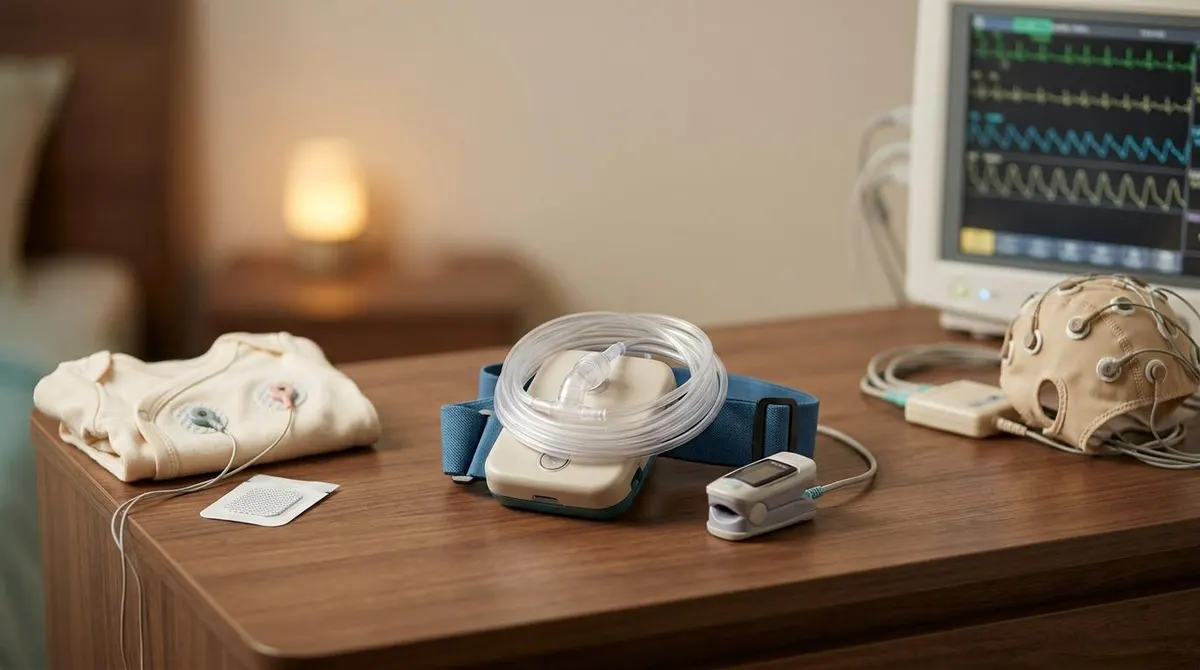
Apnea monitors fall into three broad categories based on the patient population and setting. Infant home monitors, adult home sleep testing devices, and hospital-based clinical systems each serve distinct purposes and capture different levels of detail.
Infant Home Apnea Monitors
Home apnea monitors for infants are prescribed when a baby has experienced an apparent life-threatening event, is born prematurely, or has a sibling who died from Sudden Infant Death Syndrome. These devices typically use two or three electrodes placed on the infant's chest to detect breathing movements and heart rate. The SmartMonitor 2 is one example of a home apnea monitor that has been used in pediatric home care settings. It records respiration, heart rate, and can store event data for physician review.
The American Academy of Pediatrics has stated that home apnea monitors have not been proven to reduce the incidence of Sudden Infant Death Syndrome. The organization recommends safe sleep practices, including placing infants on their backs and avoiding soft bedding, as the primary prevention strategy. Despite this, clinicians may still prescribe monitoring for infants with documented central apnea or bradycardia.
SmartTrace Neonatal/Pediatric Electrodes are disposable stick-on patches designed for sensitive infant skin. A patient cable connects the electrodes to the monitor unit, and a backup battery ensures continuous monitoring during electrical power interruptions. Most home apnea monitors include a charger that maintains battery life between uses.
Adult Home Sleep Apnea Testing Devices
For adults, home sleep apnea testing devices are designed to diagnose obstructive sleep apnea without requiring an overnight stay at a hospital or sleep lab. These portable devices measure airflow through a nasal cannula, oxygen saturation via a finger probe, respiratory effort through chest belts, and sometimes body movement and snoring intensity.
A home sleep test through dumbo.health costs $149 as a one-time purchase and includes the testing device plus one night of recording. The data is then reviewed by a physician who interprets the results and calculates the Apnea-Hypopnea Index. This approach removes the need for insurance approvals, prior authorizations, or referral delays.
Hospital and Sleep Lab Monitors
polysomnography is the most comprehensive form of sleep monitoring, conducted in a hospital or dedicated sleep clinic. A polysomnography study tracks brain waves using an EEG monitor, eye movements for REM sleep staging, muscle activity, airflow, respiratory effort, oxygen saturation, heart rate, and body movement. This multi-sensor array generates detailed data across the entire sleep cycle, allowing clinicians to identify not only obstructive apnea but also central apnea, hypopnea, periodic limb movements, and other sleep disorders.
Hospital-based vital signs monitors used in intensive care and neonatal units provide continuous patient monitoring for apnea, bradycardia, and oxygen desaturation. These systems integrate with nursing stations and electronic medical records. The LifeWindow LW9xVet Monitor, while designed for veterinary use, operates on similar principles, tracking respiration activity and oxygen saturation in animal patients under anesthesia, illustrating how apnea monitoring technology extends beyond human medicine.
Comparing Home vs. Clinical Apnea Monitoring
Here is how home sleep tests compare to in-lab polysomnography for adults with suspected obstructive sleep apnea.
Setting
- Home Sleep Test: Your own bed at home
- polysomnography: Sleep clinic or hospital
Cost
- Home Sleep Test: Lower, typically $149 to $500 (dumbo.health offers the test at $149)
- polysomnography: Higher, often $1,000 to $3,000 or more without insurance
Sensors Used
- Home Sleep Test: Nasal cannula, finger probe, chest belt, body position sensor
- polysomnography: EEG monitor, electrodes, nasal cannula, chest and abdominal belts, SpO2 probe, EMG leads
Data Collected
- Home Sleep Test: Airflow, oxygen saturation, respiratory effort, body movement, snoring
- polysomnography: Brain waves, REM sleep stages, eye movement, muscle tone, plus all home test parameters
Best For
- Home Sleep Test: Adults with moderate to high clinical suspicion for obstructive sleep apnea
- polysomnography: Complex cases, suspected central apnea, or when a home test is inconclusive
For most adults with symptoms of obstructive sleep apnea such as loud snoring, witnessed breathing pauses, and daytime sleepiness, a home sleep test provides sufficient diagnostic accuracy. The American Academy of Sleep Medicine supports home sleep testing as an appropriate diagnostic tool for uncomplicated obstructive sleep apnea in adults.
KEY TAKEAWAY: Infant home apnea monitors track breathing and heart rate but do not prevent Sudden Infant Death Syndrome, while adult home sleep tests and polysomnography serve as diagnostic tools for obstructive sleep apnea with different levels of detail and cost.
With the types of monitors established, the next section explains the specific conditions and populations that benefit most from apnea monitoring.
Who Needs an Apnea Monitor and When Is Monitoring Recommended
Apnea monitoring is recommended for specific clinical populations where breathing irregularities pose a documented risk. Not everyone with snoring or occasional sleep disruptions requires a dedicated monitor.
Infants and Neonates
Premature infants born before 37 weeks of gestation are the most common recipients of home apnea monitors. Premature babies have immature respiratory control systems, which can lead to central apnea, where the brain temporarily fails to signal the muscles responsible for breathing. The American Academy of Pediatrics notes that apnea of prematurity typically resolves by 37 to 44 weeks postmenstrual age, and home monitoring may be prescribed during this transition period after discharge from a neonatal intensive care unit.
Infants who have experienced an apparent life-threatening event, now referred to as a brief resolved unexplained event, may also be candidates. In these cases, the monitor serves as an early warning system rather than a treatment device.
Adults With Suspected Sleep Apnea
Adults with symptoms suggesting obstructive sleep apnea are candidates for monitoring through a home sleep test or polysomnography. Key indicators include persistent loud snoring, witnessed choking or gasping during sleep, excessive daytime sleepiness, a body mass index above 30, a neck circumference greater than 17 inches in men or 16 inches in women, and a history of hypertension or atrial fibrillation.
The Sleep Foundation reports that up to 80% of moderate to severe obstructive sleep apnea cases in adults remain undiagnosed. This gap exists partly because many people do not associate symptoms like morning headaches, poor concentration, or irritability with a breathing problem during sleep.
Commercial Drivers and CDL Holders
Commercial drivers face specific screening requirements related to sleep apnea. The FMCSA does not mandate sleep apnea testing for all drivers, but medical examiners conducting DOT physicals frequently refer drivers with risk factors such as elevated BMI, large neck circumference, or reported daytime sleepiness for further evaluation. Drivers who test positive for obstructive sleep apnea must demonstrate treatment compliance, typically through CPAP machine usage data, to maintain their medical certification.
dumbo.health provides a streamlined pathway for commercial drivers who need a sleep apnea test for CDL drivers. The $149 home sleep test can be completed during a regular night off the road, and physician interpretation plus ongoing CPAP therapy start at $59 per month with no contracts.
Post-Surgical Patients
Patients recovering from surgery involving general anesthesia may require apnea monitoring in the hospital setting. An anesthetist manages gas supply and airflow during procedures, and residual effects of sedation can suppress respiratory drive in the recovery period. In these settings, hospital-grade monitors with continuous SpO2 and respiration tracking provide real-time apnea warning capabilities that alert the clinical team to slow or shallow breathing.
IMPORTANT: If you or someone you care for experiences repeated episodes of choking during sleep, observed breathing pauses, or unexplained drops in oxygen saturation, consult a healthcare provider. Apnea monitoring is a clinical decision that should be made with professional guidance.
KEY TAKEAWAY: Apnea monitors are recommended for premature infants with immature respiratory control, adults with signs of obstructive sleep apnea, commercial drivers flagged during DOT physicals, and post-surgical patients at risk of respiratory depression.
Understanding who benefits from monitoring leads directly into how to set up and use these devices correctly.
How to Set Up and Use an Apnea Monitor at Home
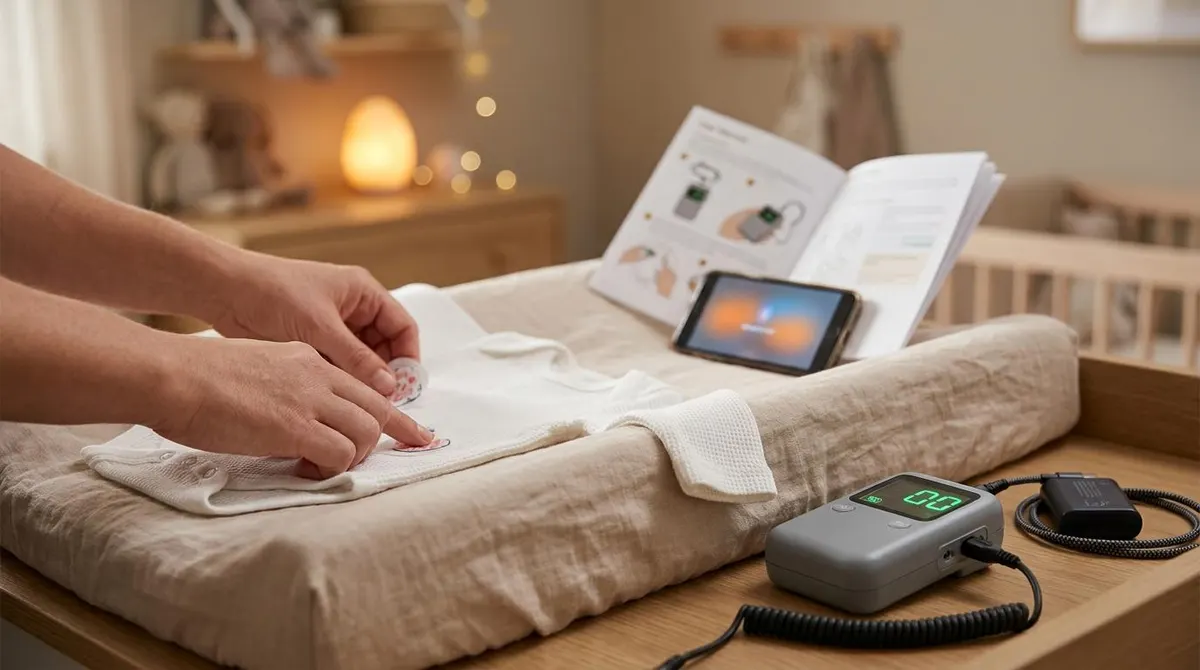
Setting up an apnea monitor correctly reduces false alarms and ensures accurate data capture. The process differs between infant monitors and adult home sleep testing devices, but both follow a logical sequence.
Setting Up an Infant Home Apnea Monitor
Before bringing an infant home apnea monitor into your house, your equipment provider or homecare team should provide hands-on training. This typically covers electrode placement, alarm settings, and troubleshooting.
1. Charge the device fully using the included charger before the first use. Confirm the backup battery is functional in case of electrical power interruptions.
2. Place the electrodes or stick-on patches on the infant's chest according to the manual. Position them symmetrically on either side of the chest to detect breathing movements accurately. SmartTrace Neonatal/Pediatric Electrodes are designed for this purpose.
3. Connect the patient cable from the electrodes to the monitor unit. Ensure all connections are secure to avoid sensor detachment, which is one of the most common causes of false alarms.
4. Turn on the monitor and verify the digital readout displays heart rate and respiration values. Confirm the alarm is audible from wherever the caregiver will be located.
5. Place the infant on their back to sleep, as recommended by the American Academy of Pediatrics, and ensure no loose bedding or objects interfere with the electrodes or the device.
6. After each use, clean the electrodes and check the patient cable for wear. Replace disposable patches as directed by the manufacturer.
Following this setup process ensures the monitor captures reliable data and alerts you to genuine apneic episodes rather than false positives caused by loose connections.
How to Complete a Home Sleep Test for Adults
For adults undergoing a home sleep test, the process is simpler than polysomnography and can be completed in one night.
1. Order your home sleep test through dumbo.health for $149. The device ships directly to your home with no insurance or prior authorization needed.
2. On your test night, attach the nasal cannula to measure airflow, clip the finger probe to measure oxygen saturation, and secure the chest belt to track respiratory effort. Follow the included instructions specific to your device.
3. Sleep in your normal bed, in your usual position. There is no need to change your routine. The device records throughout the night automatically.
4. In the morning, remove the sensors and return the device as instructed.
5. Your data is reviewed by a physician who calculates your Apnea-Hypopnea Index and prepares a clinical report. On the dumbo.health Essentials Plan at $59 per month, this interpretation is included along with CPAP therapy and equipment if treatment is indicated.
Once results are available, your physician provides a diagnosis and, if needed, a treatment recommendation. The entire process from ordering to receiving results avoids the scheduling delays, insurance hassles, and clinical waiting lists that slow down traditional pathways.
Checklist: Before Your Home Sleep Test Night
- Confirm the device is fully charged and the battery indicator shows a full charge
- Verify all sensor components are included: nasal cannula, finger probe, chest belt
- Review the setup instructions in the manual or video provided with the device
- Avoid alcohol and sedating medications on the test night unless directed otherwise by your physician
- Sleep in your usual bed and maintain your regular bedtime routine
- Ensure the room is free from interference sources such as electric blankets or other devices that generate radio signals near the sensors
- Set a reminder to remove and return the device in the morning
- Complete the free sleep assessment at dumbo.health if you have not already done so
KEY TAKEAWAY: Proper setup of any apnea monitor, whether for an infant or an adult home sleep test, centers on correct sensor placement, fully charged batteries, and eliminating common sources of false alarms.
With setup covered, it is important to understand what the monitor actually measures and what the readings mean.
Understanding Apnea Monitor Readings: Oxygen, Heart Rate, and Breathing Data
Apnea monitor readings provide objective data about breathing quality, and understanding these numbers helps you communicate effectively with your healthcare provider. The three core metrics are oxygen saturation, heart rate, and respiration rate.
Oxygen Saturation
Oxygen saturation, measured as SpO2, reflects the percentage of hemoglobin in the blood carrying oxygen. A normal oxygen saturation level for a healthy adult is between 95% and 100%, according to the Mayo Clinic. Values below 90% are generally considered clinically significant and may indicate that breathing disruptions are causing meaningful drops in blood oxygen levels.
During an apneic episode, airflow stops and the body gradually depletes the oxygen already in the bloodstream. The SpO2 monitor detects this decline. Repeated desaturations, especially below 88%, are associated with increased cardiovascular risk, including hypertension and atrial fibrillation.
Heart Rate and Bradycardia
Heart rate monitoring is critical in infant apnea monitoring. Bradycardia, defined as a heart rate below 60 beats per minute in neonates, often accompanies prolonged apneic episodes. In adults, significant heart rate variability during sleep can signal autonomic nervous system disruption related to obstructive sleep apnea.
Respiration Rate
Normal adult respiration rate during sleep ranges from 12 to 20 breaths per minute. Slow or shallow breathing that falls below this range may indicate central apnea or the effects of medications that suppress respiratory drive. Infant respiration rates are naturally higher, typically 30 to 60 breaths per minute for newborns, and the monitor alarm thresholds are calibrated accordingly.
The Apnea-Hypopnea Index Explained
The Apnea-Hypopnea Index is the single most important number generated from a sleep apnea test. It represents the average number of apnea and hypopnea events per hour of sleep. The American Academy of Sleep Medicine classifies severity as follows:
- Normal: fewer than 5 events per hour
- Mild obstructive sleep apnea: 5 to 14 events per hour
- Moderate obstructive sleep apnea: 15 to 29 events per hour
- Severe obstructive sleep apnea: 30 or more events per hour
This index directly determines the treatment pathway. Mild cases may respond to positional therapy or mandibular advancement devices, while moderate to severe cases typically require CPAP machine therapy. dumbo.health physician interpretation includes a detailed breakdown of your Apnea-Hypopnea Index along with a treatment plan tailored to the severity of your results.
Brain waves recorded during polysomnography but not during home sleep tests allow clinicians to determine the exact sleep stages when apnea events occur. Events concentrated during REM sleep, for instance, may respond differently to treatment than events distributed across the entire sleep cycle.
KEY TAKEAWAY: Oxygen saturation, heart rate, and respiration rate are the three core metrics captured by apnea monitors, and the Apnea-Hypopnea Index calculated from these readings determines the severity and treatment approach for sleep apnea.
Knowing what the numbers mean brings up the practical question of how these readings translate into treatment decisions.
Treatment Options After an Apnea Monitor Confirms a Diagnosis
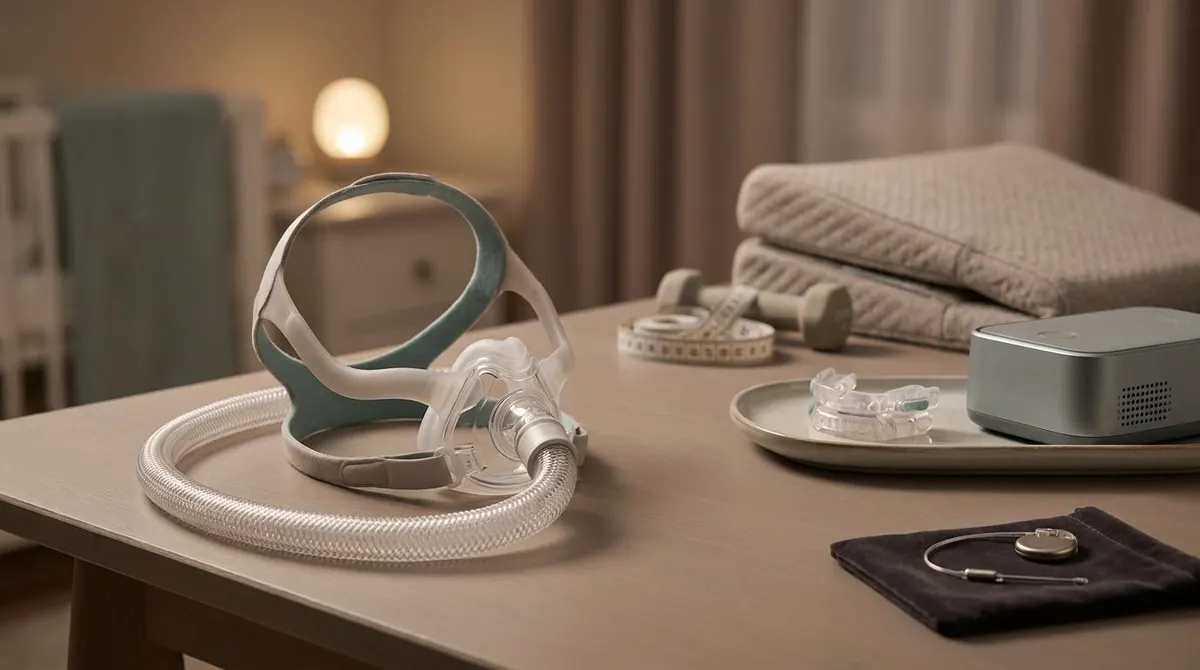
Treatment for obstructive sleep apnea depends on the severity indicated by the Apnea-Hypopnea Index, the specific pattern of breathing disruption, and the individual patient's anatomy and preferences. An apnea monitor or home sleep test provides the diagnostic data, but the treatment phase is where clinical outcomes improve.
CPAP Therapy
CPAP machine therapy is the first-line treatment for moderate to severe obstructive sleep apnea. CPAP stands for continuous positive airway pressure. The device delivers a steady stream of pressurized air through a mask worn during sleep, holding the airway open and preventing the collapse that causes obstructive apnea events.
According to the National Heart, Lung, and Blood Institute, CPAP therapy reduces the Apnea-Hypopnea Index to normal levels in most patients when used consistently. The standard compliance threshold is a minimum of 4 hours per night for at least 70% of nights over a 30-day period.
dumbo.health includes CPAP therapy and equipment in all monthly plans starting at $59 per month on the Essentials Plan. The Premium Plan at $89 per month adds a dedicated sleep coach and advanced adherence monitoring, which clinicians frequently observe leads to higher long-term compliance rates. No contracts are required, and you can cancel anytime.
AutoPAP
AutoPAP, or auto-titrating positive airway pressure, automatically adjusts the pressure level throughout the night based on detected breathing events. This is useful for patients whose apnea severity varies across different sleep stages or body positions. AutoPAP devices are a refinement of standard CPAP and are included in the equipment options available through dumbo.health plans.
BiPAP
BiPAP, or bilevel positive airway pressure, delivers two different pressure levels: a higher pressure on inhalation and a lower pressure on exhalation. BiPAP is typically prescribed for patients who cannot tolerate standard CPAP, those with central apnea, or patients with concurrent respiratory issues such as chronic obstructive pulmonary disease.
Mandibular Advancement Devices
Mandibular advancement devices are oral appliances that reposition the lower jaw forward during sleep, increasing the diameter of the airway behind the tongue. The American Academy of Sleep Medicine recommends these devices as an alternative for patients with mild to moderate obstructive sleep apnea who cannot tolerate CPAP therapy.
Hypoglossal Nerve Stimulators
Hypoglossal nerve stimulators are surgically implanted devices that stimulate the nerve controlling tongue movement, preventing the tongue from collapsing backward and blocking the airway during sleep. This option is reserved for patients with moderate to severe obstructive sleep apnea who have failed CPAP therapy, and it requires careful patient selection and follow-up.
Positional Therapy and Lifestyle Changes
For some patients, apnea events occur predominantly when sleeping on the back. Sleeping on the sides can reduce the number of events significantly. Weight loss is also a powerful intervention. The Sleep Foundation notes that a 10% reduction in body weight can lead to a meaningful decrease in Apnea-Hypopnea Index severity.
TIP: If your home sleep test reveals mild obstructive sleep apnea, discuss lifestyle modifications and positional therapy with your physician before assuming you need a CPAP machine. Treatment should match your specific Apnea-Hypopnea Index score and symptom profile.
KEY TAKEAWAY: CPAP therapy is the gold-standard treatment for moderate to severe obstructive sleep apnea, but autoPAP, BiPAP, mandibular advancement devices, hypoglossal nerve stimulators, and lifestyle changes offer alternatives depending on the severity and type of apnea diagnosed.
While treatment options are well-established, it is equally important to understand the limitations and risks associated with apnea monitors themselves.
Limitations and Risks of Apnea Monitors
Apnea monitors are valuable clinical tools, but they are not infallible. Understanding their limitations prevents false reassurance and helps users respond appropriately to alarms and data.
False Alarms
False alarms are the most frequently reported problem with home apnea monitors, particularly infant devices. Sensor detachment is the leading cause. When an electrode or stick-on patch loosens due to body movement, moisture, or poor adhesion, the monitor interprets the loss of signal as a cessation of breathing and triggers the alarm. Caregivers who experience repeated false alarms may develop alarm fatigue, reducing their responsiveness to genuine events.
Interference from nearby electronic devices can also trigger false readings. Radio signals from wireless devices, electric blankets, and other sources of electromagnetic interference may disrupt the monitor's sensors. Keeping the monitoring area free from unnecessary electronic equipment reduces this risk.
Apnea Monitors Do Not Prevent Sudden Infant Death Syndrome
This is one of the most critical distinctions in pediatric apnea monitoring. The American Academy of Pediatrics has clearly stated that home apnea monitors have not been demonstrated to prevent Sudden Infant Death Syndrome. The causes of Sudden Infant Death Syndrome are multifactorial and not fully understood, and an alarm sounding after a breathing pause does not guarantee successful intervention. Safe sleep practices remain the primary prevention strategy.
Home Sleep Tests Cannot Diagnose All Sleep Disorders
home sleep apnea testing devices are validated for diagnosing obstructive sleep apnea in adults with a moderate to high pretest probability. They are not designed to diagnose central apnea, narcolepsy, periodic limb movement disorder, or parasomnias. These conditions require polysomnography with full EEG monitoring to capture brain waves and detailed sleep architecture data.
If a home sleep test returns a normal Apnea-Hypopnea Index but symptoms persist, a physician may recommend in-lab polysomnography to investigate further. dumbo.health physician review includes assessment of whether additional testing is warranted based on the clinical picture.
Battery and Equipment Failures
Any electronic device can fail. Battery depletion, patient cable damage, and probe malfunctions can interrupt monitoring. Home apnea monitors should always have a backup battery charged and ready. Users should check the manufacturer warranty and follow the manual for maintenance schedules and equipment replacement guidelines.
Over-Reliance on Technology
Some caregivers develop a dependency on the monitor that prevents them from developing confidence in their own observation skills. The monitor is a supplementary tool. It does not replace attentive caregiving for infants or regular medical follow-up for adults on CPAP therapy.
KEY TAKEAWAY: False alarms, sensor detachment, interference, and the inability of home monitors to diagnose all sleep disorders are real limitations that users must understand, and no apnea monitor has been proven to prevent Sudden Infant Death Syndrome.
Recognizing these limitations helps frame realistic expectations for the technology. Next, we look at how apnea monitors work in the real world through specific scenarios.
Real-World Scenarios: How People Use Apnea Monitors
Concrete examples illustrate how apnea monitors fit into different medical situations and decision-making processes. These scenarios reflect common patterns clinicians and patients encounter.
Scenario 1: A Premature Infant Discharged With a Home Monitor
A 34-week premature infant is discharged from the neonatal intensive care unit after documented episodes of central apnea and bradycardia. The hospital homecare team prescribes a home apnea monitor with SmartTrace Neonatal/Pediatric Electrodes and provides the parents with hands-on training. The monitor tracks breathing movements and heart rate continuously during sleep. Over the next six weeks, the infant has two genuine alarms that resolve with gentle stimulation, and multiple false alarms caused by sensor detachment during body movement. At the follow-up appointment, the pediatrician reviews the stored event data and determines the infant's central apnea has resolved. The monitor is discontinued, and the equipment provider arranges a return.
Scenario 2: A 52-Year-Old Owner-Operator Referred After a DOT Physical
A 52-year-old long-haul truck driver with a BMI of 36 and a neck circumference of 18 inches is flagged for sleep apnea screening during a DOT physical. The medical examiner provides a conditional certification and requires a sleep apnea evaluation before the next renewal. Rather than scheduling an in-lab polysomnography study that would require time off the road and potentially weeks of waiting, the driver orders a home sleep test from dumbo.health for $149. The test reveals an Apnea-Hypopnea Index of 22 events per hour, indicating moderate obstructive sleep apnea. The driver enrolls in the dumbo.health Premium Plan at $89 per month, receives a CPAP machine, and begins nightly therapy with adherence data reported back to the referring provider. At the next DOT physical, the driver presents compliance documentation and receives a full medical certification.
Scenario 3: A 40-Year-Old Woman With Undiagnosed Snoring and Fatigue
A 40-year-old woman reports chronic fatigue, morning headaches, and a partner who describes loud snoring and occasional choking sounds during sleep. Her primary care physician suspects obstructive sleep apnea but notes that her BMI of 28 is below the typical high-risk threshold. She completes the free sleep assessment at dumbo.health and orders a home sleep test. Her results show an Apnea-Hypopnea Index of 12, consistent with mild obstructive sleep apnea concentrated during REM sleep when she sleeps on her back. Her physician recommends positional therapy and follow-up monitoring rather than immediate CPAP therapy. This outcome highlights why testing matters even when risk factors are borderline.
These examples demonstrate that apnea monitors and home sleep tests serve distinctly different populations but share a common goal: identifying breathing abnormalities early enough to intervene effectively.
KEY TAKEAWAY: Apnea monitors serve premature infants at risk of central apnea, adults with symptoms of obstructive sleep apnea, and commercial drivers who need documented testing for DOT certification, with outcomes ranging from resolved infant apnea to long-term CPAP compliance.
With real-world applications in focus, the next section addresses persistent misconceptions that affect how people perceive and use these devices.
Common Myths About Apnea Monitors Debunked
MYTH: Home apnea monitors prevent Sudden Infant Death Syndrome.
FACT: The American Academy of Pediatrics has stated that home apnea monitors have not been proven to reduce the risk of Sudden Infant Death Syndrome. These devices detect breathing pauses and alert caregivers, but SIDS has multiple contributing factors that extend beyond detectable apnea events. Safe sleep practices, including back sleeping and a firm sleep surface, remain the evidence-based prevention strategy.
MYTH: A home sleep test is not accurate enough to diagnose sleep apnea.
FACT: The American Academy of Sleep Medicine endorses home sleep testing as a valid diagnostic method for obstructive sleep apnea in adults with a moderate to high clinical suspicion. Studies published through the National Institutes of Health have shown that home sleep tests provide reliable Apnea-Hypopnea Index measurements when used correctly. Home tests are not appropriate for all sleep disorders, but for straightforward obstructive sleep apnea evaluation, they offer comparable diagnostic accuracy to polysomnography.
MYTH: If the apnea monitor alarm does not go off, there is no breathing problem.
FACT: Apnea monitors have detection thresholds. Events shorter than the alarm threshold, such as brief hypopneas or subtle oxygen desaturations, may not trigger an alarm but can still affect sleep quality and long-term health. Additionally, sensor detachment or poor electrode placement can prevent the monitor from detecting genuine events. No monitor provides a guarantee that all breathing irregularities will be captured.
MYTH: You need to go to a hospital for a sleep apnea test.
FACT: While polysomnography conducted in a hospital or sleep lab remains the most comprehensive option, home sleep testing is widely accepted for diagnosing obstructive sleep apnea in most adults. dumbo.health delivers a home sleep test for $149 directly to your door, with no hospital visit, no insurance requirement, and no prior authorization needed. Physician interpretation is included when you enroll in a monthly plan.
MYTH: Apnea monitors are only for infants.
FACT: While infant monitoring is one of the most visible applications, apnea monitoring technology underpins adult sleep apnea testing, post-surgical respiratory surveillance in hospitals, and ongoing CPAP adherence tracking. Adult sleep apnea care solutions now include portable home testing devices, CPAP machines with built-in compliance monitoring, and telehealth follow-up, all of which rely on the same core principles as infant apnea monitors.
KEY TAKEAWAY: Apnea monitors do not prevent SIDS, home sleep tests are clinically validated for obstructive sleep apnea diagnosis, and modern monitoring technology serves adults as effectively as infants when applied to the correct clinical scenario.
These clarifications remove barriers to informed decision-making. The next section covers the technology and connectivity features built into modern apnea monitoring systems.
Technology, Connectivity, and Digital Features in Modern Apnea Monitors
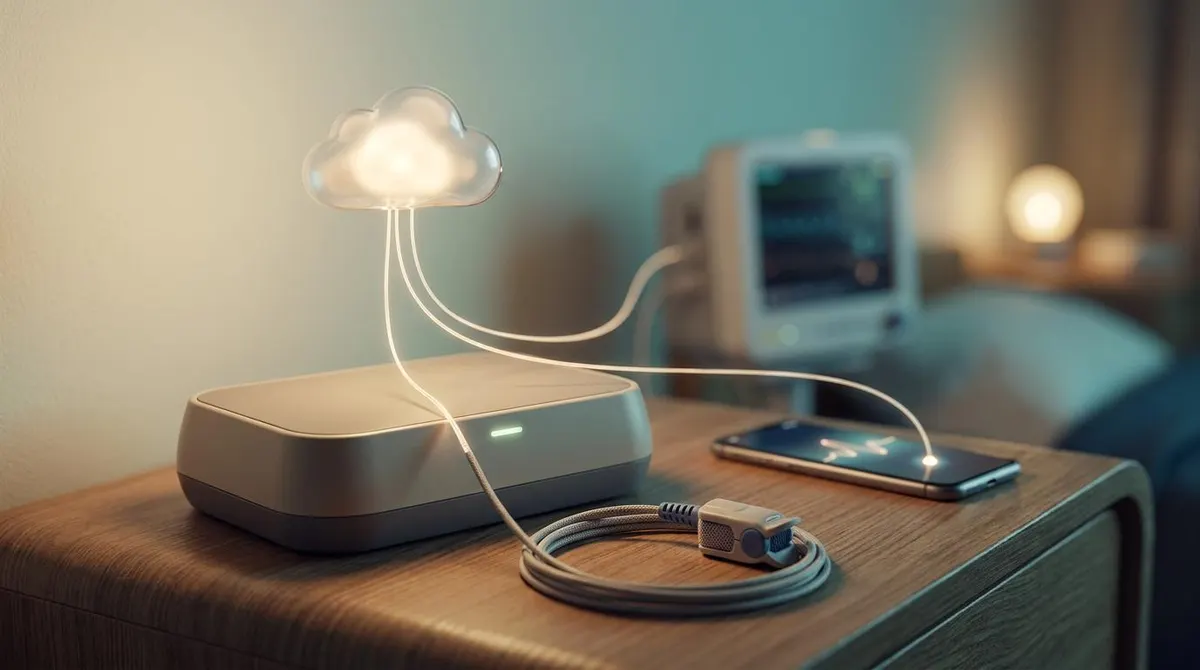
Modern apnea monitors have evolved far beyond simple alarm devices. Today's systems incorporate digital connectivity, cloud-based data storage, and smartphone integration to improve clinical oversight and patient convenience.
Wireless Data Transmission
Many current apnea monitoring systems include an internal modem or wireless connection that transmits recorded data to a cloud platform. The Synergy Cloud Communication Module, for example, enables data from hospital or home monitors to be uploaded automatically, allowing the clinical team to review events remotely without requiring the patient or caregiver to bring the device to an appointment. This reduces the communication gap between monitoring events and clinical response.
IP Address-based data routing ensures that transmitted information reaches the correct clinical portal. Synergy Software processes the incoming data and presents it in a format physicians can interpret efficiently, including event timelines, oxygen saturation trends, and alarm logs.
Smartphone Apps and Mobile Management
Mobile apps like ApneaApp and myApria extend monitoring and treatment management to smartphones. ApneaApp was a research project that explored using frequency-modulated sound signals emitted by smartphones to detect breathing movements during sleep, though it was tested primarily on Android phones including the Samsung Galaxy S4, Samsung Galaxy S5, and HTC One. While not a replacement for clinical-grade monitoring, this research demonstrated the potential for smartphone-based screening.
The myApria mobile app, designed for patients using home medical equipment, allows users to manage your account, reorder supplies, track orders and shipments, and access customer service on the go. App management features streamline reordering of consumables like nasal cannulas, filters, masks, and electrodes, reducing gaps in treatment supplies.
Data Storage and Adherence Tracking
CPAP machines and modern home monitors record detailed usage data, including hours of nightly use, mask leak rates, and residual Apnea-Hypopnea Index scores. This tracking is essential for commercial drivers who must demonstrate CPAP compliance for DOT certification and for any patient whose insurer or physician requires adherence documentation.
dumbo.health's Premium Plan at $89 per month includes advanced adherence monitoring and a dedicated sleep coach who reviews your compliance data and provides personalized guidance. The Elite Plan at $129 per month adds direct physician messaging and custom reporting that can be shared with your referring provider or DOT medical examiner.
Equipment Support and Warranty
Home medical equipment, including apnea monitors and CPAP devices, comes with manufacturer warranty coverage that varies by device. Users should verify warranty details with their equipment provider and retain the Reference number for their device, such as CPE00001 or equivalent identifiers, for support team communication. Many manufacturers offer a trade-in program for upgrading to newer models, and the customer service team for your specific device can provide details on eligibility.
When troubleshooting a problem, check the manual for guidance on common issues such as leaks in mask fittings, gas supply connections for BiPAP devices, and charger malfunctions. The support team for your equipment provider is typically reachable through phone, email, or the manufacturer's app. Keeping spare supplies such as electrodes, patient cables, and backup battery packs ensures uninterrupted monitoring.
IMPORTANT: If you experience persistent interference, sensor detachment, or alarm malfunctions that you cannot resolve using the manual, contact your equipment provider or support team immediately. Do not discontinue monitoring without clinical guidance.
KEY TAKEAWAY: Modern apnea monitors use wireless connectivity, cloud data transmission, and smartphone apps to enable remote clinical oversight, adherence tracking, and equipment management, making ongoing care more accessible in your area.
With the technology landscape covered, the final sections address practical cost considerations and how to access monitoring near you.
Cost of Apnea Monitoring and How to Access Testing
The cost of apnea monitoring varies significantly depending on the type of device, whether insurance covers it, and the clinical setting. Many people delay testing because they assume it requires expensive in-lab studies or complex insurance approvals.
Hospital-Based Polysomnography Costs
A single night of polysomnography in a sleep lab typically costs between $1,000 and $3,000 without insurance. Even with insurance, copays and deductibles can reach several hundred dollars. Scheduling delays of weeks or months are common, especially in areas with limited sleep lab availability.
Home Sleep Test Costs
Home sleep tests through providers in your area typically range from $150 to $500 for the test device and basic interpretation. dumbo.health offers the home sleep test at $149 as a one-time cash-pay cost. No insurance is required, there are no prior authorizations, and there are no surprise bills. This transparent pricing structure lets you plan around a known cost rather than waiting for insurance approval or receiving unexpected charges.
Ongoing Treatment Costs
CPAP machines purchased outright can cost $500 to $3,000 depending on the model and accessories. Monthly rental programs through durable medical equipment providers add ongoing costs that vary based on insurance contracts.
dumbo.health monthly plans bundle physician interpretation, CPAP therapy, and equipment into a single predictable cost:
- Essentials Plan: $59 per month, includes physician report, CPAP therapy and equipment, standard follow-up care, and updates to your referring provider
- Premium Plan: $89 per month, adds a dedicated sleep coach, advanced adherence monitoring, and priority results turnaround
- Elite Plan: $129 per month, adds concierge clinical support, direct physician messaging, and custom reporting
All plans operate with no contracts and can be canceled anytime. The home sleep test at $149 is billed separately as a one-time cost before the test night.
Infant Monitor Costs
Infant home apnea monitors are typically provided through a home health care equipment provider and billed to insurance when prescribed by a physician. Out-of-pocket costs vary but can include monthly rental fees and charges for disposable supplies like electrodes and stick-on patches.
KEY TAKEAWAY: home sleep testing through dumbo.health at $149 with monthly treatment plans starting at $59 provides a significantly more affordable and accessible pathway than traditional sleep lab testing, with no insurance hassles or hidden fees.
This brings the discussion to the final summary and recommended next steps.
Conclusion
An apnea monitor serves a critical role in detecting breathing pauses for both infants at risk of respiratory events and adults with suspected obstructive sleep apnea. Whether you are evaluating monitoring for a newborn or seeking a diagnosis for chronic snoring, witnessed choking, or daytime fatigue, the technology exists to identify the problem and guide effective treatment. The key is choosing the right type of monitoring for your situation and acting on the results with appropriate clinical support.
For adults ready to take the next step, dumbo.health offers a home sleep test for $149 with no insurance required and no prior authorization. Monthly treatment plans start at $59 per month, include CPAP therapy and physician oversight, and require no contracts. If you suspect you or someone close to you may have a breathing problem during sleep, getting tested is the most direct path to better sleep and better health.
Frequently Asked Questions About Apnea Monitors
What is an apnea monitor?
An apnea monitor is a medical device that tracks breathing patterns, heart rate, and oxygen saturation during sleep to detect abnormal pauses in breathing. These devices alert caregivers or patients when breathing stops or slows beyond safe thresholds. Home apnea monitors are commonly used for infants at risk of breathing events and for adults being evaluated for obstructive sleep apnea or central sleep apnea. The device typically connects via electrodes, sensor patches, or wearable sensors and sounds an alarm when a potential apneic episode is detected.
What is sleep apnea?
Sleep apnea is a condition in which breathing repeatedly stops or becomes dangerously shallow during sleep. The most common form, obstructive sleep apnea, occurs when the upper airway becomes blocked, reducing or completely stopping airflow. Central sleep apnea occurs when the brain fails to send proper signals to the muscles that control breathing. According to the American Academy of Sleep Medicine, sleep apnea is measured using the Apnea-Hypopnea Index, which counts the number of apnea and hypopnea events per hour of sleep. A healthcare professional should evaluate any suspected sleep apnea symptoms.
What are the effects of sleep apnea?
Sleep apnea can have serious effects on cardiovascular health, daytime functioning, and overall wellbeing. Repeated drops in blood oxygen levels during apneic episodes place strain on the heart and are associated with high blood pressure, atrial fibrillation, and increased cardiovascular risk. Disrupted REM sleep and sleep cycle fragmentation can cause excessive daytime sleepiness, difficulty concentrating, and impaired reaction time. The NHLBI notes that untreated sleep apnea is also linked to metabolic and respiratory issues. A qualified healthcare professional can assess symptoms and recommend appropriate sleep apnea testing and treatment.
How do sleep apnea monitors work?
Sleep apnea monitors track physiological signals during sleep, including respiration activity, heart rate, oxygen saturation, and body movement. Wired devices typically use electrodes or stick-on patches placed on the chest to measure chest wall motion and breathing movements. Wearable monitors use optical sensors to measure SpO2 levels and pulse. Some devices use radio signals or frequency-modulated sound signals to detect motion without physical contact. When breathing pauses, slows, or oxygen saturation drops below a set threshold, the monitor triggers an apnea warning alarm. A physician or sleep specialist reviews the collected data to guide treatment decisions.
What do sleep apnea monitors detect?
Sleep apnea monitors detect apneic episodes, hypopnea events, bradycardia, drops in blood oxygen levels, and abnormal breathing patterns during sleep. More advanced devices can also track respiratory effort, obstructive apnea versus central apnea patterns, and oxygen saturation level throughout the night. Some multi-sensor array devices used in clinical or home settings provide detailed respiration data comparable to a home sleep test. Clinically validated monitors may also capture information about slow or shallow breathing, body movement, and sleep position. A physician interprets the results to determine whether further evaluation, such as polysomnography, is needed.
What are the different types of sleep apnea monitoring devices available?
Several categories of sleep apnea testing devices are available, ranging from clinical monitors to consumer wearables. Home sleep apnea tests typically use sensors that measure airflow, oxygen saturation, respiratory effort, and heart rate. Wearable devices, including SpO2 monitor wristbands and rings, track blood oxygen levels and pulse continuously. Chest wall motion monitors and nasal cannula sensors measure airflow and breathing movements during sleep. CPAP machines and autoPAP devices include built-in monitoring that tracks adherence and apneic events during treatment. Smartphone-based tools such as ApneaApp use frequency-modulated sound signals to detect breathing patterns via the phone microphone. Each type has different clinical applications, and a healthcare professional can help determine which is appropriate.
What is a good oxygen level during sleep apnea?
A normal blood oxygen saturation level during sleep is generally above 95 percent. According to the American Academy of Sleep Medicine, oxygen saturation dropping below 90 percent during sleep is considered clinically significant and may indicate moderate to severe obstructive sleep apnea or another respiratory condition. Prolonged or repeated drops in oxygen levels, sometimes called oxygen desaturation events, are associated with cardiovascular strain and are a key metric reviewed during home sleep apnea testing. If your SpO2 monitor shows frequent drops during sleep, a healthcare professional should review the results before any treatment decisions are made.
Are wearable sleep apnea monitors accurate?
Wearable sleep apnea monitors vary in clinical accuracy depending on the technology used. Devices incorporating Masimo SET technology or validated optical sensors can reliably track oxygen saturation and heart rate, but consumer-grade wearables are generally not cleared for diagnostic use. The American Academy of Sleep Medicine notes that home sleep apnea tests using validated airflow, respiratory effort, and SpO2 sensors are clinically acceptable for diagnosing obstructive sleep apnea in adults without significant comorbidities. Wearable devices may miss central apnea events or undercount the Apnea-Hypopnea Index compared to polysomnography. A clinician should interpret any monitoring results before a diagnosis or treatment plan is established.
Can home sleep apnea monitors replace a clinical sleep study?
Home apnea monitors and wearable devices are designed to complement, not replace, formal diagnostic procedures such as polysomnography. Polysomnography conducted in a sleep lab measures brain waves via EEG monitor, eye movement, muscle activity, airflow, respiratory effort, oxygen saturation, and heart rate simultaneously, providing the most comprehensive evaluation of sleep architecture. Home sleep tests offer a practical and accessible alternative for adults with a high probability of obstructive sleep apnea, but they have limitations in detecting central apnea, REM sleep disruption, and complex sleep disorders. A sleep physician can determine whether a home sleep test is sufficient or whether an in-lab study is needed for your situation.
How can I monitor sleep apnea at home?
Monitoring sleep apnea at home typically involves using a validated home sleep apnea test or a clinically appropriate wearable device that measures airflow, oxygen saturation, respiratory effort, and heart rate during sleep. A physician orders the test, the patient uses the device for one or more nights at home, and the data is then reviewed by a qualified clinician. dumbo.health offers a home sleep test for $149 with transparent cash-pay pricing, no insurance required, and no prior authorizations. Monthly plans are also available for ongoing physician interpretation, CPAP therapy, equipment, and adherence follow-up.
Is a sleep apnea monitor watch a good alternative to traditional devices?
A sleep apnea monitor watch or wearable ring can be a useful tool for screening and ongoing tracking, but it is generally not a substitute for a clinically validated home sleep apnea test or polysomnography. Consumer smartwatches measure heart rate and oxygen saturation using optical sensors, which can indicate potential sleep disruption, but their ability to accurately calculate the Apnea-Hypopnea Index is limited. The FDA has cleared some wearable devices for specific monitoring purposes, but diagnosis still requires clinician review of validated data. A wearable may help identify patterns worth investigating further, after which a formal home sleep test or clinical evaluation should follow.
What is ApneaApp and how does it work?
ApneaApp is a smartphone application that uses frequency-modulated sound signals emitted by the phone's speaker and detected by its microphone to track breathing movements during sleep without physical contact. It was developed as a research tool to detect obstructive sleep apnea by monitoring chest and body movement. ApneaApp has been tested on specific Android phones including the Samsung Galaxy S4, Samsung Galaxy S5, and HTC One. The app does not produce a clinical diagnosis and is not a cleared medical device. It should be considered an informational screening tool rather than a replacement for validated sleep apnea testing devices or physician interpretation.
Does ApneaApp work with two people in the bed?
ApneaApp was designed to track a single user's breathing movements using frequency-modulated sound signals. When two people share a bed, the sensor signals can detect motion from both individuals, which may interfere with accurate data collection and produce unreliable results. The application was evaluated in controlled research settings, and its performance in shared sleeping environments has not been validated for clinical use. For accurate sleep apnea screening, a validated home sleep apnea test with individual sensors provides more reliable and clinically meaningful data than a shared-environment smartphone application.
What medically significant metrics does ApneaApp produce?
ApneaApp generates information about breathing movements, respiration activity, and potential apneic episodes detected through frequency-modulated sound signals. In research settings, it has been used to estimate breathing rate and detect pauses in breathing that may suggest obstructive apnea events. However, ApneaApp does not measure oxygen saturation, heart rate, airflow, or respiratory effort, and it does not produce a validated Apnea-Hypopnea Index. The data it generates cannot be used for clinical diagnosis. A healthcare professional will always require validated home sleep test or polysomnography data to make a sleep apnea diagnosis or recommend treatment.
Can I download ApneaApp and get a sleep apnea diagnosis today?
No. Downloading ApneaApp does not provide a sleep apnea diagnosis. ApneaApp is a research-oriented smartphone application, not a cleared medical diagnostic device. A sleep apnea diagnosis requires clinician evaluation, validated physiological data from an approved sleep apnea testing device or polysomnography, and physician interpretation of the Apnea-Hypopnea Index and related metrics. If you suspect you have sleep apnea, a meaningful first step is completing a validated home sleep apnea test reviewed by a qualified physician, rather than relying on a consumer application.
When should you use a sleep apnea monitor?
A sleep apnea monitor is appropriate when a healthcare professional suspects obstructive sleep apnea based on symptoms such as loud snoring, witnessed choking or gasping during sleep, excessive daytime sleepiness, or frequent waking. Home apnea monitors are also used for infants who have experienced apneic episodes, bradycardia, or hypothermia, or who are at elevated risk based on clinical history. Adults with risk factors including high blood pressure, obesity, or a large neck circumference may be candidates for monitoring. A clinician can assess whether a home sleep test, wearable SpO2 monitor, or clinical polysomnography is the most appropriate starting point.
When is a home apnea monitor a good idea?
A home apnea monitor is a practical option when a physician has identified sleep apnea risk factors and a full in-lab sleep study is not immediately available or necessary. Home monitors offer a convenient way to collect respiration, heart rate, and oxygen saturation data in a natural sleep environment. They are particularly useful for adults with a high pre-test probability of obstructive sleep apnea who do not have significant cardiorespiratory comorbidities. For commercial drivers concerned about DOT sleep apnea requirements, an at-home sleep test can also support documentation needs. A healthcare professional should always review results before any treatment decisions are made. You can explore DOT sleep apnea testing at home for more information on driver-specific options.
Why is a home apnea monitor used for infants?
Home apnea monitors are used for infants who have experienced apneic episodes, bradycardia, slow or shallow breathing, or other breathing irregularities that require monitoring after hospital discharge. The American Academy of Pediatrics explains that home monitoring may be recommended for certain premature infants or infants with documented respiratory issues, but it is not routinely recommended to prevent Sudden Infant Death Syndrome in healthy infants. The monitor tracks breathing movements and heart rate, and alerts caregivers when values fall outside safe thresholds. A paediatrician or neonatologist determines whether a home apnea monitor is appropriate and provides guidance on correct use.
What features should I look for in a home apnea monitor for infants?
A home apnea monitor for infants should be prescribed and set up by a qualified healthcare team, as clinical suitability varies by individual case. Key features to discuss with your care team include reliable breathing movement detection, heart rate monitoring, bradycardia alarm thresholds, battery backup for power interruptions, and secure electrode or sensor attachment using appropriate SmartTrace Neonatal/Pediatric Electrodes or equivalent. Some devices, such as the SmartMonitor 2, include an internal modem or Synergy Cloud Communication Module for data transmission, a patient cable for secure connections, and compatibility with homecare provider workflows. Ask your equipment provider about warranty coverage, a trade-in program, and whether supplies and reordering are managed through a platform such as myApria or a similar mobile app.
How does my baby get started on a home apnea monitor?
A home apnea monitor for an infant is prescribed by a physician or specialist, typically before hospital discharge or at a follow-up appointment when respiratory monitoring has been recommended. The homecare team or equipment provider delivers the device, provides training on correct electrode placement using appropriate patient cable and stick-on patches or SmartTrace Neonatal/Pediatric Electrodes, and explains alarm responses. Parents receive a manual and access to a support team for troubleshooting. Your equipment provider should explain how to manage your account, reorder supplies, track orders and shipments, and reach customer service on the go through a mobile app or platform such as myApria.
How long will my baby wear a home apnea monitor?
The duration of home apnea monitoring for an infant depends on the clinical reason for monitoring and the physician's orders. Most infants use a home apnea monitor for a limited period determined by their response to treatment, resolution of the underlying respiratory issue, or completion of a required monitoring interval. The American Academy of Pediatrics recommends that the decision to discontinue monitoring be made by the prescribing physician based on clinical criteria, not solely on parental comfort or convenience. Regular follow-up with the care team is essential to review data, assess progress, and determine when it is safe to stop monitoring.
What are the risks of using a home apnea monitor?
Home apnea monitors are non-invasive devices and are generally considered safe when used as directed by a healthcare professional. However, there are practical risks to be aware of. Electrodes or stick-on patches can cause mild skin irritation at attachment sites, particularly with prolonged use. False alarms caused by sensor detachment, body movement, or electrical interference from devices such as electric blankets can disrupt sleep and cause caregiver anxiety. The SmartMonitor 2 and similar devices may be affected by interference from radio signals or other home medical equipment. Always follow the manufacturer's guidelines and contact your support team if alarms occur frequently without a clinical cause. Sensor detachment and equipment issues should be addressed promptly.
Are there any safety risks or side effects associated with sleep apnea monitors for adults?
Adult sleep apnea monitors, including wearable SpO2 monitors, nasal cannula sensors, and home sleep test devices, are non-invasive and carry minimal physical risk. Some users experience mild skin irritation or discomfort from wearable bands, chest sensors, or electrode patches, but these effects are generally temporary. Interference from electric blankets, smartphones, or other home medical equipment can occasionally affect wireless connection or signal quality on some devices. False alarm events or incomplete data capture may occur due to body movement or improper device placement. A clinician should review any unexpected results before any changes to treatment are considered.
How long should I use a home sleep apnea monitor?
The appropriate duration of home sleep apnea monitoring depends on the clinical purpose and your healthcare provider's instructions. For initial sleep apnea screening, most validated home sleep tests require one to three nights of data collection to produce a reliable Apnea-Hypopnea Index. For ongoing treatment monitoring, CPAP machines and autoPAP devices track adherence and residual apneic events continuously. Your care team may recommend interval monitoring at regular points during treatment to assess progress. dumbo.health's ongoing sleep apnea care plans include physician review, adherence monitoring, and follow-up support to help patients stay on track with treatment over time.
What is the difference between obstructive sleep apnea and central sleep apnea?
Obstructive sleep apnea occurs when the muscles at the back of the throat relax and block the upper airway, causing breathing to stop despite continued respiratory effort. Central sleep apnea occurs when the brain does not send the appropriate signals to the breathing muscles, resulting in a pause in respiration without any physical airway obstruction. Obstructive sleep apnea is far more common and is the primary target of home sleep apnea testing. Central sleep apnea may require polysomnography for accurate diagnosis and is more commonly associated with heart failure, neurological conditions, or opioid use. A sleep physician can determine which form is present and recommend appropriate treatment, which may include CPAP therapy, BiPAP, or other interventions.
What treatment options are available for sleep apnea?
Treatment for sleep apnea depends on severity, type, and individual patient factors. CPAP therapy, which delivers continuous positive airway pressure through a mask during sleep, is the most widely recommended treatment for moderate to severe obstructive sleep apnea according to the American Academy of Sleep Medicine. AutoPAP devices automatically adjust pressure levels based on detected breathing patterns. Mandibular advancement devices, which reposition the jaw to keep the airway open, are an option for mild to moderate obstructive sleep apnea. Hypoglossal nerve stimulators are a surgical option for patients who cannot tolerate CPAP. A healthcare professional should guide all treatment decisions based on sleep apnea testing results and clinical assessment. dumbo.health offers CPAP therapy and equipment as part of its monthly care plans.
How does sleep apnea relate to DOT physical requirements for commercial drivers?
Commercial drivers holding a CDL are subject to Federal Motor Carrier Safety Administration medical certification requirements. The FMCSA requires that drivers be free from conditions likely to impair safe vehicle operation, which can include untreated obstructive sleep apnea. A certified medical examiner may refer a driver for sleep apnea evaluation if risk factors such as obesity, a large neck circumference, hypertension, or reported daytime sleepiness are identified during the DOT physical. The medical examiner makes all DOT certification decisions independently. At-home sleep apnea testing and documented treatment adherence can support the certification process, but they do not guarantee clearance. Learn more in the complete guide for CDL holders.
How do I get started with at-home sleep apnea testing?
Getting started with at-home sleep apnea testing typically involves completing a brief sleep assessment to identify whether testing is appropriate based on your symptoms and risk factors. dumbo.health offers a free sleep assessment as a starting point. The at-home sleep test is $149 as a one-time purchase and is billed separately from monthly care plans. It includes the testing device and one night of data collection. Monthly plans starting at $59 per month cover physician interpretation, a written report, CPAP therapy and equipment, and follow-up care, with no contracts, no insurance required, and no surprise bills. Start with a free sleep assessment to find out whether at-home testing may be an appropriate next step for you.
Related Home Sleep Apnea Test Topics
- How to Get Tested for Sleep Apnea The Complete Guide to Diagnosis, Sleep Studies, and Treatment
- Home Sleep Apnea Test The Complete Guide to At-Home Sleep Apnea Testing
- Sleep Apnea Test at Home The Complete Guide to Home Sleep Testing for Adults
- Can You Test for Sleep Apnea at Home A Complete Guide to Home Sleep Testing
- How Do You Get a Home Sleep Apnea Test The Complete Guide to At-Home Sleep Testing
- At-Home Sleep Apnea Test The Complete Guide to Testing, Results, and Treatment
- Sleep Test at Home The Complete Guide to Home Sleep Apnea Testing
- CPAP Test at Home The Complete Guide to Home Sleep Apnea Testing and Treatment
- How to Get a Sleep Apnea Test at Home The Complete Guide to Home Sleep Testing
- Home Sleep Test The Complete Guide to At-Home Sleep Apnea Testing
- Sleep Apnea Test The Complete Guide to Diagnosis, Home Testing, and What Your Results Mean
- Sleep Apnea Testing The Complete Guide to Diagnosis, Home Tests, and What Your Results Mean
- Sleep Apnea Checker How to Screen for Sleep Apnea and What Your Results Mean
- How Is a Home Sleep Apnea Test Done A Complete Guide to At-Home Sleep Testing
- How Does a Home Sleep Apnea Test Work A Complete Guide to At-Home Sleep Testing
- How Much Does a Home Sleep Apnea Test Cost Complete Pricing Breakdown for Self-Pay and Insured Patients
- Home Sleep Testing Companies A Complete Guide to At-Home Sleep Apnea Diagnosis
- HSAT The Complete Guide to Home Sleep Apnea Testing
- Sleep Apnea Diagnosis How Sleep Apnea Is Detected, Tested, and Confirmed
- Sleep Apnea Testing Near Me How to Find the Right Test, Provider, and Path to Diagnosis
- Are Home Sleep Apnea Tests Reliable Clinical Evidence, Accuracy, and What the Data Actually Shows
- What Is a Home Sleep Apnea Test How At-Home Sleep Testing Works, What It Measures, and Who Needs One
- Do At-Home Sleep Apnea Tests Work Clinical Accuracy, Limitations, and What the Evidence Shows
- What Is the Best At-Home Sleep Apnea Test A Clinical Comparison of Devices, Accuracy, and Cost
- Are Sleep Studies Covered by Insurance What You Actually Pay for Sleep Apnea Testing
- Sleep Apnea Test Near Me How to Find Local and At-Home Testing Options
- Home Sleep Apnea Test Near Me How to Get Tested Without a Sleep Lab Visit
- How Long Does a Home Sleep Apnea Test Take What to Expect Before, During, and After Testing
- Do You Need a Prescription for a Home Sleep Apnea Test
- Are Home Sleep Apnea Tests Accurate What the Evidence Actually Shows
- Sleep Test to CPAP How Sleep Apnea Testing Leads to Treatment
- Can a Home Sleep Apnea Test Be Wrong Accuracy, False Negatives, and What to Do Next
- What Does a Home Sleep Apnea Test Consist Of Sensors, Equipment, and What to Expect
- Does a Home Sleep Apnea Test Measure Apneas What the Device Actually Records
- What Happens After a Home Sleep Apnea Test Results, Diagnosis, and Next Steps
- Sleep Apnea Test at Home with Insurance What Your Plan Actually Covers and How to Get Tested
- Sleep Apnea Test at Home DOT Approved Options for Commercial Drivers
- Does Anyone Ever Pass a Sleep Apnea Test What Normal Results Actually Look Like
- Cost of Sleep Apnea Testing What You Will Actually Pay
- Can My Doctor Prescribe a Home Sleep Apnea Test What You Need to Know
- Disadvantages of Home Sleep Testing What Patients and Providers Need to Know
- Does Insurance Cover a Home Sleep Apnea Test What You Actually Pay
- Does Medicare Cover a Home Sleep Apnea Test What Beneficiaries Need to Know
- Can Dentists Prescribe a Home Sleep Apnea Test What You Need to Know
- Sleep Test What It Measures, How It Works, and What Your Results Mean
- Home Sleep Test Cost What You Actually Pay With and Without Insurance
- Polysomnography at Home How Home Sleep Testing Compares to In-Lab Sleep Studies
- Best At Home Sleep Apnea Test A Clinical Comparison
- CPAP Test What It Is, How It Works, and What Your Results Mean
AI summary
An apnea monitor is a device that detects abnormal pauses or slowing in breathing and may track respiration rate, heart rate, and oxygen saturation (SpO2). In infants, home apnea monitors typically use chest electrodes or stick-on patches plus a patient cable to detect chest wall motion and bradycardia; they can generate false alarms from sensor detachment and have not been shown to prevent Sudden Infant Death Syndrome (American Academy of Pediatrics). In adults, home sleep apnea testing devices measure airflow via a nasal cannula, SpO2 via a finger probe, and respiratory effort using chest or abdominal belts to calculate the Apnea-Hypopnea Index (AHI). AHI thresholds from the American Academy of Sleep Medicine categorize severity: normal <5, mild 5–14, moderate 15–29, severe 30+ events per hour. Polysomnography remains the gold standard for complex sleep disorders because it adds EEG and full sleep staging. The article also explains home setup, interpretation of SpO2 and heart rate data, limitations, and cost ranges for home testing versus in-lab studies.

Nicolas Nemeth
Co-Founder
Nico is the co-founder of Dumbo Health, a digital sleep clinic that brings the entire obstructive sleep apnea journey home. Patients skip the sleep lab and the long wait to see a specialist. Dumbo Health ships an at home test, connects patients with licensed sleep clinicians by video, and delivers CPAP or a custom oral appliance with ongoing coaching and automatic resupply in one clear subscription.
Keep reading

VA At Home Sleep Apnea Test: The Complete Guide for Veterans

Home Sleep Apnea Test App: What Works, What Doesn't, and How to Get a Real Diagnosis


