Disadvantages of Home Sleep Testing: What Patients and Providers Need to Know
Home sleep apnea testing (HSAT) can be convenient, but it has important clinical limits. This article explains what HSAT measures and what it misses compared with in-lab polysomnography, including the lack of EEG-based sleep staging and leg movement monitoring. It outlines who should avoid HSAT, such as patients with heart failure, chronic lung disease, neurological disorders, suspected central sleep apnea, or narcolepsy. It also reviews accuracy risks like underestimated apnea severity, false negatives, and 15 to 20 percent data loss from sensor problems. Practical guidance is included for reducing user error, interpreting results, and knowing when to follow up with a lab study.
Struggling with sleep?
Find out if sleep apnea is the reason.
FDA-cleared. $149 flat. Physician-reviewed results in 48 hours.

Disadvantages of Home Sleep Testing: What Patients and Providers Need to Know
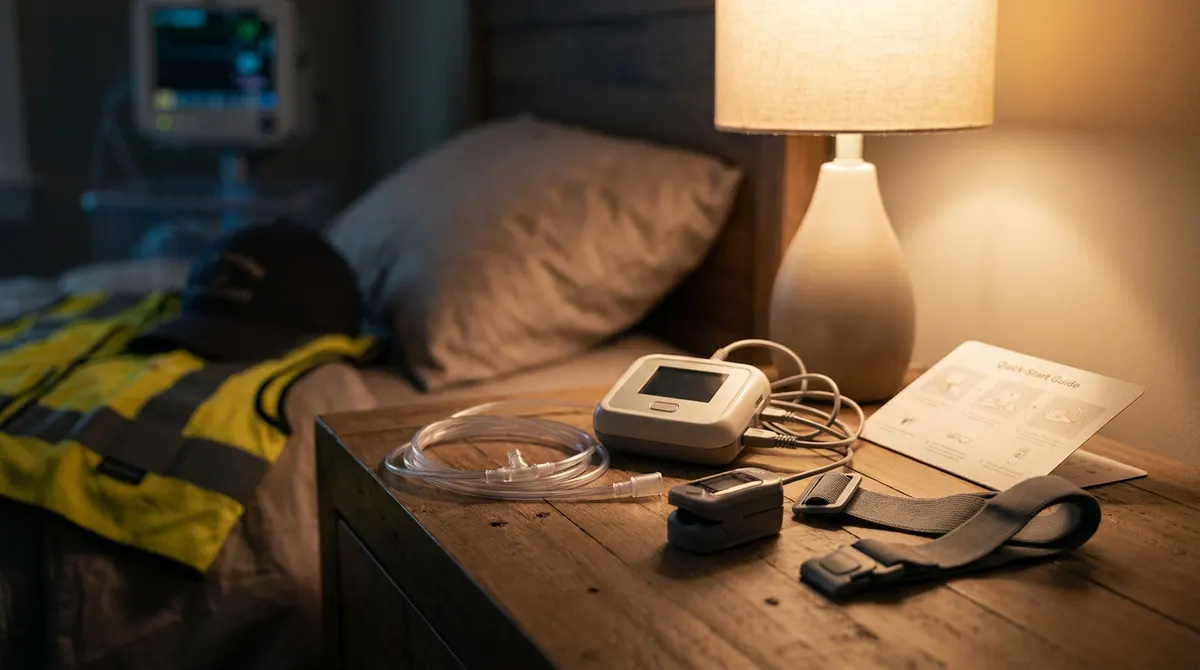
Disadvantages of home sleep testing include limited diagnostic scope, fewer monitored physiological channels, potential for sensor errors, and the absence of real-time clinical supervision. According to the American Academy of Sleep Medicine, home sleep apnea tests are validated primarily for obstructive sleep apnea in uncomplicated adult patients, which means they fall short for many other sleep disorders. This article is for commercial drivers, CDL holders, patients considering at-home sleep studies, and healthcare providers evaluating testing pathways. It covers what home sleep testing can and cannot detect, how accuracy compares to in-lab polysomnography, who should avoid HSAT entirely, and when the convenience tradeoff is worth accepting. Understanding these limitations before you order a test can prevent misdiagnosis, wasted time, and delayed treatment.
Quick Answer
Disadvantages of home sleep testing include limited data channels that cannot measure brain waves or leg movements, higher risk of user error from self-applied sensors, inability to diagnose central sleep apnea or narcolepsy, and no real-time technologist oversight. Home sleep tests work best for straightforward obstructive sleep apnea screening in otherwise healthy adults. Patients with heart failure, chronic lung disease, or neurological disorders typically need in-lab polysomnography. dumbo.health provides physician-reviewed home sleep testing with dedicated care team support to reduce common HSAT pitfalls.
Key Takeaways
- Home sleep apnea tests monitor 4 to 7 channels compared to 16 or more channels in a lab sleep study, limiting what they can detect
- HSAT cannot measure brain waves, sleep stages, or periodic limb movements of sleep, which means conditions like narcolepsy, insomnia, and restless leg syndrome go undetected
- The American Academy of Sleep Medicine recommends HSAT only for patients with a high pretest probability of moderate to severe obstructive sleep apnea without significant comorbidities
- User error including incorrect sensor placement and dislodged equipment contributes to data loss rates of up to 15 to 20 percent in some studies
- dumbo.health offers a $149 home sleep test with physician interpretation starting at $59 per month, reducing barriers for patients who are appropriate HSAT candidates
- A negative or inconclusive home sleep test does not rule out sleep apnea and typically requires follow-up with in-lab testing
What Home Sleep Testing Actually Measures and What It Misses
A home sleep apnea test measures a narrow set of respiratory and cardiovascular signals. It does not replicate the full diagnostic capability of polysomnography.
Channels Monitored During HSAT
Most portable monitoring devices record between 4 and 7 physiological parameters. The typical home sleep test measures airflow through a nasal cannula, oxygen saturation via an oximeter finger probe, heart rate, breathing effort using a chest or abdominal belt, and body position. Some devices like the WatchPAT ONE use peripheral arterial tonometry to estimate sleep stages indirectly, but this approach provides less granularity than direct brain wave measurement.
What HSAT Cannot Detect
The fundamental limitation is the absence of electroencephalography. Without EEG, a home sleep study cannot measure brain waves, identify sleep stages with precision, calculate accurate total sleep time, or detect sleep fragmentation caused by arousals. The National Heart, Lung, and Blood Institute explains that sleep staging is essential for diagnosing conditions beyond obstructive sleep apnea, including narcolepsy, REM sleep behavior disorder, sleepwalking, and periodic limb movements of sleep.
home sleep testing also cannot detect central sleep apnea reliably because most portable monitoring devices lack the respiratory effort signals needed to differentiate central from obstructive apnea events. Patients with heart failure, chronic lung disease, or neurological disorders require monitoring of brain activity and detailed respiratory parameters that only a lab sleep study provides.
Comparison: HSAT vs. In-Lab Polysomnography
Here is how the two testing modalities compare across key diagnostic attributes.
Channels Monitored
- home sleep apnea test: 4 to 7 channels including airflow, oxygen, heart rate, effort, and position
- polysomnography: 16 or more channels including EEG, EMG, EOG, ECG, airflow, oxygen, effort, position, and leg movements
Sleep Staging
- Home Sleep Apnea Test: Estimated indirectly or not measured at all
- polysomnography: Directly measured through brain wave analysis
Conditions Diagnosed
- Home Sleep Apnea Test: Primarily obstructive sleep apnea
- polysomnography: Obstructive sleep apnea, central sleep apnea, narcolepsy, REM sleep behavior disorder, periodic limb movements of sleep, insomnia, and other sleep disorders
Supervision
- Home Sleep Apnea Test: No real-time oversight from a sleep technologist
- polysomnography: Continuous monitoring by a sleep technician throughout the night
Typical Cost
- Home Sleep Apnea Test: $149 to $500 without insurance
- Polysomnography: $1,000 to $3,000 or more depending on location and insurance coverage
Turnaround for Results
- Home Sleep Apnea Test: Typically 3 to 7 business days for physician interpretation
- polysomnography: Typically 1 to 3 weeks depending on the sleep center
For patients with a straightforward clinical picture of obstructive sleep apnea and no significant comorbidities, HSAT provides a practical first step. For complex presentations, in-lab polysomnography remains the diagnostic standard.
KEY TAKEAWAY: home sleep testing monitors fewer channels than polysomnography and cannot detect brain waves, sleep stages, or conditions beyond obstructive sleep apnea, making it unsuitable as a standalone diagnostic tool for complex sleep disorders.
Understanding what the test measures helps clarify who should and should not use it, which is the next critical consideration.
Who Should Not Use a Home Sleep Test
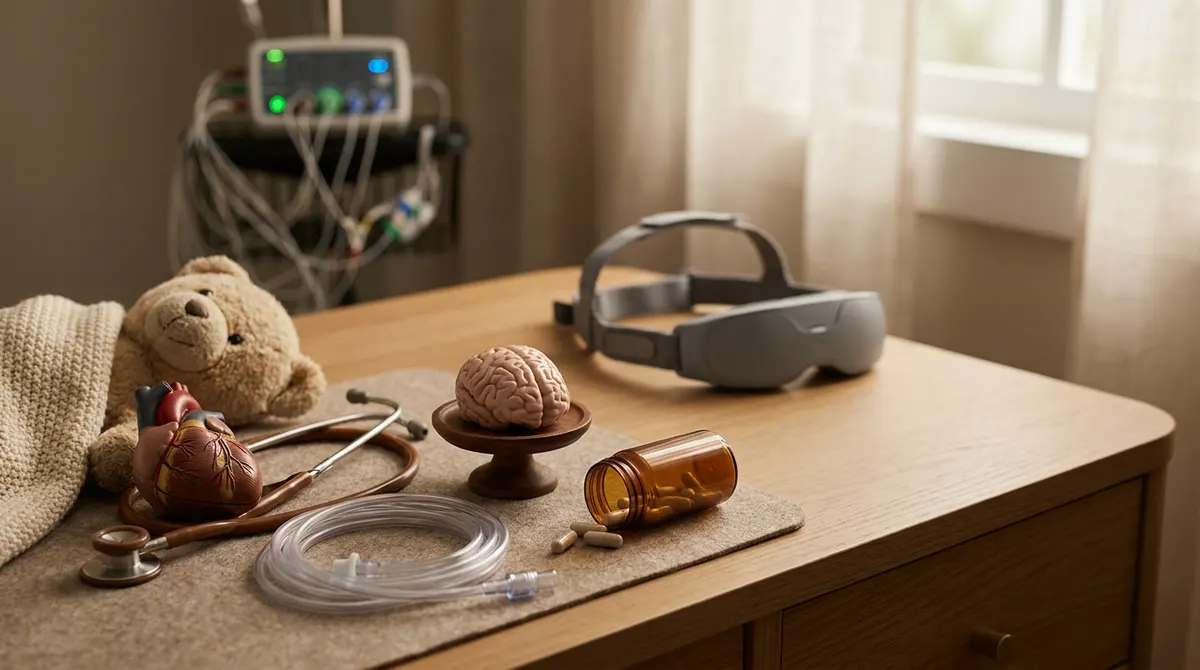
HSAT is not appropriate for every patient suspected of having a sleep disorder. The American Academy of Sleep Medicine has published specific exclusion criteria that physicians and sleep specialists use to determine testing eligibility.
Clinical Exclusions for HSAT
Patients with the following conditions or characteristics should generally be directed to in-lab sleep studies rather than home sleep apnea testing:
- Significant heart failure or heart and pulmonary disease
- Chronic lung disease including COPD requiring supplemental oxygen
- Neurological disorders such as stroke, neuromuscular disease, or advanced Parkinson disease
- Suspected central sleep apnea based on clinical history or witnessed apneas with a pattern inconsistent with obstruction
- Suspected narcolepsy, which requires a multiple sleep latency test performed in a sleep lab
- REM sleep behavior disorder, sleepwalking, or other parasomnias
- Severe insomnia that may produce insufficient sleep data during a single test night
- Patients already using positive airway pressure therapy who need retitration
- Patients on chronic opioid medication, which increases central apnea events
The Mayo Clinic notes that patients with moderate to severe cardiopulmonary disease may experience oxygen desaturation events during testing that require real-time intervention by a sleep technologist. Without this supervision, safety concerns arise alongside diagnostic limitations.
Pediatric and Adolescent Patients
Home sleep testing has not been validated for use in children. The American Academy of Sleep Medicine recommends nocturnal polysomnography as the standard for pediatric sleep apnea diagnosis because children present different respiratory patterns and arousal thresholds than adults.
Why Comorbidities Change the Testing Equation
When a patient has both obstructive sleep apnea and a coexisting condition like heart failure, the apnea-hypopnea index alone does not capture the clinical picture. Sleep-disordered breathing in patients with cardiovascular risk often involves a mix of obstructive and central apnea events, Cheyne-Stokes respiration, and oxygen desaturation patterns that require the full channel set of polysomnography to characterize. Portable monitoring devices simply lack the resolution to differentiate these patterns.
IMPORTANT: If you have been diagnosed with heart failure, chronic lung disease, or a neurological condition, discuss with your provider whether in-lab testing is more appropriate before ordering a home sleep test.
KEY TAKEAWAY: home sleep testing is clinically contraindicated for patients with significant cardiopulmonary disease, neurological disorders, suspected central sleep apnea, or conditions requiring a multiple sleep latency test.
Beyond clinical exclusions, the accuracy of home sleep testing introduces another layer of concern that directly affects diagnosis quality.
Accuracy Limitations and the Risk of False Results
Home sleep tests tend to underestimate the severity of obstructive sleep apnea. This is a well-documented limitation that affects treatment decisions and certification outcomes for commercial drivers.
Why HSAT Underestimates Apnea Severity
The apnea-hypopnea index is the primary metric used to classify sleep apnea severity. In-lab polysomnography calculates the AHI by dividing the total number of apnea and hypopnea events by total sleep time measured through EEG. Home sleep tests, however, cannot measure total sleep time directly. Instead, most portable monitoring devices use total recording time as the denominator, which includes any periods the patient was awake but still wearing the device.
This difference matters. If a patient lies awake for two hours before falling asleep, those two hours dilute the respiratory event index, producing a lower severity score than the patient actually has. According to the Sleep Foundation, this underestimation can shift a patient from a moderate to a mild classification, potentially affecting treatment eligibility, insurance coverage for CPAP therapy, and DOT certification decisions.
False Negatives in Home Sleep Testing
A false negative occurs when the test suggests no significant sleep apnea despite the patient actually having the condition. Published data indicate that HSAT produces false-negative rates that vary by device and population but can range from 10 to 17 percent in some clinical evaluations. The American Academy of Sleep Medicine recommends that any negative or inconclusive HSAT result in a patient with high clinical suspicion should be followed by in-lab polysomnography.
This is particularly relevant for CDL holders and commercial drivers undergoing sleep apnea testing as part of a DOT physical. A falsely normal result could delay necessary treatment and create safety risks on the road. The FMCSA does not mandate a specific testing modality, but medical examiners must ensure that the diagnostic process is thorough enough to make a sound certification decision.
Data Loss From Equipment Issues
Artifacts, which are signal disruptions caused by loose sensors, body movement, or device malfunction, represent another accuracy threat. In a sleep lab, a sleep technologist monitors the study in real time and can reattach sensors, adjust the nasal cannula, or reposition chest sensors immediately. At home, no such intervention occurs.
Studies have reported data loss rates of 15 to 20 percent in home sleep testing due to sensor displacement, user error, or technical failures. When significant portions of the recording are unusable, the test may need to be repeated, adding cost and delay.
DID YOU KNOW: According to the American Academy of Sleep Medicine, HSAT may underestimate the apnea-hypopnea index by using recording time instead of true sleep time, which can shift severity classification downward by one full category.
KEY TAKEAWAY: home sleep testing tends to underestimate apnea severity because it cannot measure true total sleep time, and data loss from sensor displacement or artifacts can further compromise accuracy.
These accuracy concerns connect directly to the practical challenges patients face when performing the test at home without clinical guidance.
User Error and Equipment Challenges
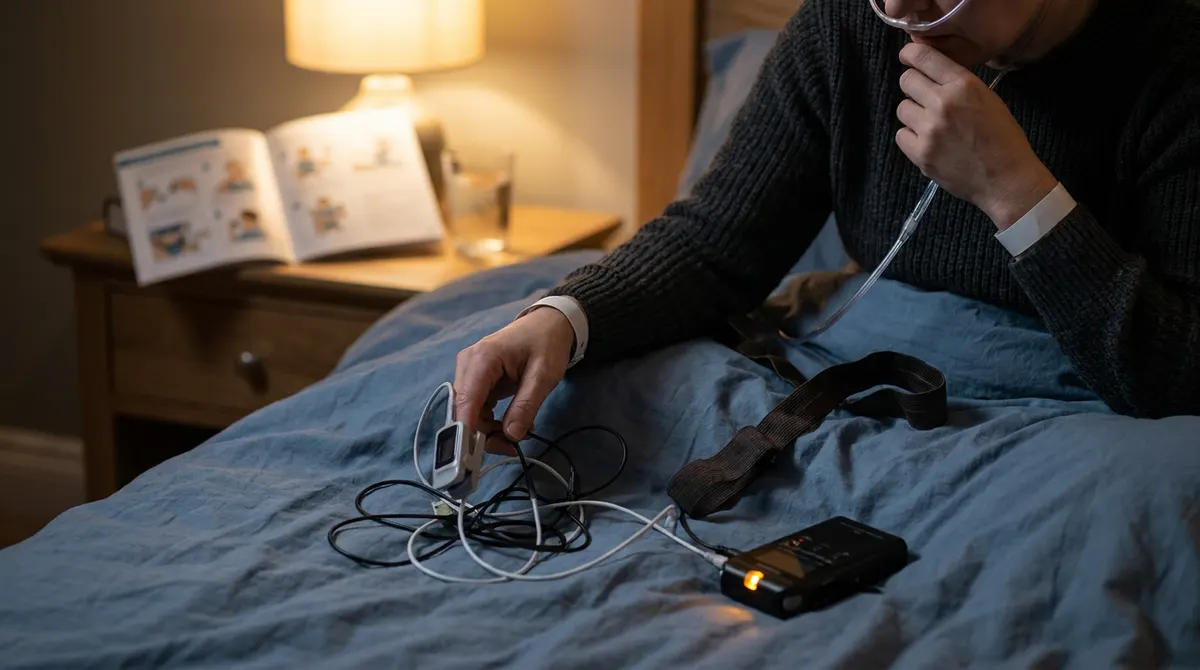
Self-administered testing introduces a category of problems that do not exist in supervised lab studies. User error is one of the most frequently cited disadvantages of home sleep testing in clinical literature.
Common Equipment Mistakes
When patients receive a portable monitoring device, they are typically given written or video instructions for sensor placement. The accuracy of the test depends on correct application of each component. Common errors include:
- Placing the oximeter finger probe on the wrong finger or too loosely, producing unreliable oxygen saturation readings
- Failing to position the nasal cannula correctly, which compromises airflow measurement
- Wearing the chest belt too loosely or too high, resulting in inaccurate breathing effort data
- Accidentally disconnecting sensors during sleep by rolling over or adjusting bedding
- Turning off the device prematurely or failing to start recording at the right time
The WatchPAT ONE, a single-use device worn on the wrist, reduces some of these issues by consolidating sensors into one unit, but it still requires correct finger probe attachment and relies on the patient following instructions precisely.
The Absence of a Sleep Technologist
In a sleep lab, the sleep technologist watches the data feed in real time. If a sensor falls off at 2 AM, the technician walks in and reattaches it. If the patient rolls into a position that compresses the nasal cannula, the technician adjusts it. This level of oversight is simply absent during home sleep testing.
Clinicians frequently observe that patients who are unfamiliar with medical testing equipment, who have limited dexterity, or who sleep restlessly are more likely to produce unusable data from a home study. A repeat test means additional cost and delay in reaching a diagnosis.
How dumbo.health Reduces Equipment Errors
dumbo.health addresses common HSAT equipment challenges by including clear setup guidance with every home sleep test kit and providing access to a care team that can answer questions before the test night. While no home test can replicate the real-time intervention of a sleep technologist, having a responsive support team reduces the likelihood of preventable errors. The $149 one-time cost covers the device and one night of testing, and physician interpretation is available through the Essentials plan at $59 per month.
KEY TAKEAWAY: User error from self-applied sensors and the absence of real-time technologist oversight are significant disadvantages of home sleep testing that can lead to data loss and the need for repeat studies.
Equipment challenges are one side of the coin. The testing environment itself introduces variables that labs are specifically designed to control.
How the Home Sleep Environment Affects Results
Sleeping in your own bed sounds more comfortable, but the uncontrolled home sleep environment introduces variables that can compromise test quality.
Environmental Factors That Influence Data
A sleep lab is engineered to minimize external disruptions. Room temperature is regulated, ambient noise is controlled, and the bedding and sleep position are standardized to the extent possible. At home, none of these factors are guaranteed.
Noise from household members, pets, street traffic, or electronic devices can cause arousals that fragment sleep and alter respiratory patterns. Temperature fluctuations may cause restlessness that increases sensor displacement. Alcohol or caffeine consumption before bed, which patients are instructed to avoid but may not, can change breathing effort and oxygen levels in ways that skew sleep results.
The Single-Night Problem
Most home sleep tests capture only one night of data. Sleep quality varies significantly from night to night, and one night may not represent a patient's typical breathing pattern. If the test night coincides with unusually poor sleep due to stress, illness, noise, or discomfort, the results may not reflect the patient's baseline.
In-lab sleep studies can include split-night tests where the first half of the night is diagnostic and the second half involves CPAP titration. Full-night tests with repeat studies are also possible. Home testing protocols generally offer only a single night snapshot, and the self-reported sleep duration patients provide may not match their actual sleep time.
Work Schedule and Shift Workers
Commercial drivers and shift workers face a specific challenge. Their work schedule may not align with a traditional nighttime sleep window, and testing during a shifted sleep period can produce different respiratory data than testing during a conventional night. The FMCSA does not specify when the test must be conducted, but physicians interpreting the results need to understand the context of the sleep environment.
TIP: If you work irregular hours, let your provider and care team know before your test night so results can be interpreted with your actual sleep schedule in mind.
KEY TAKEAWAY: The uncontrolled home sleep environment, combined with single-night testing limitations, can introduce variables that affect data quality and may not capture a representative night of sleep.
Beyond environmental factors, insurance and access barriers create additional challenges that determine whether home testing is even a viable option for many patients.
Insurance, Cost, and Access Barriers
home sleep testing is generally less expensive than polysomnography, but insurance coverage and access logistics create real-world complications.
Insurance Coverage Variability
Insurance companies vary widely in their coverage policies for home sleep apnea testing. Some require a physician referral and prior authorization before covering an HSAT. Others cover in-lab polysomnography only if a home test is inconclusive. Medicare covers home sleep tests under specific conditions, including a clinical evaluation by a physician that documents signs and symptoms of obstructive sleep apnea. However, Medicare has specific device and documentation requirements that not all portable monitoring devices meet.
Patients often discover mid-process that their insurance coverage does not apply to the specific device their provider uses, or that the sleep center near them does not participate in their network. These surprises add cost and frustration.
The Cash-Pay Alternative
For patients paying out of pocket, home sleep testing is significantly more affordable than lab studies. A typical in-lab polysomnography can cost $1,000 to $3,000 or more without insurance, while home sleep tests range from $149 to $500. dumbo.health offers a home sleep test for $149 as a one-time, upfront cost with no insurance required, no prior authorizations, and no surprise bills. This cash-pay model eliminates the coverage uncertainty that delays testing for many patients.
Geographic Access and Wait Times
Access to in-lab sleep studies depends on proximity to a sleep lab or sleep center. Patients in rural areas may face limited locations, long drive times for transportation to a facility, and wait times of weeks to months for an available appointment. home sleep testing addresses the geographic barrier by delivering the test device to the patient, but it does not solve every access problem. Patients who are not appropriate HSAT candidates still need to reach a lab.
For patients who are appropriate candidates, dumbo.health ships the test device directly. Monthly plans starting at $59 per month cover physician interpretation, and no contracts are required. This approach removes the insurance, location, and scheduling barriers that delay diagnosis for many people in your area.
KEY TAKEAWAY: Insurance variability, geographic access limitations, and wait times for lab appointments create real barriers that home sleep testing can address for appropriate candidates, though cash-pay options like dumbo.health eliminate insurance uncertainty entirely.
Understanding the cost and access landscape is important, but it also helps to see how these disadvantages play out in real clinical scenarios.
Real-World Scenarios Where Home Sleep Testing Falls Short
Abstract limitations become concrete when applied to specific patient situations. The following scenarios illustrate common situations where HSAT disadvantages directly affect patient outcomes.
Common Scenarios
A 48-year-old long-haul truck driver with a BMI of 38 is flagged during a DOT physical for possible obstructive sleep apnea based on neck circumference, snoring history, and witnessed apneas reported by a spouse. He orders a home sleep test to save time and money. During the test night, the nasal cannula shifts while he sleeps on his side, and two hours of airflow data are lost. His respiratory event index comes back in the mild range. His physician, suspecting the result underestimates his true severity, orders a follow-up in-lab polysomnography, which reveals moderate to severe OSA with an apnea-hypopnea index of 28. The initial home test delayed his diagnosis by three weeks and cost him an additional test fee.
A 55-year-old owner-operator with a history of congestive heart failure and daytime sleepiness completes an HSAT at the recommendation of a walk-in clinic. The portable monitoring device cannot differentiate between his obstructive and central apnea events. His results suggest mild sleep-disordered breathing, but a subsequent lab sleep study identifies a significant central sleep apnea component linked to his heart failure. This patient should have been directed to polysomnography from the start based on his cardiac history, but the absence of a sleep specialist in the initial referral pathway led to an inappropriate test selection.
A 34-year-old night-shift warehouse worker with severe insomnia and restless leg syndrome completes a home sleep study. The test shows no significant obstructive sleep apnea. However, the device did not monitor leg movements, brain waves, or sleep stages, so it could not detect the periodic limb movements of sleep or the sleep fragmentation caused by her insomnia. She spends months believing her sleep issues are not clinically significant before eventually seeing a sleep medicine provider who orders a comprehensive lab study revealing both conditions.
What These Scenarios Reveal
Each scenario highlights a different disadvantage of home sleep testing. The truck driver's case demonstrates how user error and single-night data loss produce misleading results. The heart failure patient illustrates why clinical exclusions exist and why comorbidities demand polysomnography. The night-shift worker shows how the limited diagnostic scope of HSAT leaves non-OSA sleep disorders undetected.
These are not edge cases. They represent patterns that sleep specialists and physicians encounter regularly. The common thread is that home sleep testing works well for straightforward obstructive sleep apnea in otherwise healthy patients, and its disadvantages become clinically significant when the patient profile deviates from that narrow indication.
For the truck driver in the first scenario, a provider like dumbo.health, which includes physician interpretation and follow-up through its sleep apnea care plans, can help identify when an initial result looks inconsistent with the clinical picture and recommend next steps before the patient loses additional weeks.
KEY TAKEAWAY: home sleep testing disadvantages are most consequential when patients have comorbidities, equipment issues, or conditions outside the diagnostic scope of portable monitoring, and appropriate clinical oversight can catch these problems early.
With real scenarios in mind, it helps to separate commonly held beliefs from clinical facts.
Common Myths About Home Sleep Testing Debunked
MYTH: A normal home sleep test result means you do not have sleep apnea.
FACT: A normal or negative HSAT result does not rule out obstructive sleep apnea. The American Academy of Sleep Medicine recommends that patients with a negative home test but persistent symptoms or high clinical suspicion undergo in-lab polysomnography. False-negative rates for HSAT can reach 10 to 17 percent depending on the device and patient population. A single-night test in an uncontrolled environment may simply fail to capture a representative sleep period.
MYTH: Home sleep tests measure everything a lab sleep study measures.
FACT: Polysomnography monitors 16 or more physiological channels including brain waves via EEG, muscle movement via EMG, eye movement via EOG, and detailed cardiac activity via ECG. Home sleep tests monitor 4 to 7 channels and cannot detect sleep stages, periodic limb movements of sleep, REM sleep behavior disorder, central sleep apnea, or narcolepsy. The tests are fundamentally different in scope.
MYTH: home sleep testing is always less accurate than lab testing.
FACT: For uncomplicated obstructive sleep apnea in adult patients without significant comorbidities, validated HSAT devices produce clinically acceptable sensitivity and specificity. The National Heart, Lung, and Blood Institute recognizes home sleep testing as appropriate for this specific population. Accuracy problems arise primarily when the test is used outside its validated indication or when user error compromises data quality.
MYTH: You do not need a physician to interpret a home sleep test.
FACT: A home sleep test device collects raw patient data. That data must be scored and interpreted by a qualified physician, typically a sleep specialist or a provider trained in sleep medicine. Without physician interpretation, the numbers on a report have no clinical meaning. dumbo.health includes physician interpretation as part of its monthly plans, ensuring that every test result is reviewed by a qualified clinician before any treatment recommendation is made.
MYTH: Insurance always covers home sleep testing.
FACT: Insurance coverage for HSAT varies significantly by plan, carrier, and state. Medicare covers home sleep tests under specific conditions but requires documentation of clinical evaluation. Some insurance companies require prior authorization, and others will not cover the specific device your provider uses. Cash-pay options, such as dumbo.health's $149 home sleep test, eliminate insurance uncertainty entirely.
KEY TAKEAWAY: Many common beliefs about home sleep testing are inaccurate, and understanding the clinical facts helps patients and providers make better testing decisions.
Now that myths are clarified, here is a practical framework for deciding whether home testing is the right path.
How to Decide If a Home Sleep Test Is Right for You
The right testing path depends on your symptoms, medical history, and what your provider suspects. Home sleep testing is a valid option for some patients and the wrong choice for others.
Eligibility Checklist for Home Sleep Testing
Before ordering a home sleep test, confirm the following criteria:
- You are an adult (18 years or older)
- Your provider suspects moderate to severe obstructive sleep apnea based on clinical evaluation
- You do not have a diagnosis of heart failure, chronic lung disease, or neuromuscular disease
- You are not currently using positive airway pressure therapy or chronic opioid medication
- You do not have symptoms suggesting central sleep apnea, narcolepsy, or parasomnia
- You are capable of applying sensors and operating a portable device independently or with household assistance
- You sleep in a reasonably stable environment without extreme noise, temperature, or disruption
- You understand that a negative result may still require follow-up in-lab testing
- Your provider or sleep specialist has assessed your clinical history and determined HSAT is appropriate
- You have confirmed whether your insurance covers the specific device being used, or you have a cash-pay option available
If you meet these criteria, a home sleep test offers a faster, less expensive starting point. dumbo.health's free sleep assessment can help you determine whether you are a suitable candidate before committing to a test.
Step-by-Step Process: Getting Started With Home Sleep Testing Through dumbo.health
1. Complete the free online sleep assessment at dumbo.health to evaluate your symptoms and risk factors.
2. A physician reviews your assessment and determines whether home sleep apnea testing is clinically appropriate for your profile.
3. Order your home sleep test through dumbo.health for $149, which covers the at-home device and one night of testing.
4. Receive the device by mail, review the setup instructions, and complete the test in your own bed on a typical sleep night.
5. Return the device using the prepaid shipping materials provided.
6. A qualified physician interprets your results and generates a diagnostic report.
7. If obstructive sleep apnea is confirmed, choose a monthly care plan starting at $59 per month for CPAP therapy, equipment, and follow-up.
After completing these steps, your results and treatment plan are shared with your referring provider. No contracts are required, and plans can be cancelled anytime.
KEY TAKEAWAY: A structured eligibility check and a clear testing process help ensure that home sleep testing is used appropriately, and services like dumbo.health streamline the pathway from assessment to diagnosis to treatment.
For patients who do not meet HSAT eligibility or whose results are inconclusive, understanding the alternatives is essential.
When In-Lab Testing Is the Better Choice
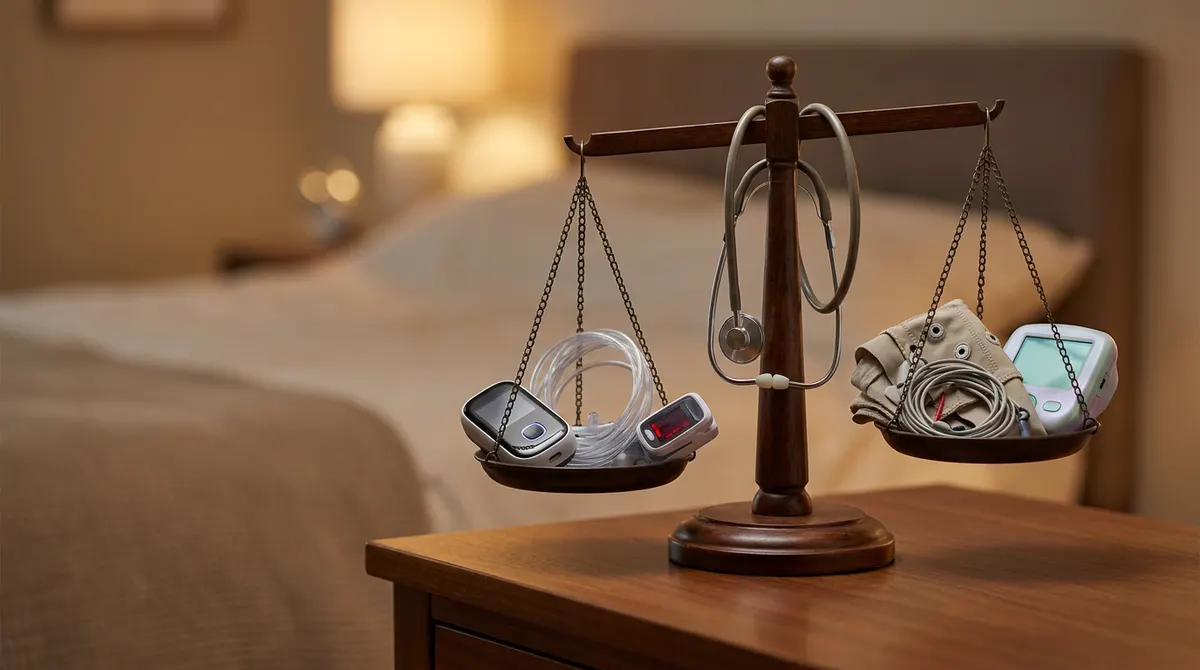
In-lab polysomnography remains the gold standard for comprehensive sleep diagnosis. Certain clinical situations make lab testing not just preferable but necessary.
Conditions Requiring Polysomnography
Central sleep apnea cannot be reliably diagnosed by portable monitoring devices. Patients with heart failure and Cheyne-Stokes respiration need the detailed respiratory effort signals and brain activity monitoring that only a full lab study provides. The American Sleep Apnea Association notes that central sleep apnea affects an estimated 5 to 10 percent of patients with chronic heart failure, and misclassifying these events as obstructive can lead to inappropriate treatment with standard CPAP therapy when adaptive servo-ventilation or bilevel positive airway pressure may be indicated.
Narcolepsy diagnosis requires a multiple sleep latency test, which must be performed in a sleep lab following a night of in-lab polysomnography. REM sleep behavior disorder requires EEG and EMG monitoring during REM sleep to confirm the diagnosis. Periodic limb movements of sleep are measured by leg EMG leads that are not included in standard home sleep test equipment.
Split-Night Studies and Titration
A split-night test, where the first portion of the night is diagnostic and the second portion is used for CPAP titration, is only available in a lab setting. This approach can compress the diagnostic and treatment initiation process into a single night, which is especially valuable for patients with severe obstructive sleep apnea who need rapid treatment initiation.
Access Challenges for Lab Testing
The primary barriers to in-lab testing are cost, availability, and convenience. Lab studies require scheduling, transportation to a sleep center, spending an overnight away from home, and waiting for results. For patients in areas with limited sleep lab locations, wait times can extend to several weeks. These barriers explain why home sleep testing has become the first-line approach for many patients despite its disadvantages.
When in-lab testing is necessary but access is difficult, working with a provider who can coordinate the referral, handle follow-up, and initiate treatment promptly is critical. dumbo.health does not replace in-lab polysomnography when it is clinically needed, but for patients whose HSAT results require follow-up action, dumbo.health's care team provides CPAP therapy and ongoing adherence support without insurance delays.
KEY TAKEAWAY: In-lab polysomnography is the necessary choice for central sleep apnea, narcolepsy, parasomnias, and complex cardiopulmonary presentations where home testing cannot provide sufficient diagnostic data.
With a clear picture of when each testing modality is appropriate, here is a summary of the specific limitations patients should weigh before choosing.
Summary of Key Limitations and Risks
Home sleep testing has real clinical value for the right patient, but dismissing its limitations leads to diagnostic errors, delayed treatment, and unnecessary cost.
Specific Limitations Patients Should Understand
No brain wave monitoring means no accurate sleep staging, no detection of arousals, and no measurement of true total sleep time. This single limitation cascades into multiple diagnostic blind spots.
No leg EMG means periodic limb movements of sleep cannot be identified. This condition affects an estimated 4 to 11 percent of the general adult population according to the Sleep Foundation, and prevalence increases with age.
The reliance on self-reported sleep duration introduces subjectivity into what should be an objective measurement. Patients consistently overestimate or underestimate how long they actually slept, and this discrepancy can affect how physicians interpret the respiratory event index.
Single-night testing captures a snapshot, not a pattern. Night-to-night variability in sleep apnea severity is well documented, and one night of mild results does not exclude moderate to severe disease on subsequent nights.
Risks of Using HSAT Inappropriately
The primary risk is underdiagnosis. A patient with genuine moderate to severe obstructive sleep apnea who receives a mild result based on diluted recording time data may not receive CPAP therapy when it is needed. For commercial drivers, this can affect DOT medical certification and road safety. According to the NHTSA, drowsy driving is a contributing factor in an estimated 100,000 police-reported crashes annually in the United States, and untreated sleep apnea is a recognized risk factor for drowsy driving.
How Physician Oversight Mitigates Risk
The disadvantages of home sleep testing are most dangerous when the test is administered without adequate clinical context. A qualified physician who reviews the patient's history, evaluates the results in context, and orders follow-up testing when indicated can catch the gaps that the technology leaves. dumbo.health's Premium plan at $89 per month includes dedicated sleep coach support and advanced adherence monitoring, adding a clinical safety layer that reduces the risk of missed diagnoses progressing to untreated disease.
Home sleep testing is a screening tool, not a definitive diagnostic endpoint. Treating it as the final word on a patient's sleep health ignores the well-established limitations of portable monitoring.
KEY TAKEAWAY: The most significant risks of home sleep testing arise from underdiagnosis due to limited channels, single-night variability, and the absence of real-time clinical oversight, all of which can be mitigated by physician review and appropriate follow-up protocols.
Conclusion
Disadvantages of home sleep testing are real and clinically meaningful, but they do not make the test worthless. They make appropriate patient selection, proper equipment use, and qualified physician interpretation essential. Home sleep apnea tests serve their purpose for straightforward obstructive sleep apnea screening in otherwise healthy adults. For everything else, in-lab polysomnography remains necessary.
If you are considering a home sleep test, start with a clinical assessment to confirm you are an appropriate candidate. dumbo.health offers a free sleep assessment to help you determine your next step, with a $149 home sleep test, physician-reviewed results, and CPAP therapy plans starting at $59 per month with no contracts and no insurance required. Understanding the limitations before you test is the most important step toward getting an accurate diagnosis.
Frequently Asked Questions About the Disadvantages of Home Sleep Testing
What is a home sleep apnea test, and how does it work?
A home sleep apnea test (HSAT) is a portable monitoring device used to detect signs of obstructive sleep apnea while you sleep in your own home. The device typically measures oxygen saturation, heart rate, airflow through a nasal cannula, and respiratory effort using chest sensors or a belt. Some devices also track sleep position. You wear the equipment overnight and return or mail back the device, after which a physician reviews the recorded data and prepares an interpretation report. Home sleep testing is simpler and less expensive than an in-lab sleep study, but it measures fewer parameters.
What are the main disadvantages of home sleep testing?
The primary disadvantages of home sleep testing include a reduced number of measured parameters, no sleep staging, no brain wave recording, and a higher risk of user error. Because an HSAT does not measure brain activity, it cannot confirm actual sleep time, which means the apnea-hypopnea index may be underestimated or overestimated. There is no sleep technologist present to adjust sensors, troubleshoot equipment, or correct poor signal quality. Artifacts from sensor displacement, loose leads, or restless movement can affect data quality. These limitations mean some patients receive inconclusive results and require a follow-up in-lab sleep study.
How accurate are home sleep apnea tests compared to in-lab polysomnography?
Home sleep apnea tests are reasonably accurate for detecting moderate to severe obstructive sleep apnea in otherwise healthy adults, but they are less comprehensive than in-lab polysomnography. The American Academy of Sleep Medicine notes that HSATs are validated for use in patients with a high clinical suspicion of obstructive sleep apnea and no significant comorbidities. Because home tests estimate the respiratory event index based on recording time rather than confirmed sleep time, they may underreport the true apnea-hypopnea index. For patients with complex medical histories or suspected non-respiratory sleep disorders, in-lab testing typically provides more reliable results.
What does a home sleep test measure, and what does it miss?
A home sleep test typically measures airflow, blood oxygen levels, respiratory effort, heart rate, and sleep position. Some devices such as WatchPAT also use peripheral arterial tonometry to estimate sleep stages. What home sleep testing does not capture includes brain waves, muscle movement, detailed sleep staging, and the precise total sleep time a sleep technologist would record in a laboratory. Because brain activity is not measured, the device cannot distinguish clearly between light sleep, deep sleep, and REM sleep. This means conditions such as insomnia, narcolepsy, REM sleep behavior disorder, restless leg syndrome, and periodic limb movements of sleep cannot be reliably diagnosed using a home sleep test.
Who should not use a home sleep apnea test?
Home sleep testing is not appropriate for everyone. According to the American Academy of Sleep Medicine, patients who should generally avoid home sleep testing include those with moderate to severe heart failure, chronic lung disease, neuromuscular disease, or other significant cardiopulmonary conditions. Home sleep tests are also not appropriate for patients with suspected central sleep apnea, those with complex comorbidities, patients being evaluated for conditions other than obstructive sleep apnea, or individuals with a high likelihood of non-respiratory sleep disorders such as narcolepsy, insomnia, sleepwalking, or periodic limb movements of sleep. A healthcare professional can determine whether home testing or in-lab testing is more appropriate for your situation.
What sleep disorders can a home sleep test detect?
Home sleep testing is designed primarily to detect obstructive sleep apnea. It is not validated for diagnosing insomnia, narcolepsy, REM sleep behavior disorder, restless leg syndrome, periodic limb movements of sleep, sleepwalking, or most neurological sleep disorders. These conditions require in-lab polysomnography, which captures brain activity, muscle movement, detailed sleep staging, and other parameters that portable monitoring devices do not record. If your symptoms suggest a sleep disorder beyond obstructive sleep apnea, a sleep specialist or sleep medicine provider should evaluate whether an in-lab sleep study is the more appropriate diagnostic option.
What is in-lab polysomnography, and how does it differ from a home sleep test?
In-lab polysomnography, also called a nocturnal polysomnography or lab sleep study, is a comprehensive overnight sleep test conducted in a sleep center or sleep lab under the supervision of a sleep technologist. It measures brain waves, eye movements, muscle movement, heart rate, oxygen saturation, airflow, and respiratory effort simultaneously. Unlike a home sleep test, polysomnography can diagnose a wide range of sleep disorders, confirm total sleep time with precision, and capture data across all sleep stages including REM sleep. A sleep technologist monitors the recording in real time and can correct sensor placement, adjust equipment, and perform split-night tests or multiple sleep latency tests if clinically indicated.
When is an in-lab sleep study a better choice than a home sleep test?
An in-lab sleep study is generally the better choice when a patient has comorbid conditions such as heart failure, chronic lung disease, or neuromuscular disease; when home sleep test results are inconclusive; when central sleep apnea or complex sleep-disordered breathing is suspected; when a non-respiratory sleep disorder needs evaluation; or when prior home sleep testing has failed to produce reliable data. A sleep medicine provider or sleep specialist can review your symptoms, health history, and risk factors to determine whether in-lab testing is clinically indicated. In-lab testing also allows for same-night CPAP therapy titration in appropriate patients.
Can user error affect the results of a home sleep test?
Yes, user error is a recognised limitation of home sleep testing. Because no sleep technologist is present during the recording, patients are responsible for placing sensors correctly, securing the nasal cannula, attaching the chest belt, and fitting the oximeter finger probe. Sensor displacement during sleep, loose wires, incorrect placement of the nasal sensor, or device malfunction can all produce poor signal quality or data artifacts. These issues can lead to inconclusive results, requiring a repeat test or in-lab sleep study. Following the device supplier's setup instructions carefully and reviewing tutorial materials before your test night can help reduce the risk of user error.
Does a home sleep test measure total sleep time accurately?
No. One of the core technical disadvantages of home sleep testing is that most portable monitoring devices estimate total sleep time using recording time rather than confirmed sleep, because they do not measure brain activity. This means that time spent awake in bed is included in the recording window, which can dilute or underestimate the apnea-hypopnea index. The American Academy of Sleep Medicine explains that this distinction affects diagnostic accuracy, particularly for patients with mild obstructive sleep apnea or significant sleep fragmentation. In-lab polysomnography measures actual sleep time directly using brain wave recordings, which allows for a more precise apnea-hypopnea index calculation.
How much does a home sleep apnea test cost?
Home sleep apnea testing is generally less expensive than in-lab sleep studies. Costs vary depending on the provider, location, and whether insurance is used. At-home sleep tests can range from under $200 to several hundred dollars when purchased through cash-pay providers. dumbo.health offers a home sleep test at $149 as a one-time cost with transparent cash-pay pricing, no insurance required, no prior authorizations, and no surprise bills. This covers the at-home sleep test device and one night of testing. Physician interpretation and ongoing care are available separately through monthly plans starting at $59 per month.
How much does an in-lab sleep study cost compared to a home sleep test?
In-lab sleep studies are significantly more expensive than home sleep tests. Without insurance, in-lab polysomnography can cost between $1,000 and $7,000 or more depending on the sleep center, geographic location, and the complexity of the study. Home sleep apnea testing typically costs between $150 and $500 through cash-pay providers, making it a more accessible option for patients with high-deductible insurance or no insurance coverage. However, cost should not be the only factor in choosing between home and in-lab testing. A healthcare professional can help determine which type of study is clinically appropriate based on your symptoms, risk factors, and medical history.
Does insurance cover a home sleep apnea test?
Insurance coverage for home sleep apnea testing varies by plan, provider, and clinical indication. Medicare and many private insurance plans do cover home sleep tests when ordered by a qualifying physician and when clinical criteria are met, but prior authorization is often required and coverage is not guaranteed. Some patients face coverage denials, high cost-sharing, or long wait times while navigating insurance requirements. Cash-pay options such as dumbo.health offer home sleep testing at a flat rate with no insurance required, no prior authorizations, and no contracts, which can be a practical alternative for patients who want to avoid insurance delays or administrative barriers.
How soon will I get results from a home sleep test?
Results turnaround times vary by provider. After completing your test night and returning the device, the recorded data must be reviewed and interpreted by a physician or sleep medicine provider before you receive results. With some providers, this process can take several days to two weeks. Factors that affect turnaround include the provider's clinical workflow, device return logistics, and whether the recording produced sufficient data quality for interpretation. dumbo.health's Premium plan includes priority results turnaround as part of its monthly care package. A dedicated sleep coach from a licensed care team can also help guide you through the results process.
Can I order a home sleep apnea test without a doctor's referral?
In many cases, yes. Some at-home sleep test providers allow patients to initiate the process without a pre-existing referral by completing a sleep assessment or intake questionnaire that is reviewed by a physician on the platform. However, physician involvement is required for test interpretation, and a qualified healthcare professional must review the results before a diagnosis of obstructive sleep apnea can be made. dumbo.health allows patients to start with a free sleep assessment to help determine whether home sleep apnea testing may be a reasonable next step based on their symptoms and health history.
How many times can I take a home sleep apnea test?
Most patients complete one or two home sleep test nights. If the first recording produces poor data quality due to sensor displacement, user error, or insufficient recording time, a repeat test is typically recommended before results can be interpreted. In some clinical situations, a sleep physician may request a second night of recording to confirm results. There is no universal limit on the number of home sleep tests a patient can complete, but repeated inconclusive results may indicate that an in-lab sleep study is more appropriate for accurate diagnosis. A healthcare professional can advise on the right approach based on your specific circumstances.
What happens if a home sleep test result is inconclusive?
If a home sleep test produces inconclusive results, your healthcare provider may recommend repeating the home test or referring you for a full in-lab polysomnography. Inconclusive results can occur due to poor signal quality, sensor displacement, user error, or an insufficient recording window. A sleep physician will review the raw data and determine whether the recording quality is adequate for interpretation. For patients whose symptoms strongly suggest obstructive sleep apnea but whose home test is inconclusive, in-lab testing is often the next clinical step. A sleep specialist can guide this decision based on your symptoms, medical history, and risk factors.
What are the benefits of completing a home sleep apnea test?
Home sleep testing offers several practical advantages. It is significantly less expensive than in-lab polysomnography, can be completed in your own sleep environment using familiar bedding and your usual routine, does not require transportation to a sleep lab, avoids the discomfort of an unfamiliar clinical setting, and typically has shorter wait times than in-lab studies. The American Academy of Sleep Medicine supports the use of home sleep testing for adults with a high clinical probability of moderate to severe obstructive sleep apnea who do not have significant comorbidities. For many patients, a home sleep test provides sufficient diagnostic information to support a treatment decision.
Who is a good candidate for home sleep apnea testing?
Home sleep apnea testing is most appropriate for adults who have a high clinical suspicion of moderate to severe obstructive sleep apnea based on symptoms such as loud snoring, witnessed apneas, gasping during sleep, and excessive daytime sleepiness. Suitable candidates typically have no significant comorbidities such as heart failure, chronic lung disease, or neuromuscular disease, and no clinical suspicion of a non-respiratory sleep disorder. A healthcare professional can assess whether home testing is the right starting point based on your symptoms, body mass index, blood pressure history, and overall health. If you are unsure whether home testing applies to your situation, explore sleep apnea care options at dumbo.health.
Can snoring alone confirm that I have sleep apnea?
No. Snoring is a common symptom associated with obstructive sleep apnea, but snoring alone does not confirm a diagnosis. Many people snore without having clinically significant sleep apnea, and some individuals with sleep apnea may not snore noticeably. Other symptoms that may suggest obstructive sleep apnea include waking repeatedly during the night, waking with a dry mouth, sore throat, or headache, witnessed apneas reported by a bed partner, and excessive daytime sleepiness. The Mayo Clinic notes that a formal sleep study is required to diagnose sleep apnea and determine its severity. A healthcare professional can review your symptoms and advise whether testing is appropriate.
How does sleep apnea affect commercial drivers, and is home testing an option?
Obstructive sleep apnea is particularly relevant for commercial drivers because untreated sleep apnea increases the risk of drowsy driving, impaired reaction time, and motor vehicle accidents. The FMCSA does not currently mandate universal sleep apnea screening for all CDL holders, but certified medical examiners may refer drivers for sleep apnea evaluation based on symptoms, body mass index, neck circumference, and other risk factors identified during a DOT physical. Home sleep apnea testing can be a convenient and cost-effective option for commercial drivers who need evaluation. dumbo.health supports at-home sleep testing for truck drivers with transparent cash-pay pricing and physician interpretation.
What role does CPAP therapy play after a home sleep apnea test diagnosis?
If a home sleep apnea test supports a diagnosis of obstructive sleep apnea, a sleep medicine provider or physician will typically recommend treatment, which most commonly involves continuous positive airway pressure therapy, or CPAP. CPAP delivers pressurised air through a mask to keep the upper airway open during sleep, reducing apnea events and improving oxygen saturation. Treatment decisions, pressure settings, and equipment selection should be guided by a qualified healthcare professional. dumbo.health monthly plans can support CPAP therapy and equipment access alongside physician review, adherence monitoring, and follow-up care, starting at $59 per month with no contracts and no insurance required.
Why does CPAP adherence monitoring matter after sleep apnea treatment begins?
CPAP therapy is only effective when used consistently. Poor adherence, defined by the American Academy of Sleep Medicine as using CPAP for fewer than four hours per night on fewer than 70 percent of nights, is associated with persistent symptoms, ongoing cardiovascular risk, and reduced treatment benefit. Regular adherence monitoring allows a sleep medicine provider to identify compliance issues early, adjust equipment or pressure settings, and provide coaching support. For commercial drivers, CPAP adherence data may also be relevant to DOT medical certificate renewals, as a certified medical examiner may consider treatment compliance when making certification decisions. Adherence monitoring is included in all dumbo.health monthly plans.
How does sleep apnea relate to cardiovascular health?
Untreated obstructive sleep apnea is associated with elevated cardiovascular risk. The NHLBI explains that sleep apnea causes repeated drops in blood oxygen levels during sleep, which can increase blood pressure, strain the heart, and contribute to the development of hypertension, arrhythmias, and other cardiovascular conditions. This relationship is one reason why patients with suspected sleep apnea are encouraged to seek evaluation rather than delay testing. Home sleep testing can be a practical first step for otherwise healthy adults, but patients with pre-existing heart failure or significant cardiovascular disease should consult a sleep specialist before choosing a testing pathway, as in-lab polysomnography may be more appropriate.
Is a home sleep test appropriate for patients with heart failure or chronic lung disease?
No, home sleep testing is generally not recommended for patients with heart failure, chronic lung disease, or other significant cardiopulmonary conditions. These conditions increase the likelihood of central sleep apnea or complex sleep-disordered breathing, which home sleep tests are not designed to detect or diagnose. Patients with these conditions are typically referred for in-lab polysomnography, which provides more comprehensive monitoring and allows a sleep technologist to supervise the recording in real time. If you have heart failure, chronic lung disease, or another significant medical condition and are concerned about sleep apnea symptoms, speak with a healthcare professional before choosing a testing approach.
Where can I find sleep apnea testing near me?
Sleep apnea testing options are available through sleep centers, sleep labs, pulmonary and neurology clinics, and primary care providers who can refer patients for in-lab or home-based studies. Wait times and costs vary by location. For patients who want to avoid in-person visits, long wait times, or insurance complications, at-home sleep apnea testing is available through online providers. dumbo.health offers accessible home sleep apnea testing with transparent cash-pay pricing that does not require insurance, regardless of your location. A healthcare professional or sleep medicine provider in your area can advise on whether a home test or an in-lab study is the most appropriate option for your clinical situation.
Related Home Sleep Apnea Test Topics
- What Is a Home Sleep Apnea Test How At-Home Sleep Testing Works, What It Measures, and Who Needs One
- Can You Test for Sleep Apnea at Home A Complete Guide to Home Sleep Testing
- How Do You Get a Home Sleep Apnea Test The Complete Guide to At-Home Sleep Testing
- Sleep Test at Home The Complete Guide to Home Sleep Apnea Testing
- How to Get a Sleep Apnea Test at Home The Complete Guide to Home Sleep Testing
- Polysomnography at Home How Home Sleep Testing Compares to In-Lab Sleep Studies
- Home Sleep Testing Companies A Complete Guide to At-Home Sleep Apnea Diagnosis
- How Is a Home Sleep Apnea Test Done A Complete Guide to At-Home Sleep Testing
- Sleep Apnea Test at Home The Complete Guide to Home Sleep Testing for Adults
- How Does a Home Sleep Apnea Test Work A Complete Guide to At-Home Sleep Testing
- Home Sleep Test The Complete Guide to At-Home Sleep Apnea Testing
- Sleep Apnea Test The Complete Guide to Diagnosis, Home Testing, and What Your Results Mean
- Sleep Apnea Testing The Complete Guide to Diagnosis, Home Tests, and What Your Results Mean
- What Happens After a Home Sleep Apnea Test Results, Diagnosis, and Next Steps
- Sleep Test What It Measures, How It Works, and What Your Results Mean
- Home Sleep Test Cost What You Actually Pay With and Without Insurance
- Sleep Apnea Testing Near Me How to Find the Right Test, Provider, and Path to Diagnosis
- Sleep Test to CPAP How Sleep Apnea Testing Leads to Treatment
- Sleep Apnea Diagnosis How Sleep Apnea Is Detected, Tested, and Confirmed
- How to Get Tested for Sleep Apnea The Complete Guide to Diagnosis, Sleep Studies, and Treatment
- Home Sleep Apnea Test The Complete Guide to At-Home Sleep Apnea Testing
- Does Medicare Cover a Home Sleep Apnea Test What Beneficiaries Need to Know
- Can Dentists Prescribe a Home Sleep Apnea Test What You Need to Know
- How Long Does a Home Sleep Apnea Test Take What to Expect Before, During, and After Testing
- Can My Doctor Prescribe a Home Sleep Apnea Test What You Need to Know
- What Does a Home Sleep Apnea Test Consist Of Sensors, Equipment, and What to Expect
- CPAP Test at Home The Complete Guide to Home Sleep Apnea Testing and Treatment
- At-Home Sleep Apnea Test The Complete Guide to Testing, Results, and Treatment
- Can a Home Sleep Apnea Test Be Wrong Accuracy, False Negatives, and What to Do Next
- Do At-Home Sleep Apnea Tests Work Clinical Accuracy, Limitations, and What the Evidence Shows
- How Much Does a Home Sleep Apnea Test Cost Complete Pricing Breakdown for Self-Pay and Insured Patients
- What Is the Best At-Home Sleep Apnea Test A Clinical Comparison of Devices, Accuracy, and Cost
- Are Sleep Studies Covered by Insurance What You Actually Pay for Sleep Apnea Testing
- Sleep Apnea Test at Home with Insurance What Your Plan Actually Covers and How to Get Tested
- Sleep Apnea Test Near Me How to Find Local and At-Home Testing Options
- Are Home Sleep Apnea Tests Reliable Clinical Evidence, Accuracy, and What the Data Actually Shows
- Sleep Apnea Checker How to Screen for Sleep Apnea and What Your Results Mean
- Home Sleep Apnea Test Near Me How to Get Tested Without a Sleep Lab Visit
- CPAP Test What It Is, How It Works, and What Your Results Mean
- Does Insurance Cover a Home Sleep Apnea Test What You Actually Pay
- Cost of Sleep Apnea Testing What You Will Actually Pay
- Do You Need a Prescription for a Home Sleep Apnea Test
- Are Home Sleep Apnea Tests Accurate What the Evidence Actually Shows
- Does a Home Sleep Apnea Test Measure Apneas What the Device Actually Records
- HSAT The Complete Guide to Home Sleep Apnea Testing
- Does Anyone Ever Pass a Sleep Apnea Test What Normal Results Actually Look Like
- Sleep Apnea Test at Home DOT Approved Options for Commercial Drivers
- Apnea Monitor The Complete Guide to Breathing Monitors for Sleep Apnea and Infant Care
- Best At Home Sleep Apnea Test A Clinical Comparison
AI summary
Home sleep apnea testing (HSAT) is a portable sleep study used mainly to evaluate obstructive sleep apnea (OSA) in uncomplicated adults. It records limited physiologic channels, typically airflow (nasal cannula), oxygen saturation (finger oximeter), heart rate, breathing effort (chest or abdominal belt), and body position. Key limitations vs. in-lab polysomnography include fewer channels (4 to 7 vs. 16+), no EEG for brain waves and precise sleep staging, and no leg EMG for periodic limb movements of sleep. Because HSAT often uses total recording time rather than true total sleep time, it can underestimate apnea severity and shift classification (for example, moderate to mild). Reported false-negative rates range from 10 to 17 percent, and equipment issues or user error can cause data loss of 15 to 20 percent. HSAT is generally inappropriate for patients with significant cardiopulmonary disease (including heart failure or COPD requiring oxygen), neurological disorders, chronic opioid use, suspected central sleep apnea, narcolepsy, parasomnias, severe insomnia, pediatric patients, or PAP retitration needs. Negative or inconclusive HSAT results with ongoing symptoms typically require follow-up in-lab polysomnography.

Nicolas Nemeth
Co-Founder
Nico is the co-founder of Dumbo Health, a digital sleep clinic that brings the entire obstructive sleep apnea journey home. Patients skip the sleep lab and the long wait to see a specialist. Dumbo Health ships an at home test, connects patients with licensed sleep clinicians by video, and delivers CPAP or a custom oral appliance with ongoing coaching and automatic resupply in one clear subscription.
Keep reading

VA At Home Sleep Apnea Test: The Complete Guide for Veterans

Home Sleep Apnea Test App: What Works, What Doesn't, and How to Get a Real Diagnosis


