What Is the Best At-Home Sleep Apnea Test? A Clinical Comparison of Devices, Accuracy, and Cost
This article explains how to choose a clinically appropriate at-home sleep apnea test (HSAT) based on the signals measured, FDA clearance, and physician interpretation. It compares WatchPAT ONE, multi-channel Type III HSAT kits, and simplified single-channel tools on sensor technology, comfort, clinical acceptance, and typical price ranges. It outlines what HSATs measure, how AHI is calculated, and why board-certified sleep physician review is essential for an actionable diagnosis. It also clarifies when HSAT is not appropriate, including suspected central sleep apnea, complex sleep-disordered breathing, and significant comorbidities. You will learn practical preparation steps to improve data quality and what happens after results, including CPAP pathways and adherence requirements. Costs, insurance versus cash-pay considerations, and DOT-related scenarios are included.
Struggling with sleep?
Find out if sleep apnea is the reason.
FDA-cleared. $149 flat. Physician-reviewed results in 48 hours.

What Is the Best At-Home Sleep Apnea Test? A Clinical Comparison of Devices, Accuracy, and Cost
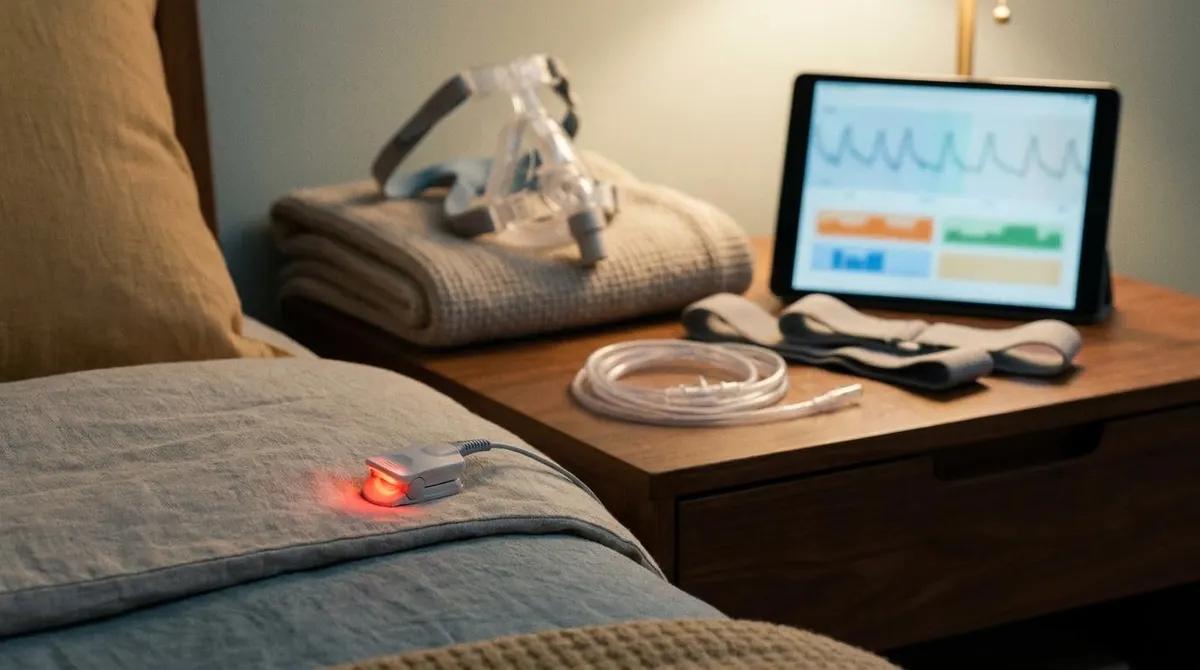
The best at-home sleep apnea test is one that measures multiple physiological signals, carries FDA clearance, and includes physician interpretation of your results. No single device is universally "best" for every patient. The American Academy of Sleep Medicine recommends home sleep apnea testing for adults with a high pretest probability of moderate to severe obstructive sleep apnea. This article is for anyone experiencing symptoms such as loud snoring, witnessed breathing pauses, or daytime fatigue, as well as commercial drivers facing DOT screening requirements. You will learn how the leading home sleep test devices compare on accuracy, sensor technology, convenience, and cost, along with the clinical situations where an at-home test may not be appropriate. By the end, you will know exactly which test fits your situation and how to move from testing to treatment without unnecessary delays.
Quick Answer
The best at-home sleep apnea test depends on the number of signals measured, FDA clearance status, and whether a board-certified sleep physician reviews the data. Devices such as the WatchPAT ONE, which uses peripheral arterial tonometry, and multi-channel home sleep apnea test kits that track airflow, respiratory effort, and oxygen saturation are among the most clinically validated options. For a straightforward path from testing to treatment, dumbo.health offers an FDA-cleared home sleep test for $149 with physician interpretation included in monthly care plans starting at $59 per month.
Key Takeaways
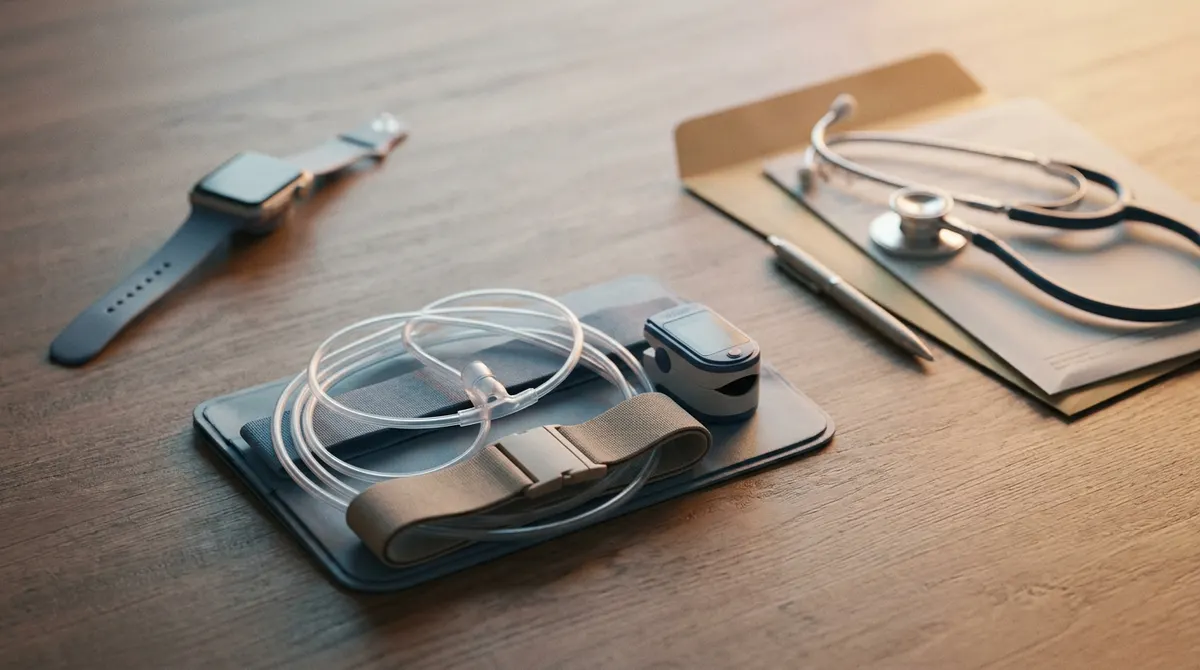
- A home sleep apnea test (HSAT) is a Type III or Type IV portable device that measures breathing, oxygen levels, and other signals while you sleep in your own bed.
- The WatchPAT ONE uses peripheral arterial tonometry, actigraphy, and pulse oximetry to detect obstructive sleep apnea with sensitivity rates reported above 89 percent in clinical validation studies.
- Multi-channel HSAT kits that include a nasal cannula, chest strap, and pulse oximeter provide data comparable to in-lab polysomnography for most adults with suspected moderate to severe obstructive sleep apnea.
- Home sleep tests cannot reliably diagnose central sleep apnea or certain sleep disorders that require electroencephalography, making an in-lab sleep study necessary for some patients.
- dumbo.health provides an at-home sleep test for $149 as a one-time cost with no insurance required, plus monthly care plans starting at $59 per month that cover physician interpretation, CPAP therapy, and follow-up.
- The AASM clinical practice guideline recommends HSAT only when administered with physician oversight and professional interpretation, not as a standalone consumer purchase without clinical review.
How a Home Sleep Apnea Test Works
A home sleep apnea test records your breathing patterns, oxygen saturation, heart rate, and body position while you sleep in your own bed. Unlike an in-lab sleep study, it does not require an overnight stay at a sleep lab or attachment of electroencephalography leads to monitor brain waves.
Core Signals Measured by Home Sleep Test Devices
Most FDA-cleared home sleep apnea test devices measure between three and seven physiological signals. The specific combination determines how accurately the device can distinguish obstructive sleep apnea from other sleep-disordered breathing conditions.
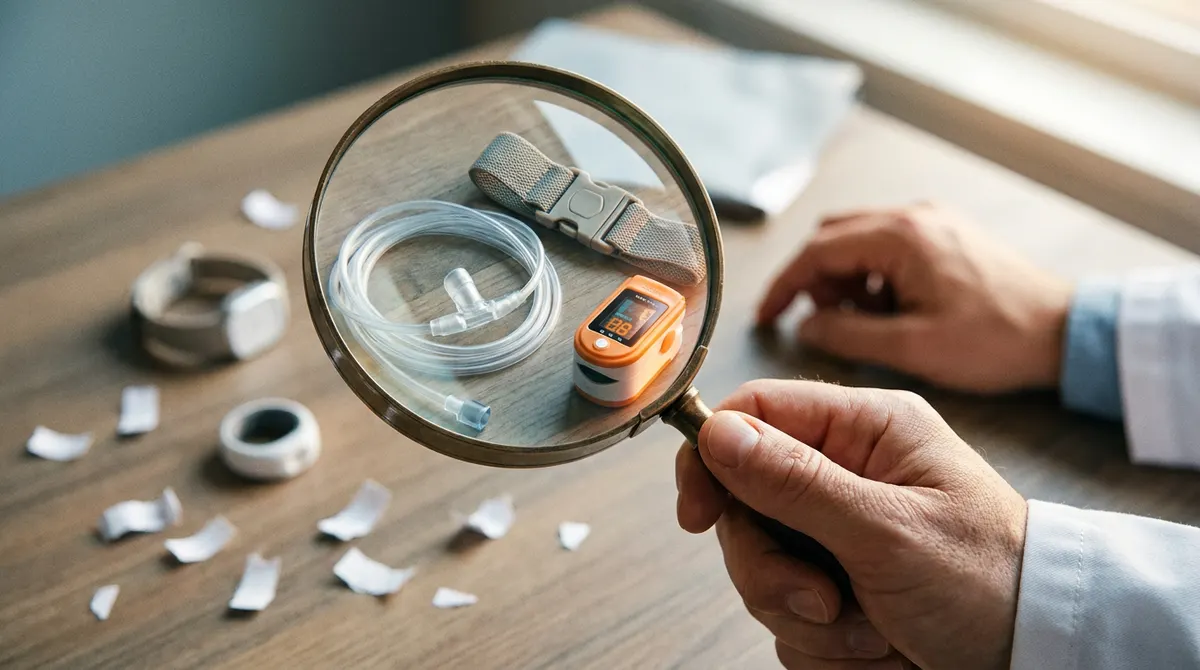
The primary signals include airflow, which is typically captured through a nasal cannula or nasal pressure transducer that detects air movement during each breath. Respiratory effort is recorded using a belt or chest strap with Respiratory Inductance Plethysmography technology, which tracks expansion and contraction of the chest and abdomen. Oxygen saturation is measured through pulse oximetry, usually via a finger sensor that detects blood oxygen levels continuously throughout the night.
Additional signals vary by device. Some record heart rate through a photoplethysmography sensor. Others use actigraphy to track body movement and estimate sleep versus wake time. More advanced devices such as the WatchPAT ONE add peripheral arterial tonometry, which analyzes the vascular signal in the fingertip to identify respiratory events tied to autonomic nervous system changes.
What Happens to Your Sleep Data
After you complete one night of testing, the recorded sleep data is uploaded to a secure platform where a board-certified sleep physician reviews it. The physician calculates your Apnea-Hypopnea Index, which represents the average number of apnea and hypopnea events per hour of estimated sleep. An AHI score of 5 to 14 indicates mild obstructive sleep apnea, 15 to 29 indicates moderate, and 30 or above indicates severe, according to the American Academy of Sleep Medicine.
The quality of interpretation matters as much as the device itself. A home sleep test without professional physician review can produce misleading results, which is why the AASM clinical practice guideline specifies that HSAT must be performed under the supervision of a sleep medicine provider. At dumbo.health, the at-home sleep test includes a clinically validated device for $149, and physician interpretation is covered under all monthly care plans.
KEY TAKEAWAY: The best home sleep apnea test measures multiple signals including airflow, respiratory effort, and oxygen saturation, and always includes physician interpretation of results.
Understanding which signals matter sets the stage for comparing the specific devices available to you.
Comparing the Top At-Home Sleep Apnea Test Devices
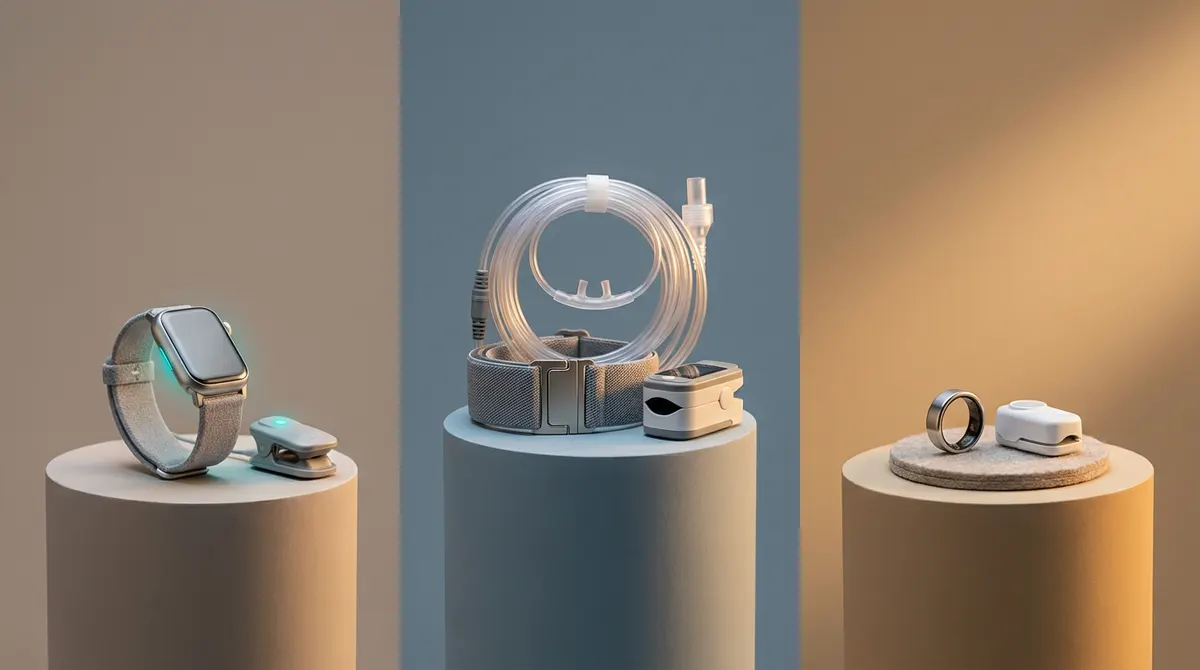
The most widely used at-home sleep apnea test devices differ in sensor technology, number of channels recorded, and how data reaches a sleep specialist. Three categories dominate the current market: peripheral arterial tonometry devices, multi-channel HSAT kits, and single-channel screening tools.
WatchPAT ONE
The WatchPAT ONE, manufactured by Itamar Medical, is a wrist-worn device with a finger-mounted sensor that uses peripheral arterial tone technology. It records peripheral arterial tonometry, pulse oximetry, actigraphy, heart rate, and snore detection. The device received FDA 510(k) clearance and has been validated in peer-reviewed studies comparing it to polysomnography. A study published in the Journal of Clinical Sleep Medicine found that WatchPAT demonstrated a sensitivity of approximately 89 percent and specificity of approximately 80 percent for detecting obstructive sleep apnea at an AHI threshold of 15.
WatchPAT ONE is a single-use, disposable device. The patient wears it for one night, and the data is transmitted wirelessly to the interpreting provider. Because it does not require a nasal cannula or chest strap, many patients report higher comfort and compliance compared to multi-channel setups.
Multi-Channel HSAT Kits
Multi-channel home sleep apnea test kits typically include a nasal cannula for airflow measurement, a chest strap or belt for respiratory effort, a pulse oximeter for oxygen saturation, and sometimes a body position sensor. These are classified as Type III portable monitors and record four to seven channels of sleep data. Providers such as dumbo.health, Lofta, and BlueSleep Sleep Clinic distribute similar multi-channel devices, though the clinical service model around each device varies significantly.
Multi-channel kits closely replicate the respiratory channels of in-lab polysomnography without the electroencephalogram, electrocardiography, or leg movement sensors. For most adults with a high pretest probability of moderate to severe obstructive sleep apnea, these kits provide sufficient data for a physician to make a diagnosis and initiate a CPAP prescription.
Single-Channel and Simplified Devices
Devices like the NightOwl Home Sleep Test and the SleepImage Ring represent a newer category of simplified testing tools. The NightOwl attaches to the fingertip and uses photoplethysmography and actigraphy to estimate the Respiratory Event Index. The SleepImage Ring similarly captures cardiovascular and respiratory signals through a compact ring-form sensor.
These devices prioritize ease of use and minimal sensor placement. However, because they record fewer channels, their accuracy for borderline cases can be lower than multi-channel alternatives. Some insurers and sleep medicine providers may not accept results from single-channel devices for initiating CPAP therapy or confirming a formal diagnosis.
Structured Comparison of Leading Home Sleep Test Devices
Here is how the three primary device categories compare across the attributes that matter most for accurate diagnosis and patient experience.
Sensor Technology
- WatchPAT ONE: Peripheral arterial tonometry, pulse oximetry, actigraphy, snore detection
- Multi-Channel HSAT Kit: Nasal cannula or nasal pressure transducer, chest strap with Respiratory Inductance Plethysmography, pulse oximeter, position sensor
- Single-Channel Device (NightOwl, SleepImage Ring): Photoplethysmography sensor, actigraphy, movement sensor
Number of Channels
- WatchPAT ONE: 5 to 7 channels
- Multi-Channel HSAT Kit: 4 to 7 channels
- Single-Channel Device: 1 to 3 channels
FDA Clearance
- WatchPAT ONE: FDA 510(k) clearance
- Multi-Channel HSAT Kit: FDA Approved (varies by manufacturer)
- Single-Channel Device: FDA clearance varies; some hold 510(k), others are pending or limited
Comfort and Ease of Use
- WatchPAT ONE: High; wrist and finger only, no nasal cannula or belt required
- Multi-Channel HSAT Kit: Moderate; requires nasal cannula, chest strap, and finger sensor placement
- Single-Channel Device: Very high; fingertip or ring only
Clinical Acceptance for Diagnosis
- WatchPAT ONE: Widely accepted by sleep specialists and insurers
- Multi-Channel HSAT Kit: Widely accepted; considered standard for HSAT
- Single-Channel Device: Variable; not universally accepted for formal diagnosis or CPAP prescription
Typical Cost Range
- WatchPAT ONE: $200 to $500 through most providers
- Multi-Channel HSAT Kit: $149 to $500 depending on provider and interpretation services
- Single-Channel Device: $100 to $350
For most patients seeking a definitive sleep apnea diagnosis with a clear path to treatment, a multi-channel HSAT kit or the WatchPAT ONE offers the strongest combination of accuracy and clinical acceptance. Through dumbo.health, you can access an FDA-cleared home sleep test for $149 with no insurance verification required and no surprise bills.
KEY TAKEAWAY: The WatchPAT ONE and multi-channel HSAT kits are the most clinically validated at-home sleep apnea test options, while single-channel devices offer convenience but may lack the diagnostic depth needed for formal diagnosis.
Knowing which device to choose is only part of the equation. The clinical service wrapped around the device determines whether your results lead to effective treatment.
Why Physician Interpretation Separates a Good Test from a Useful Diagnosis
A home sleep apnea test device collects raw sleep data, but the clinical value comes from how a board-certified sleep physician interprets that data. Without professional review, an at-home test is a screening tool, not a diagnostic instrument.
The AASM clinical practice guideline published in the Journal of Clinical Sleep Medicine states that HSAT must be administered and interpreted under the direction of a physician with training in sleep medicine. This means the physician reviews the raw signals, confirms or adjusts the automated scoring algorithm, considers your clinical history and symptoms, and assigns a final AHI score. Automated reports generated by device software alone can misclassify mild cases or miss comorbid conditions such as central sleep apnea, cardiovascular disease, or sleep-related movements disorders.
DID YOU KNOW: According to the American Academy of Sleep Medicine, approximately 80 percent of moderate to severe obstructive sleep apnea cases remain undiagnosed, partly because many people use screening tools without following through to physician-reviewed testing.
Many at-home sleep test providers charge separately for physician interpretation, which can add $100 to $300 on top of the device cost. At dumbo.health, physician interpretation and a detailed sleep report are included with every care plan. The Essentials plan at $59 per month covers the physician review, CPAP therapy and equipment, and standard follow-up care. The Premium plan at $89 per month adds a dedicated sleep coach and advanced adherence monitoring.
What a Complete Interpretation Report Includes
A thorough interpretation report from a qualified sleep specialist covers the total recording time, estimated sleep time, overall AHI score, oxygen desaturation index, lowest oxygen saturation recorded during the night, time spent below 90 percent oxygen saturation, heart rate data, body position correlation, and a clinical recommendation for treatment. This report can be sent directly to your referring provider or, for commercial drivers, used to support DOT medical certification.
KEY TAKEAWAY: Physician interpretation by a board-certified sleep physician transforms raw sleep test data into an actionable diagnosis, and skipping this step is the most common reason at-home test results fail to lead to effective treatment.
With the right interpretation in place, the next step is understanding what happens between your test night and the start of treatment.
Step-by-Step: How to Complete an At-Home Sleep Apnea Test Through dumbo.health
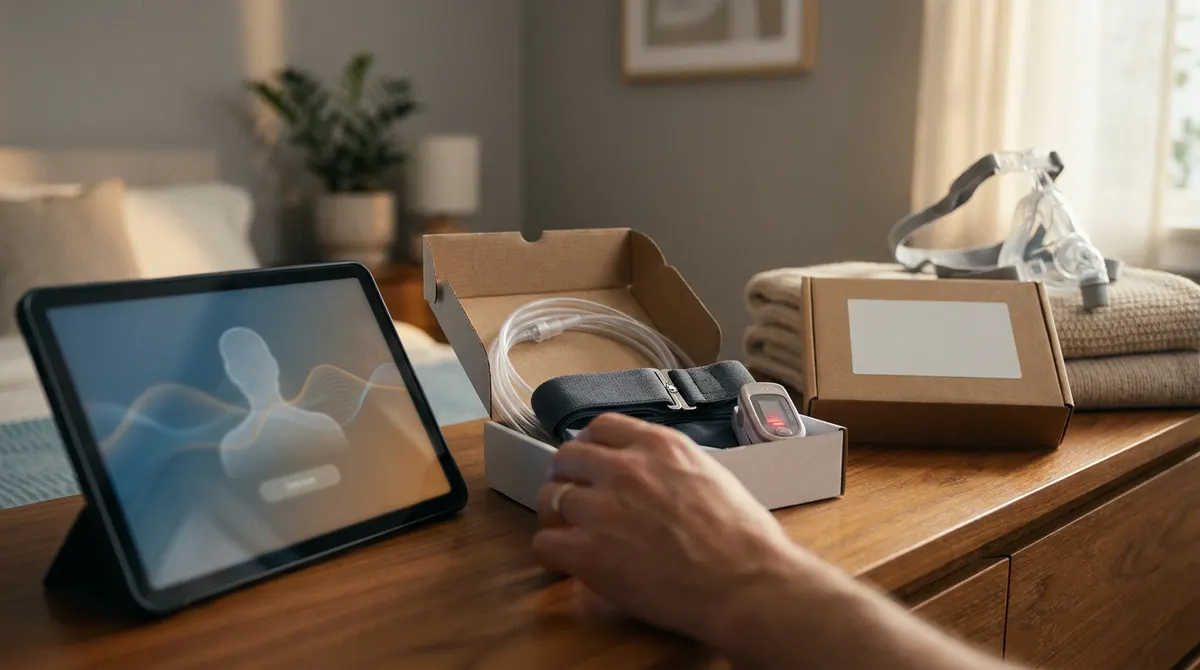
Getting tested for sleep apnea at home follows a structured process that takes most patients from initial assessment to results within days, not weeks. Here is how it works when you use dumbo.health.
The Testing Process from Start to Results
1. Complete the free sleep assessment at dumbo.health/get-started to determine whether a home sleep test is appropriate based on your symptoms, medical history, and risk factors.
2. Order your at-home sleep test for $149. The device ships directly to your home with clear instructions for sensor placement and operation. No insurance authorization is required.
3. Wear the device for one night of testing in your own bed. Follow the included guide for proper nasal cannula, belt, or finger sensor placement depending on the specific device.
4. Return the device using the prepaid shipping materials or upload data wirelessly, depending on the device model. Your sleep data is securely transmitted for physician review.
5. A board-certified sleep physician reviews your results, generates a full interpretation report including your AHI score, oxygen saturation levels, and clinical recommendations, and updates are sent to your referring provider if applicable.
6. If you are diagnosed with obstructive sleep apnea, your physician issues a CPAP prescription and you enroll in a monthly care plan. The Essentials plan starts at $59 per month and includes CPAP therapy, equipment, and follow-up care with no contracts.
Most patients receive their results within a few business days of data upload. From there, dumbo.health coordinates equipment delivery and ongoing care without requiring a separate sleep lab visit or additional insurance steps.
KEY TAKEAWAY: The at-home sleep apnea testing process through dumbo.health takes most patients from assessment to diagnosis in under two weeks, with no insurance paperwork, prior authorization, or clinic visits required.
The simplicity of the process does not mean at-home testing works for everyone. Certain clinical situations require a different approach.
When an At-Home Sleep Apnea Test May Not Be the Right Choice
At-home sleep apnea testing is highly effective for a specific patient profile, but it has real limitations that can affect accuracy and clinical usefulness. Recognizing when a home sleep test is not appropriate prevents misdiagnosis and delays in treatment.
Limitation 1: Central Sleep Apnea Cannot Be Reliably Detected
Home sleep tests are designed to identify obstructive sleep apnea, where the airway collapses or becomes blocked during sleep. Central sleep apnea, which occurs when the brain fails to send proper signals to the muscles that control breathing, requires polysomnography for accurate diagnosis. Polysomnography records brain waves using electroencephalography, which allows a sleep specialist to distinguish central from obstructive events. If you have heart failure, take opioid medication, or have a history of stroke, your physician may recommend an in-lab sleep study instead.
Limitation 2: Comorbid Sleep Disorders Are Not Assessed
A home sleep apnea test does not evaluate sleep stages, limb movements, or sleep architecture. Conditions such as sleep-related movements disorders, narcolepsy, or REM sleep behavior disorder require electroencephalogram monitoring and other sensors only available during polysomnography. If your symptoms include more than snoring and breathing pauses, such as restless sleep with frequent limb jerking or severe insomnia, an in-lab study provides a more complete picture.
Limitation 3: Underestimation of Severity in Mild Cases
HSAT devices estimate total sleep time rather than measuring it directly with brain wave monitoring. If you spend significant time awake during the recording night, the device may overestimate your sleep time and underestimate your true AHI score. The Sleep Foundation notes that home sleep tests can underestimate the severity of sleep apnea, particularly in mild cases. A negative or borderline HSAT result in a patient with strong clinical symptoms may still warrant a follow-up in-lab sleep study.
Limitation 4: Not Appropriate for Certain Medical Populations
The AASM recommends against using HSAT as a standalone diagnostic tool for patients with significant cardiopulmonary diseases, neuromuscular disorders, or chronic opioid use. These populations have higher rates of central sleep apnea and complex sleep-disordered breathing that home devices cannot adequately characterize.
IMPORTANT: If your physician suspects central sleep apnea, complex sleep-disordered breathing, or another sleep condition beyond obstructive sleep apnea, an in-lab polysomnography study is the appropriate diagnostic pathway. A negative home sleep test does not rule out sleep apnea if clinical suspicion remains high.
When limitations apply, dumbo.health helps by providing a physician-reviewed assessment before testing. The free sleep assessment screens for risk factors that may indicate a need for in-lab evaluation, preventing you from spending money on a test that will not answer your clinical question.
KEY TAKEAWAY: At-home sleep apnea tests are not appropriate for diagnosing central sleep apnea, complex sleep-disordered breathing, or cases involving significant comorbid sleep disorders, and a negative home test does not always rule out sleep apnea.
Understanding these boundaries helps you make a more informed choice about testing. But even when at-home testing is appropriate, cost and access remain the biggest barriers for most people.
How Much Does an At-Home Sleep Apnea Test Cost?
The cost of an at-home sleep apnea test typically ranges from $149 to $500 or more depending on the provider, device type, and whether physician interpretation is included. Many patients pay out of pocket because insurance coverage for home sleep testing varies widely, and prior authorization requirements can delay testing by weeks.
Cost Breakdown: What You Actually Pay
The total cost of at-home sleep apnea testing includes the device itself, shipping, physician interpretation, and any follow-up consultation. Some providers bundle these into a single price. Others charge separately for each component, which can result in surprise bills.
Through dumbo.health, the home sleep test costs $149 as a one-time fee. This covers the device and one night of testing. Physician interpretation, CPAP therapy, equipment, and ongoing care are covered separately under monthly plans. The Essentials plan at $59 per month includes physician interpretation and report, CPAP therapy and equipment, standard follow-up care, and updates to your referring provider. There are no contracts and you can cancel anytime.
For patients who want more support, the Premium plan at $89 per month adds a dedicated sleep coach from a licensed care team, advanced adherence monitoring, and priority results turnaround. The Elite plan at $129 per month includes concierge clinical support with direct physician messaging and custom reporting.
Insurance Versus Cash-Pay for Sleep Testing
Insurance-based home sleep testing can cost patients $0 to $150 in copays after deductible, but this depends on your plan, whether prior authorization is approved, and whether the provider is in-network. According to the National Heart, Lung, and Blood Institute, many insurers require documentation of symptoms and a physician referral before approving HSAT.
Cash-pay testing eliminates these barriers. With dumbo.health, there is no insurance verification, no prior authorization, and no surprise bills. Patients can also use FSA/HSA funds toward both the home sleep test and monthly care plans.
Medicare Coverage Considerations
Medicare covers home sleep testing under certain conditions, typically requiring an order from a treating physician and a diagnosis of suspected obstructive sleep apnea. Medicare coverage for CPAP therapy requires an initial compliance review within the first 90 days of use. Patients who do not meet Medicare's adherence thresholds may lose coverage for their equipment. For patients who prefer to avoid medicare coverage complexities, a cash-pay model provides uninterrupted access to testing and treatment.
KEY TAKEAWAY: An at-home sleep apnea test through dumbo.health costs $149 with no insurance required, while monthly care plans starting at $59 per month cover physician interpretation, CPAP therapy, and follow-up with no contracts.
Cost clarity is one part of the decision. Seeing how real people navigate testing and treatment makes the choice more concrete.
Real-World Scenarios: Who Benefits Most from At-Home Sleep Apnea Testing
At-home sleep apnea testing serves a wide range of patients, but certain profiles illustrate particularly well how the process works in practice.
Scenario 1: A 48-Year-Old Long-Haul Truck Driver Facing DOT Requirements
A 48-year-old owner-operator with a BMI of 36 is flagged during a DOT physical for possible obstructive sleep apnea based on neck circumference, reported snoring, and self-reported fatigue. The medical examiner issues a conditional certification and requires a sleep apnea test before full clearance. The driver cannot afford two weeks off the road for a sleep lab appointment.
Using dumbo.health, the driver orders a home sleep test for $149, completes testing in the sleeper cab on a rest night, and receives physician-reviewed results within days. The AHI score comes back at 22, confirming moderate obstructive sleep apnea. The driver enrolls in the Premium plan at $89 per month, receives a CPAP device, and begins treatment with sleep coach support and adherence monitoring that satisfies DOT compliance documentation.
Scenario 2: A 55-Year-Old Office Worker with No Insurance
A 55-year-old office manager has experienced years of loud snoring, morning headaches, and increasing daytime fatigue. A primary care provider suggests a sleep study, but the patient has no health insurance and was quoted $1,800 for an in-lab polysomnography at a local sleep lab.
After completing the free assessment at dumbo.health, the patient orders the home sleep test for $149 and enrolls in the Essentials plan at $59 per month. The results show an AHI score of 31, indicating severe obstructive sleep apnea. The physician issues a CPAP prescription, and the patient starts Auto-CPAP therapy through the same plan. Total first-month cost is $208, compared to the $1,800 or more quoted for in-lab testing alone.
Scenario 3: A 38-Year-Old Woman Whose Symptoms Were Previously Dismissed
A 38-year-old woman reports persistent fatigue, restless sleep, and difficulty concentrating. Two previous providers attributed her symptoms to stress. Her bed partner notes occasional gasping during sleep. Her BMI is 27, which is below the typical screening threshold used by many providers.
She completes a home sleep test through dumbo.health. The results show an AHI score of 18, confirming moderate obstructive sleep apnea. This case illustrates an underrecognized pattern: the Sleep Foundation reports that sleep apnea in women is underdiagnosed because symptoms often present as fatigue and insomnia rather than the classic loud snoring pattern. At-home testing with physician oversight provided a diagnosis that two prior clinical encounters missed.
KEY TAKEAWAY: At-home sleep apnea testing removes the most common barriers to diagnosis, including cost, time, geographic access, and clinical bias, and serves patients ranging from commercial drivers to uninsured adults to women with atypical symptom presentations.
These scenarios highlight how at-home testing connects to real decision-making. Equally important is separating common myths from clinical facts.
Common Myths About At-Home Sleep Apnea Tests Debunked
MYTH: At-home sleep apnea tests are not accurate enough for a real diagnosis.
FACT: Multi-channel home sleep apnea tests and devices like the WatchPAT ONE have been validated against polysomnography in peer-reviewed studies. The American Academy of Sleep Medicine endorses HSAT for adults with a high pretest probability of moderate to severe obstructive sleep apnea when interpreted by a qualified physician. Accuracy depends on using an FDA-cleared device and having professional interpretation, not on the testing location.
MYTH: You need to go to a sleep lab to find out if you have sleep apnea.
FACT: An in-lab sleep study using polysomnography remains the gold-standard therapy for diagnosing complex sleep disorders, central sleep apnea, and cases involving significant comorbidities. However, for the majority of adults with suspected obstructive sleep apnea, a home sleep test provides sufficient diagnostic data. The AASM clinical practice guideline supports HSAT as an appropriate alternative to in-lab testing for this population.
MYTH: If your home sleep test is negative, you definitely do not have sleep apnea.
FACT: Home sleep tests can underestimate severity because they estimate rather than directly measure total sleep time. A patient who sleeps poorly on the test night or who has mild obstructive sleep apnea may receive a falsely low AHI score. The NIH notes that a negative HSAT result does not definitively exclude sleep apnea, and clinical follow-up is recommended when symptoms persist despite negative results.
MYTH: You cannot get a CPAP prescription from an at-home test.
FACT: A CPAP prescription can be issued based on home sleep test results interpreted by a board-certified sleep physician. Providers such as dumbo.health deliver a complete pathway from testing to CPAP therapy under physician oversight, including equipment, adherence monitoring, and ongoing follow-up through monthly plans.
MYTH: At-home sleep tests are only for people who snore loudly.
FACT: Snoring is one symptom of obstructive sleep apnea, but many patients present primarily with fatigue, morning headaches, cardiovascular disease risk factors, or blood pressure elevation. The CDC reports that sleep apnea affects an estimated 30 million adults in the United States, and many do not identify snoring as their primary complaint. At-home testing is appropriate for anyone with clinical risk factors, not only those with obvious snoring.
KEY TAKEAWAY: At-home sleep apnea tests are clinically validated, can support a CPAP prescription, and are appropriate for a broader range of patients than most people realize, but a negative result should not be taken as a definitive all-clear without clinical follow-up.
With myths addressed, it helps to have a clear checklist before you test.
How to Prepare for Your At-Home Sleep Apnea Test
Proper preparation increases the accuracy of your home sleep test results and reduces the chance of a failed recording that requires a retest night.
Pre-Test Preparation Checklist
- Confirm your device has arrived with all components: nasal cannula or sensor, finger probe, chest belt or strap if included, and the data monitor or recording unit
- Charge the device fully if it uses a rechargeable battery, or confirm the battery level indicator shows adequate charge for a full night of recording
- Review the sensor placement instructions provided with your device, paying attention to nasal cannula positioning, belt tightness, and finger sensor orientation
- Avoid alcohol for at least 4 hours before testing, as alcohol can alter breathing patterns and skew AHI results
- Avoid caffeine after early afternoon on the test day to support your ability to fall asleep and stay asleep during the recording window
- Skip naps on the day of testing so you are tired enough to achieve adequate sleep time during the test night
- Sleep in your normal position and bed to replicate your typical sleep environment as closely as possible
- Remove nail polish from the finger where the pulse oximeter sensor will be placed, as polish can interfere with accurate oxygen saturation readings
- Set aside 15 minutes before bed to put on the equipment without rushing, following each step in the instruction guide
- Keep the provider's support number or dumbo.health's contact information accessible in case you need troubleshooting help during the night
- Complete the sleep questionnaire if your provider includes one, as it gives the interpreting physician context about your symptoms, sleep schedule, and medical history
TIP: If a sensor comes loose during the night, reattach it and continue sleeping. Partial data is still usable in most cases, and your physician will note any gaps during interpretation.
KEY TAKEAWAY: Following a structured preparation checklist improves recording quality and helps ensure your at-home sleep test produces accurate, interpretable results on the first attempt.
Preparation sets you up for a successful test night. The next consideration is understanding what happens after your results come back.
From Results to Treatment: What Happens After Your Home Sleep Test
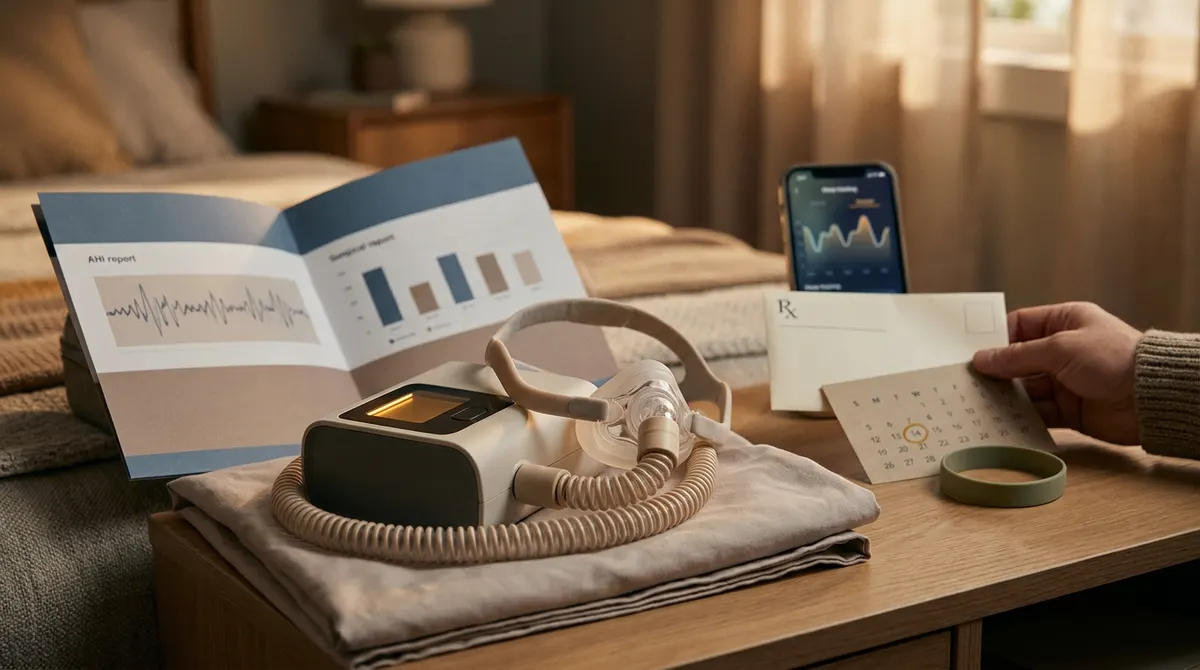
Your home sleep test results determine whether you have obstructive sleep apnea and, if so, what severity level requires treatment. The path from results to effective therapy can be seamless or fragmented depending on the provider model you choose.
Understanding Your AHI Score
The Apnea-Hypopnea Index is the primary metric used to classify obstructive sleep apnea severity. An AHI score below 5 is considered normal. An AHI of 5 to 14 indicates mild obstructive sleep apnea. An AHI of 15 to 29 indicates moderate, and an AHI of 30 or higher indicates severe, based on scoring criteria from the American Academy of Sleep Medicine. Your physician also considers your oxygen desaturation index, the lowest oxygen saturation reached during the test, and the percentage of recording time spent below 90 percent oxygen saturation.
Treatment Pathways Based on Severity
For moderate to severe obstructive sleep apnea, CPAP therapy is considered the gold-standard therapy. A CPAP device delivers continuous positive airway pressure through a mask, keeping the airway open during sleep and preventing the tissue in the airway from collapsing. Auto-CPAP devices adjust pressure automatically based on real-time airflow data, which many patients prefer for comfort.
For mild obstructive sleep apnea, treatment options may include CPAP, oral appliances such as a custom-fit mouthpiece that repositions the tongue and jaw, positional therapy, or lifestyle modifications including weight management. Some patients with mild cases explore GLP-1 care for weight reduction as part of a broader treatment strategy, though this requires separate medical oversight.
Through dumbo.health, patients diagnosed with obstructive sleep apnea transition directly from results to CPAP treatment without needing to find a separate equipment provider or schedule additional appointments. The Essentials plan at $59 per month includes CPAP therapy and equipment, physician oversight, and standard follow-up. The Premium plan at $89 per month adds a dedicated sleep coach and advanced adherence monitoring to help you meet recommended CPAP usage minimums.
DID YOU KNOW: According to the NIH, consistent CPAP use of at least 4 hours per night is associated with meaningful improvements in daytime sleepiness, blood pressure, and cardiovascular risk markers.
Adherence and Follow-Up
Long-term treatment success depends on consistent CPAP adherence. Many patients struggle with CPAP comfort, mask fit, or maintaining nightly usage during the first 30 to 90 days. A respiratory therapist or sleep coach can troubleshoot these issues and improve adherence rates. Medicare and many insurers require documentation of CPAP use for at least 4 hours per night on 70 percent of nights during the first 90 days to maintain equipment coverage.
dumbo.health's Premium and Elite plans include adherence monitoring and dedicated support from a licensed care team to address these challenges proactively. The Elite plan at $129 per month provides concierge clinical support with direct physician messaging and custom reporting, which is particularly useful for patients who need documentation for DOT certification or employer compliance programs.
KEY TAKEAWAY: Moving from home sleep test results to effective CPAP therapy requires a care pathway that includes physician-reviewed diagnosis, equipment delivery, and ongoing adherence support, all of which dumbo.health consolidates into a single monthly plan.
Treatment is most effective when you understand both the options and the clinical infrastructure supporting your care. The comparison between home testing and lab testing adds one more layer of decision-making clarity.
At-Home Sleep Test Versus In-Lab Polysomnography: Which Do You Need?
For most adults with suspected obstructive sleep apnea, an at-home sleep test provides sufficient diagnostic accuracy without the cost, inconvenience, or wait times associated with an in-lab polysomnography study. However, the two tests are not interchangeable for all patients.
Polysomnography is a Type I sleep study conducted in a sleep lab under the supervision of a sleep specialist or respiratory therapist. It records brain waves via electroencephalography, eye movements, muscle activity, heart rate via electrocardiography, airflow, respiratory effort, oxygen saturation, body position, and leg movements. This comprehensive data set allows diagnosis of obstructive sleep apnea, central sleep apnea, sleep-related movements disorders, narcolepsy, parasomnias, and other complex sleep disorders.
A home sleep apnea test does not record brain waves, sleep stages, or leg movements. It focuses on respiratory signals and oxygen saturation. This makes it an efficient, lower-cost option for confirming moderate to severe obstructive sleep apnea but insufficient for conditions that require sleep staging or electroencephalogram data.
Setting
- Home Sleep Apnea Test: Your own bed at home
- Polysomnography: Sleep clinic or hospital sleep lab
Cost
- Home Sleep Apnea Test: $149 to $500 depending on provider; $149 through dumbo.health
- Polysomnography: $1,000 to $5,000 or more depending on facility and insurance
Wait Time
- Home Sleep Apnea Test: Days; device ships to your home
- Polysomnography: Weeks to months depending on sleep lab availability in your area
Signals Recorded
- Home Sleep Apnea Test: Airflow, respiratory effort, oxygen saturation, heart rate, position, and in some devices peripheral arterial tonometry
- Polysomnography: All respiratory signals plus brain waves, sleep stages, eye movements, muscle activity, leg movements, and electrocardiography
Best For
- Home Sleep Apnea Test: Adults with high pretest probability of moderate to severe obstructive sleep apnea
- Polysomnography: Patients with suspected central sleep apnea, complex sleep-disordered breathing, comorbid sleep disorders, or inconclusive home test results
Convenience
- Home Sleep Apnea Test: High; no travel, no overnight facility stay
- Polysomnography: Low; requires traveling to a sleep lab and sleeping in an unfamiliar environment
For the majority of patients, particularly those experiencing classic symptoms of obstructive sleep apnea such as snoring, witnessed apneas, and excessive daytime fatigue, an at-home sleep test is the most practical first step. If your home test results are inconclusive or your physician suspects a condition beyond obstructive sleep apnea, an in-lab study remains the appropriate next diagnostic step. You can find a provider near you for in-lab testing through your sleep specialist or through telehealth consultations offered by providers in your area.
The sleep apnea care solutions page at dumbo.health outlines how testing, diagnosis, and treatment connect within a single care pathway, helping you decide which testing route fits your situation.
KEY TAKEAWAY: An at-home sleep test is the appropriate first-line diagnostic tool for most adults with suspected obstructive sleep apnea, while polysomnography is reserved for complex cases, central sleep apnea, or inconclusive home test results.
With the testing landscape fully mapped, one underappreciated aspect deserves attention: why the clinical model around the test matters more than the device brand.
The Overlooked Factor: Why the Care Model Matters More Than the Device
Most online comparisons of at-home sleep apnea tests focus on device specifications, but clinicians frequently observe that the care model surrounding the test determines whether a patient actually reaches effective treatment. A technically excellent device paired with a fragmented care pathway often produces worse outcomes than a standard device embedded in a coordinated clinical workflow.
The problem is straightforward. Many patients order a home sleep test, receive a result, and then face weeks of delay navigating insurance verification, finding a sleep specialist close to them, obtaining a CPAP prescription, and sourcing equipment from a separate vendor. Each handoff introduces friction, and many patients drop out of the care pathway before starting treatment. The American Sleep Apnea Association estimates that a significant proportion of patients diagnosed with obstructive sleep apnea never initiate CPAP therapy, with access barriers and care fragmentation cited as major contributing factors.
An integrated care model solves this by consolidating testing, physician interpretation, prescription, equipment delivery, and adherence monitoring under a single provider. This is the approach dumbo.health uses. The $149 at-home sleep test connects directly to monthly plans that cover every subsequent step. There is no separate equipment vendor, no insurance prior authorization, and no gap between diagnosis and treatment start. For patients who need it, the Premium plan's sleep coach provides ongoing support during the critical first 90 days of CPAP use, which research consistently identifies as the period with the highest dropout risk.
Home sleep apnea testing is a clinical process, not a consumer electronics purchase. The device collects the data. The care model determines whether that data translates into better sleep, lower cardiovascular risk, improved daily function, and for commercial drivers, continued DOT certification.
KEY TAKEAWAY: The clinical care model wrapped around a home sleep apnea test has a greater impact on patient outcomes than the specific device used, and integrated models that connect testing to treatment under physician oversight produce the best long-term results.
Conclusion
The best at-home sleep apnea test is one that uses clinically validated sensors, holds FDA clearance, and comes with physician interpretation built into a coordinated care pathway. For most adults with suspected obstructive sleep apnea, at-home testing provides an accurate, convenient, and lower-cost alternative to in-lab polysomnography. What separates a useful test from a wasted one is what happens after the data is collected: professional review, a clear diagnosis, and a direct path to treatment.
dumbo.health offers an at-home sleep testfor $149 with no insurance required, and monthly care plans starting at $59 per month cover physician interpretation, CPAP therapy, equipment, and ongoing follow-up with no contracts and the ability to cancel anytime. If you are experiencing symptoms of sleep apnea or have been referred for testing, completing the free sleep assessment is the fastest way to find out whether a home sleep test is right for you.
Frequently Asked Questions About At-Home Sleep Apnea Tests
What is an at-home sleep apnea test?
An at-home sleep apnea test, also called a home sleep apnea test or HSAT, is a simplified diagnostic tool used to detect obstructive sleep apnea in adults. The device is worn during a normal night of sleep at home and records key breathing and oxygen data without requiring an overnight visit to a sleep lab. Most home sleep tests measure airflow, respiratory effort, oxygen saturation, and heart rate. A physician or board-certified sleep physician then interprets the recorded data to determine whether obstructive sleep apnea is present and how severe it may be.
How does an at-home sleep apnea test work?
A home sleep apnea test works by recording physiological signals while you sleep in your own bed. Depending on the device, sensors may include a nasal cannula or nasal pressure transducer to measure airflow, a chest strap or belt to measure respiratory effort, a pulse oximeter to measure blood oxygen levels, and a movement sensor to track body position. Some newer devices, such as the WatchPAT ONE, use peripheral arterial tonometry and a photoplethysmography sensor worn on the finger. After the test night, the collected sleep data is returned for physician interpretation and a clinical report.
What does a home sleep apnea test measure?
A home sleep apnea test measures the signals most relevant to detecting obstructive sleep apnea. Depending on the device type, measurements typically include airflow, respiratory effort, oxygen saturation, blood oxygen levels, heart rate, and body position. Some devices also capture snore detection, respiratory sounds, or peripheral arterial tone. The results are used to calculate the Apnea-Hypopnea Index, or AHI score, which reflects the average number of breathing interruptions per hour of sleep. A higher AHI score generally indicates more severe sleep-disordered breathing. According to the American Academy of Sleep Medicine, AHI is the standard metric used to classify sleep apnea severity.
Are at-home sleep apnea tests accurate?
Home sleep apnea tests are clinically validated for detecting moderate to severe obstructive sleep apnea in adults without significant comorbidities. The American Academy of Sleep Medicine recognises HSATs as an appropriate diagnostic tool when used correctly in suitable patients. However, home sleep tests tend to underestimate AHI slightly because they measure recording time rather than actual sleep time. This means a mild result does not always rule out sleep apnea. Home tests are not designed to detect central sleep apnea, complex sleep disorders, or sleep-related movements disorders, and they do not capture brain waves or electroencephalography data. A healthcare professional can help determine whether a home test is appropriate for your specific situation.
Can a home sleep apnea test be wrong?
Yes, a home sleep apnea test can produce inaccurate results in some cases. If sensors fall off or are placed incorrectly during the night, the recorded data may be incomplete or unreliable. Because home tests do not measure brain waves or sleep stages directly, they cannot confirm exactly how much actual sleep occurred, which can affect AHI calculation. False-negative results are possible, meaning a test may not detect sleep apnea even when it is present, particularly in milder cases. If your symptoms strongly suggest sleep apnea but your home test result is negative or inconclusive, a clinician may recommend an in-lab sleep study for a more complete evaluation.
What is the difference between a home sleep test and a lab sleep study?
A home sleep apnea test measures a focused set of breathing and oxygen signals at home, while an in-lab sleep study, known as polysomnography, records a much broader range of data including brain waves via electroencephalography, muscle activity, eye movements, and detailed sleep staging. Polysomnography is considered the gold-standard diagnostic tool for complex or suspected sleep disorders. Home sleep tests are more convenient, less expensive, and appropriate for many adults with a moderate to high likelihood of obstructive sleep apnea. An in-lab sleep study is typically recommended when central sleep apnea, heart failure, cardiopulmonary diseases, or other complicating conditions are suspected, or when a home test result is inconclusive.
When is a home sleep apnea test appropriate?
A home sleep apnea test is generally appropriate for adults who have symptoms consistent with obstructive sleep apnea, such as loud snoring, restless sleep, daytime fatigue, or witnessed breathing pauses, and who do not have significant complicating medical conditions. The American Academy of Sleep Medicine supports the use of home sleep testing in adults with a high clinical likelihood of moderate to severe obstructive sleep apnea. Home testing is not appropriate for patients with suspected central sleep apnea, significant cardiovascular disease including heart failure, respiratory conditions, or sleep-related movements disorders. A qualified healthcare professional should assess whether a home test is the right starting point for your evaluation.
Who should not take a home sleep apnea test?
Home sleep apnea testing is not suitable for everyone. It is generally not recommended for patients with suspected central sleep apnea, significant heart failure, cardiopulmonary diseases, neuromuscular conditions, or complex sleep disorders that require full polysomnography. It is also not ideal for patients with symptoms suggesting sleep disorders beyond obstructive sleep apnea, such as sleep-related movements disorders, parasomnias, or significant insomnia. Children are typically not assessed with standard home sleep tests. If you have multiple medical conditions or your clinician suspects a complex sleep condition, an in-lab sleep study may be the more appropriate diagnostic choice.
What are the benefits of an at-home sleep apnea test?
At-home sleep apnea testing offers several practical advantages. Testing in your own bed often produces more representative sleep data than a single night in an unfamiliar sleep lab. Home tests are significantly less expensive than polysomnography, faster to access, and do not require an overnight clinic stay. They are appropriate for a large proportion of adults with suspected obstructive sleep apnea and can shorten the time between symptoms and diagnosis. For patients without insurance or those seeking transparent cash-pay healthcare, at-home testing removes many access barriers. dumbo.health offers a home sleep test for $149 with no insurance required and no surprise bills.
What are the limitations of an at-home sleep apnea test?
Home sleep apnea tests have real limitations that patients should understand. They do not capture brain waves, detailed sleep stages, or the full physiological data recorded during polysomnography. Because they measure recording time rather than confirmed sleep time, they may underestimate AHI and produce false-negative results in milder cases. Sensor displacement during the night can result in incomplete data. Home tests cannot reliably detect central sleep apnea, periodic limb movements, or complex sleep-disordered breathing. If a home test result is inconclusive or inconsistent with your symptoms, a board-certified sleep physician may recommend proceeding to an in-lab sleep study for a more thorough assessment.
How do I prepare for an at-home sleep apnea test?
Preparing for a home sleep apnea test is straightforward. On the test night, follow your normal sleep routine as closely as possible. Avoid caffeine, alcohol, and sedatives before bed unless otherwise directed by your clinician, as these substances can affect breathing patterns and sleep quality. Read the device instructions carefully before bed so you can apply sensors correctly. Wear comfortable clothing that allows the chest strap or belt to sit securely. Avoid napping during the day before the test. If you use a nasal cannula or nasal pressure transducer as part of the device, ensure your nasal passages are reasonably clear. If sensors come loose during the night, reattach them as best you can before returning to sleep.
How many nights do I need to complete a home sleep test?
Most home sleep apnea tests require only one night of testing to collect sufficient data for physician interpretation. However, if the data collected on the first night is incomplete due to sensor displacement or a short sleep period, a repeat night may be needed. Some clinicians recommend two nights of testing to improve diagnostic accuracy, particularly in borderline cases. It is worth confirming the protocol with your testing provider before you begin. Most at-home testing programmes will advise you whether a second test night is required before returning the device.
Can I go to the bathroom during a home sleep study?
Yes, you can get up to use the bathroom during a home sleep study. Most devices continue recording passively and will simply log a period of movement or wakefulness. Try to reattach any sensors that have shifted when you return to bed. Brief awakenings during the night are normal and generally do not invalidate the test. If a significant portion of the night is affected by sensor issues, your physician may review the data quality and advise whether a repeat test night is needed.
How long do I need to sleep for a home sleep study to be valid?
Most home sleep apnea tests require a minimum of four hours of recorded data for the results to be clinically usable. The more sleep data recorded, the more reliable the AHI calculation will be. If you sleep less than four hours or if sensor issues result in significant data loss, the test may be flagged as technically inadequate and a repeat night may be recommended. Aim to allow yourself a full night of sleep on the test night to maximise the quality of the data collected.
What happens after a home sleep apnea test?
After completing a home sleep test, the recorded data is reviewed by a physician or board-certified sleep physician who calculates the AHI score and other relevant sleep metrics. A clinical report is then generated documenting the findings. If obstructive sleep apnea is confirmed, a treatment plan is typically discussed, which most commonly involves CPAP therapy. If the result is inconclusive or if a more complex sleep disorder is suspected, an in-lab sleep study may be recommended. For patients using dumbo.health, physician interpretation and a clinical report are included in monthly care plans, with results communicated to referring providers where relevant. You can explore sleep apnea care solutions to understand what ongoing support may include.
What level of sleep apnea requires CPAP therapy?
CPAP therapy is most commonly recommended for moderate to severe obstructive sleep apnea, generally defined as an AHI score of 15 or more events per hour. Some clinicians also recommend CPAP for mild sleep apnea, defined as an AHI between 5 and 14, when significant daytime sleepiness, cardiovascular risk factors, or other clinical factors are present. The decision to start CPAP is a clinical one and should be made in consultation with a qualified healthcare professional based on your AHI score, symptoms, and overall health. dumbo.health monthly plans include CPAP therapy and equipment with ongoing adherence support.
What is CPAP therapy and how does it treat sleep apnea?
CPAP, which stands for continuous positive airway pressure, is the most widely recommended treatment for obstructive sleep apnea. A CPAP machine delivers a continuous flow of pressurised air through a mask worn over the nose or mouth during sleep. This air pressure keeps the upper airway open, preventing the airway collapses that cause apnea and hypopnea events. Regular CPAP use is associated with reduced daytime sleepiness, improved oxygen saturation, and lower cardiovascular risk. According to the National Heart, Lung, and Blood Institute, CPAP is considered the gold-standard therapy for moderate to severe obstructive sleep apnea. Adherence to nightly CPAP use is an important factor in achieving clinical benefit.
How much does a home sleep apnea test cost without insurance?
The cost of a home sleep apnea test without insurance varies depending on the provider and what is included. Prices typically range from around $150 to $400 or more for device rental, data collection, and physician interpretation, though pricing structures differ significantly across providers. dumbo.health offers a home sleep test for $149 as a one-time, cash-pay purchase with no insurance required, no prior authorizations, and no surprise bills. This covers the at-home test device and one night of testing. Physician interpretation and ongoing care are available separately through monthly plans starting at $59 per month. Transparent pricing means you know what you are paying before you start.
Does insurance cover a home sleep apnea test?
Many insurance plans, including Medicare, do cover home sleep apnea testing when ordered by a physician and when clinical criteria are met. Coverage rules and cost-sharing vary depending on your plan, insurer, and the specific device used. Some patients find that prior authorization requirements, network restrictions, or coverage denials create delays. For patients who prefer to avoid these barriers, cash-pay options are available. dumbo.health operates as a cash-pay platform with no insurance required, no prior authorizations, and transparent pricing, offering an alternative for patients who want faster access or predictable costs without navigating insurance.
Do I need a prescription for a home sleep apnea test?
In most cases, yes. A home sleep apnea test typically requires a prescription or physician order because it is a medical diagnostic tool and the results must be interpreted by a qualified clinician. Some at-home testing platforms include a physician consultation or telehealth visit as part of the process to determine whether testing is appropriate. dumbo.health includes physician oversight as part of its testing and care workflow, so patients do not need to source a separate prescription before starting.
What is the WatchPAT ONE and how does it work?
The WatchPAT ONE is a single-use, FDA-cleared home sleep apnea test device made by Itamar Medical. It uses peripheral arterial tonometry technology, which measures changes in peripheral arterial tone through a finger probe, alongside a photoplethysmography sensor, actigraphy, and snore detection to assess sleep-disordered breathing. Unlike traditional devices that require a chest strap, belt, and nasal cannula, the WatchPAT ONE is worn only on the wrist and finger, making it simpler to apply. It also estimates sleep staging and distinguishes between sleep and wakefulness, which improves the accuracy of AHI calculation compared to devices that measure only recording time. The WatchPAT ONE has received FDA 510(k) clearance and is used by many clinical programmes.
How accurate is the WatchPAT ONE compared to a lab sleep study?
The WatchPAT ONE has been validated in multiple clinical studies and shows reasonable accuracy for detecting moderate to severe obstructive sleep apnea compared to polysomnography. Its use of peripheral arterial tonometry and sleep staging estimation helps reduce the AHI underestimation that can affect simpler home devices. However, like all home sleep tests, it is not equivalent to full in-lab polysomnography and may not reliably detect central sleep apnea, complex sleep-disordered breathing, or subtle cases of mild obstructive sleep apnea. A board-certified sleep physician should interpret WatchPAT results in the context of the patient's full clinical picture. Results should not be used as a standalone diagnosis without qualified clinician review.
What sleep disorders can a home sleep apnea test detect?
Home sleep apnea tests are designed primarily to detect obstructive sleep apnea. They are effective at identifying moderate to severe obstructive sleep apnea in adults who are otherwise healthy and do not have significant complicating medical conditions. Most home tests cannot reliably identify central sleep apnea, which involves the brain failing to send proper signals to the breathing muscles rather than a physical airway obstruction. Home tests also cannot detect sleep-related movements disorders such as restless legs syndrome or periodic limb movements during sleep, parasomnias, narcolepsy, or insomnia. If you suspect a sleep disorder beyond obstructive sleep apnea, a clinician can advise whether additional testing is needed.
How is sleep apnea related to heart health?
Obstructive sleep apnea and cardiovascular health are closely connected. Repeated breathing interruptions during sleep cause repeated drops in oxygen saturation, brief arousals, and physiological stress responses that can raise blood pressure and put strain on the cardiovascular system over time. According to the National Heart, Lung, and Blood Institute, untreated sleep apnea is associated with an increased risk of hypertension, cardiovascular disease, and other serious health conditions. People with heart failure may also experience central sleep apnea as a secondary condition. Because of this connection, clinicians often consider sleep apnea evaluation in patients with difficult-to-control blood pressure or cardiovascular risk factors. A healthcare professional can assess your individual risk.
How dangerous is untreated sleep apnea?
Untreated obstructive sleep apnea can carry significant health risks if left unaddressed over time. Repeated oxygen desaturation events during sleep, combined with poor sleep quality, are associated with elevated blood pressure, increased cardiovascular disease risk, metabolic changes, impaired cognitive function, and excessive daytime sleepiness that can affect driving safety and daily functioning. The Sleep Foundation explains that untreated sleep apnea is linked to an increased risk of serious cardiovascular events. For commercial drivers, untreated sleep apnea also raises road safety concerns. These risks make evaluation and, where appropriate, treatment an important step for people with significant symptoms. A healthcare professional can help determine whether testing is appropriate for your situation.
What symptoms might suggest I need a sleep apnea test?
Common symptoms that may suggest obstructive sleep apnea include loud or frequent snoring, witnessed breathing pauses during sleep, waking up repeatedly during the night, waking with a dry mouth, sore throat, or headache, persistent fatigue despite adequate time in bed, and excessive daytime sleepiness. Some people also notice difficulty concentrating, irritability, or restless sleep. Not everyone with sleep apnea snores, and not everyone who snores has sleep apnea. These symptoms are not diagnostic on their own, but they are reasons to speak with a healthcare professional about whether a home sleep apnea test or other evaluation is appropriate. You can start with a free sleep assessment to help identify whether testing may be a useful next step.
Can a fingertip sensor really measure sleep-disordered breathing?
Yes, fingertip-based devices can provide clinically meaningful data for detecting sleep-disordered breathing. Devices using photoplethysmography or peripheral arterial tonometry measure changes in blood volume and arterial tone at the fingertip, which reflect breathing patterns, oxygen saturation, and autonomic nervous system responses during sleep. The WatchPAT ONE, for example, uses this approach alongside actigraphy and snore detection to estimate sleep stages and calculate AHI without requiring a chest strap or nasal cannula. While a single fingertip sensor is not equivalent to full polysomnography, validated fingertip-based devices have demonstrated acceptable accuracy for moderate to severe obstructive sleep apnea detection when interpreted by a qualified clinician.
Is it better to do a sleep study at home or in a lab?
The answer depends on the clinical situation. For adults with a moderate to high likelihood of obstructive sleep apnea and no significant complicating conditions, a home sleep apnea test is a clinically appropriate, convenient, and cost-effective starting point. The American Academy of Sleep Medicine supports home testing for suitable patients. An in-lab sleep study, or polysomnography, is more appropriate when central sleep apnea, heart failure, cardiopulmonary diseases, complex sleep disorders, or inconclusive home test results are involved, because it captures brain waves, sleep stages, and a broader range of physiological data. A healthcare professional can advise which type of sleep study is right for your specific circumstances.
How does a home sleep study diagnose obstructive sleep apnea?
A home sleep study diagnoses obstructive sleep apnea by recording breathing-related physiological signals during a normal night of sleep. The recorded data is used to calculate the Apnea-Hypopnea Index, which counts the number of apnea events, where breathing stops, and hypopnea events, where breathing becomes significantly reduced, per hour of sleep. An AHI of 5 to 14 is generally classified as mild sleep apnea, 15 to 29 as moderate, and 30 or above as severe, according to standard clinical practice guidelines from the American Academy of Sleep Medicine. A physician or board-certified sleep physician interprets the full dataset to determine whether obstructive sleep apnea is present and to recommend appropriate next steps.
How do I interpret my home sleep test results?
Home sleep test results should be interpreted by a qualified physician or board-certified sleep physician, not self-interpreted. The clinical report will typically include your AHI score, oxygen saturation data, the lowest blood oxygen level recorded, and notes on breathing effort or body position patterns. Your clinician will explain what these results mean in the context of your symptoms and overall health. A high AHI score combined with significant oxygen desaturation typically supports a diagnosis of moderate to severe obstructive sleep apnea and a recommendation for CPAP therapy. A low or borderline AHI does not always rule out sleep apnea, particularly if symptoms are strong. Always discuss your results with a healthcare professional before making any treatment decisions.
How to find at-home sleep apnea testing near me?
At-home sleep apnea testing can be accessed through sleep medicine clinics, primary care providers, telehealth platforms, and direct-to-patient testing services in many areas. Because the test device is delivered to your home and worn overnight, geographic location matters less for the actual test night than it does for the initial consultation or device collection. Telehealth-enabled platforms allow physician consultations and test ordering without requiring a local clinic visit. If you are looking for at-home testing with transparent cash-pay pricing and no insurance requirements, dumbo.health delivers the home sleep apnea test to patients and includes physician interpretation, making qualified sleep apnea care accessible regardless of where local providers are available.
Do commercial drivers or CDL holders need a sleep apnea test?
Commercial drivers and CDL holders may be referred for sleep apnea evaluation by a certified medical examiner during a DOT physical if they show risk factors or symptoms consistent with obstructive sleep apnea. The FMCSA does not currently mandate universal sleep apnea testing, but certified medical examiners have the authority to require sleep apnea evaluation before issuing or renewing a DOT medical certificate. Risk factors commonly considered include a high body mass index, large neck circumference, hypertension, daytime sleepiness, and a history of snoring or witnessed apnea events. For commercial drivers who need sleep apnea evaluation, dumbo.health can support at-home testing and ongoing care documentation. You can read more in the home sleep apnea test guide for commercial drivers.
Can a home sleep apnea test be used to meet DOT sleep apnea requirements?
A home sleep apnea test may be used as part of the evaluation process when a certified medical examiner requests sleep apnea testing for a commercial driver, but the decision about what type of test is acceptable and how results affect DOT certification rests entirely with the certified medical examiner. dumbo.health can support at-home testing and provide physician-interpreted reports that may be submitted as part of a DOT evaluation workflow. However, dumbo.health does not guarantee DOT certification or medical clearance. A certified medical examiner reviews all relevant medical information and makes the final determination about a driver's fitness for duty. Drivers should discuss acceptable testing options directly with their medical examiner. See the DOT sleep apnea test at home guide for more detail.
What ongoing care is typically needed after a sleep apnea diagnosis?
After a sleep apnea diagnosis, ongoing care usually involves starting and maintaining CPAP therapy, monitoring adherence and therapy effectiveness, and follow-up consultations with a clinician or sleep specialist. CPAP adherence is typically defined as using the device for at least four hours per night on at least 70 percent of nights over a 30-day period, a threshold that is relevant for insurance coverage and, for commercial drivers, DOT compliance. Regular review of sleep data and equipment function helps ensure therapy is working. dumbo.health monthly plans include physician interpretation, CPAP therapy and equipment, adherence monitoring, and provider updates starting at $59 per month with no contracts and no surprise bills. The Premium plan also includes a dedicated sleep coach from a licensed care team.
What is the Apnea-Hypopnea Index and why does it matter?
The Apnea-Hypopnea Index, or AHI, is the primary metric used to diagnose and classify the severity of obstructive sleep apnea. It represents the average number of apnea events, where breathing stops completely for at least ten seconds, and hypopnea events, where airflow reduces significantly and causes oxygen desaturation or an arousal, per hour of sleep. According to the American Academy of Sleep Medicine, an AHI below 5 is generally considered normal in adults, 5 to 14 is mild, 15 to 29 is moderate, and 30 or above is severe. The AHI score guides treatment decisions, including whether CPAP therapy is recommended, and is a central output of both home sleep apnea tests and in-lab polysomnography.
What is the Respiratory Event Index and how does it differ from AHI?
The Respiratory Event Index, or REI, is a metric used specifically in home sleep apnea testing as a proxy for AHI. Because most home sleep tests measure recording time rather than confirmed sleep time, the number of respiratory events is divided by total recording time rather than actual sleep time. This tends to produce a slightly lower value than the AHI calculated during polysomnography, which is one reason home tests may underestimate sleep apnea severity compared to in-lab studies. Clinicians are aware of this difference and factor it into their interpretation of home test results. Some advanced home devices that estimate sleep staging, such as the WatchPAT ONE, can calculate AHI more directly by excluding wakefulness from the denominator.
Can sleep apnea affect people who do not snore?
Yes, sleep apnea can occur in people who do not snore or who snore only occasionally. Snoring is a common symptom of obstructive sleep apnea because it is caused by partial airway obstruction, but not all airway collapses produce audible snoring, and not all snoring indicates sleep apnea. Some people with sleep apnea present primarily with fatigue, restless sleep, morning headaches, or daytime sleepiness without a noticeable snoring history. This is why clinical assessment considers the full range of symptoms and risk factors, not snoring alone. If you have unexplained fatigue or other symptoms consistent with sleep-disordered breathing, speaking with a healthcare professional about evaluation is worthwhile regardless of whether you snore.
Is there a genetic component to sleep apnea?
Research suggests that obstructive sleep apnea has a heritable component, meaning family history may increase the likelihood of developing the condition. Studies have identified genetic influences on craniofacial structure, upper airway anatomy, obesity susceptibility, and ventilatory control that can contribute to sleep apnea risk. Having a parent or sibling with obstructive sleep apnea may modestly raise your own risk. However, genetics is only one factor. Body weight, neck circumference, age, sex, and anatomical features of the tongue, tonsils, and tissue in the airway all contribute to individual risk. A healthcare professional can assess your personal risk factors and advise whether sleep apnea testing is appropriate for you.
Can oral appliances be used instead of CPAP for sleep apnea?
Yes, oral appliances are a recognised alternative treatment for some patients with obstructive sleep apnea, particularly those with mild to moderate severity who cannot tolerate CPAP. Oral appliances are custom-fit mouthpiece devices that reposition the jaw and tongue to keep the airway open during sleep. They are generally less effective than CPAP for severe sleep apnea but may be preferred by some patients for convenience and comfort. The American Academy of Sleep Medicine includes oral appliance therapy in its clinical practice guidelines for obstructive sleep apnea treatment. Treatment selection should always be made in consultation with a qualified healthcare professional based on AHI severity, symptoms, and individual patient factors.
What should I do if I have urgent symptoms that might be related to sleep apnea?
If you experience severe symptoms such as chest pain, difficulty breathing while awake, sudden severe headache, or other urgent health concerns, seek medical care promptly by contacting emergency services or going to your nearest emergency department. These symptoms may not be related to sleep apnea and require immediate clinical assessment. Home sleep apnea testing is not appropriate for urgent or emergency situations. For non-urgent symptoms such as persistent snoring, fatigue, or daytime sleepiness, speaking with a healthcare professional about whether at-home sleep testing is a reasonable next step is appropriate. A free sleep assessment can help you identify whether further evaluation may be useful.
Related Home Sleep Apnea Test Topics
- Do At-Home Sleep Apnea Tests Work Clinical Accuracy, Limitations, and What the Evidence Shows
- Are Home Sleep Apnea Tests Reliable Clinical Evidence, Accuracy, and What the Data Actually Shows
- Can a Home Sleep Apnea Test Be Wrong Accuracy, False Negatives, and What to Do Next
- What Is a Home Sleep Apnea Test How At-Home Sleep Testing Works, What It Measures, and Who Needs One
- How Much Does a Home Sleep Apnea Test Cost Complete Pricing Breakdown for Self-Pay and Insured Patients
- Sleep Apnea Test at Home with Insurance What Your Plan Actually Covers and How to Get Tested
- Home Sleep Test Cost What You Actually Pay With and Without Insurance
- Home Sleep Apnea Test The Complete Guide to At-Home Sleep Apnea Testing
- Does Insurance Cover a Home Sleep Apnea Test What You Actually Pay
- Does Medicare Cover a Home Sleep Apnea Test What Beneficiaries Need to Know
- Are Home Sleep Apnea Tests Accurate What the Evidence Actually Shows
- How Do You Get a Home Sleep Apnea Test The Complete Guide to At-Home Sleep Testing
- Sleep Test at Home The Complete Guide to Home Sleep Apnea Testing
- How to Get a Sleep Apnea Test at Home The Complete Guide to Home Sleep Testing
- Sleep Apnea Test at Home The Complete Guide to Home Sleep Testing for Adults
- What Does a Home Sleep Apnea Test Consist Of Sensors, Equipment, and What to Expect
- CPAP Test at Home The Complete Guide to Home Sleep Apnea Testing and Treatment
- Home Sleep Test The Complete Guide to At-Home Sleep Apnea Testing
- Sleep Apnea Test The Complete Guide to Diagnosis, Home Testing, and What Your Results Mean
- Best At Home Sleep Apnea Test A Clinical Comparison
- Are Sleep Studies Covered by Insurance What You Actually Pay for Sleep Apnea Testing
- Cost of Sleep Apnea Testing What You Will Actually Pay
- HSAT The Complete Guide to Home Sleep Apnea Testing
- At-Home Sleep Apnea Test The Complete Guide to Testing, Results, and Treatment
- What Happens After a Home Sleep Apnea Test Results, Diagnosis, and Next Steps
- How Is a Home Sleep Apnea Test Done A Complete Guide to At-Home Sleep Testing
- How Long Does a Home Sleep Apnea Test Take What to Expect Before, During, and After Testing
- How Does a Home Sleep Apnea Test Work A Complete Guide to At-Home Sleep Testing
- Does a Home Sleep Apnea Test Measure Apneas What the Device Actually Records
- Can You Test for Sleep Apnea at Home A Complete Guide to Home Sleep Testing
- Sleep Apnea Testing The Complete Guide to Diagnosis, Home Tests, and What Your Results Mean
- Sleep Apnea Checker How to Screen for Sleep Apnea and What Your Results Mean
- Sleep Apnea Testing Near Me How to Find the Right Test, Provider, and Path to Diagnosis
- Can Dentists Prescribe a Home Sleep Apnea Test What You Need to Know
- Sleep Test What It Measures, How It Works, and What Your Results Mean
- Home Sleep Testing Companies A Complete Guide to At-Home Sleep Apnea Diagnosis
- Sleep Apnea Test Near Me How to Find Local and At-Home Testing Options
- Apnea Monitor The Complete Guide to Breathing Monitors for Sleep Apnea and Infant Care
- Can My Doctor Prescribe a Home Sleep Apnea Test What You Need to Know
- Home Sleep Apnea Test Near Me How to Get Tested Without a Sleep Lab Visit
- Sleep Apnea Diagnosis How Sleep Apnea Is Detected, Tested, and Confirmed
- Home Sleep Testing The Complete Guide to Diagnosing Sleep Apnea From Your Own Bed
- How to Get Tested for Sleep Apnea The Complete Guide to Diagnosis, Sleep Studies, and Treatment
- Does Anyone Ever Pass a Sleep Apnea Test What Normal Results Actually Look Like
- CPAP Test What It Is, How It Works, and What Your Results Mean
- Sleep Test to CPAP How Sleep Apnea Testing Leads to Treatment
- Polysomnography at Home How Home Sleep Testing Compares to In-Lab Sleep Studies
- Sleep Apnea Test at Home DOT Approved Options for Commercial Drivers
- Do You Need a Prescription for a Home Sleep Apnea Test
- Disadvantages of Home Sleep Testing What Patients and Providers Need to Know
AI summary
An at-home sleep apnea test (HSAT) is a Type III or Type IV portable monitor used to evaluate obstructive sleep apnea (OSA) at home. It records respiratory and oxygen signals and is intended for adults with a high pretest probability of moderate to severe OSA when supervised and interpreted by a qualified physician, per American Academy of Sleep Medicine (AASM) guidance. Core concept: HSAT quality depends on signals captured, FDA clearance, and physician interpretation. Key components: common signals include airflow (nasal cannula or nasal pressure transducer), respiratory effort (belt with Respiratory Inductance Plethysmography), oxygen saturation (pulse oximetry), heart rate (photoplethysmography), body position, and actigraphy. WatchPAT ONE adds peripheral arterial tonometry. Outputs: a board-certified sleep physician reviews raw data and reports Apnea-Hypopnea Index (AHI): 5–14 mild, 15–29 moderate, 30+ severe. Constraints: HSAT does not reliably diagnose central sleep apnea or disorders requiring electroencephalography and can underestimate severity in mild or wakeful recordings; negative results may require in-lab polysomnography. Implications: multi-channel HSAT kits and WatchPAT ONE are widely accepted for diagnosis and CPAP prescriptions; single-channel tools vary in acceptance. Typical costs range about $149–$500, with interpretation sometimes billed separately.

Nicolas Nemeth
Co-Founder
Nico is the co-founder of Dumbo Health, a digital sleep clinic that brings the entire obstructive sleep apnea journey home. Patients skip the sleep lab and the long wait to see a specialist. Dumbo Health ships an at home test, connects patients with licensed sleep clinicians by video, and delivers CPAP or a custom oral appliance with ongoing coaching and automatic resupply in one clear subscription.
Keep reading

VA At Home Sleep Apnea Test: The Complete Guide for Veterans

Home Sleep Apnea Test App: What Works, What Doesn't, and How to Get a Real Diagnosis


