Home Sleep Testing: The Complete Guide to Diagnosing Sleep Apnea From Your Own Bed
Home sleep testing is an at-home, portable way to evaluate suspected obstructive sleep apnea by recording airflow, oxygen saturation, breathing effort, and heart rate overnight. This guide explains what an HSAT measures, what sensors you wear (nasal cannula, pulse oximeter, effort belt, or devices like WatchPAT ONE), and how the process works from setup to physician review. It shows how results are interpreted using the apnea-hypopnea index (AHI) and oxygen metrics such as SpO2 nadir and oxygen desaturation index. You will learn who HSAT fits best, when in-lab polysomnography is needed, and common limitations like false negatives and missed non-respiratory sleep disorders. Practical tips cover test-night preparation, avoiding alcohol or sedatives, and preventing sensor data loss. Cost, insurance considerations, and next steps after a positive test, including CPAP and alternatives, are also reviewed.
Struggling with sleep?
Find out if sleep apnea is the reason.
FDA-cleared. $149 flat. Physician-reviewed results in 48 hours.

Home Sleep Testing: The Complete Guide to Diagnosing Sleep Apnea From Your Own Bed
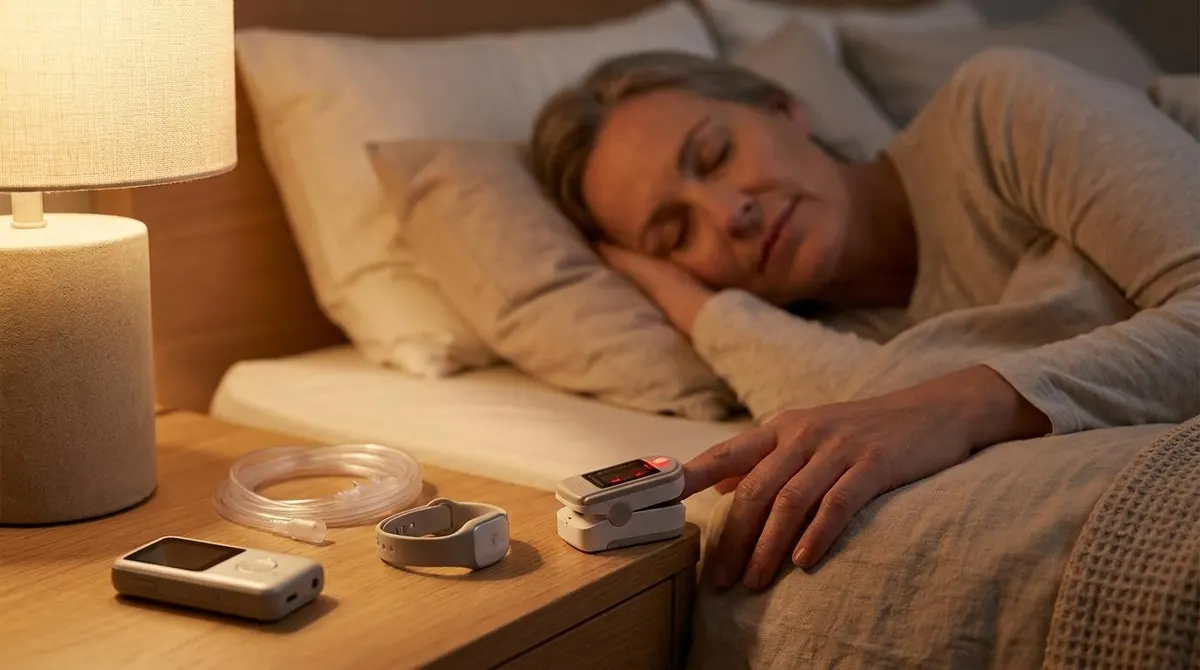
Home sleep testing is a portable diagnostic method that measures breathing patterns, oxygen levels, and heart rate while you sleep at home to detect obstructive sleep apnea. According to the American Academy of Sleep Medicine, home sleep apnea testing is a validated alternative to in-lab polysomnography for adults with a high pretest probability of moderate to severe obstructive sleep apnea. This guide is written for anyone experiencing symptoms like chronic snoring, daytime fatigue, or witnessed breathing pauses, as well as commercial drivers who need sleep apnea testing for DOT medical certification. You will learn exactly how home sleep tests work, what equipment is involved, how results are interpreted, how home testing compares to lab studies, and when it may not be the right choice. By the end, you will know whether a home sleep test fits your situation and how to get started.
Quick Answer
home sleep testing uses a portable device worn overnight in your own bed to record airflow, oxygen saturation, breathing effort, and heart rate. A physician reviews the recorded sleep data and calculates an apnea hypopnea index score to determine whether obstructive sleep apnea is present and how severe it is. Most adults with suspected moderate to severe sleep apnea are good candidates. Home sleep tests cost significantly less than in-lab polysomnography and do not require an overnight facility stay. dumbo.health offers a home sleep test for $149 with physician interpretation available through monthly care plans starting at $59 per month.
Key Takeaways
- A home sleep apnea test (HSAT) records airflow, oxygen levels, breathing effort, and heart rate overnight using a portable device you wear at home.
- The apnea hypopnea index (AHI score) is the primary metric used to diagnose obstructive sleep apnea, with 5 or more events per hour indicating the condition is present.
- Home sleep testing is validated for diagnosing obstructive sleep apnea in adults but is not designed to detect central sleep apnea, insomnia, sleepwalking, night terrors, or other complex sleep disorders.
- In-lab polysomnography remains the gold standard for comprehensive sleep evaluation, recording brain waves, eye movements, and muscle activity alongside respiratory data.
- dumbo.health provides a complete home sleep test for $149 with no insurance required, no prior authorizations, and no surprise bills.
- CPAP therapy is the most common treatment prescribed after a positive sleep apnea diagnosis, and dumbo.health offers CPAP therapy plans starting at $59 per month with no contracts.
What Is Home Sleep Testing and How Does It Work
Home sleep testing is a diagnostic method that uses a portable monitoring device to record key physiological signals while you sleep in your own bed. The primary purpose is to detect obstructive sleep apnea, a condition where the upper airway repeatedly collapses during sleep, reducing or stopping airflow.
Unlike a full in-lab sleep study, a home sleep test focuses on respiratory and cardiac channels. The device typically records nasal and oral airflow, chest and abdominal breathing effort, blood oxygen saturation (SpO2), and heart rate. Some devices also capture snoring intensity and body position.
The National Heart, Lung, and Blood Institute (NHLBI) describes obstructive sleep apnea as a condition where repeated upper airway blockages cause oxygen levels to drop and sleep to fragment. Home sleep apnea testing identifies these events by measuring how often breathing stops or becomes shallow during the night.
A home sleep test does not require a sleep technologist to be present. You set up the device yourself following provided instructions, sleep in your normal environment, and return the device for data download and physician interpretation. The recorded sleep data is then scored by a board-certified sleep physician or sleep specialist who calculates the AHI score and determines whether treatment is needed.
Home sleep apnea testing has become increasingly common since the American Academy of Sleep Medicine published clinical guidelines supporting its use for uncomplicated adult patients with a high likelihood of moderate to severe obstructive sleep apnea. In 2026, portable HSAT devices are widely available through providers in your area, telehealth platforms, and services like dumbo.health, which ships an at-home sleep test directly to your door for $149 with no insurance required.
KEY TAKEAWAY: Home sleep testing records airflow, oxygen saturation, breathing effort, and heart rate overnight to diagnose obstructive sleep apnea without requiring an overnight stay in a sleep lab.
Understanding what a home sleep test measures is only useful if you know what equipment is involved and how each sensor contributes to the diagnosis.
Home Sleep Test Equipment: Sensors, Devices, and What You Wear
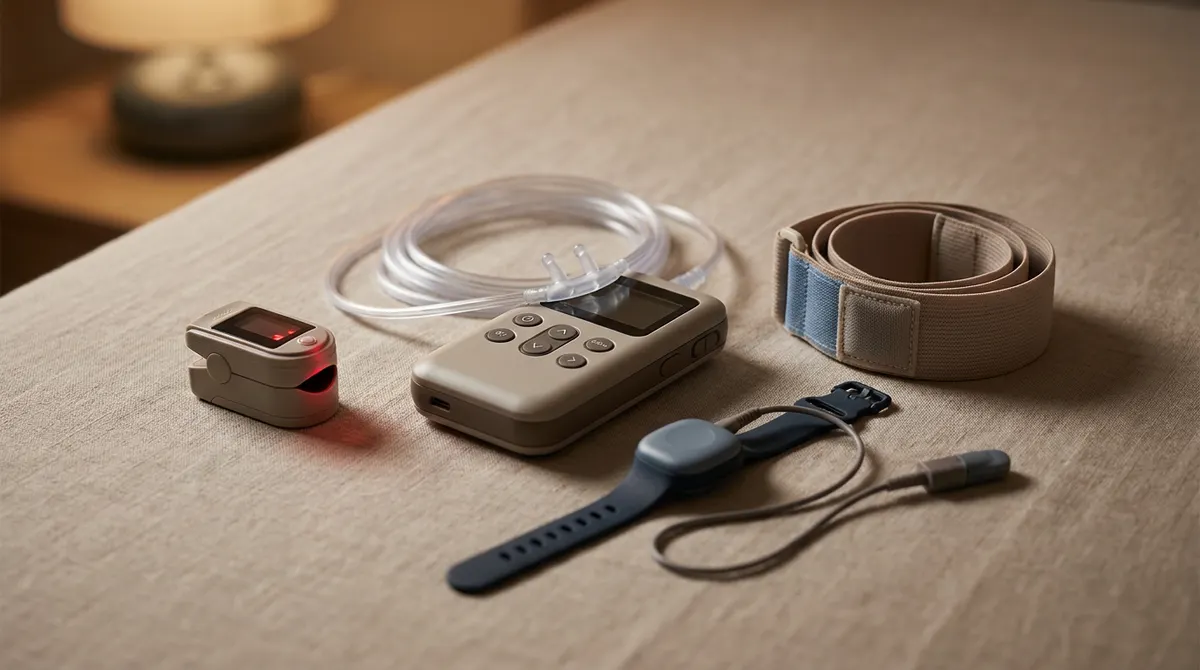
A home sleep apnea test kit contains a small portable unit and a set of sensors designed to capture respiratory and cardiac data. Each sensor records a specific signal that contributes to the overall assessment of your breathing during sleep.
Nasal Cannula and Airflow Sensor
The nasal cannula is a lightweight tube that sits just below your nostrils. It detects airflow by measuring pressure changes as you breathe in and out. This sensor is critical for identifying apneas (complete breathing stops) and hypopneas (partial reductions in airflow). Some devices also use a thermistor near the mouth to detect oral breathing.
Pulse Oximeter
A pulse oximeter clips onto your fingertip and uses light sensors to measure oxygen saturation (SpO2) and heart rate continuously throughout the night. The CDC notes that normal resting oxygen saturation is typically between 95% and 100%. Drops below 90% during sleep events are clinically significant and indicate oxygen desaturation associated with sleep-disordered breathing.
Effort Belt
An effort belt wraps around your chest or abdomen to measure breathing effort through respiratory inductive plethysmography. This sensor tells the physician whether your body is still trying to breathe even when airflow stops, which is a defining feature of obstructive sleep apnea. If there is no breathing effort at all during a pause, central sleep apnea may be suspected instead.
Device Variations
Several HSAT device models exist. The WatchPAT ONE, manufactured by Itamar Medical, is a popular disposable HSAT device worn on the wrist with a finger sensor. It uses peripheral arterial tonometry to detect breathing events rather than relying solely on a nasal cannula. Other devices such as the SleepImage Ring use wearable ring-based sensor technology. Traditional multi-channel portable units combine a cannula, oximeter, and belt in a single kit.
Some newer HSAT devices connect to a smartphone app for data collection and transmission to a cloud-based server, streamlining the process between testing and physician review. These connected care platforms make it possible for a sleep specialist to receive your sleep data within hours of your test night.
DID YOU KNOW: The WatchPAT ONE is an FDA-approved single-use home sleep testing device that measures peripheral arterial tone, oxygen saturation, heart rate, and actigraphy from a wrist-worn sensor, eliminating the need for a nasal cannula or chest belt.
dumbo.health includes an HSAT device with the $149 home sleep test purchase, shipped directly to you with setup instructions and no prescription hassles to manage on your own.
KEY TAKEAWAY: A home sleep test kit typically includes a nasal cannula, pulse oximeter, and effort belt, though newer devices like the WatchPAT ONE simplify setup by consolidating sensors into a single wrist-worn unit.
Knowing the equipment prepares you for the actual testing process, which follows a straightforward sequence from order to results.
How to Complete a Home Sleep Test: Step by Step
Completing a home sleep apnea test involves a simple sequence that takes most people from initial order to results review in under two weeks.
Step-by-Step Process
1. Consult with a healthcare provider or complete an initial sleep assessment to determine whether a home sleep test is appropriate for your symptoms. You can start a free sleep assessment through dumbo.health to begin the process online.
2. Obtain a prescription or medical order for a home sleep apnea test. Many telehealth providers and sleep medicine teams can issue this based on a virtual consultation.
3. Receive your HSAT device by mail or from a local sleep center. dumbo.health ships the home sleep test device directly to your address after purchase for $149.
4. On the night of your test, follow the device instructions carefully. Attach the nasal cannula, place the pulse oximeter on your finger, and secure the effort belt around your chest. If using a WatchPAT ONE or similar device, attach the wrist unit and finger probe.
5. Sleep in your normal position and environment for at least one full night. Avoid alcohol and sedative medication on the test night, as these can affect respiratory patterns and reduce test accuracy.
6. In the morning, remove the sensors and either return the device by mail or upload your data through a smartphone app if your device supports connected data transmission.
7. A board-certified sleep physician reviews your recorded sleep data, scores the study, and generates a diagnostic report with your AHI score and oxygen desaturation index.
8. Review your results with your physician or sleep specialist, who will recommend next steps including treatment if sleep apnea is confirmed.
After completing these steps, most patients receive their results within a few business days. dumbo.health Premium Plan members ($89 per month) receive priority results turnaround along with a dedicated sleep coach for ongoing guidance.
KEY TAKEAWAY: A home sleep test follows a straightforward process from consultation through testing to physician-reviewed results, typically completed within one to two weeks.
Once your test is scored, the results themselves require careful interpretation to understand what they mean for your health and next steps.
Understanding Your Home Sleep Test Results
Home sleep test results are built around the apnea hypopnea index (AHI score), which measures how many times per hour your breathing stops or becomes significantly reduced during sleep. The AHI score is the single most important number in your sleep study results.
How the AHI Score Is Calculated
The apnea hypopnea index counts every apnea (a complete stop in airflow lasting at least 10 seconds) and every hypopnea (a partial reduction in airflow accompanied by an oxygen desaturation of at least 3% to 4% or an arousal). The total number of these events is divided by the total hours of recorded sleep to produce the AHI score.
The American Academy of Sleep Medicine classifies obstructive sleep apnea severity as follows:
- Normal: AHI below 5 events per hour
- Mild obstructive sleep apnea: AHI 5 to 14 events per hour
- Moderate obstructive sleep apnea: AHI 15 to 29 events per hour
- Severe obstructive sleep apnea: AHI 30 or more events per hour
Oxygen Desaturation Index and SpO2 Nadir
Beyond the AHI score, your results will include oxygen saturation data. The oxygen desaturation index records how often your blood oxygen levels drop by 3% or more per hour. The SpO2 nadir is the lowest oxygen level recorded during the test. Clinicians frequently observe that patients with severe sleep apnea often have SpO2 nadirs below 80%, which represents significant cardiovascular risk.
What Your Physician Looks For
A sleep specialist or board-certified sleep physician evaluates your complete sleep data, not just the AHI number in isolation. They consider oxygen desaturation patterns, heart rate variability, the proportion of time spent below 90% oxygen saturation, and the distribution of events across body positions and sleep phases.
IMPORTANT: A negative or normal home sleep test result does not always rule out sleep apnea. Home sleep tests can underestimate the AHI score because they measure total recording time rather than actual sleep time, potentially producing false-negative results. If symptoms persist after a normal HSAT, your provider may recommend an in-lab polysomnography for a more comprehensive assessment.
Interpretation of home sleep test results should always be performed by a qualified physician. dumbo.health's care plans include physician interpretation and a detailed report. The Essentials Plan at $59 per month covers physician review and provides updates sent directly to your referring provider.
KEY TAKEAWAY: The AHI score is the primary diagnostic metric from a home sleep test, with scores of 5 or more events per hour indicating obstructive sleep apnea and scores of 30 or more indicating severe disease.
Understanding results naturally raises the question of how home testing compares to the traditional overnight sleep lab experience.
Home Sleep Test vs In-Lab Polysomnography: Which One Do You Need
A home sleep apnea test is a streamlined, lower-cost option for diagnosing obstructive sleep apnea, while in-lab polysomnography is the gold standard for comprehensive sleep evaluation. The right choice depends on your symptoms, medical history, and what your provider suspects.
Polysomnography is a full overnight sleep study conducted in a sleep lab or sleep center with a sleep technologist present. It records brain waves via electroencephalography, eye movements via electro-oculography, muscle activity via electromyography, heart rhythm via electrocardiography, respiratory effort, airflow, oxygen saturation, limb movements, body position, and snoring. Video and audio monitoring capture additional behavioral data during sleep.
A home sleep test records a narrower set of channels focused on respiratory function and cardiac monitoring. It does not measure brain waves, which means it cannot identify sleep stages, arousals, or non-respiratory sleep disorders.
Setting
- Home Sleep Apnea Test: Your own bed at home
- Polysomnography: Sleep lab, sleep center, or hospital facility
Channels Recorded
- Home Sleep Apnea Test: Airflow, oxygen saturation, breathing effort, heart rate, sometimes body position and snoring
- Polysomnography: All respiratory channels plus electroencephalogram, electrocardiogram, electrooculogram, electromyography, video and audio monitoring, and limb movement sensors
Cost
- home sleep apnea test: Lower, typically $149 to $500 out of pocket
- polysomnography: Higher, often $1,000 to $3,000 or more without insurance
Convenience
- Home Sleep Apnea Test: High, no travel or overnight facility stay required
- Polysomnography: Lower, requires scheduling and sleeping at an unfamiliar location
Best For
- Home Sleep Apnea Test: Adults with high suspicion of uncomplicated moderate to severe obstructive sleep apnea
- Polysomnography: Patients with suspected central sleep apnea, complex sleep disorders, insomnia, sleepwalking, night terrors, or those who need a split-night protocol combining diagnosis and CPAP titration
Accuracy for OSA Detection
- Home Sleep Apnea Test: High sensitivity and specificity when used in appropriate patient populations, though may underestimate severity
- Polysomnography: Highest accuracy across all sleep disorder categories
For most adults whose primary concern is obstructive sleep apnea, a home sleep test provides the diagnostic data needed to begin treatment. The American Academy of Sleep Medicine supports HSAT as a valid diagnostic tool when supervised by a sleep medicine specialist and used in the right clinical context. If you need an accessible starting point, dumbo.health offers a complete home sleep apnea test for $149 with no insurance, no prior authorizations, and no surprise bills.
KEY TAKEAWAY: Home sleep testing is appropriate for diagnosing uncomplicated obstructive sleep apnea in adults, while in-lab polysomnography is necessary for complex or multiple sleep disorders that require brain wave monitoring and full-channel recording.
Knowing which test fits your situation leads to the practical question of who is eligible for home sleep testing and who should pursue an alternative.
Who Should Get a Home Sleep Test and Who Should Not
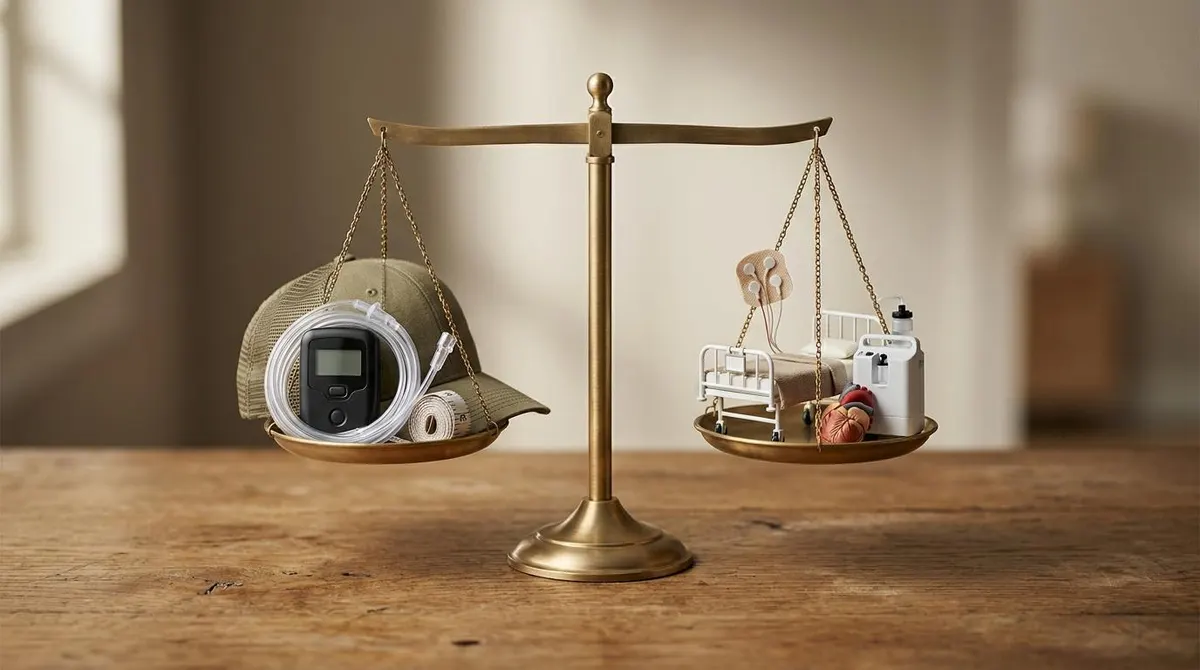
Home sleep testing is appropriate for a specific patient population and is not a universal screening tool for all sleep complaints. Identifying the right candidates helps avoid missed diagnoses and unnecessary repeat testing.
Good Candidates for Home Sleep Testing
The American Academy of Sleep Medicine recommends home sleep apnea testing for adults who meet these criteria:
- High pretest probability of moderate to severe obstructive sleep apnea based on symptoms and clinical evaluation
- No significant comorbid sleep disorders such as central sleep apnea, periodic limb movement disorder, insomnia, narcolepsy, or parasomnias
- No severe cardiopulmonary disease such as unstable heart failure, chronic obstructive pulmonary disease with respiratory failure, or neuromuscular disease that could complicate respiratory assessment
- Ability to apply and wear the device independently or with household assistance
Commercial drivers and CDL holders undergoing DOT physicals are frequently screened for sleep apnea risk factors such as elevated BMI, large neck circumference, and reported snoring. For these drivers, a home sleep test is often the fastest and most affordable path to diagnosis and certification clearance. dumbo.health serves this population specifically, offering a sleep apnea test for CDL drivers as part of a streamlined care pathway.
Who Should Pursue In-Lab Testing Instead
Certain patients need the full diagnostic capability of polysomnography:
- Suspected central sleep apnea or sleep-disordered breathing patterns that are not primarily obstructive
- Known heart failure, as central and mixed apneas are more common in this population
- Suspected parasomnias including sleepwalking or night terrors, which require brain wave monitoring
- Suspected narcolepsy or other hypersomnia disorders requiring multiple sleep latency testing
- Pediatric patients, as home sleep testing is not validated for children
- Patients with prior negative HSAT results who continue to report symptoms such as excessive daytime sleepiness, witnessed apneas, or chronic snoring
Real-World Scenarios
A 48-year-old long-haul truck driver with a BMI of 34, a neck circumference of 18 inches, and a bed partner who reports loud snoring and witnessed breathing pauses is an ideal candidate for a home sleep test. This driver has a high pretest probability of obstructive sleep apnea, no known complex sleep disorders, and needs a quick turnaround to maintain DOT medical certification. Using dumbo.health, this driver could order a $149 home sleep test, complete the test in one night, and have physician-reviewed results within days.
A 62-year-old woman with a history of congestive heart failure, daytime sleepiness, and a bed partner who reports periodic pauses in breathing followed by gasping is not an ideal HSAT candidate. Her heart failure increases the likelihood of central sleep apnea or mixed apnea patterns, which require the brain wave and full respiratory monitoring available only through in-lab polysomnography.
A 35-year-old office worker who experiences difficulty falling asleep, frequent waking, and daytime fatigue but has no snoring, no witnessed apneas, and a normal BMI is more likely dealing with insomnia than obstructive sleep apnea. A home sleep test would likely return normal results and would not address the underlying sleep disorder. This patient would benefit from a comprehensive sleep assessment rather than an HSAT.
KEY TAKEAWAY: Home sleep testing works best for adults with a high probability of obstructive sleep apnea and no complex comorbid sleep disorders, while patients with suspected central sleep apnea, heart failure, parasomnias, or insomnia need in-lab polysomnography.
Even among good candidates, there are important limitations to understand before relying on a home sleep test for a definitive diagnosis.
Limitations and Risks of Home Sleep Testing
Home sleep testing has well-documented limitations that both patients and providers should consider before relying solely on HSAT results. Acknowledging these limitations leads to better diagnostic accuracy and appropriate follow-up care.
Limitation 1: Cannot Detect All Sleep Disorders
Home sleep tests are designed to identify obstructive sleep apnea. They do not measure brain waves (electroencephalography), which means they cannot identify sleep stages, arousals, insomnia, narcolepsy, sleepwalking, night terrors, or rapid eye movement sleep behavior disorder. A patient whose primary problem is a non-respiratory sleep disorder will not receive useful diagnostic information from an HSAT.
Limitation 2: Risk of Underestimating Severity
Because home sleep tests calculate AHI using total recording time rather than actual sleep time, periods when you are awake but the device is running dilute the AHI score. The Sleep Foundation notes that this means HSAT can underestimate the true severity of sleep apnea. A patient with moderate sleep apnea might receive a mild AHI score from an HSAT, potentially delaying appropriate treatment. If clinical suspicion is high and HSAT results are negative or mild, a follow-up in-lab polysomnography is recommended.
Limitation 3: Data Loss From Improper Setup
Without a sleep technologist present, sensor dislodgement during the night is possible. A nasal cannula that shifts, a pulse oximeter that falls off your finger, or an effort belt that loosens can result in lost data channels. If too much data is lost, the study may be scored as technically inadequate and require a repeat test. Many patients report that careful attention to setup instructions before sleep significantly reduces this risk.
Limitation 4: Not Validated for All Populations
Home sleep testing has not been validated for pediatric patients, and its accuracy decreases in patients with significant cardiopulmonary comorbidities. Medicare and many insurance plans have specific eligibility criteria for HSAT, and some patients may be required to complete polysomnography instead. The AASM recommends that all home sleep test results be reviewed by a board-certified sleep medicine specialist to ensure accurate interpretation.
How dumbo.health Addresses These Limitations
dumbo.health pairs every home sleep test with physician oversight. Results are reviewed and interpreted by qualified physicians rather than automated scoring alone. If a home test is inconclusive or suggests a need for further evaluation, the care team can guide you toward appropriate next steps. The Premium Plan at $89 per month includes a dedicated sleep coach and advanced adherence monitoring for patients who move into CPAP therapy, providing ongoing clinical support rather than a one-time test and disconnect.
KEY TAKEAWAY: Home sleep testing is a reliable tool for obstructive sleep apnea but has real limitations including the inability to detect non-respiratory sleep disorders, the potential to underestimate severity, and the risk of data loss from sensor dislodgement.
Understanding what happens after a positive diagnosis is just as important as understanding the test itself.
What Happens After a Positive Sleep Apnea Diagnosis
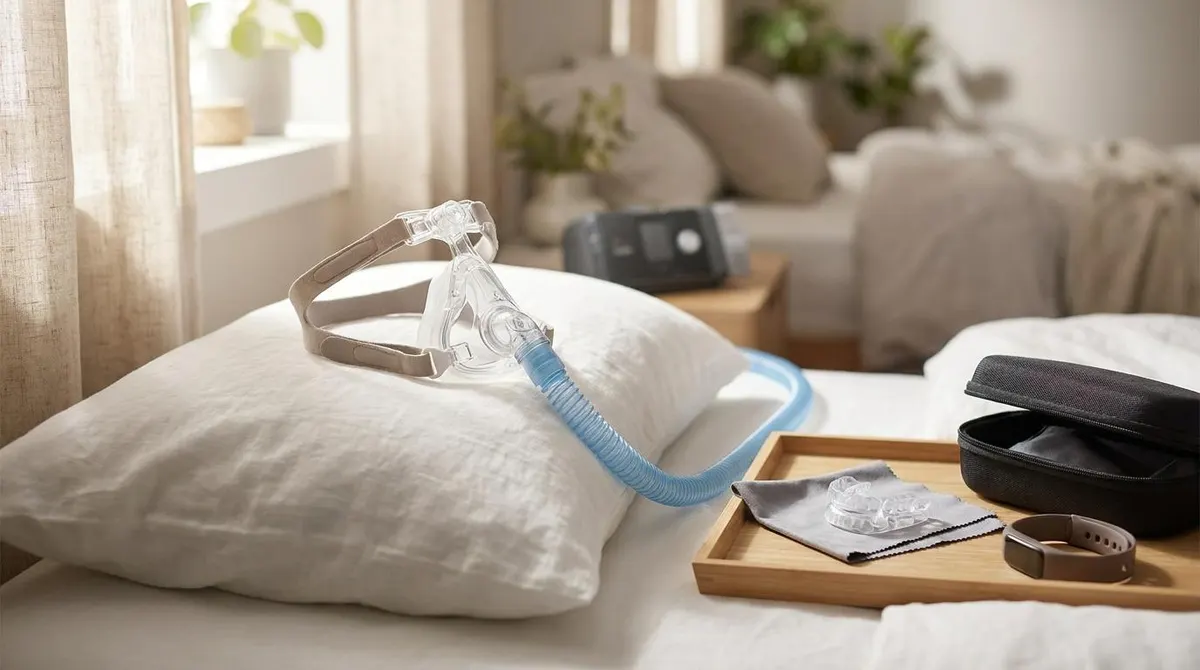
CPAP therapy is the first-line treatment for moderate to severe obstructive sleep apnea. After a positive home sleep test, your physician will prescribe a treatment plan based on the severity of your AHI score and your oxygen desaturation patterns.
CPAP Therapy as the Standard Treatment
Continuous positive airway pressure (CPAP) therapy delivers a steady stream of air through a mask to keep your airway open during sleep. According to Mayo Clinic, CPAP is the most effective non-surgical treatment for obstructive sleep apnea and is recommended for all severity levels, though it is most critical for moderate to severe cases.
CPAP equipment includes a machine, tubing, and a mask interface. Mask types include full face masks, nasal masks, and nasal pillow masks. The choice depends on your breathing habits, comfort preferences, and facial anatomy. Some patients require an auto CPAP machine, which adjusts pressure automatically throughout the night, while others may need a BiPAP or bilevel machine that delivers different pressures for inhalation and exhalation.
CPAP supplies such as mask parts, machine parts, filters, cleaning supplies, and CPAP batteries need periodic replacement. Travel CPAP machines are available for patients who need portable therapy on the road.
Getting Started With Treatment Through dumbo.health
dumbo.health's monthly plans cover ongoing CPAP therapy and equipment after diagnosis. The Essentials Plan at $59 per month includes physician interpretation, CPAP therapy and equipment, standard follow-up care, and updates to your referring provider. The Premium Plan at $89 per month adds a dedicated sleep coach, advanced adherence monitoring, and priority results turnaround. The Elite Plan at $129 per month includes concierge clinical support, direct physician messaging, and custom reporting for your practice. All plans operate with no contracts, and you can cancel anytime.
Alternative and Adjunct Treatments
Not all patients tolerate CPAP therapy. Alternatives include oral appliances (mandibular advancement devices), positional therapy for position-dependent sleep apnea, weight management programs, and in some cases, surgical intervention. Medication is not a primary treatment for obstructive sleep apnea, though it may be used to manage related conditions such as nasal congestion.
For patients with mild sleep apnea or those who struggle with CPAP adherence, a combination of lifestyle modifications and medical follow-up may be appropriate. Clinicians frequently observe that patients who receive dedicated adherence support and coaching are more likely to maintain consistent CPAP use over time.
DID YOU KNOW: According to the American Academy of Sleep Medicine, CPAP therapy reduces the AHI to below 5 events per hour in the majority of patients when used consistently, effectively eliminating apnea events during treatment.
KEY TAKEAWAY: CPAP therapy is the standard treatment after a positive obstructive sleep apnea diagnosis, and consistent use is essential for reducing cardiovascular risk, improving sleep quality, and maintaining alertness during the day.
Cost is one of the most common barriers to getting tested and treated, so understanding the financial landscape is critical.
How Much Does Home Sleep Testing Cost and Does Insurance Cover It
A home sleep test typically costs between $149 and $500 when paid out of pocket, making it significantly more affordable than in-lab polysomnography, which can range from $1,000 to $3,000 or more without insurance coverage. The total cost of sleep apnea care extends beyond the initial test to include physician interpretation, CPAP equipment, ongoing supplies, and follow-up monitoring.
Insurance and Medicare Coverage
Medicare covers home sleep apnea testing when ordered by a treating physician and when the patient meets specific criteria for suspected obstructive sleep apnea. Private insurance plans vary widely in coverage, often requiring prior authorizations, in-network provider restrictions, and copays that can make the actual out-of-pocket cost unpredictable.
Many patients report frustration with insurance requirements that delay testing by weeks while authorization is processed. Surprise bills for out-of-network interpretations or equipment not covered under the plan add further financial uncertainty.
Cash-Pay Pricing as an Alternative
For patients who want transparent pricing without insurance complications, cash-pay options provide clarity. dumbo.health operates as a cash-pay only platform with no insurance required, no prior authorizations, and no surprise bills.
Cost Breakdown at dumbo.health
- Home sleep test device and one night of testing: $149 (one-time purchase, billed separately before the test night)
- Essentials Plan: $59 per month (approximately $2 per day), includes physician interpretation, CPAP therapy and equipment, standard follow-up care, and updates to referring provider
- Premium Plan: $89 per month (approximately $3 per day), includes everything in Essentials plus a dedicated sleep coach, advanced adherence monitoring, and priority results turnaround
- Elite Plan: $129 per month (approximately $4 per day), includes everything in Premium plus concierge clinical support, direct physician messaging, and custom reporting
All plans have no contracts and can be cancelled anytime. The home sleep test is purchased separately and is not included in the monthly plans.
Checklist: What to Confirm Before Ordering a Home Sleep Test
- Confirm you have discussed your symptoms with a healthcare provider or completed a sleep assessment
- Verify whether your insurance covers HSAT or whether cash-pay is more practical for your situation
- Check whether a prescription or medical order is required by your chosen testing provider
- Ensure your shipping address can receive the device within the expected delivery window
- Review the device setup instructions before your planned test night
- Set aside one night where you can sleep for at least 6 hours without major disruptions
- Avoid alcohol and sedative medication on the test night
- Have a smartphone or computer available if your device requires app-based data upload
- Complete the free sleep assessment at dumbo.health if you want a guided process with no insurance barriers
KEY TAKEAWAY: Home sleep testing costs $149 to $500 out of pocket and is significantly less expensive than in-lab polysomnography, and cash-pay platforms like dumbo.health eliminate insurance delays, prior authorizations, and surprise bills.
Beyond cost, patients often encounter myths and misinformation that create unnecessary hesitation about home sleep testing.
Common Myths About Home Sleep Testing Debunked
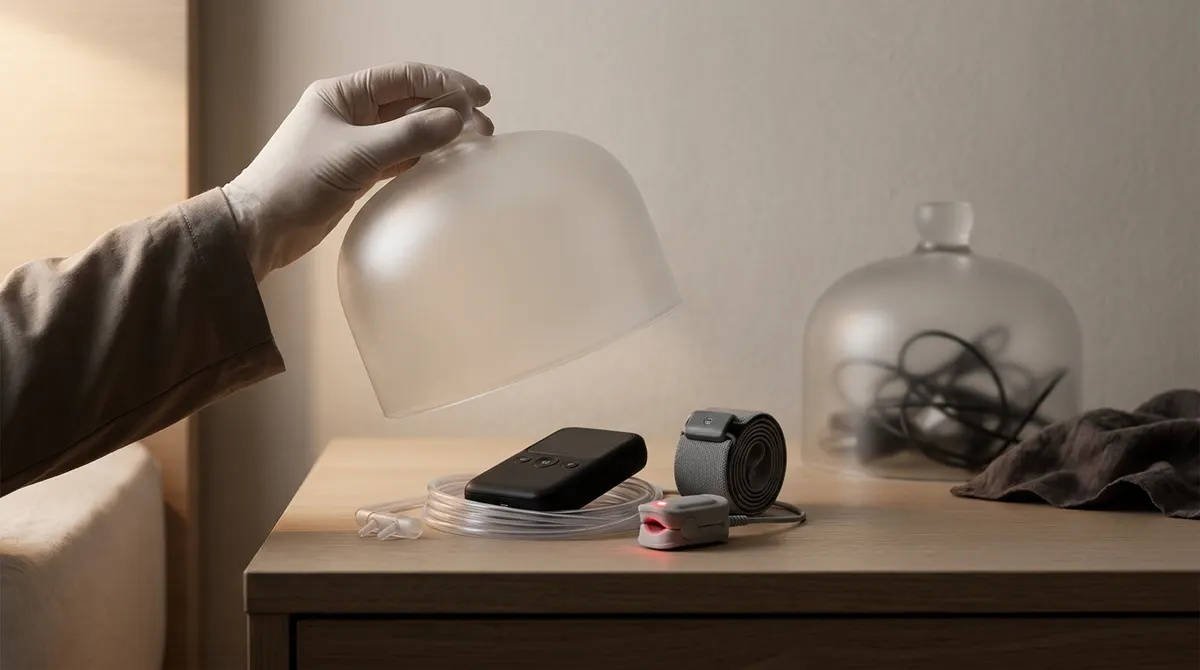
MYTH: Home sleep tests are not accurate enough to diagnose sleep apnea.
FACT: The American Academy of Sleep Medicine endorses home sleep apnea testing as a valid diagnostic tool for obstructive sleep apnea when used in appropriate adult populations with a high pretest probability. Studies show that HSAT devices have high sensitivity and specificity for detecting moderate to severe OSA. While HSAT may underestimate the AHI compared to polysomnography due to total recording time methodology, a positive result from a properly conducted home sleep test is considered diagnostically reliable.
MYTH: You need to go to a sleep lab to get a legitimate sleep study.
FACT: In-lab polysomnography remains the gold standard for comprehensive sleep evaluation, but it is not required for every patient. For uncomplicated obstructive sleep apnea in adults, a home sleep test provides sufficient diagnostic data to initiate treatment including CPAP prescription. Sleep labs are reserved for patients with complex presentations, suspected non-respiratory sleep disorders, or inconclusive home test results.
MYTH: If your home sleep test is normal, you definitely do not have sleep apnea.
FACT: A normal HSAT result does not definitively rule out obstructive sleep apnea, especially mild cases. Because home tests can underestimate event frequency, a patient with persistent symptoms such as excessive daytime sleepiness, chronic snoring, or witnessed breathing pauses should follow up with their sleep medicine specialist. The AASM recommends proceeding to in-lab polysomnography if clinical suspicion remains high after a negative HSAT.
MYTH: Home sleep tests are too complicated for most people to set up correctly.
FACT: Modern HSAT devices are designed for self-application with clear instructions. Newer devices like the WatchPAT ONE require only a wrist strap and finger sensor, dramatically simplifying setup. While sensor dislodgement can occur, most patients complete home sleep tests successfully on the first attempt. Providers like dumbo.health include setup guidance and clinical support to reduce the chance of technical failures.
MYTH: CPAP therapy is the only option after a sleep apnea diagnosis.
FACT: CPAP is the most effective and widely prescribed treatment for obstructive sleep apnea, but alternatives exist for patients who cannot tolerate positive airway pressure therapy. Oral appliances, positional therapy, weight management, and in some cases surgical options are available. The appropriate treatment depends on the severity of sleep apnea, patient anatomy, and individual tolerance. A sleep specialist or sleep medicine team can help determine the best approach.
KEY TAKEAWAY: Home sleep tests are clinically validated, widely endorsed for diagnosing obstructive sleep apnea, and far simpler to use than most patients expect, though they are not the right tool for every sleep disorder.
Separating fact from fiction helps you approach home sleep testing with realistic expectations and confidence in the process.
Why Home Sleep Testing Matters for Long-Term Health
Untreated obstructive sleep apnea increases the risk of serious cardiovascular disease, including hypertension, atrial fibrillation, stroke, and heart failure. According to the NIH, obstructive sleep apnea is independently associated with elevated cardiovascular risk, making early diagnosis and treatment a matter of long-term health protection rather than just better sleep.
Sleep apnea also affects daily function. The National Highway Traffic Safety Administration has cited drowsy driving as a factor in an estimated 100,000 police-reported crashes annually, with sleep-disordered breathing being a significant contributor to daytime sleepiness behind the wheel. For commercial drivers, untreated sleep apnea is both a personal health risk and a public safety concern.
Home sleep testing removes two of the biggest barriers to diagnosis: cost and inconvenience. Patients who might never schedule an overnight stay at a sleep lab can complete a test from their own bed for a fraction of the cost. This accessibility translates into earlier detection, earlier treatment, and reduced long-term health complications.
Beyond cardiovascular risk, untreated sleep apnea contributes to metabolic dysfunction, insulin resistance, mood disturbances, and impaired cognitive performance. The Sleep Foundation explains that chronic sleep fragmentation from untreated apnea disrupts restorative sleep processes, compounding health effects over time.
Home sleep apnea testing is the entry point to a care pathway that begins with screening, moves through diagnosis, and continues with treatment and monitoring. dumbo.health's sleep apnea care solutions are designed around this full pathway, from a $149 home sleep test through ongoing CPAP therapy and physician oversight, ensuring that a positive diagnosis leads to sustained treatment rather than a report that sits in a drawer.
KEY TAKEAWAY: Diagnosing obstructive sleep apnea through home sleep testing is a critical step in reducing long-term cardiovascular risk, improving daily function, and addressing a condition that affects both personal health and public safety.
Conclusion
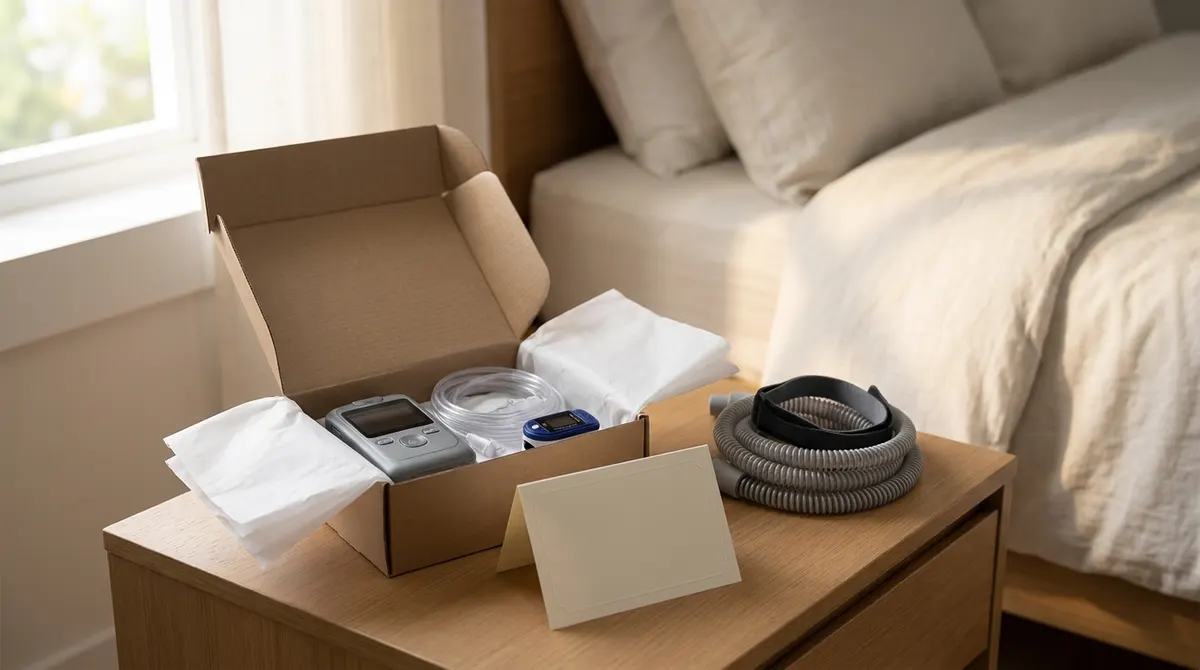
Home sleep testing is a validated, accessible, and cost-effective method for diagnosing obstructive sleep apnea in the majority of adult patients with suspected moderate to severe disease. It records the physiological data needed for a physician to calculate your AHI score, assess oxygen desaturation patterns, and prescribe appropriate treatment. While it does not replace in-lab polysomnography for complex cases, it eliminates the cost and scheduling barriers that prevent many people from getting tested at all. If you have symptoms like chronic snoring, daytime fatigue, or witnessed breathing pauses, a home sleep test is a practical first step. dumbo.health offers a complete at-home sleep test for $149 with no insurance required, and monthly care plans starting at $59 per month cover physician review, CPAP therapy, and follow-up with no contracts and the ability to cancel anytime.
Frequently Asked Questions About Home Sleep Testing
What is a home sleep test?
A home sleep test (HST) is a simplified, portable sleep study you complete in your own bed rather than in a clinic or sleep lab. The device records key physiological signals overnight, typically including oxygen saturation, breathing effort, airflow, and heart rate. A sleep physician or sleep medicine specialist then interprets the data to assess whether obstructive sleep apnea is present. Home sleep testing is widely used because it is more convenient and less expensive than an in-lab sleep study while still providing clinically meaningful results for many patients.
What does a home sleep test measure?
A home sleep test measures the physiological signals most relevant to diagnosing obstructive sleep apnea. Depending on the device used, measurements typically include oxygen saturation (SpO2), airflow through a nasal cannula, respiratory effort using a chest or abdominal belt, and heart rate. Some devices also record body position and snoring. The data is used to calculate the apnea-hypopnea index (AHI), which reflects the number of breathing interruptions per hour of sleep. Home sleep tests do not measure brain waves, eye movements, or leg muscle activity, which are recorded in a full in-lab polysomnography study.
How does a home sleep test work?
You receive a portable monitoring device, wear it overnight according to the instructions provided, and return the device or upload the data afterward. During the night, sensors attached to your finger, nose, and chest record breathing patterns, oxygen levels, and heart rate. The recorded sleep data is then transmitted to a sleep physician or sleep medicine team for interpretation. Results typically include an AHI score and a physician report. The entire process is designed to be straightforward enough to complete without clinical supervision. You can learn more about the testing process at dumbo.health's at-home sleep test page.
What equipment is used for a home sleep test?
Home sleep testing equipment typically includes a pulse oximeter to measure oxygen saturation, a nasal cannula or airflow sensor to detect breathing, a respiratory belt to measure breathing effort, and a recording unit that stores or transmits the data. Some newer devices, such as the WatchPAT ONE, use a wrist-worn sensor and finger probe that measure peripheral arterial tone, oxygen saturation, and heart rate without traditional belt-and-cannula setups. Disposable HSAT devices and wearable options are also available. The specific equipment depends on which device your provider or testing service uses.
How accurate are home sleep apnea tests?
Home sleep apnea tests are considered accurate for diagnosing moderate to severe obstructive sleep apnea in patients with a high clinical suspicion of the condition. The American Academy of Sleep Medicine supports the use of HSAT as an appropriate diagnostic tool in this population. However, home sleep tests may underestimate the severity of sleep apnea because they measure time with the device active rather than confirmed sleep time, which can lower the recorded AHI. They also cannot detect central sleep apnea, sleep-related movement disorders, or other complex sleep-disordered breathing conditions as reliably as in-lab polysomnography.
What are the limitations of a home sleep test?
Home sleep tests have several important limitations. They do not measure brain wave activity (electroencephalography), eye movement (electro-oculography), or muscle activity (electromyography), which are required to fully stage sleep or identify disorders such as night terrors, sleepwalking, or restless legs syndrome. They cannot reliably diagnose central sleep apnea or complex sleep apnea. If the sensor wires are displaced during the night or the device records insufficient data, the test may be inconclusive. Patients with significant cardiovascular disease, heart failure, or suspected non-obstructive sleep disorders are generally better candidates for an in-lab sleep study.
Who is a good candidate for a home sleep test?
Home sleep testing is most appropriate for adults who have a high clinical likelihood of moderate to severe obstructive sleep apnea, no significant comorbid medical conditions such as heart failure or severe respiratory disease, and no signs of other sleep disorders. According to the American Academy of Sleep Medicine, HSAT is appropriate when used under the supervision of a qualified sleep medicine clinician who can evaluate symptoms, review results, and recommend further testing if needed. A healthcare professional can help determine whether a home sleep test is suitable for your individual situation.
Who should not take a home sleep test?
Home sleep testing may not be appropriate for everyone. Patients with suspected central sleep apnea, significant cardiovascular disease, heart failure, obesity hypoventilation syndrome, chronic obstructive pulmonary disease, neuromuscular disorders, or other complex medical conditions are typically better evaluated with in-lab polysomnography. People who have symptoms of other sleep disorders, such as sleepwalking, night terrors, or restless legs syndrome, may also need a full in-lab study. If you are unsure whether home sleep testing is right for you, a sleep medicine specialist or your primary care provider can help guide the decision.
What is the difference between a home sleep test and an in-lab sleep study?
An in-lab sleep study, known as polysomnography, records a comprehensive set of signals including brain waves (electroencephalogram), eye movements (electrooculogram), muscle activity (electromyogram), heart rhythm (electrocardiogram), breathing effort, oxygen saturation, and body position, all monitored by a sleep technologist overnight. A home sleep test records a smaller set of signals, primarily focused on breathing and oxygen saturation, without the brain wave and muscle activity measurements. Polysomnography can diagnose a wider range of sleep disorders, while a home sleep test is designed specifically to evaluate obstructive sleep apnea in appropriate candidates.
How do I prepare for a home sleep test?
Preparation for a home sleep test is straightforward. On the night of the test, avoid caffeine, alcohol, and sedating medications unless your physician has specifically approved them, as these can affect your breathing and sleep patterns. Follow the setup instructions for the device carefully to ensure the sensors are positioned correctly. Try to sleep in your normal position and routine. Do not apply lotions or oils to your finger if using a pulse oximeter, as this can interfere with the sensor reading. Review any specific instructions provided by your testing service or physician before the test night.
How long does it take to get results from a home sleep test?
Results from a home sleep test are typically available within a few days to about a week after the device data is returned or uploaded. A sleep physician or sleep medicine specialist reviews the recorded sleep data, calculates the apnea-hypopnea index, and generates a physician report. Turnaround time varies depending on the service you use. With dumbo.health's Premium Plan, priority results turnaround is included as part of the ongoing care package, which can be helpful for patients who need documentation quickly.
Are home sleep tests covered by insurance?
Many insurance plans, including Medicare, cover home sleep testing when it is ordered by a qualified physician and meets clinical criteria for obstructive sleep apnea evaluation. Coverage depends on your specific plan, your diagnosis code, and whether prior authorization is required. If you prefer to avoid insurance complexity, prior authorizations, or surprise bills, dumbo.health offers cash-pay home sleep testing at a transparent $149 one-time cost, with no insurance required and no prior authorization needed.
How much does a home sleep test cost?
The cost of a home sleep test varies depending on the provider, insurance status, and geographic location. With insurance, your out-of-pocket cost may range from nothing to several hundred dollars depending on deductibles and copays. Without insurance, costs vary widely across providers. dumbo.health offers a $149 one-time at-home sleep test with transparent cash-pay pricing, no insurance required, and no surprise bills. Monthly ongoing care plans, which cover physician interpretation, CPAP therapy, equipment, and follow-up, start at $59 per month and are separate from the test cost.
Do I need a prescription to take a home sleep test?
In many cases, a prescription or physician order is required to access a home sleep test, particularly if you intend to use insurance for coverage or to have the results formally interpreted by a sleep medicine clinician. Some services allow patients to initiate testing through an online clinical intake process that connects them with a physician who can evaluate symptoms and order the test if appropriate. A healthcare professional should review your symptoms and health history before sleep testing to ensure you are an appropriate candidate and to interpret your results accurately.
What happens after I complete a home sleep test?
After you complete the test, the recorded data is sent to a sleep physician for interpretation. The physician reviews your AHI score, oxygen saturation patterns, breathing effort recordings, and other sleep data to determine whether obstructive sleep apnea is present and how severe it is. You will receive a physician report explaining the findings. If sleep apnea is identified, your care team will discuss treatment options, which may include CPAP therapy. If results are inconclusive or suggest a more complex sleep disorder, a follow-up in-lab sleep study may be recommended. You can explore ongoing care options at dumbo.health's sleep apnea solutions page.
What sleep disorders can a home sleep test detect?
Home sleep tests are specifically designed to detect obstructive sleep apnea and sleep-disordered breathing. They are not designed to diagnose insomnia, central sleep apnea, narcolepsy, restless legs syndrome, sleepwalking, night terrors, or other non-respiratory sleep disorders. These conditions require in-lab polysomnography with full brain wave, eye movement, and muscle activity monitoring. If your symptoms suggest a sleep disorder other than obstructive sleep apnea, a sleep medicine specialist can recommend whether an in-lab study is more appropriate.
How does snoring relate to sleep apnea?
Snoring is one of the most common symptoms of obstructive sleep apnea, though not everyone who snores has sleep apnea and not everyone with sleep apnea snores loudly. Snoring occurs when the airway partially narrows during sleep, causing turbulent airflow. In obstructive sleep apnea, the airway can collapse completely, causing breathing to stop temporarily. The Mayo Clinic notes that loud, chronic snoring combined with witnessed breathing pauses, gasping, daytime sleepiness, or morning headaches are common warning signs that a sleep evaluation may be warranted. A home sleep test can help assess whether sleep apnea is contributing to snoring-related symptoms.
What is the apnea-hypopnea index (AHI) and what does it mean?
The apnea-hypopnea index (AHI) is the primary measurement used to assess the severity of sleep apnea. It represents the average number of apneas (complete breathing pauses) and hypopneas (partial breathing reductions) per hour of recorded sleep or monitoring time. An AHI of fewer than 5 events per hour is generally considered normal in adults. An AHI of 5 to 14 is classified as mild sleep apnea, 15 to 29 as moderate, and 30 or more as severe. Your sleep physician will interpret your AHI score alongside other clinical information to recommend appropriate treatment.
What is CPAP therapy and when is it recommended?
CPAP (continuous positive airway pressure) therapy is the most widely recommended treatment for moderate to severe obstructive sleep apnea. A CPAP machine delivers a continuous stream of pressurised air through a mask worn during sleep, keeping the upper airway open and preventing breathing interruptions. According to the NHLBI, CPAP therapy can reduce daytime sleepiness, improve sleep quality, and lower cardiovascular risk associated with untreated sleep apnea. CPAP is typically recommended when a sleep study confirms moderate or severe obstructive sleep apnea, and the specific pressure settings are determined by a physician. You can learn more at dumbo.health's CPAP therapy page.
Why does CPAP adherence matter?
CPAP adherence refers to how consistently and for how long a patient uses their CPAP machine each night. Adherence matters because CPAP therapy is only effective when used regularly. Many insurance plans and DOT medical examiners require documentation of consistent CPAP use, typically defined as at least four hours of use on at least 70% of nights over a 30-day period. Poor adherence reduces the clinical and health benefits of treatment. Regular follow-up with a care team that monitors your adherence data can help identify mask fit problems, pressure issues, or other barriers before they affect your health or your certification status.
How does sleep apnea affect commercial drivers and CDL holders?
Commercial drivers and CDL holders with untreated or unmanaged obstructive sleep apnea face both health and regulatory risks. The FMCSA recognises sleep apnea as a condition that can impair driving performance through excessive daytime sleepiness, reduced reaction time, and impaired judgment. A certified medical examiner may consider a driver's symptoms, BMI, neck circumference, blood pressure, and other risk factors when determining whether sleep apnea evaluation is required as part of a DOT physical. Drivers who are identified as at risk may be required to complete a sleep study and demonstrate treatment adherence before receiving full medical certification. For more on this topic, see the dumbo.health guide to at-home sleep testing for truck drivers.
Can commercial drivers complete their sleep apnea test at home?
Yes. Many commercial drivers can complete their sleep apnea evaluation using a home sleep test rather than an in-lab sleep study, provided a qualified physician determines they are appropriate candidates. Home sleep testing is convenient for drivers who travel frequently or have limited access to sleep labs. dumbo.health offers at-home sleep testing specifically designed to support commercial drivers, including physician interpretation and documentation that can be shared with a referring provider or medical examiner. A certified medical examiner makes all DOT certification decisions, and dumbo.health does not guarantee certification outcomes. Learn more at the dumbo.health CDL driver sleep apnea test guide.
How can I find home sleep testing near me?
Home sleep testing is available through sleep medicine clinics, hospitals, primary care offices, and online telehealth platforms in many areas. Because a home sleep test is completed in your own home, the physical location of the testing service matters less than with in-lab studies. If you are looking for a convenient, transparent-cost option, dumbo.health ships a home sleep test device directly to you so you can test in your own bed, wherever you are. Start with a free sleep assessment to see whether at-home testing may be a reasonable next step for you.
What should I do if I have severe sleep symptoms or urgent health concerns?
If you experience severe symptoms such as chest pain, significant shortness of breath, extreme daytime sleepiness that impairs your ability to drive or function safely, or any other urgent health concern, seek medical care promptly rather than waiting for a home sleep test. Home sleep testing is appropriate for stable patients who want to evaluate suspected obstructive sleep apnea. It is not a substitute for emergency medical evaluation. A healthcare professional can help determine whether home testing is appropriate or whether a more urgent assessment is needed.
How do I get started with a home sleep test through dumbo.health?
You can begin by taking a free sleep assessment at dumbo.health, which helps determine whether at-home sleep testing may be a reasonable next step based on your symptoms and health history. If testing is appropriate, the at-home sleep test is available for a one-time cost of $149, billed separately from any monthly care plan. After testing, monthly plans starting at $59 per month cover physician interpretation, CPAP therapy and equipment, and ongoing follow-up care. No insurance is required, there are no prior authorizations, and there are no long-term contracts.
Related Home Sleep Apnea Test Topics
- How Do You Get a Home Sleep Apnea Test The Complete Guide to At-Home Sleep Testing
- How to Get a Sleep Apnea Test at Home The Complete Guide to Home Sleep Testing
- Sleep Apnea Test at Home The Complete Guide to Home Sleep Testing for Adults
- Home Sleep Test The Complete Guide to At-Home Sleep Apnea Testing
- Sleep Test at Home The Complete Guide to Home Sleep Apnea Testing
- How Is a Home Sleep Apnea Test Done A Complete Guide to At-Home Sleep Testing
- How Does a Home Sleep Apnea Test Work A Complete Guide to At-Home Sleep Testing
- Can You Test for Sleep Apnea at Home A Complete Guide to Home Sleep Testing
- Sleep Apnea Test The Complete Guide to Diagnosis, Home Testing, and What Your Results Mean
- Sleep Apnea Testing The Complete Guide to Diagnosis, Home Tests, and What Your Results Mean
- Home Sleep Testing Companies A Complete Guide to At-Home Sleep Apnea Diagnosis
- Home Sleep Apnea Test The Complete Guide to At-Home Sleep Apnea Testing
- What Is a Home Sleep Apnea Test How At-Home Sleep Testing Works, What It Measures, and Who Needs One
- How to Get Tested for Sleep Apnea The Complete Guide to Diagnosis, Sleep Studies, and Treatment
- CPAP Test at Home The Complete Guide to Home Sleep Apnea Testing and Treatment
- Polysomnography at Home How Home Sleep Testing Compares to In-Lab Sleep Studies
- At-Home Sleep Apnea Test The Complete Guide to Testing, Results, and Treatment
- HSAT The Complete Guide to Home Sleep Apnea Testing
- Sleep Test to CPAP How Sleep Apnea Testing Leads to Treatment
- Sleep Apnea Diagnosis How Sleep Apnea Is Detected, Tested, and Confirmed
- Sleep Apnea Testing Near Me How to Find the Right Test, Provider, and Path to Diagnosis
- Apnea Monitor The Complete Guide to Breathing Monitors for Sleep Apnea and Infant Care
- What Happens After a Home Sleep Apnea Test Results, Diagnosis, and Next Steps
- Disadvantages of Home Sleep Testing What Patients and Providers Need to Know
- Sleep Apnea Checker How to Screen for Sleep Apnea and What Your Results Mean
- Sleep Test What It Measures, How It Works, and What Your Results Mean
- Home Sleep Test Cost What You Actually Pay With and Without Insurance
- Sleep Apnea Test at Home with Insurance What Your Plan Actually Covers and How to Get Tested
- Sleep Apnea Test Near Me How to Find Local and At-Home Testing Options
- Are Home Sleep Apnea Tests Accurate What the Evidence Actually Shows
- Are Home Sleep Apnea Tests Reliable Clinical Evidence, Accuracy, and What the Data Actually Shows
- Does a Home Sleep Apnea Test Measure Apneas What the Device Actually Records
- Home Sleep Apnea Test Near Me How to Get Tested Without a Sleep Lab Visit
- Do At-Home Sleep Apnea Tests Work Clinical Accuracy, Limitations, and What the Evidence Shows
- Are Sleep Studies Covered by Insurance What You Actually Pay for Sleep Apnea Testing
- How Long Does a Home Sleep Apnea Test Take What to Expect Before, During, and After Testing
- How Much Does a Home Sleep Apnea Test Cost Complete Pricing Breakdown for Self-Pay and Insured Patients
- What Is the Best At-Home Sleep Apnea Test A Clinical Comparison of Devices, Accuracy, and Cost
- Does Insurance Cover a Home Sleep Apnea Test What You Actually Pay
- Does Medicare Cover a Home Sleep Apnea Test What Beneficiaries Need to Know
- Can Dentists Prescribe a Home Sleep Apnea Test What You Need to Know
- Sleep Apnea Test at Home DOT Approved Options for Commercial Drivers
- Cost of Sleep Apnea Testing What You Will Actually Pay
- Do You Need a Prescription for a Home Sleep Apnea Test
- Can My Doctor Prescribe a Home Sleep Apnea Test What You Need to Know
- What Does a Home Sleep Apnea Test Consist Of Sensors, Equipment, and What to Expect
- Can a Home Sleep Apnea Test Be Wrong Accuracy, False Negatives, and What to Do Next
- Best At Home Sleep Apnea Test A Clinical Comparison
- Does Anyone Ever Pass a Sleep Apnea Test What Normal Results Actually Look Like
- CPAP Test What It Is, How It Works, and What Your Results Mean
AI summary
Home sleep testing, also called a home sleep apnea test (HSAT), is a portable overnight study used to diagnose obstructive sleep apnea (OSA) in your home. It records respiratory and cardiac signals, then a physician interprets the data to determine OSA and severity. Core measurements include airflow (nasal cannula), oxygen saturation SpO2 and heart rate (pulse oximeter), and breathing effort (chest or abdominal effort belt). Some devices also capture snoring and body position; WatchPAT ONE (Itamar Medical) uses wrist-worn peripheral arterial tonometry with a finger sensor. Diagnosis is based mainly on the apnea-hypopnea index (AHI): normal <5, mild 5–14, moderate 15–29, severe ≥30 events per hour. Reports may also include oxygen desaturation index and SpO2 nadir. HSAT is validated for uncomplicated adults with high pretest probability of moderate to severe OSA, including some commercial drivers needing DOT-related testing. It is not designed to diagnose central sleep apnea, insomnia, parasomnias, or pediatric sleep disorders. Limitations include underestimated AHI (total recording time vs sleep time) and data loss from misplaced sensors; persistent symptoms after a negative HSAT may require in-lab polysomnography. After a positive test, CPAP is the standard first-line treatment, with alternatives such as oral appliances, positional therapy, and weight management.

Nicolas Nemeth
Co-Founder
Nico is the co-founder of Dumbo Health, a digital sleep clinic that brings the entire obstructive sleep apnea journey home. Patients skip the sleep lab and the long wait to see a specialist. Dumbo Health ships an at home test, connects patients with licensed sleep clinicians by video, and delivers CPAP or a custom oral appliance with ongoing coaching and automatic resupply in one clear subscription.
Keep reading

VA At Home Sleep Apnea Test: The Complete Guide for Veterans

Home Sleep Apnea Test App: What Works, What Doesn't, and How to Get a Real Diagnosis


