Sleep Apnea Diagnosis: How Sleep Apnea Is Detected, Tested, and Confirmed
Sleep apnea is diagnosed through a stepwise process that starts with clinical screening and is confirmed with a sleep study. This guide explains how polysomnography and home sleep apnea tests measure airflow, breathing effort, oxygen levels, and heart rate, then how results are scored using the apnea-hypopnea index (AHI). It outlines AHI severity thresholds, oxygen desaturation metrics, and when symptoms plus an AHI of 5 or higher support a diagnosis of obstructive sleep apnea. You will also learn which patients need in-lab testing for central or complex sleep apnea, how to prepare for testing, and what treatment options follow confirmed results, including CPAP and oral appliances.
Struggling with sleep?
Find out if sleep apnea is the reason.
FDA-cleared. $149 flat. Physician-reviewed results in 48 hours.

Sleep Apnea Diagnosis: How Sleep Apnea Is Detected, Tested, and Confirmed
Sleep apnea diagnosis begins with a clinical evaluation and is confirmed through a sleep study that measures breathing pauses, oxygen levels, and airflow during sleep. According to the American Academy of Sleep Medicine, an estimated 30 million adults in the United States have obstructive sleep apnea, yet roughly 80 percent remain undiagnosed. This article is for anyone who suspects they have sleep apnea, has been told they snore loudly, or has been referred for testing by a doctor or sleep specialist. You will learn exactly how each type of sleep apnea is identified, what happens during a polysomnography or home sleep apnea test, how results are scored and interpreted, and which treatments follow a confirmed diagnosis. Whether you are a commercial driver facing DOT requirements or simply trying to understand your daytime sleepiness, the sections below walk you through every step from screening to treatment.
Quick Answer
sleep apnea diagnosis typically requires a sleep study, either an in-lab polysomnography or a home sleep apnea test, that records breathing patterns, oxygen levels, airflow, and heart rate while you sleep. Results are scored using the apnea-hypopnea index, which counts the number of apneas and hypopneas per hour. An AHI of 5 or higher, combined with symptoms such as snoring or daytime sleepiness, generally confirms obstructive sleep apnea. dumbo.health offers a home sleep test for $149 with physician interpretation included in monthly care plans starting at $59 per month.
Key Takeaways
- Sleep apnea diagnosis relies on measuring breathing interruptions and oxygen drops during sleep, most commonly through polysomnography or a home sleep apnea test (HSAT).
- The apnea-hypopnea index classifies severity as mild (5 to 14 events per hour), moderate (15 to 29), or severe (30 or more).
- Obstructive sleep apnea accounts for roughly 84 percent of all sleep apnea cases, making it the most frequently diagnosed type.
- A home sleep apnea test through dumbo.health costs $149 with no insurance required, no prior authorization, and no surprise bills.
- Untreated sleep apnea increases the risk of stroke, heart failure, high blood pressure, and cardiovascular disease, according to the NIH.
- CPAP therapy remains the first-line treatment for moderate to severe obstructive sleep apnea, with dumbo.health plans covering CPAP equipment and physician oversight from $59 per month.
What Is Sleep Apnea and Why Does Diagnosis Matter
Sleep apnea is a sleep disorder in which breathing repeatedly stops and restarts during sleep. These breathing pauses, called apneic events, reduce oxygen levels in the blood and force the brain to briefly wake the body to resume airflow. Left undiagnosed, sleep apnea quietly damages the heart, brain, and metabolic system over months and years.
The National Heart, Lung, and Blood Institute explains that untreated sleep apnea is linked to high blood pressure, heart attacks, stroke, heart arrhythmias, heart failure, and depression. The condition also causes excessive daytime sleepiness, which the National Highway Traffic Safety Administration connects to a significantly elevated risk of drowsy-driving crashes.
Diagnosis matters because sleep apnea does not resolve on its own. Symptoms such as loud snoring, gasping or choking during sleep, morning headaches, and difficulty concentrating during the day often worsen over time without treatment. Confirming the diagnosis through proper testing opens the door to effective treatments, including CPAP therapy, oral appliance therapy, and in some cases surgery.
Who Needs a Sleep Apnea Diagnosis
Not everyone who snores has sleep apnea, but certain risk factors significantly raise the likelihood. Obesity is the single strongest risk factor for obstructive sleep apnea. A neck circumference greater than 17 inches in men or 16 inches in women, enlarged tonsils, a small jaw, nasal obstruction, and a family history of sleep-disordered breathing all increase risk.
Age also plays a role. The Sleep Foundation notes that sleep apnea becomes more common after age 40 and affects men roughly two to three times more often than premenopausal women. Children can also develop obstructive sleep apnea, often due to large tonsils or adenoids, which a pediatrician can evaluate.
People who take narcotic-containing painkillers, those with heart failure, and individuals who have had a stroke are at elevated risk for central sleep apnea, a distinct form that involves the brain rather than a physical airway obstruction.
KEY TAKEAWAY: sleep apnea diagnosis is essential because untreated sleep apnea raises the risk of serious cardiovascular, metabolic, and neurological conditions, and the disorder does not improve without intervention.
Understanding what sleep apnea is sets the stage for recognizing the different types and their distinct diagnostic pathways.
Types of Sleep Apnea: Obstructive, Central, and Complex

Obstructive sleep apnea is the most common form, accounting for approximately 84 percent of diagnosed cases. It occurs when the muscles in the throat relax during sleep, causing the upper airway to narrow or collapse and temporarily blocking airflow. The brain detects the oxygen drop and briefly wakes the body, often causing gasping, choking, or jerking body movements.
Central sleep apnea happens when the brain fails to send proper signals to the muscles that control breathing. Unlike obstructive sleep apnea, there is no physical obstruction in the airway. Central sleep apnea is less common and is often associated with heart failure, stroke, or the use of narcotic-containing painkillers. A specific breathing pattern called Cheyne-Stokes respiration, characterized by a gradual increase and decrease in breathing effort followed by a pause, is frequently seen in central sleep apnea linked to heart failure.
Complex sleep apnea is a combination of both obstructive and central components. Mixed/complex sleep apnea is sometimes identified only after a patient begins CPAP therapy for obstructive sleep apnea and central apneic events emerge once the airway obstruction is resolved.
The distinction between these types matters for diagnosis because each may require different testing approaches and treatment strategies. polysomnography can differentiate between obstructive and central events by monitoring brain waves, chest and abdominal effort, and airflow simultaneously.
DID YOU KNOW: According to the NIH, central sleep apnea affects an estimated 0.9 percent of the general adult population but occurs in up to 30 to 40 percent of patients with heart failure.
KEY TAKEAWAY: Identifying whether sleep apnea is obstructive, central, or complex directly affects which treatment pathway a physician recommends, making accurate diagnostic testing critical.
Recognizing the type of sleep apnea begins with understanding the symptoms that prompt testing in the first place.
Symptoms That Lead to a Sleep Apnea Diagnosis
Loud, chronic snoring is the most recognizable symptom of obstructive sleep apnea, but snoring alone does not confirm the diagnosis. The combination of snoring with witnessed breathing pauses, gasping or choking during sleep, and excessive daytime sleepiness is what typically prompts a doctor to recommend diagnostic testing.
Nighttime Symptoms
- Loud snoring, often disruptive to a bed partner
- Episodes of breathing pauses observed by another person
- Gasping or choking upon waking
- Frequent awakenings during the night
- Restless sleep or jerking body movements
- Nocturia, or waking frequently to urinate
Daytime Symptoms
- Excessive daytime sleepiness despite what seems like adequate sleep time
- Morning headaches, often described as a dull pressure across the forehead
- Difficulty concentrating or memory problems
- Irritability and mood changes
- Depression that does not respond well to standard treatment
The Mayo Clinic notes that many people with sleep apnea are unaware of their nighttime symptoms because the brief awakenings do not fully reach consciousness. A bed partner or family member is often the first to notice the breathing pauses and loud snoring.
Hypopnea, a partial reduction in airflow that still reduces oxygen levels, can produce the same daytime symptoms as full apnea but is often less dramatic to observe. Both apneas and hypopneas are counted in the diagnostic scoring.
sleep apnea symptoms overlap with several other sleep disorders and medical conditions, including insomnia, narcolepsy, and hypothyroidism. This overlap is exactly why a proper sleep study is necessary to confirm the diagnosis rather than relying on symptoms alone.
KEY TAKEAWAY: Symptoms like loud snoring, witnessed breathing pauses, and daytime sleepiness are strong indicators, but only a sleep study can confirm a sleep apnea diagnosis and determine its severity.
With symptoms identified, the next step is understanding the clinical evaluation and testing process that leads to a confirmed diagnosis.
How Sleep Apnea Is Diagnosed: The Complete Testing Process
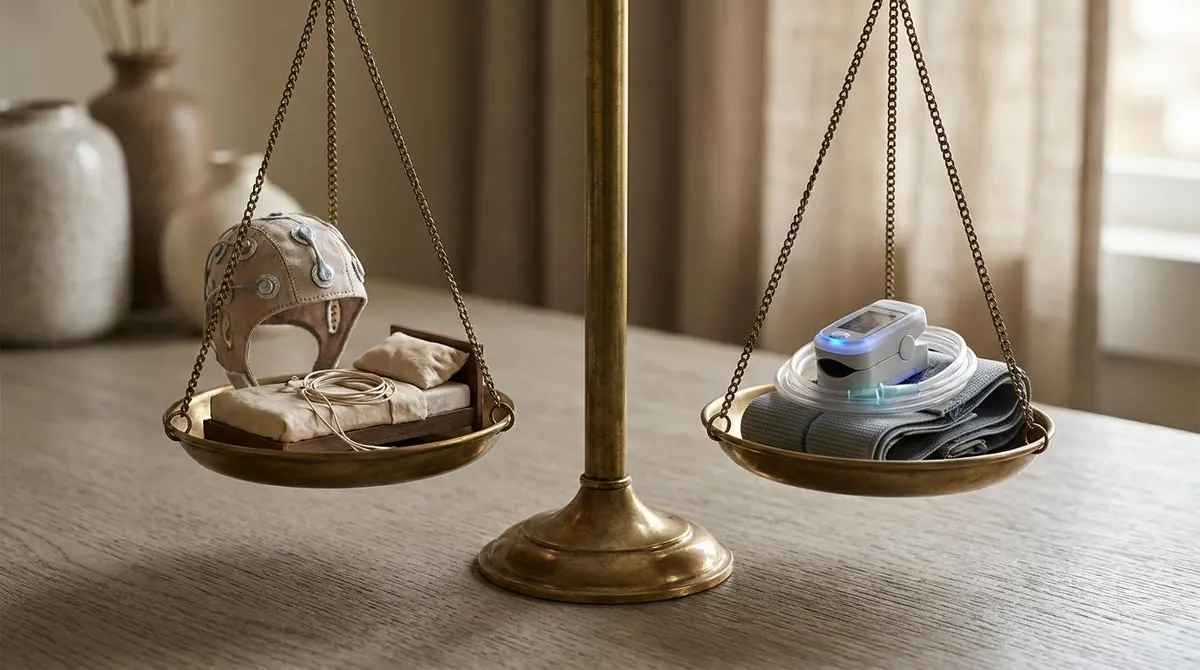
A sleep apnea diagnosis follows a structured pathway that typically begins with a clinical evaluation by a doctor and ends with a scored sleep study. The process can be completed in as little as a few days when using a home sleep apnea test or may take several weeks if an in-lab polysomnography is scheduled through a sleep center.
Step 1: Clinical Evaluation and Screening
Your doctor or sleep specialist will begin by reviewing your medical history, sleep habits, and symptoms. Expect questions about your sleep patterns, whether you snore, whether anyone has observed you stop breathing during sleep, and whether you experience daytime sleepiness or morning headaches. A physical examination checks for physical factors such as enlarged tonsils, a large neck circumference, nasal polyps, nasal obstruction, obesity, or a small jaw.
Many providers use screening tools such as the STOP-BANG questionnaire or the Epworth Sleepiness Scale to quantify risk. A STOP-BANG score of 5 or higher is considered high risk for obstructive sleep apnea.
Step 2: Choosing the Right Sleep Study
Based on the clinical evaluation, your provider will recommend one of two primary diagnostic tests:
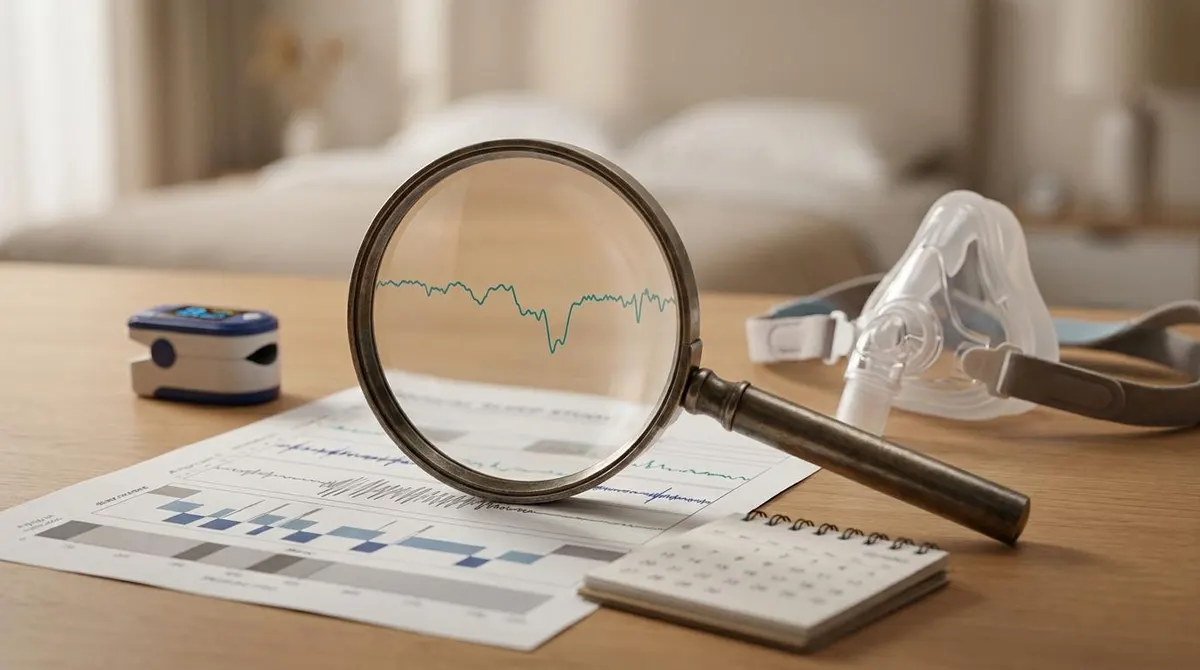
polysomnography is the gold standard. It takes place overnight in a sleep lab or sleep center and records brain waves via electroencephalogram, eye movements, heart rate, blood oxygen levels, airflow through nasal and oral sensors, chest and abdominal movement, and limb activity. It can distinguish between obstructive and central apneic events and is required for diagnosing central sleep apnea and complex sleep apnea.
Home sleep apnea tests offer a simplified alternative for patients with a high pretest probability of moderate to severe obstructive sleep apnea and no significant comorbidities. An HSAT typically measures airflow, breathing effort, blood oxygen levels, and heart rate. It does not record brain waves or sleep stages, which means it cannot measure total sleep time with the same precision as polysomnography.
dumbo.health provides a home sleep test for $149 as a one-time cost. The test is shipped directly to your door, requires no insurance, no prior authorization, and no visit to a sleep clinic.
Step 3: Completing the Sleep Study
For an in-lab polysomnography, you arrive at the sleep center in the evening. A technician attaches sensors to your scalp, face, chest, abdomen, and legs. You sleep in a monitored room while the equipment records your sleep activity, brain activity, sleep cycles including REM sleep and NREM sleep, and all respiratory events.
For a home sleep apnea test, you receive a portable device with a sensor that clips to your finger for oxygen measurement, a nasal cannula or airflow sensor, and a chest belt to track breathing effort. You wear the device for one night in your own bed, then return or ship it back for analysis.
Step 4: Results Scoring and Interpretation
The data from either study is reviewed by a sleep specialist or board-certified physician. The primary metric used is the apnea-hypopnea index, which calculates the average number of apneas and hypopneas per hour of sleep.
AHI severity classification, as defined by the American Academy of Sleep Medicine:
- Normal: fewer than 5 events per hour
- Mild obstructive sleep apnea: 5 to 14 events per hour
- Moderate obstructive sleep apnea: 15 to 29 events per hour
- Severe obstructive sleep apnea: 30 or more events per hour
Additional results include the lowest oxygen level recorded during the night, called the oxygen nadir, the percentage of sleep time spent below 90 percent oxygen saturation, and the oxygen desaturation index. An oxygen drop below 90 percent is clinically significant and correlates with cardiovascular risk.
With dumbo.health's Essentials Plan at $59 per month, physician interpretation of your home sleep test results is included alongside CPAP therapy and equipment if treatment is needed.
Step 5: Diagnosis Confirmation and Treatment Planning
If the AHI meets diagnostic criteria and aligns with your symptoms, your provider confirms the sleep apnea diagnosis and recommends a treatment program. For moderate to severe cases, CPAP therapy is typically the first-line recommendation. For mild cases, an oral appliance or lifestyle modifications may be appropriate.
DID YOU KNOW: According to the American Academy of Sleep Medicine, home sleep apnea tests have a sensitivity of approximately 87 percent for detecting moderate to severe obstructive sleep apnea when compared to in-lab polysomnography.
KEY TAKEAWAY: The diagnostic process moves from clinical screening to a sleep study, and the apnea-hypopnea index score from that study determines both the presence and severity of sleep apnea.
Once you understand the testing pathway, comparing the two main study types helps you choose the right option for your situation.
Polysomnography vs Home Sleep Apnea Test: Which Study Is Right for You
polysomnography provides the most comprehensive data but requires an overnight stay at a sleep lab. A home sleep apnea test offers convenience and lower cost while still accurately detecting obstructive sleep apnea in the right candidates.
Number of Data Channels Recorded
- Polysomnography: 12 or more channels including brain waves (electroencephalogram), eye movements, muscle tone, heart rate, airflow, oxygen levels, chest and abdominal effort, and leg movements
- Home Sleep Apnea Test: Typically 4 to 7 channels including airflow, oxygen levels, heart rate, and breathing effort
Setting
- Polysomnography: Sleep lab, sleep center, or hospital
- Home Sleep Apnea Test: Your own bed at home
Cost
- Polysomnography: Often $1,000 to $3,000 or more, frequently requiring insurance pre-authorization
- Home Sleep Apnea Test: Typically $149 to $500 out of pocket; dumbo.health offers it for $149 with no insurance required
Ability to Detect Central Sleep Apnea
- Polysomnography: Yes, can differentiate obstructive from central apneic events using brain wave and effort data
- Home Sleep Apnea Test: No, designed primarily to detect obstructive sleep apnea
Turnaround Time for Results
- Polysomnography: Often 1 to 3 weeks depending on the sleep center's schedule
- Home Sleep Apnea Test: Results typically available within days; dumbo.health's Premium Plan includes priority results turnaround
Convenience
- Polysomnography: Low, requires scheduling, travel, and sleeping in an unfamiliar environment
- Home Sleep Apnea Test: High, completed in your own bed with no travel
Best For
- Polysomnography: Suspected central sleep apnea, complex sleep apnea, significant comorbidities, pediatric evaluation, or inconclusive home test results
- Home Sleep Apnea Test: Adults with a high clinical suspicion for moderate to severe obstructive sleep apnea, no significant cardiopulmonary comorbidities
For most adults with symptoms consistent with obstructive sleep apnea, a home sleep apnea test is the most practical starting point. If results are inconclusive or if central sleep apnea is suspected, an in-lab polysomnography may be recommended as a follow-up. Clinicians frequently observe that patients sleep more naturally in their own bed, which can make home test results more representative of typical sleep patterns.
KEY TAKEAWAY: A home sleep apnea test is the most cost-effective and convenient option for diagnosing obstructive sleep apnea in most adults, while polysomnography remains necessary when central sleep apnea or complex cases are suspected.
Beyond choosing a test type, understanding what your results actually mean is what turns data into an actionable diagnosis.
Understanding Your Sleep Study Results
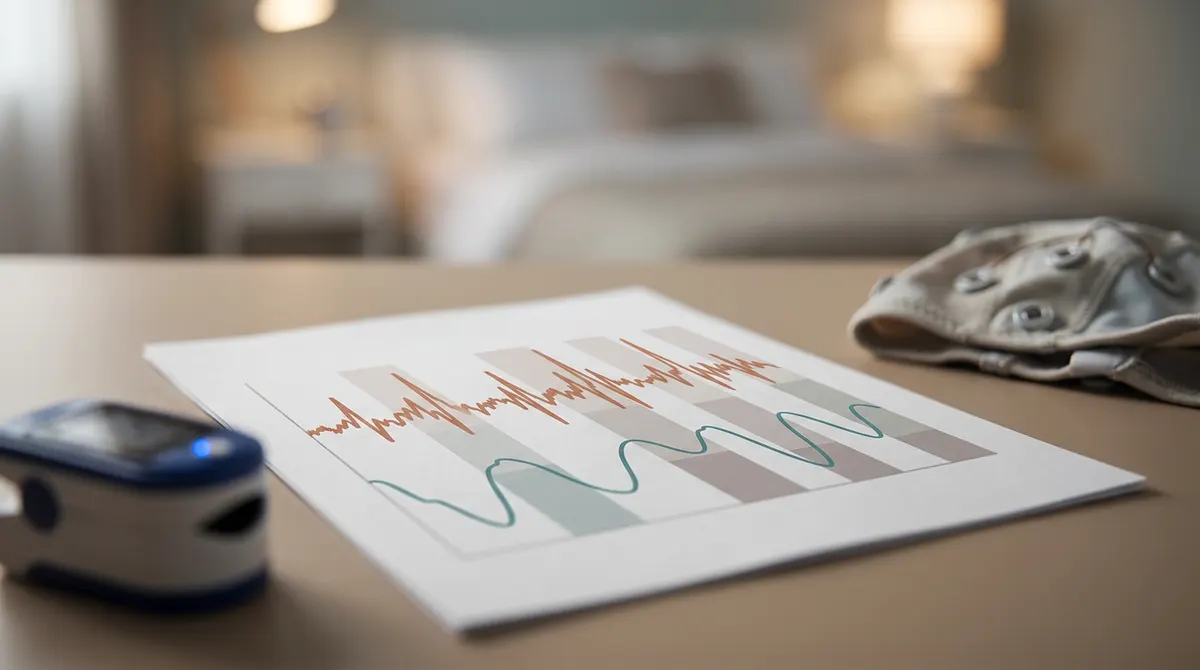
Sleep study results are summarized in a report that quantifies how often your breathing was disrupted, how much your oxygen level dropped, and how these events affected your sleep architecture. The apnea-hypopnea index is the single most important number in the report.
What the AHI Score Means
An apnea is a complete cessation of airflow lasting at least 10 seconds. A hypopnea is a partial reduction in airflow, typically 30 percent or more, accompanied by either an oxygen drop of at least 3 percent or an arousal from sleep. The AHI combines both event types into a single hourly rate.
- AHI below 5: Normal, sleep apnea not diagnosed
- AHI 5 to 14: Mild sleep apnea
- AHI 15 to 29: Moderate sleep apnea
- AHI 30 or above: Severe sleep apnea
A person with an AHI of 40, for example, stops breathing or partially stops breathing an average of 40 times every hour. Over an 8-hour sleep period, that translates to approximately 320 breathing disruptions per night.
Oxygen Desaturation Data
The report will also show your lowest oxygen level during the study and the oxygen desaturation index, which counts how many times per hour your blood oxygen level dropped by 3 percent or more. Healthy oxygen saturation during sleep stays above 90 percent. Repeated oxygen drops below 88 percent are associated with increased cardiovascular strain.
According to the CDC, sleep-disordered breathing and chronic intermittent oxygen drops are linked to elevated blood pressure, metabolic disease, and cognitive decline over time.
Sleep Architecture (Polysomnography Only)
If you had an in-lab polysomnogram, the report includes data on your sleep cycles, including time spent in REM sleep, NREM sleep, and the distribution of sleep stages. Sleep apnea events often cluster during REM sleep when muscle tone is lowest, which can make the AHI during REM significantly higher than the overall AHI.
Brain waves recorded by electroencephalogram show how often your brain activity was disrupted by arousals related to breathing events. Fragmented sleep architecture explains why people with sleep apnea feel exhausted despite spending enough hours in bed.
What Happens After You Get Results
Your sleep specialist or reviewing physician uses the results to confirm the diagnosis and recommend the appropriate treatment. For AHI scores of 15 or above, or for scores between 5 and 14 with significant symptoms, positive airway pressure therapy is typically recommended. When you use dumbo.health, your results are reviewed by a physician, and if treatment is indicated, CPAP therapy and equipment are included in plans starting at $59 per month with no contracts.
KEY TAKEAWAY: The apnea-hypopnea index and oxygen desaturation data from your sleep study are the two most important metrics that determine whether sleep apnea is diagnosed and how severe it is.
Knowing your results leads directly to choosing a treatment, and the options range from lifestyle changes to surgery.
Sleep Apnea Treatments After Diagnosis
CPAP therapy is the first-line treatment for moderate to severe obstructive sleep apnea and the most widely prescribed treatment overall. However, multiple treatment modalities exist, and the right option depends on severity, the type of sleep apnea, anatomy, and patient preference.
Positive Airway Pressure Therapy
Continuous positive airway pressure, or CPAP, delivers a steady stream of pressurized air through a nasal or mouth mask to keep the upper airway open during sleep. CPAP therapy eliminates obstructive apneic events in the vast majority of patients when used consistently.
Bilevel positive airway pressure, or BiPAP, uses two pressure levels: a higher pressure during inhalation and a lower pressure during exhalation. It is sometimes prescribed for patients who cannot tolerate CPAP or who have central sleep apnea or Cheyne-Stokes respiration.
PAP therapy requires properly fitted masks and ongoing adherence monitoring. Many patients report that the first few weeks of CPAP use require adjustment, but daytime sleepiness and morning headaches often improve within days of consistent use. dumbo.health's CPAP therapy program includes equipment, masks, and follow-up care. The Premium Plan at $89 per month adds a dedicated sleep coach and advanced adherence monitoring to help patients stay on track.
Oral Appliance Therapy
An oral appliance is a custom-fitted dental device that repositions the lower jaw forward to enlarge the upper airway. Oral appliance therapy is generally recommended for mild to moderate obstructive sleep apnea or for patients who cannot tolerate CPAP.
The American Academy of Sleep Medicine recommends oral appliance therapy as a first-line alternative to CPAP for mild obstructive sleep apnea when symptoms are present. Effectiveness decreases in severe cases.
Surgical Options
Surgery is typically reserved for patients who do not respond to or cannot tolerate CPAP or oral appliance therapy. Surgical options include:
- Uvulopalatopharyngoplasty (UPAP): removes excess tissue from the throat to widen the upper airway
- Maxillomandibular advancement: moves the upper and lower jaw forward to increase airway space; considered one of the most effective surgical options for obstructive sleep apnea
- Nasal surgery: addresses nasal obstruction from nasal polyps, a deviated septum, or other structural issues
- Tonsillectomy: removes enlarged tonsils or large tonsils that contribute to airway obstruction, particularly effective in children
- Tracheostomy: creates an opening in the trachea to bypass the upper airway entirely; reserved for life-threatening cases
- Hypoglossal Nerve Simulator Implant: a surgically implanted nerve stimulator that activates the tongue muscle during sleep to prevent airway collapse
Ear, Nose, and Throat surgeries are typically performed by an ENT specialist or a physician specializing in Otolaryngology and Head and Neck Surgery.
Emerging and Adjunct Therapies
- Orofacial therapy: exercises that strengthen the muscles of the tongue, soft palate, and throat to reduce airway collapsibility
- Diaphragmatic nerve implantation and diaphragmatic pacing: primarily used for central sleep apnea when other treatments fail
- Oxygen therapy: supplemental oxygen during sleep, sometimes used alongside CPAP for patients with persistent oxygen drops
- Positional therapy: training to avoid sleeping on the back, which worsens airway collapse in many patients
- Weight management: according to the Sleep Foundation, losing 10 percent of body weight can reduce AHI by approximately 26 percent in patients whose sleep apnea is associated with obesity
- Medication: no medication directly treats obstructive sleep apnea, but some medications may address central sleep apnea or related conditions
IMPORTANT: No medication has been approved by the FDA as a standalone treatment for obstructive sleep apnea. Always discuss medication options with your provider.
KEY TAKEAWAY: CPAP therapy is the most effective and widely recommended treatment for moderate to severe obstructive sleep apnea, with alternatives including oral appliances, surgery, and lifestyle changes depending on the individual case.
Understanding treatments is important, but it is equally important to know when the standard diagnostic pathway may not work as expected.
When a Home Sleep Test May Not Be the Right Choice
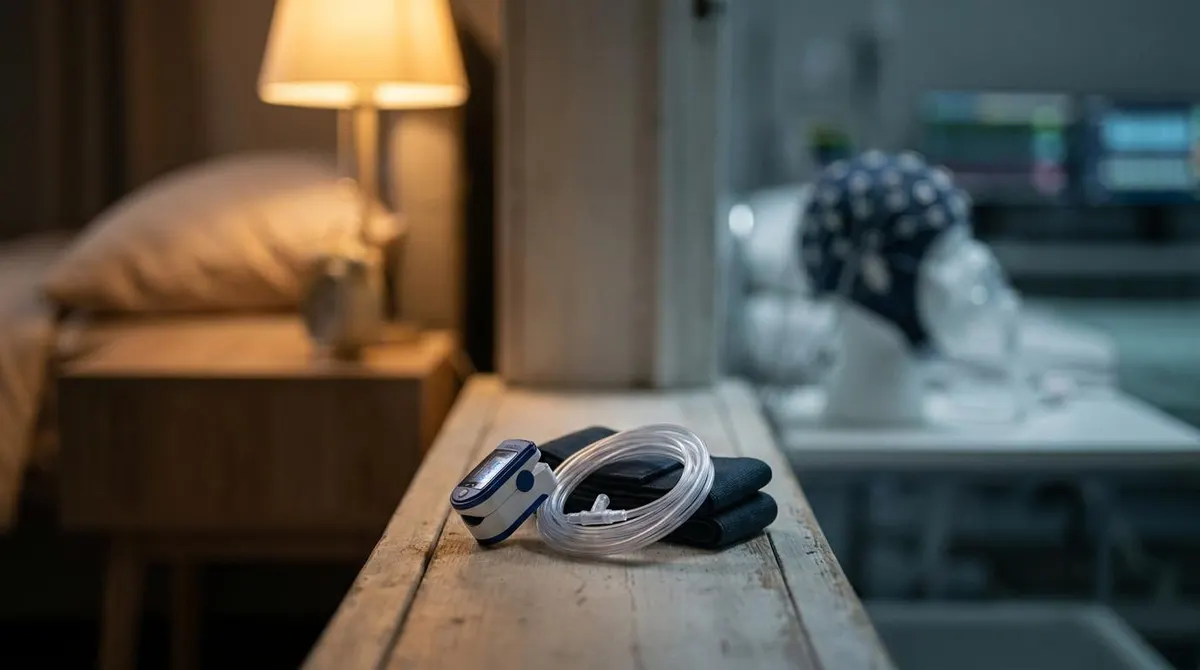
A home sleep apnea test is an effective diagnostic tool for most adults with suspected obstructive sleep apnea, but it has limitations that make it unsuitable in certain situations. Acknowledging these limitations helps you and your provider choose the right test the first time.
Limitation 1: Cannot Diagnose Central Sleep Apnea
Home sleep apnea tests do not record brain waves or differentiate between obstructive and central apneic events. If your doctor suspects central sleep apnea, which is common in patients with heart failure, stroke, or those using narcotic-containing painkillers, an in-lab polysomnography is required. The polysomnogram records brain activity via electroencephalogram alongside respiratory data, allowing precise classification.
Limitation 2: May Underestimate Severity
Because home sleep apnea tests estimate total sleep time rather than measuring it directly through brain wave monitoring, the AHI calculated from a home test may underestimate severity. If you spent significant time awake during the test night but the device assumed you were asleep, the number of respiratory events per hour will appear lower than the true value. The American Academy of Sleep Medicine recommends that a negative or inconclusive home test in a patient with high clinical suspicion be followed by in-lab polysomnography.
Limitation 3: Not Appropriate for Certain Populations
Home sleep apnea tests are not recommended for:
- Children (a pediatrician should refer to an in-lab study)
- Patients with significant cardiopulmonary disease
- Patients suspected of having sleep disorders other than obstructive sleep apnea, such as narcolepsy or periodic limb movement disorder
- Patients with very low pretest probability where a more comprehensive evaluation is needed
Limitation 4: Single-Night Snapshot
A home test captures only one night of sleep activity. Night-to-night variability in sleep position, alcohol intake, sleep habits, and nasal congestion can affect results. If you had an unusually poor or unusually good night, the data may not represent your typical sleep patterns.
How dumbo.health Addresses These Limitations
dumbo.health pairs every home sleep test with physician review and interpretation. If your results are inconclusive, your reviewing physician can recommend next steps, including referral for in-lab polysomnography. The sleep apnea care solutions page outlines how dumbo.health supports patients through the full diagnostic and treatment process, including telehealth consultations that eliminate the need to find a sleep specialist near you.
KEY TAKEAWAY: Home sleep apnea tests are highly effective for diagnosing obstructive sleep apnea in most adults, but patients with suspected central sleep apnea, significant comorbidities, or inconclusive results should pursue in-lab polysomnography for a definitive diagnosis.
Real-world scenarios can illustrate how different people navigate the diagnostic process in practice.
Real-World Scenarios: How Different People Get Diagnosed
Sleep apnea affects a wide range of people, and the path to diagnosis looks different depending on age, occupation, symptoms, and medical history. The following scenarios reflect common clinical situations.
Scenario 1: A 48-Year-Old Long-Haul Truck Driver
Marcus, a 48-year-old owner-operator with a BMI of 36, is flagged during a DOT physical because of his neck circumference, reported daytime sleepiness, and observed snoring. His examiner recommends a sleep apnea evaluation before renewing his medical certificate.
Marcus orders a home sleep test through dumbo.health for $149. He wears the device for one night in the sleeper cab of his truck. His results show an AHI of 22, indicating moderate obstructive sleep apnea, with a lowest oxygen level of 84 percent. His physician review, included in the Essentials Plan at $59 per month, confirms the diagnosis and initiates CPAP therapy. After 30 days of documented CPAP adherence, Marcus provides compliance data to his DOT examiner and receives his medical certificate.
Scenario 2: A 55-Year-Old Woman With Morning Headaches and Fatigue
Linda, a 55-year-old postmenopausal woman, has gained 25 pounds over the past three years and now wakes every morning with a dull headache. She assumed the fatigue was related to menopause, but her primary care provider notes that her blood pressure has been climbing and asks about snoring. Her husband confirms that she snores heavily and occasionally stops breathing.
Her provider refers her for a home sleep apnea test. The results show an AHI of 11 with an oxygen nadir of 87 percent, indicating mild obstructive sleep apnea with significant oxygen drops. Her doctor discusses CPAP therapy and oral appliance therapy as options. Linda begins with an oral appliance and schedules a follow-up sleep test in three months to confirm improvement.
Scenario 3: A 67-Year-Old Man With Heart Failure
Robert, a 67-year-old with a history of congestive heart failure and depression, reports waking frequently during the night with a feeling of breathlessness. His cardiologist suspects central sleep apnea, possibly with Cheyne-Stokes respiration. Because a home sleep apnea test cannot differentiate central from obstructive events, Robert is referred to a sleep center for an in-lab polysomnogram.
The polysomnography results confirm central sleep apnea with an AHI of 34 and a pattern consistent with Cheyne-Stokes respiration. His treatment plan includes bilevel positive airway pressure therapy with a backup respiratory rate, coordinated between his sleep specialist and cardiologist.
These scenarios show that sleep apnea diagnosis is not one-size-fits-all. Age, symptoms, comorbidities, and occupation all influence which testing method is appropriate and which treatment pathway follows.
KEY TAKEAWAY: The diagnostic pathway varies based on the individual, but the core principle remains the same: a proper sleep study is the only way to confirm sleep apnea and determine its type and severity.
Beyond the clinical pathway, persistent myths about sleep apnea continue to delay diagnosis and treatment for many people.
Common Myths About Sleep Apnea Diagnosis Debunked
MYTH: Only overweight people get sleep apnea.
FACT: While obesity is the strongest risk factor for obstructive sleep apnea, the condition also occurs in people of normal weight. Anatomical factors such as a small jaw, enlarged tonsils, nasal obstruction, and the natural aging of upper airway tissue all contribute to airway collapse during sleep. The American Academy of Sleep Medicine notes that up to 20 percent of people diagnosed with obstructive sleep apnea are not obese.
MYTH: Snoring always means sleep apnea.
FACT: Snoring is a common symptom of obstructive sleep apnea, but not all snoring indicates a diagnosis. Simple snoring without breathing pauses, oxygen drops, or daytime symptoms is not sleep apnea. A sleep study is the only way to determine whether snoring is associated with clinically significant apneic events or hypopnea.
MYTH: A home sleep test is not accurate enough for a real diagnosis.
FACT: Home sleep apnea tests have been validated for diagnosing moderate to severe obstructive sleep apnea in adults without significant comorbidities. Research published on PubMed shows that HSAT demonstrates high sensitivity and specificity when used in appropriately selected patients. The test may underestimate severity slightly because it cannot measure brain waves, but it remains a clinically accepted diagnostic tool endorsed by the American Academy of Sleep Medicine.
MYTH: Sleep apnea only affects older men.
FACT: Sleep apnea affects all age groups and genders. The NIH reports that the prevalence of obstructive sleep apnea in women increases significantly after menopause. Children can develop sleep apnea due to enlarged tonsils or adenoids. The condition is underdiagnosed in women partly because their symptoms, such as fatigue, insomnia, and depression, are less commonly associated with sleep apnea in clinical screening.
MYTH: You need to visit a sleep clinic in person to get diagnosed.
FACT: While polysomnography requires an in-lab visit, home sleep apnea tests allow diagnosis from your own bed. Services like dumbo.health ship the test device directly to you, and physician interpretation is completed remotely through telehealth. You can complete the entire diagnostic process without visiting a sleep clinic, which is especially valuable for people in areas without a sleep center close to you.
KEY TAKEAWAY: Myths about who gets sleep apnea and how it is diagnosed delay testing for millions of people; the reality is that accurate, affordable diagnosis is accessible through validated home sleep tests and telehealth services.
With myths cleared up, a practical checklist helps ensure you are prepared when you decide to move forward with testing.
Preparing for Your Sleep Apnea Test
Proper preparation increases the accuracy of your sleep study results, whether you are completing a home sleep apnea test or an in-lab polysomnography. Small changes on the day of your test can make a meaningful difference in data quality.
Pre-Test Preparation Checklist
- Avoid caffeine after noon on the day of the test
- Avoid alcohol on the day of the test, as alcohol relaxes the upper airway and can artificially increase the number of apneic events
- Do not nap during the day so you are tired enough to fall asleep at your normal time
- Shower and avoid applying lotions, oils, or hair products that could interfere with sensor adhesion
- Follow your normal sleep habits and sleep patterns as closely as possible
- Keep a brief sleep diary for the 3 to 5 days before the test to give your provider context
- Confirm any current medications with your doctor, especially sedatives or narcotic-containing painkillers
- If using a home test from dumbo.health, review the device instructions and practice attaching the sensor before your test night
- Charge any devices or ensure fresh batteries are available
- Complete the free sleep assessment at dumbo.health to determine if a home test is appropriate for your symptoms
TIP: If your home test night is disrupted by an unusual event such as noise or illness, contact your provider to discuss whether repeating the test would give more accurate results.
KEY TAKEAWAY: Simple preparation steps such as avoiding caffeine and alcohol, following your usual sleep habits, and properly attaching sensors significantly improve the reliability of sleep study results.
With preparation covered, it helps to see the step-by-step process for completing a home sleep test from order to results.
How to Complete a Home Sleep Apnea Test Through dumbo.health
Step-by-Step Process
1. Visit the dumbo.health website and complete the free sleep assessment to evaluate your symptoms and determine your eligibility for a home sleep test.
2. Order your home sleep test for $149. No insurance, no prior authorization, and no referral are required. The device is shipped directly to your address.
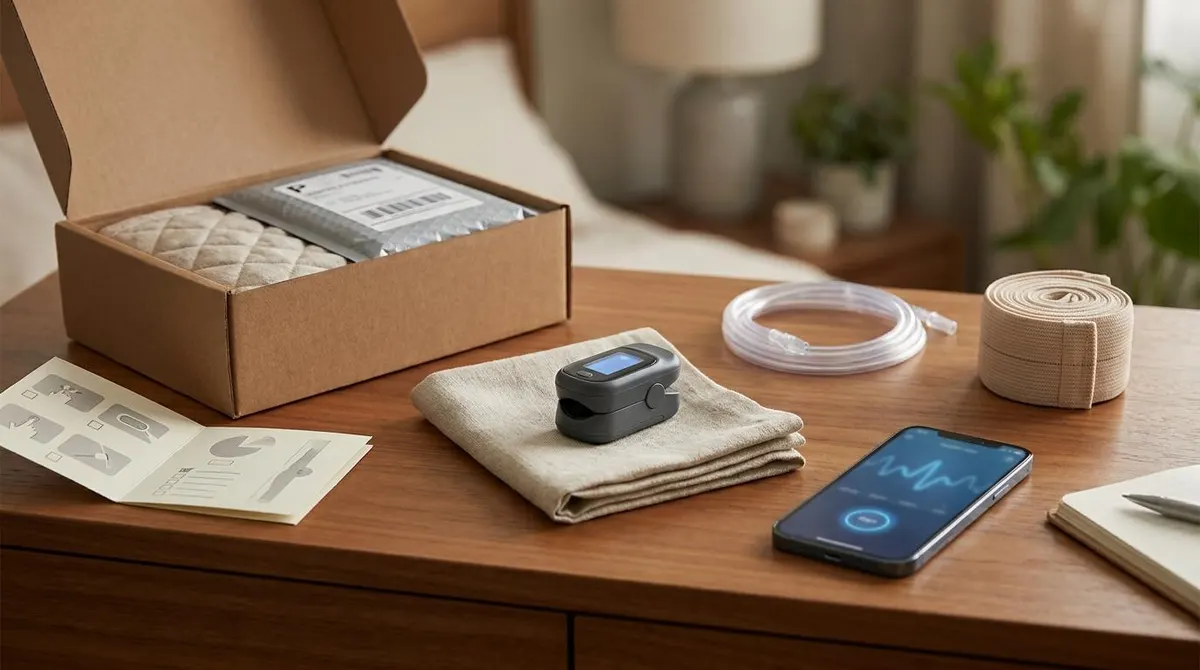
3. When the test device arrives, review the included instructions carefully. The device typically includes a finger pulse oximeter sensor, a nasal airflow sensor, and a chest effort belt.
4. On your test night, attach all sensors as instructed, get into bed at your normal time, and press the start button. Sleep in your usual position and follow your normal sleep habits.
5. In the morning, remove the sensors, power off the device, and return it using the prepaid shipping label included in the kit.
6. A board-certified physician reviews your data, scores the results, and prepares a diagnostic report. Physician interpretation is included in all monthly plans.
7. Receive your results and schedule a follow-up consultation. If sleep apnea is confirmed, your physician discusses treatment options including CPAP therapy. With the Essentials Plan at $59 per month, CPAP equipment and standard follow-up care are included.
After completing these steps, you will have a confirmed diagnosis and a clear treatment pathway. The entire process, from ordering to receiving results, typically takes one to two weeks through dumbo.health.
KEY TAKEAWAY: Getting a home sleep apnea test through dumbo.health involves ordering online for $149, sleeping one night with the device, returning it, and receiving physician-reviewed results within days.
Understanding the costs involved helps you plan financially, especially if you are paying out of pocket.
What Sleep Apnea Diagnosis and Treatment Actually Cost
The cost of sleep apnea diagnosis and treatment varies significantly depending on whether you go through insurance, a sleep clinic, or a direct-pay service. Many patients are surprised by how expensive the traditional pathway can be.
An in-lab polysomnography typically costs between $1,000 and $3,000 before insurance. Even with insurance, copays and deductibles can leave patients owing several hundred dollars. Insurance-based pathways also frequently require prior authorizations, which can delay testing by weeks. The Centers for Medicare & Medicaid Services covers polysomnography and home sleep apnea tests for eligible beneficiaries, but coverage rules and out-of-pocket costs vary.
CPAP equipment purchased through insurance or durable medical equipment providers often involves monthly rental fees, compliance tracking requirements tied to continued coverage, and surprise bills when coverage is denied or lapsed.
dumbo.health was built to eliminate these financial and administrative barriers. Here is what the cash-pay pathway costs:
Home Sleep Test
- $149 one-time cost
- Includes the at-home sleep test device and one night of testing
- No insurance, no prior authorization, no surprise bills
Monthly Care Plans
After testing, ongoing care and treatment are covered by one of three monthly plans:
Essentials Plan: $59 per month
- Physician interpretation and report
- CPAP therapy and equipment
- Standard follow-up care
- Updates sent to referring provider
- No contracts, cancel anytime
Premium Plan: $89 per month
- Everything in Essentials
- Dedicated sleep coach from a licensed care team
- Advanced adherence monitoring
- Priority results turnaround
- No contracts, cancel anytime
Elite Plan: $129 per month
- Everything in Premium
- Concierge clinical support with priority care team access
- Direct physician messaging
- Custom reporting for your practice
- No contracts, cancel anytime
For a patient who needs both diagnosis and treatment, the first month's total through dumbo.health ranges from $208 (test plus Essentials) to $278 (test plus Elite). Compare that to the thousands of dollars an uninsured patient might pay through a traditional sleep clinic and durable medical equipment pathway.
KEY TAKEAWAY: Sleep apnea diagnosis and treatment through dumbo.health starts at $149 for the home sleep test plus $59 per month for ongoing care, with no insurance required, no contracts, and no hidden fees.
Beyond cost, understanding the conditions linked to untreated sleep apnea reinforces why timely diagnosis is a health priority.
Health Risks of Untreated Sleep Apnea
Untreated sleep apnea causes progressive damage to the cardiovascular, neurological, and metabolic systems. The repeated oxygen drops and sleep fragmentation associated with undiagnosed sleep apnea create a cascade of health consequences over time.
Cardiovascular Consequences
The National Heart, Lung, and Blood Institute connects untreated obstructive sleep apnea to a significantly elevated risk of high blood pressure, heart attacks, heart failure, stroke, and heart arrhythmias. Each time breathing stops during sleep, the resulting oxygen drop triggers a surge in blood pressure and heart rate. Over months and years, these repeated surges damage blood vessel walls and increase the workload on the heart.
Patients with untreated severe obstructive sleep apnea have roughly a two to threefold increased risk of stroke compared to the general population, according to data reviewed by the American Academy of Sleep Medicine.
Metabolic and Cognitive Effects
Sleep apnea disrupts insulin regulation and is independently associated with metabolic disease, including type 2 diabetes. The NIH notes that intermittent hypoxia from untreated sleep apnea impairs glucose metabolism even in patients who are not obese.
Chronic sleep fragmentation also impairs brain function. Memory consolidation, attention, executive function, and emotional regulation all suffer. Depression and mood disorders are significantly more common in people with undiagnosed sleep-disordered breathing.
Accident Risk
Daytime sleepiness from untreated sleep apnea is a major factor in motor vehicle accidents. The NHTSA identifies drowsy driving as a contributing factor in thousands of crashes annually. For commercial drivers, this risk has direct implications for public safety and CDL certification.
Sleep apnea diagnosis and treatment through a home sleep test is one of the most accessible ways to quantify risk and begin reducing it. Identifying the condition early, before cardiovascular damage accumulates, gives treatment the best chance of reversing or halting progression.
KEY TAKEAWAY: Untreated sleep apnea is associated with significantly increased risks of stroke, heart attacks, high blood pressure, metabolic disease, and motor vehicle accidents, making timely diagnosis one of the most important health decisions a person can make.
The role of specific medical specialists in the diagnostic process is often misunderstood, and knowing who to see can save time.
Which Doctors and Specialists Diagnose Sleep Apnea
A primary care doctor can screen for sleep apnea and order a sleep study, but diagnosis is confirmed by a physician trained in Sleep Medicine. Understanding the roles of different providers helps you navigate the process efficiently.
A sleep specialist is a physician who has completed additional training in Sleep Medicine and is board-certified to interpret sleep studies and manage sleep disorders. Sleep specialists work in sleep centers, sleep clinics, and through telehealth platforms. They review polysomnography and home sleep apnea test results and make treatment recommendations.
An ENT specialist, or a physician in Otolaryngology and Head and Neck Surgery, evaluates the physical anatomy of the upper airway. ENT specialists may perform procedures such as nasolaryngoscopy, nasopharyngoscopy, or Drug Induced Sleep Endoscopy (DISE) to directly visualize the airway during sleep. DISE involves sedation with propofol while a fiberoptic endoscope is passed through the nose to observe the site and
Frequently Asked Questions About Sleep Apnea Diagnosis
What is sleep apnea?
Sleep apnea is a sleep disorder in which breathing repeatedly stops and starts during sleep. These breathing pauses, called apneic events, occur when the airway becomes blocked or the brain fails to send proper signals to the breathing muscles. The most common form is obstructive sleep apnea, where the upper airway collapses during sleep. Central sleep apnea and mixed or complex sleep apnea are less common types. According to the American Sleep Apnea Association, sleep apnea is a serious and underdiagnosed condition that affects millions of people. A healthcare professional can help determine whether evaluation is appropriate.
What are the types of sleep apnea?
There are three main types of sleep apnea. Obstructive sleep apnea is the most common type and occurs when the throat muscles relax, causing the upper airway to collapse and block airflow during sleep. Central sleep apnea happens when the brain fails to send proper signals to the muscles that control breathing, so no physical obstruction is present. Mixed or complex sleep apnea is a combination of both obstructive and central features, sometimes observed when obstructive sleep apnea is being treated with positive airway pressure therapy. Each type has different causes, diagnostic considerations, and treatment approaches, so clinical evaluation is important.
What is obstructive sleep apnea?
Obstructive sleep apnea is a sleep disorder in which the muscles supporting the soft tissue of the throat, including the uvula, tonsils, and surrounding structures, relax repeatedly during sleep. This causes the upper airway to narrow or close, interrupting airflow and reducing blood oxygen levels. The brain detects the oxygen drop and briefly wakes the person to reopen the airway, often causing snoring, gasping, or choking sounds. These events can occur dozens or even hundreds of times per night. The NHLBI explains that untreated obstructive sleep apnea can contribute to serious health problems including high blood pressure, heart disease, and stroke.
What are the causes of obstructive sleep apnea?
Obstructive sleep apnea is caused by the physical collapse of the upper airway during sleep. Several anatomical and physiological factors can contribute, including obesity, a small jaw, enlarged tonsils, large tonsils, nasal polyps, nasal obstruction, or excess tissue in the throat. Obesity is among the strongest risk factors because excess weight can narrow the airway. Other contributing factors include age, male sex, family history of sleep apnea, alcohol use, and smoking. The relationship between airway anatomy and muscle tone during sleep means that each patient may have a different combination of contributing causes, which is why clinical evaluation and testing are important before treatment begins.
What are the risk factors for sleep apnea?
Common risk factors for sleep apnea include excess body weight or obesity, a large neck circumference, being male, being over 40, having enlarged tonsils or a small jaw, a family history of sleep apnea, smoking, alcohol use, nasal congestion, and the presence of certain medical conditions such as high blood pressure, heart failure, or metabolic disease. Daytime sleepiness, loud snoring, and observed breathing pauses during sleep are important clinical indicators. A healthcare professional will typically review symptoms, physical characteristics, and risk factors when deciding whether sleep apnea testing is appropriate. If you are unsure about your risk, you can start with a free sleep assessment to help guide next steps.
What are the symptoms of sleep apnea?
Common symptoms of sleep apnea include loud snoring, gasping or choking sounds during sleep, observed pauses in breathing, waking up with a dry mouth or headache, difficulty staying awake during the day, poor concentration, irritability, anxiety, and depression. Because breathing interruptions occur during sleep, many people are unaware of their symptoms without a bed partner or family member noticing. Daytime sleepiness is one of the most clinically significant symptoms because it can impair driving, work performance, and daily functioning. Not everyone with sleep apnea snores, and not everyone who snores has sleep apnea. A healthcare professional can help evaluate whether symptoms warrant testing.
How serious is sleep apnea?
Sleep apnea is a serious medical condition that can have significant effects on long-term health if left untreated. Repeated drops in blood oxygen levels place strain on the heart and cardiovascular system, increasing the risk of high blood pressure, heart attacks, heart arrhythmias, heart failure, stroke, and cardiovascular disease. Poor sleep quality caused by frequent apneic events can lead to severe daytime sleepiness, increasing the risk of accidents, particularly for commercial drivers. The NHLBI notes that sleep apnea is associated with several serious health outcomes. Early diagnosis and treatment are generally considered important for reducing these risks. A qualified healthcare professional should guide treatment decisions.
What is central sleep apnea?
Central sleep apnea is a less common form of sleep apnea that occurs when the brain fails to send appropriate signals to the respiratory muscles during sleep, rather than from a physical airway blockage. Unlike obstructive sleep apnea, there is no mechanical obstruction of the upper airway. Central sleep apnea is sometimes associated with heart failure, stroke, use of narcotic-containing painkillers, or high altitude. A characteristic breathing pattern known as Cheyne-Stokes respiration is frequently observed in central sleep apnea associated with heart failure. Diagnosis typically requires a polysomnography or polysomnogram performed in a sleep lab to assess brain activity, airflow, and breathing patterns. Treatment differs from obstructive sleep apnea management.
What are the causes of central sleep apnea?
Central sleep apnea is caused by disrupted signalling between the brain and the muscles that control breathing. This can occur due to heart failure, stroke, brainstem lesions, or the use of narcotic-containing painkillers, which can suppress the brain's drive to breathe. High altitude can also trigger central sleep apnea by affecting respiratory control. Unlike obstructive sleep apnea, central sleep apnea is not primarily related to airway anatomy or obesity, though some overlap exists. Because the causes differ significantly from obstructive sleep apnea, a thorough clinical evaluation and appropriate sleep testing are necessary to identify the type and cause before treatment is selected.
How is sleep apnea diagnosed?
Sleep apnea diagnosis involves a clinical evaluation of symptoms and risk factors followed by a sleep study to measure breathing, oxygen levels, brain activity, and other physiological signals during sleep. The two main diagnostic approaches are an in-lab polysomnography and a home sleep apnea test. A physician reviews the results and calculates the apnea-hypopnea index, which measures the number of apneic events and hypopneas per hour of sleep. A formal diagnosis is made by a qualified healthcare professional based on these findings, not by the testing device alone. According to the American Academy of Sleep Medicine, home sleep apnea tests are appropriate for many adults with a high likelihood of obstructive sleep apnea.
What is the difference between a home sleep apnea test and a polysomnography?
A home sleep apnea test, also called an HSAT, is a portable sleep test device that the patient uses at home for one night. It typically measures airflow, breathing effort, blood oxygen levels, and heart rate. It is less comprehensive than a full polysomnography but is clinically validated for diagnosing obstructive sleep apnea in adults with a moderate to high pre-test likelihood. A polysomnography, or polysomnogram, is conducted in a sleep lab and measures a broader set of signals including brain waves via electroencephalogram, eye movements, muscle activity, airflow, oxygen saturation, and heart rate. A sleep specialist can help determine which test is appropriate based on symptoms, risk factors, and medical history.
Can sleep apnea be diagnosed without a sleep study?
Sleep apnea cannot be definitively diagnosed from symptoms or a physical examination alone. A sleep study is required to measure actual breathing events, apneas, hypopneas, blood oxygen levels, and the apnea-hypopnea index. However, not every patient needs an in-lab study. Many adults with a strong clinical suspicion of obstructive sleep apnea can be accurately evaluated using a home sleep apnea test, which is a validated alternative to in-lab polysomnography for appropriate patients. The results must still be reviewed and interpreted by a qualified physician before a diagnosis is made. A healthcare professional should advise whether a home test or in-lab study is most appropriate for your situation.
What does the apnea-hypopnea index measure?
The apnea-hypopnea index, or AHI, is the primary metric used to diagnose and classify the severity of sleep apnea. It measures the average number of apneic events and hypopneas per hour of sleep. An apnea is a complete cessation of airflow for at least ten seconds, and a hypopnea is a partial reduction in airflow accompanied by an oxygen drop or arousal. Mild sleep apnea is generally defined as an AHI between 5 and 14 events per hour, moderate between 15 and 29, and severe at 30 or more. The AHI is calculated by a physician after reviewing sleep study results and is the foundation of a formal sleep apnea diagnosis.
What are the severity levels of sleep apnea?
Sleep apnea severity is classified using the apnea-hypopnea index. Mild sleep apnea is an AHI of 5 to 14 events per hour, moderate sleep apnea is 15 to 29 events per hour, and severe sleep apnea is 30 or more events per hour. The severity classification helps guide treatment decisions. Patients with mild sleep apnea may benefit from positional therapy or oral appliance therapy, while those with moderate to severe obstructive sleep apnea typically require CPAP therapy or another form of positive airway pressure treatment. A physician should interpret AHI results in the context of the patient's full clinical picture, including symptoms, oxygen levels, and overall health.
What tests are used to diagnose sleep apnea?
The primary tests used to diagnose sleep apnea are polysomnography and home sleep apnea tests. Polysomnography is conducted in a sleep lab and measures brain waves, heart rate, airflow, oxygen saturation, body position, and limb movements. It is the most comprehensive sleep study. A home sleep apnea test is a portable device used at home that measures airflow, oxygen levels, breathing effort, and heart rate. For adults with suspected obstructive sleep apnea and no complex medical conditions, a home sleep apnea test is a clinically accepted and convenient alternative. In some cases, additional evaluations such as nasolaryngoscopy, nasopharyngoscopy, or drug-induced sleep endoscopy may be used to assess upper airway anatomy before surgery is considered.
How can I take a sleep apnea test at home?
A home sleep apnea test involves using a portable monitoring device overnight in your own bed. The device typically includes sensors that measure airflow, breathing effort, blood oxygen levels, and heart rate. Most patients find home testing more comfortable and convenient than an in-lab sleep study. After the test, the device or data is returned or transmitted for physician review and interpretation. dumbo.health offers a $149 at-home sleep test with transparent cash-pay pricing, with no insurance required and no prior authorizations. A physician interprets the results and provides a formal report. You can learn more about the at-home sleep test process and decide whether it may be a suitable next step for your situation.
Does blood work diagnose sleep apnea?
Blood work cannot diagnose sleep apnea. Sleep apnea is a physiological event that occurs during sleep, and its diagnosis requires a sleep study that measures breathing, airflow, oxygen levels, and other signals during actual sleep. However, blood tests may be ordered as part of a broader clinical evaluation to rule out related conditions such as thyroid disorders, which can sometimes contribute to sleep-disordered breathing. Low blood oxygen levels detected incidentally during a medical visit can raise clinical suspicion for sleep apnea, but a formal diagnosis requires measurement of apneic events over a sleep period using a validated sleep test.
What could be mistaken for sleep apnea?
Several conditions can produce symptoms that overlap with sleep apnea. These include insomnia, restless legs syndrome, periodic limb movement disorder, narcolepsy, depression, anxiety, hypothyroidism, and chronic fatigue syndrome. Snoring without significant apnea, known as primary snoring or simple snoring, can also resemble sleep apnea symptoms from a bed partner's perspective. Cheyne-Stokes respiration in heart failure patients may mimic obstructive sleep apnea. Because symptoms such as daytime sleepiness, poor concentration, and unrefreshing sleep can result from multiple sleep disorders or medical conditions, a proper sleep study and physician review are essential to reach an accurate diagnosis rather than assuming sleep apnea is the cause.
What organ does sleep apnea affect?
Sleep apnea primarily affects the upper airway and the brain, but it has significant downstream effects on the heart, lungs, and blood vessels. Repeated airway obstruction causes oxygen levels to drop, which triggers the brain to rouse the sleeper and disrupt normal sleep cycles including NREM sleep and REM sleep. Chronic oxygen drops and sleep fragmentation increase strain on the heart, contributing to high blood pressure, heart arrhythmias, heart failure, and cardiovascular disease. The brain is also affected through cognitive impairment, mood changes, and daytime sleepiness caused by disrupted sleep architecture. The NHLBI identifies the heart and brain as key organs at risk from untreated sleep apnea.
How is sleep apnea treated?
Sleep apnea treatment depends on the type and severity of the condition. The most common and effective treatment for obstructive sleep apnea is CPAP therapy, which uses a device and mask to deliver continuous positive airway pressure through the nose or mouth, keeping the airway open during sleep. Bilevel positive airway pressure is sometimes used when standard CPAP is not tolerated. Oral appliance therapy, which repositions the jaw to maintain airway patency, is an option for mild to moderate obstructive sleep apnea. Surgical options include uvulopalatopharyngoplasty, maxillomandibular advancement, nasal surgery, tonsil removal, tracheostomy, and hypoglossal nerve stimulator implant. Positional therapy and weight loss may help in selected patients. A physician should recommend treatment based on individual assessment.
What is CPAP therapy and how does it work?
CPAP therapy, or continuous positive airway pressure therapy, is the most widely used treatment for moderate to severe obstructive sleep apnea. A CPAP device delivers a constant stream of pressurised air through a nasal or mouth mask, keeping the upper airway open and preventing the airway collapse that causes apneas and hypopneas. CPAP therapy does not cure sleep apnea but effectively controls breathing events during sleep when used consistently. Adherence to CPAP is critical to achieving clinical benefit. dumbo.health monthly plans include CPAP therapy and equipment, physician interpretation, and adherence follow-up, starting from $59 per month with no contracts and no surprise bills.
What is oral appliance therapy for sleep apnea?
Oral appliance therapy uses a custom-fitted mouthpiece worn during sleep to reposition the lower jaw and tongue forward, which helps maintain an open upper airway. It is most commonly recommended for mild to moderate obstructive sleep apnea and for patients who cannot tolerate CPAP therapy. Oral appliances are fitted and monitored by a dentist or specialist with training in dental sleep medicine. While oral appliance therapy is less effective than CPAP for severe obstructive sleep apnea, it can be a practical alternative for appropriate patients. A physician or sleep specialist should determine whether oral appliance therapy is a suitable treatment based on AHI, anatomy, and patient preference.
What surgical options exist for sleep apnea?
Surgical treatment for obstructive sleep apnea may be considered when CPAP therapy and oral appliances are not effective or not tolerated. Common surgical procedures include uvulopalatopharyngoplasty, which removes excess tissue from the throat; maxillomandibular advancement, which repositions the jaw; nasal surgery to correct nasal obstruction or remove nasal polyps; tonsil removal for patients with enlarged tonsils; and tracheostomy in severe cases. Drug-induced sleep endoscopy, also called DISE, uses a sedative such as propofol to visualise airway collapse patterns and guide surgical planning. A hypoglossal nerve stimulator implant is a newer device that delivers electrical stimulation to maintain tongue muscle tone during sleep. An Ear, Nose and Throat specialist or otolaryngologist typically evaluates surgical candidacy.
Is there a cure for sleep apnea?
There is no universal cure for sleep apnea, but effective treatments exist that significantly reduce or eliminate breathing events during sleep for most patients. Weight loss, particularly in patients with obesity-related obstructive sleep apnea, can meaningfully reduce AHI and in some cases resolve the condition. Certain surgical procedures such as maxillomandibular advancement have high success rates in selected patients. However, many patients require ongoing treatment such as CPAP therapy to manage sleep apnea long term. A healthcare professional can discuss realistic expectations based on individual risk factors, severity, anatomy, and overall health. Treatment adherence and regular follow-up are important for managing sleep apnea effectively over time.
Why is a sleep apnea diagnosis important?
Diagnosing sleep apnea is important because untreated sleep apnea carries significant health risks, including high blood pressure, cardiovascular disease, heart attacks, heart arrhythmias, stroke, and depression. Daytime sleepiness caused by poor sleep quality increases the risk of motor vehicle accidents and workplace injuries. For commercial drivers, undiagnosed or untreated sleep apnea can pose a direct public safety risk and may affect DOT medical certification. A formal diagnosis allows clinicians to recommend appropriate treatment, monitor adherence, and reduce long-term health risks. Early diagnosis is also associated with better treatment outcomes and improved quality of life. A healthcare professional should be consulted for evaluation based on symptoms and risk factors.
What are the principles of ongoing management and follow-up for sleep apnea?
Ongoing management of sleep apnea typically involves regular monitoring of CPAP adherence, assessment of residual symptoms, adjustment of therapy settings if needed, and periodic clinical review. CPAP adherence data, including hours of use per night and mask leak rates, is an important measure of treatment effectiveness. Patients who struggle with CPAP comfort, mask fit, or consistent use benefit from support from a sleep coach or care team. Weight changes, new medical conditions, or changes in symptoms may require repeat sleep testing. dumbo.health offers ongoing sleep apnea care solutions including physician review, adherence monitoring, equipment support, and sleep coaching within its monthly plans.
How does sleep apnea affect commercial drivers and CDL holders?
Commercial drivers with untreated sleep apnea face both health and regulatory risks. Severe daytime sleepiness caused by sleep apnea impairs alertness, reaction time, and decision-making, which are critical safety factors for driving. The FMCSA requires that commercial drivers be medically fit to operate a commercial motor vehicle safely, and a certified medical examiner may consider sleep apnea risk, symptoms, and treatment adherence when making DOT certification decisions. Drivers who are referred for sleep apnea evaluation and found to have sleep apnea may need to demonstrate CPAP adherence to maintain their medical certificate. dumbo.health supports at-home sleep apnea testing for commercial drivers, but a certified medical examiner makes all DOT certification decisions.
Can CDL drivers complete sleep apnea testing at home?
Many CDL drivers can complete sleep apnea screening and testing using a home sleep apnea test rather than requiring an overnight stay in a sleep lab. A home sleep apnea test is a validated, clinically accepted tool for evaluating obstructive sleep apnea in adults with a reasonable clinical suspicion. For commercial drivers who need testing to support their DOT physical process, at-home testing offers a convenient and often faster pathway compared to in-lab studies. dumbo.health provides sleep apnea testing for CDL drivers with transparent cash-pay pricing and physician-interpreted results. However, the certified medical examiner responsible for DOT certification makes the final determination about fitness for duty.
How much does a sleep apnea test cost?
The cost of sleep apnea testing varies depending on whether you use insurance, an in-lab sleep study, or an at-home test. In-lab polysomnography can cost several hundred to several thousand dollars depending on the facility and insurance coverage. A home sleep apnea test is typically more affordable. dumbo.health offers a $149 one-time at-home sleep test with no insurance required, no prior authorization, and no surprise bills. The home sleep test is purchased before the test night and is separate from monthly care plans. Monthly plans for ongoing care start at $59 per month and include physician interpretation, CPAP therapy, equipment, and follow-up support. You can review transparent pricing at dumbo.health/at-home-sleep-test.
Is insurance required to get a sleep apnea diagnosis?
Insurance is not required to access sleep apnea testing or ongoing care. Many patients choose cash-pay options to avoid prior authorization requirements, insurance delays, and unpredictable costs. dumbo.health is a cash-pay sleep apnea testing and care platform that does not require insurance or prior authorization. The $149 at-home sleep test and monthly care plans are available with fully transparent pricing. This can be particularly useful for patients who are uninsured, underinsured, or who prefer to manage healthcare costs directly. A healthcare professional should still interpret sleep study results and guide treatment decisions regardless of whether care is accessed through insurance or a cash-pay pathway.
What should I expect if I have sleep apnea?
If you are diagnosed with sleep apnea, your healthcare provider will recommend a treatment plan based on the severity of your condition and your individual health profile. For most patients with moderate to severe obstructive sleep apnea, CPAP therapy is the first-line recommendation. You can expect an adjustment period with CPAP, including finding a comfortable mask and pressure setting. Regular follow-up is important to review adherence data, manage any side effects, and ensure treatment is working. Many patients notice improvements in daytime energy, concentration, and mood with effective treatment, though individual results vary. A physician should monitor your progress and adjust your treatment plan as needed.
How do I make a CPAP mask more comfortable to wear?
Getting comfortable with a CPAP mask takes time and may involve some trial and adjustment. Common strategies include trying different mask styles such as nasal pillows, nasal masks, or full-face masks to find the best fit for your facial anatomy and breathing preferences. Ensuring the mask is properly fitted and not overtightened can reduce leaks and skin irritation. Using a humidifier with your CPAP device can reduce dryness in the nose and throat. Starting with shorter periods of wear while awake can help you adjust before using it during sleep. A sleep coach or care team can provide personalised support. If you are struggling with CPAP comfort, speaking with your provider or care team is a practical first step.
How do I avoid sleeping on my back with sleep apnea?
Sleeping on your back can worsen obstructive sleep apnea because gravity causes the tongue and soft tissue to fall back into the throat, narrowing the airway. Positional therapy strategies include sewing a tennis ball into the back of a sleep shirt, using a positional pillow designed to discourage back sleeping, or using a specialised wearable device that alerts you when you roll onto your back. For some patients with mild positional sleep apnea, avoiding the back-sleeping position can meaningfully reduce apnea events. However, for most patients with moderate to severe obstructive sleep apnea, positional therapy alone is unlikely to replace CPAP therapy. A clinician should advise whether positional therapy is appropriate for your situation.
How does obesity contribute to sleep apnea?
Obesity is one of the most significant modifiable risk factors for obstructive sleep apnea. Excess body weight, particularly around the neck and throat, increases the amount of soft tissue surrounding the upper airway, which makes the airway more likely to collapse during sleep. A higher body mass index is associated with greater sleep apnea severity. Weight loss, through lifestyle changes or bariatric surgery, has been shown in clinical studies to reduce the apnea-hypopnea index and improve symptoms. However, weight loss does not resolve sleep apnea in all patients, and treatment with CPAP or other therapies should continue under clinician guidance during any weight management program.
When should I seek urgent medical care related to sleep apnea symptoms?
If you experience severe chest pain, difficulty breathing while awake, sudden shortness of breath, signs of a stroke such as facial drooping, arm weakness, or speech difficulty, or any other urgent symptoms, seek emergency medical care immediately. Sleep apnea is a serious condition, but it is managed through scheduled testing and treatment rather than emergency care in most circumstances. However, if you have been told you stop breathing for long periods during sleep and have not yet been evaluated, or if you have significant cardiovascular symptoms alongside suspected sleep apnea, speaking with a healthcare professional promptly is important. Do not delay seeking care for urgent or worsening symptoms.
What questions should I ask my healthcare provider about sleep apnea?
After a sleep apnea diagnosis, useful questions to ask your healthcare provider include: What type of sleep apnea do I have and how severe is it? What treatment do you recommend and why? Are there side effects associated with this treatment? How long will I need treatment? How will my adherence be monitored? When should I expect to notice improvement? Do I need a follow-up sleep study? Are there lifestyle changes that could reduce my symptoms? Will my sleep apnea affect any other medical conditions I have? For commercial drivers, asking whether your diagnosis and treatment plan will need to be documented for your DOT medical certification is also important. A certified medical examiner handles DOT-related decisions.
How common is sleep apnea?
Sleep apnea is a prevalent but frequently underdiagnosed sleep disorder. The Sleep Foundation estimates that a significant proportion of adults have some degree of sleep-disordered breathing, with many cases remaining undiagnosed. Obstructive sleep apnea is more common in men, older adults, and people with obesity, though it can affect people of any age, sex, or body type. Central sleep apnea is considerably less common than obstructive sleep apnea. The widespread underdiagnosis of sleep apnea is partly because many symptoms occur during sleep and are not noticed by the patient, highlighting the value of clinical screening and accessible sleep testing for people with recognised risk factors.
What can I do to reduce my risk of sleep apnea or support my treatment?
Several lifestyle and behavioural strategies can support sleep apnea management alongside clinical treatment. Maintaining a healthy body weight reduces upper airway soft tissue and lowers sleep apnea severity. Avoiding alcohol and sedatives before sleep reduces upper airway muscle relaxation. Quitting smoking can reduce upper airway inflammation. Sleeping on your side rather than your back can help some patients reduce apnea events. Establishing consistent sleep habits and maintaining a regular sleep schedule supports overall sleep quality. These measures complement but should not replace medically recommended treatment such as CPAP therapy. A healthcare professional or sleep coach can provide personalised guidance on lifestyle adjustments that align with your treatment plan.
Related Home Sleep Apnea Test Topics
- How to Get Tested for Sleep Apnea The Complete Guide to Diagnosis, Sleep Studies, and Treatment
- Sleep Apnea Testing Near Me How to Find the Right Test, Provider, and Path to Diagnosis
- What Is a Home Sleep Apnea Test How At-Home Sleep Testing Works, What It Measures, and Who Needs One
- How Is a Home Sleep Apnea Test Done A Complete Guide to At-Home Sleep Testing
- How Do You Get a Home Sleep Apnea Test The Complete Guide to At-Home Sleep Testing
- Sleep Test to CPAP How Sleep Apnea Testing Leads to Treatment
- How Does a Home Sleep Apnea Test Work A Complete Guide to At-Home Sleep Testing
- Sleep Apnea Test The Complete Guide to Diagnosis, Home Testing, and What Your Results Mean
- Sleep Apnea Testing The Complete Guide to Diagnosis, Home Tests, and What Your Results Mean
- Sleep Apnea Checker How to Screen for Sleep Apnea and What Your Results Mean
- Can You Test for Sleep Apnea at Home A Complete Guide to Home Sleep Testing
- Sleep Apnea Test at Home The Complete Guide to Home Sleep Testing for Adults
- Home Sleep Test The Complete Guide to At-Home Sleep Apnea Testing
- Home Sleep Apnea Test Near Me How to Get Tested Without a Sleep Lab Visit
- Disadvantages of Home Sleep Testing What Patients and Providers Need to Know
- Sleep Apnea Test Near Me How to Find Local and At-Home Testing Options
- How Long Does a Home Sleep Apnea Test Take What to Expect Before, During, and After Testing
- Apnea Monitor The Complete Guide to Breathing Monitors for Sleep Apnea and Infant Care
- Home Sleep Apnea Test The Complete Guide to At-Home Sleep Apnea Testing
- At-Home Sleep Apnea Test The Complete Guide to Testing, Results, and Treatment
- What Does a Home Sleep Apnea Test Consist Of Sensors, Equipment, and What to Expect
- Does Anyone Ever Pass a Sleep Apnea Test What Normal Results Actually Look Like
- Cost of Sleep Apnea Testing What You Will Actually Pay
- Do You Need a Prescription for a Home Sleep Apnea Test
- CPAP Test What It Is, How It Works, and What Your Results Mean
- HSAT The Complete Guide to Home Sleep Apnea Testing
- Best At Home Sleep Apnea Test A Clinical Comparison
AI summary
Sleep apnea diagnosis is the clinical process used to confirm repeated breathing interruptions during sleep and to classify severity and type. Diagnosis starts with a medical history, symptom review, and physical exam, often using screening tools such as STOP-BANG and the Epworth Sleepiness Scale. Confirmation requires a sleep study: in-lab polysomnography or a home sleep apnea test (HSAT). Polysomnography records EEG brain waves, airflow, oxygen saturation, respiratory effort, heart rate, and other channels, and can differentiate obstructive sleep apnea from central sleep apnea and complex sleep apnea. HSAT typically records airflow, breathing effort, oxygen levels, and heart rate and is intended for adults with high suspicion for moderate to severe obstructive sleep apnea without significant comorbidities. Results are scored using the apnea-hypopnea index (AHI): normal <5, mild 5–14, moderate 15–29, severe ≥30. Reports also include oxygen nadir, time below 90% oxygen saturation, and oxygen desaturation index. Treatment planning commonly follows severity, with CPAP as first-line therapy for moderate to severe obstructive sleep apnea and oral appliances or lifestyle changes for selected mild cases.

Nicolas Nemeth
Co-Founder
Nico is the co-founder of Dumbo Health, a digital sleep clinic that brings the entire obstructive sleep apnea journey home. Patients skip the sleep lab and the long wait to see a specialist. Dumbo Health ships an at home test, connects patients with licensed sleep clinicians by video, and delivers CPAP or a custom oral appliance with ongoing coaching and automatic resupply in one clear subscription.
Keep reading

VA At Home Sleep Apnea Test: The Complete Guide for Veterans

Home Sleep Apnea Test App: What Works, What Doesn't, and How to Get a Real Diagnosis


