The Ultimate DOT Physical Guide for Commercial Drivers (2025–2026)
This guide explains what a DOT physical is, who must complete it, and how it protects CDL eligibility under FMCSA rules. It breaks down the full exam, including Form MCSA-5875, vision and hearing standards, blood pressure tiers, urinalysis, and the general physical. It clarifies that the DOT physical urinalysis is not a drug test and explains when separate DOT drug testing applies. Common certification challenges are reviewed, including hypertension, diabetes (including insulin-treated diabetes with MCSA-5870), sleep apnea with CPAP compliance reporting, and cardiac or neurological conditions. It outlines typical costs, why insurance usually does not cover the exam, and how long a medical card can be valid. It also covers June 23, 2025 electronic medical certification reporting and practical steps to prepare and avoid delays.
Struggling with sleep?
Find out if sleep apnea is the reason.
FDA-cleared. $149 flat. Physician-reviewed results in 48 hours.

The Ultimate DOT Physical Guide for Commercial Drivers (2025–2026)
Your complete resource for understanding, preparing for, and passing the DOT physical exam — brought to you by Dumbo Health Need to address sleep apnea before your next DOT physical? Visit Dumbo Health for fast, at-home CDL-friendly sleep testing. Explore our solutions and pricing to find the right plan for you.
Introduction: Navigating Your Path to DOT Physical Success

The commercial driving industry is the backbone of U.S. commerce, ensuring goods and services reach their destinations reliably. The safety of our roads, however, relies heavily on the fitness of commercial drivers — and this is precisely where the DOT physical exam plays its critical role. More than just a routine check-up, the DOT physical is a rigorous, federally mandated assessment conducted under the authority of the Federal Motor Carrier Safety Administration (FMCSA), a division of the U.S. Department of Transportation (DOT).
For commercial drivers, passing the DOT physical exam is not merely a bureaucratic hurdle. It is a prerequisite for maintaining their Commercial Driver's License (CDL) and, consequently, their livelihood. This comprehensive pillar page is designed to demystify every aspect of the DOT physical — from its purpose and regulatory foundations to preparation strategies, specific medical condition management, finding a Certified Medical Examiner (CME), understanding your results, and knowing exactly what happens if you don't pass on the first attempt.
Whether you are a truck driver, bus driver, or operator of any large commercial motor vehicle (CMV), this guide equips you with the knowledge to approach your next DOT physical exam with confidence.
What Does a DOT Physical Consist Of?
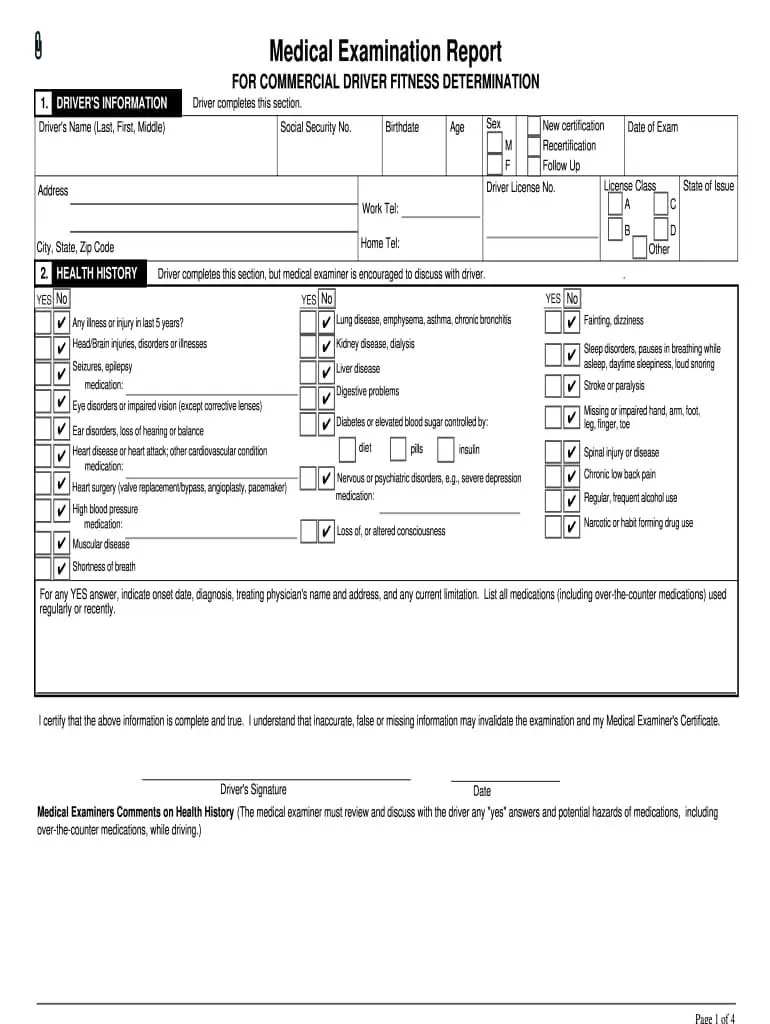
A DOT physical exam is a structured, standardized medical assessment that evaluates a commercial driver's fitness to safely operate a CMV. It is governed by 49 CFR Part 391, specifically § 391.41, which outlines the physical qualification standards for CMV drivers. The exam is distinct from a standard annual physical in that it is job-specific and conducted exclusively by a Certified Medical Examiner (CME) listed on the FMCSA National Registry.
Not sure if sleep apnea applies to you?
Take our 2-minute sleep risk quiz to see whether sleep apnea could affect your DOT physical. No account required.
The complete DOT physical consists of the following core components:
- Health History Review — A detailed questionnaire (Form MCSA-5875) covering medical history, current conditions, medications, herbal supplements, and lifestyle habits.
- Vision Test — Checks distant visual acuity, peripheral vision, and color recognition.
- Hearing Test / Audiometry Test — Assesses the ability to perceive whispered voice or audiometer tones at required thresholds.
- Blood Pressure Test — Measures cardiovascular health and identifies hypertension risk.
- Cardiovascular and Respiratory Exams — Auscultation of the heart and lungs; may include exercise tolerance test referral.
- Urinalysis / Urine Test — Screens for kidney function, blood sugar control, infection, and hydration.
- General Physical Examination — Covers neurological function, extremities, spinal health, hernias, skin, and musculoskeletal condition.
The entire appointment typically takes 30 to 60 minutes for a healthy driver without complicating conditions.
What about a drug test? The DOT physical exam itself does not include a drug test. The urinalysis performed during the exam screens for kidney and metabolic health — not controlled substances. However, employers are separately required to conduct pre-employment DOT drug screens and may schedule them concurrently with the physical.
DOT Physical Requirements: Who Needs One?
A DOT physical is required by the U.S. Department of Transportation for any driver operating a commercial motor vehicle (CMV) in interstate commerce that meets any of the following criteria:
- GVWR of 10,001 lbs or more — Gross Vehicle Weight Rating exceeding 10,000 pounds
- Passenger capacity of 15 or more (including the driver) — Including buses and passenger vans
- 8 or more passengers for compensation — Even smaller vehicles used commercially
- Hazardous materials requiring placarding — Any vehicle transporting hazmat under 49 CFR Part 172
This covers the vast majority of truck drivers, bus drivers, tanker operators, and hazardous material transportation professionals. Drivers should confirm their specific obligations with their employer or the FMCSA directly.
CDL vs. Non-CDL DOT Physical
| Feature | CDL DOT Physical | Non-CDL DOT Physical |
|---|---|---|
| Who needs it | Interstate CMV drivers with a CDL | Non-CDL drivers still subject to DOT medical standards by employer or state rule |
| Regulatory basis | 49 CFR 391.41 (federal) | Federal or state, depending on operation type |
| Medical examiner | FMCSA-certified CME required | FMCSA-certified CME required |
| Exam process | Identical | Identical |
| Medical card submission | Electronic (since June 2025) | Paper copy may still apply for non-CDL |
What Are the New DOT Physical Requirements?
The most significant update in recent years took effect on June 23, 2025, when the FMCSA implemented electronic medical certification reporting:
- Certified medical examiners must now submit exam results electronically to the FMCSA by midnight of the next calendar day following the exam
- The FMCSA forwards the results directly to the driver's State Driver Licensing Agency (SDLA), automatically updating the CDL record
- CDL holders no longer need to carry a physical paper copy of their MEC — their MVR (Motor Vehicle Record) serves as proof of certification
- Non-CDL CMV drivers must still carry a paper MEC
- States such as North Carolina explicitly confirm that paper Form MCSA-5876 will no longer be accepted as direct submission from drivers
The official exam form remains MCSA-5875 (Medical Examination Report), with the current version expiring 03/31/2028.
DOT Physical Form: MCSA-5875 Explained
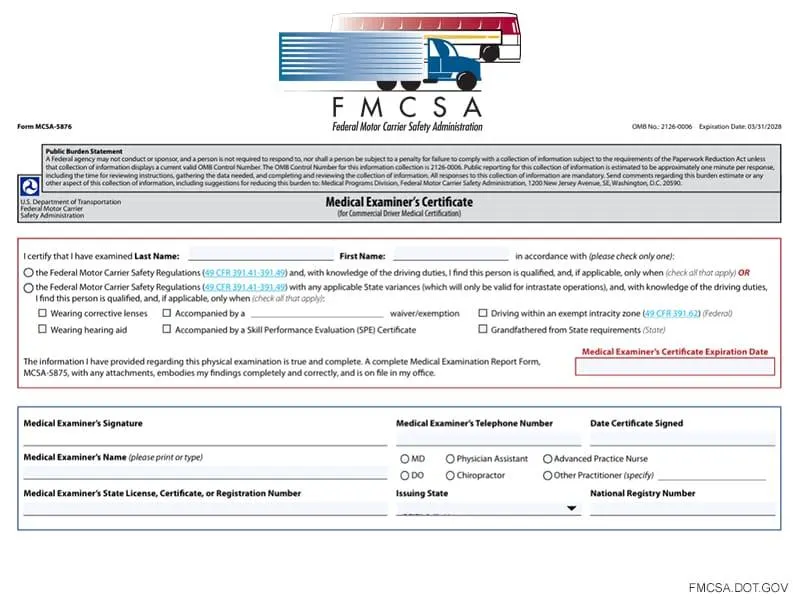
The Form MCSA-5875, also known as the Medical Examination Report (MER) Form, is the cornerstone document of every DOT physical. It is used to record the results of a driver's physical examination and determine whether the driver is qualified to operate a CMV.
Drivers are required to complete the health history section of this form before or during every DOT physical. The form includes:
- Driver personal information and identification
- A comprehensive health history questionnaire covering over 30 medical conditions
- Checkboxes for current prescription medications, herbal supplements, surgeries, and substance use history
- A CMV Driver Medication Form reference — the examiner documents all medications the driver is currently taking
- All testing results (vision, hearing, blood pressure, urinalysis)
- The medical examiner's determination section
- The Medical Examiner's Certificate (Form MCSA-5876) — issued separately upon passing
You can download the official form at FMCSA.dot.gov.
Special forms for specific conditions:
- Insulin-Treated Diabetes Mellitus Assessment Form (MCSA-5870) — Required for any driver managing diabetes with insulin. This form must be completed by the insulin-prescribing physician.
- Vision Evaluation Report / Vision Evaluation Form — Required when vision is borderline or a waiver is sought
- CPAP Compliance Reports — Needed for drivers with diagnosed sleep apnea
- A1c Results and Blood Sugar Recording Logs — Required for drivers with diabetes to demonstrate blood sugar control
- INR Test Results — Needed for drivers on anticoagulant therapy (e.g., warfarin)
DOT Physical ICD-10 Code
When billing or documenting a DOT physical encounter, the applicable ICD-10 code is typically:
Already diagnosed and need CPAP support?
Dumbo Health helps patients start CPAP without the usual confusion, paperwork, or upfront cost. Equipment, setup, supplies, and ongoing support are all handled in one place.
- Z02.1 — Encounter for pre-employment examination
- Z02.2 — Encounter for examination for admission to a residential institution (less common)
In occupational medicine and occupational health practice, DOT physicals fall under preventive/administrative encounter codes. Because the exam is considered a work-related or regulatory requirement rather than a treatment for a diagnosed condition, most standard health insurance policies do not cover it as a medical necessity.
However, if the examination reveals a specific medical condition — such as hypertension, sleep apnea, or diabetes — and follow-up diagnostic tests are ordered, those tests may be separately billable under their own ICD-10 codes with potential insurance coverage.
Does Insurance Cover a DOT Physical?
In most cases, no. Private health insurance — including plans from major carriers — typically does not cover DOT physicals because they are classified as employment-related or regulatory examinations rather than medically necessary treatment.
Key points on insurance and DOT physical costs:
- DOT physicals are generally considered out-of-pocket expenses
- FSA/HSA cards (Flexible Spending Accounts / Health Savings Accounts) can often be used to pay for DOT physicals, as they qualify as medical expenses
- Some employers offer reimbursement programs for drivers who pay out of pocket — check with your employer
- In rare cases, if a DOT physical is tied to documenting or monitoring a specific pre-existing medical condition, limited coverage may apply
If coverage is denied, you can appeal with documentation of medical necessity or consult a medical billing advocate.
How Much Does a DOT Physical Cost?
DOT physical costs vary based on provider type and location:
| Provider Type | Typical Cost Range |
|---|---|
| Specialized DOT clinic | $50–$85 |
| Urgent care center | $85–$130 |
| CVS MinuteClinic | $109–$129 |
| Occupational health clinic | $75–$150 |
| Hospital-affiliated clinic | $100–$200+ |
Tips to reduce cost:
- Ask for a cash discount — many independent clinics offer 15–20% off for cash payment
- Use your FSA or HSA card
- Compare prices using the FMCSA National Registry to find local certified examiners
- Look for employer reimbursement programs Additional costs to be aware of: If the examiner orders specialist documentation (e.g., a cardiologist letter, sleep study, or neurological evaluation), those are separate expenses. For drivers flagged for sleep apnea, Dumbo Health offers at-home WatchPAT ONE sleep testing with physician-reviewed documentation in 48 hours — helping you avoid expensive lab delays and get back on the road faster.
How Long Is a DOT Physical Good For?

A DOT medical certificate is valid for a maximum of 24 months (2 years) for drivers who meet all health standards without any conditions requiring closer monitoring.
However, the exact validity period depends on your health status at the time of the exam. Many drivers receive shorter certification periods:
| Health Status | Certification Duration |
|---|---|
| Fully meets all standards | Up to 24 months |
| Stage 1 Hypertension (140–159/90–99) | 1 year |
| Stage 2 Hypertension (160–179/100–109) | 3-month one-time card; must treat |
| Sleep apnea under CPAP monitoring | 1 year (upon compliance) |
| Insulin-treated diabetes (ITDM) | May be less than 12 months |
| Recent cardiac event, neurological condition | 3–6 months pending clearance |
Renewal planning: Schedule your DOT physical 30 to 60 days before your current medical card expires to allow time for any unexpected findings, documentation requirements, or follow-up testing.
Comprehensive Review of the DOT Physical Exam Components
The Essential Health History Review
The examination begins with a detailed completion of Form MCSA-5875 — the official Medical Examination Report. This health history questionnaire covers your past and present medical conditions, surgeries, injuries, and lifestyle habits. The driver must disclose all chronic illnesses, prescription medications, over-the-counter drugs, herbal supplements, current conditions such as diabetes, heart disease, or sleep apnea, as well as allergies.
This is also where drivers with insulin-treated diabetes mellitus (ITDM) must present the completed MCSA-5870 Insulin-Treated Diabetes Mellitus Assessment Form, filled out by their insulin-prescribing physician. Honesty is not just recommended — it is a federal requirement. Misrepresenting or omitting health information can lead to disqualification, loss of CDL, and potential federal penalties.
The medical history review is the foundation on which the examiner builds every subsequent decision — including whether to request neurological evaluations, A1c results, CPAP compliance reports, INR test results, or other medical documents.
Vision Test: Clear Sight for the Road Ahead
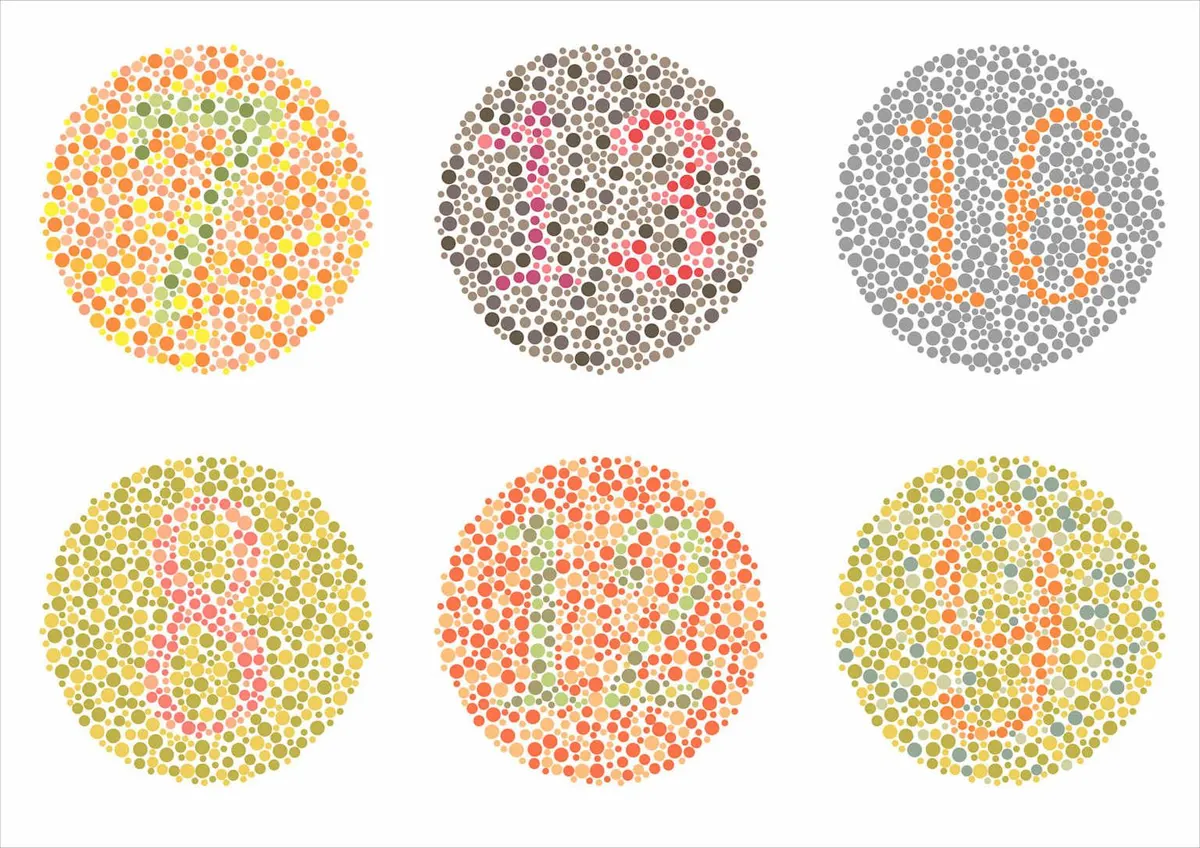
Visual acuity is critical for commercial drivers to navigate roads safely, read signs, and perceive hazards. The vision evaluation during a DOT physical assesses:
- Distant Visual Acuity: Drivers must demonstrate 20/40 vision in each eye, with or without corrective lenses. This standard is defined in 49 CFR § 391.41(b)(10).
- Peripheral Vision / Field of Vision: A minimum of 70 degrees horizontally in each eye is required to detect objects and movements from the sides.
- Color Vision / Traffic Light Colors: Drivers must distinguish between red, green, and amber — essential for interpreting traffic signals and warning devices.
If vision is borderline, the examiner may require a completed Vision Evaluation Report or Vision Evaluation Form from a licensed optometrist or ophthalmologist. Drivers who cannot meet the vision standard in one eye may still qualify under a Skill Performance Evaluation (SPE) certificate or federal vision exemption program.
Important: If you wear glasses or contact lenses, bring them to the examination. Your prescription will be noted on the MEC, and you will be required to wear corrective lenses while driving under the terms of your certification.
Hearing Test: Listening for Critical Cues
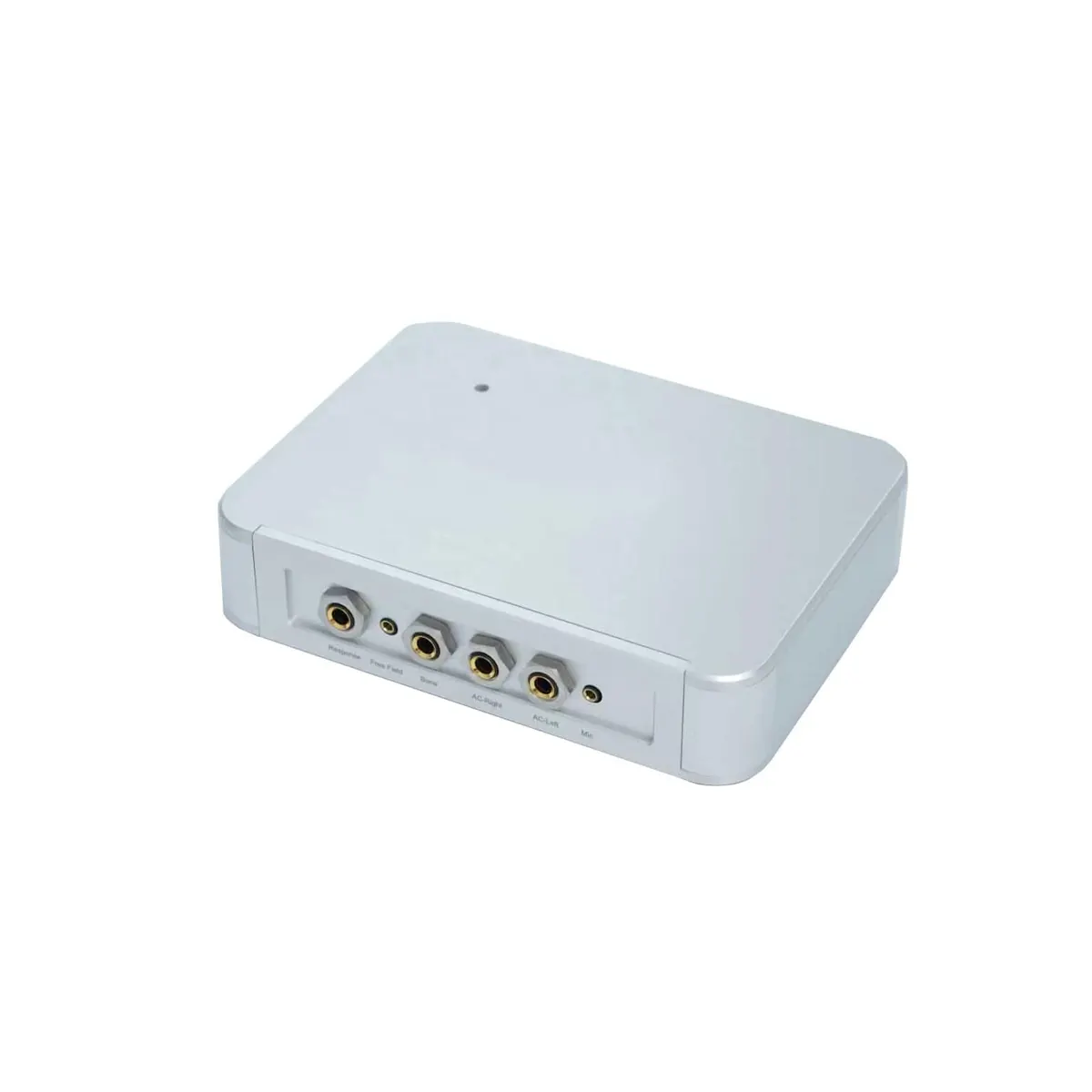
Effective hearing is vital for commercial drivers to receive critical information from other vehicles, road users, and emergency signals. The FMCSA mandates that drivers pass one of two hearing standards:
- Whispered voice test: Ability to hear a forced whispered voice in the better ear at not less than 5 feet, with or without a hearing aid
- Audiometry test: Ability to hear an average of 40 decibels (dB) or less in the better ear (with hearing aid, if used), tested at 500 Hz, 1000 Hz, and 2000 Hz
Hearing aids and hearing loss: Drivers who require a hearing aid can absolutely still pass the DOT physical, provided they wear the device during the examination and meet the required hearing threshold. The examiner documents hearing aid use on the MEC. If you have hearing loss and currently use a hearing aid, ensure it is functioning properly and bring a spare battery. Drivers who don't wear their hearing aid during the exam may fail despite being capable of meeting the standard when properly equipped.
Blood Pressure Test: Cardiovascular Standards
Blood pressure measurement Blood pressure is one of the most common reasons drivers receive shortened certifications or are temporarily disqualified. The FMCSA blood pressure requirements, per the current clinical advisory guidelines, tier certification length as follows:
| Blood Pressure Stage | Reading | Certification Period |
|---|---|---|
| Normal / Stage 1 Controlled | < 140/90 mmHg | Up to 24 months |
| Stage 1 Hypertension | 140–159 / 90–99 mmHg | 1 year |
| Stage 2 Hypertension | 160–179 / 100–109 mmHg | One-time 3-month certificate; must initiate antihypertensive treatment |
| Stage 3 Hypertension | ≥ 180 / ≥ 110 mmHg | Disqualifying until BP controlled below 140/90 |
Practical tip: "White coat hypertension" — elevated readings caused by exam-related anxiety — is a well-documented phenomenon. If you believe your reading is atypically high, ask the examiner to re-measure after a few minutes of rest. Some examiners accept home blood pressure monitoring logs as supporting documentation of your typical readings.
Heart health beyond blood pressure: The examiner will also auscultate your heart for irregular rhythms or murmurs and review your history of heart disease, past heart attacks, angina, or heart failure. An exercise tolerance test may be required for drivers with cardiac history. Drivers with an implantable cardioverter defibrillator (ICD) are automatically disqualified under current FMCSA standards.
Cardiovascular and Respiratory Exams
Beyond blood pressure, the DOT physical includes a thorough evaluation of your entire cardiovascular and respiratory system. The examiner will listen to your lungs to detect wheezing, diminished breath sounds, or signs of asthma, COPD, or pneumonia. Any respiratory condition that could result in loss of consciousness due to hypoxia or fatigue is disqualifying under 49 CFR § 391.41(b)(5).
For drivers with cardiovascular conditions, the examiner may request:
- Recent echocardiogram results or cardiologist letters
- An exercise tolerance test (stress test) to evaluate cardiac fitness
- Documentation of ejection fraction if heart failure is a concern
Urinalysis: Urine Test Screening

The urine test during the DOT physical is a medical screening tool — not a drug test. The urinalysis evaluates:
- Kidney Function — Protein or blood in the urine may signal kidney disease
- Diabetes Indicators / Blood Sugar Control — Glucose and ketones in urine suggest diabetes or poor blood sugar control; the examiner may request A1c results or blood sugar recording logs if these markers are elevated
- Hydration Levels — Urine concentration indicates adequate hydration
- Signs of Infection — White blood cells or nitrites may indicate urinary tract infection
Stay well-hydrated in the days before your exam, but avoid drinking excessive water immediately before providing your sample, as this can dilute the specimen and trigger a re-test.
General Physical Examination: Assessing Overall Health

Beyond the targeted tests above, the general physical examination covers every major body system. The examiner will assess:
- Neurological Function — Reflexes, balance, coordination, and signs of neurological disorders such as epilepsy, stroke, multiple sclerosis, Parkinson's disease, or brain injuries. Formal neurological evaluations from a specialist may be required for drivers with relevant history.
- Extremities — Strength, range of motion, and condition of arms and legs. Limb loss or impairment may require a Skill Performance Evaluation (SPE) certificate.
- Spinal Health — Assessment for deformities, spinal cord injuries, or limitations affecting prolonged sitting or essential driving tasks.
- Skin Inspection — Visible conditions that may be indicative of systemic issues.
- Hernia Check — Hernias that could require intervention or affect physical capacity are documented.
- Abdomen and Genito-urinary System — Checked for abnormalities that could affect driver fitness.
DOT Physical Medical Conditions: What Could Affect Your Certification
Managing a medical condition does not automatically disqualify a driver. The key is documentation, treatment compliance, and communication with your healthcare provider and the examiner. Below is a detailed overview of the most common medical conditions reviewed during a DOT physical.
Diabetes
Diabetes alone is not automatically disqualifying — but its management is closely evaluated. Key considerations:
- Non-insulin treated diabetes: Generally manageable with dietary control or oral medications. Examiners evaluate HbA1c (A1c results) and look for complications such as neuropathy or retinopathy.
- Insulin-Treated Diabetes Mellitus (ITDM): Historically disqualifying, but the FMCSA now allows insulin-treated drivers to obtain certification provided they complete the MCSA-5870 ITDM Assessment Form, submit it to the examiner, have no history of severe hypoglycemic episodes, and demonstrate stable management. Bring your blood sugar recording logs and recent A1c results to every exam.
- Blood sugar control: The examiner looks for evidence of consistent monitoring and treatment compliance. Uncontrolled diabetes with an HbA1c above 10% is generally disqualifying without documented improvement.
Hypertension (High Blood Pressure)
Refer to the blood pressure certification table in the Blood Pressure Test section above. Consistent medication adherence, home monitoring, and bringing your blood pressure logs to the exam are the most effective strategies for drivers with hypertension.
Sleep Apnea

Sleep apnea is one of the most frequently disqualifying conditions encountered at DOT physicals — particularly for drivers who are overweight, have a neck circumference over 17 inches (males) or 15.5 inches (females), present with hypertension, or report excessive daytime sleepiness.
Untreated moderate-to-severe obstructive sleep apnea is disqualifying under FMCSA standards, as it poses a risk of sudden incapacitation while driving. However, drivers with sleep apnea who are successfully treated can continue driving.
The standard treatment protocol for DOT compliance:
- CPAP machine / CPAP therapy — The gold standard treatment endorsed by the FMCSA
- CPAP compliance reports — Drivers must demonstrate usage of at least 4 hours per night on 70% or more of nights within a 30-day period
- Annual re-evaluation — Many examiners issue a 1-year certification for sleep apnea patients until compliance is established
How Dumbo Health helps CDL drivers with sleep apnea:
If you are flagged for suspected sleep apnea during your DOT physical, you typically receive a 90-day conditional medical card and must complete a sleep study before returning for full certification. Traditional in-lab sleep studies can take weeks to schedule — costing you valuable driving time.
Dumbo Health offers an at-home WatchPAT ONE sleep test with physician-reviewed results in 48 hours, specifically designed for CDL drivers facing DOT physical sleep apnea requirements. This service is available as an out-of-pocket service and may be eligible for FSA/HSA card payment. View Dumbo Health's full solutions and pricing to get started.
Heart Disease and Cardiovascular Issues
Drivers with a history of heart disease, heart attack, angina, arrhythmia, or congestive heart failure require careful evaluation. The FMCSA specifies that drivers must not have any cardiovascular condition likely to cause fainting, chest pain at minimal exertion, or sudden incapacitation.
Key documentation requirements:
- Cardiologist clearance letter
- Recent echocardiogram results
- Exercise tolerance test results
- Ejection fraction documentation (must be ≥ 40% for most conditions)
Drivers with pacemakers can typically qualify with proper documentation, while those with implantable cardioverter defibrillators (ICDs) are automatically disqualified.
Neurological Conditions and Neurological Disorders
The FMCSA requires that drivers be free from any condition that could cause sudden loss of consciousness or significantly impair cognitive function while driving. Neurological conditions subject to close scrutiny include:
- Epilepsy / Seizures — A driver who has had a seizure within the past 8 years generally cannot be certified; after 8 seizure-free years (on or off medication), certification may be possible with a neurologist letter
- Stroke / Transient Ischemic Attacks (TIAs) — FMCSA waiting periods apply post-stroke; neurological evaluations required
- Brain injuries / Traumatic Brain Injury (TBI) — Evaluated on a case-by-case basis depending on severity and residual impairment
- Spinal cord injuries — Assessed for impact on motor function and driving ability
- Multiple Sclerosis, Parkinson's Disease — May disqualify if impairing coordination, reflexes, or mental alertness
- Meniere's Disease / Vertigo — Disqualifying due to risk of sudden disorientation while driving
Vision and Hearing Impairments
Vision and hearing impairments that can be corrected to meet FMCSA standards with glasses, contact lenses, or hearing aids are not disqualifying. The driver must use the corrective device while driving and the MEC will reflect this requirement.
Drivers who cannot meet vision standards in one eye may pursue a vision exemption through the FMCSA's federal waiver program.
Chronic Pain
Chronic pain is not a standalone disqualifying condition, but it becomes an issue when:
- The pain is managed with opioid medications that could impair alertness, reaction time, or cognitive function
- The pain significantly limits the physical ability to safely operate a CMV
- The underlying cause of the pain (e.g., spinal condition, injury) itself affects driving capacity
Examiners evaluate chronic pain in context of function and medication — and may require a treating physician statement confirming that the driver's pain management regimen does not impair safe driving.
What Will Make You Fail a DOT Physical?
Not all conditions are automatically disqualifying — many can be managed. However, the following represent the most common reasons drivers fail a DOT physical:
- Uncontrolled Stage 3 Hypertension (BP ≥ 180/110) — The single most common disqualifier; no temporary certificate is issued at this level
- Untreated Moderate-to-Severe Sleep Apnea — Drivers who report falling asleep while driving or cannot stay awake during the exam are disqualified
- Active Seizure Disorder / Epilepsy — Any seizure within 8 years is generally disqualifying
- Meniere's Disease / Vertigo — Explicitly named in the FMCSA CME handbook as disqualifying
- Vision Failure — Unable to achieve 20/40 in each eye or 70° peripheral vision without qualifying for an exemption
- Hearing Failure — Unable to hear whispered voice at 5 feet or audiometer at 40 dB in better ear
- Implantable Cardioverter Defibrillator (ICD) — Automatic disqualification under FMCSA rules
- Current Clinical Diagnosis of Alcoholism — Disqualifying per 49 CFR § 391.41(b)(13)
- Positive Drug Screen (when required by employer) — Disqualifying for commercial operation
- Uncontrolled Diabetes — Particularly with severe complications (retinopathy, neuropathy) or inability to manage hypoglycemia
- Limb Loss Without SPE Certificate — Loss of a hand, foot, leg, or arm without a Skill Performance Evaluation certificate
- CPAP Non-Compliance — Driver with diagnosed sleep apnea who fails to demonstrate adequate CPAP usage
How to Pass a DOT Physical: Proactive Preparation Strategies
Passing the DOT physical is overwhelmingly a matter of proactive preparation rather than last-minute effort. Below are the most effective strategies.
Optimize Your General Health
- Nutrition: Maintain a balanced diet rich in fruits, vegetables, and lean proteins. Reduce salt intake to support blood pressure control. Avoid processed foods high in sugar.
- Hydration: Drink plenty of water in the days before the exam. Adequate hydration supports urinalysis results and kidney health.
- Sleep: Aim for 7–9 hours per night. Poor sleep elevates blood pressure and impairs cognitive performance — both of which are assessed.
- Exercise: Engage in moderate cardio most days of the week to support cardiovascular health, weight management, and blood pressure reduction. Avoid intense new workouts immediately before the exam.
- Stress Reduction: Chronic stress elevates blood pressure. Practice relaxation techniques (deep breathing, meditation, light yoga) in the days before the exam.
Manage Blood Pressure Proactively
If you know your blood pressure tends to run high:
- Monitor at home for 2–4 weeks before the exam and bring the logs
- Take your medication consistently and at the same time daily
- Avoid caffeine and sodium-heavy meals the day before the exam
- Arrive early and rest for 5–10 minutes before your blood pressure is taken
Get Ahead of Sleep Apnea
If you suspect you may have sleep apnea — or if you've been previously flagged — do not wait until your DOT physical to act. Get tested in advance using Dumbo Health's at-home sleep testing, which delivers physician-reviewed results in 48 hours. If diagnosed, begin CPAP therapy immediately and generate compliance data before your physical. This allows you to demonstrate CPAP compliance reports at the time of your exam — converting what would be a conditional 90-day card into a standard 1-year certification.
Gather Essential Documents and Medical Documents
Bring the following to every DOT physical:
- Complete list of prescription medications with dosages and prescribing physician contact information
- List of herbal supplements and over-the-counter medications
- Glasses, contact lenses, or hearing aid (functional, with spare battery)
- Specialist reports and physician's notes for any pre-existing conditions
- A1c results and blood sugar recording logs (for diabetic drivers)
- CPAP compliance reports (for drivers with sleep apnea)
- INR test results (for drivers on anticoagulant therapy)
- Insulin-Treated Diabetes Mellitus Assessment Form MCSA-5870 (for insulin-using drivers)
- Previous DOT physical cards for historical reference
- Completed health history questionnaire (MCSA-5875 health history section)
Be Honest and Complete on Your Health History Questionnaire
Your health history review is the foundation of the entire examination. The examiner uses this information to determine what additional tests or documentation to request. Omitting information does not protect you — it creates a false record that could result in disqualification if discovered, or worse, an accident if an undisclosed condition causes incapacitation. Disclosure protects you by enabling the examiner to make a properly informed, defensible certification decision.
Finding a Certified Medical Examiner: DOT Physical Near Me
The National Registry of Certified Medical Examiners (NRCME)
The National Registry of Certified Medical Examiners (NRCME) is the FMCSA's official database of all medical professionals authorized to conduct DOT physical exams. Every examiner on the registry has completed DOT-specific training and passed a NRCME Certification Exam covering FMCSA's medical standards.
As of June 23, 2025, using a registry-listed examiner is not just recommended — it is mandatory for electronic medical certification submission, which is now required for all CDL holder exams.
Who can be a Certified DOT Medical Examiner? The term encompasses multiple healthcare disciplines, including:
- Medical Doctors (MD)
- Doctors of Osteopathy (DO)
- Physician Assistants (PA)
- Advanced Practice Nurses (APN)
- Doctors of Chiropractic (DC) — a common and convenient option for DOT physicals
How to Find a DOT Physical Near Me
The fastest way to find a certified examiner is through the FMCSA National Registry Search Tool. You can search by:
- ZIP code / location
- Examiner name
- Provider type
Beyond the registry, consider:
- Urgent care centers — Many urgent care chains offer walk-in DOT physicals and are staffed by FMCSA-certified examiners
- Occupational medicine clinics — Occupational-medical physicians and occupational health practices routinely perform DOT physicals and are experienced with FMCSA standards
- Chiropractor DOT physical — Licensed chiropractors (DCs) on the NRCME are authorized to perform complete DOT physicals
- Primary care physicians — If your primary care physician is on the NRCME, they may offer the exam
DOT Physical in Texas
Texas has a wide network of FMCSA-certified examiners. Options include:
- Urgent Care of Texas — Multiple locations across the state offering walk-in DOT physicals starting at $50
- Texas MedClinic — San Antonio and Austin urgent care locations with DOT physical services
- MD Now Urgent Care — Locations in the Dallas-Fort Worth area and across Texas
- Search the FMCSA registry for any city in Texas: FMCSA National Registry
DOT Physical in Florida
Florida has extensive coverage for CDL Driver Medical Certification services:
- MD Now Urgent Care — Multiple Florida locations including Fort Lauderdale, Bradenton, Brandon, Fort Pierce, Sarasota, and Lake Worth
- NextCare Urgent Care — Walk-in DOT physicals available at Florida locations
- Use the FMCSA National Registry to locate certified examiners near any Florida city
Urgent Care DOT Physical Near Me
urgent care centers have become one of the most convenient options for commercial drivers needing a DOT physical with minimal wait time. Many urgent care chains accept walk-ins for DOT physicals, making same-day appointments possible. When choosing an urgent care center, confirm that the examining provider is listed on the FMCSA National Registry — not all urgent care staff automatically qualify as Certified Medical Examiners.
DOT NRCME Certification Training (For Medical Examiners)
Medical professionals who wish to become Certified DOT Medical Examiners must complete FMCSA-approved DOT NRCME Certification Training, pass a Certification Exam at an accredited Certification Testing Center, and receive a Unique Identifier Number (National Registry Number) that is printed on every MEC they issue. To maintain certification, examiners must complete Recertification Training every 10 years.
DOT Physical vs. Non-DOT Physical: What's the Difference?
A Non-DOT physical is a medical examination that is not federally mandated — typically conducted for employment screening or company-specific health assessments. Key differences:
| Feature | DOT Physical | Non-DOT Physical |
|---|---|---|
| Regulatory requirement | Mandated by federal law (49 CFR 391) | Employer or state-specific; not federally required |
| Examiner certification | FMCSA-certified CME only | Any licensed physician |
| Standardization | Fully standardized by FMCSA | Variable by employer and jurisdiction |
| Purpose | Fitness to operate CMV safely | General employment fitness, job-specific safety |
| Medical Examiner's Certificate | Issues Form MCSA-5876 | No federal certificate; employer documentation |
| Urinalysis | Included (kidney/metabolic screening) | May or may not be included |
| Coverage in interstate commerce | Required | Not applicable |
Non-DOT physicals in occupational medicine settings may be equally thorough — or more so — depending on the employer's requirements, but they carry no federal regulatory weight for CDL purposes.
What to Expect from a Certified DOT Medical Examiner
A Certified Medical Examiner (CME) performing a DOT physical operates under strict guidelines from the FMCSA. The exam is designed to be objective, systematic, and safety-focused.
During your exam, the CME will:
- Verify your identity using a photo ID (CDL, driver's license, passport)
- Review Form MCSA-5875 health history you have completed
- Conduct all required tests — vision, hearing, blood pressure, cardiovascular/respiratory, urinalysis, general physical
- Request specialist documentation if your history or findings warrant it — this may include cardiologist reports, neurological evaluations, A1c results, CPAP compliance reports, or other medical tests
- Apply FMCSA standards to your specific health profile under 49 CFR § 391.41
- Issue the Medical Examiner's Certificate (MCSA-5876) if you qualify, or explain disqualifying conditions and next steps
The CME's role is specifically to assess your fitness for commercial driving — not to provide general medical care or treat conditions discovered during the exam. Their expertise in this context is occupational medicine as it applies to DOT regulations.
During the Exam: Tips for a Smooth Visit
Arrive prepared and relaxed. Bring all your documentation, wear your corrective lenses or hearing aid, and ensure you've avoided stimulants (caffeine) and strenuous exercise that morning. If you are feeling anxious, remember that white coat hypertension is a recognized phenomenon — communicate with your examiner if you feel your readings don't reflect your typical baseline.
Be honest and thorough on every question. The medical history review is where most exams are won or lost. Complete honesty — including all medications, herbal supplements, and past medical history — ensures the examiner can make an informed, defensible decision.
Ask questions when in doubt. If a result seems anomalous or a test outcome doesn't feel accurate, politely ask for a re-measurement or clarification. For example, if your blood pressure reading is unusually high, request a second reading after a few minutes of rest.
If a condition is flagged unexpectedly: Ask the examiner exactly what documentation or test results you need to bring to a follow-up appointment. Common requests include specialist letters, sleep study results, echocardiogram data, or blood test results (A1c, INR).
Understanding Your Results and the Medical Examiner's Certificate
Receiving Your DOT Medical Certificate
If you successfully meet all FMCSA health standards, the medical examiner will complete Form MCSA-5875 and issue your Medical Examiner's Certificate (Form MCSA-5876).
For CDL holders (as of June 23, 2025):
- The examiner submits your MEC electronically to the FMCSA National Registry
- The FMCSA transmits results to your state DMV, updating your CDL record automatically
- You no longer need to carry or submit a paper MEC — your MVR serves as proof
- Ask your examiner to confirm electronic submission before you leave
For non-CDL CMV drivers:
- The examiner issues a paper Form MCSA-5876
- You must carry this physical MEC while operating a CMV
- Submit a copy to your employer per their requirements
Your MEC will include your personal information, examiner details, exam date, expiration date, and any restrictions (e.g., "must wear corrective lenses" or "hearing aid required").
What Happens If You Don't Pass Immediately?
Not passing the DOT physical on the first attempt does not mean the end of your commercial driving career. The path forward depends on the specific disqualifying factor:
- Elevated blood pressure (Stage 2): Receive a 3-month conditional card; initiate antihypertensive treatment; return with controlled readings
- Sleep apnea flagged: Receive a 90-day conditional card; complete sleep study (consider Dumbo Health's 48-hour at-home test); begin CPAP; return with CPAP compliance reports
- Vision borderline: Obtain a Vision Evaluation Report from your optometrist; get appropriate corrective lenses; re-test
- Hearing borderline: Obtain a properly fitted hearing aid; re-test with the device
- Cardiac history: Provide cardiologist clearance letter, exercise tolerance test, echocardiogram results
- Diabetes documentation needed: Submit ITDM Assessment Form MCSA-5870, A1c results, blood sugar recording logs
- Specialist evaluation required: Neurological evaluations, pulmonary function tests, or other specialist assessments may be needed depending on the condition
Exemptions and Waivers: For certain conditions, drivers may apply to the FMCSA for an exemption or federal waiver. This process is complex and requires extensive medical documentation and formal FMCSA approval.
Final Thoughts
The DOT physical examination is a critical gatekeeper for public road safety — ensuring every commercial driver behind the wheel of a CMV meets the physical and mental standards required to do so safely. For commercial drivers, it is both a professional requirement and a personal responsibility.
Key takeaways from this guide:
- The DOT physical consists of a health history review, vision and hearing evaluations, blood pressure test, cardiovascular and respiratory exams, urinalysis, and general physical examination
- It is valid for up to 24 months but may be issued for shorter periods based on health status
- As of June 23, 2025, CDL holders no longer carry paper MECs — results are submitted electronically by the examiner
- The most common disqualifiers are uncontrolled hypertension, untreated sleep apnea, seizure disorders, and vision/hearing failure
- Many conditions — including diabetes, sleep apnea, and hypertension — are manageable with proper treatment and documentation
- Use the FMCSA National Registry to find a Certified Medical Examiner near you
- For sleep apnea testing, Dumbo Health provides CDL drivers with at-home physician-reviewed results in 48 hours — keeping you on the road
Your Medical Examiner's Certificate is more than paperwork. It is evidence of your commitment to safety — your own, your cargo's, and everyone else's on the road. Stay informed, stay healthy, and keep driving.
Need to address sleep apnea before your next DOT physical? Visit Dumbo Health for fast, at-home CDL-friendly sleep testing. Explore our solutions and pricing to find the right plan for you.
Frequently Asked Questions
Complete answers to the most commonly asked questions about DOT physicals, sleep apnea compliance, CDL requirements, and more. Produced by dumbo.health for commercial drivers in Texas and Florida. Last reviewed: April 2026.
Medical Disclaimer: This content is for informational purposes only and does not constitute medical or legal advice. Always consult a qualified FMCSA-certified medical examiner and your physician for decisions affecting your health and CDL status. DOT physical regulations are subject to change — verify current standards at fmcsa.dot.gov.
1. DOT Physical Basics
What it is, who needs one, and how it differs from a regular exam
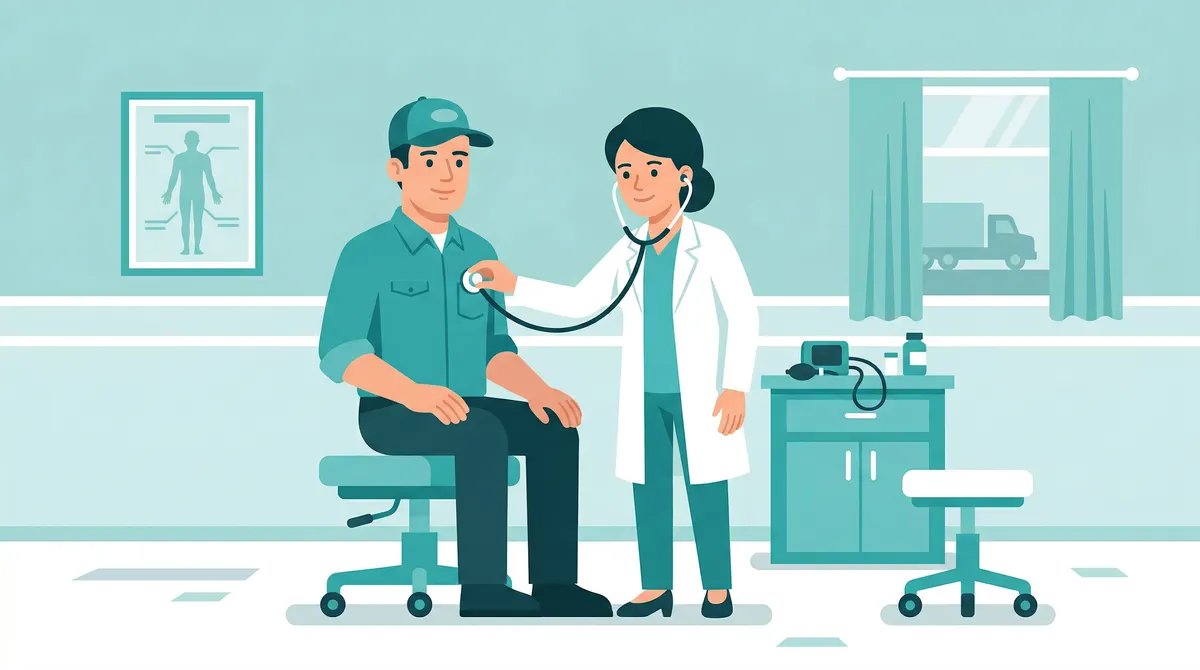
What is a DOT physical?
A DOT physical is a federally mandated medical examination required by the Federal Motor Carrier Safety Administration (FMCSA) for drivers who operate commercial motor vehicles (CMVs) weighing over 10,001 pounds in interstate commerce. It certifies that a driver meets the health standards to safely operate a large vehicle.
- The exam covers vision, hearing, blood pressure, cardiovascular health, urinalysis, and overall physical fitness.
- Upon passing, the driver receives a Medical Examiner's Certificate (MEC), commonly called a DOT medical card, valid for up to 24 months.
- The exam must be performed by a medical examiner listed on the FMCSA National Registry of Certified Medical Examiners.
What does DOT stand for in a DOT physical?
DOT stands for Department of Transportation. The DOT physical specifically refers to the medical examination required under regulations set by the Federal Motor Carrier Safety Administration (FMCSA), which is the DOT agency responsible for commercial motor vehicle safety.
The formal name for the exam is the FMCSA Physical Qualification Examination, governed by 49 CFR Part 391 §391.41.
Who needs a DOT physical?
Any driver who operates a commercial motor vehicle (CMV) in interstate commerce is required to pass a DOT physical. This includes drivers of vehicles weighing over 10,001 pounds, vehicles transporting hazardous materials, or vehicles designed to carry 9 or more passengers for compensation.
- CDL (Commercial Driver's License) holders are the most common group required to have a DOT physical.
- Intrastate-only drivers may be subject to state-level equivalents, which vary by state.
- Bus drivers, long-haul truckers, and delivery drivers operating large commercial vehicles all typically require DOT medical certification.
Is a DOT physical the same as a regular physical?
No. A DOT physical is specifically designed to evaluate a commercial driver's fitness to safely operate a large vehicle. It follows a standardized federal protocol defined by the FMCSA, whereas a regular physical is a general wellness exam with no specific certification requirements.
- A DOT physical tests vision, hearing, blood pressure, urinalysis, and neurological function with pass/fail thresholds tied to federal standards.
- A regular physical does not result in a federal medical card and cannot substitute for the DOT exam.
- Only an FMCSA-certified medical examiner can conduct a valid DOT physical.
What is a non-DOT physical?
A non-DOT physical is a medical exam that follows the same general format as a DOT physical but does not meet federal FMCSA certification standards. It is used by employers for drivers who operate vehicles below the DOT threshold, or for general occupational health purposes.
Non-DOT physicals are commonly required by companies for safety-sensitive roles that do not legally mandate FMCSA certification — such as local delivery drivers, warehouse workers, or forklift operators. They do not result in a federal Medical Examiner's Certificate.
What is the difference between a DOT and non-DOT physical?
The key difference is federal certification. A DOT physical is governed by FMCSA regulations and results in a federally recognized Medical Examiner's Certificate (MEC). A non-DOT physical is a company or employer-driven exam without federal regulatory backing.
- DOT physicals require a certified medical examiner from the FMCSA National Registry.
- DOT physicals have federally mandated pass/fail thresholds (e.g., blood pressure below 140/90 for a 2-year card).
- Non-DOT physicals use employer-defined standards and do not produce an FMCSA-recognized certificate.
2. What to Expect During the Exam
What is tested, what the examiner checks, and what to bring
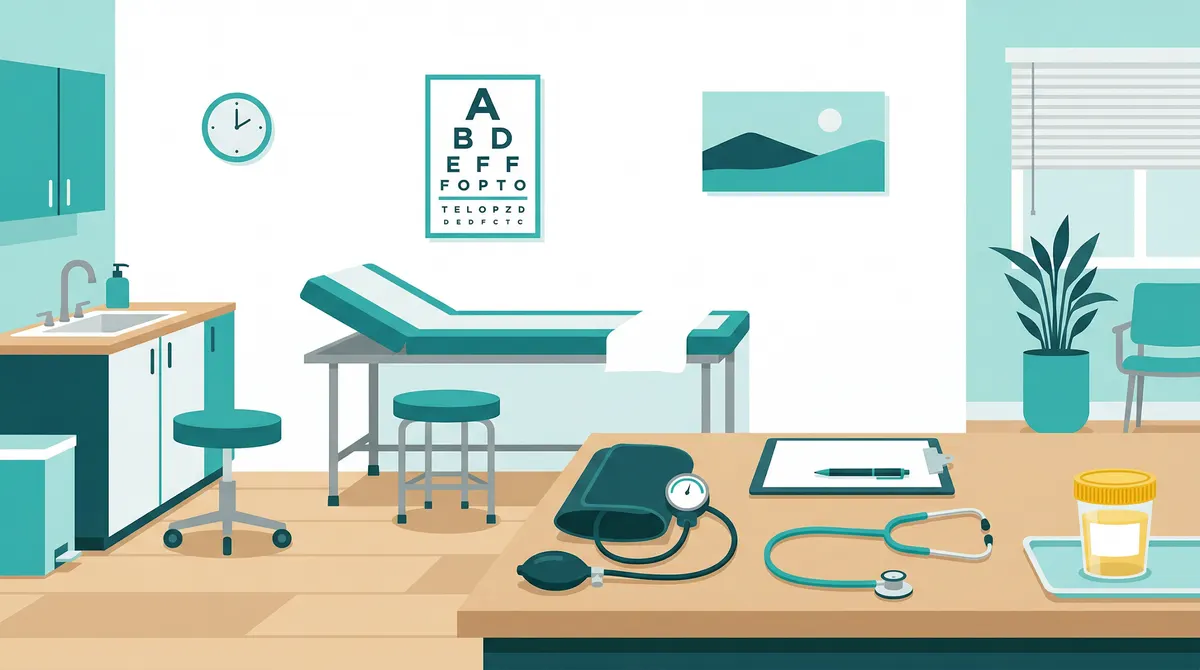
What does a DOT physical consist of?
A DOT physical consists of a detailed review of your medical history, followed by physical assessments covering vision, hearing, blood pressure, cardiovascular health, neurological function, and a urinalysis. The examiner uses the FMCSA Medical Examination Report (Form MCSA-5875) as a standardized checklist.
- Vision: Minimum 20/40 acuity in each eye (corrected), peripheral vision of at least 70° in both eyes.
- Hearing: Ability to perceive a forced whispered voice in the better ear at no less than 5 feet.
- Blood pressure and pulse: Must be below Stage 3 hypertension to pass.
- Urinalysis: Screens for protein, blood, and glucose — not drugs.
- General physical: Heart, lungs, abdomen, spine, extremities, and reflexes.
What do they check during a DOT physical?
During a DOT physical, the examiner checks vision, hearing, blood pressure, pulse, cardiovascular and lung health, abdominal function, neurological reflexes, musculoskeletal mobility, and collects a urine sample. The exam follows the FMCSA Medical Examination Report (Form MCSA-5875) as a standardized checklist.
- Vision: Distance acuity (Snellen chart), peripheral vision, color recognition.
- Hearing: Forced whisper test at 5 feet in the better ear.
- Blood pressure and pulse: Evaluated for hypertension staging.
- Heart and lungs: Auscultation for irregularities.
- Abdomen: Palpation for organomegaly or hernia.
- Extremities and spine: Range of motion, reflexes, limb function.
- Urinalysis: Protein, glucose, blood — not a drug screen.
What should I expect at a DOT physical?
At a DOT physical, expect to complete a medical history form, then undergo a series of physical checks including vision, hearing, blood pressure, heart and lung assessment, and a urine sample. The entire appointment typically takes 30–60 minutes if no issues require follow-up.
- Bring a valid photo ID, list of current medications, and any documentation for known conditions (e.g., blood pressure logs, CPAP compliance reports, diabetes lab results).
- The examiner will review your history and ask about conditions that could affect driving safety.
- If everything is in order, you receive your Medical Examiner's Certificate the same day.
Do you have to pee during a DOT physical?
Yes. Providing a urine sample is a required part of every DOT physical. The sample is tested for protein, glucose, and blood — markers that help the examiner identify potential kidney disease, diabetes, or urinary tract issues. It is not a drug test.
Arrive at your appointment well-hydrated so you can provide a sample without delay. If you genuinely cannot produce a urine sample on the day, the examiner may reschedule the urinalysis portion, but the physical cannot be fully completed or certified without it.
Do they check for hernia during a DOT physical?
Yes. The DOT physical includes an abdominal examination where the examiner checks for hernias, particularly inguinal hernias. A hernia is not automatically disqualifying, but the examiner will evaluate whether it impairs the driver's ability to safely operate a commercial motor vehicle.
- Most repaired (surgically corrected) hernias do not affect DOT certification.
- An untreated hernia that causes pain, limits mobility, or could create an emergency medical situation may result in a temporary deferral.
- Drivers with an unrepaired hernia may be certified if the examiner determines it poses no immediate safety risk.
Do they check your private parts during a DOT physical?
A DOT physical does not routinely include a genital examination. The abdominal and groin area may be briefly assessed for hernia (specifically inguinal hernia), but this is a limited, clinical palpation — not a full genital examination. Drivers remain clothed during most of the exam.
The DOT physical is an occupational fitness exam, not a comprehensive full-body physical. Examiners focus only on systems relevant to safe commercial vehicle operation. If you have concerns about the scope of the exam, you are entitled to ask the examiner to explain each step before proceeding.
What is the urine test for in a DOT physical?
The urine test in a DOT physical screens for protein, glucose, and blood in the urine — it is not a drug test. These markers help the examiner identify possible kidney disease, diabetes, or urinary tract issues that could affect driving safety.
Many drivers confuse the DOT physical urinalysis with DOT drug testing. They are separate processes. Drug testing is a different program governed by 49 CFR Part 40 and is not automatically part of every DOT physical appointment.
Why do they measure your neck during a DOT physical?
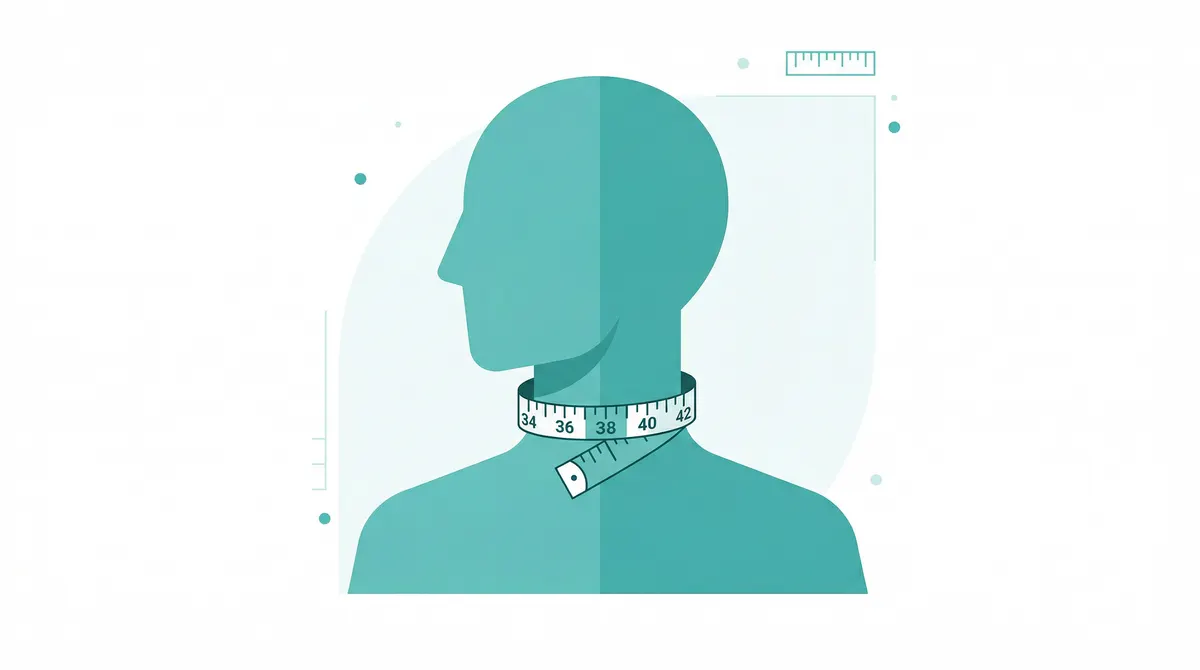
neck circumference is measured as part of a sleep apnea risk screening. A neck size of more than 17 inches in men or 15.5 inches in women is considered a risk factor for obstructive sleep apnea (OSA), which can cause dangerous daytime drowsiness in commercial drivers.
- Neck circumference alone does not disqualify a driver — it is one of several risk factors the examiner weighs.
- Other risk factors include BMI over 33–40, reported snoring, observed fatigue, and witnessed apnea episodes.
- If the examiner identifies multiple risk factors, they may require a sleep study before issuing or renewing medical certification.
What eye chart is used for a DOT physical?
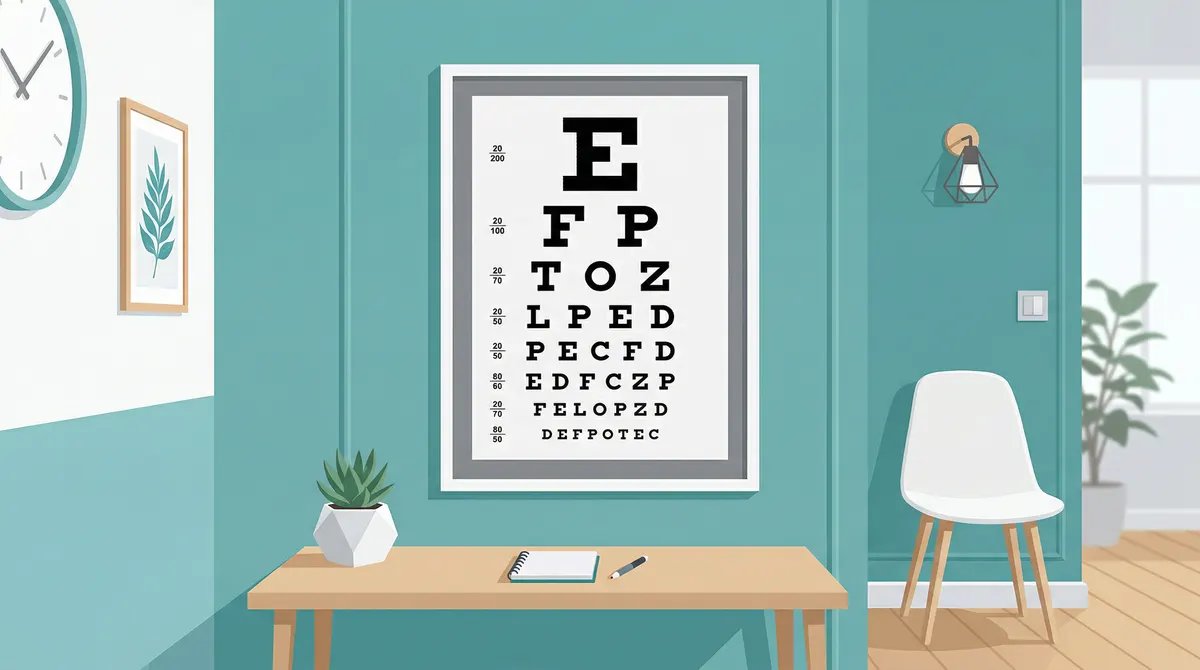
DOT physicals typically use a Snellen eye chart to assess distance visual acuity. Drivers must achieve at least 20/40 in each eye, with or without corrective lenses, and demonstrate a field of vision of at least 70 degrees in both eyes.
Color vision is also tested, as drivers must be able to recognize traffic signals and signs. Standard color vision tests such as Ishihara plates may be used. Drivers who cannot meet the vision standard in one eye may qualify under the FMCSA's alternative vision standard (49 CFR §391.44) following a skills performance evaluation.
What should you bring to a DOT physical?
Bring a valid government-issued photo ID, a complete list of your current medications with dosages, and any medical records relevant to known health conditions. Drivers with specific conditions should bring additional documentation.
- Sleep apnea: Bring your CPAP compliance report (minimum 30 days of data).
- Diabetes: Bring recent lab results (within 4 months), including fasting blood sugar and HbA1c.
- High blood pressure: Bring a recent blood pressure log and documentation of your treatment regimen.
- Pacemaker or heart condition: Bring a cardiologist's clearance letter.
- Corrective lenses: Wear or bring your glasses or contacts.
3. Passing & Failing the DOT Physical
Disqualifying conditions, retaking the exam, and what happens after a failure
What are the requirements to pass a DOT physical?
To pass a DOT physical, a driver must meet FMCSA standards across vision, hearing, blood pressure, cardiovascular health, and general physical fitness. The driver must have no disqualifying medical condition under 49 CFR §391.41 that would impair their ability to safely operate a commercial motor vehicle.
- Vision: 20/40 or better in each eye (corrected), 70° peripheral vision.
- Hearing: Perceive a whispered voice at 5 feet in the better ear.
- Blood pressure: Below 180/110 (Stage 3 disqualifies until controlled).
- No epilepsy, no current insulin use without exemption (post-2018 rule change allows it with documentation), no substance abuse diagnosis.
What blood pressure do you need to pass a DOT physical?
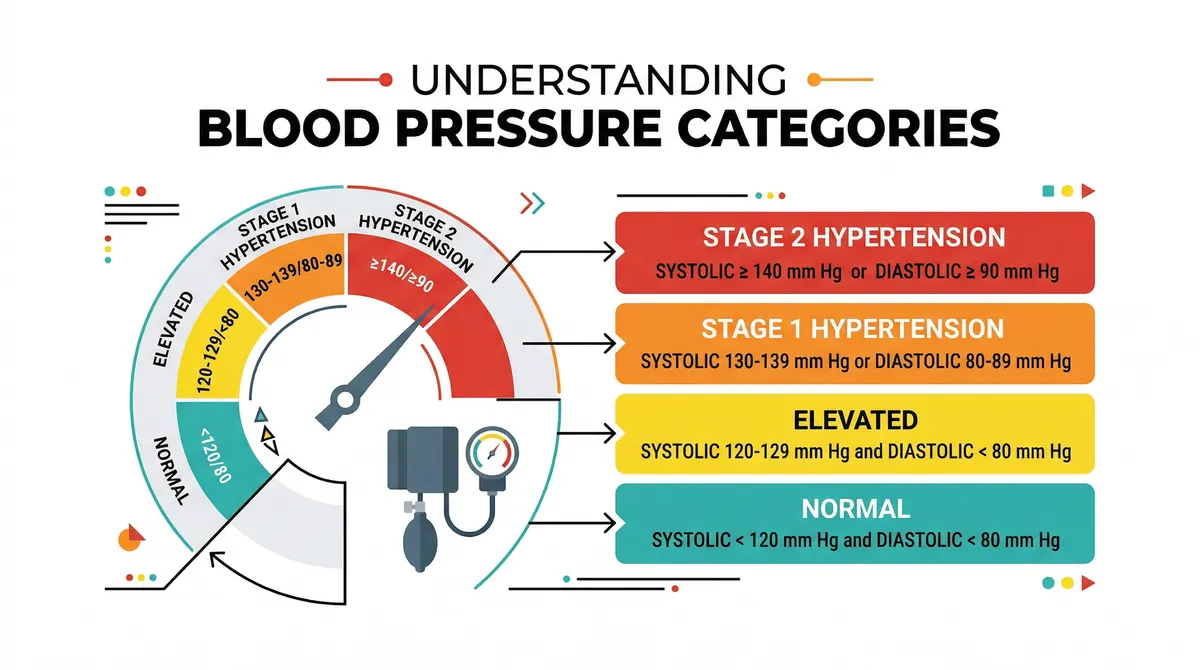
To receive a standard 2-year medical certificate, your blood pressure must be below 140/90. Drivers with higher readings may still be certified, but with a shorter-duration card depending on hypertension stage.
- Below 140/90: Standard 2-year certification.
- Stage 1 (140–159 / 90–99): 1-year certification.
- Stage 2 (160–179 / 100–109): 3-month conditional certification; 1-year if controlled by the 3-month recheck.
- Stage 3 (180/110 or above): Disqualified until blood pressure is controlled and documented.
Can you fail a DOT physical for high blood pressure?
Yes, you can fail a DOT physical if your blood pressure is Stage 3 (180/110 or above), which is immediately disqualifying. However, Stage 1 and Stage 2 hypertension do not result in outright failure — they result in shorter certification periods.
To avoid a failed exam, reduce caffeine, sodium, and nicotine before your appointment. If your blood pressure is borderline, a treating physician's documentation showing controlled hypertension can support your case. You can retake the exam once your blood pressure is under control.
Can you fail a DOT physical for being overweight?
Being overweight alone does not automatically fail a DOT physical — there is no specific BMI cutoff for disqualification. However, a high BMI (especially over 33–40) is a recognized risk factor for sleep apnea and other conditions that the examiner may investigate further.
If the examiner identifies multiple sleep apnea risk factors (high BMI, large neck circumference, reported fatigue or snoring), they may require a sleep study before issuing certification. Passing the sleep study or demonstrating CPAP compliance allows the driver to remain certified.
What can disqualify you from a DOT physical?
Common disqualifying conditions for a DOT physical include uncontrolled high blood pressure (Stage 3, 180/110+), epilepsy or seizure disorders, severe untreated sleep apnea, vision or hearing that cannot be corrected to meet FMCSA standards, current substance abuse, and certain heart conditions.
- Insulin-dependent diabetes: No longer automatically disqualifying since 2018 — documentation required.
- Pacemaker: May qualify with cardiologist clearance.
- Vision loss in one eye: May qualify under the alternative vision standard.
- Psychiatric conditions: Evaluated case by case; disqualifying if they impair judgment or create safety risk.
- Many conditions are temporarily disqualifying, not permanent — proper treatment and documentation can restore certification.
Can you fail a DOT physical?
Yes, you can fail a DOT physical. Failure occurs when a driver does not meet one or more of the FMCSA's medical standards — such as blood pressure above Stage 3, uncorrectable vision or hearing deficits, untreated sleep apnea, active epilepsy, or a disqualifying cardiovascular condition.
- Failure does not mean permanent disqualification — most conditions can be treated or managed to regain certification.
- The examiner will explain the specific reason for non-certification and what steps are needed to become eligible.
- Drivers can retake the exam at any time after addressing the disqualifying condition.
How can you fail a DOT physical?
You can fail a DOT physical by having blood pressure of 180/110 or above (Stage 3), failing vision or hearing tests that cannot be corrected to FMCSA standards, having untreated sleep apnea without a compliance report, active epilepsy without an exemption, or a disqualifying cardiovascular, metabolic, or neurological condition.
- Blood pressure Stage 3 (180/110+): Immediate disqualification.
- Vision below 20/40 in either eye (uncorrectable): Disqualifying unless alternative standard applies.
- Untreated or non-compliant sleep apnea: Will not receive certification.
- Missing required documentation (CPAP data, diabetes labs, cardiac clearance): May result in deferred or failed certification.
- Positive substance abuse history without documented recovery: Disqualifying.
What happens if you fail a DOT physical?
If you fail a DOT physical, you will not receive a Medical Examiner's Certificate and cannot legally operate a commercial motor vehicle until the disqualifying condition is addressed and you pass a subsequent exam. The failure itself does not go on a public driving record.
- You can seek treatment for the disqualifying condition and retake the exam — there is no mandated waiting period unless specified by the examiner.
- You can seek a second opinion from a different FMCSA-certified medical examiner.
- If the failure is related to blood pressure or a treatable condition, many drivers pass within weeks after addressing the issue.
Does a failed DOT physical go on your record?
A failed DOT physical does not appear on your driving record (MVR) in the same way a traffic violation would. However, under the NRII system, all DOT physical exam results — including non-certifications — are transmitted to the FMCSA and retained in the federal system, where they are accessible to certified medical examiners.
Future examiners will be able to see your prior exam history when they access the FMCSA system. This is why it is important to address the underlying medical issue before retaking the exam rather than simply shopping for a less strict examiner — the prior non-certification is visible.
Can you retake a DOT physical if you fail?
Yes. There is no regulatory restriction on retaking a DOT physical after a failure. You may return to the same examiner or choose a different FMCSA-certified examiner on the National Registry. However, the disqualifying condition must be addressed before the examiner can certify you.
Simply scheduling a repeat exam without resolving the underlying issue will result in another non-certification. Bring documentation of any treatment, medication changes, or specialist clearances that address the reason for the original failure.
How soon can you retake a DOT physical?
There is no mandatory waiting period before retaking a DOT physical — you can reschedule as soon as the disqualifying condition has been addressed. For blood pressure failures, many drivers return within days to weeks after adjusting medication. For sleep apnea, the minimum is 30 days of CPAP compliance data.
- Blood pressure Stage 2: Examiner may issue a 3-month deferral — you retest at the 3-month mark.
- Sleep apnea: Minimum 30 days of CPAP data required before the examiner can issue a conditional 3-month card.
- Missing documentation: Can often be resolved within days by gathering the required records.
How many times can you fail a DOT physical?
There is no regulatory limit on the number of times you can retake a DOT physical. You may retake it as many times as necessary, provided you address the disqualifying condition between attempts. However, all exam attempts are recorded in the FMCSA system.
Repeated failures for the same unresolved condition will not result in certification. Each attempt requires payment of the exam fee (typically $75–$150). It is advisable to resolve the underlying issue — such as controlling blood pressure or obtaining a sleep study — before scheduling a repeat exam.
What happens if you fail a DOT physical twice?
failing a DOT physical twice carries no additional regulatory penalty beyond the non-certification itself. However, each failed attempt is recorded in the FMCSA system and visible to future examiners. The path to certification remains the same: address the underlying medical condition and return with documentation.
Drivers who repeatedly fail for the same unresolved condition should work closely with their primary care physician or a specialist before attempting the exam again. In some cases, FMCSA exemption programs (e.g., for vision, seizures, or insulin-treated diabetes) provide an alternative pathway to certification.
Can you get a second opinion on a DOT physical?
Yes. If you fail or disagree with the results of a DOT physical, you can visit a different FMCSA-certified medical examiner for a second opinion. There is no rule preventing drivers from choosing another examiner on the National Registry.
While seeking a second opinion is allowed, be aware that the FMCSA National Registry logs all exam results. Examiners can see prior certification history. If a second examiner is willing to certify you, that certification is valid — but the underlying medical condition should be properly addressed.
4. Medical Conditions & the DOT Physical
Diabetes, epilepsy, sleep apnea, pacemakers, hernias, and more
Can you pass a DOT physical with diabetes?
Yes, drivers with diabetes can pass a DOT physical. Since 2018, insulin-treated drivers are no longer automatically disqualified. The medical examiner evaluates diabetes control through lab results, and drivers must demonstrate stable blood sugar management with no recent severe hypoglycemic episodes.
- Bring recent lab work (within 4 months): fasting blood sugar and HbA1c.
- HbA1c should be below 8% for a favorable evaluation.
- Drivers using insulin must bring their Insulin-Treated Diabetes Mellitus Assessment Form (FMCSA).
- Type 2 diabetes controlled by diet or oral medication generally faces fewer restrictions.
Can you pass a DOT physical with high blood pressure?
Yes, you can pass a DOT physical with high blood pressure, provided it does not exceed Stage 3 (180/110). Drivers with controlled Stage 1 or Stage 2 hypertension can be certified, though the medical card duration may be shorter than the standard two years.
Avoid caffeine, nicotine, and high-sodium foods in the 24 hours before your exam. Bring documentation of your treatment plan and recent blood pressure readings from your primary care doctor. Drivers with borderline readings are sometimes given time to lower their blood pressure before a final decision.
Can you pass a DOT physical with sleep apnea?
Yes, drivers with diagnosed sleep apnea can pass a DOT physical — provided they are actively treating the condition, typically with CPAP therapy, and can demonstrate CPAP compliance. Untreated sleep apnea is a disqualifying condition due to its impact on alertness and driving safety.
- CPAP compliance requirement: Use of the machine for at least 4 hours per night on a minimum of 70% of nights.
- Drivers must submit a CPAP compliance report covering the period since their last medical card.
- Drivers newly diagnosed with sleep apnea receive a 3-month conditional certification; after demonstrating compliance, this can be upgraded to a 1-year certificate.
Is a sleep study required for a DOT physical?
A sleep study is not automatically required for every DOT physical. However, the FMCSA medical examiner may require one if you show multiple risk factors for obstructive sleep apnea — such as a neck circumference over 17 inches (men) or 15.5 inches (women), BMI over 33–40, reported snoring, or excessive daytime fatigue.
- Both in-lab polysomnography (PSG) and home sleep tests (HST) are accepted when ordered by a qualified clinician.
- If a sleep study is required, the examiner will defer certification until the study is completed and results are reviewed.
- Home sleep tests typically cost $150–$500 and can be completed in 1–2 nights at home, making them the faster and more affordable option.
Can you pass a DOT physical with epilepsy?
Epilepsy is generally a disqualifying condition for interstate CDL drivers under FMCSA standards. Drivers with a history of epilepsy or seizure disorders cannot be federally certified unless they qualify for a seizure disorder exemption through the FMCSA.
The FMCSA has a Seizure Exemption Program that allows some drivers with a documented seizure-free history — typically 8 or more years without medication — to apply for a medical certificate. Intrastate CDL requirements vary by state and may be more permissive.
Can you pass a DOT physical with a pacemaker?
Having a pacemaker does not automatically disqualify a driver from a DOT physical. However, drivers with pacemakers must obtain clearance from a cardiologist confirming that the underlying heart condition is stable and that the driver is safe to operate a commercial vehicle.
The FMCSA evaluates cardiac conditions individually. Factors considered include the reason the pacemaker was implanted, the driver's current cardiovascular function, and whether the condition poses a risk of sudden incapacitation. Annual certification is common for drivers with cardiac devices.
Can you pass a DOT physical with one eye?
Drivers who are monocular (vision in one eye only) cannot meet the standard DOT vision requirement, but may still qualify under the FMCSA Alternative Vision Standard (49 CFR §391.44). This requires a Skills Performance Evaluation (SPE) certificate in addition to meeting the standard in the better eye.
Under the alternative standard, the driver's better eye must still meet the 20/40 visual acuity threshold. The SPE certificate is issued by the FMCSA after evaluating the driver's ability to safely operate a CMV despite monocular vision.
Can you pass a DOT physical with a hernia?
Yes, in most cases you can pass a DOT physical with a hernia. A hernia is not automatically disqualifying. The examiner evaluates whether the hernia causes pain, limits physical function, or poses a risk of sudden incapacitation while operating a commercial vehicle.
- Repaired hernias (post-surgery): Generally not a concern for certification.
- Small, asymptomatic hernias: Usually not disqualifying if the examiner determines no safety risk.
- Large, painful, or strangulated hernias: May result in temporary deferral pending treatment.
- Bring a physician's note documenting the hernia status and any prior surgical repair.
Does Suboxone disqualify you from a DOT physical?
Suboxone (buprenorphine/naloxone) is a Schedule III controlled substance, and its use raises significant concerns in DOT medical evaluations. The FMCSA's Medical Advisory Criteria indicate that drivers using methadone or Schedule I substances are disqualified — Suboxone is evaluated case by case by the medical examiner.
Many FMCSA-certified examiners will not certify drivers on Suboxone due to the medication's effects on alertness and reaction time, though there is no absolute regulatory ban. Drivers should discuss their situation with a knowledgeable occupational health examiner before their appointment. This is a nuanced area where medical examiner discretion plays a large role.
5. Sleep Apnea & Driving Safety
How sleep apnea affects commercial drivers and what the FMCSA requires

How does sleep apnea affect driving ability?
Sleep apnea causes repeated breathing interruptions during sleep, leading to fragmented, non-restorative rest. This results in excessive daytime sleepiness, impaired concentration, and slower reaction times — significantly increasing the risk of drowsy driving and accidents for commercial drivers.
- Studies estimate that commercial drivers have a sleep apnea prevalence of approximately 28%, far above the general population average.
- Untreated sleep apnea increases crash risk by up to 2.5 times compared to drivers without the condition (per American Academy of Sleep Medicine data).
- Properly treated sleep apnea, through CPAP therapy, largely eliminates these driving safety risks.
How does sleep apnea affect overall driving safety?
Untreated sleep apnea significantly impairs driving safety by causing excessive daytime sleepiness, reduced reaction time, impaired attention, and microsleep episodes behind the wheel. Research shows untreated OSA can increase crash risk by up to 2.5 times compared to drivers without the condition.
- An estimated 28% of commercial truck drivers have sleep apnea, versus approximately 4–9% of the general adult population (per FMCSA-commissioned research).
- Drowsy driving accounts for approximately 72,000 crashes and 800 deaths annually in the US (NHTSA).
- CPAP-compliant drivers show crash rates comparable to non-OSA drivers — effective treatment substantially eliminates the safety risk.
What precautions should drivers with sleep apnea take?
Drivers with sleep apnea should use their CPAP machine every night as prescribed, never drive when excessively sleepy, maintain regular follow-up appointments with their sleep physician, and keep their CPAP compliance data current for DOT physical renewals.
- Never drive if you feel excessively drowsy — pull over and rest. Drowsy driving is as dangerous as drunk driving.
- Use your CPAP consistently: minimum 4 hours per night on at least 70% of nights.
- Replace CPAP masks, tubing, and filters on schedule to maintain therapy effectiveness.
- Report any new symptoms (gasping, waking frequently, morning headaches) to your sleep physician promptly.
- Ensure your CPAP machine records usage data — you will need this for your annual DOT physical.
What are the best treatments for sleep apnea to improve driving safety?
CPAP (Continuous Positive Airway Pressure) therapy is the gold-standard treatment for obstructive sleep apnea and the most accepted option for DOT compliance. When used consistently, CPAP effectively eliminates sleep-disordered breathing, restores normal sleep, and significantly reduces daytime drowsiness.
- CPAP therapy: Most effective and most accepted by DOT medical examiners for compliance documentation.
- BiPAP (Bilevel PAP): Used for severe OSA or patients who cannot tolerate CPAP pressure — equally accepted for DOT purposes.
- Oral appliance therapy: May be used for mild-moderate OSA; must be documented by a sleep specialist.
- Weight loss and positional therapy: Helpful adjuncts but typically insufficient as standalone DOT compliance documentation.
- Surgery (UPPP, inspire implant): May resolve OSA in select patients; requires a follow-up sleep study to confirm treatment success.
Are there legal requirements for drivers with sleep apnea?
There is currently no FMCSA federal law mandating sleep apnea testing for all commercial drivers. However, FMCSA medical examiners have authority under the Pulmonary Standard to require testing when risk factors are present, and drivers with a confirmed diagnosis must treat it and demonstrate CPAP compliance to maintain DOT medical certification.
- No blanket testing mandate currently exists — a 2016 proposed FMCSA rule was withdrawn in 2017 after Congressional opposition.
- De facto requirement: Drivers flagged by their examiner must complete a sleep study before receiving or renewing certification.
- Drivers who knowingly drive with untreated sleep apnea may face liability if involved in a fatigue-related crash.
- Some motor carriers impose stricter internal policies requiring sleep apnea screening for all drivers.
What are the DOT requirements for drivers with sleep apnea?
The FMCSA does not currently have a formal mandatory sleep apnea testing requirement, but medical examiners are empowered to require testing and treatment when risk factors are present. Drivers diagnosed with sleep apnea must demonstrate CPAP compliance to maintain their DOT medical certification.
- CPAP compliance standard: At least 4 hours of use per night on a minimum of 70% of nights.
- Compliance report must cover the period since the previous medical card expiration.
- Newly diagnosed drivers receive a 3-month conditional card; after documented compliance, up to a 1-year card.
- Annual DOT physical (not biennial) is required for certified drivers with sleep apnea.
What are the current FMCSA guidelines on sleep apnea for commercial drivers?
The FMCSA has not issued a formal mandated sleep apnea testing rule. However, under the agency's Pulmonary Standard, certified medical examiners have authority to require sleep apnea evaluation when clinical risk factors are identified during the DOT physical.
- Risk factors that may trigger a referral: BMI over 33–40, neck circumference over 17 inches (men) or 15.5 inches (women), reported snoring or witnessed apnea, or excessive daytime fatigue.
- Both in-lab polysomnography (PSG) and home sleep tests (HST) are accepted for DOT compliance purposes when ordered by a qualified clinician.
- The AASM guidelines are widely used by examiners when evaluating OSA severity.
Are there new DOT rules or laws on sleep apnea testing?
As of 2026, there is no new federal mandate requiring all commercial drivers to be tested for sleep apnea. The most significant recent change is the NRII (National Registry II) electronic reporting system, effective June 2025, which affects how DOT physical results are transmitted — not the sleep apnea evaluation criteria.
- A 2016 proposed FMCSA rule on mandatory sleep apnea screening was withdrawn in 2017.
- Individual medical examiners retain discretionary authority to require sleep studies based on clinical risk factors.
- Industry bodies (AASM, ATA) continue to advocate for standardized screening, but no formal rule has been adopted.
- Monitor fmcsa.dot.gov for regulatory updates.
When can sleep apnea affect a DOT physical?
Sleep apnea can affect a DOT physical when the medical examiner identifies risk factors — such as large neck circumference, high BMI, or reported daytime fatigue — and requires a sleep study before issuing certification. It also affects the physical if you have a prior diagnosis but lack current CPAP compliance documentation.
- Risk factors that trigger a sleep apnea evaluation: Neck >17" (men) / >15.5" (women), BMI >33–40, snoring history, witnessed apnea, excessive daytime sleepiness.
- Drivers with a prior diagnosis: Must bring a CPAP compliance report to every DOT physical.
- Drivers without a prior diagnosis: Examiner may defer certification pending a sleep study if multiple risk factors are present.
What are the current DOT requirements for sleep apnea testing for commercial drivers?
The FMCSA does not currently have a formal mandatory sleep apnea testing requirement for all commercial drivers. Medical examiners use the FMCSA's Pulmonary Standard and clinical judgment to determine whether a driver should be referred for testing based on identified risk factors during the DOT physical.
- No universal screening mandate exists as of 2026.
- Examiners may require a sleep study if three or more significant OSA risk factors are present.
- Drivers with a prior diagnosis must demonstrate CPAP compliance (4+ hours/night on 70%+ of nights) to maintain certification.
- Annual DOT physicals are required for all drivers diagnosed with sleep apnea.
What sleep apnea tests are accepted for DOT compliance?
Both in-lab polysomnography (PSG) and home sleep tests (HST) are generally accepted for DOT compliance purposes. The test must be ordered and interpreted by a licensed clinician, and the resulting diagnosis and treatment plan must be documented and submitted to the DOT medical examiner.
- Home sleep tests (HST) are more convenient and typically cost $150–$500 compared to $1,000–$3,500 for in-lab studies.
- The examiner may specify their preferred test type — always confirm before scheduling.
- Medicare and many private insurers cover HST when ordered by a physician after a qualifying clinical evaluation.
What are the CPAP compliance requirements under DOT standards?
Under FMCSA guidance, drivers with sleep apnea must use their CPAP machine for a minimum of 4 hours per night on at least 70% of nights within the reporting period. Compliance data must be downloaded from the CPAP device and submitted to the medical examiner as part of the DOT physical.
- Initial certification: 30 days of compliant data → 3-month conditional card.
- 3-month follow-up: Continued compliance → 1-year annual card.
- Annual renewal: Full compliance report covering the entire period since the last medical card expiration.
- Non-compliance (below 70% of nights or less than 4 hours/night): Examiner will not certify until compliance is re-established.
What is a DOT CPAP compliance report?

A DOT CPAP compliance report is a data download from your CPAP machine that shows your usage history — specifically how many hours per night you used the device and on what percentage of nights. This report is submitted to your medical examiner as proof of treatment adherence.
- Most modern CPAP machines record data automatically and can generate reports via software (e.g., ResMed myAir, Philips DreamMapper).
- The report must show: minimum 4 hours of use per night on at least 70% of nights.
- For your annual DOT physical, the compliance report should cover the full period since your last medical card expiration date.
How many days of CPAP compliance are needed for a DOT physical?
For an initial DOT certification with newly treated sleep apnea, a minimum of 30 days of CPAP compliance data is required to receive a 3-month conditional medical card. For renewal, compliance data must cover the full period since the previous certificate expiration.
- The FMCSA compliance standard: minimum 4 hours/night on at least 70% of nights within the reporting period.
- After the 3-month conditional period, if compliance is demonstrated, the examiner may issue a 1-year medical card.
- Drivers should never let their CPAP compliance data lapse — consistent use protects both your certification and your driving safety.
What documents are required to show CPAP compliance for DOT?
To show CPAP compliance for a DOT physical, drivers must provide a CPAP data report downloaded from their device showing nightly usage hours and the percentage of nights the machine was used. This report is typically generated through the CPAP manufacturer's software or app.
- ResMed users: Download via myAir app or AirView platform.
- Philips Respironics users: Download via DreamMapper or EncoreAnywhere.
- The report must cover: (a) the full 30-day period for new drivers, or (b) the full period since the last medical card expiration for renewals.
- Some examiners also request a letter from your sleep physician confirming active treatment and adherence.
- Bring both the printed/digital report and your CPAP device to the appointment if possible.
Why is neck circumference relevant to sleep apnea screening?
A larger neck circumference is associated with increased soft tissue around the airway, which narrows the throat during sleep and raises the risk of obstructive sleep apnea (OSA). FMCSA medical examiners use neck circumference as a quick screening proxy during DOT physicals.
- Risk threshold: Over 17 inches (43 cm) in men, over 15.5 inches (39 cm) in women.
- Neck circumference is most predictive when combined with other factors: high BMI, snoring history, and daytime fatigue.
- It is one data point in a multi-factor risk assessment — not a standalone disqualifier.
What neck size is considered a sleep apnea risk factor?
A neck circumference of more than 17 inches (43 cm) in men or more than 15.5 inches (39 cm) in women is considered a clinical risk factor for obstructive sleep apnea (OSA). FMCSA-certified medical examiners use this threshold as one of several screening criteria during a DOT physical.
- Neck size is a proxy for the amount of soft tissue surrounding the airway — more tissue increases the risk of airway collapse during sleep.
- This threshold is based on guidelines from the American Academy of Sleep Medicine (AASM).
- Neck circumference alone is not disqualifying — it is assessed alongside BMI, snoring history, and daytime fatigue.
How does neck size influence sleep apnea diagnosis and treatment?
A larger neck circumference is associated with increased pharyngeal soft tissue, which narrows the upper airway during sleep and raises the likelihood of obstructive sleep apnea (OSA). Neck size is used as a screening marker — not a diagnostic tool — to determine who should undergo a formal sleep study.
- Neck size is more predictive of OSA risk when combined with other factors: high BMI, male sex, age over 50, snoring, and daytime sleepiness.
- Treatment (CPAP therapy) is based on the Apnea-Hypopnea Index (AHI) from the sleep study — not neck size alone.
- Some patients with large necks have mild OSA; others may have normal neck size and severe OSA. The sleep study is the definitive diagnostic tool.
Does neck circumference affect a DOT sleep apnea evaluation?
Yes. Neck circumference is one of the key physical markers that DOT medical examiners assess when evaluating a driver's sleep apnea risk. A neck over 17 inches (men) or 15.5 inches (women), combined with other risk factors, may lead the examiner to require a sleep study before issuing medical certification.
The FMCSA's guidance to medical examiners identifies neck circumference, BMI, and clinical history as the primary screening factors for OSA referral. If you are near these thresholds, proactively completing a home sleep test before your DOT physical gives you documentation ready to present — which can avoid a certification deferral.
6. CDL & Sleep Apnea
Keeping your CDL, eligibility, and what a sleep apnea diagnosis means for your license
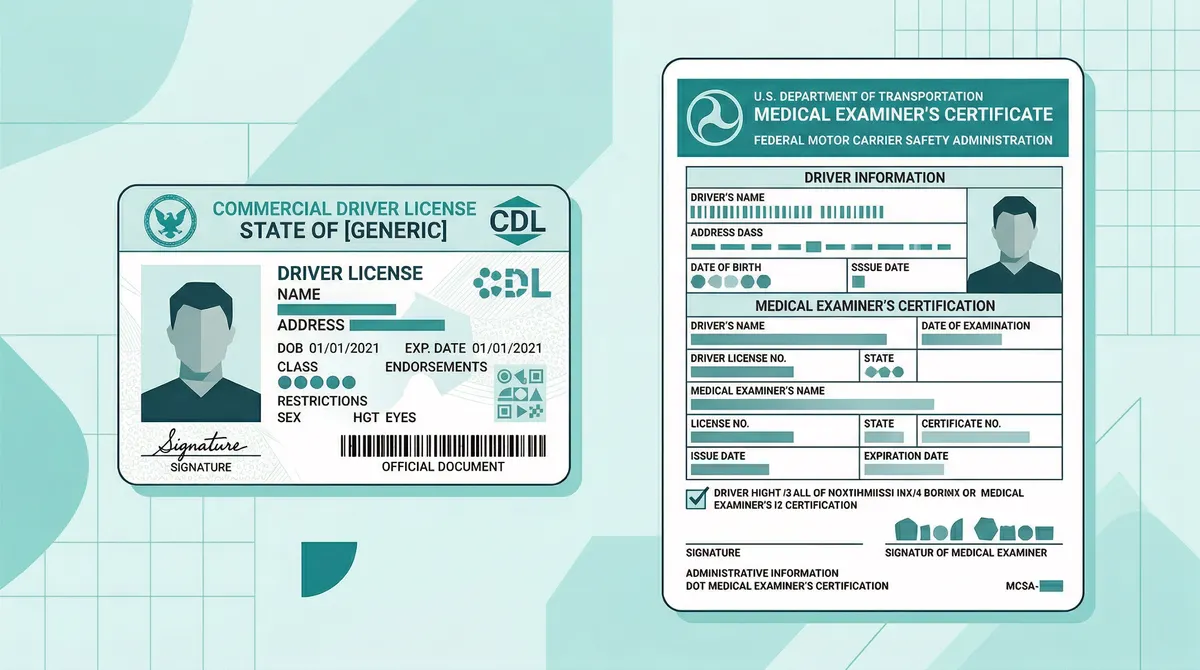
Can you get or keep a CDL if you have sleep apnea?
Yes, you can get and keep a CDL with sleep apnea — as long as you are actively treating the condition and can prove CPAP compliance. Sleep apnea alone does not disqualify a driver from holding a CDL; only untreated or non-compliant sleep apnea risks disqualification.
- Drivers with treated sleep apnea receive a 1-year DOT medical card (renewable annually) instead of the standard 2-year card.
- If a driver is diagnosed but refuses treatment or fails to maintain CPAP compliance, the examiner will not certify them.
- Consistent treatment and annual compliance documentation is the key to maintaining CDL eligibility long-term.
How can sleep apnea affect CDL eligibility?
Sleep apnea can affect CDL eligibility by triggering a requirement for a sleep study before the medical examiner issues certification, or by resulting in non-certification if a diagnosed driver cannot demonstrate CPAP compliance. Untreated sleep apnea is effectively disqualifying under FMCSA standards.
- Flagged but undiagnosed: Examiner defers certification pending sleep study — CDL cannot be obtained or renewed until treatment begins.
- Diagnosed and CPAP-compliant: Eligible for annual certification — CDL remains valid.
- Diagnosed but non-compliant: Not eligible for certification — CDL is at risk of lapsing.
What are the CDL requirements for drivers with sleep apnea?
CDL holders with sleep apnea must maintain an annual DOT medical certification, provide CPAP compliance documentation at every renewal, and use CPAP therapy as prescribed. Meeting these requirements allows drivers with sleep apnea to hold a valid CDL without restrictions beyond the annual renewal schedule.
- Annual (not biennial) DOT physical required.
- CPAP compliance report covering the full period since the last medical card must be submitted.
- Compliance threshold: minimum 4 hours/night on 70%+ of nights.
- Failure to maintain compliance will result in a shorter or denied certification, which triggers a CDL downgrade.
Can you fail a DOT physical because of sleep apnea?
You can fail a DOT physical because of sleep apnea if you are diagnosed with the condition but are not treating it or cannot demonstrate CPAP compliance. A sleep apnea diagnosis alone — where treatment is in place and compliance is documented — does not automatically result in failure.
- Drivers who have never been tested but show multiple risk factors may receive a temporary disqualification pending a sleep study.
- Drivers who have a diagnosis but no CPAP compliance data will not be certified.
- Drivers who complete the required sleep study, begin CPAP therapy, and document compliance can be certified within 30–90 days.
What happens if you fail a DOT physical due to sleep apnea?
If you fail a DOT physical due to sleep apnea, you must complete a sleep study, receive a diagnosis and treatment plan, begin CPAP therapy, and provide 30 days of compliance data before the examiner can issue a 3-month conditional medical card.
- Step 1: Complete a home sleep test (HST) or in-lab study — both are accepted.
- Step 2: If sleep apnea is confirmed, begin prescribed CPAP therapy.
- Step 3: Use CPAP consistently for 30 days (minimum 4 hours/night on 70%+ of nights).
- Step 4: Return to your FMCSA-certified examiner with your compliance report for a 3-month card.
- Step 5: After 3 months of continued compliance, qualify for a 1-year annual medical card.
How can drivers with sleep apnea qualify again after a failed DOT physical?
Drivers who failed a DOT physical due to sleep apnea can regain certification by completing a sleep study, beginning CPAP therapy, and demonstrating 30 days of compliant CPAP use before returning to their medical examiner for a conditional 3-month certificate.
Most drivers who follow this pathway are back on the road within 60–90 days of their initial failed exam. The key factors are acting quickly on the sleep study, not delaying CPAP therapy, and ensuring your CPAP machine has data-recording capabilities for the compliance report.
7. Drug Testing & the DOT Physical
What is tested, when, and what happens if you fail

Does a DOT physical include a drug test?
The standard DOT physical does not automatically include a drug test. The DOT physical's urinalysis screens for kidney and metabolic health markers — not drugs. However, many employers require a separate DOT drug test at the same appointment, which follows a different federal protocol.
- DOT physical urinalysis: Screens for protein, blood, glucose — not substances of abuse.
- DOT drug testing (49 CFR Part 40): A separate, federally mandated 5-panel urine test required for safety-sensitive transportation workers.
- Employers may schedule both on the same day — always confirm with your employer or clinic what is included.
Is a drug test required for a DOT physical?
A drug test is not automatically part of every DOT physical. However, a separate DOT drug test (5-panel urine screen) is required for pre-employment, random testing, post-accident, and return-to-duty situations under 49 CFR Part 40.
- Pre-employment: DOT drug test required before a driver begins safety-sensitive duties.
- Random testing: FMCSA requires motor carriers to randomly test drivers throughout the year.
- Post-accident: Required after qualifying accidents.
- Return-to-duty: Required after a previous positive test and SAP program completion.
- The DOT physical and drug test may be scheduled at the same clinic on the same day — but they are separate procedures with separate paperwork.
What drugs do they test for in a DOT drug test?

DOT drug tests screen for five classes of substances: marijuana (THC), cocaine, opioids (including codeine and heroin), amphetamines and methamphetamines, and phencyclidine (PCP). This is known as the DOT 5-panel drug test, mandated under 49 CFR Part 40.
- Testing is conducted via urine specimen (oral fluid testing was added as an option in 2023 under a final FMCSA rule).
- Detection windows vary by substance — THC can be detected up to 30 days in chronic users; cocaine is detectable for approximately 1–3 days.
- Prescription opioid use requires documentation from the prescribing physician.
Does a DOT physical test for weed or THC?
The DOT physical urinalysis does not test for THC or marijuana. However, if a separate DOT drug test is administered at the same appointment, it does test for marijuana/THC — and a positive result will disqualify the driver regardless of state law or medical marijuana programs.
The FMCSA is unambiguous: marijuana remains a federally prohibited substance for safety-sensitive transportation workers under DOT regulations, regardless of state legalization. Medical marijuana cards do not exempt drivers from DOT drug testing requirements.
What happens if you fail a DOT drug test?
Failing a DOT drug test results in immediate removal from safety-sensitive duties. The driver is referred to a Substance Abuse Professional (SAP), who evaluates the driver and recommends a treatment and follow-up testing program. Return to duty requires SAP clearance and a negative return-to-duty test.
- A failed DOT drug test is reported to the FMCSA Drug and Alcohol Clearinghouse, a federal database accessible to current and prospective employers.
- Employers are required to check the Clearinghouse before hiring new CDL drivers.
- The return-to-duty process can take weeks to months depending on the SAP's evaluation and the driver's compliance.
8. Timing, Validity & Scheduling
How long the exam is valid, grace periods, and how often you need it

How long does a DOT physical take?
A DOT physical typically takes 30 to 60 minutes if you arrive prepared with all required documentation and have no conditions requiring additional evaluation. Drivers with conditions such as high blood pressure, sleep apnea, or diabetes may require longer appointments.
Delays commonly occur when drivers are missing medication lists, CPAP data, or lab results. Arriving with all documentation in hand is the single biggest factor in a smooth, same-day certification. Some examiners offer walk-in appointments; others require scheduling in advance.
How long is a DOT physical good for?
A standard DOT physical is valid for up to 24 months (2 years). However, drivers with certain health conditions receive shorter-duration certificates — 1 year for controlled hypertension or treated sleep apnea, 3 months for Stage 2 hypertension pending blood pressure reduction.
- The certificate expires at midnight on the expiration date — not at the end of the business day.
- There is no grace period: an expired certificate means you cannot legally drive a CMV.
- The validity period runs from the date of the physical, not from when the previous certificate expired.
What happens if your DOT physical expires?
If your DOT medical certificate expires, you are immediately disqualified from legally operating a commercial motor vehicle. There is no grace period. Driving with an expired DOT physical is a violation of FMCSA regulations and can result in fines, out-of-service orders, and license suspension.
- Plan your renewal at least 30–60 days before expiration to allow time for any required follow-up.
- Under NRII (National Registry II), beginning June 2025, exam results are transmitted electronically by the examiner.
- If your certificate expires while you are away from home, you must find an FMCSA-certified examiner in any state.
Is there a grace period if your DOT physical expires?
No. There is absolutely no grace period for an expired DOT medical certificate. If your certificate expires, even by one day, you cannot legally operate a commercial motor vehicle until you pass a new DOT physical and receive a current certificate.
This is one of the most commonly misunderstood aspects of DOT compliance. Unlike a driver's license (which some states allow a short grace window), the FMCSA makes no allowances for expired medical certificates under any circumstances. Plan renewals at least 30 days early.
What happens if you miss your DOT physical appointment?
Missing a DOT physical appointment itself has no regulatory consequence — there is no penalty for rescheduling. However, if your medical certificate is approaching expiration and you miss the appointment without rebooking promptly, you risk your certificate lapsing, which immediately disqualifies you from operating a CMV.
- Reschedule as soon as possible — most clinics can accommodate walk-ins or short-notice bookings.
- If your certificate expires before you complete a new physical, you cannot legally drive a CMV until certification is renewed.
- Plan renewal appointments 30–60 days before expiration to have a buffer for missed or rescheduled appointments.
How long does it take to get DOT physical results?
DOT physical results are typically available the same day. If you pass, the FMCSA-certified medical examiner issues your Medical Examiner's Certificate on the spot. Under the NRII system (fully effective June 2025), examiners must also transmit results electronically to the FMCSA by midnight of the following business day.
If additional documentation is needed (e.g., a cardiologist's letter or CPAP compliance report you did not bring), the examiner may defer certification until the documentation is received. Scheduling a complete, documentation-ready appointment avoids this delay.
How often do you need a DOT physical?
Most commercial drivers need a DOT physical every 2 years. Drivers with certain medical conditions — including treated sleep apnea, controlled hypertension (Stage 1), or diabetes — receive a 1-year or shorter certificate and must be examined more frequently.
- Standard 2-year renewal: Drivers meeting all FMCSA health standards with no monitored conditions.
- Annual renewal: Drivers with treated sleep apnea, Stage 1 hypertension, or diabetes with insulin use.
- 3-month card: Drivers with Stage 2 hypertension awaiting blood pressure control.
9. Cost, Coverage & Where to Get It
pricing, insurance coverage, and how to find a certified examiner

How much does a DOT physical cost?
A DOT physical typically costs between $75 and $200, with most drivers paying $85 to $150 out of pocket. Prices vary by provider type, location, and whether additional testing is required. If a separate drug test is also administered, add $30 to $85 to the total.
- Chiropractor's office: $50–$80
- Urgent care / walk-in clinic: $75–$125
- Occupational health provider: $80–$160
- Private medical practice: $100–$200+
- In Tampa, FL, providers charge $79–$150; in Texas, pricing follows a similar range.
Does insurance cover a DOT physical?
In most cases, health insurance does not cover DOT physical exams. Because the exam is classified as an employment or certification requirement rather than a preventive or diagnostic medical service, insurance plans typically exclude it. Most drivers pay out of pocket.
- Company drivers: Employers often cover the cost or reimburse drivers.
- Owner-operators: Almost always pay out of pocket.
- New hires: May need to pay upfront and submit for reimbursement.
- If additional medical issues are evaluated at the same visit separately, those portions may be billable to insurance.
Who pays for a DOT physical?
who pays for a DOT physical depends on employment type. Company drivers are typically reimbursed by or pay nothing to their employer. Owner-operators and independent contractors almost always pay out of pocket, since health insurance rarely covers the exam.
Some large trucking companies schedule and pay for DOT physicals directly as part of onboarding. Others require drivers to pay upfront and submit a reimbursement claim. Always clarify the payment policy with your employer before your appointment.
Where can you get a DOT physical?
DOT physicals must be performed by a medical examiner listed on the FMCSA National Registry of Certified Medical Examiners. You can find a certified examiner by searching at nationalregistry.fmcsa.dot.gov, or by visiting urgent care clinics, occupational health centers, or private practices that employ FMCSA-certified providers.
- Not all urgent care centers have FMCSA-certified examiners — always verify before booking.
- In Texas: Major cities (Houston, Dallas, San Antonio, Austin) have numerous certified providers.
- In Florida: Orlando, Miami, Tampa, and Jacksonville all have readily available certified examiners.
- A certificate from a non-certified examiner is invalid.
Who can perform a DOT physical?
Only medical examiners who are certified by the FMCSA and listed on the National Registry of Certified Medical Examiners can legally perform a DOT physical. Eligible provider types include MDs, DOs, physician assistants (PA), advanced practice registered nurses (APRN), and chiropractors — all provided they hold current FMCSA certification.
- Verify any provider at nationalregistry.fmcsa.dot.gov before booking.
- FMCSA certification must be current — examiners must renew their certification periodically.
- A physical performed by a non-certified provider produces no valid Medical Examiner's Certificate.
Can any doctor do a DOT physical?
No. Only medical examiners who are certified by the FMCSA and listed on the National Registry of Certified Medical Examiners can legally conduct a DOT physical. Doctors, nurse practitioners, and physician assistants can all qualify, but only after completing FMCSA certification training.
A physical conducted by an uncertified provider — even an experienced physician — does not produce a valid Medical Examiner's Certificate. Always verify that your provider is on the FMCSA National Registry at nationalregistry.fmcsa.dot.gov before scheduling.
Can you get a DOT physical in any state?
Yes. You can get a DOT physical in any state, as long as the examiner is on the FMCSA National Registry. Federal medical certificates are recognized across all states for interstate commerce. You do not need to get the physical in your home state.
This is particularly useful for long-haul drivers whose certificate expires while on the road. Any certified examiner in any state can conduct the exam and issue a valid certificate. The examiner transmits results to the FMCSA electronically under the NRII system.
Can you get a DOT physical online?
No. A DOT physical cannot be completed entirely online because it requires an in-person physical examination — including vision testing, hearing assessment, blood pressure measurement, and urinalysis. There is no federally approved telehealth pathway for DOT physicals.
Some preparatory steps can be done ahead of time — reviewing your medical history, gathering documentation, and understanding what to expect. Telemedicine may assist with pre-exam consultations, but the actual certification exam must be conducted in person.
How do you schedule a DOT physical?
To schedule a DOT physical, first verify the provider is on the FMCSA National Registry, then contact the clinic directly by phone or book online. Many urgent care centers, occupational health clinics, and specialized exam centers in Texas and Florida offer same-day or next-day appointments.
- Step 1: Search nationalregistry.fmcsa.dot.gov for certified examiners by ZIP code.
- Step 2: Call or book online — confirm the examiner is currently certified.
- Step 3: Gather all required documents before your appointment.
- Step 4: Arrive with a full bladder — you will need to provide a urine sample.
- Many clinics in Houston, Dallas, Orlando, Miami, and Tampa offer walk-in DOT physicals.
What forms do you need for a DOT physical?
The primary form for a DOT physical is the FMCSA Medical Examination Report (Form MCSA-5875), which the examiner completes during your appointment. Drivers fill out the medical history section in advance. Upon passing, the examiner issues the Medical Examiner's Certificate (Form MCSA-5876).
- Form MCSA-5875 (Medical Examination Report): Completed by the driver and examiner. Available at fmcsa.dot.gov.
- Form MCSA-5876 (Medical Examiner's Certificate): The DOT medical card issued upon passing.
- Additional forms may be required depending on condition:
- Insulin-Treated Diabetes Mellitus Assessment Form (if applicable).
- Seizure Disorder Exemption documentation (if applicable).
- CPAP compliance report (if diagnosed with sleep apnea).
10. DOT Medical Card & CDL Requirements
The medical card, CDL permits, and submitting your results
Is a DOT physical card the same as a medical card?
Yes — the DOT physical card, the medical card, and the Medical Examiner's Certificate (MEC) all refer to the same document: FMCSA Form MCSA-5876. This card certifies that a commercial driver has passed the required DOT physical examination and is medically qualified to operate a CMV.
Under the NRII system (effective June 2025), many CDL holders no longer carry a physical paper card — their certification is recorded electronically and reflected on their Motor Vehicle Record (MVR). However, examiners are still required to issue a paper MEC to the driver at the conclusion of the exam.
How do you get your DOT medical card?
You receive your DOT medical card (Medical Examiner's Certificate, Form MCSA-5876) directly from the FMCSA-certified medical examiner at the conclusion of a passed DOT physical. The examiner fills out and signs the certificate, and you keep this as your proof of medical certification.
- Under NRII (June 2025+), examiners electronically transmit results to the FMCSA within 24 hours, which updates your MVR.
- CDL holders in participating states can show their certification status through their MVR rather than carrying the paper card.
- Always keep the paper copy until you confirm your MVR has been updated.
Do you need a DOT physical to get a CDL permit?
Yes. Applicants for a Commercial Learner's Permit (CLP) are required to obtain DOT medical certification before the CLP is issued. The medical examiner transmits results to the state driver's licensing agency (SDLA), which posts the certification to the driver's record.
Under NRII, CLP applicants are one of the primary groups whose certification is transmitted and posted electronically. CLP holders must maintain valid medical certification throughout the permit period and before upgrading to a full CDL.
Is a DOT physical required for a CDL?
Yes. A current DOT physical and valid Medical Examiner's Certificate are required to obtain and maintain a Commercial Driver's License (CDL) for interstate commerce. The CDL is automatically downgraded if the medical certificate expires and is not renewed.
Some intrastate-only CDL holders may be subject to state-level medical standards rather than FMCSA standards — check with your state's DMV. Drivers who operate only in intrastate commerce may have different exemption options depending on the state.
How do you submit your DOT physical to the DMV?
Under the National Registry II (NRII) system, FMCSA-certified medical examiners electronically transmit your DOT physical results directly to the FMCSA, which forwards the information to your state's driver's licensing agency (SDLA). In most cases, you do not need to manually submit anything to the DMV.
- The examiner must transmit results by midnight of the next calendar day after your exam.
- Your MVR is updated automatically once the state processes the transmission.
- Keep your paper Medical Examiner's Certificate as a backup until you confirm the update on your MVR.
- If there is a discrepancy, contact your SDLA or the examiner to resolve it.
Sources & References
- 1. FMCSA — 49 CFR Part 391 Physical Qualifications: https://www.fmcsa.dot.gov/regulations/title49/b/5/2/391
- 2. FMCSA National Registry of Certified Medical Examiners: https://nationalregistry.fmcsa.dot.gov/
- 3. FMCSA — Which Substances Are Tested: https://www.fmcsa.dot.gov/regulations/drug-alcohol-testing/which-substances-are-tested
- 4. iProspectCheck — DOT Physical Complete Guide 2026: https://iprospectcheck.com/dot-physical/
- 5. FleetCollect — DOT Medical Card Requirements 2026: https://fleetcollect.net/blog/dot-medical-card-requirements
- 6. Sleep Care Online — Sleep Apnea Tests Required For DOT Physical: https://www.sleepcareonline.com/articles/does-dot-physical-require-a-sleep-apnea-test/
- 7. Driver Resource Center — Can You Have a CDL with Sleep Apnea?: https://driverresourcecenter.com/can-you-have-a-cdl-with-sleep-apnea/
- 8. NHTSA — Drowsy Driving Statistics: https://www.nhtsa.gov/risky-driving/drowsy-driving
- 9. American Academy of Sleep Medicine — OSA Clinical Guidelines: https://aasm.org/clinical-resources/practice-standards/practice-guidelines/
Related DOT Physical Topics
- Does a DOT Physical Test for Weed or THC The Complete Guide for Commercial Drivers
- Remote DOT Physical The Complete Guide for Commercial Drivers
- DOT Physical Forms & Paperwork The Complete Guide for Commercial Drivers
- Online DOT Physical The Complete Guide for Commercial Drivers and Medical Examiners
- Can You Get a DOT Physical in Any State The Complete Guide for Commercial Drivers
- What Happens During the DOT Physical Exam The Complete Guide for Drivers
- What Happens If Your DOT Physical Expires Compliance Guide for Commercial Drivers
- Navigating the Florida DOT Physical Your Essential Guide for CDL Drivers
- Online DOT Physical Without Insurance A Complete Guide for Commercial Drivers
- Online DOT Physical Self-Pay The Complete Guide for CDL Drivers and Owner-Operators
- DOT physical self pay guide for commercial drivers paying out of pocket
- Can You Get a Second Opinion on Your DOT Physical A Complete Guide for Commercial Drivers
- What are the current DOT requirements for sleep apnea testing for commercial drivers
- Home Sleep Apnea Test for Commercial Drivers The CDL Holder's Complete Guide
- DOT Physical ICD-10 & Billing Codes The Complete Guide for Accurate Compliance and Reimbursement
- DOT Medical Exam Self-Pay A Complete Guide for Commercial Drivers
- How to Pass a DOT Physical The Complete Commercial Driver's Guide
- BMI for DOT Physical What Commercial Drivers Need to Know
- Medical Examination Report (MER) – Form MCSA-5875 The Complete Guide for Commercial Drivers
- DOT Physical Requirements A Complete Guide for CDL Drivers
- The DOT Physical Exam Ensuring You're Fit for the Road
- DOT Physical Out of Pocket What Commercial Drivers Actually Pay
- Essential 171 DOT Definitions for Commercial Drivers
- What Does DOT Stand for in a DOT Physical
- What Is the Urine Test for in a DOT Physical
- DOT Physical Insurance & Recertification The Complete Driver's Guide
- DOT Physical Insurance or Self Pay How to Choose the Right Payment Option for Your Exam
- The Comprehensive Guide to Suboxone, Sleep Apnea, and FMCSA Compliance for Commercial Motor Vehicle Operators
- Is a DOT physical the same as a regular physical
- DOT Physical at Urgent Care What Commercial Drivers Need to Know
- What are the current FMCSA guidelines on sleep apnea for commercial drivers
- DOT Physical Texas The Essential Guide to Your Exam, Medical Card, and CDL Compliance
- What Is the Difference Between a DOT and Non-DOT Physical
- Is a drug test required for a DOT physical
- DOT Physical Cost Breakdown What Drivers Pay & Why
- What Forms Do You Need for a DOT Physical
- Can You Fail a DOT Physical for Being Overweight
- Your Complete Guide What's Included in a DOT Physical Exam
- How can drivers with sleep apnea qualify again after a failed DOT physical
- Do They Check for Hernia During a DOT Physical
- How Do You Submit Your DOT Physical to the DMV
- What Are the Requirements to Pass a DOT Physical
- New DOT Physical Requirements What Drivers MUST Know About New Updates
- DOT Physical Blood Pressure Requirements What Drivers Need to Know
- DOT Physical Chiropractor Your Complete Guide to CDL Exams
- Can You Fail a DOT Physical for High Blood Pressure
- DOT Physical & Drug Test What Drivers Need to Know
- Non-DOT Physical A Comprehensive Guide to Workforce Health and Safety
- Is a Sleep Study Required for a DOT Physical
- What eye chart is used for a DOT physical
- Failing a DOT Physical What Every Commercial Driver Needs to Know
- What drugs do they test for in a DOT drug test
- What Can Disqualify You From a DOT Physical
- Does a DOT physical include a drug test
- Can You Pass a DOT Physical with Epilepsy
- DOT Physical Self Pay Cost
- When Can Sleep Apnea Affect a DOT Physical
- 2026 DOT Inspection Dates
- Can You Pass a DOT Physical With One Eye
- Can You Pass a DOT Physical With a Pacemaker
- What Should You Bring to a DOT Physical
- Telehealth Dot Physical
- Sleep Apnea Test for CDL Drivers
- Who needs a DOT physical
- Does insurance cover a DOT physical
- DOT Physical & Alcohol Requirements
- DOT Physical Online Cost
- DOT Physical Duration and Validity How Long Your Medical Card Lasts
- DOT Physical Vision & Eye Requirements
- Why do they measure your neck during a DOT physical
- Navigating Your DOT Physical with Common Medical Conditions
- Why DOT Sleep Tests at Home Matter for Your Career and Health
- Walk In DOT Physical Self Pay
- Are there legal requirements for drivers with sleep apnea
- Can You Get a DOT Physical Online
- DOT Physical Exam Basics
- Can You Pass a DOT Physical With a Hernia
- Cheap DOT Physical Online
- Same Day DOT Physical
- Virtual DOT Physical
- DOT Physical Cash Pay
- Can you fail a DOT physical because of sleep apnea
- What blood pressure do you need to pass a DOT physical
- Online DOT Exam What Drivers and Medical Examiners Need to Know
- Do They Check Your Private Parts During a DOT Physical
- Can you pass a DOT physical with sleep apnea
- What should I expect at a DOT physical
- What Does a DOT Physical Consist Of
- What happens if you fail a DOT physical due to sleep apnea
- At Home Sleep Test for Truck Drivers
- Can You Pass a DOT Physical with Diabetes
- Can You Pass a DOT Physical with High Blood Pressure
- Guide to Obtaining and Managing Your DOT Medical Card Online
- Do You Have to Pee During a DOT Physical
- What Do They Check During a DOT Physical
- Can You Fail a DOT Physical
- What is DOT Physical
- Online CDL Physical
- Are There New DOT Rules or Laws on Sleep Apnea Testing
- Best Treatments for Sleep Apnea to Improve Driving Safety
Take the next step before your DOT physical
Start with the free quiz if you are unsure about your risk, or order an at-home sleep test if you have already been flagged for possible sleep apnea.
AI summary
A DOT physical is a federally mandated medical exam used by the Federal Motor Carrier Safety Administration (FMCSA) to determine if a commercial driver is medically qualified to operate a commercial motor vehicle (CMV) under 49 CFR Part 391. The exam must be completed by a Certified Medical Examiner (CME) listed on the FMCSA National Registry. Core components include Form MCSA-5875 health history, vision (20/40 each eye; 70 degrees peripheral; color recognition), hearing (whisper test at 5 feet or audiometry average 40 dB at 500/1000/2000 Hz), blood pressure staging that drives certification length, cardiovascular and respiratory evaluation, urinalysis for kidney/metabolic markers (not drugs), and a general physical. Key conditions affecting certification include hypertension, diabetes (insulin-treated drivers require MCSA-5870 plus A1c and glucose logs), obstructive sleep apnea (CPAP compliance typically 4 hours/night on 70% of nights), cardiac disease (possible stress test/echo; ICD is disqualifying), and neurological disorders. As of June 23, 2025, CMEs must submit results electronically to FMCSA by the next-day deadline; CDL records update via the State Driver Licensing Agency. Standard certification is up to 24 months, with shorter cards for monitored conditions. Scheduling 30 to 60 days early and bringing documentation reduces deferrals.

Nicolas Nemeth
Co-Founder
Nico is the co-founder of Dumbo Health, a digital sleep clinic that brings the entire obstructive sleep apnea journey home. Patients skip the sleep lab and the long wait to see a specialist. Dumbo Health ships an at home test, connects patients with licensed sleep clinicians by video, and delivers CPAP or a custom oral appliance with ongoing coaching and automatic resupply in one clear subscription.
Keep reading

How Long Does a DOT Physical Take? A Complete Guide for Commercial Drivers

What Happens If You Fail a DOT Drug Test? The Complete Guide for Commercial Drivers


