Does a DOT physical include a drug test?
A DOT physical and a DOT drug test are separate federal requirements for CDL drivers, even if they happen on the same day. This article explains what the DOT physical evaluates, including vision, hearing, blood pressure, cardiovascular risk, and neurological function. It clarifies why the urine sample in a DOT physical is not a drug screen and what health markers it checks, such as glucose, protein, and blood. It also outlines the DOT 5-panel drug test, chain of custody rules, SAMHSA lab confirmation, and the Medical Review Officer process. Practical guidance covers medications, CBD and marijuana compliance, common medical hurdles like sleep apnea and insulin-treated diabetes, and what happens after a failed exam or positive test.
Struggling with sleep?
Find out if sleep apnea is the reason.
FDA-cleared. $149 flat. Physician-reviewed results in 48 hours.

Does a DOT physical include a drug test?
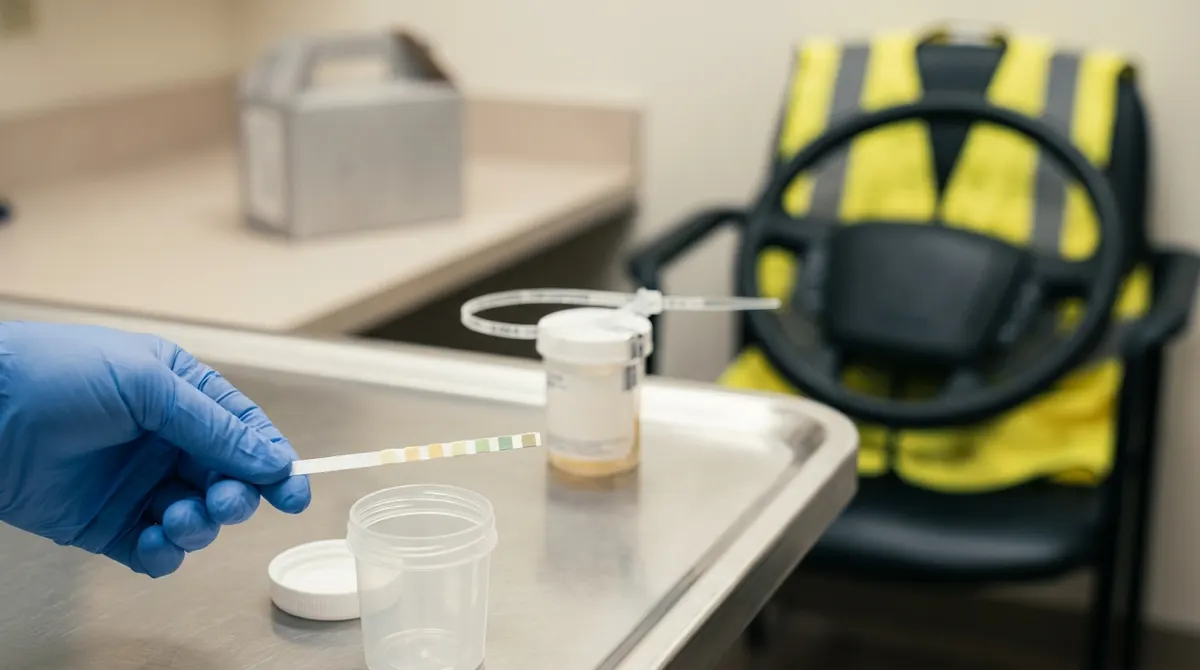
A DOT physical exam is a federally mandated medical examination that evaluates whether a commercial driver is physically and mentally fit to operate a commercial motor vehicle (CMV) safely. It is not a drug test. Understanding this distinction is essential for every CDL holder, owner-operator, and fleet manager navigating FMCSA compliance.
According to the Federal Motor Carrier Safety Administration (FMCSA), both the DOT physical and the DOT drug test are required for commercial drivers, but they serve entirely different regulatory purposes, are governed by separate rules, and are administered through separate processes. This guide explains exactly what each examination involves, why confusion between the two is so common, how urinalysis fits into the physical exam without being a drug screen, what happens during a DOT drug test, and how to navigate medications, medical conditions, and potential disqualifications. Whether you are preparing for your first physical examination or returning to duty after a positive test result, this resource covers everything you need.
Understanding the Difference: The Short Answer
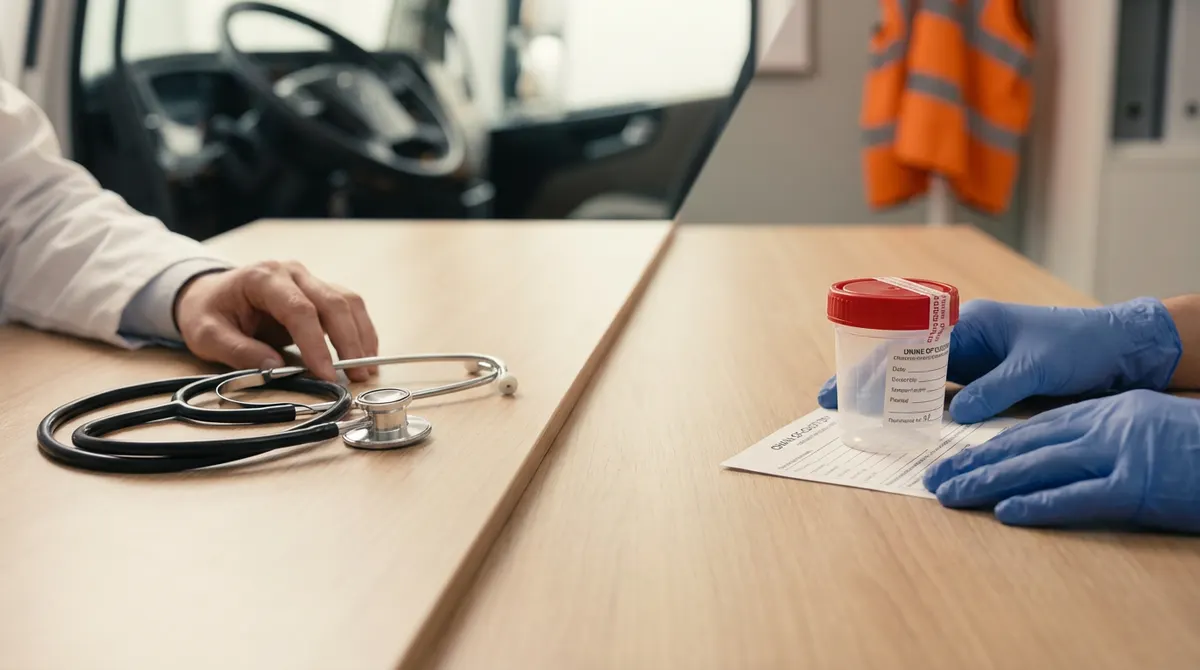
A DOT physical exam and a DOT drug test are two separate, legally distinct requirements for commercial drivers. The DOT physical exam evaluates your overall health and fitness to drive. The DOT drug test screens for the presence of prohibited substances in your system.
The DOT physical examination is performed by a Certified Medical Examiner (CME) listed on the FMCSA National Registry. It results in a Medical Examiner's Certificate (MEC) that certifies your fitness for duty for a period of up to two years. The DOT drug test, by contrast, is a separate urinalysis procedure conducted at a certified collection site, with specimens sent to a SAMHSA-certified laboratory and results reviewed by a Medical Review Officer (MRO). These two processes can happen on the same day at the same facility, but they remain legally and procedurally separate.
Many commercial drivers are surprised to learn that the urine sample collected during a DOT physical is not analyzed for drugs. That sample screens for specific health markers, including glucose, protein, and blood in the urine. drug testing requires a separate sample collected under chain of custody procedures with entirely different documentation.
DID YOU KNOW: According to the FMCSA, DOT drug tests must be conducted at HHS-certified (SAMHSA-certified) laboratories and reviewed by a licensed Medical Review Officer before results are reported to an employer.
The most important takeaway for any commercial driver is this: passing your DOT physical does not automatically mean you have passed a drug test, and passing a drug test does not replace the DOT physical exam. Both requirements must be met independently and maintained throughout your career.
KEY TAKEAWAY: A DOT physical exam and a DOT drug test are two legally separate requirements. The physical evaluates your medical fitness to drive, while the drug test screens for prohibited substances under 49 CFR Part 40.
With that distinction established, understanding exactly what each examination tests helps you prepare effectively and avoid costly surprises.
The DOT Physical Exam: What Is Actually Being Tested?
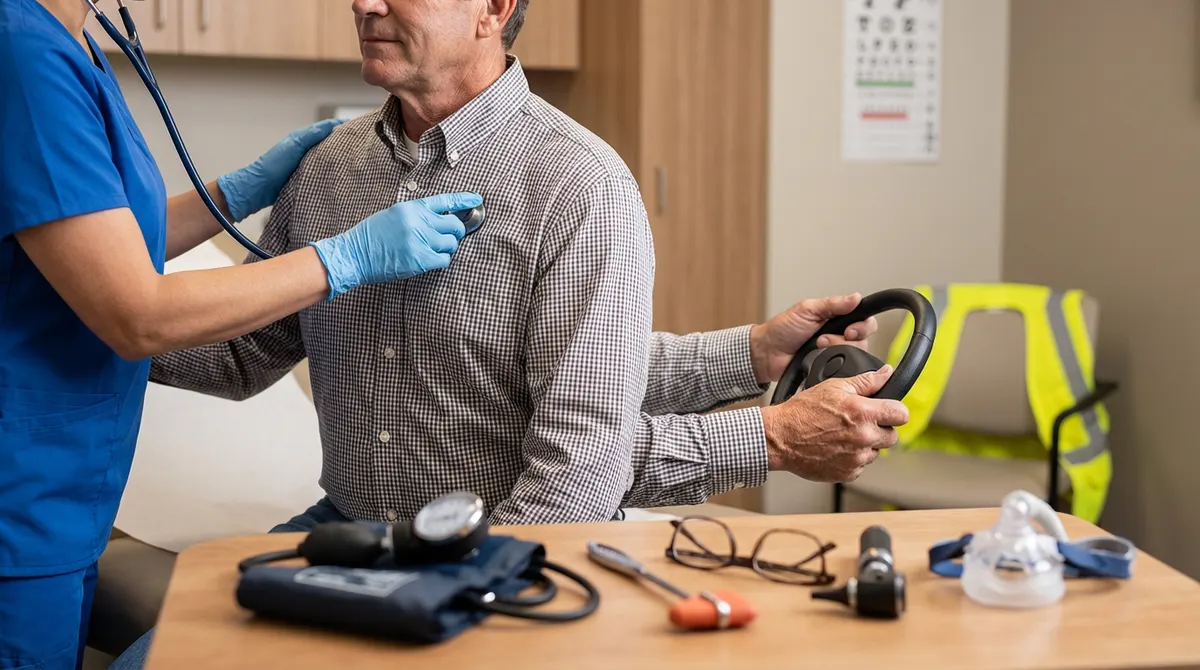
The DOT physical examination is a comprehensive medical assessment designed to confirm that a commercial driver can safely operate a commercial motor vehicle. The physical examination evaluates multiple body systems simultaneously, using standardised clinical assessments to screen for conditions that could impair your ability to drive safely.
The FMCSA mandates that all commercial drivers operating vehicles over 10,001 pounds, transporting hazardous materials, or carrying 16 or more passengers must hold a valid Medical Examiner's Certificate. This certification lasts up to 24 months for drivers with no disqualifying conditions.
Vision and Hearing Requirements
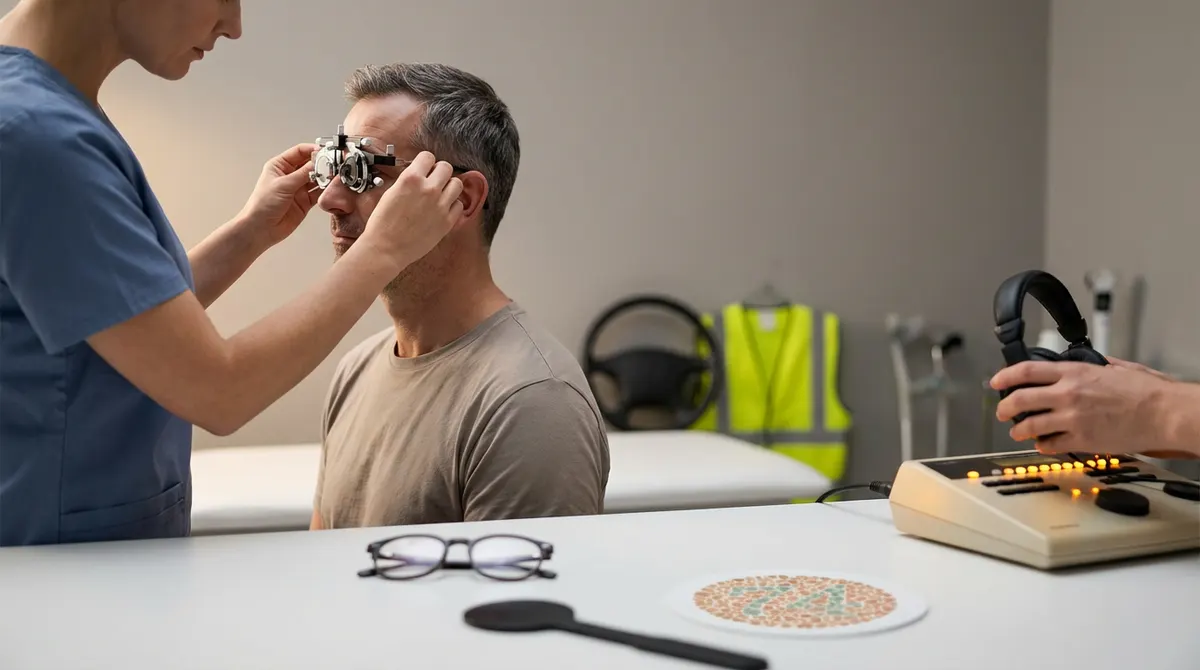
Vision standards require that commercial drivers have at least 20/40 visual acuity in each eye, with or without corrective lenses. Drivers must also demonstrate a field of vision of at least 70 degrees in the horizontal meridian in each eye, and must be able to distinguish the standard red, green, and amber colors of traffic signals. Corrective lenses and glasses are permitted, and drivers who wear them must bring their prescription eyewear to the examination.
Hearing requirements under 49 CFR 391.41(b)(11) state that a driver must perceive a forced whispered voice at a distance of no less than five feet in the better ear, with or without a hearing aid. If tested using an audiometric device, a driver must not have an average hearing loss in the better ear greater than 40 decibels at 500 Hz, 1,000 Hz, and 2,000 Hz. Hearing aids are permitted, and drivers who use them must wear them during the examination and while driving.
TIP: Bring your glasses, contacts, or hearing aid to your DOT physical appointment. Arriving without your corrective devices can delay certification even if your underlying vision or hearing meets the required threshold.
Blood Pressure and Cardiovascular Health
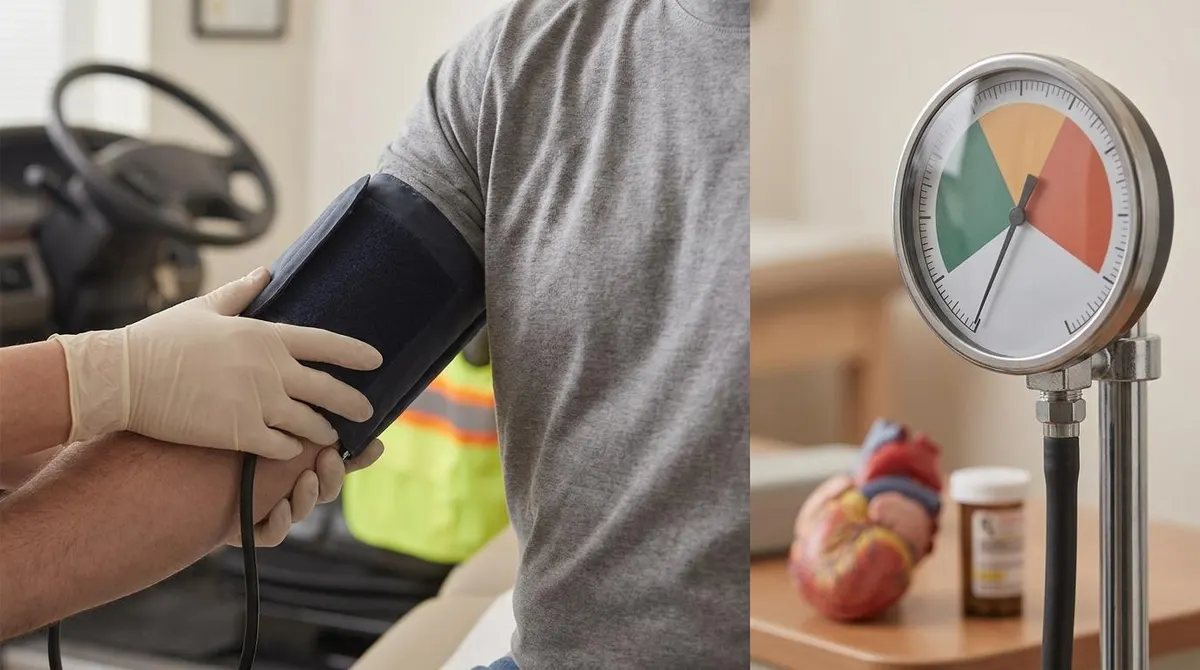
Blood pressure is one of the most closely evaluated measurements during the DOT physical exam. To receive a full two-year medical certificate, a commercial driver must present a blood pressure reading strictly below 140/90 mmHg. According to FMCSA guidelines under 49 CFR 391.41(b)(6), readings between 140-159/90-99 mmHg result in a one-year medical certificate. Readings between 160-179/100-109 mmHg result in a one-time, three-month certificate, and readings above this threshold result in disqualification until blood pressure is brought under control.
Cardiovascular fitness also encompasses a general assessment for conditions including coronary artery disease, heart failure, and cardiac arrhythmia that could cause sudden incapacitation behind the wheel. The Certified Medical Examiner will review your medical history, current medications, and any specialist clearances you bring to the appointment. Many drivers who struggle with elevated blood pressure in clinical settings benefit from understanding how to manage what is commonly called "white coat syndrome," which is covered in a dedicated section below.
The Urinalysis: Testing for Health, Not Substances
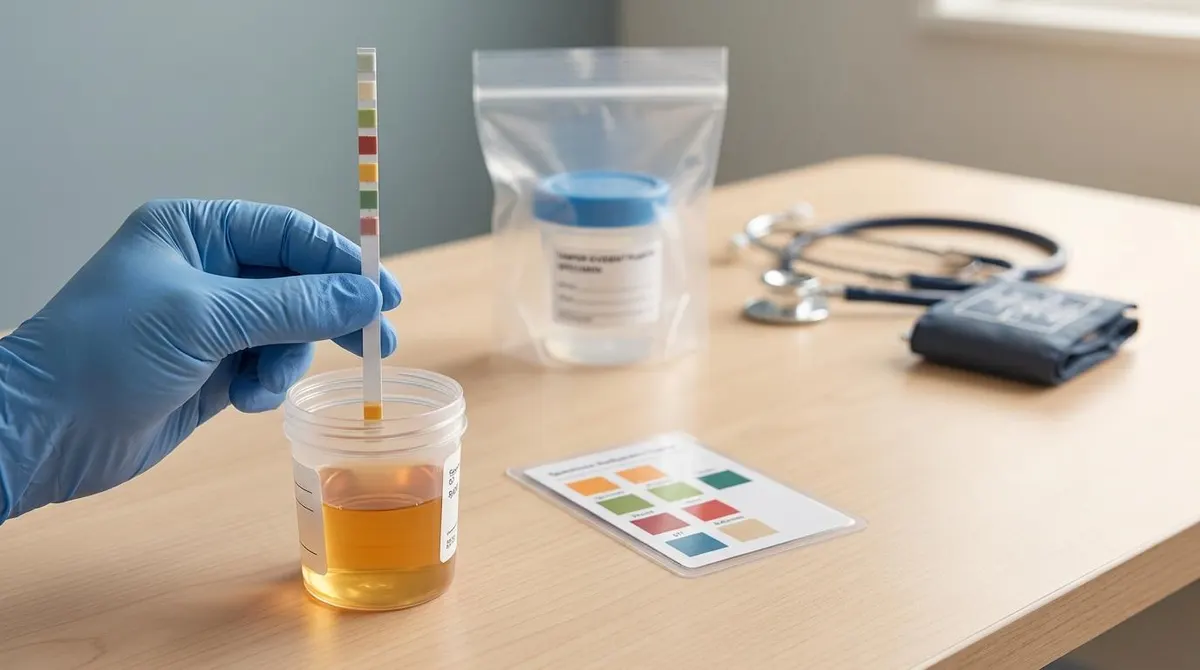
The urinalysis conducted during the DOT physical examination is a health screening tool, not a drug test. Your Certified Medical Examiner will test the urine sample for glucose, protein, blood, specific gravity, pH levels, and ketones. Each of these markers signals potential underlying health conditions that could affect your safety as a commercial driver.
According to FMCSA-certified medical examiner guidance, glucose in the urine may indicate diabetes mellitus, protein may suggest kidney dysfunction or hypertension-related damage, and blood in the urine can flag urinary tract infections, kidney stones, or more serious renal conditions. An abnormal result does not automatically disqualify you. The examiner will evaluate severity, consider any known and managed medical conditions, and may require follow-up documentation from your primary care physician before issuing a certification decision.
Neurological and Musculoskeletal Function
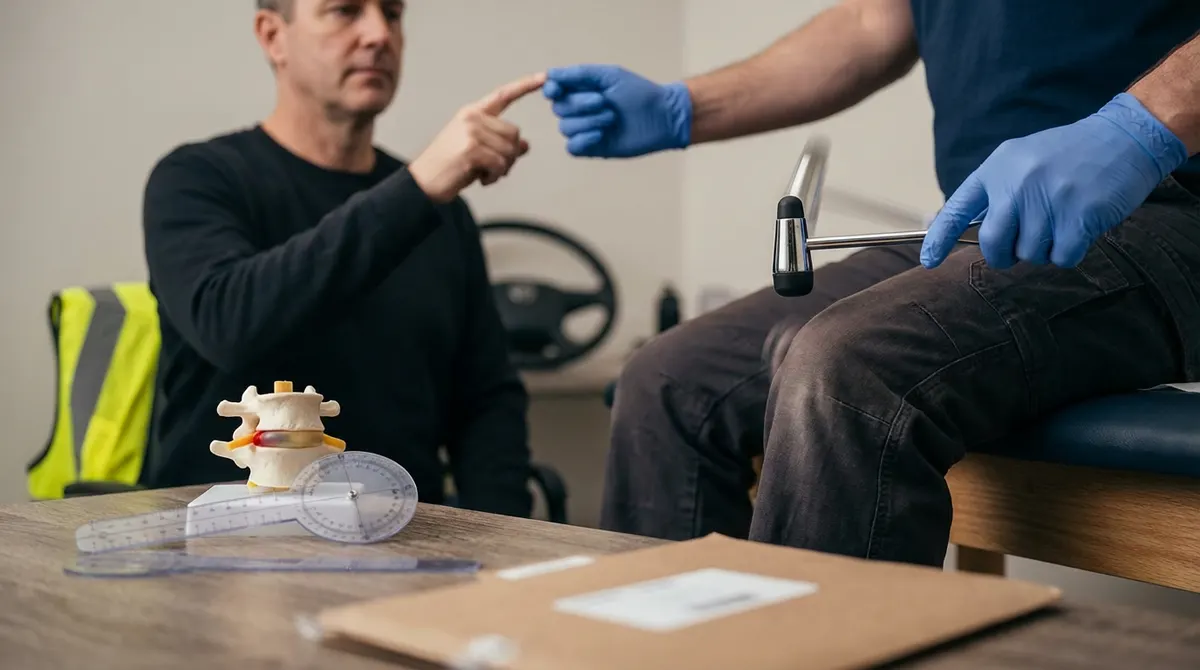
The physical examination also evaluates neurological and musculoskeletal function to confirm that a driver can physically manage the demands of operating a commercial vehicle over extended periods. This includes assessing muscle strength, coordination, reflexes, and range of motion in the spine and extremities. Conditions such as epilepsy or a seizure disorder are disqualifying under FMCSA medical qualification standards. Drivers with a history of neurological conditions must typically provide specialist documentation confirming stability of their condition before a Certified Medical Examiner can issue a medical certificate.
DID YOU KNOW: The DOT physical also includes a review of your complete medical history form, which you complete before the examination begins. Accurate, honest disclosure of your medical conditions and prescription medications is both a legal requirement and a key factor in the examiner's certification decision.
KEY TAKEAWAY: The DOT physical examination tests vision, hearing, blood pressure, cardiovascular health, kidney function through urinalysis, and neurological fitness. It does not screen for drugs.
The urinalysis portion deserves further attention because it is the single point of greatest confusion between the DOT physical and the drug test. The next section explains the DOT drug test in full detail.
The DOT Drug Test: A Separate Regulatory Requirement
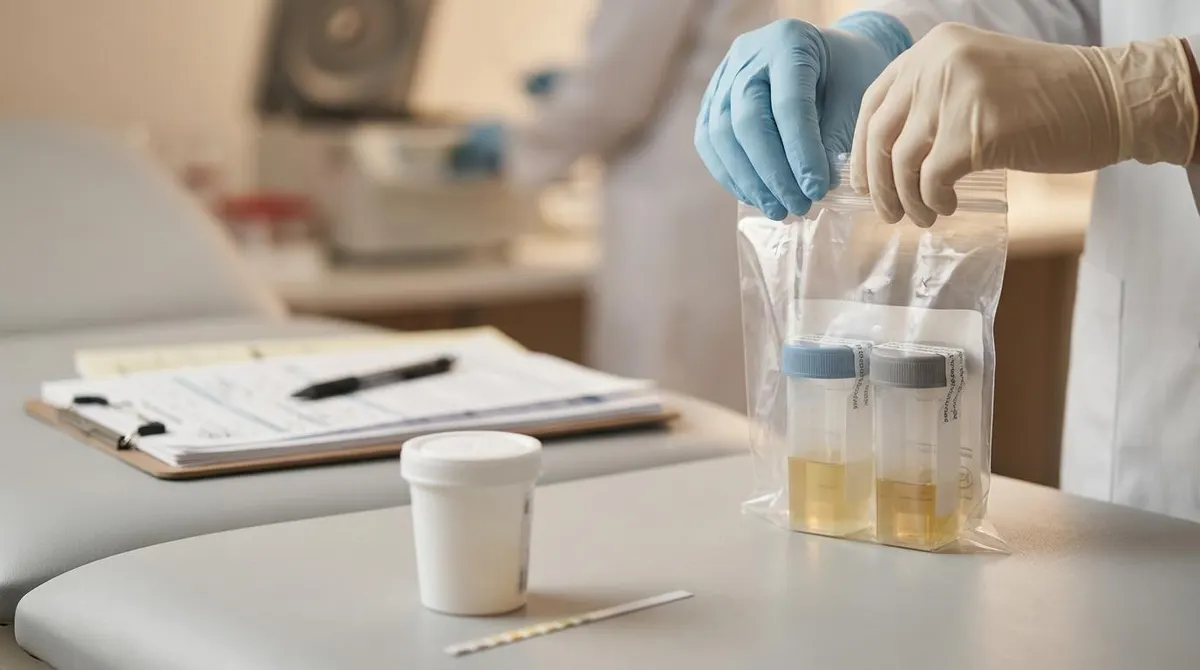
The DOT drug test is a federally mandated substance screening program governed by 49 CFR Part 40, enforced by the FMCSA for commercial motor vehicle drivers. It is entirely separate from the DOT physical examination in its purpose, documentation, laboratory handling, and legal consequences.
Commercial drivers in safety-sensitive roles are subject to DOT drug and alcohol testing throughout their employment. The drug test is not a one-time event tied only to certification. It recurs at multiple points throughout a driver's career based on strict federal requirements.
The 5-Panel Drug Test: What Substances Are Screened?
The DOT drug test uses a standardised 5-panel drug test that screens for five categories of controlled substances. As of January 1, 2018, the panel includes:
Marijuana (THC metabolites)
Cocaine (benzoylecgonine)
Amphetamines (including methamphetamine, MDMA, and MDA)
Opioids (including codeine, morphine, heroin metabolite 6-AM, hydrocodone, hydromorphone, oxycodone, and oxymorphone)
Phencyclidine (PCP)
Urine testing is the only drug testing method currently approved for federally regulated transportation employees. Specimens must be analyzed at a SAMHSA-certified laboratory using gas chromatography/mass spectrometry (GC/MS) confirmation testing for any non-negative results. Initial screening uses immunoassay testing, but any positive must be confirmed by GC/MS before a Medical Review Officer can verify it.
IMPORTANT: The DOT does not test for CBD. However, the U.S. Department of Transportation has explicitly warned that many CBD products contain higher levels of THC than indicated on their labels, and a CBD product is not a legitimate medical explanation for a positive marijuana result. CDL drivers who use CBD products do so at their own risk.
When Is a DOT Drug Test Mandatory? (Pre-Employment, Random, Post-Accident)
The FMCSA requires DOT drug testing at six specific points:
Pre-employment: An employer must receive a verified negative drug test result before permitting a CDL driver to perform any safety-sensitive function for the first time.
Random testing: Drivers are subject to random unannounced drug testing throughout employment. The current minimum annual random testing rate is 50% for drugs and 10% for alcohol of the average number of drivers in a safety-sensitive function.
Post-accident: Drug and alcohol testing is required following any accident involving a fatality, or in which a driver receives a citation and there is either a bodily injury requiring immediate medical attention or a vehicle is towed from the scene.
Reasonable suspicion: Testing is required when a trained supervisor observes specific, contemporaneous signs of drug or alcohol use.
Return-to-duty: Following a violation, a driver must complete the SAP process and pass a return-to-duty drug test before resuming safety-sensitive functions.
Follow-up: After returning to duty, drivers are subject to a minimum of six unannounced follow-up tests during the first 12 months following return.
The Role of the FMCSA Drug and Alcohol Clearinghouse
The FMCSA Drug and Alcohol Clearinghouse is a secure online database that tracks drug and alcohol violations by CDL drivers. Established under the first Clearinghouse rule in 2020, the database requires employers to report violations within three business days and to conduct pre-employment and annual queries for every driver they employ.
As of November 18, 2024, Clearinghouse II went into effect. Under this rule, State Driver Licensing Agencies (SDLAs) are required to downgrade the commercial driving privileges of any driver with a "prohibited" status in the Clearinghouse. A driver cannot simply change employers and resume CDL work without completing the full return-to-duty process. Once recorded in the Clearinghouse, the violation is visible to any prospective employer conducting a required query.
KEY TAKEAWAY: The DOT 5-panel drug test screens for marijuana, cocaine, amphetamines, opioids, and PCP at a SAMHSA-certified laboratory. It is a separate federal requirement from the DOT physical, governed by 49 CFR Part 40 and enforced through the FMCSA Drug and Alcohol Clearinghouse.
Understanding exactly what the urinalysis in your physical is checking for, versus what a drug test screens for, removes one of the most common sources of anxiety before a DOT exam.
Why the Urinalysis in a DOT Physical Is Not a Drug Test
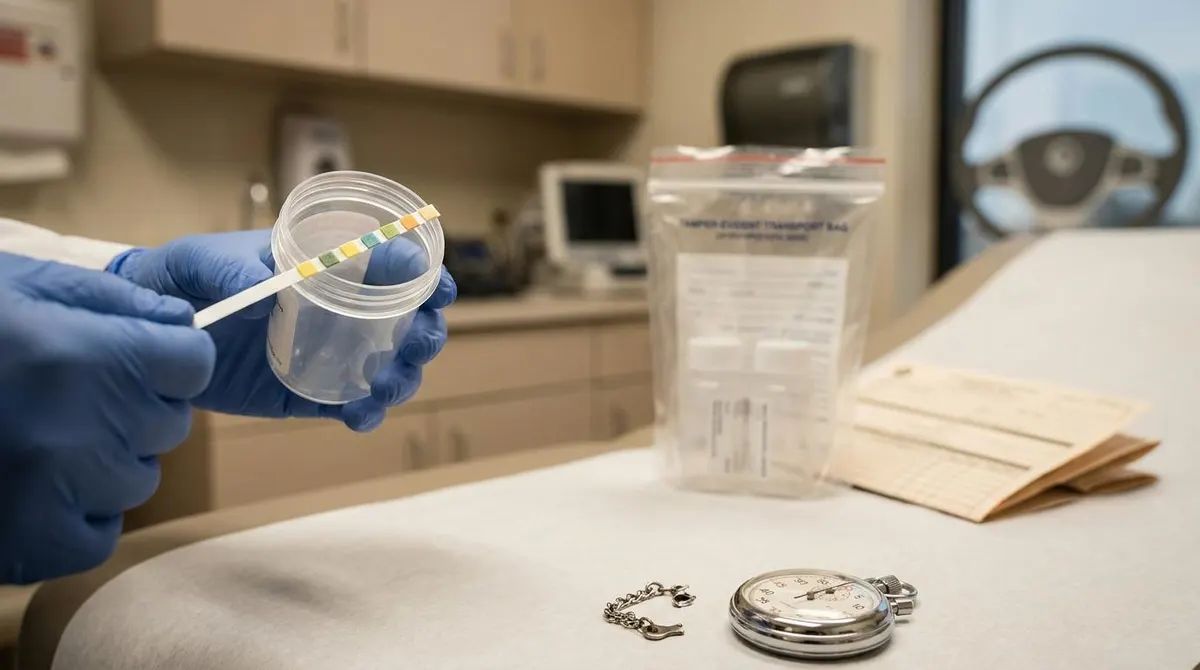
The urinalysis collected during the DOT physical exam is a routine dipstick urinalysis that screens for kidney function and metabolic health markers. It is not collected under chain of custody procedures, not sent to a SAMHSA-certified laboratory, and not reviewed by a Medical Review Officer. Those three distinctions are what define a federally regulated drug test.
Screening for Diabetes and Kidney Function
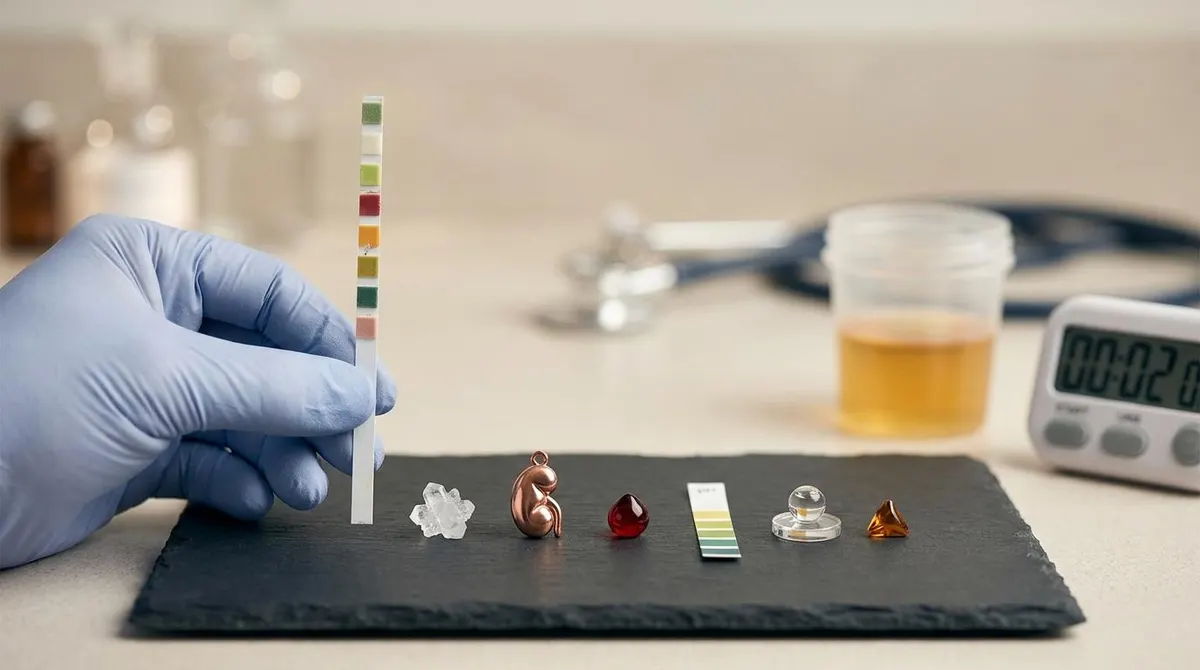
According to FMCSA-certified medical examiner practice, the three primary health markers tested in the DOT urinalysis are glucose, protein, and blood. Glucose in the urine is called glycosuria and is the most common indicator of uncontrolled diabetes mellitus, which affects over 37 million Americans according to the CDC. Protein in the urine (proteinuria) signals kidney damage that can result from hypertension or chronic kidney disease. Blood in the urine (hematuria) may indicate urinary tract infections, kidney stones, or more serious renal pathology. The examiner may also assess specific gravity, pH levels, and the presence of ketones, all of which provide a rapid picture of metabolic and renal health.
These findings are clinically meaningful for commercial drivers. Uncontrolled diabetes, for example, can cause sudden changes in blood sugar that impair reaction time and cognitive function, directly compromising road safety.
Common Misconceptions About the Urine Sample
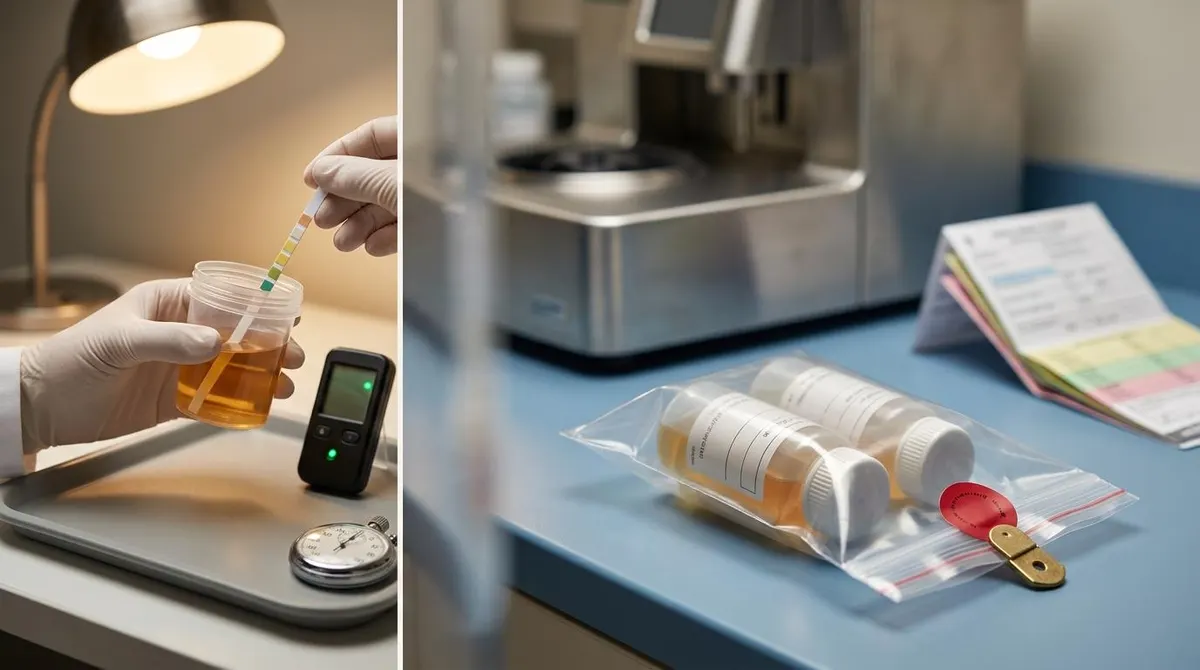
Many drivers assume that submitting a urine sample during their DOT physical means they are being drug tested. This is incorrect. The urine sample collected during the physical examination is tested using a simple dipstick or urinalysis machine that produces results immediately in the examination room. A drug test, by contrast, requires the sample to be sealed, documented on a Chain of Custody Form, transported to a SAMHSA-certified laboratory, and reviewed by a Medical Review Officer. There is no overlap in this process.
If your employer requires a drug test on the same day as your physical examination, it will be conducted as an entirely separate procedure with separate documentation, a separate collection process, and a separate specimen bottle.
DID YOU KNOW: The urine sample collected in a DOT physical examination is tested on-site with a dipstick in most cases. Results are available within minutes and are reviewed only by the Certified Medical Examiner as part of the physical qualification assessment.
KEY TAKEAWAY: The DOT physical urinalysis checks for glucose, protein, and blood to detect kidney and metabolic conditions. It does not screen for drugs, is not sent to a laboratory, and does not follow chain of custody procedures.
Once you understand that the urinalysis is a health screen, not a drug screen, the next area of concern for many drivers is how their medications will be evaluated during both processes.
Navigating Medications and Substance Use
Prescription medications are one of the most nuanced aspects of both the DOT physical examination and the DOT drug test. Understanding which medications are safety-sensitive, which are prohibited, and how the Medical Review Officer process works is critical for any commercial driver who takes prescription drugs.
Prescription Medications: Safety-Sensitive vs. Prohibited
The DOT physical examination requires you to disclose all current medications on your medical history form. The Certified Medical Examiner will evaluate whether any of your medications could impair your ability to safely operate a commercial motor vehicle. This is not a drug screen. It is a clinical judgment about whether a medication's known side effects, such as drowsiness, impaired coordination, or cardiovascular effects, are compatible with safe commercial driving.
Some medications are categorically disqualifying under FMCSA regulations. These include Schedule I controlled substances such as marijuana (regardless of state law or medical prescription status), methadone used for opioid treatment, and any other medication the examiner determines poses a safety risk based on its known pharmacological effects. The evaluating physician may require a specialist clearance letter confirming that a given medication is being used under proper medical supervision and that the driver has demonstrated stable function at the prescribed dose.
For the DOT drug test, prescription medications that appear on the 5-panel screen are handled through the Medical Review Officer process. If you test positive for an opioid, for example, the MRO will contact you directly and give you the opportunity to provide documentation of a valid prescription before verifying the result.
The Medical Review Officer (MRO) Process
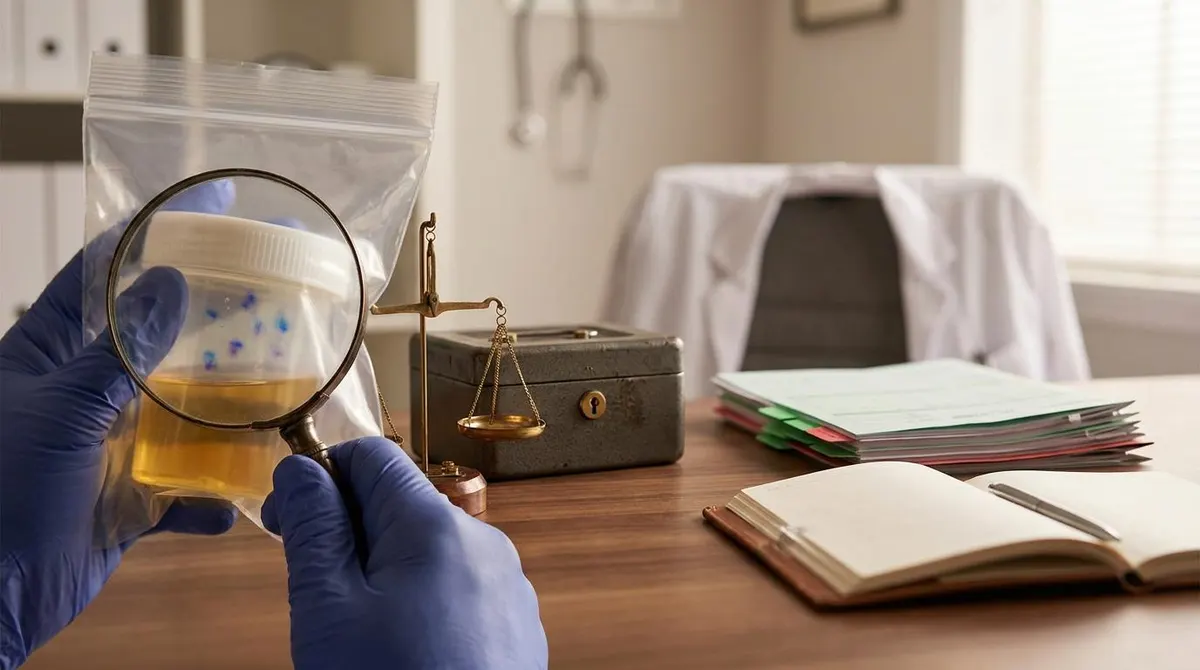
A Medical Review Officer is a licensed physician who acts as an independent gatekeeper in the DOT drug testing process. Laboratory results are sent directly to the MRO, not to the employer. The MRO's role is to review all positive, adulterated, substituted, and invalid results and to determine whether there is a legitimate medical explanation before reporting findings to the employer.
If your drug test returns a non-negative laboratory result, the MRO will contact you directly to conduct a medical interview. During this interview, you have the opportunity to present evidence of a valid prescription. The MRO will verify the prescription with the prescribing physician or pharmacy before making a final determination. If you have 72 hours from the time of MRO notification to request that the split specimen (Bottle B) be sent to a second SAMHSA-certified laboratory for retesting.
The MRO process exists specifically to protect drivers from false positives and to ensure that legitimate medical use of prescription medications does not result in automatic disqualification.
CBD, Marijuana, and Federal Compliance
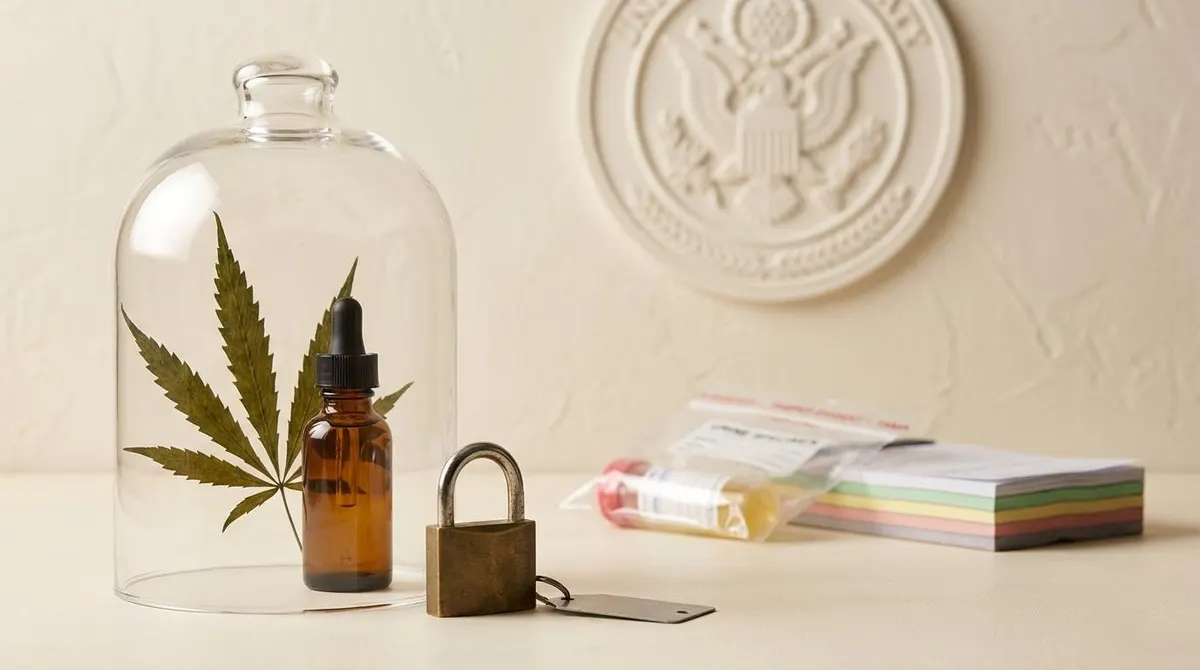
Federal law governs DOT drug testing, and marijuana remains a Schedule I controlled substance under federal law regardless of state legalisation. The U.S. Department of Transportation has explicitly stated that state-level medical marijuana laws do not affect DOT drug testing requirements. Medical Review Officers will not verify a drug test as negative based on a driver's claim that they were prescribed or recommended marijuana.
CBD products present a particular compliance risk. The FMCSA Clearinghouse issued a reminder that CBD products may contain higher levels of THC than stated on the label because the FDA does not certify THC content in CBD products. A positive marijuana test resulting from CBD product use will be verified as positive by the MRO. CDL drivers should exercise extreme caution before using any hemp-derived or CBD product.
TIP: If you are taking any prescription medication that could appear on a drug screening panel, carry your prescription documentation to the collection site and inform the collector. The MRO process provides a formal mechanism to address legitimate prescriptions, but having your documentation ready in advance reduces delays.
KEY TAKEAWAY: Prescription medications are assessed clinically during the DOT physical exam and procedurally by a Medical Review Officer during the drug test. CBD is not tested for by the DOT, but CBD products can cause a positive marijuana result. Medical marijuana is not a valid defence against a positive DOT drug test.
Understanding medications and substance use connects directly to how specific medical conditions are handled during the certification process.
Managing Common Medical Hurdles for DOT Certification
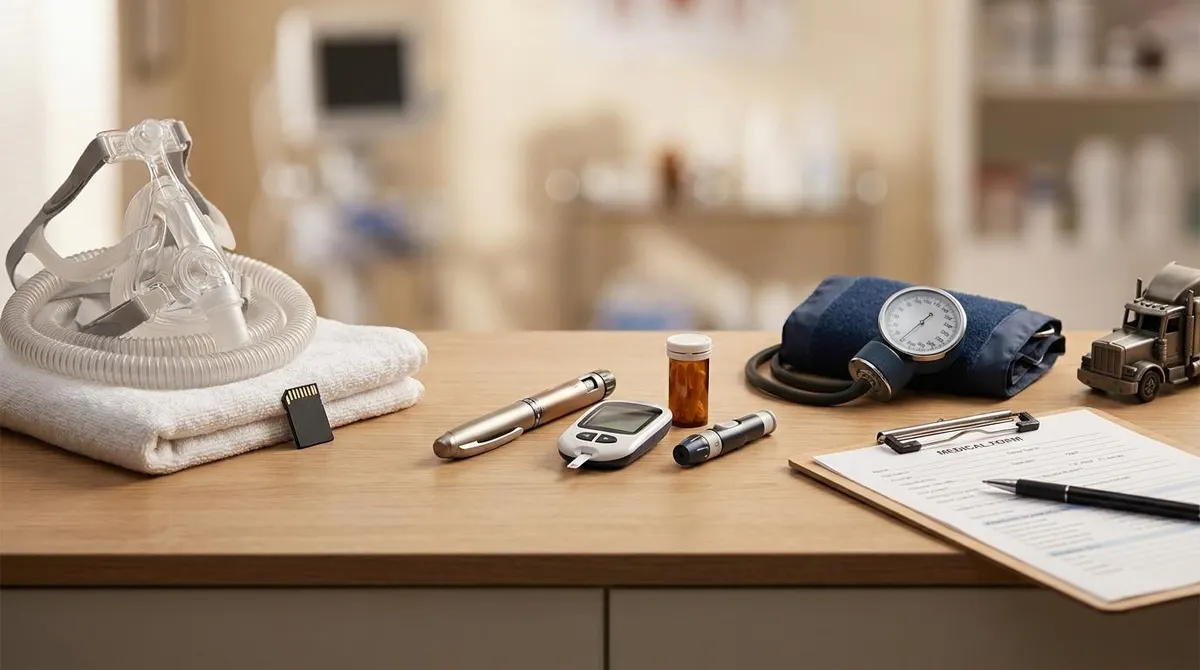
Several specific medical conditions create recurring challenges for commercial drivers navigating DOT physical requirements. Understanding how each condition is evaluated, what documentation you need, and what treatment compliance looks like under FMCSA standards gives you the best chance of a smooth certification appointment.
Sleep Apnea and CPAP Compliance
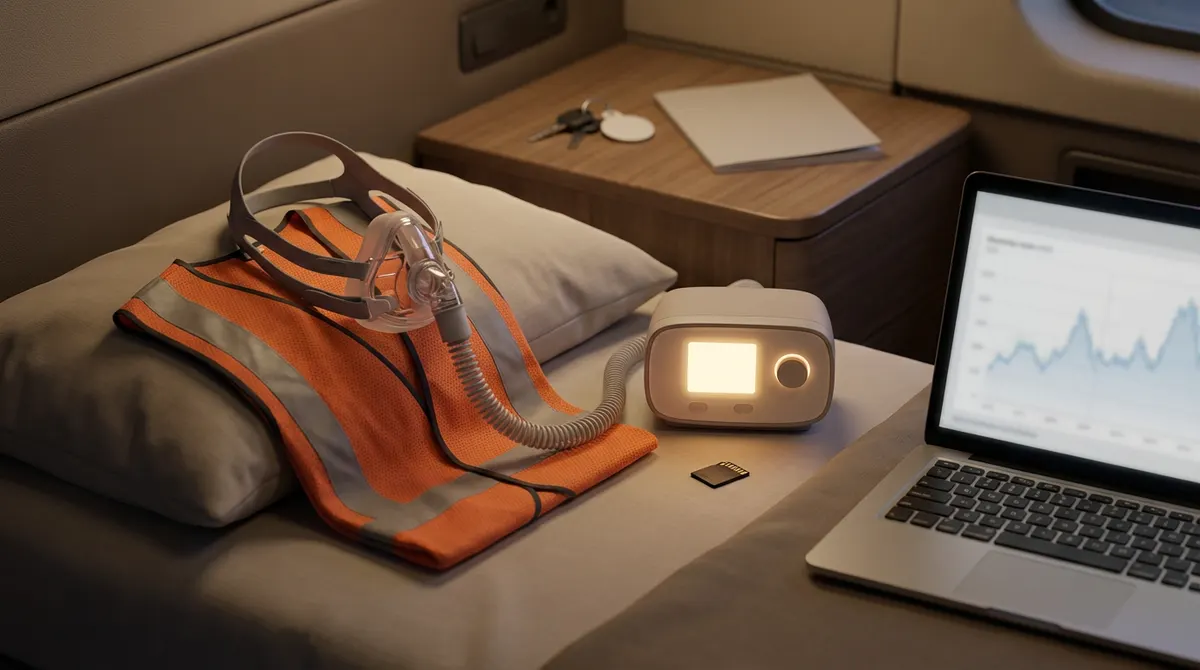
Sleep apnea is one of the most common medical conditions affecting commercial drivers. Research published in PubMed found that 40.1% of professional truck drivers had an apnea-hypopnea index (AHI) of 5 or greater, and a 2020 study by the Virginia Tech Transportation Institute found that nearly half of truck drivers are at risk for obstructive sleep apnea. Untreated moderate-to-severe obstructive sleep apnea is disqualifying under FMCSA standards because it poses a risk of sudden incapacitation while driving.
Drivers who are diagnosed with sleep apnea and treated with a CPAP machine can continue to hold CDL certification, but they must demonstrate compliance. According to FMCSA medical guidance, drivers must use their CPAP device for at least 4 hours per night on 70% or more of nights within a 30-day monitoring period. Certified Medical Examiners will typically issue a one-year medical certificate for drivers with sleep apnea until compliance is clearly established, after which a two-year certification may be issued.
If you need home sleep apnea testing without the complexity of insurance pre-authorisations or clinic scheduling, Dumbo Health's at-home sleep test offers a straightforward, cash-pay option at $149 for the testing device and one night of testing. Once diagnosed, Dumbo Health's monthly CPAP treatment plans start at $59 per month with no contracts and no surprise bills, covering physician interpretation, CPAP therapy, equipment, and standard follow-up care.
If your sleep apnea is confirmed and you are seeking ongoing treatment, explore the Dumbo Health sleep apnea care solutions designed specifically to support compliance for CDL holders.
Insulin-Treated Diabetes and Exemptions
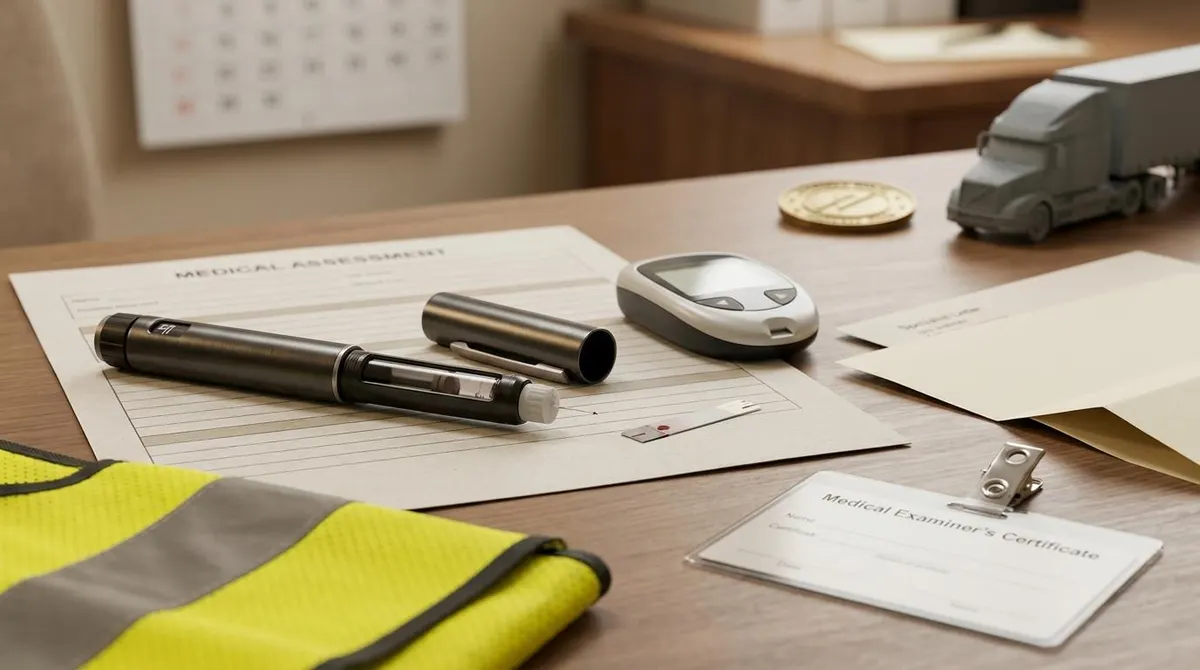
For many years, insulin-treated diabetes mellitus (ITDM) was an automatic disqualifier for CDL drivers in interstate commerce. In 2018, the FMCSA revised its driver physical qualification standards under 49 CFR 391.41(b) to permit drivers with stable, properly controlled insulin-treated diabetes to qualify for commercial vehicle operation. This change eliminated the previous requirement for a formal exemption in most cases.
To be evaluated, drivers with insulin-treated diabetes must have their treating physician complete the FMCSA Insulin-Treated Diabetes Mellitus Assessment Form (MCSA-5870) and provide it to the Certified Medical Examiner within 45 days of completion. The form documents that the driver has a stable insulin regimen, no episodes of severe hypoglycemia requiring assistance, and no hypoglycemia unawareness. Drivers who have recently experienced a severe hypoglycemic episode are required to complete this form under FMCSA rules.
Overcoming "White Coat Syndrome" During Blood Pressure Checks
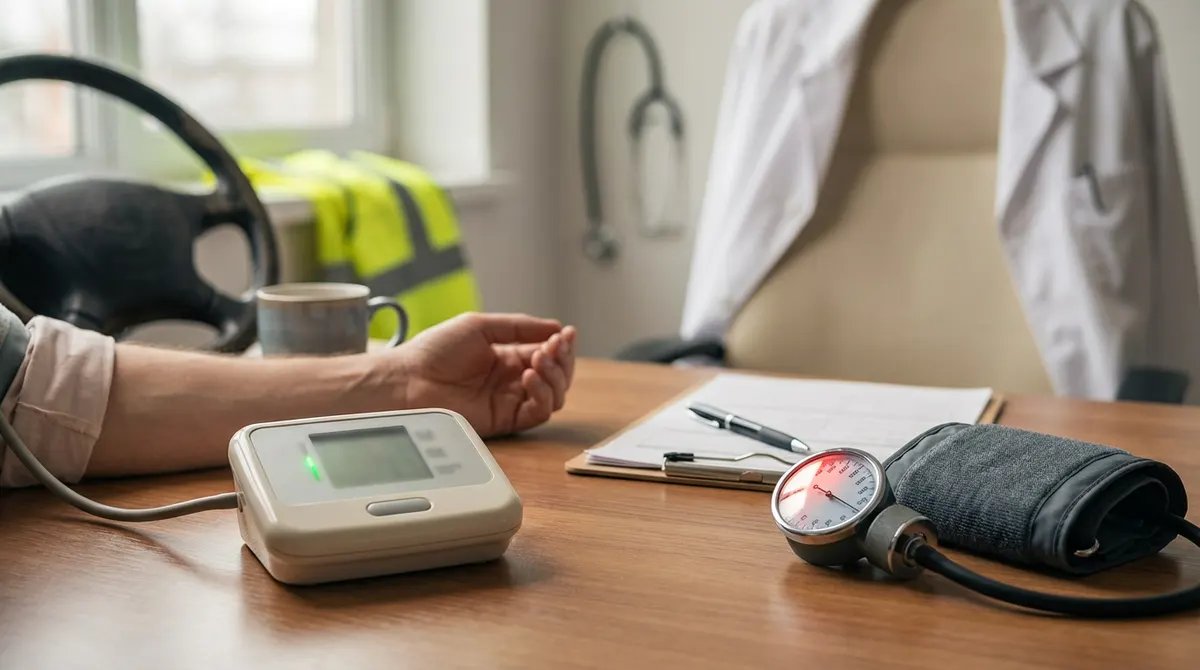
White coat syndrome, sometimes called white coat hypertension, refers to the phenomenon where a driver's blood pressure is elevated in a clinical setting due to anxiety but is within normal range in daily life. This is a documented clinical challenge that can inadvertently affect certification length or result in a conditional rather than full two-year medical certificate.
Several practical strategies can help manage this. Arriving at your appointment well-rested, avoiding caffeine for several hours beforehand, sitting quietly for 5 minutes before measurement, and requesting a second reading after a short rest period are all evidence-based approaches. Some drivers also benefit from bringing ambulatory blood pressure monitoring records from their personal physician to demonstrate that home readings are consistently below the 140/90 mmHg threshold. A Certified Medical Examiner has discretion to consider this supplementary evidence as part of a holistic clinical assessment.
KEY TAKEAWAY: sleep apnea, insulin-treated diabetes, and blood pressure concerns are the three most common medical hurdles in the DOT physical process. Each has a documented pathway to certification with the right treatment compliance and documentation.
Understanding the medical hurdles of the physical examination is only half the picture. The next step is understanding exactly how the drug testing process works logistically from collection site to final result.
The Logistics of the Testing Process
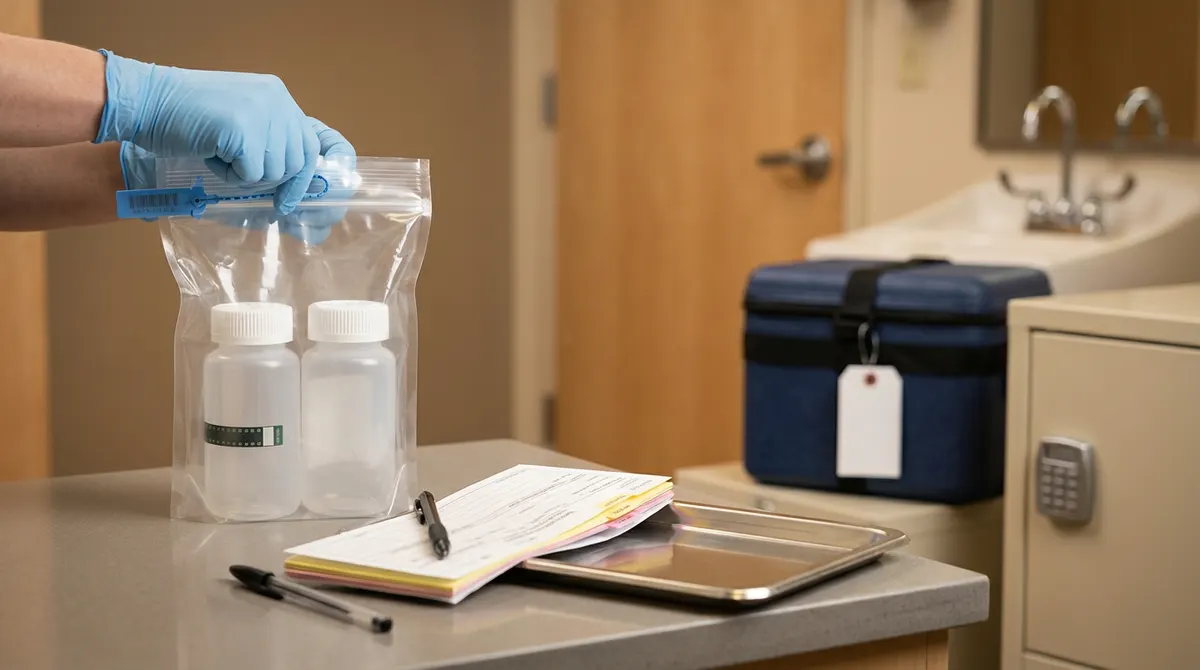
The DOT drug testing process follows a strictly regulated chain from initial specimen collection to the employer receiving a verified result. Every step is designed to protect the integrity of the specimen and the rights of the driver.
What Happens at the Collection Site?
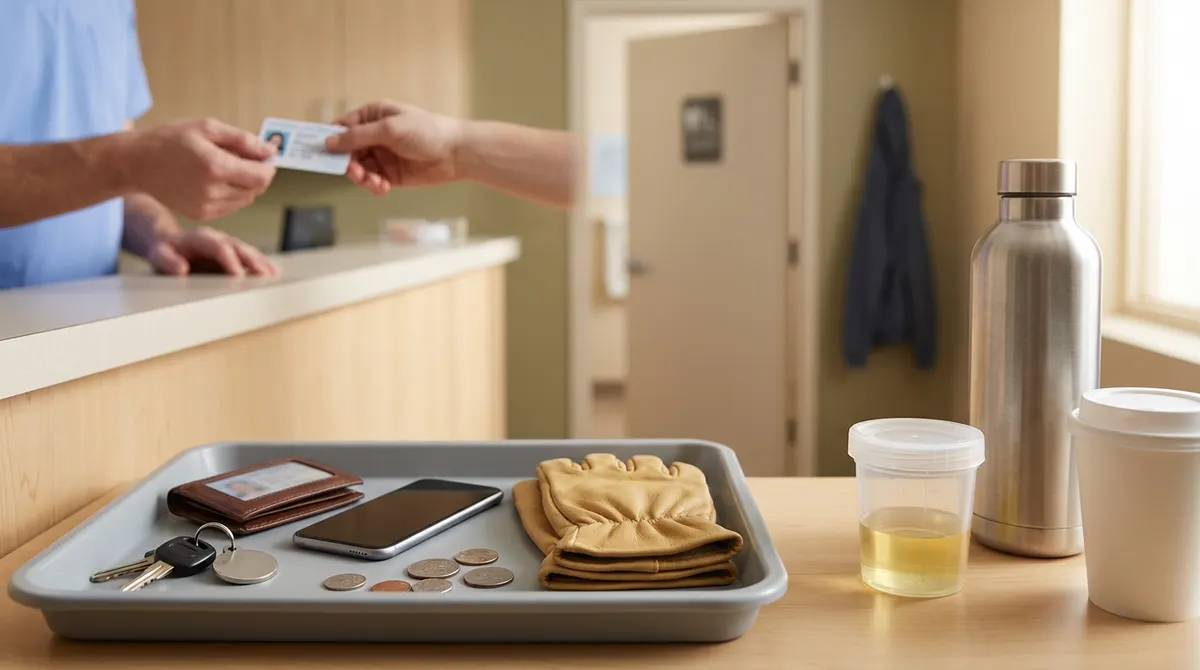
When you arrive at a DOT-compliant collection site, you will be required to present valid photo identification. You will be asked to remove any outer garments such as a jacket or coat and to empty your pockets into a provided container. The collector will direct you to a private restroom where you will provide a urine sample of at least 45 milliliters directly into a specimen cup. If you cannot produce sufficient volume in one attempt, you may be given up to 40 ounces of fluid to drink and given up to three hours to produce the required sample.
The collector will check the specimen immediately for temperature, which must fall between 90 and 100 degrees Fahrenheit to indicate a fresh sample. The collector will also observe the colour and check for any signs of tampering or substitution. The specimen is then divided into two bottles: Bottle A (the primary specimen) and Bottle B (the split specimen), both of which are sealed in your presence and signed by you.
Understanding the Chain of Custody Form
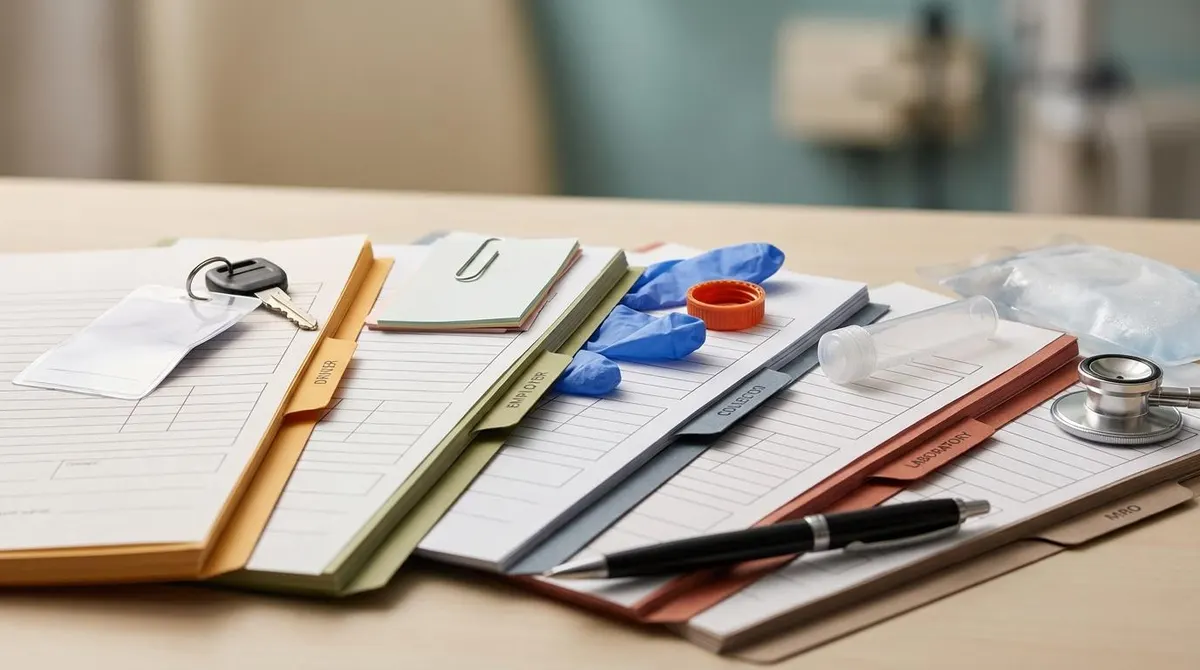
The Chain of Custody Form (CCF) is the official five-part paper trail that documents everyone who handles your specimen from the moment it is collected until the Medical Review Officer delivers a final result. The five parts are completed by the driver, the employer, the collector, the testing facility laboratory, and the MRO respectively.
The CCF records the donor's identification, the employer's name and address, the MRO contact information, the relevant DOT agency, the reason for the test (pre-employment, random, post-accident, reasonable suspicion, return-to-duty, or follow-up), and the specific drugs being tested for. Any irregularity documented on the CCF can affect whether a result is verified or cancelled. An incomplete or improperly executed CCF does not automatically invalidate a test, but it does trigger additional MRO review.
The Role of the Certified Medical Examiner
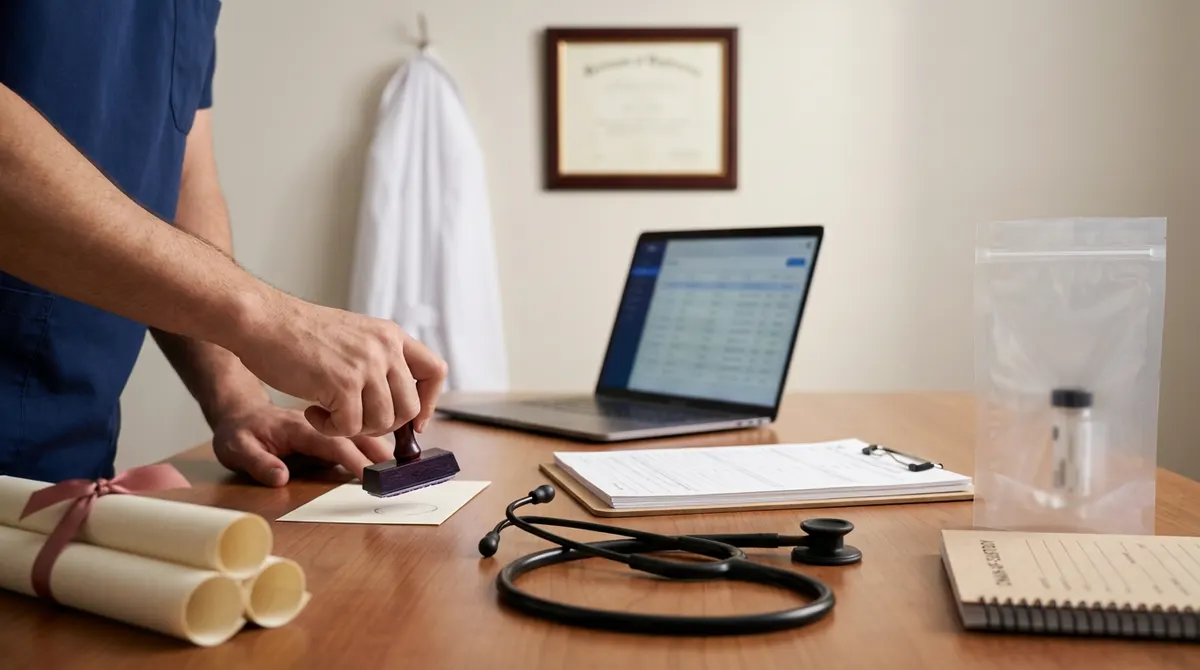
The Certified Medical Examiner (CME) is the licensed healthcare professional who conducts the DOT physical examination. CMEs must be listed on the FMCSA National Registry and must complete approved training and testing every 10 years to maintain their certification. The CME is not involved in the DOT drug test unless they also happen to be a Medical Review Officer, which is a separate certification.
The CME completes the Medical Examination Report (FMCSA Form MCSA-5875) and, if the driver meets all physical qualification standards, issues the Medical Examiner's Certificate. You can find a certified examiner near you through the FMCSA National Registry, which lists all currently certified examiners by location. Providers in your area can be searched by zip code at the National Registry to ensure you are seeing a currently certified and compliant examiner.
KEY TAKEAWAY: The DOT drug test follows a strictly documented chain of custody from a certified collection site to a SAMHSA-certified laboratory to a Medical Review Officer. The Certified Medical Examiner who conducts your physical is a separate role from the MRO who reviews drug test results.
Understanding what comes next if something goes wrong, either a medical deferment or a positive drug test, is equally important to understanding the forward process.
What Happens if You Fail?

A negative outcome from either your DOT physical examination or your DOT drug test does not necessarily mean the end of your CDL career. The FMCSA has established structured processes for both medical deferment and drug test violations that provide pathways back to certification and driving status.
Disqualification vs. Temporary Medical Deferment
Not all unfavorable DOT physical outcomes result in permanent disqualification. The Certified Medical Examiner may issue a temporary medical deferment rather than an outright disqualification when a condition is identified that needs further evaluation or management but does not pose an immediate safety risk. For example, a driver with a blood pressure reading between 160-179/100-109 mmHg may receive a one-time three-month certificate with the expectation that they will seek treatment and return for re-examination.
Permanent disqualification under FMCSA medical qualification standards applies to conditions such as untreated severe sleep apnea, uncontrolled epilepsy, severe psychiatric disorders, active substance use disorders, or cardiovascular conditions likely to cause sudden incapacitation. However, even some of these categories have exemption or waiver pathways through the FMCSA medical variance program.
The Return-to-Duty Process Following a Positive Drug Test
The return-to-duty (RTD) process is the federally mandated path a CDL driver must complete after a verified positive drug test result under 49 CFR Part 40, Subpart O. The moment a DOT drug test is verified positive by the MRO, the employer must immediately remove the driver from all safety-sensitive functions. This removal is not discretionary, and it applies regardless of the substance involved or the driver's explanation.
The RTD process consists of five key stages:
Immediate removal from safety-sensitive duty.
Referral to a Substance Abuse Professional (SAP) who conducts a face-to-face clinical evaluation and recommends a course of education or treatment.
Completion of all SAP-recommended education or treatment requirements.
A follow-up evaluation by the SAP confirming successful completion.
A verified negative return-to-duty drug test conducted at a DOT-certified collection site, reviewed by an MRO.
After returning to duty, the driver is subject to a minimum of six unannounced follow-up tests within the first 12 months. Since November 18, 2024, Clearinghouse II has also meant that drivers with a "prohibited" status have their CDL automatically downgraded until the RTD process is fully completed.
Applying for FMCSA Medical Waivers and Variances

The FMCSA offers two types of medical variance programs for drivers who do not fully meet standard physical qualification requirements. A waiver is typically temporary and applies to conditions expected to improve, while an exemption provides ongoing relief from a specific regulatory standard for conditions that are permanently present but do not prevent safe driving.
Exemptions are available for conditions including vision loss in one eye, insulin-treated diabetes (now largely addressed through the 2018 rule change), hearing impairment, and certain cardiovascular conditions. Applying for an exemption involves submitting detailed medical documentation, and the FMCSA is required to publish the application in the Federal Register with a public comment period before a final decision is made. Drivers should work closely with their Certified Medical Examiner and a specialist familiar with FMCSA regulations when pursuing an exemption or waiver.
KEY TAKEAWAY: A failed DOT physical or a positive drug test initiates a structured regulatory process, not automatic permanent disqualification. Temporary deferments, the SAP-led return-to-duty process, and FMCSA medical waivers all provide pathways back to active CDL certification.
Knowing these pathways in advance empowers you to respond effectively rather than reactively if you encounter a complication during your examination.
Common Myths About DOT Physicals and Drug Tests Debunked
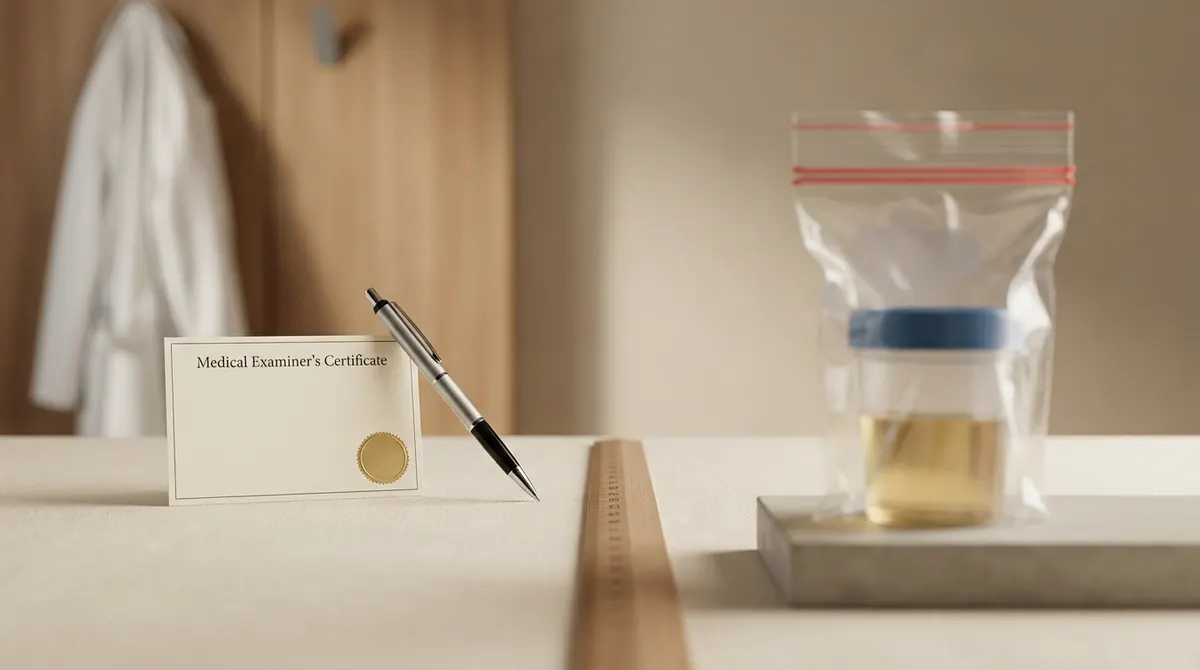
MYTH: Passing your DOT physical means you have passed your drug test.
FACT: The DOT physical examination and the DOT drug test are two entirely separate federal requirements governed by different regulations. Passing one does not satisfy or replace the other. The physical results in a Medical Examiner's Certificate valid for up to 24 months. The drug test results in a pass or fail determination under 49 CFR Part 40. An employer conducting a pre-employment drug test will require both before permitting a driver to perform safety-sensitive functions.
MYTH: The urine test during the DOT physical will reveal if you have been using drugs.
FACT: The urine sample collected during the DOT physical examination is tested on-site using a dipstick urinalysis that screens only for glucose, protein, blood, and related metabolic markers. According to Certified Medical Examiner guidance, this test is a clinical health screening tool, not a drug screen. No drug testing occurs during the DOT physical examination unless a separate DOT drug test is administered on the same day under chain of custody procedures.
MYTH: Medical marijuana is legal in my state, so it cannot count against me in a DOT drug test.
FACT: The U.S. Department of Transportation has stated clearly that federal drug testing regulations govern the DOT drug test, not state law. Marijuana remains a Schedule I controlled substance under federal law. Medical Review Officers will not verify a positive marijuana result as negative based on a state-issued medical marijuana card or physician recommendation. A positive marijuana result is a violation regardless of state legalisation status.
MYTH: Using a CBD product cannot cause you to fail a DOT drug test because the DOT does not test for CBD.
FACT: This is partially true but dangerously misleading. The DOT does test for THC metabolites, not CBD specifically. However, the FMCSA has explicitly warned that many CBD products contain higher levels of THC than stated on the label, and the FDA does not certify THC content in CBD products. A positive marijuana drug test resulting from CBD product use will be verified positive by the MRO. CBD use is not a legitimate medical explanation for a confirmed positive result.
MYTH: sleep apnea automatically disqualifies you from holding a CDL.
FACT: Untreated moderate-to-severe sleep apnea can be disqualifying, but a diagnosis of sleep apnea does not end a CDL career. Drivers who use CPAP therapy and demonstrate compliance (at least 4 hours per night on 70% or more of nights) can maintain their commercial driver's license and receive medical certification. Research published in PubMed indicates that 40% of professional truck drivers have clinically detectable sleep apnea, yet many remain certified drivers through effective treatment compliance. Not sure if you are at risk? Take the free sleep assessment quiz at Dumbo Health to evaluate your symptoms.
KEY TAKEAWAY: The most persistent myths about DOT physicals and drug tests center on urine testing, marijuana compliance, CBD products, and sleep apnea. Each has a clear regulatory answer rooted in FMCSA rules and federal law.
These myth clarifications lead naturally into a detailed checklist for making your DOT physical and drug testing appointment as smooth as possible.
Preparation Checklist: How to Ensure a Smooth Appointment
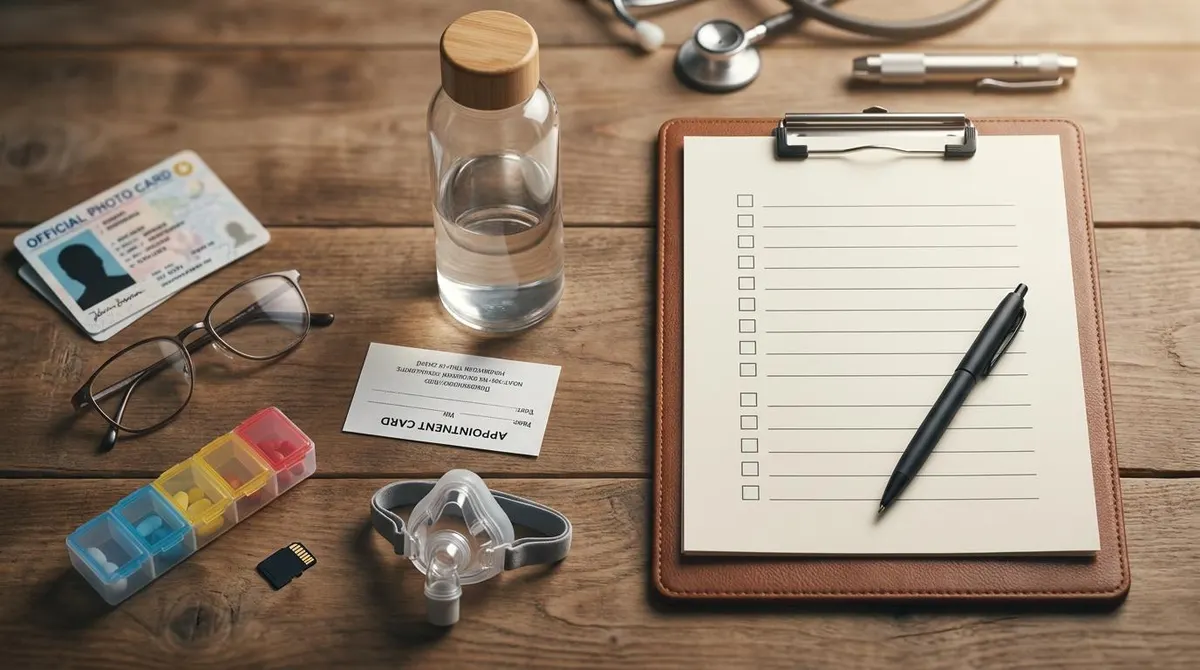
Thorough preparation before your DOT physical examination and any required drug testing appointment significantly reduces the risk of unexpected deferments, delays, or failed certifications. Drivers who arrive organised and informed consistently report more efficient appointments.
Essential Documentation to Bring
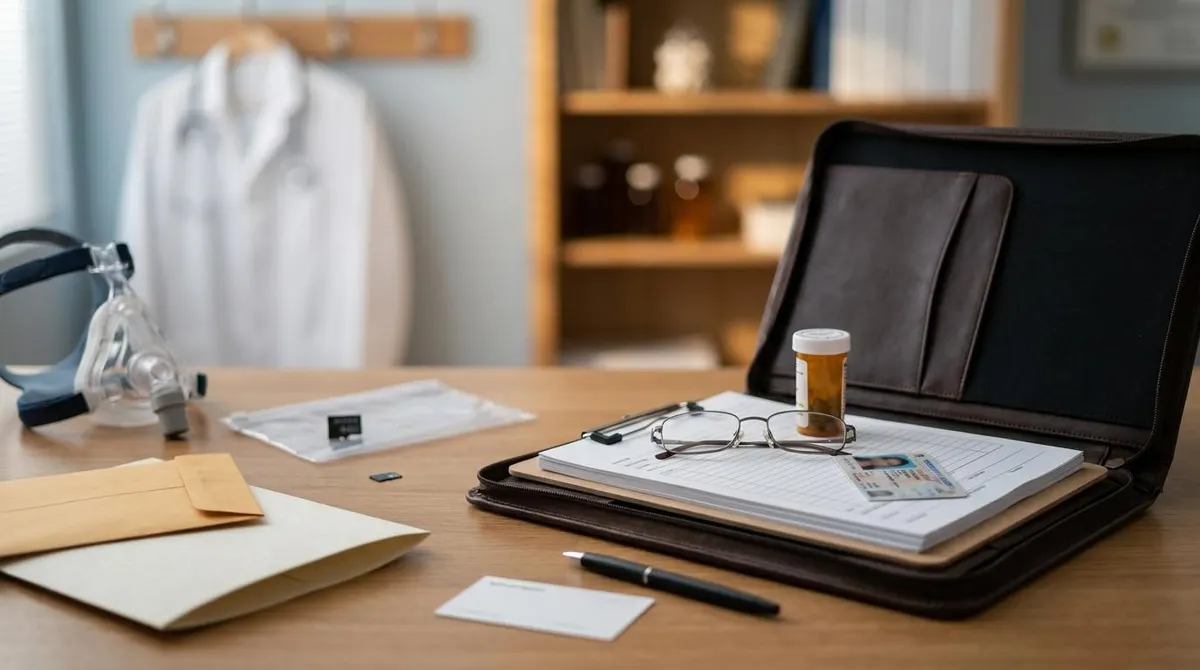
Your Certified Medical Examiner will need to review specific documents to complete the FMCSA Medical Examination Report (MCSA-5875). Prepare the following before your appointment:
Government-issued photo identification (driver's licence or passport)
Eyeglasses, contact lenses, or hearing aids if you use them
A complete list of all current prescription and over-the-counter medications, including dosage and prescribing physician contact information
Any specialist clearance letters relevant to conditions such as cardiovascular disease, epilepsy, or sleep apnea
CPAP compliance report if you are being treated for sleep apnea (the device's SD card data showing at least 30 days of usage)
Completed Insulin-Treated Diabetes Mellitus Assessment Form (MCSA-5870) if you use insulin, completed by your treating physician within the preceding 12 months
Previous Medical Examiner's Certificates for reference, if applicable
Any documentation of FMCSA medical waivers or exemptions currently in effect
Medication Lists and Specialist Clearances
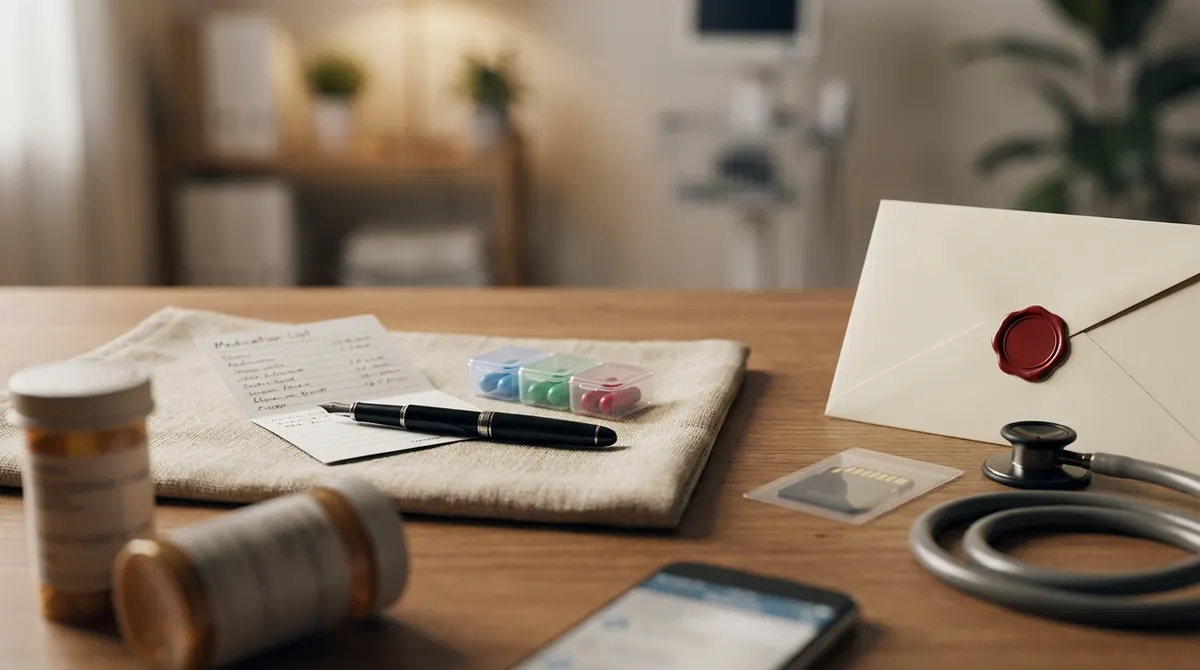
Bring your full medication list in writing, not from memory. Include the medication name, dosage, frequency, and the name and contact information of the prescribing physician. If any of your medications have known sedative, cardiovascular, or neurological effects, proactively obtain a letter from your prescribing physician confirming that you have been stable on the current dose, that your function is not impaired, and that the medication is appropriate for continued commercial driving.
Practical Tips for the Day of the Exam

Arriving prepared physiologically, not just administratively, can meaningfully affect your results. For blood pressure specifically, avoid caffeine for at least 12 hours before your appointment. Get a full night of sleep the night before, and arrive 15 minutes early to allow time to settle before measurements are taken. Stay well-hydrated, as this helps with both the urinalysis sample and your overall physical presentation.
If you are taking a DOT drug test at the same appointment, remember to stay hydrated but do not over-hydrate to the point where your urine is excessively dilute. An excessively dilute result may be reported as an inconclusive specimen and require a re-collection, which can delay your clearance. If you find a provider near you through the FMCSA National Registry, confirm in advance whether they also offer DOT drug testing on-site or whether you will need to visit a separate collection location.
IMPORTANT: Do not attempt to manipulate, dilute, or adulterate your urine sample for any reason. The collection process includes temperature testing and specimen integrity checks. An adulterated or substituted specimen is treated as a refusal to test, which carries the same regulatory consequences as a verified positive drug test result.
KEY TAKEAWAY: Arriving at your DOT physical or drug test appointment with the right documentation, your corrective devices, a complete medication list, and any specialist clearance letters is the single most effective way to ensure a smooth and efficient certification outcome.
Frequently Asked Questions
Can I refuse a drug test during my physical?
You can technically decline to provide a urine sample, but the regulatory consequences are severe. Under 49 CFR Part 40, a refusal to test is treated as equivalent to a verified positive drug test result. This means immediate removal from all safety-sensitive functions, an entry into the FMCSA Drug and Alcohol Clearinghouse as a prohibited driver, and the requirement to complete the full Substance Abuse Professional evaluation and return-to-duty process before resuming CDL driving. Since November 2024, a refusal also triggers a CDL downgrade through your State Driver Licensing Agency.
How long do the results take?
DOT physical results are available on the day of your appointment. Your Certified Medical Examiner will complete the Medical Examination Report and, if you pass, issue your Medical Examiner's Certificate immediately following the examination. DOT drug test results take longer because specimens must be sent to a SAMHSA-certified laboratory for analysis. A negative result typically takes 1 to 3 business days from the date of collection. A non-negative result that requires Medical Review Officer verification can take 3 to 5 business days or longer, depending on whether the MRO needs to contact you for additional information about a prescription medication.
Does the DOT physical include a blood test?
No. The DOT physical examination does not include a blood draw as a standard component of the physical qualification process. The examination includes a urinalysis, blood pressure measurement, and a cardiovascular health review through medical history disclosure, but no blood is drawn during a standard DOT physical exam. Some Certified Medical Examiners may request additional laboratory work at their clinical discretion if they identify a condition that warrants further investigation, such as a high random glucose urinalysis result that could indicate uncontrolled diabetes. Any such additional testing would be at the examiner's request and outside the scope of standard FMCSA physical qualification requirements.
Is a DOT physical the same as a drug test?
No. A DOT physical exam and a DOT drug test are two separate federal requirements with different legal frameworks, different procedures, and different outcomes. The DOT physical examination evaluates your medical fitness to operate a commercial motor vehicle and results in a Medical Examiner's Certificate. The DOT drug test screens for the presence of five categories of prohibited substances in your urine and results in a pass or fail determination reported to your employer through a Medical Review Officer. Both are required for CDL certification, but one does not include or replace the other.
Do they test your urine for drugs during a physical?
No. The urine sample you provide during a DOT physical examination is tested for health markers only, specifically glucose, protein, blood, specific gravity, pH levels, and ketones. These results inform the Certified Medical Examiner about your kidney function and metabolic health. The sample is not sent to a laboratory, not reviewed by a Medical Review Officer, and not screened for the presence of controlled substances. If you are also required to complete a DOT drug test, that is a separate procedure with a separate specimen collection, separate chain of custody documentation, and separate laboratory analysis.
What do they test urine for during a DOT physical?
During a DOT physical examination, the urinalysis tests for glucose (a potential indicator of diabetes), protein (a possible marker of kidney disease or hypertension-related damage), blood (which may indicate urinary tract infections, kidney stones, or renal conditions), specific gravity (measuring hydration and kidney concentrating function), pH levels (assessing acid-base balance and potential infections), and ketones (which can indicate poorly controlled diabetes or dehydration). An abnormal result does not automatically disqualify you. The examiner evaluates the clinical significance of any finding in the context of your full medical history and may issue a conditional certification while requesting follow-up documentation from your primary care physician.
Will mirtazapine show up on a drug test?
Mirtazapine (brand name Remeron) is an atypical antidepressant that is not included in the standard DOT 5-panel drug test. The DOT 5-panel screens for marijuana, cocaine, amphetamines, opioids, and PCP only. Antidepressants as a class are not drugs of abuse and are not tested for in standard drug screening panels. Mirtazapine has been noted in clinical literature as having a lower risk of producing false positives for other drug categories compared to some other antidepressants. According to drug testing guidance, antidepressants do not show up as antidepressants on standard drug tests unless specific additional testing is ordered. You should still disclose mirtazapine use to your Certified Medical Examiner during your DOT physical as part of your complete medication list, as the examiner will assess it clinically for potential effects on driving safety.
Summary: Staying Compliant and Road-Ready
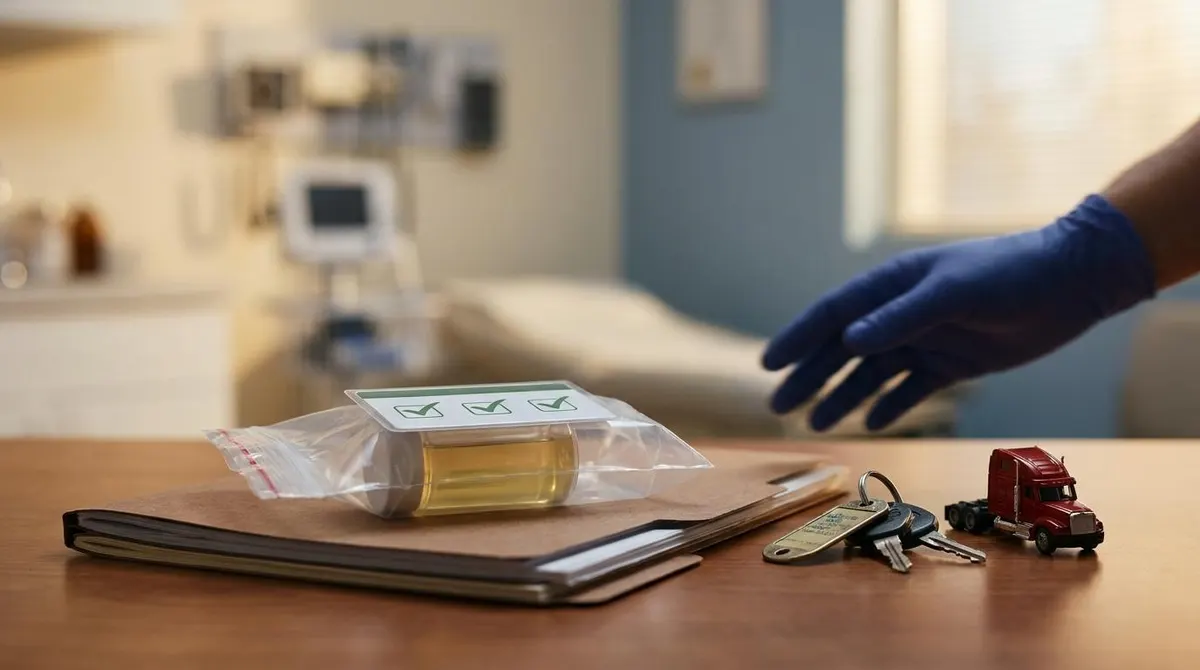
Commercial drivers who understand the difference between the DOT physical exam and the DOT drug test are better positioned to stay compliant, avoid unnecessary anxiety before appointments, and respond effectively if complications arise. The physical exam is a health qualification process. The drug test is a federal substance screening program. Both are required, both recur throughout your career, and both have structured pathways to certification and compliance.
Managing the medical conditions most likely to affect your DOT certification, particularly sleep apnea, blood pressure, and insulin-treated diabetes, requires proactive care between exam cycles, not just preparation in the days before an appointment. If you have been told you may be at risk for sleep apnea or are already managing a diagnosis, Dumbo Health's at-home sleep test offers a cash-pay, no-insurance-required path to diagnosis at $149, with ongoing CPAP treatment plans from $59 per month and no surprise bills. Staying compliant with your treatment is the most direct way to protect both your health and your commercial driver's license.
Related DOT Physical Topics
- What drugs do they test for in a DOT drug test
- Does a DOT Physical Test for Weed or THC The Complete Guide for Commercial Drivers
- Is a drug test required for a DOT physical
- DOT Physical & Drug Test What Drivers Need to Know
- What Does DOT Stand for in a DOT Physical
- What Is the Urine Test for in a DOT Physical
- Is a DOT physical the same as a regular physical
- What Does a DOT Physical Consist Of
- Does insurance cover a DOT physical
- What Is the Difference Between a DOT and Non-DOT Physical
- What Happens If You Fail a DOT Drug Test The Complete Guide for Commercial Drivers
- How Long Does a DOT Physical Take A Complete Guide for Commercial Drivers
- Can You Get a DOT Physical in Any State The Complete Guide for Commercial Drivers
- Can You Get a DOT Physical Online The Complete Guide for Commercial Drivers
- How Do You Submit Your DOT Physical to the DMV
- What Can Disqualify You From a DOT Physical
- Can You Pass a DOT Physical with Epilepsy
- DOT Physical Self Pay Cost
- Remote DOT Physical The Complete Guide for Commercial Drivers
- DOT Physical Exam Basics
- Can You Pass a DOT Physical With a Hernia
- DOT Physical Cost Breakdown What Drivers Pay & Why
- DOT Physical ICD-10 & Billing Codes The Complete Guide for Accurate Compliance and Reimbursement
- Can You Pass a DOT Physical With One Eye
- Can You Pass a DOT Physical With a Pacemaker
- Telehealth Dot Physical
- DOT Physical Forms & Paperwork The Complete Guide for Commercial Drivers
- Who needs a DOT physical
- What Forms Do You Need for a DOT Physical
- DOT Physical & Alcohol Requirements
- Online DOT Physical Without Insurance A Complete Guide for Commercial Drivers
- DOT Physical Out of Pocket What Commercial Drivers Actually Pay
- Why do they measure your neck during a DOT physical
- Navigating Your DOT Physical with Common Medical Conditions
- How can drivers with sleep apnea qualify again after a failed DOT physical
- Navigating the Florida DOT Physical Your Essential Guide for CDL Drivers
- DOT Physical Online Cost
- Walk In DOT Physical Self Pay
- Online DOT Physical Self-Pay The Complete Guide for CDL Drivers and Owner-Operators
- What Should You Bring to a DOT Physical
- DOT physical self pay guide for commercial drivers paying out of pocket
- Can You Get a DOT Physical Online
- Can You Fail a DOT Physical for Being Overweight
- Your Complete Guide What's Included in a DOT Physical Exam
- New DOT Physical Requirements What Drivers MUST Know About New Updates
- DOT Physical Insurance & Recertification The Complete Driver's Guide
- DOT Physical Cash Pay
- Same Day DOT Physical
- Virtual DOT Physical
- DOT Physical Vision & Eye Requirements
- Can you fail a DOT physical because of sleep apnea
- What blood pressure do you need to pass a DOT physical
- When Can Sleep Apnea Affect a DOT Physical
- Do They Check Your Private Parts During a DOT Physical
- DOT Physical Blood Pressure Requirements What Drivers Need to Know
- DOT Physical Insurance or Self Pay How to Choose the Right Payment Option for Your Exam
- DOT Physical Chiropractor Your Complete Guide to CDL Exams
- Can You Fail a DOT Physical for High Blood Pressure
- How to Pass a DOT Physical The Complete Commercial Driver's Guide
- Can you pass a DOT physical with sleep apnea
- What should I expect at a DOT physical
- What happens if you fail a DOT physical due to sleep apnea
- DOT Physical at Urgent Care What Commercial Drivers Need to Know
- Can You Pass a DOT Physical with Diabetes
- Can You Pass a DOT Physical with High Blood Pressure
- BMI for DOT Physical What Commercial Drivers Need to Know
- What Happens During the DOT Physical Exam The Complete Guide for Drivers
- What Happens If Your DOT Physical Expires Compliance Guide for Commercial Drivers
- DOT Physical Duration and Validity How Long Your Medical Card Lasts
- The Ultimate DOT Physical Guide for Commercial Drivers (2025–2026)
- Non-DOT Physical A Comprehensive Guide to Workforce Health and Safety
- DOT Physical Texas The Essential Guide to Your Exam, Medical Card, and CDL Compliance
- DOT Physical Requirements A Complete Guide for CDL Drivers
- Is a Sleep Study Required for a DOT Physical
- DOT sleep apnea test at home
- What Happens If You Fail a DOT Physical Twice The Complete Guide for Commercial Drivers
- Do They Check for Hernia During a DOT Physical
- Do You Have to Pee During a DOT Physical
- What Are the Requirements to Pass a DOT Physical
- What eye chart is used for a DOT physical
- Can You Get a Second Opinion on Your DOT Physical A Complete Guide for Commercial Drivers
- What Do They Check During a DOT Physical
- Cheap DOT Physical Online
- The DOT Physical Exam Ensuring You're Fit for the Road
- Online DOT Physical The Complete Guide for Commercial Drivers and Medical Examiners
- Failing a DOT Physical What Every Commercial Driver Needs to Know
- Can You Fail a DOT Physical
- What is DOT Physical
- Are There New DOT Rules or Laws on Sleep Apnea Testing
- Essential 171 DOT Definitions for Commercial Drivers
- 2026 DOT Inspection Dates
- Home Sleep Apnea Test for Commercial Drivers The CDL Holder's Complete Guide
- Sleep Apnea Test for CDL Drivers
- Navigating DOT Stroke Guidelines for CMV Drivers What You Need To Know
- Why DOT Sleep Tests at Home Matter for Your Career and Health
- CDL PHYSICAL SELF PAY
- DOT Hypertension Guidelines The Complete Blood Pressure Guide for Commercial Drivers
- The Ultimate DOT Preparation Checklist for Motor Carriers and Commercial Drivers
- What Are the DOT Requirements for Drivers With Sleep Apnea
- DOT Medical Exam Self-Pay A Complete Guide for Commercial Drivers
AI summary
A DOT physical exam is a federally required medical fitness evaluation for commercial motor vehicle drivers and is not a DOT drug test. The DOT physical is performed by a Certified Medical Examiner (CME) on the FMCSA National Registry and can result in a Medical Examiner’s Certificate (MEC) valid up to 24 months. The DOT physical evaluates vision (20/40 acuity, 70-degree field, color recognition), hearing (whisper test or audiometry per 49 CFR 391.41(b)(11)), blood pressure and cardiovascular risk, and neurological and musculoskeletal function. It includes a urinalysis that checks health markers such as glucose, protein, blood, specific gravity, pH, and ketones; it is not a drug screen. The DOT drug test is a separate process governed by 49 CFR Part 40. It uses urine testing with chain of custody, SAMHSA-certified laboratory testing, and Medical Review Officer (MRO) review. The DOT 5-panel screens for marijuana (THC metabolites), cocaine, amphetamines, opioids, and PCP. FMCSA Clearinghouse rules track violations, including return-to-duty requirements after a positive test.

Nicolas Nemeth
Co-Founder
Nico is the co-founder of Dumbo Health, a digital sleep clinic that brings the entire obstructive sleep apnea journey home. Patients skip the sleep lab and the long wait to see a specialist. Dumbo Health ships an at home test, connects patients with licensed sleep clinicians by video, and delivers CPAP or a custom oral appliance with ongoing coaching and automatic resupply in one clear subscription.
Keep reading

How Long Does a DOT Physical Take? A Complete Guide for Commercial Drivers

What Happens If You Fail a DOT Drug Test? The Complete Guide for Commercial Drivers


