Can You Fail a DOT Physical?
A DOT physical can lead to disqualification when a commercial driver does not meet FMCSA medical standards required for a valid Medical Certificate. The article explains what the exam includes, why it is required under 49 CFR Part 391, and how certification can last up to 24 months or be shortened for monitoring. It distinguishes temporary disqualification, permanent disqualification, and conditional certificates. Common failure drivers include high blood pressure, diabetes control issues, sleep apnea, vision or hearing deficits, cardiovascular and neurological conditions, and certain medications. It also outlines DOT drug and alcohol rules and the return-to-duty process. Practical preparation focuses on managing conditions early, bringing complete documentation, and retesting or seeking a second opinion when appropriate.
Struggling with sleep?
Find out if sleep apnea is the reason.
FDA-cleared. $149 flat. Physician-reviewed results in 48 hours.

Can You Fail a DOT Physical?

A DOT physical can result in disqualification if a commercial driver does not meet the medical standards established by the Federal Motor Carrier Safety Administration. According to the FMCSA, drivers operating commercial motor vehicles in interstate commerce must maintain a valid Medical Certificate confirming they are physically and mentally qualified to drive safely. Conditions such as high blood pressure, uncontrolled diabetes, untreated sleep apnea, certain medications, and cardiovascular disorders are among the most common reasons drivers do not pass their exam. This page covers every major category of disqualification, explains the difference between temporary and permanent disqualification, and provides actionable guidance on what to do if your exam does not go as planned. Understanding these standards before your appointment gives you the best possible chance of keeping your commercial driving career on track.
Failing a DOT Physical Is Common, But Often Manageable

failing a DOT physical is not an automatic career-ending outcome for most commercial drivers, because the majority of disqualification reasons are treatable, documentable, or manageable with appropriate medical support. The FMCSA requires that every commercial motor vehicle operator in interstate commerce passes a medical examination conducted by a certified medical examiner listed on the National Registry of Certified Medical Examiners.
The purpose of these standards is rooted squarely in public safety. Commercial motor vehicles can weigh up to 80,000 pounds when fully loaded, travel at sustained highway speeds, and operate on some of the busiest roads in the country. A medical condition that might carry minimal consequence for a desk worker can create serious safety risks behind the wheel of a semi-truck. The FMCSA's physical standards exist to account for that reality.
Many commercial drivers who do not pass their initial exam receive a temporary disqualification rather than a permanent one. In these cases, the certified medical examiner identifies a condition that requires further evaluation, treatment confirmation, or supporting documentation before a full Medical Certificate can be issued. Drivers who engage with the process honestly and take proactive steps to address the underlying issue often return to full certification within weeks or months.
The FMCSA framework is designed to be evidence-based rather than punitive. Conditions that can be managed, treated, or monitored are assessed with that lens. Understanding the rules is the first step toward working with them effectively.
Not sure if sleep apnea applies to you?
Take our 2-minute sleep risk quiz to see whether sleep apnea could affect your DOT physical. No account required.
DID YOU KNOW: The FMCSA maintains a National Registry of Certified Medical Examiners, and only examiners listed on that registry are legally authorized to conduct DOT physical exams for commercial drivers.
KEY TAKEAWAY: Most DOT physical failures result from manageable or treatable conditions, and a temporary disqualification is not the same as a permanent career barrier.
Knowing the stakes of the exam leads naturally to understanding exactly what it tests and why every component matters.
What Is a DOT Physical and Why Is It Required?

A DOT physical exam is a federally mandated medical evaluation that commercial drivers must pass in order to legally operate a commercial motor vehicle in the United States. The FMCSA establishes the qualifying standards, and a licensed certified medical examiner conducts the actual examination using those criteria.
The requirement is codified in Title 49 of the Code of Federal Regulations, Part 391, which governs the physical qualifications of commercial motor vehicle drivers engaged in interstate commerce. The DOT physical exam is not a general wellness checkup or a routine annual physical. It is a targeted regulatory assessment designed to determine whether a driver's current health status allows safe operation of a large commercial vehicle for extended periods, often under demanding conditions, over long distances.
During the DOT physical exam, the certified medical examiner typically reviews the driver's medical history, measures blood pressure and pulse, tests vision and hearing, evaluates cardiovascular and respiratory function, performs a musculoskeletal review, and collects a urine sample to screen for glucose and protein. This urinalysis is separate from the formal DOT drug test that employers administer through a separate chain-of-custody process.
Drivers who meet all applicable standards receive a Medical Certificate that is valid for up to 24 months. Drivers with certain managed conditions may receive a shorter certificate period, such as 12 months, 6 months, or 3 months, depending on what monitoring schedule the examiner determines is appropriate.
Who Needs a DOT Physical Exam?
Commercial drivers required to hold a valid Medical Certificate include anyone operating a vehicle with a gross vehicle weight rating exceeding 10,001 pounds, transporting hazardous materials in amounts requiring placarding, or transporting 16 or more passengers including the driver. Drivers holding a Class A CDL in particular should anticipate regular DOT physical exams as a routine part of maintaining their driving credentials.
If you are looking for a certified medical examiner, the FMCSA's National Registry provides a searchable database of qualified providers near you, searchable by zip code.
KEY TAKEAWAY: The DOT physical exam is a federal regulatory requirement, not a general health screening, and it results in a Medical Certificate valid for up to 24 months when all standards are met.
Understanding the exam itself is only the beginning. The equally important step is understanding what it means to not pass.
Temporary Disqualification vs Permanent Disqualification
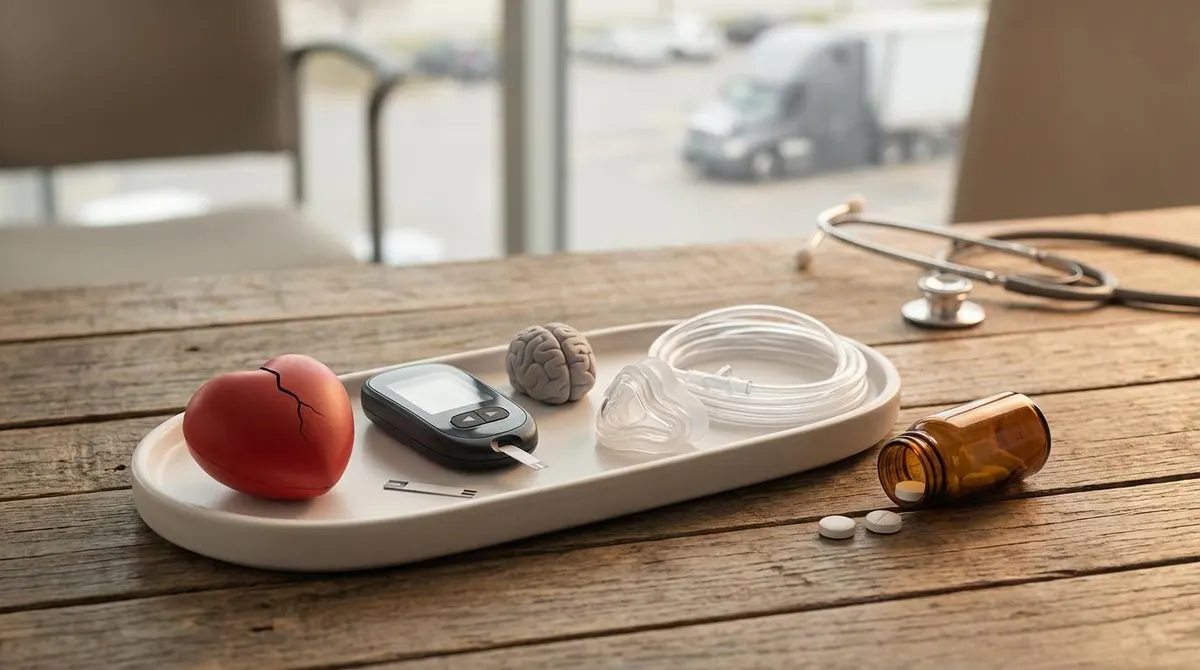
A DOT physical failure does not always carry the same meaning, and distinguishing between a temporary and permanent disqualification determines every step that follows. Most disqualifications issued following a DOT physical exam are temporary, meaning the driver can regain eligibility for certification once a specific condition is treated, stabilized, or adequately documented.
Already diagnosed and need CPAP support?
Dumbo Health helps patients start CPAP without the usual confusion, paperwork, or upfront cost. Equipment, setup, supplies, and ongoing support are all handled in one place.
Temporary Disqualification
Temporary disqualification occurs when the certified medical examiner identifies a medical condition that does not currently meet FMCSA standards but has a reasonable prospect of being managed or treated. Common examples include blood pressure readings above the qualifying threshold, blood sugar levels indicating poorly controlled diabetes, and newly identified sleep apnea that has not yet been assessed or treated.
In cases of temporary disqualification, the examiner typically documents what finding prevented certification and what the driver must provide or demonstrate before a Medical Certificate can be issued. This might mean returning with documented blood pressure readings within range, providing a letter from a treating specialist, or presenting CPAP compliance data following a sleep apnea diagnosis.
Permanent Disqualification
Permanent disqualification applies when a medical condition categorically prevents safe driving and cannot be adequately managed, treated, or mitigated. Under current FMCSA regulations, conditions that typically result in permanent disqualification include a history of certain seizure disorders without meeting a defined seizure-free period, severe cardiovascular conditions such as inoperable coronary artery disease, loss of a limb without adequate prosthetic function meeting driving performance standards, and active psychosis.
Conditional Medical Certificate
A conditional Medical Certificate may be issued when a driver meets the basic qualifying standards but has a condition warranting closer monitoring. This differs from temporary disqualification in that the driver does receive a valid certificate, but for a shortened period. A driver with Stage 1 hypertension, for example, may qualify for a one-year certificate rather than the standard two years. During that period the driver is expected to manage the condition and demonstrate continued compliance at their next exam.
KEY TAKEAWAY: Most DOT physical failures result in temporary disqualification rather than permanent ineligibility, and drivers who treat or document their condition adequately can often return to full certification within a defined timeline.
The specific reason for disqualification shapes the entire path forward, which makes a thorough understanding of the main disqualifying conditions essential knowledge for every commercial driver.
Medical Conditions That Can Lead to Disqualification
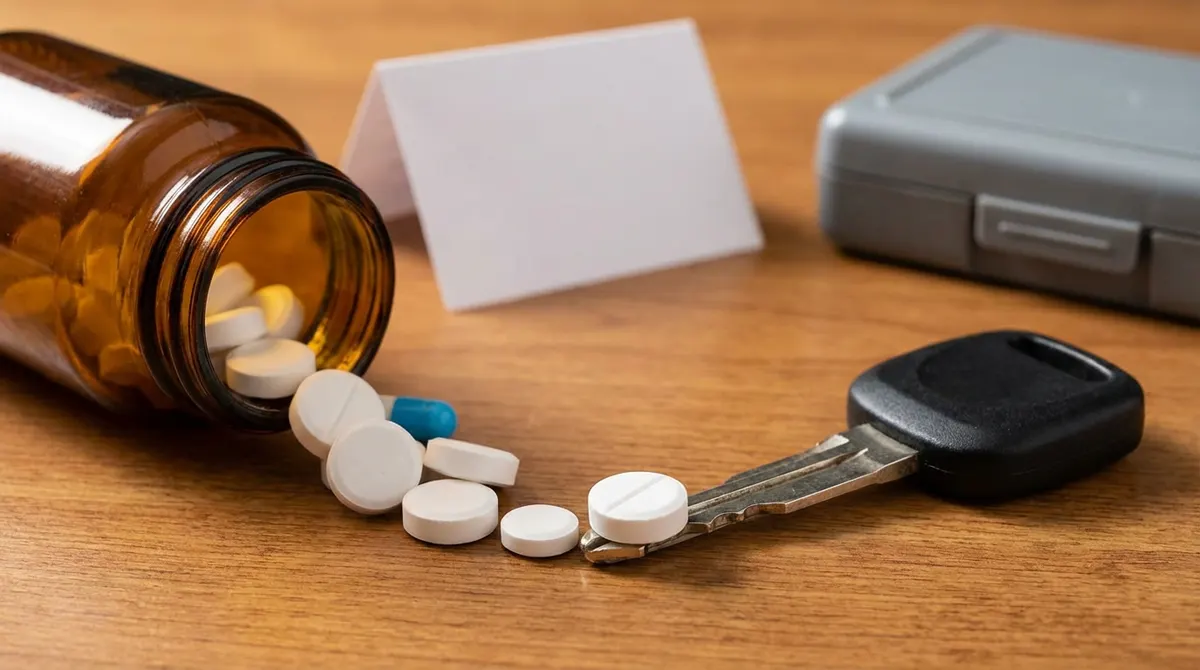
Several medical conditions can cause a driver to fail a DOT physical exam, ranging from cardiovascular disorders and metabolic conditions to neurological issues and respiratory problems. Many of these conditions are certifiable when properly managed, and the FMCSA evaluates most of them on an individual basis rather than applying automatic categorical bans.
High Blood Pressure
High blood pressure is one of the most common reasons commercial drivers do not pass their DOT physical exam. The FMCSA uses specific blood pressure thresholds to determine both certification status and certificate duration. The table below summarizes the applicable standards:
| Blood Pressure Stage | Systolic / Diastolic Reading | Certification Outcome |
|---|---|---|
| Below threshold | Under 140 / 90 mmHg | Standard 2-year certificate |
| Stage 1 Hypertension | 140-159 / 90-99 mmHg | 1-year certificate with monitoring |
| Stage 2 Hypertension | 160-179 / 100-109 mmHg | One-time 3-month certificate |
| Stage 3 Hypertension | 180+ / 110+ mmHg | Disqualified until controlled |
Stage 3 hypertension results in immediate disqualification. Drivers who reduce blood pressure to below 140/90 mmHg within the three-month window following a Stage 2 finding can qualify for a one-year certificate. Commercial drivers with well-controlled high blood pressure using medication are generally certifiable, provided the medication itself does not carry disqualifying side effects.
In real-world use, many drivers find that blood pressure spikes during the exam due to anxiety, a phenomenon sometimes called white coat syndrome. If a driver's reading is elevated at the time of the exam, some certified medical examiners will allow a rest period and retake the measurement before making a certification decision.
Diabetes Mellitus
Non-insulin-treated diabetes is generally compatible with DOT certification, provided the driver demonstrates adequate blood sugar control during the exam. Commercial drivers managing diabetes through diet, exercise, or oral medications are typically eligible for certification, subject to individual evaluation.
Insulin-treated diabetes historically resulted in automatic disqualification under FMCSA rules. However, the FMCSA's Insulin-Treated Diabetes Mellitus exemption program allows qualifying drivers to obtain a federal exemption permitting commercial driving. Drivers approved under this program must meet strict self-monitoring requirements, maintain records of blood glucose readings, and renew their exemption annually.
The urinalysis conducted during the DOT physical exam checks for glucose in the urine, which can signal uncontrolled blood sugar at the time of the visit. Drivers with elevated glucose at the time of the exam face a higher likelihood of disqualification, regardless of their overall diabetes management history.
Vision and Hearing Standards
The FMCSA requires commercial drivers to demonstrate distant visual acuity of at least 20/40 in each eye, with or without corrective lenses. Drivers must also meet a minimum peripheral vision requirement of 70 degrees in the horizontal meridian for each eye and must be able to identify the standard traffic signal colors of red, green, and amber.
Hearing standards require that a driver must perceive a forced whispered voice in the better ear at a distance of no less than 5 feet, with or without a hearing aid. Drivers who use corrective lenses or hearing aids to meet these thresholds are fully eligible for certification, provided they use those devices consistently when operating a commercial vehicle.
Sleep Apnea
Sleep apnea is a significant concern in the commercial driving industry because the condition causes repeated interruptions in breathing during sleep, leading to fragmented sleep, chronic fatigue, and impaired concentration behind the wheel. According to the American Academy of Sleep Medicine, obstructive sleep apnea affects an estimated 1 in 5 adults in the United States, and commercial drivers face disproportionately higher rates due to sedentary working conditions, irregular schedules, and elevated rates of obesity.
The FMCSA does not have a single codified sleep apnea rule, but certified medical examiners are authorized under existing guidance to refer drivers for sleep apnea evaluation when clinical indicators are present. Risk factors that commonly trigger a referral include a BMI above 35, a neck circumference exceeding 17 inches in men, witnessed apnea episodes, or persistent complaints of daytime fatigue and sleepiness.
Understanding what sleep apnea is and how it develops can help commercial drivers recognize whether this condition may be affecting their health before a DOT physical brings it to light. Drivers diagnosed with obstructive sleep apnea are typically required to begin PAP therapy and demonstrate treatment adherence before or shortly after receiving certification. Drivers who provide CPAP compliance data showing regular use are generally certifiable. Drivers who refuse evaluation or cannot demonstrate adequate treatment adherence face disqualification.
If you have been referred for a sleep evaluation and want to understand what you are likely experiencing before your next appointment, reviewing the 9 most common sleep apnea symptoms is a practical starting point.
Cardiovascular Issues
Cardiovascular conditions receive close scrutiny during the DOT physical because heart disease is among the leading causes of sudden incapacitation. The FMCSA evaluates for coronary artery disease, history of myocardial infarction, cardiac arrhythmias, congestive heart failure, and other structural or functional cardiac abnormalities.
Drivers with a history of a heart attack may still be eligible for certification if they demonstrate adequate recovery and normal cardiac function, typically through stress testing and specialist documentation. The central standard applied is whether the driver presents a meaningful risk of sudden cardiac incapacitation while operating a commercial motor vehicle.
Cardiac arrhythmias are assessed individually based on type, severity, and treatment status. Drivers with a pacemaker or implantable cardioverter-defibrillator (ICD) face stricter evaluation, as the risk of a device-delivered shock causing sudden loss of control is a relevant safety factor. Specialist letters from a cardiologist are typically required for any driver with a significant cardiac history, and the examiner may request recent electrocardiogram results or stress test reports before issuing certification.
Drivers who have undergone coronary artery bypass surgery or cardiac stent placement can often achieve certification once an adequate recovery period has elapsed and specialist evaluation confirms acceptable functional capacity. The FMCSA does not automatically disqualify drivers with a cardiac history; it requires evidence that the residual risk of sudden incapacitation is acceptably low.
Neurological Disorders
Seizure disorders represent one of the most clearly defined disqualifying conditions in FMCSA regulations. A driver with a history of epilepsy or any seizure condition is generally disqualified unless they can meet specific seizure-free period requirements and obtain neurological clearance. The FMCSA evaluates seizure history on an individual basis, but the standards are strict given the obvious risk of sudden loss of vehicle control.
Other neurological conditions that may affect certification include traumatic brain injury with residual cognitive or motor deficits, multiple sclerosis with active functional impairment, and Parkinson's disease. Any condition affecting alertness, reaction time, or coordination receives careful scrutiny from the certified medical examiner.
Respiratory Conditions
Respiratory conditions such as chronic obstructive pulmonary disease, severe uncontrolled asthma, and untreated obstructive sleep apnea may lead to disqualification when they compromise a driver's ability to maintain adequate oxygenation or sustained alertness. Conditions resulting in significant hypoxia or severe exercise intolerance raise concerns about a driver's capacity to manage the physical and cognitive demands of operating a commercial motor vehicle.
Sleep apnea specifically bridges the respiratory and neurological categories. Untreated sleep apnea reduces blood oxygen saturation during sleep and contributes directly to the daytime sleepiness the FMCSA treats as a safety disqualifier. Drivers who obtain a diagnosis and begin compliant PAP therapy typically resolve this barrier to certification. For drivers who have questions about whether treatment options beyond CPAP might be appropriate, understanding how sleep apnea can be treated without CPAP provides a useful overview of the available alternatives.
KEY TAKEAWAY: High blood pressure, diabetes, sleep apnea, cardiovascular disease, and neurological conditions are among the most common reasons commercial drivers fail a DOT physical, and most of these conditions are certifiable when adequately managed and documented.
Medications add a separate and often overlooked layer of complexity to the DOT physical, and understanding which substances can affect your outcome is essential preparation.
Medications That Can Affect Your DOT Physical

Certain medications used to treat common medical conditions can disqualify a commercial driver independently of any underlying diagnosis, because the FMCSA evaluates whether a medication's side effects are compatible with the sustained alertness and judgment required to safely operate a commercial vehicle. Disclosing all medications to the certified medical examiner is not optional; it is a regulatory requirement.
Understanding Prohibited Medications for Commercial Drivers
The FMCSA does not publish a single comprehensive prohibited medications list, but it specifies that any medication with the potential to cause sedation, impair judgment, slow reaction time, or otherwise compromise safe driving performance must be evaluated carefully. Schedule I controlled substances are categorically disqualifying.
Methadone, used in opioid maintenance therapy, is disqualifying under FMCSA guidance because it is classified as a narcotic and carries well-documented risks of sedation and impaired cognitive function. Commercial drivers currently prescribed methadone should discuss the implications for their certification status with their prescribing physician before scheduling a DOT physical exam.
Benzodiazepines, including diazepam, lorazepam, and alprazolam, are central nervous system depressants prescribed for anxiety disorders, panic conditions, and insomnia. These medications are incompatible with commercial driving certification due to their sedating effects. Drivers currently prescribed benzodiazepines should consult with a specialist about alternative management approaches before their next DOT physical.
Amphetamines prescribed for conditions such as ADHD present a more nuanced situation. Some certified medical examiners exercise case-by-case discretion, and a driver taking a prescribed stimulant may still be certifiable depending on the dosage, the stability of the clinical response, and the quality of documentation from the treating physician. However, the presence of amphetamines without a valid prescription is automatically disqualifying.
Narcotics and opioids, even when legitimately prescribed, are generally incompatible with commercial driving certification due to the sedation risk. Short-term use following a surgical procedure or acute injury may be evaluated individually, but regular opioid use constitutes a significant barrier to certification under current FMCSA standards.
The Importance of Full Medication Disclosure
Commercial drivers are required to list all current medications on the medical history form completed before the DOT physical exam. Attempting to conceal medications is not a pathway to passing. If a driver is later involved in a serious accident and an undisclosed medication is identified through toxicology screening, the consequences extend well beyond a failed certification.
Documentation from the treating physician can make a meaningful difference when a borderline medication is involved. A detailed letter addressing the condition being treated, the current dosage, the stability of the driver's clinical response, and the physician's professional opinion on fitness to operate a commercial vehicle can support a favorable certification outcome where the clinical picture genuinely supports one.
TIP: Before your DOT physical exam, compile a complete medication list including prescription drugs, over-the-counter products, and supplements. Contact your prescribing physician in advance to discuss whether any medications require additional documentation or whether alternative management options should be considered.
KEY TAKEAWAY: Prohibited and undisclosed medications including narcotics, benzodiazepines, and methadone can cause a commercial driver to fail a DOT physical independently of any underlying medical condition, and complete disclosure to the certified medical examiner is both mandatory and strategically in the driver's interest.
Mental health is an area where drivers frequently feel uncertain about how the evaluation works, but the reality is considerably more nuanced and manageable than many expect.
Mental Health Conditions and the DOT Physical

Mental health conditions are assessed during the DOT physical exam, but the presence of a mental health diagnosis does not automatically disqualify a commercial driver. The FMCSA's framework focuses on whether a condition functionally impairs the driver's ability to safely operate a commercial motor vehicle, not on diagnostic labels alone.
How Mental Health Conditions Are Evaluated
The certified medical examiner reviews the driver's mental health history during the examination, including any history of psychiatric hospitalization, diagnoses involving psychosis, severe mood instability, or conditions that have previously caused significant functional impairment. Conditions presenting an ongoing risk of sudden incapacitation or severe cognitive disruption receive the most scrutiny.
Active psychosis is disqualifying under FMCSA regulations. Conditions such as schizophrenia, poorly controlled bipolar disorder with a history of significant episodes, and other severe psychiatric presentations that have resulted in functional impairment may also result in disqualification. However, controlled and clinically stable mental health conditions frequently do not prevent certification.
Depression and anxiety, when well-managed and free of disqualifying medications, are often compatible with DOT certification. The determining factors are documented stability, consistent treatment adherence, and the absence of medications that independently create safety concerns.
Providing Documentation and Demonstrating Stability
Commercial drivers with a mental health history should arrive at their DOT physical exam prepared with documentation from their treating provider. This typically includes a letter from a therapist, psychiatrist, or primary care physician confirming the current diagnosis, the ongoing treatment approach, medication adherence, and the provider's clinical opinion on the driver's fitness to operate a commercial motor vehicle.
Drivers whose mental health conditions are managed with medications falling into the prohibited categories, such as benzodiazepines or strongly sedating antipsychotic agents, face a more complex situation that may require specialist input and documented examiner discretion.
Clinicians frequently observe that drivers who approach the exam with honest, open communication about their mental health history receive a fairer and more thorough evaluation than those who attempt to minimize or conceal information. Examiners are applying a regulatory framework, not rendering personal judgments.
IMPORTANT: Mental health conditions that are stable, well-documented, and managed without disqualifying medications are often compatible with DOT certification. Drivers should not assume that any psychiatric history automatically ends their eligibility without first consulting a qualified medical examiner.
KEY TAKEAWAY: Mental health conditions are evaluated based on functional stability, treatment status, and medication safety, not on diagnosis alone, and well-documented and well-managed conditions frequently allow for full commercial driving certification.
Substance use is an area where the FMCSA allows considerably less discretion, and the consequences of a positive test extend well beyond the exam room.
Substance Abuse and Alcohol Use: Zero Tolerance Policies

The FMCSA enforces zero tolerance for prohibited drug and alcohol use among commercial motor vehicle drivers, and a failed drug test is one of the most direct pathways to disqualification from commercial driving. DOT drug and alcohol testing applies not only at the time of the DOT physical but throughout the driver's employment through random testing, post-accident testing, and reasonable suspicion testing programs.
Understanding DOT Drug and Alcohol Testing Requirements
DOT drug testing covers five substance categories: marijuana (THC), cocaine, opiates, amphetamines, and phencyclidine (PCP). Testing is conducted through urine samples collected under a formal chain-of-custody procedure. A confirmed positive result disqualifies the driver from operating a commercial motor vehicle immediately.
It is critical for commercial drivers to understand that DOT drug testing measures the presence of specific metabolites rather than impairment levels. Marijuana detected in a urine sample days or weeks after last use can produce a positive result under DOT rules. The legality of marijuana use in a driver's home state carries no weight in the federal testing framework.
Alcohol use during commercial driving is governed by a 0.04 blood alcohol concentration threshold while on duty, which is lower than the standard legal driving limit applied to private vehicles in most states. A driver found operating a commercial motor vehicle with a BAC at or above 0.04 is immediately disqualified for at least 24 hours and may face additional consequences depending on employer policy.
Recovery and Return-to-Duty Processes
Drivers who test positive for a prohibited substance are not automatically or permanently barred from commercial driving in most cases. The FMCSA's return-to-duty process requires evaluation by a Substance Abuse Professional (SAP), compliance with any recommended treatment or education program, completion of a return-to-duty drug test with a negative result, and a period of follow-up testing determined by the SAP.
A positive DOT drug test result is entered into the FMCSA Drug and Alcohol Clearinghouse, a federal database accessible to current and prospective employers. This record remains visible until the complete return-to-duty process has been finished. Drivers who allow this process to stall or who fail to complete it correctly face extended disqualification.
Drivers who are disqualified due to a positive test should understand that the return-to-duty process has defined steps and timelines, and working closely with a SAP-qualified counselor from the outset tends to produce the most efficient path back to commercial driving. The SAP determines the scope of treatment or education required based on a clinical assessment, not a standardized formula. Completing the process honestly and thoroughly is in the driver's interest both professionally and from a health standpoint.
KEY TAKEAWAY: The FMCSA enforces zero tolerance for prohibited substances, a positive drug test triggers a mandatory structured return-to-duty process, and the result is recorded in a federal database accessible to employers until the process is completed.
Understanding what comes next after a failed exam is just as important as knowing why failure occurs in the first place.
What Happens After You Fail a DOT Physical: Your Options

failing a DOT physical exam activates a structured set of options depending on the reason for disqualification and the findings documented by the certified medical examiner. Not passing the exam is the beginning of a defined process, not a closed door.
Receiving a Temporary Disqualification
When a driver is temporarily disqualified, the certified medical examiner is required to document the finding on FMCSA Form MCSA-5870, the Medical Examination Report. This form records what was identified, which standard was not met, and in many cases, what the driver must provide or demonstrate to achieve certification.
The driver's immediate next step is typically to consult with a treating physician or relevant specialist to address the specific finding. A driver disqualified due to high blood pressure, for example, should work with their physician to bring readings within the certifiable range and obtain written documentation confirming the controlled status before scheduling a follow-up DOT physical exam.
Retesting and Demonstrating Improvement
There is no regulatory cap on the number of times a commercial driver can attempt a DOT physical exam. Drivers can return for a new examination once they have addressed the disqualifying finding, and many do so successfully within weeks to a few months. Arriving at the retesting appointment with well-organized, complete documentation that directly responds to the examiner's original finding is the most important factor in a successful outcome.
Seeking a Second Opinion
Commercial drivers who believe a disqualification was applied incorrectly, without adequate basis, or in a borderline case that a different examiner might assess differently have the right to seek a second opinion from another certified medical examiner listed on the FMCSA National Registry. This is a recognized and legitimate part of the process.
It is important to understand, however, that seeking a second opinion is not a mechanism for circumventing the FMCSA's standards. Any examiner who disregards clear disqualifying findings is subject to removal from the National Registry, and the underlying regulatory thresholds apply uniformly. A second opinion is most useful when the original finding involved clinical discretion or when the driver has since obtained additional documentation.
If sleep apnea was identified during your DOT physical and you need diagnostic documentation before your next exam, an at-home sleep test from Dumbo Health provides a clinically valid result without requiring a clinic visit, making it a practical option for commercial drivers working around a demanding schedule.
The Exemption Process
For conditions covered by a specific FMCSA exemption program, such as the insulin-treated diabetes exemption or certain vision exemptions, drivers may apply directly through the FMCSA. Exemption applications require detailed medical documentation and are reviewed individually. The process typically takes several months, and approval is not guaranteed. Drivers pursuing an exemption should continue working with their medical provider to maintain the best possible clinical profile throughout the application period.
KEY TAKEAWAY: Commercial drivers who fail a DOT physical have multiple pathways forward, including retesting after treatment, seeking a second opinion from another certified examiner, or applying for an FMCSA medical exemption, and the system is structured to support return to certification wherever medically appropriate.
Before addressing preparation strategies, it is worth addressing several persistent misconceptions that cause unnecessary confusion and anxiety among commercial drivers.
Common Myths About Failing a DOT Physical

MYTH: Any diagnosed medical condition will automatically disqualify you from commercial driving. FACT: Most medical conditions are evaluated individually by the certified medical examiner using FMCSA standards. The framework distinguishes clearly between categorically disqualifying conditions and those assessed based on severity, treatment status, and clinical documentation. Conditions such as well-controlled high blood pressure, managed sleep apnea, stable mental health conditions, and corrected vision impairment frequently allow for full certification.
MYTH: If you fail a DOT physical once, you are permanently ineligible for a Medical Certificate. FACT: Most DOT physical failures result in temporary disqualification. The FMCSA system is built around the concept of medical fitness at a specific point in time, and conditions change. Drivers who address the underlying finding and return with appropriate documentation achieve full certification regularly. There is no regulatory limit on the number of DOT physical exams a driver may attempt.
MYTH: You do not need to disclose medications if they are legally prescribed. FACT: All medications, whether prescription, over-the-counter, or supplemental, must be disclosed on the medical history form provided before the exam. Nondisclosure is a regulatory violation and can carry serious legal and employment consequences if an undisclosed substance is later identified in a post-accident toxicology screen. Transparency with the examiner allows for an accurate evaluation and, in many cases, supports a favorable outcome through proper physician documentation.
MYTH: A sleep apnea diagnosis ends a commercial driving career. FACT: Sleep apnea is among the most manageable conditions in the DOT physical context. The American Academy of Sleep Medicine identifies PAP therapy as the primary treatment for obstructive sleep apnea, and commercial drivers who adhere to treatment and provide compliance data are regularly certified and recertified. Understanding obstructive sleep apnea in adults helps drivers engage with treatment proactively rather than waiting for disqualification to prompt action.
MYTH: Choosing a certified medical examiner in a different city or region will produce a different standard. FACT: All certified medical examiners on the FMCSA National Registry are trained to apply the same regulatory standards regardless of geographic location. While individual examiner discretion exists for genuinely borderline cases, the measurable thresholds for blood pressure, vision, hearing, and drug testing are uniform nationwide. Drivers who find a provider close to them can expect the same standards as those applied anywhere else in the country.
KEY TAKEAWAY: The most common fears about DOT physical failure are grounded in misconceptions about how the FMCSA system works, and most disqualification scenarios are temporary and addressable with the right medical support and documentation.
Preparation remains the most powerful tool available to any commercial driver before a DOT physical exam, and several practical strategies make a measurable difference in the outcome.
Preparing for Your DOT Physical: How to Maximize Your Chances

Approaching a DOT physical exam with well-controlled health conditions, complete documentation, and a clear strategy for communicating with the certified medical examiner is the most reliable way to achieve certification. Commercial drivers who prepare thoughtfully consistently report better outcomes than those who arrive hoping for the best.
Proactive Health Management
The time to begin preparing for a DOT physical exam is not the week before the appointment. Drivers with known conditions such as high blood pressure, diabetes, or sleep apnea should be working with their treating physicians throughout the year to keep those conditions within certifiable ranges.
For blood pressure specifically, drivers should monitor readings at home in the weeks leading up to the exam and consult with their physician if readings are trending above the Stage 1 threshold. Reducing sodium intake, increasing physical activity, maintaining consistent medication use, and optimizing hydration are all evidence-based approaches that can produce measurable improvements in blood pressure before the exam.
For commercial drivers who have been told they may have sleep apnea or who carry recognized risk factors such as loud snoring, witnessed breathing pauses during sleep, or persistent daytime fatigue, getting a proper diagnostic evaluation before the DOT physical exam is strongly advisable. Completing the evaluation before the appointment means arriving with documentation already in hand, rather than facing a referral that delays certification further. Dumbo Health offers an at-home sleep test that delivers clinically valid diagnostic results without a clinic visit, which is a practical option for commercial drivers with demanding schedules.
Gathering Medical Records and Documentation
Drivers should arrive at the DOT physical exam with complete documentation for every known medical condition. This includes recent laboratory results, a current and complete medication list with dosages and prescribing provider details, specialist letters, diagnostic test results, and records of any previous DOT physical exams.
For drivers with a history of a significant medical event such as a heart attack, stroke, or seizure, a detailed letter from the treating physician describing the current clinical picture and providing a professional opinion on fitness to operate a commercial vehicle is one of the most valuable documents to bring to the exam.
Drivers who use corrective lenses should bring them to the appointment. Drivers who use a hearing aid should also bring it and wear it during the hearing portion of the exam. If any uncertainty exists about meeting the vision or hearing thresholds, arranging a test with an optometrist or audiologist in your area before the DOT physical provides a useful baseline and removes the element of surprise.
Communicating Effectively with Your Medical Examiner
Open and accurate communication with the certified medical examiner is genuinely in the driver's interest. Examiners who receive complete information are better positioned to evaluate borderline cases appropriately and to work toward certification where the clinical evidence supports it.
Drivers who feel anxious during the exam should understand that elevated blood pressure caused by exam anxiety is not automatically treated as a disqualifying finding. Many certified medical examiners will allow a rest period and retake the blood pressure measurement before making a certification decision. Sitting quietly for several minutes before the measurement and breathing steadily is a legitimate and commonly used approach to obtaining a more accurate reading.
Drivers in areas where certified medical examiner availability is limited can locate providers in your area through the FMCSA National Registry, which allows filtering by zip code and certification specialty.
Choosing a Qualified Medical Examiner
Not all healthcare providers can conduct DOT physical exams. Only those listed on the FMCSA National Registry have completed the required training and certification. When selecting an examiner, verifying their current listing on the National Registry before scheduling is important, as registry status can lapse if renewal requirements are not met.
People who undergo this exam often find that choosing an examiner familiar with occupational health and FMCSA regulations specifically, rather than a general practitioner with limited DOT physical experience, leads to a more thorough and appropriately contextualized evaluation.
Drivers with complex medical histories, multiple conditions, or a previous disqualification benefit most from selecting an examiner with demonstrated experience in occupational medicine. These examiners are more likely to be familiar with FMCSA exemption programs, conditional certification options, and the documentation standards that best support a favorable outcome in borderline cases. If you have had a previous disqualification and are returning for a new exam, bringing a concise written summary of what the previous examiner identified and how you have addressed it since can help the new examiner orient quickly to your situation.
KEY TAKEAWAY: Arriving at a DOT physical exam with controlled health conditions, complete and organized medical documentation, and a commitment to honest communication with the examiner is the single most effective approach to maximizing the likelihood of a favorable certification outcome.
Frequently Asked Questions
What disqualifies you from a DOT physical?
The most common disqualifying conditions include Stage 3 hypertension with a blood pressure reading at or above 180/110 mmHg, uncontrolled diabetes, untreated sleep apnea, a history of seizures without meeting defined seizure-free period requirements, active cardiovascular disease presenting a sudden incapacitation risk, vision or hearing falling below FMCSA thresholds, current use of prohibited medications such as methadone or benzodiazepines, and a positive result on the DOT drug or alcohol test. Active psychosis is also disqualifying. Many conditions are assessed individually rather than through automatic categorical bans, and providers in your area who are listed on the FMCSA National Registry can advise you on your specific clinical situation.
What happens if I fail a DOT physical?
If you do not pass your DOT physical exam, the certified medical examiner documents the finding on the Medical Examination Report form. You are temporarily disqualified from operating a commercial motor vehicle until the issue is resolved. Your next step is typically to consult with your treating physician or a relevant specialist to address the identified condition and obtain supporting documentation. There is no regulatory limit on the number of DOT physical exams you can take, and most temporary disqualifications are resolved within weeks to a few months. In cases involving borderline findings, seeking a second opinion from a different certified medical examiner is a recognized option.
Is methadone disqualifying for a DOT physical?
Yes, methadone is disqualifying under FMCSA guidance because it is a narcotic with sedating properties that are considered incompatible with the sustained alertness required to safely operate a commercial motor vehicle. Commercial drivers currently taking methadone for opioid maintenance therapy should discuss the implications for their certification status with their prescribing physician before scheduling a DOT physical exam. The FMCSA does not currently offer an exemption program for drivers using methadone, and this position is consistent with the agency's broader approach to narcotic medications.
Can sleep apnea disqualify you from commercial driving?
Sleep apnea can result in disqualification if it remains untreated or if a driver refuses evaluation following a referral from a certified medical examiner. However, it is one of the most manageable disqualifying conditions in the DOT physical context. Commercial drivers who receive a formal diagnosis, begin PAP therapy, and demonstrate consistent treatment adherence are regularly certified or recertified. CPAP compliance data, typically extracted from the device's memory, can serve directly as the documentation the examiner requires. Getting tested promptly after a referral is the most important step a driver can take.
Can you get a second opinion on a DOT physical?
Yes, commercial drivers have the right to seek a second opinion from a different certified medical examiner listed on the FMCSA National Registry if they believe a disqualification was applied incorrectly or without adequate justification. A second examiner may assess borderline clinical findings differently, particularly when additional documentation from treating physicians is presented. However, a second opinion is not a mechanism for avoiding legitimate FMCSA standards. All certified medical examiners apply the same regulatory thresholds for clearly disqualifying conditions, and an examiner who disregards those thresholds risks removal from the National Registry.
How does high blood pressure affect your DOT physical result?
Blood pressure is one of the most closely evaluated measurements in the DOT physical exam. Readings below 140/90 mmHg qualify a driver for a standard two-year Medical Certificate. Stage 1 hypertension, with readings between 140-159 over 90-99 mmHg, results in a one-year certificate. Stage 2 hypertension, with readings between 160-179 over 100-109 mmHg, allows for a single three-month certificate while the driver works toward better control. Stage 3 hypertension, with readings at or above 180/110 mmHg, results in immediate disqualification. Drivers who experience elevated readings during the exam due to anxiety may ask whether a repeat measurement after a rest period is possible.
How many times can you fail a DOT physical before being permanently barred?
There is no regulatory limit on the number of DOT physical exams a commercial driver can attempt, and there is no rule providing for automatic permanent disqualification after a set number of failed exams. Permanent disqualification is tied to specific underlying medical conditions that cannot be adequately managed or treated, not to the number of failed attempts. Drivers who repeatedly fail due to the same uncontrolled condition are encouraged to work consistently with a physician to address the clinical issue before scheduling another exam rather than continuing to attempt certification without resolving the underlying problem.
Conclusion
Failing a DOT physical is a setback that the majority of commercial drivers can address and overcome, not a permanent barrier to a commercial driving career. The FMCSA's medical standards are designed to protect safety on the road, but they also recognize that many conditions can be treated, controlled, and documented in a way that supports continued certification. Whether the issue involves high blood pressure, sleep apnea, diabetes, or a medication concern, the path back to a valid Medical Certificate almost always runs through your healthcare team, adequate documentation, and a follow-up exam. If sleep apnea has been raised during your DOT physical or you are concerned it may be affecting your health, getting properly diagnosed is the most important step you can take. Start with the at-home sleep test from Dumbo Health to get the clinical documentation you need, without the wait.
Related DOT Physical Topics
- Can you fail a DOT physical because of sleep apnea
- Can You Fail a DOT Physical for Being Overweight
- Can You Fail a DOT Physical for High Blood Pressure
- Can You Pass a DOT Physical with Epilepsy
- What Can Disqualify You From a DOT Physical
- Can you pass a DOT physical with sleep apnea
- What happens if you fail a DOT physical due to sleep apnea
- Can You Get a Second Opinion on Your DOT Physical A Complete Guide for Commercial Drivers
- Can You Get a DOT Physical Online
- Can You Pass a DOT Physical With a Pacemaker
- Can You Pass a DOT Physical With One Eye
- Can You Pass a DOT Physical with High Blood Pressure
- Can You Pass a DOT Physical With a Hernia
- Can You Pass a DOT Physical with Diabetes
- How can drivers with sleep apnea qualify again after a failed DOT physical
- How Do You Submit Your DOT Physical to the DMV
- What Does DOT Stand for in a DOT Physical
- When Can Sleep Apnea Affect a DOT Physical
- What Should You Bring to a DOT Physical
- What Forms Do You Need for a DOT Physical
- What blood pressure do you need to pass a DOT physical
- Is a DOT physical the same as a regular physical
- What Is the Difference Between a DOT and Non-DOT Physical
- Do You Have to Pee During a DOT Physical
- The DOT Physical Exam Ensuring You're Fit for the Road
- DOT Physical Online Cost
- Virtual DOT Physical
- DOT Physical Vision & Eye Requirements
- Remote DOT Physical The Complete Guide for Commercial Drivers
- DOT Physical Out of Pocket What Commercial Drivers Actually Pay
- The Ultimate DOT Physical Guide for Commercial Drivers (2025–2026)
- Who needs a DOT physical
- DOT Physical Self Pay Cost
- Navigating Your DOT Physical with Common Medical Conditions
- How to Pass a DOT Physical The Complete Commercial Driver's Guide
- Does a DOT physical include a drug test
- Navigating the Florida DOT Physical Your Essential Guide for CDL Drivers
- DOT Physical Chiropractor Your Complete Guide to CDL Exams
- DOT Physical Cost Breakdown What Drivers Pay & Why
- Walk In DOT Physical Self Pay
- Telehealth Dot Physical
- What should I expect at a DOT physical
- DOT Physical Forms & Paperwork The Complete Guide for Commercial Drivers
- DOT Physical Exam Basics
- DOT Physical & Alcohol Requirements
- DOT Physical Duration and Validity How Long Your Medical Card Lasts
- What Are the Requirements to Pass a DOT Physical
- DOT Physical Insurance & Recertification The Complete Driver's Guide
- Why do they measure your neck during a DOT physical
- Online DOT Physical Without Insurance A Complete Guide for Commercial Drivers
- Your Complete Guide What's Included in a DOT Physical Exam
- Cheap DOT Physical Online
- What Is the Urine Test for in a DOT Physical
- Do They Check for Hernia During a DOT Physical
- Online DOT Physical Self-Pay The Complete Guide for CDL Drivers and Owner-Operators
- DOT physical self pay guide for commercial drivers paying out of pocket
- DOT Physical Cash Pay
- Is a drug test required for a DOT physical
- DOT Physical Blood Pressure Requirements What Drivers Need to Know
- Same Day DOT Physical
- Online DOT Physical The Complete Guide for Commercial Drivers and Medical Examiners
- DOT Physical at Urgent Care What Commercial Drivers Need to Know
- Do They Check Your Private Parts During a DOT Physical
- DOT Physical ICD-10 & Billing Codes The Complete Guide for Accurate Compliance and Reimbursement
- New DOT Physical Requirements What Drivers MUST Know About New Updates
- DOT Physical Insurance or Self Pay How to Choose the Right Payment Option for Your Exam
- What Does a DOT Physical Consist Of
- Is a Sleep Study Required for a DOT Physical
- BMI for DOT Physical What Commercial Drivers Need to Know
- What Happens During the DOT Physical Exam The Complete Guide for Drivers
- DOT Physical & Drug Test What Drivers Need to Know
- Non-DOT Physical A Comprehensive Guide to Workforce Health and Safety
- DOT Physical Texas The Essential Guide to Your Exam, Medical Card, and CDL Compliance
- DOT Physical Requirements A Complete Guide for CDL Drivers
- What eye chart is used for a DOT physical
- What Do They Check During a DOT Physical
- Failing a DOT Physical What Every Commercial Driver Needs to Know
- What is DOT Physical
- Online CDL Physical
- Are There New DOT Rules or Laws on Sleep Apnea Testing
- Essential 171 DOT Definitions for Commercial Drivers
- 2026 DOT Inspection Dates
- Why DOT Sleep Tests at Home Matter for Your Career and Health
- Online DOT Exam What Drivers and Medical Examiners Need to Know
- CDL PHYSICAL SELF PAY
- DOT sleep apnea test at home
- What are the current DOT requirements for sleep apnea testing for commercial drivers
- DOT Medical Exam Self-Pay A Complete Guide for Commercial Drivers
- Guide to Obtaining and Managing Your DOT Medical Card Online
- Expected 2027 DOT Inspection Dates
- Sleep Apnea Test for CDL Drivers
- How Sleep Apnea Affects Overall Driving Safety
- Home Sleep Apnea Test for Commercial Drivers The CDL Holder's Complete Guide
- Best Treatments for Sleep Apnea to Improve Driving Safety
- Are there legal requirements for drivers with sleep apnea
- How Does Sleep Apnea Affect Driving Ability
- What are the current FMCSA guidelines on sleep apnea for commercial drivers
- The Comprehensive Guide to Suboxone, Sleep Apnea, and FMCSA Compliance for Commercial Motor Vehicle Operators
- At Home Sleep Test for Truck Drivers
- Medical Examination Report (MER) – Form MCSA-5875 The Complete Guide for Commercial Drivers
Take the next step before your DOT physical
Start with the free quiz if you are unsure about your risk, or order an at-home sleep test if you have already been flagged for possible sleep apnea.
AI summary
A DOT physical is a federally required medical exam for commercial motor vehicle drivers, based on Federal Motor Carrier Safety Administration (FMCSA) standards in 49 CFR Part 391. A certified medical examiner on the National Registry evaluates medical history, blood pressure and pulse, vision and hearing, cardiovascular and respiratory status, musculoskeletal function, and urinalysis for glucose and protein (separate from the DOT drug test). Drivers who qualify receive a Medical Certificate valid up to 24 months; some receive shorter, conditional certification. DOT physical failure can be temporary or permanent. Temporary disqualification often involves treatable or documentable issues such as elevated blood pressure, poorly controlled diabetes, or suspected/untreated obstructive sleep apnea that requires evaluation and CPAP compliance data. Permanent disqualification may apply to certain seizure disorders without required seizure-free periods, severe cardiovascular disease (e.g., inoperable coronary artery disease), limb loss without adequate prosthetic function, or active psychosis. Medications can independently affect certification, especially methadone, benzodiazepines, and narcotics/opioids due to sedation risk. DOT drug testing covers THC, cocaine, opiates, amphetamines, and PCP; positive results trigger the FMCSA return-to-duty process and Clearinghouse record. Options after failing include treatment, documentation, retesting, second opinions, or FMCSA exemptions (e.g., insulin-treated diabetes).

Nicolas Nemeth
Co-Founder
Nico is the co-founder of Dumbo Health, a digital sleep clinic that brings the entire obstructive sleep apnea journey home. Patients skip the sleep lab and the long wait to see a specialist. Dumbo Health ships an at home test, connects patients with licensed sleep clinicians by video, and delivers CPAP or a custom oral appliance with ongoing coaching and automatic resupply in one clear subscription.
Keep reading

How Long Does a DOT Physical Take? A Complete Guide for Commercial Drivers

What Happens If You Fail a DOT Drug Test? The Complete Guide for Commercial Drivers


