Can you fail a DOT physical because of sleep apnea?
Sleep apnea is assessed at every FMCSA DOT physical, but a diagnosis alone is not an automatic failure. This guide explains the difference between temporary deferral and permanent disqualification, and why untreated moderate to severe obstructive sleep apnea (OSA) is the main risk to certification. It outlines what medical examiners screen for, including BMI, neck circumference, Mallampati score, blood pressure, medical history, witnessed apneas, and excessive daytime sleepiness. You will learn what happens after a sleep study referral, how AHI defines severity, and how CPAP compliance is documented. Practical tips cover preparing records, generating compliance reports, and handling common barriers like CPAP intolerance.
Struggling with sleep?
Find out if sleep apnea is the reason.
FDA-cleared. $149 flat. Physician-reviewed results in 48 hours.

Can you fail a DOT physical because of sleep apnea?

DOT physical sleep apnea is a condition that medical examiners are required to assess during every Federal Motor Carrier Safety Administration (FMCSA) medical evaluation for commercial drivers. According to a study published in PubMed, drivers with untreated sleep apnea are seven times more likely to be involved in an automobile accident than those without the condition. This guide covers everything you need to know about how sleep apnea affects your DOT physical, what examiners look for, how the certification process works after a diagnosis, and what treatment compliance actually means for keeping your commercial driver's license (CDL). Whether you are preparing for your first DOT physical exam, managing a recent sleep apnea diagnosis, or looking to understand your options, this page gives you a complete, actionable picture from screening through ongoing care.
Understanding the Big Question: Disqualification vs. Deferral

sleep apnea does not automatically disqualify you from holding a DOT medical card. The FMCSA states clearly that what matters is whether a condition is being effectively treated and whether the driver can operate a commercial motor vehicle safely. A diagnosis alone is not the end of your career.
The distinction between a temporary deferral and permanent disqualification is one of the most misunderstood aspects of the DOT physical. A deferral means your certification is placed on hold pending further evaluation or treatment. Permanent disqualification is a far less common outcome and typically applies only to drivers who refuse treatment or whose condition cannot be controlled despite documented medical intervention.
Is Sleep Apnea an Automatic "Fail"?

A sleep apnea diagnosis is not an automatic DOT physical failure. The FMCSA does not list sleep apnea as a per se disqualifying condition. Instead, the FMCSA states that a driver with a medical history or clinical diagnosis of any condition likely to interfere with safe driving cannot be medically qualified to operate a commercial motor vehicle in interstate commerce. The operative phrase is "likely to interfere." If your sleep apnea is being managed effectively and you can demonstrate consistent treatment compliance, most certified medical examiners will issue a medical certificate.
The disqualifying threshold, according to the FMCSA, is moderate to severe obstructive sleep apnea that is untreated and actively interfering with safe driving. Mild cases with no daytime sleepiness, or any severity level where treatment is demonstrably effective, can be certified on a conditional basis.
The Difference Between a Temporary Deferral and Permanent Disqualification

A temporary deferral is issued when a medical examiner identifies risk factors or a new diagnosis and needs time to evaluate whether treatment is effective. In practice, this typically results in a 90-day medical certificate, which gives the driver time to begin therapy, generate compliance data, and return for a follow-up evaluation.
Permanent disqualification is reserved for drivers who pose an ongoing, unmanageable safety risk. This outcome is rare in sleep apnea cases because CPAP therapy and other treatments are broadly effective. Drivers who cooperate with their treatment plan and provide documentation of compliance have a strong path to full re-certification.
How the FMCSA Views Sleep Disorders and Driver Safety

The FMCSA does not have a standalone sleep apnea regulation. Instead, certified medical examiners apply the general physical qualification standards under 49 CFR Part 391, which require drivers to be free of any condition that interferes with safe operation. Examiners follow guidance from FMCSA expert panel recommendations, which advise them to evaluate drivers with risk factors for obstructive sleep apnea (OSA) and refer those drivers for a sleep study when certain clinical thresholds are met.
The agency's position reflects a safety-first philosophy: a commercial driver's license represents a responsibility to other road users, and any condition affecting alertness and reaction time is taken seriously. Obstructive sleep apnea is treated accordingly.
KEY TAKEAWAY: Sleep apnea does not automatically disqualify a commercial driver from holding a DOT medical card. Treatment compliance is the deciding factor in whether a driver can be certified.
With the distinction between deferral and disqualification established, it helps to understand exactly why the FMCSA prioritizes sleep apnea screening so strongly in the first place.
Why Medical Examiners Prioritize Sleep Apnea Screening

Medical examiners prioritize sleep apnea screening because the condition directly impairs the cognitive and physical functions required to operate a commercial motor vehicle safely. According to the FMCSA, driver fatigue is a contributing factor in approximately 13% of all major commercial truck crashes, and untreated OSA is one of the most significant and preventable contributors to fatigue behind the wheel.
Sleep apnea is also far more prevalent among commercial drivers than in the general population. Research published in PubMed found that among an estimated 14 million US commercial drivers, between 17% and 28%, or approximately 2.4 to 3.9 million people, are expected to have obstructive sleep apnea. A separate study published in Cureus found that among evaluated truck drivers who underwent a home sleep apnea test, 77.9% had OSA.
The Connection Between Obstructive Sleep Apnea (OSA) and Fatigue-Related Accidents

Obstructive sleep apnea is a sleep disorder characterized by repeated and brief interruptions to breathing during sleep. According to the NIH, these interruptions can occur dozens or even hundreds of times per night, preventing restorative deep sleep and triggering excessive daytime sleepiness. For a truck driver managing a 40-tonne vehicle on an interstate highway, this level of impairment is not a minor inconvenience. It is a serious safety risk.
The National Sleep Foundation reports that approximately 66% of OSA sufferers experience daytime sleepiness at least three days per week. Research published in PMC by the NIH found that truck drivers identified with sleep-disordered breathing had a two-fold higher crash rate per mile than drivers without the condition. The FMCSA has cited National Transportation Safety Board data indicating drivers with sleep apnea are seven times more likely to be involved in an automobile accident.
Long-term Health Risks: Hypertension, Cardiovascular Health, and Stroke
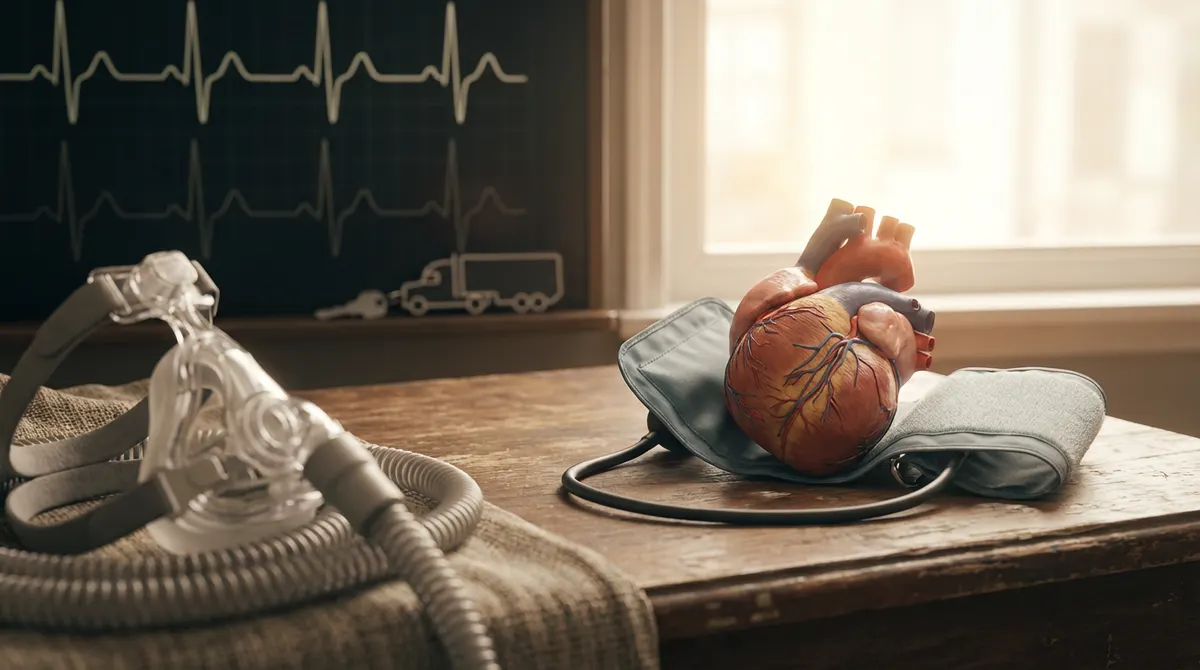
Beyond road safety, untreated sleep apnea carries serious long-term health consequences for the driver. Mayo Clinic explains that sudden drops in blood oxygen levels during obstructive sleep apnea episodes increase blood pressure and place strain on the cardiovascular system. Many people with OSA develop high blood pressure, which in turn raises the risk of heart disease.
Mayo Clinic further notes that the worse the obstructive sleep apnea, the greater the risk of coronary artery disease, heart attack, heart failure, and stroke. Cardiovascular health is also directly connected to the DOT physical certification process, because blood pressure is a key clinical measurement at every examination. OSA is also recognised as an independent risk factor for hypertension, meaning the two conditions reinforce each other in ways that complicate long-term driver health management.
The Impact of "Micro-sleeps" on Commercial Motor Vehicle Operation

A micro-sleep is a brief, involuntary episode of sleep lasting between one and thirty seconds. In the context of commercial motor vehicle operation, a driver travelling at 60 miles per hour who experiences even a five-second micro-sleep travels the length of nearly two football fields without conscious awareness of the road. Fatigue-related micro-sleeps are directly linked to lane departure events, rear-end collisions, and run-off-road crashes.
According to the National Academies of Sciences, Engineering, and Medicine, approximately 10% to 20% of fatal truck and bus crashes each year involve driver fatigue. This is the public safety context that explains why medical examiners are trained to screen for sleep disorders and why CPAP compliance is treated as a non-negotiable condition of continuing medical certification.
DID YOU KNOW: According to the FMCSA, research indicates drivers with sleep apnea are seven times more likely to be involved in an automobile accident than drivers without the condition.
KEY TAKEAWAY: Untreated obstructive sleep apnea is a documented road safety hazard, which is why sleep apnea screening is treated as a priority at every DOT physical examination.
Understanding why examiners care about sleep apnea sets the foundation for understanding exactly what they look for when you walk in for your physical.
The Medical Examiner's Checklist: What They Look For During the Exam
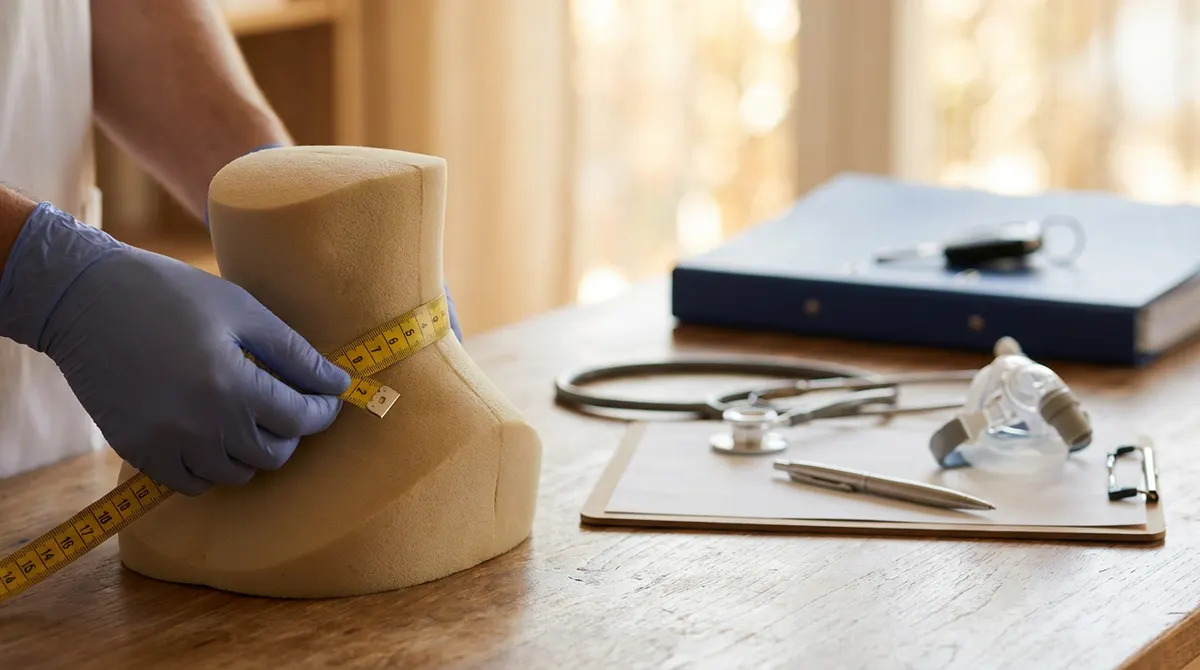
Medical examiners use a combination of physical measurements, clinical observations, and medical history review to assess whether a commercial driver requires a sleep apnea referral. The 2024 edition of the FMCSA Medical Examiner's Handbook provides the current guidance framework that certified medical examiners are required to follow.
No single factor automatically triggers a referral. Examiners typically apply a threshold model: drivers with a Body Mass Index (BMI) above 40 are generally recommended for a sleep study regardless of other factors, while drivers with a BMI over 30 who also present three or more additional risk indicators are similarly referred. Knowing which factors are assessed helps you prepare for the examination accurately.
Physical Indicators: Body Mass Index (BMI) and Neck Circumference

Body Mass Index is one of the most commonly applied screening thresholds in DOT physical sleep apnea assessment. Examiners generally follow guidance suggesting that drivers with a BMI of 40 or higher should be referred for a sleep study. Drivers with a BMI over 33 who also present additional clinical risk factors may also be referred, depending on the examiner's judgment.
Neck circumference is the second key physical indicator. FMCSA guidance cites a neck size of 17 inches or more in males and 15.5 inches or more in females as a clinical trigger point. A larger neck circumference indicates a greater volume of soft tissue around the airway, which increases the likelihood of obstruction during sleep. These two measurements are quick, non-invasive, and performed at every DOT physical examination as part of the standard medical evaluation.
Clinical Observations: Mallampati Classification and Retrognathia

The Mallampati Classification is a clinical scoring tool used to assess the visibility of oropharyngeal structures, specifically how much of the soft palate, uvula, and tonsils are visible when the patient opens their mouth. According to the Sleep Foundation, the scale runs from Class I, where all structures are visible, to Class IV, where only the hard palate is visible. Research suggests that for every one-point increase on the Mallampati scale, a patient's risk of having OSA more than doubles.
Retrognathia, the condition where the lower jaw sits further back than normal, is also assessed during the physical examination because it reduces the dimensions of the upper airway. Both a Class III or Class IV Mallampati score and the presence of retrognathia are listed in FMCSA guidance as clinical indicators that should prompt a sleep apnea evaluation when combined with other risk factors.
Beyond the Physical: Reviewing Medical History and High Blood Pressure

The DOT health history form (MCSA-5875) asks drivers directly whether they have a history of sleep disorders, pauses in breathing during sleep, daytime sleepiness, or loud snoring. Answering yes to any of these questions flags the driver for further clinical review. Medical history review is therefore not a passive process: it is an active screening tool that experienced examiners use alongside physical measurements to build a full clinical picture.
High blood pressure is among the most significant comorbid indicators. Hypertension, both treated and untreated, is listed in FMCSA expert panel guidance as a risk factor that contributes toward the referral threshold when combined with a BMI over 30. A driver who presents elevated blood pressure readings at the time of their DOT physical examination, especially if readings are above 140/90 mmHg, may face a more detailed inquiry about sleep patterns and daytime fatigue.
Identifying Symptoms: Witnessed Apneas and Excessive Daytime Sleepiness
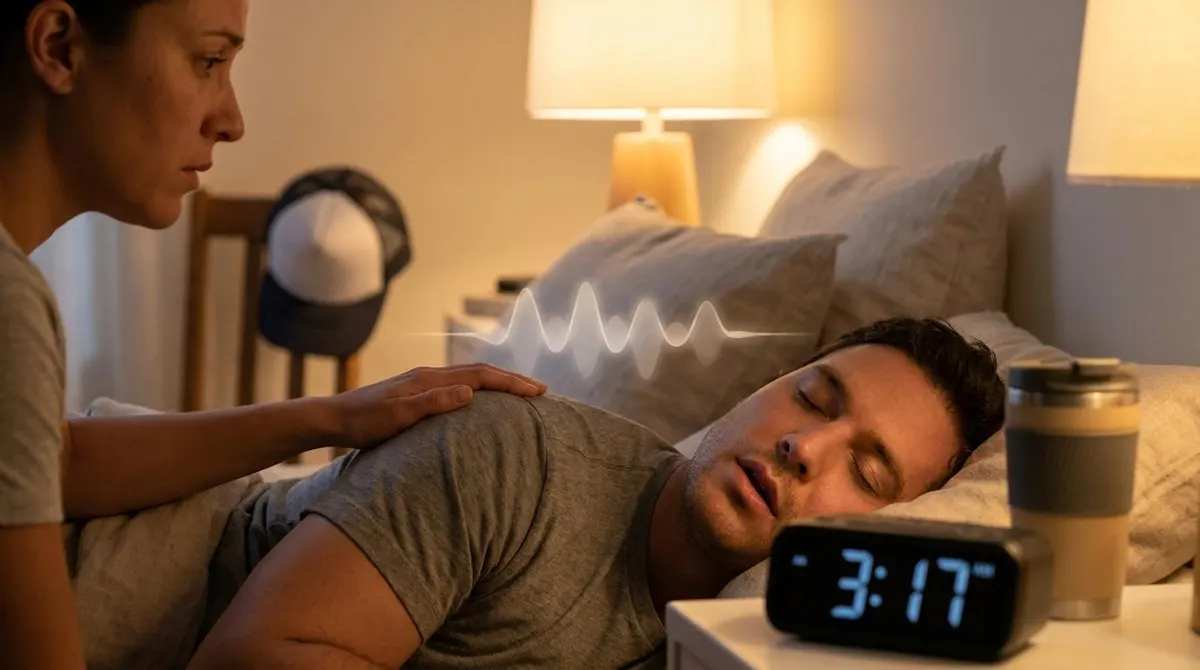
Witnessed apneas are breathing pauses observed by a bed partner or others while the driver is asleep. When a driver reports witnessed apneas on their health history form, or when a family member has raised the concern, this is treated as a direct clinical indicator and one of the strongest single predictors of obstructive sleep apnea. Examiners weigh this information heavily.
Excessive daytime sleepiness (EDS) is the symptom that most directly affects driving safety and is therefore the most scrutinised by medical examiners. Drivers who report difficulty staying alert while driving, unintentional napping, or persistent fatigue that is not resolved by a full night of sleep are likely to be referred for further evaluation regardless of their physical measurements. EDS is the bridge between a sleep disorder diagnosis and an active driving safety risk.
KEY TAKEAWAY: Medical examiners assess BMI, neck circumference, Mallampati classification, blood pressure, medical history, witnessed apneas, and daytime sleepiness together to determine whether a sleep apnea referral is warranted.
Knowing what the examiner checks allows you to go into the physical fully prepared rather than being caught off guard by a referral request.
The "Pre-Physical Audit": Assessing Your Risk Factors

The most effective strategy for managing your DOT physical and sleep apnea risk is to audit your own risk profile before you walk through the door. This means reviewing the same clinical checklist that your medical examiner will apply, identifying any areas where you meet referral thresholds, and either addressing those factors proactively or preparing the documentation needed to demonstrate effective management.
A pre-physical audit is not about hiding medical information. Full and accurate disclosure on the MCSA-5875 health history form is a legal and ethical requirement. The goal of a personal risk review is to avoid surprises, ensure you have the right documentation ready, and understand what follow-up care or testing you may need to arrange before or after the examination.
Identifying Personal Red Flags Before the Appointment

Review the following before your DOT physical examination: your current BMI and neck measurement, your blood pressure readings over the previous 30 days, whether you have ever been told you stop breathing during sleep, and whether you regularly feel fatigued or drowsy during the day. If you score positively on three or more of the FMCSA risk factor indicators, there is a good chance your examiner will recommend a sleep study.
Arriving at your physical with documentation of any existing conditions, any specialist consultations, and any current treatment plans puts you in the strongest possible position. Examiners respond positively to drivers who demonstrate awareness of their health and active engagement with treatment. A driver who brings CPAP compliance data is viewed very differently from one who reports symptoms but presents no supporting records.
The Role of Secondary Conditions: Type 2 Diabetes and Hypothyroidism
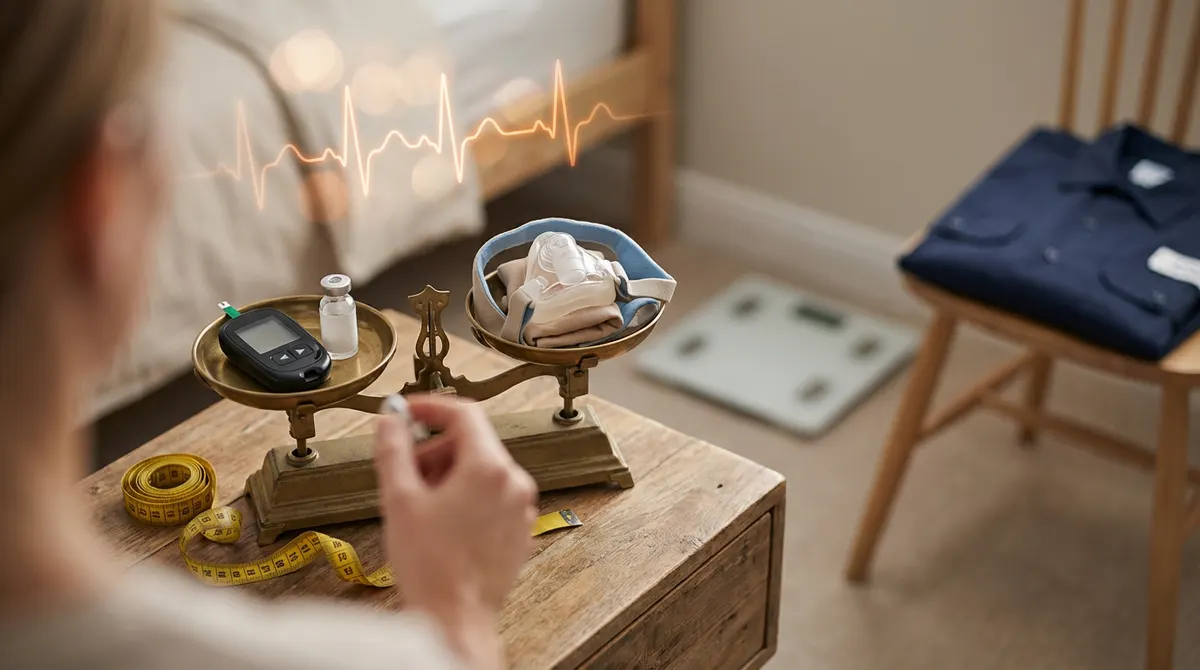
Type 2 diabetes has a well-documented bidirectional relationship with obstructive sleep apnea. Research published in PMC indicates that OSA is independently associated with insulin resistance, glucose intolerance, and the progression of type 2 diabetes. The mechanisms include intermittent hypoxia, disrupted sleep architecture, and elevated cortisol, all of which impair blood sugar regulation. For this reason, a diagnosis of type 2 diabetes is listed in FMCSA screening guidelines as a risk factor that, when combined with a BMI over 30, contributes toward a referral threshold.
Hypothyroidism, specifically untreated hypothyroidism, is also listed as a contributing risk factor. An underactive thyroid can cause weight gain, reduce respiratory muscle tone, and increase the likelihood of upper airway obstruction during sleep. Drivers with hypothyroidism who are not currently receiving treatment should discuss this with their primary care physician before their DOT physical, as untreated thyroid conditions can independently affect certification eligibility.
Why Loud Snoring and Respiratory Dysfunction Trigger Referrals
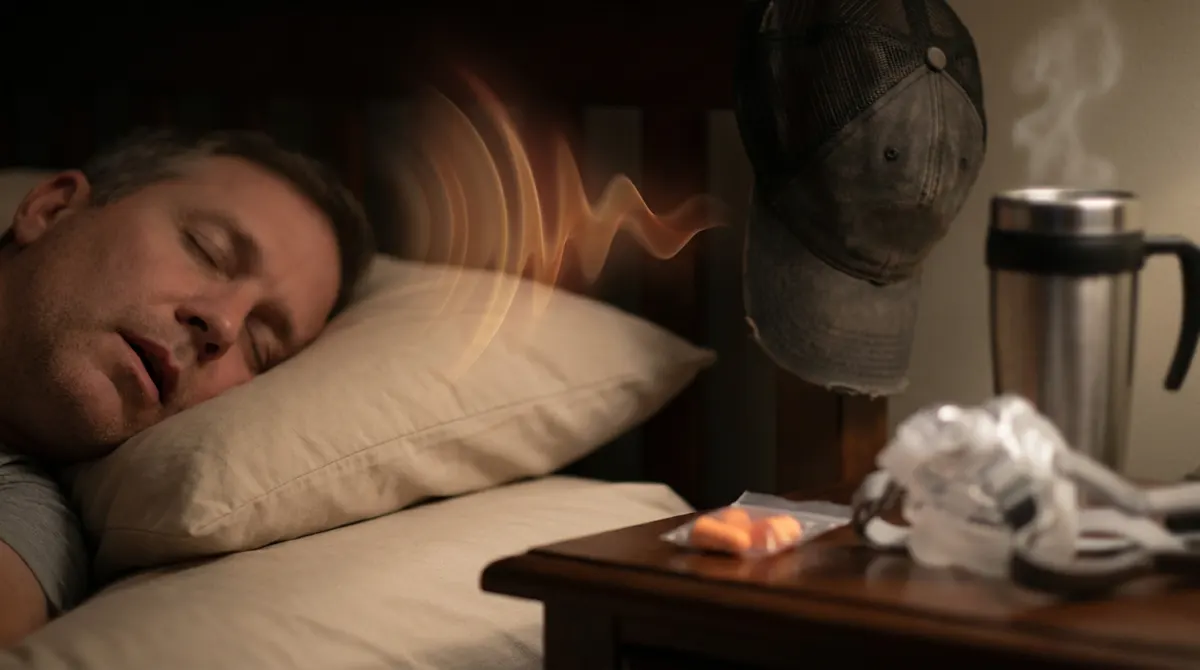
Loud snoring is the most commonly reported symptom of obstructive sleep apnea and one of the most reliable early indicators available to an examiner working from a patient history alone. Snoring indicates partial upper airway obstruction. When that obstruction becomes complete, it results in an apnea event. Because snoring is a precursor to full obstruction, it is weighted alongside other clinical findings when assessing referral necessity.
Respiratory dysfunction more broadly includes any finding that suggests impaired airflow or oxygen delivery during sleep. This can include a history of choking or gasping on waking, recurrent nighttime waking, or a documented history of low blood oxygen levels during sleep. These factors signal that the body's respiratory system is not maintaining consistent function overnight, which is the clinical definition of a disorder that could interfere with safe daytime driving.
KEY TAKEAWAY: Conducting a personal pre-physical audit against the FMCSA risk factor checklist allows you to approach your DOT physical examination fully prepared and with the right documentation ready.
Once a referral is made, the next phase of the process begins, and understanding what happens during a sleep study referral is essential for navigating it efficiently.
What Happens If You Are Referred for a Sleep Study?

If your medical examiner refers you for a sleep study, they will typically issue a 90-day temporary medical certification period. This short-term certificate gives you the legal right to continue driving commercially while you complete the sleep apnea evaluation process and begin treatment if a diagnosis is confirmed. The 90-day window is your working timeline for getting tested, receiving results, starting therapy, and generating compliance data.
Delaying the sleep study is not a viable strategy. Failing to complete the evaluation within the certification period results in the expiration of your medical card, which means you cannot legally operate a commercial motor vehicle. Starting the process immediately after referral is strongly recommended, and providers in your area who specialize in DOT-compliant sleep testing can help you move through the process efficiently.
The 90-Day Temporary Medical Certification Period
The 90-day certificate is a conditional authorisation, not a full clearance. It signals that the examiner has identified a potential concern but is allowing the driver to continue working while the concern is investigated. Medical examiners may also issue shorter certificates if they have specific concerns about the severity of the driver's symptoms.
Once you complete your sleep study and receive a diagnosis or a clear result, you return to your examiner with the documentation. If your results show no significant sleep apnea, or if your AHI (Apnea-Hypopnea Index) falls below disqualifying thresholds, the examiner may issue a standard one- or two-year medical certificate. If treatment is indicated, the timeline for full re-certification depends on how quickly you establish and document compliance.
In-Lab Sleep Testing vs. Home Obstructive Sleep Apnea Testing

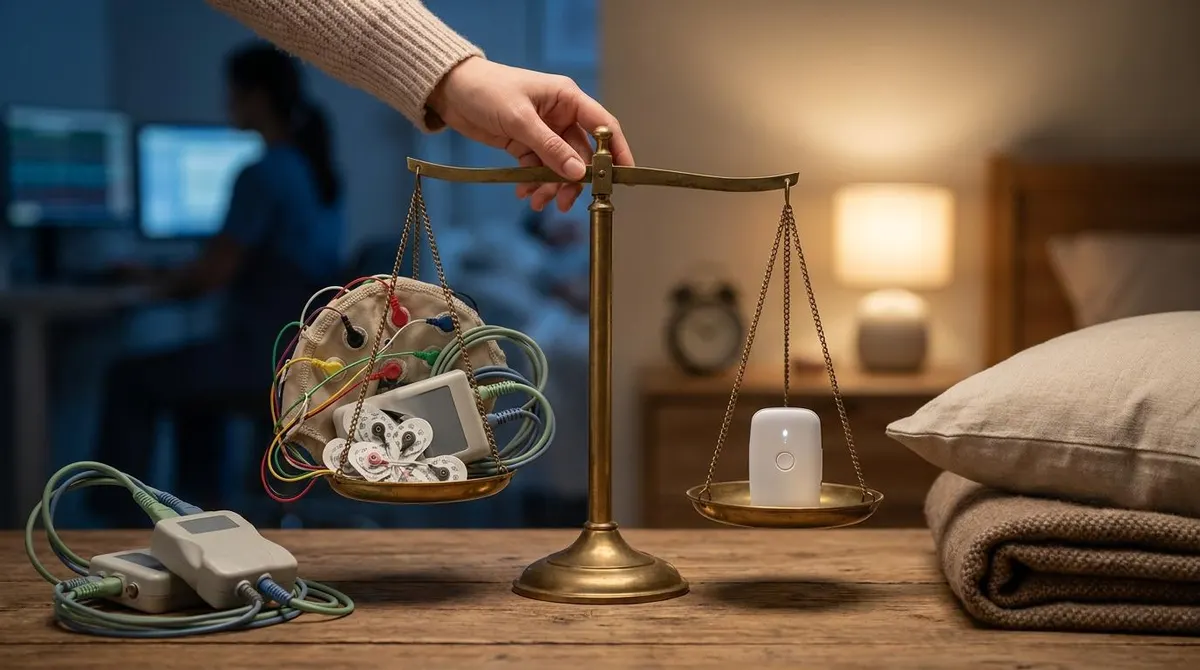
There are two primary options for completing a DOT-referred sleep study: in-lab polysomnography and home obstructive sleep apnea testing (HSAT). In-lab polysomnography is considered the gold standard because it tracks more than 20 physiological signals simultaneously, including brain wave activity, muscle movement, and full sleep staging. However, it typically costs between $1,000 and $3,000 and requires an overnight stay at a sleep lab facility.
Home obstructive sleep apnea testing uses a portable device worn overnight in your own bed. It measures airflow, blood oxygen levels, and heart rate. According to a comparison of the two approaches, home sleep tests are accurate for diagnosing moderate to severe obstructive sleep apnea, which covers the range most clinically relevant to DOT certification decisions. The at-home sleep test from Dumbo.Health is available at a one-time cost of $149, with no insurance required and no prior authorisation needed, making it one of the most accessible options for commercial drivers who need to move quickly through the referral process.
| Feature | Home Sleep Test | In-Lab Polysomnography |
|---|---|---|
| Cost | $149 to $500 | $1,000 to $3,000 |
| Setting | Your own home | Sleep lab facility |
| Turnaround | Typically 1 to 3 days | 3 to 7 days or more |
| Signals Tracked | Airflow, oxygen, heart rate | 20+ including brain activity |
| Best For | Moderate to severe OSA screening | Complex or atypical presentations |
| DOT Acceptance | Accepted by most examiners | Universally accepted |
| Convenience | High | Low |
For most commercial drivers referred for a routine sleep apnea evaluation, a home sleep test is the fastest, most affordable, and most convenient starting point. Drivers with complex medical histories or atypical symptom presentations may be directed by their examiner to complete an in-lab study instead.
Understanding the Results: Mild, Moderate, and Severe Sleep Apnea
Sleep apnea severity is measured using the Apnea-Hypopnea Index (AHI), which counts the number of breathing interruptions per hour of sleep. An AHI of fewer than 5 events per hour is considered normal. An AHI of 5 to 14 events per hour is classified as mild, 15 to 29 as moderate, and 30 or more as severe.
For DOT medical certification purposes, the FMCSA identifies moderate to severe sleep apnea as the disqualifying threshold when untreated. Mild sleep apnea with no daytime sleepiness may be certified without mandatory treatment in some cases, depending on the individual examiner's clinical assessment. However, most drivers with an AHI above 5 will be advised to begin treatment and will receive a shortened certification period until compliance is demonstrated.
KEY TAKEAWAY: Most commercial drivers referred for a sleep study can use an at-home sleep apnea test as their first step, which is faster and significantly less expensive than an in-lab study.
Once a sleep apnea diagnosis is confirmed, the focus shifts to treatment, and understanding what compliance actually means for your CDL is the most important knowledge a driver can have.
CPAP Therapy and Compliance: The Key to Keeping Your CDL
CPAP therapy is the cornerstone treatment for moderate to severe obstructive sleep apnea in commercial drivers. Continuous Positive Airway Pressure (CPAP) works by delivering a constant flow of pressurised air through a mask worn during sleep, which keeps the upper airway open and prevents the obstructive events that cause OSA. For DOT purposes, CPAP is the preferred treatment because its built-in data logging provides objective, verifiable compliance records.
Treatment of obstructive sleep apnea using CPAP has been shown to reduce preventable driving accidents among drivers diagnosed with OSA by as much as 73%, according to research cited in clinical DOT compliance literature. This is why medical examiners, carriers, and the FMCSA all prioritise documented CPAP use when making certification decisions. The CPAP therapy programme from Dumbo.Health is available without insurance, without prior authorisations, and with no surprise bills, making ongoing compliance straightforward and financially predictable for owner-operators and fleet drivers alike.
How CPAP Machines Track Usage Data for DOT Compliance

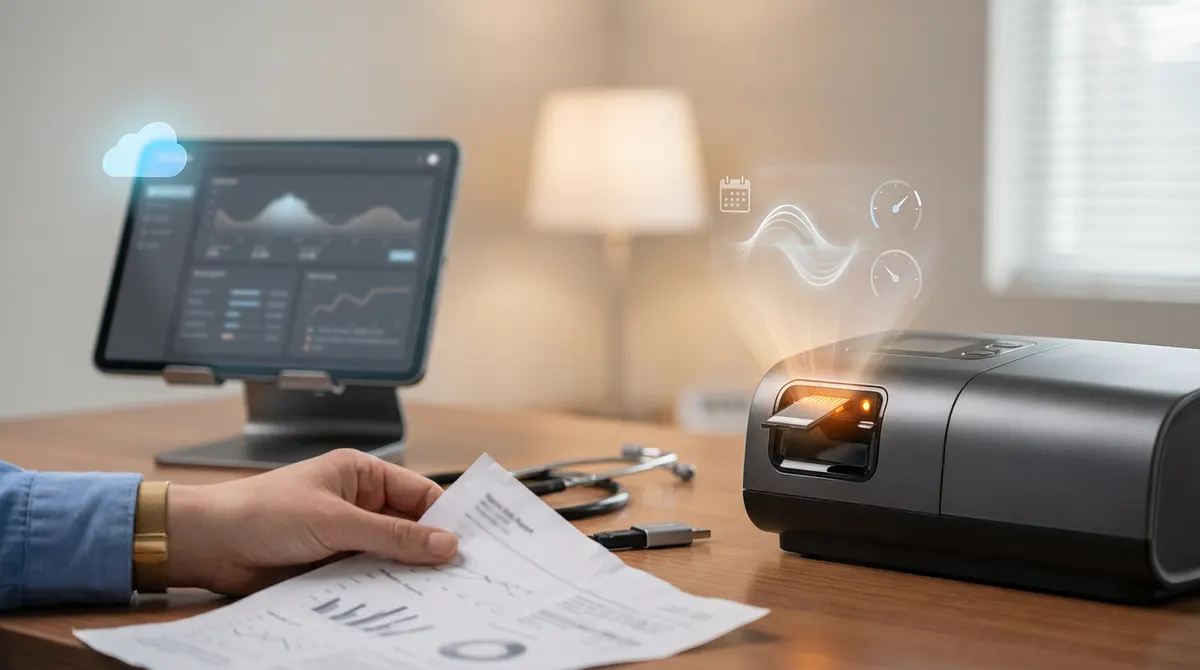
Modern CPAP machines store detailed usage data on a built-in memory card or cloud-connected chip. This data records the date and time of each use, the duration of use each night, the pressure settings applied, and the estimated residual AHI during use. This information is accessible to your sleep physician and can be exported as a compliance report specifically formatted for presentation to a certified medical examiner.
The data tracked by CPAP machines is the primary evidence a medical examiner will review when deciding whether to renew your medical card at your annual re-certification. Examiners will ask for this report, and drivers who cannot produce it or who show inconsistent usage patterns risk having their certification deferred or reduced to a shorter period while compliance improves.
The "4-Hour Rule": Meeting the Minimum Treatment Regimen
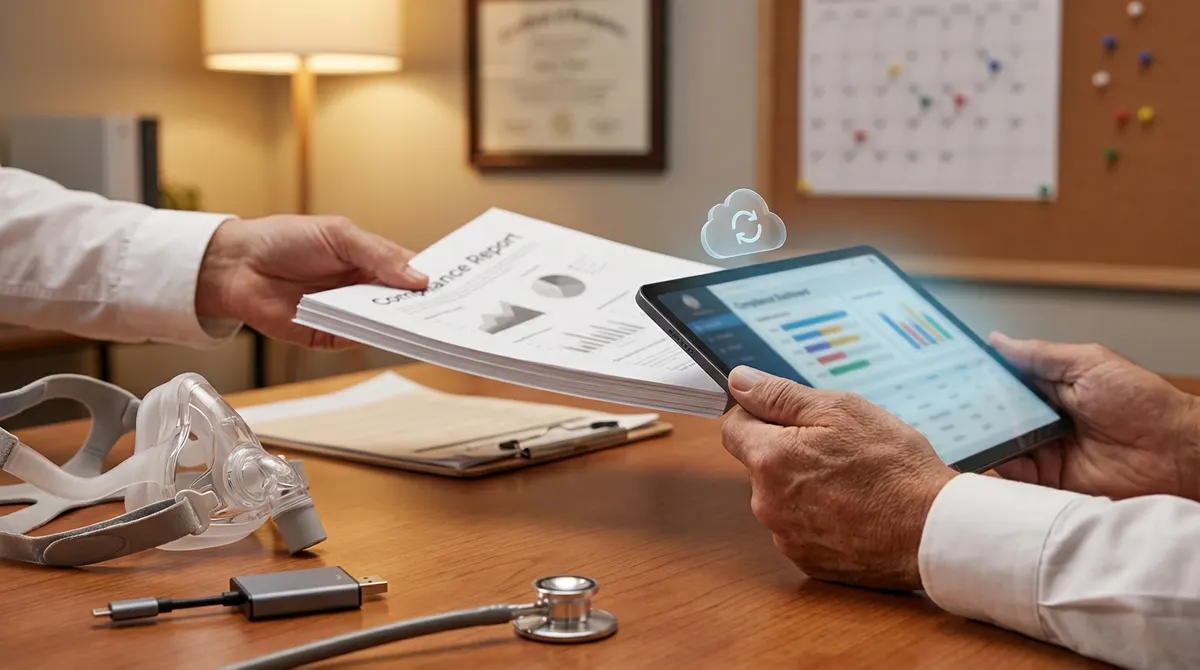
The 4-hour rule is the practical compliance standard applied by most certified medical examiners and supported by FMCSA guidance. To be considered compliant, a commercial driver must use their CPAP machine for at least 4 hours per night on at least 70% of nights over a rolling 30-day period. This means that in any given 30-day period, the driver must use their device for 4 hours or more on at least 21 out of 30 nights.
The 4-hour minimum refers to continuous or cumulative use per night. Drivers who use their machine intermittently but fall below 4 total hours on a given night will have that night counted as non-compliant. The 70% threshold means occasional missed nights do not automatically disqualify a driver, but habitual under-use will result in a failed compliance review. Understanding this standard before starting treatment makes consistent use much easier to maintain.
Generating a Compliance Report for Your Medical Examiner
A compliance report is a printed or digital summary of your CPAP usage data for a specified period, typically the most recent 30 to 90 days. Most CPAP machines generate this report through manufacturer-provided software or a connected application. Your sleep physician or a specialist provider such as Dumbo.Health can also generate and format this report on your behalf.
At your annual DOT physical re-certification, you will be required to present this compliance report as proof that your sleep apnea treatment is effective and consistent. Drivers who arrive for their DOT physical examination without a current compliance report will typically receive only a short-term certification extension while the documentation is obtained. Planning ahead and requesting your compliance report at least two weeks before your physical appointment avoids unnecessary delays.
Alternative Treatments: Oral Device Therapy and AutoPAP Machines

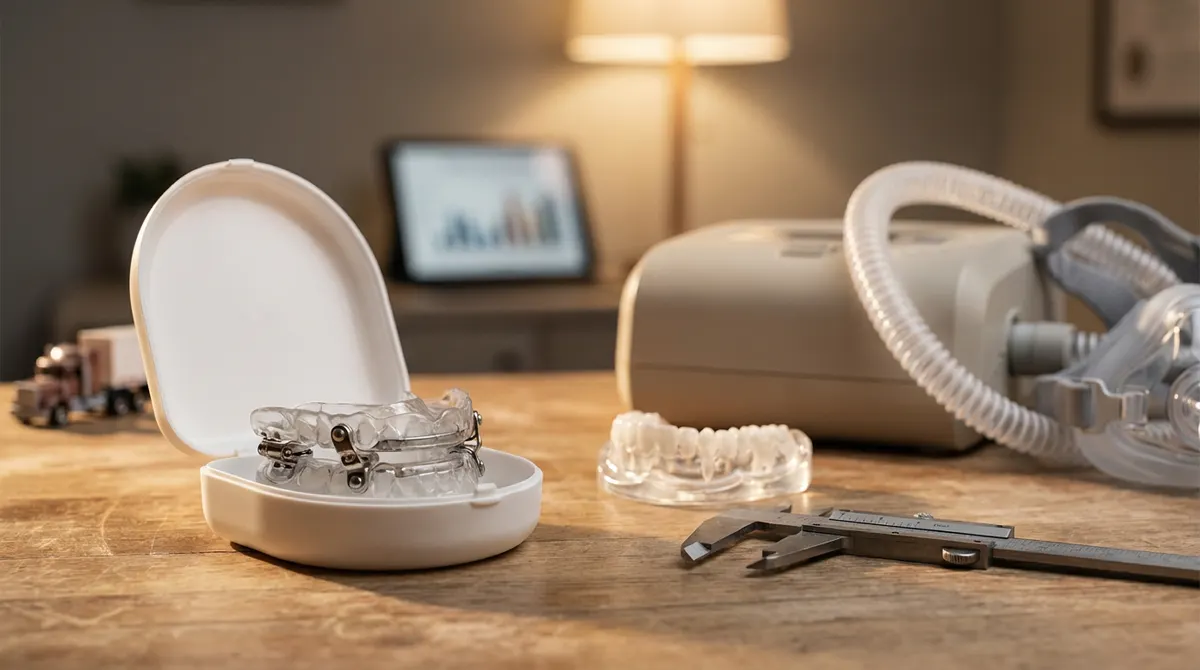
Oral device therapy involves a custom-fitted mandibular advancement device, worn during sleep to reposition the jaw and keep the airway open. According to specialist guidance on DOT compliance, oral appliances are generally only acceptable as a primary treatment option when the driver's initial AHI is below 30. Drivers using oral device therapy are required to undergo a follow-up sleep study to document treatment effectiveness, with a target AHI of 5 or below, and up to 10 in some cases.
An AutoPAP machine, also known as an Automatic Positive Airway Pressure device, automatically adjusts its pressure settings in real time based on detected breathing patterns. AutoPAP devices generate the same compliance data as standard CPAP machines and are accepted by most medical examiners for DOT purposes. Drivers who struggle with the fixed-pressure delivery of a standard CPAP machine often find AutoPAP more comfortable and easier to tolerate, which supports better long-term compliance.
TIP: If you are struggling with CPAP tolerance, ask your sleep physician about switching to an AutoPAP machine. The auto-adjusting pressure is gentler and many drivers find it significantly easier to use consistently, which protects your compliance record.
KEY TAKEAWAY: CPAP compliance means using your device for at least 4 hours per night on 70% of nights over a 30-day period, and documenting this with a compliance report for your medical examiner.
With treatment and compliance established, the next consideration is how the certification timeline works in practice and what to expect at each stage of the process.
Navigating the Certification Timeline

The certification timeline for commercial drivers with sleep apnea follows a predictable structure once a driver understands the process. The initial certification after a new diagnosis is shorter than a standard medical card. The path to a full one-year or potentially two-year medical card depends on documenting consistent treatment compliance and demonstrating that daytime symptoms are controlled.
This timeline is not a punishment. It is a structured medical monitoring framework designed to confirm that treatment is working before a longer certification period is granted. Drivers who engage actively with their treatment and their documentation typically move through the process smoothly.
Initial Certification vs. Re-certification While on Treatment

When a driver is newly diagnosed with sleep apnea, the medical examiner will typically issue a 90-day medical certificate to allow time for treatment to begin and compliance to be established. After the initial 90-day period, the driver returns for a follow-up evaluation with CPAP compliance data. If compliance is demonstrated and daytime symptoms are resolved, the examiner will typically issue a one-year medical certificate.
Re-certification while on treatment follows an annual cycle. Each year, the driver must present their current CPAP compliance report, confirm that their condition remains well-controlled, and pass the standard physical qualification standards. Drivers who maintain consistent compliance and have no other disqualifying conditions may eventually be considered for a two-year medical card, although the specifics of this decision remain within the examiner's discretion.
Why Sleep Apnea Diagnosis Often Leads to a One-Year Medical Card

A one-year medical card is the standard outcome for drivers with a confirmed and treated sleep apnea diagnosis. This shortened certification period, compared to the standard two-year maximum, exists because sleep apnea is a chronic condition that requires ongoing monitoring. Annual re-certification gives the examiner the opportunity to review compliance data, check blood pressure and other cardiovascular indicators, and confirm that the treatment plan is still achieving the desired clinical outcome.
The one-year cycle is manageable for most drivers and does not require significant disruption to working schedules. The key is building the habit of consistent CPAP use and maintaining good records throughout the year, so that each annual physical becomes a straightforward documentation process rather than a stressful event.
Managing the Cost: Insurance, Telemedicine, and Sleep Lab Expenses
Sleep apnea care costs are a significant practical concern for commercial drivers, particularly owner-operators and those without employer-provided health insurance. Traditional in-lab sleep studies can cost between $1,000 and $3,000 before insurance. CPAP machines without insurance coverage typically range from $500 to $1,500 for the device alone, with ongoing costs for masks and supplies.
Dumbo.Health offers transparent, cash-pay sleep apnea care with no insurance required, no prior authorisations, and no surprise bills. The one-time home sleep test is $149. Monthly treatment plans start at $59 per month for the Essentials Plan, which includes physician interpretation and report, CPAP therapy and equipment, standard follow-up care, and updates sent to your referring provider. The Premium Plan at $89 per month adds a dedicated sleep coach, advanced adherence monitoring, and priority results turnaround. For drivers who need concierge-level support, the Elite Plan at $129 per month includes direct physician messaging and custom compliance reporting. No contracts are required on any plan, and you can cancel at any time. Explore the full range of sleep apnea care solutions at Dumbo.Health.
| Plan | Monthly Cost | Key Inclusions | Best For |
|---|---|---|---|
| Essentials | $59/month | Physician review, CPAP equipment, standard follow-up | Drivers who need reliable, affordable care |
| Premium | $89/month | Everything in Essentials + sleep coach, priority turnaround | Drivers who want active compliance support |
| Elite | $129/month | Everything in Premium + direct physician messaging, custom reports | Owner-operators needing concierge support |
| Home Sleep Test | $149 one-time | At-home device, one night of testing | All drivers needing initial diagnosis |
KEY TAKEAWAY: Transparent, cash-pay sleep apnea care removes the financial uncertainty that often causes drivers to delay testing, and Dumbo.Health plans cover everything from diagnosis through treatment and compliance reporting.
Managing the cost is just one of several common obstacles drivers face. Knowing how to handle practical challenges keeps your CDL and your health on track.
Common Obstacles and How to Overcome Them
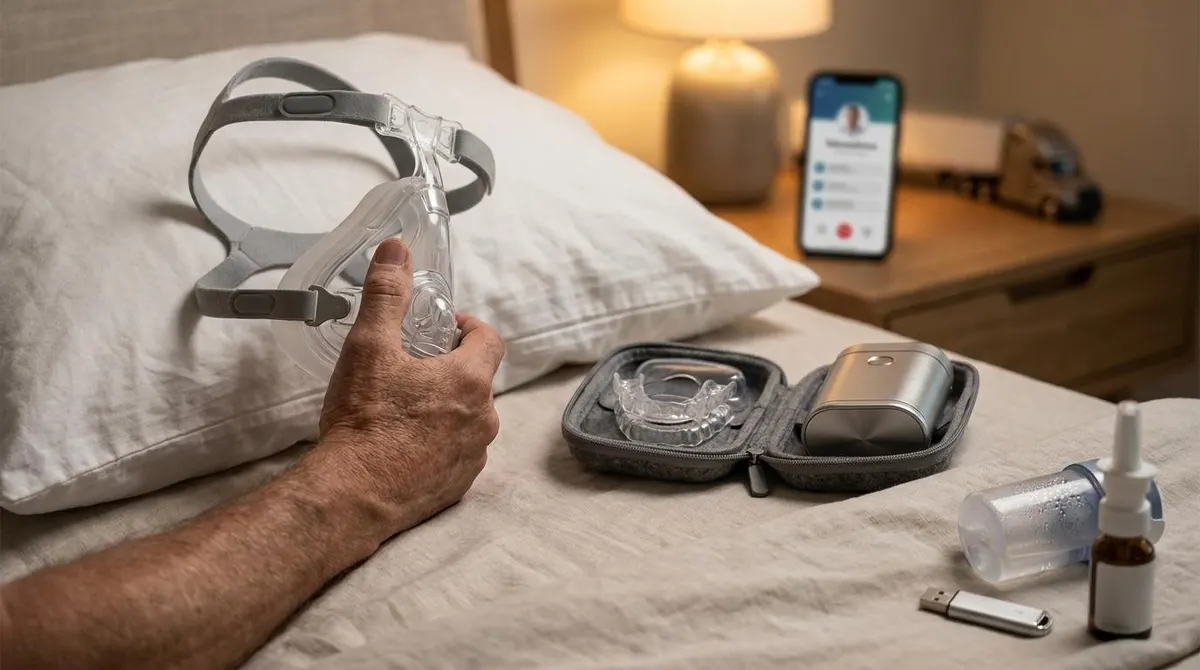
Many commercial drivers encounter practical difficulties after a sleep apnea diagnosis that have nothing to do with their willingness to comply. CPAP intolerance, uncertainty about second opinions, and a lack of clarity about the appeals process are all navigable challenges with known solutions. Addressing them proactively is far better than allowing them to disrupt your certification.
The most important principle when facing any obstacle in the DOT certification process is to communicate openly with your medical examiner and your treating physician. Examiners who see a driver actively trying to manage their condition will apply far more clinical flexibility than they would with a driver who appears to be avoiding the issue.
What to Do If You Can't Tolerate a CPAP Machine

CPAP intolerance is a genuine clinical challenge. Common issues include discomfort with the mask, difficulty tolerating the air pressure, claustrophobia, nasal congestion, and dry mouth. Studies estimate that up to 46% of CPAP users report difficulty with adherence in the first three months of use, which is why ongoing clinical support matters so much during this period.
If standard CPAP is difficult to tolerate, the first step is to contact your sleep physician or care provider. Adjustments to mask type, pressure settings, and humidity levels resolve the majority of comfort issues. Switching to an AutoPAP machine, which delivers variable pressure rather than a fixed setting, often resolves pressure intolerance. Oral device therapy may be an option for drivers with mild to moderate sleep apnea who cannot tolerate any form of positive airway pressure therapy, provided a follow-up sleep study confirms treatment effectiveness. Dumbo.Health's dedicated sleep coach in the Premium Plan and concierge clinical support in the Elite Plan are specifically designed to help drivers through these early compliance challenges.
Can You Get a Second Opinion? The Role of the Primary Care Physician

You have the right to seek a second opinion from another certified medical examiner if you disagree with a certification decision. According to DOT compliance guidance, a driver who seeks a second opinion must provide the second examiner with the same complete and honest health history provided to the first examiner. Inconsistency in disclosed medical history between examiners is treated as "doctor shopping," which can result in the driver being flagged across the National Registry of Certified Medical Examiners.
Your primary care physician also plays an important role in the certification process, particularly in managing secondary conditions like high blood pressure, type 2 diabetes, or hypothyroidism that may influence your examiner's assessment. A primary care physician who provides a clear, documented letter of support confirming that these conditions are under control can significantly strengthen your case for certification. If conflicting decisions from two different examiners cannot be resolved between the driver and the carrier, the dispute resolution process is governed by 49 CFR Section 391.47.
Understanding the Appeals Process for Medical Certification

If you receive a determination that you are not medically qualified and you believe the decision is incorrect, you may apply for an exemption or request a review through the FMCSA's formal process. The FMCSA administers a medical exemption programme that allows drivers with certain conditions to operate commercially under defined conditions when they can demonstrate that they can do so safely.
Appeals require documented medical evidence, compliance history, and a formal application. The process takes time and does not stay a disqualification during review, which is why prevention through proactive treatment and documentation is always preferable to an after-the-fact appeal. Working with a sleep disorder expert who is familiar with DOT certification requirements from the outset makes a successful certification outcome significantly more likely.
KEY TAKEAWAY: CPAP intolerance, second opinions, and appeals all have structured pathways that can be navigated with the right clinical support, making permanent disqualification far less likely than many drivers fear.
Addressing obstacles is part of the short-term picture. The long-term picture is about proactive health strategies that protect both your CDL and your wellbeing on the road.
Common Myths About Sleep Apnea Debunked

Many commercial drivers delay testing or avoid disclosure because of persistent misconceptions about what a sleep apnea diagnosis means for their career. Understanding the facts clearly and early is the best protection against decisions based on fear rather than evidence.
MYTH: If you have sleep apnea, you will automatically lose your CDL.
FACT: The FMCSA states clearly that sleep apnea is not a per se disqualifying condition. The FMCSA's own guidance confirms that drivers who successfully treat their sleep apnea can regain or maintain their medically-qualified-to-drive status. Thousands of commercial drivers across the United States hold valid medical cards while managing obstructive sleep apnea with CPAP therapy. Diagnosis followed by treatment and compliance is the path to keeping your CDL, not losing it.
MYTH: A home sleep test is not accurate enough to use for a DOT physical referral.
FACT: Home obstructive sleep apnea testing is accepted by most certified medical examiners for DOT physical purposes and is validated by research for diagnosing moderate to severe OSA, which is the clinically relevant range for DOT certification decisions. The American Academy of Sleep Medicine recognises home sleep apnea testing as an appropriate diagnostic tool for adults with a high clinical probability of moderate to severe OSA. Most medical examiners will accept these results; a small number prefer in-lab polysomnography, so always confirm with your specific examiner before testing.
MYTH: You only need to worry about sleep apnea if you snore loudly.
FACT: Loud snoring is a common symptom of obstructive sleep apnea but not a universal one. According to the Sleep Foundation, not all people with sleep apnea snore, and not all people who snore have sleep apnea. Many OSA sufferers experience the condition silently, with excessive daytime sleepiness, morning headaches, and poor concentration as their primary symptoms. The FMCSA screening criteria include BMI, neck circumference, blood pressure, diabetes, and witnessed apneas, none of which require snoring as a prerequisite. Assuming you are not at risk because you do not snore is one of the most dangerous misconceptions in this space.
MYTH: Once you are on CPAP, you will never get a two-year medical card again.
FACT: Drivers with well-controlled sleep apnea who demonstrate consistent CPAP compliance and have no other disqualifying conditions may receive a two-year medical card at the examiner's discretion. While a one-year card is the most common outcome for drivers on CPAP therapy, the two-year option is not categorically off the table. The examiner's decision depends on the overall clinical picture, including treatment adherence, blood pressure control, and the absence of daytime impairment.
MYTH: Sleep apnea treatment is too expensive without insurance.
FACT: Cash-pay sleep apnea care is available at transparent, predictable prices. The at-home sleep test from Dumbo.Health is a one-time cost of $149. Monthly treatment plans covering physician review, CPAP equipment, and compliance support start at $59 per month with no contracts and no surprise bills. This makes professional, DOT-compliant sleep apnea care accessible to owner-operators and self-pay drivers who may have previously assumed the cost was prohibitive.
KEY TAKEAWAY: The most dangerous sleep apnea myths are the ones that cause drivers to delay testing and treatment, because delay is the one action that genuinely does put a CDL at risk.
Separating myth from fact is the first step toward proactive health management. The next is building sustainable habits that protect your health and your career for the long term.
Maintaining Your Health and Your Career: Proactive Strategies

Proactive health management is the most effective long-term strategy for commercial drivers with sleep apnea. Addressing the underlying conditions that worsen OSA, building consistent sleep patterns, and working with a sleep disorder expert to optimise your treatment plan all contribute to better clinical outcomes and a smoother certification process year after year.
Drivers who approach sleep apnea management as an active professional responsibility, rather than a bureaucratic hurdle, consistently report better health outcomes, lower fatigue levels, and greater confidence in their annual DOT physical examinations.
Lifestyle Changes: Weight Management and Smoking Cessation

Weight management is one of the most clinically significant lifestyle changes a driver with sleep apnea can make. The NIH notes that excess body weight, particularly around the neck and upper airway, is one of the primary modifiable risk factors for obstructive sleep apnea. Research suggests that a 10% reduction in body weight can lead to a 26% reduction in AHI severity. Even modest weight loss improves sleep quality, reduces cardiovascular strain, and can shift a driver's BMI profile away from the thresholds that trigger mandatory sleep study referrals.
Smoking cessation is equally important. The CDC advises that smoking increases airway inflammation and fluid retention in the upper airway, both of which worsen obstructive sleep apnea symptoms. Smokers are also at significantly elevated risk of the cardiovascular complications that OSA already promotes. Drivers who smoke and have a sleep apnea diagnosis face a compounded health risk profile that makes cessation a high-priority clinical recommendation.
The Importance of Consistent Sleep Patterns for Commercial Drivers

Commercial driving schedules often work directly against consistent sleep patterns. Irregular shift timing, time zone changes, and extended hours of service all disrupt the circadian rhythm, which in turn reduces the quality of sleep obtained even when CPAP therapy is in use. According to the CDC, adults need at least 7 hours of sleep per night for optimal health and functioning. Drivers who achieve CPAP compliance but regularly sleep for only 4 or 5 hours are still accumulating a sleep debt that affects alertness and reaction time.
Protecting sleep duration and sleep schedule consistency where possible, even within the constraints of a driving career, significantly amplifies the benefits of sleep apnea treatment. Scheduling the longest rest periods at consistent times, avoiding caffeine in the hours before sleep, and using the CPAP machine consistently during all sleep periods, including rest stop naps, all contribute to better treatment outcomes. If you are unsure whether your sleep patterns are putting you at risk, take the free Dumbo.Health sleep assessment quiz to get a personalised picture of your current sleep health.
Working with a Sleep Disorder Expert to Optimize Treatment
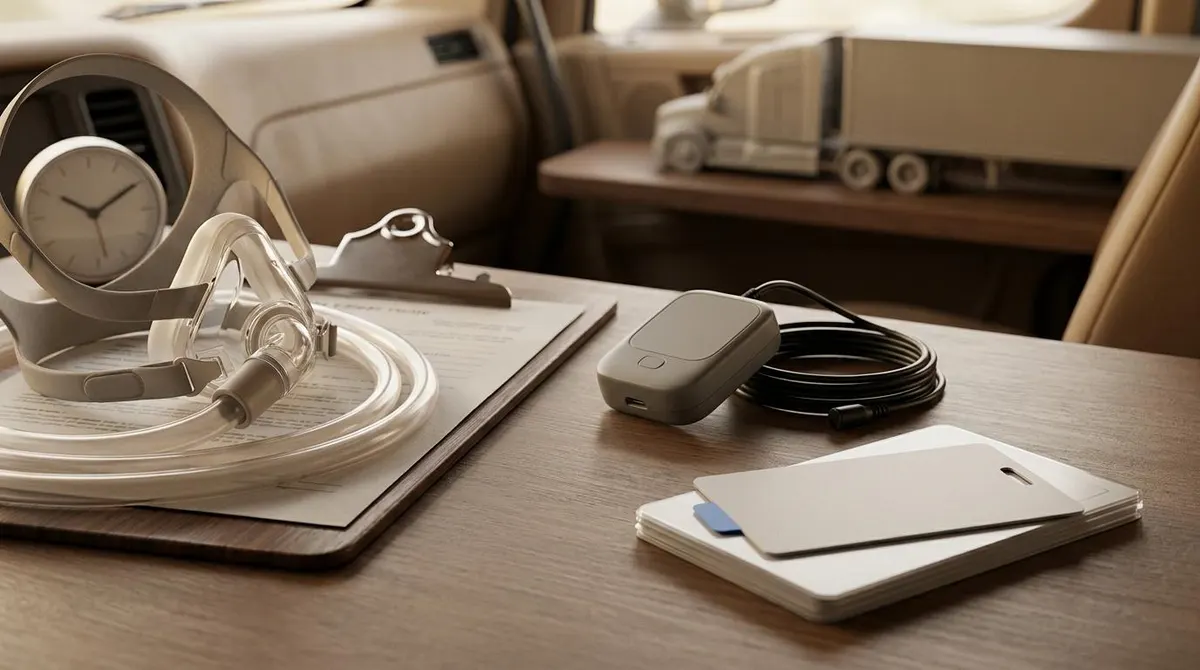
A sleep disorder expert, whether a board-certified sleep physician or a licensed clinical care team with specialist experience, provides a level of oversight that general practitioners cannot always offer. Sleep medicine clinicians understand the nuances of DOT compliance, the technical details of CPAP data interpretation, and the clinical options available when first-line treatments are not achieving optimal AHI reduction.
Clinicians frequently observe that drivers who receive dedicated sleep coaching in the first three months of CPAP therapy achieve significantly better long-term compliance rates than those who manage the process alone. This early support period is where habits are built and tolerance issues are resolved. The Premium Plan from Dumbo.Health includes a dedicated sleep coach and advanced adherence monitoring specifically to address this critical early period. For owner-operators who need direct physician access and custom compliance reporting, the Elite Plan provides concierge clinical support at $129 per month with no contracts.
KEY TAKEAWAY: Lifestyle changes including weight management and smoking cessation, combined with consistent sleep patterns and specialist clinical support, significantly improve both treatment outcomes and long-term CDL certification prospects.
Frequently Asked Questions
Can I pass a DOT physical with sleep apnea?
Yes, you can pass a DOT physical with sleep apnea. The FMCSA does not list sleep apnea as an automatic disqualifying condition. What matters is whether your condition is effectively treated and whether you can demonstrate safe driving fitness. Drivers who are on CPAP therapy and can show compliance data meeting the standard of at least 4 hours per night on 70% of nights are typically certified. Drivers with a new diagnosis will usually receive a 90-day temporary certificate to allow time to establish compliance, followed by a one-year medical card once compliance is confirmed. If you are looking for testing near you, at-home options are available that deliver results quickly and affordably.
Can you fail a DOT physical because of sleep apnea?
You can fail a DOT physical because of sleep apnea, but only if the condition is untreated and moderate to severe, or if you are non-compliant with an existing treatment plan. The FMCSA's position is that a condition that interferes with safe driving is disqualifying, but that successful treatment restores qualification. Drivers who are referred for a sleep study and fail to complete it within the certification period will see their medical card lapse, which is a practical failure of the physical process. Proactive testing and treatment prevent this outcome. Providers in your area, including telehealth options, can help you move through the process quickly.
Is untreated sleep apnea a disqualifying condition during a DOT physical?
Untreated moderate to severe sleep apnea is a disqualifying condition for DOT medical certification. The FMCSA states that moderate to severe sleep apnea that interferes with safe driving meets the threshold for disqualification. Mild untreated sleep apnea with no daytime sleepiness may be certifiable at the examiner's discretion. In all cases, the examiner must determine whether the driver's condition, in its current state, could interfere with the safe operation of a commercial motor vehicle. Beginning treatment promptly after diagnosis and documenting compliance is the most reliable path to certification.
How can commercial drivers manage sleep apnea to pass a DOT physical?
Commercial drivers can manage sleep apnea to pass a DOT physical by completing a sleep study promptly, beginning CPAP or other prescribed therapy, and consistently meeting the 4-hour per night, 70% of nights compliance standard. It also helps to address secondary conditions such as high blood pressure, type 2 diabetes, and excess body weight, all of which influence the examiner's clinical assessment. Building a relationship with a sleep disorder expert who understands DOT requirements makes the annual re-certification process straightforward. Dumbo.Health offers monthly plans starting at $59 that cover physician review, CPAP equipment, and compliance follow-up, all without insurance requirements.
What documentation is needed to show compliance with sleep apnea treatment during a DOT physical?
At your DOT physical re-certification, you will need to provide a CPAP compliance report covering the most recent 30 to 90 days of usage data. This report should show the total number of nights of use, the average hours of use per night, and the percentage of nights meeting the 4-hour minimum. Most CPAP machines generate this data automatically, and your sleep care provider can format it as a printable report. You should also bring your original sleep study results, any letters from your treating physician confirming your diagnosis and treatment plan, and records of any follow-up consultations. Arriving without this documentation will typically result in a short-term certificate extension rather than full re-certification.
Are there any exemptions or waivers for drivers with sleep apnea during DOT physicals?
The FMCSA does not currently offer a specific sleep apnea exemption programme, unlike its programmes for diabetes or vision. However, drivers who do not meet standard certification criteria may apply through the FMCSA's general exemption process if they can demonstrate that they can operate a commercial motor vehicle safely despite their condition. This process requires detailed medical documentation and is evaluated on a case-by-case basis. Most drivers do not need to pursue an exemption because effective treatment and documented CPAP compliance allows them to meet standard certification criteria through the normal medical qualification pathway.
What is the 3% rule for sleep apnea?
The 3% rule refers to a diagnostic threshold used in some sleep study protocols, where a hypopnea (partial airway obstruction) is counted in the Apnea-Hypopnea Index if it results in a 3% or greater drop in blood oxygen saturation. Some sleep labs and devices use a 4% desaturation threshold instead. The threshold applied affects the final AHI calculation, which means that the same driver tested at two different labs may receive slightly different AHI values depending on the protocol used. For DOT physical purposes, most medical examiners focus on the overall AHI and clinical symptom picture rather than the specific desaturation threshold, but this technical distinction can matter when comparing results from different providers.
What are 5 symptoms of sleep apnea?
The five most commonly reported symptoms of sleep apnea are loud snoring, observed pauses in breathing during sleep (witnessed apneas), excessive daytime sleepiness, waking with a dry mouth or sore throat, and morning headaches. The Sleep Foundation and Mayo Clinic both note that other symptoms include difficulty concentrating, mood changes, and recurrent nighttime waking. For commercial drivers, excessive daytime sleepiness is the symptom most directly relevant to DOT certification because it is the direct mechanism by which sleep apnea impairs driving safety. If you recognise any of these symptoms in your own sleep patterns, taking a free sleep assessment from Dumbo.Health is a practical first step toward understanding your risk.
Conclusion: A Diagnosis Is a Path to Staying on the Road, Not Leaving It
Sleep apnea is manageable, and for commercial drivers, effective management means keeping both your health and your CDL intact. The DOT physical and sleep apnea assessment process exists to protect drivers and the public, and the framework is designed to support re-certification, not to create permanent barriers. With the right testing, the right treatment plan, and consistent compliance documentation, the vast majority of drivers with sleep apnea continue working without significant disruption to their careers.
The key is acting promptly. Delays in testing and treatment are the primary reason drivers face certification challenges. If you are ready to take the first step, explore the complete sleep apnea care pathway at Dumbo.Health, from a $149 at-home sleep test through to monthly treatment plans with no insurance required and no contracts.
Related DOT Physical Topics
- Can you pass a DOT physical with sleep apnea
- What happens if you fail a DOT physical due to sleep apnea
- When Can Sleep Apnea Affect a DOT Physical
- Can You Fail a DOT Physical for Being Overweight
- How can drivers with sleep apnea qualify again after a failed DOT physical
- Can You Fail a DOT Physical for High Blood Pressure
- Can You Fail a DOT Physical
- What Can Disqualify You From a DOT Physical
- Can You Pass a DOT Physical with Epilepsy
- Can You Pass a DOT Physical With One Eye
- Can You Pass a DOT Physical With a Pacemaker
- Can You Get a DOT Physical Online
- Can You Pass a DOT Physical With a Hernia
- Can You Get a Second Opinion on Your DOT Physical A Complete Guide for Commercial Drivers
- Can You Get a DOT Physical in Any State The Complete Guide for Commercial Drivers
- Can You Pass a DOT Physical with Diabetes
- Can You Pass a DOT Physical with High Blood Pressure
- Are There New DOT Rules or Laws on Sleep Apnea Testing
- What Does DOT Stand for in a DOT Physical
- What Should You Bring to a DOT Physical
- What Forms Do You Need for a DOT Physical
- DOT sleep apnea test at home
- How Do You Submit Your DOT Physical to the DMV
- What blood pressure do you need to pass a DOT physical
- Is a DOT physical the same as a regular physical
- What are the current DOT requirements for sleep apnea testing for commercial drivers
- Is a Sleep Study Required for a DOT Physical
- What Is the Difference Between a DOT and Non-DOT Physical
- Do You Have to Pee During a DOT Physical
- The DOT Physical Exam Ensuring You're Fit for the Road
- What Happens If Your DOT Physical Expires Compliance Guide for Commercial Drivers
- Does a DOT Physical Test for Weed or THC The Complete Guide for Commercial Drivers
- Does a DOT physical include a drug test
- The Ultimate DOT Physical Guide for Commercial Drivers (2025–2026)
- DOT Physical Self Pay Cost
- Remote DOT Physical The Complete Guide for Commercial Drivers
- DOT Physical Out of Pocket What Commercial Drivers Actually Pay
- Navigating the Florida DOT Physical Your Essential Guide for CDL Drivers
- How Sleep Apnea Affects Overall Driving Safety
- Is a drug test required for a DOT physical
- Best Treatments for Sleep Apnea to Improve Driving Safety
- DOT Physical Cost Breakdown What Drivers Pay & Why
- Home Sleep Apnea Test for Commercial Drivers The CDL Holder's Complete Guide
- Telehealth Dot Physical
- DOT Physical Forms & Paperwork The Complete Guide for Commercial Drivers
- Sleep Apnea Test for CDL Drivers
- Who needs a DOT physical
- Does insurance cover a DOT physical
- DOT Physical & Alcohol Requirements
- DOT Physical Online Cost
- DOT Physical Duration and Validity How Long Your Medical Card Lasts
- DOT Physical ICD-10 & Billing Codes The Complete Guide for Accurate Compliance and Reimbursement
- DOT Physical Vision & Eye Requirements
- Online DOT Physical Without Insurance A Complete Guide for Commercial Drivers
- Why do they measure your neck during a DOT physical
- Navigating Your DOT Physical with Common Medical Conditions
- Your Complete Guide What's Included in a DOT Physical Exam
- Why DOT Sleep Tests at Home Matter for Your Career and Health
- What Precautions Should Drivers With Sleep Apnea Take
- What Is the Urine Test for in a DOT Physical
- Do They Check for Hernia During a DOT Physical
- Walk In DOT Physical Self Pay
- Are there legal requirements for drivers with sleep apnea
- Online DOT Physical Self-Pay The Complete Guide for CDL Drivers and Owner-Operators
- DOT physical self pay guide for commercial drivers paying out of pocket
- What Are the Requirements to Pass a DOT Physical
- New DOT Physical Requirements What Drivers MUST Know About New Updates
- DOT Physical Exam Basics
- How Does Sleep Apnea Affect Driving Ability
- DOT Physical Insurance & Recertification The Complete Driver's Guide
- Cheap DOT Physical Online
- Same Day DOT Physical
- Virtual DOT Physical
- DOT Physical Cash Pay
- Online DOT Physical The Complete Guide for Commercial Drivers and Medical Examiners
- Do They Check Your Private Parts During a DOT Physical
- DOT Physical Blood Pressure Requirements What Drivers Need to Know
- DOT Physical Insurance or Self Pay How to Choose the Right Payment Option for Your Exam
- The Comprehensive Guide to Suboxone, Sleep Apnea, and FMCSA Compliance for Commercial Motor Vehicle Operators
- DOT Physical Chiropractor Your Complete Guide to CDL Exams
- How to Pass a DOT Physical The Complete Commercial Driver's Guide
- What should I expect at a DOT physical
- What Does a DOT Physical Consist Of
- DOT Physical at Urgent Care What Commercial Drivers Need to Know
- BMI for DOT Physical What Commercial Drivers Need to Know
- What Happens During the DOT Physical Exam The Complete Guide for Drivers
- What are the current FMCSA guidelines on sleep apnea for commercial drivers
- DOT Physical & Drug Test What Drivers Need to Know
- Non-DOT Physical A Comprehensive Guide to Workforce Health and Safety
- DOT Physical Texas The Essential Guide to Your Exam, Medical Card, and CDL Compliance
- DOT Physical Requirements A Complete Guide for CDL Drivers
- What eye chart is used for a DOT physical
- What Do They Check During a DOT Physical
- Failing a DOT Physical What Every Commercial Driver Needs to Know
- What is DOT Physical
- What drugs do they test for in a DOT drug test
- Online CDL Physical
- Essential 171 DOT Definitions for Commercial Drivers
- 2026 DOT Inspection Dates
- CDL PHYSICAL SELF PAY
AI summary
Sleep apnea in a DOT physical refers to how certified medical examiners evaluate obstructive sleep apnea (OSA) under FMCSA medical qualification standards (49 CFR Part 391). Sleep apnea is not per se disqualifying; the key issue is whether it is likely to interfere with safe driving due to fatigue and daytime sleepiness. Medical examiners screen for OSA risk using multiple inputs: Body Mass Index (BMI), neck circumference (about 17 inches in males, 15.5 inches in females), Mallampati classification, retrognathia, blood pressure and hypertension, and the MCSA-5875 health history (snoring, witnessed apneas, excessive daytime sleepiness). Referral commonly leads to a temporary 90-day medical certificate while a sleep study is completed. Severity is based on Apnea-Hypopnea Index (AHI): normal under 5, mild 5 to 14, moderate 15 to 29, severe 30 or more. Untreated moderate to severe OSA is typically disqualifying. Treatment documentation is central. CPAP compliance is usually defined as at least 4 hours per night on 70 percent of nights over a 30-day period, verified via a CPAP compliance report used for annual re-certification.

Nicolas Nemeth
Co-Founder
Nico is the co-founder of Dumbo Health, a digital sleep clinic that brings the entire obstructive sleep apnea journey home. Patients skip the sleep lab and the long wait to see a specialist. Dumbo Health ships an at home test, connects patients with licensed sleep clinicians by video, and delivers CPAP or a custom oral appliance with ongoing coaching and automatic resupply in one clear subscription.
Keep reading

How Long Does a DOT Physical Take? A Complete Guide for Commercial Drivers

What Happens If You Fail a DOT Drug Test? The Complete Guide for Commercial Drivers


