Can You Get a Second Opinion on Your DOT Physical? A Complete Guide for Commercial Drivers
Commercial drivers can legally seek a second opinion after an unfavorable DOT physical, but only with full disclosure of prior results and medical history. The article explains how FMCSA rules and the National Registry of Certified Medical Examiners (NRCME) make exam outcomes visible to future examiners, preventing hidden retests. It outlines common reasons drivers pursue reevaluation, including blood pressure discrepancies, sleep apnea referrals and CPAP compliance, medication changes, and outdated records. You will learn the difference between a legitimate second opinion and prohibited doctor shopping. It also covers documentation to bring, how to find an NRCME-listed examiner, and when 49 CFR 391.47 conflict resolution is appropriate.
Struggling with sleep?
Find out if sleep apnea is the reason.
FDA-cleared. $149 flat. Physician-reviewed results in 48 hours.

Can You Get a Second Opinion on Your DOT Physical? A Complete Guide for Commercial Drivers

Getting a second opinion on your DOT physical is your legal right as a commercial driver, provided you follow federal guidelines and disclose your full medical history to every examiner you see. According to the Federal Motor Carrier Safety Administration (FMCSA), all commercial motor vehicle (CMV) drivers subject to interstate commerce rules must hold a current Medical Examiner's Certificate, and the process for disputing or revisiting that certification is governed by specific federal regulations. This guide covers when and how to seek a second opinion, what distinguishes legitimate clinical review from prohibited doctor shopping, how to navigate formal FMCSA conflict resolution under 49 CFR § 391.47, and what documentation you need at every stage. Whether you are facing a blood pressure concern, a sleep apnea referral, or a disagreement over disqualification, understanding your rights is the first step to protecting your commercial driver's license.
Understanding Your Right to a Second Opinion

A second opinion on a DOT physical is permitted under FMCSA rules, as long as you are fully transparent with the next Certified Medical Examiner about your previous examination and results. No federal regulation prohibits a commercial driver from consulting a different Certified Medical Examiner (CME) after receiving an unfavorable determination. The right exists, but it comes with clear obligations.
The FMCSA requires all healthcare professionals performing physical qualification examinations on CMV drivers to be certified and listed on the National Registry of Certified Medical Examiners (NRCME). This rule has been in effect since May 21, 2014. Once an examiner uploads your results to the NRCME database, that record is accessible to subsequent examiners. Attempting to hide a prior exam or adverse finding is not only futile but potentially illegal.
The DOT physical itself is a comprehensive evaluation. A Certified Medical Examiner will assess your blood pressure, vision, hearing, cardiovascular health, neurological function, and medical history, among other factors. Drivers must meet the physical qualification standards outlined in 49 CFR 391.41 to receive a Medical Examiner's Certificate. A second opinion gives you the opportunity to present new clinical data, correct outdated records, or receive a more complete clinical review, all within the boundaries of federal rules.
DID YOU KNOW: According to a study by the Virginia Tech Transportation Institute, nearly half of commercial truck drivers are at risk for obstructive sleep apnea, making sleep-related referrals one of the most common reasons drivers seek a second opinion on their DOT physical exam.
KEY TAKEAWAY: You have the legal right to seek a second opinion on your DOT physical, but full disclosure of your medical history and prior examination results is mandatory every time you see a new Certified Medical Examiner.
Understanding what drives drivers to seek a second opinion is the next step toward deciding whether a second exam is the right path for you.
The Role of the National Registry of Certified Medical Examiners (NRCME)

The National Registry of Certified Medical Examiners is a federal database created by the FMCSA to ensure that all healthcare professionals who perform DOT physical examinations meet consistent standards of training and competence. Every Certified Medical Examiner listed on the National Registry must complete FMCSA-required training covering physical qualification standards and pass a certification exam. That certification is valid for 10 years, after which recertification training and a new exam are required.
The practical significance of the NRCME for drivers seeking a second opinion cannot be overstated. Certified Medical Examiners are required to upload the results of your physical qualification examination to the National Registry by midnight local time of the calendar day following the examination. This means that any determination made about your medical qualification is recorded in a centralized federal system almost immediately. A subsequent examiner who searches the NRCME ME database by your driver's license information will see the prior result. There is no mechanism to obscure or delete a prior examination record.
This transparency serves a dual purpose. It prevents doctor shopping by making prior results visible to future examiners. It also protects drivers, because an examiner who reviews your full history is better positioned to make an accurate and fair clinical determination. If your first examination contained an error, such as a blood pressure reading taken under suboptimal conditions or a medical record that was incomplete, a second examiner with access to the full picture can make a better-informed decision.
IMPORTANT: The NRCME database is not just a certification directory. It is an active record system where your physical examination results are stored. Any Certified Medical Examiner performing a DOT physical exam on you can access prior examination data. This is why complete honesty about your history is your strongest protection.
KEY TAKEAWAY: The NRCME database records all DOT physical examination results and makes them visible to subsequent Certified Medical Examiners, which is why transparency is both a legal requirement and a practical advantage when seeking a second opinion.
With the structure of the National Registry in mind, it helps to examine the specific situations that typically prompt drivers to consider a second opinion.
Why Drivers Seek a Second Opinion: Common Scenarios

There are several legitimate clinical and regulatory reasons why a commercial driver might seek a second opinion on a DOT medical exam. Understanding which category your situation falls into will help you decide on the right course of action.
Addressing White Coat Hypertension and Blood Pressure Discrepancies

Blood pressure is one of the most common sticking points in a DOT physical exam. The FMCSA follows clear blood pressure thresholds: a reading below 140/90 mm Hg qualifies a driver for full two-year certification, readings of 140 to 159 systolic or 90 to 99 diastolic typically result in a one-year certification, and readings of 160 to 179 systolic or 100 to 109 diastolic may result in a temporary three-month certification while the driver manages the condition. A reading at or above 180/110 is disqualifying until the driver brings blood pressure under control.
White coat hypertension refers to elevated blood pressure readings that occur in a clinical setting due to anxiety or stress, even though the driver's blood pressure is normal in everyday life. The FMCSA's Cardiovascular Advisory Panel guidelines acknowledge that a single elevated reading is not sufficient for a diagnosis of hypertension. The diagnosis of high blood pressure should be based on the average of two or more readings taken at each of two or more visits. A driver with documented evidence from a primary care physician showing consistent readings below 140/90 may have grounds to request a re-evaluation by another Certified Medical Examiner, provided those records are disclosed openly.
Disagreements Over Sleep Apnea Referrals and CPAP Requirements

A Certified Medical Examiner who identifies risk factors for obstructive sleep apnea, such as a body mass index of 35 or greater, a neck circumference of 17 inches or more for men, persistent snoring, or daytime fatigue, may refer you for a sleep study before issuing certification. While the FMCSA does not currently require a specific sleep apnea test as part of every DOT physical, it does state that any medical condition affecting a driver's ability to operate a commercial vehicle safely can result in disqualification. Sleep apnea is one such condition.
If you have already been diagnosed with sleep apnea and are using CPAP therapy, you need to demonstrate compliance to keep your medical card. The FMCSA and most Certified Medical Examiners require documentation showing CPAP usage of at least 4 hours per night for at least 70% of nights, with data no more than 30 days old. If you disagree with a referral for a sleep study, you may seek a second opinion, but you must disclose the prior referral fully. If an at-home sleep test is needed, Dumbo Health offers an at-home sleep test for $149, covering the device and one night of testing with no insurance required and no surprise bills. Following a diagnosis, ongoing CPAP treatment and monitoring is available from $59 per month through Dumbo Health's sleep apnea care plans.
Seeking Clarity After a Change in Medication or Treatment Plan

A change in your medication or treatment plan between examinations can create uncertainty about how a Certified Medical Examiner will evaluate your fitness. Some medications, including certain narcotics, benzodiazepines, and anti-seizure drugs, may disqualify a driver because of their effects on alertness and reaction time. Other medications, including methadone used as maintenance therapy, are no longer automatically disqualifying under current FMCSA guidelines, though they require a thorough individual assessment and documentation from your prescribing doctor. If your first examiner applied outdated rules or did not adequately account for your treating physician's documentation, a second opinion with full records is a legitimate path forward.
Challenging a Disqualification Based on Outdated Medical Records

Medical records can become outdated or incomplete, particularly if you have had successful treatment for a condition that previously affected your certification. A driver who had a heart attack several years ago but has since received full cardiac clearance, including a current stress test, may be incorrectly disqualified by an examiner working from incomplete records. A second opinion with updated documentation gives you the opportunity to present your current health status accurately.
KEY TAKEAWAY: The most common reasons for seeking a second DOT physical opinion include blood pressure discrepancies linked to white coat hypertension, sleep apnea referral disagreements, medication changes, and disqualifications based on incomplete or outdated medical records.
Knowing whether your situation is a clinical matter, a regulatory question, or a documentation gap is essential before you take any next steps, and it also separates a legitimate second opinion from what the FMCSA defines as doctor shopping.
The Critical Difference Between a Second Opinion and Doctor Shopping

The single most important distinction any commercial driver must understand is the difference between seeking a legitimate second medical opinion and engaging in the practice known as doctor shopping. These two actions are not the same, and the consequences of confusing them can end your career.
How the FMCSA Defines Doctor Shopping

Doctor shopping in the context of DOT physicals refers to the practice of visiting multiple Certified Medical Examiners while concealing previous exam results or a disqualifying determination, with the goal of obtaining a medical certificate you would not otherwise qualify for. Because the NRCME database records all DOT physical examination outcomes, a driver who attempts to obtain a medical card by hiding a prior failed exam is not simply violating best practices. That driver is falsifying information on a federal health form, which carries civil and potentially criminal penalties under federal law.
The Risks of Withholding Medical History or Previous Disqualifications

When a Certified Medical Examiner completes Form MCSA-5875, the Medical Examination Report form, the driver is required to sign it, attesting that the medical history information provided is accurate and complete. Providing false information or omitting prior disqualifications is not just an ethical violation. It can result in the invalidation of any medical certificate obtained, termination of employment, civil fines, and in serious cases, criminal charges. Motor carriers are also legally required to ensure their drivers hold valid medical certificates, meaning a certificate obtained through misrepresentation exposes both the driver and the employer to significant liability.
Transparency and the NRCME Database: Why You Cannot Hide a Failed Exam

Certified Medical Examiners are required to upload examination results to the NRCME by midnight of the day following the exam. This means that if you receive an adverse determination on a Monday, any CME you see on Tuesday will see that record when they look up your information. The system is specifically designed to prevent doctor shopping. A Certified Medical Examiner who performs a second exam is acting appropriately, provided you inform them that you are seeking a second opinion and present the same medical history you gave the first examiner. The moment you withhold prior information, a legitimate second opinion becomes prohibited doctor shopping.
TIP: Before your second appointment, prepare a written summary of your medical history and the results of your first examination. Bring all existing records, including any specialist notes, blood pressure logs, or CPAP compliance data. This demonstrates transparency and gives the second examiner what they need to make a well-informed, defensible clinical determination.
KEY TAKEAWAY: Doctor shopping occurs when a driver conceals prior examination results to obtain a medical certificate under false pretenses. A legitimate second opinion requires complete disclosure of all prior exams and medical history and cannot be concealed from the NRCME database.
Once you understand that distinction, you are ready to take the specific steps that make a second opinion legally sound and clinically useful.
How to Legally Navigate the Second Opinion Process

Navigating the second opinion process correctly protects your CDL, preserves your credibility with future examiners, and keeps you compliant with federal law. Follow these steps carefully.
Step 1: Requesting Your Medical Examination Report (Form MCSA-5875)
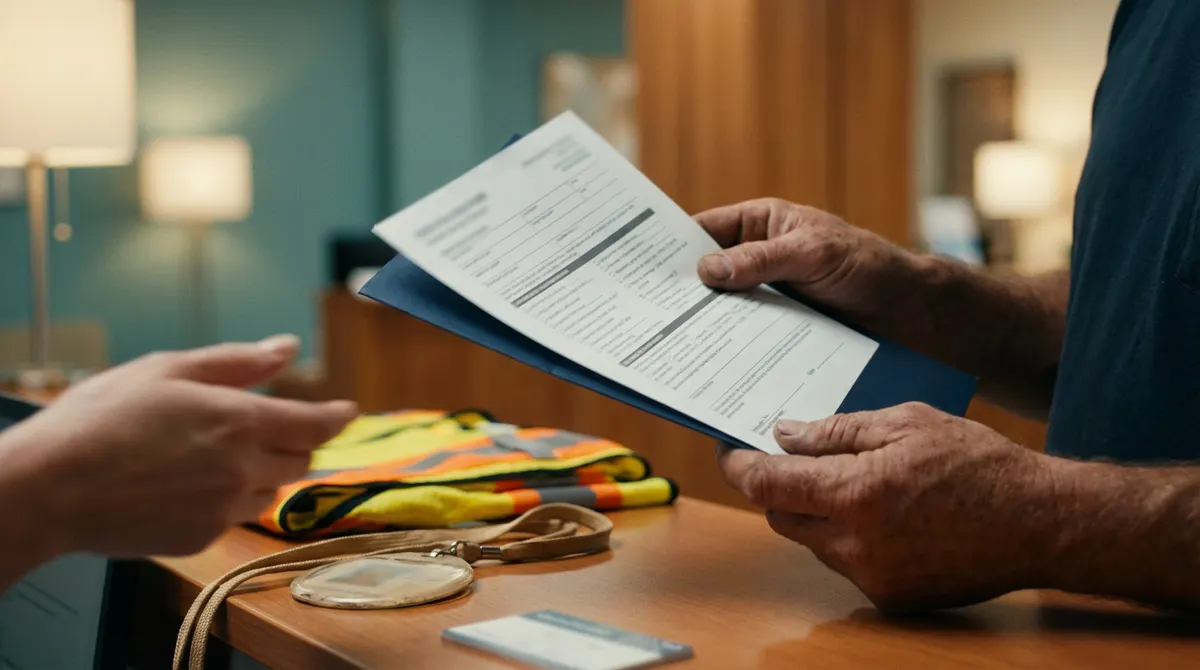
Form MCSA-5875 is the Medical Examination Report form that your Certified Medical Examiner completes during a DOT physical. This is the record of your examination, including the examiner's findings, your health history responses, and their certification determination. Medical examiners are required to retain a completed copy of this form for at least three years. You are entitled to request a copy of your own report. Obtaining this document before seeing a second examiner gives you a clear record of exactly what was assessed, what was flagged, and what determination was made. Take this form with you to any subsequent medical exam.
Step 2: Consulting with Your Primary Care Physician or Specialist

Before scheduling a second DOT physical exam, consult with your primary care physician or the relevant specialist. If the issue is blood pressure, your primary care physician can provide documented readings from multiple visits. If the issue is a cardiac condition, your cardiologist can provide a current clearance letter and recent stress test results. If the issue involves sleep apnea, your sleep doctor or treating clinician can provide CPAP compliance reports and clinical notes. Having current, signed documentation from a treating specialist gives the second Certified Medical Examiner the clinical evidence needed to make an independent determination. It also demonstrates that you are proactively managing your health rather than attempting to bypass a legitimate concern.
Step 3: Finding a New Certified Medical Examiner (CME)

Your second examiner must be listed and active on the NRCME. You can search for Certified Medical Examiners near you using the public search function on the FMCSA National Registry website. Look for providers in your area who have experience with the specific medical issue you are addressing, whether that is cardiovascular conditions, diabetes management, or sleep disorders. DOT exam locations vary widely, from occupational health clinics and urgent care facilities to independent medical practices. If your employer uses a company-mandated provider, review the section below on motor carrier rights before assuming you are limited to a single examiner.
Step 4: Disclosing the Previous Examination and Results
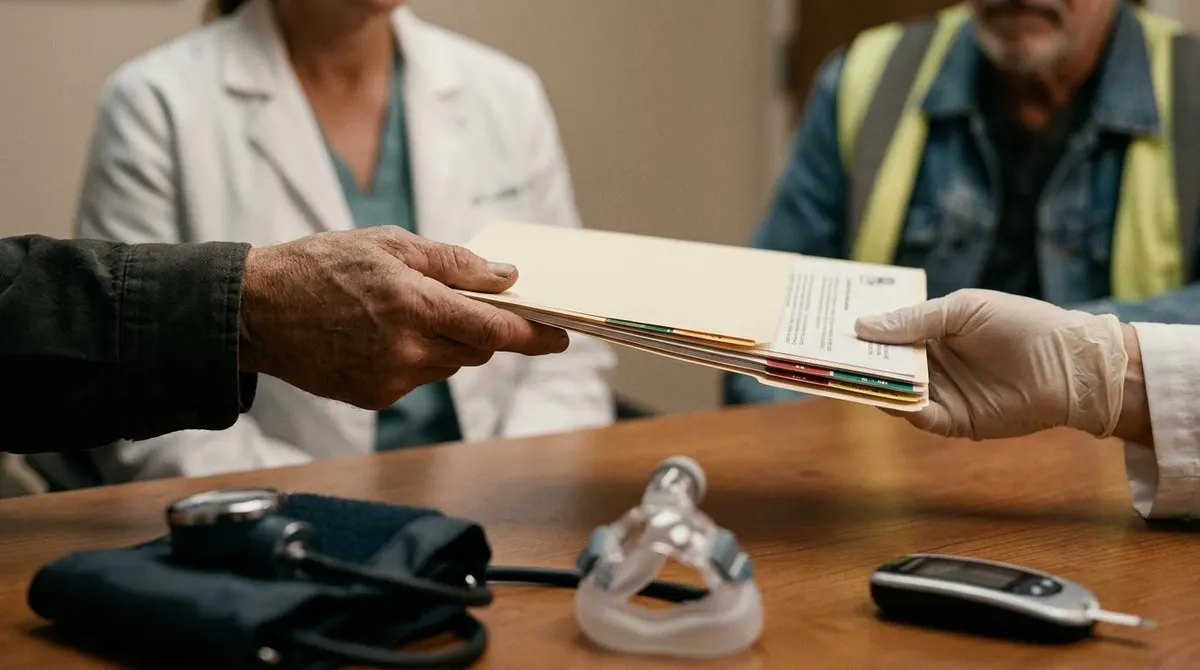
When you attend your second DOT physical exam, be explicit with the Certified Medical Examiner at the start of the appointment. State clearly that you are seeking a second opinion following a prior examination and provide the date, location, and outcome of that prior exam. Present all documentation, including your copy of Form MCSA-5875 from the first exam, any specialist clearance letters, current blood pressure logs, A1C results, CPAP compliance data, or any other records relevant to the issue at hand. This disclosure protects you legally, demonstrates good faith, and allows the second examiner to make a fully informed independent determination.
KEY TAKEAWAY: A legally sound second DOT physical opinion requires requesting your Form MCSA-5875, consulting your treating physicians for updated documentation, selecting an NRCME-listed examiner, and disclosing the prior examination in full at the start of your appointment.
When the issue is more than a difference in clinical judgment and actually involves a formal conflict between two examiners, there is a federal process specifically designed to resolve it.
The Decision Tree: When to Seek a Second Opinion vs. When to Pursue Treatment

Not every unfavorable DOT physical result calls for a second opinion. In many cases, the most practical and effective response is to address the underlying medical condition and return for re-examination once it is controlled. Understanding which path applies to your situation will save you time and protect your certification timeline.
When the Issue Is Clinical: Correcting Records and Providing New Data

If the examiner's determination is based on incomplete, outdated, or inaccurate medical records, a second opinion with corrected documentation is appropriate. Examples include an incorrect blood pressure reading that does not reflect your actual controlled status, a cardiac condition for which you now hold a current clearance letter, or a prior diagnosis that has since been effectively treated. In these cases, the goal of a second opinion is to present accurate information, not to find an examiner who will overlook a legitimate concern.
When the Issue Is Regulatory: Understanding FMCSA Minimum Standards

FMCSA physical qualification standards under 49 CFR 391.41 set minimum thresholds that apply uniformly to all commercial drivers. If you do not meet a minimum standard, no second opinion will change that outcome. For example, if your corrected distance vision is below 20/40 in either eye, or if your peripheral vision field is less than 70 degrees in the horizontal meridian, you are medically disqualified regardless of which Certified Medical Examiner performs the exam. In regulatory cases, the path forward involves pursuing a waiver or exemption through the FMCSA, not seeking an alternative examiner.
When the Issue Is Medical Control: Focusing on A1C Levels and Heart Health
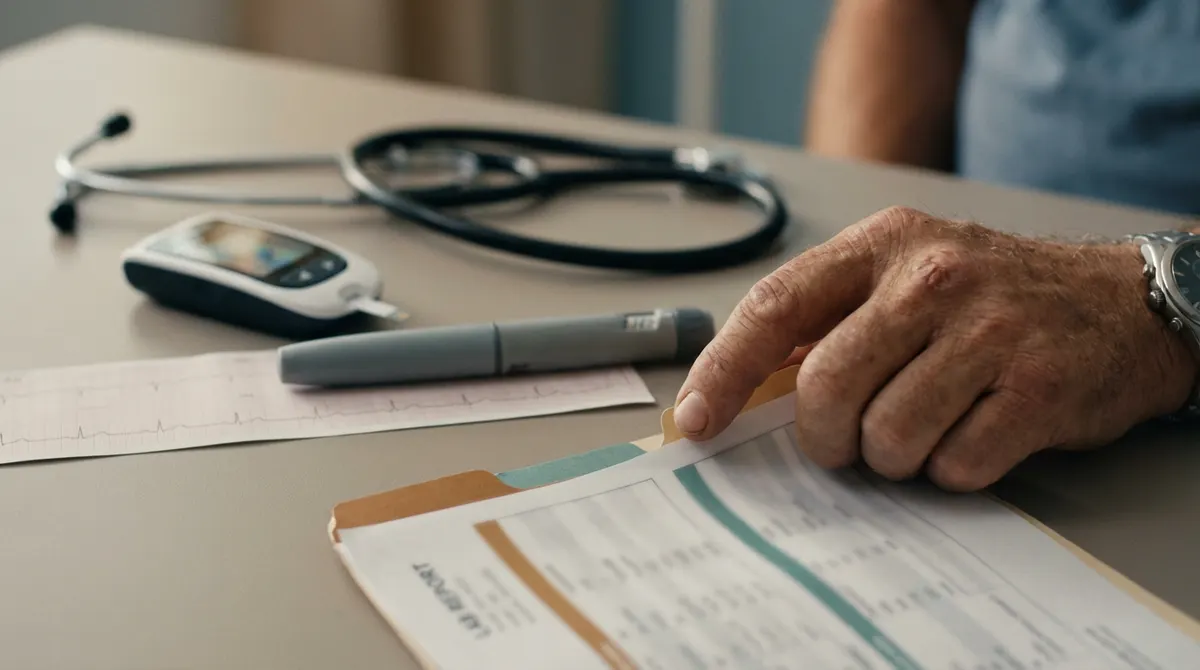
If the issue involves a manageable condition such as blood sugar control or cardiovascular health, the most effective response is often to work with your treating physician to bring the condition within acceptable parameters and then return for re-examination. Drivers with insulin-treated diabetes, for example, may qualify under specific FMCSA guidelines provided they submit proper documentation from their healthcare provider showing adequate blood sugar control. An A1C result that is too high at the time of one examination may fall within an acceptable range after a period of treatment. Returning with improved A1C levels and current blood sugar logs is a stronger position than seeking a second opinion with the same data.
KEY TAKEAWAY: Use a second opinion when the issue is one of incomplete data or clinical disagreement. Pursue treatment and re-examination when the issue is an uncontrolled medical condition. Pursue a formal waiver when the issue is a regulatory threshold.
If your situation involves a genuine and documented conflict between two Certified Medical Examiners, federal regulations provide a formal mechanism for resolution.
Challenging a Disagreement via 49 CFR § 391.47

When two Certified Medical Examiners reach conflicting determinations about a driver's physical qualifications, 49 CFR § 391.47 provides the formal process for resolving that conflict through the FMCSA. This is not a simple appeals process. It is a formal federal proceeding that requires specific documentation and carries a binding outcome.
Understanding the Conflict of Medical Evaluation Process

The conflict resolution process under 49 CFR § 391.47 can be initiated by either the driver or the motor carrier. To file, the applicant must submit the name and address of the driver, the name and address of the motor carrier, all medical reports from both examining medical examiners, and a copy of an opinion and report from an impartial medical specialist in the field in which the medical conflict arose. That specialist should be one agreed upon by both the motor carrier and the driver. If the driver refuses to agree on a specialist and the applicant is the motor carrier, the motor carrier must submit proof of its request and any response from the driver.
When to Involve the FMCSA Chief Medical Officer

The FMCSA Chief Medical Officer reviews the application and all submitted materials and issues a formal determination as to whether the driver meets the physical qualification standards. The FMCSA does not issue formal medical decisions on an individual basis except in response to a properly filed 391.47 conflict resolution application. This means that the only way to receive an official FMCSA ruling on a specific driver's medical qualification is through this process.
Necessary Paperwork: Medical Reports and Expert Testimonies

A complete 391.47 application requires medical reports from both examining medical examiners, a detailed opinion from the agreed-upon impartial specialist, proof that the specialist was provided with the driver's full medical history before making a determination, and a statement explaining in detail why the determination of the impartial specialist is unacceptable if the party is challenging that determination as well. Incomplete applications will not be processed. The standard of documentation required is high, and many drivers benefit from consulting with a transportation attorney or occupational medicine specialist before filing.
The Timeline for an Official FMCSA Determination

The FMCSA does not publish a fixed timeline for 391.47 decisions, and the process can be lengthy depending on the complexity of the medical issue and the completeness of the application. Drivers should plan for a process that may take several months. During this time, the driver's ability to operate a commercial motor vehicle may be suspended depending on the current status of their medical certificate. Maintaining all scheduled medical follow-up appointments and keeping records current throughout the process is essential.
KEY TAKEAWAY: The 49 CFR § 391.47 conflict resolution process provides a formal federal pathway to resolve genuine disagreements between two Certified Medical Examiners, but it requires a thorough application including reports from both examiners and an independent specialist agreed upon by both parties.
Preparing the right documentation before any re-evaluation, whether for a second opinion or a formal conflict resolution, is the practical foundation of a successful outcome.
Documentation Needed for a Successful Re-Evaluation

The strength of your case for a second opinion or a formal re-evaluation depends almost entirely on the quality and completeness of your documentation. A well-prepared driver who arrives with current, signed clinical records is far more likely to receive a fair and favorable determination.
Providing Accurate Blood Sugar Logs and HgA1C Results
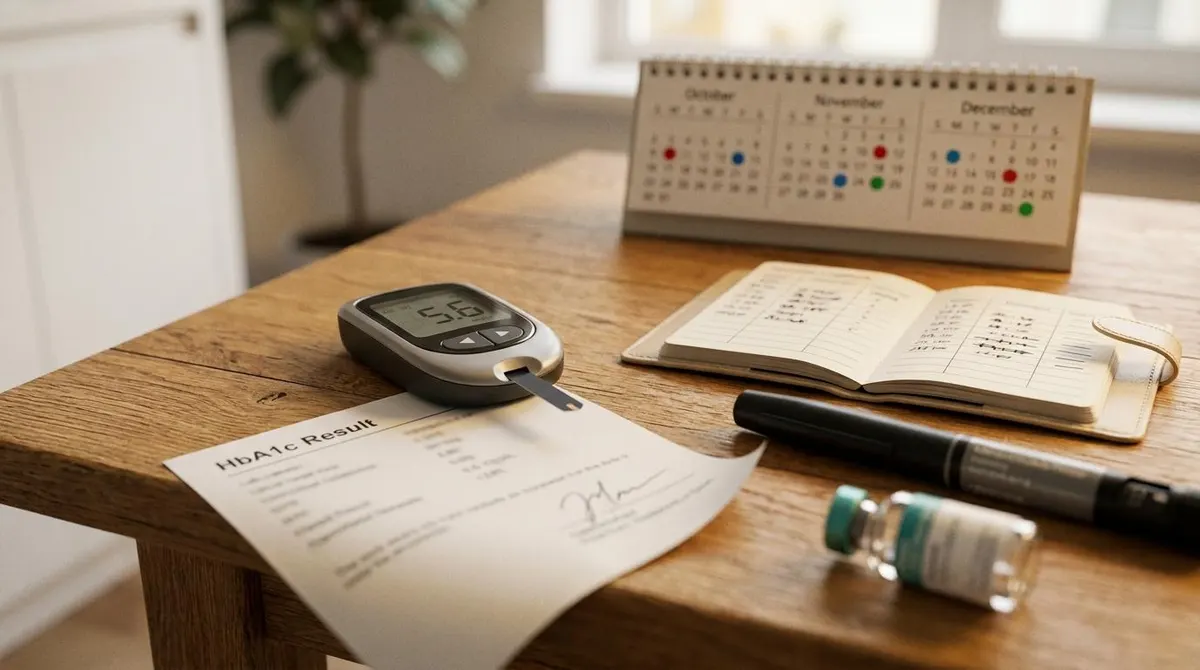
Drivers managing diabetes or pre-diabetes need to bring a current HbA1c result, ideally one taken within the previous three months. Normal fasting blood glucose levels are generally below 100 mg/dL, and an HbA1c below 7% is typically associated with well-controlled diabetes. If you are on insulin, current FMCSA guidelines require documentation from your treating physician confirming that your condition is stable, that you are not experiencing hypoglycemic episodes that could impair your ability to drive, and that you are being monitored appropriately. Blood sugar logs showing consistent readings over the preceding weeks or months add further credibility to your case.
Heart Condition Clearances and Stress Test Results

If you have a history of heart disease, a prior heart attack, or stent placement, you need a clearance letter from your cardiologist that specifically addresses your fitness to operate a commercial vehicle from a cardiac standpoint. You also need results from a recent stress test, typically within the past two years. Conditions such as recent heart attacks, uncontrolled arrhythmias, or heart failure can be disqualifying unless cleared by a specialist. The language in the clearance letter matters. A letter that simply states you are healthy is less useful than one that explicitly addresses commercial driving demands.
Sleep Study Results and CPAP Compliance Reports
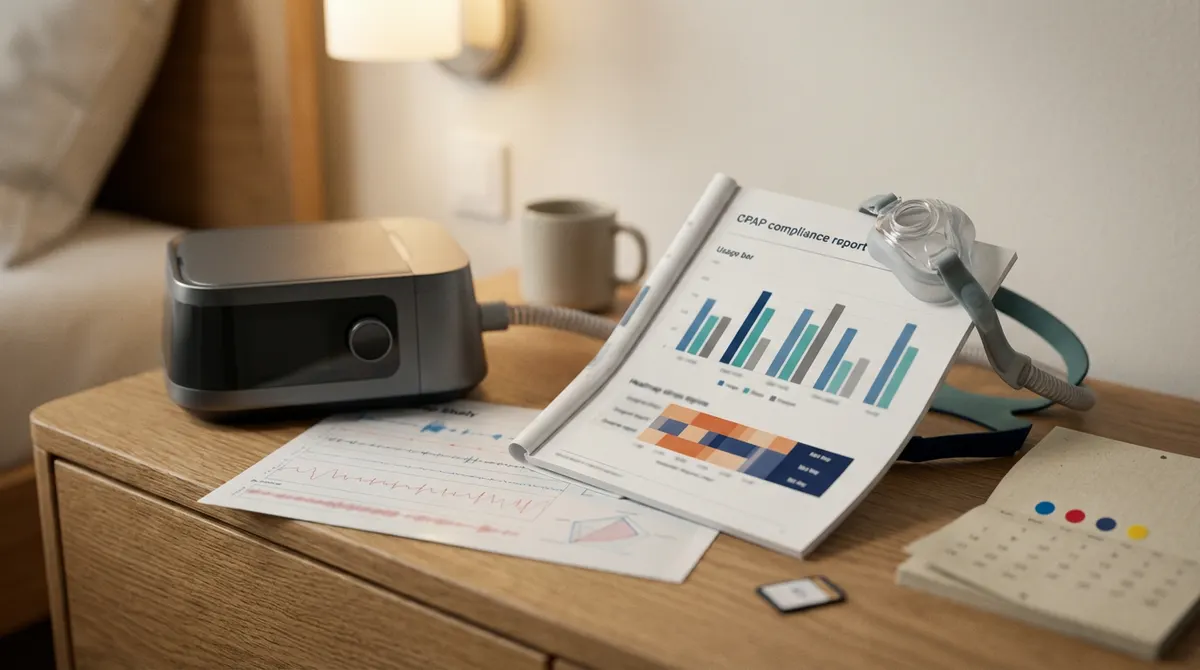
If you have been diagnosed with obstructive sleep apnea and are using CPAP therapy, bring your most recent CPAP compliance report showing your usage data. The standard required by most Certified Medical Examiners is an average of at least 4 hours of use per night for a minimum of 70% of nights, with data from the previous 30 days at minimum, and ideally covering 90 days or more. Some examiners request a full year of compliance data if available. Your sleep study results showing your apnea-hypopnea index (AHI) both before and after treatment are also relevant documentation.
If you have not yet been tested for sleep apnea, Dumbo Health's at-home sleep test provides a convenient, cash-pay option at $149 for the device and one night of testing, with no insurance required and no prior authorization needed. Once diagnosed, the Dumbo Health Premium Plan at $89 per month includes a dedicated sleep coach, advanced adherence monitoring, and priority results turnaround to help you build and document the compliance record your examiner needs to see.
Vision and Hearing Aid Documentation

Vision requirements for commercial drivers include at least 20/40 acuity in each eye with or without correction, and a field of vision of at least 70 degrees in the horizontal meridian in each eye. If you use corrective lenses or hearing aids, bring them to the examination and have documentation from the prescribing provider. Hearing aids are permitted if they enable you to hear a forced whisper from five feet away, and documentation that confirms the aid is functioning correctly and fitted appropriately will support your re-evaluation.
KEY TAKEAWAY: Arriving at a second DOT physical exam with current, specialty-signed documentation including A1C results, cardiac clearance letters, CPAP compliance reports, and vision and hearing records significantly strengthens the clinical basis for a favorable determination.
Your employer and the motor carrier also have a role in this process, and understanding where their authority begins and ends protects your rights as a driver.
Can Your Employer Refuse a Second Opinion?

The relationship between a driver's right to a second opinion and a motor carrier's authority over medical provider selection is an area where drivers are frequently confused, and sometimes disadvantaged by that confusion.
Motor Carrier Rights vs. Driver Medical Certification
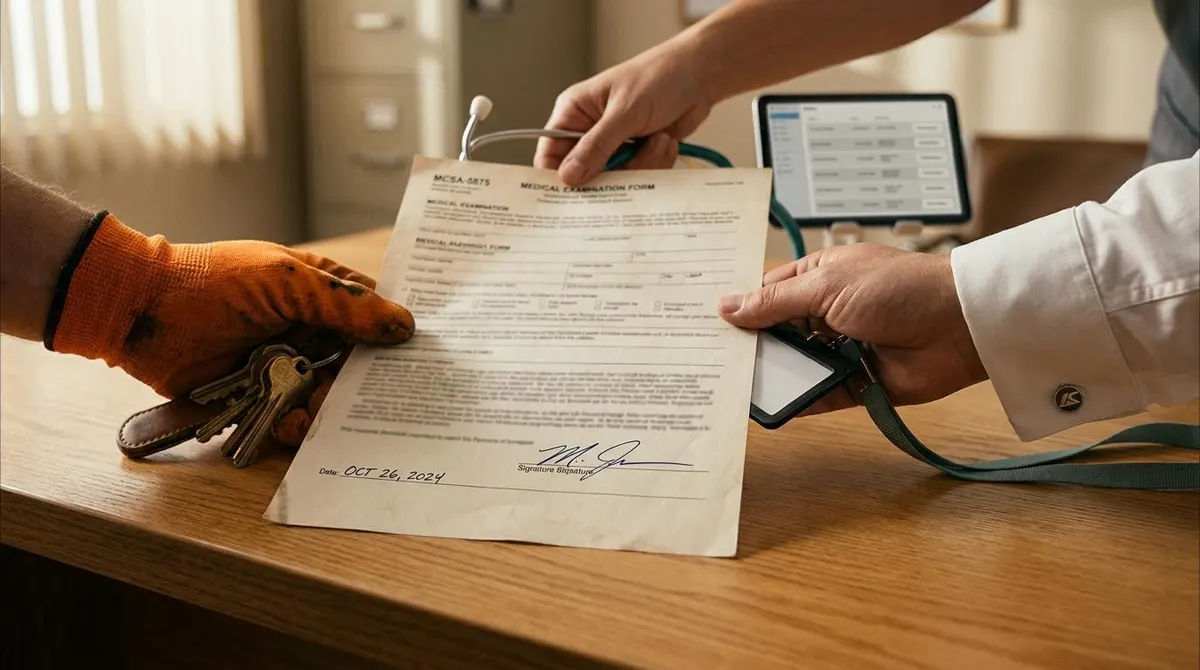
Federal regulations make clear that the medical certification process ultimately belongs to the individual driver. It is the driver who must meet the physical qualification standards of 49 CFR 391.41, and it is the driver who signs Form MCSA-5875 attesting to the accuracy of their medical history. A motor carrier has the authority to impose more stringent medical requirements than the federal minimum, but they cannot waive federal standards or override a Certified Medical Examiner's determination. When it comes to seeking a second opinion, a driver's right to consult a different NRCME-listed examiner exists independently of the employer's preferences.
Dealing with Company-Mandated Medical Providers

Many large motor carriers direct their drivers to use specific occupational health facilities, such as Concentra or similar company-contracted clinics. Using a company-designated provider for your routine physical exam is generally permissible and may even be required for initial company examinations. However, if you receive an adverse determination and wish to seek a second opinion, you are not legally restricted to the company's preferred provider. You may seek a second evaluation from any Certified Medical Examiner listed on the NRCME. It is advisable to inform your employer that you are seeking a second opinion, and to do so in writing, but their approval is not a prerequisite for your right to consult another CME. Providers in your area can be located using the NRCME public search directory.
Resolving Conflicts Between Private Specialists and Company Medical Examiners

When a driver's personal specialist, such as a cardiologist or sleep physician, reaches a different conclusion than a company-mandated medical examiner, the conflict is best resolved by ensuring that the second Certified Medical Examiner performing the DOT physical has access to the specialist's full clinical records and clearance documentation. If the conflict remains unresolved after a second DOT physical, the formal 49 CFR § 391.47 process exists precisely for this situation. The involvement of an impartial specialist agreed upon by both parties is the mechanism the FMCSA has established to bring objective resolution to these disputes. Find a provider near you with NRCME certification who can perform an independent evaluation and submit a full clinical report.
KEY TAKEAWAY: Motor carriers can mandate specific medical providers for routine examinations, but they cannot legally prevent a driver from seeking an independent second opinion from any NRCME-listed Certified Medical Examiner.
Beyond navigating a second opinion when problems arise, proactive health management is the most reliable long-term strategy for protecting your CDL.
Common Myths About DOT Physicals and Second Opinions Debunked

Misinformation about the DOT physical process is widespread among commercial drivers. These myths can cause drivers to make decisions that cost them their certification or their career.
MYTH: Getting a second DOT physical means you can start fresh with no record of the first exam.
FACT: Every DOT physical examination result is uploaded to the NRCME by the Certified Medical Examiner within 24 hours of the exam. Any subsequent examiner can see your examination history. A second exam is not a fresh start. It is a legitimate clinical review that must acknowledge all prior results. Attempting to conceal prior results constitutes doctor shopping and can result in invalidated certification, fines, and potential criminal liability.
MYTH: If your blood pressure was high on the day of your DOT exam, you are automatically disqualified.
FACT: According to FMCSA guidelines, a single elevated blood pressure reading is not sufficient for a diagnosis of hypertension. Stage 1 readings between 140 to 159 systolic or 90 to 99 diastolic may still result in a one-year certification. Stage 2 readings between 160 to 179 systolic or 100 to 109 diastolic may qualify for a temporary three-month certification while the driver pursues treatment. Only Stage 3 readings at or above 180/110 result in immediate disqualification. Documented white coat hypertension supported by consistent readings from your primary care physician is relevant clinical evidence.
MYTH: Drivers with sleep apnea cannot hold a CDL.
FACT: The FMCSA states that a driver with sleep apnea can still be qualified to drive if the condition is effectively treated and monitored. Drivers using CPAP therapy who demonstrate compliance, defined as at least 4 hours of use per night on at least 70% of nights, can maintain their medical certification. Sleep apnea referrals during a DOT physical exam do not automatically end a driver's career. They initiate a process of testing and, when needed, treatment. The American Academy of Sleep Medicine considers CPAP therapy the most effective first-line treatment for moderate to severe obstructive sleep apnea.
MYTH: Once you are disqualified by one examiner, no other examiner can certify you.
FACT: A disqualification by one Certified Medical Examiner does not permanently bar you from certification by another CME, provided you have addressed the underlying concern. If the disqualification was based on incomplete records, a clinical disagreement, or a condition that has since been controlled, a second opinion with updated documentation is entirely appropriate. If the disqualification reflects an actual regulatory threshold violation, you must address the condition or pursue an FMCSA waiver or exemption.
MYTH: Methadone automatically disqualifies a driver from obtaining a medical card.
FACT: Under current FMCSA guidelines, methadone used as maintenance therapy is no longer automatically disqualifying. The Certified Medical Examiner must conduct an individual assessment, including documentation from the prescribing physician confirming stability, absence of impairing side effects, and the ability to safely operate a commercial vehicle. Some examiners may still apply older guidance, which is one legitimate reason a driver might seek a second opinion from an examiner more current with FMCSA standards.
KEY TAKEAWAY: Many of the most damaging beliefs about DOT physicals are factually inaccurate. Understanding the actual FMCSA rules, including blood pressure thresholds, sleep apnea certification paths, and current medication guidance, is essential to making informed decisions about your certification.
Taking proactive steps in your everyday health management is the most powerful strategy for avoiding certification problems in the first place.
Best Practices for Protecting Your Commercial Driver's License

The most effective approach to maintaining your CDL is proactive health management combined with consistent, honest documentation practices. Drivers who address health conditions before their examination date are far less likely to face disqualification or the need for a second opinion.
Maintaining a Consistent Health History Form

Form MCSA-5875 requires drivers to answer a series of health history questions covering conditions such as heart disease, high blood pressure, respiratory disorders, seizure history, diabetes, sleep disorders, and medication use. Your answers must be consistent across every examination and must reflect your actual medical history. Many drivers make the mistake of either omitting conditions they are afraid will trigger disqualification, or failing to update their history form when their health status changes. Neither approach is advisable. Inconsistent health history forms across multiple examinations are a red flag to Certified Medical Examiners and can raise questions about your honesty. Maintaining a running document of your health history, updated after every significant medical event or change in treatment, keeps your exam preparation accurate and efficient.
Proactive Health Management: Addressing Hypertension and Blood Sugar Before the Exam

Blood pressure control and blood sugar management are two of the most actionable areas where pre-exam preparation makes a measurable difference. If you know that your blood pressure readings have been elevated, work with your primary care physician in the months before your DOT physical to stabilize your readings and document them. If you are managing diabetes, ensure your most recent HbA1c is within an acceptable range and that your blood sugar logs reflect consistent control. Drivers who walk into a DOT physical with organized, current documentation from their treating physicians are in the strongest possible position regardless of which Certified Medical Examiner they see.
If sleep quality is affecting your alertness or health metrics, consider taking a free sleep assessment with Dumbo Health to identify whether a sleep disorder may be contributing to your symptoms before your next exam date.
Why Honest Communication with Your Examiner Is Your Best Strategy

Many drivers approach the DOT physical exam as an adversarial encounter, trying to minimize or conceal information they fear will hurt their result. This approach is counterproductive and legally risky. Certified Medical Examiners are trained to identify inconsistencies between reported history and clinical findings. An examiner who observes that a driver's history is inconsistent with their physical presentation is more likely to flag concerns, not fewer. Honest communication, combined with strong supporting documentation from your treating physicians, is the strategy most likely to result in a fair, accurate, and favorable determination. Clinicians frequently observe that drivers who bring organized records and communicate openly tend to navigate the certification process far more smoothly than those who do not.
KEY TAKEAWAY: Proactive health management, consistent health history documentation, and transparent communication with your Certified Medical Examiner are the three most reliable strategies for protecting your commercial driver's license and avoiding the need for a second opinion.
Frequently Asked Questions
Can I get a second opinion on my DOT physical?
Yes, you can get a second opinion on your DOT physical. The FMCSA permits drivers to consult a different Certified Medical Examiner after receiving an adverse determination or an unwanted referral. The critical requirement is full transparency. You must disclose your prior examination results and provide the same complete medical history to the new examiner. Because all DOT physical exam results are uploaded to the NRCME database within 24 hours, any subsequent examiner can see your prior results. Seeking a second opinion is legitimate. Concealing prior results to obtain a medical certificate is considered doctor shopping and carries serious legal consequences.
What will fail you on a DOT physical?
Common reasons for failing a DOT physical include uncontrolled Stage 3 hypertension at or above 180/110 mm Hg, vision that cannot be corrected to at least 20/40 in each eye, inability to hear a forced whisper from five feet, uncontrolled diabetes without adequate documentation, use of schedule I controlled substances or disqualifying medications, active seizure disorders, untreated sleep apnea, and certain serious cardiovascular conditions without specialist clearance. Many of these conditions do not automatically result in permanent disqualification. Drivers who manage and document their conditions appropriately can often achieve or maintain certification. The FMCSA's physical qualification standards under 49 CFR 391.41 provide the full list of thresholds and requirements.
Is methadone disqualifying for a DOT physical?
Methadone is no longer automatically disqualifying under current FMCSA guidelines. Historically, it appeared on the do-not-certify list for commercial drivers. Under updated guidance, drivers using methadone as maintenance therapy may qualify if they have documentation from their prescribing physician confirming stability, absence of impairing side effects, and the clinical opinion that the driver can safely operate a commercial motor vehicle. However, individual Certified Medical Examiners have discretion in this determination, and some may apply more cautious standards. If a driver believes a methadone-related disqualification was based on outdated guidance, seeking a second opinion from an examiner familiar with current FMCSA standards is a legitimate step.
Do doctors care if you get a second opinion on a DOT physical?
Certified Medical Examiners are trained to handle second-opinion requests. A driver who approaches a second exam transparently, discloses their prior examination, and brings complete documentation is not engaging in prohibited behavior. Most examiners treat a disclosed second-opinion request as straightforward clinical work. What concerns examiners is not the second opinion itself but the withholding of prior results or inconsistent medical history, which signals doctor shopping. Informing your examiner clearly that you are seeking a second opinion, and presenting your full records, positions the encounter as a professional clinical review rather than an attempt to circumvent the system.
How do I find a Certified Medical Examiner near me for a second opinion?
You can find a Certified Medical Examiner in your area using the public search function on the FMCSA National Registry website at nationalregistry.fmcsa.dot.gov. The directory allows you to search for providers close to you by state or zip code and confirms that the examiner is currently listed and active. Look for providers who have experience with your specific health issue, such as cardiovascular conditions, sleep disorders, or diabetes management. DOT exam locations include occupational health clinics, urgent care centers, and independent medical practices. If you have been directed to a company-mandated provider, you retain the right to seek an independent second opinion from any NRCME-listed examiner.
What happens if two Certified Medical Examiners disagree about my fitness to drive?
If two Certified Medical Examiners reach conflicting determinations about your physical qualifications, you or your motor carrier can initiate a formal conflict resolution process under 49 CFR § 391.47. This process requires submitting all medical reports from both examiners, along with an opinion from an impartial medical specialist in the relevant field agreed upon by both the driver and the motor carrier. The FMCSA Chief Medical Officer reviews the complete application and issues a binding determination. The process can be lengthy, and thorough documentation from both examining physicians and the independent specialist is essential to a successful outcome.
What documentation should I bring to a second DOT physical exam?
Bring a copy of your Form MCSA-5875 from your first examination, all specialist clearance letters relevant to the disputed condition, recent blood pressure logs or blood sugar logs if applicable, your most recent HbA1c result if you have diabetes, a current CPAP compliance report if you have sleep apnea, cardiac stress test results if you have a heart condition, and a complete list of your current medications with prescriptions and any physician notes confirming your fitness to drive. If you have had a sleep study, bring those results as well. Sleep study results and CPAP compliance data from the previous 30 to 90 days are among the most commonly requested documents for drivers with sleep disorder concerns.
Conclusion: Ensuring Compliance and Road-Readiness

Your right to a second opinion on your DOT physical is real, legally protected, and, when exercised correctly, one of the most effective tools available to a commercial driver facing an uncertain or adverse certification outcome. The path forward always begins with the same foundation: complete transparency, updated medical documentation, and an understanding of the specific FMCSA standards that apply to your situation. Whether you need to address blood pressure discrepancies, gather CPAP compliance records, or navigate the formal 49 CFR § 391.47 conflict resolution process, the driver who prepares thoroughly and communicates honestly is the driver best positioned to succeed. If sleep apnea is part of your certification picture, explore Dumbo Health's complete sleep apnea care solutions, where transparent cash-pay pricing, no insurance requirements, and no surprise bills make it straightforward to get tested, treated, and road-ready.
Related DOT Physical Topics
- Can You Get a DOT Physical in Any State The Complete Guide for Commercial Drivers
- Does a DOT Physical Test for Weed or THC The Complete Guide for Commercial Drivers
- What Happens If Your DOT Physical Expires Compliance Guide for Commercial Drivers
- Remote DOT Physical The Complete Guide for Commercial Drivers
- DOT Physical Forms & Paperwork The Complete Guide for Commercial Drivers
- Online DOT Physical Without Insurance A Complete Guide for Commercial Drivers
- Online DOT Physical The Complete Guide for Commercial Drivers and Medical Examiners
- The Ultimate DOT Physical Guide for Commercial Drivers (2025–2026)
- Navigating the Florida DOT Physical Your Essential Guide for CDL Drivers
- Online DOT Physical Self-Pay The Complete Guide for CDL Drivers and Owner-Operators
- DOT physical self pay guide for commercial drivers paying out of pocket
- DOT Medical Exam Self-Pay A Complete Guide for Commercial Drivers
- What Happens During the DOT Physical Exam The Complete Guide for Drivers
- DOT Physical Requirements A Complete Guide for CDL Drivers
- Home Sleep Apnea Test for Commercial Drivers The CDL Holder's Complete Guide
- DOT Physical ICD-10 & Billing Codes The Complete Guide for Accurate Compliance and Reimbursement
- Can You Fail a DOT Physical for Being Overweight
- Your Complete Guide What's Included in a DOT Physical Exam
- Can You Get a DOT Physical Online
- DOT Physical Chiropractor Your Complete Guide to CDL Exams
- Can You Fail a DOT Physical for High Blood Pressure
- How to Pass a DOT Physical The Complete Commercial Driver's Guide
- BMI for DOT Physical What Commercial Drivers Need to Know
- What are the current DOT requirements for sleep apnea testing for commercial drivers
- Medical Examination Report (MER) – Form MCSA-5875 The Complete Guide for Commercial Drivers
- What Can Disqualify You From a DOT Physical
- Can You Pass a DOT Physical with Epilepsy
- DOT Physical Out of Pocket What Commercial Drivers Actually Pay
- Essential 171 DOT Definitions for Commercial Drivers
- What Does DOT Stand for in a DOT Physical
- Can You Pass a DOT Physical With One Eye
- Can You Pass a DOT Physical With a Pacemaker
- What Forms Do You Need for a DOT Physical
- How can drivers with sleep apnea qualify again after a failed DOT physical
- How Do You Submit Your DOT Physical to the DMV
- DOT Physical Insurance & Recertification The Complete Driver's Guide
- Can You Pass a DOT Physical With a Hernia
- Can you fail a DOT physical because of sleep apnea
- DOT Physical Insurance or Self Pay How to Choose the Right Payment Option for Your Exam
- Can you pass a DOT physical with sleep apnea
- DOT Physical at Urgent Care What Commercial Drivers Need to Know
- Can You Pass a DOT Physical with Diabetes
- Can You Pass a DOT Physical with High Blood Pressure
- DOT Physical Texas The Essential Guide to Your Exam, Medical Card, and CDL Compliance
- The DOT Physical Exam Ensuring You're Fit for the Road
- Can You Fail a DOT Physical
- When Can Sleep Apnea Affect a DOT Physical
- Is a drug test required for a DOT physical
- DOT Physical Cost Breakdown What Drivers Pay & Why
- What Should You Bring to a DOT Physical
- DOT Physical Duration and Validity How Long Your Medical Card Lasts
- Why do they measure your neck during a DOT physical
- Navigating Your DOT Physical with Common Medical Conditions
- Why DOT Sleep Tests at Home Matter for Your Career and Health
- What Is the Urine Test for in a DOT Physical
- Do They Check for Hernia During a DOT Physical
- New DOT Physical Requirements What Drivers MUST Know About New Updates
- What blood pressure do you need to pass a DOT physical
- Do They Check Your Private Parts During a DOT Physical
- DOT Physical Blood Pressure Requirements What Drivers Need to Know
- The Comprehensive Guide to Suboxone, Sleep Apnea, and FMCSA Compliance for Commercial Motor Vehicle Operators
- Is a DOT physical the same as a regular physical
- What happens if you fail a DOT physical due to sleep apnea
- What are the current FMCSA guidelines on sleep apnea for commercial drivers
- DOT Physical & Drug Test What Drivers Need to Know
- Non-DOT Physical A Comprehensive Guide to Workforce Health and Safety
- Is a Sleep Study Required for a DOT Physical
- What Is the Difference Between a DOT and Non-DOT Physical
- Guide to Obtaining and Managing Your DOT Medical Card Online
- Do You Have to Pee During a DOT Physical
- What eye chart is used for a DOT physical
- Failing a DOT Physical What Every Commercial Driver Needs to Know
- What drugs do they test for in a DOT drug test
- Does a DOT physical include a drug test
- DOT Physical Self Pay Cost
- Telehealth Dot Physical
- Sleep Apnea Test for CDL Drivers
- Who needs a DOT physical
- Does insurance cover a DOT physical
- DOT Physical & Alcohol Requirements
- DOT Physical Online Cost
- DOT Physical Vision & Eye Requirements
- Walk In DOT Physical Self Pay
- Are there legal requirements for drivers with sleep apnea
- What Are the Requirements to Pass a DOT Physical
- DOT Physical Exam Basics
- Cheap DOT Physical Online
- Same Day DOT Physical
- Virtual DOT Physical
- DOT Physical Cash Pay
- Online DOT Exam What Drivers and Medical Examiners Need to Know
- What should I expect at a DOT physical
- What Does a DOT Physical Consist Of
- At Home Sleep Test for Truck Drivers
- What Do They Check During a DOT Physical
- What is DOT Physical
- Online CDL Physical
- Are There New DOT Rules or Laws on Sleep Apnea Testing
- 2026 DOT Inspection Dates
- Best Treatments for Sleep Apnea to Improve Driving Safety
AI summary
A second opinion on a DOT physical is permitted under FMCSA rules, but it requires full transparency. Commercial motor vehicle drivers must disclose prior exam results and complete medical history to any new Certified Medical Examiner (CME). CMEs upload DOT exam outcomes to the National Registry of Certified Medical Examiners (NRCME) by the day after the exam, so prior determinations are visible and cannot be hidden. Drivers commonly seek reevaluation for blood pressure discrepancies (including white coat hypertension), sleep apnea referrals and CPAP documentation, medication changes, and disqualifications based on incomplete or outdated records. FMCSA blood pressure thresholds include: under 140/90 for two-year certification; 140–159/90–99 for one-year; 160–179/100–109 for a temporary three-month certificate; and 180/110 or higher is disqualifying until controlled. A legitimate second opinion differs from doctor shopping, which involves concealing prior results and can trigger civil or criminal penalties on Form MCSA-5875. When two CMEs conflict, 49 CFR 391.47 provides a formal FMCSA conflict-of-medical-evaluation process requiring reports from both examiners and an impartial specialist.

Nicolas Nemeth
Co-Founder
Nico is the co-founder of Dumbo Health, a digital sleep clinic that brings the entire obstructive sleep apnea journey home. Patients skip the sleep lab and the long wait to see a specialist. Dumbo Health ships an at home test, connects patients with licensed sleep clinicians by video, and delivers CPAP or a custom oral appliance with ongoing coaching and automatic resupply in one clear subscription.
Keep reading

How Long Does a DOT Physical Take? A Complete Guide for Commercial Drivers

What Happens If You Fail a DOT Drug Test? The Complete Guide for Commercial Drivers


