DOT Physical Requirements: A Complete Guide for CDL Drivers
This guide explains what a DOT physical is and why the FMCSA requires it for commercial drivers. It clarifies who needs a medical card, including CMV operators meeting GVWR/GCWR, passenger, or hazardous materials thresholds. You will learn what the exam includes, from medical history review to vision, hearing, blood pressure, and urinalysis. It also covers how common conditions like diabetes, sleep apnea, and neurological disorders are evaluated and managed. The article outlines what to bring, how long the exam takes, and how certification periods vary. It closes with common disqualifiers and how FMCSA exemptions or waivers may apply.
Struggling with sleep?
Find out if sleep apnea is the reason.
FDA-cleared. $149 flat. Physician-reviewed results in 48 hours.

DOT Physical Requirements: A Complete Guide for CDL Drivers
The open road beckons for commercial drivers, but before the engine roars to life and the journey begins, a critical step ensures both the driver's well-being and public safety: the Department of Transportation (DOT) physical. For anyone holding or seeking a Commercial Driver's License (CDL), understanding the intricacies of the DOT physical requirements is not merely a procedural hurdle but a fundamental aspect of maintaining their livelihood and ensuring compliance. This comprehensive guide serves as an authoritative resource, demystifying the process, detailing the stringent standards, and empowering commercial drivers to navigate their health for a secure and successful career on the road. We will explore what the DOT physical entails, who is required to undergo it, the specific medical standards that must be met, how to prepare, and what happens after the examination.
What is a DOT Physical and Why is it Required?
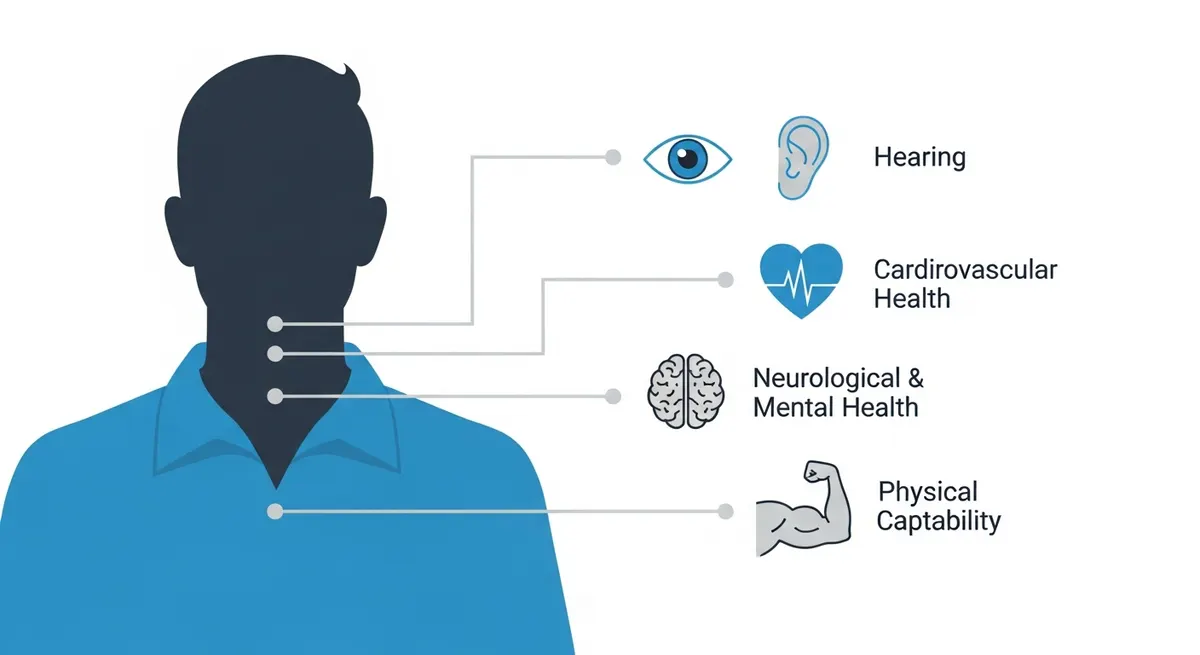
The DOT physical examines key health areas to ensure a driver is medically fit to operate a commercial vehicle safely.
The DOT physical examination is a crucial health assessment mandated by the Federal Motor Carrier Safety Administration (FMCSA), an agency within the U.S. Department of Transportation (DOT). Its primary purpose is to determine if a commercial driver is medically fit to safely operate acommercial motor vehicle (CMV). This is not a routine check-up; it's a specialized examination focused on ensuring a driver's physical and mental capabilities meet the demanding standards of operating large, heavy vehicles that carry significant responsibility for public safety. The examination is designed to identify any medical conditions that could impair a driver's ability to operate a CMV safely, such as conditions affecting vision, hearing, reaction time, or consciousness.
The Importance of the DOT Physical for CDL Drivers
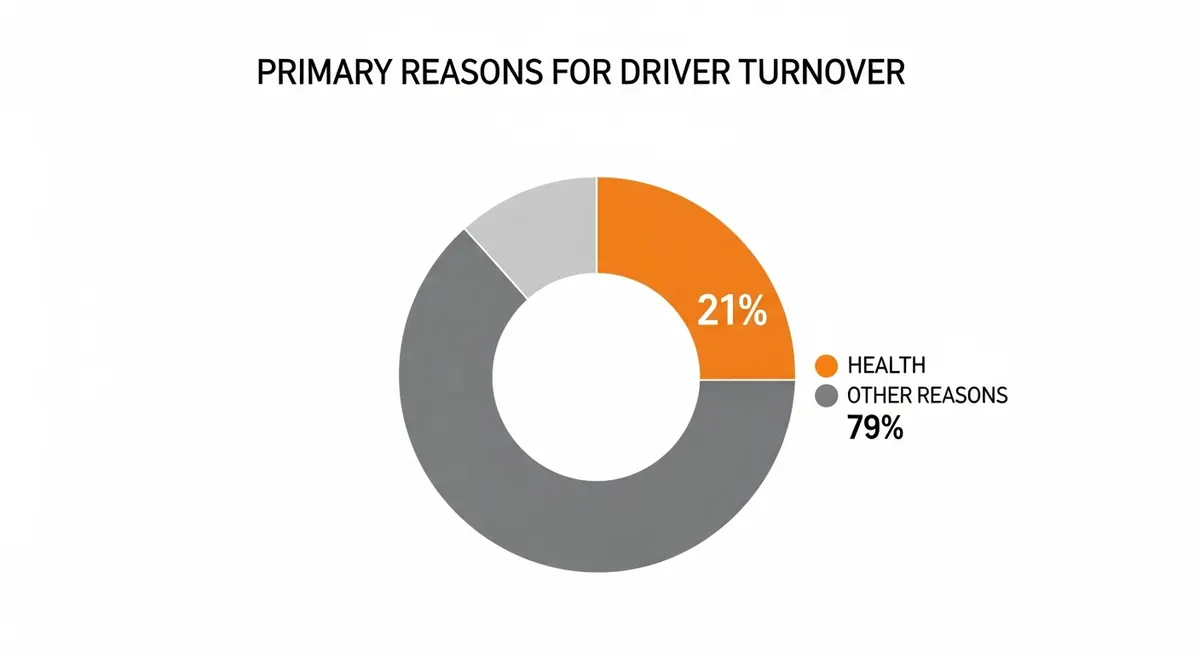
Health issues are a significant factor in driver turnover, accounting for 21% of drivers who leave the industry.
The significance of the DOT physical extends far beyond mere regulatory compliance. It is a cornerstone of road safety. Commercial drivers are entrusted with the operation of large vehicles that can cause catastrophic damage and injury if mishandled. A driver's health directly impacts their ability to perform critical tasks like maintaining focus, reacting to sudden hazards, maneuvering the vehicle, and staying alert during long hours of operation. By ensuring drivers meet established medical standards, the DOT physical serves as a proactive measure to prevent accidents caused by medical incapacitation or impairment. Furthermore, health issues account for a substantial portion of driver turnover in the trucking industry, with approximately 21% of turnover attributed to health concerns source: HireRight. A robust understanding and adherence to DOT physical requirements can contribute to driver retention and overall industry stability.
Not sure if sleep apnea applies to you?
Take our 2-minute sleep risk quiz to see whether sleep apnea could affect your DOT physical. No account required.
Who Needs a DOT Physical? (Commercial Driver's License, commercial motor vehicles, CMVs)
Any individual who operates a commercial motor vehicle (CMV) in interstate commerce must possess a valid DOT medical certificate, which is obtained by passing a DOT physical. Generally, a CMV is defined as a vehicle that:
- Has a gross vehicle weight rating (GVWR) or gross combination weight rating (GCWR) of 10,001 pounds or more.
- Is designed or used to transport 15 or more passengers (including the driver).
- Is of any size and is transporting hazardous materials that require a placard.
If a commercial driver operates any of these types of vehicles for their job, they will need to obtain and maintain a medical card. This applies to a wide range of professions, including truck drivers, bus drivers, school bus drivers, and even some delivery drivers, depending on the weight of their vehicle and the nature of their cargo. The requirement applies to anyone operating a commercial driver's license (CDL) eligible vehicle.
Understanding the Core Components of a DOT Physical Exam
The DOT physical exam is a comprehensive assessment designed to evaluate a driver's overall health and fitness for duty. It goes beyond a standard medical check-up, focusing specifically on the physiological and psychological demands of operating a commercial vehicle. The examinations are conducted by a certified medical examiner.
The Role of the Certified Medical Examiner (CME) (National Registry of Certified Medical Examiners, NRCME)
The DOT physical must be performed by a Medical Examiner who is listed on the National Registry of Certified Medical Examiners (NRCME). This registry ensures that examiners have undergone specific training and testing to understand the FMCSA's medical standards and how they apply to commercial drivers. The Certified Medical Examiner (CME) is responsible for conducting the thorough physical exam and determining if the driver meets the requirements for safe operation of a CMV. Drivers are encouraged to verify the credentials of their chosen examiner to ensure they are registered and qualified.
Comprehensive Medical History Review (medical history, medical history questionnaire)
The physical exam begins with an in-depth review of the driver's medical history. The medical examiner will ask detailed questions about past and present medical conditions, surgeries, injuries, and treatments. This includes inquiring about any medical conditions that might affect driving ability, such as heart conditions, diabetes, epilepsy, or neurological disorders. You will typically be asked to complete a medical history questionnaire which requires honest and complete disclosure of all relevant information. This section is critical because it provides the examiner with a foundational understanding of the driver's health status, guiding the subsequent physical examination and testing. It's vital to disclose all prescription and over-the-counter medications you are taking, as some can impact driving performance or interact with existing health conditions.
The General Physical Examination
Following the medical history review, the Certified Medical Examiner (CME) will conduct a thorough general physical examination. This includes:
- Eyes: Assessing overall eye health and function.
- Ears: Checking for hearing ability.
- Mouth and Throat: Examining for any issues affecting speech or breathing.
- Cardiovascular System: Listening to the heart and checking pulse.
- Lungs: Listening to lung sounds.
- Abdomen: Palpating the abdomen to check for abnormalities.
- Extremities: Checking for range of motion, strength, and any deformities.
- Neurological System: Assessing reflexes, coordination, and balance.
- Skin: Looking for any signs of disease or conditions that could be disqualifying.
The examiner is looking for any physical impairments or symptoms that could compromise a driver's ability to safely operate a commercial vehicle.
Vision Standards and Testing (vision, vision test, vision acuity)
Adequate vision is paramount for safe driving. The DOT physical includes a rigorous vision test to ensure drivers can see clearly enough to operate a CMV. The standard requires drivers to have vision acuity of at least 20/40 in each eye, with or without corrective lenses. Furthermore, drivers must have a field of vision of at least 70 degrees in the horizontal meridian in each eye. During the vision test, the examiner will typically use an eye chart, such as the Snellen chart, to measure acuity. If a driver requires corrective lenses to meet these standards, they will be required to wear them while driving, and this will be noted on their medical certificate.
Hearing Standards and Testing (hearing, hearing test, hearing screening)
Good hearing is essential for drivers to be aware of their surroundings, including emergency sirens, horns, and other auditory cues. A hearing test, often referred to as a hearing screening, is conducted to assess a driver's ability to hear normal conversational speech. The standard requires drivers to be able to hear a whispered voice at a distance of at least five feet. This can be tested using an audiometer or by the examiner whispering at a specified distance. If a driver uses a hearing aid, they must wear it during the hearing test and while operating their commercial vehicle. The examiner will document the use of a hearing aid on the medical certificate.
Blood Pressure and Cardiovascular Health (blood pressure, hypertension, heart disease)
Cardiovascular health is a critical area of assessment during the DOT physical. The examiner will measure the driver's blood pressure to ensure it is within acceptable limits. Currently, the FMCSA allows a maximum blood pressure reading of 140/90 mmHg to be considered for certification. High blood pressure (hypertension) is a significant risk factor for serious health events, including stroke and heart attack, which can be catastrophic for a driver operating a CMV. Drivers with elevated blood pressure readings may be required to undergo further testing or management strategies. The examiner will also inquire about any history of heart disease or other cardiovascular issues. For drivers with pre-existing heart disease, specific FMCSA guidelines and potential waivers or exceptions may apply.
Urinalysis: What It Reveals (urinalysis, urine test, urinalysis specimen)
As part of the DOT physical, a urinalysis (also known as a urine test) is performed. This urine test serves multiple purposes. It helps detect potential medical issues such as kidney disease, liver disease, and diabetes by checking for the presence of protein, blood, glucose, and other substances in the urine. Additionally, the urinalysis specimen can be used to screen for the presence of illegal drugs or controlled substances. A positive drug test can lead to immediate disqualification. The urinalysis is a non-invasive yet informative component of the overall physical exam.
Specific Medical Conditions: Requirements and Management for CDL Drivers
Certain medical conditions can pose a risk to public safety if not adequately managed. The FMCSA has specific guidelines and requirements for drivers with conditions such as diabetes, sleep apnea, and various neurological conditions, as well as considerations for mental and emotional health.
Already diagnosed and need CPAP support?
Dumbo Health helps patients start CPAP without the usual confusion, paperwork, or upfront cost. Equipment, setup, supplies, and ongoing support are all handled in one place.
Diabetes Mellitus (diabetes)
Diabetes is a prevalent condition among the general population, and its prevalence among truck drivers is significantly higher. Studies indicate that diabetes rates among truck drivers are 50% higher than the general U.S. population, with about 14% of truckers having diabetes compared to 9.4% nationally source: Waste360. While having diabetes does not automatically disqualify a driver, it requires careful management and monitoring. Drivers with diabetes managed by diet and oral medications are generally more straightforward to certify. However, those who use insulin require closer scrutiny and may need to undergo more frequent examinations to ensure their blood sugar levels are stable and their condition does not pose a risk. The medical examiner will assess the driver's understanding of their condition, their ability to self-monitor blood glucose, and ensure they have a management plan that prevents hypoglycemia (dangerously low blood sugar) or hyperglycemia (dangerously high blood sugar) during operation of a commercial motor vehicle.
Sleep Apnea and CPAP Therapy (sleep apnea)
Obstructive sleep apnea (OSA) is a serious sleep disorder characterized by repeated interruptions in breathing during sleep. It is a significant concern for commercial drivers due to its strong association with daytime sleepiness, impaired cognitive function, and an increased risk of accidents. Approximately half of commercial motor vehicle drivers may be at risk for obstructive sleep apnea (OSA) source: Virginia Tech Transportation Institute. Many drivers are also significantly overweight, a common contributing factor to sleep apnea, with approximately 70% of truck drivers being overweight (source: Get Realm). If sleep apnea is suspected, the driver may be required to undergo a sleep study. If diagnosed, the standard treatment is Continuous Positive Airway Pressure (CPAP) therapy. Drivers diagnosed with sleep apnea and prescribed CPAP must demonstrate compliance with their therapy and show that it effectively manages their condition, reducing daytime sleepiness, before they can be certified.
Neurological Conditions (neurological)
Neurological conditions, such as epilepsy, Parkinson's disease, multiple sclerosis, stroke, or brain injuries, can significantly impact a driver's ability to operate a commercial vehicle safely. The FMCSA has strict regulations regarding drivers with conditions that can cause seizures, loss of consciousness, or severe motor impairment. For conditions like epilepsy, a driver must be seizure-free for a specified period, often several years, and may require regular neurological evaluations. For other neurological conditions, the medical examiner will assess the specific impact on the driver's motor skills, cognitive function, and overall ability to respond to driving stimuli. This often involves detailed documentation from the driver's neurologist.
Mental and Emotional Health Considerations (mental and emotional health)
While not always as explicitly detailed as physical ailments, mental and emotional health are also considered during the DOT physical. The examiner will inquire about conditions such as depression, anxiety disorders, bipolar disorder, or substance abuse disorders, particularly if they are severe or impact a driver's ability to function. The focus is on whether these conditions, or their treatment, could impair judgment, concentration, or reaction time. Drivers with a history of substance abuse are subject to specific FMCSA regulations, including mandatory participation in a drug and alcohol testing program. Open and honest communication with the medical examiner regarding mental and emotional health is crucial for appropriate assessment and management.
Preparing for Your DOT Physical: A Driver's Checklist
Thorough preparation can significantly contribute to a smooth and successful DOT physical exam. Proactive health management and being organized can help avoid potential issues and ensure you obtain your medical certification.
Before Your Appointment: Proactive Health Management
The most effective preparation begins long before your appointment. Focus on consistent healthy habits:
- Manage Existing Conditions: If you have any chronic medical conditions like diabetes, hypertension, or sleep apnea, ensure they are well-managed according to your doctor's treatment plan. Bring documentation of your treatment and any recent lab results to your physical exam.
- Review Your Medications: Compile a complete list of all prescription and over-the-counter medications, including dosages and the prescribing physician. Some medications may be disqualifying or require special review.
- Hydrate and Eat Properly: On the day of your appointment, ensure you are well-hydrated and have eaten a balanced meal. This can help ensure accurate blood pressure readings and prevent dizziness.
- Get Adequate Sleep: While paradoxical for those with suspected sleep apnea, ensuring a good night's sleep prior to the exam can help you feel more alert and focused during the examinations.
- Gather Necessary Documents: Bring your current driver's license, your medical history questionnaire (if provided in advance), and any relevant medical records or specialist reports.
During the Exam: What to Expect
During the DOT physical exam, be prepared to answer questions honestly and thoroughly. The medical examiner will conduct the series of examinations outlined previously, including the vision test, hearing test, blood pressure check, urinalysis, and a general physical assessment. The entire process typically takes between 20 to 60 minutes, depending on the driver's health status and the medical examiner's thoroughness. Don't hesitate to ask questions if anything is unclear.
Tips for a Smooth Examination
- Be Honest and Transparent: Concealing information about your medical history or current health status can lead to disqualification and potential legal issues. Full disclosure is paramount.
- Understand the Standards: Familiarize yourself with the FMCSA's medical standards beforehand. This will help you understand the examiner's focus.
- Communicate Effectively: Clearly articulate any concerns or symptoms you are experiencing. If you require corrective lenses or a hearing aid, ensure you have them available and are prepared to use them.
- Choose the Right Examiner: Select a Certified Medical Examiner (CME) who is experienced with CDL drivers and understands the specific requirements.
Understanding Your DOT Medical Certification
Upon successful completion of the DOT physical exam, if the medical examiner determines you meet the FMCSA's standards, you will be issued a Medical Examiner's Certificate, commonly known as a medical card or DOT Certification. This card is a vital document for any commercial driver.
The Medical Examiner's Certificate (Medical card, DOT Certification, Form MCSA-5876)
The Medical Examiner's Certificate (Form MCSA-5876) is proof that you have passed the DOT physical exam and are medically qualified to operate a commercial motor vehicle. This certificate contains important information, including your name, date of birth, the examiner's information, the certification determination, and its expiration date. You are required to carry this card with you at all times while driving a CMV and present it to law enforcement or FMCSA officials upon request. The FMCSA Medical Examination Report (MER) is the detailed document the medical examiner completes, and the Certificate is derived from this report.
Validity Period: How Long is a DOT Physical Good For?
The validity period of a DOT physical generally depends on the driver's health status and the discretion of the medical examiner. For most drivers with no significant medical conditions, a DOT Certification is valid for a maximum of two years. However, drivers with certain conditions, such as controlled diabetes, controlled hypertension, or a history of sleep apnea requiring CPAP therapy, may receive certifications for shorter periods, often ranging from six months to one year. This allows for more frequent monitoring of their health status.
Renewing Your DOT Physical (How often do commercial drivers need to renew their DOT physical certification?)
Commercial drivers must renew their DOT physical certification before it expires. The frequency of renewal is determined by the medical examiner based on the driver's health and the specific FMCSA regulations for their conditions. For the majority of drivers, this means undergoing a DOT physical exam every two years. However, as mentioned, those with controlled medical conditions may need to renew more frequently. It is the driver's responsibility to ensure their medical card remains current. Failure to maintain a valid medical certificate can result in the suspension or revocation of your CDL.
The FMCSA Medical Examination Report (Medical Examination Report, FMCSA medical examination report)
While the driver receives the Medical Examiner's Certificate, the medical examiner also completes the official FMCSA Medical Examination Report (MER), which is a more detailed record of the physical exam. This report documents all the findings, test results, and reasoning behind the medical examiner's decision. It is crucial for maintaining compliance and is often required by state licensing agencies when updating your driver's license to reflect your CDL status. The MER includes information on the driver's medical history, vision and hearing tests, blood pressure, urinalysis, and findings from the general physical assessment.
Navigating Potential Challenges: When You Don't Pass Immediately
It is not uncommon for drivers to face challenges during the DOT physical. Whether it's a borderline blood pressure reading, a vision issue that requires stronger prescription lenses, or an undisclosed medical condition, not passing immediately does not always mean the end of your career. Understanding common reasons for disqualification and the pathways to resolution is key.
Common Reasons Drivers Don't Pass the DOT Physical (What disqualifies someone from passing a DOT physical?)
Several factors can lead to a driver not passing the DOT physical exam:
- Vision Impairments: Failing to meet the 20/40 acuity or field of vision requirements without corrective lenses, or failing to wear prescribed corrective lenses.
- Hearing Loss: Not meeting the required hearing threshold for conversational speech.
- High Blood Pressure: Consistently exceeding the FMCSA's blood pressure limits (140/90 mmHg).
- Uncontrolled Medical Conditions: Conditions like diabetes not managed effectively, sleep apnea without compliant CPAP use, or certain neurological conditions that pose a safety risk.
- Substance Abuse: A current diagnosis of substance abuse or positive drug/alcohol test results.
- Physical Impairments: Loss of a limb or significant impairment that affects the ability tooperate a CMV safely, without proper accommodations or assistive devices.
- Certain Medications: Some prescription medications can cause drowsiness or impair cognitive function, leading to disqualification.
The medical examiner will inform you of the specific reason you did not pass.
Understanding Medical Exemptions and Waivers (exemptions, medical variance)
For certain medical conditions that might otherwise be disqualifying, the FMCSA offers mechanisms for drivers to potentially obtain a medical variance, which includes exemptions and waivers. A medical exemption allows a driver with a specific medical condition that does not meet the standard to operate a CMV if they can demonstrate they can do so safely. This often involves extensive medical documentation, specialist evaluations, and a rigorous application process. The FMCSA reviews these cases on an individual basis. It's important to work closely with your medical examiner and potentially a specialist to navigate the exemption or waiver process.
Final Thoughts
The DOT physical is an indispensable component of a commercial driver's career, serving as a critical gatekeeper for road safety and regulatory compliance. It ensures that individuals operating commercial motor vehicles meet the necessary health standards to protect themselves, their cargo, and the public. Understanding the comprehensive requirements, from vision and hearing standards to managing chronic medical conditions like diabetes and sleep apnea, is essential.
As the trucking industry grapples with challenges like high driver turnover, approximately 21% of which is attributed to health issues source: HireRight, a proactive approach to health and wellness, supported by diligent adherence to DOT physical standards, becomes even more vital. By choosing a qualified Certified Medical Examiner, being transparent about your medical history, and actively managing any health concerns, you can navigate the physical exam successfully. Remember, your Medical Examiner's Certificate is not just a piece of paper; it's your license to continue a safe and rewarding career. The FMCSA's commitment to safety, reflected in these stringent examinations, ultimately benefits everyone on the road. Staying informed and prioritizing your health are your most valuable assets as a commercial driver.
Related DOT Physical Topics
- Online DOT Physical Self-Pay The Complete Guide for CDL Drivers and Owner-Operators
- Remote DOT Physical The Complete Guide for Commercial Drivers
- Navigating the Florida DOT Physical Your Essential Guide for CDL Drivers
- Can You Get a Second Opinion on Your DOT Physical A Complete Guide for Commercial Drivers
- DOT Physical Forms & Paperwork The Complete Guide for Commercial Drivers
- Online DOT Physical Without Insurance A Complete Guide for Commercial Drivers
- Online DOT Physical The Complete Guide for Commercial Drivers and Medical Examiners
- What Happens During the DOT Physical Exam The Complete Guide for Drivers
- The Ultimate DOT Physical Guide for Commercial Drivers (2025–2026)
- DOT Physical Chiropractor Your Complete Guide to CDL Exams
- Home Sleep Apnea Test for Commercial Drivers The CDL Holder's Complete Guide
- DOT physical self pay guide for commercial drivers paying out of pocket
- What are the current DOT requirements for sleep apnea testing for commercial drivers
- DOT Medical Exam Self-Pay A Complete Guide for Commercial Drivers
- DOT Physical ICD-10 & Billing Codes The Complete Guide for Accurate Compliance and Reimbursement
- What Does DOT Stand for in a DOT Physical
- How to Pass a DOT Physical The Complete Commercial Driver's Guide
- DOT Physical Insurance & Recertification The Complete Driver's Guide
- Your Complete Guide What's Included in a DOT Physical Exam
- DOT Physical Blood Pressure Requirements What Drivers Need to Know
- Medical Examination Report (MER) – Form MCSA-5875 The Complete Guide for Commercial Drivers
- New DOT Physical Requirements What Drivers MUST Know About New Updates
- BMI for DOT Physical What Commercial Drivers Need to Know
- DOT Physical Texas The Essential Guide to Your Exam, Medical Card, and CDL Compliance
- How can drivers with sleep apnea qualify again after a failed DOT physical
- DOT Physical Vision & Eye Requirements
- DOT Physical Out of Pocket What Commercial Drivers Actually Pay
- Essential 171 DOT Definitions for Commercial Drivers
- Sleep Apnea Test for CDL Drivers
- DOT Physical Cost Breakdown What Drivers Pay & Why
- What Forms Do You Need for a DOT Physical
- DOT Physical & Alcohol Requirements
- What Are the Requirements to Pass a DOT Physical
- Can You Fail a DOT Physical for Being Overweight
- What Is the Urine Test for in a DOT Physical
- Do They Check for Hernia During a DOT Physical
- Are there legal requirements for drivers with sleep apnea
- Is a drug test required for a DOT physical
- Can You Fail a DOT Physical for High Blood Pressure
- DOT Physical at Urgent Care What Commercial Drivers Need to Know
- DOT Physical Insurance or Self Pay How to Choose the Right Payment Option for Your Exam
- Is a DOT physical the same as a regular physical
- Is a Sleep Study Required for a DOT Physical
- DOT Physical & Drug Test What Drivers Need to Know
- What Is the Difference Between a DOT and Non-DOT Physical
- Non-DOT Physical A Comprehensive Guide to Workforce Health and Safety
- What eye chart is used for a DOT physical
- The DOT Physical Exam Ensuring You're Fit for the Road
- DOT Physical Online Cost
- Can You Pass a DOT Physical with Epilepsy
- How Do You Submit Your DOT Physical to the DMV
- What Can Disqualify You From a DOT Physical
- Virtual DOT Physical
- Online CDL Physical
- Who needs a DOT physical
- DOT Physical Self Pay Cost
- Navigating Your DOT Physical with Common Medical Conditions
- Does a DOT physical include a drug test
- When Can Sleep Apnea Affect a DOT Physical
- Can you pass a DOT physical with sleep apnea
- What happens if you fail a DOT physical due to sleep apnea
- Can you fail a DOT physical because of sleep apnea
- Can You Get a DOT Physical Online
- Walk In DOT Physical Self Pay
- Can You Pass a DOT Physical With a Pacemaker
- What Should You Bring to a DOT Physical
- Telehealth Dot Physical
- What should I expect at a DOT physical
- Can You Pass a DOT Physical With One Eye
- DOT Physical Exam Basics
- DOT Physical Duration and Validity How Long Your Medical Card Lasts
- Why do they measure your neck during a DOT physical
- Can You Pass a DOT Physical with High Blood Pressure
- Why DOT Sleep Tests at Home Matter for Your Career and Health
- Cheap DOT Physical Online
- Can You Pass a DOT Physical With a Hernia
- What blood pressure do you need to pass a DOT physical
- DOT Physical Cash Pay
- Online DOT Exam What Drivers and Medical Examiners Need to Know
- CDL PHYSICAL SELF PAY
- What are the current FMCSA guidelines on sleep apnea for commercial drivers
- Same Day DOT Physical
- The Comprehensive Guide to Suboxone, Sleep Apnea, and FMCSA Compliance for Commercial Motor Vehicle Operators
- At Home Sleep Test for Truck Drivers
- Do They Check Your Private Parts During a DOT Physical
- What Does a DOT Physical Consist Of
- Can You Pass a DOT Physical with Diabetes
- Navigating Your CDL Health Requirements
- Guide to Obtaining and Managing Your DOT Medical Card Online
- Do You Have to Pee During a DOT Physical
- What Do They Check During a DOT Physical
- Failing a DOT Physical What Every Commercial Driver Needs to Know
- Can You Fail a DOT Physical
- What is DOT Physical
- Are There New DOT Rules or Laws on Sleep Apnea Testing
- 2026 DOT Inspection Dates
- Best Treatments for Sleep Apnea to Improve Driving Safety
- DOT sleep apnea test at home
- What Precautions Should Drivers With Sleep Apnea Take
- Expected 2027 DOT Inspection Dates
Take the next step before your DOT physical
Start with the free quiz if you are unsure about your risk, or order an at-home sleep test if you have already been flagged for possible sleep apnea.
AI summary
A DOT physical is a Federal Motor Carrier Safety Administration (FMCSA) medical exam used to determine whether a commercial driver is medically fit to operate a commercial motor vehicle (CMV) safely. It is required for interstate CMV drivers and supports road safety by identifying conditions that could impair vision, hearing, alertness, reaction time, or consciousness. Key requirements and components include: the exam must be performed by a Certified Medical Examiner (CME) listed on the National Registry of Certified Medical Examiners (NRCME); a medical history questionnaire and medication review; a general physical exam; vision testing (at least 20/40 acuity in each eye and at least 70 degrees field of vision in each eye); hearing screening (whispered voice at 5 feet, with hearing aid allowed if used); blood pressure assessment (140/90 mmHg maximum for certification consideration); and urinalysis to detect markers of kidney disease, liver disease, diabetes, and possible drug use. Certification is issued via the Medical Examiner’s Certificate (Form MCSA-5876), typically valid up to 2 years, with shorter intervals for monitored conditions such as hypertension, diabetes, or sleep apnea requiring CPAP compliance. The article also explains common reasons drivers do not pass and the FMCSA medical variance process (exemptions/waivers).

Nicolas Nemeth
Co-Founder
Nico is the co-founder of Dumbo Health, a digital sleep clinic that brings the entire obstructive sleep apnea journey home. Patients skip the sleep lab and the long wait to see a specialist. Dumbo Health ships an at home test, connects patients with licensed sleep clinicians by video, and delivers CPAP or a custom oral appliance with ongoing coaching and automatic resupply in one clear subscription.
Keep reading

How Long Does a DOT Physical Take? A Complete Guide for Commercial Drivers

What Happens If You Fail a DOT Drug Test? The Complete Guide for Commercial Drivers


