Online DOT Physical Without Insurance: A Complete Guide for Commercial Drivers
This guide explains how uninsured commercial drivers can use online tools to schedule a DOT physical and pay cash for the required in-person exam. It clarifies FMCSA rules, including the need to see a certified medical examiner listed on the National Registry. You will learn what the exam includes, how the urine test differs from a DOT drug test, and what paperwork to bring. It breaks down typical self-pay costs and how prices vary by urgent care, occupational medicine, and primary care clinics. The article also covers how conditions like high blood pressure, diabetes, and sleep apnea can affect certification length and documentation needs. It ends with booking questions to ask and next steps after receiving a Medical Examiner’s Certificate.
Struggling with sleep?
Find out if sleep apnea is the reason.
FDA-cleared. $149 flat. Physician-reviewed results in 48 hours.

Online DOT Physical Without Insurance: A Complete Guide for Commercial Drivers

Online dot physical without insurance is the process of scheduling a DOT physical online and paying cash for an in-person exam required for commercial drivers. The Federal Motor Carrier Safety Administration states that interstate drivers who operate a commercial motor vehicle must be medically qualified and examined by a certified examiner listed on the National Registry. That makes cost, convenience, and compliance especially important when you do not have coverage. This guide explains who needs the exam, what a DOT physical includes, what it costs without insurance, how online booking actually works, and what to do if medical conditions like high blood pressure, diabetes, or sleep apnea affect your result. The goal is simple: help you get certified affordably and stay on the road.
The Uninsured Driver's Challenge: Why This Guide Matters

You do not need health insurance to get a DOT physical, but you do need a valid exam from a certified provider to keep driving legally. The challenge is not eligibility for the exam. The challenge is paying for an out-of-pocket service while still meeting federal deadlines and health standards.
A DOT physical is a medical examination required for many commercial drivers who operate a commercial motor vehicle in interstate commerce. A DOT physical matters because the Department of Transportation safety framework requires proof that CMV drivers can safely perform job duties without a medical issue creating an unreasonable risk.
For uninsured drivers, the pain points are predictable. Cash prices vary. Clinic websites are inconsistent. Some urgent care providers list a flat price, while others bundle the DOT Physical Exam with add-on services that are not necessary. People who undergo this exam often find that confusion about the process costs them more than the exam itself.
The most important point is this: an online dot physical without insurance is not an online-only medical examination. Online tools help you search, compare, prepare your medical history, and book. The actual physical examination must still be performed in person by certified medical examiners listed on the National Registry. The FMCSA requires interstate CMV drivers to obtain a Medical Examiner's Certificate from a certified examiner. (FMCSA)
Not sure if sleep apnea applies to you?
Take our 2-minute sleep risk quiz to see whether sleep apnea could affect your DOT physical. No account required.
DID YOU KNOW: The FMCSA says a DOT physical exam can be valid for up to 24 months, but shorter certification periods are common when a condition needs monitoring. (FMCSA)
KEY TAKEAWAY: Insurance is not required for a DOT physical, but choosing the right certified provider and understanding the self-pay process can save money, time, and certification problems.
The next section maps out exactly how the process works from search to certificate.
What to Expect: Your Roadmap to an Affordable Online DOT Physical
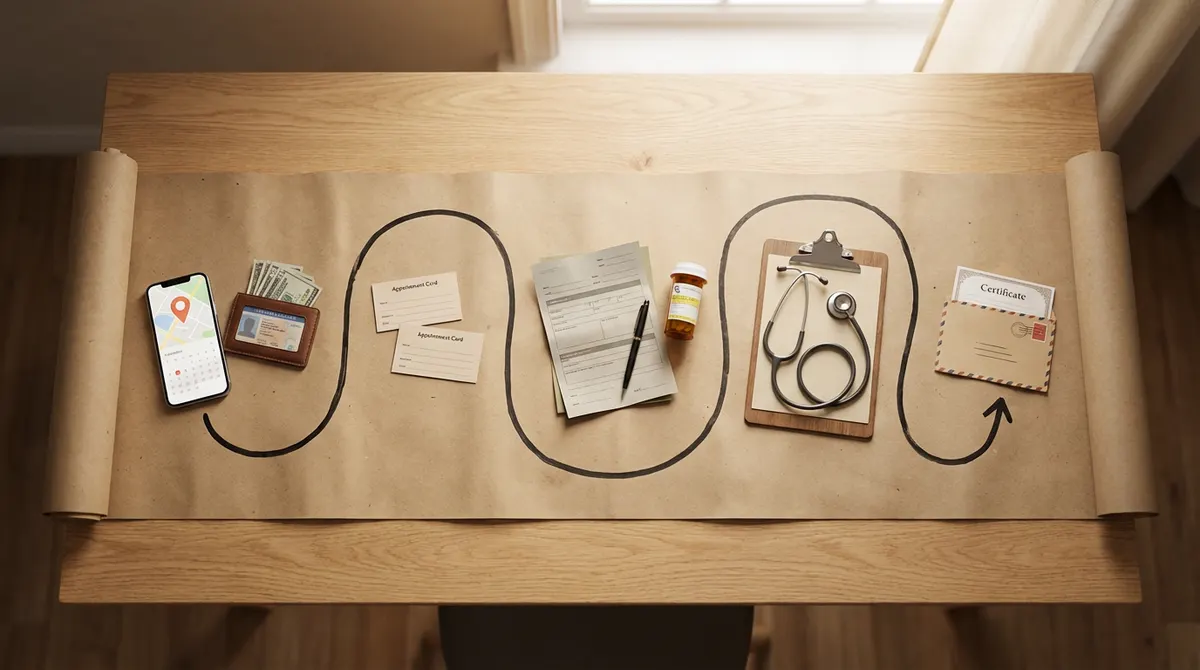
An affordable online dot physical without insurance usually follows five steps: search, compare, prepare, attend, and submit. The online part helps you find a provider near you and reduce friction before the visit.
Online scheduling for a DOT physical is a convenience tool, not a replacement for the exam. Online scheduling matters because it lets you compare appointment times, ask about cash prices, and complete a health questionnaire before arrival.
A practical roadmap looks like this:
Search the National Registry or clinic sites for certified medical examiners
Compare self-pay prices from urgent care, occupational medicine, and family medicine clinics
Upload or prepare your medical history, medication list, and documents
Attend the in-person physical examination
Receive your Medical Examiner's Certificate if qualified and submit it where required
Commercial drivers often waste money by booking too quickly. The better move is to confirm three things first: the provider is on the National Registry, the listed rate is the total cash rate, and the appointment is specifically for a DOT PHYSICAL EXAMINATION rather than sports physicals or a regular physical.
Already diagnosed and need CPAP support?
Dumbo Health helps patients start CPAP without the usual confusion, paperwork, or upfront cost. Equipment, setup, supplies, and ongoing support are all handled in one place.
A DOT physical exam is different from sports physicals and different from a regular physical because the standard is job fitness under federal law, not general wellness. That distinction matters because a clinic that offers sports physicals may not employ medical examiners qualified to issue a DOT medical certificate.
| Option | Typical self-pay range | Best for | Turnaround time | Main caution |
|---|---|---|---|---|
| Urgent Care | $85 to $150 | Same-day convenience | Often same day | Confirm examiner is on the National Registry |
| Occupational medicine | $90 to $160 | Work-related exams and paperwork | Same day to 2 days | May charge separately for follow-up forms |
| Family medicine or internal medicine | $100 to $200 | Ongoing care and chronic condition review | 1 to 7 days | Not every practice performs CDL physical visits |
For most uninsured commercial drivers, urgent care or occupational medicine is the best first step because price transparency and appointment availability are usually better. Family medicine and internal medicine can be a strong fit when medical conditions need follow-up and documentation.
KEY TAKEAWAY: The lowest-stress path is to use online tools for comparison and preparation, then complete the required exam in person with a certified examiner.
That roadmap makes more sense once you understand what the exam is actually for.
Understanding the DOT Physical: Purpose and Requirements

A DOT physical is a federally required medical exam that determines whether you can safely operate commercial motor vehicles. The Department of Transportation relies on this process to reduce risk in safety-sensitive driving roles.
The Federal Motor Carrier Safety Administration is the agency that sets the medical qualification standards for interstate CMV drivers. The Federal Motor Carrier Safety Administration matters because certified medical examiners use these standards when deciding whether to issue a Medical Certificate.
What exactly is a DOT physical? A DOT physical is a standardized physical examination and medical examination used to assess vision, hearing, blood pressure, health history, medication use, and other medical conditions relevant to safe driving. A DOT physical matters because passing it leads to a Medical Examiner's Certificate, often called a DOT Card or DOT medical certificate.
Who needs a DOT physical? In general, the requirement applies to commercial drivers operating a commercial motor vehicle in interstate commerce, especially when the motor vehicle has a gross vehicle weight rating above 10,000 pounds, transports hazardous materials requiring placards, or carries enough passengers to trigger federal rules. The exam is often called a CDL physical, but some non-CDL drivers also need it depending on the commercial vehicle and use case. The FMCSA states that interstate drivers must obtain the exam and certificate from a medical examiner listed on the National Registry of Certified Medical Examiners. (FMCSA)
The National Registry is the official FMCSA system for approved examiners. The National Registry matters because only certified medical examiners on that registry can perform a valid DOT physical exam for interstate commercial motor vehicle drivers. A provider can offer urgent care, occupational medicine, or family medicine services and still be the wrong choice if the examiner is not listed.
This is also where confusion starts online. A clinic may advertise medical exams, hearing tests, or even sports physicals, but that does not automatically mean the clinic provides a valid DOT Physical Exam. Commercial drivers should always verify the examiner and not just the clinic brand.
KEY TAKEAWAY: A DOT physical is a job-specific federal medical exam, and only a National Registry examiner can issue the certificate needed for interstate commercial drivers.
Once you know the legal purpose, the next issue is how payment works without insurance.
The "Without Insurance" Reality: Costs and Coverage Explained

Most standard health insurance plans do not cover a DOT physical because it is usually treated as an employment or compliance exam rather than routine preventive care. That is why uninsured drivers usually pay cash.
Out-of-pocket cost for a DOT physical without insurance commonly falls between about $85 and $160, but local pricing varies. Cost matters because price differences are often driven more by clinic type and transparency than by exam quality.
According to the FMCSA, the medical certificate can be valid for up to 24 months, so the self-pay cost is often spread over one to two years of driving eligibility when the result is a full certification. (FMCSA)
Why standard coverage often does not apply:
The DOT physical is not usually billed like routine primary care
The visit is linked to work fitness, licensing, and safety compliance
Some employers pay, but self-employed drivers and owner-operators often pay directly
Can you pay for your own DOT physical? Yes. Paying for your own DOT physical is common for independent drivers, applicants, and uninsured workers. An out-of-pocket service can still be legitimate and affordable if the provider is certified and the total price is clear before booking.
FSA and HSA accounts may help in some situations, but eligibility depends on plan rules and documentation. If you have FSA/HSA cards, ask your administrator whether the DOT physical qualifies as a reimbursable medical examination under your plan.
Price-shopping works best when you ask direct questions:
What is the total cash price for the DOT physical exam
Does that price include the urine test and paperwork
Is there an extra fee for follow-up documentation
Is the examiner on the National Registry
Can I pay the uninsured rate at the clinic
TIP: Ask for the self-pay rate and the all-in price in the same call. Self-pay and total price are not always the same thing.
A practical nuance many pages miss is that cheap is not always cheaper. A lower list price becomes expensive if the clinic reschedules you, cannot issue the certificate, or adds charges for basic paperwork.
KEY TAKEAWAY: Paying cash for a DOT physical is normal, but the smartest uninsured drivers verify certification status and full pricing before they book.
After cost comes the next big question: what the online part can and cannot do.
The "Online" Advantage: Preparing for Your DOT Physical

A DOT physical cannot be completed fully online, but much of the prep can be done online to save time and reduce mistakes. The online advantage is speed, organization, and easier comparison of providers in your area.
Online preparation for a DOT physical includes finding certified medical examiners, filling out a health questionnaire, gathering your medical history, and checking appointment availability. Preparation matters because missing documents or incomplete answers can delay or complicate the medical exam.
The best online tools for this process are:
The FMCSA National Registry search tool
Direct clinic websites
Scheduling platforms that show same-day availability
Patient intake forms for medical history and medications
Required documents for an online-scheduled DOT physical usually include:
Photo ID
Driver's license
A list of medications and dosages
Glasses or contact lenses if you use them
Hearing aids if you use them
Any recent specialist notes relevant to medical conditions
A driver's license is especially important because the clinic uses it to confirm identity and license details. A driver's license should be current and should match the name on the appointment. If you wear correction, bring it. If you use Hearing aids, bring them. If you have paperwork from a sleep study, bring that too.
A health questionnaire is the form where you disclose symptoms, diagnoses, medications, prior surgeries, and current concerns. A health questionnaire matters because the examiner uses it to guide the physical examination and determine whether additional follow-up is needed.
Many patients report that the most stressful part is not the vision test or urine sample. The most stressful part is remembering every medication and explaining ongoing medical conditions under time pressure. Completing your health history in advance reduces that problem.
If you want to understand the common standards before you book, this guide to what are the requirements to pass a DOT physical is a useful next step.
KEY TAKEAWAY: The online part of the process is best used for searching, price comparison, scheduling, and preparing your paperwork before the in-person exam.
With that preparation handled, the next question is what happens during the visit itself.
What to Expect During the DOT Physical Examination
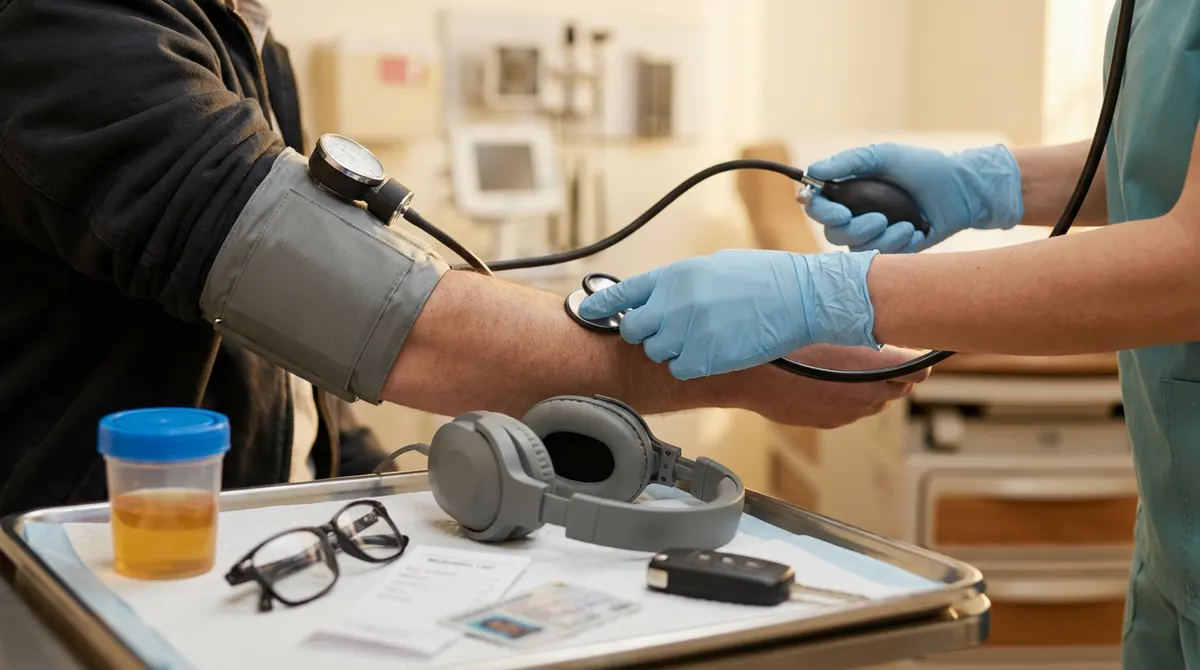
A DOT physical examination is a structured medical exam focused on safe driving, not a general wellness visit. The exam usually includes vision, hearing, blood pressure, a urine test, and a review of your medical history and current medications.
A vision test checks visual acuity and peripheral vision. Hearing tests assess whether you can hear a forced whisper or meet another accepted hearing standard, with or without correction. These checks matter because safe commercial vehicle operation depends on sight, hearing, awareness, and response.
The essential components of the DOT Physical Exam often include:
Review of medical history and health history
Measurement of height, weight, pulse, and blood pressure
Vision test for visual acuity and peripheral vision
Hearing tests, including whether hearing loss is corrected
Urine test with a urine sample
Basic physical examination of heart, lungs, abdomen, spine, limbs, reflexes, and general function
The urine test in a DOT physical is not the same thing as Tests for drug and alcohol use. The urine test used during the medical exam is typically a screening tool for sugar, protein, blood, and Specific Gravity, which can help flag dehydration, blood sugar concerns, or kidney health issues. The urine test matters because it supports the medical examination, not because it replaces DOT drug tests.
Blood pressure is one of the most important numbers in the room. The FMCSA states that a CMV driver with blood pressure below 140/90 may be certified for 2 years, while first-time Stage 1 readings of 140-159/90-99 generally lead to a 1-year certification. (FMCSA)
Time commitment is usually manageable. A straightforward visit often takes about 30 to 45 minutes, but it can take longer if your medical history is complex, paperwork is missing, or blood pressure needs to be rechecked after rest.
IMPORTANT: A DOT physical does not automatically include a drug test. A separate drug and alcohol test, drug test, or breathalyzer tests may be ordered by an employer, carrier, or program, but that is a different compliance process.
This is where many searchers get tripped up by unrelated clinic pages. Sports physicals, poison ivy treatment, Urinary Tract Infection visits, Upper Respiratory Infection treatment, and Heat exhaustion care are common urgent care services, but they are not substitutes for a DOT medical exam.
KEY TAKEAWAY: The DOT physical focuses on safety-relevant medical findings, and the urine test used in the exam is different from a separate drug test program.
Once you know the exam elements, the next priority is how medical conditions affect the outcome.
Common Disqualifying Conditions and Proactive Health Management for Uninsured Drivers
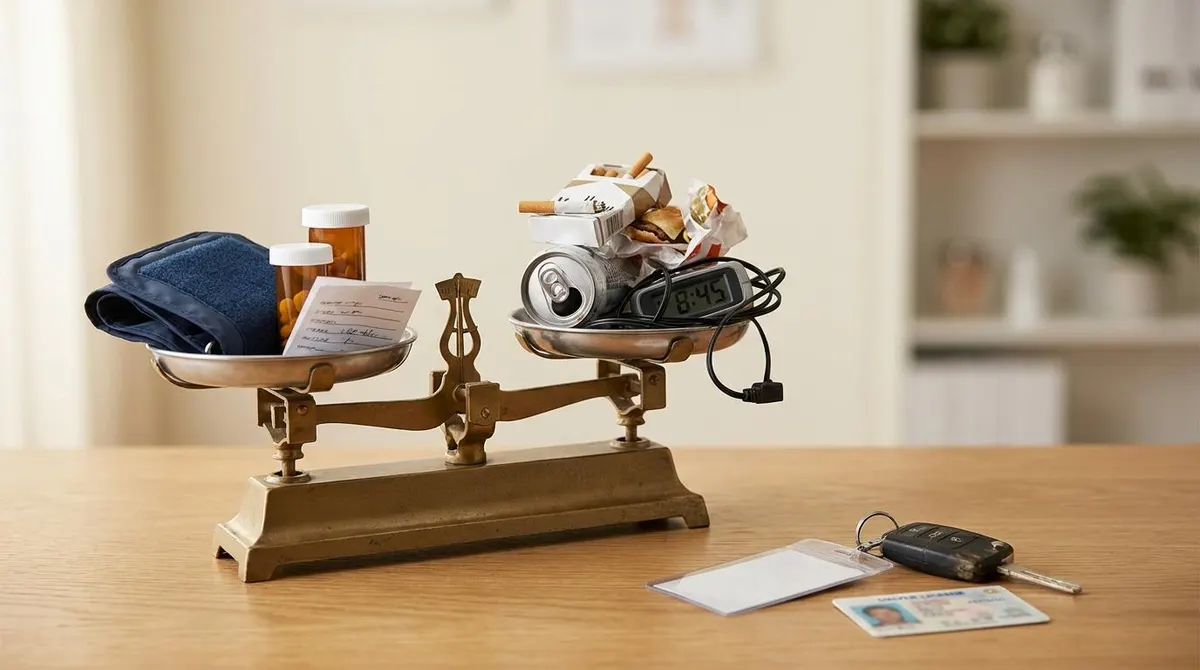
Many medical conditions can affect a DOT physical, but many do not automatically disqualify you if they are controlled and documented. The main issue is not the diagnosis alone. The main issue is whether the condition creates a current safety risk.
Medical conditions that commonly affect certification include high blood pressure, diabetes, sleep apnea, seizure disorders, vision deficits, hearing loss, and some heart conditions. These conditions matter because the examiner may shorten the certification period, request more documentation, or decide you are not currently qualified.
Blood pressure deserves special attention because it is one of the most common reasons a certificate is shortened. The FMCSA guidance says blood pressure below 140/90 may qualify for up to 2 years, while Stage 1 and Stage 2 hypertension can lead to shorter intervals and rechecks. The CDC reported in 2024 that hypertension prevalence in U.S. adults was 47.7%, which helps explain why this issue is so common in working-age populations. (FMCSA)
High blood pressure management without extensive insurance coverage can still be practical:
Check readings at pharmacies or low-cost clinics
Take blood pressure medication exactly as prescribed
Avoid nicotine, caffeine, and heavy salt before the visit
Sit quietly for several minutes before the reading
Bring records if a clinician has been monitoring your response to treatment
Diabetes management also matters. Diabetes does not automatically prevent certification, but the examiner will want evidence that blood sugar is reasonably controlled and that you are safe to drive. Bring your medication list, recent treatment notes, and any recent Hemoglobin A1C result if you have one. Mayo Clinic explains that diabetes care also includes controlling blood pressure and cholesterol, which is relevant because cardiovascular risk affects driving safety. (Mayo Clinic)
Sleep apnea is another major concern for commercial drivers. The NIH's National Heart, Lung, and Blood Institute explains that untreated sleep apnea can increase the risk of heart attack, stroke, and daytime thinking problems. Sleep apnea matters in a DOT physical because daytime sleepiness, untreated symptoms, and lack of adherence documentation can affect certification. (NHLBI, NIH)
sleep apnea is a sleep-related breathing disorder marked by repeated pauses in breathing during sleep. Sleep apnea matters because untreated symptoms can affect alertness, reaction time, and cardiovascular health in commercial drivers.
Commercial drivers with questions about conditions before the exam often do best by asking a primary care clinician or using telehealth for pre-exam questions. A telehealth consultation can help you understand what records to bring, but telehealth is not the DOT physical itself.
If you want a deeper condition-by-condition breakdown, these pages on can you pass a DOT physical with high blood pressure, can you pass a DOT physical with diabetes, and can you pass a DOT physical with sleep apnea can help you prepare.
Commercial drivers with complex histories should also communicate early and openly with medical examiners. Medical examiners are evaluating safety, documentation, and stability, not trying to surprise you. Clinicians frequently observe that honest disclosure leads to a clearer path than incomplete answers.
KEY TAKEAWAY: Chronic conditions often lead to monitoring, not automatic failure, when blood pressure, blood sugar, sleep apnea, and other risks are well controlled and documented.
The next step is choosing a provider and booking the right appointment without overspending.
Finding and Booking Your DOT Physical Without Insurance

The best uninsured booking strategy is to search for certified providers first, then compare total self-pay pricing and availability. Provider type matters, but certification status matters more.
Suitable providers commonly include Urgent Care clinics, occupational medicine offices, family medicine practices, and some internal medicine clinics. These options matter because they balance access, cost, and familiarity with work-related exams.
Using online platforms to locate cash-friendly options works best when you check the clinic site after using a directory. Direct clinic websites often show clearer pricing and better appointment rules than aggregator pages. Some drivers also compare local urgent care providers such as AFC Urgent Care or MD Now® clinics, but the key check remains the same: confirm that the actual examiner is listed on the National Registry before you book.
Questions to ask when calling clinics:
Do you offer a DOT physical exam for uninsured drivers
What is the cash price and what does it include
Is the examiner on the National Registry of Certified Medical Examiners
Can I complete the health questionnaire online
Do you offer same-day or next-day appointments
What should I bring besides my photo ID and driver's license
A driver's license should be mentioned again because clinics often cannot proceed smoothly without it. A driver's license is part of identity verification, and a missing driver's license can create delays or rescheduling.
Some online search results can be misleading. A clinic page may highlight sports physicals, poison ivy rash care, Urinary Tract Infection treatment, or Upper Respiratory Infection visits because those are common urgent care revenue lines. That does not tell you whether a valid CDL physical or DOT physical exam is available.
This is also where odd local listings can distract you. An address such as Academy House or 1420 Locust St may appear in search results, but location alone is never enough. Providers in your area should be judged on certification status, pricing, and fit for your medical conditions, not just proximity.
People who hold another healthcare role, such as an x-Ray Technologist, sometimes still need a CDL physical if they also operate a commercial vehicle as part of their work. The job title is not the deciding factor. The motor vehicle use case is.
TIP: When a clinic says it offers medical exams, ask whether that specifically includes a DOT medical exam performed by a National Registry examiner. That one question filters out many bad leads.
KEY TAKEAWAY: The best provider is the one that is certified, price-clear, and prepared to handle your specific medical history, not just the one that appears first online.
After the booking and exam, you still need to understand the paperwork and next steps.
After Your DOT Physical: What Comes Next
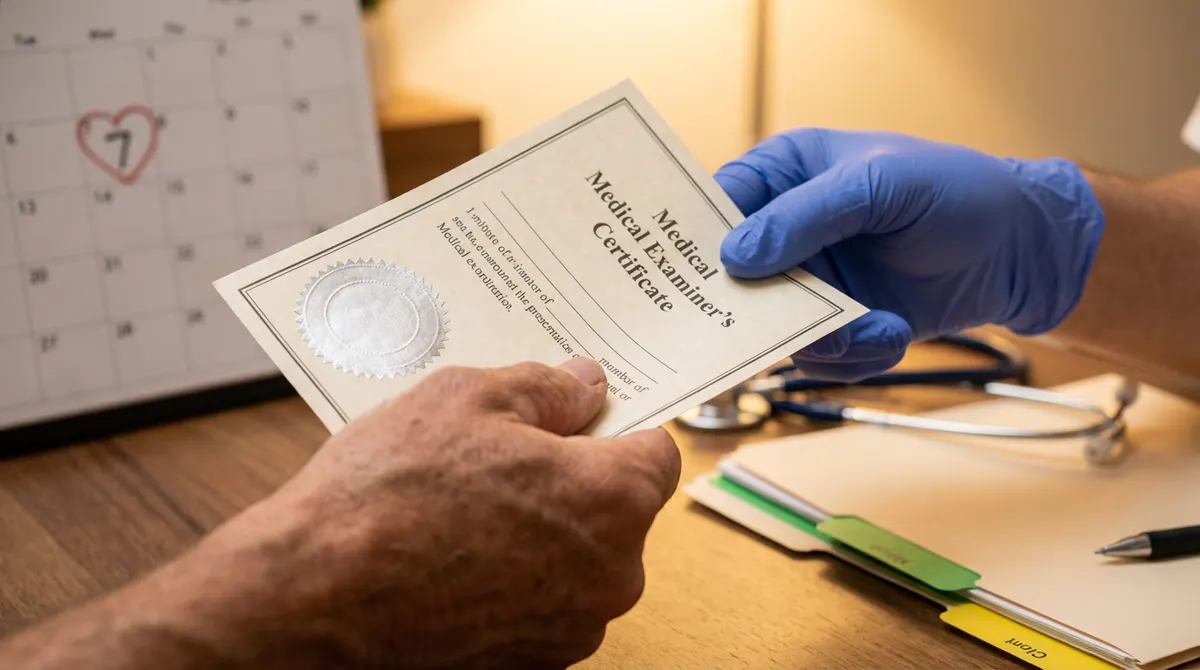
If you pass, you receive a Medical Examiner's Certificate that proves you are medically qualified for covered driving duties. If you do not pass, you may still have a path to reevaluation after treatment or documentation.
The Medical Examiner's Certificate, also called the MEC or DOT medical certificate, is the form that confirms medical qualification after the exam. The Medical Examiner's Certificate matters because carriers, employers, and licensing systems may require it to keep you in compliance.
The FMCSA says a DOT physical exam is valid for up to 24 months, but the examiner may issue a certificate for less than 24 months when closer monitoring is needed. The agency also states that the examiner keeps a copy of the Medical Examiner's Certificate, Form MCSA-5876, on file for at least 3 years. (FMCSA)
Shorter certification periods often happen for:
high blood pressure that needs follow-up
treated sleep apnea with adherence monitoring
diabetes that needs closer review
a recent medication change
a condition requiring specialist records
If you do not pass, next steps depend on the reason. You may need better blood pressure control, a new specialist note, more documentation, or time for treatment to work. A failed result is not always final. It is often a signal that the examiner needs more evidence or safer control of a medical condition.
This is also the right point to separate the DOT physical from testing confusion. A DOT physical is not the same as DOT drug tests, and it is not the same as a drug and alcohol test. DOT drug tests follow a different regulatory path and are often required for pre-employment, random, post-accident, or reasonable suspicion situations. A urine sample collected during the physical examination is not the same as the chain-of-custody process used for a separate drug test.
For more detail on duration and next steps, this guide on DOT physical duration and validity: how long your medical card lasts explains the timing clearly. If you are worried about not qualifying, failing a DOT physical: what every commercial driver needs to know is also helpful.
KEY TAKEAWAY: Passing the exam leads to a DOT medical certificate that may last up to 24 months, while failure often means follow-up and reevaluation rather than a dead end.
Before wrapping up, it helps to clear up the most common misconceptions that cause unnecessary stress.
Common Myths About Online DOT Physicals Without Insurance Debunked
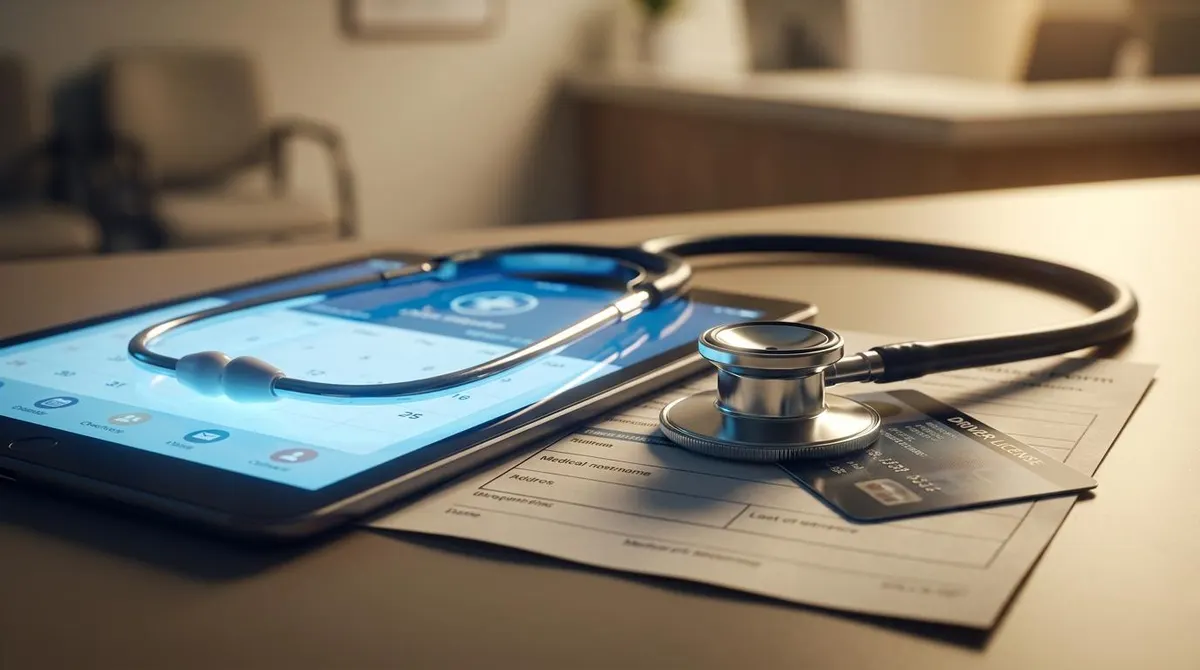
An online dot physical without insurance is real as a booking and preparation pathway, but it is not an online-only exam. That distinction is the source of many myths.
MYTH: A DOT physical can be completed entirely online.
FACT: A DOT physical requires an in-person physical examination by a National Registry examiner. Online tools can help you compare prices, complete intake forms, and book appointments, but the actual medical examination cannot be finalized remotely for interstate drivers. The FMCSA requires the certificate to come from a certified examiner. (FMCSA)
MYTH: No insurance means no legal way to get certified.
FACT: Insurance is not required to take the exam. Many commercial drivers, owner-operators, and job applicants pay the full cash price themselves. The real issue is finding a provider with a transparent uninsured rate and the right credentials.
MYTH: High blood pressure automatically means failure.
FACT: High blood pressure often leads to a shorter certification period rather than an automatic denial. The FMCSA guidance allows certification below certain thresholds and shorter monitoring intervals for elevated readings. Blood pressure below 140/90 can qualify for up to 2 years, while higher stages often trigger shorter certificates and rechecks. (FMCSA)
MYTH: The urine sample in the exam is a drug test.
FACT: The urine sample in the DOT physical is usually part of the medical examination and may check for protein, sugar, blood, and Specific Gravity. A separate drug test follows different procedures, forms, and chain-of-custody requirements.
MYTH: Any urgent care can issue a valid DOT Card.
FACT: Urgent care can be a good option, but only if one of the certified medical examiners on site performs the exam. Clinic branding alone does not guarantee compliance.
KEY TAKEAWAY: The biggest mistakes come from misunderstanding what can be done online, what insurance does not cover, and how certification decisions are actually made.
With those myths corrected, the remaining details are best handled in a direct FAQ section.
Frequently Asked Questions
Do I need insurance to get a DOT physical?
No. You do not need insurance to get a DOT physical. A DOT physical is commonly paid as an out-of-pocket service by commercial drivers, applicants, and owner-operators. The more important requirement is that the medical examination be performed by a certified examiner listed on the National Registry. Costs usually vary by provider type, local market, and whether documentation or follow-up is needed. Before booking, ask for the self-pay rate, whether the urine test is included, and whether the clinic can issue the Medical Examiner's Certificate on site.
Can a DOT physical be done online?
Not fully. A DOT physical can be scheduled online and partially prepared online, but the physical examination itself must be completed in person. Online tools are useful for finding certified medical examiners, comparing cash prices, uploading your medical history, and checking availability near you. The actual clinical exam still requires vision, hearing, blood pressure, and other checks that must be done face to face. If a site implies that the full exam can be completed remotely, verify the details carefully before paying.
How much does a DOT physical cost without insurance?
A self-pay DOT physical commonly costs about $85 to $160, although some markets run lower or higher. Urgent care, occupational medicine, family medicine, and internal medicine offices may all price the exam differently. The most helpful comparison is not the headline rate but the total cost, including paperwork and any repeat check that might be needed. Ask whether the listed price includes the urine test, blood pressure recheck if needed, and the Medical Examiner's Certificate. That approach helps you avoid surprise fees and compare providers in your area more accurately.
Can I pay for my own DOT physical?
Yes. Many commercial drivers pay for their own DOT physical, especially when they are uninsured, self-employed, changing jobs, or required to update paperwork before reimbursement is available. Paying for your own exam does not reduce its validity as long as the provider is properly certified and the exam follows FMCSA standards. Keep the receipt, ask whether FSA/HSA reimbursement might apply if you have an eligible account, and confirm ahead of time whether your employer or carrier has a preferred clinic or documentation rule.
What should I bring to a DOT physical appointment?
Bring a photo ID, your driver's license, glasses or contact lenses if you use them, Hearing aids if you use them, and a complete medication list with dosages. It is also smart to bring any recent records connected to medical conditions such as diabetes, sleep apnea, heart concerns, or blood pressure medication changes. A prepared medical history saves time and reduces the risk of incomplete answers on the health questionnaire. If you have had a recent sleep study, Stress test, or specialist review, bring that documentation too. Complete paperwork often matters as much as the exam itself.
Is the urine test during a DOT physical the same as a drug test?
No. The urine test used in a DOT physical is part of the medical exam and usually looks at markers such as sugar, protein, blood, and Specific Gravity. Those markers can help the examiner assess hydration, blood sugar issues, and kidney health. A separate drug test follows a different regulatory process with chain-of-custody requirements, and a separate drug and alcohol test can also involve breathalyzer tests depending on the situation. If your employer needs both services, ask whether the clinic performs both on the same visit and how they are billed.
Can I pass a DOT physical with high blood pressure, diabetes, or sleep apnea?
Often yes, if the condition is controlled and documented. High blood pressure may lead to shorter certification instead of automatic failure, depending on the reading and treatment status. Diabetes may require medication review and proof that blood sugar is stable enough for safe driving. Sleep apnea may require evidence of evaluation or treatment adherence. The best strategy is to prepare records before the visit and not hope the issue stays unnoticed. If you need an at-home screening option before an in-person exam, dumbo.health's at-home sleep test may be a useful informational starting point.
How long does a DOT medical certificate last?
A DOT medical certificate can last up to 24 months, but shorter periods are common when an examiner wants closer monitoring of a condition. The FMCSA states that the medical examiner may issue a certificate for less than 24 months when follow-up is appropriate. That often happens with high blood pressure, treated sleep apnea, diabetes, or medication changes. If you receive a short certificate, treat it as a prompt to improve control and plan the next visit early. Waiting until the last minute can create work interruptions, expired compliance, and higher out-of-pocket stress.
Conclusion: Empowering the Uninsured Commercial Driver
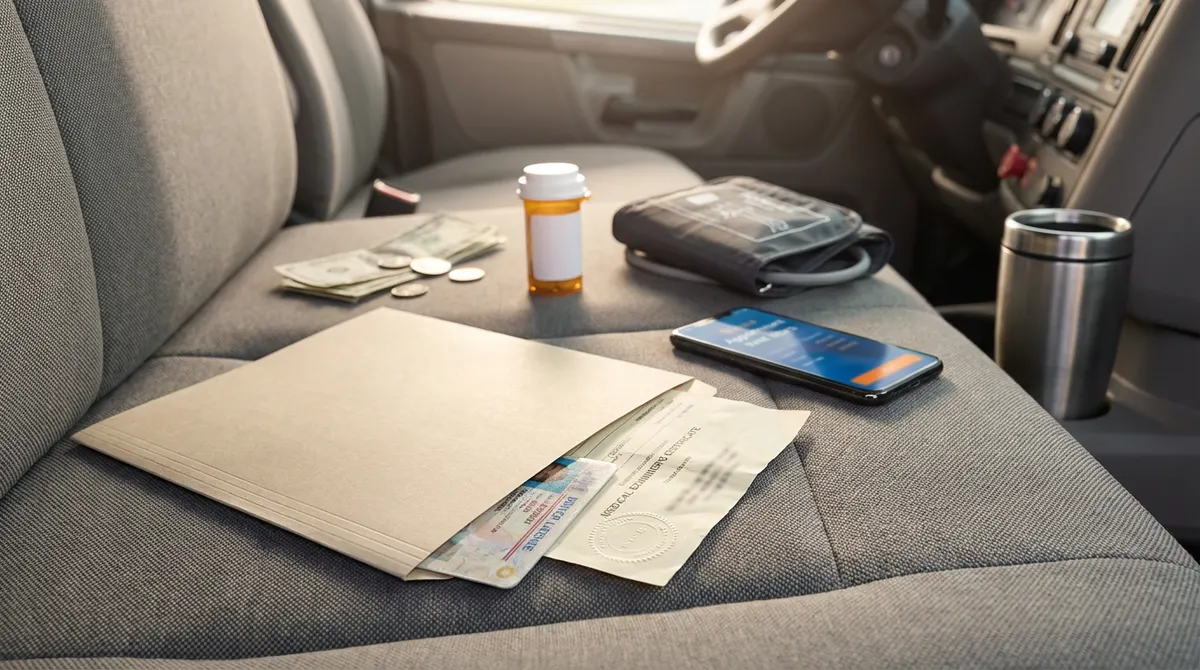
Getting an online dot physical without insurance is absolutely possible when you approach it as a self-pay compliance visit, not a general healthcare appointment. The smart path is to verify National Registry status, compare full cash prices, prepare your medical history carefully, and bring the right documentation for any ongoing medical conditions. Blood pressure, diabetes, sleep apnea, and other common issues often lead to monitoring rather than automatic failure when properly managed. To keep planning your next steps, review what can disqualify you from a DOT physical and use the guidance above to find a provider near you with more confidence.
Related DOT Physical Topics
- Can You Get a DOT Physical Online The Complete Guide for Commercial Drivers
- Does a DOT Physical Test for Weed or THC The Complete Guide for Commercial Drivers
- Online DOT Physical The Complete Guide for Commercial Drivers and Medical Examiners
- Can You Get a DOT Physical in Any State The Complete Guide for Commercial Drivers
- Remote DOT Physical The Complete Guide for Commercial Drivers
- DOT Physical Forms & Paperwork The Complete Guide for Commercial Drivers
- Online DOT Physical Self-Pay The Complete Guide for CDL Drivers and Owner-Operators
- What Happens If You Fail a DOT Physical Twice The Complete Guide for Commercial Drivers
- Can You Get a Second Opinion on Your DOT Physical A Complete Guide for Commercial Drivers
- DOT physical self pay guide for commercial drivers paying out of pocket
- DOT Hypertension Guidelines The Complete Blood Pressure Guide for Commercial Drivers
- DOT Medical Exam Self-Pay A Complete Guide for Commercial Drivers
- What Happens During the DOT Physical Exam The Complete Guide for Drivers
- What Happens If Your DOT Physical Expires Compliance Guide for Commercial Drivers
- The Ultimate DOT Physical Guide for Commercial Drivers (2025–2026)
- DOT Physical Requirements A Complete Guide for CDL Drivers
- What Happens If You Fail a DOT Drug Test The Complete Guide for Commercial Drivers
- DOT Physical ICD-10 & Billing Codes The Complete Guide for Accurate Compliance and Reimbursement
- Home Sleep Apnea Test for Commercial Drivers The CDL Holder's Complete Guide
- Medical Examiner's Certificate (Form MCSA-5876) The Complete Guide for Commercial Drivers
- Navigating the Florida DOT Physical Your Essential Guide for CDL Drivers
- DOT Physical Insurance & Recertification The Complete Driver's Guide
- How to Pass a DOT Physical The Complete Commercial Driver's Guide
- BMI for DOT Physical What Commercial Drivers Need to Know
- What are the current DOT requirements for sleep apnea testing for commercial drivers
- Medical Examination Report (MER) – Form MCSA-5875 The Complete Guide for Commercial Drivers
- Essential 171 DOT Definitions for Commercial Drivers
- DOT Physical Out of Pocket What Commercial Drivers Actually Pay
- Your Complete Guide What's Included in a DOT Physical Exam
- The Ultimate DOT Preparation Checklist for Motor Carriers and Commercial Drivers
- DOT Physical Insurance or Self Pay How to Choose the Right Payment Option for Your Exam
- DOT Physical Chiropractor Your Complete Guide to CDL Exams
- DOT Physical at Urgent Care What Commercial Drivers Need to Know
- What Does DOT Stand for in a DOT Physical
- Is a drug test required for a DOT physical
- DOT Physical Cost Breakdown What Drivers Pay & Why
- What Forms Do You Need for a DOT Physical
- Navigating DOT Stroke Guidelines for CMV Drivers What You Need To Know
- How can drivers with sleep apnea qualify again after a failed DOT physical
- What Is the Urine Test for in a DOT Physical
- DOT Physical Online Cost
- Can You Get a DOT Physical Online
- Can You Fail a DOT Physical for Being Overweight
- New DOT Physical Requirements What Drivers MUST Know About New Updates
- What Are the DOT Requirements for Drivers With Sleep Apnea
- Online DOT Exam What Drivers and Medical Examiners Need to Know
- DOT Physical Blood Pressure Requirements What Drivers Need to Know
- The Comprehensive Guide to Suboxone, Sleep Apnea, and FMCSA Compliance for Commercial Motor Vehicle Operators
- Is a DOT physical the same as a regular physical
- Can You Fail a DOT Physical for High Blood Pressure
- What are the current FMCSA guidelines on sleep apnea for commercial drivers
- Does insurance cover a DOT physical
- DOT Physical & Drug Test What Drivers Need to Know
- Non-DOT Physical A Comprehensive Guide to Workforce Health and Safety
- DOT Physical Texas The Essential Guide to Your Exam, Medical Card, and CDL Compliance
- Is a Sleep Study Required for a DOT Physical
- What Is the Difference Between a DOT and Non-DOT Physical
- Guide to Obtaining and Managing Your DOT Medical Card Online
- Do They Check for Hernia During a DOT Physical
- What eye chart is used for a DOT physical
- Cheap DOT Physical Online
- The DOT Physical Exam Ensuring You're Fit for the Road
- Failing a DOT Physical What Every Commercial Driver Needs to Know
- What drugs do they test for in a DOT drug test
- How Do You Submit Your DOT Physical to the DMV
- What Can Disqualify You From a DOT Physical
- Does a DOT physical include a drug test
- Can You Pass a DOT Physical with Epilepsy
- DOT Physical Self Pay Cost
- DOT Physical Exam Basics
- Can You Pass a DOT Physical With a Hernia
- Can You Pass a DOT Physical With a Pacemaker
- Can You Pass a DOT Physical With One Eye
- Telehealth Dot Physical
- Sleep Apnea Test for CDL Drivers
- Who needs a DOT physical
- DOT Physical & Alcohol Requirements
- Navigating Your DOT Physical with Common Medical Conditions
- Why do they measure your neck during a DOT physical
- Why DOT Sleep Tests at Home Matter for Your Career and Health
- Walk In DOT Physical Self Pay
- Are there legal requirements for drivers with sleep apnea
- What Should You Bring to a DOT Physical
- DOT Physical Cash Pay
- Same Day DOT Physical
- Virtual DOT Physical
- DOT Physical Vision & Eye Requirements
- Can you fail a DOT physical because of sleep apnea
- What blood pressure do you need to pass a DOT physical
- When Can Sleep Apnea Affect a DOT Physical
- Do They Check Your Private Parts During a DOT Physical
- Can you pass a DOT physical with sleep apnea
- What should I expect at a DOT physical
- What Does a DOT Physical Consist Of
- What happens if you fail a DOT physical due to sleep apnea
- At Home Sleep Test for Truck Drivers
- Sleep Apnea Tests for DOT Compliance What tests are accepted
- Can You Pass a DOT Physical with Diabetes
- Can You Pass a DOT Physical with High Blood Pressure
- Online CDL Physical
Take the next step before your DOT physical
Start with the free quiz if you are unsure about your risk, or order an at-home sleep test if you have already been flagged for possible sleep apnea.
AI summary
An online DOT physical without insurance refers to booking a DOT medical exam online and paying cash, while completing the required examination in person. Under Federal Motor Carrier Safety Administration (FMCSA) rules, interstate commercial motor vehicle drivers must be examined by a certified medical examiner listed on the National Registry and receive a Medical Examiner’s Certificate (MEC). Key points: - Process steps: search National Registry, compare total self-pay prices, prepare health history and medications, attend the in-person exam, then submit the certificate as required. - Typical self-pay cost ranges: urgent care $85–$150, occupational medicine $90–$160, family/internal medicine $100–$200. - Exam components: medical history review, blood pressure, vision and hearing checks, urine dipstick (e.g., sugar, protein, blood, specific gravity), and a focused physical exam. - The urine test in the DOT physical is not a DOT drug test; drug testing is a separate compliance process. - Certification can be valid up to 24 months, but may be shorter with conditions like hypertension, diabetes, or sleep apnea if monitoring or documentation is needed.

Nicolas Nemeth
Co-Founder
Nico is the co-founder of Dumbo Health, a digital sleep clinic that brings the entire obstructive sleep apnea journey home. Patients skip the sleep lab and the long wait to see a specialist. Dumbo Health ships an at home test, connects patients with licensed sleep clinicians by video, and delivers CPAP or a custom oral appliance with ongoing coaching and automatic resupply in one clear subscription.
Keep reading

How Long Does a DOT Physical Take? A Complete Guide for Commercial Drivers

What Happens If You Fail a DOT Drug Test? The Complete Guide for Commercial Drivers


