The DOT Physical Exam: Ensuring You're Fit for the Road
This guide explains the DOT physical exam and DOT drug and alcohol testing requirements for commercial drivers under FMCSA rules. It outlines who needs a DOT medical card and what the exam includes, such as medical history review, vital signs, vision and hearing standards, physical exam, and urinalysis for general health markers. It also clarifies that urinalysis during the physical is not the DOT drug test. The article breaks down the DOT five-panel urine drug test, breath alcohol testing, chain of custody, lab confirmation, and the Medical Review Officer’s role. It covers how prescriptions are evaluated, why medical marijuana can still cause disqualification, and what happens after a failed exam or positive test, including the SAP-led Return-to-Duty process.
Struggling with sleep?
Find out if sleep apnea is the reason.
FDA-cleared. $149 flat. Physician-reviewed results in 48 hours.

DOT Physical Drug Testing
Introduction: Navigating Your Essential DOT Requirements
Embarking on or continuing a career as a commercial driver means understanding and adhering to a critical set of regulations designed to ensure road safety. Among the most fundamental of these are the Department of Transportation (DOT) physical examination and drug testing requirements. These aren't mere bureaucratic hurdles; they are essential safeguards that protect not only the driver but also the public. This comprehensive guide is designed to equip you, the commercial driver, with everything you need to know to navigate these requirements successfully.
You will learn why these examinations are mandatory, what to expect during each component, how to prepare effectively, and what the results mean for your ability to operate a commercial vehicle. We will delve into the intricacies of the DOT physical, covering everything from vision and hearing tests to managing medical conditions and understanding the role of your medical examiner. Equally important, we will break down the DOT drug test, explaining its purpose, the different types of tests, the process involved, and how common issues like prescription medications and medical marijuana are handled. Finally, this guide will help you understand what happens if you don't pass, how to proactively manage your health for long-term certification, and how to maintain ongoing DOT compliance throughout your career.
To get started, you’ll need to gather your relevant medical documentation, a list of any current medications, and be prepared to answer questions honestly about your health history. By the end of this guide, you will feel confident in your understanding of these vital requirements, empowered to approach your physicals and drug tests with preparedness, and equipped to maintain the certifications necessary to keep your career on the road. Achieving and maintaining your DOT certification is key to your livelihood and the safety of our transportation system.
The Backbone of the Transportation System: Commercial Drivers
Commercial drivers are the unsung heroes of modern commerce. They are the individuals who ensure that goods reach their destinations, powering industries and economies across the nation. Operating large, heavy vehicles on complex road networks requires a unique blend of skill, responsibility, and, crucially, robust health and fitness. The sheer scale and power of commercial vehicles demand that drivers possess exceptional physical and mental capabilities to navigate safely, react effectively to changing road conditions, and avoid potential hazards. Without a dedicated and capable force of commercial drivers, supply chains would falter, businesses would struggle, and the very fabric of our interconnected economy would be significantly disrupted. Understanding the importance of their role underscores why the Department of Transportation (DOT) imposes stringent requirements to ensure their fitness for duty.
Why DOT Physicals and Drug Tests are Mandatory
The mandatory nature of DOT physicals and drug tests stems directly from the paramount importance of public safety on our roadways. The Federal Motor Carrier Safety Administration (FMCSA), an agency within the Department of Transportation, sets and enforces these regulations. Their primary objective is to minimize the risk of accidents caused by drivers who may be medically unfit or impaired by substance use. A driver operating a commercial vehicle might be responsible for loads worth millions of dollars, carrying hazardous materials, or transporting passengers. Any lapse in judgment, physical capability, or cognitive function due to an undetected medical condition or the influence of drugs or alcohol can have catastrophic consequences, leading to severe injuries, fatalities, and extensive property damage.
Not sure if sleep apnea applies to you?
Take our 2-minute sleep risk quiz to see whether sleep apnea could affect your DOT physical. No account required.
These requirements are not arbitrary; they are data-driven and aimed at proactively identifying potential risks. By mandating regular physical examinations, the DOT ensures that commercial drivers meet specific health standards related to vision, hearing, blood pressure, and overall physical and mental well-being. Similarly, drug testing serves as a critical deterrent and detection mechanism against the use of illegal drugs and the misuse of controlled substances, which can severely impair a driver's ability to operate safely. Compliance with these regulations is not optional; it is a legal obligation for drivers and employers alike, crucial for maintaining a safe transportation network and protecting the public trust.
The DOT Physical Exam: Ensuring You're Fit for the Road
The DOT physical exam is a cornerstone of the regulatory framework designed to ensure that commercial drivers are medically qualified to operate their vehicles safely. It is a comprehensive assessment conducted by a certified medical examiner to evaluate a driver’s physical and mental health against specific standards set by the FMCSA. This examination goes beyond a routine check-up; it is specifically tailored to the demands and responsibilities of commercial driving, aiming to identify any medical conditions that could impair a driver's ability to perform their duties, thereby safeguarding themselves and others on the road.
Purpose and Importance of the DOT Physical
The fundamental purpose of the DOT physical examination is to determine if a commercial driver is medically fit to operate a commercial motor vehicle (CMV) safely. The FMCSA outlines strict medical qualifications that drivers must meet to prevent accidents caused by underlying health issues. These examinations are critical because undetected or poorly managed medical conditions can lead to sudden incapacitation, impaired judgment, or reduced reaction times, all of which pose significant risks in the demanding environment of commercial driving.
The importance of the DOT physical cannot be overstated. It serves as a proactive measure to prevent accidents by identifying potential health problems before they become safety hazards. For example, uncontrolled high blood pressure can lead to strokes, poor vision can prevent a driver from seeing hazards, and certain neurological conditions can cause unpredictable episodes. By undergoing these thorough examinations, drivers can also become aware of health issues they might not have known about, prompting them to seek necessary treatment. This not only ensures compliance with federal regulations but also contributes to the driver’s overall long-term health and career longevity, as a qualified driver is essential for the smooth functioning of the transportation industry.
Who Needs a DOT Physical?
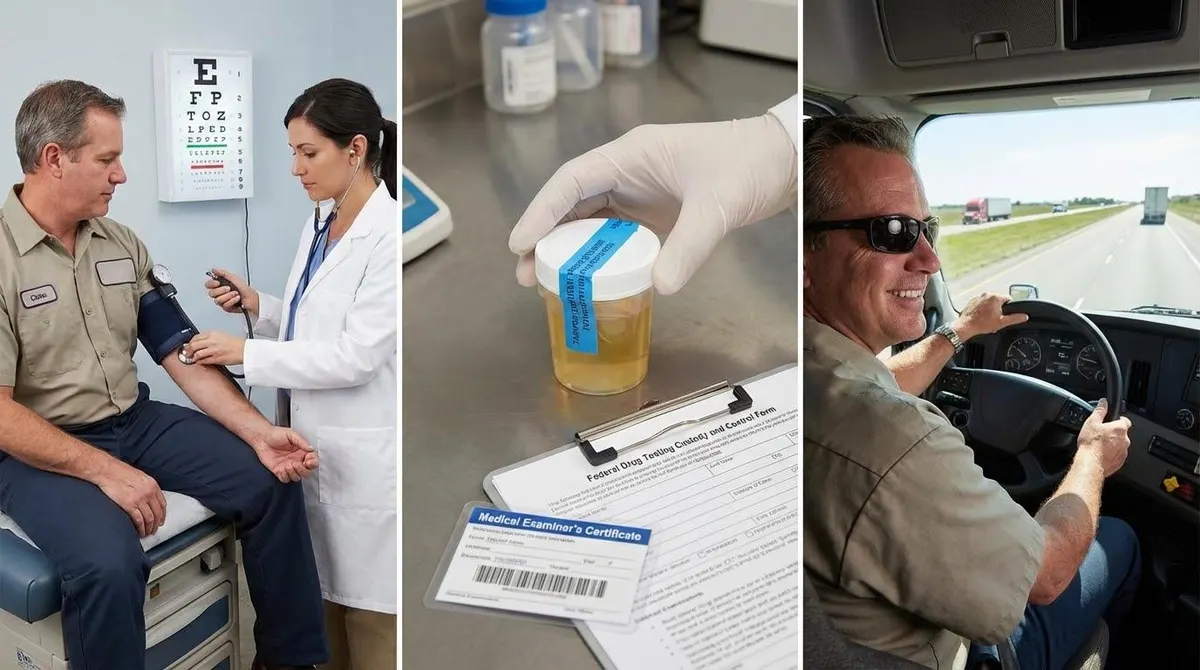
The requirement for a DOT physical exam applies to anyone operating a commercial vehicle that meets certain criteria as defined by the Department of Transportation. Generally, you will need a DOT physical if your vehicle is:
- Used in interstate commerce: Meaning it transports goods or passengers across state lines.
- Designed to transport 10 or more passengers (including the driver): This covers many types of passenger-carrying vehicles.
- Designed or equipped to transport 15 or more passengers (not including the driver).
- Designated as a hazardous materials (hazmat) vehicle: Regardless of its size, if it placards for hazmat, a DOT physical is required.
- Gross Vehicle Weight Rating (GVWR) or Gross Combination Weight Rating (GCWR) of 10,001 pounds or more: This is a common threshold for many larger trucks and towing vehicles.
These requirements are overseen by the FMCSA and are crucial for ensuring that individuals in safety-sensitive positions within the transportation industry meet the necessary health standards. Even if your employer doesn't explicitly ask, operating a vehicle that falls into these categories without a current DOT medical card can lead to significant penalties for both the driver and the company.
What to Expect During Your DOT Physical: A Step-by-Step Overview
The DOT physical examination is a systematic evaluation performed by a certified medical examiner to assess your health comprehensively. Understanding the process can help alleviate anxiety and ensure you are prepared. The examination typically includes the following components:
- Medical History Review: The medical examiner will begin by asking about your past and present medical conditions, including any surgeries, hospitalizations, and chronic illnesses. You will be asked about any prescription or over-the-counter medications you are currently taking, as well as any allergies. Honesty and thoroughness are vital here, as this information helps the examiner understand potential health risks.
- Vital Signs Measurement: Your blood pressure will be taken to check for hypertension. Your pulse will be assessed for regularity. Your height and weight will be recorded, and your Body Mass Index (BMI) will be calculated.
- Vision Examination: This is a critical part of the exam. You will undergo tests to assess your visual acuity (sharpness of vision) in each eye, both individually and together. The standard requirement is 20/40 vision in at least one eye, with or without corrective lenses. You will also be tested for your field of vision (peripheral vision) and your ability to distinguish colors, which is crucial for recognizing traffic signals and signs.
- Hearing Examination: The examiner will test your ability to hear certain sounds. This can be done through audiometry or by testing your ability to hear a whisper test at a specific distance (typically 5 feet). The requirement is generally to be able to hear an average of 40 dB at 1000 Hz, 2000 Hz, and 3000 Hz in each ear, or to be able to hear a whispered voice at 5 feet.
- Physical Examination: This involves a head-to-toe assessment of your body's major systems. The examiner will check your eyes, ears, nose, throat, mouth, and abdomen. They will listen to your heart and lungs with a stethoscope, check for hernias, and examine your extremities for any abnormalities, such as swelling or deformities. This part of the examination also includes a check for neurological issues, assessing reflexes, strength, and coordination.
- Urinalysis: A urine sample will be collected. The purpose of this urinalysis in a DOT physical is primarily to check for general health markers, such as the presence of blood, protein, or sugar. These indicators can help detect potential issues like diabetes, kidney disease, or urinary tract infections. It is important to note that this urine sample is not tested for illegal drugs; that is a separate process.
- Review of Medical Conditions: The examiner will specifically consider common medical conditions that can affect driving safety, such as diabetes, heart disease, epilepsy, sleep disorders, and mental health conditions. Management strategies and the stability of these conditions will be assessed.
- Final Assessment and Certification: Based on all the information gathered, the medical examiner will determine if you meet the medical standards. If you do, you will be issued a Medical Examiner’s Certificate (MEC). If there are concerns, the examiner may require further testing, documentation from your personal physician, or may issue a certificate with limitations or for a shorter duration.
Preparing for Your DOT Physical: Tips for Success
Proactive preparation can significantly streamline your DOT physical exam and increase your chances of receiving a medical certification. Here are key tips to ensure you are ready:
- Gather Your Medical Records: Bring documentation for any chronic medical conditions you have, especially if they require ongoing management. This includes records for conditions like diabetes, hypertension, heart disease, or sleep apnea. If you have been diagnosed with or treated for any neurological conditions, ensure you have relevant reports.
- List All Medications: Prepare a comprehensive list of all prescription medications, over-the-counter drugs, and supplements you are currently taking. Include the dosage and the reason for taking each one. This is crucial for the medical examiner to assess potential interactions or side effects that could impact driving.
- Bring Your Current Medical Examiner’s Certificate (if applicable): If you are renewing your physical, bring your old certificate.
- Wear Appropriate Clothing: Comfortable clothing is recommended, as you may need to disrobe for certain parts of the examination.
- Get Adequate Rest: Ensure you get a good night's sleep before your appointment. Fatigue can affect blood pressure and overall alertness.
- Stay Hydrated (but not excessively): It’s important to be well-hydrated for the urine test, but avoid drinking excessive amounts of fluids immediately before the exam, as this can dilute your urine sample.
- Be Honest and Thorough: The medical examiner needs accurate information to make a proper assessment. Do not withhold any medical information, no matter how minor you think it might be. This includes discussing any past or present substance use issues if asked.
- Know the Vision and Hearing Requirements: While the examiner will test you, being aware of the minimum standards (e.g., 20/40 vision, ability to hear a whispered voice at 5 feet) can help you understand the examination's focus.
- If You Wear Corrective Lenses: Bring your eyeglasses or contact lenses. The vision test will be performed with them.
- Understand Your Health Conditions: Be prepared to discuss how you manage conditions like diabetes (e.g., diet, insulin use) or hypertension (e.g., medication).
- Consider Your Diet and Exercise: Leading a healthy lifestyle in the weeks and months leading up to your physical can positively impact your blood pressure, weight, and overall health metrics.
By following these preparation steps, you can ensure a smoother, more efficient examination process and make it easier for the medical examiner to certify your fitness for duty.
Understanding Your Results: Medical Examiner's Certificate (MEC) & Medical Examination Report (MER)
Upon successful completion of your DOT physical, the medical examiner will provide you with two key documents: the Medical Examiner's Certificate (MEC) and the Medical Examination Report (MER). Understanding these documents is essential for maintaining your compliance.
The Medical Examiner’s Certificate (MEC) is the official document that confirms you have met the minimum medical qualifications established by the FMCSA to operate a commercial vehicle. This is the card you will typically need to carry with you when you are driving, and it’s what the DOT and law enforcement will ask to see. The MEC will indicate the date of your examination, the date your certificate expires, and any specific restrictions or limitations placed on your driving privileges (e.g., requiring corrective lenses). Most drivers are issued certificates valid for two years. However, this period can be shorter if you have a medical condition that requires closer monitoring, such as uncontrolled diabetes or significant cardiovascular issues.
The Medical Examination Report (MER) is a more detailed document that records the findings of your physical examination. It includes all the information gathered during your medical history, vital signs, results of vision and hearing tests, findings from the physical exam, and the urinalysis results. The medical examiner completes this form, and you will receive a copy. While the MEC is the credential you carry, the MER serves as the record of your examination and is typically submitted by the medical examiner to your employer and to the state licensing agency to update your driving record. It is important to keep your copy of the MER for your personal records, as it details your health status at the time of the examination and can be referenced for future medical evaluations.
Already diagnosed and need CPAP support?
Dumbo Health helps patients start CPAP without the usual confusion, paperwork, or upfront cost. Equipment, setup, supplies, and ongoing support are all handled in one place.
The DOT Drug Test: What Commercial Drivers Need to Know
In addition to the physical examination, commercial drivers are subject to mandatory DOT drug testing. This is a separate but equally critical component of ensuring driver safety and compliance with federal regulations. The drug testing program is designed to deter and detect the use of illegal drugs and the misuse of prescription drugs that could impair driving ability. Understanding the nuances of DOT drug testing is vital for every commercial driver.
Purpose of DOT Drug Testing
The primary purpose of DOT drug testing for commercial drivers is to promote safety on our nation's roadways. The FMCSA mandates these tests under 49 CFR Part 40 to prevent individuals who are impaired by controlled substances from operating commercial vehicles. Drug use can severely compromise a driver's judgment, coordination, reaction time, and overall ability to operate a large, heavy vehicle safely, significantly increasing the risk of accidents.
Beyond deterring drug use, the testing program serves to identify drivers who may have a substance abuse problem and need help. By establishing clear testing protocols, the DOT aims to create a strong disincentive against illegal drug use and to provide a pathway for rehabilitation and return to duty for those who violate the rules but are willing to undergo treatment. Ultimately, the goal is to maintain a drug-free transportation workforce, thereby protecting the driver, their cargo, other motorists, and the general public.
Types of DOT Drug Tests
The Department of Transportation specifically mandates testing for five common illegal drugs:
- Marijuana (THC)
- Cocaine
- Amphetamines and Methamphetamines
- Opiates (including opium and codeine derivatives)
- Phencyclidine (PCP)
The standard DOT drug test is a urinalysis. This is the most common method used to detect the presence of these substances in a person's system.
In addition to drug testing, the DOT also mandates alcohol testing. This is typically performed using a breathalyzer. While the five drugs listed above are tested via urine, alcohol testing is conducted through a breath specimen.
It is important to note that while employers may choose to implement additional testing methods (like saliva or hair follicle tests) for their own company policies, the FMCSA-regulated testing for safety-sensitive positions strictly includes the five-panel urine drug test and breath alcohol testing.
The Drug Test Process: From Collection to Results
The DOT drug testing process is a highly regulated procedure designed to ensure accuracy, integrity, and confidentiality. Here’s a step-by-step breakdown of what commercial drivers can expect:
- Notification and Shakedown: You will be notified that you need to undergo a drug test. Depending on the test type (e.g., pre-employment, random, post-accident), the notification process may vary. For random tests, you’ll typically be called to a testing site.
- Arrival at the Collection Site: You will arrive at an authorized collection site. You will need to present a valid photo identification. The collection site personnel will verify your identity.
- Specimen Collection (Urine Test):
- You will be asked to provide a urine sample in a designated restroom. To ensure the integrity of the sample, you may be required to empty your pockets, and certain items may be removed from the restroom (e.g., bluing agents for the toilet water).
- You will be given a collection cup. The collector will instruct you on how to provide the sample, ensuring it is at least 45 ml.
- You will then seal the collection cup with a tamper-evident seal in the presence of the collector.
- The collector will check the temperature of the urine sample on the spot to ensure it is within the acceptable range (typically 90-100°F or 32-38°C).
- The urine will be divided into two bottles: a primary (or "test") bottle and a split (or "B") bottle. Both will be securely sealed and labeled with unique identifiers.
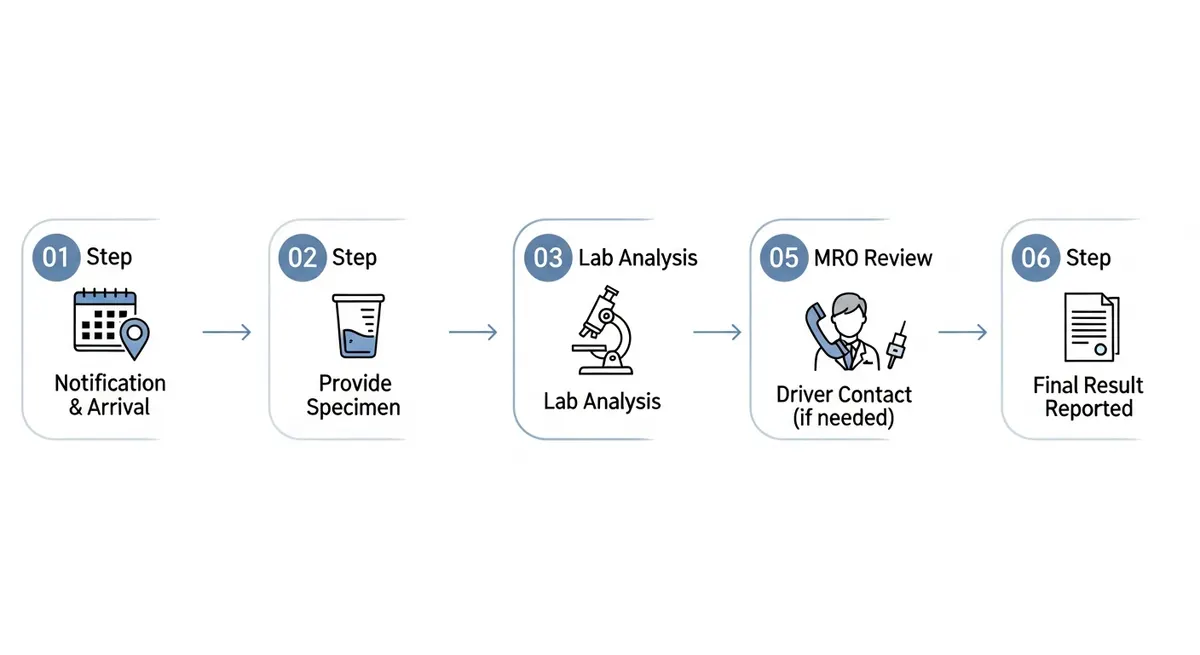
A step-by-step overview of the standard DOT drug testing and result verification process.
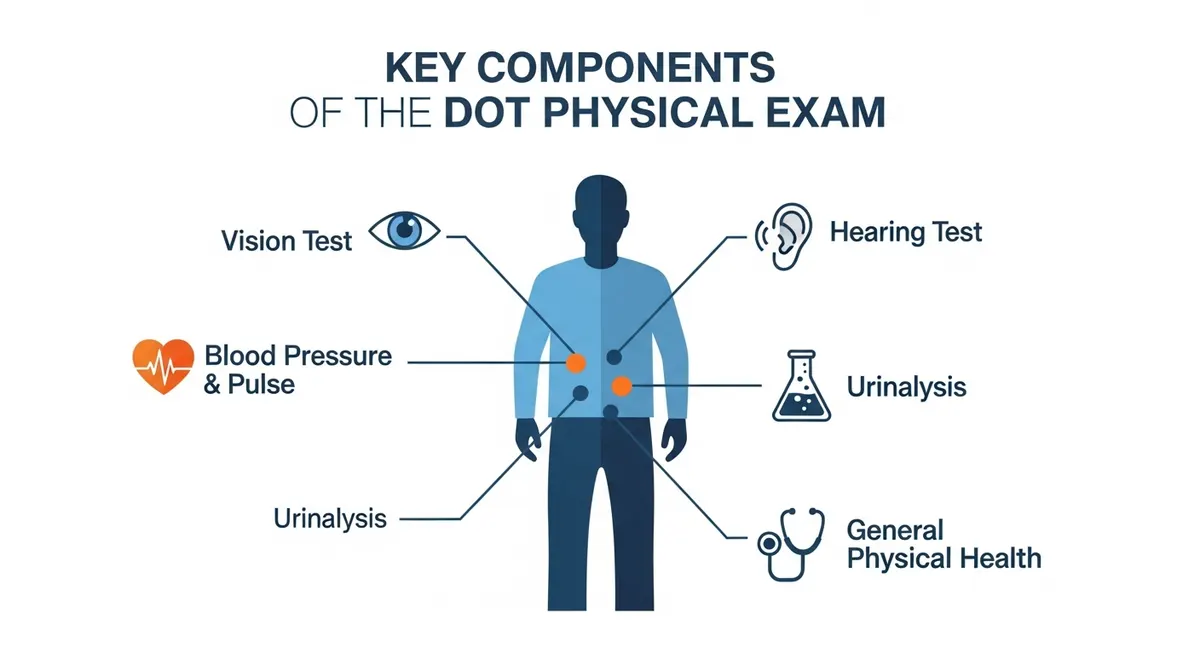
The DOT physical exam is a comprehensive health check covering several key areas to ensure a driver's fitness for duty.
- Chain of Custody Form: You will review and sign a Chain of Custody Form (CCF). This document is critical as it tracks the specimen from the moment it is collected to its arrival at the laboratory. It records details such as your name, the test type, the date and time of collection, and the seals applied. You will receive a copy of the signed CCF.
- Transport to Laboratory: The collector then securely transports the sealed specimens and the CCF to a certified laboratory for analysis.
- Laboratory Analysis: The laboratory conducts an initial screening test (immunoassay) on the primary specimen.
- If the initial screening test is negative, the lab reports the result as negative.
- If the initial screening test is non-negative (positive), the specimen is then tested using a more specific and accurate method, typically Gas Chromatography/Mass Spectrometry (GC/MS), to confirm the presence of the drug or its metabolites.
- Medical Review Officer (MRO) Review: If the laboratory’s confirmatory test is positive, the results are not immediately reported to the employer. Instead, they are sent to a Medical Review Officer (MRO). The MRO is a licensed physician responsible for reviewing all laboratory results and evaluating any medical explanation for a positive test. The MRO will contact you to discuss the positive result and give you an opportunity to provide a legitimate medical explanation (e.g., a valid prescription for a drug that could cause a positive result).
- Reporting of Results:
- If the MRO verifies the result as positive after speaking with you and reviewing any provided documentation, the result is then reported to your employer or the designated employer representative (DER).
- If the MRO cannot verify the positive result (e.g., you provide a valid prescription that accounts for the finding), the result will be reported as negative.
- If the split specimen (Bottle B) is needed for re-testing (e.g., if the original test result is questioned or found to be invalid), it can be sent to another certified lab.
This meticulous process ensures the accuracy of test results and protects the rights of the driver.
The Critical Role of the Medical Review Officer (MRO)
The Medical Review Officer (MRO) plays an indispensable and often misunderstood role in the DOT drug testing process. The MRO is not merely an administrator; they are a licensed physician tasked with reviewing and interpreting laboratory results from drug tests. Their primary function is to act as an independent, unbiased intermediary between the laboratory, the driver, and the employer.
When a laboratory analysis reveals a non-negative result for a drug substance, the information is sent to the MRO, not directly to the employer. The MRO’s crucial first step is to contact the driver to discuss the finding. During this conversation, the MRO will typically ask if the driver has a prescription for any medications that could explain the positive result. This is the driver's opportunity to provide medical documentation, such as a prescription or a note from their prescribing physician, to explain the presence of the substance.
The MRO then rigorously evaluates this information. They will verify the prescription with the prescribing physician to ensure its legitimacy, confirm the dosage, and determine if the prescribed medication is known to produce a positive result on the specific test administered. If the MRO finds a legitimate medical explanation for the positive result, they will report the test as negative to the employer. However, if no valid medical explanation is provided or if the explanation is insufficient, the MRO will verify the result as positive and report it to the employer.
The MRO's role is vital for ensuring fairness, accuracy, and compliance with DOT regulations. They act as a safeguard against incorrect results and provide a critical layer of review to protect the privacy and rights of commercial drivers while upholding the integrity of the drug-free workplace program.
Common Questions: Prescription Medications and Medical Marijuana
Navigating the complexities of prescription medications and the evolving landscape of medical marijuana can be a significant concern for commercial drivers undergoing DOT physicals and drug tests.
Prescription Medications
The DOT physical requires you to disclose all prescription medications you are taking. The medical examiner will assess whether these medications could impair your ability to drive safely. Some medications, like certain strong painkillers, sedatives, or stimulants, may lead to restrictions or disqualification if not properly managed or if they have significant side effects. However, many common prescription medications, such as those for high blood pressure, diabetes, or allergies, are generally permissible if the condition they treat is well-managed and the medication does not cause drowsiness or impairment. It is imperative to provide accurate and complete information about all your medications to the medical examiner.
Regarding drug tests, if you are taking a prescription medication that could potentially cause a positive result, it is essential to have a valid prescription and be prepared to provide documentation to the Medical Review Officer (MRO). As explained earlier, the MRO will review this information. The key is that the medication is legally prescribed for a legitimate medical purpose and is being taken as directed. If you are taking a controlled substance prescribed by a physician for a chronic condition, you must have all necessary documentation.
Medical Marijuana
The issue of medical marijuana is particularly complex for commercial drivers because of the conflict between state laws permitting its use and federal law, which still classifies marijuana as an illegal substance. The FMCSA and the Department of Transportation have a strict zero-tolerance policy for marijuana use. This means that even if medical marijuana is legal in the state where you live or are being tested, a positive result on a DOT drug test for marijuana will be considered a violation of federal regulations and will likely result in disqualification from operating a commercial vehicle.
The FMCSA has stated that there is no recognized medical use for marijuana in the treatment of any condition that would make a driver eligible for a DOT medical card. Therefore, even if you have a medical marijuana card, a positive test for THC will be treated as a violation. Drivers are strongly advised to avoid marijuana use altogether if they hold a commercial driver's license.
Navigating Challenges and Maintaining Compliance
Encountering challenges with your DOT physical or drug test can be daunting, but understanding the pathways forward is crucial for maintaining your career. Proactive health management and a clear understanding of compliance requirements are your best strategies for long-term success.
What Happens if You Don't Pass or are Disqualified?
If you do not pass a DOT physical or a DOT drug test, there are specific protocols and consequences.
failing a DOT physical: If the medical examiner determines that you do not meet the medical standards, they will not issue a Medical Examiner’s Certificate (MEC). This means you are medically unqualified to operate a commercial vehicle. The examiner will provide you with a detailed explanation for the disqualification, often outlining specific medical conditions or physical limitations that prevent certification.
- Re-evaluation and Further Testing: In many cases, a disqualification is not permanent. The examiner may recommend that you consult with your personal physician for further treatment or evaluation. Once you have addressed the underlying medical issue or have sufficient documentation to prove your condition is stable and well-managed, you can return to a certified medical examiner for another physical. The new examiner will review your updated medical records and conduct a new examination.
- Restrictions or Waivers: In some instances, the FMCSA may allow for a waiver or exemption for certain conditions, provided that rigorous safeguards are in place to ensure safety. These processes can be complex and require extensive documentation.
Failing a DOT Drug Test: A positive drug test result has serious consequences. Under FMCSA regulations, a confirmed positive drug test means you are immediately removed from your safety-sensitive duties.
- Disqualification: You will be considered disqualified from performing safety-sensitive functions until you successfully complete a DOT Return-to-Duty (RTD) process.
- Return-to-Duty (RTD) Process: This is a highly structured program overseen by a Substance Abuse Professional (SAP). The RTD process involves a comprehensive evaluation by the SAP, mandatory participation in a prescribed rehabilitation program (which may include education and treatment), and a successful return-to-duty drug test. After successfully completing the RTD process, you may be eligible to return to safety-sensitive duties, but you will be subject to a minimum of six follow-up tests (chosen by the SAP) over a period of one to five years.
- Employer Policies: It's also important to remember that individual employers may have stricter policies than the FMCSA, which could lead to immediate termination even before the formal RTD process begins.
Understanding these consequences underscores the importance of diligent preparation and maintaining good health and adherence to drug-free policies.
Proactive Health Management for Long-Term Certification
Maintaining your DOT medical certification over the long term is not just about passing individual tests; it's about adopting a lifestyle of proactive health management. This approach benefits your overall well-being and significantly increases your chances of sustained career longevity as a commercial driver.
- Regular Medical Check-ups: Schedule annual physicals with your primary care physician, separate from your DOT physicals. This allows for early detection and management of any developing health issues. Discuss any concerns you have with your doctor, and ensure they are aware of your profession and its demands.
- Diet and Nutrition: A balanced diet rich in fruits, vegetables, and lean proteins is crucial. Limit processed foods, excessive sugar, and unhealthy fats. Proper nutrition helps manage weight, blood pressure, and blood sugar levels, all critical factors in DOT physicals.
- Physical Activity: Incorporate regular exercise into your routine. Even moderate physical activity can improve cardiovascular health, manage weight, and reduce stress. For drivers, finding ways to be active during layovers or ensuring a routine once home is key.
- Adequate Sleep: Commercial drivers often face demanding schedules that can disrupt sleep patterns. Prioritize getting sufficient, quality sleep. Addressing sleep disorders like sleep apnea, which is common and requires specific DOT guidelines for management, is essential.
- Stress Management: The demands of commercial driving can be stressful. Develop healthy coping mechanisms for stress, such as mindfulness, hobbies, or spending time with loved ones. Chronic stress can negatively impact blood pressure and overall health.
- Medication Adherence and Communication: If you are prescribed medications for chronic conditions, take them exactly as directed by your doctor. Keep your doctor informed about your driving responsibilities and any potential side effects that could affect your ability to drive.
- Stay Informed: Keep yourself updated on FMCSA regulations and any changes that might affect medical certification requirements.
By actively managing your health, you not only enhance your personal well-being but also demonstrate to medical examiners and regulators that you are committed to being a safe and responsible commercial driver. This proactive approach can turn compliance from a burden into a sustainable part of your professional life.
Staying DOT Compliant: Your Ongoing Responsibility
Compliance with DOT regulations, including physicals and drug testing, is not a one-time event but an ongoing responsibility for every commercial driver. Understanding this continuous nature of compliance is essential for maintaining your livelihood and ensuring safety.
- Know Your Certificate's Expiration Date: Your Medical Examiner's Certificate (MEC) has an expiration date. It is your responsibility to schedule and pass your next DOT physical before your current certificate expires. Driving with an expired MEC is a serious violation.
- Maintain Your Driver's License: Ensure your underlying commercial driver's license (CDL) is in good standing. Any infractions or suspensions on your CDL can affect your ability to hold your medical certification.
- Report Changes in Medical Status: You are obligated to report significant changes in your medical condition to your employer and potentially to the FMCSA or your state licensing agency. This includes new diagnoses, serious injuries, or conditions that might affect your driving ability.
- Understand Testing Triggers: Be aware of the different scenarios that trigger DOT drug and alcohol testing: pre-employment, random, reasonable suspicion, post-accident, return-to-duty, and follow-up. Each scenario has specific procedures.
- Cooperate with All Testing: Always cooperate fully and honestly with all DOT-mandated drug and alcohol tests. Understand the process, and if questioned, communicate clearly with the collector or MRO.
- Employer Communication: Maintain open communication with your employer regarding your DOT compliance status, including upcoming physicals and any medical updates. They have a responsibility to ensure you are compliant, but it is a shared responsibility.
- Stay Informed on Regulations: The FMCSA periodically updates its regulations. Make an effort to stay informed about these changes, perhaps through industry publications, your employer, or trusted professional resources.
By treating DOT compliance as an integral part of your professional identity, you not only avoid penalties and disruptions but also contribute to the highest standards of safety in the commercial transportation industry.
Conclusion: Staying Safe, Staying Certified, Staying on the Road
Navigating the requirements of DOT physicals and drug tests is a fundamental aspect of a successful and sustainable career as a commercial driver. These regulations, established by the Department of Transportation and enforced by the FMCSA, are not mere bureaucratic obstacles but essential safeguards designed to ensure the safety of our roadways, protect the public, and uphold the integrity of the transportation industry. By understanding the purpose behind these mandates, the specific examinations involved, and the processes for compliance, you equip yourself to meet these critical requirements effectively.
What's Next?
You have now gained a comprehensive understanding of the DOT physical exam and drug testing requirements essential for commercial drivers. You know why these examinations are mandatory, what to expect during each process—from vital sign checks and vision tests to urinalysis and the intricacies of drug screening protocols. You are also informed about the crucial role of the medical examiner and the Medical Review Officer, the importance of disclosing your medical history and medications, and the specific challenges posed by conditions like diabetes and the complex issue of medical marijuana.
You’ve learned about the critical steps in preparing for your physicals, how to interpret your Medical Examiner’s Certificate (MEC) and Medical Examination Report (MER), and the significant consequences of not passing. Furthermore, this guide has emphasized the importance of proactive health management and continuous compliance as ongoing responsibilities, rather than one-time events.
Key Takeaways to Remember:
- Safety First: The DOT physical and drug tests are paramount for ensuring driver fitness and public safety.
- Be Prepared: Thorough preparation, including gathering medical records and listing medications, is key to a smooth examination.
- Honesty is Crucial: Accurate disclosure of your medical history and current medications is vital for proper assessment.
- Urinalysis vs. Drug Test: Remember the urinalysis in the physical checks general health, while separate drug tests screen for controlled substances.
- MRO is Your Advocate: The Medical Review Officer is a critical link for verifying legitimate medical explanations for non-negative drug tests.
- Zero Tolerance for Marijuana: Despite state legality, federal FMCSA policy prohibits marijuana use for DOT-regulated drivers.
- Proactive Health is Sustainable: Managing your health proactively leads to long-term certification and career longevity.
- Compliance is Ongoing: Staying informed and diligent about renewals and reporting changes is your continuous responsibility.
Your Actionable Next Steps:
- Review Your Current Status: Check the expiration date on your current Medical Examiner's Certificate (MEC). If it’s approaching, begin scheduling your next DOT physical.
- Gather Your Documents: Compile all necessary medical records and a complete list of your medications for your upcoming physical.
- Consult Your Physician: If you have any pre-existing medical conditions or are taking medications that concern you, discuss them with your primary care physician well in advance of your DOT physical.
- Adopt Healthy Habits: Integrate the proactive health management strategies discussed into your daily routine. Focus on diet, exercise, and adequate sleep.
- Stay Informed: Bookmark the FMCSA website or subscribe to relevant industry newsletters to stay updated on any regulatory changes.
By embracing these requirements as an integral part of your professional commitment, you ensure not only your continued ability to drive a commercial vehicle but also contribute to the safest and most efficient transportation system in the world. Your dedication to health and compliance keeps you on the road and keeps everyone safe.
Related DOT Physical Topics
- What Happens During the DOT Physical Exam The Complete Guide for Drivers
- DOT Physical Insurance or Self Pay How to Choose the Right Payment Option for Your Exam
- How Do You Submit Your DOT Physical to the DMV
- Remote DOT Physical The Complete Guide for Commercial Drivers
- The Ultimate DOT Physical Guide for Commercial Drivers (2025–2026)
- What Does DOT Stand for in a DOT Physical
- Navigating the Florida DOT Physical Your Essential Guide for CDL Drivers
- Can You Get a Second Opinion on Your DOT Physical A Complete Guide for Commercial Drivers
- DOT Physical Forms & Paperwork The Complete Guide for Commercial Drivers
- What Forms Do You Need for a DOT Physical
- Can You Fail a DOT Physical for Being Overweight
- What Is the Urine Test for in a DOT Physical
- Online DOT Physical Self-Pay The Complete Guide for CDL Drivers and Owner-Operators
- Can You Fail a DOT Physical for High Blood Pressure
- What are the current DOT requirements for sleep apnea testing for commercial drivers
- Online DOT Physical The Complete Guide for Commercial Drivers and Medical Examiners
- DOT Physical ICD-10 & Billing Codes The Complete Guide for Accurate Compliance and Reimbursement
- Is a DOT physical the same as a regular physical
- What Is the Difference Between a DOT and Non-DOT Physical
- DOT Physical Texas The Essential Guide to Your Exam, Medical Card, and CDL Compliance
- Can You Pass a DOT Physical with Epilepsy
- What Can Disqualify You From a DOT Physical
- How to Pass a DOT Physical The Complete Commercial Driver's Guide
- Can you pass a DOT physical with sleep apnea
- What happens if you fail a DOT physical due to sleep apnea
- Can you fail a DOT physical because of sleep apnea
- Can You Get a DOT Physical Online
- Can You Pass a DOT Physical With a Pacemaker
- What Should You Bring to a DOT Physical
- Can You Pass a DOT Physical With One Eye
- DOT Physical Exam Basics
- What Are the Requirements to Pass a DOT Physical
- DOT Physical Insurance & Recertification The Complete Driver's Guide
- Online DOT Physical Without Insurance A Complete Guide for Commercial Drivers
- Can You Pass a DOT Physical with High Blood Pressure
- Your Complete Guide What's Included in a DOT Physical Exam
- Can You Pass a DOT Physical With a Hernia
- Do They Check for Hernia During a DOT Physical
- What blood pressure do you need to pass a DOT physical
- DOT physical self pay guide for commercial drivers paying out of pocket
- Is a drug test required for a DOT physical
- DOT Medical Exam Self-Pay A Complete Guide for Commercial Drivers
- Is a Sleep Study Required for a DOT Physical
- BMI for DOT Physical What Commercial Drivers Need to Know
- Can You Pass a DOT Physical with Diabetes
- DOT Physical Requirements A Complete Guide for CDL Drivers
- Do You Have to Pee During a DOT Physical
- What eye chart is used for a DOT physical
- Can You Fail a DOT Physical
- How can drivers with sleep apnea qualify again after a failed DOT physical
- DOT Physical Online Cost
- Virtual DOT Physical
- DOT Physical Vision & Eye Requirements
- DOT Physical Out of Pocket What Commercial Drivers Actually Pay
- Who needs a DOT physical
- DOT Physical Self Pay Cost
- Navigating Your DOT Physical with Common Medical Conditions
- Does a DOT physical include a drug test
- Essential 171 DOT Definitions for Commercial Drivers
- When Can Sleep Apnea Affect a DOT Physical
- DOT Physical Chiropractor Your Complete Guide to CDL Exams
- DOT Physical Cost Breakdown What Drivers Pay & Why
- Walk In DOT Physical Self Pay
- Home Sleep Apnea Test for Commercial Drivers The CDL Holder's Complete Guide
- Telehealth Dot Physical
- What should I expect at a DOT physical
- DOT Physical & Alcohol Requirements
- DOT Physical Duration and Validity How Long Your Medical Card Lasts
- Why do they measure your neck during a DOT physical
- Why DOT Sleep Tests at Home Matter for Your Career and Health
- Cheap DOT Physical Online
- DOT Physical Cash Pay
- Online DOT Exam What Drivers and Medical Examiners Need to Know
- DOT Physical Blood Pressure Requirements What Drivers Need to Know
- What are the current FMCSA guidelines on sleep apnea for commercial drivers
- Same Day DOT Physical
- The Comprehensive Guide to Suboxone, Sleep Apnea, and FMCSA Compliance for Commercial Motor Vehicle Operators
- Medical Examination Report (MER) – Form MCSA-5875 The Complete Guide for Commercial Drivers
- DOT Physical at Urgent Care What Commercial Drivers Need to Know
- Do They Check Your Private Parts During a DOT Physical
- New DOT Physical Requirements What Drivers MUST Know About New Updates
- What Does a DOT Physical Consist Of
- DOT Physical & Drug Test What Drivers Need to Know
- Non-DOT Physical A Comprehensive Guide to Workforce Health and Safety
- What Do They Check During a DOT Physical
- Failing a DOT Physical What Every Commercial Driver Needs to Know
- What is DOT Physical
- Online CDL Physical
- Are There New DOT Rules or Laws on Sleep Apnea Testing
- Sleep Apnea Test for CDL Drivers
- 2026 DOT Inspection Dates
- Best Treatments for Sleep Apnea to Improve Driving Safety
- Are there legal requirements for drivers with sleep apnea
- CDL PHYSICAL SELF PAY
- DOT sleep apnea test at home
- At Home Sleep Test for Truck Drivers
- Guide to Obtaining and Managing Your DOT Medical Card Online
- Expected 2027 DOT Inspection Dates
- How Sleep Apnea Affects Overall Driving Safety
- How Does Sleep Apnea Affect Driving Ability
Take the next step before your DOT physical
Start with the free quiz if you are unsure about your risk, or order an at-home sleep test if you have already been flagged for possible sleep apnea.
AI summary
A DOT physical exam is an FMCSA-regulated medical evaluation used to determine whether a commercial driver is medically qualified to operate a commercial motor vehicle (CMV). DOT drug and alcohol testing is a separate compliance program under 49 CFR Part 40 designed to deter and detect impairment. The DOT physical typically includes medical history and medication review, vital signs (including blood pressure and BMI), vision testing (20/40 standard), hearing testing (audiometry or whisper test), a head-to-toe physical exam, and urinalysis to screen general health markers such as blood, protein, or sugar. The physical urinalysis is not a drug screen. Results are documented in the Medical Examination Report (MER) and the Medical Examiner’s Certificate (MEC), often valid up to two years, sometimes shorter with monitored conditions. DOT drug testing is commonly a five-panel urine test for THC, cocaine, amphetamines/methamphetamines, opiates, and PCP, plus breath alcohol testing. The process uses a Chain of Custody Form, lab screening with confirmatory GC/MS, and Medical Review Officer (MRO) verification, including review of valid prescriptions. FMCSA policy treats marijuana as prohibited even with state medical marijuana cards. A positive test triggers removal from safety-sensitive duty and a Substance Abuse Professional (SAP) Return-to-Duty process.

Nicolas Nemeth
Co-Founder
Nico is the co-founder of Dumbo Health, a digital sleep clinic that brings the entire obstructive sleep apnea journey home. Patients skip the sleep lab and the long wait to see a specialist. Dumbo Health ships an at home test, connects patients with licensed sleep clinicians by video, and delivers CPAP or a custom oral appliance with ongoing coaching and automatic resupply in one clear subscription.
Keep reading

How Long Does a DOT Physical Take? A Complete Guide for Commercial Drivers

What Happens If You Fail a DOT Drug Test? The Complete Guide for Commercial Drivers


