How Does Sleep Apnea Affect Driving Ability?
Sleep apnea causes repeated breathing interruptions that fragment sleep and reduce oxygen levels, leading to impaired alertness, reaction time, and judgment behind the wheel. The article explains how sleep fragmentation, hypoxemia and hypercapnia, and prefrontal cortex effects increase lapses in attention and microsleeps. It reviews evidence showing untreated obstructive sleep apnea raises motor vehicle accident risk by about two to three times, with much of the danger coming from undiagnosed cases. You will learn key warning signs, how sleep studies and AHI scoring confirm severity, and how the Epworth Sleepiness Scale is used. It outlines treatments, including CPAP and oral appliances, and notes crash risk can return near population levels with consistent adherence. It also summarizes major driving regulations and practical precautions like avoiding high-risk time windows, taking regular breaks, and pulling over to rest when drowsy.
Struggling with sleep?
Find out if sleep apnea is the reason.
FDA-cleared. $149 flat. Physician-reviewed results in 48 hours.

How Does Sleep Apnea Affect Driving Ability?

Sleep apnea is a sleep disorder that causes repeated pauses in breathing during sleep, significantly impairing the alertness, reaction time, and judgment required for safe driving. According to the American Academy of Sleep Medicine, obstructive sleep apnea affects an estimated 26% of adults aged 30 to 70, yet up to 80% of moderate to severe cases remain undiagnosed. These undetected breathing interruptions fragment sleep night after night, producing a level of chronic cognitive impairment that measurably increases the risk of motor vehicle accidents. This page covers how sleep apnea degrades driving performance at the physiological level, what the research shows about accident risk, how diagnosis works, which treatment options restore road safety, and what regulations apply to drivers managing this condition. If you experience unexplained daytime fatigue, difficulty concentrating while driving, or have ever caught yourself fighting sleep at the wheel, understanding this connection could be the most important step you take for your own safety and the safety of others.
Drowsy Driving: A Pervasive Danger on Our Roads

Drowsy driving is one of the most underestimated road safety hazards, and sleep disorders are among its most preventable structural causes. The National Highway Traffic Safety Administration (NHTSA) estimates that drowsy driving was responsible for 684 fatalities in the United States in a single year, and road safety researchers widely agree that this figure substantially underestimates the true toll because fatigue is difficult to attribute definitively after a crash. When adjusted for underreporting, some estimates place the number of annual fatigue-related crashes in the hundreds of thousands.
The cognitive effects of sleep deprivation closely parallel those of alcohol intoxication. Research has shown that 18 hours of sustained wakefulness produces impairment equivalent to a blood alcohol concentration of 0.05%, and that 24 hours without sleep reaches the equivalent of 0.10%. Driver fatigue reduces vigilance, slows information processing, impairs hazard detection, and creates the conditions for microsleeps, which are brief involuntary sleep episodes that can last between one and thirty seconds with no warning and no conscious awareness.
DID YOU KNOW: According to the NHTSA, drowsy-driving crashes are most likely to occur between midnight and 6 a.m. or during the mid-afternoon, both windows that coincide with the body's natural circadian dip and are further worsened by untreated sleep apnea.
Drowsy driving is not a character flaw or a consequence of poor planning. For the large proportion of fatigued drivers whose exhaustion stems from an unmanaged sleep disorder, it is a medical issue requiring diagnosis and treatment rather than willpower alone. The solution begins with identifying the underlying condition.
Not sure if sleep apnea applies to you?
Take our 2-minute sleep risk quiz to see whether sleep apnea could affect your DOT physical. No account required.
KEY TAKEAWAY: Drowsy driving is a serious and preventable road safety risk, and sleep disorders such as obstructive sleep apnea are among its most common and treatable structural causes.
Identifying who is most at risk for drowsy driving means understanding the conditions that systematically disrupt sleep quality, and sleep apnea sits at the centre of that picture.
Sleep Apnea: An Overlooked Culprit in Driver Fatigue
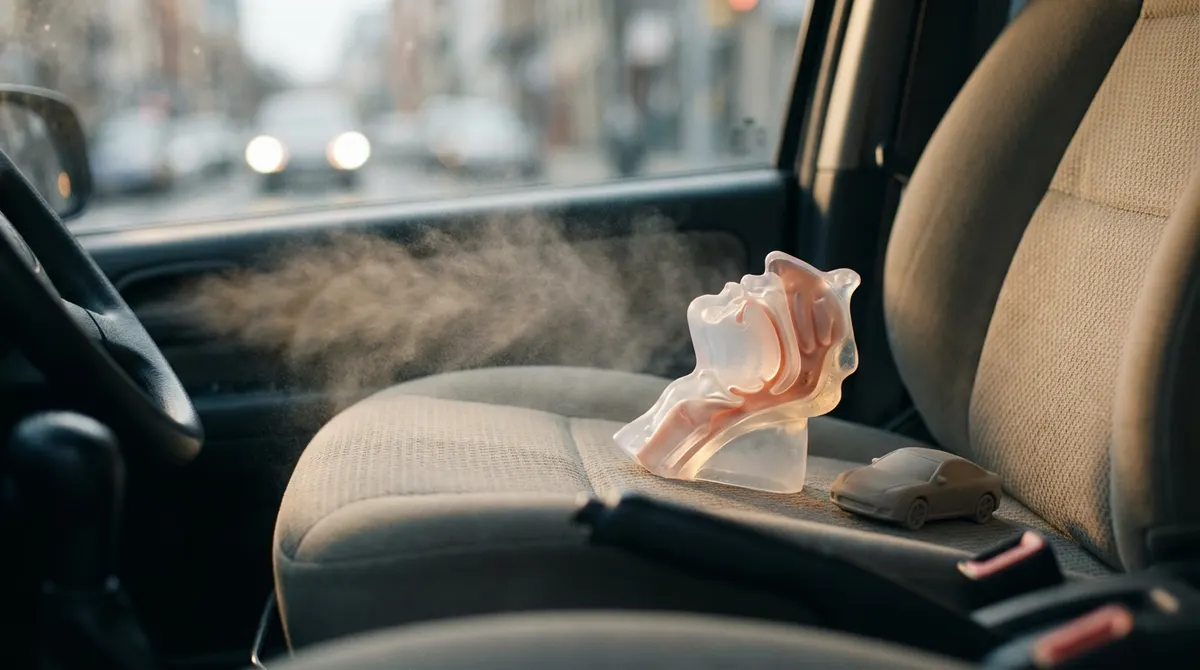
sleep apnea is a condition in which breathing repeatedly stops and restarts during sleep. Obstructive sleep apnea, the most prevalent form of the condition, occurs when the muscles at the back of the throat relax excessively during sleep, causing the soft tissue to collapse and create airway obstructions that block the flow of air. These obstructions can occur five to over 100 times per hour, with each episode triggering a brief arousal that restores airway muscle tone and resumes breathing.
Obstructive sleep apnea is defined by the American Academy of Sleep Medicine as a breathing disorder characterised by recurrent episodes of upper airway obstruction during sleep, associated with oxygen desaturation and sleep fragmentation. The practical consequence for drivers is that the brain never achieves the sustained restorative sleep it needs to support next-day cognitive function, even when the person has spent an apparently adequate amount of time in bed.
Most people with sleep apnea have no memory of these nightly arousals. They wake feeling unrefreshed, experience daytime sleepiness that is difficult to explain, and often attribute their fatigue to stress, aging, or lifestyle demands. This misattribution is precisely what makes sleep apnea such a significant and underappreciated contributor to driver fatigue. To understand the full profile of this condition, including its causes and risk factors, the guide to obstructive sleep apnea in adults covers the clinical picture in detail.
Sleep apnea is significantly underdiagnosed. The Sleep Foundation estimates that up to 80% of moderate to severe obstructive sleep apnea cases are never formally identified, which means that millions of drivers are navigating roads with measurable cognitive impairment caused by an untreated sleep disorder they do not know they have.
IMPORTANT: Daytime sleepiness from untreated sleep apnea does not always feel like obvious tiredness. It can manifest as difficulty concentrating, slow reaction time, irritability, or brief involuntary sleep episodes, particularly during monotonous driving conditions.
KEY TAKEAWAY: Obstructive sleep apnea causes chronic cognitive impairment through repeated airway obstructions and sleep fragmentation, and its high rate of underdiagnosis makes it a silent and widespread contributor to driver fatigue.
Understanding the mechanisms behind this impairment requires looking at what sleep apnea does to the sleeping brain and body every single night.
The Physiological Roots of Driving Impairment: How Sleep Apnea Steals Alertness

Sleep apnea impairs driving performance through two reinforcing mechanisms: it systematically destroys the architecture of restorative sleep, and it creates repeated episodes of oxygen deprivation that compromise the brain regions responsible for sustained alertness. Both processes are at work simultaneously in anyone with untreated moderate to severe obstructive sleep apnea.
Understanding Sleep Apnea's Disruption to Sleep Architecture
Healthy sleep moves through a structured cycle of stages, each performing distinct restorative functions. Light sleep supports physical recovery, deep slow-wave sleep consolidates memory and restores the immune system, and REM sleep supports emotional regulation, cognitive processing, and next-day alertness. A full night of uninterrupted sleep typically produces four to six complete cycles of these stages.
Obstructive sleep apnea shatters this architecture. Every airway obstruction forces the brain to transition toward a lighter sleep stage in order to restore muscle tone and resume breathing. Over the course of a night, this sleep fragmentation means the sleeper spends far less time in deep and REM sleep than their brain requires. The result is what sleep medicine specialists describe as non-restorative sleep: spending eight hours in bed but waking in a state that functionally resembles having slept far fewer hours. For drivers, this translates into reduced vigilance, impaired sustained attention, and dramatically increased susceptibility to microsleeps.
Already diagnosed and need CPAP support?
Dumbo Health helps patients start CPAP without the usual confusion, paperwork, or upfront cost. Equipment, setup, supplies, and ongoing support are all handled in one place.
The Chemical Imbalance: Hypoxemia and Hypercapnia
Each breathing interruption caused by a sleep apnea episode produces a temporary but measurable drop in blood oxygen saturation, a state called hypoxemia. As oxygen levels fall, carbon dioxide accumulates in the bloodstream, a related state called hypercapnia. The brain detects this chemical imbalance and triggers an arousal response sufficient to reopen the airway and resume breathing.
Research published through the NIH has linked chronic intermittent hypoxia to neurological changes in the prefrontal cortex, the brain region governing executive function, risk assessment, and impulse control. Repeated overnight oxygen desaturation events, occurring dozens or hundreds of times per night in people with severe obstructive sleep apnea, do not simply cause tiredness. They produce measurable structural and functional changes in the brain that impair the cognitive capabilities driving requires most directly. This distinction matters because it means the impairment associated with untreated sleep apnea is not simply a matter of accumulating sleep debt; it involves physiological compromise that cannot be resolved by a single good night of sleep.
Chronic Sleep Deprivation and Its Cumulative Effects
Sleep deprivation compounds progressively over time. A driver who has been managing untreated sleep apnea for months or years is likely functioning at a chronically impaired baseline and has psychologically adapted to that state. Research consistently shows that chronically sleep-deprived individuals rate their own alertness as acceptable on subjective measures even when objective performance tests reveal significant cognitive deficits. This psychological adaptation is among the most dangerous aspects of untreated sleep apnea for road safety because it reduces the driver's awareness of their own impairment and their likelihood of voluntarily modifying their behaviour.
Obstructive sleep apnea is also independently associated with cardiovascular consequences including high blood pressure and increased risk of heart disease, as confirmed by Mayo Clinic guidance, which adds further urgency to diagnosis and treatment beyond the immediate road safety concern.
KEY TAKEAWAY: sleep apnea impairs driving through the combined effects of sleep fragmentation, prefrontal neurological compromise from repeated oxygen deprivation, and the psychological adaptation that prevents drivers from accurately assessing their own level of impairment.
These physiological processes produce specific, measurable consequences for the four core capabilities that every driver depends on behind the wheel.
Direct Impact on Driving Performance: More Than Just Feeling Tired

Untreated obstructive sleep apnea directly degrades each of the four cognitive and physical capacities that safe driving requires: vigilance, reaction time, motor coordination, and judgment. The impairment these deficits create is documented both in laboratory driving simulators and in real-world traffic accident data.
Reduced Vigilance and Impaired Concentration
Vigilance is the ability to maintain focused attention over extended periods, and it is the cognitive capacity most directly eroded by sleep deprivation from sleep apnea. Long motorway drives, familiar commuting routes, and night driving all demand sustained vigilance with minimal external stimulation. Sleep-deprived drivers experience increasing lapses in attention precisely during these low-stimulation conditions, which are also the conditions associated with the most severe crash outcomes.
Driving simulator studies have consistently demonstrated that people with untreated obstructive sleep apnea exhibit significantly impaired performance on sustained attention tasks. They are more likely to drift across lane boundaries, miss road signs, and fail to detect sudden hazards that appear in their peripheral visual field. These lapses are not always dramatic; they can present as subtle, incremental degradation in tracking accuracy that only becomes apparent over longer driving durations.
Delayed Reaction Times and Motor Coordination
Reaction time is among the most safety-critical driving skills, and sleep disorders are among its most reliable impairers. The Sleep Foundation notes that 17 to 19 hours of sustained wakefulness produces reaction time impairment comparable to a blood alcohol concentration of 0.05%. The functional sleep debt produced by untreated sleep apnea creates impairment of comparable or greater magnitude.
At 70 miles per hour, a reaction time delay of just 0.1 seconds adds nearly 3 metres to the distance a vehicle travels before the driver begins to respond to a hazard. People with moderate to severe obstructive sleep apnea can exhibit reaction time delays several times greater than that threshold, substantially extending stopping distances and increasing the probability and severity of traffic accidents.
The Peril of Microsleeps
Microsleeps are brief, involuntary sleep episodes lasting between one and thirty seconds. They occur most frequently during monotonous activity, including highway driving, and are strongly associated with sleep deprivation and sleep disorders. The driver experiencing a microsleep has no awareness of the episode while it is occurring and typically retains no memory of it afterward.
At motorway speeds, a two-second microsleep covers more than 60 metres of road with no conscious driver input. For someone with untreated obstructive sleep apnea, whose sleep fragmentation creates a persistent drive toward sleep that is unusually difficult to suppress, microsleeps represent one of the most acute driving safety risks. Unlike active drowsiness, which a driver might detect and respond to, a microsleep offers no warning and no opportunity to react. Road safety researchers consistently identify microsleeps as a key factor in run-off-road incidents and rear-end collisions, which are the crash types most characteristic of fatigue-related driving performance.
Impaired Judgment and Decision-Making
The prefrontal cortex governs risk assessment, impulse control, and the capacity to anticipate complex hazard sequences. Sleep deprivation associated with sleep disorders degrades all of these functions. A driver with sleep apnea-related cognitive impairment may underestimate the closure speed of an approaching vehicle, make slower decisions at junctions, accept unsafe gaps in traffic, or fail to anticipate the likely behaviour of pedestrians and cyclists.
The psychological adaptation effect compounds this impairment by reducing the driver's likelihood of recognising the need for caution or additional rest. Drivers managing untreated obstructive sleep apnea tend to rate their own driving performance as minimally affected, even when simulator and road tests indicate objectively significant deficits.
KEY TAKEAWAY: Untreated sleep apnea impairs driving performance across every safety-critical dimension, including vigilance, reaction times, motor coordination, and executive judgment, and creates the specific acute risk of undetectable microsleeps behind the wheel.
The translation of these individual impairments into population-level road safety risk is quantified in the accident data literature and is more striking than most drivers are aware.
The Alarming Statistics: Sleep Apnea and Accident Risk

The connection between sleep apnea and motor vehicle accidents is supported by a substantial and consistent evidence base. People with untreated obstructive sleep apnea carry a measurably elevated accident risk that has been confirmed across multiple large-scale studies.
Increased Risk of Motor Vehicle Accidents
Research drawing on real-world traffic accident data has found that people with untreated obstructive sleep apnea are approximately two to three times more likely to be involved in motor vehicle accidents than drivers without sleep disorders. Studies using the Swedish Traffic Accident Registry identified a significantly elevated rate of fatigue-related crashes among drivers with obstructive sleep apnoea syndrome, and demonstrated that consistent treatment with continuous positive airway pressure substantially reduced this elevated risk.
The American Academy of Sleep Medicine has formally stated that obstructive sleep apnea is associated with a significantly increased risk of drowsy driving and motor vehicle accidents, and that effective treatment reduces crash risk to levels comparable to the general driving population. This finding has informed clinical guidelines recommending that people with newly diagnosed moderate to severe sleep apnea avoid driving until effective treatment has been established and confirmed.
TIP: If you have been involved in an unexplained near-miss incident, or if a passenger has expressed concern about your alertness behind the wheel, treat these as meaningful clinical signals and discuss sleep apnea testing with your healthcare provider promptly.
The Silent Hazard: Undiagnosed Sleep Apnea
The most significant road safety implication of sleep apnea is not the risk carried by diagnosed and treated patients. It is the risk carried by the estimated 80% of moderate to severe cases that have never been identified. These drivers are not making a reckless choice to drive while impaired. They are unaware that their driving capacity has been compromised by a treatable medical condition.
Many people with undiagnosed sleep apnea attribute their daytime sleepiness to work demands, aging, or temporary stress, delaying diagnosis by years. Recognising the warning signs that distinguish sleep apnea from ordinary tiredness is a critical first step, and the guide to the most common sleep apnea symptoms provides a practical overview of what to look for.
KEY TAKEAWAY: Untreated obstructive sleep apnea is associated with two to three times the motor vehicle accident risk of the general population, and the greatest portion of this risk is borne by the large majority of cases that have never been diagnosed.
For anyone concerned about the connection between their sleep and their driving safety, diagnosis is the most important and actionable step available.
Diagnosis: The Critical First Step Towards Safer Driving
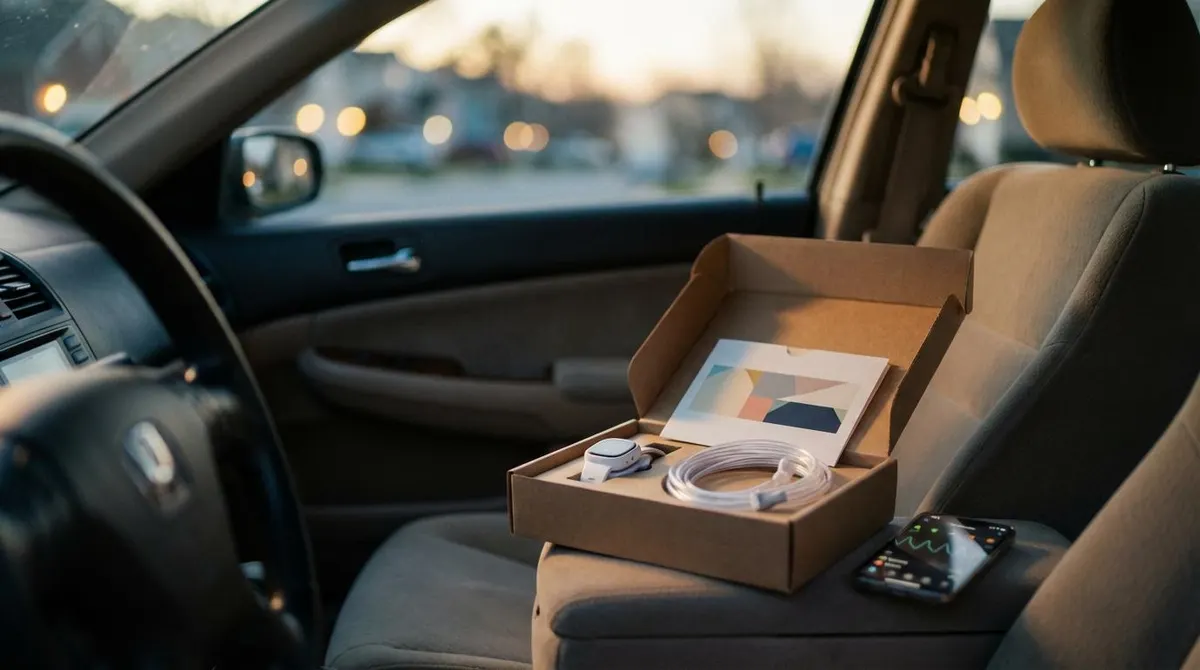
Diagnosis is the essential gateway to reducing the driving risks created by sleep apnea. Without a confirmed diagnosis, neither the individual nor their healthcare provider can make an evidence-based decision about treatment or driving fitness. The diagnostic process is more accessible than most people realise.
Recognising the Red Flags: Symptoms Beyond Snoring
Loud or disruptive chronic snoring is the most widely recognised symptom of obstructive sleep apnea, but many people with clinically significant sleep disorders either do not snore loudly or are unaware of their own snoring. Additional symptoms with direct relevance to driving safety include waking unrefreshed despite spending seven or more hours in bed, excessive daytime sleepiness that cannot be explained by lifestyle factors, difficulty concentrating or sustaining attention during the day, witnessed pauses in breathing reported by a partner, waking with a dry mouth or morning headache, and noticing a tendency to nod off in low-stimulation situations. If you are experiencing these symptoms in your area of daily life, particularly if they affect your ability to sustain alertness while driving, seeking a sleep medicine evaluation should be a priority.
The Sleep Study: Uncovering the Truth
The standard diagnostic approach for obstructive sleep apnea involves a sleep study. In-laboratory polysomnography measures brain activity, eye movements, heart rate, respiratory effort, oxygen saturation, and limb movements across a full night of sleep and provides a comprehensive picture of sleep architecture. Home sleep tests use a simplified wearable device to measure the key respiratory and oxygen variables needed to calculate sleep apnea severity, with the significant practical advantage of being completed in the patient's own bed.
Home sleep testing has become the standard first-line diagnostic approach for people with a moderate to high clinical probability of obstructive sleep apnea. If you want to understand exactly what is involved, the guide to how at-home sleep studies work walks through the process in straightforward terms. An at-home sleep test from a service near you can now be arranged without a clinic visit and delivered directly to your door.
Interpreting Your Results: AHI and the Epworth Sleepiness Scale
Sleep study results for obstructive sleep apnea are reported using the Apnea-Hypopnea Index, which measures the average number of breathing interruptions per hour of sleep. An AHI below 5 events per hour is considered normal. An AHI of 5 to 14 indicates mild sleep apnea, 15 to 29 indicates moderate sleep apnea, and 30 or above indicates severe sleep apnea. For commercial vehicle drivers in the United States, the Federal Motor Carrier Safety Administration uses AHI thresholds as part of its driver fitness evaluation process.
The Epworth Sleepiness Scale is a self-reported questionnaire assessing daytime sleepiness across eight common scenarios. Scores of 11 or above are considered clinically significant and suggest the need for further evaluation and structured treatment plans. A sleep medicine specialist reviews both measures alongside the clinical history to confirm the diagnosis and identify the most appropriate treatment approach.
KEY TAKEAWAY: Diagnosis through a sleep study and AHI scoring is the essential first step toward reducing driving risk, and home sleep testing has made this process significantly more accessible for people in all areas.
With a diagnosis confirmed, effective treatment can restore alertness and reduce the accident risk that untreated sleep apnea creates.
Treatment Options: Reclaiming Your Road Safety
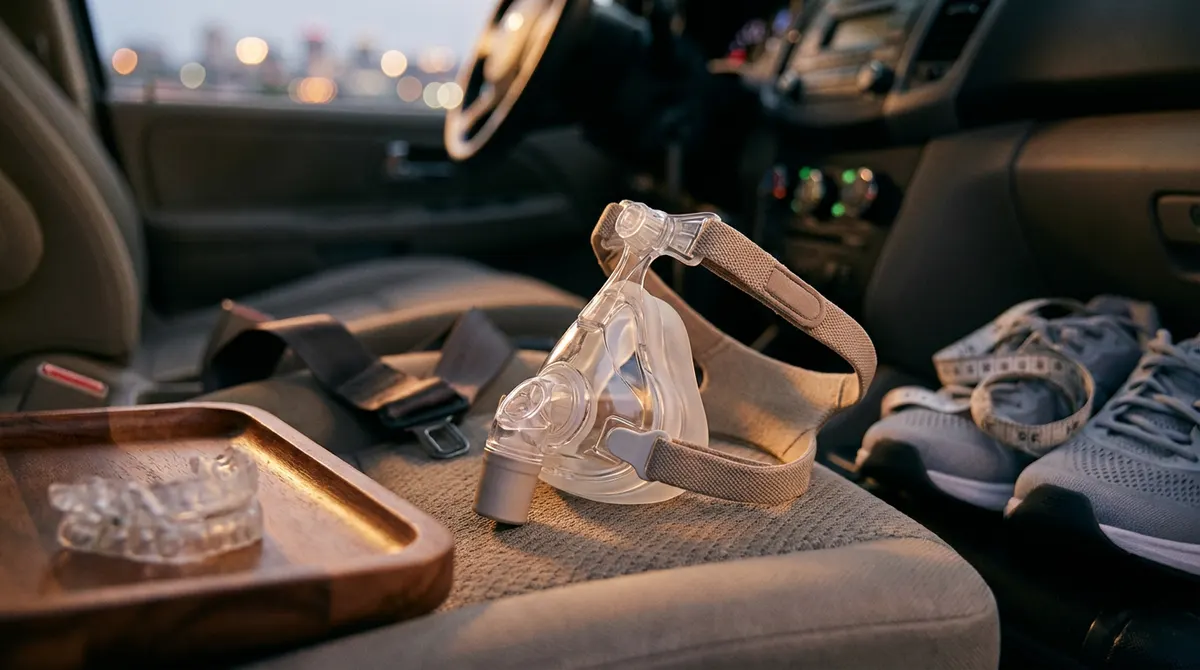
Effective treatment for obstructive sleep apnea eliminates the airway obstructions that cause sleep fragmentation, restoring sleep quality and with it the daytime alertness and driving performance that sleep deprivation has degraded. Several evidence-based options exist, and the appropriate choice depends on the severity of the condition, anatomical factors, and individual preferences.
The three main approaches to treating obstructive sleep apnea vary in mechanism, suitability, and evidence base for driving safety. The comparison below summarises their key attributes.
| Feature | CPAP Therapy | Oral Appliance Therapy | Lifestyle Modifications |
|---|---|---|---|
| Best For | Moderate to severe OSA | Mild to moderate OSA | Mild OSA or as a complement to primary treatment |
| Effectiveness | Strongest evidence base | Strong for mild to moderate | Supporting role only |
| Portability | Moderate; requires power source | High; compact and no power needed | Not applicable |
| Adherence Barrier | Mask comfort and pressure | Dental fit and jaw adjustment | Sustained habit change |
| Insurance Coverage | Often covered | Often covered | Varies by component |
| Driving Safety Evidence | Most robust; near-normalises crash risk | Comparable for appropriate severity | Incomplete as standalone |
| Recommended When | First-line for moderate to severe | CPAP intolerant or mild to moderate | Combined with primary treatment |
For most people with moderate to severe obstructive sleep apnea, CPAP therapy provides the strongest, most evidence-supported path to restored driving safety.
Continuous Positive Airway Pressure (CPAP) Therapy
Continuous positive airway pressure therapy is the gold-standard treatment for moderate to severe obstructive sleep apnea. A CPAP machine delivers a continuous stream of pressurised air through a mask worn during sleep, maintaining enough positive pressure to prevent the airway obstructions that cause sleep fragmentation and oxygen desaturation. The American Academy of Sleep Medicine identifies CPAP therapy as the most effective available intervention for obstructive sleep apnea and the treatment with the strongest evidence base for reducing motor vehicle accident risk.
Studies comparing driving simulator performance before and after starting CPAP therapy show meaningful improvement in reaction times, lane-keeping accuracy, and sustained attention within the first one to two weeks of consistent use, with most patients reaching near-normal driving performance within one month. Consistent use is typically defined as at least four hours per night on at least 70% of nights, though maximising nightly usage produces the best outcomes for both driving safety and overall health. For information on CPAP options and how to begin treatment, you can explore CPAP therapy at Dumbo Health.
Beyond driving safety, consistent CPAP therapy also reduces the cardiovascular risks associated with untreated sleep apnea, including high blood pressure and heart disease.
Oral Appliance Therapy
Oral appliances for sleep apnea are custom-fitted devices worn in the mouth during sleep. They function by repositioning the lower jaw slightly forward, which increases the space in the upper airway and prevents the soft tissue collapse that causes airway obstructions. The American Academy of Sleep Medicine recommends oral appliance therapy as a first-line treatment for mild to moderate obstructive sleep apnea and as a clinically validated alternative for people with moderate to severe sleep apnea who cannot tolerate CPAP therapy. For a full overview of how these devices work and who is likely to benefit, the guide to oral appliances for sleep apnea covers the mechanism, fitting process, and expected outcomes.
Oral appliance therapy is particularly practical for drivers who travel regularly or whose schedules make CPAP infrastructure difficult to manage. The devices are compact, require no power source, and are effective at reducing the sleep fragmentation and daytime sleepiness that drive the road safety risk.
Lifestyle Modifications and Other Approaches
For mild obstructive sleep apnea or as a complement to CPAP therapy and oral appliances, lifestyle modifications can meaningfully reduce symptom severity. Weight loss is among the most clinically significant available changes, particularly for people in whom excess body weight is a contributing factor to airway obstruction. Mayo Clinic notes that fat deposits around the neck and upper airway are a major structural contributor to airway collapse during sleep, and that clinically meaningful weight loss can substantially reduce AHI in people with obesity-related sleep apnea. The full picture of how weight loss affects sleep apnea severity is covered in the guide to sleep apnea and weight loss.
Other supportive approaches include positional therapy for people whose sleep apnea is predominantly supine-related, alcohol avoidance in the hours before sleep, and nasal treatments to reduce upper airway resistance. These approaches supplement rather than replace primary treatment in all but the mildest cases and should be developed as part of a structured treatment plan with a sleep medicine provider.
If you have been experiencing symptoms and want to take the first step toward diagnosis, you can start an at-home sleep test today and receive a clinically validated assessment without leaving home.
KEY TAKEAWAY: CPAP therapy provides the strongest evidence base for restoring driving performance and reducing motor vehicle accident risk in people with moderate to severe obstructive sleep apnea, while oral appliance therapy offers a well-supported alternative for appropriate candidates.
Understanding how to access treatment is only part of the picture; drivers also need to know what regulatory obligations apply to them.
Navigating Regulations: Special Considerations for Drivers
The regulatory framework governing drivers with sleep apnea varies significantly depending on the type of licence held and the jurisdiction in which a driver operates. Both commercial and private drivers carry formal and ethical obligations in this area.
Commercial Vehicle Operators: Strict Federal Guidelines
Commercial vehicle operators in the United States are subject to medical fitness standards set by the Federal Motor Carrier Safety Administration (FMCSA). Commercial drivers holding a Commercial Driver's License must undergo a Department of Transportation physical examination, which includes screening for sleep disorders. A driver identified as having moderate to severe obstructive sleep apnea may be required to initiate and demonstrate adherence to treatment before medical certification is granted or renewed.
The FMCSA issues medical certificates for periods of up to 24 months, but shorter certification periods apply when a condition requires closer monitoring. Commercial drivers managing sleep apnea who comply with prescribed treatment and demonstrate adequate control of their condition can typically maintain their certifications through regular medical review. Non-compliance with treatment after diagnosis can result in disqualification from operating a commercial vehicle. Commercial vehicle operators should also be aware of fatigue management programmes in place within their organisation and discuss any sleep disorder diagnosis with their employer and certifying medical examiner promptly.
General Drivers: Responsibility and Awareness
For private vehicle drivers, legal obligations vary by jurisdiction. In the United Kingdom, drivers are legally required to notify the DVLA of any condition causing excessive daytime sleepiness that may affect their fitness to drive safely, and failure to do so can result in prosecution. In the United States, requirements differ by state, though a general duty of care applies to all road users to avoid driving while impaired. Consulting a sleep medicine specialist in your area can help clarify both your clinical status and any applicable reporting requirements.
Beyond legal obligations, there is an ethical dimension. Driving with untreated sleep apnea when the symptoms are present and a diagnosis has not been sought creates unnecessary risk for other road users. Pursuing diagnosis and adhering to treatment is not only the medically sound course of action; it is the responsible one.
KEY TAKEAWAY: Commercial vehicle operators face strict FMCSA regulatory obligations around sleep apnea and driving fitness, and all drivers carry a legal and ethical responsibility to seek diagnosis and adhere to treatment when sleep disorder symptoms are present.
Regulatory compliance sets the minimum standard; proactive personal strategies build the day-to-day safety framework that makes driving with managed sleep apnea genuinely low risk.
Proactive Driving Strategies for People Managing Sleep Apnea

For people who have been diagnosed with obstructive sleep apnea, maintaining road safety is an achievable goal with the right combination of treatment adherence and practical precautions. The evidence on what works is consistent and actionable.
Consistent Adherence to Treatment
Treatment adherence is the single most powerful determinant of driving safety for people managing sleep apnea. For CPAP therapy, this means using the device every night for the full duration of sleep. Research consistently shows that drivers who use CPAP consistently reduce their motor vehicle accident risk to near-population levels, while those who use it inconsistently retain a significant portion of the elevated risk that untreated sleep apnea creates. Modern CPAP machines record and transmit usage data, which a sleep medicine team can review to confirm adequate adherence and adjust settings as needed.
For oral appliance users, adherence requires wearing the device every night and attending scheduled follow-up appointments to confirm the device remains correctly positioned and effective. Appliances can shift over time and periodic clinical review ensures continued efficacy as part of a structured treatment plan.
Implementing Driving Precautions
Even with effective treatment, building protective driving habits is important. The risk of drowsy driving is highest between midnight and 6 a.m. and during the mid-afternoon circadian dip. Avoid scheduling long solo driving tasks during these windows where possible. On longer journeys, take a break of at least 15 minutes for every two hours of driving. If you feel drowsy before a journey, a 20 to 30 minute nap followed by a 10 minute alerting period before driving reduces the acute risk substantially.
Travelling with a companion who can share driving duties provides an additional safety layer on long trips. If drowsiness occurs while driving, opening windows or turning up music provides only brief and unreliable relief. The only effective response to genuine drowsiness behind the wheel is to pull over safely and rest. Regular breaks and honest self-assessment are the practical foundations of safe driving with managed sleep apnea.
Self-Monitoring and Seeking Support
People managing obstructive sleep apnea should monitor their own alertness levels regularly and communicate openly with their sleep medicine team about any changes in symptoms or driving concerns. If daytime sleepiness returns, if treatment adherence has become difficult, or if the original symptoms of unrefreshing sleep reappear, a clinical reassessment is warranted. CPAP pressure settings may require adjustment over time, mask fit may need reviewing, and the treatment plan itself may evolve as circumstances change. Sleep medicine providers in your area can support ongoing monitoring and ensure your treatment continues to meet your needs.
KEY TAKEAWAY: Consistent treatment adherence is the most effective personal strategy for restoring safe driving in people with sleep apnea, and it is supported by practical driving precautions and an ongoing relationship with a sleep medicine team.
Before setting out the most frequently asked questions, it is worth directly addressing the persistent misconceptions that prevent many people from recognising their risk and seeking the help they need.
Common Myths About Sleep Apnea and Driving Debunked
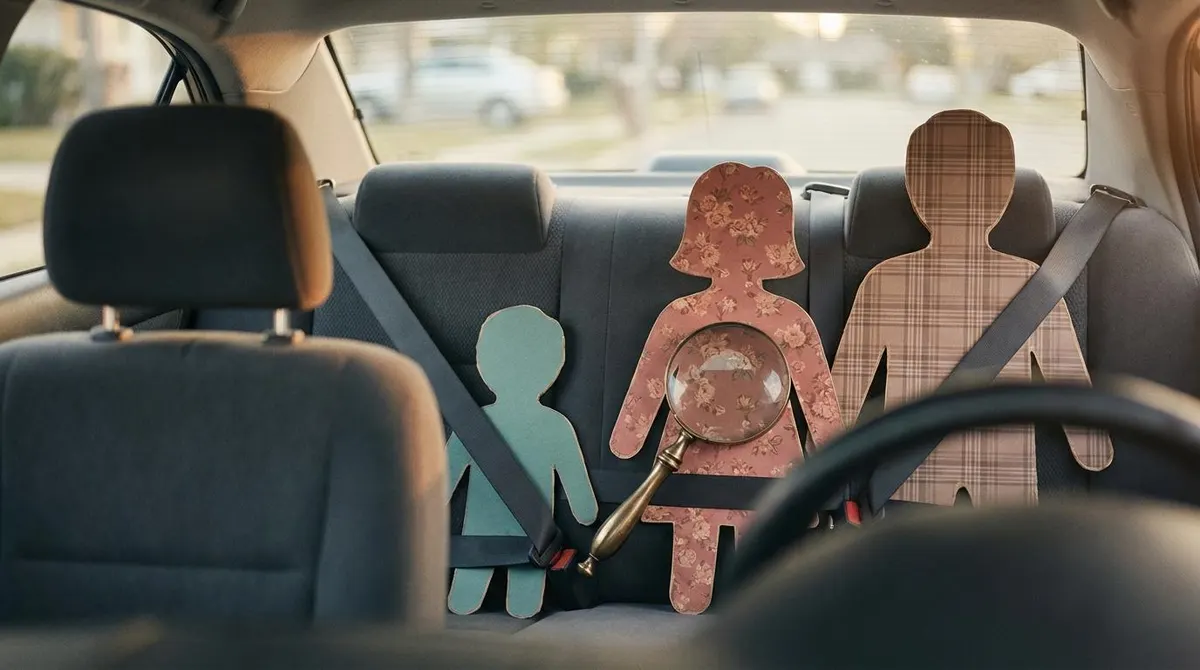
MYTH: Sleep apnea only affects older, overweight men, so it cannot apply to me. FACT: Obstructive sleep apnea affects people across all age groups, body types, and genders. The Sleep Foundation notes that sleep apnea is significantly underdiagnosed in women partly because female presentations more commonly involve fatigue, mood disturbance, and insomnia rather than the classic male pattern of loud snoring and witnessed apnoeas. Research suggests that for every two men with obstructive sleep apnea, approximately one woman is also affected. Assumptions based on demographic stereotypes delay diagnosis and leave driving impairment unaddressed.
MYTH: If I snore but do not feel tired, my driving is unaffected. FACT: Subjective sleepiness is not a reliable measure of driving impairment in people with sleep disorders. Multiple driving simulator studies have documented significantly impaired reaction times and lane-keeping performance in people with obstructive sleep apnea who rated themselves as only minimally sleepy on validated scales. The psychological adaptation to chronic sleep deprivation means that a person can be objectively impaired while genuinely believing themselves to be alert. The absence of perceived tiredness does not confirm safe driving performance.
MYTH: Sleeping longer at weekends or on days off compensates for sleep apnea impairment. FACT: Extended sleep time does not resolve the underlying airway obstruction that fragments sleep in obstructive sleep apnea. Regardless of how long a person with untreated sleep apnea spends in bed, the repeated breathing interruptions continue throughout the night, preventing the restorative deep and REM sleep stages the brain requires. The quality of sleep, not only its duration, determines cognitive function and driving performance. Effective treatment of the airway obstruction is the only path to genuinely restorative sleep.
MYTH: CPAP therapy is too uncomfortable for most people to use consistently. FACT: While CPAP adherence can require an adjustment period, modern CPAP machines are significantly quieter, lighter, and more adaptable than earlier devices. Mask technology has advanced substantially, and the range of available fit options has expanded considerably. The American Academy of Sleep Medicine notes that clinician-supported CPAP introduction, including mask fitting guidance and early follow-up, substantially improves long-term adherence rates. For people who genuinely cannot tolerate CPAP, oral appliance therapy provides a clinically validated alternative with a comparable evidence base for mild to moderate sleep apnea.
MYTH: Once I start treatment, my driving ability returns to normal immediately. FACT: CPAP therapy restores driving safety progressively rather than instantaneously. Most people experience meaningful improvement in alertness within the first week, and driving simulator performance typically normalises within one to four weeks of consistent use. However, some individuals, particularly those with severe long-term sleep deprivation, may require longer to fully recover cognitive function. The FMCSA and most clinical guidelines for commercial drivers recommend a verified period of treatment adherence before return to duty is authorised following a new diagnosis.
KEY TAKEAWAY: The most common barriers to seeking sleep apnea diagnosis and treatment, including assumptions about who is affected, whether symptoms warrant action, and whether treatment is practical, are not supported by the clinical evidence.
Frequently Asked Questions
Is it safe to drive with sleep apnea?
Driving with untreated sleep apnea carries a significantly elevated accident risk. Research consistently shows that people with untreated obstructive sleep apnea are approximately two to three times more likely to be involved in motor vehicle accidents compared to drivers without sleep disorders. Driving with effectively treated and well-managed sleep apnea is generally considered safe, and research confirms that consistent CPAP therapy reduces accident risk to near-population levels. The key distinction is whether the sleep disorder is being actively and effectively managed. If you have been diagnosed and are adhering to your treatment plan with confirmed effectiveness, your driving risk can be substantially normalised.
How does sleep apnea cause drowsy driving?
Sleep apnea causes drowsy driving through two reinforcing mechanisms. First, repeated airway obstructions fragment sleep throughout the night, preventing the brain from completing the deep and REM sleep stages required for cognitive restoration. Second, each breathing interruption triggers a brief drop in blood oxygen saturation, and the cumulative effect of repeated hypoxic episodes impairs the brain regions responsible for alertness, attention, and reaction time. The result is a driver who carries the physiological burden of chronic sleep deprivation even after a full night in bed, and whose impairment may be significantly greater than their subjective sense of alertness suggests.
What is the 3% rule for sleep apnea?
The 3% rule refers to a specific scoring criterion used in sleep studies to define hypopneas, which are partial reductions in airflow during sleep. Under this criterion, a hypopnea is scored when airflow reduces by at least 30% and is accompanied by a 3% or greater drop in blood oxygen saturation or an arousal from sleep. Some sleep medicine scoring systems use a 4% desaturation threshold instead, and the choice between 3% and 4% affects how hypopneas are counted, which in turn affects the Apnea-Hypopnea Index and the resulting severity classification. A sleep medicine specialist can explain which criterion was applied to your results and what the classification means for your treatment plan.
Can sleep apnea cause you to lose your driving licence?
In some jurisdictions, yes. In the United Kingdom, drivers are legally required to notify the DVLA of obstructive sleep apnea where it causes excessive daytime sleepiness affecting safe driving, and failure to do so can result in prosecution and licence revocation. For commercial vehicle drivers in the United States, the FMCSA can disqualify a driver from holding a Commercial Driver's License if moderate to severe sleep apnea is identified and the driver does not comply with required treatment. For private drivers, equivalent duties of care apply in many jurisdictions. Consulting a sleep medicine specialist and following your treatment plan is both the medically and legally appropriate course of action.
How quickly does CPAP therapy improve driving safety?
Many people with obstructive sleep apnea report meaningful improvement in daytime alertness within the first week of consistent CPAP use. Driving simulator studies show that reaction time and lane-keeping performance begin to improve within one to two weeks of effective CPAP therapy, and most patients with obstructive sleep apnea achieve near-normal driving performance within four weeks. For commercial drivers under FMCSA oversight, a verified period of treatment adherence is typically required before return to duty is authorised after a new diagnosis. If you are considering starting treatment, arranging a home sleep test through a provider near you is the most direct path to a confirmed diagnosis and a treatment plan.
What symptoms of sleep apnea should concern me as a driver?
Key warning signs that sleep apnea may be impairing your driving include waking feeling unrefreshed despite seven or more hours in bed, experiencing daytime sleepiness that is difficult to explain, needing caffeine to maintain alertness during drives, finding your concentration drifting while behind the wheel, or having experienced near-miss incidents linked to inattention. Loud snoring, witnessed breathing pauses during sleep, and waking with a dry mouth or headache are additional clinical signals. Any combination of these symptoms warrants a prompt discussion with a healthcare provider. A full breakdown of symptoms to monitor is available in the guide to common sleep apnea symptoms.
Does treating sleep apnea measurably improve driving performance?
Yes, and the evidence is consistent across both laboratory and real-world studies. Driving simulator research shows that people with obstructive sleep apnea who adhere consistently to CPAP therapy achieve reaction times, vigilance levels, and lane-keeping accuracy comparable to drivers without sleep disorders. Real-world accident data similarly shows that treated sleep apnea patients have crash rates approaching those of the general population. Oral appliance therapy shows comparable benefits for people with mild to moderate obstructive sleep apnea. Treatment adherence is the strongest predictor of how fully driving performance is restored, making consistent use of the prescribed treatment plan the most important personal action a driver with sleep apnea can take.
Conclusion
Sleep apnea is a treatable condition with serious and well-documented consequences for driving ability. Untreated obstructive sleep apnea fragments sleep, impairs oxygen delivery to the brain, and degrades the alertness, reaction time, and judgment that safe driving depends on, raising motor vehicle accident risk by two to three times. The evidence is equally clear on the other side of the equation: effective treatment with CPAP therapy or oral appliances restores driving performance to near-normal levels in people who adhere consistently to their treatment plan. The most important step any driver with suspected sleep disorders can take is getting a confirmed diagnosis. You can begin that process today with a clinically validated at-home sleep test from Dumbo Health, delivered directly to your door and reviewed by a qualified sleep medicine team.
Related DOT Physical Topics
- How Sleep Apnea Affects Overall Driving Safety
- When Can Sleep Apnea Affect a DOT Physical
- Best Treatments for Sleep Apnea to Improve Driving Safety
- How can drivers with sleep apnea qualify again after a failed DOT physical
- Are There New DOT Rules or Laws on Sleep Apnea Testing
- Home Sleep Apnea Test for Commercial Drivers The CDL Holder's Complete Guide
- Sleep Apnea Test for CDL Drivers
- DOT sleep apnea test at home
- What Precautions Should Drivers With Sleep Apnea Take
- Are there legal requirements for drivers with sleep apnea
- Can you fail a DOT physical because of sleep apnea
- The Comprehensive Guide to Suboxone, Sleep Apnea, and FMCSA Compliance for Commercial Motor Vehicle Operators
- Can you pass a DOT physical with sleep apnea
- What happens if you fail a DOT physical due to sleep apnea
- What are the current FMCSA guidelines on sleep apnea for commercial drivers
- What are the current DOT requirements for sleep apnea testing for commercial drivers
- Does a DOT Physical Test for Weed or THC The Complete Guide for Commercial Drivers
- Does a DOT physical include a drug test
- What Does DOT Stand for in a DOT Physical
- Does insurance cover a DOT physical
- DOT Physical Duration and Validity How Long Your Medical Card Lasts
- Why DOT Sleep Tests at Home Matter for Your Career and Health
- How Do You Submit Your DOT Physical to the DMV
- DOT Physical Insurance or Self Pay How to Choose the Right Payment Option for Your Exam
- How to Pass a DOT Physical The Complete Commercial Driver's Guide
- What Does a DOT Physical Consist Of
- At Home Sleep Test for Truck Drivers
- Is a Sleep Study Required for a DOT Physical
- What drugs do they test for in a DOT drug test
- What Happens If Your DOT Physical Expires Compliance Guide for Commercial Drivers
- What Can Disqualify You From a DOT Physical
- Online CDL Physical
- The Ultimate DOT Physical Guide for Commercial Drivers (2025–2026)
- Can You Pass a DOT Physical with Epilepsy
- DOT Physical Self Pay Cost
- Remote DOT Physical The Complete Guide for Commercial Drivers
- DOT Physical Out of Pocket What Commercial Drivers Actually Pay
- Essential 171 DOT Definitions for Commercial Drivers
- Navigating the Florida DOT Physical Your Essential Guide for CDL Drivers
- 2026 DOT Inspection Dates
- Is a drug test required for a DOT physical
- DOT Physical Cost Breakdown What Drivers Pay & Why
- Can You Pass a DOT Physical With One Eye
- Can You Pass a DOT Physical With a Pacemaker
- What Should You Bring to a DOT Physical
- Telehealth Dot Physical
- DOT Physical Forms & Paperwork The Complete Guide for Commercial Drivers
- Who needs a DOT physical
- What Forms Do You Need for a DOT Physical
- DOT Physical & Alcohol Requirements
- DOT Physical Online Cost
- DOT Physical ICD-10 & Billing Codes The Complete Guide for Accurate Compliance and Reimbursement
- DOT Physical Vision & Eye Requirements
- Online DOT Physical Without Insurance A Complete Guide for Commercial Drivers
- Why do they measure your neck during a DOT physical
- Navigating Your DOT Physical with Common Medical Conditions
- Can You Fail a DOT Physical for Being Overweight
- Your Complete Guide What's Included in a DOT Physical Exam
- What Is the Urine Test for in a DOT Physical
- Do They Check for Hernia During a DOT Physical
- Walk In DOT Physical Self Pay
- Online DOT Physical Self-Pay The Complete Guide for CDL Drivers and Owner-Operators
- DOT physical self pay guide for commercial drivers paying out of pocket
- Can You Get a DOT Physical Online
- CDL PHYSICAL SELF PAY
- What Are the Requirements to Pass a DOT Physical
- New DOT Physical Requirements What Drivers MUST Know About New Updates
- DOT Physical Exam Basics
- DOT Physical Insurance & Recertification The Complete Driver's Guide
- Can You Pass a DOT Physical With a Hernia
- Can You Get a Second Opinion on Your DOT Physical A Complete Guide for Commercial Drivers
- Cheap DOT Physical Online
- Same Day DOT Physical
- Virtual DOT Physical
- DOT Physical Cash Pay
- What blood pressure do you need to pass a DOT physical
- Online DOT Physical The Complete Guide for Commercial Drivers and Medical Examiners
- DOT Medical Exam Self-Pay A Complete Guide for Commercial Drivers
- Online DOT Exam What Drivers and Medical Examiners Need to Know
- Do They Check Your Private Parts During a DOT Physical
- DOT Physical Blood Pressure Requirements What Drivers Need to Know
- DOT Physical Chiropractor Your Complete Guide to CDL Exams
- Is a DOT physical the same as a regular physical
- Can You Fail a DOT Physical for High Blood Pressure
- What should I expect at a DOT physical
- DOT Physical at Urgent Care What Commercial Drivers Need to Know
- Can You Get a DOT Physical in Any State The Complete Guide for Commercial Drivers
- Can You Pass a DOT Physical with Diabetes
- Can You Pass a DOT Physical with High Blood Pressure
- BMI for DOT Physical What Commercial Drivers Need to Know
- What Happens During the DOT Physical Exam The Complete Guide for Drivers
- Navigating Your CDL Health Requirements
- DOT Physical & Drug Test What Drivers Need to Know
- Medical Examination Report (MER) – Form MCSA-5875 The Complete Guide for Commercial Drivers
- Non-DOT Physical A Comprehensive Guide to Workforce Health and Safety
- DOT Physical Texas The Essential Guide to Your Exam, Medical Card, and CDL Compliance
- DOT Physical Requirements A Complete Guide for CDL Drivers
- What Is the Difference Between a DOT and Non-DOT Physical
- Guide to Obtaining and Managing Your DOT Medical Card Online
- Do You Have to Pee During a DOT Physical
Take the next step before your DOT physical
Start with the free quiz if you are unsure about your risk, or order an at-home sleep test if you have already been flagged for possible sleep apnea.
AI summary
Sleep apnea is a sleep disorder in which breathing repeatedly stops and restarts during sleep. Obstructive sleep apnea (OSA) causes upper airway blockage, leading to sleep fragmentation and oxygen desaturation that impair driving. Core mechanism: repeated arousals reduce deep and REM sleep and create non-restorative sleep. Episodes also cause hypoxemia and hypercapnia, triggering stress responses; chronic intermittent hypoxia is linked to prefrontal cortex changes affecting executive function. Driving effects: reduced vigilance and sustained attention, slower reaction time, impaired motor coordination, worse judgment, and increased risk of microsleeps (1–30 seconds) during monotonous driving. Risk data: untreated OSA is associated with roughly 2–3 times higher motor vehicle accident risk. A major hazard is underdiagnosis; up to 80% of moderate to severe cases may be undetected. Diagnosis and treatment: sleep studies report Apnea-Hypopnea Index (AHI) severity bands (mild 5–14, moderate 15–29, severe 30+). CPAP is first-line for moderate to severe OSA and can improve simulator performance within 1–2 weeks and normalize within about a month with consistent use. Oral appliance therapy is recommended for mild to moderate OSA or CPAP intolerance. Regulations include FMCSA medical certification requirements for commercial drivers and DVLA notification rules in the UK.

Nicolas Nemeth
Co-Founder
Nico is the co-founder of Dumbo Health, a digital sleep clinic that brings the entire obstructive sleep apnea journey home. Patients skip the sleep lab and the long wait to see a specialist. Dumbo Health ships an at home test, connects patients with licensed sleep clinicians by video, and delivers CPAP or a custom oral appliance with ongoing coaching and automatic resupply in one clear subscription.
Keep reading

How Long Does a DOT Physical Take? A Complete Guide for Commercial Drivers

What Happens If You Fail a DOT Drug Test? The Complete Guide for Commercial Drivers


