Online DOT Exam: What Drivers and Medical Examiners Need to Know
An online DOT exam can mean two things: the NRCME certification exam for healthcare providers and the digital tools used to manage DOT physicals for commercial drivers. This article explains FMCSA rules under 49 CFR Part 391 and why the DOT physical itself must still be done in person by a certified medical examiner on the National Registry. It outlines what the exam checks, common outcomes, and how medical card validity can range from up to 24 months to shorter periods with monitoring. It also clarifies online scheduling and reporting, debunks common myths, and shares practical steps like verifying examiner listing status and booking early to avoid lapses.
Struggling with sleep?
Find out if sleep apnea is the reason.
FDA-cleared. $149 flat. Physician-reviewed results in 48 hours.

Online DOT Exam: What Drivers and Medical Examiners Need to Know

The online DOT exam refers to two distinct but interconnected processes: the NRCME certification examination that licensed healthcare providers complete to qualify as DOT medical examiners, and the digital tools that support scheduling, documentation, and results reporting for commercial driver physical evaluations. According to the Federal Motor Carrier Safety Administration, every driver of a commercial motor vehicle in interstate commerce must hold a valid medical certificate issued by a certified medical examiner listed on the National Registry of Certified Medical Examiners. While online platforms have significantly changed how training, exam preparation, and administrative tasks are handled, the DOT physical examination itself remains a mandatory in-person requirement. This page explains what the online DOT exam means for healthcare providers pursuing NRCME certification, how digital tools have changed the administrative experience for both examiners and drivers, and what commercial drivers need to understand before booking their next DOT physical.
What Is a DOT Physical Exam?

A DOT physical exam is a federally mandated medical evaluation that determines whether a commercial motor vehicle driver is physically and mentally qualified to safely operate large vehicles on public roads. The examination is required under 49 CFR Part 391, the federal regulations governing physical qualifications for commercial motor vehicle operators, administered by the Federal Motor Carrier Safety Administration.
DOT physicals assess a wide range of health criteria including cardiovascular function, vision and hearing, blood pressure, neurological health, and the presence of conditions such as sleep apnea, diabetes, or epilepsy that may affect safe driving performance. The outcome results in one of three decisions: full medical certification, conditional certification with monitoring or treatment requirements, or disqualification from operating a commercial motor vehicle.
A valid DOT medical card can be issued for up to 24 months. When a driver has a manageable medical condition requiring closer monitoring, the certification period may be reduced to 1 year or less. Drivers who want a clear picture of what the requirements are to pass a DOT physical should review the full list of FMCSA medical standards before their appointment.
The DOT physical exam must be performed by a certified medical examiner who holds a current listing on the National Registry of Certified Medical Examiners. An exam conducted by an unlisted provider does not result in a valid medical certificate.
Not sure if sleep apnea applies to you?
Take our 2-minute sleep risk quiz to see whether sleep apnea could affect your DOT physical. No account required.
DID YOU KNOW: According to the FMCSA, more than 40,000 healthcare providers are currently listed on the National Registry of Certified Medical Examiners, collectively conducting millions of DOT physical exams for commercial motor vehicle drivers every year.
KEY TAKEAWAY: A DOT physical exam is a mandatory, in-person federal evaluation required for all commercial motor vehicle operators, governed by 49 CFR Part 391 and FMCSA regulations, and conducted exclusively by certified medical examiners listed on the National Registry.
Technology has not changed who must take a DOT physical or what it evaluates, but it has significantly changed how those exams are administered and what the word "online" actually means in this context.
What Is the National Registry of Certified Medical Examiners?

The National Registry of Certified Medical Examiners is the FMCSA-maintained database of licensed healthcare providers who have completed an approved training program and passed the required certification examination, qualifying them to perform DOT physical exams for commercial motor vehicle drivers. It is the central credentialing and compliance mechanism for the entire DOT physical system.
Prior to the establishment of the National Registry in 2012, any licensed healthcare provider could legally perform DOT physicals without specialised training or a standardised qualification process. The introduction of the National Registry brought consistency and accountability to the examination process, strengthening the link between DOT physicals and road safety outcomes across the transportation industry.
Eligible provider types include medical doctors, doctors of osteopathic medicine, physician assistants, advanced practice registered nurses, and chiropractors. Regardless of specialty or years of clinical experience, each provider must complete training and pass the certification examination to become listed. Commercial drivers can verify that their chosen examiner holds a current listing by using the publicly available search tool maintained by the FMCSA.
The National Registry also functions as a compliance and reporting mechanism. When a certified medical examiner completes a DOT physical and enters the result into the FMCSA system, that data links to the driver's commercial driver's license record and becomes accessible to state licensing agencies for electronic verification.
IMPORTANT: A DOT medical certificate issued by a healthcare provider who is not currently listed on the National Registry of Certified Medical Examiners has no legal validity under FMCSA regulations. Drivers should always verify their examiner's listing status before attending an appointment.
KEY TAKEAWAY: The National Registry of Certified Medical Examiners is the FMCSA's mandatory credentialing system ensuring that every provider conducting DOT physical exams has demonstrated competency in federal medical qualification standards for commercial motor vehicle drivers.
The National Registry is also the entry point for understanding what "online" means in the DOT exam context, particularly for the healthcare providers who need to become certified.
Understanding "Online" in the Context of DOT Exams

The phrase "online DOT exam" carries different meanings depending on whether the reader is a commercial motor vehicle driver or a licensed healthcare provider. This distinction is the source of significant confusion, particularly among drivers who encounter the term while searching for a more convenient path to certification.
For healthcare providers, the online DOT exam experience centres on the NRCME certification examination, which is delivered through a secure online testing portal. Training programs, sample questions, and continuing education modules are also widely available through online platforms, making it possible for clinicians in any location to prepare for and complete the certification process without travelling to a physical training centre.
Already diagnosed and need CPAP support?
Dumbo Health helps patients start CPAP without the usual confusion, paperwork, or upfront cost. Equipment, setup, supplies, and ongoing support are all handled in one place.
For commercial drivers, the online experience is primarily administrative. Many DOT physical providers now offer online booking, digital pre-visit forms, and online access to medical certificate records. The FMCSA processes examination data electronically, allowing state licensing agencies to verify certification status digitally. Some providers in your area offer patient portals for tracking medical card expiry dates and managing appointment history.
However, the physical examination itself is not available online. The clinical components of a DOT physical, including blood pressure measurement, vision and hearing assessment, urinalysis, and the hands-on physical examination, must be conducted in person at a certified facility. No FMCSA-approved pathway currently exists for a fully remote DOT physical exam for commercial drivers.
Many commercial drivers report spending time searching for an online DOT physical only to discover that digital tools support the examination process rather than replace it. Understanding this boundary avoids wasted time and helps drivers stay compliant without delays.
TIP: Use the FMCSA's National Registry search tool to find a certified medical examiner close to you. Many providers now offer same-day or next-day appointments, and online booking systems make it straightforward to schedule a DOT physical without calling ahead.
KEY TAKEAWAY: In the context of DOT exams, "online" refers to the NRCME certification examination for healthcare providers and to digital tools that support scheduling, documentation, and reporting for commercial driver physicals. The in-person clinical evaluation for commercial motor vehicle drivers cannot be conducted remotely.
With this distinction established, it is important to understand the NRCME exam in detail, as it represents the primary professional use of the term "online DOT exam."
The NRCME Certification Exam: The Core Online DOT Exam for Medical Examiners

The NRCME exam is the standardised certification examination that healthcare providers must pass to gain listing on the National Registry and legally perform DOT physical exams for commercial motor vehicle drivers. It is the definitive "online DOT exam" in the professional and regulatory sense of the term.
Who Needs to Take the NRCME Exam?
Any licensed healthcare provider who wants to conduct DOT physicals for CMV drivers must complete NRCME certification. Eligible providers include physicians, osteopathic doctors, physician assistants, advanced practice nurses, and chiropractors. Certification is mandatory regardless of clinical specialty, years of experience, or prior involvement with occupational health or transportation medicine.
The process begins with completing an approved NRCME training program. The Federal Motor Carrier Safety Administration requires that all candidates finish their training before registering to sit for the certification examination. Approved training programs are available in fully online, hybrid, and in-person formats, making access practical for providers in both urban and rural settings.
The Importance of NRCME Certification
Without a current National Registry listing, a healthcare provider cannot legally issue a valid DOT medical certificate. Any certificate produced outside of this system carries no regulatory standing and cannot be used by a commercial driver to demonstrate fitness for duty under FMCSA rules.
From a public safety perspective, NRCME certification ensures that every provider conducting DOT physical exams understands the specific medical standards defined in 49 CFR Part 391. These standards differ meaningfully from general clinical practice. They include precise thresholds for blood pressure, visual acuity, and hearing sensitivity, as well as detailed advisory criteria for conditions such as obstructive sleep apnea, cardiovascular disease, and insulin-dependent diabetes. A provider without this specific training may not apply these standards correctly, which can create both compliance failures and road safety risks.
The American Academy of Sleep Medicine and the FMCSA have both published detailed guidance specifically addressing how sleep disorders should be evaluated during DOT physical exams, underscoring the need for examiners to hold condition-specific knowledge beyond general medical training.
NRCME Training: Preparing for Success
NRCME training is the required educational foundation for the certification examination. The Federal Motor Carrier Safety Administration mandates that all candidates complete an approved training program before sitting for the exam. Approved training programs cover federal medical qualification standards, examination techniques, condition-specific driver certification criteria, and proper documentation practices.
Many training programs are delivered entirely online using self-paced modules, allowing clinical providers to complete the course around demanding schedules. Programs that offer AMA PRA Category 1 Credits allow providers to satisfy continuing medical education requirements at the same time, making NRCME training an efficient use of professional development time.
The Postgraduate Institute for Medicine is one nationally recognised provider offering NRCME training that includes AMA PRA Category 1 Credits. Other occupational medicine organisations and accredited commercial training vendors also offer approved programs. When evaluating a training program, providers should confirm FMCSA approval status, check whether the program includes sample questions aligned to the examination blueprint, and verify that it covers all major health categories assessed during DOT physicals.
DOT training that includes access to a sample questions bank gives candidates a practical advantage, as it allows them to apply regulatory knowledge under timed conditions before sitting the actual certification examination.
Navigating the NRCME Certification Examination
The NRCME certification examination is administered by a third-party testing provider through a secure online portal. Candidates register through the FMCSA's National Registry website, pay the examination fee, and schedule their testing window. The exam is knowledge-based and assesses understanding of federal medical standards, clinical evaluation protocols, and examination documentation requirements.
Preparation resources include the FMCSA Medical Examiner's Handbook, official advisory criteria documents, and commercially available NRCME exam preparation courses. Many of these platforms offer access to sample questions structured around the examination blueprint, allowing candidates to focus study time on the highest-weighted areas. Some preparation platforms provide several hundred sample questions in total, with detailed explanations for both correct and incorrect answers to reinforce clinical reasoning.
Using sample questions from multiple preparation sources gives candidates exposure to a wider range of clinical scenarios and builds confidence before test day. Candidates who consistently review sample questions alongside the official FMCSA advisory criteria tend to report significantly higher readiness going into the examination.
After passing the certification examination, the provider is added to the National Registry and can immediately begin conducting DOT physicals. Initial certification is valid for 5 years, after which additional requirements apply.
KEY TAKEAWAY: The NRCME certification examination is the mandatory online assessment that qualifies healthcare providers to conduct DOT physicals. Preparation through approved NRCME training, regular practice with sample questions, and a solid understanding of FMCSA advisory criteria all directly improve exam readiness.
With certification secured, the ongoing responsibility of maintaining a current National Registry listing becomes the next priority for every DOT medical examiner.
Maintaining Your Certification: Recertification and Ongoing Compliance

Certified medical examiners must maintain their National Registry listing through an active recertification process, with a major recertification examination required every 10 years and additional periodic training obligations in between.
NRCME Recertification Requirements
The Federal Motor Carrier Safety Administration requires that certified medical examiners complete a full recertification examination every 10 years. Between initial certification and the 10-year recertification exam, providers must also complete periodic training to remain current with updated FMCSA guidance, regulatory amendments, and condition-specific advisory criteria.
Providers who allow their certification to lapse must complete the full certification pathway again, including NRCME training and the certification examination from the beginning. This makes proactive compliance management a core part of maintaining an uninterrupted practice in DOT physicals. Monitoring renewal dates and building training into annual professional development planning are practical ways to avoid a lapse.
Staying Current with FMCSA Guidance
The FMCSA updates its Medical Examiner's Handbook periodically and publishes revised advisory criteria for specific conditions through its Medical Review Board and Medical Expert Panel. These updates may alter how certain health conditions are evaluated or the certification periods that apply under specific clinical circumstances. Certified medical examiners are expected to apply the most current FMCSA guidance in every examination they conduct.
Providers who specialise in occupational medicine or who conduct large volumes of DOT physicals typically maintain an ongoing awareness of FMCSA regulatory updates as part of their core professional practice. Providers who perform DOT physicals less frequently should establish a regular review schedule to ensure their knowledge remains aligned with current standards.
Best Practices for Certified Medical Examiners
Clinicians frequently observe that documentation errors, rather than clinical misjudgement, are the most common cause of compliance issues in DOT physical records. Best practices include using standardised electronic documentation tools integrated with FMCSA reporting systems, completing examination records at the time of the visit rather than retrospectively, and maintaining a clear audit trail of training certificates and recertification history.
Providers are also advised to engage with professional development opportunities in occupational medicine and transportation health, monitor FMCSA training updates when available, and use peer-reviewed resources to stay informed about emerging research on commercial driver health conditions, including obstructive sleep apnea.
KEY TAKEAWAY: Certified medical examiners must complete recertification every 10 years, complete periodic training in between, and apply the most current FMCSA guidance to remain in good standing on the National Registry and continue performing legally valid DOT physical exams.
Digital platforms have made compliance tracking significantly more straightforward, which brings us to how online tools have changed the broader DOT physical experience for all involved.
Online Platforms and Tools: Streamlining the DOT Physical Exam Process
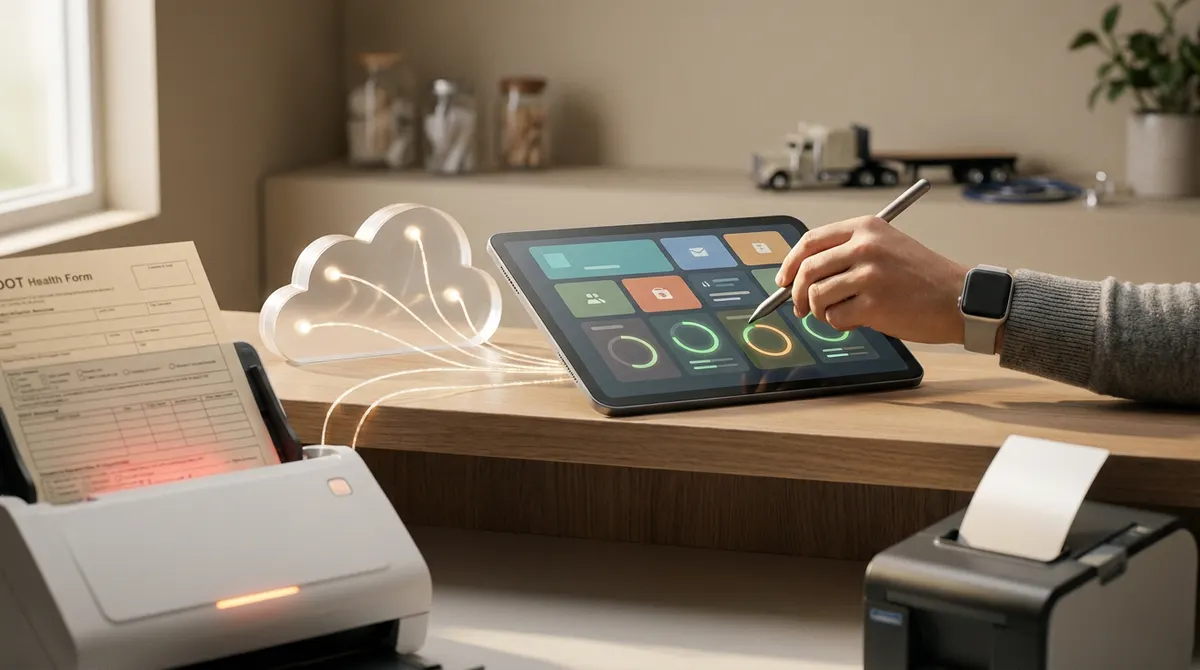
Online platforms have transformed how DOT physical exams are scheduled, documented, and reported, reducing the administrative burden on medical providers and improving the process for commercial motor vehicle drivers at every stage.
Enhancing Efficiency for Certified Medical Examiners
Web-based platforms designed for DOT medical examiners now offer integrated scheduling, electronic examination forms, and direct FMCSA reporting capabilities. These tools allow providers to enter examination data once and have it automatically submitted to the appropriate FMCSA systems, eliminating duplicate data entry and paper record management entirely.
Electronic documentation reduces transcription errors, supports consistent formatting across examination records, and makes it straightforward to retrieve historical records during audits or compliance reviews. Some platforms also offer workflow tools that flag which drivers are approaching their recertification date, allowing practices to manage caseloads more proactively. Medical providers who run high volumes of DOT physicals report that digital workflows can reduce per-exam administrative time considerably compared to fully paper-based systems.
What Drivers Can Expect from an "Online" Experience
For commercial drivers, digital integration means a smoother experience across many touchpoints of the DOT physical process. Online booking systems allow drivers to find a certified medical examiner in their area, view available appointment slots, and complete pre-visit health history forms before arriving at the clinic.
Patient portals offered by some medical providers give drivers online access to their examination results, medical certificate issue and expiry dates, and a record of past DOT physicals. These features make it easier for drivers to stay ahead of certification deadlines and avoid lapses that could disrupt their ability to work legally.
FMCSA reporting now flows electronically from DOT medical examiners to state commercial driver's license systems in most states, meaning that CMV driver certification status can be verified digitally without requiring the physical card in all circumstances. However, drivers should confirm the specific verification requirements applicable to their state and employer before relying solely on electronic records.
If sleep apnea is suspected during a DOT physical or you have been advised to complete a sleep evaluation before your next certification, an at-home sleep test from dumbo.health is a convenient, clinically validated option that can be completed without an overnight clinic stay.
TIP: Drivers approaching their medical card expiry date should schedule their next DOT physical at least 60 days in advance to allow time for any additional evaluations that may be recommended. Finding a provider close to you early ensures there is no gap in certification status.
KEY TAKEAWAY: Online platforms have streamlined scheduling, documentation, and FMCSA reporting for DOT physical exams, giving both certified medical examiners and commercial motor vehicle drivers a faster and better-integrated experience across the entire process.
These digital efficiencies are valuable, but they do not extend to the one element of the DOT physical that will always require a clinic visit.
The Essential In-Person Component: What Cannot Be Done Online
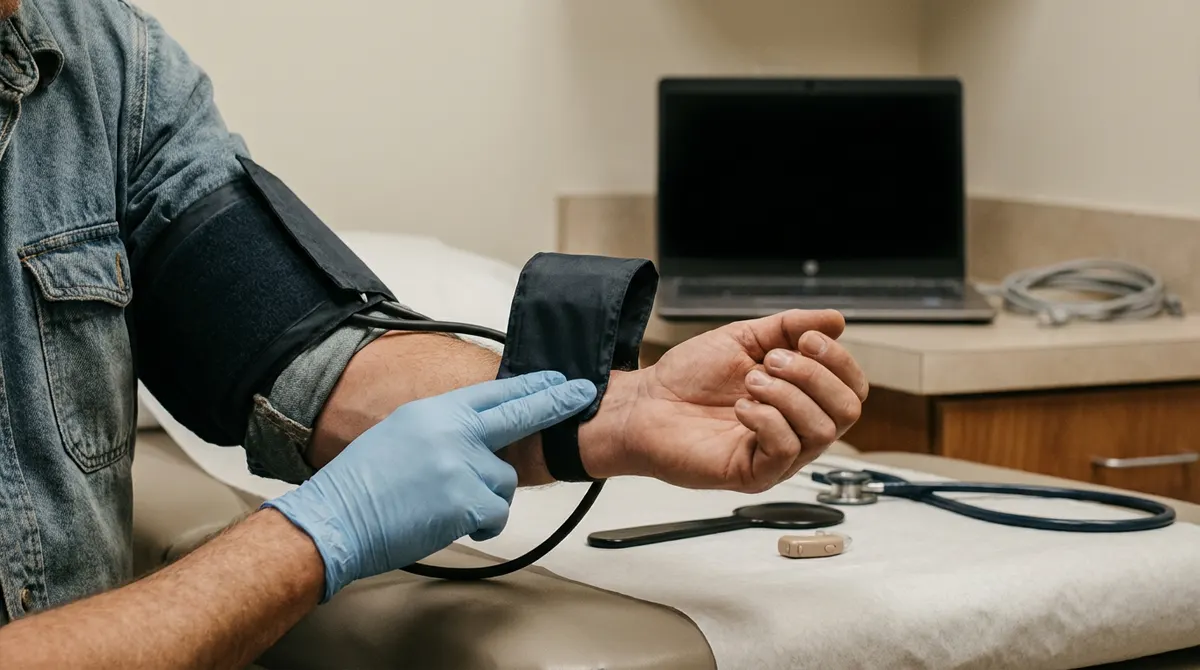
The DOT physical exam for commercial motor vehicle operators must be conducted in person. Every clinical assessment that informs the medical qualification decision requires direct, hands-on evaluation by a certified medical examiner. This is non-negotiable under current FMCSA regulations and cannot be substituted by any online tool or telehealth service.
Key Components of a DOT Physical Exam
Understanding each component of the in-person examination helps both drivers and providers appreciate why a fully remote DOT physical is not possible under the current regulatory framework.
Health History Review
The certified medical examiner reviews a detailed health history form completed by the driver prior to the visit. This document covers current medications, past and present diagnoses, prior surgeries, hospitalizations, and any chronic health conditions. The examiner verifies the information provided and explores any responses that are clinically relevant to safe commercial motor vehicle operation, including any history of cardiovascular events, neurological conditions, or sleep disorders.
Vision and Hearing Tests
Vision standards for CMV drivers require at least 20/40 acuity in each eye with or without corrective lenses, along with adequate peripheral vision. Distance vision, near vision, and colour recognition are all assessed in person. Hearing is evaluated using a forced whisper test at a distance of 5 feet. A hearing aid may be used to meet the required standard, and drivers who rely on hearing aids should bring them to the appointment.
Blood Pressure and Pulse
Blood pressure measurement is one of the most consequential components of the DOT physical exam. The FMCSA uses tiered thresholds to determine certification period and outcome. Readings below 140/90 mmHg typically support a standard 24-month certification. Readings in the stage 1 range of 140 to 159 systolic or 90 to 99 diastolic may result in a 12-month certification, while stage 2 readings of 160 to 179 systolic or 100 to 109 diastolic may lead to a 3-month conditional certification pending treatment. Readings at or above 180/110 mmHg are grounds for temporary disqualification. Drivers managing hypertension should understand what blood pressure is needed to pass a DOT physical before their appointment.
Urinalysis
A urine sample is collected and tested for protein, blood, and glucose as indicators of potential kidney or metabolic conditions. The urinalysis component of the DOT physical is not a drug test, but abnormal results may prompt the examiner to request further clinical evaluation before certification is issued.
Physical Examination
The physical examination assesses multiple body systems including the cardiovascular system, respiratory function, abdomen, musculoskeletal health, and neurological reflexes. The examiner evaluates gait, posture, limb function, and any physical limitations that could affect safe vehicle operation. Conditions affecting alertness, coordination, or physical control receive careful consideration.
If the examiner identifies risk factors for obstructive sleep apnea during the physical, such as elevated body mass index, large neck circumference, or reported daytime sleepiness, a sleep evaluation may be recommended before final certification is issued. Drivers concerned about whether they can pass a DOT physical with sleep apnea should know that treated and well-managed sleep apnea does not automatically result in disqualification.
Medical Opinions and Certification Outcome
After completing all examination components, the certified medical examiner issues a medical opinion and determines the certification outcome. This may be full certification for up to 24 months, a shorter conditional certification period, or a decision to defer certification pending additional evaluation. In some cases, the examiner will recommend disqualification until an underlying condition is adequately managed. Drivers who want to understand what conditions can disqualify them from a DOT physical should review the FMCSA's full advisory criteria before their appointment.
KEY TAKEAWAY: Every component of the DOT physical exam, from health history review through to the certification outcome, requires in-person evaluation by a certified medical examiner. No clinical component can be completed remotely under current FMCSA regulations.
Understanding what the examination involves also helps to address several persistent misconceptions that circulate among both drivers and healthcare providers.
Common Myths About Online DOT Exams Debunked

Several widespread misconceptions exist about what can be done online in relation to DOT physicals. These myths can lead to compliance failures, lost driving time, and unnecessary anxiety for commercial motor vehicle drivers and healthcare providers alike.
MYTH: You can complete a full DOT physical exam online. FACT: No FMCSA-approved pathway exists for a fully remote DOT physical examination. All clinical components, including blood pressure measurement, vision testing, hearing assessment, and physical examination, must be performed in person. Online tools support scheduling, documentation, and FMCSA reporting, but they do not replace or substitute for the in-person evaluation. The FMCSA's regulations explicitly require face-to-face assessment by a currently listed certified medical examiner.
MYTH: Any doctor can conduct a DOT physical, online or in-person. FACT: Only healthcare providers currently listed on the National Registry of Certified Medical Examiners can issue valid DOT medical certificates. Earning a listing requires completing an approved NRCME training program and passing the NRCME certification examination. A certificate issued by an uncertified provider has no legal standing under FMCSA regulations, regardless of the provider's general clinical qualifications or professional standing.
MYTH: Once you pass a DOT physical, your certification is permanent. FACT: DOT medical certification is valid for a maximum of 24 months from the examination date, and shorter certification periods apply for drivers with certain health conditions. Drivers must renew their certification before it expires to maintain their commercial driver's license privileges. The FMCSA has no provision for permanent certification, and a lapsed medical card can result in immediate CDL status issues that prevent legal commercial driving.
MYTH: Sleep apnea automatically disqualifies a commercial driver from passing a DOT physical. FACT: Diagnosed and treated obstructive sleep apnea does not automatically disqualify a CMV driver. Drivers who are compliant with PAP therapy and can demonstrate adequate treatment adherence may receive full medical certification. The FMCSA evaluates each driver individually based on treatment status, symptom severity, and apnea-hypopnea index results. Drivers who are unsure whether a sleep study is required for a DOT physical should consult with a certified medical examiner familiar with FMCSA sleep disorder advisory criteria.
MYTH: The NRCME exam is only for physicians. FACT: The NRCME certification examination is required for all eligible healthcare provider types who want to perform DOT physicals, including physician assistants, advanced practice registered nurses, and chiropractors. Each provider type must complete the same approved training program and pass the same certification examination to gain listing on the National Registry of Certified Medical Examiners.
KEY TAKEAWAY: Misconceptions about online DOT exams, driver disqualification, and provider eligibility are common and can lead to real compliance failures. Relying on verified FMCSA guidance and working with a currently listed certified medical examiner remains the most reliable path to accurate and legally valid results.
With these myths addressed, it is worth examining the broader advantages that online resources have brought to the DOT physical examination process.
Benefits of Embracing Online Resources in DOT Exam Management

The integration of online resources into the DOT physical examination process has delivered measurable advantages for certified medical examiners, commercial motor vehicle drivers, and the broader transportation industry.
Increased Efficiency and Reduced Administrative Burden
Electronic workflows have significantly reduced the time required to complete DOT physical documentation. Online platforms that integrate with FMCSA reporting systems allow certified medical examiners to submit examination data in real time, eliminating end-of-day batch processing and reducing reporting delays. For practices that conduct large volumes of DOT physicals, these efficiency gains translate directly into cost savings and improved clinical capacity.
Improved Accuracy and Compliance
Structured digital documentation reduces the variability that comes with manually completed records. When examination forms are pre-structured to match FMCSA requirements, examiners are less likely to omit required fields or misapply documentation standards. Automated FMCSA reporting also reduces the risk of transcription errors that could create compliance issues during regulatory audits.
Enhanced Accessibility for Both Examiners and Drivers
Online NRCME training programs have made it easier for healthcare providers in rural and underserved areas to complete the certification process without travelling to a physical training venue. Commercial motor vehicle drivers benefit from online booking tools that help them find a DOT physical provider near them more quickly, reducing the logistical difficulty of maintaining certification compliance across a busy driving career.
For drivers managing conditions such as sleep apnea, diabetes, or hypertension, online resources and patient portals make it easier to track certification status and understand what documentation to bring to their next examination. Drivers who have been advised to evaluate their sleep health before their next DOT physical can start that process conveniently with an at-home sleep test from dumbo.health.
Cost-Effectiveness and Time Savings
Online NRCME training programs are typically more cost-effective than in-person equivalents and offer significantly greater scheduling flexibility. For providers who want to earn AMA PRA Category 1 Credits while completing NRCME training, choosing a program that bundles both continuing medical education and NRCME preparation further improves the return on professional development time and cost.
For drivers, digital appointment booking, pre-visit form completion, and online records access reduce the time and cost associated with managing DOT physical compliance over the course of a long commercial driving career.
KEY TAKEAWAY: Online resources have improved efficiency, accuracy, accessibility, and cost-effectiveness across the DOT physical examination process, delivering tangible benefits for both certified medical examiners and commercial motor vehicle drivers.
Frequently Asked Questions
Can a DOT physical exam be completed online?
No. The DOT physical exam for commercial motor vehicle drivers cannot be completed online. The Federal Motor Carrier Safety Administration requires that all clinical components, including blood pressure measurement, vision and hearing testing, urinalysis, and physical examination, be performed in person by a certified medical examiner listed on the National Registry. Online tools can support scheduling, documentation, and results reporting, but the examination itself must take place face-to-face. Drivers looking for a certified DOT medical examiner close to them can use the FMCSA's publicly available National Registry search tool.
What is the NRCME exam and who has to take it?
The NRCME exam is the National Registry of Certified Medical Examiners certification examination required by the FMCSA. It must be completed by any licensed healthcare provider who wants to legally perform DOT physical exams for commercial motor vehicle drivers. Eligible provider types include physicians, osteopathic doctors, physician assistants, advanced practice nurses, and chiropractors. All candidates must first complete an approved NRCME training program before registering to sit the certification examination through the FMCSA's National Registry system.
Where can I find sample questions for the NRCME exam?
Sample questions for the NRCME exam are available through accredited training and exam preparation platforms, many of which offer several hundred sample questions structured around the FMCSA examination blueprint with detailed answer explanations. The FMCSA also publishes the Medical Examiner's Handbook and official advisory criteria documents, which are the primary reference materials for the examination content. Using sample questions alongside the official FMCSA guidance is widely considered the most effective preparation strategy for candidates pursuing initial certification.
How long is a DOT medical certificate valid?
A DOT medical certificate is valid for up to 24 months from the examination date. However, drivers with certain health conditions, including elevated blood pressure in the stage 1 range or conditions requiring closer clinical monitoring, may receive a shorter certification period of 12 months or less. Drivers must renew their certification before it expires to maintain their commercial driver's license privileges. Allowing a medical certificate to lapse can result in CDL status issues that prevent legal commercial driving until a new examination is completed.
Can a commercial driver with sleep apnea pass a DOT physical?
Yes. A diagnosis of obstructive sleep apnea does not automatically disqualify a commercial motor vehicle driver from receiving DOT medical certification. Drivers who are compliant with PAP therapy and can demonstrate adequate treatment adherence may receive full certification in many cases. The FMCSA evaluates each driver individually based on treatment status, symptom severity, and apnea-hypopnea index results. Drivers should speak with a certified medical examiner familiar with FMCSA sleep disorder advisory criteria to understand their specific situation and what documentation they will need to bring.
What happens if a medical examiner's NRCME certification lapses?
If a certified medical examiner's National Registry listing lapses, they are no longer legally authorised to perform DOT physical exams or issue valid DOT medical certificates. Any certificates issued after the lapse date have no legal standing under FMCSA regulations. To reinstate their listing, the provider must complete the full certification process again, including approved NRCME training and a new certification examination. Proactive monitoring of renewal dates and early engagement with recertification training are the most effective ways to prevent a lapse.
Are physician assistants and nurse practitioners eligible to become DOT medical examiners?
Yes. Physician assistants and advanced practice registered nurses are fully eligible to complete NRCME certification and earn listing on the National Registry of Certified Medical Examiners. Both provider types must complete an approved NRCME training program and pass the certification examination. Once listed, they can conduct DOT physical exams and issue valid DOT medical certificates for commercial motor vehicle drivers under the same FMCSA regulatory framework that applies to physicians and osteopathic doctors.
Conclusion

The online DOT exam means different things depending on your role in the commercial transportation system. For healthcare providers, it represents the NRCME certification examination and the training programs that prepare them to evaluate CMV drivers to federal medical standards. For commercial drivers, it represents the digital tools that make scheduling, documentation, and certification tracking more accessible. What remains constant is the requirement for an in-person clinical evaluation conducted by a certified medical examiner listed on the National Registry of Certified Medical Examiners.
Understanding the distinction between what can be done online and what must happen in person is essential for compliance, safety, and informed decision-making at every stage of the process. If a DOT physical has raised concerns about your sleep health, an at-home sleep test from dumbo.health is a convenient and clinically validated first step toward addressing those concerns before your next examination.
Related DOT Physical Topics
- Online DOT Physical The Complete Guide for Commercial Drivers and Medical Examiners
- DOT Physical & Drug Test What Drivers Need to Know
- DOT Physical Blood Pressure Requirements What Drivers Need to Know
- DOT Physical at Urgent Care What Commercial Drivers Need to Know
- BMI for DOT Physical What Commercial Drivers Need to Know
- Online DOT Physical Self-Pay The Complete Guide for CDL Drivers and Owner-Operators
- New DOT Physical Requirements What Drivers MUST Know About New Updates
- DOT Medical Exam Self-Pay A Complete Guide for Commercial Drivers
- What Happens During the DOT Physical Exam The Complete Guide for Drivers
- DOT Physical Texas The Essential Guide to Your Exam, Medical Card, and CDL Compliance
- What Is the Difference Between a DOT and Non-DOT Physical
- Guide to Obtaining and Managing Your DOT Medical Card Online
- DOT Physical Cost Breakdown What Drivers Pay & Why
- What Happens If Your DOT Physical Expires Compliance Guide for Commercial Drivers
- DOT Physical Out of Pocket What Commercial Drivers Actually Pay
- What Does DOT Stand for in a DOT Physical
- What Forms Do You Need for a DOT Physical
- DOT Physical Duration and Validity How Long Your Medical Card Lasts
- Online DOT Physical Without Insurance A Complete Guide for Commercial Drivers
- Your Complete Guide What's Included in a DOT Physical Exam
- What blood pressure do you need to pass a DOT physical
- What are the current DOT requirements for sleep apnea testing for commercial drivers
- Failing a DOT Physical What Every Commercial Driver Needs to Know
- DOT Physical Forms & Paperwork The Complete Guide for Commercial Drivers
- DOT Physical ICD-10 & Billing Codes The Complete Guide for Accurate Compliance and Reimbursement
- What drugs do they test for in a DOT drug test
- DOT Physical Online Cost
- Does a DOT Physical Test for Weed or THC The Complete Guide for Commercial Drivers
- What Can Disqualify You From a DOT Physical
- Navigating Your DOT Physical with Common Medical Conditions
- How can drivers with sleep apnea qualify again after a failed DOT physical
- The Ultimate DOT Physical Guide for Commercial Drivers (2025–2026)
- Remote DOT Physical The Complete Guide for Commercial Drivers
- Essential 171 DOT Definitions for Commercial Drivers
- Navigating the Florida DOT Physical Your Essential Guide for CDL Drivers
- Can You Get a DOT Physical Online
- What Should You Bring to a DOT Physical
- DOT Physical Exam Basics
- What Are the Requirements to Pass a DOT Physical
- What Precautions Should Drivers With Sleep Apnea Take
- Why DOT Sleep Tests at Home Matter for Your Career and Health
- Cheap DOT Physical Online
- What Is the Urine Test for in a DOT Physical
- DOT physical self pay guide for commercial drivers paying out of pocket
- Can You Get a Second Opinion on Your DOT Physical A Complete Guide for Commercial Drivers
- DOT Physical Insurance or Self Pay How to Choose the Right Payment Option for Your Exam
- What should I expect at a DOT physical
- What Does a DOT Physical Consist Of
- What happens if you fail a DOT physical due to sleep apnea
- What are the current FMCSA guidelines on sleep apnea for commercial drivers
- Medical Examination Report (MER) – Form MCSA-5875 The Complete Guide for Commercial Drivers
- Non-DOT Physical A Comprehensive Guide to Workforce Health and Safety
- DOT Physical Requirements A Complete Guide for CDL Drivers
- What eye chart is used for a DOT physical
- What Do They Check During a DOT Physical
- The DOT Physical Exam Ensuring You're Fit for the Road
- What is DOT Physical
- DOT Physical Vision & Eye Requirements
- DOT Physical & Alcohol Requirements
- DOT Physical Insurance & Recertification The Complete Driver's Guide
- Online CDL Physical
- Are There New DOT Rules or Laws on Sleep Apnea Testing
- Does a DOT physical include a drug test
- Can You Pass a DOT Physical with Epilepsy
- DOT Physical Self Pay Cost
- When Can Sleep Apnea Affect a DOT Physical
- 2026 DOT Inspection Dates
- Walk In DOT Physical Self Pay
- Is a drug test required for a DOT physical
- Can You Pass a DOT Physical With One Eye
- Can You Pass a DOT Physical With a Pacemaker
- How Do You Submit Your DOT Physical to the DMV
- Home Sleep Apnea Test for Commercial Drivers The CDL Holder's Complete Guide
- Telehealth Dot Physical
- Sleep Apnea Test for CDL Drivers
- Does insurance cover a DOT physical
- Can You Fail a DOT Physical for Being Overweight
- Why do they measure your neck during a DOT physical
- Can You Pass a DOT Physical With a Hernia
- Do They Check for Hernia During a DOT Physical
- Are there legal requirements for drivers with sleep apnea
- DOT Physical Cash Pay
- DOT sleep apnea test at home
- Can You Fail a DOT Physical for High Blood Pressure
- Same Day DOT Physical
- Virtual DOT Physical
- Who needs a DOT physical
- Can you fail a DOT physical because of sleep apnea
- How to Pass a DOT Physical The Complete Commercial Driver's Guide
- Do They Check Your Private Parts During a DOT Physical
- The Comprehensive Guide to Suboxone, Sleep Apnea, and FMCSA Compliance for Commercial Motor Vehicle Operators
- DOT Physical Chiropractor Your Complete Guide to CDL Exams
- Is a DOT physical the same as a regular physical
- Can you pass a DOT physical with sleep apnea
- At Home Sleep Test for Truck Drivers
- Can You Pass a DOT Physical with Diabetes
- Can You Pass a DOT Physical with High Blood Pressure
- Is a Sleep Study Required for a DOT Physical
- Do You Have to Pee During a DOT Physical
- Can You Fail a DOT Physical
Take the next step before your DOT physical
Start with the free quiz if you are unsure about your risk, or order an at-home sleep test if you have already been flagged for possible sleep apnea.
AI summary
An online DOT exam refers to (1) the NRCME certification examination for clinicians and (2) online systems that support DOT physical administration for commercial motor vehicle (CMV) drivers. Under FMCSA rules and 49 CFR Part 391, drivers must have a valid medical certificate issued by a certified medical examiner listed on the National Registry of Certified Medical Examiners. The DOT physical exam is always in person. Clinical elements include health history review, vision and hearing testing, blood pressure and pulse, urinalysis (not a drug test), and a hands-on physical exam. Outcomes include full certification (up to 24 months), shorter conditional certification with monitoring or treatment requirements, or disqualification. For medical examiners, the core online component is the NRCME exam delivered via a secure online portal after completing FMCSA-approved training. Certification enables National Registry listing; lapses invalidate certificates and may require repeating the certification pathway. Online tools mainly improve scheduling, documentation, and electronic FMCSA reporting, reducing administrative errors and helping drivers track medical card expiration.

Nicolas Nemeth
Co-Founder
Nico is the co-founder of Dumbo Health, a digital sleep clinic that brings the entire obstructive sleep apnea journey home. Patients skip the sleep lab and the long wait to see a specialist. Dumbo Health ships an at home test, connects patients with licensed sleep clinicians by video, and delivers CPAP or a custom oral appliance with ongoing coaching and automatic resupply in one clear subscription.
Keep reading

How Long Does a DOT Physical Take? A Complete Guide for Commercial Drivers

What Happens If You Fail a DOT Drug Test? The Complete Guide for Commercial Drivers


