Failing a DOT Physical: What Every Commercial Driver Needs to Know
Failing a DOT physical means a certified medical examiner finds you do not meet FMCSA medical standards in 49 CFR Part 391 and you are not medically certified to drive. The article explains what the DOT physical evaluates, how long a Medical Examiner’s Certificate can last, and why driving without a valid certificate is a federal violation. It outlines immediate consequences like a “not certified” determination, possible CDL downgrade, and removal from duty by employers, with potential impacts on DAC reports. It reviews common disqualifiers including hypertension, diabetes (including insulin rules and required forms), vision/hearing thresholds, sleep apnea risk screening and CPAP compliance, cardiac conditions, seizures, and substance testing. Practical steps focus on medical management and documentation to regain certification.
Struggling with sleep?
Find out if sleep apnea is the reason.
FDA-cleared. $149 flat. Physician-reviewed results in 48 hours.

Failing a DOT Physical: What Every Commercial Driver Needs to Know

Failing a DOT physical means a certified medical examiner has determined you do not currently meet the Federal Motor Carrier Safety Administration's (FMCSA) medical standards to operate a commercial motor vehicle. According to the FMCSA's 49 CFR Part 391, every commercial driver must hold a valid Medical Examiner's Certificate before legally driving a commercial motor vehicle. This page covers the most common reasons commercial drivers fail the DOT physical exam, the immediate consequences of that outcome, your legal rights and options for appeal, and the evidence-based steps you can take to reclaim your certification. Whether this is your first failed exam or you are navigating a repeat disqualification, understanding the full picture gives you the clearest path forward.
Understanding the DOT Physical and Its Critical Role
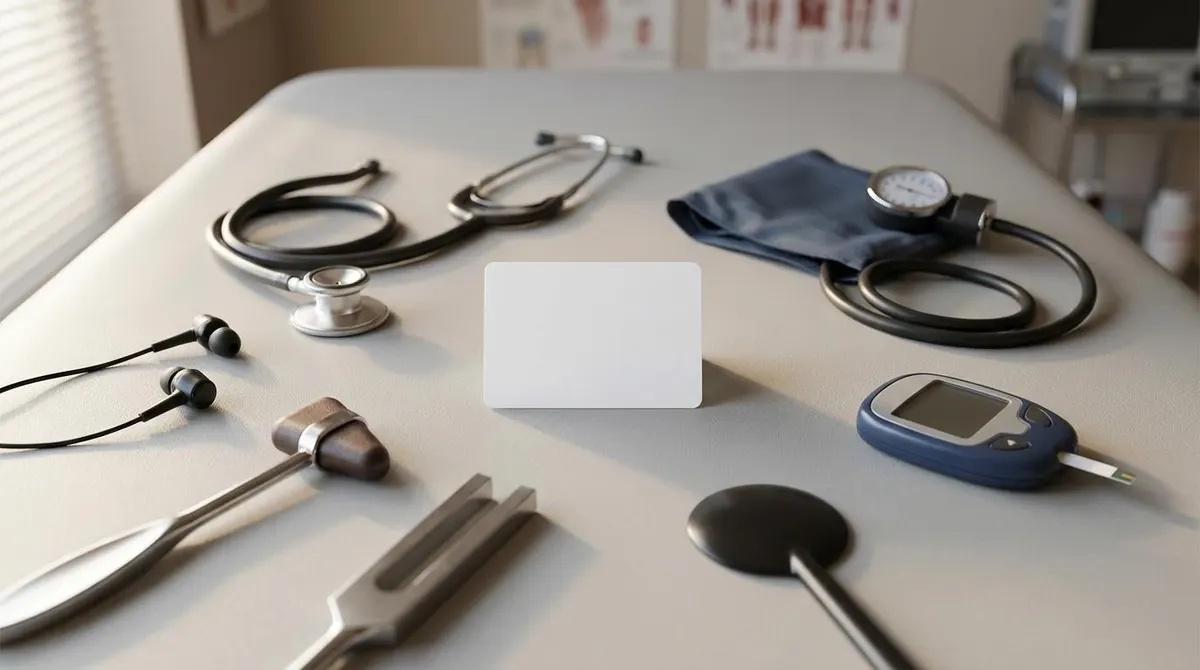
The DOT physical examination is a federally mandated medical evaluation required for all commercial drivers operating vehicles in interstate commerce. The exam assesses whether a driver is physically, mentally, and medically fit to operate a commercial motor vehicle safely on public roads.
What Is a DOT Physical?

A DOT physical exam is a comprehensive medical examination administered by a certified medical examiner listed on the FMCSA's National Registry of Certified Medical Examiners. The exam evaluates vision, hearing, blood pressure, blood sugar, cardiovascular function, respiratory health, neurological status, and musculoskeletal fitness, among other criteria. According to FMCSA regulations under 49 CFR Part 391, a passing result produces a Medical Examiner's Certificate (MEC), which is typically valid for up to 24 months, though drivers with certain managed conditions may receive shorter certification periods.
The physical examination must be conducted by a qualified provider, which may include a medical doctor, doctor of osteopathy, advanced practice nurse, physician's assistant, or doctor of chiropractic, provided they hold active registration on the FMCSA's National Registry.
DID YOU KNOW: Starting June 23, 2025, the FMCSA's Medical Examiner's Certification Integration Rule requires certified medical examiners to electronically transmit exam results directly to the FMCSA, which then forwards them to state licensing agencies for integration into each driver's CDL record.
Not sure if sleep apnea applies to you?
Take our 2-minute sleep risk quiz to see whether sleep apnea could affect your DOT physical. No account required.
Why the DOT Physical Is Non-Negotiable

The DOT physical examination exists because commercial drivers operate heavy vehicles at highway speeds, often for extended hours, creating unique public safety responsibilities. A commercial motor vehicle driver experiencing a sudden cardiovascular event, hypoglycemic episode, or seizure behind the wheel poses a serious risk to other road users. The FMCSA mandates the physical examination under 49 CFR § 391.41 to ensure that every commercial driver holding a CDL meets minimum health standards before operating a commercial vehicle. Driving without a valid Medical Examiner's Certificate is a federal violation that can result in fines, CDL suspension, and employer liability.
KEY TAKEAWAY: The DOT physical exam is a non-negotiable federal requirement under 49 CFR Part 391, and operating without a valid Medical Examiner's Certificate carries serious legal and professional consequences.
Understanding why the exam exists makes it easier to approach the process proactively. The next section explains exactly what happens to your certification and employment status when you do not pass.
The Immediate Impact: What Happens After You Fail

failing a DOT physical immediately means you are not medically certified to operate a commercial motor vehicle. The consequences can be swift, and many commercial drivers find themselves caught off guard by how quickly their employment situation changes.
Loss of Medical Certification

When a medical examiner determines that you do not meet the FMCSA's physical qualification standards, you are issued a "not certified" determination. Your Medical Examiner's Certificate is either denied or revoked. Under current FMCSA reporting rules, this status is transmitted to the relevant state licensing authority, which may downgrade your commercial driver's license until you regain medical certification. A CDL downgrade means you legally cannot operate any vehicle requiring a CDL, even if your driving record is otherwise clean.
Employment Consequences

Most trucking carriers and CDL employers have zero-tolerance policies regarding lapsed medical certification. If your Medical Examiner's Certificate expires or is revoked following a failed DOT physical exam, your employer is legally required to remove you from duty. Employers maintain safety records, such as DAC (Drive-A-Check) reports, which may reflect the certification gap and affect your prospects with future carriers. Many drivers experience a period of unpaid leave during the time it takes to address the disqualifying medical condition and retake the physical examination.
IMPORTANT: Continuing to operate a commercial motor vehicle after failing a DOT physical or after your Medical Examiner's Certificate lapses is a federal violation under 49 CFR § 391.41 and can result in civil penalties, CDL revocation, and potential criminal liability for both the driver and the employer.
The Emotional and Financial Toll
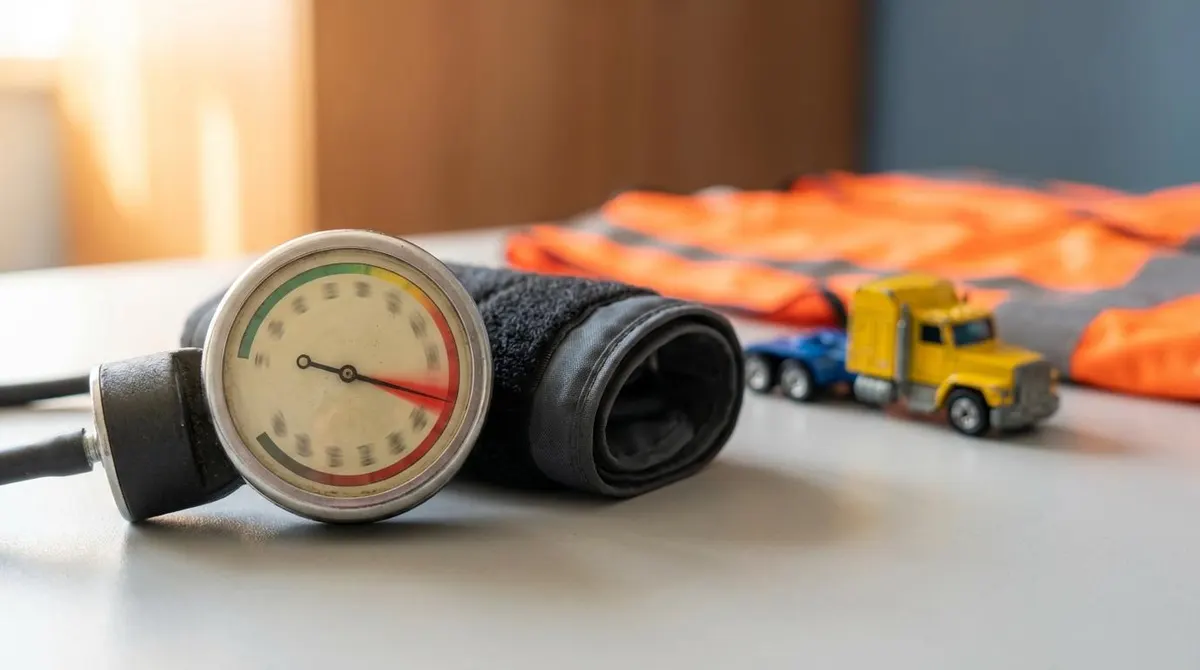
Many patients report that the psychological impact of failing a DOT physical is as challenging as the medical issue itself. Commercial driving is often a career identity, and the sudden loss of ability to work creates financial stress alongside health concerns. Clinicians frequently observe that drivers who approach their disqualification with a structured plan recover their certification more quickly than those who delay action. Understanding that most DOT physical failures are temporary, not permanent, is the first step toward regaining your medical certification and your livelihood.
KEY TAKEAWAY: Most DOT physical failures result in temporary disqualification that can be resolved through appropriate medical management and documentation.
The specific reason for your failure determines which corrective path is available to you. The next section covers every major disqualifying condition in detail.
Common Reasons for Failing a DOT Physical: An In-Depth Look
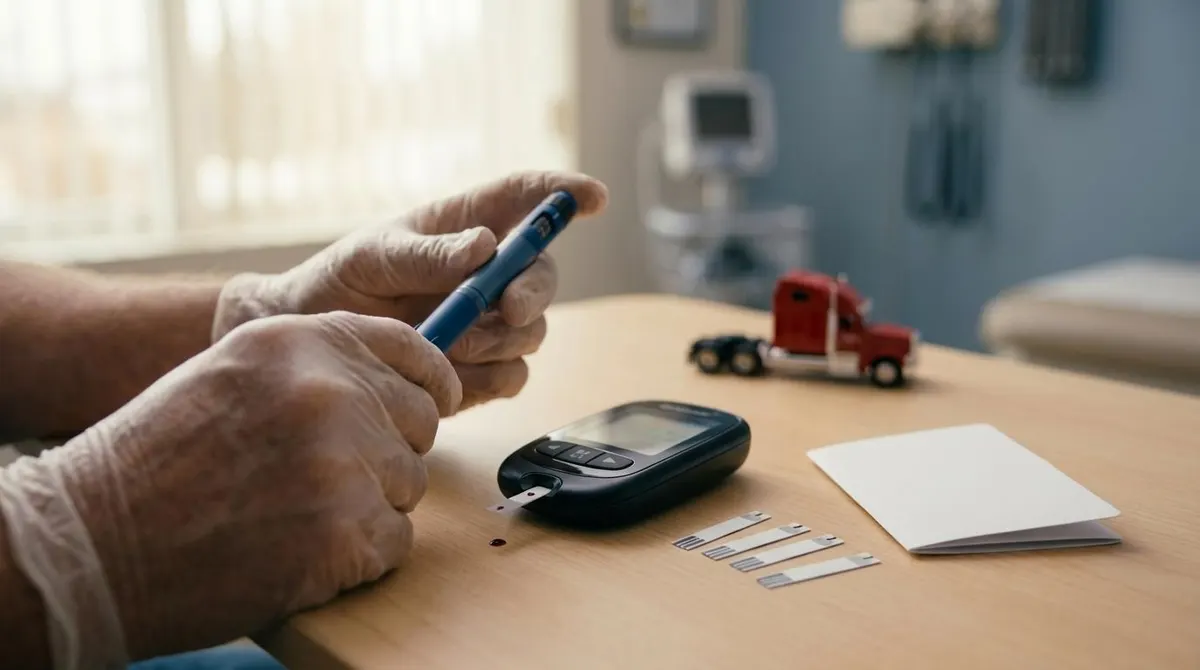
The FMCSA evaluates commercial drivers against 13 physical qualification standards under 49 CFR § 391.41. Failure on any one standard can result in disqualification. Understanding the most common failure points gives you the best chance of managing your health before your next physical examination.
High Blood Pressure (Hypertension)
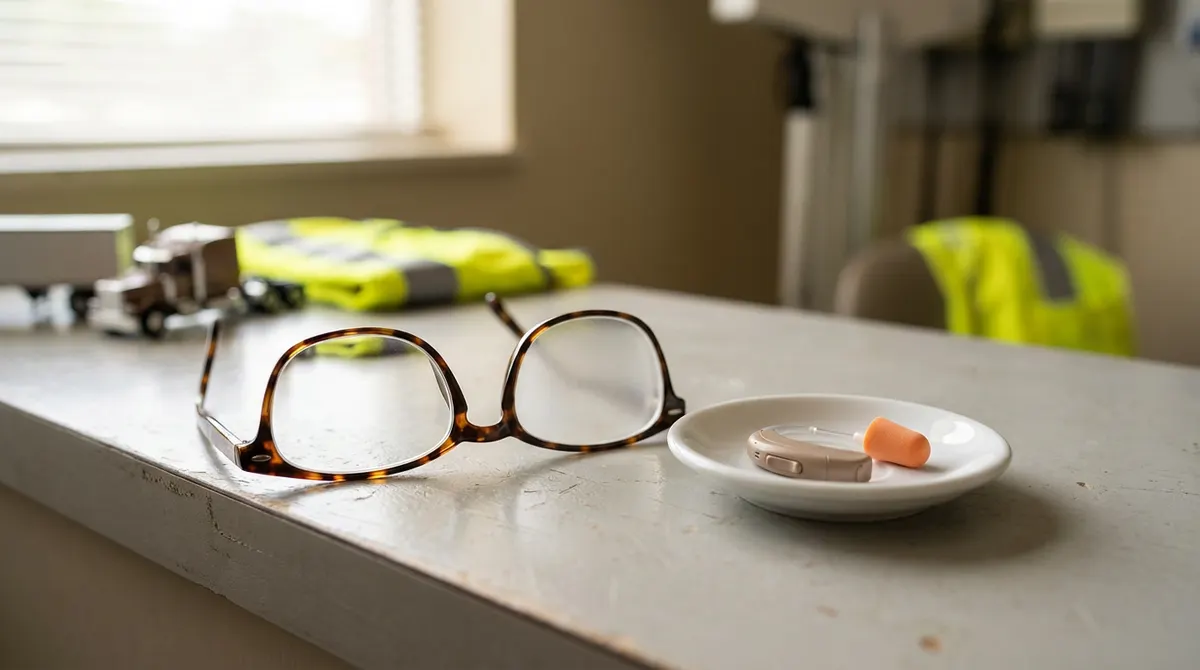
High blood pressure is one of the most common reasons commercial drivers fail the DOT physical. The FMCSA uses a tiered blood pressure standard: drivers with readings below 140/90 mmHg qualify for a full two-year certification. Stage 1 hypertension (140/90 to 159/99 mmHg) results in a one-year certification. Stage 2 hypertension (160/100 to 179/109 mmHg) results in a conditional three-month certification, after which the driver must demonstrate a reading of 140/90 or lower for a one-year certificate. Stage 3 hypertension (180/110 mmHg or above) is a temporary disqualifier, with retesting permitted every six months.
Already diagnosed and need CPAP support?
Dumbo Health helps patients start CPAP without the usual confusion, paperwork, or upfront cost. Equipment, setup, supplies, and ongoing support are all handled in one place.
Blood pressure guidelines from the FMCSA make clear that a driver currently receiving treatment for hypertension must receive at least an annual certification, regardless of how well-controlled their readings are. Drivers can significantly improve their outcomes by working with a primary care physician on a consistent medication regimen, reducing sodium intake, limiting caffeine before the exam, and maintaining a healthy body weight. Many commercial drivers who fail due to high blood pressure return to full certification within weeks of beginning structured treatment.
Diabetes Mellitus and Blood Sugar Control

diabetes is a frequently misunderstood disqualifier. For years, insulin-treated diabetes mellitus (ITDM) was an automatic disqualifier. The FMCSA revised its standard in 2018, eliminating the old diabetes exemption program and replacing it with a new qualification pathway. Under the updated standard, drivers using insulin may now qualify for a CDL without a special exemption, provided they complete the Insulin-Treated Diabetes Mellitus Assessment Form (MCSA-5870), which must be completed by the treating clinician and submitted to the certified medical examiner within 45 days of completion.
Drivers using insulin must also provide at least three months of self-monitored blood glucose (SMBG) data from an electronic glucometer with timestamps. The medical examiner then reviews this data alongside the MCSA-5870 to determine whether the driver's blood sugar is properly controlled and whether any diabetes-related complications, such as peripheral neuropathy or vision changes, might impair safe driving. The FMCSA recommends an A1c below 7% for reduced risk of complications, though no strict A1c cutoff is required for certification. Drivers with non-insulin-treated, well-controlled type 2 diabetes typically pass without additional documentation.
If you are managing diabetes and preparing for a DOT physical, working with an endocrinologist who understands FMCSA requirements is strongly recommended.
Vision and Hearing Impairments

Vision and hearing are two of the three non-discretionary (objective) standards in the DOT physical examination, meaning there is no examiner discretion if the threshold is not met. Vision requirements under 49 CFR § 391.41(b)(10) mandate a minimum visual acuity of 20/40 in each eye, with or without corrective lenses, and a peripheral vision of at least 70 degrees in both eyes. Drivers who fail the vision standard in one eye but pass in the other may apply for a Skill Performance Evaluation (SPE) certificate, which allows operation with monocular vision under a specifically tested adaptive driving assessment.
Hearing is assessed using the forced whisper test, requiring the driver to perceive a forced whisper at a distance of five feet or more in at least one ear, with or without a hearing aid. Hearing aids are permitted and may resolve a borderline hearing issue without additional complications. vision corrections such as glasses or contact lenses are similarly permitted and do not disqualify a driver. If corrective lenses are required, the driver's medical certificate will note this as a condition.
If you are concerned about meeting vision standards near you, schedule a comprehensive eye exam before your DOT physical to identify and address any correctable conditions in advance.
Sleep Apnea
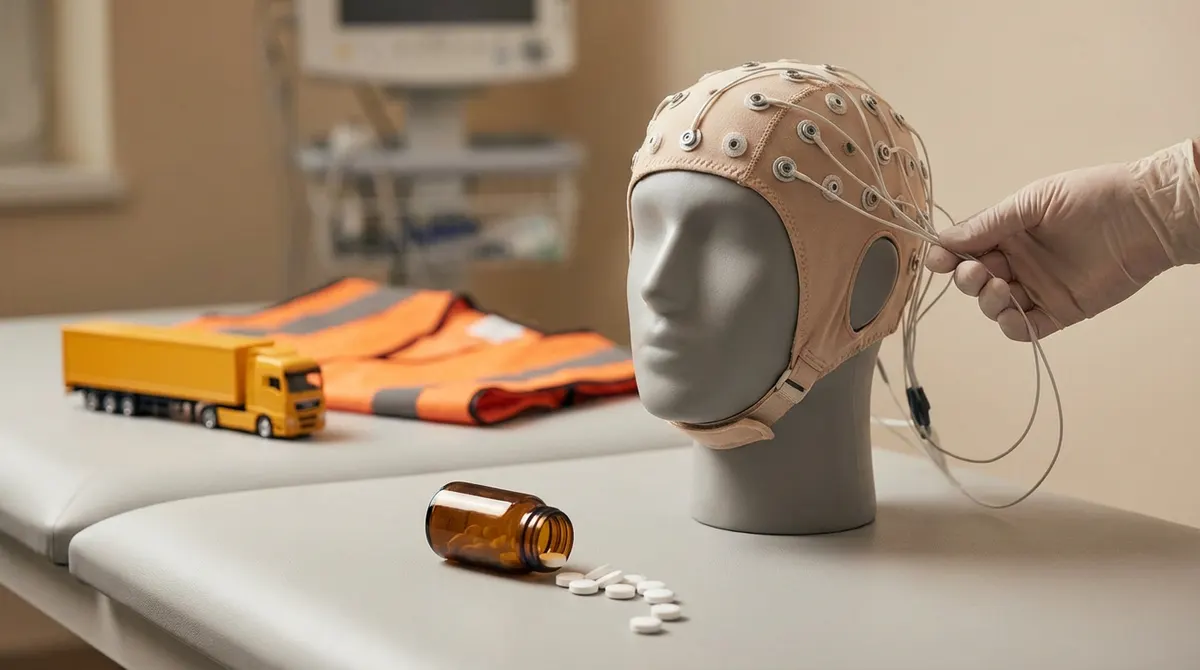
Sleep apnea is taken seriously during the DOT physical exam because untreated sleep-disordered breathing directly impairs a driver's alertness, reaction time, and sustained attention behind the wheel. The DOT physical does not automatically require a sleep study, but medical examiners are trained to assess risk factors. Drivers with a BMI over 40, or a BMI over 33 combined with three or more risk factors including hypertension, type 2 diabetes, a neck circumference above 17 inches for males or 15.5 inches for females, loud snoring, or witnessed apneas, must be referred for a sleep study before receiving full certification.
Drivers who already have a sleep apnea diagnosis and use CPAP therapy can still pass the DOT physical, provided they demonstrate compliance. The American Academy of Sleep Medicine recommends at least four hours of CPAP use on 70% of nights over a 30-day period as a minimum compliance threshold. Drivers with a diagnosed and treated condition are required to renew their DOT physical every 12 months rather than every 24. If you suspect you may have undiagnosed sleep apnea, an at-home sleep study is a convenient and accurate way to assess your risk before your exam.
Understanding how sleep disorders interact with commercial driving requirements is important. Learn more about what sleep apnea is and how it affects your DOT physical outcomes.
Cardiovascular Conditions
Heart conditions represent one of the most complex categories in the DOT physical exam. The FMCSA does not maintain a fixed list of automatically disqualifying cardiovascular conditions, but the medical examiner is required to assess whether any heart condition is likely to cause sudden incapacitation. Conditions that may disqualify or restrict certification include myocardial infarction, symptomatic coronary artery disease, congestive heart failure, uncontrolled arrhythmias, and a history of collapse or syncope due to a cardiac cause. Drivers who have had a heart attack may regain certification once they demonstrate an ejection fraction of at least 40%, acceptable exercise tolerance test results, and written clearance from a cardiologist.
According to the Mayo Clinic, cardiovascular disease remains a leading cause of sudden death in adults, which is why FMCSA medical standards for heart conditions are particularly stringent. Many cardiac disqualifications are temporary. Drivers who address underlying conditions with appropriate medical management and who receive cardiologist clearance often successfully retake and pass the physical examination.
Neurological and Seizure Disorders
Epilepsy is one of the three non-discretionary disqualifiers in the DOT physical examination. Under FMCSA regulation § 391.41(b)(8), a driver with a current clinical diagnosis of epilepsy, defined as two or more unprovoked seizures, is not physically qualified to operate a commercial motor vehicle. Any driver currently taking anti-seizure medication for seizure prevention is also automatically disqualified, regardless of whether they have had a recent seizure.
Drivers who have experienced a single unprovoked seizure may qualify for certification after being seizure-free for five years and off anti-seizure medication, with documentation from a neurologist who specializes in epilepsy. Drivers experiencing seizures connected to a provoked cause, such as medication interaction or metabolic imbalance, are assessed individually based on the risk of recurrence. Head injury cases require a minimum seizure-free waiting period that varies from one to five years depending on severity. All neurological certifications require case-by-case evaluation and neurologist consultation.
Other Disqualifying Factors
Beyond the conditions listed above, several additional factors can result in failing the DOT physical exam:
Substance abuse or a positive drug test for marijuana, cocaine, amphetamines, opioids, or PCP triggers disqualification and reporting to the FMCSA Drug and Alcohol Clearinghouse.
Methadone and Suboxone are no longer automatically disqualifying under updated FMCSA guidelines, but both require an individualized evaluation by the medical examiner in coordination with the prescribing physician.
Severe respiratory dysfunction requiring supplemental oxygen while driving is disqualifying.
Physical limb loss or impairment that interferes with safe vehicle operation may require a Skill Performance Evaluation (SPE) Certificate under 49 CFR § 391.49 to continue operating commercially.
Related DOT Physical Topics
- DOT Physical at Urgent Care What Commercial Drivers Need to Know
- BMI for DOT Physical What Commercial Drivers Need to Know
- DOT Physical Out of Pocket What Commercial Drivers Actually Pay
- What Does DOT Stand for in a DOT Physical
- How to Pass a DOT Physical The Complete Commercial Driver's Guide
- DOT Physical Blood Pressure Requirements What Drivers Need to Know
- New DOT Physical Requirements What Drivers MUST Know About New Updates
- DOT Physical & Drug Test What Drivers Need to Know
- What Is the Difference Between a DOT and Non-DOT Physical
- What Can Disqualify You From a DOT Physical
- Remote DOT Physical The Complete Guide for Commercial Drivers
- The Ultimate DOT Physical Guide for Commercial Drivers (2025–2026)
- Who needs a DOT physical
- DOT Physical Cost Breakdown What Drivers Pay & Why
- What happens if you fail a DOT physical due to sleep apnea
- Can You Get a Second Opinion on Your DOT Physical A Complete Guide for Commercial Drivers
- What Should You Bring to a DOT Physical
- What should I expect at a DOT physical
- DOT Physical Forms & Paperwork The Complete Guide for Commercial Drivers
- What Forms Do You Need for a DOT Physical
- What Are the Requirements to Pass a DOT Physical
- DOT Physical Insurance & Recertification The Complete Driver's Guide
- Online DOT Physical Without Insurance A Complete Guide for Commercial Drivers
- Your Complete Guide What's Included in a DOT Physical Exam
- What Is the Urine Test for in a DOT Physical
- What blood pressure do you need to pass a DOT physical
- DOT physical self pay guide for commercial drivers paying out of pocket
- Online DOT Exam What Drivers and Medical Examiners Need to Know
- What are the current DOT requirements for sleep apnea testing for commercial drivers
- Online DOT Physical The Complete Guide for Commercial Drivers and Medical Examiners
- Is a DOT physical the same as a regular physical
- What Does a DOT Physical Consist Of
- What Happens During the DOT Physical Exam The Complete Guide for Drivers
- What eye chart is used for a DOT physical
- What Do They Check During a DOT Physical
- What is DOT Physical
- How can drivers with sleep apnea qualify again after a failed DOT physical
- DOT Physical Online Cost
- Can You Pass a DOT Physical with Epilepsy
- How Do You Submit Your DOT Physical to the DMV
- Virtual DOT Physical
- DOT Physical Vision & Eye Requirements
- DOT Physical Self Pay Cost
- Navigating Your DOT Physical with Common Medical Conditions
- Does a DOT physical include a drug test
- Essential 171 DOT Definitions for Commercial Drivers
- Navigating the Florida DOT Physical Your Essential Guide for CDL Drivers
- When Can Sleep Apnea Affect a DOT Physical
- DOT Physical Chiropractor Your Complete Guide to CDL Exams
- Can you pass a DOT physical with sleep apnea
- Can you fail a DOT physical because of sleep apnea
- Can You Get a DOT Physical Online
- Walk In DOT Physical Self Pay
- Can You Pass a DOT Physical With a Pacemaker
- Telehealth Dot Physical
- Can You Pass a DOT Physical With One Eye
- DOT Physical Exam Basics
- DOT Physical & Alcohol Requirements
- DOT Physical Duration and Validity How Long Your Medical Card Lasts
- Can You Fail a DOT Physical for Being Overweight
- Why do they measure your neck during a DOT physical
- Can You Pass a DOT Physical with High Blood Pressure
- Cheap DOT Physical Online
- Can You Pass a DOT Physical With a Hernia
- Do They Check for Hernia During a DOT Physical
- Online DOT Physical Self-Pay The Complete Guide for CDL Drivers and Owner-Operators
- DOT Physical Cash Pay
- Is a drug test required for a DOT physical
- What are the current FMCSA guidelines on sleep apnea for commercial drivers
- Can You Fail a DOT Physical for High Blood Pressure
- Same Day DOT Physical
- DOT Medical Exam Self-Pay A Complete Guide for Commercial Drivers
- Do They Check Your Private Parts During a DOT Physical
- DOT Physical ICD-10 & Billing Codes The Complete Guide for Accurate Compliance and Reimbursement
- DOT Physical Insurance or Self Pay How to Choose the Right Payment Option for Your Exam
- Is a Sleep Study Required for a DOT Physical
- Can You Pass a DOT Physical with Diabetes
- Non-DOT Physical A Comprehensive Guide to Workforce Health and Safety
- DOT Physical Texas The Essential Guide to Your Exam, Medical Card, and CDL Compliance
- DOT Physical Requirements A Complete Guide for CDL Drivers
- Do You Have to Pee During a DOT Physical
- The DOT Physical Exam Ensuring You're Fit for the Road
- Can You Fail a DOT Physical
- Online CDL Physical
- Are There New DOT Rules or Laws on Sleep Apnea Testing
- 2026 DOT Inspection Dates
- Home Sleep Apnea Test for Commercial Drivers The CDL Holder's Complete Guide
- Why DOT Sleep Tests at Home Matter for Your Career and Health
- CDL PHYSICAL SELF PAY
- DOT sleep apnea test at home
- The Comprehensive Guide to Suboxone, Sleep Apnea, and FMCSA Compliance for Commercial Motor Vehicle Operators
- Medical Examination Report (MER) – Form MCSA-5875 The Complete Guide for Commercial Drivers
- What Precautions Should Drivers With Sleep Apnea Take
- Guide to Obtaining and Managing Your DOT Medical Card Online
- Expected 2027 DOT Inspection Dates
- Sleep Apnea Test for CDL Drivers
- How Sleep Apnea Affects Overall Driving Safety
- Best Treatments for Sleep Apnea to Improve Driving Safety
- Are there legal requirements for drivers with sleep apnea
- How Does Sleep Apnea Affect Driving Ability
Take the next step before your DOT physical
Start with the free quiz if you are unsure about your risk, or order an at-home sleep test if you have already been flagged for possible sleep apnea.
AI summary
Failing a DOT physical is a “not certified” determination by an FMCSA National Registry certified medical examiner that a driver does not meet medical standards in 49 CFR Part 391. A passing exam results in a Medical Examiner’s Certificate (MEC), typically valid up to 24 months, with shorter intervals for certain conditions. Key points: - Consequences: MEC denial or revocation, reporting to state licensing, possible CDL downgrade, and removal from safety-sensitive driving duties; driving without a valid MEC is a federal violation. - Common disqualifiers and criteria: hypertension tiers (<140/90 two-year; Stage 1 one-year; Stage 2 three-month then ≤140/90; Stage 3 temporary disqualifier), diabetes requirements for insulin-treated diabetes (MCSA-5870 within 45 days plus 3 months SMBG data), and objective vision/hearing standards (20/40 acuity each eye; 70° peripheral; forced whisper at 5 feet). - Sleep apnea: referral triggers include BMI >40, or BMI >33 with additional risk factors; CPAP compliance commonly uses 4 hours/night on 70% of nights over 30 days. - Other causes: cardiovascular risk of sudden incapacitation, epilepsy rules, substance positives reported to the Drug and Alcohol Clearinghouse, severe respiratory dysfunction, and limb impairment potentially requiring an SPE certificate (49 CFR § 391.49).

Nicolas Nemeth
Co-Founder
Nico is the co-founder of Dumbo Health, a digital sleep clinic that brings the entire obstructive sleep apnea journey home. Patients skip the sleep lab and the long wait to see a specialist. Dumbo Health ships an at home test, connects patients with licensed sleep clinicians by video, and delivers CPAP or a custom oral appliance with ongoing coaching and automatic resupply in one clear subscription.
Keep reading

How Long Does a DOT Physical Take? A Complete Guide for Commercial Drivers

What Happens If You Fail a DOT Drug Test? The Complete Guide for Commercial Drivers


