DOT Physical Chiropractor: Your Complete Guide to CDL Exams
This guide explains what a DOT physical is and why it is required for many CDL drivers under FMCSA rules. It clarifies when a chiropractor can perform the exam, emphasizing the need for NRCME Certified Medical Examiner status and listing on the FMCSA National Registry. You will learn what happens during the appointment, including vision, hearing, blood pressure, urinalysis, neurological, cardiovascular, and musculoskeletal assessments. It outlines common disqualifying risks such as Stage 3 hypertension and untreated sleep apnea, plus how conditional certification works. Practical preparation steps cover documents, medication lists, and tips to avoid inaccurate blood pressure readings. It also explains medical card validity and how to find a qualified examiner.
Struggling with sleep?
Find out if sleep apnea is the reason.
FDA-cleared. $149 flat. Physician-reviewed results in 48 hours.

DOT Physical Chiropractor: Your Complete Guide to CDL Exams
If you drive commercially for a living, the DOT physical is one of the most important health evaluations you will face. Choosing the right medical examiner matters, and a growing number of commercial drivers are turning to chiropractors who hold Certified Medical Examiner credentials. This guide covers everything you need to know about the DOT physical examination, why a chiropractic Certified Medical Examiner may be the right choice for your driver medical exams, what happens during the appointment, how to prepare, and how to find a qualified provider through the National Registry of Certified Medical Examiners.
Understanding the DOT Physical Examination
A DOT physical is a mandatory medical evaluation that determines whether a commercial driver is physically and mentally fit to safely operate a commercial motor vehicle on public roads. Required by the Federal Motor Carrier Safety Administration, the DOT Physical Examination is not optional for drivers who operate certain vehicles in interstate or intrastate commerce.
The Department of Transportation established these standards to protect both drivers and the public. Any driver who operates an Interstate Commercial Motor Vehicle that crosses state lines, weighs over 10,001 pounds gross vehicle weight or gross combination weight, carries 16 or more passengers including the driver, or transports hazardous material requiring a placard is required to hold a valid medical certificate. This includes most drivers who hold a Commercial Drivers License.
DOT physical exams must be completed by a healthcare provider listed on the National Registry of Certified Medical Examiners, the official FMCSA database of approved medical professionals. This requirement has been in effect since 2014, replacing the older system where any licensed physician could conduct driver physicals without specific training or certification.
The exam itself evaluates multiple body systems including vision, hearing, cardiovascular function, neurological function, and musculoskeletal health. Results are recorded on a standardized medical examination form, and drivers who pass receive a medical certificate, commonly called a medical card, which is valid for up to 24 months. Drivers with certain manageable conditions may receive a shorter certification period.
Not sure if sleep apnea applies to you?
Take our 2-minute sleep risk quiz to see whether sleep apnea could affect your DOT physical. No account required.
The primary purpose of the DOT physical is straightforward. Fatigue, undiagnosed cardiovascular disease, poorly controlled hypertension, and untreated sleep apnea are among the most common factors in commercial vehicle accidents. The exam is designed to identify these risks before they become a public safety issue.
DID YOU KNOW: According to the Federal Motor Carrier Safety Administration, medical factors contribute to a significant proportion of large-truck crashes, making driver medical exams one of the most consequential safety tools in commercial transportation.
KEY TAKEAWAY: A DOT physical is a mandatory FMCSA medical evaluation that commercial drivers must complete with a provider listed on the National Registry of Certified Medical Examiners to obtain the medical certificate required to operate a commercial motor vehicle.
Understanding what the exam covers sets you up to prepare effectively. The next section explains exactly who is qualified to conduct your DOT physical.
Are Chiropractors Qualified to Perform DOT Physicals?
Yes, chiropractors are fully qualified to perform DOT physicals when they hold certification as a Certified Medical Examiner through the FMCSA's National Registry of Certified Medical Examiners. Chiropractic qualification is not automatic. Every healthcare provider, regardless of medical license type, must complete the same FMCSA-accredited training and pass the same certification test to appear on the National Registry.
The FMCSA designed the National Registry of Certified Medical Examiners to create a uniform standard across all provider types. Before the NRCME system was introduced, DOT Medical Exams were conducted by any licensed practitioner without required training. The current system demands that every Certified Medical Examiner, whether a chiropractor, physician, or nurse practitioner, complete an FMCSA-accredited national registry training course covering federal medical standards, review the FMCSA Medical Examiner Handbook, and then pass the NRCME Certification Exam, a rigorous assessment of knowledge specific to commercial driver health requirements.
Chiropractors who complete this process are issued FMCSA Certified Medical Examiner status and are listed publicly on the FMCSA National Registry, where any driver can verify their examiner's credentials before booking an appointment.
A common misconception is that chiropractic certified medical examiners are less medically thorough than Medical Doctors or osteopathic physicians. This is inaccurate. Every listed Certified Medical Examiner passed the same NRCME exam and operates under identical federal standards. The difference lies not in thoroughness but in specialized expertise. Chiropractors bring specific depth in musculoskeletal assessment, postural analysis, and neuromuscular function that directly benefits commercial drivers who spend long hours seated behind the wheel.
The table below compares the main examiner types who may be listed on the NRCME registry and are authorized to conduct DOT physical exams. Understanding each provider type's strengths helps you make an informed decision about which Certified Medical Examiner best fits your health needs and working schedule.
| Provider Type | Medical License | NRCME Required | Key Strength for CDL Drivers |
|---|---|---|---|
| Medical Doctors (MDs) | Full medical license | Yes | Broad medical diagnosis, management of complex conditions |
| Doctors of Osteopathy (DOs) | Full medical license | Yes | Holistic and musculoskeletal approach similar to chiropractic |
| Chiropractors (DCs) | Chiropractic license | Yes | Musculoskeletal expertise, spinal and postural assessment, range of motion evaluation |
| Physician Assistants (PAs) | Supervised medical practice | Yes | General clinical assessment, often available in primary care settings |
| Advanced Practice Nurses (APRNs) | Nursing practice license | Yes | Accessible in many communities, strong preventive care focus |
| Naturopathic Doctors (NDs) | Naturopathic license (state-dependent) | Yes | Holistic health focus, where state law permits |
| Physical Therapists (PTs) | Physical therapy license | No | Not eligible for NRCME certification |
IMPORTANT: Physical Therapists are not eligible to become Certified Medical Examiners and cannot legally conduct DOT physical exams regardless of their clinical qualifications.
KEY TAKEAWAY: Chiropractors are fully authorized to conduct DOT physical exams once they hold NRCME Certified Medical Examiner status, earned through the same FMCSA-accredited training and NRCME Certification Exam required of all examiner types.
Already diagnosed and need CPAP support?
Dumbo Health helps patients start CPAP without the usual confusion, paperwork, or upfront cost. Equipment, setup, supplies, and ongoing support are all handled in one place.
Knowing that your chiropractor is equally qualified sets the stage for understanding what to expect in the exam room. The next section walks through every component of the examination.
What to Expect During Your DOT Physical with a Chiropractor
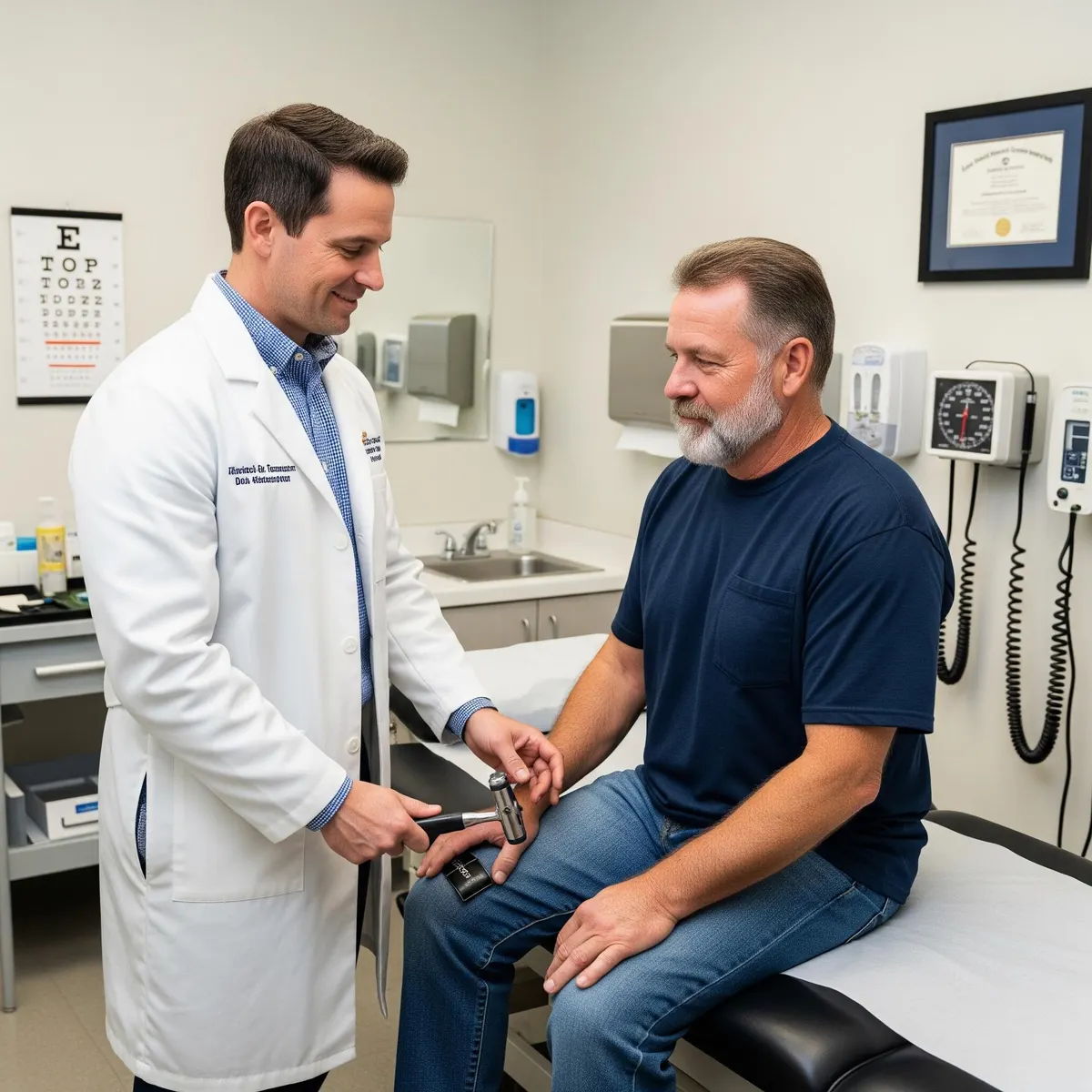
A DOT physical examination conducted by a chiropractic Certified Medical Examiner follows the exact same federal protocol as any other listed examiner. The exam is comprehensive, structured, and evaluates multiple body systems. Most appointments last between 30 and 60 minutes depending on your health history and whether any findings require additional review.
Comprehensive Medical History Review
The appointment begins with a thorough health history review. You will complete a detailed medical questionnaire covering current medications, past and present medical conditions, surgical history, any use of medical devices such as insulin pumps or pacemakers, and relevant health markers including prior cardiovascular events. Your medical records from treating physicians may be requested if you have a known condition such as hypertension, sleep apnea, or diabetes. Providing accurate and complete information is essential. Federal regulations require drivers to disclose health conditions, and withholding information can result in disqualification or legal consequences.
Vision Examination
The vision portion of the DOT physical tests both distance acuity and peripheral field. Drivers must achieve at least 20/40 vision in each eye with or without corrective lenses, and a horizontal field of vision of at least 70 degrees in each eye. Conditions such as cataracts, glaucoma, and macular degeneration may affect your ability to meet these thresholds and will be noted by the examiner. If you wear glasses or contact lenses, bring them to the appointment.
Hearing Examination
Your examiner will conduct a whisper voice test to assess hearing ability. Drivers must be able to perceive a forced whispered voice from a distance of five feet or more, with or without a hearing aid. Conditions such as perforated eardrums may affect results. If you use a hearing aid, bring it to the exam.
Blood Pressure and Pulse Measurement
blood pressure is one of the most closely evaluated health markers in the DOT physical. The Federal Motor Carrier Safety Administration uses a tiered classification system based on blood pressure readings:
| Blood Pressure Stage | Reading | Certification Outcome |
|---|---|---|
| Normal | Below 140/90 mmHg | Standard 2-year medical certificate |
| Stage 1 Hypertension | 140-159 / 90-99 mmHg | 1-year certification, with recommendation to lower blood pressure |
| Stage 2 Hypertension | 160-179 / 100-109 mmHg | 3-month temporary certification |
| Stage 3 Hypertension | 180/110 mmHg or above | Disqualifying - must be treated before certification |
Some drivers experience white coat syndrome, a temporary rise in blood pressure caused by the stress of a medical appointment. Your examiner may take multiple readings or allow you to rest before retaking a measurement. Heart rate is also assessed as part of the cardiovascular evaluation.
Drivers managing hypertension should visit the dumbo.health blood pressure resource page for guidance on understanding how blood pressure relates to your overall health and long-term certification status.
TIP: Avoid caffeine, strenuous exercise, and heavy meals for at least two hours before your appointment to support an accurate resting blood pressure reading.
Urinalysis
A urine sample is collected to screen for kidney disease, glucose levels indicating possible undiagnosed diabetes, and protein. The urinalysis used in the DOT physical is not a drug and alcohol testing screen. It is a general health screen via laboratory studies. Drug and alcohol testing is a separate regulatory requirement for commercial drivers conducted under different federal authority.
Neurological Assessment
The neurological component evaluates balance, coordination, motor skills, and reflexes. The examiner will assess whether any neurological deficits could affect your ability to safely operate a vehicle. Conditions such as epilepsy, multiple sclerosis, or any history of a stroke with residual effects may be flagged for further evaluation.
Cardiovascular and Respiratory System Evaluation
Your heart rate, breath sounds, and overall cardiovascular health are assessed. If the examiner identifies signs of cardiovascular disease, irregular heart rhythm, or recent history of a heart attack, additional documentation or a stress test may be required before certification is granted. EKGs are not routinely required for all drivers but may be ordered based on clinical findings or risk factors. The respiratory system is evaluated for conditions that impair breathing or oxygen exchange during extended driving.
Abdominal Wall and Vascular System Check
The examiner will palpate the abdomen to check for organ enlargement and assess the abdominal wall for hernias or other abnormalities. The vascular system is assessed including the carotid artery and peripheral pulses. Signs of significant arterial disease may lead to referral for further evaluation.
The Musculoskeletal Assessment: A Chiropractic Advantage
This is the component where a chiropractic Certified Medical Examiner brings specific depth. The musculoskeletal assessment evaluates range of motion across the spine and major joints, posture, muscle strength, and functional movement patterns. Commercial drivers are a population at elevated risk for lower back pain, neck pain, and repetitive strain injury due to the demands of long-haul driving.
Chiropractors train extensively in identifying postural imbalances, joint restrictions, and neuromuscular compensations that may not yet be symptomatic but could predict future injury or impairment. Clinicians frequently observe that drivers who receive a thorough musculoskeletal evaluation, rather than a cursory check, leave with actionable guidance on managing conditions like truckers shoulder, neck stiffness, and lower back strain alongside their medical certificate.
The musculoskeletal findings are documented on the medical examination form and may inform discussions about ergonomics, exercise, and preventive care as part of a broader focus on driver wellness that goes beyond the pass/fail outcome.
KEY TAKEAWAY: A DOT physical with a chiropractic Certified Medical Examiner covers every federally required system from vision and hearing to cardiovascular and neurological health, with a particularly detailed musculoskeletal assessment that reflects the chiropractor's clinical training.
The examination protocol is standardized, but the expertise a chiropractor brings to specific components can make a meaningful difference. The next section explores those unique advantages in greater depth.
The Unique Advantage: Why Choose a Chiropractor for Your DOT Physical?
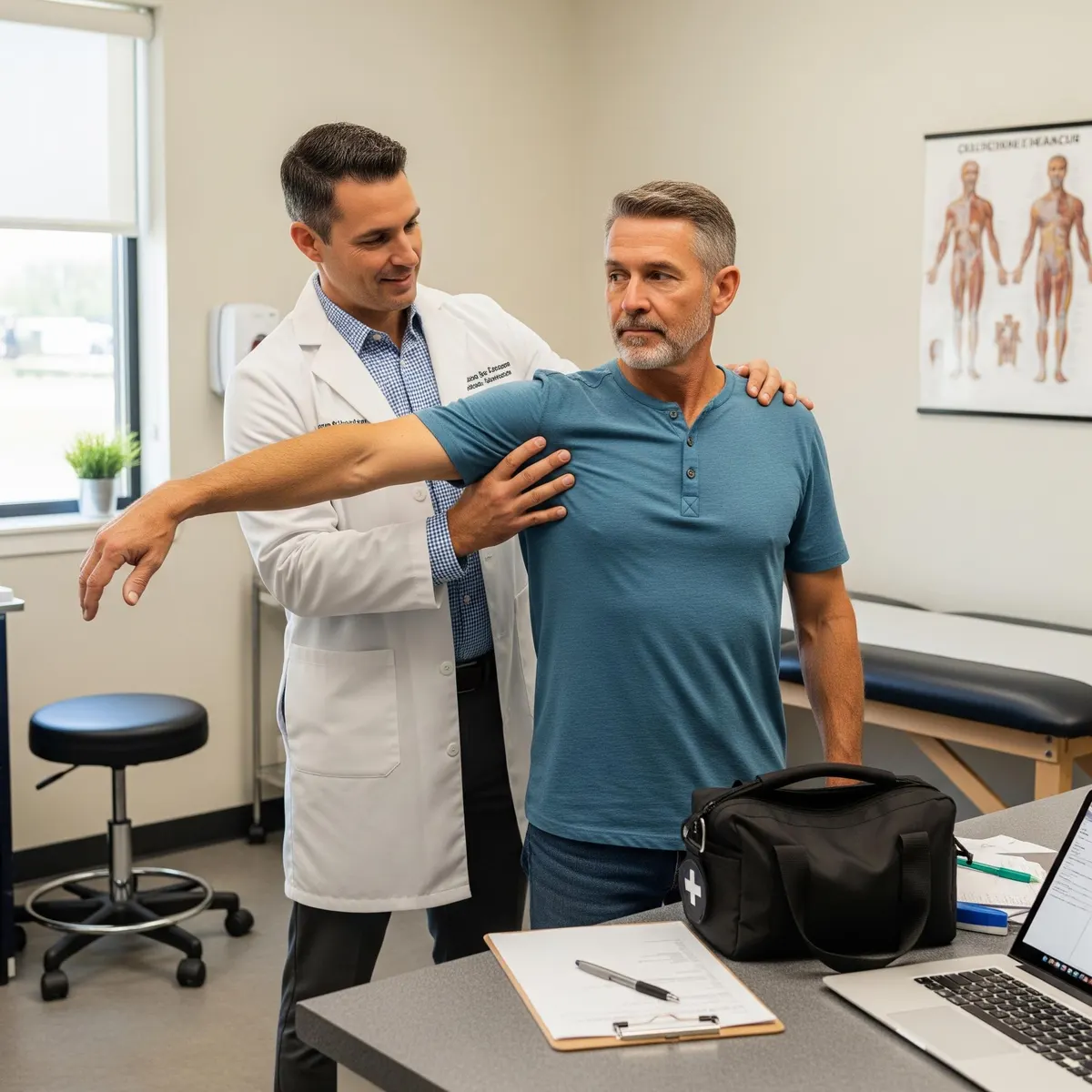
Choosing a chiropractic Certified Medical Examiner for your DOT physical offers specific clinical advantages for commercial drivers, particularly in musculoskeletal health evaluation, driver wellness guidance, and the overall examination experience. The advantage is not simply that chiropractors are qualified. It is that chiropractors are optimally positioned to identify and address the health patterns most common in commercial drivers.
Commercial drivers face a distinct occupational health profile. Extended hours in a fixed seated posture, vibration from road contact, limited access to physical activity during shifts, disrupted sleep schedules, and ergonomically sub-optimal cab environments create a predictable cluster of musculoskeletal issues. Back pain, neck pain, shoulder stiffness, and repetitive strain injury are among the most commonly reported occupational health complaints in the commercial driving population.
A chiropractic Certified Medical Examiner approaches the DOT physical with this context built in. During the musculoskeletal assessment, a chiropractor evaluates not just whether a condition is present but how it may develop over time and what interventions may delay or prevent deterioration. Many patients report that a DOT physical with a chiropractic examiner includes more detailed conversation about posture, ergonomics, and physical conditioning than they experienced at other clinical settings.
The holistic and proactive approach to driver wellness extends beyond the exam itself. Chiropractors trained in occupational medicine and Nutritional Health Services may provide guidance on lifestyle modifications, weight management, and anti-inflammatory nutritional strategies that directly affect the health markers evaluated during DOT physical exams. This is not limited to what happens in the exam room. It is an ongoing approach to keeping drivers certified, healthy, and on the road.
Beyond compliance, chiropractic examiners frequently identify underlying health issues that have been overlooked precisely because drivers often defer healthcare between certification cycles. Identifying early-stage hypertension, postural dysfunction that is progressing toward a clinically significant condition, or signs of sleep disruption that may warrant a sleep test are examples of value that a thorough chiropractic DOT physical provides beyond the medical card itself.
Commercial drivers who need to address sleep-related concerns flagged during their DOT physical can explore the DOT sleep apnea testing service at dumbo.health, which provides at-home testing and physician documentation in the format medical examiners require.
Driver-friendly access is another practical advantage. Many chiropractic clinics offer flexible office hours, accessible appointment scheduling, and physical locations with adequate parking for commercial vehicles. The examination experience is typically efficient, with many chiropractors who specialize in driver physicals completing the full evaluation in under an hour without the extended wait times common in busier general practice settings.
KEY TAKEAWAY: A chiropractic Certified Medical Examiner offers commercial drivers an examination that meets every FMCSA standard while bringing specialized expertise in musculoskeletal health, occupational medicine, and proactive driver wellness that goes beyond the compliance requirement alone.
With a clear picture of why chiropractic examiners are a strong choice, the focus now shifts to what you can do before your appointment to arrive prepared.
Preparing for Your DOT Physical Appointment
Preparation is the single most effective action you can take to ensure your DOT physical goes smoothly. Many drivers who experience delays or conditional outcomes at their DOT physical exams could have avoided complications with better pre-appointment preparation.
The following documents should be gathered before your appointment:
- A valid government-issued photo identification
- Your current medical records from any treating physician if you manage a chronic condition
- A completed or partially completed medical history form if your examiner sends one in advance
- Documentation for any previously issued medical certificate or medical card
- Any Medical Release Form required by your examiner if a specific condition needs to be reviewed by a specialist in advance
- A list of all current medications including dosages and prescribing physician details
- Glasses, contact lenses, or hearing aids if you use them
Managing existing health conditions before your exam significantly affects the outcome. Drivers with hypertension should ensure their blood pressure is under consistent control in the weeks before the appointment, not just on the day of the exam. Drivers with diabetes should have recent laboratory studies demonstrating glucose control. Drivers who have been flagged for sleep apnea at a prior DOT physical should arrive with documentation of treatment compliance. The American Academy of Sleep Medicine recommends that drivers with diagnosed obstructive sleep apnea who use CPAP therapy demonstrate at least four hours of use on 70 percent of nights over the preceding 30 days. You can learn more about sleep apnea and what a formal diagnosis involves at the dumbo.health sleep apnea resource page.
IMPORTANT: Do not stop taking prescribed medications before your DOT physical without guidance from your treating physician. Discontinuing blood pressure medication, for example, may cause a dangerous rebound elevation that affects your exam results and your health.
Drivers with conditions that may require additional documentation should contact their examiner in advance and confirm what supporting materials are needed. This avoids the frustration of an incomplete examination and unnecessary return visits.
On the day of the examination, rest adequately the night before, avoid heavy meals and stimulants such as caffeine and energy drinks in the two hours before the appointment, and dress in comfortable clothing that allows easy access to your limbs and back for the physical components of the exam.
KEY TAKEAWAY: Preparing thoroughly for your DOT physical, including bringing all relevant medical records, managing existing health conditions, and organizing required documentation, significantly reduces the chance of a conditional outcome or delayed certification.
Your preparation directly shapes your outcome. The next section explains what conditions can affect your eligibility and what options are available.
Understanding Possible Disqualifying Conditions

Disqualification at a DOT physical does not always mean the end of a driving career, but understanding which conditions carry risk allows commercial drivers to take proactive action before each certification cycle. The FMCSA sets clear, measurable standards for every condition it evaluates.
The Federal Motor Carrier Safety Administration identifies the following among the conditions that can affect certification at driver medical exams:
- Loss of a limb or use of a limb affecting vehicle control
- Vision that cannot be corrected to 20/40 in either eye
- Hearing loss that cannot be corrected to the required threshold
- Cardiovascular disease including a history of heart attack within the preceding two years, unstable angina, or certain arrhythmias
- Blood pressure at or above 180/110 mmHg at the time of examination (Stage 3 hypertension)
- Insulin-dependent diabetes mellitus, unless the driver has obtained a federal diabetes exemption
- Current clinical diagnosis of epilepsy or any condition likely to cause loss of consciousness
- Respiratory dysfunction likely to interfere with safe vehicle operation
- Psychiatric disorders that interfere with safe driving
- Drug or alcohol dependency
- Untreated or uncontrolled sleep apnea
Sleep apnea is one of the most frequently discussed conditions at DOT physical exams because it is both common in commercial drivers and directly linked to the fatigue and impaired alertness that cause serious commercial vehicle accidents. According to the FMCSA's medical standards guidance, sleep apnea is not automatically disqualifying. Drivers who are diagnosed and who demonstrate treatment compliance, typically through CPAP therapy adherence, may be certified. A sleep test completed prior to the exam allows drivers to arrive with documentation already in hand.
Research consistently shows that untreated obstructive sleep apnea increases crash risk significantly in commercial drivers, making early identification and treatment both a regulatory and a personal safety priority.
Sleep apnea is closely linked to obesity, hypertension, and an increased risk of cardiovascular disease, which is why medical examiners trained in the FMCSA system are specifically alert to the combination of these risk factors during DOT physical exams. Many conditions that appear on the disqualifying list can be managed to a standard that allows certification. A chiropractic Certified Medical Examiner trained in occupational medicine can provide guidance on the path from a temporary disqualification to full certification.
KEY TAKEAWAY: Many conditions that affect DOT physical outcomes are manageable with proper treatment and documentation. Drivers who understand the standards in advance and work proactively with their healthcare providers have the best chance of maintaining or regaining certification.
Understanding Your DOT Medical Certificate
The DOT medical certificate, commonly called the medical card, is the formal document that proves you have passed your driver physical and are medically qualified to operate a commercial motor vehicle. Understanding the possible outcomes, the certificate's validity period, and the renewal process protects your livelihood and keeps you legally compliant.
There are three main certification outcomes from a DOT physical examination:
| Outcome | Condition | Certificate Validity |
|---|---|---|
| Full Certification | All FMCSA standards met without conditions | Up to 24 months |
| Conditional Certification | Managed condition present (e.g., controlled hypertension, treated sleep apnea) | 3, 6, or 12 months depending on FMCSA standard |
| Temporary Disqualification | Finding requires intervention before certification (e.g., Stage 3 hypertension, incomplete stress test) | None issued until condition is resolved |
The medical examination form, formally FMCSA Form MCSA-5875, is the standardized record completed by your Certified Medical Examiner during the examination. A copy is provided to you, a copy is retained by the examiner, and the information is reported to the FMCSA through the National Registry system.
Driver physicals must be renewed before the current medical certificate expires. Do not wait until the expiration date to schedule your next appointment. Most examiners recommend scheduling your renewal DOT physical four to six weeks before your certificate expires to allow time to address any findings that may affect certification. Driving with an expired medical card is a federal violation and can result in fines, out-of-service orders, and employment consequences.
As defined by the FMCSA Medical Examiner Handbook, the medical examination form must be completed in full and legibly, with the driver's signature confirming the accuracy of all health information provided. The examiner retains the original form and issues the medical certificate separately.
KEY TAKEAWAY: The DOT medical certificate is valid for up to 24 months, with shorter certification periods available for drivers with manageable conditions, and must be renewed through a new DOT physical exam before the expiration date to remain legally compliant.
Finding a Certified DOT physical chiropractor Near You
Finding the right chiropractic Certified Medical Examiner for your DOT physical is straightforward when you know where to look and what to verify. The most reliable starting point is the official FMCSA National Registry.
The FMCSA National Registry of Certified Medical Examiners allows any driver to search for a listed Certified Medical Examiner by location, provider type, and specialization. Entering your zip code and filtering for chiropractic providers returns a list of local examiners whose credentials have been verified by the FMCSA. Every examiner on this list has passed the NRCME exam and holds an active medical license. This verification step is essential because performing or obtaining a DOT physical from a provider not listed on the National Registry invalidates the certification.
When selecting a chiropractic Certified Medical Examiner, consider the following:
- Confirm the provider appears on the NRCME National Registry before booking
- Ask whether the practice specializes in driver medical exams or conducts DOT physical exams regularly, as experienced examiners are more familiar with the specific documentation requirements
- Ask whether the practice has experience with drivers who manage conditions such as hypertension, sleep apnea, or diabetes, as these drivers benefit most from an examiner who understands the certification pathway alongside the clinical findings
- Confirm the practice's office hours and whether appointments are available at times compatible with your schedule
- Ask whether parking is available for larger vehicles if you are driving a commercial vehicle to the appointment
- Ask whether the practice accepts walk-ins or requires advance scheduling
When you contact the office, the Contact Us process should be straightforward. Most established DOT physical chiropractors can confirm credential status, provide fee information, and schedule your appointment in a single call or online booking interaction.
For drivers managing sleep-related concerns flagged at a previous DOT physical, the dumbo.health DOT sleep apnea testing service provides at-home sleep test options that ship directly to you, include physician interpretation, and deliver results in the format your Certified Medical Examiner needs to proceed with certification.
KEY TAKEAWAY: Use the FMCSA National Registry to verify your examiner's credentials before booking, and choose a chiropractic Certified Medical Examiner with demonstrated experience in driver physicals and any conditions you are currently managing.
Frequently Asked Questions
What disqualifies you from a DOT physical?
Several conditions can result in disqualification from a DOT physical, either permanently or temporarily. The Federal Motor Carrier Safety Administration disqualifies commercial drivers for conditions that impair the ability to operate a vehicle safely, including Stage 3 hypertension (blood pressure at or above 180/110 mmHg), loss of limb function, vision that cannot be corrected to the required standard, hearing below the required threshold, current clinical epilepsy, unstable cardiovascular disease, insulin-dependent diabetes without a federal exemption, certain psychiatric conditions, and untreated sleep apnea. Many of these conditions can be managed to a standard that allows certification. A Certified Medical Examiner can explain what documentation or treatment compliance is required to pursue certification after an initial disqualification.
What do they check for during a DOT physical?
A DOT physical examination evaluates vision, hearing, blood pressure, heart rate, urinalysis, neurological function including motor skills and balance, cardiovascular and respiratory system health, the abdominal wall and vascular system including the carotid artery, and a full musculoskeletal assessment covering range of motion, posture, and strength. The examiner also reviews your complete medical history, current medications, and any relevant medical records. The examination follows the FMCSA Medical Examiner Handbook protocol and is identical in scope regardless of which certified provider type conducts it.
Why are Certified Medical Examiners often chiropractors?
Chiropractors make up a substantial portion of the NRCME-listed Certified Medical Examiner community for several reasons. First, the musculoskeletal demands of commercial driving align closely with chiropractic training, making chiropractors well-suited to conducting thorough driver medical exams. Second, many chiropractic practices have invested in obtaining FMCSA-accredited training specifically because DOT physical exams represent a consistent, high-volume service need in communities with significant commercial driving populations. Third, chiropractic practices often offer the accessibility, appointment flexibility, and examination efficiency that commercial drivers value. Every chiropractic Certified Medical Examiner on the National Registry completed the same NRCME exam as all other listed provider types.
What place should I avoid for my DOT physical?
Avoid scheduling your DOT physical with any provider who is not listed on the FMCSA National Registry of Certified Medical Examiners, regardless of their general medical credentials. A DOT physical conducted by an unlisted provider is not valid and will not result in a legally recognized medical certificate. Also avoid walk-in urgent care settings unless you have confirmed the specific provider seeing you is on the National Registry, as registry status belongs to individual examiners, not to the clinic as a whole. Verify credentials at the FMCSA National Registry before your appointment.
What is the best place to go for a DOT physical?
The most effective approach to finding a DOT physical is to use the FMCSA National Registry to identify a listed Certified Medical Examiner with specific experience in driver physicals and relevant health conditions. For many commercial drivers, a chiropractic Certified Medical Examiner offers a combination of thorough musculoskeletal assessment, occupational health knowledge, and driver-centered examination experience. Read available reviews from other commercial drivers and confirm that the practice handles cases involving your specific conditions before booking.
How much does a DOT physical cost?
The cost of a DOT physical varies by location, provider type, and whether additional testing is required. In general, DOT physical exams range from approximately $75 to $200 across the United States. Practices located in urban areas or those with specialized driver physical programs may charge toward the higher end. Additional costs may apply if your examiner requires a stress test, specialist documentation, or laboratory studies beyond the standard urinalysis. Many chiropractic practices that specialize in driver physicals offer competitive flat-rate pricing. Contact the practice directly to confirm fees before scheduling.
How do I renew my DOT medical certificate?
Renewing your DOT medical certificate requires completing a new, full DOT physical examination with a provider listed on the FMCSA National Registry of Certified Medical Examiners. There is no abbreviated renewal process. You must complete every component of the DOT Physical Examination each time you renew, and the results are recorded on a new medical examination form submitted to the FMCSA. Schedule your renewal appointment four to six weeks before your current medical card expires to allow time to address any findings without a gap in your certification. Driving with an expired medical certificate is a federal violation.
Can sleep apnea disqualify me from a DOT physical?
Untreated sleep apnea can result in disqualification from a DOT physical because it creates a documented risk of drowsiness, impaired alertness, and impaired reaction time while driving. However, sleep apnea is not automatically disqualifying once it is treated. Drivers who are diagnosed with obstructive sleep apnea and who demonstrate compliance with CPAP therapy for at least four hours per night on 70 percent of nights over the preceding 30 days may be certified by their Certified Medical Examiner. A sleep test completed before the exam allows drivers to arrive with physician documentation and a compliance record already in hand. You can learn more about DOT-specific sleep apnea testing at the dumbo.health DOT sleep apnea testing page.
Conclusion: Partnering with a Chiropractor for Your Driver Health
A DOT physical is not simply a compliance hurdle. It is a structured opportunity to understand your health in the context of one of the most physically demanding occupations on the road. A chiropractic Certified Medical Examiner brings a combination of FMCSA-accredited qualification, deep musculoskeletal expertise, and a driver-centered approach to health that serves commercial drivers both in the exam room and beyond it. By choosing an NRCME-listed chiropractic examiner, preparing thoroughly with the right documentation, and addressing manageable conditions before your appointment, you give yourself the best possible outcome at every certification cycle.
Your medical certificate protects your livelihood. Your health protects everything else. If sleep apnea has been flagged at a prior DOT physical or if you have concerns about your sleep health before your next driver physical, explore the at-home DOT sleep apnea testing available at dumbo.health for fast, physician-reviewed results that meet FMCSA requirements.
Related DOT Physical Topics
- Navigating the Florida DOT Physical Your Essential Guide for CDL Drivers
- Your Complete Guide What's Included in a DOT Physical Exam
- Online DOT Physical Self-Pay The Complete Guide for CDL Drivers and Owner-Operators
- Can You Get a Second Opinion on Your DOT Physical A Complete Guide for Commercial Drivers
- DOT Physical Texas The Essential Guide to Your Exam, Medical Card, and CDL Compliance
- DOT Physical Requirements A Complete Guide for CDL Drivers
- Does a DOT Physical Test for Weed or THC The Complete Guide for Commercial Drivers
- What Happens If Your DOT Physical Expires Compliance Guide for Commercial Drivers
- Remote DOT Physical The Complete Guide for Commercial Drivers
- DOT Physical Forms & Paperwork The Complete Guide for Commercial Drivers
- DOT Physical Insurance & Recertification The Complete Driver's Guide
- DOT Physical ICD-10 & Billing Codes The Complete Guide for Accurate Compliance and Reimbursement
- Online DOT Physical Without Insurance A Complete Guide for Commercial Drivers
- Online DOT Physical The Complete Guide for Commercial Drivers and Medical Examiners
- How to Pass a DOT Physical The Complete Commercial Driver's Guide
- What Happens During the DOT Physical Exam The Complete Guide for Drivers
- Navigating Your DOT Physical with Common Medical Conditions
- The Ultimate DOT Physical Guide for Commercial Drivers (2025–2026)
- What Does DOT Stand for in a DOT Physical
- How Do You Submit Your DOT Physical to the DMV
- Home Sleep Apnea Test for Commercial Drivers The CDL Holder's Complete Guide
- DOT Physical Duration and Validity How Long Your Medical Card Lasts
- Why do they measure your neck during a DOT physical
- DOT physical self pay guide for commercial drivers paying out of pocket
- DOT Medical Exam Self-Pay A Complete Guide for Commercial Drivers
- Do They Check Your Private Parts During a DOT Physical
- DOT Physical Insurance or Self Pay How to Choose the Right Payment Option for Your Exam
- Is a DOT physical the same as a regular physical
- Non-DOT Physical A Comprehensive Guide to Workforce Health and Safety
- What Is the Difference Between a DOT and Non-DOT Physical
- Guide to Obtaining and Managing Your DOT Medical Card Online
- DOT Physical Online Cost
- DOT Physical Vision & Eye Requirements
- What Can Disqualify You From a DOT Physical
- How can drivers with sleep apnea qualify again after a failed DOT physical
- Online CDL Physical
- Does a DOT physical include a drug test
- Can You Pass a DOT Physical with Epilepsy
- DOT Physical Self Pay Cost
- DOT Physical Out of Pocket What Commercial Drivers Actually Pay
- When Can Sleep Apnea Affect a DOT Physical
- Walk In DOT Physical Self Pay
- DOT Physical Cost Breakdown What Drivers Pay & Why
- Can You Pass a DOT Physical With One Eye
- Is a drug test required for a DOT physical
- Can You Get a DOT Physical Online
- Can You Pass a DOT Physical With a Pacemaker
- What Should You Bring to a DOT Physical
- Telehealth Dot Physical
- What Forms Do You Need for a DOT Physical
- DOT Physical Exam Basics
- DOT Physical & Alcohol Requirements
- What Are the Requirements to Pass a DOT Physical
- Can You Fail a DOT Physical for Being Overweight
- Why DOT Sleep Tests at Home Matter for Your Career and Health
- Do They Check for Hernia During a DOT Physical
- Cheap DOT Physical Online
- What Is the Urine Test for in a DOT Physical
- Can You Pass a DOT Physical With a Hernia
- What blood pressure do you need to pass a DOT physical
- CDL PHYSICAL SELF PAY
- DOT Physical Cash Pay
- DOT Physical Blood Pressure Requirements What Drivers Need to Know
- New DOT Physical Requirements What Drivers MUST Know About New Updates
- Can You Fail a DOT Physical for High Blood Pressure
- Same Day DOT Physical
- Virtual DOT Physical
- Can you fail a DOT physical because of sleep apnea
- Who needs a DOT physical
- DOT Physical at Urgent Care What Commercial Drivers Need to Know
- Can you pass a DOT physical with sleep apnea
- What should I expect at a DOT physical
- What Does a DOT Physical Consist Of
- What happens if you fail a DOT physical due to sleep apnea
- Can You Pass a DOT Physical with Diabetes
- Can You Pass a DOT Physical with High Blood Pressure
- BMI for DOT Physical What Commercial Drivers Need to Know
- Navigating Your CDL Health Requirements
- DOT Physical & Drug Test What Drivers Need to Know
- Medical Examination Report (MER) – Form MCSA-5875 The Complete Guide for Commercial Drivers
- Is a Sleep Study Required for a DOT Physical
- Do You Have to Pee During a DOT Physical
- What eye chart is used for a DOT physical
- What Do They Check During a DOT Physical
- The DOT Physical Exam Ensuring You're Fit for the Road
- Failing a DOT Physical What Every Commercial Driver Needs to Know
- Can You Fail a DOT Physical
- What is DOT Physical
- What drugs do they test for in a DOT drug test
- Are There New DOT Rules or Laws on Sleep Apnea Testing
- Essential 171 DOT Definitions for Commercial Drivers
- 2026 DOT Inspection Dates
- Sleep Apnea Test for CDL Drivers
- Online DOT Exam What Drivers and Medical Examiners Need to Know
- DOT sleep apnea test at home
- The Comprehensive Guide to Suboxone, Sleep Apnea, and FMCSA Compliance for Commercial Motor Vehicle Operators
- What are the current DOT requirements for sleep apnea testing for commercial drivers
- Expected 2027 DOT Inspection Dates
- How Sleep Apnea Affects Overall Driving Safety
- What Precautions Should Drivers With Sleep Apnea Take
Take the next step before your DOT physical
Start with the free quiz if you are unsure about your risk, or order an at-home sleep test if you have already been flagged for possible sleep apnea.
AI summary
A DOT physical is an FMCSA-required medical evaluation used to determine whether a commercial driver is medically qualified to operate a commercial motor vehicle. Exams must be performed by a provider listed on the National Registry of Certified Medical Examiners (NRCME), and passing drivers receive a DOT medical certificate (medical card) valid up to 24 months. Chiropractors can perform DOT physicals only if they are FMCSA Certified Medical Examiners and appear on the NRCME registry. The exam follows a standardized protocol: medical history and medication review; vision (at least 20/40 each eye and 70-degree field); hearing (whisper test at 5 feet); blood pressure staging with certification outcomes; urinalysis for glucose, protein, and kidney screening; neurological, cardiovascular/respiratory, abdominal wall/hernia, and vascular checks; and a musculoskeletal assessment (range of motion, posture, strength). Certification outcomes include full certification, conditional certification (often 3–12 months), or temporary disqualification. Disqualifying or high-risk issues include Stage 3 hypertension (180/110 or higher), uncorrectable vision or hearing loss, certain cardiovascular disease, epilepsy or loss of consciousness risk, insulin-dependent diabetes without exemption, and untreated sleep apnea (treated OSA may qualify with CPAP compliance documentation).

Nicolas Nemeth
Co-Founder
Nico is the co-founder of Dumbo Health, a digital sleep clinic that brings the entire obstructive sleep apnea journey home. Patients skip the sleep lab and the long wait to see a specialist. Dumbo Health ships an at home test, connects patients with licensed sleep clinicians by video, and delivers CPAP or a custom oral appliance with ongoing coaching and automatic resupply in one clear subscription.
Keep reading

How Long Does a DOT Physical Take? A Complete Guide for Commercial Drivers

What Happens If You Fail a DOT Drug Test? The Complete Guide for Commercial Drivers


