What happens if you fail a DOT physical due to sleep apnea?
Commercial drivers flagged for sleep apnea during a DOT physical are usually deferred, not permanently disqualified, while the examiner requests more clinical information. This guide explains what triggers screening, including symptoms like loud snoring and daytime sleepiness, plus physical indicators such as neck circumference and Mallampati score. It outlines how temporary 60 to 90-day medical cards work and when absolute disqualification can occur, mainly for excessive sleepiness, sleep-related crashes, or treatment non-compliance. You will learn the recertification steps: sleep specialist evaluation, HSAT or in-lab testing, AHI severity interpretation, and treatment. It also covers CPAP compliance documentation, alternatives like oral appliances or surgery with follow-up testing, and practical tips for staying compliant on the road.
Struggling with sleep?
Find out if sleep apnea is the reason.
FDA-cleared. $149 flat. Physician-reviewed results in 48 hours.

What happens if you fail a DOT physical due to sleep apnea?

DOT physical sleep apnea is a medical evaluation process used by certified medical examiners to determine whether a commercial driver's sleep-related breathing condition is controlled well enough to safely operate a commercial motor vehicle. According to the Federal Motor Carrier Safety Administration (FMCSA), a diagnosis of sleep apnea does not automatically disqualify a driver from holding a commercial driver's license, but untreated moderate-to-severe obstructive sleep apnea is a disqualifying condition because it creates a risk of sudden incapacitation at the wheel. This guide covers everything commercial drivers need to know, from understanding screening criteria and deferral timelines to treatment requirements, compliance documentation, CPAP management on the road, and what to do if you disagree with your examiner's decision. Whether you are facing your first DOT physical with a known sleep apnea diagnosis or have just been flagged for potential screening, this resource gives you a clear, step-by-step path to protect your health and your commercial driver's license.
The Initial "Failure": Understanding Deferral vs. Disqualification

A DOT physical outcome that involves sleep apnea is almost always a deferral, not a permanent disqualification, and understanding the difference can protect your livelihood. A deferral means the certified medical examiner needs additional clinical information before issuing your Medical Examiner's Certificate. A disqualification means you do not currently meet the physical qualification standards set out in 49 CFR Part 391.
The distinction matters because the vast majority of commercial drivers who are referred for a sleep study after a DOT physical go on to receive full medical certification once they begin an effective treatment plan. The FMCSA states explicitly that most cases of sleep apnea can be treated successfully and that a driver may regain medically-qualified-to-drive status once the condition is under control.
Why a "Fail" Is Usually a Temporary Roadblock

When a medical examiner flags a driver for potential sleep apnea, the most common outcome is a short-term medical certificate that allows the driver to continue working while pursuing a diagnosis and treatment plan. This is not the same as failing a drug test or losing your CDL. It is a clinical holding pattern while your examiner collects the evidence needed to certify you safely.
Clinicians frequently observe that drivers experience significant anxiety after a deferral, often assuming their driving career is over. In real-world practice, most drivers who engage promptly with the process and begin compliant treatment return to full certification within three to six months.
The 90-Day Temporary Medical Card

Many medical examiners issue a 90-day temporary medical certificate when a driver is newly identified as being at risk for obstructive sleep apnea but has not yet completed a diagnostic sleep study. This 90-day window is designed to give you enough time to undergo testing and initiate treatment. Some examiners may issue a 60-day certificate if the presenting risk factors are particularly prominent, such as a Body Mass Index of 35 or above combined with reported daytime sleepiness.
DID YOU KNOW: According to the FMCSA, if a driver begins Continuous Positive Airway Pressure therapy and demonstrates compliance within the initial certification period, that driver can typically receive a subsequent 90-day certificate, after which annual certification may be issued.
After the 90-day period, your examiner will review your sleep study results and your compliance data before issuing a standard one-year or two-year medical card. The FMCSA permits medical certification of up to 24 months for drivers who are managing well-controlled conditions, but sleep apnea typically results in annual recertification to allow closer monitoring of treatment adherence.
When Is an Absolute Disqualification Issued?

An absolute or unconditional disqualification is reserved for drivers who meet specific high-risk criteria. According to FMCSA guidance, a driver should be immediately and unconditionally denied medical clearance if: the driver admits to excessive sleepiness during the major wake period while driving; the driver has experienced a sleep-related crash; or the driver has been non-compliant with an established sleep apnea treatment plan.
Non-compliance is the most common cause of outright disqualification in drivers who already have a diagnosis. If your compliance data report shows you are not meeting the minimum usage threshold, your examiner is required to deny or revoke your current certificate until compliant treatment is re-established.
KEY TAKEAWAY: A sleep apnea flag on your DOT physical is almost always a temporary deferral, not a permanent disqualification. Prompt evaluation and treatment compliance are the fastest paths to full medical certification.
Understanding why you were flagged in the first place helps you navigate the recertification process more efficiently.
Why You Were Flagged: Screening Criteria vs. Diagnosis

Being flagged for possible sleep apnea during a DOT physical does not mean you have been diagnosed with the condition. It means your certified medical examiner identified one or more physical or reported indicators that put you in a higher-risk category. The examiner is then required to determine whether those indicators are significant enough to warrant further evaluation before certifying you.
No formal FMCSA regulation mandates a specific set of screening criteria, which means medical examiners use their clinical judgment combined with medical consensus guidelines. This discretionary element is important to understand because it explains why two drivers with similar physical profiles might receive different recommendations from different examiners.
The BMI Myth: Understanding Discretionary Screening

One of the most widespread misunderstandings among commercial drivers is that a specific Body Mass Index cutoff automatically triggers a mandatory sleep study. The FMCSA does not currently have a law that sets a hard BMI threshold for sleep apnea screening, having withdrawn a proposed rule on this topic in 2017. However, medical consensus guidance widely referenced by certified medical examiners recommends closer screening for drivers with a BMI of 33 or above when accompanied by other risk factors, and more consistent screening for drivers with a BMI of 40 or above.
IMPORTANT: The absence of a formal FMCSA sleep apnea regulation means individual examiners have discretion. A driver with a BMI of 38 might be certified without a sleep study by one examiner and referred for testing by another. This variability is a known limitation of the current regulatory framework.
In practice, a high BMI alone rarely triggers an automatic referral. Examiners are looking at the full clinical picture, including neck size, reported symptoms, blood pressure readings, and the presence of other comorbid conditions such as high blood pressure or type 2 diabetes.
Neck Circumference and Physical Indicators

Neck circumference is one of the most clinically relevant physical measurements used to screen for obstructive sleep apnea risk in commercial drivers. Research published in peer-reviewed journals and cited in FMCSA guidance suggests that a neck circumference greater than 17 inches in men and 16 inches in women is associated with a significantly higher likelihood of airway obstruction during sleep. Larger neck circumference correlates with increased soft tissue around the airway, which can collapse more readily during sleep and cause the breathing interruptions characteristic of obstructive sleep apnea.
Other physical indicators your examiner may assess include jaw structure, nasal obstruction, and tongue position. These physical examination findings, combined with reported symptoms, form the basis of the examiner's risk assessment.
The Mallampati Classification Explained
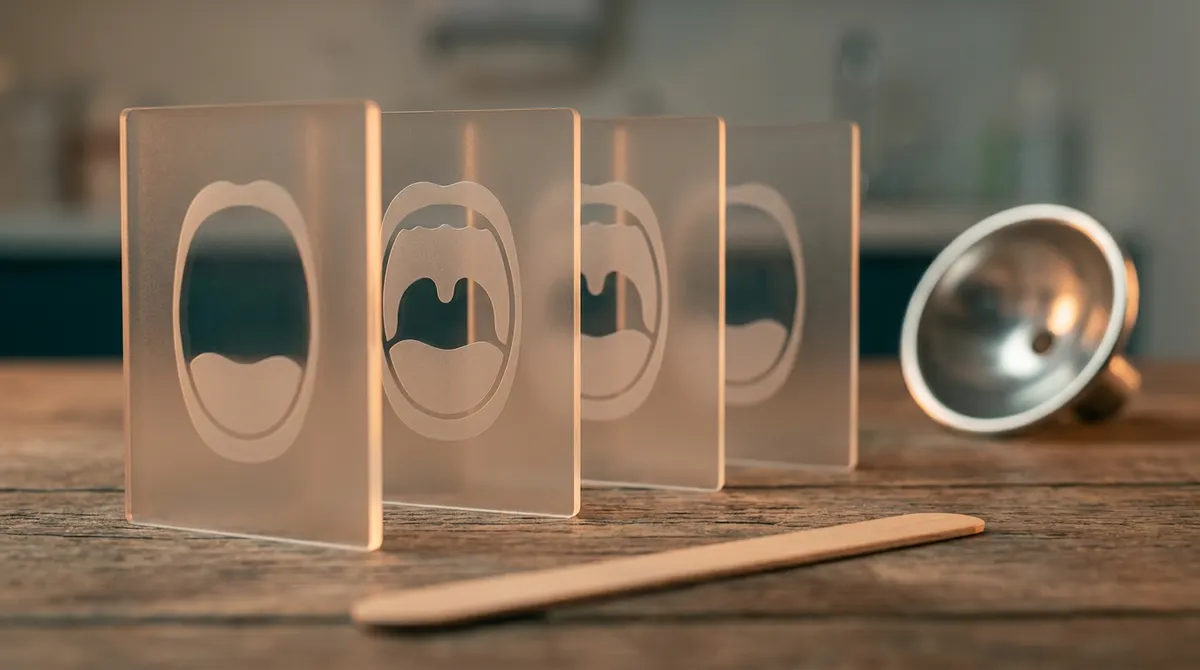
The Mallampati classification is a standardised scoring system used by medical professionals to assess the relationship between the tongue, soft palate, and oropharynx, which together determine how open or crowded a driver's airway appears. According to the Sleep Foundation, the classification is divided into four classes, with Class I indicating a fully visible soft palate and Class IV indicating no visible soft palate at all.
Higher Mallampati scores, particularly Class III and Class IV, are associated with a greater risk of obstructive sleep apnea because they indicate a physically crowded airway. Research published in peer-reviewed literature supports the Mallampati classification as an independent predictor of sleep apnea risk, making it a reliable and objective addition to the overall screening process during your DOT physical examination.
Reported Symptoms: Snoring, Fatigue, and Daytime Sleepiness

The medical history section of your DOT physical examination requires you to report accurately on symptoms that could indicate sleep-disordered breathing. The three symptoms most closely associated with obstructive sleep apnea during the DOT physical process are loud snoring, unexplained daytime sleepiness, and waking fatigue that affects your ability to stay alert. Underreporting or omitting these symptoms creates significant safety and legal risk for you as a driver and for others on the road.
According to research cited in AASM sleep apnea screening literature, only 4% of 517 commercial vehicle drivers in one study had a prior self-reported diagnosis of sleep apnea. When those same drivers were tested with home sleep monitors, an additional 41% were found to have the condition. This substantial gap between self-reported prevalence and tested prevalence demonstrates that many drivers are unaware they have sleep apnea, or are not disclosing symptoms they experience.
KEY TAKEAWAY: Screening is based on physical indicators and reported symptoms, not a single number. Understanding what triggers a referral helps you prepare accurate documentation and engage proactively with your examiner.
With a clear picture of why you were flagged, the next step is working through the structured recertification pathway.
The Path to Recertification: Step-by-Step
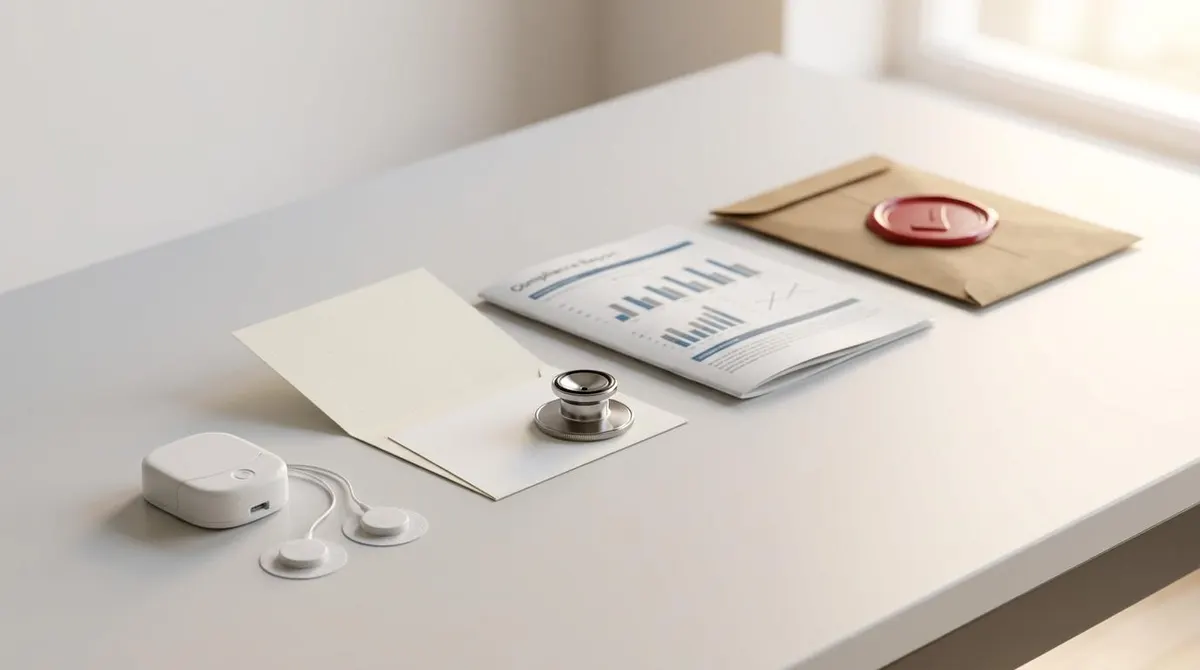
The recertification pathway for commercial drivers with sleep apnea follows a defined clinical sequence. Moving through each step promptly and completely is the most effective strategy for maintaining your CDL medical certification with minimal time off the road.
Step 1: The Clinical Evaluation with a Sleep Specialist

Your first step after receiving a deferral is to schedule an evaluation with a qualified sleep specialist or a healthcare provider experienced in sleep-disordered breathing. This consultation typically involves a structured review of your medical history, reported symptoms, and the physical indicators your DOT examiner identified. The specialist will determine which type of diagnostic sleep study is most appropriate for your situation and will order the test.
Choosing a sleep specialist or healthcare provider near you who has experience working with commercial drivers is advantageous because they understand the FMCSA certification requirements and can structure their clinical notes and reports in the format your medical examiner needs.
Step 2: Undergoing a Sleep Study (HSAT vs. In-Lab Testing)
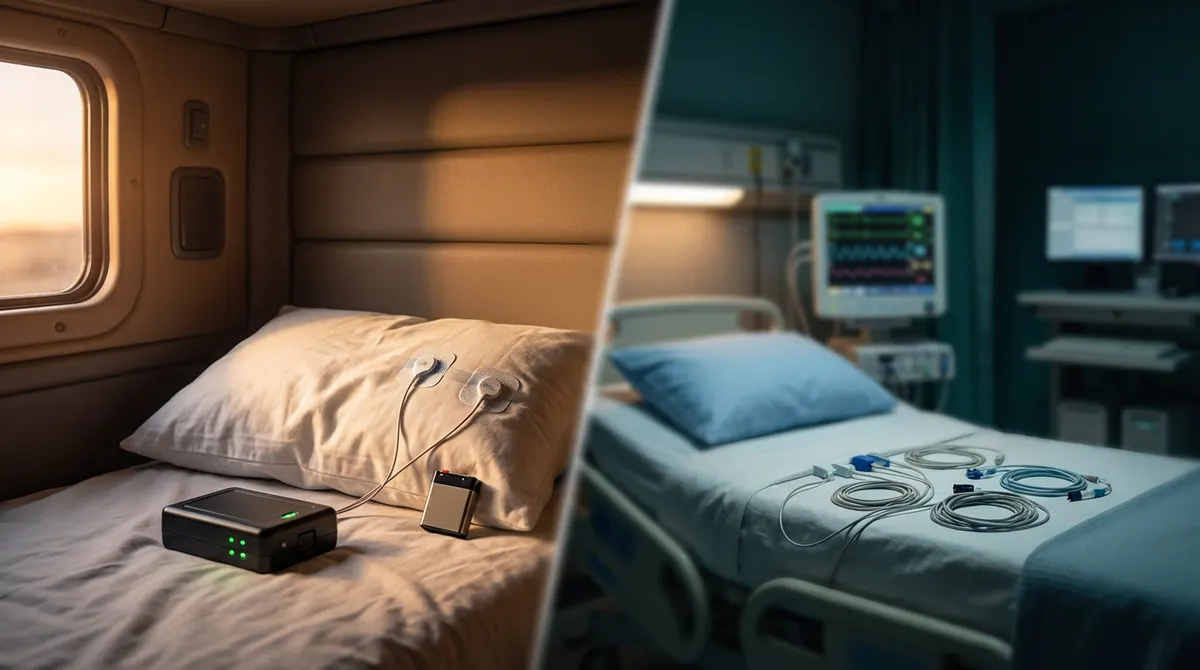
Two primary diagnostic options exist for commercial drivers: the Home Sleep Apnea Test (HSAT) and the in-laboratory polysomnography study. The HSAT is a portable device you use overnight in your own sleeping environment, including your sleeper cab, while the in-lab study takes place at an accredited sleep lab and involves continuous monitoring by sleep lab technicians.
For most commercial drivers suspected of having moderate-to-severe obstructive sleep apnea without significant comorbidities, an HSAT is a clinically appropriate and widely accepted first-line diagnostic tool. Modern HSAT devices have demonstrated strong accuracy compared to laboratory polysomnography. According to a meta-analysis published in the Journal of Clinical Sleep Medicine, portable monitoring devices exhibited high sensitivity of 87% and specificity of 82% for detecting moderate-to-severe obstructive sleep apnea when compared to in-lab studies.
Dumbo.health offers a convenient at-home sleep test designed specifically for commercial drivers, including a one-time home sleep test for $149 that includes the device and one night of testing with no insurance required and no surprise bills.
Step 3: Reviewing the Results (AHI and Severity Levels)
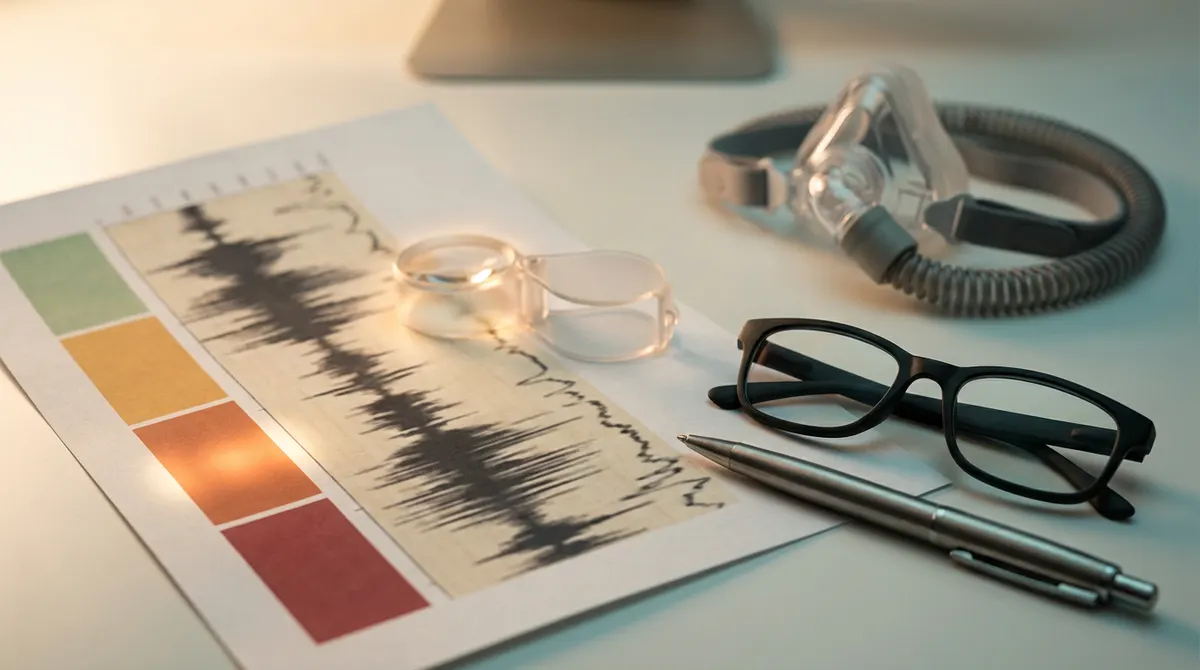
Your sleep study results will report an Apnea-Hypopnea Index (AHI), which measures the number of apnea events, meaning complete breathing pauses, and hypopnea events, meaning partial blockages of airflow, per hour of sleep. According to the American Academy of Sleep Medicine and corroborated by the Sleep Foundation, AHI severity in adults is classified as follows:
| AHI Score | Severity Classification | DOT Implication |
|---|---|---|
| Fewer than 5 events/hour | Normal | No sleep apnea diagnosis |
| 5 to 14 events/hour | Mild obstructive sleep apnea | Clinical management; examiner has discretion |
| 15 to 29 events/hour | Moderate obstructive sleep apnea | Treatment typically required for certification |
| 30 or more events/hour | Severe obstructive sleep apnea | Treatment required; immediate disqualification risk if untreated |
A study of heavy truck drivers published in peer-reviewed literature found a mean AHI of 16.72 events per hour among drivers who tested positive for obstructive sleep apnea, with 44.78% presenting as mild, 31.32% as moderate, and 20.89% as severe.
Step 4: Establishing a Treatment Regimen
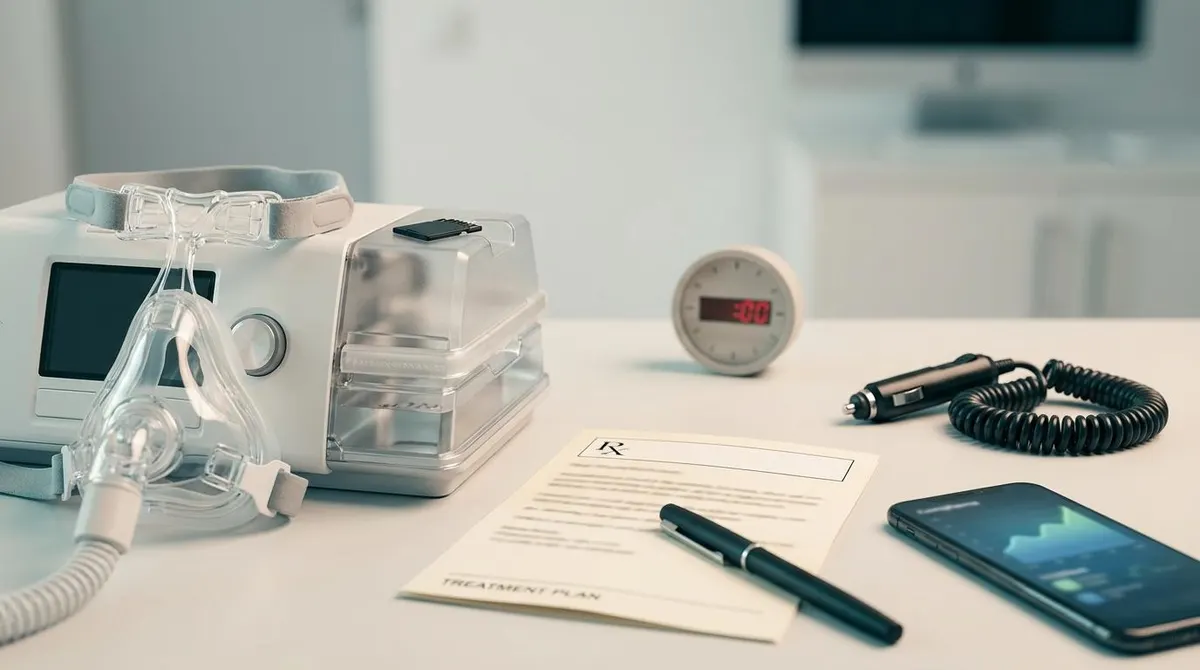
Once your sleep apnea diagnosis and severity level are confirmed, your healthcare provider will establish a treatment plan. For moderate-to-severe obstructive sleep apnea, Continuous Positive Airway Pressure therapy is the most commonly prescribed and most widely accepted treatment. Your plan will specify the type of positive airway pressure device, the prescribed pressure settings, and the follow-up schedule for reviewing your compliance data before your next DOT physical examination.
KEY TAKEAWAY: The recertification pathway is sequential and manageable. Completing each step without delay minimises the time spent on short-term certificates and gets you back to full two-year certification faster.
Modern diagnostic technology has made completing Step 2 significantly easier for drivers on the road.
Modern Diagnostic Options: Home Sleep Apnea Testing (HSAT)

Home Sleep Apnea Testing is a portable diagnostic method that allows commercial drivers to complete their sleep study in a familiar environment, typically their own bed or sleeper cab, rather than spending a night in a sleep laboratory. The convenience factor is significant for drivers who operate irregular schedules, live far from sleep labs, or cannot afford to take unplanned time away from their routes.
Home obstructive sleep apnea testing works by recording key physiological signals during sleep, including airflow, respiratory effort, blood oxygen saturation levels, and heart rate. These signals allow a reviewing physician to calculate the driver's AHI and classify sleep apnea severity. The resulting report forms a key part of the documentation package your certified medical examiner will review.
The Rise of Telehealth in CDL Medical Certification

Telehealth has expanded the options available to commercial drivers who need sleep apnea evaluation and follow-up care. Virtual consultations with licensed sleep physicians allow drivers to complete their initial evaluation, receive their test results, and establish a treatment plan without taking additional time away from work for in-person clinic visits.
Research published in peer-reviewed literature supports telehealth-delivered CPAP follow-up as an effective model. A study found that remote follow-up by a dedicated medical care centre increased mean nightly CPAP use from 3.2 hours before intervention to 5.2 hours after, and that this improvement remained stable for 12 months. For commercial drivers who are already using CPAP, telehealth follow-up with providers in your area is a practical way to maintain compliance and generate the data reports your medical examiner will need.
Dumbo.health's sleep apnea care solutions combine at-home testing, physician review, and ongoing CPAP management in one transparent cash-pay platform, with no insurance required, no prior authorisations, and no surprise bills.
Benefits of Multi-Night Disposable Home Tests

Multi-night home sleep apnea tests provide a more representative picture of a driver's sleep patterns because they capture data across several nights rather than a single snapshot. Commercial drivers often experience variable sleep quality depending on location, route pressure, and schedule demands. A single-night test may underestimate or overestimate AHI severity if that particular night does not reflect typical sleep conditions.
Disposable HSAT devices are lightweight, require no return shipping, and are particularly practical for drivers who are on extended routes when the test is ordered. Peer-reviewed validation studies have confirmed that single-use and reusable HSAT devices show satisfactory diagnostic performance for obstructive sleep apnea, and multi-night capability further reduces the impact of night-to-night variability on diagnostic accuracy.
When an In-Lab Sleep Study Is Still Required
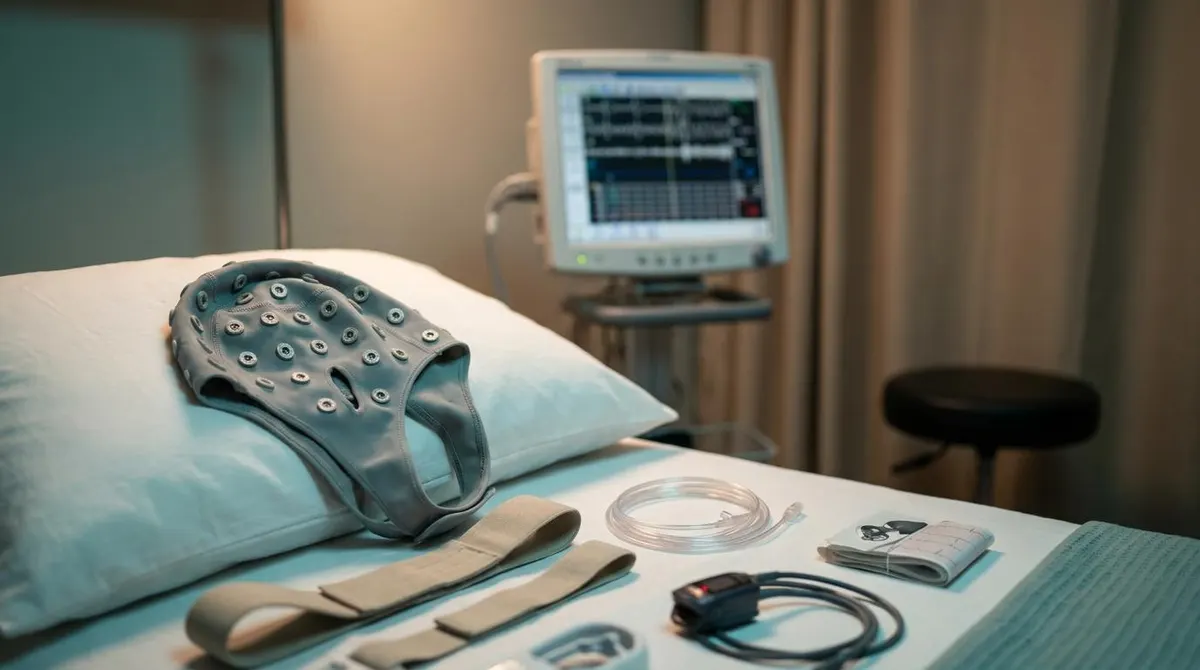
An in-laboratory polysomnography study remains the preferred option in specific clinical situations. Your healthcare provider or sleep specialist may recommend in-lab testing rather than an HSAT if you have significant cardiac conditions, suspected central sleep apnea rather than obstructive sleep apnea, underlying chronic respiratory disease, or if a previous HSAT returned inconclusive or technically inadequate results. The American Academy of Sleep Medicine reports that the false-negative rate for HSATs can be as high as 17%, which means in-lab testing remains the appropriate path when clinical complexity is high.
In-lab studies are conducted at accredited sleep labs, monitored by trained sleep lab technicians, and produce the most comprehensive data set available. If your examiner or sleep specialist recommends in-lab testing, plan for an overnight stay and arrange your schedule accordingly.
KEY TAKEAWAY: Home sleep apnea testing is a clinically valid and practically convenient option for most commercial drivers. Multi-night testing reduces variability, and telehealth follow-up keeps the certification process moving without requiring repeated clinic visits.
With a confirmed diagnosis in hand, the treatment compliance phase is where your certification ultimately depends.
Treatment Requirements: The CPAP Compliance Standard
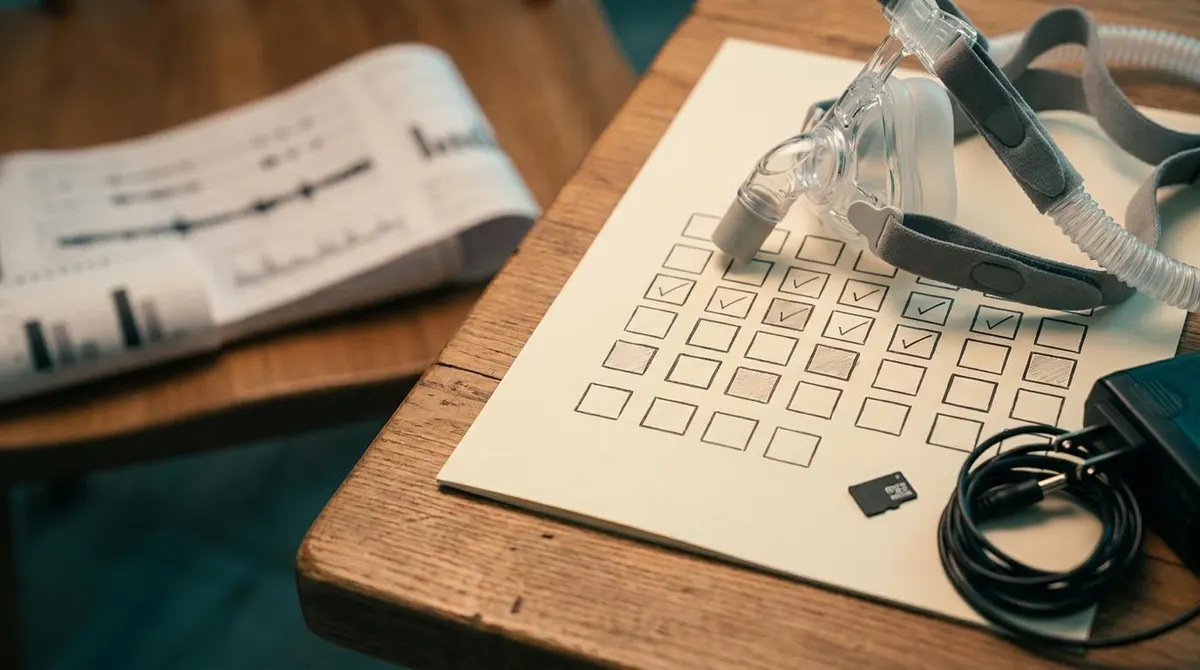
Continuous Positive Airway Pressure therapy is the primary treatment standard recognised for commercial drivers seeking DOT medical certification with a sleep apnea diagnosis. CPAP therapy works by delivering a continuous stream of pressurised air through a mask, keeping the upper airway open throughout the sleep cycle and preventing the breathing interruptions that characterise obstructive sleep apnea.
Dumbo.health offers flexible, affordable CPAP therapy with transparent monthly plans starting at $59 per month, no contracts, and no insurance required, making it a practical option for owner-operators and company drivers who need ongoing treatment without the complexity of prior authorisations.
What "Compliance" Means to the FMCSA
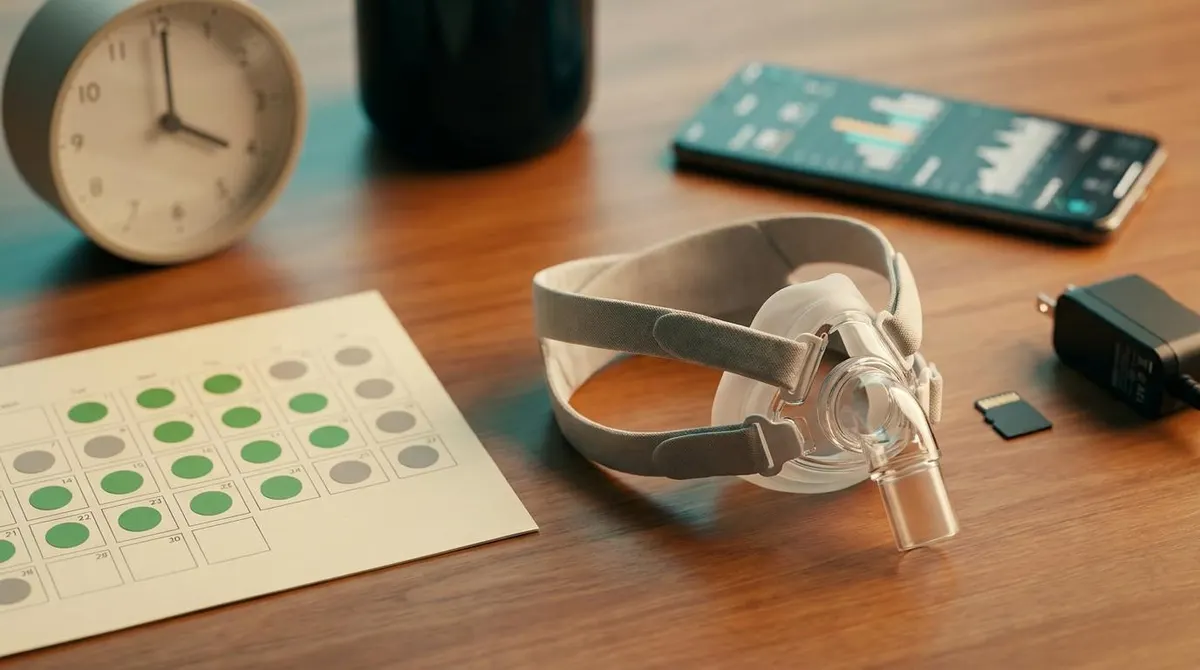
The FMCSA does not publish a single definitive national compliance standard in formal regulation, but its guidance documents and the consensus standards used by certified medical examiners consistently reference the same clinical benchmark. Compliance is generally defined as using your CPAP device for a minimum of 4 hours per night on at least 70% of nights over any given 30-day period.
This standard originates from the Centers for Medicare and Medicaid Services' definition of therapeutic CPAP compliance, which has been widely adopted by occupational medical examiners working in the DOT certification space. Clinicians frequently observe that drivers who comfortably exceed this minimum threshold, aiming for 6 to 8 hours of use per night, tend to experience significantly better symptom resolution and produce cleaner compliance reports during their recertification examinations.
The 4-Hour Rule: Minimum Usage Requirements
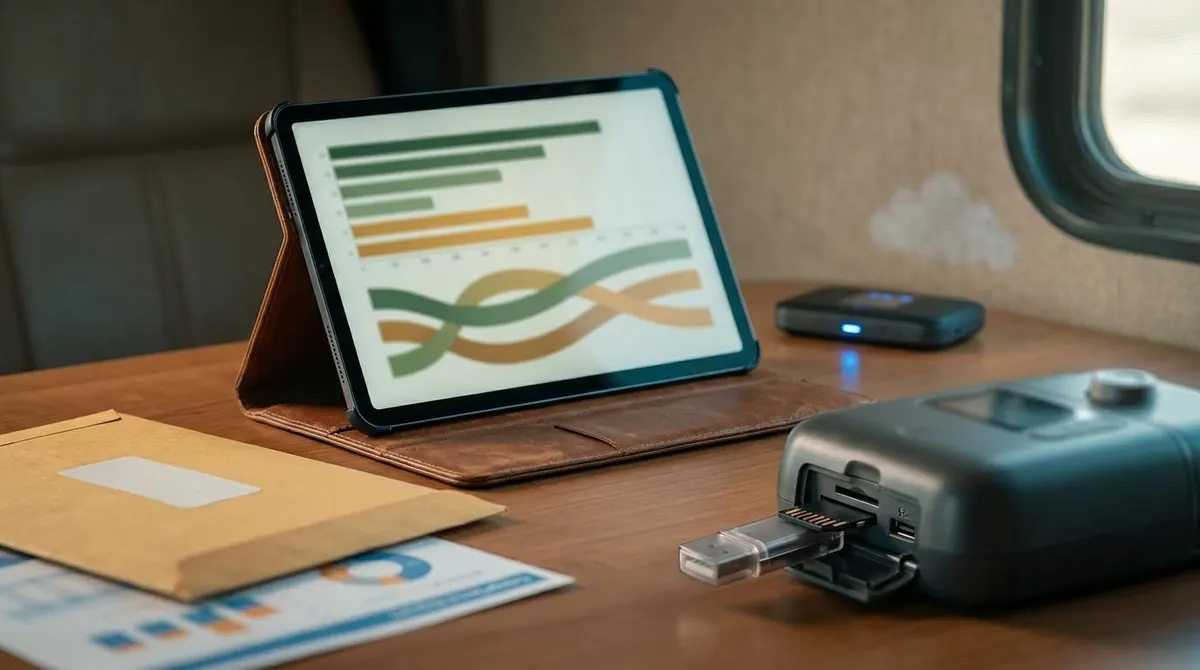
The 4-hour threshold is a minimum floor, not an optimal target. Your certified medical examiner will review a 30-day CPAP compliance data report before issuing or renewing your medical certificate. That report will show your total days of use, average nightly hours of use, nights with fewer than 4 hours of use, and nights with zero use. Examiners look at the full picture rather than a single number.
TIP: Aim to use your CPAP device every night and work toward 6 to 8 hours of use. If you miss a night due to travel or technical issues, prioritise full-use nights in the following days. Your 30-day average and overall usage pattern carry more weight than any single missed night.
To summarise the compliance standard that commercial drivers must meet:
| Compliance Metric | Minimum Standard | Recommended Target |
|---|---|---|
| Nightly usage duration | 4 hours per night | 6 to 8 hours per night |
| Usage frequency | 70% of nights per 30-day period | Every night possible |
| Data review period | 30 consecutive days minimum | Ongoing continuous record |
| Data format | Machine-generated compliance report | Downloaded from device or provider portal |
Obtaining and Reading Your Compliance Data Report
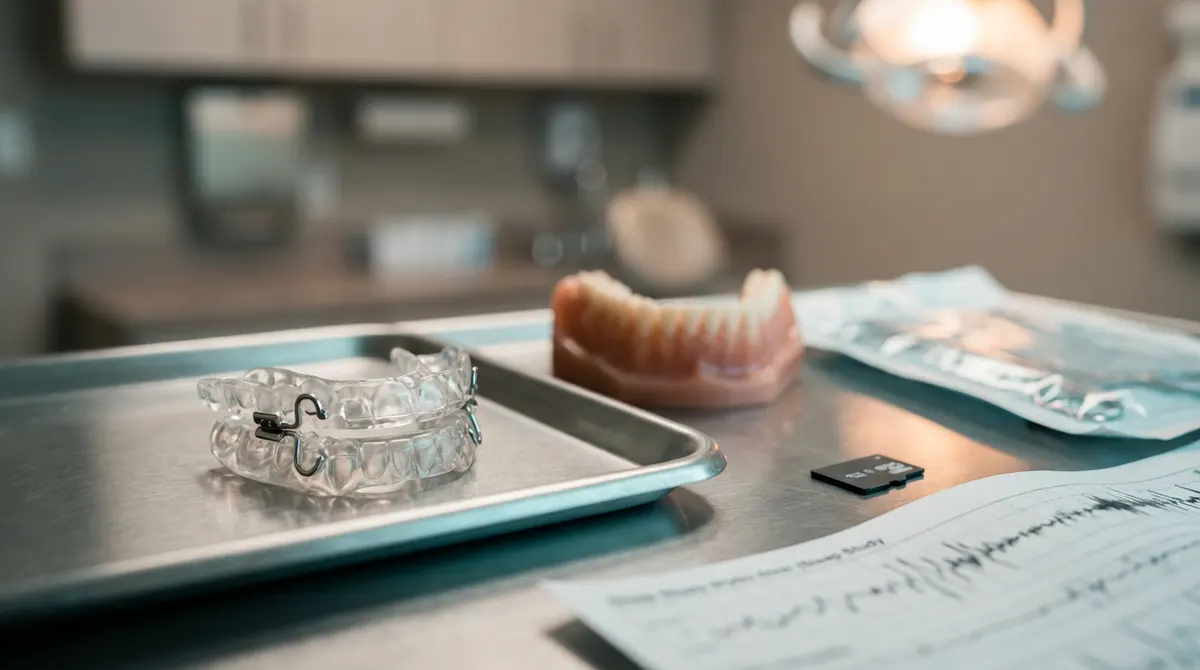
Modern CPAP machines record usage data digitally and store it on an SD card, a built-in memory chip, or via wireless cloud connectivity. Your healthcare provider or equipment supplier can generate a compliance report from this data and provide it in a format acceptable to your certified medical examiner.
The report typically shows a graphical and tabular summary of your nightly usage, average hours per night, any leak events, and residual AHI during therapy. Residual AHI is particularly important because it shows whether your prescribed pressure settings are adequately controlling your breathing events. A high residual AHI despite good usage hours may indicate that your pressure settings need adjustment, which requires a clinical review rather than a simple data download.
Are Oral Appliances and Surgery DOT-Approved Alternatives?

Oral appliances and surgical interventions are recognised treatments for obstructive sleep apnea, but their acceptance in the DOT medical certification context depends entirely on demonstrated treatment efficacy as verified by documented post-treatment sleep study results. An oral appliance is a custom-fitted dental device that repositions the lower jaw forward to keep the airway open during sleep. The American Academy of Sleep Medicine recommends oral appliance therapy for patients with mild to moderate obstructive sleep apnea who prefer it to CPAP or who cannot successfully comply with CPAP therapy.
For DOT certification purposes, a driver using an oral appliance instead of CPAP will need to provide a follow-up sleep study confirming that the appliance is adequately controlling the AHI. The medical examiner's decision is based on whether the condition is controlled, not on which specific treatment produced that control. Surgical interventions follow a similar evidence requirement: post-operative sleep study data demonstrating adequate AHI reduction must be presented to the examiner.
KEY TAKEAWAY: CPAP compliance means at least 4 hours of use per night on 70% of nights, documented by a machine-generated data report. Oral appliances and surgery are accepted alternatives if supported by post-treatment sleep study evidence showing adequate AHI control.
Generating and presenting the correct documentation at your next DOT physical is the practical step that converts your compliance effort into a renewed medical certificate.
Essential Paperwork: Form MCSA-5870 and MCSA-5871
Proper documentation is one of the most commonly overlooked aspects of navigating a DOT physical with sleep apnea. Your certified medical examiner cannot issue a medical card based on verbal assurances alone. Every clinical finding, treatment response, and specialist consultation needs to be recorded in writing and presented in the correct format.
Form MCSA-5870 is the Insulin-Treated Diabetes Mellitus Assessment Form required for drivers managing insulin-dependent diabetes, a condition that frequently co-occurs with obstructive sleep apnea. According to the FMCSA, this form must be submitted to the certified medical examiner within 45 days of completion by the treating clinician. Form MCSA-5871 is the Vision Evaluation Report, required for drivers with monocular vision or who do not meet standard FMCSA vision criteria.
The Role of the Primary Care Physician vs. Sleep Specialist
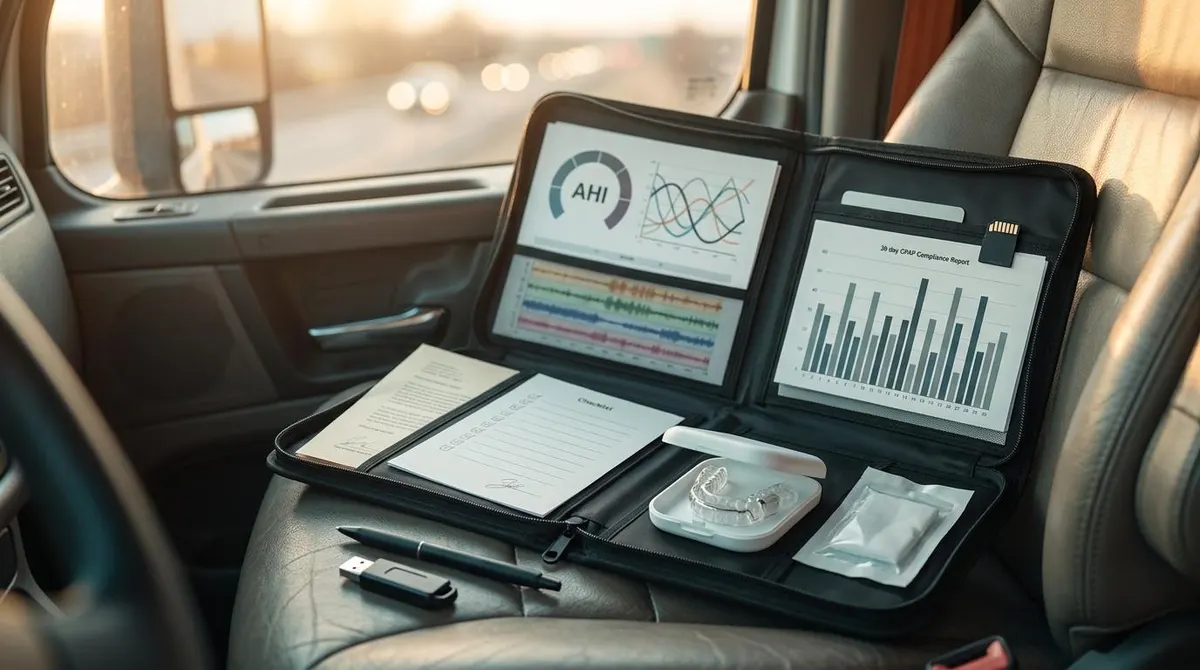
Your primary care physician and your sleep specialist play complementary but distinct roles in your DOT medical documentation package. The sleep specialist provides the diagnostic sleep study report, the AHI classification, and the recommended treatment plan. Your primary care physician manages any comorbid conditions, including high blood pressure, type 2 diabetes, and heart disease, and provides ongoing monitoring notes that confirm your overall health is stable.
Your certified medical examiner needs documentation from both sources. A sleep study report without an updated primary care note, or vice versa, creates gaps that can delay your certification. Schedule both consultations in close proximity to your DOT physical renewal date so all documentation is current.
How to Provide Proper Documentation to Your Medical Examiner
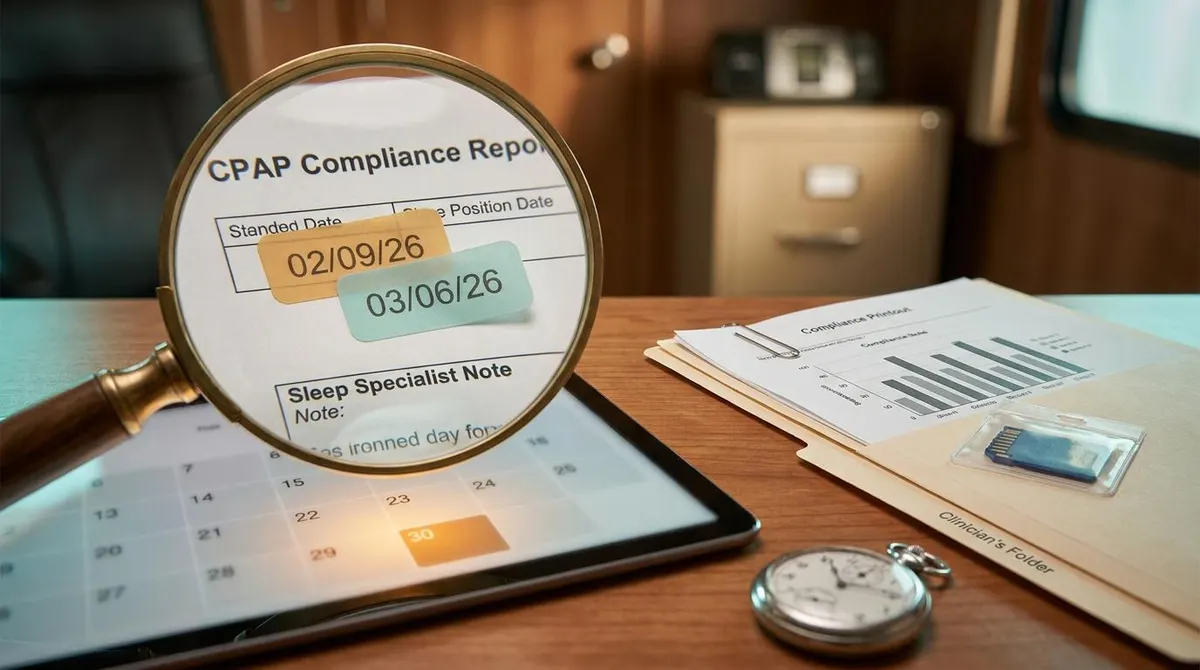
Bring all relevant documentation to your DOT physical in an organised packet. Your documentation package for a sleep apnea follow-up examination should include the original sleep study report with AHI classification, a current CPAP compliance data report covering at least the most recent 30 days, a treating provider note confirming you are compliant with therapy and symptom-free during driving hours, and any specialist letters if you are using an oral appliance or have undergone surgical treatment.
DID YOU KNOW: Drivers who bring complete and well-organised documentation to their DOT physical examination consistently report faster processing times and fewer requests for additional records. Being prepared reduces the risk of a same-day deferral simply due to missing paperwork.
Ensuring Your Medical Records Match Your Certification Period
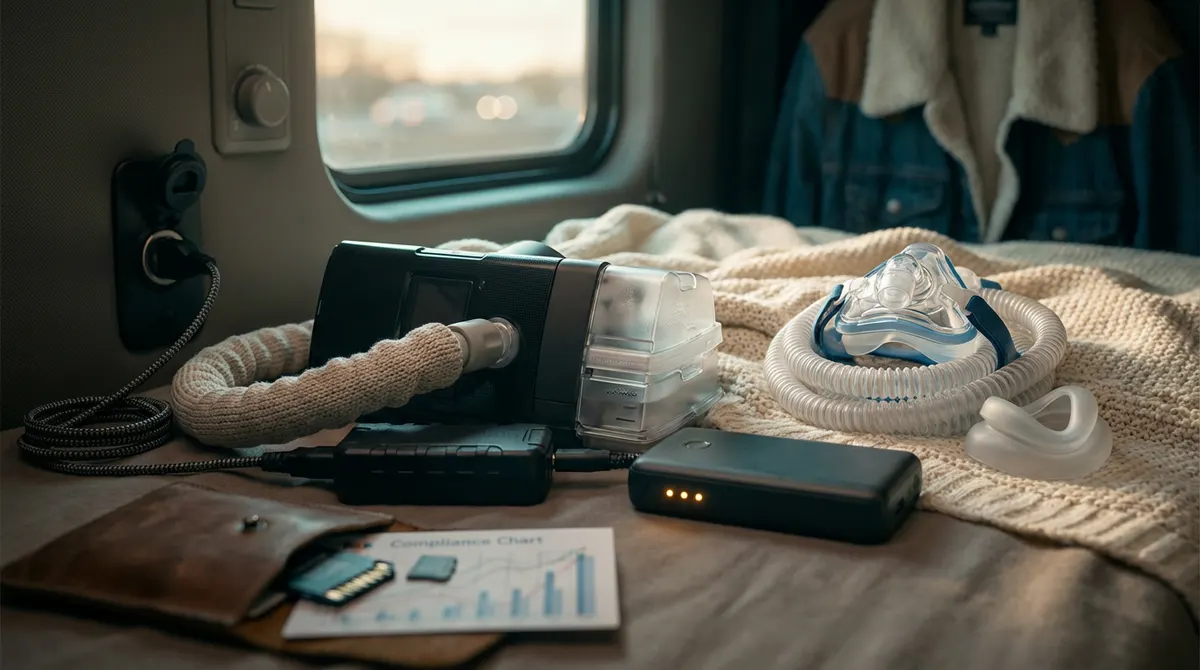
One of the most practical documentation pitfalls is a mismatch between the dates on your records and your certification period. If your CPAP compliance report covers a different 30-day window than the one your examiner expects, or if your sleep specialist's note is dated more than six months before your examination, your examiner may request updated records before proceeding.
Keep a personal file with dated copies of all sleep-related medical records. Review this file 60 days before your DOT physical renewal date, identify any records that need updating, and schedule the necessary appointments in advance. This preparation prevents a last-minute deferral caused by outdated documentation rather than a genuine clinical issue.
KEY TAKEAWAY: Complete, dated, and organised documentation is as important as the treatment itself. A well-prepared documentation package prevents administrative deferrals and demonstrates the clinical accountability that examiners are looking for.
With documentation in order, the day-to-day reality of living with sleep apnea on the road requires its own practical strategy.
Living with Sleep Apnea on the Road: Practical Compliance Tips
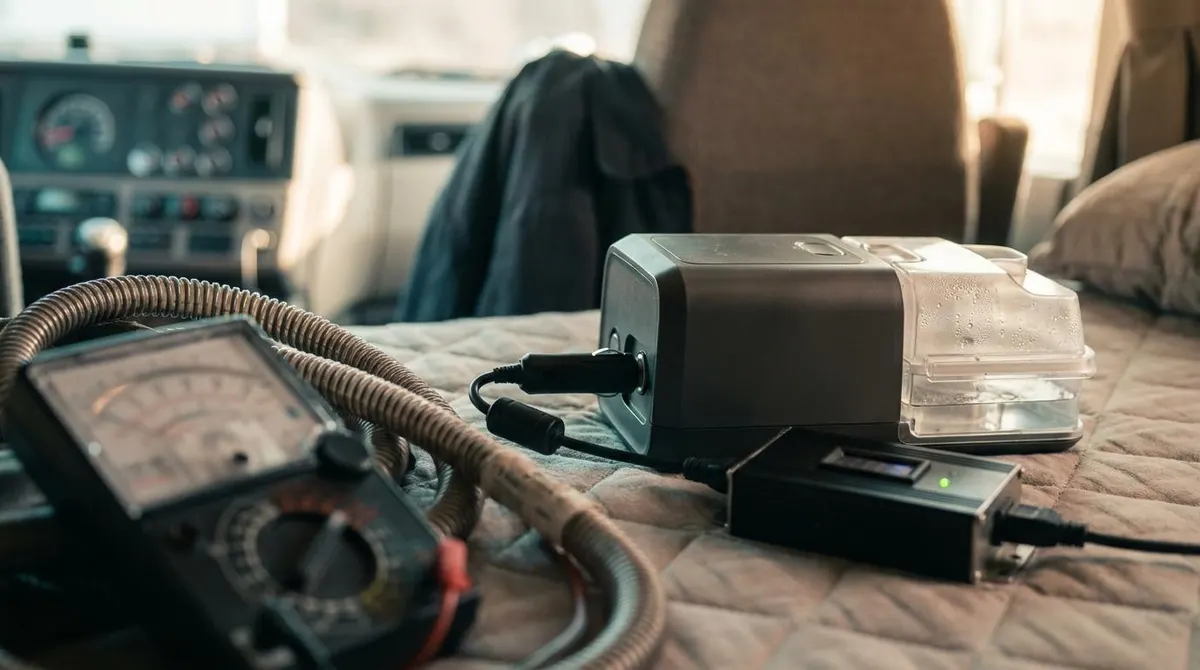
Managing CPAP therapy as a commercial driver presents unique logistical challenges that drivers in fixed-location jobs do not face. Long-haul drivers spend much of their rest time in sleeper cabs, may be on the road for extended periods without access to standard electrical outlets, and travel through varying climate conditions that affect humidity, mask fit, and machine performance. Consistent compliance is achievable with the right setup and habits.
If you are unsure whether you may be at risk for sleep apnea and have not yet been evaluated, take the free sleep assessment quiz at dumbo.health to understand your risk profile before your next DOT physical.
Managing CPAP Power and Humidity in a Sleeper Cab
Most modern CPAP machines are designed to operate on DC power and include a 12-volt adapter for use with the auxiliary power systems available in most late-model commercial trucks. Verify that your specific CPAP model is compatible with your truck's auxiliary power output before your first long haul with the device. Some older truck models have power fluctuations that can affect CPAP performance, particularly during engine idle mode.
Humidity management is a common challenge for drivers whose routes cross different climate zones. Set your CPAP's integrated humidifier to a fixed setting rather than auto-adjust mode if you notice frequent condensation in your mask tubing, known as rainout, as temperature changes overnight. A short insulated tube cover, often called a hose wrap or tube sock, is an inexpensive solution that prevents rainout in cold sleeper cab environments.
Traveling with Your Machine: Mask Fit and Hygiene
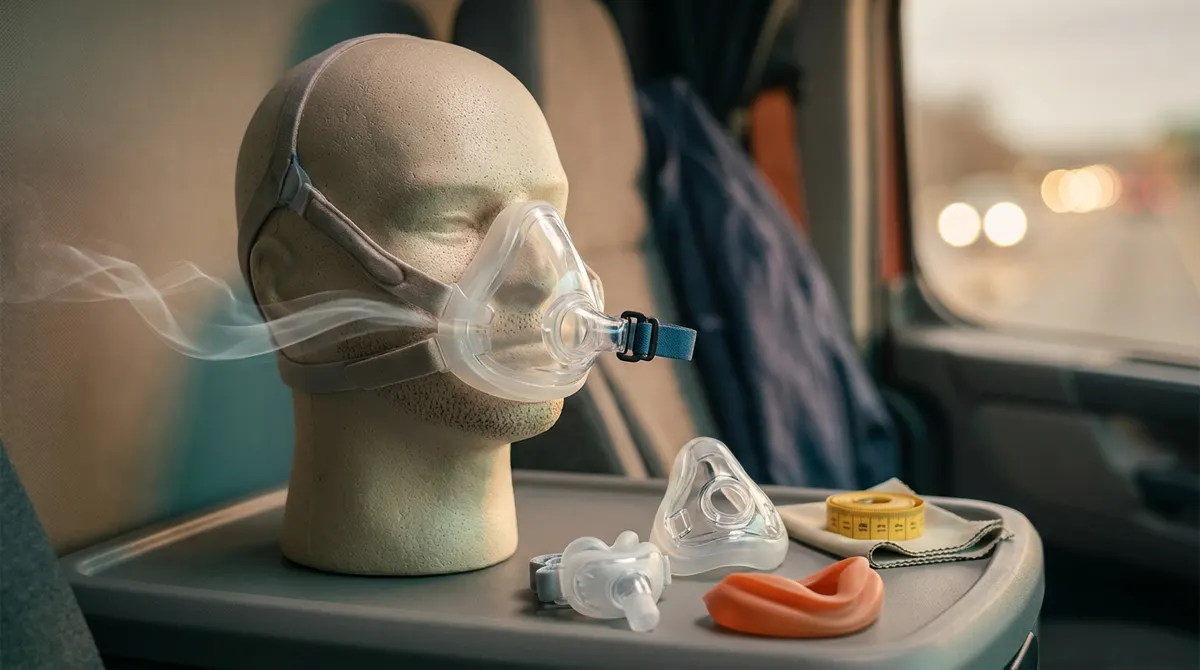
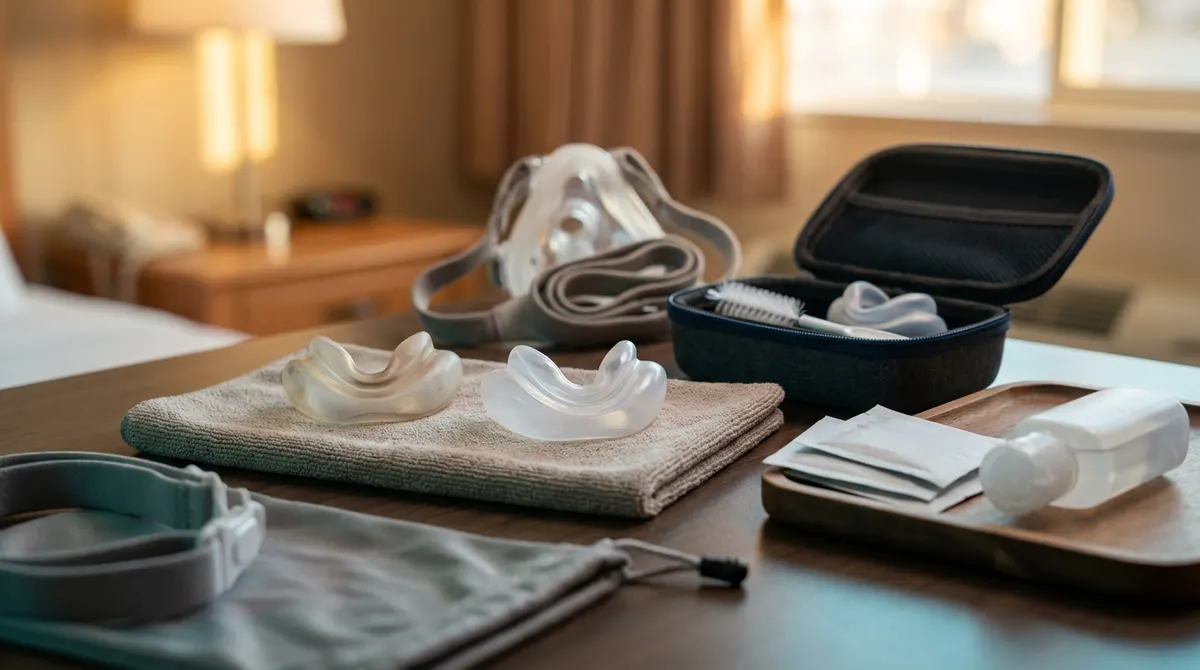
Your CPAP mask is the most personal component of your therapy and the most likely source of problems on the road. Bring a backup cushion or full backup mask for extended trips. Mask cushions degrade with use and cleaning, and a worn cushion increases air leakage, reduces therapy effectiveness, and creates noise that disrupts sleep quality further.
Clean your mask and humidifier water chamber daily using mild soap and warm water when possible, and use CPAP-specific cleaning wipes when running water is not available. The CDC recommends regular cleaning of respiratory equipment to prevent microbial growth, and this recommendation applies directly to CPAP masks and tubing.
Addressing Mask Leakage and Common Comfort Issues
Mask leakage is the most commonly reported compliance barrier among CPAP users in real-world settings. Leakage can occur because of an incorrect mask size, a worn mask cushion, facial hair interference, or an incorrect headgear adjustment. Many patients report that small adjustments to headgear tension, combined with a change of mask style, resolve most leakage issues.
If you are experiencing consistent mask leakage that is affecting your compliance hours, contact your CPAP equipment provider to request a mask fitting review. Dumbo.health's Premium and Elite plans include dedicated sleep coaching and advanced adherence monitoring, providing direct access to a licensed care team who can troubleshoot compliance barriers remotely without requiring a clinic visit.
Managing Long Working Hours and Circadian Rhythms

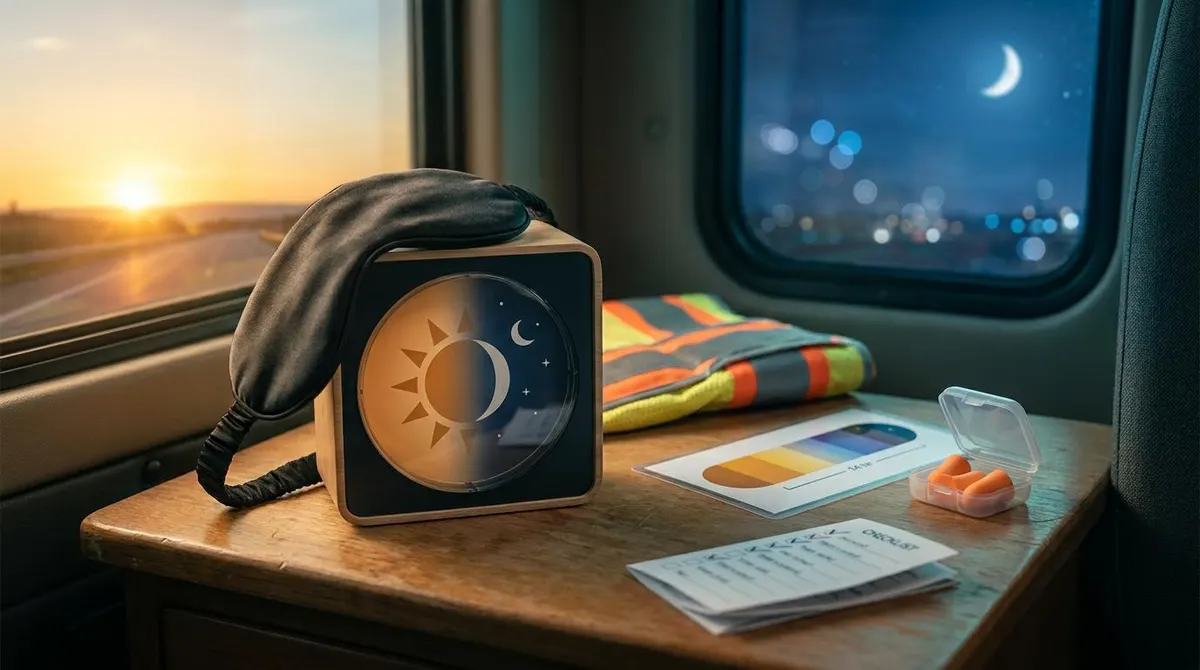
Commercial drivers operate under hours-of-service regulations that allow up to 11 hours of driving within a 14-hour window. This scheduling framework can conflict with natural circadian rhythms, particularly for drivers who regularly switch between day and night shifts. Disrupted circadian patterns worsen daytime sleepiness independently of sleep apnea treatment, and managing both issues simultaneously is essential for safe driving.
The CDC recommends that adults obtain at least 7 hours of sleep per night to support alertness and overall health. For commercial drivers with treated sleep apnea, consistently achieving this minimum is a professional obligation as well as a health goal. Prioritise protected sleep time during mandatory rest periods, maintain a consistent pre-sleep routine even in unfamiliar environments, and avoid caffeine within 6 hours of your planned sleep period.
KEY TAKEAWAY: Practical compliance on the road requires the right equipment setup, consistent hygiene habits, and proactive management of mask fit. Access to remote clinical support makes it significantly easier to resolve compliance barriers without clinic visits.
The health benefits of treating sleep apnea extend well beyond your medical certificate, with major implications for cardiovascular health and long-term safety.
The Health and Safety Connection: Beyond the Medical Card

Treating sleep apnea is not only a regulatory requirement for commercial drivers. It is one of the most impactful health decisions a driver can make. Obstructive sleep apnea is a systemic condition with well-documented consequences for cardiovascular health, metabolic function, and neurological performance. Understanding these connections gives you a fuller picture of why effective treatment matters beyond passing your next DOT physical.
Reducing the Risk of Drowsy Driving and Vehicle Accidents

Untreated obstructive sleep apnea is a primary cause of daytime sleepiness and impaired reaction time, both of which are critical safety factors for commercial drivers. According to the FMCSA, driver fatigue is a contributing factor in approximately 13% of all major commercial truck crashes. The NHTSA estimates that drowsy driving caused more than 91,000 traffic accidents in a single year, resulting in an estimated 50,000 injuries and nearly 800 deaths.
Sleep apnea-related daytime sleepiness compounds the inherent fatigue risks of long working hours, irregular schedules, and highway monotony. Research on commercial drivers shows that those with untreated sleep apnea have measurably slower reaction times and impaired concentration compared to drivers without the condition. A truck travelling at highway speed covers approximately 100 feet per second, meaning even a two-second microsleep event creates a 200-foot blind window during which the driver has no control of the vehicle.
Sleep Apnea's Impact on the Cardiovascular System and Stroke Risk

The connection between obstructive sleep apnea and cardiovascular disease is well established and clinically significant. Research funded by the NIH and published in the American Journal of Respiratory and Critical Care Medicine identified reduced blood oxygen levels from repeated breathing interruptions as the primary mechanism linking obstructive sleep apnea to increased cardiovascular risk, including heart attack, stroke, and cardiac death.
A landmark study supported by the National Heart, Lung, and Blood Institute from the Sleep Heart Health Study found that obstructive sleep apnea more than doubles the risk of stroke in men overall. Men with moderate-to-severe sleep apnea were found to be nearly three times more likely to experience a stroke than men without the condition or with only mild apnea. For commercial drivers, this risk profile underscores the importance of treating sleep apnea not only for CDL medical certification purposes but as a fundamental measure for long-term health and career sustainability.
The Correlation Between Sleep Disorders, Diabetes, and High Blood Pressure

Obstructive sleep apnea, high blood pressure, and type 2 diabetes form a clinically recognised triad of interrelated conditions. A Mendelian randomisation study published in Nature Scientific Sleep demonstrated that obstructive sleep apnea significantly increases the risk of high blood pressure and type 2 diabetes, with blood pressure acting as a measurable mediating pathway between sleep apnea and vascular damage.
For commercial drivers, this relationship is particularly relevant because both high blood pressure and insulin-dependent diabetes carry their own DOT physical qualification thresholds. A driver with untreated sleep apnea may find that their blood pressure progressively rises toward the disqualifying threshold of 180/110 mmHg even while meeting other physical standards. Effective CPAP therapy has been shown in multiple clinical studies to reduce blood pressure levels in patients with comorbid hypertension, making it a treatment that simultaneously protects cardiovascular health and helps maintain DOT medical qualification.
KEY TAKEAWAY: Treating sleep apnea reduces the risk of drowsy-driving crashes, lowers cardiovascular risk including stroke risk, and helps manage the blood pressure and blood sugar levels that determine your broader DOT physical eligibility.
A final but important area of knowledge for any driver navigating this process is understanding your rights when you disagree with an examiner's decision.
Common Myths About DOT Physical Sleep Apnea Debunked

Many commercial drivers avoid seeking evaluation or delay treatment because of misconceptions about what a sleep apnea diagnosis actually means for their career. Separating fact from fiction helps drivers make informed decisions rather than avoidable ones.
MYTH: Having sleep apnea automatically means losing your CDL.
FACT: A sleep apnea diagnosis does not result in automatic CDL disqualification. The FMCSA states clearly that once a driver is successfully treated for sleep apnea, that driver may regain medically-qualified-to-drive status. The disqualifying factor is untreated, uncontrolled sleep apnea, not the diagnosis itself. Hundreds of thousands of commercial drivers across the United States currently hold valid CDL medical certificates while managing treated sleep apnea.
MYTH: There is a mandatory BMI cutoff that will automatically require a sleep study.
FACT: The FMCSA does not have a formal regulation establishing a mandatory BMI-based sleep apnea screening threshold. The FMCSA withdrew its proposed sleep apnea screening rule in 2017 and has not replaced it with formal regulation. Medical examiners exercise clinical discretion, and BMI is one of several risk factors considered alongside neck circumference, blood pressure, reported symptoms, and overall physical examination findings.
MYTH: Only extremely overweight drivers need to worry about sleep apnea.
FACT: Research among commercial truck drivers has consistently found sleep apnea across a wide range of body weights. One study found that nearly 78% of tested truck drivers were positive for obstructive sleep apnea, with the majority presenting as mild to moderate severity. Neck circumference, jaw anatomy, and airway structure are clinically significant predictors that are independent of body weight. The Mallampati classification reflects pharyngeal anatomy rather than body mass.
MYTH: A home sleep test is not accurate enough for official DOT purposes.
FACT: Home sleep apnea tests using validated, FDA-cleared devices are widely accepted by certified medical examiners and sleep specialists as the first-line diagnostic tool for uncomplicated obstructive sleep apnea in commercial drivers. According to peer-reviewed research published on PubMed, a home sleep test used for preliminary screening of suspected obstructive sleep apnea achieved an accuracy of more than 90% for patients with moderate to severe OSA. The key requirement is that the test and its interpretation must be conducted or reviewed by a licensed physician.
MYTH: Once on CPAP, you are on it permanently and cannot re-qualify without it.
FACT: If a driver's sleep apnea is subsequently confirmed to be adequately managed through a documented alternative treatment such as a custom oral appliance, surgical intervention, or significant weight reduction combined with a follow-up sleep study showing an AHI below the diagnostic threshold, the driver can qualify for medical certification without ongoing CPAP use. The examiner's decision is based on current, documented control of the condition, not on the treatment method used to achieve it.
KEY TAKEAWAY: Sleep apnea is a manageable condition for commercial drivers. The myths that drive avoidance and non-disclosure are among the most dangerous aspects of the issue, because they delay treatment and increase real safety and certification risk.
What to Do if You Disagree with the Medical Examiner

Commercial drivers have defined rights when they believe a medical examiner's decision about their DOT physical was incorrect, overly restrictive, or based on incomplete information. Understanding these rights prevents unnecessary career disruption and ensures the certification process remains fair.
Seeking a Second Opinion: Rules and Ethics

When a certified medical examiner determines that a driver does not meet physical qualification standards, the driver has the right to seek a second DOT physical examination from a different certified medical examiner listed on the FMCSA National Registry. This right is analogous to the standard medical right to seek a second clinical opinion and is explicitly recognised in FMCSA guidance.
If you seek a second opinion, you must be fully transparent with the second examiner. You are required to disclose your full health history, including the outcome of the first examination and any prior sleep study or medical records related to the condition in question. Both examination results are submitted to the FMCSA National Registry. Attempting to conceal a prior disqualification from a second examiner is a serious compliance violation that can result in permanent consequences for your certification status.
The Role of the FMCSA in Resolving Medical Conflicts

When two certified medical examiners reach different conclusions about a driver's qualification status, either the driver or the motor carrier can formally request FMCSA intervention under 49 CFR 391.47. This process requires submitting all medical records, examination results, and in some cases an independent specialist opinion from a physician with expertise in the specific medical area in question.
According to FMCSA guidance, the FMCSA does not routinely issue individual medical qualification decisions, but it will intervene to resolve genuine conflicts between opposing examiner findings. During the review period, the driver is considered disqualified until FMCSA issues its determination. It is important to continue any prescribed treatment throughout this period so that your compliance record remains unbroken.
KEY TAKEAWAY: You have the right to a second opinion and to FMCSA conflict resolution if two examiners disagree. Transparency, complete documentation, and continued treatment compliance are essential throughout this process.
Frequently Asked Questions
Can I lose my CDL permanently because of sleep apnea?
Permanent CDL loss due to sleep apnea alone is extremely rare. The FMCSA does not classify obstructive sleep apnea as an automatically disqualifying condition when it is effectively treated. Permanent disqualification is associated with conditions that cannot be controlled or that cause sudden incapacitation, neither of which applies to treated sleep apnea. Drivers who maintain documented CPAP compliance and attend annual recertification examinations typically retain their CDL without interruption. The highest risk of CDL loss arises from non-compliance with treatment, not from the diagnosis itself. If you are unsure whether your current treatment plan meets FMCSA standards, a provider close to you with experience in occupational medicine can review your compliance record and advise accordingly.
Who pays for the sleep study and the CPAP machine?
Payment responsibility varies depending on whether you have health insurance and what your policy covers. For drivers without insurance or who prefer a cash-pay option, services like Dumbo.health provide transparent, affordable pricing: an at-home sleep test for a one-time cost of $149, followed by monthly care plans starting at $59 per month covering physician interpretation, CPAP equipment, and ongoing treatment. Some motor carriers may cover evaluation costs as part of occupational health programmes. There are no prior authorisations, no surprise bills, and no contracts required when using cash-pay providers in your area.
Does the FMCSA have a mandatory BMI cutoff?
No. The FMCSA does not currently have a formal regulation establishing a mandatory BMI threshold for sleep apnea screening. A proposed rule that would have created BMI-based screening requirements was withdrawn in 2017. Certified medical examiners use clinical discretion guided by medical consensus recommendations. Most widely cited guidance references a BMI of 33 or above combined with additional risk factors, or a BMI of 40 or above without other factors, as thresholds that warrant closer evaluation. However, these are clinical guidelines, not enforceable federal regulations. Your examiner considers neck circumference, blood pressure, reported symptoms, and your overall physical examination findings together with BMI.
How often do I need a DOT physical once diagnosed with sleep apnea?
Drivers with a diagnosed sleep apnea condition who are using CPAP therapy are typically issued a one-year medical certificate rather than the standard two-year maximum. This shorter certification period allows the examiner to review your CPAP compliance data and confirm that your treatment remains effective on an annual basis. Some examiners may issue a six-month certificate initially when a driver is newly starting therapy. Once your condition has been well-controlled for an extended period and your compliance record is strong, your examiner may determine that annual certification is sufficient for your situation. Bring at least 30 days of current compliance data to every recertification appointment.
Can I pass a dot physical with sleep apnea?
Yes, you can pass a DOT physical with sleep apnea. The key requirement is that your condition must be effectively treated and you must be able to document that treatment to your certified medical examiner. A driver who uses CPAP therapy for at least 4 hours per night on 70% or more of nights, brings a current compliance data report to the examination, and shows no symptoms of daytime sleepiness while driving will typically receive medical certification. The DOT physical process is designed to assess whether you are safe to drive, not to exclude drivers based on diagnosis alone. A properly treated sleep apnea condition is compatible with holding a valid CDL medical certificate and continuing your career as a commercial driver.
Can tinnitus be secondary to sleep apnea?
Research suggests a possible association between obstructive sleep apnea and tinnitus. The proposed mechanism involves the repeated episodes of oxygen desaturation associated with untreated sleep apnea potentially affecting cochlear function and contributing to or worsening tinnitus symptoms. For a VA or disability claim context, establishing tinnitus as secondary to sleep apnea requires supporting clinical documentation from a licensed physician. For DOT physical purposes, tinnitus itself is not a disqualifying condition, though the sleep apnea that may underlie it carries its own certification requirements. Discuss both conditions openly with your healthcare provider near you to ensure both are properly documented in your medical records.
What is the 4% rule for sleep apnea?
The 4% rule in sleep medicine refers to the oxygen desaturation threshold used in some HSAT and polysomnography scoring systems. Specifically, it refers to the criterion of counting a hypopnea event when blood oxygen saturation drops by 4% or more from baseline, which is one of two acceptable hypopnea scoring criteria defined by the American Academy of Sleep Medicine. The 4% desaturation rule, when applied instead of a 3% rule, typically produces a lower AHI score because it counts fewer hypopnea events. For commercial drivers, this scoring distinction can affect your severity classification and therefore the urgency with which treatment is required. Ask your sleep specialist which scoring criterion was used when reviewing your results, as this can affect how your severity level is interpreted by your DOT examiner.
Can you still be a truck driver with sleep apnea?
Yes, you can still be a truck driver with sleep apnea. Thousands of active commercial drivers across the United States currently operate with valid CDL medical certificates while managing treated obstructive sleep apnea. The FMCSA's position, consistent throughout its guidance, is that a driver with effectively treated sleep apnea who demonstrates compliance and remains symptom-free during driving hours is medically qualified to operate a commercial motor vehicle. The critical factors are consistent treatment use, documented compliance, and annual medical recertification. Many drivers report that getting diagnosed and treated actually improves their alertness and quality of life on the road compared to the years they spent unknowingly impaired by undiagnosed sleep apnea.
Conclusion: Protecting Your Health and Your Livelihood
A DOT physical sleep apnea flag is not the end of your driving career. It is a clinical signal that your body needs support, and the path from that signal to a renewed medical card is well-defined, achievable, and increasingly accessible. Commercial drivers who engage promptly with the evaluation and treatment process, maintain CPAP compliance, and arrive at each recertification examination with complete documentation protect both their long-term health and their CDL.
The evidence is clear: treated sleep apnea reduces drowsy-driving crash risk, lowers cardiovascular and stroke risk, and helps maintain the blood pressure and metabolic stability that broader DOT physical standards require. If you are ready to take the first step, start with a sleep assessment at dumbo.health today. Transparent pricing, no insurance required, and no surprise bills make it straightforward to get the clinical care you need without disrupting your schedule or your finances.
Related DOT Physical Topics
- Can you fail a DOT physical because of sleep apnea
- Can you pass a DOT physical with sleep apnea
- What Happens If Your DOT Physical Expires Compliance Guide for Commercial Drivers
- What Can Disqualify You From a DOT Physical
- How can drivers with sleep apnea qualify again after a failed DOT physical
- When Can Sleep Apnea Affect a DOT Physical
- What Does DOT Stand for in a DOT Physical
- What Should You Bring to a DOT Physical
- What Forms Do You Need for a DOT Physical
- Can You Fail a DOT Physical for Being Overweight
- What blood pressure do you need to pass a DOT physical
- Can You Fail a DOT Physical for High Blood Pressure
- What Happens During the DOT Physical Exam The Complete Guide for Drivers
- What are the current DOT requirements for sleep apnea testing for commercial drivers
- What Is the Difference Between a DOT and Non-DOT Physical
- Can You Fail a DOT Physical
- Can You Pass a DOT Physical with Epilepsy
- DOT Physical Out of Pocket What Commercial Drivers Actually Pay
- Are There New DOT Rules or Laws on Sleep Apnea Testing
- DOT Physical Cost Breakdown What Drivers Pay & Why
- Can You Pass a DOT Physical With One Eye
- How Do You Submit Your DOT Physical to the DMV
- Can You Get a DOT Physical Online
- Can You Pass a DOT Physical With a Pacemaker
- What Are the Requirements to Pass a DOT Physical
- Your Complete Guide What's Included in a DOT Physical Exam
- What Precautions Should Drivers With Sleep Apnea Take
- What Is the Urine Test for in a DOT Physical
- Can You Pass a DOT Physical With a Hernia
- DOT Physical Blood Pressure Requirements What Drivers Need to Know
- New DOT Physical Requirements What Drivers MUST Know About New Updates
- Can You Get a Second Opinion on Your DOT Physical A Complete Guide for Commercial Drivers
- DOT sleep apnea test at home
- DOT Physical at Urgent Care What Commercial Drivers Need to Know
- Is a DOT physical the same as a regular physical
- What should I expect at a DOT physical
- What Does a DOT Physical Consist Of
- Can You Pass a DOT Physical with Diabetes
- Can You Pass a DOT Physical with High Blood Pressure
- BMI for DOT Physical What Commercial Drivers Need to Know
- What are the current FMCSA guidelines on sleep apnea for commercial drivers
- DOT Physical & Drug Test What Drivers Need to Know
- Is a Sleep Study Required for a DOT Physical
- Do You Have to Pee During a DOT Physical
- What eye chart is used for a DOT physical
- What Do They Check During a DOT Physical
- The DOT Physical Exam Ensuring You're Fit for the Road
- Failing a DOT Physical What Every Commercial Driver Needs to Know
- What is DOT Physical
- What drugs do they test for in a DOT drug test
- Does a DOT Physical Test for Weed or THC The Complete Guide for Commercial Drivers
- DOT Physical Online Cost
- DOT Physical Vision & Eye Requirements
- Does a DOT physical include a drug test
- DOT Physical Self Pay Cost
- Remote DOT Physical The Complete Guide for Commercial Drivers
- Navigating Your DOT Physical with Common Medical Conditions
- Navigating the Florida DOT Physical Your Essential Guide for CDL Drivers
- The Ultimate DOT Physical Guide for Commercial Drivers (2025–2026)
- How Sleep Apnea Affects Overall Driving Safety
- Walk In DOT Physical Self Pay
- Is a drug test required for a DOT physical
- Home Sleep Apnea Test for Commercial Drivers The CDL Holder's Complete Guide
- Telehealth Dot Physical
- DOT Physical Forms & Paperwork The Complete Guide for Commercial Drivers
- DOT Physical Exam Basics
- DOT Physical & Alcohol Requirements
- DOT Physical Duration and Validity How Long Your Medical Card Lasts
- DOT Physical Insurance & Recertification The Complete Driver's Guide
- DOT Physical ICD-10 & Billing Codes The Complete Guide for Accurate Compliance and Reimbursement
- Online DOT Physical Without Insurance A Complete Guide for Commercial Drivers
- Why do they measure your neck during a DOT physical
- Sleep Apnea Test for CDL Drivers
- Why DOT Sleep Tests at Home Matter for Your Career and Health
- Do They Check for Hernia During a DOT Physical
- Cheap DOT Physical Online
- DOT physical self pay guide for commercial drivers paying out of pocket
- Are there legal requirements for drivers with sleep apnea
- Online DOT Physical Self-Pay The Complete Guide for CDL Drivers and Owner-Operators
- Online DOT Exam What Drivers and Medical Examiners Need to Know
- DOT Physical Cash Pay
- How Does Sleep Apnea Affect Driving Ability
- Best Treatments for Sleep Apnea to Improve Driving Safety
- Same Day DOT Physical
- Virtual DOT Physical
- Online DOT Physical The Complete Guide for Commercial Drivers and Medical Examiners
- Who needs a DOT physical
- How to Pass a DOT Physical The Complete Commercial Driver's Guide
- Do They Check Your Private Parts During a DOT Physical
- DOT Physical Chiropractor Your Complete Guide to CDL Exams
- DOT Physical Insurance or Self Pay How to Choose the Right Payment Option for Your Exam
- The Comprehensive Guide to Suboxone, Sleep Apnea, and FMCSA Compliance for Commercial Motor Vehicle Operators
- Non-DOT Physical A Comprehensive Guide to Workforce Health and Safety
- DOT Physical Texas The Essential Guide to Your Exam, Medical Card, and CDL Compliance
- DOT Physical Requirements A Complete Guide for CDL Drivers
- Online CDL Physical
- Essential 171 DOT Definitions for Commercial Drivers
- 2026 DOT Inspection Dates
- CDL PHYSICAL SELF PAY
- DOT Medical Exam Self-Pay A Complete Guide for Commercial Drivers
AI summary
A DOT physical sleep apnea outcome is typically a deferral, meaning a certified medical examiner needs more information before issuing a Medical Examiner’s Certificate. Sleep apnea is not automatically disqualifying under FMCSA guidance, but untreated moderate-to-severe obstructive sleep apnea can be disqualifying due to crash risk. Drivers may receive a short-term medical card, commonly 90 days (sometimes 60), to complete evaluation and begin treatment. Immediate disqualification is generally tied to excessive sleepiness while driving, a sleep-related crash, or documented non-compliance with treatment. Screening is based on clinical judgment, not a mandatory FMCSA BMI rule. Risk indicators include BMI trends with other factors, neck circumference (over 17 inches in men, 16 inches in women), Mallampati Class III–IV, blood pressure, and symptoms such as snoring, fatigue, and daytime sleepiness. Recertification steps include sleep specialist evaluation, HSAT or in-lab polysomnography, and AHI severity classification. Treatment is often CPAP. Common compliance documentation is at least 4 hours/night on 70% of nights over a 30-day report. Oral appliances or surgery may be accepted with post-treatment sleep study evidence. Drivers can seek a second opinion or FMCSA conflict resolution under 49 CFR 391.47 when examiners disagree.

Nicolas Nemeth
Co-Founder
Nico is the co-founder of Dumbo Health, a digital sleep clinic that brings the entire obstructive sleep apnea journey home. Patients skip the sleep lab and the long wait to see a specialist. Dumbo Health ships an at home test, connects patients with licensed sleep clinicians by video, and delivers CPAP or a custom oral appliance with ongoing coaching and automatic resupply in one clear subscription.
Keep reading

How Long Does a DOT Physical Take? A Complete Guide for Commercial Drivers

What Happens If You Fail a DOT Drug Test? The Complete Guide for Commercial Drivers


