Can You Fail a DOT Physical for Being Overweight?
Weight alone does not fail a DOT physical, because FMCSA rules do not set a maximum weight or BMI limit for commercial drivers. Instead, certified medical examiners use weight, BMI, and neck circumference as screening tools to look for conditions that increase crash risk, including obstructive sleep apnea, hypertension, diabetes, and cardiovascular disease. The article explains what the DOT exam checks (vision, hearing, vitals, urinalysis, and functional ability) and how certification length can be reduced with elevated risk. It outlines key thresholds like blood pressure stages and common sleep apnea screening triggers. It also details required documentation such as CPAP compliance reports, HbA1C results, glucose logs, and the MCSA-5870 form for insulin-treated diabetes. Practical prep focuses on organizing records, avoiding sodium and stimulants before the exam, and managing chronic conditions to regain or maintain certification.
Struggling with sleep?
Find out if sleep apnea is the reason.
FDA-cleared. $149 flat. Physician-reviewed results in 48 hours.

Can You Fail a DOT Physical for Being Overweight?

Can you fail a DOT physical for being overweight? is a frequent concern, but weight alone is not a direct disqualifying factor. According to the Federal Motor Carrier Safety Administration (FMCSA), there are no specific maximum weight limits for commercial drivers. This means an elevated Body Mass Index does not automatically revoke your driving privileges. However, extreme body weight often triggers secondary health investigations into serious medical conditions such as obstructive sleep apnea, high blood pressure, and insulin-dependent diabetes. This guide explores the exact physical health standards, how medical examiners assess weight-related health issues, and the actionable steps required to secure your commercial medical certificate. By understanding the criteria used during your medical evaluation, you can proactively address health indicators before your appointment. Taking control of your metabolic health ensures you remain safely on the road while protecting your long-term career in the trucking industry.
Understanding the Core Question: Is Weight a Direct Disqualifier?

The short answer is that weight is never a direct disqualifier for a DOT physical, meaning you cannot be denied a medical certificate solely because of your size. The FMCSA regulations lack any statutory maximum weight or height limits for operating a commercial motor vehicle.
Instead of focusing on weight as an isolated metric, the Department of Transportation evaluates your overall cardiovascular health and metabolic stability. When you undergo a medical evaluation, the examiner looks for conditions that could cause sudden incapacitation or sudden impairment of cognitive function. Adiposity is treated as a clinical warning sign rather than a disease itself. A driver carrying excess weight who demonstrates normal blood pressure readings, excellent respiratory function, and stable blood sugar will successfully pass the physical exam.
However, ignoring the physiological impact of excess body mass is dangerous. Research published by the National Institute for Occupational Safety and Health indicates that commercial truck drivers experience obesity at rates significantly higher than the general population, with some studies showing up to 53 percent of drivers having a Body Mass Index over 30. This high prevalence forces examiners to remain vigilant. When a driver presents with extreme adiposity, the examiner is clinically obligated to investigate the secondary conditions that excess weight typically produces. Therefore, you fail a DOT physical for being overweight only when that weight manifests into an uncontrolled, disqualifying disease process.
KEY TAKEAWAY: Your weight alone will not disqualify you from passing your medical exam, but the secondary health conditions caused by excess weight certainly can.
Not sure if sleep apnea applies to you?
Take our 2-minute sleep risk quiz to see whether sleep apnea could affect your DOT physical. No account required.
This understanding naturally leads to questions about why the federal government strictly monitors the health of individuals operating heavy machinery.
Why the DOT Physical Matters for Commercial Drivers

The DOT physical matters for commercial drivers because it acts as the primary defense against catastrophic fatigue-related and medically induced highway accidents. Ensuring that individuals operating a commercial motor vehicle are physically and mentally stable protects public safety across the national infrastructure.
Commercial drivers maneuver vehicles that often exceed 80,000 pounds, requiring rapid reaction times, sustained situational awareness, and immense cognitive focus. A sudden medical emergency, such as a heart attack, a severe hypoglycemic episode, or a seizure disorder, leaves a heavy vehicle completely unguided at high speeds. The Centers for Disease Control and Prevention notes that commercial vehicle crashes are seven times more likely to be fatal to other drivers on the road. Furthermore, the economic toll of commercial crashes reaches an estimated 48 billion dollars annually due to death, injury, and property damage.
To mitigate these risks, the Federal Motor Carrier Safety Administration established rigorous medical standards. The DOT physical exam is not merely a bureaucratic hurdle; it is a vital occupational health assessment. Long-haul truck drivers face intense occupational stressors, including isolated working conditions, sedentary lifestyles, and limited access to nutritious food, all of which accelerate physical deterioration. By mandating periodic medical evaluations, the federal government attempts to catch degenerative conditions before they culminate in a crisis behind the wheel. When you maintain a valid medical card, you prove to your employer and the public that you possess the physiological resilience required for this demanding profession.
DID YOU KNOW: Fatigue is cited as the largest single cause of fatal-to-driver accidents, accounting for 31 percent of all such incidents involving commercial motor vehicles.
KEY TAKEAWAY: The physical exam exists to prevent sudden medical incapacitation and reduce the severe fatality rates associated with commercial vehicle crashes.
To fully grasp how your health is measured against these safety goals, you must understand the specific checks performed during the evaluation.
Understanding the DOT Physical Exam: What the Medical Examiner Looks For

During the DOT physical exam, the medical examiner looks for any physical or mental abnormalities that could interfere with your ability to safely control and operate a commercial vehicle. The evaluation covers a broad spectrum of physiological systems to ensure total occupational fitness.
The assessment begins with a thorough review of your health history. The medical history form requires you to disclose any past surgeries, ongoing medical conditions, and current medications. Following the history review, the physical examination involves objective testing. The examiner will evaluate your vision and hearing abilities. You must demonstrate at least 20/40 visual acuity in each eye using a Snellen eye chart and possess a horizontal field of vision of at least 70 degrees. Hearing tests require you to perceive a forced whisper from a distance of five feet, with or without a hearing aid.
Beyond sensory checks, the examiner assesses your cardiovascular health by listening for murmurs or irregular heart rhythms. They check your lungs for impaired respiratory function and examine your abdomen for enlarged organs or muscle weakness. A mandatory urinalysis is conducted to check for specific gravity, blood, protein, and sugar, which serve as early warning signs for kidney disease or uncontrolled blood sugar. Finally, the examiner looks for structural issues, assessing your extremities for adequate grip strength and range of motion necessary for operating heavy equipment.
KEY TAKEAWAY: The medical evaluation is a comprehensive audit of your cardiovascular, respiratory, sensory, and structural health to confirm you can safely manage a heavy vehicle.
The individual conducting this audit holds significant discretionary power over your career trajectory.
Already diagnosed and need CPAP support?
Dumbo Health helps patients start CPAP without the usual confusion, paperwork, or upfront cost. Equipment, setup, supplies, and ongoing support are all handled in one place.
The Role of the Certified Medical Examiner

The role of the Certified Medical Examiner is to interpret federal physical qualification standards and apply clinical judgment to determine if you are fit to drive. These professionals undergo specialized training to understand the extreme physiological demands of the trucking industry.
To perform a DOT physical exam, a healthcare provider must be listed on the National Registry of Certified Medical Examiners. This registry ensures that all practitioners, whether they are physicians, nurse practitioners, or physician assistants, possess a deep understanding of FMCSA regulations. The examiner operates within a complex framework of absolute rules and discretionary guidelines. While treating physicians or specialists may provide consultation notes, the medical examiner holds the ultimate authority to grant, deny, or limit your medical certification.
A crucial aspect of their role involves distinguishing between a binding regulation and advisory guidance. Regulations dictate strict pass or fail criteria, such as the absolute requirement for specific vision and hearing abilities. Conversely, the Medical Examiner Handbook provides advisory guidance for managing complex scenarios, such as how to handle a driver with extreme obesity or a suspected sleep disorder. Clinicians frequently observe that this discretionary power causes anxiety among drivers, as different examiners may interpret risk factors with varying degrees of strictness. When you find a provider near you, it is important to communicate openly, as their primary goal is keeping the roads safe, not arbitrarily failing drivers.
IMPORTANT: The medical examiner has the authority to issue a temporary medical certificate for a shortened duration if they believe your health requires more frequent monitoring.
KEY TAKEAWAY: The medical examiner utilizes a combination of strict federal regulations and professional clinical judgment to determine your fitness for duty.
Understanding this balance of power highlights why certain physiological metrics trigger deeper investigations.
Key Components of the Physical Examination

The key components of the physical examination are designed to uncover latent conditions that drivers might not even realize they have. The examiner systematically tests your neurological, vascular, and structural integrity.
One critical component is the neurological assessment. The examiner checks your pupillary responses, reflexes, and balance to ensure you do not suffer from an undisclosed neurological disorder or a seizure disorder. Inner ear diseases that cause vertigo, such as Meniere's disease, are heavily scrutinized because sudden dizziness while operating a commercial motor vehicle is catastrophic.
Another major component is the evaluation of the abdomen and viscera. Do dot physicals check for hernia? Yes, the examiner palpates the abdominal wall to check for significant weakness and hernias. Trucking requires heavy lifting, and an untreated hernia could strangulate, causing sudden, incapacitating pain. The examiner also checks your extremities for limb impairment. If you have a missing or permanently impaired limb, you are not immediately disqualified. The FMCSA offers a Skill Performance Evaluation certificate program, which allows you to demonstrate your ability to drive safely despite a fixed structural deficit.
FEATURED SNIPPET FORMATTING
Skill Performance Evaluation is a federal certification program allowing drivers with missing or impaired limbs to legally operate commercial vehicles. This alternative pathway preserves careers by focusing on actual functional capability rather than strict anatomical perfection.
KEY TAKEAWAY: The exam systematically rules out hidden neurological, structural, and vascular threats that could lead to a sudden loss of vehicle control.
These detailed systemic checks frequently reveal the silent, indirect consequences of carrying excess body weight.
How Weight Indirectly Leads to Disqualification: Key Medical Conditions

Weight indirectly leads to disqualification by acting as the primary catalyst for severe metabolic and cardiovascular diseases. Excess adipose tissue places immense strain on your entire physiological system, drastically elevating your risk profile during the medical evaluation.
Research published in occupational health journals shows a direct correlation between obesity and multiple potentially disqualifying conditions. When you carry excessive weight, your body requires more blood to supply oxygen to the tissue, which forces your heart to work harder. This mechanical strain leads to cardiovascular disease and elevated cholesterol levels. Furthermore, excess abdominal fat actively interferes with insulin receptors, leading to metabolic syndrome and insulin-dependent diabetes.
Medical Examiner is a federally certified healthcare professional authorized to perform DOT physicals and determine if a driver meets physical qualification standards. Their clinical judgment is the final barrier between a medically compromised driver and the public highway.
The sheer mass of fatty tissue around the neck and throat also physically narrows the respiratory airway, creating ideal conditions for sleep disorders. Obese drivers are significantly less likely to receive a standard two-year medical certificate. Instead, examiners frequently issue short-term cards or mandate immediate corrective action because the conditions spawned by obesity represent the highest risk for sudden incapacitation. Understanding these specific interconnected diseases is vital for any driver looking to protect their livelihood.
KEY TAKEAWAY: High body weight acts as a multiplier for chronic diseases, forcing medical examiners to scrutinize overweight drivers for hidden health crises.
The most common and intensely scrutinized of these secondary conditions directly affects how well you breathe at night.
Sleep Apnea: A Major Weight-Related Risk Factor

Sleep apnea is a major weight-related risk factor that causes your airway to collapse repeatedly during sleep, severely fragmenting your rest and causing dangerous daytime fatigue. Because commercial drivers with untreated sleep apnea are up to seven times more likely to crash, examiners actively screen for this condition.
Obstructive sleep apnea occurs when excess tissue in the neck and throat physically blocks airflow. When breathing stops for ten seconds or more, your brain jolts you partially awake to resume breathing. This cycle can happen hundreds of times a night. Many patients report waking up feeling completely exhausted, suffering from morning headaches, and battling intense urges to fall asleep behind the wheel. The FMCSA Pulmonary Standard gives the examiner the discretion to mandate a sleep apnea test if they observe multiple risk factors.
If you are diagnosed with moderate to severe obstructive sleep apnea, you are not permanently disqualified. However, you must begin treatment, typically using a CPAP machine. To maintain your medical certificate, you must prove compliance with this therapy. Examiners usually require a digital report showing you use the CPAP machine for at least four hours a night on 70 percent of nights. For drivers looking to explore alternative treatments, dumbo.health offers comprehensive guides. You can learn more about how oral appliances function by exploring oral appliance for sleep apnea how it works who it helps what to expect.
TIP: If you already use a CPAP machine, bring at least 90 days of digital compliance data to your physical exam to avoid costly delays.
KEY TAKEAWAY: Untreated sleep apnea is a massive crash risk, and drivers must demonstrate strict adherence to treatment protocols to remain certified.
While sleep apnea affects your rest, the next weight-related condition silently damages your blood vessels while you are awake.
High Blood Pressure (Hypertension): A Common Weight-Related Challenge
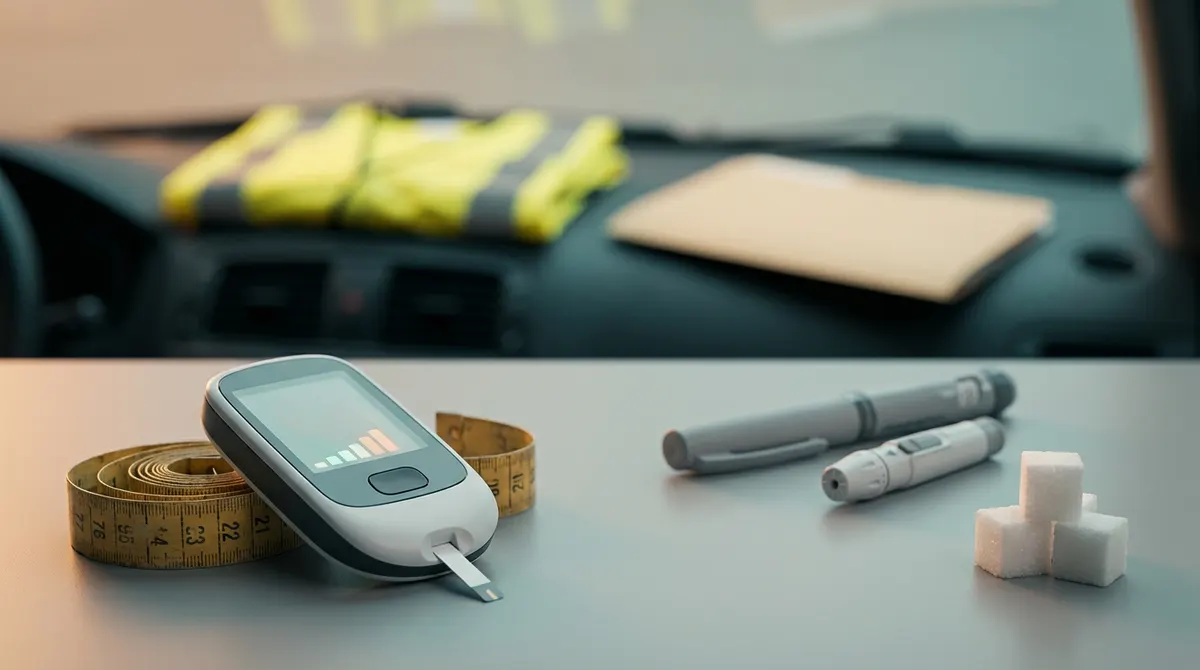
High blood pressure is a common weight-related challenge that places immense stress on your arterial walls, increasing the risk of strokes and heart attacks. The FMCSA maintains strict blood pressure requirements to prevent catastrophic cardiovascular events while driving.
During your medical examination, the examiner will check your blood pressure readings. To receive a full two-year medical card, your blood pressure limit must remain under 140/90 mmHg. When you carry excess weight, your heart must pump harder to circulate blood through a larger tissue mass, frequently pushing readings above this threshold. The regulations categorize hypertension into distinct stages, each with specific certification consequences.
If your reading falls into Stage 1 Hypertension (140-159 systolic or 90-99 diastolic), you are typically limited to a one-year certification to ensure closer monitoring. If your reading reaches Stage 2 Hypertension (160-179 systolic or 100-109 diastolic), the examiner will only issue a one-time, three-month medical certificate. You must use this 90-day window to lower your blood pressure through medication adherence or lifestyle changes. A reading of 180/110 mmHg or higher constitutes Stage 3 Hypertension, resulting in immediate disqualification until the condition is brought under control.
KEY TAKEAWAY: Elevated blood pressure directly reduces the length of your medical certification and can lead to immediate temporary disqualification.
Beyond cardiovascular strain, excess weight disrupts your body's ability to process energy, leading to intense regulatory scrutiny.
Diabetes: Weight's Impact on Blood Sugar

Diabetes impacts your blood sugar regulation, posing a significant safety hazard due to the potential for severe hypoglycemic episodes or long-term target organ damage. Because excess weight is a primary driver of Type 2 diabetes, examiners carefully review metabolic health indicators during the DOT physical.
When diabetes is managed through diet, exercise, or non-insulin oral medications, drivers can generally obtain a one-year certification. The examiner will perform a urinalysis to check for sugar and may request recent laboratory results, such as a Hemoglobin A1C test, to confirm the condition is stable. However, the regulatory landscape shifts dramatically for drivers who require insulin. Insulin-dependent diabetes carries a high risk of sudden hypoglycemia, which can cause confusion, seizures, or a complete loss of consciousness without warning.
To pass the physical while on insulin, you must have your treating clinician complete the Insulin-Treated Diabetes Mellitus Assessment Form (MCSA-5870) no more than 45 days before your DOT exam. Furthermore, you must bring at least three months of digital blood sugar logs from an electronic glucometer. Without this historical data, the examiner cannot verify that your insulin regimen is stable, which may result in a severely shortened medical card or disqualification. Drivers suffering from severe complications, such as advanced diabetic retinopathy, face permanent disqualification.
KEY TAKEAWAY: Drivers with diabetes must provide extensive documentation and blood sugar logs to prove they are safe from sudden hypoglycemic events.
These metabolic disruptions eventually compound, leading directly to the most critical systemic failures assessed during the exam.
Cardiovascular Health and Heart Conditions

Cardiovascular health is paramount for commercial certification, as heart conditions represent the highest risk for sudden, fatal incapacitation while operating a commercial vehicle. The cumulative effect of obesity, hypertension, and diabetes frequently culminates in severe cardiac disease, prompting deep scrutiny from examiners.
The Federal Motor Carrier Safety Administration guidelines require examiners to evaluate any history of heart disease, heart attack, or cardiovascular surgery. A current clinical diagnosis of a severe heart issue, such as uncontrolled angina pectoris (chest pain), a recent heart attack, or the presence of a dangerous blood clot, will result in immediate disqualification. The examiner must ensure that your heart can withstand the physical exertion of loading cargo, securing tarps, and managing the high-stress environment of highway driving.
If you have a known cardiovascular condition, you cannot simply pass the exam based on a visual assessment. You must bring a detailed medical clearance letter from your primary physician or cardiologist. This letter must outline your medical history, confirm your medication adherence, and explicitly state that you are safe to operate a commercial motor vehicle. Without this specialized clearance, the Certified Medical Examiner is obligated to delay your certification until safety can be definitively proven.
KEY TAKEAWAY: A history of cardiovascular disease requires specialized clearance from a cardiologist to ensure you are safe to endure the physical demands of driving.
To flag these hidden cardiovascular and metabolic risks, examiners rely on specific numerical screening tools.
How Medical Examiners Assess Weight and Related Health Indicators

Medical examiners assess weight and related health indicators using standardized biometrics to screen for underlying, symptomless diseases. Because long-haul truck drivers frequently underreport symptoms to protect their jobs, objective measurements act as a crucial clinical safety net.
During the physical examination, the examiner is required by federal regulation to measure and record your height and weight. While these numbers do not trigger an automatic failure, they paint a clinical picture. The examiner evaluates your physical appearance alongside your vital signs to determine if further diagnostic testing is warranted. For example, if a driver presents with extreme weight, a tight throat, and an elevated resting pulse, the examiner connects these health indicators to a high probability of respiratory and cardiovascular distress.
The examiner's goal is not to shame drivers, but to apply the physical health standards equitably. They utilize their clinical expertise to differentiate between a driver who is simply heavy but structurally sound, and a driver whose weight is actively compressing their organs and vessels. This comprehensive assessment ensures that dangerous conditions do not go undetected simply because a driver feels fine on the day of the exam. The most prominent calculation used in this screening process directly compares your mass to your height.
KEY TAKEAWAY: Examiners rely on objective weight measurements to identify high-risk patients who may be hiding or ignoring serious medical symptoms.
This calculation is globally recognized but frequently misunderstood within the trucking community.
Body Mass Index (BMI): A Key Indicator, Not a Hard Limit

Body Mass Index is a key indicator used by medical professionals to estimate body fat and assess metabolic risk, but it is never used as a hard limit for disqualification. Understanding how examiners utilize the Body Mass Index Table helps alleviate anxiety before the exam.
Body Mass Index is calculated by dividing your weight in kilograms by the square of your height in meters. The FMCSA stratifies these results into specific categories: Normal weight is below 25, Overweight is 25 to 29.9, Obese is 30 to 34.9, and Morbidly Obese is 35 and above. When your BMI enters the obese or morbidly obese categories, the statistical probability of you suffering from sleep apnea, diabetes, or hypertension skyrockets. Therefore, a high BMI acts as a giant red flag, prompting the examiner to dig deeper into your medical records.
Body Mass Index is a numerical calculation derived from height and weight. Medical professionals utilize this metric to identify potential metabolic and cardiovascular risks. High readings prompt further respiratory evaluation.
However, the medical community acknowledges that BMI is a flawed metric for individuals with high muscle mass. A driver who engages in heavy weight training might have a BMI over 30 simply due to dense muscle tissue, not excess fat. This is why the medical examiner relies on their clinical observation rather than blindly enforcing a number from an NIH calculator. A BMI of 40 or 50 will certainly trigger a sleep apnea screening, but if that screening comes back negative and your vitals are stable, you will pass the physical.
KEY TAKEAWAY: A high BMI alerts the examiner to potential risks but cannot be used in isolation to deny your commercial driver's license.
Because BMI does not differentiate between muscle and fat, examiners look at anatomical measurements specifically linked to airway obstruction.
Neck Circumference: A Specific Measurement for Sleep Apnea Risk

neck circumference is a specific measurement that provides medical examiners with a direct anatomical indicator of obstructive sleep apnea risk. Unlike generalized body weight, a thick neck demonstrates exactly where excess tissue is accumulating, highlighting a severe threat to respiratory function.
When adipose tissue gathers heavily around the cervical spine and throat, it places immense physical pressure on the trachea. When you fall asleep and your airway muscles relax, this heavy tissue collapses inward, completely blocking airflow. Because of this direct mechanical relationship, a large neck size is considered one of the strongest predictive health indicators for severe sleep disorders.
The FMCSA Medical Expert Panel explicitly highlights specific neck circumference thresholds that warrant mandatory sleep apnea screening. For male drivers, a neck size of 17 inches or greater is a major red flag. For female drivers, the threshold is 16 inches or greater. When an examiner records a neck measurement exceeding these limits, especially when combined with a BMI over 33, they are highly likely to issue a temporary medical card and mandate an immediate sleep study. If you suspect you fall into this category and want to understand how testing works, read how do at-home sleep studies work to prepare yourself.
KEY TAKEAWAY: A neck circumference over 17 inches for men or 16 inches for women is a primary trigger for mandatory sleep apnea testing.
These physical measurements are combined with a detailed interrogation of your past medical events to form a complete diagnosis.
Comprehensive Medical History and Physical Examination
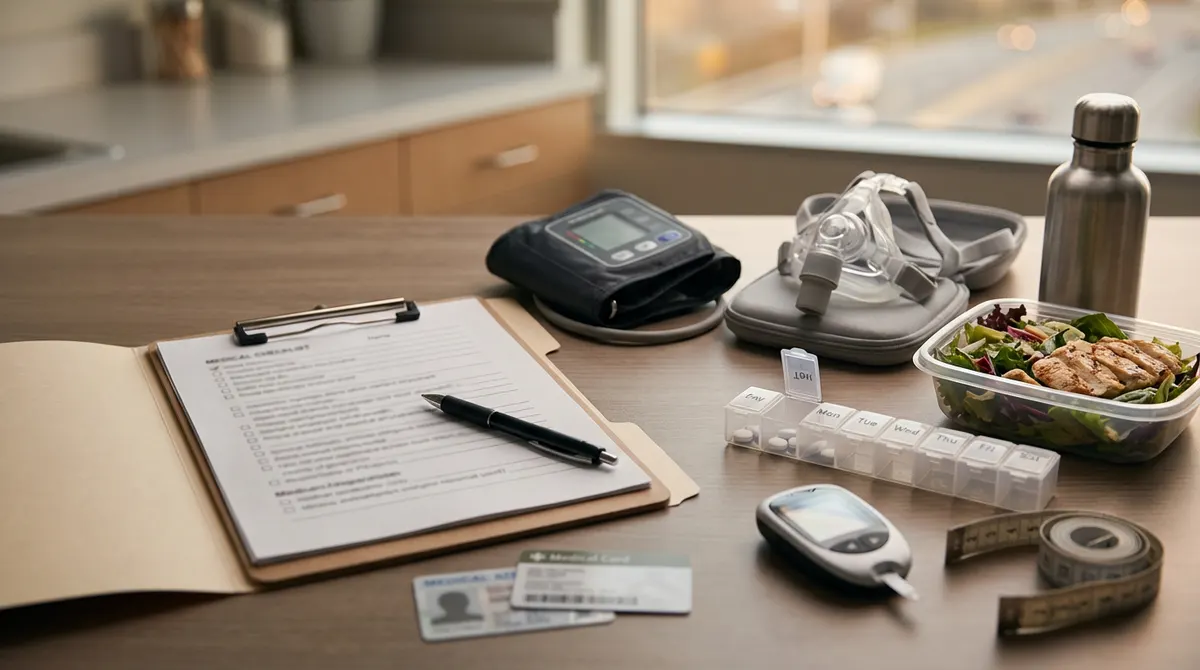
The comprehensive medical history and physical examination form the foundation of the DOT physical, requiring you to provide an honest accounting of your past and present health status. Attempting to hide symptoms or downplay the severity of an illness is a dangerous strategy that compromises public safety and violates federal law.
Before you see the examiner, you must complete the Health History section of the Medical Examination Report. This document explicitly asks if you have experienced any loss of consciousness, shortness of breath, chronic low back pain, or nervous disorders. You are also required to list all current medications, including over-the-counter supplements. The examiner will review every "Yes" answer with you, investigating the onset date, diagnosis, and current limitations of the condition.
During the physical examination, the clinician verifies your historical claims against objective findings. For example, if you claim you do not suffer from sleep apnea, but the examiner notes a heavily crowded airway, extreme obesity, and a thick neck size, they will use their discretionary authority to override your self-reported history and mandate diagnostic testing. You must certify with your signature that the information provided is complete and true; providing false information invalidates your qualification. When searching for reliable DOT providers in your area, ensure you choose a clinic that respects privacy but strictly adheres to compliance.
KEY TAKEAWAY: Your signature on the medical history form acts as a legal attestation that you have not hidden any potentially disqualifying symptoms or conditions.
Knowing the intensity of this evaluation, overweight drivers must take deliberate steps before walking into the clinic.
Preparing for Your DOT Physical When Overweight: Actionable Steps

Preparing for your DOT physical when overweight involves executing specific, actionable steps to optimize your vital signs and organize your documentation. Approaching the exam without preparation significantly increases the risk of receiving a shortened medical card or facing unexpected temporary disqualifications.
The most effective way to ensure success is to assemble a comprehensive medical portfolio long before your appointment. If you suffer from any chronic conditions, you must bring clearance letters from your treating specialists. Diabetics must bring their Hemoglobin A1C lab results and a log of recent blood sugar readings. Drivers with visual or auditory deficits must wear their glasses, contact lenses, or hearing aids to the exam.
Furthermore, you must optimize your physiological state in the 48 hours preceding the exam. Avoid consuming heavy, greasy, or salty foods, as high sodium intake forces your body to retain water, which acutely spikes your blood pressure. Eliminate caffeine, energy drinks, and tobacco products, as these stimulants artificially elevate your heart rate and systolic pressure. Drink plenty of water to ensure your renal system is flushed, making it easier to provide a clean sample for the mandatory urinalysis.
KEY TAKEAWAY: Passing the exam requires meticulous organization of medical records and deliberate optimization of your diet in the days leading up to the appointment.
These short-term preparations are vital, but long-term career survival requires a broader commitment to health.
Proactive Health Management and Lifestyle Changes

Proactive health management and lifestyle changes are the only reliable methods for combating the severe occupational hazards inherent to the trucking industry. Because operating a commercial motor vehicle involves long periods of inactivity, you must consciously integrate physical movement and nutritional discipline into your daily routine.
The foundation of managing weight on the road is dietary control. Truck stop environments are saturated with heavily processed, high-calorie foods that promote rapid weight gain and metabolic dysfunction. Transitioning away from these options toward lean proteins, complex carbohydrates, and high-fiber vegetables stabilizes your blood sugar and reduces total caloric intake. For drivers struggling to understand the physiological mechanics of shedding pounds while battling sleep fragmentation, you can explore the relationship further by reading sleep apnea and weight loss what really happens when you lose weight.
Physical activity must also be prioritized. Incorporating simple aerobic exercise, such as brisk walking around the perimeter of a rest area or performing bodyweight squats near your trailer, significantly improves cardiovascular resilience. These lifestyle changes not only help lower your Body Mass Index but directly lower your resting blood pressure and improve respiratory efficiency. Consistent proactive management ensures that your annual or biennial DOT physical becomes a routine administrative task rather than a stressful career threat.
KEY TAKEAWAY: Sustainable dietary adjustments and consistent physical movement are critical for reversing the negative health impacts of a sedentary trucking career.
For drivers who have already developed chronic conditions, managing those specific illnesses is the next priority.
Optimizing Existing Medical Conditions

Optimizing existing medical conditions requires strict medication adherence and continuous collaboration with your primary physician to prove your illnesses are controlled. A medical examiner cannot grant a commercial driver's license if they suspect your treatment plan is erratic or failing.
If you have been diagnosed with high blood pressure, you must take your prescribed anti-hypertensive medications at the same time every day to ensure stable therapeutic levels in your bloodstream. Missing doses right before your exam will result in dangerous blood pressure spikes and likely lead to a shortened three-month medical certificate. Similarly, drivers undergoing sleep apnea treatment must ensure their CPAP machine is functioning correctly and successfully recording compliance data. For advice on the hardware necessary to maintain this compliance, review what equipment do you need for a home sleep study.
Furthermore, you must be aware of the side effects of your medications. The FMCSA strictly prohibits the use of narcotic or habit-forming drugs while driving. If you are prescribed medications that carry a risk of sedation, you must obtain a note from your primary physician explicitly stating that the medication does not cause daytime sleepiness and that you are capable of operating a commercial vehicle safely while taking it.
KEY TAKEAWAY: Demonstrating absolute control over your chronic diseases through strict medication adherence is the only way to satisfy federal safety standards.
Understanding how to optimize your health naturally leads to comparing how different clinics handle these complex presentations.
What to Expect and How to Be Prepared

Knowing what to expect and how to be prepared allows you to navigate the DOT physical efficiently and avoid unnecessary anxiety or delays. The experience can vary significantly depending on whether you visit a dedicated occupational health center, a chiropractor, or an urgent care facility.
When you arrive at the clinic, you will provide a urine sample immediately, so do not urinate right before entering the building. You will then complete the extensive paperwork, including the medical history disclosures. A nurse or trained assistant will typically take your initial vital signs, including your blood pressure and pulse. If your initial blood pressure reading is elevated, request a few moments to relax and practice deep breathing before the examiner takes the required secondary reading.
To minimize friction, ensure you have selected a clinic that specializes in commercial drivers. You can utilize the FMCSA National Registry to find a provider near you with excellent reviews and a track record of fair, compliant evaluations.
| Clinic Type | Cost Estimate | Convenience | Recommended When |
|---|---|---|---|
| Urgent Care Centers | $75 - $150 | High (Walk-ins usually accepted) | Needing an immediate, standard renewal without complex medical history. |
| Primary Care Physician | Variable (often insurance co-pay) | Medium (Requires appointment) | Managing multiple chronic conditions requiring detailed medical clearance. |
| Dedicated Occupational Health | $100 - $150 | High (Tailored for CDL drivers) | You have weight-related risk factors and want a streamlined, experienced evaluation. |
Before making your appointment, confirm the examiner is actively certified. Bring a comprehensive folder containing your driver's license, your old medical card, your CPAP compliance reports, your blood sugar logs, and all specialist clearance letters.
KEY TAKEAWAY: Selecting a dedicated occupational health provider and arriving with an organized medical portfolio drastically improves your chances of a seamless certification.
Despite intense preparation, some drivers still face clinical hurdles based on the examiner's findings.
What Happens If You Don't Pass Due to Weight-Related Issues?

If you don't pass due to weight-related issues, you are not necessarily facing the permanent end of your driving career. The FMCSA framework is designed to pull unsafe drivers off the road temporarily until they can medically resolve their dangerous health conditions.
When an examiner identifies a severe risk factor, such as Stage 3 Hypertension (blood pressure over 180/110) or admitted symptoms of severe sleep apnea with a history of falling asleep at the wheel, they must immediately disqualify you. This means you leave the clinic without a medical card and cannot legally operate a commercial motor vehicle. While devastating, this disqualification is classified as a temporary suspension rather than a permanent ban.
To regain your certification, you must work closely with your primary physician to stabilize the acute condition. This may involve beginning a new regime of anti-hypertensive medication, losing significant weight, or undergoing emergency sleep apnea screening and beginning CPAP therapy. Once your primary physician provides documentation proving the condition is medically controlled and no longer poses a threat to public safety, you can return to the Certified Medical Examiner for a new evaluation and potential recertification.
KEY TAKEAWAY: An immediate disqualification is usually a temporary measure requiring you to stabilize your health before returning to the road.
More frequently, examiners use an intermediate step to monitor your progress.
Conditional Certification and Retesting

Conditional certification and retesting mechanisms allow medical examiners to grant short-term medical cards to drivers who possess elevated risk factors but are not in immediate danger of sudden incapacitation. This is the most common outcome for drivers presenting with significant weight-related health issues.
If your blood pressure reading falls into the Stage 2 Hypertension category, or if the examiner observes extreme obesity combined with a thick neck size and mandates a sleep study, they will typically issue a one-time, three-month (90-day) medical certificate. This conditional certification allows you to continue working and earning an income while you address the medical requirement. You must complete the mandated sleep study or lower your blood pressure before the 90 days expire.
If you successfully resolve the issue within the allotted time, for example, by initiating CPAP therapy or achieving a blood pressure below 140/90, the examiner will evaluate your progress and issue a one-year medical certificate. However, if you return for retesting and your blood pressure remains elevated, or you have refused to complete the sleep apnea screening, the examiner will deny your certification, resulting in immediate disqualification.
KEY TAKEAWAY: A 90-day conditional certificate is a strict deadline to resolve your medical issues; failing to do so guarantees a loss of driving privileges.
Navigating the path back to full certification requires understanding the specific administrative processes involved.
Disqualification and Paths to Re-certification

Disqualification and paths to re-certification are clearly outlined processes that allow compromised drivers to rehabilitate their health and eventually return to the trucking industry. The path requires strict coordination between your treating physicians and the Certified Medical Examiner.
If you are disqualified due to uncontrolled insulin-dependent diabetes, you must achieve glycemic stability. Your treating clinician must review your electronic blood sugar logs, verify you have not experienced any severe hypoglycemic events, and complete a new MCSA-5870 assessment form. If you were disqualified for Stage 3 Hypertension, you must undergo pharmacological treatment until your blood pressure drops below 140/90. Once controlled, you will be evaluated at six-month intervals to ensure ongoing stability.
For sleep apnea disqualifications, the path requires proven therapy compliance. You must demonstrate that you have utilized a CPAP machine effectively, eliminating excessive daytime sleepiness and restoring cognitive function. Once you provide the required 30 to 90 days of digital compliance data, the medical examiner will lift the disqualification and issue a one-year certificate. The burden of proof always rests on the driver to demonstrate that the disease process is arrested.
KEY TAKEAWAY: Regaining your commercial driver's license after a medical failure requires objective, documented proof that your chronic condition is fully controlled.
While metabolic issues dominate the landscape, other factors can abruptly end a physical exam.
Clarifying Other Disqualifiers (Briefly)

Clarifying other disqualifiers is essential, as weight is far from the only hurdle you face during a medical evaluation. The FMCSA maintains stringent rules regarding substance abuse, severe visual impairment, and progressive neurological degradation.
A mandatory component of commercial driving involves participation in a drug testing consortium. While drug screening is technically a separate regulation from the physical qualification standards, many employers mandate that a drug test be performed simultaneously with the DOT physical. A positive result for illicit substances or unprescribed narcotics leads to an immediate failure and requires the driver to complete a rigorous Return-To-Duty (RTD) process overseen by a Substance Abuse Professional.
Furthermore, progressive conditions that cannot be stabilized lead to permanent grounding. Monocular vision (blindness in one eye) that does not qualify for a federal exemption, profound deafness that cannot be corrected with a hearing aid, and active seizure disorders like uncontrolled epilepsy are absolute disqualifiers. Unlike high blood pressure or sleep apnea, which can be mitigated through lifestyle changes or mechanical therapy, these sensory and neurological failures fundamentally prevent the safe operation of a commercial vehicle.
KEY TAKEAWAY: Beyond weight-related illnesses, illicit drug use, profound vision loss, and active seizure disorders act as absolute barriers to commercial certification.
To consolidate this vast regulatory landscape, it is helpful to address the most persistent rumors directly.
Common Myths About DOT Physicals Debunked

The trucking industry is rife with misinformation regarding the medical examination process, primarily driven by anxiety over job security. Dispelling these inaccuracies is vital for proper preparation.
MYTH: A BMI over 35 automatically fails a driver and revokes their commercial driver's license.
FACT: There are no statutory maximum weight or BMI limits in the FMCSA regulations. High BMI acts as a screening trigger for underlying conditions like sleep apnea and hypertension, but it does not inherently disqualify a driver who is otherwise metabolically healthy and structurally capable.
MYTH: sleep apnea testing is federally mandated for all heavy drivers regardless of symptoms.
FACT: The FMCSA does not explicitly mandate sleep studies based on a single metric. The decision is rooted in the Pulmonary Standard and relies entirely on the Certified Medical Examiner's clinical assessment of cumulative risk factors, such as neck circumference, BMI, and airway anatomy.
MYTH: Drivers who require insulin to manage their diabetes can never obtain a medical certificate.
FACT: Under current regulations, insulin-treated drivers can obtain a 1-year certification. They must present three months of continuous blood sugar logs and secure an MCSA-5870 form completed by their treating clinician prior to the physical exam.
MYTH: The presence of a hernia guarantees you will fail the abdominal portion of the physical.
FACT: Hernias are only disqualifying if the examiner determines they are severe enough to cause sudden pain or strangulation during the physical exertion required for commercial driving. Most asymptomatic hernias allow the driver to pass without issue.
KEY TAKEAWAY: Many feared disqualifications are actually discretionary triggers for deeper testing, emphasizing the importance of treating underlying health issues rather than simply fearing the scale.
Frequently Asked Questions
Can you fail a DOT physical for being overweight?
No, you cannot fail a DOT physical purely for being overweight. The FMCSA does not enforce strict height or weight maximums. However, medical examiners heavily scrutinize overweight drivers for secondary conditions caused by excess weight, such as high blood pressure, diabetes, and sleep apnea. If these weight-related conditions are severe and uncontrolled, they will cause you to fail the physical.
What BMI triggers a sleep apnea test for a DOT physical?
While there is no rigid federal law, the Medical Expert Panel recommends sleep apnea screening for drivers with a BMI of 33 or higher. Many clinics and examiners use a BMI threshold of 35 or higher, combined with a large neck circumference (over 17 inches for men, 16 inches for women), as a strict trigger to mandate a polysomnography test.
What is the maximum blood pressure allowed to pass a DOT physical?
To pass a DOT physical without any time restrictions (receiving a full two-year medical certificate), your blood pressure must be below 140/90 mmHg. If your reading is between 140/90 and 159/99 (Stage 1), you can receive a one-year certificate. A reading over 180/110 (Stage 3) results in immediate disqualification until lowered.
How do I find a DOT physical provider near me?
You can find a provider near you by searching the official FMCSA National Registry of Certified Medical Examiners website. This database allows you to filter by location to locate physicians, urgent care centers, and occupational health clinics in your area that are federally authorized to perform the commercial medical evaluation.
What should I bring to my DOT physical if I am overweight?
If you are overweight, you should bring a comprehensive medical folder to prevent delays. This must include a complete list of your medications, clearance letters from any specialists (such as cardiologists), recent HbA1C lab results if you are diabetic, and at least 90 days of digital compliance data if you use a CPAP machine for sleep apnea.
Can I get a 90-day medical card if I need to lower my blood pressure?
Yes, if your blood pressure reading falls into the Stage 2 Hypertension category (160-179 systolic or 100-109 diastolic), the medical examiner can issue a one-time, three-month medical certificate. This allows you 90 days to initiate treatment, lose weight, and lower your blood pressure below 140/90 to secure a one-year certification.
Conclusion
Navigating the DOT physical when you are overweight requires a deep understanding of the FMCSA regulations and a commitment to proactive health management. While weight alone will not revoke your commercial driver's license, the devastating secondary conditions it causes, namely severe sleep apnea, uncontrolled high blood pressure, and insulin-dependent diabetes, will rapidly end your driving career. By maintaining strict medication adherence, optimizing your diet, and providing comprehensive documentation to the Certified Medical Examiner, you can successfully prove your fitness for duty. Taking control of your physiological health is the ultimate strategy for staying safe on the highway. If you are struggling with rest and want to assess your sleep apnea risk further, explore 9 most common sleep apnea symptoms to look out for to start your diagnostic journey.
Related DOT Physical Topics
- Can You Fail a DOT Physical for High Blood Pressure
- Can You Get a DOT Physical in Any State The Complete Guide for Commercial Drivers
- Can You Get a DOT Physical Online The Complete Guide for Commercial Drivers
- Can you fail a DOT physical because of sleep apnea
- Can You Get a Second Opinion on Your DOT Physical A Complete Guide for Commercial Drivers
- Can You Fail a DOT Physical
- Does a DOT Physical Test for Weed or THC The Complete Guide for Commercial Drivers
- What Can Disqualify You From a DOT Physical
- Can You Pass a DOT Physical with Epilepsy
- Can You Pass a DOT Physical With a Hernia
- Can You Pass a DOT Physical With One Eye
- Can You Pass a DOT Physical With a Pacemaker
- What Forms Do You Need for a DOT Physical
- Can You Get a DOT Physical Online
- Can you pass a DOT physical with sleep apnea
- What happens if you fail a DOT physical due to sleep apnea
- Can You Pass a DOT Physical with Diabetes
- Can You Pass a DOT Physical with High Blood Pressure
- What Does DOT Stand for in a DOT Physical
- The DOT Physical Exam Ensuring You're Fit for the Road
- How Do You Submit Your DOT Physical to the DMV
- Remote DOT Physical The Complete Guide for Commercial Drivers
- When Can Sleep Apnea Affect a DOT Physical
- Is a drug test required for a DOT physical
- DOT Physical ICD-10 & Billing Codes The Complete Guide for Accurate Compliance and Reimbursement
- Navigating the Florida DOT Physical Your Essential Guide for CDL Drivers
- What Is the Urine Test for in a DOT Physical
- DOT Physical Forms & Paperwork The Complete Guide for Commercial Drivers
- What Should You Bring to a DOT Physical
- Navigating DOT Stroke Guidelines for CMV Drivers What You Need To Know
- Online DOT Physical Without Insurance A Complete Guide for Commercial Drivers
- How can drivers with sleep apnea qualify again after a failed DOT physical
- Online DOT Physical Self-Pay The Complete Guide for CDL Drivers and Owner-Operators
- DOT physical self pay guide for commercial drivers paying out of pocket
- What blood pressure do you need to pass a DOT physical
- DOT Physical Insurance or Self Pay How to Choose the Right Payment Option for Your Exam
- Is a DOT physical the same as a regular physical
- BMI for DOT Physical What Commercial Drivers Need to Know
- What Happens During the DOT Physical Exam The Complete Guide for Drivers
- What Happens If Your DOT Physical Expires Compliance Guide for Commercial Drivers
- What are the current DOT requirements for sleep apnea testing for commercial drivers
- The Ultimate DOT Physical Guide for Commercial Drivers (2025–2026)
- DOT Physical Requirements A Complete Guide for CDL Drivers
- Is a Sleep Study Required for a DOT Physical
- What Is the Difference Between a DOT and Non-DOT Physical
- Do They Check for Hernia During a DOT Physical
- Do You Have to Pee During a DOT Physical
- What eye chart is used for a DOT physical
- Online DOT Physical The Complete Guide for Commercial Drivers and Medical Examiners
- What drugs do they test for in a DOT drug test
- Does a DOT physical include a drug test
- DOT Physical Self Pay Cost
- Essential 171 DOT Definitions for Commercial Drivers
- DOT Physical Exam Basics
- DOT Hypertension Guidelines The Complete Blood Pressure Guide for Commercial Drivers
- DOT Physical Out of Pocket What Commercial Drivers Actually Pay
- DOT Physical Cost Breakdown What Drivers Pay & Why
- Telehealth Dot Physical
- Who needs a DOT physical
- DOT Physical & Alcohol Requirements
- DOT Physical Online Cost
- DOT Physical Vision & Eye Requirements
- Why do they measure your neck during a DOT physical
- Navigating Your DOT Physical with Common Medical Conditions
- Your Complete Guide What's Included in a DOT Physical Exam
- Why DOT Sleep Tests at Home Matter for Your Career and Health
- Walk In DOT Physical Self Pay
- New DOT Physical Requirements What Drivers MUST Know About New Updates
- DOT Physical Insurance & Recertification The Complete Driver's Guide
- DOT Physical Cash Pay
- Same Day DOT Physical
- Virtual DOT Physical
- DOT Medical Exam Self-Pay A Complete Guide for Commercial Drivers
- Do They Check Your Private Parts During a DOT Physical
- DOT Physical Blood Pressure Requirements What Drivers Need to Know
- DOT Physical Chiropractor Your Complete Guide to CDL Exams
- How to Pass a DOT Physical The Complete Commercial Driver's Guide
- What should I expect at a DOT physical
- What Does a DOT Physical Consist Of
- DOT Physical at Urgent Care What Commercial Drivers Need to Know
- Does insurance cover a DOT physical
- DOT Physical & Drug Test What Drivers Need to Know
- DOT Physical Duration and Validity How Long Your Medical Card Lasts
- Non-DOT Physical A Comprehensive Guide to Workforce Health and Safety
- DOT Physical Texas The Essential Guide to Your Exam, Medical Card, and CDL Compliance
- What Are the Requirements to Pass a DOT Physical
- What Do They Check During a DOT Physical
- Cheap DOT Physical Online
- Failing a DOT Physical What Every Commercial Driver Needs to Know
- What is DOT Physical
- Are There New DOT Rules or Laws on Sleep Apnea Testing
- 2026 DOT Inspection Dates
- Medical Examiner's Certificate (Form MCSA-5876) The Complete Guide for Commercial Drivers
- Best Treatments for Sleep Apnea to Improve Driving Safety
- Home Sleep Apnea Test for Commercial Drivers The CDL Holder's Complete Guide
- Sleep Apnea Test for CDL Drivers
- Are there legal requirements for drivers with sleep apnea
- CDL PHYSICAL SELF PAY
- Online DOT Exam What Drivers and Medical Examiners Need to Know
- The Comprehensive Guide to Suboxone, Sleep Apnea, and FMCSA Compliance for Commercial Motor Vehicle Operators
Take the next step before your DOT physical
Start with the free quiz if you are unsure about your risk, or order an at-home sleep test if you have already been flagged for possible sleep apnea.
AI summary
A DOT physical is an FMCSA-required medical exam used to determine whether a commercial driver can operate a commercial motor vehicle safely. Being overweight is not a direct disqualifier because FMCSA regulations do not set a maximum weight or BMI limit. Medical examiners record height and weight and may use Body Mass Index (BMI) and neck circumference as risk screens for obesity-related conditions. Higher BMI increases suspicion for obstructive sleep apnea, hypertension, diabetes, and cardiovascular disease. Key evaluation elements include vision (20/40 each eye; 70-degree field), hearing (forced whisper at 5 feet), cardiovascular and respiratory assessment, urinalysis (specific gravity, blood, protein, sugar), and functional strength and range of motion. Common certification impacts include reduced card length for hypertension (full 2-year if under 140/90; Stage 2 often a one-time 3-month card; Stage 3 180/110 or higher is disqualifying until controlled). Sleep apnea may require testing and CPAP compliance data (4 hours/night on 70% of nights). Insulin-treated diabetes requires the MCSA-5870 form and at least 3 months of glucose logs.

Nicolas Nemeth
Co-Founder
Nico is the co-founder of Dumbo Health, a digital sleep clinic that brings the entire obstructive sleep apnea journey home. Patients skip the sleep lab and the long wait to see a specialist. Dumbo Health ships an at home test, connects patients with licensed sleep clinicians by video, and delivers CPAP or a custom oral appliance with ongoing coaching and automatic resupply in one clear subscription.
Keep reading

How Long Does a DOT Physical Take? A Complete Guide for Commercial Drivers

What Happens If You Fail a DOT Drug Test? The Complete Guide for Commercial Drivers


