Can You Get a DOT Physical in Any State? The Complete Guide for Commercial Drivers
DOT physicals are governed by federal FMCSA rules under 49 CFR Part 391, so commercial drivers can complete the exam in any state as long as the provider is listed on the National Registry of Certified Medical Examiners. The guide explains how to verify an examiner using the official .gov registry and why using a non-listed provider can invalidate your medical card. It clarifies interstate vs. intrastate requirements and self-certification categories, plus what to expect during the exam and what documents to bring. It also covers post-exam reporting to your home State Driver Licensing Agency and why your CDLIS MVR must be updated to avoid administrative downgrade. Key risks include fraud, phishing, and illegal doctor shopping under the new electronic reporting process.
Struggling with sleep?
Find out if sleep apnea is the reason.
FDA-cleared. $149 flat. Physician-reviewed results in 48 hours.

Can You Get a DOT Physical in Any State? The Complete Guide for Commercial Drivers

DOT physical examinations follow uniform federal standards, which means you can obtain your medical certification from any FMCSA-approved examiner across all 50 states. According to the Federal Motor Carrier Safety Administration, the medical qualification requirements for commercial drivers are set at the federal level under 49 CFR Part 391 and apply consistently regardless of which state you visit. This guide covers everything commercial drivers need to know: how the National Registry works, how interstate and intrastate rules differ, what happens after your exam, what to bring when you are on the road, how your employer's role is limited by federal law, and how to avoid the serious pitfalls that end careers. Whether you are a long-haul trucker, an owner-operator, or a CDL holder planning an exam while away from home, this page gives you the definitive answers you need before you walk into that clinic.
The Short Answer: Yes, You Can Get a DOT Physical Anywhere

A DOT physical is valid nationwide because the exam is governed by federal regulations, not by the laws of the state where it is conducted. The FMCSA administers the medical certification program under 49 CFR Parts 390 and 391, and those rules apply to every certified medical examiner in every state. A medical card issued by an examiner in Florida carries the same legal weight as one issued in Oregon, provided the examiner is listed on the National Registry of Certified Medical Examiners.
This federal uniformity is not accidental. Commercial drivers cross state lines as part of their daily work, and requiring state-specific medical exams would create impossible compliance burdens for the industry. The federal standard exists precisely so that a driver who develops a health concern on the road in any state can seek a qualified examiner without worrying whether that certification will be recognized back home.
KEY TAKEAWAY: Federal law governs DOT physicals, so your certification is valid nationwide regardless of which state your exam takes place in.
Understanding why federal authority overrides state lines helps you navigate every other aspect of the exam process with confidence.
Why Federal Regulations Overrule State Lines

Federal Motor Carrier Safety Regulations preempt state-level regulations for interstate commercial drivers. Under 49 CFR Part 391, the physical qualification standards for commercial drivers are established by the federal government and must be uniformly applied by every certified medical examiner in the United States. State governments do not have the authority to impose separate medical standards on interstate drivers, though they retain limited rights for purely intrastate operations.
The legal basis for this federal authority comes from the Commerce Clause of the U.S. Constitution, which grants Congress the power to regulate interstate trade and transportation. The Department of Transportation delegates this authority to the FMCSA, which in turn sets the rules that all examiners must follow. This means your medical card from an exam conducted in Texas is legally recognized in California, Montana, and every other state without requiring additional verification.
DID YOU KNOW: According to the FMCSA, the Medical Examiner Integration Rule under 49 CFR Parts 382, 383, 384, 385, 386, 390, and 391 now requires medical examiners to electronically report DOT physical examination results directly to FMCSA, which then transmits that certification status to the driver's home state licensing agency.
KEY TAKEAWAY: The federal government's authority under 49 CFR Part 391 means a DOT medical certificate issued anywhere in the United States is nationally valid for interstate commercial drivers.
With federal authority established, the next critical piece is understanding who is actually authorized to conduct your exam and how to verify them before you sit down.
Understanding the National Registry of Certified Medical Examiners (NRCME)

The National Registry of Certified Medical Examiners is the federal directory maintained by the FMCSA that lists every medical professional authorized to perform DOT physical exams for interstate commercial drivers. Only examiners listed on this registry can issue a legally valid medical certificate. Choosing an examiner who is not on the National Registry, regardless of their medical credentials, produces a certificate that is not compliant with federal law.
What Is the National Registry?

The National Registry of Certified Medical Examiners is a searchable database of medical professionals who have completed FMCSA-approved training and passed the required certification examination. To be listed, a medical examiner must hold a current state license in one of the qualifying disciplines, complete an FMCSA-accredited training program covering eight core curriculum areas, and pass the NRCME certification exam administered by an approved testing provider. The certification exam costs approximately $80, and certified examiners are subject to recertification requirements at regular intervals.
Eligible disciplines include medical doctors (MDs), doctors of osteopathy (DOs), physician assistants (PAs), advanced practice nurses, and doctors of chiropractic (DCs) in states where chiropractic practice includes the relevant scope. This broad eligibility means NRCME providers exist at a wide variety of clinic types, including occupational health centers, urgent care facilities, chiropractic offices, and primary care practices.
Why You Must Choose an FMCSA-Approved Medical Examiner
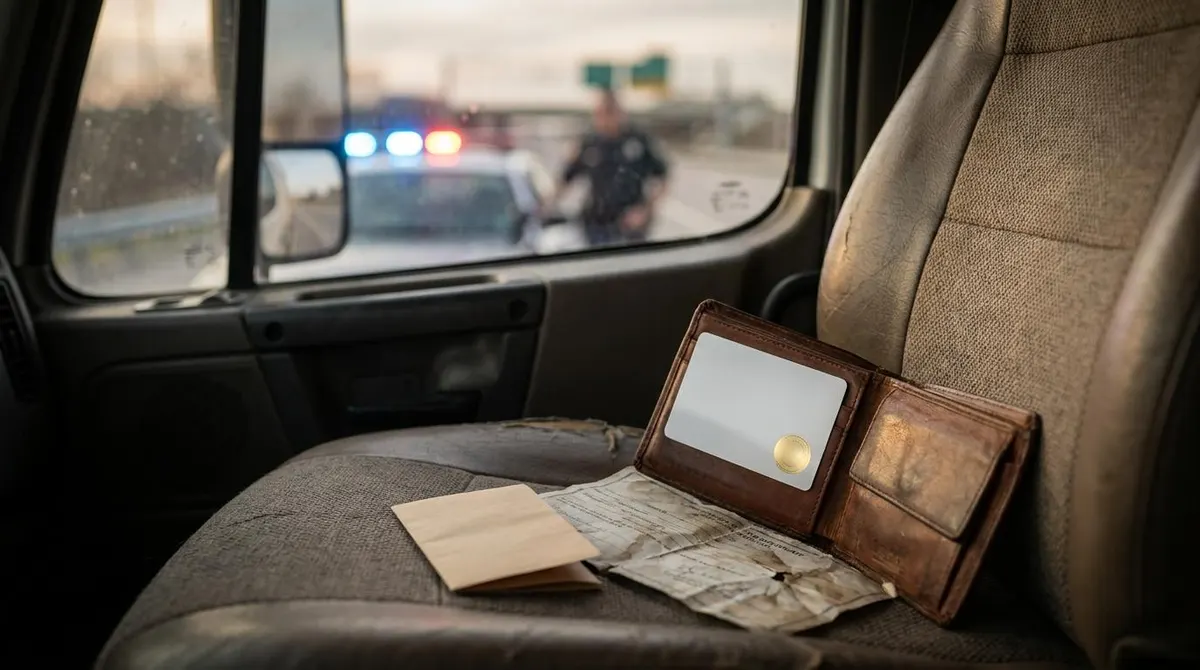
Using an examiner who is not listed on the National Registry is one of the most common and costly mistakes commercial drivers make. If your physical is performed by an unlisted provider, your medical certificate has no legal standing, and your CDL certification status will not be updated. You may be required to repeat the entire exam at your own expense. In some cases, driving on an invalid certificate can expose you to enforcement action during a roadside inspection.
The National Registry of Certified Medical Examiners is the only authoritative source for verifying examiner status. A clinic advertising DOT physicals does not automatically guarantee that every provider in that clinic is NRCME-certified. Always confirm the specific individual conducting your exam is listed before the appointment begins.
How to Verify a Provider Using Official .gov Websites

Verifying a provider is straightforward using the FMCSA's official National Registry search tool, which is available at the FMCSA National Registry portal. The search tool allows you to find certified examiners by name, location, clinic name, or zip code. Always confirm that the URL ends in .gov before entering any personal information. The FMCSA has issued active fraud alerts warning commercial drivers about phishing schemes that use professional-looking websites with non-.gov domains to impersonate federal portals.
When searching for a provider near you, use the NRCME search tool directly rather than relying on third-party directories, which may contain outdated information. A provider who was certified in a prior year may not have maintained their listing if they failed to complete recertification requirements.
KEY TAKEAWAY: Always verify your examiner on the official FMCSA National Registry at a .gov URL before your appointment to ensure your medical certificate will be legally valid.
Once you have confirmed the examiner, the next question many drivers have is whether their driving category, specifically interstate versus intrastate, changes which rules apply to them.
Interstate vs. Intrastate Commerce: Does It Affect Where You Can Go?

The distinction between interstate and intrastate commerce is one of the most misunderstood areas in commercial driver compliance, but it does not change the core answer: any FMCSA-approved examiner in any state can perform your DOT physical. What interstate and intrastate status affects is which set of medical standards apply to you and whether your state has any additional requirements layered on top of the federal baseline.
Requirements for Interstate Commercial Drivers

Interstate commerce, as defined under 49 CFR 390.5, covers trade, traffic, or transportation between a place in one state and a place outside that state, between two places in a state through another state, or between two places in a state as part of transportation that originates or terminates outside the state. As the FMCSA explains, interstate status is determined by the essential character of the movement and the shipper's intent, not merely by whether the driver physically crosses a state line on any given trip.
Every driver operating in interstate commerce who drives a commercial motor vehicle with a GVWR exceeding 10,001 pounds, transports hazardous materials requiring a placard, or operates a vehicle designed to carry 15 or more passengers (including the driver) must hold a current DOT medical certificate issued by an NRCME-listed examiner. This certification must be renewed at least every 24 months, though shorter certification periods apply when a health condition requires closer monitoring.
Understanding Intrastate Commerce and State-Specific Variances

Intrastate commerce refers to trade, traffic, or transportation that occurs entirely within a single state and does not connect to any out-of-state movement. Drivers who operate exclusively in intrastate commerce are subject to their home state's medical requirements, which may mirror or differ slightly from the federal standard. Some states adopt the FMCSA medical standard wholesale; others have modified or added requirements for their intrastate drivers.
Critically, if you operate intrastate but your cargo originates from or is destined for another state, your operation qualifies as interstate commerce under federal guidance, even if you never leave your home state. The legal test, as clarified by the FMCSA, is the shipper's fixed and persistent intent at the time of shipment, not the driver's physical route.
Excepted vs. Non-Excepted Driver Status

When renewing or applying for a CDL, commercial drivers must self-certify their operating status in one of four categories: Non-Excepted Interstate, Excepted Interstate, Non-Excepted Intrastate, or Excepted Intrastate. Non-excepted drivers in both interstate and most intrastate categories must meet the federal medical qualification standards and hold a valid medical certificate. Excepted Interstate and Excepted Intrastate drivers operate vehicles that fall under specific regulatory exemptions and may not be required to meet the same medical certification standards.
Most commercial truck drivers fall under the Non-Excepted Interstate category, which means the full federal DOT physical requirements apply, and the exam can be completed with any NRCME-listed examiner anywhere in the United States.
KEY TAKEAWAY: Interstate drivers must meet full federal medical standards using any NRCME-listed examiner nationwide; intrastate drivers may face state-specific variations, so confirm your home state's requirements if you operate exclusively within one state.
Knowing your compliance category is only half the equation. After the exam, there is a critical reporting step that many drivers overlook entirely.
The Critical Step: Reporting Your Results to Your Home State

Completing your DOT physical exam is not the final step. Your Medical Examiner's Certificate must be linked to your CDL record in your home state's driver licensing system. Failure to complete this step can result in an administrative CDL downgrade, even if you have a valid physical medical card in your wallet.
Why Your Medical Examiner's Certificate Isn't Automatically "Linked"

Beginning June 23, 2025, the FMCSA's Medical Examiner Certification Integration Final Rule (commonly called NR II) requires certified medical examiners to electronically submit all DOT physical examination results to FMCSA's National Registry, which then transmits that information to the State Driver Licensing Agency associated with the driver's home state CDL record. This electronic transmission is designed to eliminate the reliance on paper medical cards as the primary proof of certification status.
However, drivers should be aware that this rule represents a significant transition. The FMCSA extended a waiver allowing CDL drivers to use paper medical certificates through January 2026 while states and examiners completed system integration. Until your home state's SDLA confirms electronic receipt, keeping your paper Medical Examiner's Certificate (MCSA-5876 form) is strongly recommended as a backup.
How to Submit Your Medical Card to Your State Driver Licensing Agency (SDLA)

The FMCSA's state-by-state submission guide provides specific instructions for each state. Some states have fully integrated electronic submission, where the examiner's report flows directly into the CDLIS driver record without any action required from the driver. Others still require the driver to submit a copy of the medical certificate directly to the state DMV or licensing office, either in person, by mail, by fax, or through an online portal.
If you obtain your DOT physical out of state, your responsibility to submit results to your home state does not change. The examiner in a different state can only report to FMCSA. You remain responsible for confirming that your home SDLA has updated your record.
Common Methods of Submission: Online Portals, Email, and Faxes

Submission methods vary by state. Many states now accept uploads through their commercial driver portal, which typically requires your CDL number and date of birth. Others still accept faxed copies of the MCSA-5876 form or scanned email attachments sent to a designated licensing office address. A small number of states require in-person submission at a DMV office.
If you obtain your exam in another state while on a long run and cannot submit in person, confirm whether your home state accepts electronic or fax submission. Keep a digital copy of your medical certificate for this purpose.
The Importance of the CDLIS MVR Update

The Commercial Driver's License Information System Motor Vehicle Record (CDLIS MVR) is the authoritative record of your medical certification status. Employers are now expected to verify medical certification by checking the CDLIS MVR rather than relying solely on a paper card. During a roadside inspection, enforcement officers can also access your certification status through the CDLIS system. If your home state has not updated your CDLIS MVR after your exam, your record may show an expired or missing medical certification even if you have a valid paper card, which can create compliance issues during enforcement stops.
KEY TAKEAWAY: Complete the submission step after your exam by confirming your Medical Examiner's Certificate has been transmitted to your home state SDLA and that your CDLIS MVR shows an updated, valid certification status.
With the post-exam process clear, the next practical question is what to expect when you sit down for an out-of-state exam and how to prepare.
What to Expect During an Out-of-State DOT Physical

Because the DOT physical follows the same federal standards at every certified clinic in the country, an out-of-state exam is no different in content or process from one conducted in your home state. The exam is governed by 49 CFR Part 391 and uses the same federal forms regardless of location.
Standardized DOT Physical Requirements Under 49 CFR

The DOT physical exam, formally called the Commercial Driver Medical Examination, includes a review of your medical history, a general physical examination, a vision test, a hearing test, a blood pressure and pulse rate assessment, and a urinalysis. The Medical Examination Report Form (MCSA-5875) is the standard document used at every certified exam. After a successful exam, the examiner issues the Medical Examiner's Certificate (MCSA-5876), which serves as your medical card.
The Vision and Hearing Test
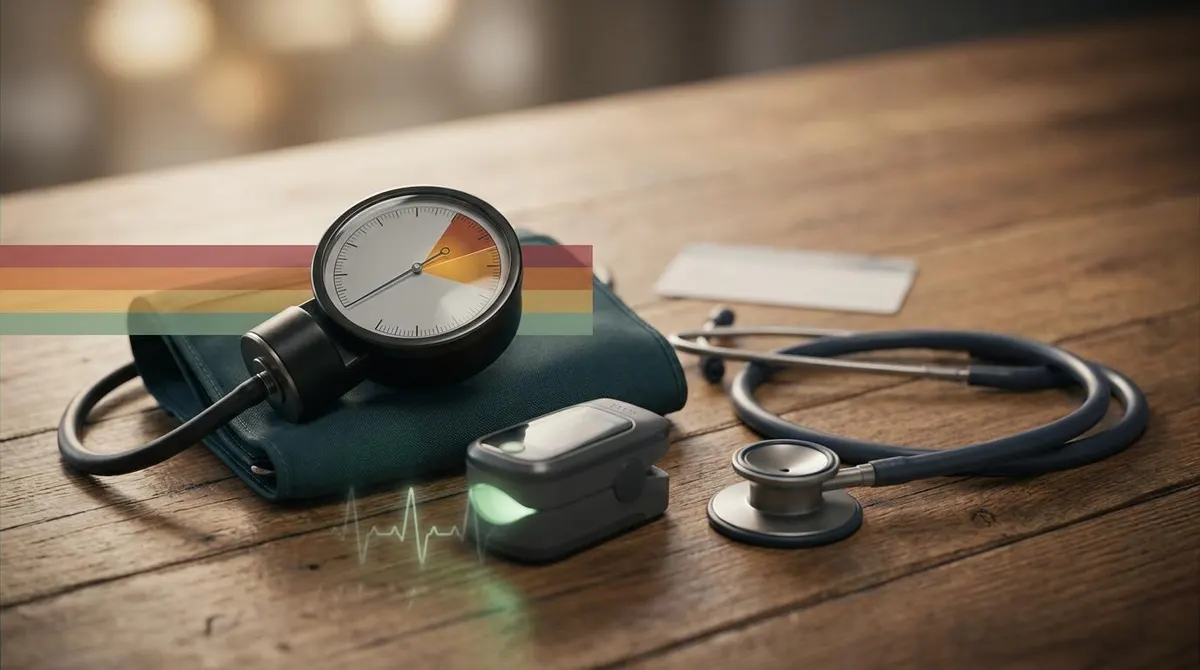
Under 49 CFR Part 391, Section 391.41(b)(10), commercial drivers must demonstrate visual acuity of at least 20/40 in each eye, with or without corrective lenses, and a horizontal peripheral vision of at least 70 degrees in each eye. Drivers who fail the vision test in one eye but meet standards in the other may still be eligible for certification under specific conditions or may qualify for an exemption.
For hearing, the FMCSA standard under 49 CFR 391.41(b)(11) requires a driver to perceive a forced whispered voice in the better ear at not less than five feet, with or without a hearing aid, or to pass an audiometric test showing no average hearing loss in the better ear greater than 40 decibels at 500 Hz, 1,000 Hz, and 2,000 Hz.
Blood Pressure and Pulse Rate Standards

Blood pressure is one of the most common reasons for shortened certification periods or temporary disqualification. The FMCSA's blood pressure guidance under Section 391.41(b)(6) establishes the following thresholds:
| Blood Pressure Reading | Certification Period |
|---|---|
| Below 140/90 mmHg | Up to 2 years |
| 140-159 / 90-99 mmHg (Stage 1) | 1 year |
| 160-179 / 100-109 mmHg (Stage 2) | 3 months (one-time) |
| 180/110 mmHg or above (Stage 3) | Disqualified until controlled |
If you are on antihypertensive medication, your examiner will typically require at least an annual certification rather than the standard two-year period.
Urinalysis: Why It's a Medical Screen, Not a Drug Test

A common misconception among commercial drivers is that the urine test performed during a DOT physical is a drug screen. It is not. The urinalysis required under the DOT physical is a medical health screening that checks for indicators of conditions such as diabetes and kidney disease that could affect your ability to drive safely. Drug and alcohol testing is a separate program governed by 49 CFR Part 382 and is conducted entirely outside the physical exam process.
Preparing for Your Exam While on the Road

If you are scheduling an exam while away from your home state, the preparation steps are identical to what you would do at home. Use the FMCSA National Registry search to find a certified provider near you. Arrive able to provide a urine sample. If you take any prescription medications, bring a complete list. If you have a chronic condition such as hypertension, diabetes, or sleep apnea, bring recent documentation from your treating physician.
KEY TAKEAWAY: The DOT physical exam follows the exact same federal standards and forms everywhere in the country, so preparation for an out-of-state exam is no different from one conducted in your home state.
Knowing what to expect during the exam helps, but arriving with the right documentation is what prevents delays and repeat visits.
Essential Documentation to Carry With You
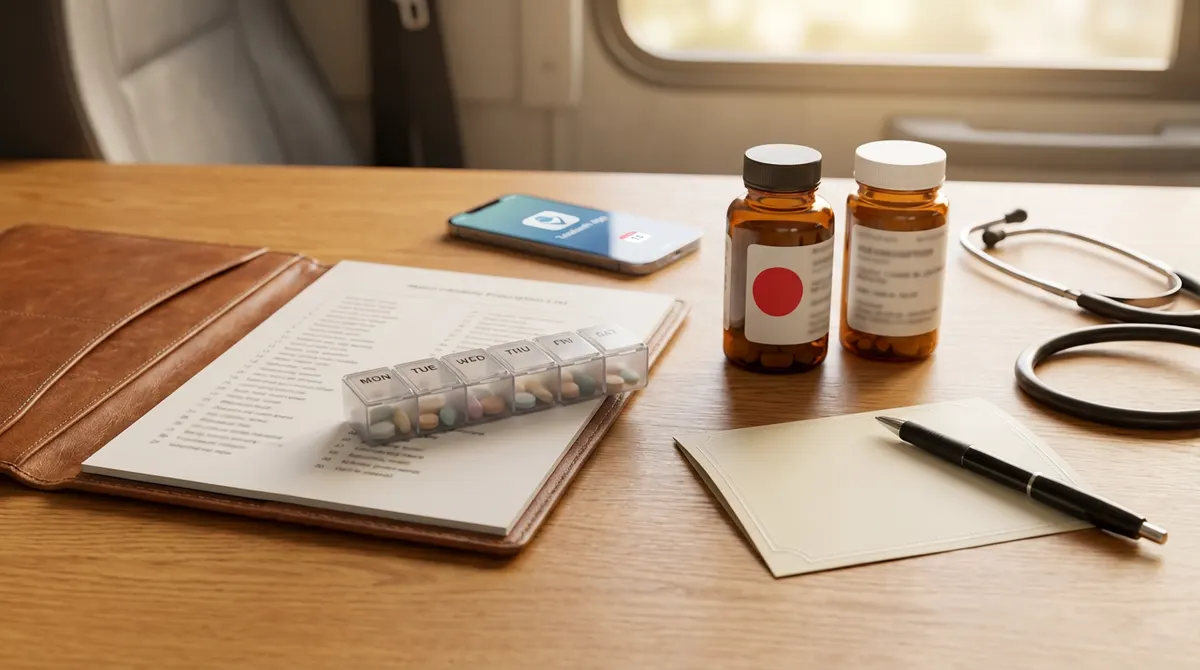
Documentation is one of the most controllable variables in a DOT physical. Missing records are among the leading reasons drivers must reschedule their exams, which can cost additional fees and delay recertification.
Managing Medical History and Current Prescriptions

Bring a written or printed list of all current medications, including dosages and prescribing physicians. Examiners are required to review your medication list as part of the medical history process. Some medications, including certain seizure medications and controlled substances such as methadone, can affect eligibility. If you take a medication with a potential impact on driving fitness, having a note from your prescribing physician explaining the condition and confirming safe driving status can prevent a certification delay.
Your complete medical history form should include all past diagnoses, hospitalizations, surgeries, and any conditions currently under treatment. Incomplete or inconsistent medical history forms can raise compliance concerns and may extend your exam time significantly.
Documentation for Chronic Conditions: Diabetes, Sleep Apnea, and Heart Health
Drivers with chronic conditions need condition-specific documentation. For diabetes, bring a recent HbA1c result no older than three months. For sleep apnea, bring a recent CPAP compliance report showing adherence data, including AHI readings, from no more than one month prior. FMCSA guidance indicates that drivers with obstructive sleep apnea can continue driving when treatment is effective and compliance is demonstrated. According to the FMCSA, sleep apnea does not automatically disqualify a driver, but moderate to severe untreated sleep apnea that interferes with safe driving is disqualifying.
The FMCSA estimates that 28% of commercial truck drivers have sleep apnea, making it one of the most common conditions affecting the certification process. If you have been diagnosed or suspect you may have sleep apnea, taking an at-home sleep test before your DOT physical is a practical way to get documentation that supports your certification appointment.
For cardiac history, bring cardiologist clearance notes and stress test results no older than two years. Drivers with a history of heart attack, stent placement, or cardiac surgery typically need a cardiologist's written confirmation of fitness for commercial driving.
What to Do If You Require a Skill Performance Evaluation (SPE) Certificate

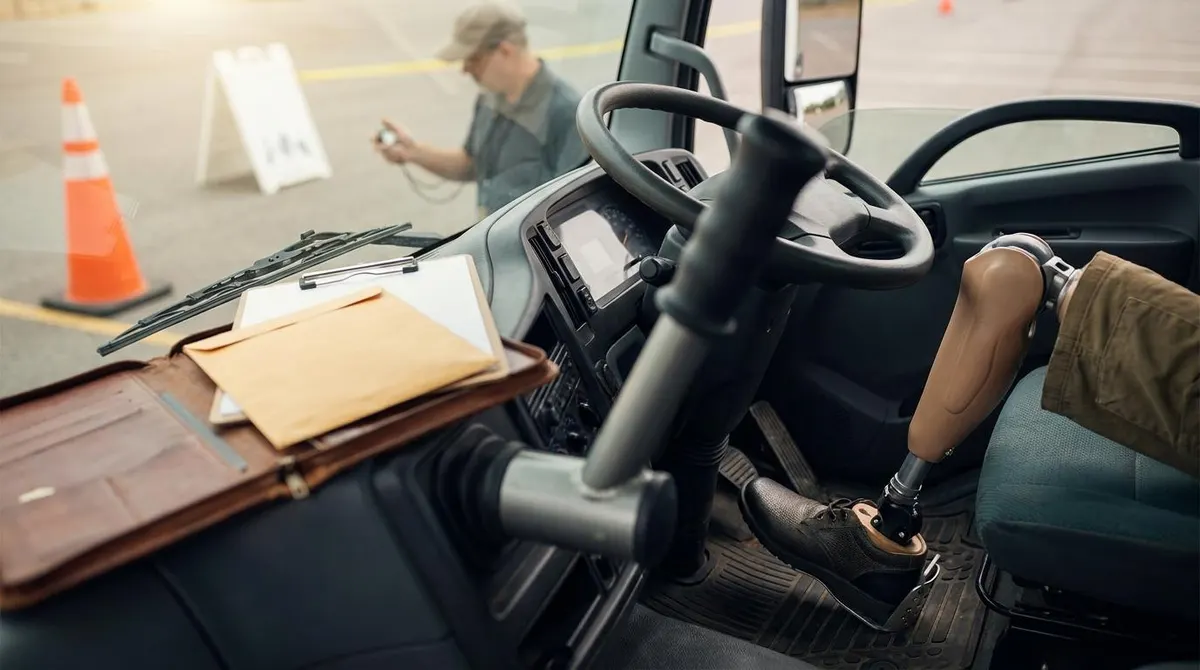
A Skill Performance Evaluation certificate is required for drivers who have a limb impairment or amputation that would otherwise disqualify them from medical certification under 49 CFR 391.41. The SPE program, governed by 49 CFR 391.49, allows drivers with physical impairments to demonstrate through a standardized road test that they can safely operate a commercial motor vehicle.
To apply for an SPE certificate, you must submit an application that includes your medical examination results, the completed MCSA-5876 form, a medical evaluation summary from a board-certified physiatrist or orthopedic surgeon, a road test certificate, and employment application materials. The application is processed at the federal level, meaning it is not state-specific and applies nationally once issued.
KEY TAKEAWAY: Arrive at your DOT physical with complete documentation for any chronic conditions, including recent CPAP compliance data for sleep apnea or specialist clearance notes for cardiac or metabolic conditions, to avoid rescheduling.
Understanding your documentation obligations also connects to understanding the limits of your employer's authority over where and how you get that exam done.
Employer Requirements vs. Federal Law

Many commercial drivers are unclear about what their employer can and cannot legally require when it comes to DOT physicals. The answer matters because some employers attempt to direct drivers to specific clinics or networks, which can create confusion about your rights and compliance obligations.
Can Your Company Mandate a Specific Clinic or State?

Your employer cannot require you to obtain your DOT physical in a specific state. Federal law does not grant employers geographic authority over where a driver's federally-required medical examination is conducted. Provided the examiner is listed on the National Registry of Certified Medical Examiners and the exam complies with 49 CFR Part 391, the resulting certificate is valid nationwide, and an employer cannot reject it solely because it was issued at a different clinic or in a different state.
Some employers have internal policies recommending or preferring specific clinic networks because those networks allow faster reporting or integrated billing workflows. These are administrative preferences, not legal mandates, and they do not override your right to use any NRCME-certified examiner anywhere in the country.
Dealing with "Network" Providers like Concentra

Occupational health chains such as Concentra operate nationwide and have NRCME-certified examiners at many of their locations. Employers sometimes steer drivers toward these networks for logistical convenience. There is no federal prohibition on an employer recommending such a provider, but neither you nor your employer can use network membership as a substitute for NRCME certification verification. Always confirm that the specific examiner you see is listed on the National Registry, regardless of the clinic's brand or national reputation.
If your employer is directing you to a specific provider and that creates financial or logistical hardship, the key question is whether you are being asked to see an NRCME-certified examiner. If you are, the choice of that examiner over another certified option may be an internal company policy matter rather than a federal compliance question.
Payment Logistics: Self-Pay vs. Employer-Billed Exams

DOT physicals are not covered by health insurance in the traditional sense. Some employers pay for the exam directly or through a clinic account; others require drivers to pay out of pocket and submit for reimbursement. Self-pay costs typically range from $75 to $200 depending on the clinic and region.
If you are paying out of pocket, transparent cash-pay options can reduce uncertainty and help you plan your exam budget in advance. For drivers managing sleep apnea alongside their DOT physical, Dumbo Health's at-home sleep test program offers a $149 one-time cost for the home sleep test device and one night of testing, with no insurance required and no prior authorizations.
KEY TAKEAWAY: Federal law permits you to use any NRCME-listed examiner in any state regardless of employer preferences, though employers may direct you to specific networks for administrative convenience as long as those examiners are properly certified.
Understanding your employer's limited authority helps, but the real risks commercial drivers face when getting an out-of-state exam involve what can go wrong, and how to avoid it.
Potential Roadblocks and How to Avoid Them

Getting a DOT physical in another state is legally straightforward, but there are real-world risks that drivers need to understand. Awareness of these risks is the difference between a clean certification and a compliance problem that follows you across state lines.
What Happens If You Fail an Exam Out-of-State?

If you receive a disqualifying result or a determination-pending status during an out-of-state exam, your options are the same as they would be in your home state. You can address the underlying medical condition, gather the required documentation, and seek re-examination by a different NRCME-listed examiner. Under the Medical Examiner Certification Integration Final Rule, a disqualification result is now electronically transmitted to FMCSA and then to your home SDLA, which means it becomes part of your record regardless of where the exam took place.
If your CDL record is updated to reflect a failed or pending medical status, your home state may administratively downgrade your CDL until the certification is resolved. This affects your ability to operate commercially, so it is critical to address any disqualification promptly rather than simply seeking another examiner without resolving the underlying condition.
The Risk of "Doctor Shopping" and the National Database

Doctor shopping, which occurs when a driver seeks multiple examiners after receiving an adverse result in an attempt to find one who will issue a certificate, is illegal and carries serious consequences. As the FMCSA has clarified, all examination results, including disqualifications and pending determinations, are logged in the National Registry. Since the 2025 reporting mandate requires next-day digital reporting, a disqualification at one clinic becomes visible to all other certified medical examiners and to enforcement authorities within 24 hours.
Drivers caught doctor shopping can face civil penalties, certificate revocation, and in cases involving falsified medical records, criminal liability. Providing false or incomplete information to a medical examiner is a federal violation that can result in fines and up to five years of imprisonment in cases involving deliberate fraud.
Avoiding Fraudulent Providers and Fraudulent Text Messages

The FMCSA has issued multiple active fraud alerts warning commercial drivers and carriers about phishing schemes targeting the trucking industry. The FMCSA's fraud alert page states that FMCSA will never request payment or sensitive information through unsolicited messages, emails, or text messages. Fraudulent text messages, emails, and websites may impersonate FMCSA or DOT portals to steal personal information or collect illegal payments for fake certifications.
Always verify that any DOT-related website you use ends in .gov before entering any personal information. If you receive a message claiming to offer accelerated medical certification or threatening compliance consequences unless you pay a fee, do not respond and report it to the FMCSA Contact Center at 1-800-832-5660 or through the FMCSA official portal.
KEY TAKEAWAY: A disqualification recorded during any DOT physical now enters the federal database within 24 hours, making doctor shopping both easily detectable and subject to serious legal penalties.
With fraud and compliance risks addressed, the next area that affects specific drivers is the relationship between the type of vehicle or cargo you operate and the medical standards that apply.
Common Myths About DOT Physicals Debunked

Misinformation about DOT physical requirements leads drivers to make decisions that can cost them their certification, their job, or their legal standing. The following myth-and-fact pairs address the most common and consequential misconceptions in circulation.
MYTH: You only need a DOT physical if you physically cross state lines on every trip.
FACT: Interstate commerce is determined by the essential character of the movement and the shipper's intent, not by whether the driver crosses a state line on a specific trip. The FMCSA clarifies that if the freight or transportation is part of a continuous interstate journey, the driver is engaged in interstate commerce even if their route stays entirely within one state. Many local and regional drivers are technically interstate drivers and must hold a valid DOT medical certificate.
MYTH: The urine test at a DOT physical will detect drugs and could cost you your job.
FACT: The urinalysis performed during a DOT physical is a medical health screening, not a drug test. It checks for indicators of medical conditions such as diabetes, kidney disease, or metabolic disorders that could affect safe driving. Drug and alcohol testing is a separate program governed by 49 CFR Part 382 and is conducted independently from the physical exam. The two tests use different forms, different protocols, and different laboratory processes.
MYTH: If you fail a DOT physical, you cannot get another one and will lose your CDL permanently.
FACT: A failed DOT physical does not result in permanent CDL loss. Many disqualifying conditions, including uncontrolled high blood pressure, untreated sleep apnea, and poorly managed diabetes, can be addressed through treatment and documented follow-up care. Once the condition is under control and supporting documentation is provided to a certified medical examiner, many drivers successfully obtain certification. The FMCSA also provides exemption programs for certain conditions, including vision and diabetes exemptions, which allow drivers who do not meet standard thresholds to continue operating under supervised conditions.
MYTH: A chiropractor cannot perform a DOT physical.
FACT: Doctors of chiropractic are eligible to become certified medical examiners under the NRCME program in states where their scope of practice includes the relevant examination components. As the NRCME training guidelines confirm, eligible examiner types include MDs, DOs, PAs, advanced practice nurses, and chiropractors. If a chiropractor is listed on the National Registry, their examination and the resulting certificate are fully valid under federal law.
MYTH: sleep apnea automatically disqualifies you from holding a CDL.
FACT: Sleep apnea does not automatically disqualify a commercial driver. The FMCSA states clearly that drivers who are successfully treated for sleep apnea and demonstrate treatment compliance can maintain their medical certification. The disqualifying level is moderate to severe obstructive sleep apnea that interferes with safe driving and is not being treated. Drivers who use CPAP therapy consistently and bring compliance documentation to their DOT physical typically face no barrier to certification. Dumbo Health's sleep apnea care solutions are designed specifically to support commercial drivers through diagnosis, treatment, and ongoing CPAP compliance monitoring.
KEY TAKEAWAY: Most DOT physical disqualifications are treatable and manageable conditions, not permanent career-ending events, and many widely believed myths cause unnecessary fear that prevents drivers from seeking the care they need.
The facts behind these myths also set the stage for understanding how specialized vehicle types and cargo categories create additional medical considerations.
Specialized Considerations for Commercial Vehicles
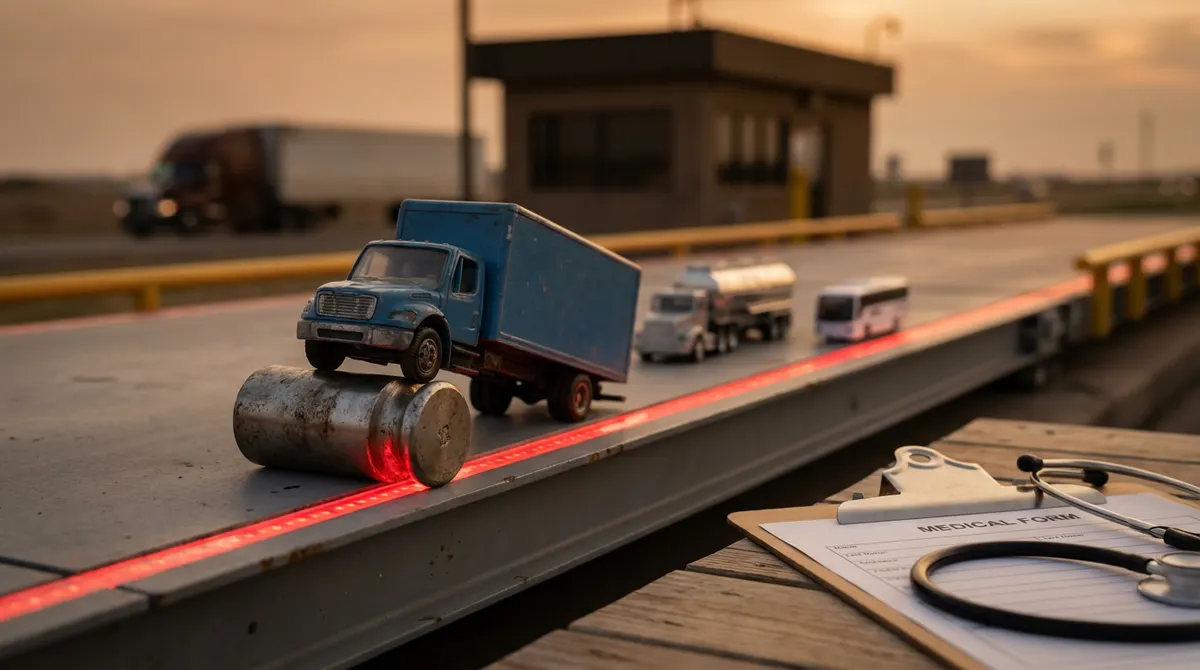
Not all commercial vehicles carry the same medical requirements. Certain cargo types and vehicle configurations trigger higher or additional medical standards that drivers must understand before seeking certification.
Gross Vehicle Weight Rating (GVWR) and Medical Requirements
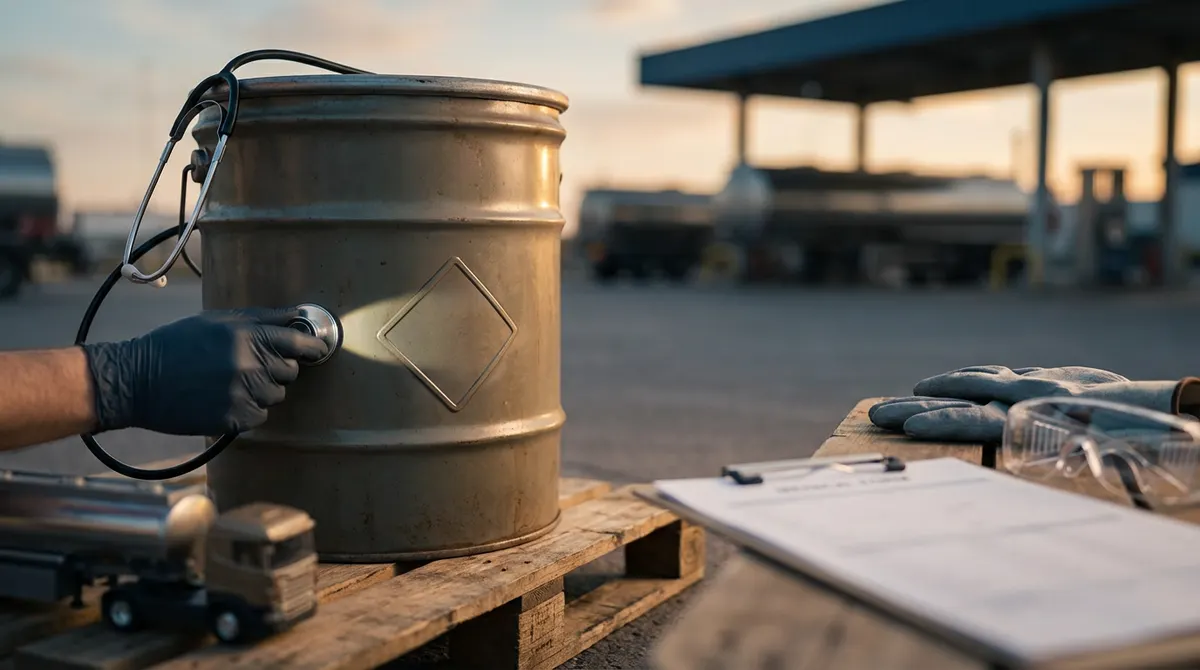
The Gross Vehicle Weight Rating threshold of 10,001 pounds is the baseline trigger for federal DOT medical certification requirements for most commercial drivers. Vehicles with a GVWR or Gross Combination Weight Rating (GCWR) of 10,001 pounds or more that operate in interstate commerce require the driver to hold a valid medical certificate issued by an NRCME-listed examiner. This threshold applies to a wide range of vehicles including box trucks, flatbeds, tankers, and semi-trucks, not just Class A CDL vehicles.
Drivers operating vehicles below this threshold may still be subject to DOT medical requirements if the vehicle transports hazardous materials requiring placarding or is designed to carry more than 15 passengers including the driver.
Transporting Hazardous Materials and Medical Clearances

Drivers with a hazardous materials (HAZMAT) endorsement on their CDL are subject to the same baseline DOT physical standards as other interstate commercial drivers, with no separate medical exam required solely because of the HAZMAT designation. However, the nature of hazardous materials transport means that any medical condition affecting judgment, reaction time, or physical control is reviewed with particular scrutiny. Examiners may apply additional clinical judgment when evaluating conditions in the context of high-consequence cargo.
HAZMAT drivers are also subject to security threat assessment requirements through the Transportation Security Administration, which operates separately from the medical certification process.
Passenger Endorsements and Higher Medical Standards

Drivers operating vehicles designed to transport more than 15 passengers including the driver, such as buses and large passenger vans used in interstate commerce, are subject to the same FMCSA medical certification standards as other commercial drivers. Because of the passenger safety implications, examiners conducting physicals for passenger-carrying drivers may exercise heightened scrutiny for conditions affecting alertness, cardiovascular health, and neurological function.
IMPORTANT: If you operate a school bus or other specialized passenger vehicle, confirm whether your state imposes additional medical requirements beyond the federal baseline for that specific vehicle category, as some states have supplementary standards for school bus operators and transit drivers.
KEY TAKEAWAY: The vehicle type, GVWR, and cargo category determine whether a DOT physical is required and may influence how certain medical conditions are evaluated, but the exam itself follows the same federal format nationwide.
With all the critical information covered, the following checklist gives you a clear step-by-step process for getting your out-of-state physical completed without gaps.
Summary Checklist for Getting Your DOT Physical Out-of-State

The following five steps represent the complete process for obtaining a valid, nationally recognized DOT medical certificate from an examiner in any state.
Step 1: Locating a Certified Provider
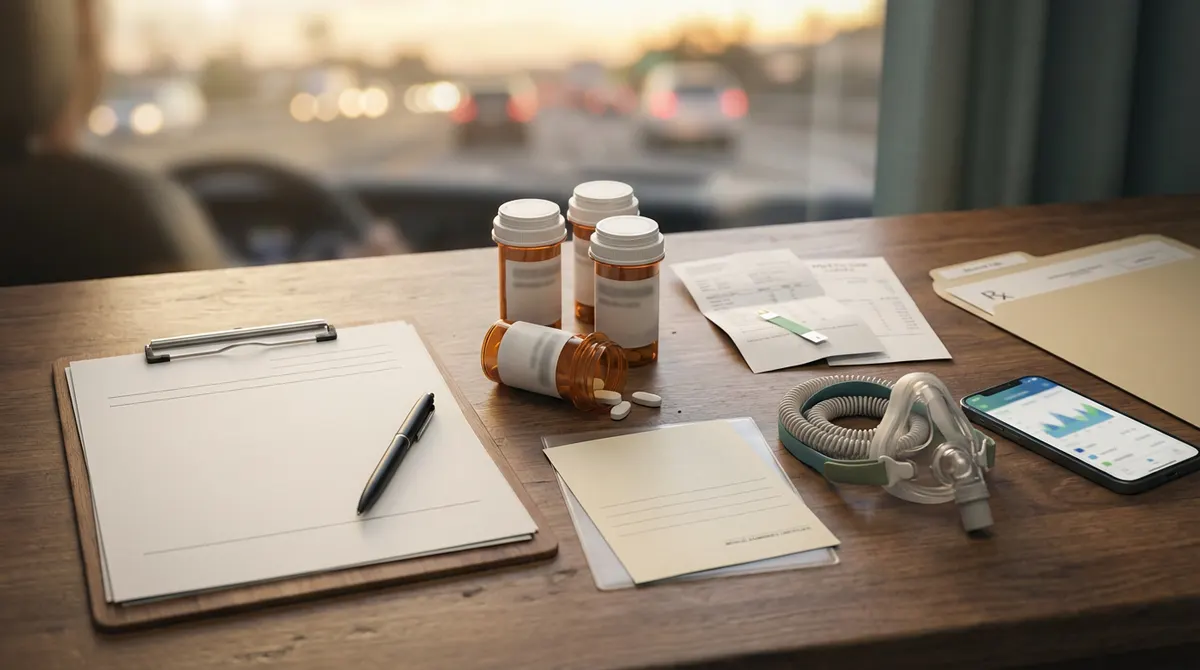
Use the FMCSA National Registry search tool at the official FMCSA portal to find NRCME-listed examiners near you. Search by zip code or city for your current location. Confirm the specific individual conducting your exam is listed, not just the clinic name. Verify the search is conducted through a .gov domain to avoid fraudulent provider directories.
Step 2: Gathering Your Medical Records
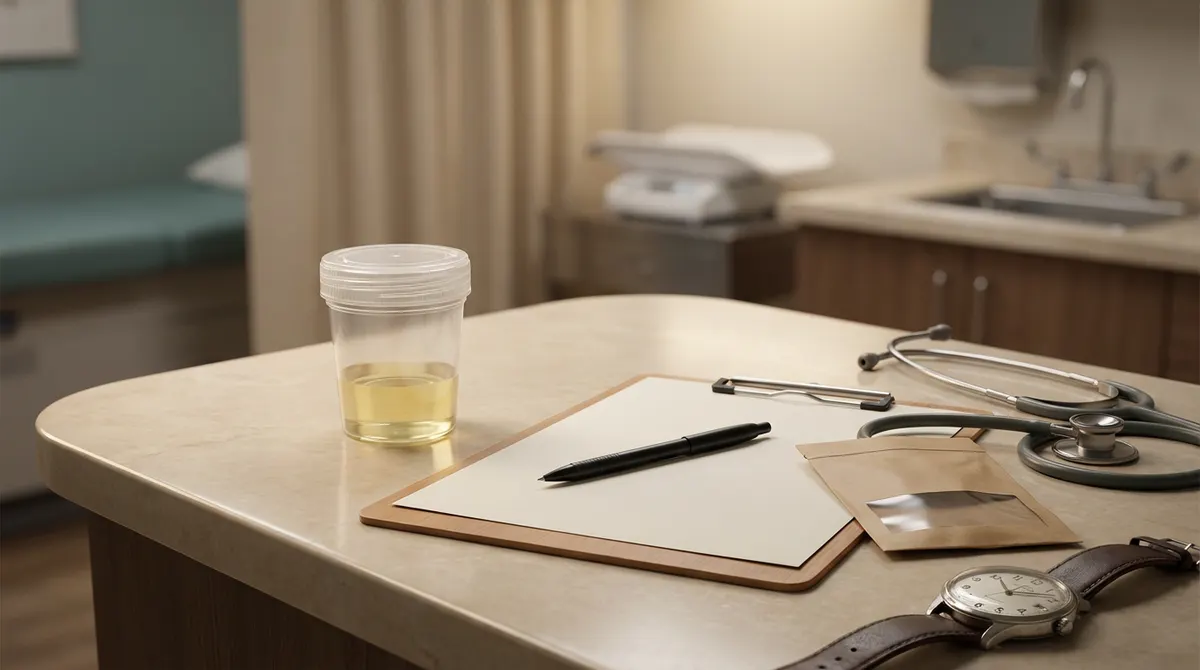
Compile all relevant documentation before your appointment. This includes a complete list of current medications with dosages, any specialist clearance letters for chronic conditions such as heart disease or diabetes, recent HbA1c results if you have diabetes, and CPAP compliance data if you have diagnosed sleep apnea. Bring your current medical examiner's certificate if one is still valid, along with any prior examination history that may be relevant.
Step 3: Completing the Examination

Arrive ready to provide a urine sample. Complete the MCSA-5875 medical history form accurately and fully. Disclose all conditions, medications, and prior examination results. Incomplete disclosures can constitute a federal violation and may affect the validity of any certificate issued. The exam typically takes 30 to 60 minutes depending on complexity.
Step 4: Transmitting the Medical Examiner's Certificate to Your SDLA

After your exam, confirm whether your examiner's clinic has completed the electronic submission to FMCSA. Keep a copy of your MCSA-5876 medical certificate. Then contact your home state's SDLA or visit the FMCSA state-by-state submission guide to confirm the submission method required by your home state. Complete any additional state-level submission steps within the timeframe required by your state.
Step 5: Verifying Your Updated Status on Your MVR

Allow several business days after submission for your CDLIS MVR to reflect the updated certification status. Contact your home state DMV or use their online portal to pull a current MVR and confirm the medical certification date and expiration have been updated. If your record shows an expired or missing certification after the expected processing window, contact your state's CDL medical certification unit directly to resolve the discrepancy.
TIP: Take a screenshot or save a PDF of your updated CDLIS MVR once it reflects your new certification. This gives you a timestamped record that can be used during any enforcement inquiry until your paper card arrives or your electronic record is fully propagated.
KEY TAKEAWAY: Completing all five steps, including verifying your CDLIS MVR update, is the only way to confirm your certification is fully valid and recognized by enforcement officials, employers, and insurance carriers.
Frequently Asked Questions
Does my medical card expire sooner if I get it in a different state?
No. The expiration date on your Medical Examiner's Certificate is determined by your medical condition and the clinical judgment of your examiner under federal standards, not by the state where the exam takes place. If your blood pressure is below 140/90, you are eligible for a two-year certification regardless of which state issued it. Shorter certification periods of one year, three months, or six months apply when specific health conditions such as controlled hypertension or monitored sleep apnea require more frequent review. The state of examination has no bearing on the length of your certification.
Can a chiropractor perform my DOT physical in another state?
Yes, in most states. Doctors of chiropractic are eligible to become NRCME-certified medical examiners provided their state license covers the relevant scope of practice. The NRCME training program explicitly lists doctors of chiropractic as qualifying professionals alongside MDs, DOs, PAs, and advanced practice nurses. As long as the chiropractor is listed on the National Registry, their exam and the resulting certificate are fully valid under federal law anywhere in the country. Always verify the individual examiner's listing before your appointment.
What if my home state has stricter vision requirements than the federal standard?
For drivers certified as Non-Excepted Interstate, the federal vision standard under 49 CFR 391.41(b)(10) applies, and state-specific variations do not override it for interstate certification. However, if you operate under an intrastate CDL and your home state has adopted stricter vision standards, those state rules apply. If you obtained your exam in another state that uses the federal baseline standard, your home state may review whether the exam results meet their intrastate requirements. Confirm your operating category and your home state's specific standards before assuming the federal threshold is sufficient for your situation.
What happens if I forget to send my DOT physical results to my home state?
If your home state does not receive updated medical certification information, your CDLIS MVR will continue to show your previous certification status. If that certification expires, your CDL may be administratively downgraded, meaning you can no longer legally drive commercial vehicles until your certification status is updated. Under the NR II electronic reporting rule, FMCSA-compliant examiners now transmit results directly to FMCSA, which forwards the data to your SDLA. However, processing delays can occur. Monitor your MVR after each exam and contact your SDLA proactively if the update does not appear within a reasonable processing window.
Can I get my DOT physical online or through telehealth?
The DOT physical as defined by FMCSA under 49 CFR Part 391 requires an in-person physical examination that includes a urine sample, hands-on clinical assessment, and direct evaluation of vision, hearing, and physical condition. These components cannot be fully replicated through a standard telehealth visit. Providers in your area must perform the exam in person. However, components such as initial medical history intake, documentation review, and some follow-up consultations may be handled through telehealth-enabled platforms. For sleep apnea specifically, Dumbo Health's at-home sleep test program allows drivers to complete the diagnostic sleep study at home, with physician review and CPAP management handled remotely, which is a separate workflow from the DOT physical itself.
Is methadone disqualifying for a DOT physical?
Methadone is listed as a Schedule II controlled substance under federal law and is currently disqualifying for federal DOT medical certification under FMCSA guidance. The FMCSA Medical Advisory Criteria advise that drivers using Schedule II narcotics including methadone are not medically qualified to operate a commercial motor vehicle in interstate commerce. This applies regardless of whether the methadone is prescribed for pain management or as part of an opioid use disorder treatment program. If you are currently on methadone therapy, consult directly with an NRCME-certified medical examiner and review the FMCSA's published guidance for the most current interpretation, as federal policy in this area has been subject to ongoing review.
Do DOT physicals check for hernias?
Yes. The DOT physical includes an abdominal examination that checks for hernias. A certified medical examiner will palpate the abdomen during the physical exam to identify any hernias or other abdominal abnormalities. An existing hernia does not automatically disqualify a driver. The examiner evaluates whether the hernia presents a safety risk, whether it is symptomatic, and whether it could be exacerbated by the physical demands of commercial driving. Symptomatic hernias that cause pain, restriction, or risk of incarceration may result in a temporary disqualification until the condition is treated. Asymptomatic hernias that do not affect function are generally not disqualifying on their own.
How do I find a DOT physical provider near me when I am on the road?
The most reliable way to find a certified provider near you is through the FMCSA's National Registry search tool at the official FMCSA portal. Enter the zip code or city where you are currently located and search for NRCME-listed examiners within a practical radius. Many urgent care clinics, occupational medicine centers, and chiropractic offices offer same-day or next-day DOT physicals, making it practical to complete your exam while on a route away from home. Always verify the individual examiner's listing before booking rather than relying solely on the clinic's name.
Conclusion: Staying Compliant While Staying Mobile
You can get a DOT physical in any state because federal law, not state authority, governs the medical qualification standards for commercial drivers. As long as your examiner is listed on the National Registry of Certified Medical Examiners, the resulting certificate is valid nationwide and must be recognized by your employer, your home state, and federal enforcement authorities. The key responsibilities on your side are thorough documentation, honest medical disclosure, and completing the submission step that links your results to your home state CDLIS record. If you have a chronic condition such as sleep apnea, managing that condition proactively through a structured program protects both your certification and your long-term health. Explore Dumbo Health's sleep apnea care solutions to see how at-home testing and ongoing CPAP support can keep you certified, compliant, and on the road.
Related DOT Physical Topics
- Can You Get a DOT Physical Online The Complete Guide for Commercial Drivers
- Can You Get a Second Opinion on Your DOT Physical A Complete Guide for Commercial Drivers
- Does a DOT Physical Test for Weed or THC The Complete Guide for Commercial Drivers
- What Happens If You Fail a DOT Physical Twice The Complete Guide for Commercial Drivers
- Remote DOT Physical The Complete Guide for Commercial Drivers
- DOT Physical Forms & Paperwork The Complete Guide for Commercial Drivers
- What Happens During the DOT Physical Exam The Complete Guide for Drivers
- What Happens If You Fail a DOT Drug Test The Complete Guide for Commercial Drivers
- Online DOT Physical The Complete Guide for Commercial Drivers and Medical Examiners
- Online DOT Physical Without Insurance A Complete Guide for Commercial Drivers
- Online DOT Physical Self-Pay The Complete Guide for CDL Drivers and Owner-Operators
- DOT Hypertension Guidelines The Complete Blood Pressure Guide for Commercial Drivers
- The Ultimate DOT Physical Guide for Commercial Drivers (2025–2026)
- How Long Does a DOT Physical Take A Complete Guide for Commercial Drivers
- DOT Physical ICD-10 & Billing Codes The Complete Guide for Accurate Compliance and Reimbursement
- Home Sleep Apnea Test for Commercial Drivers The CDL Holder's Complete Guide
- Medical Examiner's Certificate (Form MCSA-5876) The Complete Guide for Commercial Drivers
- Navigating the Florida DOT Physical Your Essential Guide for CDL Drivers
- DOT physical self pay guide for commercial drivers paying out of pocket
- DOT Medical Exam Self-Pay A Complete Guide for Commercial Drivers
- How to Pass a DOT Physical The Complete Commercial Driver's Guide
- What Happens If Your DOT Physical Expires Compliance Guide for Commercial Drivers
- What are the current DOT requirements for sleep apnea testing for commercial drivers
- Medical Examination Report (MER) – Form MCSA-5875 The Complete Guide for Commercial Drivers
- DOT Physical Requirements A Complete Guide for CDL Drivers
- The DOT Physical Exam Ensuring You're Fit for the Road
- Can You Get a DOT Physical Online
- Can You Fail a DOT Physical for Being Overweight
- The Ultimate DOT Preparation Checklist for Motor Carriers and Commercial Drivers
- DOT Physical Insurance & Recertification The Complete Driver's Guide
- Can You Fail a DOT Physical for High Blood Pressure
- BMI for DOT Physical What Commercial Drivers Need to Know
- How Do You Submit Your DOT Physical to the DMV
- What Can Disqualify You From a DOT Physical
- Can You Pass a DOT Physical with Epilepsy
- Essential 171 DOT Definitions for Commercial Drivers
- Can You Pass a DOT Physical With a Hernia
- Can You Pass a DOT Physical With One Eye
- Can You Pass a DOT Physical With a Pacemaker
- What Forms Do You Need for a DOT Physical
- Navigating DOT Stroke Guidelines for CMV Drivers What You Need To Know
- DOT Physical Out of Pocket What Commercial Drivers Actually Pay
- How can drivers with sleep apnea qualify again after a failed DOT physical
- What Is the Urine Test for in a DOT Physical
- Your Complete Guide What's Included in a DOT Physical Exam
- What Are the DOT Requirements for Drivers With Sleep Apnea
- Can you fail a DOT physical because of sleep apnea
- DOT Physical Insurance or Self Pay How to Choose the Right Payment Option for Your Exam
- The Comprehensive Guide to Suboxone, Sleep Apnea, and FMCSA Compliance for Commercial Motor Vehicle Operators
- DOT Physical Chiropractor Your Complete Guide to CDL Exams
- Is a DOT physical the same as a regular physical
- Can you pass a DOT physical with sleep apnea
- DOT Physical at Urgent Care What Commercial Drivers Need to Know
- Can You Pass a DOT Physical with Diabetes
- Can You Pass a DOT Physical with High Blood Pressure
- What are the current FMCSA guidelines on sleep apnea for commercial drivers
- DOT Physical Texas The Essential Guide to Your Exam, Medical Card, and CDL Compliance
- What Does DOT Stand for in a DOT Physical
- What Is the Difference Between a DOT and Non-DOT Physical
- Sleep Apnea Test at Home The Complete Guide to Home Sleep Testing for Adults
- Can You Fail a DOT Physical
- Is a drug test required for a DOT physical
- DOT Physical Cost Breakdown What Drivers Pay & Why
- What Should You Bring to a DOT Physical
- New DOT Physical Requirements What Drivers MUST Know About New Updates
- What blood pressure do you need to pass a DOT physical
- When Can Sleep Apnea Affect a DOT Physical
- DOT Physical Blood Pressure Requirements What Drivers Need to Know
- What happens if you fail a DOT physical due to sleep apnea
- DOT Physical & Drug Test What Drivers Need to Know
- Non-DOT Physical A Comprehensive Guide to Workforce Health and Safety
- Is a Sleep Study Required for a DOT Physical
- Do They Check for Hernia During a DOT Physical
- Do You Have to Pee During a DOT Physical
- What Are the Requirements to Pass a DOT Physical
- What eye chart is used for a DOT physical
- Home Sleep Apnea Test The Complete Guide to At-Home Sleep Apnea Testing
- At-Home Sleep Apnea Test The Complete Guide to Testing, Results, and Treatment
- Failing a DOT Physical What Every Commercial Driver Needs to Know
- Sleep Apnea Test The Complete Guide to Diagnosis, Home Testing, and What Your Results Mean
- Sleep Apnea Testing The Complete Guide to Diagnosis, Home Tests, and What Your Results Mean
- Home Sleep Test The Complete Guide to At-Home Sleep Apnea Testing
- What drugs do they test for in a DOT drug test
- Does a DOT physical include a drug test
- DOT Physical Self Pay Cost
- DOT Physical Exam Basics
- Telehealth Dot Physical
- Sleep Apnea Test for CDL Drivers
- Who needs a DOT physical
- DOT Physical & Alcohol Requirements
- Why do they measure your neck during a DOT physical
- Navigating Your DOT Physical with Common Medical Conditions
- Why DOT Sleep Tests at Home Matter for Your Career and Health
- DOT Physical Online Cost
- Walk In DOT Physical Self Pay
- Are there legal requirements for drivers with sleep apnea
- DOT Physical Cash Pay
- Same Day DOT Physical
- Virtual DOT Physical
- DOT Physical Vision & Eye Requirements
AI summary
A DOT physical is the FMCSA-required commercial driver medical exam governed by federal rules (49 CFR Part 391), so it can be completed in any state when performed by a National Registry of Certified Medical Examiners (NRCME) provider. The certificate is nationally valid for interstate drivers if the examiner is listed on the NRCME. Drivers should verify examiner status using the official FMCSA .gov National Registry search tool to avoid invalid certificates and fraud. The exam uses federal forms (MCSA-5875 and MCSA-5876) and includes medical history review, physical exam, vision and hearing testing, blood pressure evaluation, and urinalysis as a medical screen (not a drug test). Interstate vs. intrastate status affects which medical standards apply, and drivers must self-certify as excepted or non-excepted. After the exam, certification must be reflected in the driver’s home State Driver Licensing Agency (SDLA) record and CDLIS MVR. Under the Medical Examiner Certification Integration Final Rule (NR II), results are electronically reported, and disqualifications are logged, making doctor shopping detectable.

Nicolas Nemeth
Co-Founder
Nico is the co-founder of Dumbo Health, a digital sleep clinic that brings the entire obstructive sleep apnea journey home. Patients skip the sleep lab and the long wait to see a specialist. Dumbo Health ships an at home test, connects patients with licensed sleep clinicians by video, and delivers CPAP or a custom oral appliance with ongoing coaching and automatic resupply in one clear subscription.
Keep reading

How Long Does a DOT Physical Take? A Complete Guide for Commercial Drivers

What Happens If You Fail a DOT Drug Test? The Complete Guide for Commercial Drivers


