Does insurance cover a DOT physical?
DOT physicals are federally required compliance exams for commercial motor vehicle drivers under FMCSA rules, not routine preventive checkups. Because they are classified as an employment or safety certification requirement, most health insurance plans deny coverage. This guide explains typical self-pay pricing, which commonly runs $75 to $150 depending on clinic type and location, plus potential added costs for specialist clearance. It breaks down who often pays based on employment status, including employer reimbursement for company drivers and deductions for owner-operators. It also shows how HSA or FSA funds may be used and what documentation to keep. Finally, it clarifies that insurance may cover medically necessary follow-up care for conditions found during the exam, such as hypertension, diabetes, or sleep apnea.
Struggling with sleep?
Find out if sleep apnea is the reason.
FDA-cleared. $149 flat. Physician-reviewed results in 48 hours.

Does insurance cover a DOT physical?
DOT physical coverage and cost is one of the most misunderstood compliance expenses for commercial drivers, and getting clarity on who pays can protect both your livelihood and your finances. According to the Federal Motor Carrier Safety Administration (FMCSA), every commercial motor vehicle (CMV) operator must maintain a valid Medical Examiner's Certificate under 49 CFR §391.41 to legally drive. This guide covers the full picture: whether insurance covers the exam, what the exam actually costs, how your employment status affects who pays, how to use HSA or FSA funds, and when follow-up care triggers additional costs. If you drive commercially and want to stay certified without overpaying, the information below will walk you through every financial and compliance angle you need to know.
Understanding the DOT Physical: Compliance vs. Healthcare

A DOT physical examination is a federally mandated health assessment that determines whether a commercial driver meets the physical qualification standards set by the FMCSA, not a routine annual checkup. This distinction shapes every financial decision that follows.
The Purpose of the FMCSA National Registry Standards

The FMCSA National Registry of Certified Medical Examiners is the federal database that authorises which healthcare professionals can legally perform DOT physical exams and issue Medical Examiner's Certificates. Only clinicians listed on the National Registry are permitted to conduct these exams and complete Form MCSA-5875 (the Medical Examination Report Form) and Form MCSA-5876 (the Medical Examiner's Certificate). The purpose of these standards is road safety, not individual healthcare: the exam evaluates whether a driver can operate a CMV without posing a public risk.
Why a DOT Exam Differs from a Routine Annual Physical

A DOT physical examination and a routine annual physical share some surface-level similarities, such as blood pressure checks and medical history reviews, but they serve fundamentally different purposes. A routine physical focuses on an individual's overall health and preventive care. A DOT physical examination focuses on safety fitness for duty, assessing specific federal thresholds related to vision, hearing, cardiovascular health, neurological function, and metabolic conditions. The medical examiner is not your treating physician and does not provide ongoing care.
Regulatory Authority: 49 CFR §391.41 and Driver Qualification

Under 49 CFR §391.41, no person may operate a commercial motor vehicle in interstate commerce unless they are medically certified as physically qualified to do so. This regulation defines the health standards drivers must meet, including requirements related to vision acuity, hearing ability, blood pressure levels, and freedom from disqualifying conditions. The regulation also specifies that drivers must carry their current Medical Examiner's Certificate on their person while on duty, with an exception for CDL holders whose certification is electronically reported to the state.
KEY TAKEAWAY: A DOT physical is a federal safety qualification exam, not a medical treatment, and that classification is the root cause of most insurance coverage disputes.
Understanding why the DOT physical is categorised as a compliance expense rather than a healthcare expense is essential before exploring your payment options, which leads directly to the insurance question most drivers ask first.
The Reality of Insurance Coverage for DOT Exams

Most health insurance plans do not cover a DOT physical examination, and the reason comes down to how insurers categorise the exam. Knowing this in advance helps you plan financially and avoid surprise denials.
Why Insurance Companies Often Deny Coverage

Insurance companies typically deny coverage for DOT physicals because the exam is classified as an employment requirement rather than a medically necessary service. Insurers apply coverage to services that diagnose, treat, or prevent illness. A DOT physical examination does not diagnose or treat a condition; it certifies fitness for a specific type of work. Because the exam is required by a federal agency (the Department of Transportation) as a condition of employment, most insurance plans treat it as a work-related expense rather than a clinical one.
DID YOU KNOW: According to the FMCSA, the DOT physical is explicitly described as a safety requirement, not a standard preventive health visit, which directly informs how insurance providers evaluate coverage eligibility.
The "Preventative Care" vs. "Employment Requirement" Distinction

The distinction between preventive care and an employment requirement is the key factor insurance plans use when deciding whether to pay for a DOT physical. Preventive care services, such as annual wellness exams, cancer screenings, or vaccinations, are generally covered under the Affordable Care Act because they aim to detect or prevent disease in an individual. A DOT physical examination serves a different master: it protects the public by verifying that a driver can operate a CMV safely. Even when a DOT exam reveals a treatable condition, the exam itself is not reimbursed as preventive care by most insurance plans.
Common Out-of-Pocket Costs for Uninsured or Denied Claims

When insurance denies coverage or you have no applicable coverage, out-of-pocket costs for a DOT physical typically range from $75 to $150 depending on the provider type and geographic location. Urgent care centres and occupational health clinics at the lower end of that range tend to charge $79 to $110, while specialised private providers or clinics in major metropolitan areas can reach $150 or more. Drivers should also budget for potential follow-up costs if the first exam reveals a condition that requires specialist clearance before certification can be issued.
KEY TAKEAWAY: insurance coverage for a DOT physical is the exception, not the rule, and most commercial drivers should plan to pay out of pocket or through alternative funding options.
Because insurance coverage is rarely available, your employment status becomes the most important factor in determining who actually pays for the exam, which the next section explains in detail.
How Your Employment Status Determines Who Pays

Whether you work for a carrier, operate independently, or are applying for a new position, your employment relationship with a motor carrier shapes your financial responsibility for the DOT physical examination.
Company Drivers: Employer Coverage and Reimbursement Programs

Company drivers employed directly by a motor carrier are in the strongest position for employer-covered DOT physicals. Many carriers, including large trucking companies, treat the DOT physical as a business operating expense and cover the cost directly or through a reimbursement programme. While no federal law requires employers to pay for DOT physicals, it is standard practice among reputable carriers because the exam benefits the company's compliance record. If your employer does not cover the cost, it is worth asking whether a reimbursement policy exists before you schedule your exam.
Owner-Operators: Navigating Self-Payment and Tax Deductions

Owner-operators are responsible for their own DOT physical costs, but they can treat the expense as a legitimate business deduction. Because the DOT physical is required to legally operate a CMV as a self-employed carrier, the cost qualifies as an ordinary and necessary business expense under IRS rules. Owner-operators should retain receipts and documentation to support deductions during tax filing. Many independent operators also pay for their exams using HSA or FSA funds, which is discussed in the next section.
New Applicants: Paying for Pre-Employment Physicals

New applicants seeking a commercial driver's license for the first time, or applying to a new carrier, typically pay for the pre-employment DOT physical out of pocket. Some carriers offer to cover the cost of the pre-employment exam once a job offer is made and accepted, but this varies by company policy. Before completing a pre-employment physical, it is worth confirming in writing whether the prospective employer will reimburse the cost if you are hired.
KEY TAKEAWAY: Company drivers should ask about employer coverage before self-paying, while owner-operators and new applicants should treat the cost as a predictable, tax-deductible business expense.
Once you understand who bears the cost, the next logical step is identifying the most cost-effective funding mechanism, especially for self-paying drivers.
Strategic Financial Options: Using HSA and FSA Funds

Health Savings Accounts and Flexible Spending Accounts can be used to cover DOT physical costs in many cases, offering a tax-advantaged way to manage the expense. This is one of the most practical and under-used options available to self-paying commercial drivers.
Eligibility of DOT Physicals as Qualified Medical Expenses

The IRS defines qualified medical expenses under Publication 502 as costs incurred primarily to alleviate or prevent a physical or mental disability or illness. Physical exams are listed as HSA and FSA eligible expenses by major benefits administrators including Fidelity and Cigna, because an exam conducted to determine whether a disease or illness is present qualifies as a diagnostic service. The DOT physical examination falls within this category because it assesses underlying health conditions such as hypertension, diabetes, and cardiovascular disease. Drivers should confirm eligibility with their specific plan administrator, as individual plan rules can vary.
How to Use Your Health Savings Account for Compliance Costs

Using your HSA or FSA for a DOT physical is straightforward. Pay for the exam using your HSA debit card at the time of service, or pay out of pocket and submit the receipt for reimbursement through your FSA plan administrator. Most providers will issue a standard receipt or Explanation of Benefits that lists the service as a physical examination, which is sufficient documentation for most HSA and FSA claims. The practical benefit is that HSA and FSA funds are pre-tax, meaning you effectively pay for the exam with a discount equivalent to your marginal tax rate.
Documentation Requirements for Reimbursing Yourself

When seeking HSA or FSA reimbursement for a DOT physical examination, you will typically need the date of service, the name and address of the provider, a description of the service (physical examination), and the amount paid. Keep the original receipt and any itemised billing statement from the provider. If your plan administrator requires a letter of medical necessity, the fact that the exam involves assessment of conditions such as high blood pressure, diabetes, and cardiovascular health provides a clear clinical basis for the service.
KEY TAKEAWAY: HSA and FSA funds are a practical, tax-advantaged way to cover DOT physical costs for self-paying drivers, and the documentation process is straightforward.
Strategic use of HSA or FSA funds reduces your actual out-of-pocket cost. But in some cases, your underlying insurance plan may kick in for related care that the exam uncovers, which leads to an important nuance many drivers overlook.
The "Hidden" Coverage: When Insurance Kicks In for Follow-Up Care

While insurance rarely covers the DOT physical itself, many drivers do not realise that the conditions identified during the exam can trigger covered follow-up care. This is where your health insurance plan becomes genuinely valuable.
Managing Chronic Conditions: High Blood Pressure and Diabetes
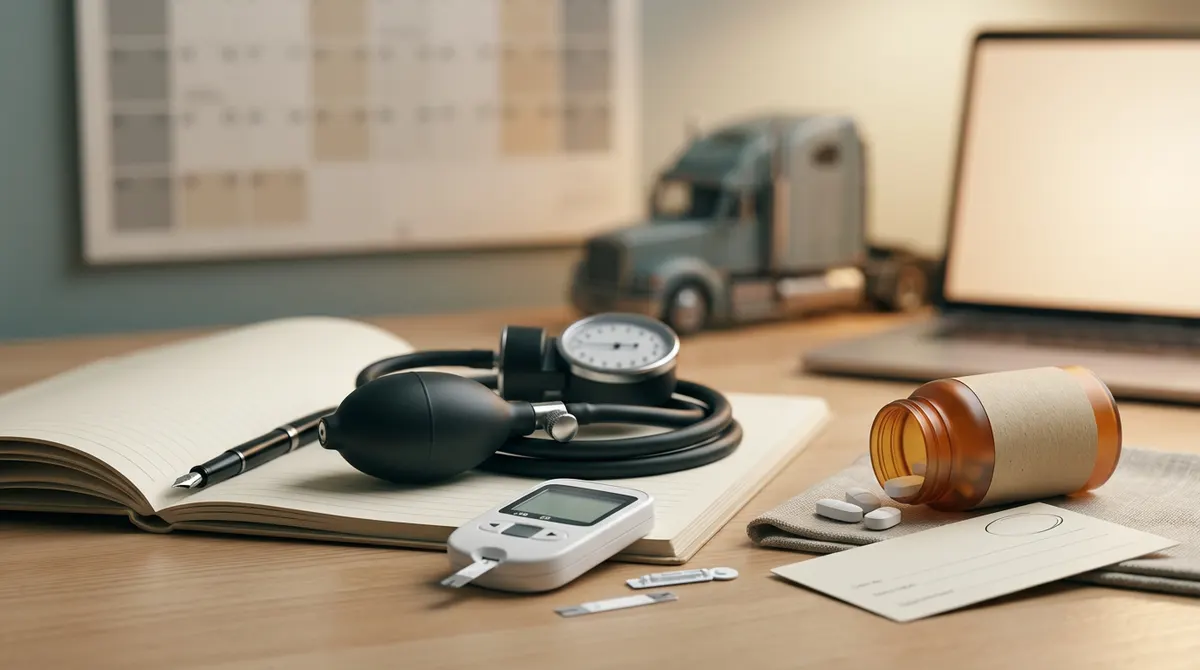
If a DOT physical examination reveals uncontrolled high blood pressure or elevated blood sugar consistent with diabetes, those findings become the basis for medical treatment, and treatment is what insurance plans cover. A driver diagnosed with Stage 1 hypertension (140 to 159 over 90 to 99) during the exam can seek follow-up care from a primary care physician, and that follow-up visit, any prescribed medications, and subsequent monitoring are typically covered under standard health insurance plans. According to the FMCSA, drivers with hypertension on treatment are generally required to have at least an annual certification, meaning ongoing management directly affects your CDL compliance timeline.
Specialist Clearances: Cardiologist and Neurological Evaluations

In some cases, the medical examiner may request specialist clearance before issuing a Medical Examiner's Certificate. A cardiologist's clearance may be required for drivers with a history of heart disease, irregular heartbeat, or prior cardiac events. Neurological evaluations may be requested for drivers with a history of seizures or neurological conditions. These specialist visits are medically necessary services and are generally covered by health insurance plans as diagnostic or treatment visits, even though the underlying trigger was a DOT compliance exam.
Diagnostic Testing: A1C Tests, Sleep Apnea Studies, and Imaging
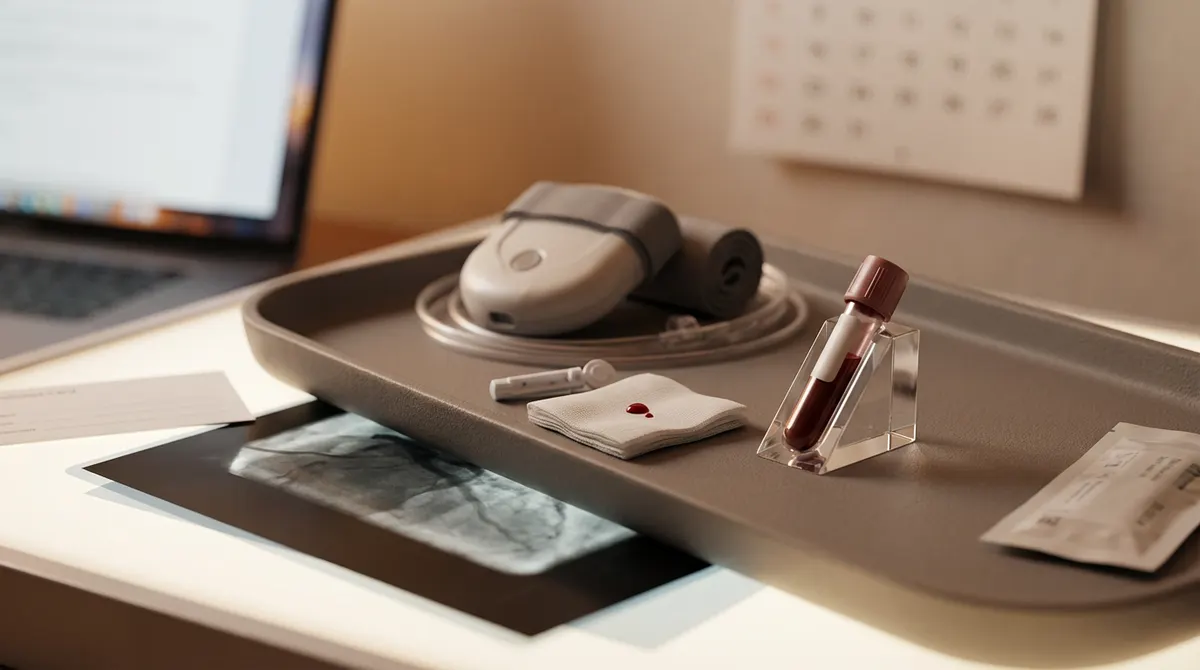
Diagnostic testing ordered as a result of findings during the DOT physical examination is often covered by health insurance. An A1C test ordered because the urinalysis showed elevated glucose is a standard diagnostic blood test covered by most plans. Sleep apnea studies, including home sleep tests, may be partially or fully covered depending on your insurer's requirements and whether a physician documents medical necessity. Imaging studies ordered for cardiovascular concerns are also typically covered as medically necessary diagnostics.
If you are flagged for possible sleep apnea and want a convenient, affordable path to testing and treatment, Dumbo Health's at-home sleep test is available for a one-time cost of $149 with no insurance required, no prior authorisations, and no surprise bills, making it a clear, predictable option for commercial drivers.
KEY TAKEAWAY: While the DOT physical itself is rarely covered by insurance, the conditions it uncovers, such as hypertension, diabetes, and sleep apnea, can qualify for covered medical treatment and specialist care.
Understanding the boundary between the fitness-for-duty exam and covered medical treatment reveals a genuinely important financial opportunity. The next section clarifies that boundary so you can make the most of it.
The Difference Between the "Fitness for Duty" Exam and Medical Treatment

A fitness for duty exam and medical treatment serve different purposes under insurance rules, and understanding the line between them directly affects what you can claim. This distinction is one of the most widely misunderstood aspects of DOT physical coverage.
The DOT physical examination is a fitness for duty assessment conducted by a Certified Medical Examiner to determine whether a driver meets federal safety standards. It does not constitute medical treatment. Medical treatment begins when a licensed provider diagnoses a condition and prescribes an intervention, whether that is medication, therapy, a medical device such as a CPAP machine, or a specialist referral. Insurance plans are designed to cover medical treatment, not certification-related assessments.
The practical implication is that two visits may occur: the DOT physical exam, which you pay out of pocket, and a follow-up treatment visit with your primary care physician or a specialist, which your insurance plan covers. Drivers who conflate the two often lose money by either expecting insurance to cover the exam or failing to use insurance for the legitimate follow-up care they are entitled to.
IMPORTANT: Never present a DOT physical bill to your insurer as a treatment visit. Misrepresenting the nature of a service to an insurance provider is a billing error that can result in claim denial, investigation, or account termination. The exam and any follow-up treatment are separate services billed separately.
KEY TAKEAWAY: The DOT physical is a fitness for duty assessment that you pay for directly; any treatment arising from conditions identified in the exam is separate and often insurable.
With the insurance and payment framework now clear, it is time to look at exactly what the exam includes, because understanding what you are paying for helps you evaluate pricing across different providers.
What is Included in the Cost of a DOT Physical?

A DOT physical examination covers multiple health assessments in a single visit, all of which are required by the FMCSA to evaluate your fitness to drive a commercial motor vehicle. The cost you pay covers this full-body evaluation.
The Comprehensive Physical Examination and Vital Signs

The DOT physical begins with a review of your complete medical history, including past illnesses, surgeries, current prescription and over-the-counter medications, and any history of substance use or failed drug tests. The medical examiner then performs a full physical examination covering the cardiovascular system, respiratory and lung function, musculoskeletal system, abdominal area, and neurological status. Vital Signs including blood pressure, pulse rate, height, weight, and temperature are recorded as part of the standard assessment.
Vision Testing and Hearing Assessments
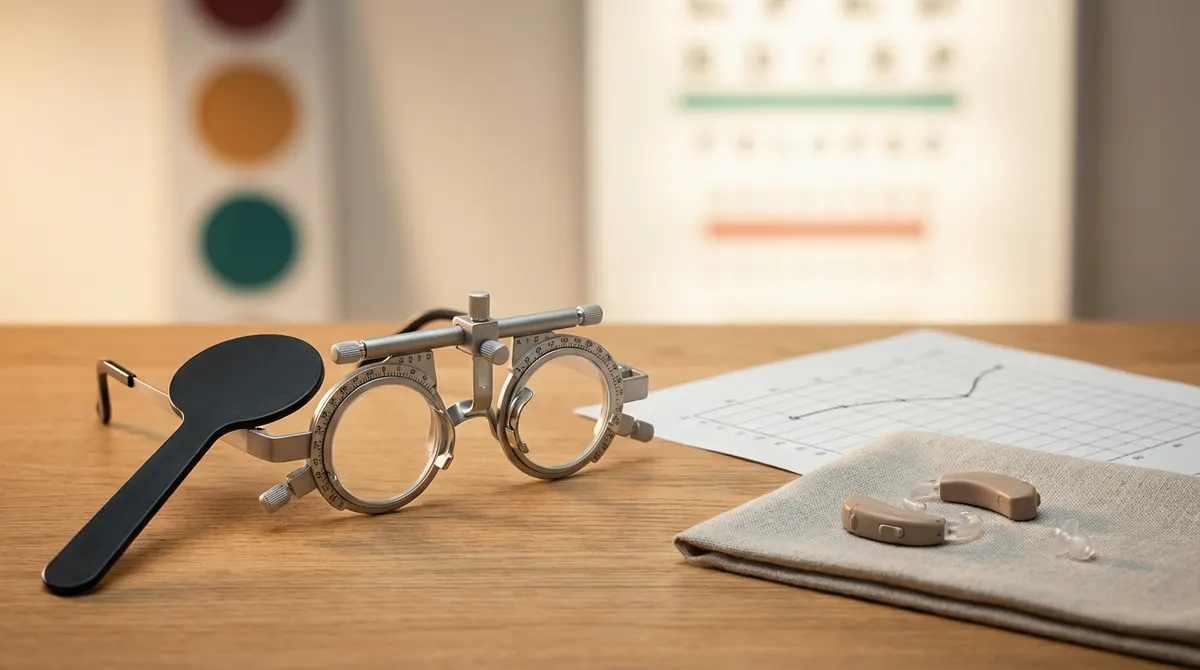
Vision testing during the DOT physical confirms that drivers meet the federal standards set out in 49 CFR §391.41(b)(10). Drivers must have at least 20/40 acuity in each eye (with or without correction), a horizontal field of vision of at least 70 degrees in each eye, and the ability to distinguish traffic signal colours. The hearing assessment tests whether a driver can perceive a forced whispered voice in the better ear at not less than 5 feet, with or without a hearing aid. Drivers who use a hearing aid to meet this standard must wear it while driving. An audiometry test may be performed as part of the hearing assessment.
Urinalysis: Testing for Underlying Medical Conditions (Not Drug Screening)

One of the most misunderstood components of the DOT physical examination is the urinalysis. The urine test during the DOT physical is a health screening tool used to check for glucose (a potential indicator of diabetes), protein (which may signal kidney dysfunction or hypertension-related damage), blood (which can indicate infections or kidney conditions), specific gravity, pH levels, and ketones. This is not a drug screening. A separate DOT drug test, which screens for substances including marijuana, cocaine, amphetamines, opiates, and phencyclidine (PCP), is required by employers but is conducted separately from the physical examination.
Review of Medical History, Medications, and Past Surgeries

The medical examiner reviews your entire medical history in detail, including any conditions managed by specialists, current medications and their potential effects on safe driving, and any history of hospitalisation or surgery. Drivers with conditions such as diabetes, high blood pressure, sleep apnea, or cardiovascular disease must bring supporting documentation from their treating physician to the exam.
KEY TAKEAWAY: The DOT physical covers vision testing, hearing assessment, urinalysis, vital signs, and a comprehensive medical history review, all of which are required under FMCSA standards and included in the single exam fee.
Knowing what is included in the exam helps you compare providers accurately. The next step is understanding where to go to get the best value without compromising on quality.
Where to Schedule Your Exam for the Best Value

The cost of a DOT physical examination varies by provider type, location, and clinic model. Making an informed choice about where to go can save you between $30 and $100 or more per exam.
Urgent Care Centers vs. Occupational Health Clinics

Urgent care centres that employ Certified Medical Examiners often offer the lowest-cost DOT physicals, with fees typically ranging from $75 to $110. These clinics operate with high patient volume and standardised processes, which keeps costs manageable. Occupational health clinics are specifically designed for work-related medical assessments and tend to offer competitive pricing in the $89 to $130 range, with staff familiar with FMCSA requirements and the documentation that employers and state agencies expect.
Private FMCSA-Certified Providers and Primary Care Physicians

Primary care physicians listed on the FMCSA National Registry can perform DOT physical examinations, and some do for established patients as a convenience. However, private physician offices often charge more than urgent care or occupational health settings, and appointment wait times can be longer. A Certified Medical Examiner in private practice may charge $100 to $150 or more. The advantage is continuity: a physician who already knows your medical history can navigate complex conditions like hypertension or diabetes with greater context.
Comparing Costs: Retail Clinics vs. Specialized "Affordable Exam" Locations

The table below compares typical provider types, costs, and best-use cases to help you identify the right option for your situation.
| Provider Type | Typical Cost Range | Best For | Wait Time | Notes |
|---|---|---|---|---|
| Urgent Care Center | $75 to $110 | Straightforward exams, time-sensitive scheduling | Same day or next day | Confirm CME listing before booking |
| Occupational Health Clinic | $89 to $130 | Drivers with documented conditions, employer accounts | 1 to 3 days | Familiar with FMCSA paperwork |
| Private FMCSA-Certified Physician | $100 to $150+ | Established patients with complex histories | 3 to 7 days | Higher cost, greater continuity |
| Primary Care (CME-listed) | $100 to $150 | Known patients with complex conditions | Varies | Not all primary care physicians are CME-certified |
For most commercial drivers with no significant medical conditions, an urgent care centre or occupational health clinic with a FMCSA-certified medical examiner offers the best combination of cost, speed, and compliance. You can find FMCSA-Certified Providers in your area through the official National Registry search on the FMCSA website to confirm that any provider is authorised before your appointment.
KEY TAKEAWAY: Urgent care centres and occupational health clinics offer the best value for straightforward DOT physicals, while private FMCSA-certified physicians are worth the higher cost for drivers with complex conditions requiring clinical context.
Choosing the right provider type is only part of the preparation. What you bring to the appointment, and how you manage your health in the days before, directly affects whether you pass on the first visit or pay retesting fees.
Preparing for Your Appointment to Avoid Retesting Fees

Many drivers spend more on their DOT physical than necessary because they fail on the first attempt and must return for a repeat exam. Proper preparation significantly reduces that risk and protects both your time and your money.
Essential Documentation to Bring (Medical Records and Exemptions)

Bring a complete list of all current medications, including dosages and prescribing physicians, for every prescription and over-the-counter medication you take. If you have a diagnosed chronic condition such as diabetes, hypertension, or sleep apnea, bring documentation from your treating physician confirming your diagnosis, treatment plan, and current stability. Drivers with treated sleep apnea should bring CPAP compliance data showing that the device is being used at least 4 hours per night on at least 70% of nights, which is the threshold medical examiners use to assess treatment adherence. If you have been granted any FMCSA exemptions, such as a vision exemption or diabetes exemption, bring the physical copy to your appointment.
TIP: Request a copy of your medical records from any specialist treating a relevant condition at least two weeks before your scheduled DOT physical, so you have time to gather documentation without rushing.
Managing Vital Signs: Tips for Blood Pressure and Pulse Rate Checks

Blood pressure is one of the most common reasons commercial drivers receive a shortened certificate or a temporary deferral. To give your blood pressure the best chance of reading within the acceptable range below 140/90, avoid caffeine and nicotine for at least one hour before the exam, arrive with enough time to sit quietly for five minutes before the blood pressure and pulse rate check, ensure you have had adequate sleep the night before, and continue taking any prescribed antihypertensive medications exactly as directed. Do not skip your blood pressure medication to bring a prescription list to show the examiner; this approach risks your certification.
What to Do If You Receive a Short-Term Medical Examiner's Certificate

A short-term Medical Examiner's Certificate, such as a three-month certificate issued for Stage 2 hypertension, is not a failure. It is a conditional certification that allows you to continue driving while actively managing the flagged condition. The FMCSA permits this to keep experienced drivers on the road while they work toward full certification. Use the period to work with your physician on blood pressure control, sleep apnea treatment adherence, or diabetes management, then return for a new DOT physical once your condition is stabilised.
KEY TAKEAWAY: Preparation, documentation, and good blood pressure management on exam day are the most effective ways to pass on the first attempt and avoid retesting fees.
One often-overlooked part of preparation is knowing the right questions to ask before you even book your appointment.
Common Myths About DOT Physical Coverage and Costs Debunked

Misconceptions about DOT physicals lead drivers to overpay, underprepare, or miss out on legitimate coverage options. Here are the most common myths, corrected with accurate clinical and regulatory information.
MYTH: My health insurance will cover my DOT physical because it covers annual physicals.
FACT: Annual wellness physicals under the Affordable Care Act are covered as preventive care services that aim to detect or prevent illness in the individual. A DOT physical examination is classified by the FMCSA as an employment and safety certification requirement, not a preventive care visit. Most insurers categorise it as a work-related expense and exclude it from standard coverage. Drivers should confirm their plan's specific policy, but coverage denials are the norm rather than the exception.
MYTH: The urine test during the DOT physical will detect drug use and can cost me my CDL.
FACT: The urinalysis performed during the DOT physical examination is a health screening test that looks for glucose, protein, blood, specific gravity, pH levels, and ketones to identify underlying medical conditions such as diabetes or kidney disease. It does not screen for drugs. Any DOT drug testing, which screens for a 5-panel of substances including marijuana, cocaine, amphetamines, opiates, and PCP, is a separate process required by employers under FMCSA Part 382 and is not part of the routine physical exam.
MYTH: Drivers with diabetes or sleep apnea will automatically fail the DOT physical and lose their CDL.
FACT: Neither diabetes nor sleep apnea is automatically disqualifying under FMCSA guidelines. The American Diabetes Association notes that the FMCSA allows individuals with insulin-treated diabetes to operate commercial motor vehicles with proper medical certification. The FMCSA states that most cases of sleep apnea can be treated successfully and that drivers who are effectively treated and compliant with that treatment can maintain their medically-qualified-to-drive status. The key factors are diagnosis, documented treatment, and demonstrated stability.
MYTH: Methadone automatically disqualifies a driver from obtaining a DOT medical card.
FACT: Methadone is no longer an automatically disqualifying medication under updated FMCSA-aligned guidance. According to updated federal motor carrier guidance, drivers in remission using methadone or buprenorphine (Suboxone) as maintenance therapy may qualify for certification, subject to individual medical examiner evaluation of stability and functional impairment. Each case requires careful documentation and examiner review, but automatic disqualification no longer applies across the board.
MYTH: You can use any doctor for a DOT physical.
FACT: Only clinicians listed on the FMCSA National Registry of Certified Medical Examiners are authorised to conduct DOT physical examinations and issue legally valid Medical Examiner's Certificates. A standard physician who is not listed on the National Registry cannot sign a valid DOT medical card, regardless of their credentials. Using an uncertified examiner means your certificate has no legal standing, which puts your CDL compliance at risk.
KEY TAKEAWAY: The most harmful myths about DOT physicals involve insurance assumptions, drug testing confusion, automatic disqualification fears, and who is legally authorised to conduct the exam. Accurate information protects your certification and your wallet.
Questions to Ask Before Your Appointment

Asking the right questions before your DOT physical appointment protects your time and prevents unexpected costs. This preparation is especially important when dealing with insurance providers and when selecting a clinic.
A Script for Calling Your Insurance Provider

When calling your insurance provider to ask about DOT physical coverage, use this script as a starting point: "I need to schedule a DOT physical examination as required by the FMCSA for commercial driver certification. Can you tell me whether this type of exam is covered under my plan? It involves a review of medical history, vision testing, hearing assessment, blood pressure check, and urinalysis. The purpose is employment certification, not treatment. Is this considered a preventive care visit or an employment exam under my plan?"
If the representative confirms coverage, ask for the authorisation number, in-network provider requirements, and any documentation you need to submit with the claim.
Identifying In-Network vs. Out-of-Network Certified Medical Examiners

Not all FMCSA-Certified Providers are in-network with every insurance plan, and an out-of-network exam may result in higher cost sharing or a denied claim. If your insurance plan does cover DOT physicals, ask your insurer for a list of in-network Certified Medical Examiners near you before you book. Cross-reference that list with the FMCSA National Registry to confirm each provider's current certification status, as registry listings are updated regularly.
Inquiring About Administrative or "Front-Desk" Processing Fees
Some clinics charge administrative or processing fees on top of the exam fee itself. These can include fees for completing the Medical Examination Report Form (MCSA-5875), fees for same-day urgent processing, or fees for providing the driver with a printed copy of the report. Ask about all fees before your appointment. The base exam fee quoted by a clinic may not represent the total cost you will pay at the front desk.
KEY TAKEAWAY: Asking specific, direct questions before your appointment about insurance coverage, in-network status, and all applicable fees is the most effective way to avoid surprise costs.
Sleep Apnea and the DOT Physical: A Driver's Financial and Clinical Guide

sleep apnea is one of the most frequently identified conditions during DOT physical examinations, and understanding how it affects your certification, your health, and your costs is essential for commercial drivers. According to the FMCSA, approximately 28% of commercial truck drivers have sleep apnea, making it one of the most common conditions encountered during DOT medical certification.
Sleep apnea is a condition in which breathing repeatedly stops and starts during sleep, reducing oxygen delivery and disrupting restorative sleep. It matters for commercial drivers because untreated obstructive sleep apnea (OSA) increases daytime drowsiness, slows reaction time, and significantly elevates crash risk. The FMCSA does not automatically disqualify drivers with sleep apnea, but medical examiners are required to assess any condition likely to interfere with the ability to drive safely, which includes unmanaged sleep apnea.
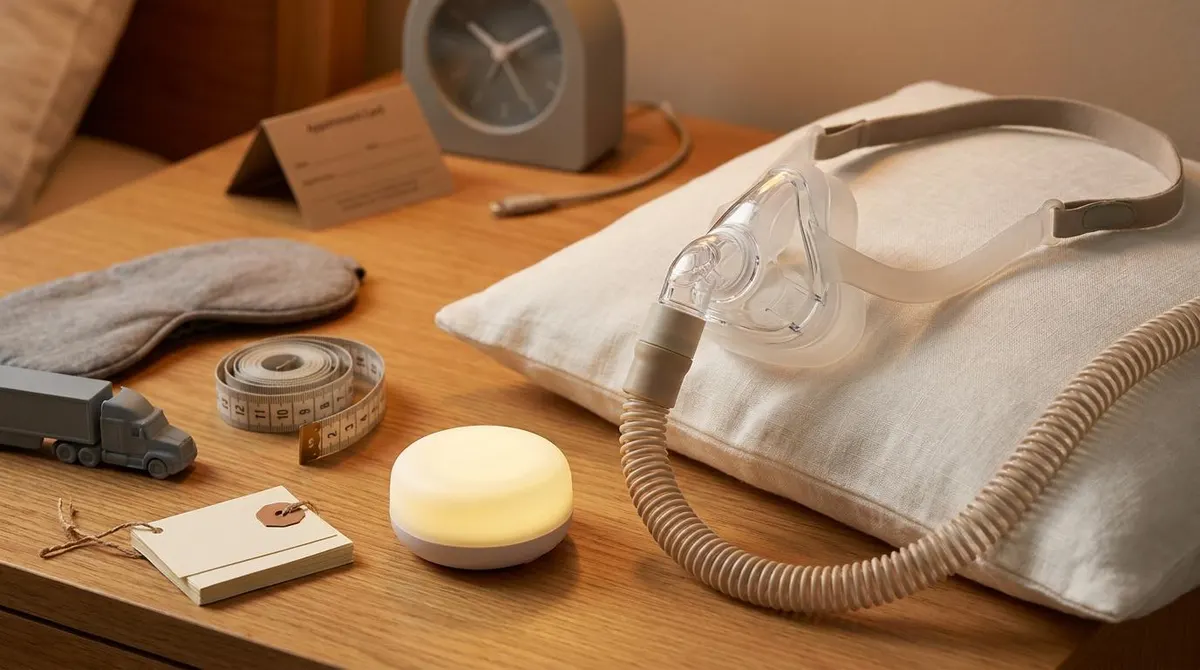
Risk factors that may prompt a medical examiner to refer a driver for a sleep study include a BMI of 30 or greater, neck circumference of 17 inches or more in men and 16 inches or more in women, age over 40, a history of high blood pressure, or a reported history of excessive daytime sleepiness and loud snoring. If a sleep study is recommended, the most practical and affordable option for commercial drivers is an at-home sleep test, which eliminates the need for an overnight clinic stay.
Dumbo Health's at-home sleep test costs $149 as a one-time fee, is purchased before the test night, and includes the at-home testing device and one night of testing. Cash-pay only, with no insurance required and no surprise bills. If the test confirms sleep apnea and you need ongoing treatment, Dumbo Health's CPAP therapy plans start at $59 per month with no contracts, covering physician interpretation, CPAP equipment, and follow-up care.
| Dumbo Health Plan | Monthly Cost | Key Inclusions |
|---|---|---|
| Essentials | $59/month | Physician report, CPAP equipment, standard follow-up, provider updates |
| Premium (Most Popular) | $89/month | Everything in Essentials, plus dedicated sleep coach and priority results |
| Elite | $129/month | Everything in Premium, plus concierge clinical support and direct physician messaging |
CPAP compliance data, showing device use for at least 4 hours per night on at least 70% of nights, is the evidence most medical examiners require to certify drivers with sleep apnea. Regular CPAP use is not only a clinical requirement; it is a career protection tool.
KEY TAKEAWAY: Sleep apnea affects nearly a third of commercial truck drivers, but it is manageable with an at-home test and compliant CPAP therapy, both of which are available at transparent, cash-pay prices through Dumbo Health.
Frequently Asked Questions
Will insurance cover a DOT physical?
Most health insurance plans do not cover a DOT physical because the exam is classified as an employment certification requirement rather than a medically necessary preventive care service. The FMCSA describes the DOT physical as a safety requirement, not a standard preventive health visit, which leads most insurance providers to categorise it as a work-related expense. Some plans may cover it as a preventive physical in specific circumstances, so it is worth calling your insurance provider to confirm. If denied, self-payment options range from $75 to $150, and HSA or FSA funds can often be used to cover the cost.
Is methadone disqualifying for DOT?
Methadone is no longer automatically disqualifying for commercial drivers under updated federal motor carrier guidelines. Drivers in stable recovery who use methadone or buprenorphine (Suboxone) as part of a medically supervised maintenance therapy programme may be evaluated on a case-by-case basis by a Certified Medical Examiner. The examiner will assess stability, functional impairment, and medical history before making a certification decision. Drivers using these medications should bring documentation from their prescribing physician and be prepared for a thorough evaluation.
How much does a DOT physical cost?
A DOT physical examination typically costs between $75 and $150 for most drivers paying out of pocket. The final cost depends on the provider type, geographic location, and any additional services required. urgent care centres tend to be at the lower end of the range, while private occupational health clinics or specialist facilities may charge more. Drivers should also ask about any administrative fees for completing required FMCSA forms. Using HSA or FSA funds can reduce the effective cost by your marginal tax rate. Budgeting $100 to $150 every one to two years is a practical planning figure for most commercial drivers.
Can you get a DOT medical card with diabetes?
Yes, drivers with diabetes can obtain a DOT medical card as long as the condition is properly managed. Diabetes is not an automatically disqualifying condition under FMCSA guidelines. Drivers with Type 2 diabetes managed through diet, exercise, or oral medications can typically pass the DOT physical without significant barriers. Drivers using insulin were previously subject to stricter rules, but the FMCSA changed its standard in 2018 to allow insulin-treated drivers to be certified with appropriate documentation. The medical examiner will review blood sugar control, A1C levels, history of hypoglycaemic episodes, and any related complications such as vision or neurological issues.
Do you have to pay for your own DOT physical?
It depends on your employment status. Company drivers employed by a motor carrier are often covered by their employer, though no federal law requires this. Owner-operators and independent contractors are responsible for their own DOT physical costs. New applicants applying to a carrier typically pay out of pocket and may be reimbursed upon hiring. If you are self-paying, you can use HSA or FSA funds for the exam and deduct the cost as a business expense if you are self-employed. Drivers near a clinic can find a provider near you through the FMCSA National Registry to compare local pricing.
Does Medicaid cover DOT physicals?
Medicaid generally does not cover DOT physicals because the exam is classified as an employment-related requirement rather than a medically necessary service. Medicaid programmes cover medically necessary care, preventive services, and treatment for diagnosed conditions, but they do not typically extend to certification exams required as a condition of employment. Some state-level Medicaid programmes may differ, so it is worth contacting your state Medicaid office directly. Drivers on Medicaid who need a DOT physical should plan to pay out of pocket and explore HSA-eligible account options if applicable.
Does employer insurance cover DOT physicals?
Employer-sponsored health insurance plans follow the same general rules as individual insurance plans: most do not cover DOT physicals because the exam is an employment requirement rather than a medical treatment. Whether a driver's exam is covered depends entirely on the specific terms of the employer's insurance plan. Some employers cover the cost of DOT physicals directly as a business operating expense, separate from the health insurance plan. Drivers should check their employee benefits documentation and ask their HR department whether the employer covers the exam directly or whether it falls under the health plan.
Does a company like UPS cover DOT medical exams?
Large carriers and logistics companies typically cover the cost of DOT medical exams for their employed CDL drivers as part of their compliance and driver retention programmes. While specific policies vary by company and contract type, it is standard practice among major carriers to either pay for the exam directly or reimburse drivers for the cost. Owner-operators and independent contractors working under their own authority are not covered by a carrier's policy and must pay their own DOT physical costs. Always confirm coverage in writing before scheduling your exam.
What is a DOT physical exam?
A DOT physical exam is a federal health assessment required by the Federal Motor Carrier Safety Administration (FMCSA) for all commercial motor vehicle operators. It determines whether a driver meets the physical qualification standards set out in 49 CFR §391.41 to safely operate a CMV. The exam is conducted by a Certified Medical Examiner listed on the FMCSA National Registry and covers vision, hearing, blood pressure, cardiovascular health, neurological function, urinalysis, and a complete medical history review. Passing the exam results in the issuance of a Medical Examiner's Certificate (DOT medical card), which is valid for up to 24 months.
What are the requirements for a DOT physical?
The FMCSA sets specific physical qualification requirements under 49 CFR §391.41. Drivers must have at least 20/40 vision acuity in each eye (corrected or uncorrected), peripheral vision of at least 70 degrees in each eye, the ability to distinguish traffic signal colours, and the ability to hear a forced whisper at 5 feet. Blood pressure must be below 180/110 to receive any certification; readings below 140/90 qualify for a full two-year certificate. Drivers must be free from conditions that are likely to interfere with safe vehicle operation, and any chronic conditions such as diabetes, sleep apnea, or cardiovascular disease must be documented and managed to the examiner's satisfaction.
What does a DOT physical consist of?
A DOT physical consists of a medical history review, a comprehensive physical examination, vision testing, a hearing assessment, blood pressure and pulse rate measurement, urinalysis, and an evaluation of the cardiovascular, respiratory, musculoskeletal, abdominal, and neurological systems. The medical examiner also reviews any current medications and may request additional documentation for chronic conditions. The full examination is documented on Form MCSA-5875 (the Medical Examination Report Form), and a passing result results in the issuance of Form MCSA-5876 (the Medical Examiner's Certificate). The exam typically takes 30 to 60 minutes for drivers without complex medical histories.
Who needs to get a DOT physical?
A DOT physical is required for any person who operates a commercial motor vehicle in interstate commerce. This includes drivers of vehicles with a gross vehicle weight rating or gross combination weight of 10,001 pounds or more, vehicles designed to transport 15 or more passengers (including the driver), vehicles used for compensation to transport 8 or more passengers, and vehicles transporting hazardous materials that require placarding under 49 CFR Part 172. Individual states may also require DOT physicals for intrastate commercial drivers. If you hold a CDL and are actively driving commercially, you are almost certainly required to maintain a current DOT medical card.
How often do you need a DOT physical?
A standard DOT medical card is valid for up to 24 months (two years) from the date of the physical examination. However, the validity period can be shorter based on your health conditions. Drivers with Stage 1 hypertension, treated sleep apnea, or insulin-treated diabetes typically receive a one-year certificate. Drivers with Stage 2 hypertension may receive a one-time three-month certificate while managing the condition. The FMCSA states that the maximum any medical examiner can certify a driver is two years; no certificate can be issued for longer than that period. Schedule your renewal physical at least 30 to 45 days before your current card expires.
Are CDL physicals covered differently than regular health exams?
CDL physicals and regular health exams are treated very differently by insurance providers. Regular annual health exams are classified as preventive care under the Affordable Care Act and are typically covered at no cost to the patient by most insurance plans. CDL physicals (DOT physicals) are classified as employment certification requirements and are not covered by most insurance plans as a result. The exam content partially overlaps with a routine physical, but the regulatory purpose is different, and insurers apply coverage rules based on purpose rather than content. Drivers should not assume that coverage of an annual physical extends to the CDL physical.
How can you check if your insurance covers a DOT physical?
Call the member services number on the back of your insurance card and ask specifically whether your plan covers a DOT physical examination for commercial driver certification. Ask the representative to look up the applicable CPT billing code (typically 99455 or 99456 for work-related examinations) and confirm whether those codes are covered under your plan. If coverage is confirmed, ask for the authorisation number and any requirements for using in-network providers. Get the name of the representative and write down the date and time of the call in case you need to reference the conversation for a claim dispute later.
What should you do if insurance denies DOT physical coverage?
If insurance denies coverage for your DOT physical, request a written denial notice and review the stated reason carefully. Most denials will cite the work-related or employment certification nature of the exam. You can appeal the denial by documenting the medical assessment components of the exam, but appeal success rates for this category of denial are generally low. The more practical path is to pay out of pocket using HSA or FSA funds, claim the cost as a business deduction if self-employed, or confirm whether your employer covers the exam as a separate business expense. Finding a provider in your area at a competitive price is the most efficient path forward.
How do self-paying drivers manage DOT physical costs?
Self-paying commercial drivers manage DOT physical costs by choosing competitively priced clinics such as urgent care centres or occupational health facilities, paying with HSA or FSA funds to use pre-tax money, deducting the cost as a business expense if they are owner-operators or self-employed, and asking for cash discount pricing at the point of service. Many independent clinics offer 15 to 20% discounts for cash payment. Planning the exam well in advance rather than paying for urgent or expedited appointments also reduces cost. Drivers can find providers in your area through the FMCSA National Registry to compare pricing before booking.
Do you need a DOT physical if you have a CDL but are not actively driving?
If you hold a CDL but are not currently operating a commercial motor vehicle in interstate commerce, you are not required to maintain an active DOT medical card. The physical qualification requirement under 49 CFR §391.41 applies to drivers who are operating CMVs, not to all CDL holders regardless of whether they are actively driving. However, if you resume driving a CMV, you must have a valid Medical Examiner's Certificate before you legally operate the vehicle. Drivers returning to commercial driving after a gap should schedule a DOT physical well before their intended start date to allow time for any follow-up documentation.
Will you lose your CDL if you don't complete required health checks?
You will not lose your commercial driver's license outright if your DOT medical card expires, but you will lose the medical certification portion of your CDL, which means you cannot legally operate a CMV until you renew your medical card. For CDL holders whose certification is linked to their state driving record, an expired medical certificate can result in your CDL being downgraded to a non-commercial class until you pass a new DOT physical. This can affect your employment status and your ability to meet contractual driving obligations. Renewing your DOT physical before expiration is both a legal obligation and a career protection measure.
What happens if your DOT medical card expires?
If your DOT medical card expires and you are a CDL holder, your state motor vehicle registry will typically downgrade your CDL to a non-CDL licence until your medical certification is reinstated. This means you cannot legally drive a commercial motor vehicle and may be in violation of FMCSA regulations if you do so. There is no grace period for an expired medical card: your certificate expires at midnight on the listed date. To reinstate your CDL status, you must complete a new DOT physical, have the medical examiner submit the results to the FMCSA National Registry, and allow time for your state MVR to be updated. This process can take several business days.
Can you go to a different facility for a DOT physical?
Yes, you can go to any facility that employs a Certified Medical Examiner listed on the FMCSA National Registry of Certified Medical Examiners, anywhere in the country. You are not required to use the same provider for each exam, and you are not required to use a provider in your home state. This flexibility allows commercial drivers to schedule exams close to them when they are on the road or to compare pricing across providers in your area. The only requirement is that the examiner is currently listed on the National Registry at the time of your exam.
Will a drug test be required during a DOT physical?
A mandatory DOT drug test is not a required component of the DOT physical examination itself. The DOT physical requires a urinalysis that screens for medical conditions such as diabetes and kidney disease, not for drug use. However, employers and motor carriers are required by FMCSA Part 382 to conduct separate DOT drug and alcohol testing, including pre-employment drug screening, random testing, post-accident testing, and return-to-duty testing. Many clinics that perform DOT physicals also offer drug testing as a separate service on the same visit, but the two are distinct processes with different regulatory bases.
Do DOT physicals include urine drug testing?
No. The urine sample collected during a DOT physical examination is used for a medical urinalysis that tests for glucose, protein, blood, specific gravity, pH, and ketones to screen for underlying health conditions. It is not a DOT drug test. The DOT drug test, which is a federally mandated 5-panel urine test screening for marijuana, cocaine, amphetamines, opiates, and phencyclidine (PCP), is a separate process conducted under different regulatory authority (49 CFR Part 40 and Part 382). The drug test may be collected at the same facility on the same day at the employer's request, but it is a separate sample, a separate form, and a separate legal process.
Conclusion: Protecting Your Livelihood and Your Wallet
A DOT physical is the regulatory cornerstone of your right to operate a commercial motor vehicle, and understanding the financial landscape around it is just as important as passing the exam itself. Most insurance plans do not cover the cost, but between competitive clinic pricing, HSA and FSA funds, employer reimbursement programmes, and legitimate business deductions for owner-operators, drivers have more options than they often realise. Conditions identified during the exam, including high blood pressure, diabetes, and sleep apnea, can unlock covered treatment through your health insurance plan, turning a compliance cost into a genuine healthcare touchpoint. For sleep apnea specifically, Dumbo Health's transparent cash-pay solutions offer a clear, affordable path from testing to treatment, with no insurance required, no contracts, and no surprise bills. Your medical card is the key to your career. Protect it by staying informed, staying prepared, and staying compliant.
Related DOT Physical Topics
- What Does DOT Stand for in a DOT Physical
- Does a DOT Physical Test for Weed or THC The Complete Guide for Commercial Drivers
- Does a DOT physical include a drug test
- Online DOT Physical Without Insurance A Complete Guide for Commercial Drivers
- DOT Physical Insurance & Recertification The Complete Driver's Guide
- DOT Physical Insurance or Self Pay How to Choose the Right Payment Option for Your Exam
- Is a DOT physical the same as a regular physical
- What Does a DOT Physical Consist Of
- What Is the Difference Between a DOT and Non-DOT Physical
- What Happens If Your DOT Physical Expires Compliance Guide for Commercial Drivers
- What Can Disqualify You From a DOT Physical
- The Ultimate DOT Physical Guide for Commercial Drivers (2025–2026)
- Can You Pass a DOT Physical with Epilepsy
- DOT Physical Self Pay Cost
- Remote DOT Physical The Complete Guide for Commercial Drivers
- DOT Physical Out of Pocket What Commercial Drivers Actually Pay
- Navigating the Florida DOT Physical Your Essential Guide for CDL Drivers
- When Can Sleep Apnea Affect a DOT Physical
- Is a drug test required for a DOT physical
- DOT Physical Cost Breakdown What Drivers Pay & Why
- Can You Pass a DOT Physical With One Eye
- Can You Pass a DOT Physical With a Pacemaker
- What Should You Bring to a DOT Physical
- Telehealth Dot Physical
- DOT Physical Forms & Paperwork The Complete Guide for Commercial Drivers
- Who needs a DOT physical
- What Forms Do You Need for a DOT Physical
- DOT Physical & Alcohol Requirements
- DOT Physical Online Cost
- DOT Physical Duration and Validity How Long Your Medical Card Lasts
- DOT Physical ICD-10 & Billing Codes The Complete Guide for Accurate Compliance and Reimbursement
- DOT Physical Vision & Eye Requirements
- Why do they measure your neck during a DOT physical
- Navigating Your DOT Physical with Common Medical Conditions
- Can You Fail a DOT Physical for Being Overweight
- Your Complete Guide What's Included in a DOT Physical Exam
- How can drivers with sleep apnea qualify again after a failed DOT physical
- What Is the Urine Test for in a DOT Physical
- Do They Check for Hernia During a DOT Physical
- Walk In DOT Physical Self Pay
- Online DOT Physical Self-Pay The Complete Guide for CDL Drivers and Owner-Operators
- DOT physical self pay guide for commercial drivers paying out of pocket
- Can You Get a DOT Physical Online
- How Do You Submit Your DOT Physical to the DMV
- What Are the Requirements to Pass a DOT Physical
- New DOT Physical Requirements What Drivers MUST Know About New Updates
- DOT Physical Exam Basics
- Can You Pass a DOT Physical With a Hernia
- Can You Get a Second Opinion on Your DOT Physical A Complete Guide for Commercial Drivers
- Cheap DOT Physical Online
- Same Day DOT Physical
- Virtual DOT Physical
- DOT Physical Cash Pay
- Can you fail a DOT physical because of sleep apnea
- What blood pressure do you need to pass a DOT physical
- Online DOT Physical The Complete Guide for Commercial Drivers and Medical Examiners
- Do They Check Your Private Parts During a DOT Physical
- DOT Physical Blood Pressure Requirements What Drivers Need to Know
- DOT Physical Chiropractor Your Complete Guide to CDL Exams
- Can You Fail a DOT Physical for High Blood Pressure
- How to Pass a DOT Physical The Complete Commercial Driver's Guide
- Can you pass a DOT physical with sleep apnea
- What should I expect at a DOT physical
- What happens if you fail a DOT physical due to sleep apnea
- DOT Physical at Urgent Care What Commercial Drivers Need to Know
- Can You Get a DOT Physical in Any State The Complete Guide for Commercial Drivers
- Can You Pass a DOT Physical with Diabetes
- Can You Pass a DOT Physical with High Blood Pressure
- BMI for DOT Physical What Commercial Drivers Need to Know
- What Happens During the DOT Physical Exam The Complete Guide for Drivers
- DOT Physical & Drug Test What Drivers Need to Know
- Non-DOT Physical A Comprehensive Guide to Workforce Health and Safety
- DOT Physical Texas The Essential Guide to Your Exam, Medical Card, and CDL Compliance
- DOT Physical Requirements A Complete Guide for CDL Drivers
- Is a Sleep Study Required for a DOT Physical
- Do You Have to Pee During a DOT Physical
- What eye chart is used for a DOT physical
- What Do They Check During a DOT Physical
- The DOT Physical Exam Ensuring You're Fit for the Road
- Failing a DOT Physical What Every Commercial Driver Needs to Know
- Can You Fail a DOT Physical
- What is DOT Physical
- What drugs do they test for in a DOT drug test
- Online CDL Physical
- Are There New DOT Rules or Laws on Sleep Apnea Testing
- Essential 171 DOT Definitions for Commercial Drivers
- 2026 DOT Inspection Dates
- DOT sleep apnea test at home
- Why DOT Sleep Tests at Home Matter for Your Career and Health
- CDL PHYSICAL SELF PAY
- How Does Sleep Apnea Affect Driving Ability
- DOT Medical Exam Self-Pay A Complete Guide for Commercial Drivers
- Online DOT Exam What Drivers and Medical Examiners Need to Know
- What are the current DOT requirements for sleep apnea testing for commercial drivers
- Guide to Obtaining and Managing Your DOT Medical Card Online
- Expected 2027 DOT Inspection Dates
- How Sleep Apnea Affects Overall Driving Safety
- Best Treatments for Sleep Apnea to Improve Driving Safety
- Home Sleep Apnea Test for Commercial Drivers The CDL Holder's Complete Guide
- Sleep Apnea Test for CDL Drivers
AI summary
A DOT physical is a federally required fitness-for-duty exam for commercial drivers, governed by FMCSA standards in 49 CFR §391.41. It must be performed by a clinician listed on the FMCSA National Registry of Certified Medical Examiners and documented on Form MCSA-5875 and Form MCSA-5876. Most health insurance plans do not cover a DOT physical because insurers classify it as an employment certification requirement rather than medically necessary preventive care. Typical out-of-pocket cost ranges from $75 to $150, varying by location and provider type (urgent care, occupational health clinic, private FMCSA-certified physician). Additional costs can occur if specialist clearance is required. Who pays often depends on employment status: many motor carriers cover or reimburse company drivers; owner-operators typically self-pay and may treat the fee as a business expense. HSA and FSA funds may be usable for the exam under IRS Publication 502 rules, with receipts needed for reimbursement. Insurance may cover follow-up medical care triggered by findings such as hypertension, diabetes, or sleep apnea, including labs (A1C), sleep studies, and specialist visits.

Nicolas Nemeth
Co-Founder
Nico is the co-founder of Dumbo Health, a digital sleep clinic that brings the entire obstructive sleep apnea journey home. Patients skip the sleep lab and the long wait to see a specialist. Dumbo Health ships an at home test, connects patients with licensed sleep clinicians by video, and delivers CPAP or a custom oral appliance with ongoing coaching and automatic resupply in one clear subscription.
Keep reading

How Long Does a DOT Physical Take? A Complete Guide for Commercial Drivers

What Happens If You Fail a DOT Drug Test? The Complete Guide for Commercial Drivers


