What Can Disqualify You From a DOT Physical?
A DOT physical is a federal medical exam used to determine whether a commercial driver can operate a vehicle safely under FMCSA standards. This guide explains what the exam includes, from blood pressure and urinalysis to vision, hearing, and medication review. It outlines common reasons for non-certification such as vision or hearing deficits, uncontrolled hypertension, higher-risk heart conditions, and diabetes documentation gaps. It also covers sleep apnea and other respiratory disorders that affect alertness and crash risk. The article reviews neurological and mental health concerns, plus medication and substance rules including DOT drug testing and marijuana restrictions. You will learn what happens after a failed exam and how documentation, exemptions, and follow-up care can support re-certification.
Struggling with sleep?
Find out if sleep apnea is the reason.
FDA-cleared. $149 flat. Physician-reviewed results in 48 hours.

What Can Disqualify You From a DOT Physical?

A DOT physical is a federal medical exam that can disqualify you when a condition, symptom, medication, or safety risk may impair safe driving. The Federal Motor Carrier Safety Administration says the Medical Examiner decides whether a driver meets the physical qualification standards for operating an interstate commercial motor vehicle safely. This page explains what the DOT exam covers, which medical conditions most often cause temporary or permanent disqualification, how medications and substance use are evaluated, and what you can do before the exam. You will also see what happens after a failed exam and how re-certification may still be possible in some cases. Keep reading to understand where the real risks are and how to avoid preventable surprises. (FMCSA)
What is a DOT physical and why can it disqualify you?

A DOT physical is a medical examination required for many people who operate a commercial motor vehicle in interstate commerce. A driver is disqualified when the Medical Examiner finds that a condition, limitation, or treatment could interfere with safe operation of commercial vehicles. (FMCSA)
The Department of Transportation medical program is enforced through FMCSA rules, and the exam is performed by a Certified Medical Examiner listed on the National Registry of Certified Medical Examiners. FMCSA explains that treating clinicians can provide supporting information, but the medical examiner makes the final certification decision for interstate drivers. That is why even well-managed medical conditions still need clear documentation, medication review, and a functional safety assessment. (FMCSA)
A DOT physical exam usually includes a health screening, blood pressure check, urinalysis, vision test, hearing tests, medication review, and a full physical exam. The Medical Examination Report also requires the examiner to complete the entire medical exam even if a disqualifying condition is found early. That means your medical history, current symptoms, and medical records all matter, not just the first abnormal result. (FMCSA)
Many patients report that the biggest surprise is not a diagnosis itself, but poor preparation. Missing medical reports, unclear medication lists, or untreated symptoms often create delays that could have been avoided with a better pre-exam medical evaluation.
Not sure if sleep apnea applies to you?
Take our 2-minute sleep risk quiz to see whether sleep apnea could affect your DOT physical. No account required.
KEY TAKEAWAY: A DOT physical can disqualify you when a condition or treatment raises a real safety concern for operating a commercial motor vehicle.
The first major area examiners review is your vision and hearing abilities.
Vision and hearing problems that can cause disqualification

vision and Hearing Problems can disqualify you when you do not meet the federal standard or when you lack the documents needed for an exemption or variance. The key issue is whether you can safely detect hazards, signals, and road conditions while driving a commercial vehicle. (FMCSA)
Vision standards focus on visual acuity, peripheral vision, and color recognition. FMCSA notes that drivers who cannot meet the standard in one eye may still qualify under the alternative vision pathway, but only with a completed Vision Evaluation Report and a timely follow-up exam. Without that report, the driver does not meet the alternative vision standard and must not be qualified at that visit. Conditions such as vision impairment, Macular Degeneration, severe diabetic eye disease, or unresolved monocular vision issues can therefore block certification if they reduce safe driving function or required paperwork is missing. (FMCSA)
Hearing is evaluated with either a whisper test or an audiometry test. A hearing aid can help you meet the hearing standard, and FMCSA states that an examiner may test you while you are wearing the hearing aid. If you still do not meet the hearing standard, you may need a federal hearing exemption rather than immediate full certification. Inner ear diseases, hearing loss, and unstable hearing function matter because they can affect situational awareness and communication while operating a commercial motor vehicle. (FMCSA)
IMPORTANT: Failing the first hearing or vision check does not always mean permanent disqualification. In some cases, a vision Evaluation Report, audiometric test, or federal exemption process may still help. (FMCSA)
KEY TAKEAWAY: Vision and hearing issues often lead to temporary non-certification when testing standards are not met or supporting documents are missing.
The next major risk area is cardiovascular health and blood sugar control.
Cardiovascular health, blood pressure, and diabetes
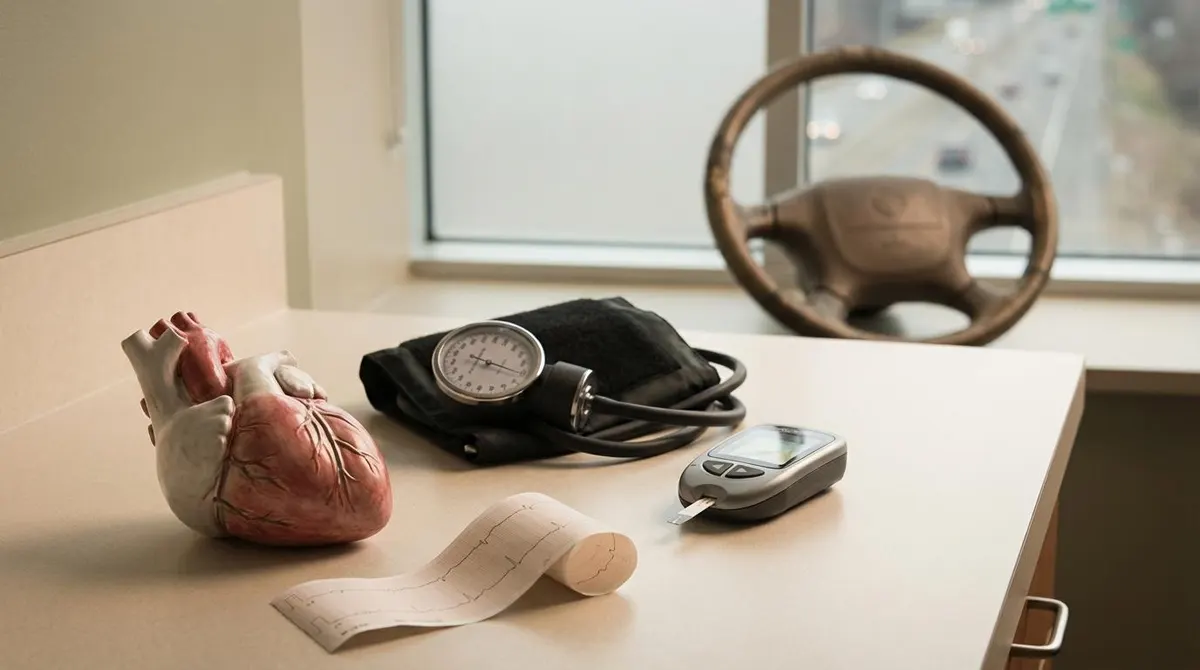
Cardiovascular Issues can disqualify you when the condition creates a meaningful risk of sudden incapacity, poor exercise tolerance, or reduced driving safety. Blood pressure, heart disease, heart attack history, and blood sugar control are all common triggers for limited certification or denial. (FMCSA)
high blood pressure is one of the most common reasons a commercial truck driver leaves with a shorter certification period instead of a full two-year medical certificate. The DOT exam records your blood pressure on the official form, and the examiner uses that result alongside your history, symptoms, and treatment status. In real-world use, uncontrolled hypertension often matters more than the label itself because persistent high blood pressure can signal broader cardiovascular health risk. (FMCSA)
Heart conditions are reviewed case by case. A past heart attack, heart disease, blood clot, chest pain history, rhythm disorder, or poor ejection fraction may require specialist clearance, a Stress Test, or an Exercise Tolerance Test before certification. FMCSA guidance repeatedly centers the same question: can you safely operate commercial motor vehicles without sudden impairment or loss of functional control? (FMCSA)
diabetes Mellitus is evaluated differently depending on treatment. Insulin-treated diabetes mellitus is not an automatic bar, but the Medical Examiner must receive the Insulin-Treated Diabetes Mellitus Assessment Form, MCSA-5870, within 45 days of completion by the treating clinician. FMCSA also states that severe non-proliferative diabetic retinopathy or proliferative diabetic retinopathy is permanently disqualifying for drivers with insulin-dependent diabetes. Non-insulin-treated diabetes may still allow certification when blood sugar is controlled and there is no severe organ damage. (FMCSA)
Already diagnosed and need CPAP support?
Dumbo Health helps patients start CPAP without the usual confusion, paperwork, or upfront cost. Equipment, setup, supplies, and ongoing support are all handled in one place.
Research and practice both point to the same practical lesson: medication adherence, updated lab work, and recent specialist notes make the exam smoother. If you are worried about hypertension or diabetes, reviewing how sleep apnea affects blood pressure and overall risk can also help you prepare for related red flags in your DOT Exam.
| Condition or issue | Typical certification impact | What the examiner may need | Most common risk |
|---|---|---|---|
| High blood pressure | Often shorter certification | Recent readings, treatment plan | Stroke or cardiovascular event risk |
| Heart conditions | Case by case | Cardiology notes, Stress Test, Exercise Tolerance Test | Sudden incapacity |
| Insulin-treated diabetes mellitus | Case by case | MCSA-5870 and stable management | Hypoglycemia or vision loss |
| Severe diabetic retinopathy | Permanent disqualification | Eye specialist documentation | Sudden vision compromise |
For most drivers, the best option is not to wait for the exam to reveal a problem. The most effective way to protect your medical card is to bring current medical reports and show stable control before the visit.
KEY TAKEAWAY: Uncontrolled blood pressure, unstable heart conditions, and poorly documented diabetes are among the most common medical reasons for delayed or denied certification.
Breathing and sleep-related disorders are another major cause of concern.
Respiratory conditions and sleep apnea
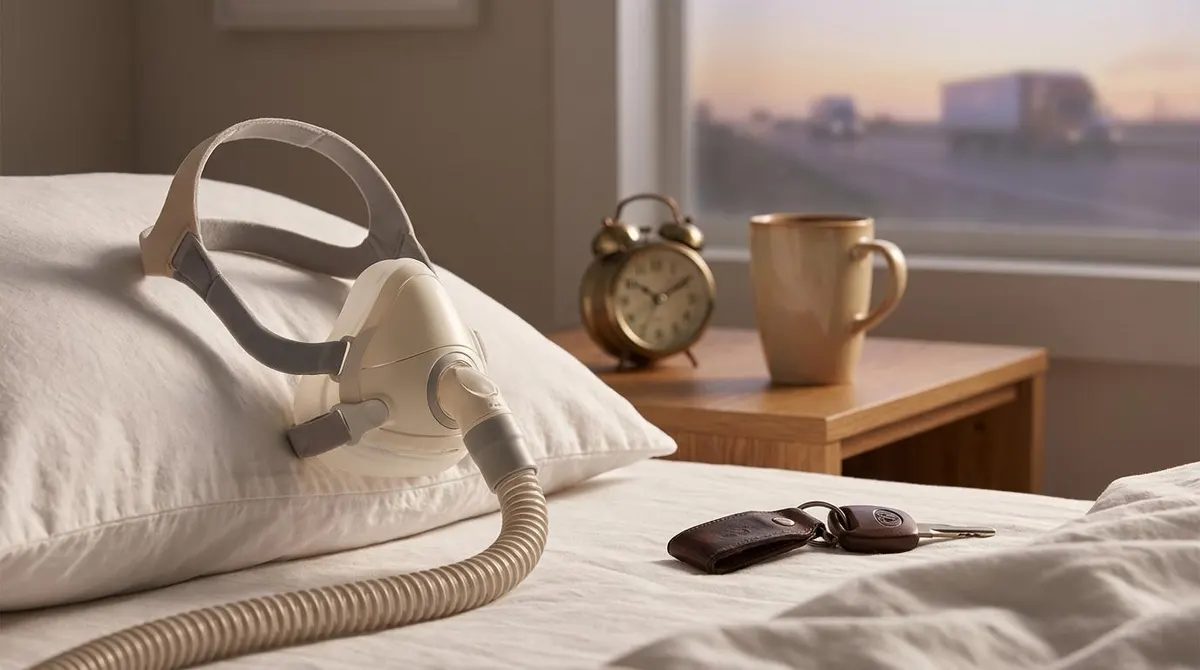
Respiratory Conditions can disqualify you when breathing problems or daytime sleepiness may interfere with safe driving. Sleep apnea matters because untreated sleep apnea can reduce alertness, increase fatigue, and raise crash risk. (FMCSA)
According to the NIH, sleep apnea is a condition in which breathing repeatedly stops and restarts during sleep, often causing excessive daytime sleepiness. FMCSA guidance specifically lists obstructive sleep apnea among respiratory disorders that may interfere with the ability to control and drive a commercial motor vehicle safely. The CDC also notes that driver fatigue is a major workplace safety risk, which helps explain why examiners look closely at untreated fatigue-related symptoms. (NHLBI, NIH)
Other Respiratory Conditions also matter. Chronic asthma, emphysema, chronic bronchitis, tuberculosis, carcinoma affecting respiratory function, and sedating respiratory medications can all affect respiratory function and alertness. Clinicians frequently observe that drivers focus only on the diagnosis name, but the real issue is whether symptoms are controlled and whether treatment causes impairment. (FMCSA)
Sleep apnea is one of the most misunderstood topics in the DOT physical exam. Sleep apnea is not an automatic permanent disqualifier. Sleep apnea becomes a certification problem when it is possible, undiagnosed, untreated, or inadequately treated in a way that may impair safe driving. If you are trying to find a provider near you, how at-home sleep studies work and what equipment you need for a home sleep study explain the next steps clearly. A CPAP machine or another documented treatment plan may support continued certification when symptoms are controlled.
DID YOU KNOW: The January 2024 FMCSA handbook rescinded and replaced the older 2015 sleep apnea bulletin, so examiners are working from updated guidance now. (FMCSA)
Sleep apnea increases crash risk through fatigue, impaired vigilance, and microsleep vulnerability. Sleep apnea also commonly overlaps with high blood pressure and cardiovascular health concerns. Sleep apnea therefore affects both the respiratory review and the broader safety judgment in a DOT physical exam. (NHLBI, NIH)
KEY TAKEAWAY: sleep apnea and other respiratory conditions matter when they reduce alertness, breathing stability, or safe driving function, not simply because the diagnosis exists.
Neurological and psychiatric conditions are the next major category.
Neurological and mental health disorders
Neurological Disorders and Mental Health Conditions can disqualify you when they increase the risk of loss of consciousness, impaired judgment, slowed reaction time, or unsafe medication effects. The examiner looks at function, stability, recurrence risk, and treatment side effects. (FMCSA)
Seizure disorders are one of the clearest examples. FMCSA guidance for a federal seizure exemption includes long seizure-free periods, and the handbook describes different thresholds for epilepsy and a single unprovoked seizure. An examiner may also review anticonvulsant medication stability, neurological health history, and specialist records before any certification decision is made. That means a past seizure, brain injury, stroke history, or Intra-cerebral brain bleed can matter even years later if recurrence risk remains relevant. (FMCSA)
Mental health disorders are not automatic disqualifiers either. A commercial driver with depression, anxiety, bipolar disorder, schizophrenia, or another psychiatric diagnosis may still qualify when symptoms are stable, treatment is effective, and medications do not impair safe driving. What often creates concern is active psychosis, unstable mood episodes, poor insight, severe cognitive side effects, or missed follow-up care. FMCSA’s medication guidance also allows the examiner to seek more detail about prescribed treatments when needed. (FMCSA)
People who undergo this exam often find that transparent disclosure helps more than partial disclosure. Complete medical history, recent medical reports, and medication explanations usually give the examiner more room to make a fair medical evaluation.
KEY TAKEAWAY: Neurological and psychiatric diagnoses do not always disqualify you, but instability, recurrence risk, and sedating treatment effects often do.
Medication use and substance-related issues are assessed even more strictly.
Medications, drug test results, and substance abuse
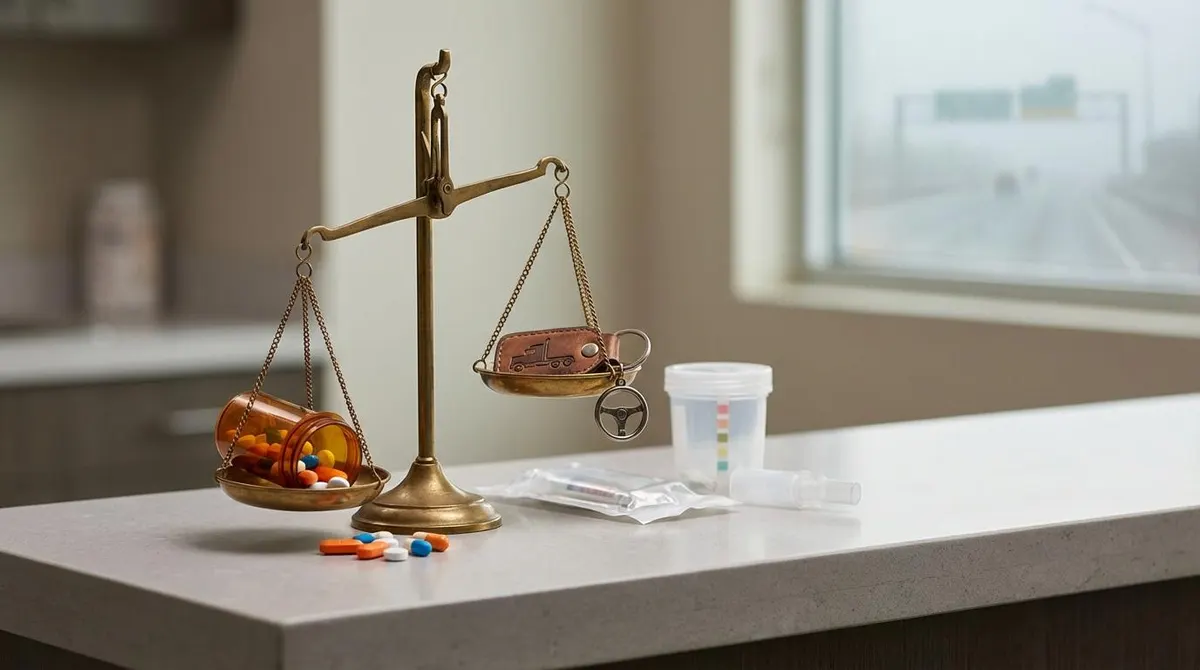
Medications can disqualify you when they impair alertness, judgment, balance, or reaction time. Substance abuse and non-prescribed controlled drug use are among the clearest reasons a driver may be found medically unqualified. (FMCSA)
FMCSA states that a driver cannot take a controlled substance or prescription medication without a prescription from a licensed practitioner. The agency also explains that DOT drug test panels include marijuana, cocaine, opiates including Opium derivatives, amphetamines and methamphetamines, and PCP. Schedule I drugs remain a major barrier to qualification, and marijuana use remains a problem for federal certification even when a state medical marijuana card exists. (FMCSA)
The medication issue is more nuanced for Schedule II drugs. FMCSA’s 2024 handbook states that methadone, a Schedule II drug, is no longer automatically disqualifying by name. Instead, the medical examiner must judge whether the medication is safe, effective, stable, and compatible with safe operation of Commercial Motor Vehicles, often with input from the prescribing clinician. The same practical logic can apply to stimulant use such as Adderall, sleep medications, pain medications, and sedating psychiatric drugs. (FMCSA)
Substance abuse is different from a simple medication question because it can trigger both certification concerns and federal testing consequences. The Drug and Alcohol Clearinghouse and FMCSA Clearinghouse rules exist outside the physical exam itself, but they still affect a commercial driver's license pathway. In positive-test or misuse situations, a Substance Abuse Professional and the RTD process may become part of the return-to-duty path. (FMCSA)
TIP: Bring a complete medication list, your prescriber’s contact details, and supporting notes for any potentially sedating or habit-forming medication. (FMCSA)
KEY TAKEAWAY: Drug use without valid medical support, unsafe sedating medication use, and substance abuse concerns are some of the fastest ways to lose certification.
Other limitations and your past records can still affect the outcome.
Other general disqualifying factors and medical history considerations

Other disqualifying factors include physical deformities or limitations, uncontrolled chronic illness, incomplete medical history, and missing medical records. The examiner must decide whether you can perform the normal tasks required for operating a commercial vehicle safely. (FMCSA)
A missing limb or limb limitation does not always end certification. FMCSA’s Skill Performance Evaluation framework exists for some limb impairments, defects, or limitations, especially where hand or foot function can still support safe vehicle control. The key difference is that SPE applies to certain limb issues, not to every physical limitation or spine condition. (FMCSA)
Uncontrolled or untreated chronic conditions also matter even when they are not named in one single rule line. The FMCSA handbook explains that not every condition has its own separate standard, so the examiner may judge it through overall function, risk, and the systems affected. That is why medical conditions such as severe fatigue, unstable endocrine disease, uncontrolled pain, or poorly explained syncope history can still create a failed medical exam. (FMCSA)
Past medical history matters because the official form requires the examiner to compare your medication list to your health history responses and explore unclear answers or omitted information. A driver’s license alone does not prove medical qualification. Your file needs to show a coherent, accurate story supported by medical records when appropriate. (FMCSA)
KEY TAKEAWAY: Many failed DOT exams happen because a condition is uncontrolled, unexplained, or poorly documented rather than because it is automatically disqualifying.
If disqualification happens, the next step depends on whether the issue is temporary or permanent.
What happens after a disqualification?

Disqualification can be temporary or permanent depending on the condition, the documentation gap, and whether an exemption or re-certification path exists. Many drivers are delayed rather than permanently barred. (FMCSA)
Temporary Disqualification usually happens when the issue may improve or can be clarified. Examples include uncontrolled high blood pressure, missing specialist letters, incomplete medical reports, pending sleep apnea evaluation, or medication questions that need prescriber confirmation. Permanent disqualification is less common and usually reflects conditions with persistent safety risk, such as certain advanced eye complications in insulin-treated diabetes mellitus. (FMCSA)
Options for re-certification can include treatment, better documentation, follow-up testing, medical exemptions, or a new medical examination after the condition stabilizes. The Medical Examiner's Certificate, sometimes called the medical card, can only be issued after the examiner is satisfied that the federal standard is met. For some limb impairments, the Skill Performance Evaluation Certificate offers a formal pathway when the underlying function remains compatible with safe driving. (FMCSA)
| Outcome | What it usually means | Common next step | Typical examples |
|---|---|---|---|
| Determination pending | More information needed | Submit forms or specialist notes | Medication review, sleep apnea workup |
| Temporary disqualification | Not qualified today, but may qualify later | Stabilize condition and repeat DOT physical exam | High blood pressure, missing records |
| Permanent disqualification | Ongoing safety barrier under current facts | Review whether any exemption exists | Certain advanced diabetic eye disease |
| Qualified with monitoring | Can drive, but with shorter follow-up | Repeat medical exam sooner | Controlled chronic conditions |
Communication with your medical examiner matters more than most drivers expect. Clear answers, complete forms, and honest disclosure usually improve the path forward, whether you are looking for providers in your area or returning after a failed exam.
KEY TAKEAWAY: Failing a DOT physical exam does not always end your driving career, but it does require a clear medical and documentation plan.
Before finishing, it helps to clear up the myths that cause the most fear.
Common myths about DOT physicals debunked
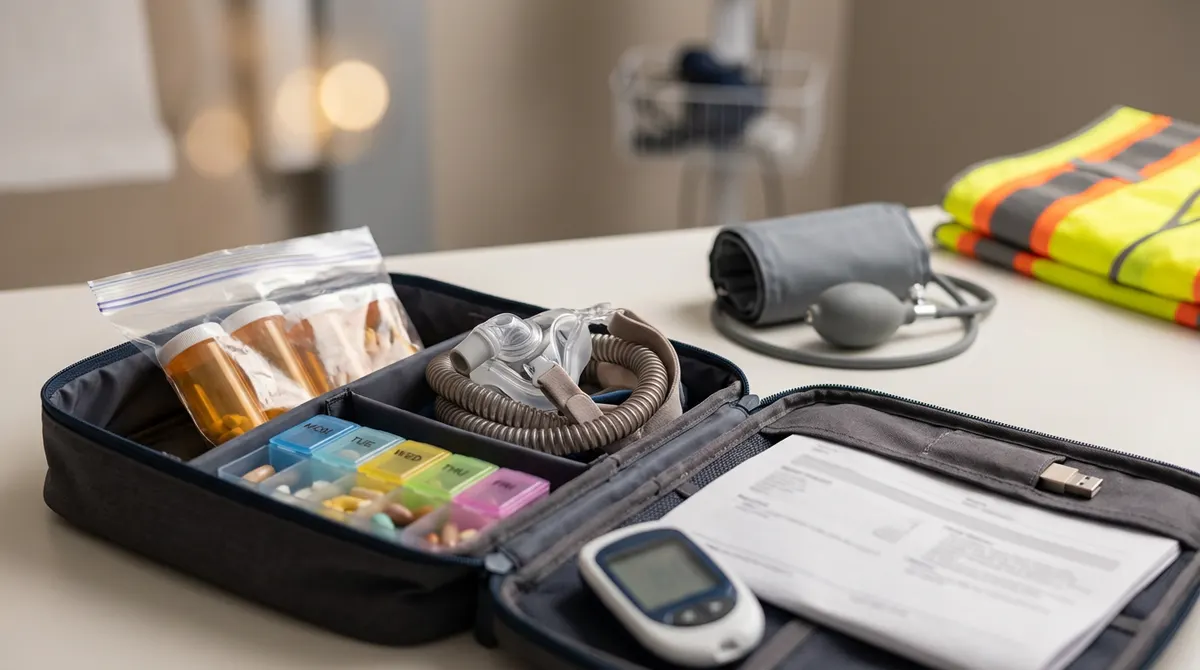
Many fears about DOT physical disqualification come from half-true advice, outdated forum posts, and confusion between drug testing rules and medical certification rules. The current FMCSA handbook supports a more case-specific approach than many drivers assume. (FMCSA)
MYTH: sleep apnea automatically disqualifies every truck driver.
FACT: sleep apnea is not an automatic permanent bar. FMCSA guidance focuses on whether sleep apnea is possible, untreated, inadequately treated, or likely to interfere with safe operation of a commercial motor vehicle. (FMCSA)
MYTH: Methadone always means you fail the DOT physical.
FACT: FMCSA’s 2024 handbook says methadone is no longer automatically disqualifying by name. The medical examiner must judge whether the medication is safe, effective, stable, and compatible with safe driving based on supporting medical information. (FMCSA)
MYTH: Any mental health diagnosis means you cannot be a commercial driver.
FACT: Mental health disorders are evaluated based on stability, symptoms, side effects, and functional safety. A diagnosis alone is not the same as automatic disqualification. (FMCSA)
MYTH: Failing one hearing or vision test always ends certification.
FACT: Some drivers may still qualify through a hearing exemption, a hearing aid, or an alternative vision pathway with a completed vision Evaluation Report. Missing paperwork often causes the immediate problem, not the condition alone. (FMCSA)
KEY TAKEAWAY: The real DOT standard is safety and functional fitness, not rumor-based automatic failure rules.
The best strategy is to prepare before your exam and reduce preventable risks.
Proactive steps to pass your DOT exam

The best way to avoid disqualification is to manage medical conditions early, bring complete documentation, and show that treatment is stable and effective. A prepared driver gives the examiner evidence, not guesswork. (FMCSA)
Prioritize overall health before the visit. Monitor blood pressure, review blood sugar control, stay consistent with medication adherence, and follow up on fatigue, breathing symptoms, or neurological changes early. If sleep-related symptoms are present, what sleep apnea is, the main causes of sleep apnea, and whether sleep apnea can be treated without CPAP are useful starting points. (NHLBI, NIH)
Bring a clear medication list, recent specialist notes, relevant medical reports, CPAP machine compliance information if applicable, and any form such as the diabetes assessment or vision report that your case may require. People who undergo this exam often find that the difference between approval and delay is not the diagnosis, but whether they arrived prepared. When you need to find a provider near you or close to you, start by clarifying which condition is most likely to trigger extra review.
KEY TAKEAWAY: A successful DOT Exam usually depends on stable treatment, complete records, and honest communication with the examiner.
The remaining questions below address the concerns drivers search most often.
Frequently Asked Questions
What causes someone to fail a DOT physical?
The most common causes of failing a DOT physical are uncontrolled blood pressure, untreated sleep apnea, unsafe medication use, disqualifying substance use, vision or hearing deficits that do not meet the standard, and incomplete medical records. A driver may also fail because the medical examiner believes a condition creates too much risk of sudden impairment or unsafe operation of a commercial motor vehicle. In many cases, the result is temporary rather than permanent, especially when the issue can be treated, documented, or clarified with specialist input. (FMCSA)
Is methadone disqualifying for DOT?
Methadone is not automatically disqualifying under current FMCSA handbook guidance. The medical examiner must decide whether methadone use is safe, effective, stable, and compatible with safe operation of commercial vehicles, often with input from the prescribing licensed practitioner. That means the real issue is not the drug name alone, but whether side effects, misuse risk, or the underlying condition make driving unsafe. Bringing prescriber documentation improves your chances of a fair review. (FMCSA)
Can you be a truck driver with bipolar disorder?
Yes, some drivers with bipolar disorder can still qualify, but the decision depends on stability, treatment adherence, symptom control, and medication side effects. The examiner looks for risks such as mania, poor judgment, sedation, or recent instability that could affect safe driving. A well-documented treatment plan and recent clinician notes are often important. If you are trying to find a provider near you before the exam, focus on getting clear documentation that explains both diagnosis stability and medication safety. (FMCSA)
Can you pass a DOT physical with schizophrenia?
Schizophrenia does not automatically mean permanent disqualification, but active psychosis, impaired insight, severe cognitive symptoms, or sedating treatment effects can prevent certification. The examiner needs to determine whether you can safely operate a commercial motor vehicle without risk to yourself or others. Drivers with stable symptoms, consistent follow-up care, and strong medical documentation may have a better chance of certification than drivers with recent instability or untreated symptoms. (FMCSA)
Does having a medical marijuana card disqualify you?
A state medical marijuana card does not override federal DOT rules. FMCSA drug test rules still include marijuana in the standard testing panel, and marijuana remains incompatible with federal safety-sensitive driving requirements even where state law permits medical use. In practice, this means a medical marijuana card can still create serious certification and employment problems for a commercial truck driver. Federal rules, not state permission alone, control the DOT context. (FMCSA)
Will Adderall keep me from getting a CDL?
Adderall does not automatically block certification, but it can trigger closer review because it is an amphetamine-based medication. The medical examiner may want confirmation that the prescription is legitimate, the condition being treated is stable, and the medication does not impair safe driving. A written note from the prescriber, a current medication list, and evidence of stable dosing can help. Drivers who show up without supporting records often face delays that could have been avoided. (FMCSA)
What if the examiner finds possible sleep apnea during the exam?
The examiner may delay certification, shorten the certification period, or request additional evaluation if symptoms suggest sleep apnea that could impair alertness. The issue is not the word sleep apnea alone, but whether the condition may interfere with safe operation of a commercial motor vehicle. If you need providers in your area, at-home sleep study guidance from dumbo.health can help you understand the next step quickly and practically. (FMCSA)
Can you still qualify after a failed DOT physical?
Yes, many drivers can still qualify after a failed DOT physical if the original problem was temporary, treatable, or poorly documented. Common next steps include lowering blood pressure, completing a sleep study, updating medical reports, changing unsafe medication regimens with a clinician, or returning with the correct FMCSA forms. The outcome depends on the specific condition, not just the fact that you failed once. Temporary disqualification is common and often reversible. (FMCSA)
Conclusion
what can disqualify you from a DOT physical is not one single diagnosis, but any condition, medication, symptom pattern, or documentation gap that makes safe driving uncertain. The DOT physical exam exists to protect public safety and support long-term driver well-being, not to punish commercial drivers for having treatable health issues. The strongest approach is to manage medical conditions early, bring complete records, and address sleep, blood pressure, diabetes, medication, and neurological risks before the appointment. For drivers concerned about fatigue-related red flags, dumbo.health’s sleep apnea education hub is a practical next step. (FMCSA)
Related DOT Physical Topics
- Can You Get a DOT Physical in Any State The Complete Guide for Commercial Drivers
- Can You Get a DOT Physical Online The Complete Guide for Commercial Drivers
- Can You Pass a DOT Physical with Epilepsy
- Can You Pass a DOT Physical With a Hernia
- Can You Pass a DOT Physical With One Eye
- Can You Pass a DOT Physical With a Pacemaker
- What Forms Do You Need for a DOT Physical
- What Should You Bring to a DOT Physical
- Can You Get a DOT Physical Online
- Can You Fail a DOT Physical for Being Overweight
- Can you fail a DOT physical because of sleep apnea
- What blood pressure do you need to pass a DOT physical
- Can You Fail a DOT Physical for High Blood Pressure
- Can you pass a DOT physical with sleep apnea
- What happens if you fail a DOT physical due to sleep apnea
- Can You Pass a DOT Physical with Diabetes
- Can You Pass a DOT Physical with High Blood Pressure
- What Does DOT Stand for in a DOT Physical
- What Happens If You Fail a DOT Physical Twice The Complete Guide for Commercial Drivers
- What Is the Difference Between a DOT and Non-DOT Physical
- Can You Get a Second Opinion on Your DOT Physical A Complete Guide for Commercial Drivers
- Can You Fail a DOT Physical
- How Do You Submit Your DOT Physical to the DMV
- DOT Physical Cost Breakdown What Drivers Pay & Why
- Navigating DOT Stroke Guidelines for CMV Drivers What You Need To Know
- DOT Physical Out of Pocket What Commercial Drivers Actually Pay
- How can drivers with sleep apnea qualify again after a failed DOT physical
- What Is the Urine Test for in a DOT Physical
- Your Complete Guide What's Included in a DOT Physical Exam
- New DOT Physical Requirements What Drivers MUST Know About New Updates
- When Can Sleep Apnea Affect a DOT Physical
- DOT Physical Blood Pressure Requirements What Drivers Need to Know
- Is a DOT physical the same as a regular physical
- What should I expect at a DOT physical
- What Does a DOT Physical Consist Of
- DOT Physical at Urgent Care What Commercial Drivers Need to Know
- BMI for DOT Physical What Commercial Drivers Need to Know
- What Happens During the DOT Physical Exam The Complete Guide for Drivers
- What Happens If Your DOT Physical Expires Compliance Guide for Commercial Drivers
- DOT Physical & Drug Test What Drivers Need to Know
- What Happens If You Fail a DOT Drug Test The Complete Guide for Commercial Drivers
- Do You Have to Pee During a DOT Physical
- What Are the Requirements to Pass a DOT Physical
- What eye chart is used for a DOT physical
- What Do They Check During a DOT Physical
- The DOT Physical Exam Ensuring You're Fit for the Road
- Failing a DOT Physical What Every Commercial Driver Needs to Know
- What is DOT Physical
- What drugs do they test for in a DOT drug test
- Does a DOT Physical Test for Weed or THC The Complete Guide for Commercial Drivers
- Does a DOT physical include a drug test
- DOT Physical Self Pay Cost
- Remote DOT Physical The Complete Guide for Commercial Drivers
- DOT Physical Exam Basics
- Is a drug test required for a DOT physical
- DOT Physical ICD-10 & Billing Codes The Complete Guide for Accurate Compliance and Reimbursement
- Telehealth Dot Physical
- DOT Physical Forms & Paperwork The Complete Guide for Commercial Drivers
- Who needs a DOT physical
- DOT Physical & Alcohol Requirements
- Online DOT Physical Without Insurance A Complete Guide for Commercial Drivers
- Why do they measure your neck during a DOT physical
- Navigating Your DOT Physical with Common Medical Conditions
- Navigating the Florida DOT Physical Your Essential Guide for CDL Drivers
- DOT Physical Online Cost
- Walk In DOT Physical Self Pay
- Online DOT Physical Self-Pay The Complete Guide for CDL Drivers and Owner-Operators
- DOT physical self pay guide for commercial drivers paying out of pocket
- DOT Physical Insurance & Recertification The Complete Driver's Guide
- DOT Physical Cash Pay
- Same Day DOT Physical
- Virtual DOT Physical
- DOT Physical Vision & Eye Requirements
- What Are the DOT Requirements for Drivers With Sleep Apnea
- Online DOT Exam What Drivers and Medical Examiners Need to Know
- Do They Check Your Private Parts During a DOT Physical
- DOT Physical Insurance or Self Pay How to Choose the Right Payment Option for Your Exam
- DOT Physical Chiropractor Your Complete Guide to CDL Exams
- How to Pass a DOT Physical The Complete Commercial Driver's Guide
- Sleep Apnea Tests for DOT Compliance What tests are accepted
- Does insurance cover a DOT physical
- What are the current DOT requirements for sleep apnea testing for commercial drivers
- DOT Physical Duration and Validity How Long Your Medical Card Lasts
- The Ultimate DOT Physical Guide for Commercial Drivers (2025–2026)
- Non-DOT Physical A Comprehensive Guide to Workforce Health and Safety
- DOT Physical Texas The Essential Guide to Your Exam, Medical Card, and CDL Compliance
- DOT Physical Requirements A Complete Guide for CDL Drivers
- Is a Sleep Study Required for a DOT Physical
- Do They Check for Hernia During a DOT Physical
- How Long Does a DOT Physical Take A Complete Guide for Commercial Drivers
- Cheap DOT Physical Online
- Online DOT Physical The Complete Guide for Commercial Drivers and Medical Examiners
- Are There New DOT Rules or Laws on Sleep Apnea Testing
- Essential 171 DOT Definitions for Commercial Drivers
- 2026 DOT Inspection Dates
- Why DOT Sleep Tests at Home Matter for Your Career and Health
- What Precautions Should Drivers With Sleep Apnea Take
- CDL PHYSICAL SELF PAY
- DOT Hypertension Guidelines The Complete Blood Pressure Guide for Commercial Drivers
- The Ultimate DOT Preparation Checklist for Motor Carriers and Commercial Drivers
Take the next step before your DOT physical
Start with the free quiz if you are unsure about your risk, or order an at-home sleep test if you have already been flagged for possible sleep apnea.
AI summary
A DOT physical is a federally required medical exam for many interstate commercial motor vehicle drivers. A driver is disqualified when a Certified Medical Examiner determines that a condition, symptom, medication, or documentation gap could interfere with safe driving under FMCSA standards. Key disqualification drivers include: failure to meet vision or hearing standards (or missing a Vision Evaluation Report or needed exemption paperwork); uncontrolled high blood pressure; higher-risk cardiovascular history that may require cardiology clearance, a stress test, or an exercise tolerance test; and diabetes mellitus issues, including required documentation for insulin-treated diabetes (Insulin-Treated Diabetes Mellitus Assessment Form, MCSA-5870, within 45 days). Severe non-proliferative or proliferative diabetic retinopathy in insulin-treated diabetes is described as permanently disqualifying. Respiratory concerns focus on obstructive sleep apnea and daytime sleepiness; sleep apnea is not automatically disqualifying but becomes a problem when untreated or inadequately treated. Neurological and psychiatric conditions are evaluated based on stability, recurrence risk, and sedating side effects. Medication and substance rules include DOT drug testing for marijuana, cocaine, opiates, amphetamines/methamphetamines, and PCP; marijuana remains a federal barrier even with a state medical marijuana card. Outcomes may include determination pending, temporary disqualification, permanent disqualification, or shorter monitoring intervals, with re-certification possible through treatment, forms, specialist notes, or exemptions.

Nicolas Nemeth
Co-Founder
Nico is the co-founder of Dumbo Health, a digital sleep clinic that brings the entire obstructive sleep apnea journey home. Patients skip the sleep lab and the long wait to see a specialist. Dumbo Health ships an at home test, connects patients with licensed sleep clinicians by video, and delivers CPAP or a custom oral appliance with ongoing coaching and automatic resupply in one clear subscription.
Keep reading

How Long Does a DOT Physical Take? A Complete Guide for Commercial Drivers

What Happens If You Fail a DOT Drug Test? The Complete Guide for Commercial Drivers


