How can drivers with sleep apnea qualify again after a failed DOT physical?
Commercial drivers with untreated moderate to severe obstructive sleep apnea may be disqualified after a DOT physical until the condition is effectively treated and documented. This guide explains the difference between disqualified, deferred, and determination pending status, including the 45-day pending window and when a prior unexpired card may still apply. It outlines screening triggers such as BMI, neck circumference, snoring, and daytime sleepiness, and walks through diagnosis using a home sleep apnea test or in-lab polysomnogram. You will learn AHI severity thresholds and the DOT-facing CPAP compliance standard of 4 hours per night on 70% of nights, plus how to interpret residual AHI and leak data. It also covers alternatives like oral appliances, Inspire therapy, and weight loss, and emphasizes an audit-ready documentation package, clearance letter details, and planning for annual recertification.
Struggling with sleep?
Find out if sleep apnea is the reason.
FDA-cleared. $149 flat. Physician-reviewed results in 48 hours.

How can drivers with sleep apnea qualify again after a failed DOT physical?
DOT physical sleep apnea requirements mean that any commercial driver with untreated moderate to severe obstructive sleep apnea cannot be medically certified to operate a commercial motor vehicle (CMV) until the condition is under control. According to the Federal Motor Carrier Safety Administration (FMCSA), most cases of sleep apnea can be treated successfully, and once effectively treated, a driver can fully regain their medically qualified status. This guide covers every phase of the process, from understanding your medical status after a failed exam to mastering CPAP compliance, exploring alternative treatments, building an audit-proof documentation strategy, and sustaining long-term CDL certification. Whether you were just flagged at your DOT physical exam for the first time or you are managing an ongoing condition, the steps outlined here give you a clear, evidence-based path back to the road.
Understanding Your Status: Why a Failed DOT Physical Is Not the End

A failed DOT physical for sleep apnea does not mean the end of your commercial driving career. The FMCSA explicitly states that drivers with treated obstructive sleep apnea are not automatically disqualified from operating a commercial motor vehicle. What matters is whether the condition is managed, documented, and demonstrably safe.
Research conducted by the University of Pennsylvania and sponsored by the FMCSA and the American Transportation Research Institute found that approximately 28% of commercial truck drivers have mild to severe sleep apnea. A more recent 2020 study by the Virginia Tech Transportation Institute found that nearly half of all truck drivers are at risk for obstructive sleep apnea. These figures underscore why the Department of Transportation has placed increasing emphasis on sleep disorder screening as part of the DOT physical examination process.
The Difference Between a Disqualified, Deferred, and Pending Status

Understanding exactly what your medical examiner has determined is essential before taking your next step. Three distinct outcomes are possible after a DOT physical when sleep apnea is involved.
A disqualified status means the medical examiner has determined you do not meet the current FMCSA medical standards and cannot drive a commercial motor vehicle in interstate commerce. This typically occurs when moderate to severe sleep apnea is confirmed and no treatment compliance can be demonstrated.
A deferred status means the medical examiner has declined to issue a medical card and is waiting for additional information, such as sleep study results or specialist notes, before making a determination. Your existing medical card, if still valid, may allow you to continue driving while you gather the required documentation, but your specific situation must be confirmed with your examiner.
A determination pending status is a formal category with a maximum window of 45 days for you to fulfil the requirements specified by the examiner. During this window, if your previous medical certification was still valid at the time of the new examination, that older certification may remain active. However, a determination pending designation alone does not permit driving and must always be paired with an underlying valid and unexpired certification.
KEY TAKEAWAY: Receiving a failed, deferred, or pending status at your DOT physical is the start of a process, not the end of your career. Each status has a defined path forward, and understanding which one applies to you determines your immediate next action.
Understanding your precise status also determines how quickly you need to act, which makes the next step of identifying the specific medical barrier critical.
Why the FMCSA Prioritizes Sleep Apnea Screening for Commercial Motor Vehicle Safety

The FMCSA's focus on sleep apnea among commercial drivers is grounded in public safety data. Obstructive sleep apnea is classified under 49 CFR 391.41(b)(5) as a respiratory dysfunction that may interfere with a driver's ability to safely control a commercial motor vehicle. FMCSA guidance notes that OSA can lead to unpredictable and sudden incapacitation, including falling asleep at the wheel.
The consequences of untreated sleep apnea in commercial driving are severe. A large-scale study from Harvard T.H. Chan School of Public Health, the University of Minnesota, and Brigham and Women's Hospital compared 1,613 commercial truck drivers with OSA against a control group of 2,016 drivers. Drivers who followed their prescribed treatment had approximately 14 preventable accidents per 1,000 drivers per year. Those who did not comply with treatment had approximately 70 preventable accidents per 1,000 drivers per year, making them roughly five times more likely to be involved in a serious preventable crash.
DID YOU KNOW: According to the National Highway Traffic Safety Administration (NHTSA), driver fatigue is estimated to be a factor in as many as 20% of all large truck accidents, resulting in thousands of injuries and fatalities each year.
The Good News: Sleep Apnea Is a Manageable Condition for CDL Drivers

Sleep apnea, including moderate to severe obstructive sleep apnea, does not have to end your CDL career. The FMCSA explicitly states that once a driver is successfully treated, they may regain their medically qualified to drive status. Employers who have implemented sleep apnea diagnosis and treatment programs have reported a 73% reduction in preventable driving accidents among affected drivers. Treatment compliance, paired with proper documentation, is the factor that determines your outcome.
KEY TAKEAWAY: Treated sleep apnea does not disqualify you from holding a CDL. With the right treatment, compliance documentation, and a clear roadmap, the majority of commercial drivers successfully recertify.
Phase 1: Identifying the Barrier to Your Medical Card
The first step toward recertification is identifying exactly why your medical examiner flagged your sleep apnea or referred you for further evaluation. Three distinct driver profiles typically arise at this stage.
The Undiagnosed Driver: When High BMI, Neck Size, or Loud Snoring Triggers a Referral

Medical examiners screen for obstructive sleep apnea using a set of recognized physical risk factors. According to FMCSA advisory guidance and standard medical practice, common screening triggers include a Body Mass Index (BMI) of 33 or higher combined with other risk factors, a BMI of 40 or higher on its own, a neck circumference greater than 17 inches in men or 16 inches in women, a history of loud snoring, observed breathing pauses during sleep, daytime sleepiness, or a diagnosis of high blood pressure or cardiovascular disease. Being over the age of 40 and having a family history of sleep apnea are also recognized contributing factors.
If your examiner issued a referral for a sleep study based on one or more of these risk factors, you have not failed the physical in a permanent sense. You have been deferred pending a formal diagnosis. Your job at this stage is to complete the sleep study as quickly as possible and return with results.
TIP: If you have been referred for a sleep study as part of your DOT physical, an at-home sleep test from Dumbo Health is a fast, affordable option that allows you to complete testing from your home without scheduling delays. The home sleep test is available for a one-time cost of $149 and can significantly shorten the time between referral and results.
The Non-Compliant Driver: Failing Due to Insufficient CPAP Compliance Data
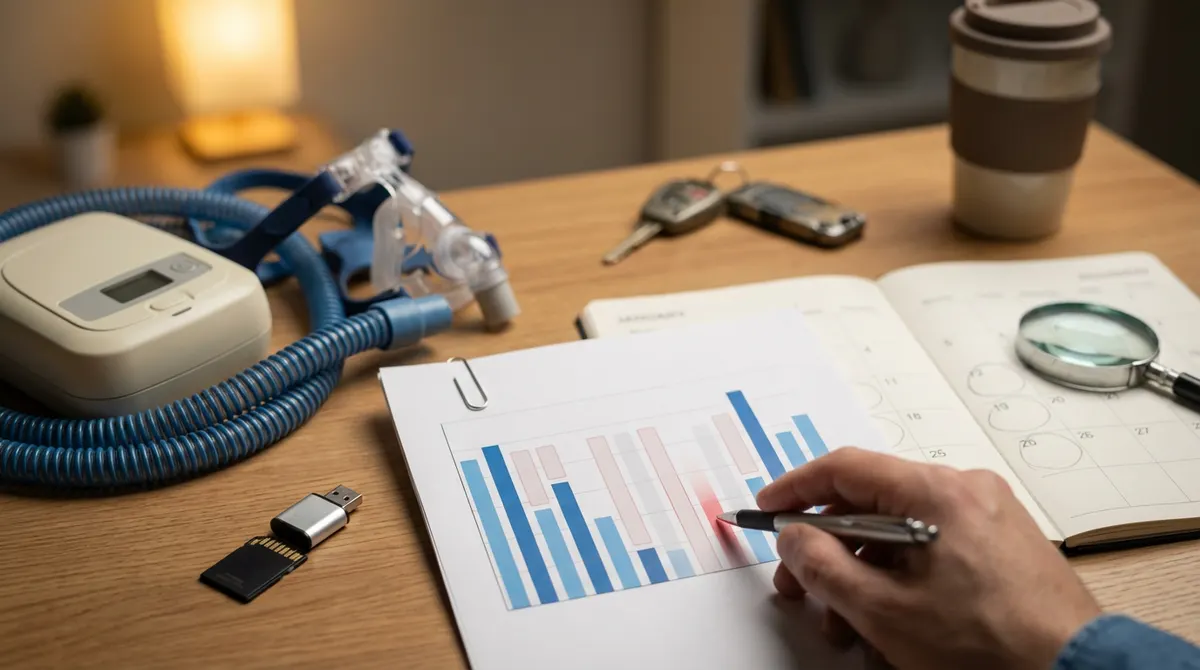
If you already have a diagnosed sleep apnea condition and are using a CPAP machine, your medical examiner will require proof of active and adequate therapy use. The standard compliance benchmark is at least 4 hours of use per night on at least 70% of nights over a defined period. Medical examiners typically request compliance data no older than 30 days, and most require a minimum of 90 days of usage history, with some requesting up to 12 months when available.
Insufficient compliance data is one of the most common and correctable reasons for failing a DOT physical renewal when sleep apnea is already diagnosed. If your CPAP compliance report shows gaps in usage, too few hours per night, or data that is outdated, your medical examiner will typically issue a short-term medical card or a determination pending status rather than full certification.
The Poorly Managed Condition: When Daytime Sleepiness and Fatigue Impact Driving Performance

Some drivers have a diagnosed condition and show adequate compliance data on paper, but continue to report daytime sleepiness or fatigue symptoms that suggest the treatment is not fully effective. This can occur when CPAP pressure settings are no longer appropriate, when equipment fit has deteriorated, or when a secondary sleep disorder is also present.
The FMCSA standard is not simply that you own and use a CPAP device. It requires that the treatment is working. If your sleep medicine professionals note residual daytime sleepiness in your clinical records, your medical examiner may issue only a conditional or short-term medical card while a treatment adjustment is pursued.
KEY TAKEAWAY: Knowing which driver profile applies to you, undiagnosed, non-compliant, or poorly managed, determines which documentation you need to gather and which specialist you need to consult next.
Phase 2: Navigating the Sleep Study and Diagnosis Process
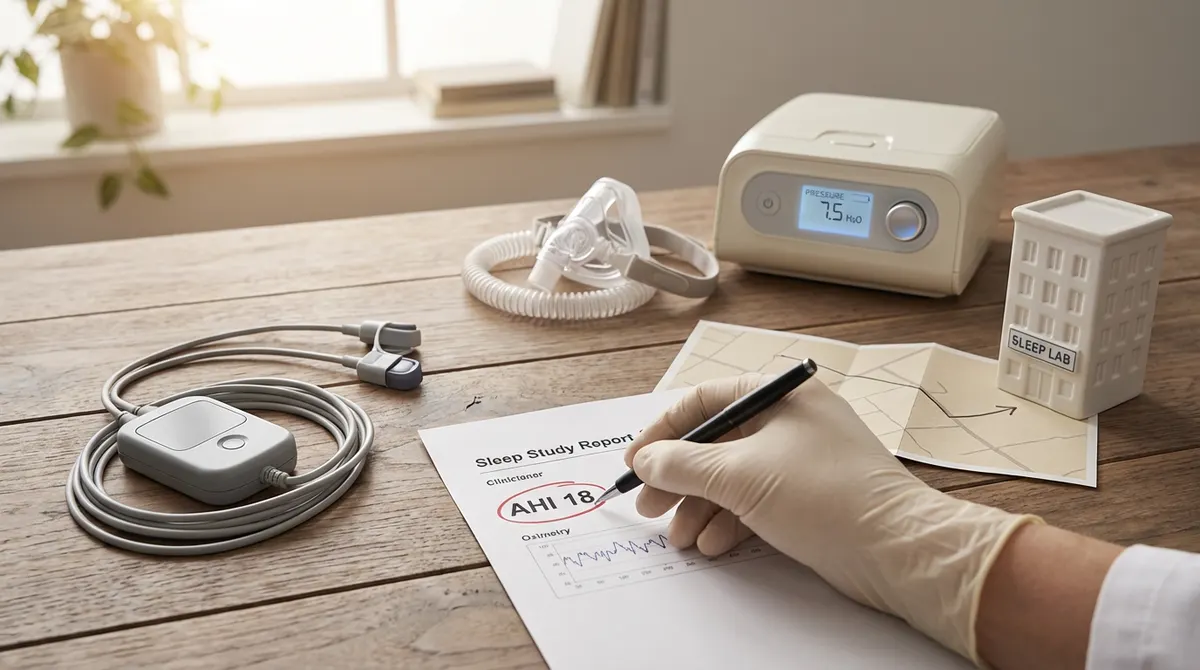
The sleep study and diagnosis phase is where your clinical roadmap is established. The results you receive here will guide your treatment plan, your CPAP settings, and the documentation you bring to future DOT physical exams.
Home Sleep Apnea Test vs. In-Lab Sleep Study: Which One Do You Need?

Two primary diagnostic options exist for commercial drivers: the home sleep apnea test (HSAT) and the in-laboratory polysomnogram (PSG). The right choice depends on your symptoms, your examiner's requirements, and any complicating health conditions.
| Feature | Home Sleep Apnea Test | In-Lab Sleep Study (PSG) |
|---|---|---|
| Cost | Lower ($149 one-time at Dumbo Health) | Significantly higher (often $1,000 to $3,500 with insurance processes) |
| Convenience | Completed at home on your schedule | Requires an overnight clinic appointment |
| Wait Time | Often available within days | Can require weeks to months for a lab slot |
| Conditions Detected | Obstructive sleep apnea in uncomplicated cases | OSA plus narcolepsy, REM disorders, limb movement disorders |
| Accuracy Limitation | May underestimate severity in complex cases | Higher accuracy for complex or severe presentations |
| Best For | Drivers with straightforward OSA risk factors | Drivers with severe or complex suspected disorders |
A home sleep apnea test measures blood oxygen levels, respiratory effort, airflow, and heart rate using a portable device worn during a single night at home. The American Academy of Sleep Medicine (AASM) considers home sleep testing appropriate for diagnosing uncomplicated obstructive sleep apnea in patients without significant comorbidities. For the majority of commercial drivers flagged on a DOT physical, a home sleep test provides a fast, medically valid path to diagnosis.
An in-lab sleep study is performed at a sleep lab under the supervision of trained technicians, who can monitor and adjust testing in real time. Lab studies have a lower rate of poor-quality recordings, and if severe sleep apnea is detected during the study, technicians can begin CPAP therapy the same night using a split-night protocol. If your medical examiner or sleep specialist suspects a more complex sleep disorder beyond OSA, in-lab testing is the more appropriate route.
Drivers who want a fast, convenient, and cost-transparent path to diagnosis can complete a home sleep apnea test through Dumbo Health for a single payment of $149, with no insurance required, no prior authorizations, and no surprise bills.
Understanding Your Results: Mild, Moderate, and Severe Obstructive Sleep Apnea
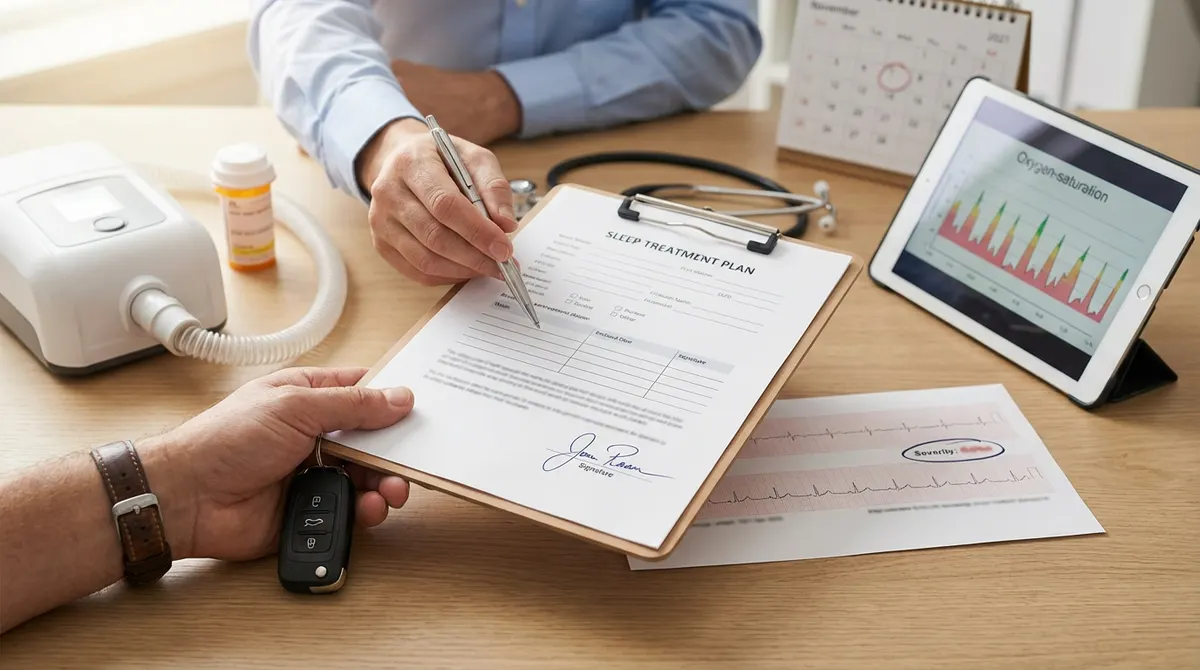
Your sleep study results will include an Apnea-Hypopnea Index (AHI), which measures the average number of breathing disruptions per hour of sleep. The Sleep Foundation and the American Academy of Sleep Medicine classify adult sleep apnea severity using the following thresholds:
Normal: fewer than 5 events per hour
Mild obstructive sleep apnea: 5 to 14 events per hour
Moderate obstructive sleep apnea: 15 to 29 events per hour
Severe obstructive sleep apnea: 30 or more events per hour
The FMCSA identifies moderate to severe OSA as the disqualifying level when it interferes with safe driving. Mild cases may not require PAP therapy and can sometimes be managed with oral appliances or lifestyle modifications. Moderate to severe cases typically require Continuous Positive Airway Pressure (CPAP) therapy as the primary treatment.
Coordinating with Sleep Medicine Professionals for a Formal Treatment Plan
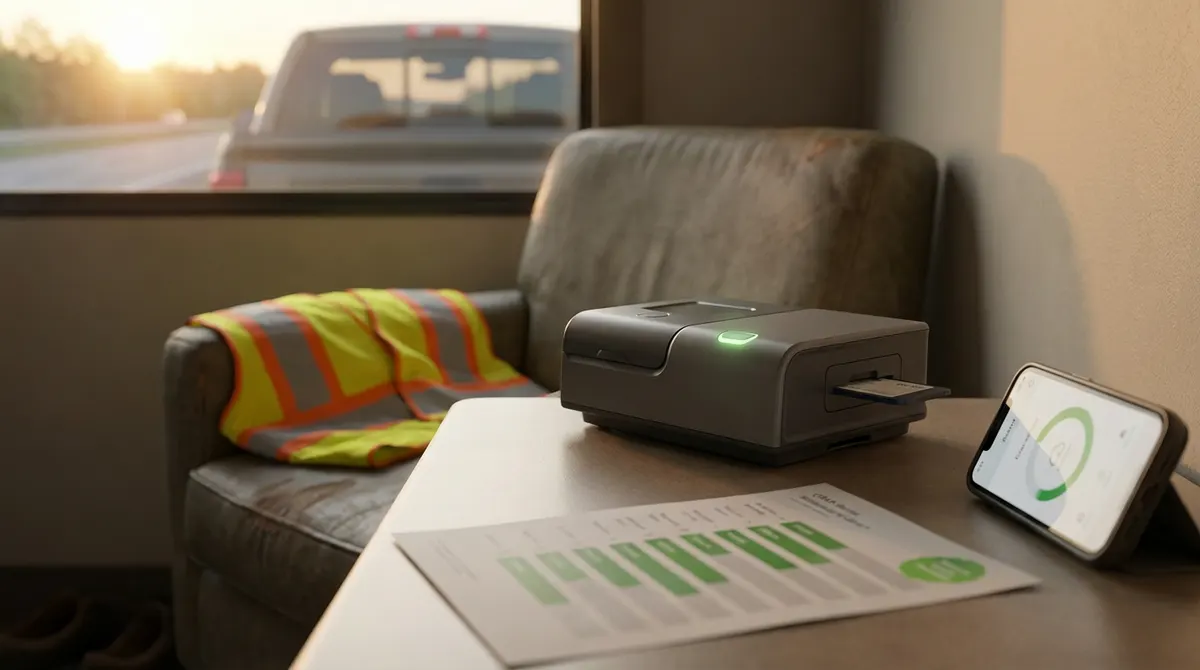
Once your results are available, a sleep physician will review your AHI score, oxygen saturation data, and symptom history to recommend a formal treatment plan. This plan is essential documentation for your DOT physical, as your medical examiner needs written evidence from a treating provider that a treatment regimen has been prescribed and initiated. A clear, written treatment plan from your sleep medicine professionals, paired with your diagnostic results, forms the clinical foundation of your recertification file.
KEY TAKEAWAY: A home sleep apnea test is sufficient for most commercial drivers to begin the diagnosis process. Your AHI score determines your treatment pathway, and a formal treatment plan from a sleep physician is required documentation before your next DOT physical.
Phase 3: Mastering CPAP Compliance and PAP Therapy

CPAP compliance is the most critical factor determining whether a commercial driver with diagnosed sleep apnea passes their annual DOT physical. The documentation you generate through consistent therapy use is your primary proof of medical fitness.
The Gold Standard: How Continuous Positive Airway Pressure (CPAP) Restores Your Eligibility
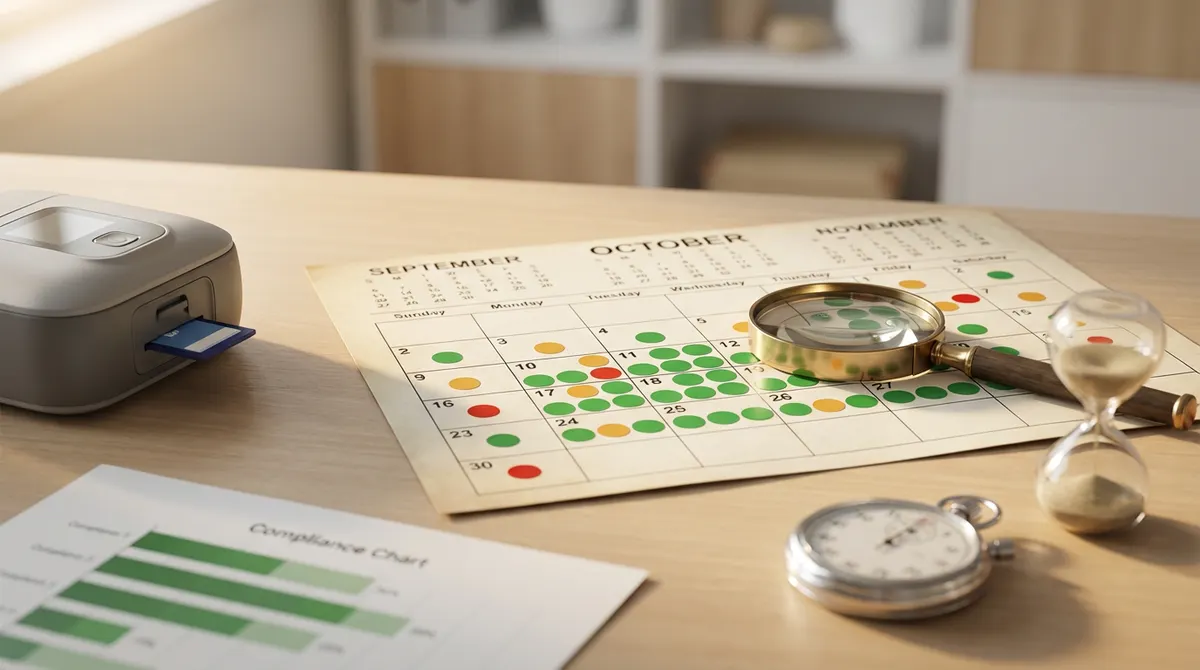
Continuous Positive Airway Pressure (CPAP) therapy works by delivering a steady stream of pressurized air through a mask worn during sleep, keeping the upper airway open and preventing the breathing interruptions that define obstructive sleep apnea. CPAP is the most widely prescribed and most clinically effective first-line treatment for moderate to severe OSA. Mayo Clinic identifies CPAP as the gold standard treatment for obstructive sleep apnea, with consistent use linked to reduced daytime sleepiness, improved cardiovascular health, and better cognitive performance. For a commercial driver, effective CPAP therapy means restored alertness, lower crash risk, and a clear path to annual medical recertification.
Drivers who begin CPAP therapy and demonstrate adequate compliance can transition from a short-term temporary medical card to a full annual certification. Untreated or non-compliant drivers face the opposite trajectory: progressive restriction of their medical card and, ultimately, disqualification from operating a commercial motor vehicle.
Dumbo Health's CPAP therapy plans offer transparent cash-pay pricing starting at $59 per month for the Essentials plan, with no contracts, no insurance requirements, and no prior authorizations needed. The monthly plan includes physician interpretation of your sleep study, CPAP equipment, standard follow-up care, and updates sent to your referring provider.
The 30/90 Day Rule: Understanding the Specific Usage Requirements for Recertification
Meeting the CPAP compliance threshold is not about perfection. It is about consistency. The standard most medical examiners apply requires:
A minimum of 4 hours of CPAP use per night
On at least 70% of nights
Over a period of at least 30 consecutive days, with 90 days of data strongly preferred by most examiners
Compliance data must not be more than 30 days old at the time of your DOT physical exam. Some medical providers request a full 12 months of usage data if it is available. When you are first starting CPAP therapy after a new diagnosis, an initial 30-day compliance window is typically sufficient to qualify for a temporary medical card. Maintaining 90 or more days of consistent data significantly improves your chances of receiving a full annual certification.
IMPORTANT: Compliance data pulled directly from your CPAP device's data card or cloud-connected app is the accepted format for most medical examiners. Print or download a summary report before your appointment. Your CPAP equipment provider can assist with generating this report.
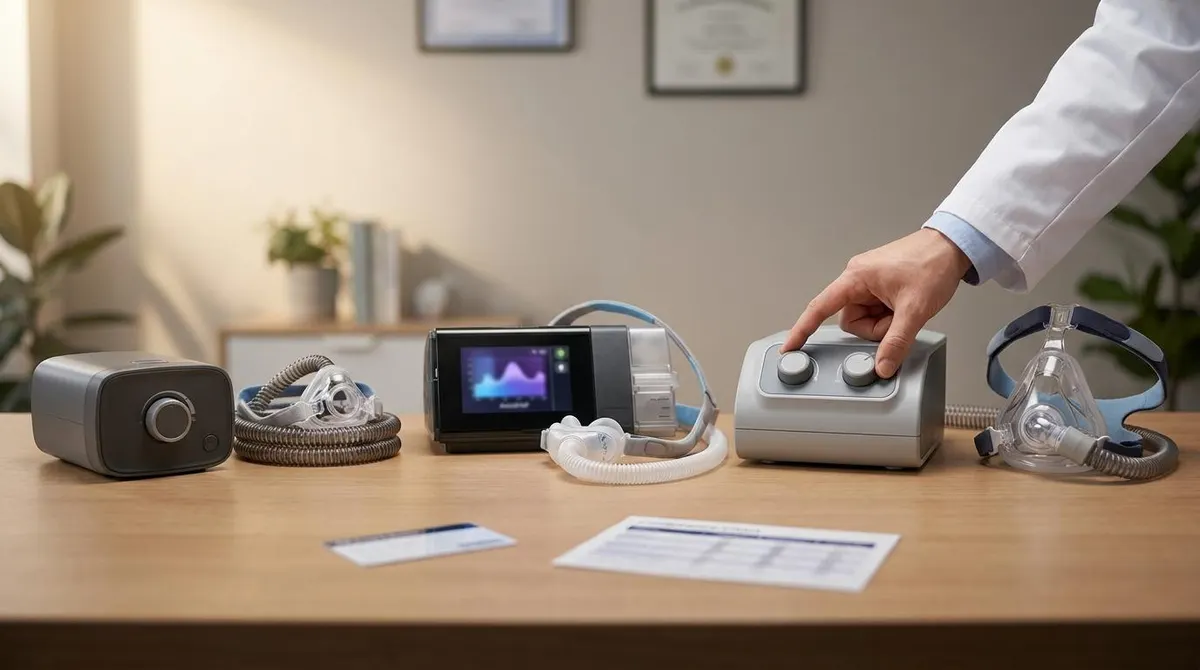
Troubleshooting Equipment: Transitioning Between CPAP, AutoPAP, and BiPAP

Not all PAP therapy machines are identical. Three primary device types exist, and understanding the differences can help you work with your sleep physician to optimise your treatment.
CPAP (Continuous Positive Airway Pressure): Delivers a fixed pressure setting throughout the night. Appropriate for drivers with straightforward obstructive sleep apnea.
AutoPAP (Automatic Positive Airway Pressure): Automatically adjusts pressure throughout the night based on detected breathing patterns. Often preferred when pressure needs fluctuate or when CPAP tolerance is an issue.
BiPAP (Bilevel Positive Airway Pressure): Delivers two pressure levels, one for inhalation and one for exhalation. Typically used for drivers with very high pressure requirements, complex sleep apnea, or difficulty tolerating standard CPAP.
If you are struggling to maintain compliance due to discomfort, pressure intolerance, or mask seal issues, speak with your sleep physician about device or mask adjustments before concluding that PAP therapy is not working. Many compliance problems are equipment problems, not treatment failures.
How to Generate and Interpret a CPAP Compliance Report for Your Medical Examiner

Most modern CPAP machines store usage data that can be accessed via a data card or a cloud-connected app. Your compliance report should show:
Total nights of recorded data
Average hours of use per night
Percentage of nights meeting the 4-hour threshold
Residual AHI (the number of apnea events still occurring per hour on therapy)
Mask leak data
Your medical examiner is looking for an average of 4 or more hours per night on 70% or more of nights, and a residual AHI that indicates the therapy is controlling your condition effectively. A residual AHI below 5 is ideal. If your report shows a residual AHI above 10 despite compliance, your examiner may refer you back to your sleep physician for a pressure adjustment before issuing your full annual medical card.
KEY TAKEAWAY: The 30/90 day compliance standard, 4 hours per night on 70% of nights, is the core benchmark that determines your DOT physical outcome. A current, legible compliance report is the single most important document to bring to your DOT physical exam.
Consistent PAP therapy is the most common treatment path, but for some drivers, alternative options may be medically appropriate or necessary when CPAP cannot be tolerated.
Phase 4: Exploring Alternative Treatment Paths to Recertification
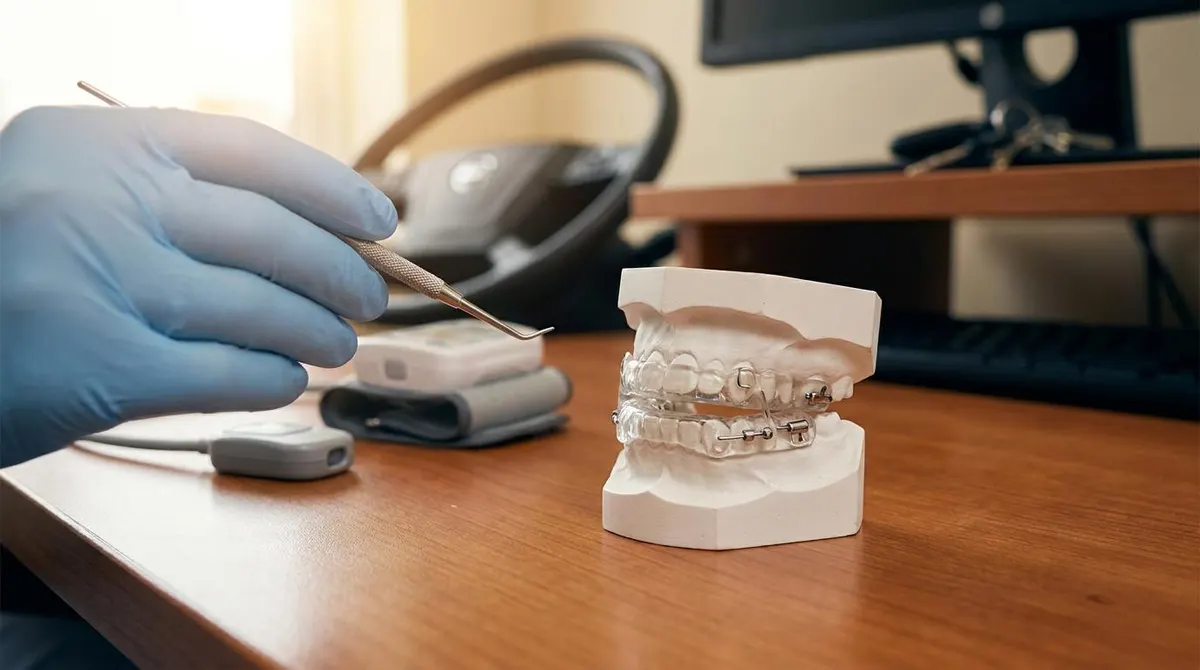
Not every commercial driver can tolerate CPAP therapy, and the FMCSA medical framework does allow for alternative treatments when they are appropriately documented and supervised by qualified sleep medicine professionals.
Custom-Fitted Oral Appliances: When Oral Device Therapy Is an Approved Option
Custom-fitted oral appliances, also called mandibular advancement devices, are worn during sleep and work by repositioning the lower jaw slightly forward to keep the airway open. According to clinical guidance used in DOT medical examinations, oral device therapy is most appropriate as a primary treatment when the driver's initial AHI is below 30. Before returning to commercial driving duties, a driver using an oral appliance must complete a follow-up sleep study demonstrating an AHI ideally at or below 5, with a result up to 10 accepted in some cases. All reported symptoms of daytime sleepiness must be resolved, and blood pressure must be controlled.
Oral appliances are custom-fitted by a sleep medicine dentist and are not the same as over-the-counter mouthguards. A properly fitted, FDA-cleared device is required, and ongoing monitoring by a qualified provider is necessary to maintain DOT compliance eligibility.
Surgical Interventions and Inspire Therapy: Requirements for Specialist Clearance
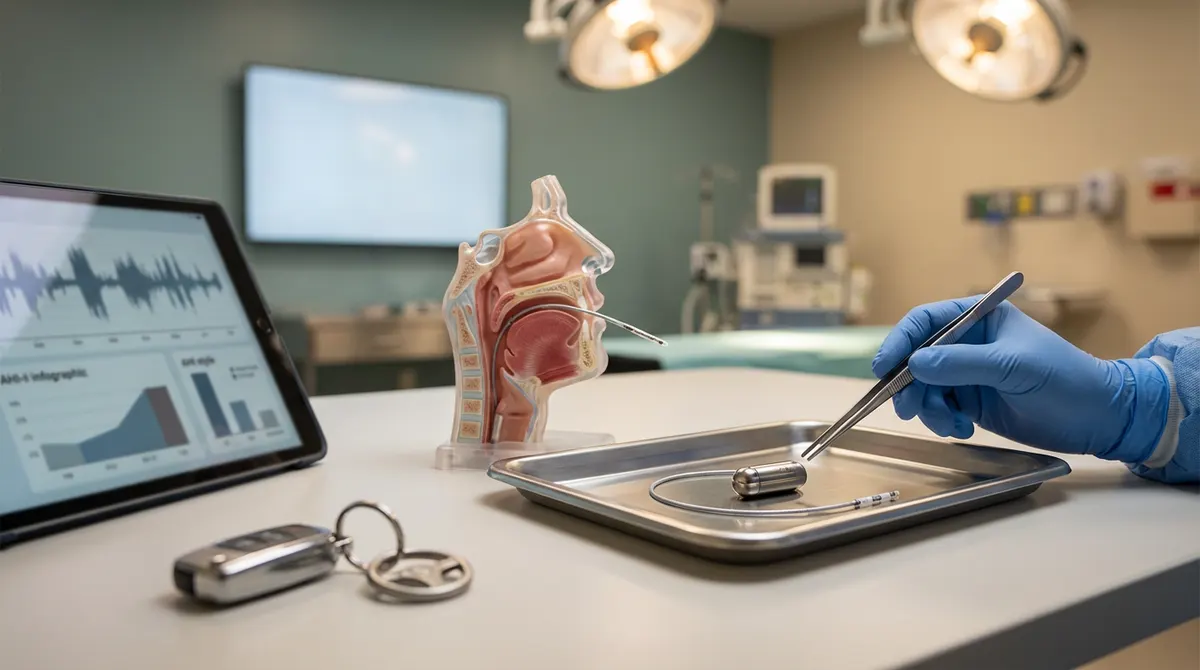
For drivers with moderate to severe obstructive sleep apnea who cannot tolerate PAP therapy, Inspire therapy (upper airway stimulation) is a surgically implanted device that detects breathing patterns and sends a mild electrical signal to keep the airway open during sleep. Inspire therapy is FDA-approved and is increasingly recognized as an alternative for appropriate candidates.
Eligibility for Inspire therapy typically requires documented CPAP failure or intolerance, an AHI between 15 and 65, a BMI at or below the threshold specified by the treating centre, and a pattern of predominantly obstructive rather than central apnea events. For a commercial driver pursuing Inspire therapy as a route to DOT recertification, specialist clearance from the implanting surgeon and a post-treatment sleep study confirming adequate control of the condition are required documentation.
Other surgical interventions targeting the upper airway are evaluated on a case-by-case basis. Any surgical treatment must be followed by objective post-operative sleep testing confirming that OSA is adequately controlled before returning to commercial driving.
Lifestyle Modifications: Can Weight Loss and Reduced Neck Circumference Eliminate the Need for PAP Therapy?

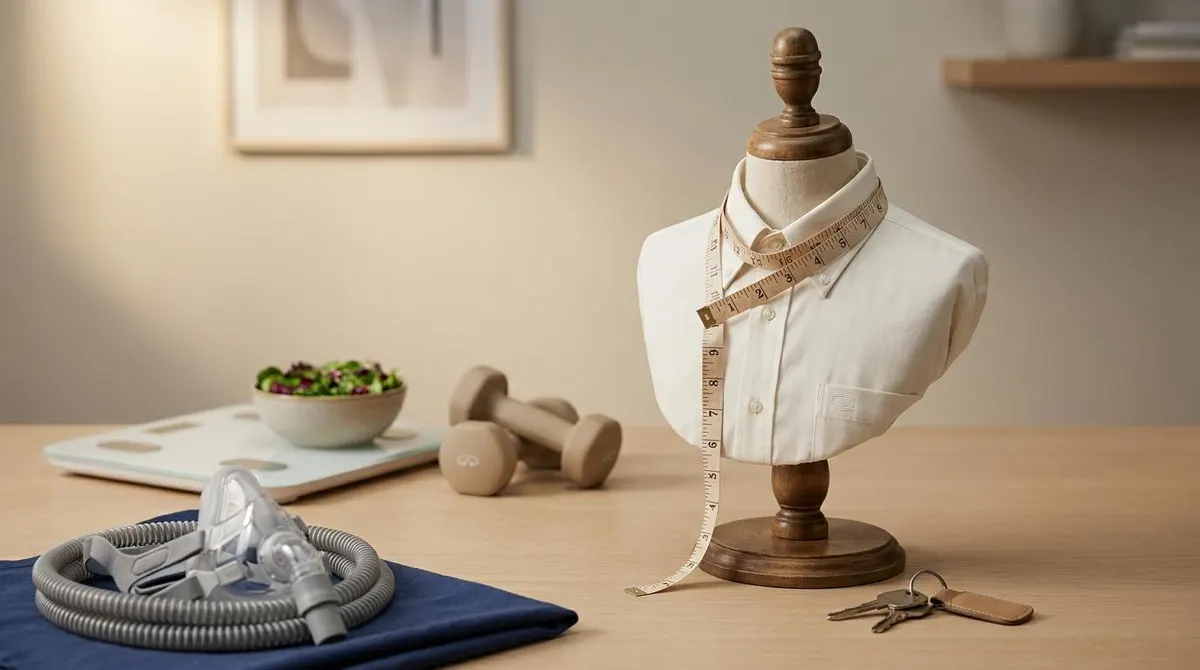
Weight loss is the most evidence-supported lifestyle intervention for reducing OSA severity. Obstructive sleep apnea has a direct physiological relationship with excess weight, particularly around the neck and upper airway. Reducing neck circumference and overall body weight can meaningfully lower the AHI score. For drivers with mild to moderate sleep apnea, clinically significant weight loss has in some cases reduced the AHI below the threshold requiring ongoing PAP therapy.
However, lifestyle modifications alone are rarely sufficient for moderate to severe obstructive sleep apnea. Any decision to discontinue PAP therapy following weight loss must be supported by a repeat sleep study confirming that the AHI has reached an acceptable level. Your sleep physician must document this change before you present at your next DOT physical exam without a compliance report.
KEY TAKEAWAY: Oral appliances, Inspire therapy, and lifestyle modifications are medically accepted alternatives to CPAP therapy under specific clinical conditions. All alternative paths require specialist documentation and post-treatment sleep testing before they will satisfy DOT medical certification standards.
Phase 5: The Audit-Proof Documentation Strategy
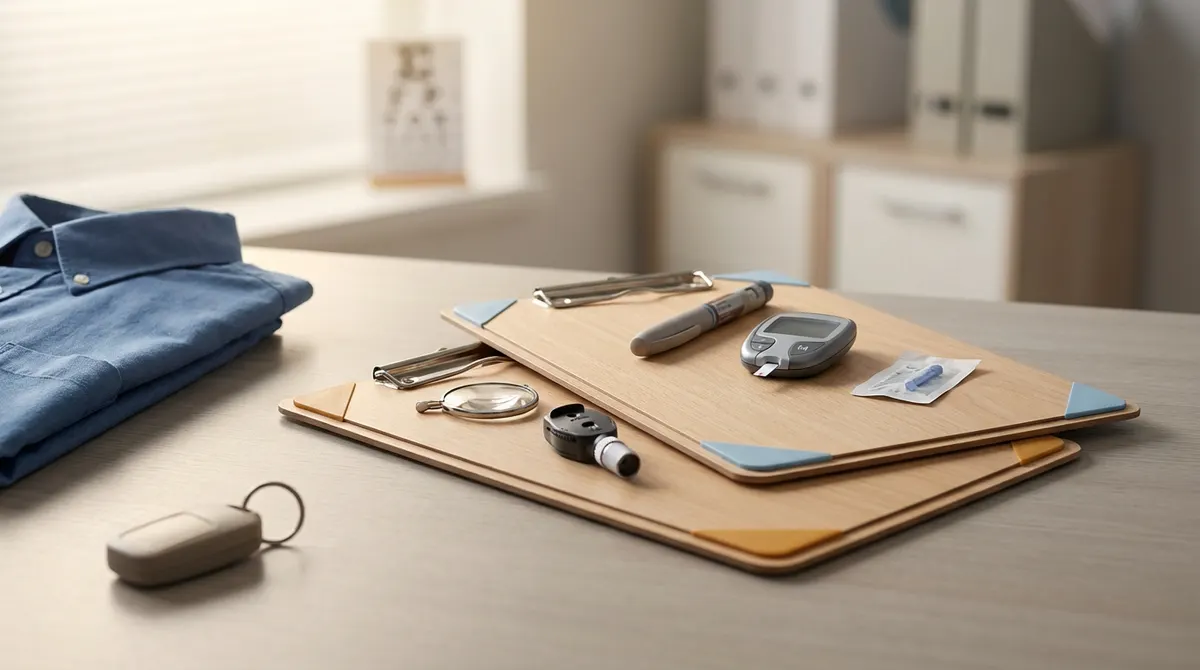
Documentation is the difference between a smooth DOT physical and a certification delay. Experienced medical examiners who work regularly with commercial drivers know exactly what they need to see, and arriving prepared saves time and removes uncertainty.
The Importance of Form MCSA-5870 and Form MCSA-5871

The FMCSA uses several standardized forms in the DOT physical and certification process. Form MCSA-5870 is the Insulin-Treated Diabetes Mellitus Assessment Form used when a driver has insulin-dependent diabetes. Form MCSA-5871 is the vision Evaluation Report, which must be completed and signed by a licensed ophthalmologist or optometrist when a driver requires specialist vision evaluation. While neither form is specific to sleep apnea, understanding the full forms landscape helps you bring a complete and organized documentation file to your physical examination.
For sleep apnea specifically, the documentation package your medical examiner needs includes your diagnostic sleep study results, your treating provider's notes confirming your treatment plan, your current CPAP compliance report, and any follow-up letters from your sleep specialist.
What Your Sleep Specialist's Provider Clearance Letter Must State

A provider clearance letter from your sleep physician carries significant weight with your medical examiner. To be useful and complete, the letter should explicitly state:
Your confirmed diagnosis and AHI score from your sleep study
The treatment prescribed, including device type, pressure setting, and start date
Your current compliance status and adherence rate
Whether your symptoms, including daytime sleepiness, have resolved
The physician's clinical assessment that you are safe to operate a commercial motor vehicle
Any recommended follow-up schedule
A vague or incomplete clearance letter can raise more questions than it answers. Request a detailed letter from your sleep specialist, and review it before your appointment to confirm it covers all of these points.
Organizing Your Medical Records and Medication List for the DOT Physical Exam

Your medical records and medication list should be organized in a logical order before you attend your DOT physical exam. Bring the following in a clearly labelled folder or envelope:
Diagnostic sleep study report (full version, not just a summary)
Provider clearance letter from your sleep specialist
CPAP compliance report dated within the last 30 days
List of all current medications including dosage and prescribing physician
Any relevant blood pressure records or cardiology notes if applicable
Your most recent Medical Examiner's Certificate if you are renewing
Drivers who arrive at their DOT physical with complete, organized documentation consistently report a faster and less stressful experience. Many examiners will issue a decision on the spot when records are thorough and current.
Why a DOT-Ready Letter Saves Time at the Medical Examination

A DOT-ready letter is a summary document prepared by your treating sleep physician that consolidates all clinically relevant information into a format specifically designed for the medical examiner. Unlike a standard clinical note, a DOT-ready letter is organized around the FMCSA's certification criteria rather than internal medical narrative. It tells the examiner, in plain terms, that your condition is diagnosed, treated, compliant, and safe for commercial driving.
Medical examiners who receive a well-prepared DOT-ready letter do not need to make follow-up calls or request additional records. This reduces the likelihood of a determination pending outcome and increases the probability of certification being issued the same day.
KEY TAKEAWAY: Arriving at your DOT physical exam with a current compliance report, a detailed provider clearance letter, organized medical records, and a complete medication list is the most reliable way to achieve same-day certification.
Looking for a provider near you who can prepare a DOT-ready summary or review your treatment documentation? Dumbo Health's care team provides direct physician messaging and custom reporting as part of the Elite Plan, designed to support drivers who need clinical coordination with their medical examiner.
Phase 6: Retaking the DOT Physical and Navigating the Second Opinion

Once your treatment is established and your documentation is in order, retaking the DOT physical is a straightforward process when approached strategically. Understanding how medical examiner selection, second opinions, and temporary certification windows work gives you greater control over the outcome.
How to Choose a Medical Examiner Who Understands Sleep Disorder Regulations

Not all National Registry Certified Medical Examiners have equal experience with sleep apnea and DOT compliance documentation. When selecting a medical examiner for your recertification physical exam, look for examiners who:
Have explicit experience working with commercial drivers who have sleep disorders
Are familiar with CPAP compliance reports and know how to interpret residual AHI data
Have established protocols for working with sleep medicine specialists
List occupational health or transportation medicine as a clinical focus
The FMCSA National Registry allows you to search for certified medical examiners in your area. Finding a provider near you who works regularly with truck drivers and CDL holders reduces the risk of miscommunication about your records and increases the likelihood of a smooth certification outcome.
The Reality of Second Opinions: Strategic Pivot vs. Doctor Shopping

Commercial drivers have the right to seek a second opinion from another National Registry Certified Medical Examiner. However, this process requires careful handling to avoid the appearance of doctor shopping, which occurs when a driver selectively seeks examiners until one provides a favourable result without full disclosure of medical history.
To seek a legitimate second opinion, obtain permission from your motor carrier before scheduling the second examination. Bring the same complete health history and documentation you provided to the first examiner. Never omit a condition, diagnosis, or test result that was disclosed previously. If a conflict exists between two examiner determinations, under federal regulation 49 CFR 391.47, you or your motor carrier may request FMCSA intervention, and the agency will review all submitted medical evidence and resolve the dispute with an impartial expert opinion.
A legitimate second opinion is most valuable when you believe your first examiner misinterpreted your compliance data, applied an overly conservative standard, or was unfamiliar with current FMCSA guidance on treated OSA.
Working Within the 90-Day Temporary Medical Certification Window

A 90-day temporary medical card is often issued when a driver has recently started CPAP therapy and cannot yet demonstrate 90 days of compliance history. This certification period is not a penalty. It is a structured monitoring window designed to confirm that your treatment is working before a full annual certification is granted.
During this 90-day window, your primary focus should be consistent CPAP use, ideally achieving 4 hours or more per night on all or nearly all nights. Your examiner will review updated compliance data at the follow-up appointment before issuing a longer certification period. Drivers who demonstrate strong compliance during the 90-day window are well positioned to receive a 12-month medical card at their follow-up.
What to Do If You Are Issued a Short-Term Medical Card
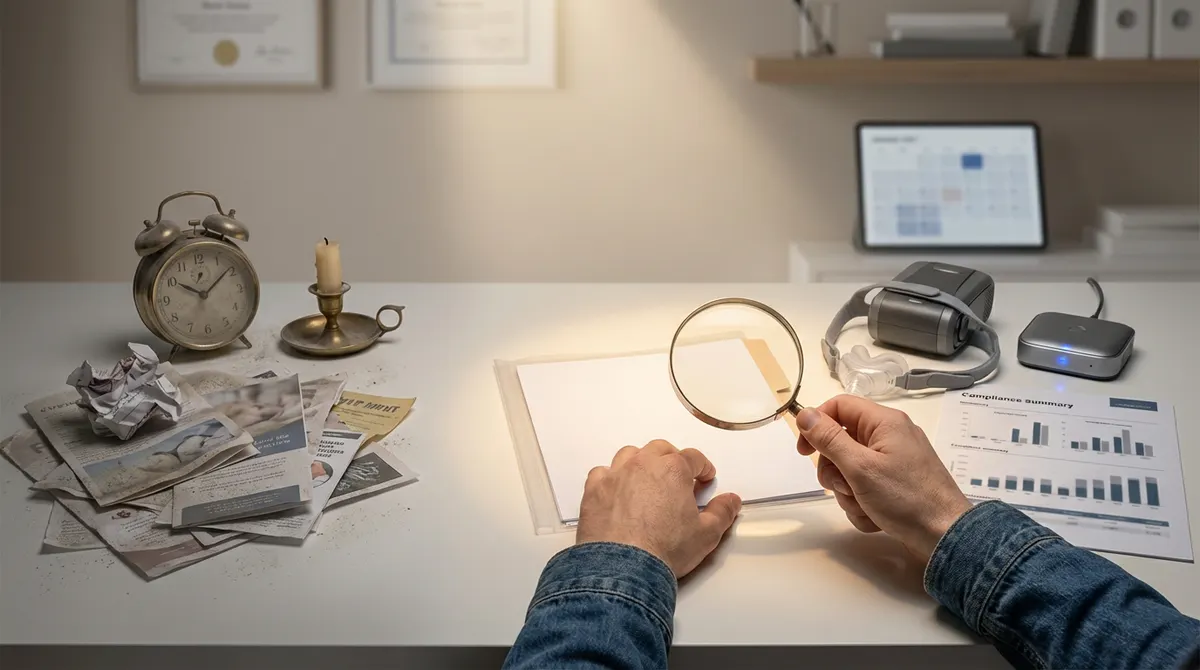
A short-term medical card with a certification period shorter than 12 months typically means your examiner needs more time or more data before issuing full annual certification. Treat this period as a performance window. Use your CPAP device every night, generate consistent compliance data, and schedule your follow-up appointment before the card expires. Do not wait until the expiration date. Allow yourself at least two to three weeks before the expiry date to gather updated records and book your next DOT physical examination.
KEY TAKEAWAY: A temporary or short-term medical card is a structured pathway to full annual certification, not a permanent limitation. Consistent CPAP use during the temporary window is the most direct route to an unrestricted 12-month or 24-month medical card.
Common Myths About Sleep Apnea and CDL Certification Debunked
Misinformation about sleep apnea and DOT physical requirements causes many commercial drivers to delay seeking treatment or abandon the recertification process unnecessarily. The following myth-and-fact pairs address the most common decision barriers faced by drivers.
MYTH: A sleep apnea diagnosis automatically disqualifies you from holding a CDL.
FACT: The FMCSA does not disqualify drivers simply for having sleep apnea. According to the FMCSA's own public guidance, treated obstructive sleep apnea does not preclude medical certification. The disqualifying condition is untreated moderate to severe OSA that interferes with safe driving. Drivers who demonstrate effective treatment and adequate compliance are eligible for full annual medical certification.
MYTH: You have to go to a sleep lab to get a valid diagnosis for your DOT physical.
FACT: Home sleep apnea testing is a medically accepted diagnostic method for uncomplicated obstructive sleep apnea and is recognized in the FMCSA Medical Examiner's Handbook guidance. The American Academy of Sleep Medicine supports home sleep testing for appropriate candidates. A home sleep apnea test completed through a qualified provider such as Dumbo Health delivers a clinically valid result without the cost or scheduling delays of an in-lab study.
MYTH: If you fail the sleep apnea portion of a DOT physical, you lose your CDL immediately.
FACT: A failed or deferred DOT physical due to sleep apnea does not automatically revoke your CDL. Your commercial driver's license and your DOT medical certificate are separate documents. If your medical certificate expires or is not renewed, you cannot legally operate a commercial motor vehicle in interstate commerce, but your CDL itself is not cancelled. Completing treatment and returning for recertification restores your medical certificate.
MYTH: CPAP compliance is too complicated to manage on the road.
FACT: Modern CPAP devices are compact, designed for travel, and connect to cloud platforms that make compliance reporting straightforward. Many drivers use AutoPAP devices with a universal power supply that works in the cab of a truck. The compliance report is generated automatically from the device's data card or app. In real-world use, many commercial drivers report that adapting to CPAP therapy on the road is easier than anticipated once they find the right mask and pressure setting.
MYTH: Once you start CPAP, you are committed to it for life.
FACT: CPAP is not always a lifetime requirement. For drivers who achieve clinically significant weight loss, a repeat sleep study may show that the AHI has improved to a level that no longer requires ongoing PAP therapy. Surgical interventions and Inspire therapy have also allowed some drivers to discontinue CPAP use. Any change in treatment must be supported by a post-treatment sleep study and documented by your sleep physician before your next DOT physical.
KEY TAKEAWAY: The most common myths about sleep apnea and CDL certification all point toward permanent disqualification, but the clinical and regulatory reality is that treatment and documentation make continued commercial driving entirely achievable for the vast majority of drivers with this condition.
Phase 7: Long-Term Maintenance and Preventing Future Failures

Recertification is not the finish line. Sustainable long-term CDL health requires proactive monitoring, a reliable support team, and consistent engagement with the FMCSA medical certification cycle.
Proactive Annual Monitoring: Avoiding Surprises Before Your Medical Card Expires

Drivers with diagnosed and treated sleep apnea are typically placed on an annual medical card cycle, meaning they must complete a DOT physical exam every 12 months rather than the standard 24-month cycle allowed for drivers without ongoing conditions. The FMCSA Expert Panel on OSA recommends annual recertification for drivers with sleep apnea to ensure continued safe treatment compliance.
Building a proactive monitoring calendar prevents surprises. Schedule your DOT physical appointment at least 30 to 45 days before your medical card expires. Pull a compliance report from your CPAP device at least 30 days before your appointment to review your data and address any gaps. If your average usage has dipped or your residual AHI has increased, contact your sleep physician for an adjustment before your exam date.
The Role of the American Transportation Research Institute and FMCSA Guidance in Driver Health

The American Transportation Research Institute (ATRI), affiliated with the American Trucking Associations, has conducted extensive research on driver health and sleep disorders in the commercial transportation sector. ATRI research, in partnership with FMCSA-sponsored studies, has shaped the evidence base for sleep apnea screening in commercial drivers and continues to inform how medical examiners interpret and apply OSA-related standards. Staying informed about updates to FMCSA guidance and ATRI research helps drivers and their care teams anticipate changes to screening criteria, documentation requirements, or treatment standards before they affect certification cycles.
Building a Support Team: Primary Care Physicians, Sleep Specialists, and Occupational Health

Commercial drivers with sleep apnea benefit most from a coordinated support team that understands both the clinical requirements and the occupational realities of commercial driving. Your ideal team includes a primary care physician who monitors your overall health and blood pressure, a sleep medicine professional who oversees your diagnosis, treatment plan, and annual monitoring, and access to an occupational health provider familiar with FMCSA medical certification standards.
Clinicians who work regularly with commercial drivers understand the documentation expectations of medical examiners. They know how to structure clearance letters, what compliance data formats are most accepted, and how to communicate treatment effectiveness in a way that supports certification rather than complicating it.
Drivers looking for a coordinated, cost-transparent care pathway can explore the full range of sleep apnea care solutions at Dumbo Health. Plans are available from $59 per month with no contracts, no insurance required, and no surprise billing, covering physician interpretation, CPAP equipment, and ongoing follow-up care.
KEY TAKEAWAY: Long-term CDL success with sleep apnea depends on proactive scheduling, a consistent compliance record, and a coordinated clinical team that understands both the health and regulatory dimensions of commercial driver certification.
Frequently Asked Questions
Can you fail a DOT physical for sleep apnea?
Yes, a driver can fail or be deferred at a DOT physical due to sleep apnea, but the outcome depends on the type and severity of the condition and whether treatment is in place. The FMCSA states that moderate to severe obstructive sleep apnea that interferes with safe driving is a disqualifying condition under 49 CFR 391.41(b)(5). However, the same guidance confirms that treated sleep apnea does not preclude certification. Drivers who are currently undiagnosed and show risk factors will typically be deferred pending a sleep study, while drivers with a diagnosed but non-compliant condition may receive a short-term or temporary medical card rather than full certification.
Can I be a CDL driver if I have sleep apnea?
Yes. Having sleep apnea does not end your commercial driving career. The FMCSA explicitly confirms that drivers with treated obstructive sleep apnea can be medically certified to operate a commercial motor vehicle. The key requirements are completing an appropriate sleep study to confirm the diagnosis, following a treatment plan prescribed by a qualified sleep medicine professional, demonstrating CPAP or alternative therapy compliance with documented usage data, and presenting that documentation at each annual DOT physical exam. Approximately 28% of commercial truck drivers have some degree of sleep apnea, and the majority successfully manage the condition while maintaining full CDL certification.
Can I still drive while waiting for my sleep test results?
Whether you can continue driving while awaiting sleep test results depends on the outcome of your most recent DOT physical. If your medical examiner issued a determination pending status and your previous medical certification is still valid and unexpired, you may be able to continue operating a commercial motor vehicle during that window, typically up to 45 days. If you were disqualified or your medical card has expired, you cannot legally drive a commercial vehicle until a new certification is issued. Always confirm your specific status with your medical examiner and your employer before continuing to drive during this period.
Will my sleep apnea diagnosis affect my CDL long-term?
A sleep apnea diagnosis affects your CDL certification cycle, typically requiring annual rather than biennial DOT physicals, but it does not permanently limit your ability to hold or renew a commercial driver's license. Drivers who maintain consistent CPAP therapy compliance and bring complete documentation to each annual DOT physical exam face no greater long-term limitation than any other recurrent health condition that is well managed. Many drivers report that once treatment is established and the documentation process is routine, the annual cycle becomes straightforward. Proactive monitoring and a reliable sleep care provider near you make the difference between a stressful renewal and a predictable one.
What happens if I can't tolerate the CPAP machine?
CPAP intolerance is a recognized clinical challenge, and several alternatives exist. Your sleep physician may recommend switching to an AutoPAP device, which adjusts pressure automatically and is often better tolerated. A different mask style, such as a nasal pillow instead of a full-face mask, can resolve seal or claustrophobia issues. For drivers with mild to moderate sleep apnea, a custom-fitted oral appliance may be an appropriate alternative when the initial AHI is below 30 and a follow-up sleep study confirms adequate control. For those with documented CPAP failure and moderate to severe OSA, Inspire therapy may be an option. Speak with your sleep specialist before concluding that PAP therapy is not viable for you, as most tolerance problems have a practical solution.
Do I have to pay for the sleep study and equipment out of pocket?
Not necessarily. Many commercial drivers use employer-sponsored health plans or trucking company programs that cover some or all costs. However, for drivers without adequate insurance coverage, cash-pay options are widely available. Dumbo Health offers a transparent cash-pay home sleep test for a one-time cost of $149, with no insurance required and no hidden fees. Monthly care plans covering physician interpretation, CPAP equipment, and ongoing follow-up start at $59 per month. There are no contracts and no surprise bills across all plans. For additional resources on self-pay options, the guide to DOT physical self-pay costs for commercial drivers outlines what drivers typically pay out of pocket at each stage.
What is the 4% rule for sleep apnea?
The 4% rule refers to a diagnostic criterion used in sleep study analysis. An apnea or hypopnea event is typically counted when blood oxygen levels drop by 4% or more from baseline, which is known as a 4% oxygen desaturation. The Apnea-Hypopnea Index (AHI) uses this 4% desaturation threshold as part of the standard definition of what counts as a breathing event during sleep. Some studies and labs use a 3% desaturation threshold, which can produce a higher AHI score for the same night of sleep. When reviewing your sleep study results, ask your sleep physician which desaturation threshold was used, as this can affect how your severity classification compares across different studies or providers.
Can tinnitus be secondary to sleep apnea?
Tinnitus, a persistent ringing or buzzing in the ears, has been associated with sleep apnea in observational research. Sleep-related oxygen fluctuations may affect auditory nerve function, and chronic sleep disruption can exacerbate noise sensitivity and tinnitus perception. While the causal relationship is not fully established, drivers who report both conditions should disclose both to their treating physicians and to their DOT medical examiner on the health history form. Hearing tests are a standard component of the DOT physical exam, and any auditory condition that may affect driving performance should be documented and managed appropriately.
Conclusion
Sleep apnea is manageable, and a diagnosis does not have to take you off the road. From your first DOT physical referral to long-term annual recertification, the path forward is clear when you follow each phase systematically: get tested promptly, establish an effective treatment plan, build consistent CPAP compliance, prepare thorough documentation, and work with a medical examiner and sleep care team who understand commercial driver requirements. If you are unsure whether your current symptoms put you at risk or you want to begin the testing process before your next physical exam, take the free Dumbo Health sleep assessment quiz to identify your next step and explore your care options with full pricing transparency and no insurance required.
Related DOT Physical Topics
- Can you pass a DOT physical with sleep apnea
- What Are the DOT Requirements for Drivers With Sleep Apnea
- Can you fail a DOT physical because of sleep apnea
- When Can Sleep Apnea Affect a DOT Physical
- Can You Get a DOT Physical in Any State The Complete Guide for Commercial Drivers
- Can You Get a DOT Physical Online The Complete Guide for Commercial Drivers
- Can You Pass a DOT Physical with Epilepsy
- Can You Pass a DOT Physical With a Hernia
- Can You Pass a DOT Physical With a Pacemaker
- Can You Pass a DOT Physical With One Eye
- What Precautions Should Drivers With Sleep Apnea Take
- Are there legal requirements for drivers with sleep apnea
- What happens if you fail a DOT physical due to sleep apnea
- Can You Pass a DOT Physical with Diabetes
- Can You Pass a DOT Physical with High Blood Pressure
- What are the current DOT requirements for sleep apnea testing for commercial drivers
- Can You Get a Second Opinion on Your DOT Physical A Complete Guide for Commercial Drivers
- How Do You Submit Your DOT Physical to the DMV
- Does a DOT Physical Test for Weed or THC The Complete Guide for Commercial Drivers
- Are There New DOT Rules or Laws on Sleep Apnea Testing
- What Can Disqualify You From a DOT Physical
- Remote DOT Physical The Complete Guide for Commercial Drivers
- DOT Physical Cost Breakdown What Drivers Pay & Why
- Home Sleep Apnea Test for Commercial Drivers The CDL Holder's Complete Guide
- How Sleep Apnea Affects Overall Driving Safety
- DOT Physical Forms & Paperwork The Complete Guide for Commercial Drivers
- Sleep Apnea Test for CDL Drivers
- Navigating Your DOT Physical with Common Medical Conditions
- Online DOT Physical Without Insurance A Complete Guide for Commercial Drivers
- DOT Physical Out of Pocket What Commercial Drivers Actually Pay
- Navigating the Florida DOT Physical Your Essential Guide for CDL Drivers
- Online DOT Physical Self-Pay The Complete Guide for CDL Drivers and Owner-Operators
- DOT physical self pay guide for commercial drivers paying out of pocket
- Can You Get a DOT Physical Online
- Can You Fail a DOT Physical for Being Overweight
- New DOT Physical Requirements What Drivers MUST Know About New Updates
- DOT Physical Blood Pressure Requirements What Drivers Need to Know
- DOT Physical Insurance or Self Pay How to Choose the Right Payment Option for Your Exam
- Is a DOT physical the same as a regular physical
- Can You Fail a DOT Physical for High Blood Pressure
- How to Pass a DOT Physical The Complete Commercial Driver's Guide
- Sleep Apnea Tests for DOT Compliance What tests are accepted
- DOT Physical at Urgent Care What Commercial Drivers Need to Know
- BMI for DOT Physical What Commercial Drivers Need to Know
- What Happens During the DOT Physical Exam The Complete Guide for Drivers
- How Does Sleep Apnea Affect Driving Ability
- What are the current FMCSA guidelines on sleep apnea for commercial drivers
- What Happens If Your DOT Physical Expires Compliance Guide for Commercial Drivers
- DOT Physical & Drug Test What Drivers Need to Know
- DOT Physical Duration and Validity How Long Your Medical Card Lasts
- The Ultimate DOT Physical Guide for Commercial Drivers (2025–2026)
- DOT Physical Requirements A Complete Guide for CDL Drivers
- Is a Sleep Study Required for a DOT Physical
- What Does DOT Stand for in a DOT Physical
- DOT sleep apnea test at home
- What Happens If You Fail a DOT Physical Twice The Complete Guide for Commercial Drivers
- What Is the Difference Between a DOT and Non-DOT Physical
- Online DOT Physical The Complete Guide for Commercial Drivers and Medical Examiners
- Can You Fail a DOT Physical
- Does a DOT physical include a drug test
- DOT Physical Self Pay Cost
- Essential 171 DOT Definitions for Commercial Drivers
- DOT Physical Exam Basics
- Is a drug test required for a DOT physical
- DOT Physical ICD-10 & Billing Codes The Complete Guide for Accurate Compliance and Reimbursement
- Best Treatments for Sleep Apnea to Improve Driving Safety
- Telehealth Dot Physical
- Who needs a DOT physical
- What Forms Do You Need for a DOT Physical
- DOT Physical & Alcohol Requirements
- Navigating DOT Stroke Guidelines for CMV Drivers What You Need To Know
- Why do they measure your neck during a DOT physical
- Why DOT Sleep Tests at Home Matter for Your Career and Health
- What Is the Urine Test for in a DOT Physical
- DOT Physical Online Cost
- Walk In DOT Physical Self Pay
- What Should You Bring to a DOT Physical
- DOT Hypertension Guidelines The Complete Blood Pressure Guide for Commercial Drivers
- Your Complete Guide What's Included in a DOT Physical Exam
- The Ultimate DOT Preparation Checklist for Motor Carriers and Commercial Drivers
- DOT Physical Insurance & Recertification The Complete Driver's Guide
- DOT Physical Cash Pay
- Same Day DOT Physical
- Virtual DOT Physical
- DOT Physical Vision & Eye Requirements
- What blood pressure do you need to pass a DOT physical
- DOT Medical Exam Self-Pay A Complete Guide for Commercial Drivers
- Online DOT Exam What Drivers and Medical Examiners Need to Know
- Do They Check Your Private Parts During a DOT Physical
- The Comprehensive Guide to Suboxone, Sleep Apnea, and FMCSA Compliance for Commercial Motor Vehicle Operators
- DOT Physical Chiropractor Your Complete Guide to CDL Exams
- What should I expect at a DOT physical
- What Does a DOT Physical Consist Of
- At Home Sleep Test for Truck Drivers
- Does insurance cover a DOT physical
- Non-DOT Physical A Comprehensive Guide to Workforce Health and Safety
- DOT Physical Texas The Essential Guide to Your Exam, Medical Card, and CDL Compliance
- Do They Check for Hernia During a DOT Physical
- What Happens If You Fail a DOT Drug Test The Complete Guide for Commercial Drivers
- Do You Have to Pee During a DOT Physical
AI summary
DOT physical sleep apnea requirements generally prevent medical certification when a commercial driver has untreated moderate to severe obstructive sleep apnea (OSA). FMCSA guidance allows drivers with treated OSA to regain medical qualification when treatment is effective and documented. Key certification statuses include disqualified, deferred, and determination pending. Determination pending has a maximum 45-day window, and driving is only allowed if a prior Medical Examiner’s Certificate is still valid and unexpired. Screening triggers for referral can include BMI 33 with additional risk factors, BMI 40, neck circumference over 17 inches (men) or 16 inches (women), loud snoring, witnessed apneas, daytime sleepiness, hypertension, cardiovascular disease, age over 40, and family history. Diagnosis uses a home sleep apnea test (HSAT) or in-lab polysomnogram (PSG). Severity is based on Apnea-Hypopnea Index (AHI): mild 5–14, moderate 15–29, severe 30 or more. Recertification commonly depends on PAP therapy (CPAP/AutoPAP/BiPAP) and compliance documentation: at least 4 hours per night on 70% of nights, with recent data (often within 30 days) and typically 90 days preferred. Medical examiners review compliance reports, residual AHI (below 5 ideal; above 10 may require adjustment), and symptoms resolution. Alternatives include custom oral appliances (often when AHI is below 30, confirmed by follow-up testing), Inspire therapy, and lifestyle changes, all requiring specialist documentation and post-treatment sleep testing.

Nicolas Nemeth
Co-Founder
Nico is the co-founder of Dumbo Health, a digital sleep clinic that brings the entire obstructive sleep apnea journey home. Patients skip the sleep lab and the long wait to see a specialist. Dumbo Health ships an at home test, connects patients with licensed sleep clinicians by video, and delivers CPAP or a custom oral appliance with ongoing coaching and automatic resupply in one clear subscription.
Users Questions
Questions other readers asked our AI assistant about this article. Upvote the ones you find most helpful.
How can commercial drivers recertify with sleep apnea after a failed or deferred DOT physical?
Commercial drivers with sleep apnea can usually recertify once the condition is properly diagnosed, treated, and documented. The first step is to confirm whether the DOT medical examiner marked the exam as disqualified, deferred, or determination pending, because each status has a different path forward. Drivers who were flagged for risk factors such as high BMI, large neck circumference, loud snoring, or daytime sleepiness may need to complete a sleep study. Drivers who already use CPAP must provide current compliance data, typically showing at least 4 hours of use per night on at least 70% of nights over a minimum of 30 consecutive days, with 90 days of data preferred by many examiners. If symptoms such as fatigue or daytime sleepiness continue despite treatment, the driver may need a pressure adjustment, mask change, or follow-up with a sleep specialist. To support recertification, bring your sleep study results, formal treatment plan, provider clearance letter, and a CPAP compliance report dated within the last 30 days to your DOT physical. Dumbo Health also offers an at-home sleep apnea test for $149, which can help drivers complete testing quickly and move toward medical recertification.
How can a commercial driver correct a DOT exam mistake if sleep apnea was not disclosed or documented because of a HIPAA misunderstanding?
The driver should contact the DOT medical examiner who performed the exam as soon as possible, explain the misunderstanding, and ask how to properly update the medical record. HIPAA protects how health information is shared by medical providers, but drivers are still expected to give complete and accurate health information during a DOT physical. The driver should gather relevant documentation, such as prior sleep apnea diagnosis records, sleep study results, a current treatment plan, CPAP compliance data, and any provider clearance letter from a sleep specialist. If current testing is needed, a home sleep apnea test can help document the condition quickly. Once the records are complete, the driver should provide them to the medical examiner or bring them to the next DOT physical so the condition can be formally reviewed and documented. If the issue led to a deferral, pending determination, or disqualification, the driver should focus on correcting the specific missing item, such as completing a sleep study, proving CPAP compliance, or obtaining specialist clearance.
Keep reading

How Long Does a DOT Physical Take? A Complete Guide for Commercial Drivers

What Happens If You Fail a DOT Drug Test? The Complete Guide for Commercial Drivers


