Can You Pass a DOT Physical with High Blood Pressure?
Most commercial drivers can still qualify for DOT certification with high blood pressure if their readings meet FMCSA thresholds. This guide explains the four blood pressure stages and how each one affects medical card length, from a 24-month certificate to temporary certification or disqualification. It clarifies what happens when exam-day numbers are high, including the one-time 3-month card for Stage 2 and the return-to-certification process. It also covers white coat syndrome and how multiple readings are averaged. Medication use is allowed if blood pressure is controlled and side effects do not impair driving. Practical steps include home BP logs, reducing caffeine and sodium before the exam, improving sleep, and addressing possible sleep apnea.
Struggling with sleep?
Find out if sleep apnea is the reason.
FDA-cleared. $149 flat. Physician-reviewed results in 48 hours.

Can You Pass a DOT Physical with High Blood Pressure?

Passing a DOT physical with high blood pressure is possible for the majority of commercial drivers, provided blood pressure readings fall within the thresholds established by the Federal Motor Carrier Safety Administration. The FMCSA identifies hypertension as one of the most frequently flagged health concerns during DOT medical examinations, yet most drivers with elevated readings can continue operating commercially through appropriate management and monitoring. This guide covers the specific blood pressure thresholds that determine your certification period, how blood pressure medication interacts with DOT Certification, what happens when readings exceed acceptable limits on exam day, and the strategies that produce reliable long-term blood pressure control. Understanding the rules in full gives every commercial driver the clearest possible foundation for keeping their medical card valid, maintaining their commercial driver's license, and building a long, uninterrupted career on the road.
Understanding the DOT Blood Pressure Requirements: The Numbers That Matter

The FMCSA sets blood pressure thresholds that directly determine whether a commercial driver receives full certification, a temporary medical card, or a disqualifying outcome at the DOT physical exam. Understanding these numbers before your appointment removes the uncertainty that leads to avoidable anxiety and poor preparation.
What Is High Blood Pressure and Why Does It Matter for CMV Drivers?
high blood pressure, known clinically as hypertension, is a medical condition in which the force of blood against artery walls remains persistently elevated above healthy levels, placing increased strain on blood vessels, the heart, and vital organs over time. For commercial motor vehicle operators, this matters directly because sustained hypertension significantly raises the risk of sudden cardiac events, including heart attack and stroke, both of which can be catastrophic when they occur behind the wheel of a large commercial vehicle.
The National Heart, Lung, and Blood Institute defines hypertension as a sustained systolic pressure of 130 mmHg or higher or a sustained diastolic pressure of 80 mmHg or higher. When systolic pressure or diastolic pressure remains at these levels consistently, the cumulative damage to the cardiovascular system accumulates over years, increasing the risk of heart disease, congestive heart failure, and kidney damage. For commercial drivers, the stakes extend beyond personal health because the public shares the roads on which large vehicles operate.
The CDC reports that approximately 47 percent of adults in the United States have hypertension, making it one of the most common medical conditions encountered during any DOT physical examination. Among long-haul commercial drivers, prevalence rates are estimated to be even higher, driven by occupational factors including irregular sleep, extended sedentary time, high-sodium food environments at truck stops, and sustained occupational stress. The Department of Transportation has built a regulatory response to this reality through the tiered blood pressure certification system that every CMV driver must navigate.
Not sure if sleep apnea applies to you?
Take our 2-minute sleep risk quiz to see whether sleep apnea could affect your DOT physical. No account required.
DID YOU KNOW: According to the CDC, high blood pressure contributes to more than 670,000 deaths in the United States each year. For commercial drivers operating heavy vehicles at highway speeds, uncontrolled hypertension represents both a personal health emergency and a significant public safety risk.
The Federal Motor Carrier Safety Administration Blood Pressure Guidelines
The Federal Motor Carrier Safety Administration publishes specific blood pressure thresholds that every certified medical examiner applies uniformly during the DOT physical exam. These thresholds determine both whether DOT Certification is granted and the duration of the resulting medical certificate. Under FMCSA rules and regulations, blood pressure is classified into four distinct categories, each with its own certification consequence.
The table below summarises the current FMCSA blood pressure classification system:
| Blood Pressure Classification | Systolic / Diastolic Reading | Certification Outcome | Maximum Certificate Duration |
|---|---|---|---|
| Normal | Below 130 / Below 80 mmHg | Certifiable | 24 months |
| Stage 1 Hypertension | 140-159 / 90-99 mmHg | Certifiable with monitoring | 12 months |
| Stage 2 Hypertension | 160-179 / 100-109 mmHg | One-time temporary medical card | 3 months |
| Stage 3 Hypertension | 180+ / 110+ mmHg | Disqualified until controlled | None issued |
For drivers with blood pressure levels in the normal range, the standard 24-month medical certificate applies. Stage 1 hypertension results in a shortened 12-month certificate, after which a repeat DOT physical exam is required to demonstrate sustained blood pressure control before full-length DOT Certification is restored. Stage 2 hypertension produces a one-time three-month temporary medical card, giving the driver a defined window to reduce blood pressure levels before the mandatory recheck. Stage 3 Hypertension, defined as a reading at or above 180 mmHg systolic or 110 mmHg diastolic, is an automatic disqualifying condition under Federal Motor Carrier Safety Regulations. No medical card is issued at this level until a treating physician documents that blood pressure has been brought below the Stage 3 threshold.
Certified medical examiners are trained to take multiple blood pressure readings during the physical exam and use the average to determine the stage classification. A single elevated measurement does not automatically determine the outcome, which is important context for drivers whose readings fluctuate.
The FMCSA blood pressure classification system distinguishes four stages of hypertension, each with defined certification outcomes. Stage 3 Hypertension at or above 180/110 mmHg results in immediate disqualification. Stage 1 hypertension at 140-159/90-99 mmHg permits a 12-month certificate. Normal readings below 130/80 mmHg support full 24-month DOT Certification. Understanding which stage applies to a given set of blood pressure readings is the first step in planning an effective response.
The Rationale Behind the Regulations: Ensuring Public Safety
The Department of Transportation designed these blood pressure thresholds to reduce the risk of medical emergencies while commercial vehicles are in motion. A commercial motor vehicle weighing up to 80,000 pounds represents an extreme hazard if the driver experiences a sudden cardiac event, neurological episode, or loss of consciousness while operating at highway speeds.
Research supported by the NIH confirms that sustained high blood pressure substantially elevates the risk of heart attack, stroke, and other cardiovascular emergencies. The FMCSA's tiered approach reflects the evidence base: not every driver with elevated readings is an immediate safety risk, but the outer limits exist to protect both drivers and the public. The structured recheck system creates regular medical evaluation touchpoints that encourage ongoing blood pressure management rather than allowing drivers to defer treatment between biennial examinations.
KEY TAKEAWAY: The FMCSA uses a four-stage blood pressure classification system. Normal readings below 130/80 mmHg support a 24-month certificate, Stage 1 hypertension allows a 12-month certificate, Stage 2 produces a one-time three-month temporary medical card, and Stage 3 Hypertension above 180/110 results in disqualification until blood pressure is controlled.
Understanding how blood pressure staging affects DOT Certification is the foundation for navigating the physical examination process itself.
The DOT Medical Examination Process and Managing Anxiety

The DOT physical exam follows a structured protocol administered by a certified medical examiner, and understanding the full scope of the medical evaluation helps drivers arrive calm, organised, and prepared. Elevated anxiety on exam day is itself a recognised factor that can temporarily inflate blood pressure readings.
What to Expect During Your DOT Physical Exam
The DOT Physical Exam is a comprehensive medical evaluation required by the Department of Transportation for all drivers operating commercial vehicles in interstate commerce. The physical examination covers cardiovascular function, blood pressure, vision, hearing, urinalysis, neurological assessment, drug testing, and a structured review of current medical conditions and prescribed medications. All certified medical examiners conducting these assessments must be registered on the FMCSA National Registry of Certified Medical Examiners, a database maintained by the Department of Transportation to ensure a standardised process across every clinic and practice.
Already diagnosed and need CPAP support?
Dumbo Health helps patients start CPAP without the usual confusion, paperwork, or upfront cost. Equipment, setup, supplies, and ongoing support are all handled in one place.
Blood pressure is typically measured early in the DOT Physical Exam using a standard blood pressure cuff. Most medical examiners take two or three blood pressure readings and use the average, which means a single elevated first measurement does not automatically determine the outcome. The full physical exam generally takes between 30 and 60 minutes. Drivers are asked to bring documentation of all current medical conditions, any recent specialist assessments, and a complete list of prescribed medications.
The DOT Physical Exam also involves a blood sugar review, which is relevant because poorly controlled blood sugar in drivers managing diabetes can affect neurological function and cardiovascular stability, both of which are safety-relevant in a commercial driving context. Distant visual acuity is tested against a minimum standard of 20/40 in each eye with or without correction. drug testing is conducted using a standard 5 Panel drug test that screens for commonly misused substances. Hearing is assessed against defined thresholds. Understanding the complete scope of the physical examination allows drivers to arrive with all supporting documentation organised and no surprises on the day.
Addressing White Coat Syndrome and Test Anxiety
White coat syndrome is a clinically recognised phenomenon in which blood pressure readings are temporarily elevated in a medical setting due to anxiety, even when blood pressure levels at home are consistently within normal range. For commercial drivers whose DOT Certification depends on exam-day readings, this phenomenon can cause otherwise manageable hypertension to register in a higher stage than the driver's actual day-to-day status would justify.
Many patients report that their home readings are reliably normal, yet the same individual presents elevated numbers when measured by a medical examiner in a clinical setting. Clinicians frequently observe this pattern and are often able to distinguish genuine sustained hypertension from situational anxiety through a combination of readings, history, and any home monitoring records the driver provides. Several practical strategies can help reduce the acute stress response before measurements are taken.
Deep breathing exercises in the waiting room have demonstrable effects on short-term blood pressure. A structured approach is to inhale for four counts, hold briefly, then exhale slowly for six to eight counts. Repeating this five to ten times before the blood pressure cuff is applied can lower acute systolic pressure by several points. Arriving at the clinic at least 15 minutes before the appointment, sitting quietly rather than rushing, and avoiding caffeine on the morning of the physical exam all contribute to a calmer physiological state. Mindfulness techniques practised regularly in the weeks before the exam build a more stable stress-response baseline over time.
TIP: Use a calibrated blood pressure monitor to take morning readings at home for two to four weeks before your DOT Physical Exam, logging the date, time, and result each day. A consistent record showing normal readings gives your medical examiner useful context and may support a more accurate certification decision if anxiety elevates your numbers on the day.
Open Communication with Your Medical Examiner
Medical examiners conducting DOT Physical Exams are there to apply federal medical standards fairly and to find workable pathways to certification wherever the evidence supports it. They are not there to remove drivers from the road without clinical justification. Open, accurate communication about your health status, current medications, recent changes in treatment, and any known medical conditions is always in your long-term interest.
Many commercial drivers worry that disclosing hypertension or medication use will cost them their medical card. In practice, certified medical examiners have several tools available for accommodating managed conditions, including issuing shorter-duration certificates with scheduled rechecks rather than immediate disqualification. Attempting to conceal a known condition carries significantly greater risk over time than addressing it directly, particularly given that urinalysis and drug testing are part of every physical examination and disclosures are checked against medication records.
Find certified medical examiners with experience in occupational health in your area to ensure that your DOT medical evaluation is conducted by someone well-versed in the nuances of commercial driver health requirements and FMCSA standards.
KEY TAKEAWAY: The DOT Physical Exam measures blood pressure as part of a broader medical evaluation covering vision, blood sugar, hearing, urinalysis, and drug testing. White coat syndrome can temporarily inflate readings, but deep breathing, early arrival, documented home monitoring, and honest communication with the medical examiner all contribute to a more accurate and fair certification outcome.
For many commercial drivers, the more pressing question is not how to manage exam-day anxiety but how blood pressure medication affects DOT Certification eligibility.
Navigating Blood Pressure Medication and Your DOT Certification

Commercial drivers taking blood pressure medication can qualify for DOT Certification provided the medication effectively controls readings and does not produce side effects that impair safe vehicle operation. Medication use is one of the most misunderstood aspects of the DOT physical exam process, and the reality is far more accommodating than many drivers assume.
Can You Pass a DOT Physical While on Blood Pressure Medication?
Yes. Drivers using blood pressure medication can pass a DOT physical exam and receive DOT Certification. The FMCSA does not prohibit or penalise the use of antihypertensive medication. A driver whose blood pressure is well-controlled through medication is evaluated using the same blood pressure thresholds as any other driver, and the fact of medication use does not itself shorten the certificate period or trigger additional scrutiny beyond a standard medication review.
What the medical evaluation focuses on is whether readings are within acceptable ranges and whether the specific medication in use creates any safety concern for commercial driving. A driver on a stable, well-tolerated antihypertensive regimen who presents with normal or Stage 1 blood pressure levels is in a strong position for straightforward DOT Certification.
Key Considerations When Using Blood Pressure Medication
Different classes of blood pressure medication carry different profiles that certified medical examiners and treating physicians weigh in the context of commercial driving. ACE inhibitors are among the most widely prescribed antihypertensive drugs and are generally well-tolerated without sedating effects, making them compatible with DOT Certification in most cases. ACE inhibitors achieve blood pressure control by relaxing blood vessels and reducing the workload on the heart, and they do not typically impair alertness or reaction time at standard therapeutic doses.
Calcium channel blockers are another widely used class of antihypertensive medication and are similarly regarded as compatible with commercial driving when used at appropriate doses. Calcium channel blockers reduce blood pressure by preventing calcium from entering the muscle cells of blood vessels and the heart, producing a vasodilatory effect. Both ACE inhibitors and calcium channel blockers are commonly prescribed in combination for drivers with Stage 2 hypertension who have not achieved adequate blood pressure control on a single agent.
Beta-blockers present more nuance in the commercial driving context. Some formulations within this class can cause fatigue, dizziness, or reduced exercise tolerance, which are considerations relevant to long-haul driving. Drivers using beta-blockers should discuss their specific drug and dosage with their prescribing physician to confirm that alertness and physical responsiveness are not affected during extended driving shifts.
Diuretics are frequently prescribed as a component of blood pressure medication regimens. They are generally compatible with commercial driving but require adequate hydration management throughout long shifts. Reducing sodium intake and monitoring sodium levels in daily food choices supports diuretic effectiveness and overall blood pressure management.
IMPORTANT: Do not discontinue, reduce, or change blood pressure medication without medical supervision in the period leading up to your DOT Physical Exam. Abrupt medication changes can cause unpredictable fluctuations in blood pressure readings and may produce worse results at the physical exam than a stable, consistently maintained regimen would.
Working with Your Doctor to Optimise Medication and Control
Effective medication management for commercial drivers starts with a treating physician who understands both the clinical objectives of hypertension treatment and the occupational demands of commercial driving. Sharing your DOT Certification requirements with your doctor ensures that treatment decisions account for the blood pressure thresholds you need to meet and the safety profile that driving commercially demands.
If your current regimen is not producing consistent blood pressure control, your physician may adjust dosage, switch drug classes, or add a second agent. The American College of Cardiology recommends combination therapy for many patients with Stage 2 hypertension, noting that two drugs targeting different mechanisms often produce more stable blood pressure control than escalating the dose of a single medication. This approach can make the difference between a driver receiving a three-month temporary certificate and achieving the 12-month or 24-month certification that comes with controlled readings.
Supporting medication effectiveness through nutrition strengthens the overall strategy. Potassium-rich foods, including sweet potatoes, bananas, avocados, and leafy greens, counteract some of the blood-pressure-raising effects of dietary sodium. Regular review of blood sugar alongside blood pressure is also important, since hypertension and elevated blood sugar frequently co-occur and share overlapping lifestyle risk factors. Managing both in tandem produces better outcomes for long-term health than addressing either condition in isolation.
KEY TAKEAWAY: Blood pressure medication is fully compatible with DOT Certification. The medical evaluation focuses on whether readings are effectively controlled and whether the medication is safe for driving. Stable, physician-managed antihypertensive treatment is the most reliable foundation for consistent certification outcomes.
From medication management, the next step is building the broader lifestyle and preparation strategies that support sustainable blood pressure control over the long term and on exam day.
Comprehensive Strategies for Blood Pressure Management

Sustained blood pressure control for commercial drivers depends on consistent long-term habits and targeted short-term preparation before each DOT physical exam. Drivers who treat blood pressure control as an ongoing practice rather than a pre-exam intervention consistently achieve better certification outcomes and better long-term health.
Long-Term Lifestyle Changes for Sustainable Blood Pressure Control
Lifestyle changes are the most powerful non-pharmacological tools available for lasting blood pressure control. The Mayo Clinic identifies regular aerobic exercise, a reduced-sodium diet, weight management, limited alcohol consumption, and consistent stress management as the five most impactful lifestyle interventions for hypertension. Each of these is achievable for commercial drivers, though each requires specific adaptation to the realities of the road.
Regular physical activity reduces systolic blood pressure by an average of four to nine points in people with hypertension, according to Mayo Clinic guidance. For commercial drivers with limited access to gyms, resistance bands and bodyweight exercises performed at rest stops provide a practical alternative to structured gym sessions. A 30-minute brisk walk on most days meaningfully reduces blood pressure levels over time while also supporting healthy blood sugar regulation, reduced risk of heart disease, and better sleep quality.
Dietary sodium intake has a direct and measurable relationship with blood pressure. Reducing sodium to below 2,300 mg per day can lower systolic blood pressure by two to eight points. At truck stops and roadside restaurants, high-sodium processed meals are the default, making deliberate food choices an ongoing discipline. Choosing grilled over fried, requesting sauces on the side, and carrying lower-sodium snacks from home are practical strategies that accumulate meaningful benefit over weeks and months. Monitoring sodium levels in packaged foods and being aware that a single restaurant meal can contain an entire day's recommended sodium allowance are habits that protect blood pressure between exams. Potassium-rich foods including sweet potatoes, bananas, and leafy greens actively support blood vessel relaxation, complementing the sodium-reduction effort.
Nitric oxide plays a critical role in blood vessel dilation and cardiovascular health. Foods that support nitric oxide production, including beetroot, leafy greens, and garlic, are associated with measurable reductions in blood pressure levels over time. Reducing saturated fats and increasing dietary fibre alongside these choices builds a nutritional foundation that supports long-term blood pressure control and broader cardiovascular long-term health.
Sleep quality has a direct and well-documented effect on blood pressure. Poor sleep and obstructive sleep apnea are independently linked to elevated blood pressure, elevated blood sugar, and increased cardiovascular risk. Commercial drivers have a disproportionately high prevalence of sleep apnea compared to the general population, driven by occupational patterns of irregular rest, shift work, and sedentary driving periods. Untreated sleep apnea is a recognised cause of treatment-resistant hypertension, meaning blood pressure medication and lifestyle changes may fail to achieve adequate control if sleep apnea is the underlying driver of elevated readings. If you experience loud snoring, witnessed breathing pauses, or persistent daytime fatigue, reviewing the most common sleep apnea symptoms is an important first step toward addressing a condition that may be directly undermining your blood pressure management.
Nitric oxide levels decline naturally with age, making dietary and lifestyle habits that support blood vessel health progressively more important as a commercial driving career extends over decades.
Short-Term Preparation Tips for Your DOT Physical
Targeted preparation in the two to four weeks before the DOT Physical Exam gives commercial drivers the best chance of presenting readings that reflect their actual managed health status rather than temporary spikes from diet, stress, or poor sleep.
Begin daily home monitoring using a calibrated blood pressure monitor at least two weeks before the exam. Take readings in the morning, seated, after five minutes of rest, and log the date, time, and result. Consistent records showing controlled readings support a productive conversation with the medical examiner if exam-day anxiety elevates numbers temporarily.
In the 48 to 72 hours before the DOT Physical Exam, reduce caffeine intake, limit alcohol, and avoid high-sodium meals. Both caffeine and alcohol can temporarily raise blood pressure, and elevated sodium intake affects blood pressure levels within hours of consumption. Prioritise sleep in the nights before the appointment. Even a single night of insufficient sleep measurably raises next-morning blood pressure readings.
Blood sugar management is also relevant in this preparation window, particularly for drivers managing prediabetes or Type 2 diabetes alongside hypertension. Consistent meal timing and limiting refined carbohydrates in the days before the physical exam supports both blood sugar stability and blood pressure outcomes during the medical evaluation.
If blood pressure has remained resistant to management despite medication and lifestyle effort, untreated sleep apnea may be a contributing factor. Scheduling an at-home sleep test before your next DOT physical exam allows you to identify and address sleep-disordered breathing that could be driving elevated readings and undermining your certification readiness.
KEY TAKEAWAY: Long-term lifestyle changes including aerobic exercise, sodium reduction, sleep improvement, and stress management provide the most sustainable foundation for blood pressure control. Short-term preparation in the days before the DOT Physical Exam supports accurate exam-day readings and reduces the risk of a temporarily elevated result affecting certification.
Despite thorough preparation, some drivers arrive at the DOT physical exam with readings that fall outside acceptable thresholds. Understanding what happens next, and what the defined pathway back to full certification looks like, is essential knowledge for every commercial driver.
What Happens If You Do Not Meet the Blood Pressure Requirements?

A reading above the FMCSA thresholds at the DOT Physical Exam does not end a driving career permanently. The FMCSA has defined specific outcomes and follow-up processes for each stage of hypertension, giving most commercial drivers a clear and achievable route back to full DOT Certification through consistent treatment and monitoring.
Understanding Disqualification and Temporary Medical Cards
When blood pressure readings during the DOT Physical Exam fall into Stage 2 range, meaning 160-179 systolic or 100-109 diastolic, the medical examiner may issue a one-time three-month temporary medical card. This temporary card allows the driver to continue operating commercial vehicles while actively working with their physician to bring blood pressure levels under control. The three-month window is a defined intervention period, not a renewable grace period. A second Stage 2 reading at the follow-up physical exam results in disqualification until readings have been reduced to Stage 1 range or below.
Stage 3 Hypertension at or above 180 mmHg systolic or 110 mmHg diastolic results in immediate disqualification. No medical card is issued at this level. The commercial driver must present documentation from a treating physician confirming that blood pressure has been consistently brought below the Stage 3 threshold before a new DOT Physical Exam can be scheduled and DOT Certification potentially restored.
A disqualifying blood pressure reading is not purely a certification problem. Stage 3 Hypertension carries a significantly elevated risk of heart attack, stroke, and hypertensive crisis. The FMCSA's decision to disqualify at this threshold reflects genuine concern for driver safety and public safety alike.
The Recheck Process: Your Path to Full Certification
After receiving a three-month temporary medical card for Stage 2 hypertension, the driver must return for a follow-up DOT Physical Exam within the three-month validity window. At the recheck appointment, the medical examiner measures blood pressure again and determines the new certification outcome based on the current reading. If blood pressure levels have improved to Stage 1 range below 160/100, a 12-month medical certificate can be issued. If readings have reached the normal range below 140/90, the driver may qualify for a full 24-month medical certificate.
For drivers disqualified due to Stage 3 Hypertension, the return pathway requires consistent documentation from a treating physician showing that blood pressure has been brought below the disqualifying threshold. Once this evidence is in place, a new DOT Physical Exam can be scheduled. Selecting a certified medical examiner with experience in DOT medical evaluation requirements and occupational health streamlines the return-to-certification process considerably.
The FMCSA allows certified medical examiners to issue certificates for periods shorter than the standard maximum when a driver's condition warrants more frequent monitoring. This discretionary authority allows examiners to create tailored certification timelines that reflect individual health management progress rather than defaulting to a binary pass or fail outcome.
DID YOU KNOW: The three-month temporary medical card for Stage 2 hypertension is a single-use provision under current FMCSA guidance. Drivers who present Stage 2 blood pressure readings again at the follow-up DOT Physical Exam do not receive a second temporary card. A second elevated reading in this range results in disqualification until readings are brought to an acceptable level.
Medical Exemptions and Appeals
The FMCSA provides formal medical exemption processes for certain conditions, but specific exemptions for high blood pressure are rare. The practical pathway for most commercial drivers with hypertension is a structured medical management plan that brings blood pressure readings within the certification thresholds, rather than an administrative exemption from the thresholds themselves.
Where a driver believes a disqualification was reached in error, the FMCSA does provide review processes. However, the most effective and commonly successful route is working with a treating physician to address the underlying blood pressure concern, documenting controlled readings over time, and returning for a follow-up medical evaluation once the clinical evidence supports recertification.
KEY TAKEAWAY: Stage 2 hypertension at the DOT Physical Exam produces a one-time three-month temporary medical card with a defined recheck process. Stage 3 Hypertension results in disqualification until treated. Both outcomes carry a defined pathway back to full DOT Certification through consistent, documented blood pressure management.
Blood pressure rarely exists in isolation from other health conditions. Understanding how hypertension connects to the broader scope of the DOT medical evaluation gives commercial drivers the fullest possible picture of what comprehensive health management involves.
Beyond Blood Pressure: Holistic Health for CMV Drivers
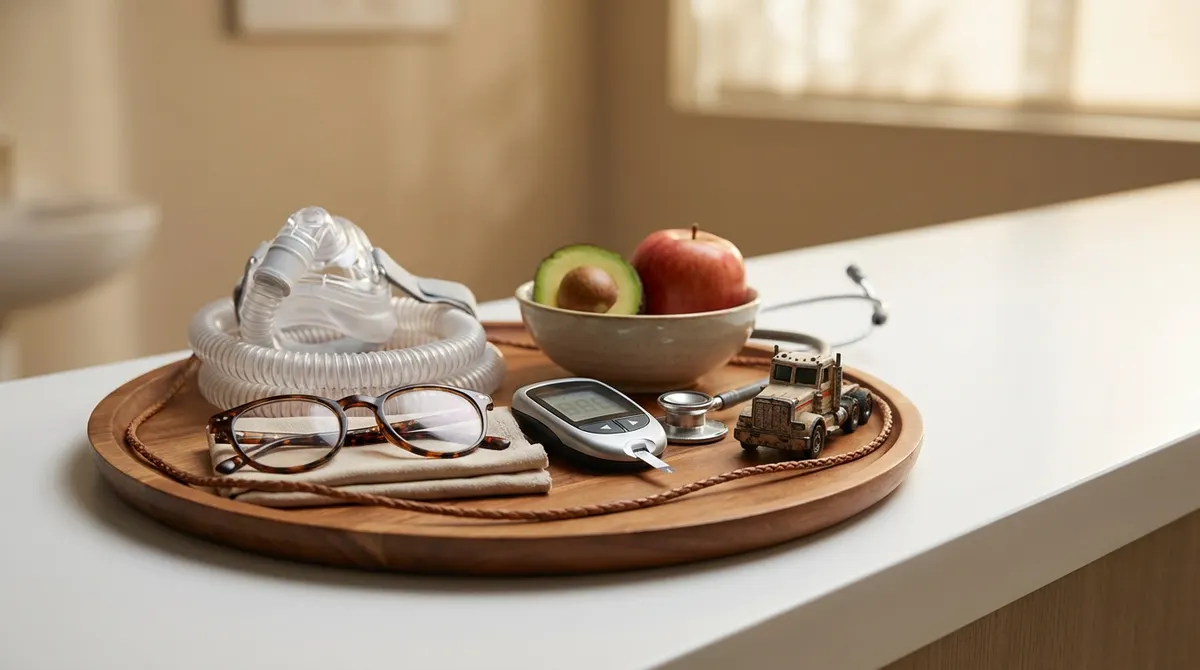
A successful DOT physical exam depends on more than blood pressure alone. Certified medical examiners conduct a comprehensive medical evaluation that covers multiple conditions simultaneously, and many of these conditions interact with hypertension in ways that directly affect both certification outcomes and long-term driver safety.
Other Key Medical Conditions Reviewed During a DOT Physical
The DOT Physical Exam assesses blood sugar and diabetes management alongside cardiovascular health. Uncontrolled blood sugar can affect nerve function, visual acuity, and cardiovascular stability, all of which are directly relevant to safe commercial driving. Commercial drivers managing blood sugar through oral medication are generally certifiable under FMCSA rules; insulin-dependent drivers face additional evaluation criteria and may require specialist documentation to support their DOT Certification. Monitoring blood sugar alongside blood pressure is especially important for drivers with metabolic syndrome, where the two conditions frequently co-occur and compound each other's effects.
Vision problems represent another consistently reviewed area during the DOT medical evaluation. Drivers must demonstrate distant visual acuity of at least 20/40 in each eye, with or without correction. Sustained high blood pressure damages the blood vessels of the retina over time, a condition known as hypertensive retinopathy, which can progressively impair visual acuity. Protecting vision is therefore another direct reason to prioritise long-term blood pressure control beyond the certification requirements.
Congestive heart failure is a disqualifying condition under FMCSA rules and can develop as a long-term consequence of unmanaged hypertension. Heart disease more broadly, including a prior heart attack, requires case-by-case specialist documentation before DOT Certification can be considered. A second disqualifying complication of poorly controlled blood pressure includes congestive heart failure developing over time as the left ventricle weakens under sustained elevated workload. The lower a driver's cumulative blood pressure burden across their career, the lower the probability of these more serious disqualifying cardiac conditions developing.
sleep apnea is now one of the most actively monitored conditions in commercial driver health assessments. The FMCSA has issued formal guidance on obstructive sleep apnea screening for CMV drivers, recognising that untreated sleep-disordered breathing impairs alertness, elevates blood pressure, and increases long-term cardiovascular risk. Sleep apnea and hypertension are particularly likely to co-occur among commercial drivers given the occupational patterns of disrupted sleep, shift work, and extended periods of physical inactivity.
If your medical examiner raises sleep apnea as a concern during the physical examination, or if you regularly experience loud snoring, morning headaches, or persistent daytime fatigue, an at-home sleep test provides a convenient and clinically valid route to assessment. Sleep test results identifying obstructive sleep apnea support prompt initiation of CPAP therapy, which reduces the cardiovascular strain of nightly oxygen desaturation events and can contribute to meaningful improvement in blood pressure control over time. For drivers whose sleep test results confirm a diagnosis, CPAP therapy is the most widely supported treatment and is compatible with the commercial driving lifestyle.
drug testing using a standard 5 Panel drug test is a routine component of every DOT physical exam. Heart rate is also assessed as part of the cardiovascular review. Commercial drivers who attend to all reviewed health areas proactively arrive at each DOT medical evaluation in a significantly stronger position than those who focus on blood pressure alone.
The Broader Impact of Long-Term Health on Driver Safety and Career Longevity
Commercial drivers who invest consistently in long-term health management report better energy levels, more reliable stamina during extended shifts, fewer sick days, and longer, more stable careers than those who defer attention to chronic medical conditions. The DOT physical exam is not merely a regulatory checkpoint; it is a structured opportunity to identify and address health risks before they become disqualifying events or genuine medical emergencies.
Heart disease, stroke, and hypertensive crisis are all largely preventable when blood pressure is managed consistently from an early stage in a driving career. The FMCSA's tiered certification system creates structured incentives for ongoing management rather than reactive crisis care. Drivers who maintain healthy blood pressure levels, manage blood sugar effectively, treat sleep apnea, attend regular medical evaluations, and stay engaged with their treating physicians are far better positioned for uninterrupted DOT Certification across a full commercial driving career.
Long-term health for commercial drivers also encompasses mental wellbeing. The isolation of long-haul driving, time pressure, financial uncertainty, and irregular schedules contribute to chronic stress that sustains elevated blood pressure through persistent activation of the adrenal stress-response system. Building sustainable routines that address physical and psychological health collectively creates the resilient baseline that supports reliable blood pressure control over a career spanning decades.
Hypertension, sleep apnea, elevated blood sugar, and heart disease are interconnected conditions that share risk factors and reinforce one another when left unmanaged. Commercial drivers who approach their health holistically, addressing each of these conditions through regular medical evaluation and consistent daily habits, achieve better outcomes on every individual measure than those who focus on one condition in isolation.
KEY TAKEAWAY: The DOT Physical Exam reviews blood sugar, vision, heart conditions, sleep apnea, drug testing, and blood pressure together. Commercial drivers who actively manage all relevant health factors maintain the most reliable path to uninterrupted DOT Certification and long-term driver safety.
With the full scope of the DOT medical evaluation understood, it is worth addressing the most persistent misconceptions about blood pressure and commercial driver certification that cause unnecessary anxiety and lead to avoidable mistakes.
Common Myths About Blood Pressure and the DOT Physical Debunked
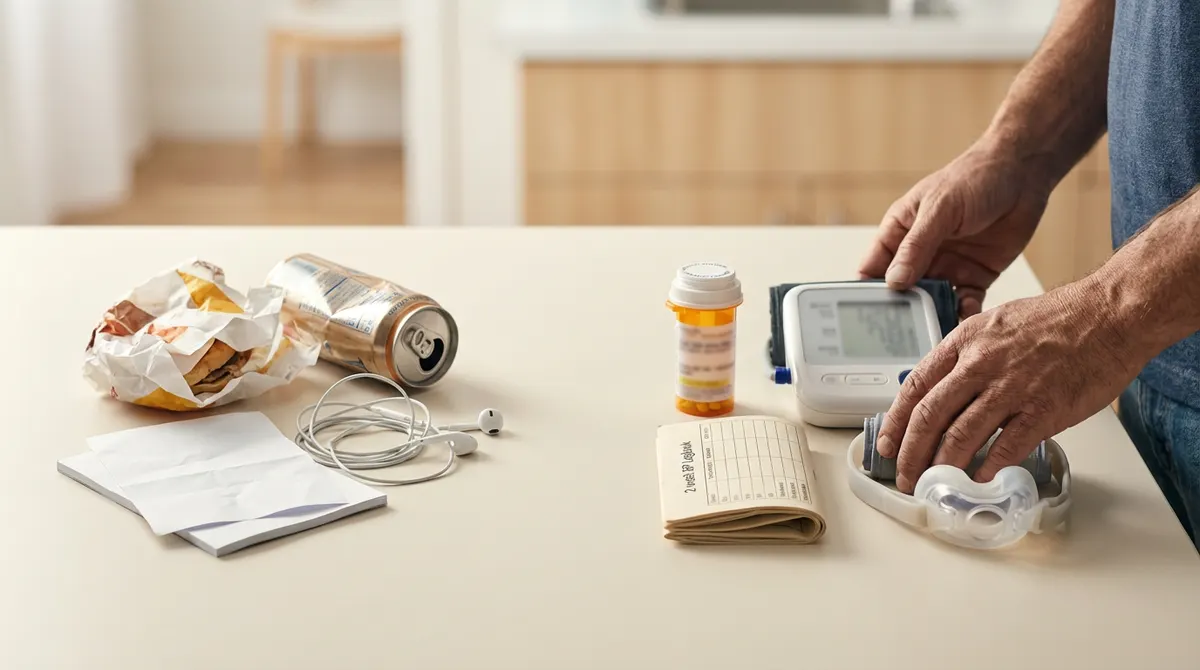
Several widely repeated myths about hypertension and the DOT physical exam lead commercial drivers to make poorly informed decisions about their health management and their certification pathway. Separating fact from fiction makes for a more confident and better-prepared driver.
MYTH: Any elevated blood pressure reading at a DOT Physical Exam results in automatic failure. FACT: The FMCSA uses a staged classification system that distinguishes between manageable and disqualifying levels of hypertension. According to current FMCSA rules and regulations, only Stage 3 Hypertension at or above 180/110 mmHg results in immediate disqualification. Stage 1 hypertension allows ongoing DOT Certification with a 12-month certificate, and Stage 2 hypertension produces a temporary medical card rather than outright disqualification. Many commercial drivers with hypertension have maintained active DOT Certification for decades through consistent blood pressure management and scheduled medical evaluations.
MYTH: Taking blood pressure medication means losing your commercial driver's license. FACT: The FMCSA explicitly does not disqualify drivers for using antihypertensive medication. The medical evaluation examines whether blood pressure levels are within acceptable thresholds and whether the medication is safe for commercial driving, not whether medication is being used. ACE inhibitors and calcium channel blockers, among the most widely prescribed antihypertensive drugs, are compatible with commercial driving at standard doses. Drivers who achieve good blood pressure control through medication are evaluated using the same certification thresholds as any other driver.
MYTH: Failing the DOT physical for high blood pressure means the commercial driver's license is permanently revoked. FACT: A disqualifying blood pressure reading does not revoke the driver's license itself. It temporarily suspends the medical qualification necessary to operate commercial vehicles in interstate commerce. Once blood pressure is documented as consistently controlled through treatment, the driver can return for a follow-up DOT Physical Exam and restore their medical certification. Commercial drivers near you and across the country routinely return to full DOT Certification after addressing initially disqualifying blood pressure readings with their treating physician.
MYTH: Sleep apnea is unrelated to blood pressure and the DOT physical. FACT: Sleep apnea and high blood pressure are directly and causally connected. The NIH confirms that untreated obstructive sleep apnea is an independent and clinically significant risk factor for hypertension, elevating blood pressure through repeated nightly sympathetic nervous system activation and systemic inflammation. FMCSA guidance actively encourages certified medical examiners to screen commercial drivers for sleep-disordered breathing. Treating sleep apnea through CPAP therapy can reduce blood pressure and support long-term cardiovascular health. Understanding what sleep apnea is and its relationship to hypertension is an important step for any driver managing elevated readings.
MYTH: Nothing can be done to meaningfully lower blood pressure before the exam. FACT: Both short-term preparation and sustained lifestyle changes produce measurable reductions in blood pressure readings. The Sleep Foundation reports that treating obstructive sleep apnea can lower blood pressure by three to ten points in some patients. Dietary sodium reduction, aerobic exercise, deep breathing, stress management, and alcohol limitation all produce documented reductions in blood pressure levels within days to weeks. Consistent long-term blood pressure control produces the most reliable results for DOT Certification, but even exam-day preparation strategies such as structured deep breathing can meaningfully reduce acute stress-related elevation.
KEY TAKEAWAY: Most myths about blood pressure and the DOT Physical Exam reflect a misunderstanding of the FMCSA's tiered certification structure. Elevated readings are manageable in the vast majority of cases, medication is not disqualifying, and both medical treatment and lifestyle change provide reliable pathways to continued DOT Certification.
Frequently Asked Questions
What blood pressure reading will fail a DOT physical?
A blood pressure reading at or above 180 mmHg systolic or 110 mmHg diastolic is classified as Stage 3 Hypertension under FMCSA guidelines and results in automatic disqualification at the DOT Physical Exam. No medical card is issued at this level until blood pressure is documented as controlled. Readings between 160 and 179 systolic or 100 to 109 diastolic represent Stage 2 hypertension and produce a one-time three-month temporary medical card rather than outright disqualification. Stage 1 hypertension between 140 and 159 systolic results in a 12-month certificate. Knowing these thresholds allows drivers to interpret their home blood pressure monitor readings against the specific certification boundaries that apply.
Can I take blood pressure medication and still pass a DOT physical?
Yes. The FMCSA does not disqualify commercial drivers for using antihypertensive medication. ACE inhibitors, calcium channel blockers, and diuretics are among the drug classes most widely prescribed for hypertension and are generally compatible with commercial driving provided they effectively control readings without causing disqualifying side effects such as sedation or impaired reflexes. Always disclose all current medications to the certified medical examiner and bring documentation from your prescribing physician confirming that your regimen is stable, appropriate for driving, and consistent with DOT Certification requirements. Transparency about medication use supports a more straightforward medical evaluation.
How can I lower my blood pressure before a DOT physical?
Longer-term strategies with documented effectiveness include regular aerobic exercise, reducing sodium intake below 2,300 mg per day, improving sleep quality, treating conditions such as sleep apnea that independently elevate blood pressure, and consistent stress management. In the 48 to 72 hours before the DOT Physical Exam, reduce caffeine and alcohol, avoid high-sodium meals, prioritise sleep, and arrive at the clinic early to rest before readings are taken. Deep breathing in the waiting room can reduce acute stress-related elevation by several points. Bringing a home blood pressure log from the prior two to four weeks provides useful context for the medical examiner if anxiety affects exam-day readings.
What happens if I receive a temporary three-month medical card?
A three-month temporary medical card is issued when Stage 2 hypertension is recorded during the DOT Physical Exam. It allows continued commercial driving while you work with your physician to achieve better blood pressure control. At the follow-up DOT physical exam within three months, improved readings in Stage 1 range below 160/100 support issuance of a 12-month certificate. Readings in the normal range below 140/90 may qualify for a full 24-month certificate. This temporary provision can only be issued once for this reason. A second Stage 2 reading at the follow-up appointment results in disqualification until blood pressure is reduced to acceptable blood pressure levels.
Can high blood pressure cause me to lose my commercial driver's license?
Stage 3 Hypertension prevents the medical examiner from issuing the medical certificate required to operate commercial vehicles legally in interstate commerce. The commercial driver's license itself is not revoked, but the medical qualification to drive commercially is suspended until blood pressure is documented as controlled and a follow-up DOT Physical Exam confirms acceptable readings. Once medical fitness is restored through treatment and follow-up medical evaluation, commercial driving can resume. Find a physician experienced in DOT medical standards in your area to support an efficient return to certification if readings have been disqualifying.
Does sleep apnea affect my blood pressure and my DOT Certification outcome?
Yes, on both counts. The NIH confirms that untreated obstructive sleep apnea is a significant independent risk factor for hypertension, meaning unaddressed sleep-disordered breathing can keep blood pressure elevated despite medication or dietary effort. FMCSA guidance encourages certified medical examiners to screen commercial drivers for sleep apnea during the DOT physical exam, and an untreated diagnosis can affect DOT Certification outcomes independently of blood pressure readings. Drivers who snore loudly, experience persistent daytime fatigue, or have been told they stop breathing during sleep should seek sleep test results through a formal assessment. An at-home sleep test is a convenient first step available to commercial drivers without requiring an overnight clinic stay.
What other medical conditions are reviewed during a DOT physical exam?
Beyond blood pressure, the DOT Physical Exam covers blood sugar and diabetes management, distant visual acuity, hearing, urinalysis, heart rate, cardiovascular assessment, and drug testing via a standard 5 Panel drug test. Medical conditions including congestive heart failure, heart disease, neurological disorders, and sleep apnea are also reviewed. vision problems and poorly controlled blood sugar are among the most frequently identified concerns alongside hypertension. Preparing documentation for all relevant conditions before the physical examination, and managing each health area proactively between exams, gives commercial drivers the strongest basis for a smooth and successful medical evaluation each time.
Conclusion
Passing a DOT physical with high blood pressure is achievable for the vast majority of commercial drivers who understand the FMCSA's staged thresholds, manage their condition consistently, and communicate openly with certified medical examiners. The blood pressure requirements in Federal Motor Carrier Safety Regulations exist to protect drivers and the public, not to remove every driver with hypertension from the road. Whether your path to sustained DOT Certification involves antihypertensive medication, long-term lifestyle changes, addressing sleep apnea, or a combination of all three, consistent and proactive blood pressure management is the most reliable investment you can make in both your certification history and your long-term health. If sleep health may be affecting your blood pressure control or your readiness for the next DOT physical exam, get started with dumbo.health to access convenient at-home sleep assessment designed for the realities of a commercial driving schedule.
Related DOT Physical Topics
- Can You Fail a DOT Physical for High Blood Pressure
- Can You Pass a DOT Physical with Epilepsy
- Can You Pass a DOT Physical With a Pacemaker
- Can You Pass a DOT Physical With One Eye
- Can You Pass a DOT Physical With a Hernia
- What blood pressure do you need to pass a DOT physical
- Can you pass a DOT physical with sleep apnea
- Can You Pass a DOT Physical with Diabetes
- How can drivers with sleep apnea qualify again after a failed DOT physical
- What Can Disqualify You From a DOT Physical
- Can You Get a DOT Physical Online
- Can You Fail a DOT Physical for Being Overweight
- DOT Physical Blood Pressure Requirements What Drivers Need to Know
- Can You Get a Second Opinion on Your DOT Physical A Complete Guide for Commercial Drivers
- Can you fail a DOT physical because of sleep apnea
- Can You Fail a DOT Physical
- What Does DOT Stand for in a DOT Physical
- Navigating Your DOT Physical with Common Medical Conditions
- When Can Sleep Apnea Affect a DOT Physical
- What Should You Bring to a DOT Physical
- What Forms Do You Need for a DOT Physical
- What Are the Requirements to Pass a DOT Physical
- How Do You Submit Your DOT Physical to the DMV
- How to Pass a DOT Physical The Complete Commercial Driver's Guide
- Is a DOT physical the same as a regular physical
- What happens if you fail a DOT physical due to sleep apnea
- What Is the Difference Between a DOT and Non-DOT Physical
- Do You Have to Pee During a DOT Physical
- The DOT Physical Exam Ensuring You're Fit for the Road
- DOT Physical Online Cost
- Does a DOT physical include a drug test
- Does a DOT Physical Test for Weed or THC The Complete Guide for Commercial Drivers
- DOT Physical Vision & Eye Requirements
- Remote DOT Physical The Complete Guide for Commercial Drivers
- DOT Physical Out of Pocket What Commercial Drivers Actually Pay
- The Ultimate DOT Physical Guide for Commercial Drivers (2025–2026)
- DOT Physical Self Pay Cost
- Navigating the Florida DOT Physical Your Essential Guide for CDL Drivers
- DOT Physical Cost Breakdown What Drivers Pay & Why
- Walk In DOT Physical Self Pay
- Telehealth Dot Physical
- DOT Physical Forms & Paperwork The Complete Guide for Commercial Drivers
- DOT Physical Exam Basics
- DOT Physical & Alcohol Requirements
- DOT Physical Duration and Validity How Long Your Medical Card Lasts
- DOT Physical Insurance & Recertification The Complete Driver's Guide
- Why do they measure your neck during a DOT physical
- Online DOT Physical Without Insurance A Complete Guide for Commercial Drivers
- Your Complete Guide What's Included in a DOT Physical Exam
- Do They Check for Hernia During a DOT Physical
- Cheap DOT Physical Online
- What Is the Urine Test for in a DOT Physical
- DOT physical self pay guide for commercial drivers paying out of pocket
- Online DOT Physical Self-Pay The Complete Guide for CDL Drivers and Owner-Operators
- DOT Physical Cash Pay
- Is a drug test required for a DOT physical
- New DOT Physical Requirements What Drivers MUST Know About New Updates
- Same Day DOT Physical
- Virtual DOT Physical
- Online DOT Physical The Complete Guide for Commercial Drivers and Medical Examiners
- Who needs a DOT physical
- DOT Physical ICD-10 & Billing Codes The Complete Guide for Accurate Compliance and Reimbursement
- DOT Physical at Urgent Care What Commercial Drivers Need to Know
- Do They Check Your Private Parts During a DOT Physical
- DOT Physical Insurance or Self Pay How to Choose the Right Payment Option for Your Exam
- DOT Physical Chiropractor Your Complete Guide to CDL Exams
- What should I expect at a DOT physical
- What Does a DOT Physical Consist Of
- BMI for DOT Physical What Commercial Drivers Need to Know
- What Happens During the DOT Physical Exam The Complete Guide for Drivers
- DOT Physical & Drug Test What Drivers Need to Know
- Non-DOT Physical A Comprehensive Guide to Workforce Health and Safety
- DOT Physical Texas The Essential Guide to Your Exam, Medical Card, and CDL Compliance
- DOT Physical Requirements A Complete Guide for CDL Drivers
- Is a Sleep Study Required for a DOT Physical
- What eye chart is used for a DOT physical
- What Do They Check During a DOT Physical
- Failing a DOT Physical What Every Commercial Driver Needs to Know
- What is DOT Physical
- What drugs do they test for in a DOT drug test
- Online CDL Physical
- Are There New DOT Rules or Laws on Sleep Apnea Testing
- Essential 171 DOT Definitions for Commercial Drivers
- 2026 DOT Inspection Dates
- Why DOT Sleep Tests at Home Matter for Your Career and Health
- Are there legal requirements for drivers with sleep apnea
- Online DOT Exam What Drivers and Medical Examiners Need to Know
- CDL PHYSICAL SELF PAY
- DOT sleep apnea test at home
- DOT Medical Exam Self-Pay A Complete Guide for Commercial Drivers
- What Precautions Should Drivers With Sleep Apnea Take
- What are the current DOT requirements for sleep apnea testing for commercial drivers
- Guide to Obtaining and Managing Your DOT Medical Card Online
- Expected 2027 DOT Inspection Dates
- How Sleep Apnea Affects Overall Driving Safety
- Home Sleep Apnea Test for Commercial Drivers The CDL Holder's Complete Guide
- How Does Sleep Apnea Affect Driving Ability
- Best Treatments for Sleep Apnea to Improve Driving Safety
- Sleep Apnea Test for CDL Drivers
- The Comprehensive Guide to Suboxone, Sleep Apnea, and FMCSA Compliance for Commercial Motor Vehicle Operators
Take the next step before your DOT physical
Start with the free quiz if you are unsure about your risk, or order an at-home sleep test if you have already been flagged for possible sleep apnea.
AI summary
A DOT physical is a federally required medical exam for commercial motor vehicle (CMV) drivers. High blood pressure (hypertension) is evaluated using FMCSA blood pressure thresholds that determine DOT medical certification status and duration. FMCSA blood pressure categories and outcomes: Normal: below 130/80 mmHg, up to a 24-month medical certificate. Stage 1: 140–159/90–99 mmHg, certifiable with monitoring, up to 12 months. Stage 2: 160–179/100–109 mmHg, eligible for a one-time 3-month temporary medical card with a required recheck. Stage 3: 180/110 mmHg or higher, disqualified until controlled and documented by a treating physician. Medical examiners may take multiple readings and use an average. Antihypertensive medication is permitted; certification depends on controlled readings and absence of impairing side effects. Preparation strategies include home blood pressure monitoring for 2–4 weeks, avoiding caffeine, alcohol, and high-sodium meals before the exam, prioritizing sleep, and considering evaluation for obstructive sleep apnea when blood pressure is difficult to control.

Nicolas Nemeth
Co-Founder
Nico is the co-founder of Dumbo Health, a digital sleep clinic that brings the entire obstructive sleep apnea journey home. Patients skip the sleep lab and the long wait to see a specialist. Dumbo Health ships an at home test, connects patients with licensed sleep clinicians by video, and delivers CPAP or a custom oral appliance with ongoing coaching and automatic resupply in one clear subscription.
Keep reading

How Long Does a DOT Physical Take? A Complete Guide for Commercial Drivers

What Happens If You Fail a DOT Drug Test? The Complete Guide for Commercial Drivers


