Why DOT Sleep Tests at Home Matter for Your Career and Health
At-home DOT sleep apnea testing (HSAT) helps commercial drivers screen for obstructive sleep apnea without an in-lab overnight study. The article explains how FMCSA guidance allows certified medical examiners to require testing when risk factors show up during a DOT physical. It reviews common referral triggers such as BMI above 35, neck circumference over 17 inches, hypertension, loud snoring, and daytime sleepiness, and why untreated OSA raises crash risk. It outlines FDA-approved device options (WatchPAT ONE, ApneaLink Air, NightOwl), what they measure, and the step-by-step process from virtual consult to sleep report. Readers learn how to interpret AHI and SpO2 results, what documentation supports DOT clearance, and how treatment like CPAP and adherence standards affect certification.
Struggling with sleep?
Find out if sleep apnea is the reason.
FDA-cleared. $149 flat. Physician-reviewed results in 48 hours.

Why DOT Sleep Tests at Home Matter for Your Career and Health

A DOT sleep test at home is a clinically validated, portable diagnostic tool that allows commercial drivers to screen for obstructive sleep apnea without an overnight hospital stay or weeks of waiting. The American Academy of Sleep Medicine recognises home sleep apnea testing as a clinically appropriate diagnostic method for adults with a high probability of moderate to severe obstructive sleep apnea. Research cited by the FMCSA estimates that between 17 and 28 percent of commercial truck drivers have sleep apnea, making it one of the most common conditions flagged during DOT physicals. This page covers what at-home sleep apnea testing involves, how it fits within DOT compliance requirements, which FDA-approved devices are used, how to interpret your results, and what treatment options support long-term certification. Understanding this process now can protect both your health and your commercial driving career.
Understanding the Urgency for Commercial Drivers
Commercial drivers face a unique combination of pressures that make sleep health both a safety issue and a professional necessity. Federal regulations require that drivers hold a valid DOT medical card to operate a commercial motor vehicle, and untreated sleep disorders can jeopardise that certification. The FMCSA does not mandate universal sleep apnea testing for every CDL holder, but certified medical examiners are required to evaluate each driver's sleep apnea risk during the DOT physical, and many drivers are referred for a sleep study as a result of what is found during that examination.
The Convenience of At-Home Testing for Busy Schedules
Many commercial drivers operate on schedules that make traditional in-lab sleep studies difficult to arrange without losing income or time on the road. At-home sleep testing removes the need for an overnight hospital or clinic stay. You can complete the test in your own bed, on your own schedule, and return the device by mail. For drivers who are away from home five or six nights per week, this flexibility is often the deciding factor between completing a sleep test promptly and delaying a diagnosis that could affect both health and certification.
DID YOU KNOW: Research cited by the FMCSA estimates that untreated obstructive sleep apnea among commercial drivers may be associated with a crash risk up to seven times higher than that of drivers without the condition.
A Proactive Step Towards Sleep Health and DOT Compliance
Taking a proactive approach to sleep health is increasingly important in the commercial driving industry. Certified medical examiners are trained to look for signs of sleep apnea during the physical, including neck circumference above 17 inches, BMI above 35, elevated blood pressure readings, and self-reported symptoms such as loud snoring or excessive daytime sleepiness. If you are flagged during a DOT physical, acting quickly with an at-home sleep test shortens the gap between referral and clearance. If you recognise symptoms yourself before being flagged, testing on your own terms gives you the information and the time to manage the outcome.
Not sure if sleep apnea applies to you?
Take our 2-minute sleep risk quiz to see whether sleep apnea could affect your DOT physical. No account required.
KEY TAKEAWAY: At-home sleep testing gives commercial drivers a convenient, clinically accepted route to screen for sleep apnea without disrupting their schedule or waiting weeks for a laboratory appointment.
Understanding the urgency is only part of the picture. Knowing exactly what sleep apnea is and why it poses specific risks to drivers provides the context needed to take decisive action.
What is Sleep Apnea and Why is it a Concern for Drivers?

sleep apnea is a serious sleep disorder characterised by repeated interruptions to breathing during sleep that prevent restorative rest and cause significant daytime impairment. For commercial drivers, these impairments translate directly into slower reaction times, reduced alertness, and an elevated risk of preventable road crashes.
Defining Obstructive Sleep Apnea (OSA)
Obstructive sleep apnea is the most common form of sleep apnea and occurs when the muscles at the back of the throat relax during sleep, partially or fully blocking the upper airway. The NIH defines OSA as a chronic condition involving repeated episodes of partial or complete airway obstruction during sleep, each of which may last ten seconds or longer. Severe cases involve 30 or more of these events per hour throughout the night. OSA is distinct from central sleep apnea, which involves a failure of the brain to send correct signals to the breathing muscles, and from complex sleep apnea, which combines both types. Obstructive sleep apnea is the form most commonly diagnosed in commercial drivers and the form that at-home sleep apnea testing is specifically designed to detect.
The Health Risks of Untreated Sleep Apnea
The Sleep Foundation notes that untreated sleep apnea is associated with a range of serious health consequences including hypertension, type 2 diabetes, cardiovascular disease, and stroke. Blood oxygen levels fall repeatedly throughout the night in untreated OSA, placing sustained stress on the heart and vascular system over months and years. Drivers who are undiagnosed may also experience excessive daytime sleepiness, mood disturbances, memory problems, and reduced concentration, all of which compound risk in a professional driving context. The longer sleep apnea goes untreated, the greater the cumulative impact on both long-term health and day-to-day performance.
The Direct Impact on Driving Safety and Performance
Drowsiness caused by undiagnosed sleep apnea impairs driving in ways that closely parallel alcohol-related impairment. Reaction times slow, lane-keeping deteriorates, and the risk of microsleep events rises significantly during extended highway driving. For commercial drivers operating heavy vehicles on high-speed routes, this is a direct public safety concern affecting not only the driver but every other road user they encounter. The CDC has identified drowsy driving as a major contributor to serious road crashes, estimating that 91,000 police-reported crashes in the United States in 2017 alone were attributable to drowsy driving.
The Importance of Diagnosis for Preventing Accidents
Diagnosis is the first and most critical step in reducing the safety risk posed by sleep apnea. A driver who does not know they have the condition cannot seek treatment, and treatment has been shown to substantially reduce crash risk in the commercial driver population. Studies cited by the FMCSA have found that drivers who are effectively treated for sleep apnea demonstrate crash rates comparable to those without the condition. Completing a sleep test is therefore not a regulatory formality but a direct safety intervention with measurable real-world impact.
KEY TAKEAWAY: Obstructive sleep apnea is a diagnosable and treatable sleep disorder that directly increases crash risk for commercial drivers, making early sleep apnea testing a critical safety and career decision.
With a clear understanding of what sleep apnea is and why it matters on the road, the next step is understanding how DOT regulations create the framework around testing and compliance.
The DOT Mandate: Sleep Apnea Testing for Commercial Motor Vehicle (CMV) Drivers
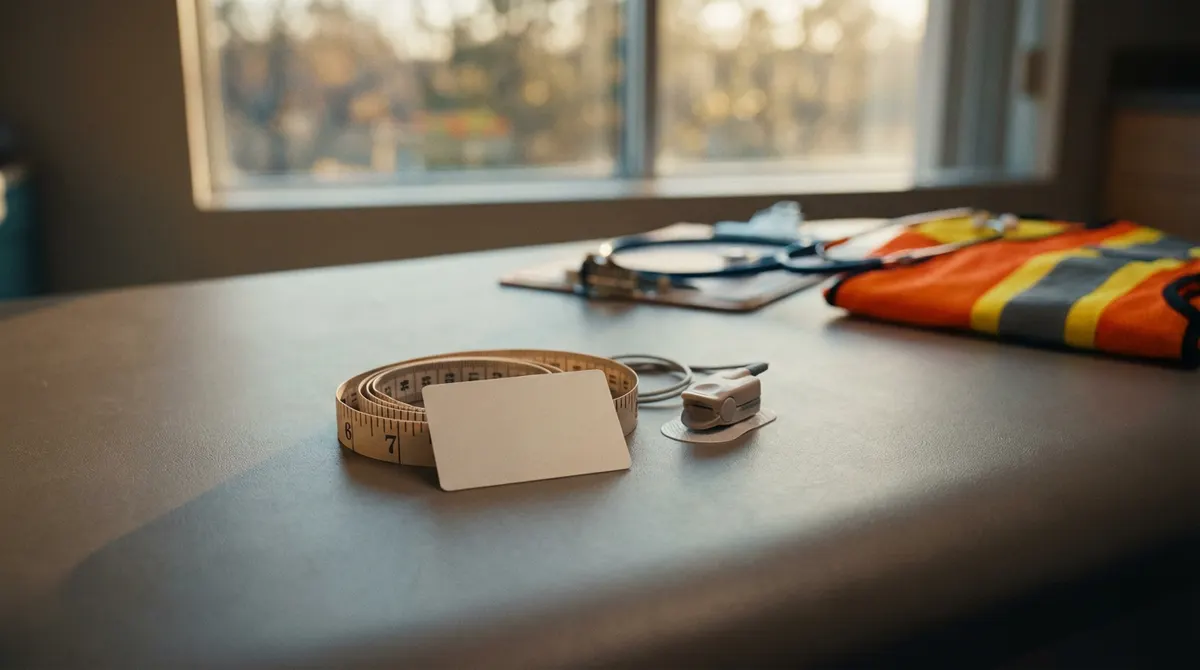
DOT sleep apnea testing sits within the broader framework of the DOT physical examination, which every commercial driver must pass to obtain and maintain medical certification. No single federal rule mandates sleep apnea testing for every driver, but FMCSA guidance gives medical examiners clear authority to require a sleep study when risk factors are present during the physical.
FMCSA and Medical Standards: Ensuring Driver Safety
The FMCSA administers the Federal Motor Carrier Safety Regulations under 49 CFR Part 391, which set the medical standards for commercial driver qualification. Under these standards, a driver must not have any condition that interferes with the ability to operate a commercial motor vehicle safely. Sleep apnea is explicitly listed in FMCSA advisory criteria as a condition that may disqualify a driver if it is untreated and produces excessive daytime sleepiness. Certified medical examiners listed on the FMCSA National Registry of Certified Medical Examiners are trained to assess drivers against these criteria and have clinical discretion to require a sleep study as a condition of certification.
The Role of the DOT Physical and Medical Examiners
The DOT physical is conducted by a certified medical examiner listed on the FMCSA National Registry. During the examination, the medical examiner reviews the driver's medical history, assesses vital signs including blood pressure and heart rate, measures neck circumference, evaluates BMI, and screens for any condition that may affect safe driving. Drivers who present with a neck circumference greater than 17 inches, a BMI above 35, hypertension, or reported symptoms such as snoring or daytime fatigue are commonly referred for further sleep apnea evaluation. You can review the full requirements to pass a DOT physical to understand exactly how each criterion is assessed during the exam.
Already diagnosed and need CPAP support?
Dumbo Health helps patients start CPAP without the usual confusion, paperwork, or upfront cost. Equipment, setup, supplies, and ongoing support are all handled in one place.
Who Needs a Sleep Apnea Test for DOT Compliance?
Not every commercial driver will be referred for sleep apnea testing, but the risk factors that trigger a referral are common in the driver population. Drivers with a BMI above 35 are at elevated risk. Those with untreated high blood pressure, a large neck circumference, or reported symptoms of poor sleep quality or excessive daytime sleepiness are particularly likely to be flagged. The FMCSA has acknowledged that sleep apnea prevalence is substantially higher among commercial truck drivers than in the general public, with estimates ranging from 17 to 28 percent compared to roughly 10 percent in the broader adult population. Any driver who recognises these risk factors should consider completing a sleep test proactively rather than waiting to be referred.
Consequences of Undiagnosed Sleep Apnea on CDL Renewal and Medical Clearance
A driver who is referred for a sleep study and does not complete one may receive a conditional or shortened certification period rather than a standard two-year medical card. In some cases, a certified medical examiner may decline to certify a driver until a sleep evaluation is complete and results are reviewed. Understanding what can happen if you fail a DOT physical and which conditions affect CDL renewal is essential for every driver who wants to protect their career long term. Completing a home sleep test before or immediately after referral gives you greater control over the timeline and outcome of your certification.
KEY TAKEAWAY: FMCSA regulations empower certified medical examiners to require sleep apnea testing when risk factors are present, and failing to follow through on a referral can result in shortened or withheld medical certification.
Understanding the regulatory framework clarifies why sleep apnea testing matters so much for working drivers. The next question is how at-home sleep tests actually work and what they measure.
How At-Home Sleep Tests Work: Demystifying the Process
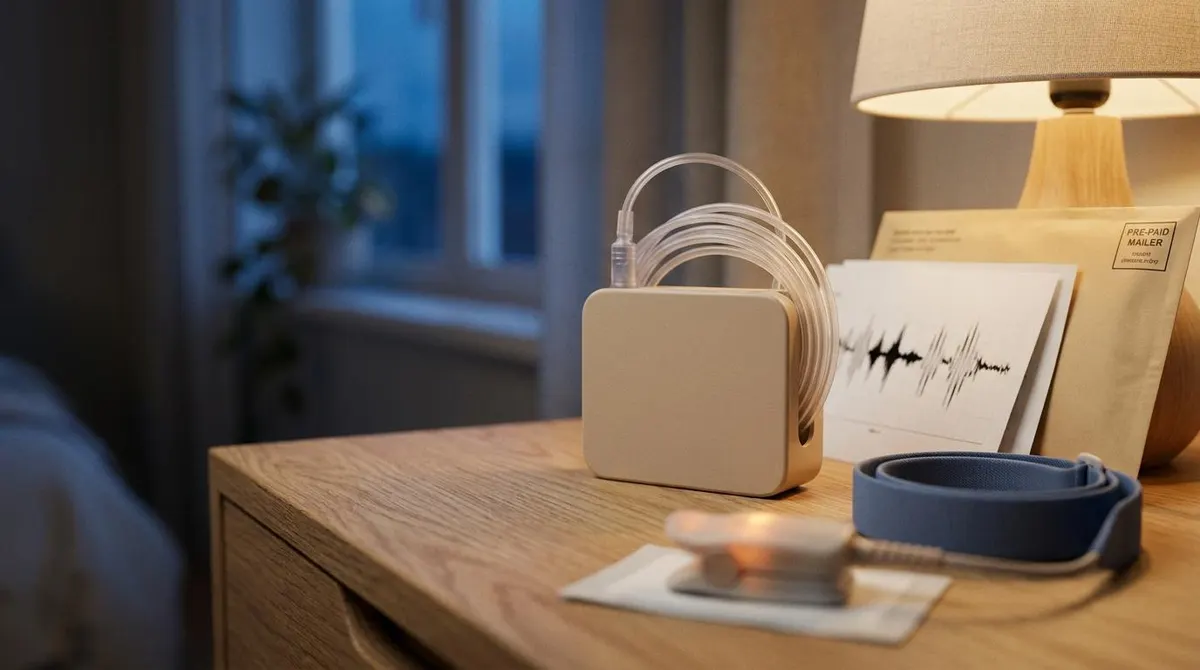
Home sleep apnea testing (HSAT) is a well-established diagnostic method that uses portable devices to record physiological data relevant to sleep apnea in your own home. HSAT is appropriate for most drivers suspected of moderate to severe OSA and delivers results that board-certified sleep physicians can use to confirm or rule out a diagnosis with clinical confidence.
The Advantages of Home Sleep Apnea Testing (HSAT) Over In-Lab Studies
A traditional polysomnography sleep study requires an overnight stay in a sleep laboratory with monitoring by a polysomnographic technician, which is logistically difficult for working drivers. Home sleep apnea testing eliminates travel, reduces wait times from weeks to days in many cases, and typically costs a fraction of an in-lab study. The American Academy of Sleep Medicine endorses HSAT as a clinically appropriate tool for diagnosing OSA in adults without significant comorbid conditions. While HSAT cannot capture full sleep architecture or detailed sleep staging data the way in-lab polysomnography can, it measures the core parameters needed to identify and grade obstructive sleep apnea. Clinicians also note that testing in a familiar sleep environment often produces data that better reflects the driver's actual night-to-night sleep patterns.
Overview of At-Home Sleep Testing Devices
Home sleep testing devices range from simple wrist-worn oximeters to multi-channel portable recorders capable of capturing several streams of physiological data simultaneously. The most clinically accepted category for OSA diagnosis is the Type III home sleep test, which records a minimum of four data channels including airflow, respiratory effort, blood oxygen levels, and heart rate. Type IV devices record fewer channels and are less commonly accepted for DOT-related diagnostic purposes. Many providers, including dumbo.health, use FDA-approved testing equipment that meets the clinical standards required for sleep apnea diagnosis in the commercial driver population.
What Do These Devices Measure?
At-home sleep testing devices collect several key physiological signals during the recording period. Airflow is typically measured using a disposable nasal cannula that detects breath-by-breath changes in airflow rate and pattern. Respiratory effort is recorded via a chest sensor, often a soft effort belt worn around the chest and sometimes the abdomen, which measures the mechanical effort of breathing throughout the night. Blood oxygen levels are captured continuously using a pulse oximeter, which is attached either as a finger probe or a wrist device with an integrated peripheral arterial tone sensor. Heart rate is recorded alongside oxygen saturation and reflects how the cardiovascular system responds to apnea events. In more advanced devices, peripheral arterial tone technology measures subtle changes in finger arterial tone that correspond to autonomic arousals caused by apnea, providing an additional layer of diagnostic signal.
Common Types of FDA-Approved At-Home Sleep Tests
Three FDA-approved at-home sleep test devices are widely used in DOT-compliant sleep apnea testing programmes, and each has distinct technical characteristics suited to different driver preferences and clinical situations.
The WatchPAT ONE is a wrist-worn device developed by Itamar Medical that uses peripheral arterial tone signals alongside actigraphy and pulse oximetry to detect and classify apnea events. It requires no nasal cannula, no chest sensor, and attaches primarily using biocompatible adhesive tape on the finger, making it the most minimal and comfortable option for drivers who find traditional setups disruptive. The WatchPAT ONE is a single-use disposable device returned by mail after one recording night.
The ApneaLink Air, manufactured by ResMed, is a Type III home sleep test that captures nasal airflow via a disposable nasal cannula, respiratory effort via a chest sensor belt, pulse, and oxygen saturation via a finger probe pulse oximeter. The ApneaLink Air stores data on the device for extraction and analysis after the recording is complete, and it is widely cited in sleep medicine literature as a reliable and validated Type III home sleep test. Multiple published studies confirm the ApneaLink Air's agreement with polysomnography for AHI-based OSA classification.
The NightOwl home sleep test is a small adhesive finger-worn device that uses peripheral arterial tone technology similar to the WatchPAT ONE and can be worn across multiple consecutive nights, which is useful when a single-night recording produces inconclusive data.
The following table compares the three most common FDA-approved devices used in at-home DOT sleep apnea testing programmes:
| Feature | WatchPAT ONE | ApneaLink Air | NightOwl |
|---|---|---|---|
| Device Type | Wrist + finger adhesive | Type III chest + nasal unit | Finger adhesive |
| Channels Recorded | PAT signal, SpO2, actigraphy, HR | Airflow, respiratory effort, SpO2, HR | PAT signal, SpO2, actigraphy |
| Nasal Cannula Required | No | Yes | No |
| Chest Sensor Required | No | Yes (chest belt) | No |
| Biocompatible Adhesive Tape | Yes (finger probe) | No | Yes (finger adhesive) |
| Single Use | Yes | No (reusable) | Yes |
| Multi-Night Recording | No | No (single night standard) | Yes |
| FDA Approved | Yes | Yes | Yes |
| Best For | Comfort-focused drivers | High clinical detail | Inconclusive first-night results |
For drivers who are uncertain which device is best suited to their situation, a virtual consultation with a sleep specialist will identify the most appropriate option based on medical history and risk profile. If you are unsure whether a sleep study is actually required for your DOT physical, the linked resource covers the medical examiner's decision process in full.
KEY TAKEAWAY: FDA-approved at-home sleep tests including the WatchPAT ONE, ApneaLink Air, and NightOwl each use validated sensor technology to capture the data needed for OSA diagnosis, and the right choice depends on comfort, clinical requirements, and recording preferences.
Now that you understand which devices are used and what they measure, the next step is knowing exactly how to complete a DOT-compliant at-home sleep test from start to finish.
Your Step-by-Step Guide to a DOT-Compliant At-Home Sleep Test
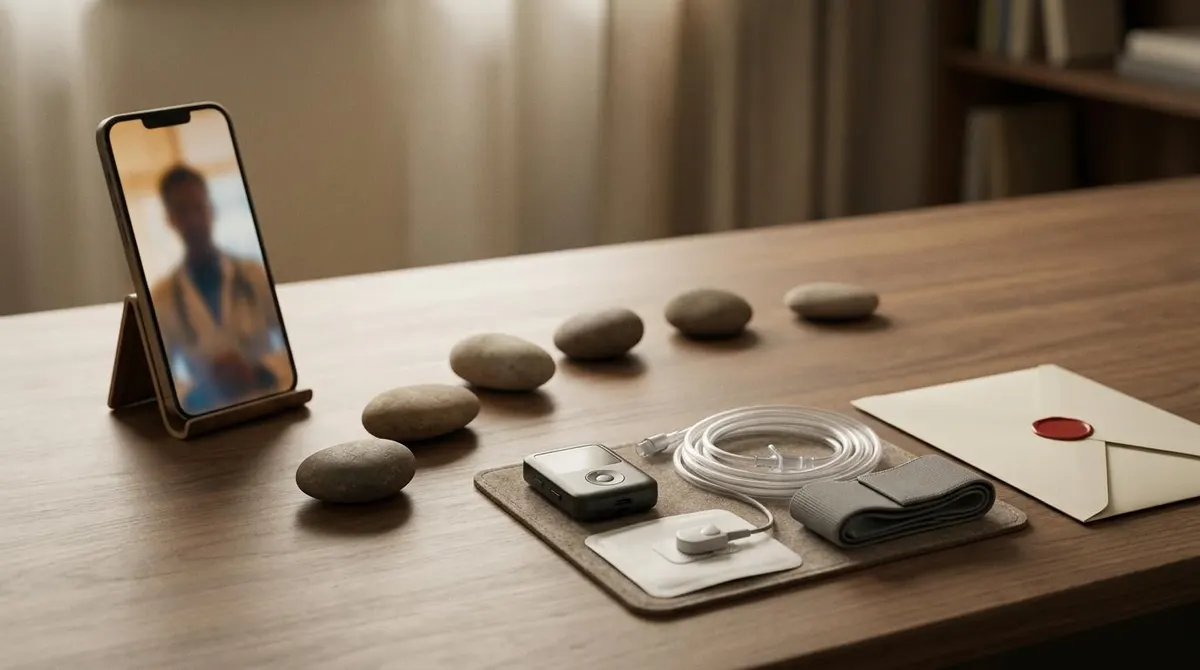
Completing a DOT-compliant at-home sleep test is a structured process that begins with a clinical consultation and ends with a formal diagnostic report. Each step is designed to ensure the results meet the accuracy and documentation standards required for medical decision-making.
Initiating the Process: Virtual Consultation with a Sleep Specialist
The process begins with a virtual consultation with a licensed sleep specialist or sleep medicine physician. During this appointment, the clinician reviews your medical history, current symptoms, BMI, blood pressure, and any risk factors identified during your most recent DOT physical. The purpose is to confirm that a home sleep apnea test is the appropriate diagnostic method for your situation and to obtain a prescription for the test device, which is a legal requirement in the United States. Virtual consultation platforms allow most drivers to complete this step from a phone or computer within 24 to 48 hours of booking, with no in-person clinic visit required.
Receiving and Understanding Your Home Sleep Apnea Test Kit
After your prescription is issued, your home sleep apnea test kit is dispatched to your address. Most kits include the recording device, device-specific setup instructions, consumable components such as a disposable nasal cannula or biocompatible adhesive tape where required, and a pre-paid return envelope. Reviewing the instructions before your test night is important, as setup steps differ between the WatchPAT ONE, the ApneaLink Air, and the NightOwl home sleep test. Most home sleep apnea test kit setups take under ten minutes, and telehealth support is typically available on the evening of your test if you have questions.
Conducting the Self-Administered Test in Your Own Sleep Environment
On the night of your self-administered test, you attach the device components as instructed, which typically involves placing a chest sensor, connecting a finger probe or applying biocompatible adhesive tape to the finger, and fitting the nasal cannula where required by the device. You then go to sleep as normal in your own sleep environment. The device records all data automatically throughout the night with no button-pressing required after setup. Most Type III home sleep test protocols require a minimum of five to six hours of recorded data to produce a usable result, and a single recording night is standard for both the ApneaLink Air and WatchPAT ONE devices. Your sleep position during the recording is captured by many devices and factors into the clinical interpretation of results.
Returning the Device for Professional Analysis
Once your recording is complete, you return the testing equipment using the pre-paid envelope provided. Single-use devices such as the WatchPAT ONE and NightOwl are returned after a single night. Reusable devices such as the ApneaLink Air are returned after use for data extraction and cleaning. Clinical staff extract the sleep data from the device, after which a board-certified sleep physician reviews and interprets the complete recording. Your formal sleep report is typically issued within two to five business days of the device being received back. The sleep report includes your AHI score, an assessment of blood oxygen levels throughout the night, and a clinical diagnosis with severity grading.
KEY TAKEAWAY: A DOT-compliant at-home sleep test follows a clear five-step sequence from virtual consultation to sleep report, and most drivers can complete the full process within a single week without leaving home or disrupting their work schedule significantly.
Understanding how to complete the test is half the process. Knowing how to interpret your results is what transforms the data into action.
Deciphering Your Sleep Report and Securing Your DOT Medical Clearance
Your sleep report is the formal clinical document produced by a board-certified sleep physician after reviewing the data recorded by your home sleep apnea test. It contains the key diagnostic metrics and clinical interpretation that determine whether you have sleep apnea, how severe it is, and what steps are required before DOT medical clearance can be issued.
Key Metrics Explained: AHI and Oxygen Saturation (SpO2)
The most important number in your sleep report is the AHI, or apnea-hypopnea index. The AHI measures the average number of apnea and hypopnea events per hour of recorded sleep. An AHI below 5 is considered normal. An AHI between 5 and 14 indicates mild OSA. An AHI between 15 and 29 indicates moderate OSA. An AHI of 30 or above indicates severe OSA, which carries the highest health and safety risk and is the category most likely to require demonstrated CPAP therapy adherence before DOT certification is issued. The second critical metric is oxygen saturation, or SpO2, which reflects blood oxygen saturation levels throughout the recording period. A healthy adult maintains SpO2 above 90 percent for the vast majority of sleep time, and significant or prolonged drops below this threshold, known as desaturation events, are associated with cardiovascular strain and are used alongside AHI to determine overall severity.
How Sleep Data Reveals Your Sleep Patterns and Potential Disorder
The raw sleep data collected by your home sleep apnea test maps your breathing patterns across the full recording period, identifying when apnea events occur, how long they last, how blood oxygen levels respond, and what happens to heart rate in the aftermath of each disruption. Clinicians use this sleep data alongside your medical history and symptom profile to produce a complete clinical picture. In cases where the recording quality is poor due to device displacement or a very short recording period, a repeat test or a referral for in-lab polysomnography may be recommended. Sleep position data, where captured, is also reviewed because OSA is often more severe in certain sleep positions, particularly supine sleeping.
The Diagnosis: Interpretation by Board-Certified Sleep Physicians
Board-certified sleep physicians specialising in sleep medicine are responsible for interpreting home sleep apnea test results and issuing a formal diagnosis. This credentialling matters for DOT compliance because results reviewed only by a general practitioner without sleep medicine certification may not carry the same clinical authority with a medical examiner. Sleep medicine physicians are trained to apply the appropriate AHI thresholds, account for device-specific limitations, and contextualise results within the broader clinical picture. The resulting sleep report contains a formal diagnosis, a severity grade, and a treatment recommendation, all of which are the components your medical examiner needs to make a certification decision.
Presenting Your Results for DOT Medical Clearance
Once you have your sleep report and, where applicable, documented evidence of treatment adherence, you present this information to your certified medical examiner. Drivers diagnosed with mild OSA and no significant daytime symptoms may receive medical clearance in some cases without a mandatory treatment requirement, depending on the examiner's clinical judgment. Drivers with moderate to severe OSA are generally required to demonstrate active and documented PAP therapy adherence before full two-year certification is granted. A clear understanding of how sleep apnea affects your chances of passing a DOT physical will help you prepare for that conversation and arrive at the examination with the right documentation.
KEY TAKEAWAY: Your sleep report quantifies sleep apnea severity using AHI and SpO2 metrics interpreted by board-certified sleep physicians, and this documentation is what supports a formal DOT medical clearance decision by your certified medical examiner.
With your results in hand, the next priority is understanding which treatment options are available and how to achieve and maintain the compliance needed for long-term certification.
Navigating Treatment Options and Long-Term Sleep Health
Treatment for obstructive sleep apnea is effective, evidence-based, and accessible. Most drivers who are diagnosed and treated promptly are able to maintain their commercial driving career without extended interruption, provided they meet the adherence thresholds required by their medical examiner.
CPAP Therapy: The Gold Standard for Sleep Apnea Treatment
CPAP therapy, which stands for continuous positive airway pressure, is the most widely prescribed and clinically endorsed treatment for moderate to severe obstructive sleep apnea. CPAP machines deliver a steady stream of pressurised air through a mask worn during sleep, keeping the upper airway open and preventing apnea events from occurring. The Sleep Foundation identifies CPAP as the gold-standard therapy for OSA due to its demonstrated efficacy across a broad range of patients when used consistently. Most certified medical examiners require documented CPAP therapy adherence before issuing full certification to drivers diagnosed with moderate or severe OSA.
Understanding CPAP Machines and AutoPAP Devices
CPAP machines operate at a single fixed pressure set by a sleep physician based on diagnostic results. AutoPAP devices, also called APAP or AutoPAP, automatically adjust the delivered pressure throughout the night in response to detected breathing patterns, accommodating fluctuations caused by changes in sleep position, body weight, or nasal congestion. Both CPAP machines and AutoPAP devices store detailed usage data that can be downloaded and reviewed to confirm adherence. The standard benchmark widely referenced in sleep medicine and by FMCSA guidance is at least four hours of PAP therapy use per night on at least 70 percent of nights over any 30-day period. Meeting this threshold is the primary way drivers with moderate to severe OSA demonstrate compliance to their medical examiner.
Alternative Treatment Considerations
Not every driver with sleep apnea is suited to or tolerant of PAP therapy. For drivers with mild to moderate OSA, a custom-fit mouthpiece known as a mandibular advancement device may be a clinically appropriate alternative. A custom-fit mouthpiece works by repositioning the lower jaw and tongue during sleep to reduce airway obstruction and decrease the frequency of apnea events. Positional therapy, which involves sleeping in positions that reduce apnea severity, may be useful as an adjunct for drivers whose OSA is predominantly positional. Lifestyle changes including sustained weight loss, reduced alcohol consumption, and consistent sleep scheduling can contribute meaningfully to symptom reduction, though they are rarely sufficient as standalone treatments for moderate or severe OSA.
The Importance of Follow-Up Care and Telehealth Appointments
Starting treatment is only the beginning of a long-term sleep health management plan. Regular follow-up care is essential to confirm that therapy is working, to adjust device settings if needed, and to generate the compliance documentation required for DOT certification renewal. Telehealth appointments allow drivers to check in with their sleep medicine team without visiting a clinic, which is particularly practical for drivers who travel frequently or live far from specialist centres. A follow-up review is typically scheduled within 30 to 90 days of starting CPAP therapy to confirm that AHI is adequately controlled on treatment and that adherence data meets the required threshold.
The Role of a Sleep Coach and Respiratory Therapist in Your Journey
Many sleep apnea support programmes include access to a sleep coach or respiratory therapist who works alongside the treating physician to support consistent treatment habits. A respiratory therapist can help with mask fitting, troubleshoot pressure discomfort, and interpret the usage data downloaded from your CPAP or AutoPAP device. A sleep coach provides guidance on sleep hygiene, scheduling, and the behavioural changes that improve overall sleep quality alongside PAP therapy. This multidisciplinary approach is associated with higher long-term treatment adherence rates and helps drivers get the full benefit from their diagnosis and treatment pathway.
KEY TAKEAWAY: CPAP therapy is the most effective and widely accepted treatment for obstructive sleep apnea in commercial drivers, and documented adherence to the four-hours-per-night, 70-percent-of-nights standard is the key to securing and maintaining DOT medical certification.
Before exploring the full benefits of at-home sleep testing, it is worth addressing some of the most persistent misunderstandings that prevent drivers from taking action.
Common Myths About DOT Sleep Testing Debunked
MYTH: A positive sleep apnea diagnosis automatically means you lose your CDL. FACT: A diagnosis of obstructive sleep apnea does not automatically disqualify a commercial driver from certification. The FMCSA's position is that drivers with sleep apnea who are effectively treated and demonstrate documented PAP therapy adherence may be fully certified. Many drivers hold a CDL for decades while managing diagnosed and treated sleep apnea without interruption to their career. The critical factor is adherence to an approved treatment, not the diagnosis itself.
MYTH: At-home sleep tests are not accurate enough to be accepted for DOT purposes. FACT: FDA-approved home sleep apnea tests are clinically validated diagnostic tools endorsed by the American Academy of Sleep Medicine for the diagnosis of OSA in appropriate patient populations. When interpreted by board-certified sleep physicians, HSAT results are accepted by most certified medical examiners as sufficient clinical evidence for DOT-related decisions. Published studies comparing devices such as the WatchPAT ONE and ApneaLink Air to in-lab polysomnography consistently report agreement rates above 85 percent for AHI-based OSA classification in adults without significant comorbidities.
MYTH: Only overweight drivers need to worry about sleep apnea. FACT: While a BMI above 35 is a recognised risk factor, the CDC notes that obstructive sleep apnea can affect adults of any body type, including those with a healthy BMI. Anatomical factors such as jaw structure, tongue size, nasal obstruction, and neck circumference all contribute to airway narrowing independent of total body weight. A meaningful proportion of drivers with moderate to severe OSA have a BMI in the overweight rather than obese range, making it incorrect to assume that weight alone determines risk.
MYTH: Completing an at-home sleep test will flag you to regulators and put your job at risk. FACT: Medical information collected during a home sleep test is protected under health privacy law and is not shared with the FMCSA or your employer without your explicit consent. Taking a proactive home sleep apnea test is a private health decision. Only the results you choose to present to your certified medical examiner become part of your certification process. Proactively seeking a diagnosis and treatment is always preferable to the legal and professional consequences of a crash linked to untreated sleep apnea.
MYTH: If you do not snore loudly, you do not have sleep apnea. FACT: Snoring is a common but not universal symptom of obstructive sleep apnea. Some drivers with clinically significant OSA do not snore loudly, particularly those who sleep predominantly on their side or in positions that partially reduce airway obstruction. Other symptoms including morning headaches, excessive daytime fatigue, frequent waking, difficulty concentrating, and waking with a dry mouth can all indicate OSA in the absence of prominent snoring. A validated home sleep apnea test is the only reliable way to determine whether you have the condition.
KEY TAKEAWAY: A sleep apnea diagnosis does not end a commercial driving career, and at-home sleep tests are clinically validated, privacy-protected tools that provide drivers with accurate diagnostic answers without professional risk.
With the myths addressed, the practical and personal benefits of at-home sleep testing become fully clear.
The Undeniable Benefits of At-Home Sleep Testing for DOT Compliance
At-home sleep testing combines clinical accuracy, cost-effectiveness, speed, and scheduling flexibility in a format that is specifically well-suited to the demands of commercial driving.
Unparalleled Convenience and Efficiency for Busy Professionals
For a truck driver operating on a tight schedule, an in-lab sleep study can mean weeks or months of delay and a night away from home or the cab. At-home sleep testing removes that barrier entirely. The complete process from virtual consultation to formal sleep report can often be achieved within five to ten days. The testing itself takes place in your own sleep environment during a normal rest period, requiring no adjustment to your driving schedule. Drivers who have used home sleep apnea testing frequently report that the process was far simpler than anticipated and that the results matched what their body had been telling them for months. Find a provider close to you offering DOT-compliant at-home sleep testing by visiting the dumbo.health at-home sleep test page.
Accuracy and Clinical Validation: Trusting Your Home Sleep Apnea Test
The clinical validation behind FDA-approved home sleep apnea testing devices is well-documented in the sleep medicine literature. Research evaluating the WatchPAT ONE against full polysomnography has demonstrated agreement rates above 85 percent for AHI classification across multiple published studies. The ApneaLink Air has been similarly evaluated and is referenced frequently in peer-reviewed sleep medicine literature as a reliable Type III home sleep test for OSA diagnosis. The key condition for this level of accuracy is that results are interpreted by board-certified sleep physicians who understand each device's technical profile and apply appropriate clinical judgment. When device-level clinical validation is combined with specialist physician oversight, home sleep apnea testing delivers diagnostic accuracy adequate for the vast majority of OSA cases in the commercial driver population.
Cost-Effectiveness and Accessibility (HSA/FSA Options)
An in-lab polysomnography sleep study typically costs between 1,000 and 3,000 US dollars when insurance is not involved. Home sleep apnea tests are generally available at a significantly lower price point, with most options ranging from 200 to 500 dollars depending on the provider and device selected. Costs may be covered in part or in full by health insurance plans that recognise HSAT as a covered diagnostic procedure, and out-of-pocket costs are frequently eligible for reimbursement through health savings accounts or flexible spending accounts. For drivers without insurance or with high-deductible coverage, the cost difference makes timely sleep apnea testing substantially more accessible and removes a common reason for delaying diagnosis.
Peace of Mind: Improved Sleep Quality and Enhanced Driving Safety
Many drivers who complete a home sleep test and receive their results, whether clear or confirming a diagnosis, report a significant reduction in the uncertainty and anxiety that had been building around their health and certification. Those who receive a diagnosis and begin CPAP therapy often describe a marked improvement in sleep quality within the first few weeks of treatment, along with increased alertness, reduced morning fatigue, and better management of the physical demands of long-haul driving. Enhanced daytime alertness reduces risk for the driver, their co-workers, other motorists, and pedestrians. Knowing that you have addressed a potential health issue also allows you to approach DOT physical renewals with confidence rather than concern.
Maintaining Your Commercial Driver's License (CDL)
CDL renewal is contingent on holding a valid DOT medical card, and that card depends on passing a DOT physical that includes a sleep apnea risk evaluation. Drivers who are referred for a sleep study and delay completion risk receiving a shortened certification period or a conditional card that creates ongoing compliance pressure at every renewal. Completing a home sleep test promptly addresses the medical examiner's concern, generates documentation for your file, and positions you for a standard two-year certification if your results support it. Proactively managing your sleep health is one of the most practical things a commercial driver can do to protect the long-term stability of their career.
KEY TAKEAWAY: At-home sleep testing combines clinical accuracy, cost accessibility, and scheduling flexibility in a format that directly supports CDL maintenance and allows drivers to manage sleep apnea on their own terms.
Take Control of Your Sleep Health and Your Career Today

Acting on a sleep health concern is one of the most impactful decisions a commercial driver can make, for their career, their safety, and their quality of life outside the cab.
Reclaiming Your Energy and Focus on the Road
Obstructive sleep apnea is a medical condition, not a sign of weakness or professional inadequacy. Many drivers with the condition operate for years without knowing the cause of their fatigue, morning headaches, or difficulty concentrating on multi-hour drives. Effective treatment changes that experience fundamentally. Drivers who achieve consistent CPAP therapy adherence commonly report waking more rested, sustaining better attention across long shifts, and managing the cumulative demands of long-haul trucking more effectively over time. Reclaiming your energy is not simply about your DOT card; it is about the quality of your health and daily life in and outside the vehicle. If you are ready to take action, providers offering DOT-compliant at-home sleep apnea testing are accessible in your area through telehealth platforms without requiring an in-person referral in most cases.
Protecting your career and your health starts with a single step. Take that step today by exploring your options for a DOT-compliant at-home sleep test through dumbo.health.
KEY TAKEAWAY: Taking control of your sleep health through at-home testing protects your CDL certification, improves your quality of life on and off the road, and reduces the real safety risks that come with undiagnosed and untreated obstructive sleep apnea.
Frequently Asked Questions
Is an at-home sleep test fully accepted by the Department of Transportation (DOT)?
The FMCSA does not prescribe a specific testing method for sleep apnea evaluation. It requires that drivers be medically cleared by a certified medical examiner based on a clinical assessment of their fitness to drive. Most certified medical examiners accept home sleep apnea test results when they are interpreted by board-certified sleep physicians and presented in a formal sleep report. For drivers with complex comorbid conditions such as severe heart failure or significant respiratory disease, an in-lab study may be recommended instead. In the majority of straightforward cases, a validated at-home sleep test provides sufficient clinical evidence for a DOT medical clearance decision.
How accurate are these home sleep apnea tests compared to a sleep lab study?
FDA-approved home sleep apnea tests are clinically validated for diagnosing moderate to severe obstructive sleep apnea. The American Academy of Sleep Medicine endorses HSAT as an appropriate diagnostic alternative to in-lab polysomnography for adults without significant comorbidities. Home tests measure fewer total parameters than in-lab studies and cannot assess full sleep architecture or detailed sleep staging, but their accuracy for AHI-based diagnosis is well-established. Published studies comparing devices such as the WatchPAT ONE and ApneaLink Air to polysomnography consistently report agreement rates above 85 percent for OSA classification, which is sufficient for clinical decision-making in the driver population.
What happens if my home sleep test confirms I have sleep apnea?
If your home sleep test confirms a diagnosis, your board-certified sleep physician will issue a formal sleep report and recommend a treatment plan. For moderate to severe OSA, CPAP therapy or AutoPAP therapy is typically the first-line recommendation. You will need to demonstrate adherence to that treatment before your certified medical examiner can issue full DOT certification. Most drivers begin PAP therapy within days of diagnosis and complete their first compliance review within 30 to 90 days. Telehealth care supports this process without requiring multiple in-person clinic visits, keeping the management pathway as accessible as the initial sleep test.
How quickly can I get my results and subsequent medical clearance?
The timeline from completing your home sleep test to receiving your sleep report is typically two to five business days after the device is returned and the sleep data is extracted. If PAP therapy is required, demonstrating documented CPAP adherence at the four-hour per night and 70-percent-of-nights threshold usually takes 30 to 90 days, after which you present your compliance data to your medical examiner. From virtual consultation to potential medical clearance, the total process typically spans four to ten weeks depending on treatment response and follow-up appointment availability. Drivers in your area working with providers that specialise in DOT-compliant sleep apnea testing often benefit from faster turnaround and dedicated clinical support throughout.
Can my medical history impact the validity of an at-home sleep test?
Medical history plays a direct role in determining whether a home sleep apnea test is the appropriate diagnostic method for your situation. Drivers with significant comorbid conditions such as severe heart failure, complex respiratory disease, or neuromuscular disorders may be directed toward in-lab polysomnography instead, because these conditions can affect both the accuracy of HSAT device readings and the interpretation of results. Your full medical history is reviewed during the virtual consultation to make this determination before any testing equipment is dispatched. Most commercial drivers without significant complex conditions are suitable candidates for home sleep apnea testing. Always disclose your complete medical history to your sleep specialist to ensure the right method is selected from the outset.
What is the CPAP 70 rule and does it apply to DOT drivers?
The CPAP 70 rule refers to the widely used clinical adherence benchmark of using your CPAP or AutoPAP device for at least four hours per night on at least 70 percent of nights over any consecutive 30-day period. This standard is referenced by sleep medicine providers, insurance programmes, and is consistent with FMCSA guidance around demonstrating therapeutic compliance for OSA. For commercial drivers with moderate or severe OSA, meeting this threshold is typically what enables full DOT certification after diagnosis. Your CPAP machine stores usage data automatically, and your sleep physician or respiratory therapist can generate a compliance printout for your medical examiner from that data.
How do I pass a DOT physical when I have sleep apnea?
Passing a DOT physical with a sleep apnea diagnosis depends on demonstrating that your condition is diagnosed, actively treated, and clinically controlled. Drivers who present a formal sleep report from a board-certified sleep physician, CPAP therapy compliance data meeting the four-hour per night and 70-percent-of-nights threshold, and any follow-up care notes confirming ongoing management are generally eligible for standard medical certification. Bringing all relevant documentation to your physical appointment, including your sleep report and compliance printout, is essential. Detailed guidance on how passing a DOT physical with sleep apnea works in practice is available through dumbo.health.
Conclusion
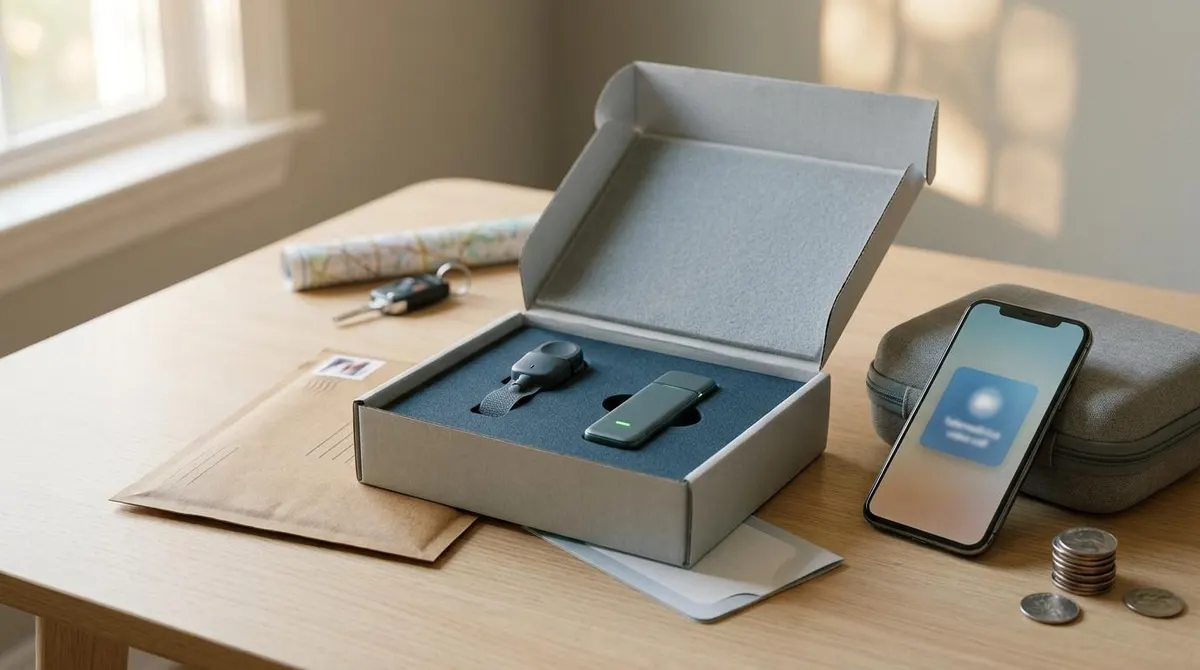
A DOT sleep test at home is the most practical, cost-effective, and clinically accepted route for commercial drivers to screen for and diagnose obstructive sleep apnea without disrupting their career or waiting months for a laboratory appointment. From virtual consultation through to your formal sleep report, the process is designed to work around a driver's schedule and produce results that meet the documentation standards your certified medical examiner requires. Treating sleep apnea is not just a compliance obligation; it is a direct investment in your alertness on the road, your long-term health, and the security of your commercial driving career. Take the first step today and explore your options with the dumbo.health at-home sleep test.
Related DOT Physical Topics
- Sleep Apnea Tests for DOT Compliance What tests are accepted
- What are the current DOT requirements for sleep apnea testing for commercial drivers
- DOT Physical ICD-10 & Billing Codes The Complete Guide for Accurate Compliance and Reimbursement
- Does a DOT Physical Test for Weed or THC The Complete Guide for Commercial Drivers
- Home Sleep Apnea Test for Commercial Drivers The CDL Holder's Complete Guide
- Why do they measure your neck during a DOT physical
- Navigating the Florida DOT Physical Your Essential Guide for CDL Drivers
- Online DOT Physical Self-Pay The Complete Guide for CDL Drivers and Owner-Operators
- The Ultimate DOT Preparation Checklist for Motor Carriers and Commercial Drivers
- What Are the DOT Requirements for Drivers With Sleep Apnea
- DOT Physical Insurance or Self Pay How to Choose the Right Payment Option for Your Exam
- The Comprehensive Guide to Suboxone, Sleep Apnea, and FMCSA Compliance for Commercial Motor Vehicle Operators
- At Home Sleep Test for Truck Drivers
- What Happens If Your DOT Physical Expires Compliance Guide for Commercial Drivers
- DOT Physical Duration and Validity How Long Your Medical Card Lasts
- Non-DOT Physical A Comprehensive Guide to Workforce Health and Safety
- DOT Physical Texas The Essential Guide to Your Exam, Medical Card, and CDL Compliance
- Is a Sleep Study Required for a DOT Physical
- What Does DOT Stand for in a DOT Physical
- DOT sleep apnea test at home
- What Is the Difference Between a DOT and Non-DOT Physical
- Guide to Obtaining and Managing Your DOT Medical Card Online
- Can You Get a Second Opinion on Your DOT Physical A Complete Guide for Commercial Drivers
- Online DOT Physical The Complete Guide for Commercial Drivers and Medical Examiners
- DOT Physical Cost Breakdown What Drivers Pay & Why
- DOT Physical Forms & Paperwork The Complete Guide for Commercial Drivers
- Can You Get a DOT Physical in Any State The Complete Guide for Commercial Drivers
- Can You Get a DOT Physical Online The Complete Guide for Commercial Drivers
- What drugs do they test for in a DOT drug test
- How Do You Submit Your DOT Physical to the DMV
- Are There New DOT Rules or Laws on Sleep Apnea Testing
- Remote DOT Physical The Complete Guide for Commercial Drivers
- Essential 171 DOT Definitions for Commercial Drivers
- Is a drug test required for a DOT physical
- Best Treatments for Sleep Apnea to Improve Driving Safety
- Sleep Apnea Test for CDL Drivers
- What Forms Do You Need for a DOT Physical
- Navigating DOT Stroke Guidelines for CMV Drivers What You Need To Know
- Navigating Your DOT Physical with Common Medical Conditions
- Online DOT Physical Without Insurance A Complete Guide for Commercial Drivers
- How can drivers with sleep apnea qualify again after a failed DOT physical
- What Is the Urine Test for in a DOT Physical
- Are there legal requirements for drivers with sleep apnea
- DOT physical self pay guide for commercial drivers paying out of pocket
- Can You Fail a DOT Physical for Being Overweight
- DOT Hypertension Guidelines The Complete Blood Pressure Guide for Commercial Drivers
- Your Complete Guide What's Included in a DOT Physical Exam
- Can you fail a DOT physical because of sleep apnea
- When Can Sleep Apnea Affect a DOT Physical
- DOT Medical Exam Self-Pay A Complete Guide for Commercial Drivers
- Online DOT Exam What Drivers and Medical Examiners Need to Know
- Do They Check Your Private Parts During a DOT Physical
- DOT Physical Chiropractor Your Complete Guide to CDL Exams
- Can You Fail a DOT Physical for High Blood Pressure
- Can you pass a DOT physical with sleep apnea
- What happens if you fail a DOT physical due to sleep apnea
- BMI for DOT Physical What Commercial Drivers Need to Know
- What Happens During the DOT Physical Exam The Complete Guide for Drivers
- What are the current FMCSA guidelines on sleep apnea for commercial drivers
- Navigating Your CDL Health Requirements
- The Ultimate DOT Physical Guide for Commercial Drivers (2025–2026)
- DOT Physical Requirements A Complete Guide for CDL Drivers
- What Happens If You Fail a DOT Physical Twice The Complete Guide for Commercial Drivers
- Do They Check for Hernia During a DOT Physical
- What Happens If You Fail a DOT Drug Test The Complete Guide for Commercial Drivers
- What eye chart is used for a DOT physical
- The DOT Physical Exam Ensuring You're Fit for the Road
- DOT Physical & Alcohol Requirements
- DOT Physical Insurance & Recertification The Complete Driver's Guide
- DOT Physical Vision & Eye Requirements
- DOT Physical & Drug Test What Drivers Need to Know
- What Can Disqualify You From a DOT Physical
- Does a DOT physical include a drug test
- Can You Pass a DOT Physical with Epilepsy
- DOT Physical Self Pay Cost
- DOT Physical Exam Basics
- 2026 DOT Inspection Dates
- Can You Pass a DOT Physical With a Hernia
- Can You Pass a DOT Physical With a Pacemaker
- Can You Pass a DOT Physical With One Eye
- Telehealth Dot Physical
- How Sleep Apnea Affects Overall Driving Safety
- Who needs a DOT physical
- Medical Examiner's Certificate (Form MCSA-5876) The Complete Guide for Commercial Drivers
- DOT Physical Out of Pocket What Commercial Drivers Actually Pay
- What Precautions Should Drivers With Sleep Apnea Take
- DOT Physical Online Cost
- Walk In DOT Physical Self Pay
- What Should You Bring to a DOT Physical
- Can You Get a DOT Physical Online
- New DOT Physical Requirements What Drivers MUST Know About New Updates
- DOT Physical Cash Pay
- Same Day DOT Physical
- Virtual DOT Physical
- What blood pressure do you need to pass a DOT physical
- DOT Physical Blood Pressure Requirements What Drivers Need to Know
- Is a DOT physical the same as a regular physical
- How to Pass a DOT Physical The Complete Commercial Driver's Guide
- What should I expect at a DOT physical
- What Does a DOT Physical Consist Of
Take the next step before your DOT physical
Start with the free quiz if you are unsure about your risk, or order an at-home sleep test if you have already been flagged for possible sleep apnea.
AI summary
A DOT sleep test at home is a home sleep apnea test (HSAT) used to evaluate commercial drivers for obstructive sleep apnea (OSA) without in-lab polysomnography. FMCSA does not require universal sleep apnea testing, but certified medical examiners can require a sleep study when DOT physical findings suggest elevated risk. Key referral factors discussed include BMI above 35, neck circumference greater than 17 inches, hypertension, loud snoring, and excessive daytime sleepiness. Untreated OSA is linked to impaired alertness and higher crash risk. The article describes HSAT technology and FDA-approved devices commonly used in DOT-focused programs: WatchPAT ONE (peripheral arterial tone, actigraphy, SpO2, heart rate), ApneaLink Air by ResMed (Type III device measuring airflow, respiratory effort, SpO2, heart rate), and NightOwl (finger-worn PAT-based multi-night option). HSAT typically involves a virtual consultation for a prescription, overnight recording at home, device return, and a board-certified sleep physician report. Results center on AHI and oxygen saturation (SpO2). Mild OSA may be cleared case-by-case, while moderate to severe OSA commonly requires documented PAP therapy adherence, often referenced as 4 hours per night on at least 70% of nights over 30 days.

Nicolas Nemeth
Co-Founder
Nico is the co-founder of Dumbo Health, a digital sleep clinic that brings the entire obstructive sleep apnea journey home. Patients skip the sleep lab and the long wait to see a specialist. Dumbo Health ships an at home test, connects patients with licensed sleep clinicians by video, and delivers CPAP or a custom oral appliance with ongoing coaching and automatic resupply in one clear subscription.
Keep reading

How Long Does a DOT Physical Take? A Complete Guide for Commercial Drivers

What Happens If You Fail a DOT Drug Test? The Complete Guide for Commercial Drivers


