DOT Physical Cash Pay
Paying cash for a DOT physical means paying directly for a certified commercial driver medical exam to get an upfront quote and avoid billing confusion. The article explains what a DOT physical is, why it is required under FMCSA rules, and who needs it based on CMV operation, not just CDL status. It breaks down common payment paths, including employer coverage, self-pay, cards, HSA/FSA, and why insurance often does not cover DOT exams. You will learn what the visit includes, from vital signs and vision/hearing checks to urinalysis and documentation. It also covers special conditions like high blood pressure, diabetes, sleep apnea, and cardiac issues that may require records. Practical tips focus on verifying the examiner on the National Registry and confirming the all-in self-pay price before booking.
Struggling with sleep?
Find out if sleep apnea is the reason.
FDA-cleared. $149 flat. Physician-reviewed results in 48 hours.

DOT Physical Cash Pay

DOT physical cash pay is paying directly for a certified commercial driver medical exam when you need a clear price, a faster booking path, and fewer billing surprises. According to the FMCSA, a DOT medical exam can be valid for up to 24 months, although shorter certification periods are common when a condition needs closer monitoring. This matters because the payment method affects the transaction, but not the medical standards. This guide explains what the exam is, who needs it, why cash pay often makes sense, what the visit includes, how to compare payment options, and how to prepare if you are paying out of pocket. The goal is simple: help you make the next exam easier, clearer, and more affordable.
What is a DOT Physical and Why is it Essential?

A DOT physical is a regulated medical examination used to decide whether you can safely operate a commercial motor vehicle. The exam matters because many commercial drivers need current medical certification to stay road legal.
The Department of Transportation medical qualification system is designed to reduce safety risks linked to vision problems, hearing issues, uncontrolled blood pressure, neurological concerns, and other health problems that may affect safe driving. DOT physicals are not routine wellness visits. DOT physicals are job-related fitness exams tied to road safety, licensing, and compliance.
Many people think the exam is just paperwork. In practice, the physical exam and the required forms work together. The physical examination helps the examiner decide whether you meet the health standards needed for safe operation.
KEY TAKEAWAY: A DOT physical is a safety-based exam that protects both your driving eligibility and public road safety.
Not sure if sleep apnea applies to you?
Take our 2-minute sleep risk quiz to see whether sleep apnea could affect your DOT physical. No account required.
Understanding the exam makes it easier to understand why payment options matter.
The Financial Aspect: Understanding Payment Options for Commercial Drivers

Payment options for DOT physicals affect convenience, speed, and cost visibility, not the clinical rules. The best payment route depends on whether you are employed, independent, reimbursed later, or paying out of pocket today.
Commercial drivers commonly pay in one of four ways: employer coverage, self-pay pricing, personal card payment, or tax-advantaged funds such as an HSA or FSA when allowed. Some employers send drivers to a specific occupational health clinic. Others reimburse only after the visit. If you are an owner-operator or between jobs, the bill often becomes your responsibility.
The most useful question is not which option sounds best in theory. The useful question is which option gives you the clearest total price, the fewest delays, and the least risk of reimbursement confusion.
KEY TAKEAWAY: Payment options change the billing experience, so you should choose the one that gives you the most clarity before the exam.
That is why cash pay deserves closer attention.
Why "Cash Pay" Deserves Your Attention for Your Next DOT Physical

Cash pay deserves attention because it usually gives you a direct quote before the exam. That pricing clarity can be valuable when you need a fast decision and tight budget control.
Many clinics use the terms cash pay and self-pay interchangeably. In real-world use, cash pay does not always mean paper bills only. It usually means you are paying directly without sending the claim through an employer billing system or insurance plans first. That direct setup often reduces confusion about what the visit will really cost.
For drivers who are renewing quickly, changing jobs, or trying to avoid reimbursement delays, DOT physical cash pay can feel simpler than waiting on approvals. The medical examination stays the same, but the transaction becomes easier to manage.
KEY TAKEAWAY: Cash pay stands out because it replaces billing uncertainty with a direct, upfront price.
Once cash pay is on your radar, the next step is understanding the legal requirement itself.
Understanding the DOT Physical Requirement for Commercial Drivers

The DOT physical requirement exists to confirm that you can safely perform safety-sensitive driving work. The requirement is based on federal standards, not on the clinic's business model.
Already diagnosed and need CPAP support?
Dumbo Health helps patients start CPAP without the usual confusion, paperwork, or upfront cost. Equipment, setup, supplies, and ongoing support are all handled in one place.
According to the FMCSA, interstate drivers who operate covered vehicles generally need medical certification, and the certificate can be issued for up to 24 months or less when monitoring is needed. That means the exam is not optional for many drivers. It is a compliance step tied to legal driving status.
The rule matters whether you drive daily, seasonally, or for a new employer. If you let certification lapse, you can face work interruptions, licensing problems, or delays in getting back on the road.
KEY TAKEAWAY: The DOT physical requirement is a federal safety rule, not just an employer preference.
The next question is who exactly falls under that rule.
Who Needs a DOT Physical? Commercial Driver's License and CMV Operation

Many people with commercial driver's licenses need a DOT physical, but the requirement is based on the vehicle and work, not just the license title. The exam applies broadly to many operators of a commercial motor vehicle.
A commercial motor vehicle is generally a commercial vehicle used for business that meets federal thresholds for size, passengers, or hazardous materials. That means people with commercial driver's licenses often need the exam, but some drivers without a Commercial Driver's License may also need one depending on the job and vehicle. The rule can cover commercial motor drivers who operate vehicles over certain weight limits, transport enough passengers, or haul hazardous materials.
Ground delivery, local hauling, and certain interstate routes can all trigger the requirement. If your role involves commercial vehicles, you should verify the requirement before assuming a standard driver's license is enough.
KEY TAKEAWAY: The DOT physical applies to many drivers based on vehicle type and job duties, not only on CDL status.
That broad requirement leads directly to FMCSA oversight.
The FMCSA's Role: Ensuring Safety on Our Roads
The FMCSA sets and enforces the medical framework behind the DOT physical. The agency's role is to make sure commercial drivers meet consistent safety standards nationwide.
According to the National Registry of Certified Medical Examiners page from the FMCSA, interstate CMV drivers must obtain their qualifying exam and Medical Examiner's Certificate from a certified Medical Examiner listed on the National Registry. That requirement is important because not every doctor, urgent care, or medical provider can perform a compliant exam.
You may also see broad language such as the Federal Motor Carrier Safety Administration or the Motor Carrier Safety Administration Program in clinic marketing or paperwork. The critical point is simple: the examiner must be properly listed and qualified, and the exam must follow FMCSA rules.
KEY TAKEAWAY: The FMCSA ensures consistency by requiring certified medical examiners and standardized qualification rules.
Once you know who governs the exam, it becomes easier to understand what the examiner is checking.
Core Health Standards: What the Examination Aims to Verify

The examination aims to verify that your health does not create an unsafe driving risk. The exam focuses on functional safety, not on finding every possible diagnosis.
The Medical Examiner reviews medical history, current symptoms, medication use, and key risk areas that can affect alertness, mobility, judgment, or sudden incapacitation. Common focus points include blood pressure, visual acuity, peripheral vision, hearing assessment, diabetes, cardiac conditions, respiratory issues, neurological concerns, and other health problems that can interfere with safe operation.
The standards are practical. The examiner is not looking for perfection. The examiner is looking for whether a medical condition is stable, documented, and compatible with safe commercial driving.
IMPORTANT: A well-managed condition often matters more than the diagnosis name alone.
KEY TAKEAWAY: The exam checks whether your current health status is compatible with safe driving under federal standards.
Once you understand the standards, the cost discussion makes more sense.
The Cost of a DOT Physical: Factors and Financial Realities

The cost of a DOT physical can vary widely because clinics price the service differently. Cost is shaped by geography, provider type, urgency, and whether extra review is needed.
Some drivers expect a fixed national price. There is no single national fee. A basic medical exam visit at one urgent care may cost less than a visit at a specialized occupational health center. Costs may also rise when medical records need review, when additional services are bundled in, or when a short-notice appointment is requested.
This is why drivers often describe DOT physicals as expensive compared with a routine office visit. The exam is regulated, documentation-heavy, and tied to legal certification rather than general preventive care.
KEY TAKEAWAY: DOT physical pricing is variable, so you should compare real clinic quotes instead of assuming a standard market rate.
A national cost range helps anchor that comparison.
Average Cost Range: What to Expect Across the Country

The average cost range for a DOT physical is usually broad enough that calling ahead is essential. The practical takeaway is that the quoted total matters more than any generic average.
In most markets, you will see prices that differ by region, clinic type, and same-day availability. A lower base price may not include the same paperwork support, scheduling flexibility, or follow-up consultations as a higher quote. If the clinic serves mostly commercial drivers, the staff may also move faster through compliance steps, which can add practical value.
Instead of chasing the cheapest number, focus on the total value of the visit. Ask what the price includes, whether there is an in-house lab, and whether documentation issues create extra charges.
KEY TAKEAWAY: National averages are less useful than a clinic's confirmed all-in quote for your actual visit.
The next step is understanding which factors push that number up or down.
Influencing Factors: Location, Provider Type, and Additional Services

Location, provider type, and extra service needs are the biggest drivers of price variation. A simple renewal usually costs less than a more complex certification review.
Urban areas often price higher than smaller markets. An urgent care center may price differently from a dedicated occupational medicine clinic or a trucking-focused medical facility. Some clinics bundle the urine test and paperwork into one rate. Others charge separately for additional services, specialty form review, or repeated blood pressure checks.
Provider experience also matters. A clinic with deep experience in DOT physical exams may charge more, but it may also reduce delays caused by missing forms or incorrect expectations. Some locations also advertise Urgent Care Services, X-Ray Services, STD testing & treatment, PFT – Spirometry, Vaccine Review, Quantiferon Gold Evaluation, and other unrelated service lines. Those offerings do not automatically raise the DOT exam price, but they can make pricing menus harder to interpret.
KEY TAKEAWAY: The final price depends on where you go, who performs the exam, and whether the clinic adds separate fees beyond the core visit.
That pricing reality explains why insurance often does not solve the problem.
Why Health Insurance Rarely Covers DOT Physicals

Health insurance rarely covers DOT physicals well because the exam is usually treated as an occupational requirement, not a routine preventive benefit. Coverage is limited because the visit is linked to work eligibility and compliance.
Many insurance plans are built around illness care, preventive checkups, and standard medical examination billing. A DOT physical does not fit neatly into those categories. It is a specific certification exam for commercial motor drivers. As a result, some clinics do not bill insurance at all for DOT physical exams, while others may bill and still warn you that coverage is uncertain.
This distinction matters financially. You may think the insurer will reduce the bill, but the opposite can happen if the claim is rejected and the clinic later bills you directly. That is one reason self-pay pricing remains common.
KEY TAKEAWAY: Insurance often falls short because a DOT physical is usually classified as a regulatory work exam rather than standard preventive care.
That leads directly to the question of who pays when insurance does not.
Employer Coverage vs. Out-of-Pocket: When You're Responsible for the Cost

Employer coverage is often the cheapest route for company drivers, but out-of-pocket payment is common in many situations. Responsibility depends on your work arrangement and company policy.
If you work for a carrier with a designated clinic relationship, the employer may cover the cost fully. That is the cleanest setup. In other cases, you may be asked to pay upfront and request reimbursement later. Owner-operators, independent contractors, applicants before hire, and drivers between roles often bear the cost themselves.
This is where DOT physical cash pay becomes strategically useful. When employer coverage is unavailable or unclear, direct payment allows you to move forward without waiting for approvals. It also helps when your certification timing matters more than internal company paperwork.
KEY TAKEAWAY: Employer coverage can remove the cost, but out-of-pocket payment is common enough that every driver should understand the cash-pay option.
With that context in place, the strategic value of cash pay becomes easier to see.
The Strategic Advantage of Cash Pay for Your DOT Physical

The strategic advantage of cash pay is control. Cash pay gives you a known price, a faster decision path, and less reliance on third-party billing.
For many drivers, the biggest frustration is not the exam itself. It is uncertainty around who pays, when the payment clears, and whether the final bill will match the initial expectation. Self-pay pricing solves that by turning the visit into a direct transaction. It becomes easier to compare providers, easier to schedule quickly, and easier to budget.
Many patients report that paying directly also makes the appointment feel more straightforward. You ask for the quote, confirm the included services, bring the payment method, and complete the visit. The clinical rules remain exactly the same, but the administrative process gets simpler.
KEY TAKEAWAY: Cash pay is strategically useful because it turns a potentially messy billing process into a direct and predictable transaction.
The first major benefit is the chance to unlock better self-pay pricing.
Unlocking Self-Pay Pricing: Potential for Discounts and Savings

Self-pay pricing can sometimes unlock discounts because clinics may prefer direct payment without claim processing. The savings are not guaranteed, but the price is often easier to negotiate or compare.
When a clinic does not have to process employer paperwork or uncertain insurance claims, the administrative burden falls. Some clinics reflect that in their pricing. Others may not discount at all, but they may still offer a cleaner quote than a partially covered visit.
The practical advantage is not just lower cost. It is clarity. A direct self-pay price allows you to compare three or four providers quickly and choose the one with the best balance of cost, location, and provider experience.
KEY TAKEAWAY: Self-pay pricing can sometimes save money, but its biggest benefit is giving you a clean price for easier comparison.
A related advantage is avoiding unnecessary processing fees and delays.
Avoiding Processing Fees: A Benefit for Both Driver and Provider

Cash pay can reduce payment friction for both the driver and the provider. Fewer billing layers often mean fewer processing steps, fewer disputes, and fewer surprises.
Clinics sometimes spend time dealing with denied claims, authorization questions, and reimbursement paperwork. Direct payment removes much of that complexity. For you, that can mean fewer follow-up calls and a faster check-in or check-out process. For the clinic, it can mean less administrative work and quicker payment collection.
This benefit is strongest when the clinic clearly explains whether the same self-pay pricing applies to cash, debit, and credit card transactions. A direct question about fees can protect you from a quote that changes at the front desk.
KEY TAKEAWAY: Cash pay often reduces billing friction, which can benefit both the clinic and the driver.
That simpler billing structure also improves speed.
Simplicity and Speed: Streamlining Your Transaction
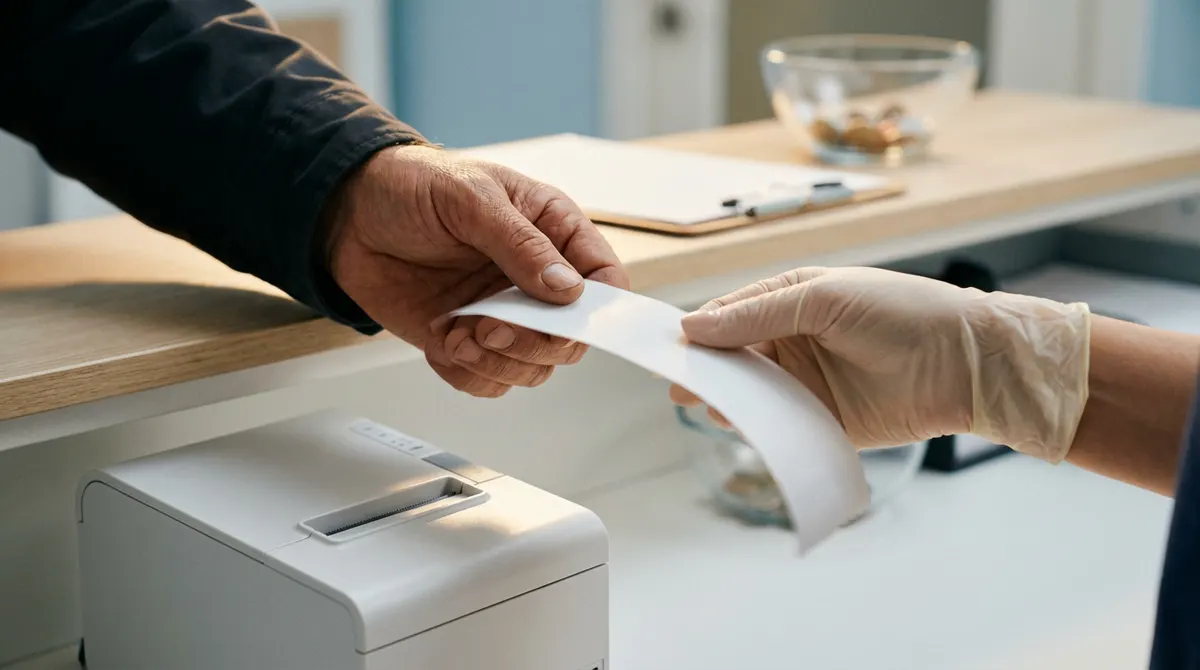
Cash pay simplifies the transaction because you settle the bill directly at the visit. That simplicity can be especially valuable when you need same-day appointments or a fast renewal.
A standard DOT exam already involves forms, identity verification, medical history review, and certification decisions. Removing billing complexity helps the whole experience move faster. Walk-in urgent care visits and short-notice bookings often work better when the payment path is straightforward and pre-confirmed.
This matters when your DOT medical card is about to expire or when work cannot wait. A direct cash-pay arrangement can keep the focus on the medical examination instead of on who will eventually reimburse the clinic.
KEY TAKEAWAY: Cash pay often speeds up the visit because it removes extra billing steps from an already structured exam process.
Speed matters, but budget control matters just as much.
Budgeting and Financial Control: A Clear Approach to Healthcare Costs

Cash pay gives you better budgeting control because you know the amount before the visit. That clarity is valuable when healthcare costs and work-related expenses are already competing for attention.
Instead of waiting for a reimbursement decision or a post-visit bill, you can plan for the exact expense. That helps independent drivers, drivers managing irregular cash flow, and drivers comparing providers in your area. Clear self-pay pricing also makes it easier to decide whether a same-day slot is worth the extra cost.
This is one of the biggest reasons cash pay remains attractive. Predictability matters. In a year with licensing fees, fuel costs, insurance, maintenance, and medical certifications, cost visibility is a real advantage.
KEY TAKEAWAY: Cash pay supports better financial planning because it replaces uncertainty with a known number.
For some drivers, direct payment also has a privacy benefit.
Privacy and Direct Transactions: An Appeal for Some Drivers

Cash pay can feel more private because the payment transaction stays direct between you and the clinic. The clinical record still exists, but the billing path is often simpler and more contained.
Some drivers prefer avoiding extra employer paperwork or the uncertainty of routing a claim through insurance plans when the outcome is unclear anyway. That preference is not about hiding medical information. It is about reducing administrative exposure and keeping the visit straightforward.
For drivers who value simple documentation, direct payment can feel cleaner. You confirm the appointment, complete the exam, receive the result, and move on to the next step without extra financial intermediaries.
KEY TAKEAWAY: Direct payment appeals to some drivers because it can reduce administrative complexity and keep the transaction simple.
Before you can use cash pay well, you need to know where to book.
Common Myths About DOT Physical Cash Pay Debunked

Cash pay does not change the medical rules, and cash pay does not guarantee a pass. The biggest myths come from confusing payment convenience with certification standards.
MYTH: Paying cash makes an examiner more likely to pass you.
FACT: According to the FMCSA, certification depends on whether the driver meets the medical standards, not on how the visit is paid for. The medical decision is separate from the payment decision.
MYTH: The cheapest cash price is always the best value.
FACT: A lower quote may exclude paperwork support, additional services, or extra review of medical documentation. A slightly higher quote from a more experienced examiner can save time and repeat visits.
MYTH: Insurance is always better than self-pay.
FACT: Many insurance plans treat DOT physicals as occupational exams rather than routine preventive care. A denied claim can leave you with the same bill, but with more delay and confusion.
MYTH: Cash pay means literal paper cash only.
FACT: Many clinics use cash pay as shorthand for self-pay pricing. The clinic may still accept a debit card or credit card at the same rate.
KEY TAKEAWAY: Cash pay helps with billing clarity, but it does not change the FMCSA standards or replace good medical preparation.
With the myths cleared up, the next step is finding the right examiner.
Finding Certified Medical Examiners Who Accept and Favor Cash Payments

The best way to find a cash-pay provider is to confirm both examiner certification and pricing transparency. You need a qualified examiner and a clear quote.
According to the FMCSA National Registry of Certified Medical Examiners, interstate drivers can search certified medical examiners by city, state, or zip code. That search should come first. Once you identify a clinic, call and ask whether it accepts self-pay, whether the quoted rate is the true cash price, and whether same-day appointments are available.
This process matters because a clinic can offer a physical exam without offering a valid DOT physical examination. Certification authority is the first filter. Pricing comes second.
KEY TAKEAWAY: The right provider must be both properly certified and clear about self-pay pricing before you book.
That is why certain facility types tend to work better for cash-pay drivers.
Identifying Cash-Friendly Medical Facilities: Urgent Care and Occupational Health Clinics

Urgent care and occupational health clinics are often the most cash-friendly options for DOT physicals. These facilities commonly handle high-volume work-related exams and direct-pay visits.
Urgent care facilities can be useful when you need speed, evening hours, or walk-in access. Occupational health and occupational medicine clinics can be useful when you want a provider that regularly works with employers, transportation roles, and certification paperwork. In either setting, ask whether DOT physical exams are a routine service rather than an occasional add-on.
A medical facility that performs these exams often may be better at handling same-day scheduling, medical records review, and documentation questions. That does not guarantee the lowest price, but it often improves the experience.
KEY TAKEAWAY: Urgent care and occupational health clinics are often strong options because they commonly support direct-pay, work-related exams.
Once you know the facility type, the next skill is how to ask the right pricing question.
The Power of Inquiry: How to Ask About "Self-Pay" or "Cash Price"

The way you ask matters because clinics use different billing language. The clearest question is whether the clinic offers a self-pay price for a DOT physical and what that price includes.
Avoid vague wording such as asking only how much a visit costs. Ask specifically for the self-pay pricing or cash price for a DOT physical examination. Then ask whether the quote includes the urine test, the Medical Examiner's Certificate if you qualify, and any review of standard medical documentation.
This direct approach helps you avoid incomplete quotes. It also helps the clinic understand that you are comparing payment options intentionally, not just asking a casual pricing question.
KEY TAKEAWAY: Asking for the exact self-pay price for a DOT physical is the fastest way to get a useful and comparable quote.
That question works even better when combined with the National Registry search tool.
Utilizing the National Registry of Certified Medical Examiners (NRCME)
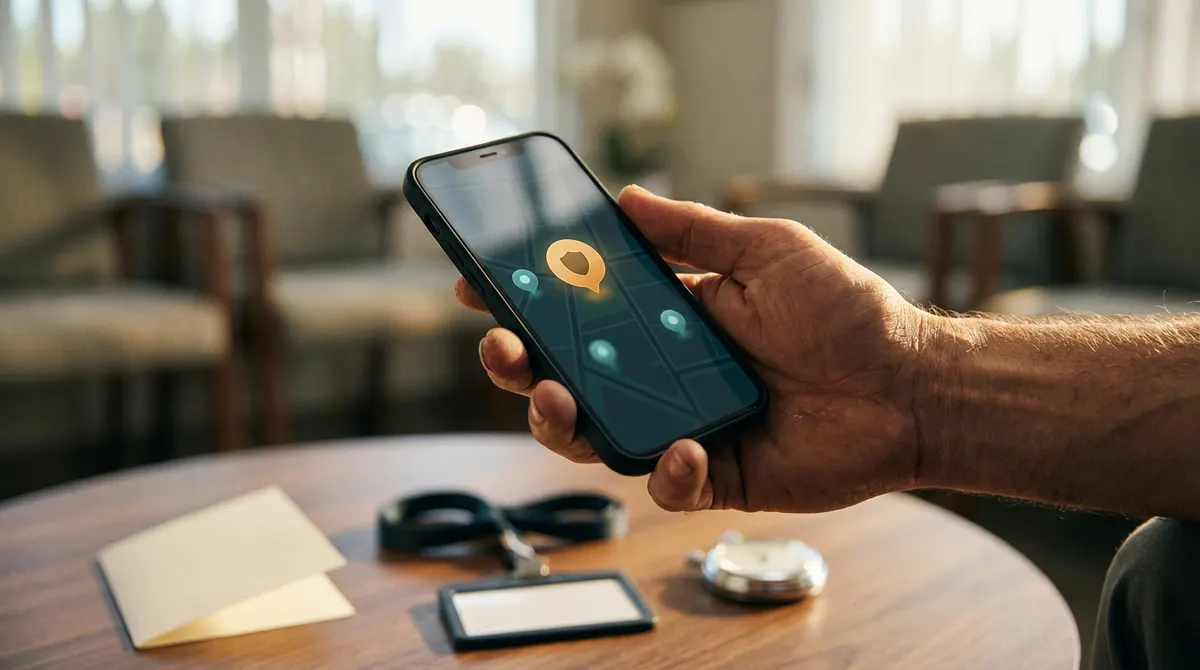
The National Registry is the safest starting point when you need a qualified examiner fast. It helps you filter for compliance before you start comparing price.
The National Registry of Certified Medical Examiners is the FMCSA-backed directory that allows drivers to locate certified examiners in your area. It is especially useful when you are traveling, working across regions, or trying to avoid booking a clinic that cannot legally complete the certification process. If a clinic is not associated with a listed examiner, keep looking.
Using the Registry first saves time. It also supports smarter local comparison because every clinic you call after that point is more likely to be a legitimate option.
KEY TAKEAWAY: The National Registry protects you from wasting time on clinics that cannot provide valid certification.
After that, convenience becomes the next major filter.
The Convenience of Walk-Ins and Same-Day Appointments for Cash Pay Clients

Walk-ins and same-day appointments can be a major benefit of cash pay when your certification deadline is close. Direct payment often makes short-notice scheduling easier.
Many urgent care clinics reserve limited slots for same-day appointments or first-come walk-ins. Cash-pay clients may move through intake faster because there is less employer billing or insurance verification to process. That convenience matters when a medical card is about to expire or when your work schedule leaves little room for advance planning.
Still, convenience should not replace verification. Even if a clinic advertises fast service, make sure the Medical Examiner is properly certified and that the quoted rate is the final self-pay price.
KEY TAKEAWAY: Cash pay can pair well with walk-ins and same-day appointments, but speed should never replace certification verification.
Local searching becomes easier once you know how to balance speed and legitimacy.
Local Resources: Exploring Providers in Greater Boston, Medford, or Specific Regions

Local provider research works best when you use region-specific search terms and then verify certification. The goal is to find a provider near you without sacrificing compliance.
If you are searching in Greater Boston, Medford, or another specific region, you may see clinics and healthcare systems such as CHA Occupational Health, UMass Memorial Health, UMass Memorial Medical Group, Harrington Occupational Health, Eastway Medical Clinic, LI Urgent Care, or Priority Urgent Care appear in results. You may also see clinics near truck stops or along major corridors like Rt. 93. Those names can help with orientation, but they are not substitutes for checking the National Registry.
Some listings also mention provider experience, X-Ray Services, in-house lab capacity, or urgent care visits in the same marketing copy. Those details may be useful, but the first question should still be whether the examiner is properly certified.
KEY TAKEAWAY: Local searching can help you find a provider close to you, but Registry verification should always come before convenience.
Once you narrow the provider list, it is time to confirm the appointment details.
Key Questions to Ask When Confirming Your Cash-Pay Appointment

The right pre-booking questions protect you from hidden fees, unnecessary repeat visits, and scheduling mistakes. Price alone is not enough.
Ask for the exact self-pay amount, what the quote includes, what payment methods are accepted, whether walk-ins are allowed, and whether short-notice rescheduling is possible. Also ask whether medical records, specialty letters, or follow-up consultations could add cost or delay. These questions are especially important if you have diabetes, sleep apnea, cardiac conditions, or recent medication changes.
A clear clinic will answer these questions directly. A vague clinic may create problems later, even if the advertised price looks good.
KEY TAKEAWAY: The best appointment confirmation covers price, inclusions, payment method, scheduling, and documentation expectations.
The first and most important detail to lock down is the exact price.
Verifying the Exact Cash Price Upfront: No Surprises

You should verify the exact cash price before you walk in. A base rate without details is not enough.
Ask the clinic to confirm whether the quoted price is the full cash-pay amount for the DOT physical exams visit or only the starting number. Then ask whether repeat blood pressure checks, form completion, or follow-up reviews are billed separately. Some clinics use a simple flat rate. Others separate pieces of the visit into different charges.
This single step is the most effective way to avoid billing frustration. A clear upfront quote protects both your schedule and your budget.
KEY TAKEAWAY: The exact self-pay amount should be confirmed before the visit so you can avoid surprise charges later.
Price is only half the story, because you also need to know what the quote covers.
Understanding What's Included: Are There Potential Additional Service Fees?

A good quote explains what is included and whether additional services can raise the total. This matters because not every clinic defines the visit in the same way.
Ask whether the quoted amount includes the urine test, standard paperwork, certification issuance if you qualify, and routine review of medical documentation. Then ask what happens if extra records are needed. Clinics may handle those cases differently. Some absorb minor review work into the quoted rate. Others charge separately for more complicated cases.
If the clinic also markets unrelated services such as X-Ray Services, Vaccine Review, PFT – Spirometry, Quantiferon Gold Evaluation, or STD testing & treatment, make sure those service lines are not being confused with your DOT visit. DOT physical cash pay should be easy to separate from the rest of the menu.
KEY TAKEAWAY: The best quote tells you exactly what the core DOT visit includes and what could trigger extra charges.
After inclusions, payment method details are the next practical issue.
Clarifying Payment Methods: Beyond Just Cash

Cash pay often means self-pay pricing, not cash-only payment. Many clinics accept several direct payment methods under the same pricing structure.
Ask whether the clinic accepts cash, debit, credit card, or another direct method at the same rate. A clinic may advertise cash pay while still accepting a credit card with no surcharge. Another clinic may add a small processing fee for card transactions. If you are trying to control cost precisely, that difference matters.
Clarifying this in advance helps you arrive prepared. It also prevents awkward surprises at check-in when a clinic's front desk policy does not match what you assumed.
KEY TAKEAWAY: Cash pay usually refers to direct payment pricing, so you should confirm which payment methods qualify for that rate.
Scheduling terms matter too, especially when plans change.
Cancellation and Rescheduling Policies for Self-Pay Patients

Cancellation rules matter because missed or moved appointments can turn a simple cash-pay visit into a more expensive one. You should understand the policy before you commit.
Ask whether there is a no-show fee, whether same-day changes are allowed, and whether your self-pay quote remains valid if you reschedule. This matters when you are waiting on medical records, a CPAP report, or a specialist note that may not arrive on time. A flexible clinic can save you both money and stress.
Drivers often focus on price and forget logistics. A slightly higher-priced clinic with a sensible rescheduling policy can be the better choice.
KEY TAKEAWAY: A clear cancellation and rescheduling policy helps protect the value of your self-pay appointment.
Once the appointment is set, the next step is understanding the exam itself.
The DOT Physical Examination Process: What to Expect During Your Visit

The DOT physical examination process is structured and predictable. The visit usually includes paperwork, screening tests, a physical exam, and a certification decision.
The experience begins with identity verification, medical history forms, and a review of your health history. The Medical Examiner then checks your Vital Signs, sensory function, and general physical status. Most visits also include a urine test and discussion of any ongoing medical condition, medication, or specialist follow-up that could affect driving safety.
People who undergo this exam often find the process less stressful once they know what is coming. Preparation and honesty matter more than trying to guess what the examiner wants to hear.
KEY TAKEAWAY: The DOT exam process is a structured safety review, and preparation makes it more manageable.
The first formal step is the medical history review.
Comprehensive Medical History Review and Documentation

The medical history review is one of the most important parts of the DOT physical. Complete and honest documentation helps the examiner make a faster and safer decision.
According to the FMCSA Medical Examiner's Handbook page, the handbook provides regulatory guidance to examiners performing interstate commercial motor vehicle driver qualification exams. In practice, that means the examiner reviews your medical history, symptoms, medication use, surgeries, and any condition that could affect safe operation. Medical history is not a side form. Medical history is central to the certification decision.
Bring medical records, prescription details, prior exam paperwork, and any requested medical documentation. Medical records are especially important if you have a chronic condition, recent hospitalization, or specialist follow-up.
KEY TAKEAWAY: Thorough medical history documentation can reduce delays and improve the quality of the certification decision.
After the paperwork comes the basic screening data.
Vital Signs Assessment: Blood Pressure, Heart Rate, and More
Vital Signs are a core part of the exam because they give the examiner immediate safety-relevant information. blood pressure is often the most closely watched result.
According to the FMCSA hypertension guidance, a driver with blood pressure below 140/90 may be certified for up to 2 years, while higher levels can lead to shorter certification periods, a temporary short-term certificate, or disqualification depending on severity. That makes blood pressure one of the most practical numbers in the whole exam. Heart rate and general stability also matter, but high blood pressure is often the issue that changes certification length.
If you have a history of high blood pressure, take the exam seriously. A calm arrival, regular medication use, and enough time before the reading can matter.
KEY TAKEAWAY: Vital Signs, especially blood pressure, can directly affect whether you qualify and how long your certification lasts.
After the number-based screening, the examiner checks your sensory function.
Vision and Hearing Checks: Ensuring Sensory Acuity for Safe Driving
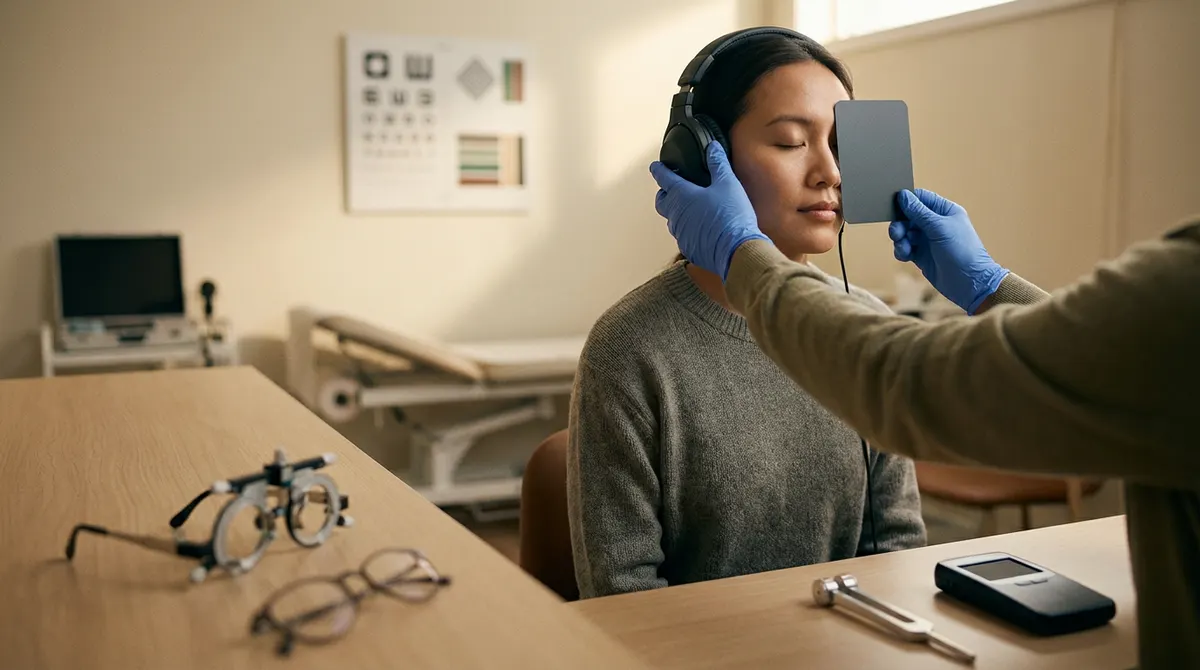
Vision and hearing checks exist because driving safely depends on reliable sensory function. The exam focuses on whether you can detect hazards, read signs, and respond appropriately.
The vision check usually includes visual acuity, peripheral vision, and color recognition. The hearing assessment may involve a hearing test, conversation-level screening, or confirmation that a hearing aid allows safe function if you use one. The goal is not to test every possible eye or ear diagnosis. The goal is to confirm that your practical driving-related sensory ability meets the expected standard.
If you wear glasses or use a hearing aid, bring them. Arriving without your normal corrective support can create unnecessary problems in an otherwise manageable exam.
KEY TAKEAWAY: Vision and hearing checks are practical safety screens, so bring the corrective tools you rely on for normal driving.
The next routine component is the urine screen.
The Urinalysis: Screening for Underlying Health Conditions

The urine test in a DOT physical is mainly a health screen, not the same thing as a regulated DOT drug test. It helps flag underlying health problems that may need attention.
The urinalysis can help identify issues such as diabetes indicators, kidney concerns, or other abnormalities that matter in a safety-sensitive driving role. It is one of the standard pieces of the medical examination. Drivers often confuse this step with a separate drug and alcohol testing program, but they serve different functions.
This distinction matters because a driver may need both services in different contexts. You should always ask the clinic whether the appointment is for the DOT physical only, the drug test only, or both.
KEY TAKEAWAY: The urine test in the DOT physical is a health screening tool and should not be confused with a separate drug test requirement.
The examiner then pulls the visit together through the physical exam itself.
Physical Examination Components: Lungs, Neurological, and General Health Assessment

The physical examination looks at general health, mobility, and functional risk areas that can affect driving. The examiner is checking whether your body systems support safe operation.
This can include review of the lungs, chest, abdomen, reflexes, spine, limbs, and neurological status. Lungs/Chest/Respiratory Problems may matter if symptoms affect stamina or alertness. The examiner may also ask about dizziness, fainting, weakness, sleepiness, or side effects from medication, including psychotic medication or sedating treatments that could impair safe performance.
The exam is not meant to be intrusive for its own sake. It is meant to identify whether any health problems could create a real driving hazard.
KEY TAKEAWAY: The physical exam checks practical safety risks across multiple body systems, not just one isolated issue.
Complex conditions often require the most preparation.
Special Conditions: Diabetes, Sleep Apnea (CPAP), Cardiac Concerns, and Required Reports
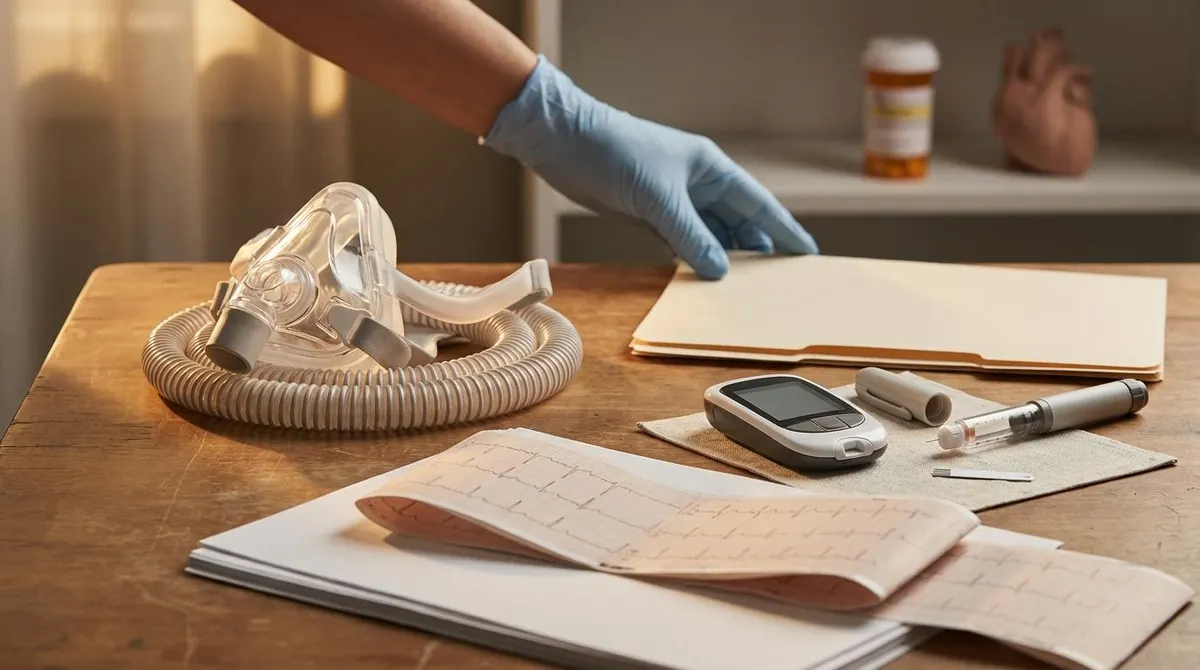
Special conditions do not automatically disqualify you, but they often require stronger documentation. Stability and evidence of management are key.
If you have diabetes, the examiner may ask for logs, treatment details, or information from a Blood sugar monitor. If sleep apnea is a concern, a CPAP report may be requested to confirm treatment adherence. If you have seizure history or neurological follow-up, a neurology report may be needed. Cardiac conditions may require cardiology records, medication review, or recent test results.
This is where many drivers get delayed. The issue is often not the diagnosis itself. The issue is incomplete medical documentation. If you are dealing with conditions such as sleep apnea and DOT physical certification, preparing the records in advance can make a major difference.
KEY TAKEAWAY: Special conditions are often manageable during the DOT exam, but only when you bring the right supporting records.
If you qualify, the next step is official documentation.
The Medical Examiner's Certificate (DOT Medical Card) and Report Form

The Medical Examiner's Certificate is the document that confirms you qualified, and the report form is the official record behind that decision. Both are central to DOT medical compliance.
The DOT medical card is the everyday term many drivers use for the Medical Examiner's Certificate. The supporting report is often called the Medical Examiner's Report Form or Medical Examination Report. Together, they document the exam findings, certification decision, and relevant restrictions or follow-up instructions. Some states and systems also rely on electronic transmission of certification data rather than paper alone for certain licensing workflows.
Keep your DOT medical card and related paperwork organized. You may need it for employer files, licensing updates, or future renewal discussions.
KEY TAKEAWAY: The certificate proves qualification, while the report form documents how the examiner reached that decision.
Once you know what the visit includes, preparation becomes much easier.
Preparing for Your Cash-Pay DOT Physical: Tips for a Smooth Experience

The best preparation combines paperwork, health management, and payment clarity. Good preparation reduces both clinical and financial surprises.
Bring identification, your driver's license, medication details, recent medical records, and any requested specialist notes. Confirm the quote, the time, and the location before you leave home. If you have an ongoing condition, assume that medical documentation matters as much as the diagnosis itself.
People who prepare well often find the visit shorter and less stressful. The goal is not to game the exam. The goal is to show up ready with accurate information and a stable routine.
KEY TAKEAWAY: Smooth DOT visits usually come from strong preparation, not from last-minute improvisation.
The first preparation step is gathering the right documentation.
Gathering Essential Medical Documentation and Health History

Essential documentation includes records that explain any condition the examiner may ask about. The more complete the file, the easier the decision.
Bring medication lists, prior certifications, relevant lab summaries, treatment records, and specialist notes if applicable. Medical documentation should be current and easy to read. Health history should be accurate and complete. Medical records are especially important if you have diabetes, a sleep disorder, a neurological diagnosis, cardiac conditions, or recent changes in treatment.
Drivers often underestimate this step. In many real-world cases, missing paperwork causes more delay than the condition itself.
KEY TAKEAWAY: Organized documentation can be the difference between a same-day decision and a delayed one.
Your day-of-exam health habits also matter.
Optimizing Your Health: Diet, Hydration, and Medication Management

Small day-of-exam choices can affect your readings, especially blood pressure. Good routine management helps your exam reflect your true baseline.
Stay hydrated, avoid unnecessary stimulants, and take prescribed medications as directed unless your clinician has told you otherwise. Try not to rush into the clinic stressed and short of breath. Many patients report that nerves alone can make blood pressure look worse than usual.
This section is about practical preparation, not quick fixes. The safest approach is to manage your health consistently and arrive rested, calm, and honest about your treatment routine.
KEY TAKEAWAY: Stable routine habits help the exam reflect your real health status instead of a stressed out snapshot.
Logistics should be confirmed with the same care as your health prep.
Confirming Appointment Details: Time, Location, and Your Agreed Cash Price

You should confirm the appointment details before the visit so the quote and timing stay aligned. A quick confirmation can prevent avoidable problems.
Double-check the address, arrival time, accepted payment methods, and your agreed cash price. If you are comparing providers in your area, confirm that the quote still applies to your appointment slot. Some clinics offer one rate for scheduled visits and another for urgent walk-ins. Others limit DOT physicals to certain hours of the day.
This is also the moment to verify whether the clinic has an in-house lab and whether any extra review of medical records changes the quote.
KEY TAKEAWAY: Confirming time, location, and price ahead of the visit helps protect both your schedule and your budget.
After confirmation, the final practical step is choosing how you will pay.
Bringing the Exact Cash Amount: Practical Considerations for Payment
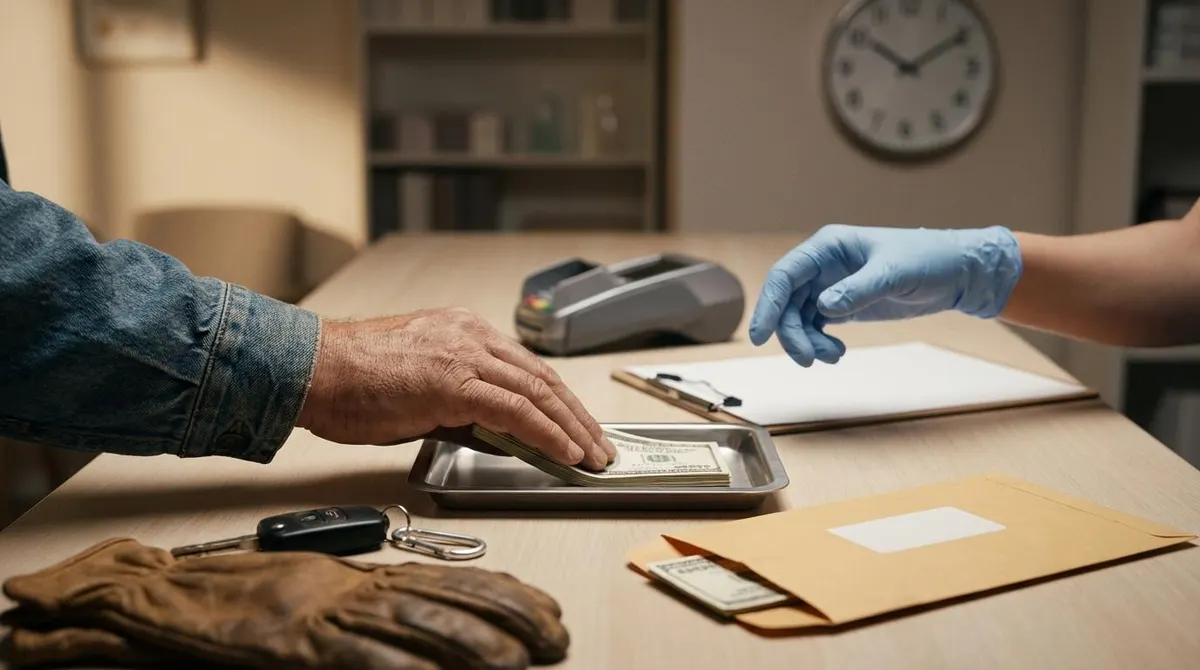
Bringing the exact amount can simplify check-in, but it is only one part of payment preparation. The bigger goal is making sure your chosen method matches the clinic's policy.
If the clinic truly prefers cash, bringing the exact amount can help the visit move faster. If the clinic uses self-pay pricing for all direct methods, a debit or credit card may work just as well. The important thing is to know the rule before arrival. That keeps the transaction smooth and avoids last-minute ATM runs or payment confusion.
Drivers who manage this step early often reduce stress significantly. Payment should be the easiest part of the visit, not the last problem of the day.
KEY TAKEAWAY: Payment goes most smoothly when you match the clinic's self-pay rules before you arrive.
That naturally leads to a broader comparison of all available payment routes.
Cash vs. Other Payment Options: A Commercial Driver's Comparison

Cash pay is usually best when you want a fast, direct, and predictable transaction. Other options can be better when the employer handles the bill cleanly.
Here is the most practical comparison for common use cases:
| Payment option | Best for | Cost clarity | Speed | Main tradeoff |
|---|---|---|---|---|
| Cash pay or self-pay pricing | Independent drivers, applicants, urgent renewals | High | High | You pay upfront |
| Employer coverage | Company drivers with approved billing | High when preapproved | High | Depends on policy and authorization |
| Personal credit card or debit | Drivers who want convenience | Medium to high | High | Possible processing fee |
| HSA or FSA funds | Drivers with eligible account funds | Medium | Medium | Eligibility rules can vary |
| Insurance billing | Limited use cases | Low to medium | Lower | Coverage is often uncertain |
For most drivers, the best option is either verified employer coverage or DOT physical cash pay with a confirmed quote. That combination creates the least confusion for the most common use cases.
KEY TAKEAWAY: Cash pay usually wins on speed and clarity, while employer billing wins when it is fully approved before the visit.
Employer-paid exams deserve a closer look because they change the whole cost equation.
Employer Coverage: When Your Employer Takes Care of the Bill

Employer coverage is the easiest payment route when it is clearly set up in advance. It can reduce your direct cost to zero, but only if the process is actually confirmed.
Some employers send drivers to a designated occupational health site and handle everything. Others provide partial reimbursement after the visit. If the process is unclear, ask who is responsible for payment, whether a purchase order or billing code is required, and whether you must use a specific clinic. Without those answers, you may still end up paying out of pocket.
This matters for both new hires and experienced drivers. Assumptions about employer coverage can create front-desk problems very quickly.
KEY TAKEAWAY: Employer coverage is excellent when it is documented and preapproved, but risky when it is only assumed.
When employer coverage is missing, many drivers next wonder about insurance.
Health Insurance Plans: Understanding Limited Coverage and Occupational Health Exceptions

Insurance plans may help in limited cases, but they are rarely the cleanest option for a DOT exam. Coverage is often restricted because the service is occupational in nature.
A few plans or clinical systems may process the visit differently, especially when occupational health arrangements exist inside a larger health network. Even then, you should not assume the standard office visit benefit applies. Ask both the clinic and the insurer how the service is billed before relying on it.
In most cases, cash pay remains easier to predict. That is why many clinics quote a self-pay amount first and discuss other payment options second.
KEY TAKEAWAY: Insurance can occasionally work, but limited coverage makes it less predictable than direct self-pay.
Card payments sit somewhere in between convenience and cost control.
Credit and Debit Cards: Convenience vs. Potential for Fees

Credit card and debit card payments are convenient, but you should confirm whether the self-pay price stays the same. Convenience is helpful only when it does not quietly raise the total.
Many clinics let drivers use a credit card under the same cash-pay pricing model. Others add a small fee. If you are managing tight margins, even a small fee matters. That is why you should ask whether card use changes the quote before you commit.
The best part of card payment is simplicity. The potential downside is a mismatch between the quoted self-pay rate and the final amount charged.
KEY TAKEAWAY: Card payment is convenient, but you should always verify whether the self-pay quote includes any card-related fee.
Tax-advantaged medical funds may also be an option for some drivers.
Health Savings Accounts (HSAs) and Flexible Spending Accounts (FSAs): Using Tax-Advantaged Funds

HSA and FSA funds may help cover a DOT physical in some cases, but you should verify eligibility under your plan rules. These funds can reduce out-of-pocket strain when they are allowed.
The key issue is documentation and plan interpretation. Some drivers successfully use tax-advantaged medical funds for qualifying exam-related expenses, while others find the rules narrower than expected. Before you rely on this route, check with the account administrator and keep all visit documentation.
Even if the funds are allowed, the practical booking process may still work like self-pay. You pay directly, but you use tax-advantaged dollars.
KEY TAKEAWAY: HSA or FSA payment can be useful, but only after you verify that your plan treats the expense as eligible.
Once the exam is done, the focus shifts from payment to outcome.
After Your Exam: What Happens Next and Follow-Up Considerations
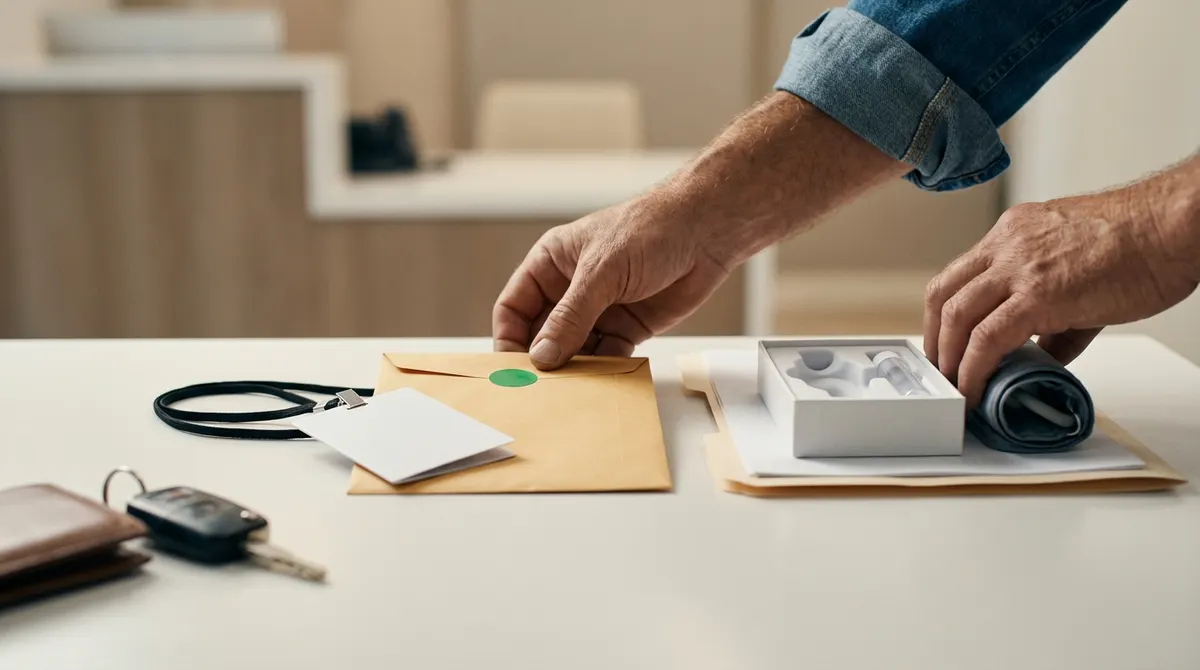
After the exam, you may receive full certification, a shorter certification, a pending decision, or a non-qualification outcome. The next step depends on the findings and your documentation.
If you qualify, you receive the Medical Examiner's Certificate, often called the DOT medical card. If the examiner needs more information, you may need follow-up consultations or additional medical documentation before the decision is final. This is common when medical records are incomplete or when a condition such as high blood pressure, sleep apnea, or cardiac concerns needs closer review.
If the issue is sleep-related and you need a next step that is easier to arrange from home, Dumbo Health can help you explore an at-home sleep test for sleep apnea concerns. That can be a useful pathway when sleep documentation may affect your future certification.
KEY TAKEAWAY: The exam outcome can be immediate or conditional, so keep your paperwork organized and act quickly on any requested follow-up.
The final section answers the most common practical questions drivers still ask.
Frequently Asked Questions
How much is a cash pay doctor visit for a DOT physical?
A cash pay doctor visit for a DOT physical can vary a lot by clinic, region, and complexity, so the best answer is the clinic's confirmed self-pay quote rather than a generic national average. Some urgent care and occupational health sites bundle the urine test and paperwork into one number, while others separate them. That is why you should ask for the exact self-pay price, whether the quote includes the full DOT visit, and whether any additional services could raise the bill. If you want a provider near you, compare a few certified options and focus on the final total, not just the advertised base rate.
Why are DOT physicals so expensive?
DOT physicals can feel expensive because they are not ordinary preventive checkups. The visit is tied to legal work eligibility, standardized certification rules, and documentation requirements that go beyond a routine office exam. The examiner must review medical history, assess safety-related conditions, complete official forms, and determine whether you qualify for full or limited certification. That added responsibility increases the value of provider experience and often raises the cost above a standard medical exam visit. Price can also rise when extra records, repeat blood pressure checks, or specialist documentation are needed.
Do most companies pay for DOT physicals?
Some companies do pay, but many drivers still pay out of pocket depending on the job setup. Company-employed drivers often get employer coverage through a designated clinic, while owner-operators, contractors, applicants before hire, and drivers between jobs often use self-pay pricing instead. The safest move is to ask your employer whether the exam is prepaid, reimbursed later, or your responsibility from the start. If the answer is unclear, DOT physical cash pay is often the fastest backup because it lets you book without waiting on internal approvals or billing instructions.
Who is responsible for paying for a DOT physical?
Responsibility for payment depends on your employment relationship and company policy, not on the DOT rules themselves. If you are a company driver and the employer has a clinic arrangement, the company may cover the exam directly. If you are an independent driver, applying for a new role, or renewing before official onboarding, you are often responsible for the cost. That is why it is important to confirm payment responsibility before the appointment. When you cannot get a clear answer, direct self-pay usually gives you the most predictable path forward.
Can I use insurance plans for a DOT physical?
You sometimes can, but many insurance plans do not handle DOT physicals as standard preventive care. Because the exam is usually treated as a work-related or regulatory medical examination, coverage can be limited or uncertain. Some clinics do not bill insurance for DOT physical exams at all. Others may bill it, but still warn you that the final balance could fall back to you. If cost certainty matters more than trying to chase possible coverage, self-pay pricing is usually simpler. Always verify with both the clinic and the insurer before assuming the plan will help.
What should I bring to a cash-pay DOT physical?
Bring your driver's license, medication list, previous DOT paperwork if you have it, and any medical records related to ongoing conditions. If you have high blood pressure, diabetes, sleep apnea, a neurological issue, or cardiac follow-up, bring the relevant medical documentation such as logs, specialist notes, or a CPAP report if requested. You should also bring your agreed payment method and a record of the quoted self-pay price. Drivers who show up with organized paperwork often avoid delays that happen when the examiner needs more information before making the certification decision.
Can I get a same-day cash-pay DOT physical close to me?
Yes, many clinics offer same-day appointments or walk-in DOT physicals, especially in urgent care or occupational health settings. The best approach is to search for a certified examiner, then call to confirm whether same-day DOT scheduling is actually available and whether the self-pay rate applies to walk-ins. Some clinics stop accepting DOT visits earlier than regular patients because the paperwork takes longer. If you need a provider close to you or want to find a provider near you quickly, ask both about availability and about the full cost before heading over.
Does the DOT physical include a drug test?
Not automatically. The DOT physical usually includes a urine test, but that urine test is mainly used to screen for health-related issues rather than to perform the separate federally regulated drug-testing process. Drug and alcohol testing follows its own rules, triggers, and collection procedures. Some clinics can perform both services during one visit, but they are not the same exam. If that distinction matters for your job or hiring process, confirm whether the appointment includes the physical only, the drug test only, or both services together.
Conclusion
DOT physical cash pay is often the smartest option when you want price clarity, fast scheduling, and direct control over the transaction. It does not change the Department of Transportation medical rules, but it can make the path to compliance much easier to manage. The best results usually come from three steps: verify the examiner, confirm the full self-pay quote, and bring complete medical documentation. If you are also dealing with a sleep-related issue that may affect certification, Dumbo Health offers a practical next step through its at-home sleep test for commercial drivers and other adults seeking sleep answers. If you want to prepare even more thoroughly, review what blood pressure you need to pass a DOT physical before your visit.
Related DOT Physical Topics
- DOT Physical Self Pay Cost
- DOT Physical Out of Pocket What Commercial Drivers Actually Pay
- DOT Physical Cost Breakdown What Drivers Pay & Why
- Walk In DOT Physical Self Pay
- Online DOT Physical Self-Pay The Complete Guide for CDL Drivers and Owner-Operators
- DOT physical self pay guide for commercial drivers paying out of pocket
- DOT Physical Insurance or Self Pay How to Choose the Right Payment Option for Your Exam
- Is a DOT physical the same as a regular physical
- What Does DOT Stand for in a DOT Physical
- What Is the Difference Between a DOT and Non-DOT Physical
- Can You Get a DOT Physical in Any State The Complete Guide for Commercial Drivers
- Can You Get a DOT Physical Online The Complete Guide for Commercial Drivers
- Does a DOT Physical Test for Weed or THC The Complete Guide for Commercial Drivers
- What Can Disqualify You From a DOT Physical
- Does a DOT physical include a drug test
- Can You Pass a DOT Physical with Epilepsy
- Remote DOT Physical The Complete Guide for Commercial Drivers
- Navigating the Florida DOT Physical Your Essential Guide for CDL Drivers
- When Can Sleep Apnea Affect a DOT Physical
- Is a drug test required for a DOT physical
- Can You Pass a DOT Physical With a Pacemaker
- What Should You Bring to a DOT Physical
- Can You Pass a DOT Physical With One Eye
- Telehealth Dot Physical
- DOT Physical Forms & Paperwork The Complete Guide for Commercial Drivers
- Who needs a DOT physical
- What Forms Do You Need for a DOT Physical
- DOT Physical & Alcohol Requirements
- DOT Physical Online Cost
- DOT Physical Vision & Eye Requirements
- DOT Physical ICD-10 & Billing Codes The Complete Guide for Accurate Compliance and Reimbursement
- Why do they measure your neck during a DOT physical
- Navigating Your DOT Physical with Common Medical Conditions
- Online DOT Physical Without Insurance A Complete Guide for Commercial Drivers
- Can You Fail a DOT Physical for Being Overweight
- How can drivers with sleep apnea qualify again after a failed DOT physical
- Your Complete Guide What's Included in a DOT Physical Exam
- What Is the Urine Test for in a DOT Physical
- Can You Get a DOT Physical Online
- CDL PHYSICAL SELF PAY
- How Do You Submit Your DOT Physical to the DMV
- New DOT Physical Requirements What Drivers MUST Know About New Updates
- DOT Physical Exam Basics
- DOT Physical Insurance & Recertification The Complete Driver's Guide
- Can You Pass a DOT Physical With a Hernia
- Same Day DOT Physical
- Virtual DOT Physical
- Can you fail a DOT physical because of sleep apnea
- What blood pressure do you need to pass a DOT physical
- DOT Medical Exam Self-Pay A Complete Guide for Commercial Drivers
- Do They Check Your Private Parts During a DOT Physical
- DOT Physical Blood Pressure Requirements What Drivers Need to Know
- DOT Physical Chiropractor Your Complete Guide to CDL Exams
- Can You Fail a DOT Physical for High Blood Pressure
- How to Pass a DOT Physical The Complete Commercial Driver's Guide
- Can you pass a DOT physical with sleep apnea
- What should I expect at a DOT physical
- What Does a DOT Physical Consist Of
- What happens if you fail a DOT physical due to sleep apnea
- DOT Physical at Urgent Care What Commercial Drivers Need to Know
- Can You Pass a DOT Physical with Diabetes
- Can You Pass a DOT Physical with High Blood Pressure
- BMI for DOT Physical What Commercial Drivers Need to Know
- What Happens During the DOT Physical Exam The Complete Guide for Drivers
- What Happens If Your DOT Physical Expires Compliance Guide for Commercial Drivers
- Does insurance cover a DOT physical
- DOT Physical & Drug Test What Drivers Need to Know
- DOT Physical Duration and Validity How Long Your Medical Card Lasts
- The Ultimate DOT Physical Guide for Commercial Drivers (2025–2026)
- Non-DOT Physical A Comprehensive Guide to Workforce Health and Safety
- DOT Physical Texas The Essential Guide to Your Exam, Medical Card, and CDL Compliance
- DOT Physical Requirements A Complete Guide for CDL Drivers
- Is a Sleep Study Required for a DOT Physical
- Do They Check for Hernia During a DOT Physical
- Do You Have to Pee During a DOT Physical
- What Are the Requirements to Pass a DOT Physical
- What eye chart is used for a DOT physical
- Can You Get a Second Opinion on Your DOT Physical A Complete Guide for Commercial Drivers
- What Do They Check During a DOT Physical
- Cheap DOT Physical Online
- The DOT Physical Exam Ensuring You're Fit for the Road
- Online DOT Physical The Complete Guide for Commercial Drivers and Medical Examiners
- Failing a DOT Physical What Every Commercial Driver Needs to Know
- Can You Fail a DOT Physical
- What is DOT Physical
- What drugs do they test for in a DOT drug test
- Are There New DOT Rules or Laws on Sleep Apnea Testing
- Essential 171 DOT Definitions for Commercial Drivers
- 2026 DOT Inspection Dates
- Why DOT Sleep Tests at Home Matter for Your Career and Health
- Online DOT Exam What Drivers and Medical Examiners Need to Know
- Online CDL Physical
- What are the current DOT requirements for sleep apnea testing for commercial drivers
- DOT sleep apnea test at home
- Guide to Obtaining and Managing Your DOT Medical Card Online
- Expected 2027 DOT Inspection Dates
- How Sleep Apnea Affects Overall Driving Safety
- Best Treatments for Sleep Apnea to Improve Driving Safety
- Home Sleep Apnea Test for Commercial Drivers The CDL Holder's Complete Guide
- Sleep Apnea Test for CDL Drivers
Take the next step before your DOT physical
Start with the free quiz if you are unsure about your risk, or order an at-home sleep test if you have already been flagged for possible sleep apnea.
AI summary
DOT physical cash pay is a self-pay approach where a commercial driver pays a clinic directly for an FMCSA-compliant DOT medical exam, typically to get an upfront price and reduce billing delays. Payment method affects the transaction, not the medical standards. Key points: - Requirement and validity: FMCSA rules require many interstate CMV drivers to be examined by a Medical Examiner listed on the National Registry; certification may be valid up to 24 months, or shorter when monitoring is needed. - Who needs it: The requirement is based on vehicle and job duties (weight, passengers, hazardous materials), not only CDL status. - Why cash pay: Often provides a direct quote, faster scheduling (including walk-ins/same-day), and fewer reimbursement or claim-denial issues. - Cost drivers: Geography, provider type (urgent care vs occupational health), urgency, documentation review, and add-on fees. - What the exam includes: Medical history review, vital signs (blood pressure can affect certification length), vision and hearing checks, urinalysis (health screen, not a DOT drug test), and physical exam; special conditions (diabetes, sleep apnea with CPAP report, cardiac/neurology issues) may require additional records. - Practical steps: Verify examiner certification, confirm the exact all-in self-pay price and inclusions, and clarify accepted payment methods and rescheduling policies.

Nicolas Nemeth
Co-Founder
Nico is the co-founder of Dumbo Health, a digital sleep clinic that brings the entire obstructive sleep apnea journey home. Patients skip the sleep lab and the long wait to see a specialist. Dumbo Health ships an at home test, connects patients with licensed sleep clinicians by video, and delivers CPAP or a custom oral appliance with ongoing coaching and automatic resupply in one clear subscription.
Keep reading

How Long Does a DOT Physical Take? A Complete Guide for Commercial Drivers

What Happens If You Fail a DOT Drug Test? The Complete Guide for Commercial Drivers


