Online DOT Physical: The Complete Guide for Commercial Drivers and Medical Examiners
This guide explains how an online DOT physical works as a hybrid process that digitizes scheduling, health-history intake, document upload, and results reporting while keeping the clinical exam in person. It outlines the June 23, 2025 FMCSA requirement for certified medical examiners to submit results electronically through the National Registry to State Driver Licensing Agencies and CDLIS. Commercial drivers will learn what to bring, how to complete Form MCSA-5875, and what happens during the 30–45 minute exam. It reviews core standards for vision, hearing, blood pressure, urinalysis, and neurological evaluation, plus common reasons for shorter certification. Medical examiners will find workflow features that support compliance, audit-ready records, and deadline tracking. The article also debunks common myths and summarizes emerging telemedicine-enabled models.
Struggling with sleep?
Find out if sleep apnea is the reason.
FDA-cleared. $149 flat. Physician-reviewed results in 48 hours.

Online DOT Physical: The Complete Guide for Commercial Drivers and Medical Examiners
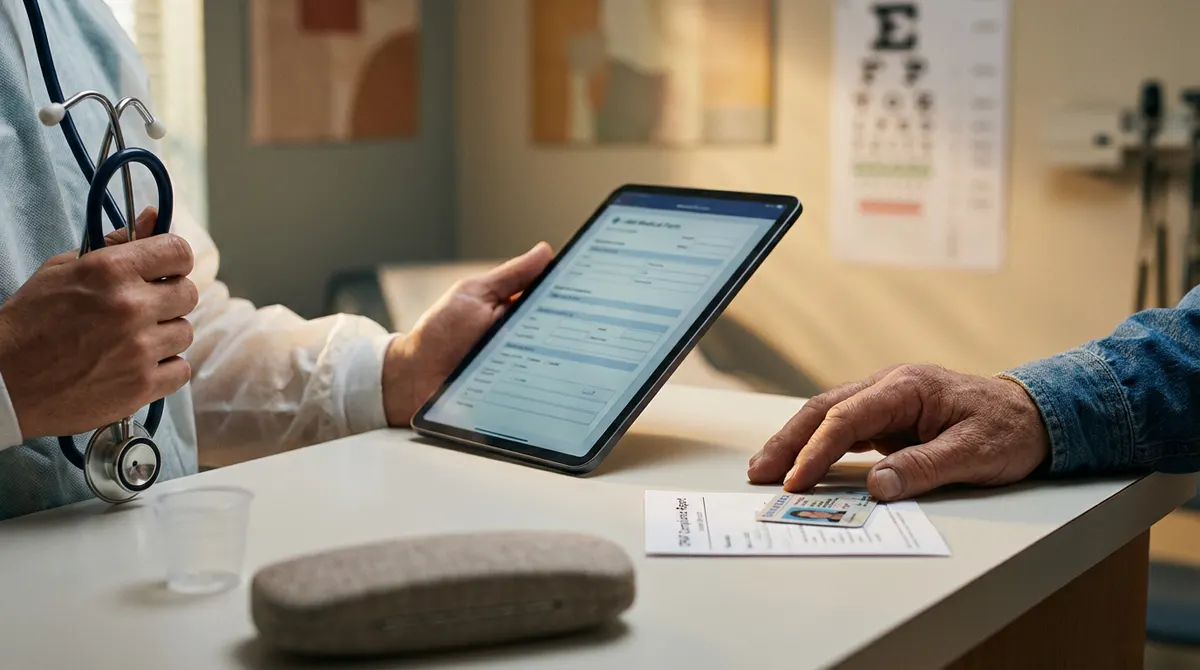
An online DOT physical is a digitally integrated medical certification process that combines pre-screening, scheduling, and electronic results submission to help commercial drivers complete their Federal Motor Carrier Safety Administration (FMCSA) physical qualification exam with greater speed and accuracy. According to the FMCSA, as of June 23, 2025, all certified medical examiners are now required to submit DOT physical results electronically through the National Registry platform, marking a defining shift toward fully digital compliance. This guide covers what an online DOT physical is, how the hybrid process works, what commercial drivers need to prepare, and how medical examiners can leverage digital platforms to run a more efficient practice. Whether you are renewing your medical card, preparing for your first exam, or expanding your occupational health services, this page gives you the authoritative, step-by-step information you need to navigate the process with confidence.
What Is an Online DOT Physical? Defining the Digital Evolution

A DOT physical exam is the federally mandated medical qualification examination that commercial motor vehicle (CMV) drivers must pass to receive or renew their Medical Examiner's Certificate (MEC) and operate legally under Federal Motor Carrier Safety Regulations. The term "online DOT physical" refers to the digitally enabled version of this process, where scheduling, health history intake, pre-screening, and results reporting are all handled through a web-based platform or secure portal, while the hands-on clinical examination itself takes place in person with a certified examiner.
The physical qualification examination has existed in some form since the 1970s, but for decades the entire process relied on paper forms, manual record-keeping, and physical submission of the Medical Examination Report to state licensing agencies. The FMCSA's Medical Examiner's Certification Integration Rule, first adopted in 2015 and fully implemented on June 23, 2025, changed this by requiring all certified medical examiners to submit exam results electronically to the National Registry, which then transmits the data automatically to State Driver Licensing Agencies (SDLAs). This means drivers no longer need to hand-carry a paper certificate to their state DMV, and carriers receive real-time verification of driver certification status.
The DOT physical exam covers a defined set of health criteria specified under 49 CFR Part 391. These include vision, hearing, blood pressure, urinalysis, neurological function, and a full physical assessment. The online component does not replace any of these clinical evaluations. Instead, it wraps them in a digital workflow that reduces errors, cuts wait times, and keeps certification records accurate and accessible.
KEY TAKEAWAY: An online DOT physical is not a fully remote exam. It combines digital pre-screening, scheduling, and electronic results reporting with a mandatory in-person clinical examination conducted by a Certified Medical Examiner listed on the FMCSA National Registry.
Not sure if sleep apnea applies to you?
Take our 2-minute sleep risk quiz to see whether sleep apnea could affect your DOT physical. No account required.
Understanding what the online process covers sets the stage for knowing exactly what commercial drivers and medical examiners should expect at each stage of the certification workflow.
Why the Shift to Online? Benefits for Drivers and Medical Examiners

The move toward digital DOT physical workflows benefits every party involved in the certification chain. For commercial drivers, the biggest advantage is time. Scheduling an appointment through an online platform eliminates the need to call multiple clinics, and completing the health history intake digitally before arriving reduces the in-office time required. A typical DOT exam takes between 30 and 45 minutes when a driver is fully prepared, but delays caused by missing paperwork or incomplete health histories can extend that significantly. Online pre-screening removes a key source of those delays.
For medical examiners, digital platforms offer workflow efficiencies that translate directly into practice revenue. Automated reminders reduce no-shows. Pre-populated health history forms speed up the intake process. Integrated submission tools allow examiners to upload exam results to the FMCSA National Registry before the midnight deadline on the day following the examination, meeting the compliance requirement without manual data entry. Platforms built specifically for DOT physical workflows also help examiners track certification expiry dates, manage follow-up requirements, and maintain audit-ready records.
From a public safety perspective, the electronic certification system reduces one of the most persistent risks in the old paper-based model: human error in record-keeping. When medical certifications are transmitted automatically from the National Registry to SDLAs and reflected in the Commercial Driver's License Information System (CDLIS), employers and regulators can verify a driver's qualification status in real time. The FMCSA designed this integration specifically to close the gap between exam completion and CDL record update, a gap that previously allowed some drivers to operate with lapsed certifications.
DID YOU KNOW: According to the FMCSA, the Medical Examiner's Certification Integration rule was first adopted in 2015 and was delayed twice due to IT system challenges before its full June 23, 2025 compliance date.
KEY TAKEAWAY: The digital shift in DOT physical processing improves accuracy, reduces administrative burden for medical examiners, and closes compliance gaps for commercial drivers and motor carriers.
The practical benefits of digital workflows are most visible during the scheduling and pre-screening stage, which is where the online experience for drivers begins.
The Importance of DOT Physicals: Ensuring Road Safety and Compliance

The DOT physical exam exists because the Federal Motor Carrier Safety Administration mandates it as a core pillar of road safety for commercial motor vehicles. The FMCSA requires all interstate CMV drivers to pass a physical qualification examination and maintain a valid Medical Examiner's Certificate to operate legally. This includes drivers transporting hazardous materials, operating vehicles with a gross weight exceeding 10,000 pounds, or carrying more than eight passengers for compensation.
The stakes are significant. According to the FMCSA, driver fatigue is a contributing factor in approximately 13 percent of all commercial motor vehicle crashes. Other studies indicate that fatigue and sleep deprivation may be involved in 30 to 40 percent of heavy truck crashes. The National Highway Traffic Safety Administration (NHTSA) estimates that sleep deprivation contributes to nearly 100,000 motor vehicle accidents and approximately 1,550 fatalities per year in the United States across all vehicle types. The DOT physical is one of the primary tools used to identify health conditions, such as uncontrolled hypertension, obstructive sleep apnea, or neurological disorders, that increase these risks before a driver returns to the road.
A valid Medical Examiner's Certificate is also a legal employment requirement. Drivers operating without a current certificate or with a lapsed certification face immediate disqualification, and their employer is responsible for verifying certification status. Under the FMCSA's updated June 2025 rule, motor carriers can verify CDL drivers' medical certification status through the CDLIS system, giving employers a real-time view of their fleet's compliance. Understanding the regulatory weight behind the DOT physical helps both drivers and examiners treat the process with the seriousness it requires.
KEY TAKEAWAY: DOT physicals are federally required safety examinations that protect the public by identifying health conditions in commercial drivers that could impair safe vehicle operation, with road safety consequences that extend well beyond regulatory compliance.
With this foundation established, the next section outlines the practical steps commercial drivers need to take to prepare for and complete the online DOT physical process.
Already diagnosed and need CPAP support?
Dumbo Health helps patients start CPAP without the usual confusion, paperwork, or upfront cost. Equipment, setup, supplies, and ongoing support are all handled in one place.
For Commercial Drivers: Your Digital Pathway to DOT Physical Certification
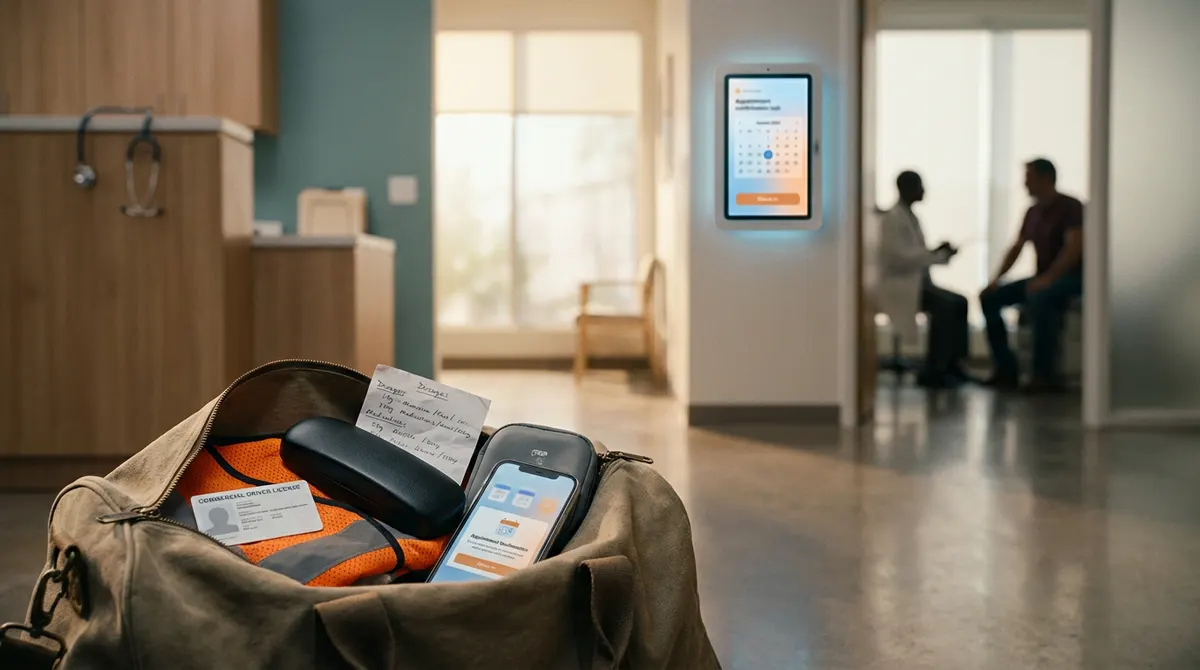
Commercial drivers in 2025 and beyond navigate a DOT physical process that starts digitally, moves through an in-person clinical exam, and concludes with electronic certification. Knowing each step in advance reduces anxiety, prevents delays, and helps drivers arrive at their appointment fully prepared.
Preparing for Your Online DOT Physical: A Digital Checklist

Preparation is the single factor most within a driver's control on exam day. Drivers who arrive without required documentation are among the most common causes of incomplete examinations or deferred certification decisions. Before scheduling your DOT physical exam, gather the following:
Current prescription eyeglasses or contact lenses if you use corrective vision
Hearing aids if you use them for daily communication
A complete and up-to-date list of all current medications, including dosages and prescribing physicians
Documentation for any managed chronic conditions, including blood pressure logs, diabetes records, or specialist clearance letters
If you have been diagnosed with obstructive sleep apnea and use a CPAP or PAP device, a compliance report covering at least 30 consecutive days of use showing adherence on at least 70 percent of nights
Your Commercial Driver's License (CDL) or Commercial Learner's Permit (CLP) number
Previous Medical Examiner's Certificate if you are renewing
Many online DOT physical platforms allow drivers to upload medical documents through a secure portal before the appointment date. Using this feature ensures the examiner has reviewed your health history in advance, which can reduce the duration of the in-office appointment.
TIP: If you take medications for blood pressure or diabetes, schedule your DOT physical at your normal medication time so your readings reflect your managed, treated baseline rather than a pre-medication spike.
The Online Scheduling and Pre-Screening Process
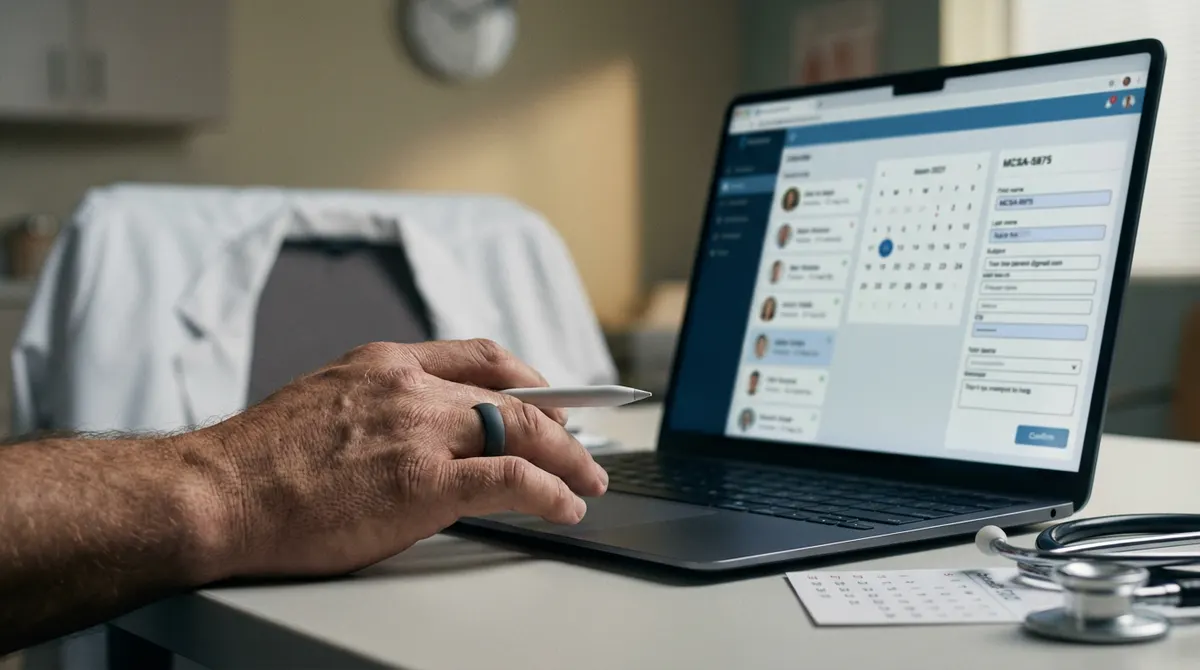
Scheduling a DOT physical through an online platform typically involves selecting a Certified Medical Examiner from a searchable directory, choosing an available appointment time, and completing a digital version of the FMCSA Medical Examination Report form (MCSA-5875). This form captures your complete medical history, current medications, and any previously diagnosed conditions. Completing it accurately is essential because misrepresentation of medical history is itself a federal violation under FMCSA regulations.
The FMCSA National Registry of Certified Medical Examiners maintains a searchable list of all healthcare professionals currently certified to perform DOT physical examinations. This list includes medical doctors, doctors of osteopathic medicine, physician assistants, advanced practice nurses, and doctors of chiropractic, all of whom must have completed an FMCSA-approved training program and passed the NRCME certification exam. Since May 2014, only examiners listed on the National Registry are authorized to perform DOT physical qualification examinations. Using the registry search tool, drivers can find a certified DOT medical examiner near you and verify credentials before booking.
What to Expect During the Exam (Hybrid Approach)
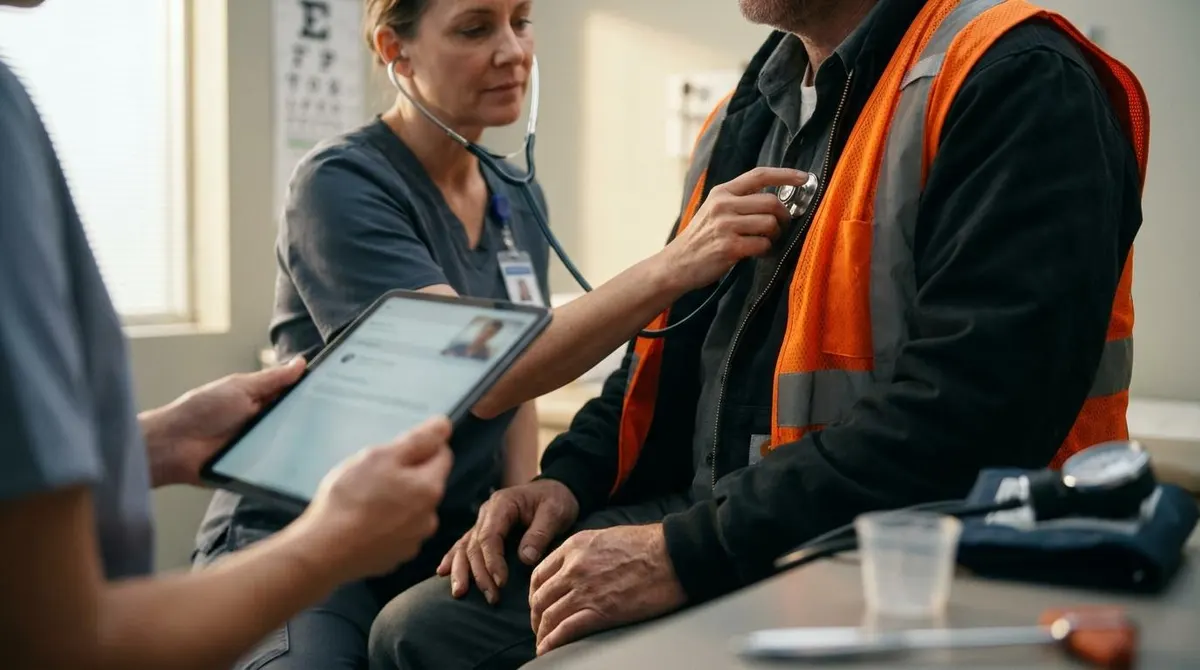
The in-person clinical portion of the DOT physical exam is standardized and thorough. A typical exam takes 30 to 45 minutes when a driver arrives fully prepared. The examiner follows the MCSA-5875 form structure and checks the following components:
Height, weight, and body mass index (BMI) measurement
Blood pressure and pulse rate assessment
Vision test using the Snellen eye chart for distance acuity and peripheral assessment
Hearing test using the forced whisper method at a minimum distance of 5 feet
Urinalysis for protein, blood, glucose, and specific gravity
Cardiovascular examination using a stethoscope to assess heart and lung sounds
Abdominal examination for organ enlargement or masses
Neurological assessment including reflex testing and gait observation
Musculoskeletal review covering spine and extremity function
Review of all documented medical conditions and medications
Clinicians frequently observe that the review of medications and chronic conditions is the portion of the exam most likely to trigger additional documentation requests, particularly when a driver is managing cardiovascular conditions, diabetes, or a sleep disorder. Arriving with organised, complete paperwork eliminates most of these delays.
Receiving and Understanding Your Medical Examiner's Certificate Online

Under the FMCSA's June 2025 certification integration rule, your examiner is required to submit your Medical Examination Report and Medical Examiner's Certificate electronically to the National Registry by midnight of the calendar day following your examination. The National Registry then transmits your certification status directly to your state's licensing agency, which posts the result on your Motor Vehicle Record and in the CDLIS. You no longer need to submit a paper certificate to your DMV.Certification outcomes fall into four categories according to the FMCSA:
| Outcome | What It Means | Typical Duration |
|---|---|---|
| Meets standards, full certification | No disqualifying conditions found | Up to 24 months |
| Meets standards, monitoring required | Managed condition needs follow-up | 3, 6, or 12 months |
| Determination pending | Examiner needs additional records or testing | Follow-up within 45 days |
| Does not meet standards | Disqualifying condition identified | Certificate not issued |
The most common reason for a certification period shorter than 24 months is a managed health condition such as hypertension or sleep apnea. Shorter certification does not mean you failed the exam. It means your examiner is monitoring your health closely to ensure continued safe driving.
KEY TAKEAWAY: Under the FMCSA's 2025 digital certification rule, exam results are transmitted electronically from your examiner directly to your state licensing agency, eliminating the paper submission step and making your CDL certification status visible in real time.
With the driver-facing process mapped out, the next section examines the key clinical components of the DOT physical in detail, including how the online hybrid approach handles each one.
Diving Deeper: Key Examination Components and Their Online Nuances
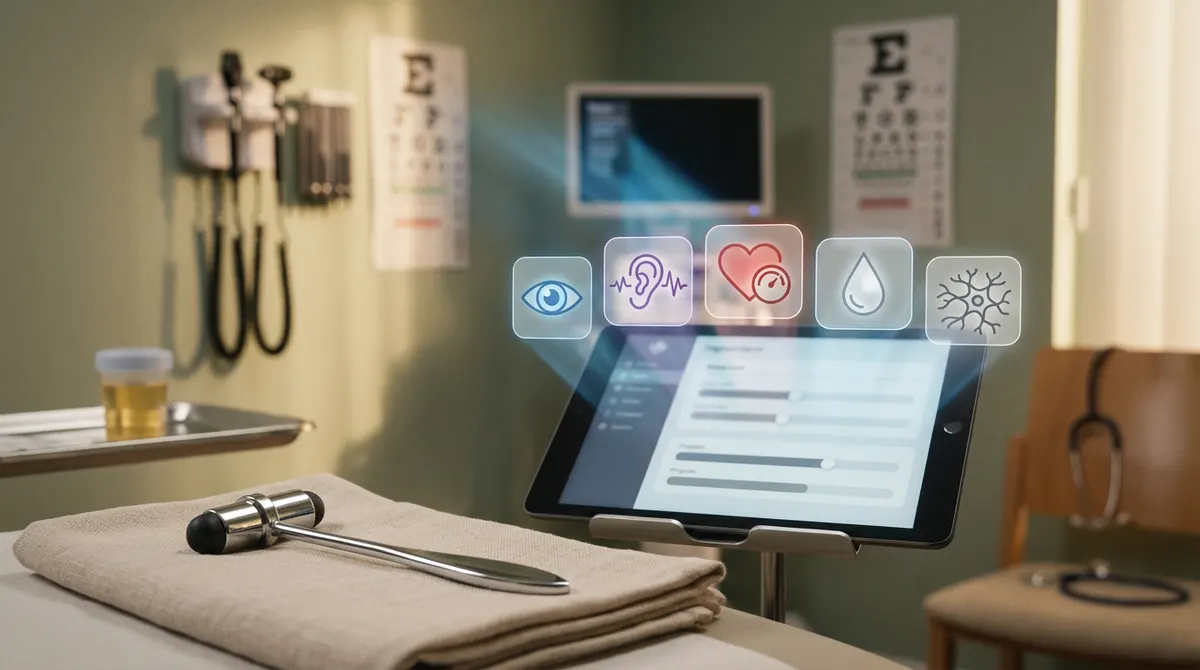
Each component of the DOT physical exam has a defined federal standard. Understanding the specific thresholds helps drivers prepare effectively and helps medical examiners apply the standards consistently.
Vision Requirements and Digital Evaluation
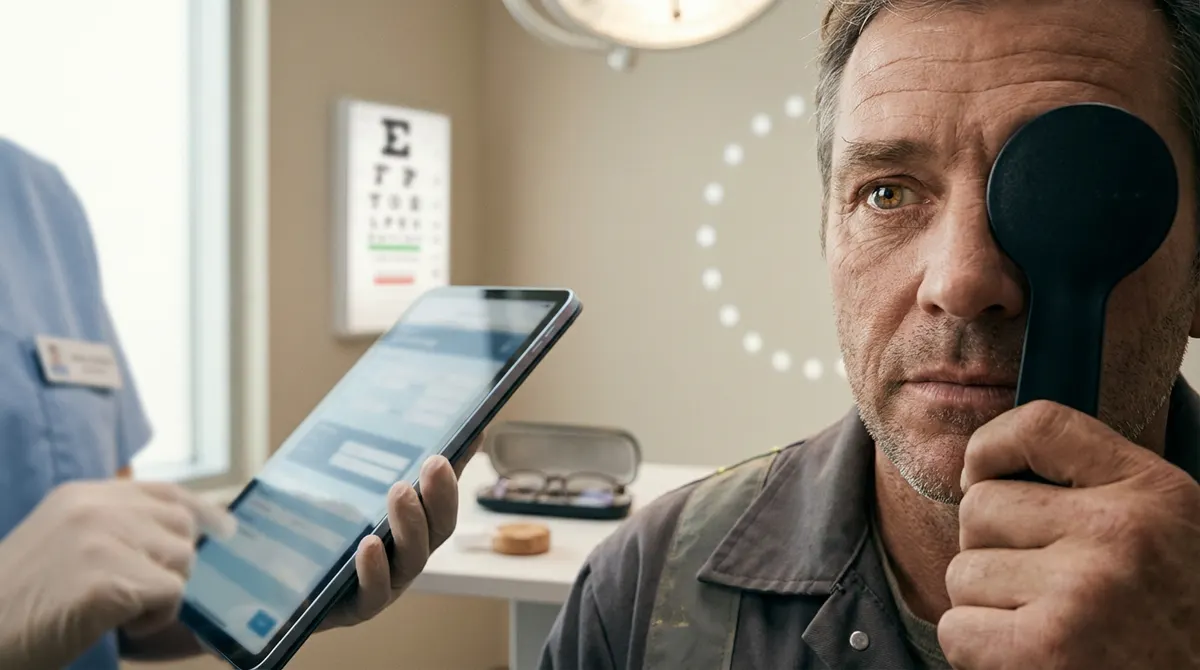
According to the FMCSA's Medical Examiner's Handbook 2024 Edition, commercial drivers must meet all of the following vision standards, with or without corrective lenses:
Distance visual acuity of at least 20/40 in each eye individually
Binocular distance acuity of at least 20/40 with both eyes together
Horizontal field of vision of at least 70 degrees in each eye
Ability to correctly distinguish red, green, and amber traffic signal colors
The standard Snellen eye chart is used to assess distance acuity. Peripheral vision is typically checked using a confrontation test or a visual field assessment device. The vision test is classified as a non-discretionary standard, meaning failure to meet the threshold is an objective disqualifier unless the driver qualifies under the Alternative Vision Standard for monocular drivers, which requires a Vision Evaluation Report (Form MCSA-5871) completed by a licensed ophthalmologist or optometrist. For more detail on how the vision exam works and what the eye chart measures, review the full breakdown on dumbo.health.
In an online or hybrid workflow, vision history and previous evaluations can be uploaded in advance so the examiner reviews documentation before the appointment. The physical vision check itself cannot be delegated and must occur in person.
Hearing Standards and Online Documentation
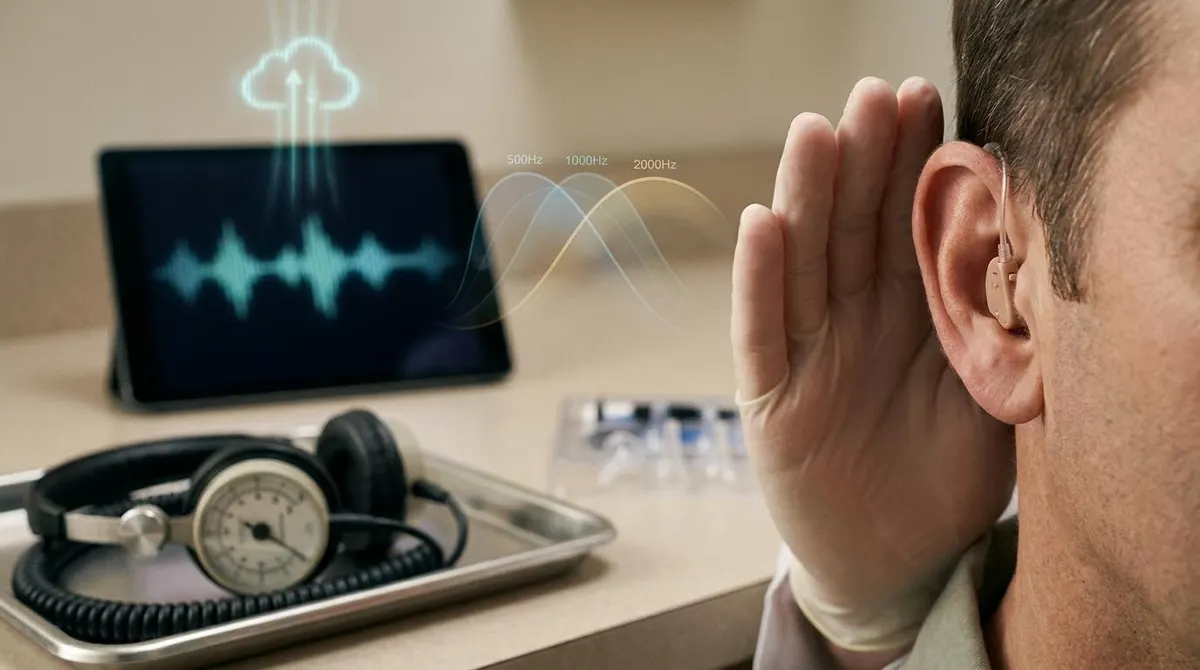
The FMCSA requires drivers to perceive a forced whisper at a distance of at least 5 feet in their better ear, with or without a hearing aid. Where a forced whisper test is inconclusive, an audiometric test may be performed. The FMCSA permits average hearing loss in the better ear of no more than 40 decibels at 500 Hz, 1,000 Hz, and 2,000 Hz using a calibrated audiometer. Drivers who use a hearing aid during the whisper test must be noted on the Medical Examination Report, and the hearing aid must be available and in use during commercial driving.
Drivers who do not meet the standard hearing threshold may apply to the FMCSA for a hearing exemption. In the hybrid online model, audiological reports from a specialist can be uploaded through a secure portal ahead of the appointment, giving the examiner time to review the documentation and plan the evaluation accordingly.
Blood Pressure and Urinalysis: Essential Tests
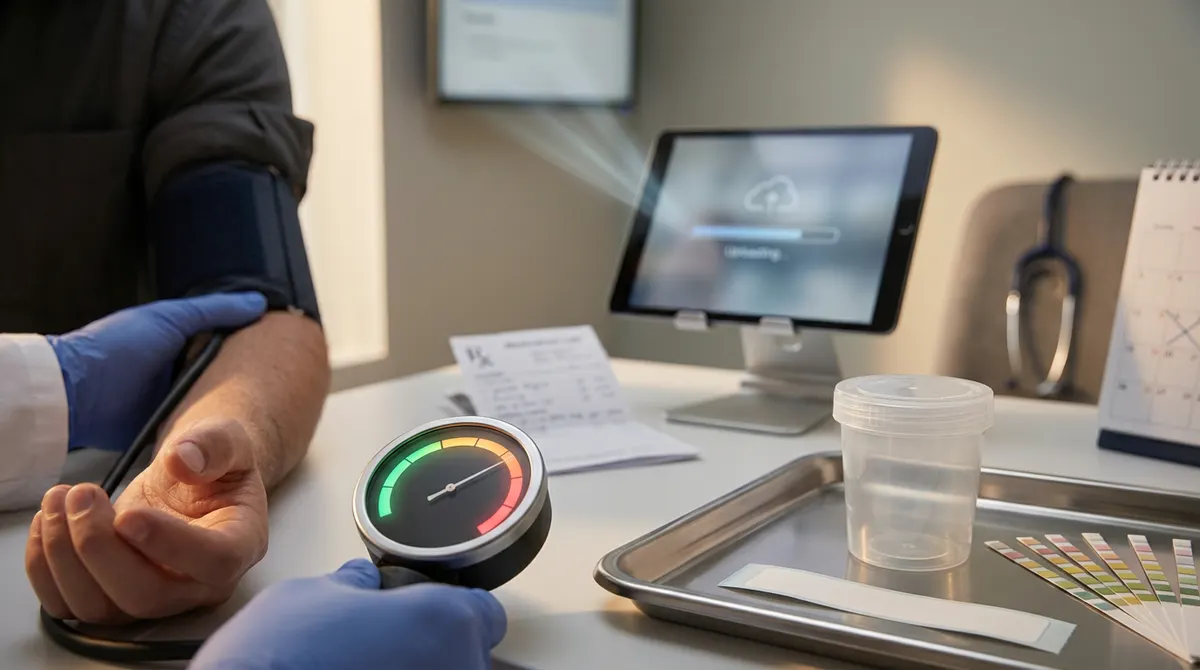
Blood pressure is one of the most common reasons commercial drivers receive a certification period shorter than 24 months. The FMCSA applies a tiered certification system based on blood pressure readings:
| Blood Pressure Category | Certification Period |
|---|---|
| Below 140/90 mmHg | Up to 24 months |
| Stage 1: 140-159 / 90-99 mmHg | 1 year (first-time elevated reading) |
| Stage 2: 160-179 / 100-109 mmHg | 3-month one-time certificate; 1 year if controlled to below 140/90 |
| Stage 3: 180/110 mmHg or above | Disqualified until controlled; then 6-month certification intervals |
For more detail on blood pressure thresholds and what reading you need to pass, dumbo.health has a dedicated guide covering each scenario.
Urinalysis during a DOT physical exam is not a drug test. It screens for protein, blood, sugar, and specific gravity to detect signs of underlying health conditions such as kidney disease or uncontrolled diabetes. A positive finding triggers further evaluation but does not automatically disqualify a driver.
Neurological and Physical Examinations
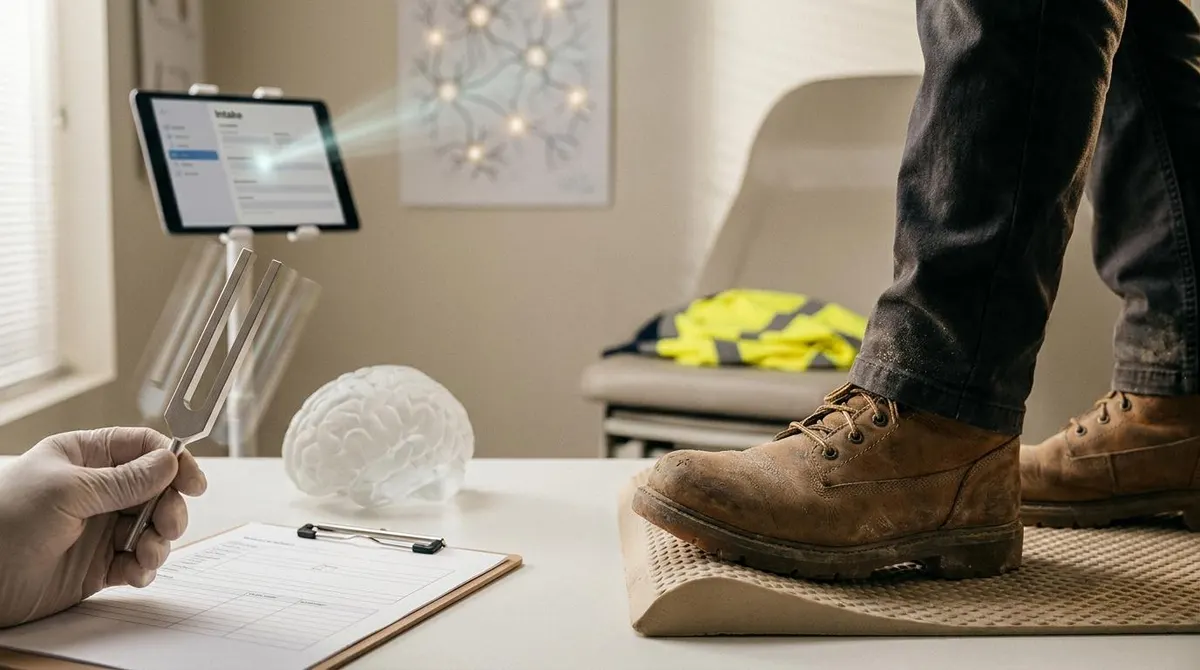
The neurological component of the DOT physical exam assesses reflexes, coordination, balance, and gait. The examiner is looking for evidence of conditions that could impair a driver's ability to control a commercial vehicle, including seizure disorders, peripheral neuropathy, or residual impairment from a prior stroke. Epilepsy is classified as a non-discretionary disqualifying standard unless the driver has been seizure-free for a defined period and obtains an exemption through the FMCSA's epilepsy exemption program. Read more about the specific thresholds for epilepsy and DOT physical eligibility on dumbo.health.
The broader physical examination includes assessment of the cardiovascular, respiratory, and musculoskeletal systems. Conditions such as severe obstructive pulmonary disease, uncompensated heart failure, or significant limb impairment may result in a deferred or negative certification outcome. In each case, the examiner applies clinical judgment guided by the FMCSA's advisory criteria and the driver's documented health history.
KEY TAKEAWAY: Every component of the DOT physical exam has a specific federal threshold, and understanding those thresholds before your appointment allows you to address borderline conditions in advance and arrive prepared with the right documentation.
For medical examiners, the shift to online platforms changes how these components are documented, reviewed, and reported, a topic the next section addresses in detail.
For Medical Examiners: Enhancing Efficiency with Online DOT Physical Platforms
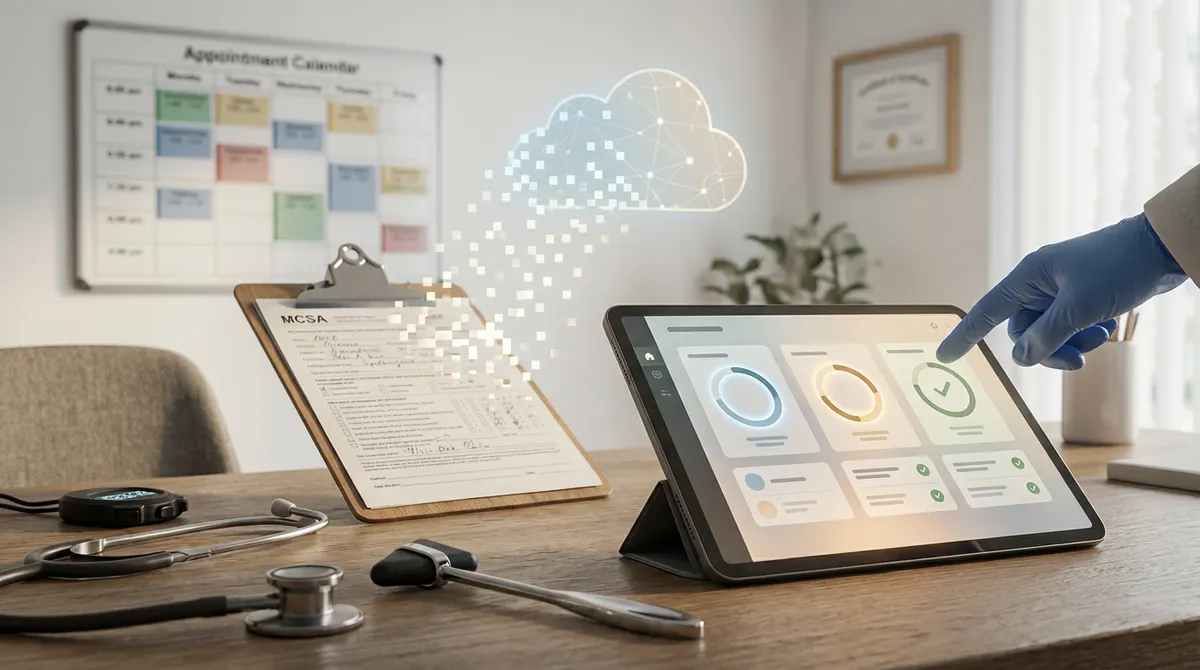
Medical examiners performing DOT physical qualification examinations operate in a highly regulated environment where documentation accuracy and compliance timelines are non-negotiable. Online platforms built for DOT physical workflows address the most time-consuming administrative challenges of the certification process while keeping examiners compliant with the FMCSA's National Registry reporting requirements.
The Evolution of DOT Physicals: From Paperwork to Digital Workflow

Before the FMCSA's digital certification initiative, medical examiners submitted examination reports on paper forms, and drivers were responsible for delivering their Medical Examiner's Certificate to the appropriate state licensing agency. This system was error-prone. Handwriting errors, lost forms, delayed submissions, and failure to verify examiner credentials all contributed to compliance gaps that put drivers and carriers at risk.
The National Registry of Certified Medical Examiners requirement, which became mandatory in May 2014, established the first layer of digital infrastructure by requiring examiners to be registered in a federal database before performing DOT physical qualification examinations. The June 2025 electronic submission mandate extended this by requiring all examination results to be submitted digitally to the National Registry by midnight on the calendar day following the exam. Under this system, the National Registry then routes certification status directly to SDLAs through the CDLIS technology connection, completing the loop without any action required from the driver or motor carrier.
DID YOU KNOW: The FMCSA's Medical Examiner's Certification Integration rule was delayed from its original 2018 compliance date twice due to IT system development challenges before finally taking effect on June 23, 2025.
Key Features of a Leading Online DOT Physical Platform

A high-quality online DOT physical platform for medical examiners typically includes the following capabilities:
Digital intake forms that auto-populate the FMCSA MCSA-5875 Medical Examination Report
Appointment scheduling with automated reminders to reduce no-shows
Secure document upload portal for pre-visit medical documentation
Integrated National Registry submission tools with compliance deadline tracking
Driver notification system for certification outcomes and renewal reminders
Audit-ready record storage with encrypted access controls
Medical Examination Report history and certification period tracking
Platforms that offer these features allow occupational health practices to process higher exam volumes without increasing administrative staff. In real-world use, examiners who complete digital pre-screening before appointments report that average exam time decreases because the health history review is already complete when the driver arrives.
NRCME Certification and Online Tools for Examiners
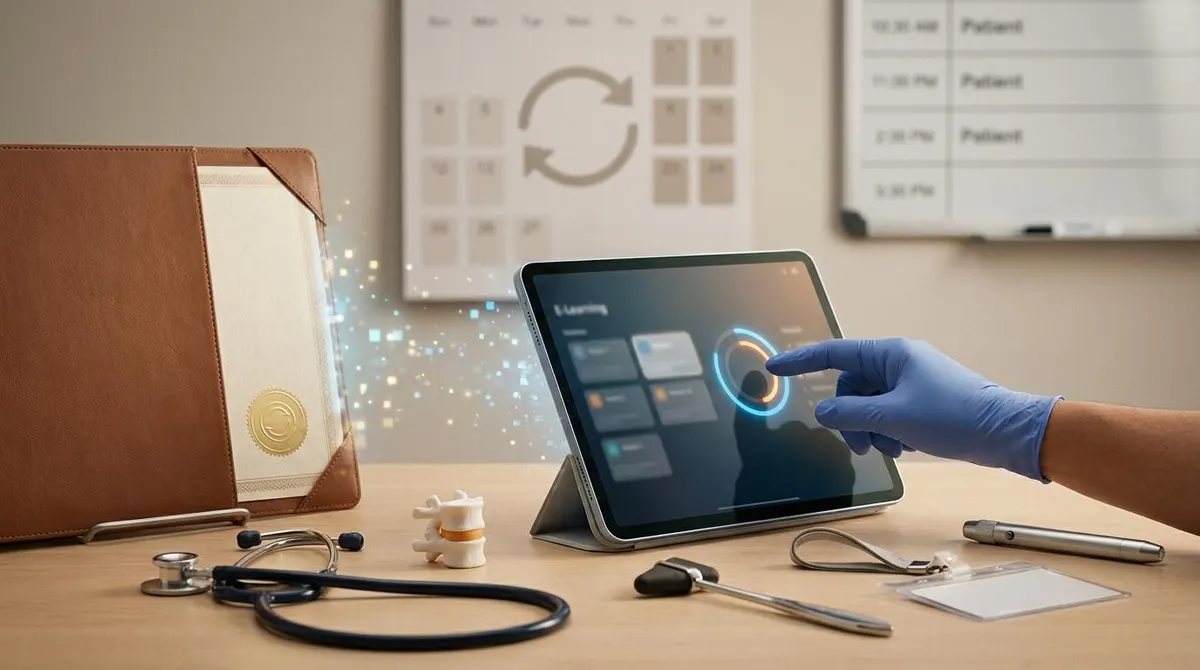
To perform DOT physical qualification examinations, healthcare professionals must complete the NRCME certification process. Eligible professions include MDs, DOs, chiropractors, advanced practice nurses, and physician assistants. The process requires completing an FMCSA-approved training program covering the physical qualification standards under 49 CFR Part 391, followed by passing the NRCME certification exam. Upon successful completion, examiners receive their Medical Examiner Certification, which is valid for 10 years and requires periodic refresher training to maintain.
NRCME recertification training is now widely available through online continuing medical education platforms, allowing examiners to complete required training modules at their own pace without attending in-person seminars. Many platforms offer American Medical Association (AMA/PRA Category 1 Credits) as well as credits recognised by the American College of Occupational and Environmental Medicine, the American Academy of Sleep Medicine, and other continuing education bodies.
Maximizing Practice Potential: Occupational Health Services in the Digital Era
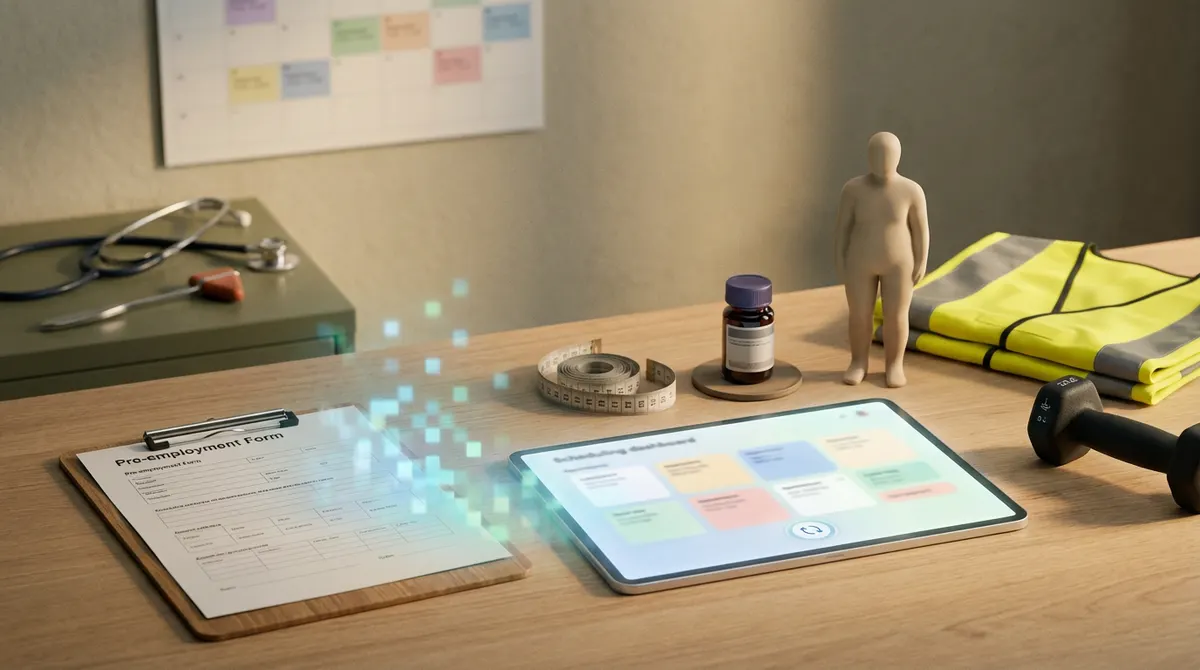
DOT physical qualification examinations represent one component of a broader occupational health services offering that practices can deliver through a unified digital platform. Services that complement the DOT physical exam include blood-chemistry profiles, body mass indexing, functional-capacity evaluations, lift assessments, and pre-employment physical examinations for non-CDL roles. Practices that bundle these services under a single online scheduling system improve patient retention, increase per-visit revenue, and position themselves as full-service occupational medicine providers.
Occupational health programs integrated with DOT physical workflows also benefit employers, who can use the platform to monitor driver certification expiry dates across their fleet, track medical variance statuses, and verify examiner credentials through the FMCSA National Registry in real time. Finding occupational health providers in your area who offer this level of integrated service is increasingly straightforward through online provider directories.
KEY TAKEAWAY: Online DOT physical platforms reduce administrative burden for medical examiners, improve certification accuracy, and support higher exam volumes by digitising intake, documentation, and FMCSA National Registry reporting into a single workflow.
Understanding the tools available to examiners requires a solid grounding in the regulatory framework that governs both the exam process and the digital infrastructure supporting it.
Regulatory Framework: DOT Physicals and Public Safety in the Digital Era
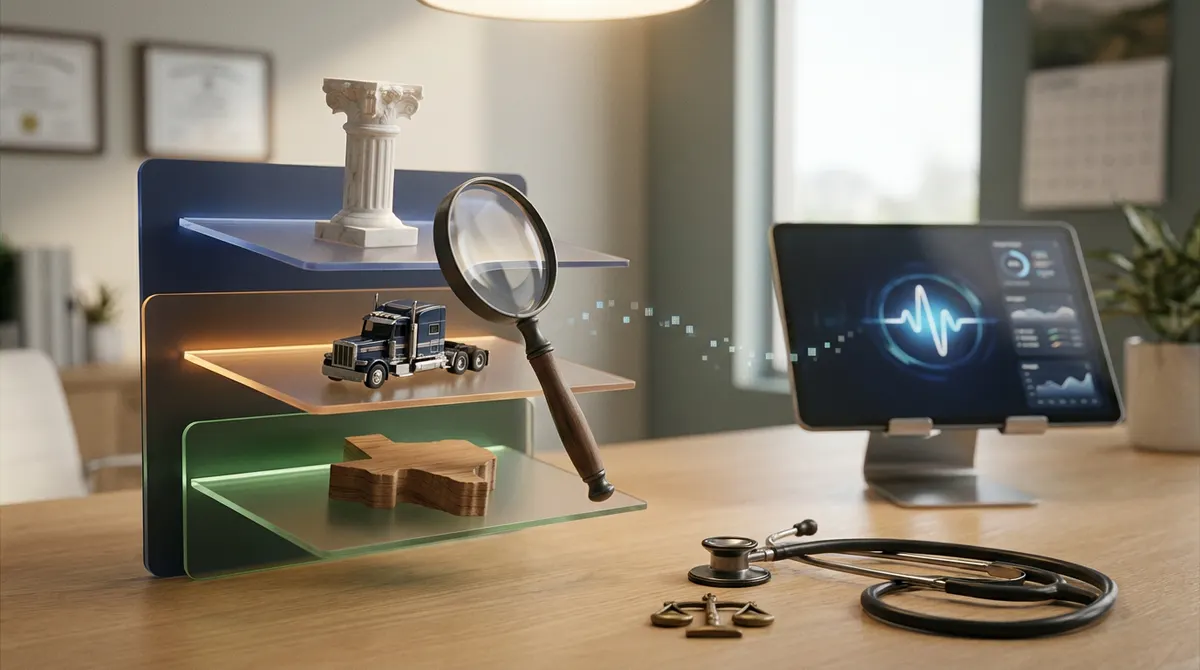
The regulatory structure behind the DOT physical is multi-layered, involving federal law, FMCSA rulemaking, and state licensing agency implementation. Understanding how these layers interact helps both drivers and examiners navigate compliance requirements accurately.
The Federal Motor Carrier Safety Administration (FMCSA) and Its Mandate
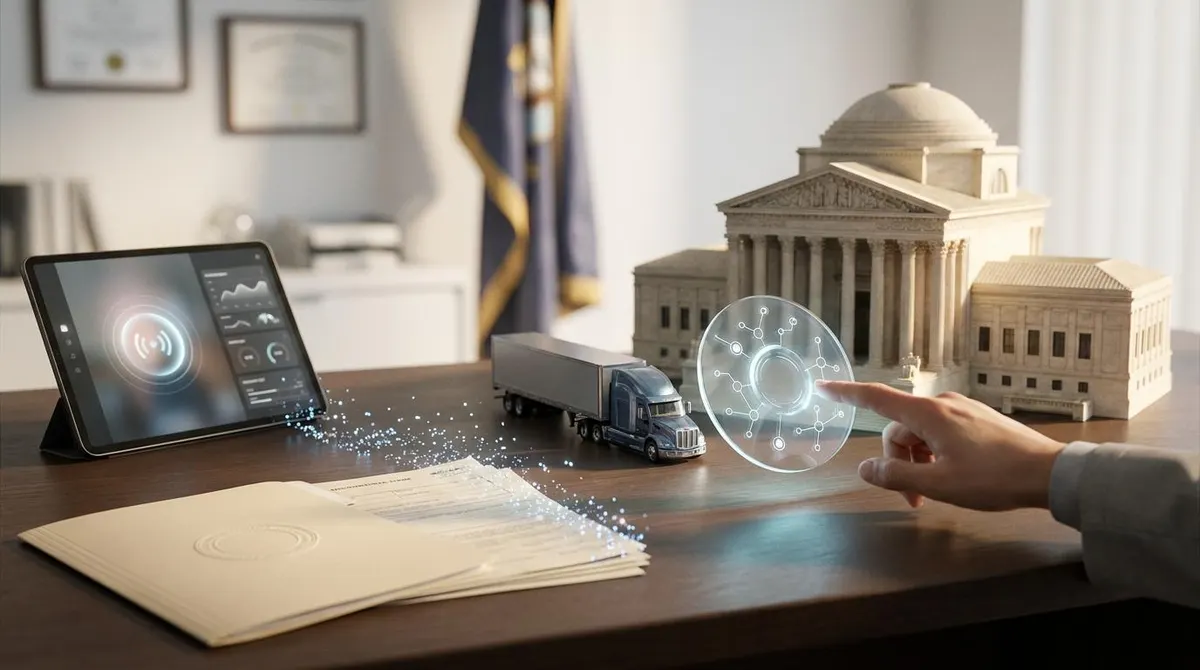
The Federal Motor Carrier Safety Administration is the federal agency within the U.S. Department of Transportation responsible for regulating the safety of commercial motor vehicles and their drivers. The FMCSA establishes and enforces the physical qualification standards for CMV drivers under 49 CFR Part 391, which specifies the health criteria a driver must meet to receive a Medical Examiner's Certificate. The FMCSA also maintains the National Registry of Certified Medical Examiners, sets the certification standards for medical examiners, and manages the electronic infrastructure through which certification data flows from examiners to SDLAs.
The FMCSA does not prohibit telemedicine from being part of the DOT physical process. The agency's official position is that telemedicine is not prohibited by the statute or the rule governing physical qualification examinations, provided that the examination is conducted by or under the direct supervision of a certified medical examiner listed on the National Registry. This means that hybrid approaches, where a NRCME-certified provider conducts the clinical evaluation remotely while a licensed clinical support person manages the physical assessment on-site, can be consistent with FMCSA policy depending on how they are structured.
The National Registry of Certified Medical Examiners (NRCME)
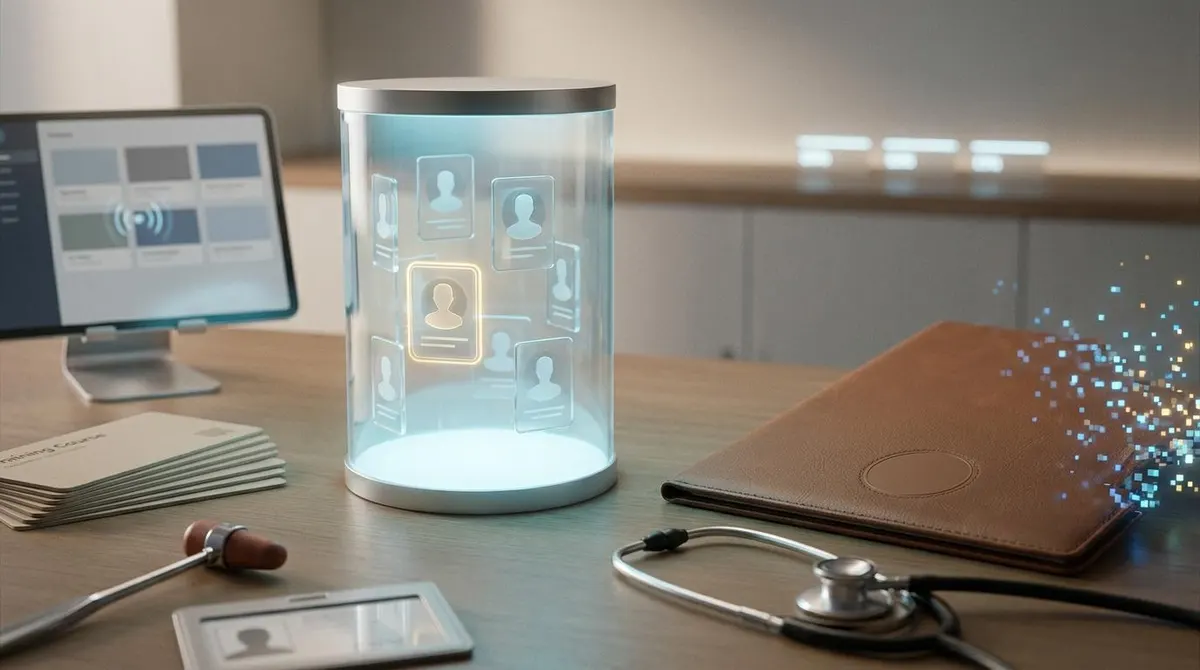
The National Registry of Certified Medical Examiners is the federal database of healthcare professionals who have completed FMCSA-approved training and passed the certification exam required to perform DOT physical qualification examinations. Before the National Registry was established, any licensed healthcare professional could perform DOT physicals without specific training in FMCSA standards. Since May 2014, examiners must be listed on the National Registry to issue valid Medical Examiner's Certificates.
Initial Certification requires completing an accredited NRCME training program and passing the certification test. Medical Examiner Certification is valid for 10 years, with recertification training required at the 5-year mark. Drivers and carriers can search the National Registry through the FMCSA website to verify that an examiner is currently certified before scheduling an appointment, a step that is built into most quality online DOT physical scheduling platforms automatically.
The Broader Impact: Public Safety and the Transportation Industry

The DOT physical exam system directly affects public safety across the transportation industry. Commercial vehicles share roads with private passenger vehicles, and a health event behind the wheel of a large vehicle can have catastrophic consequences. The DOT physical system acts as a regular, structured health checkpoint that identifies drivers with newly developed or worsening health conditions that might not otherwise come to medical attention given the irregular schedules and limited healthcare access common in long-haul trucking.
The FMCSA estimates that tens of thousands of DOT physical examinations are conducted annually across the country. The electronic certification integration introduced in June 2025 improves the reliability of those records and ensures that the safety benefit of the exam is not undermined by administrative failures in the certification reporting chain. Understanding this regulatory context is essential for choosing the right online DOT physical solution, which the next section addresses.
KEY TAKEAWAY: The FMCSA and the National Registry form the dual regulatory pillars of the DOT physical system, and the 2025 digital integration rule strengthens compliance by automating the transmission of certification data between examiners, the Registry, and state licensing agencies.
Choosing the Right Online DOT Physical Solution
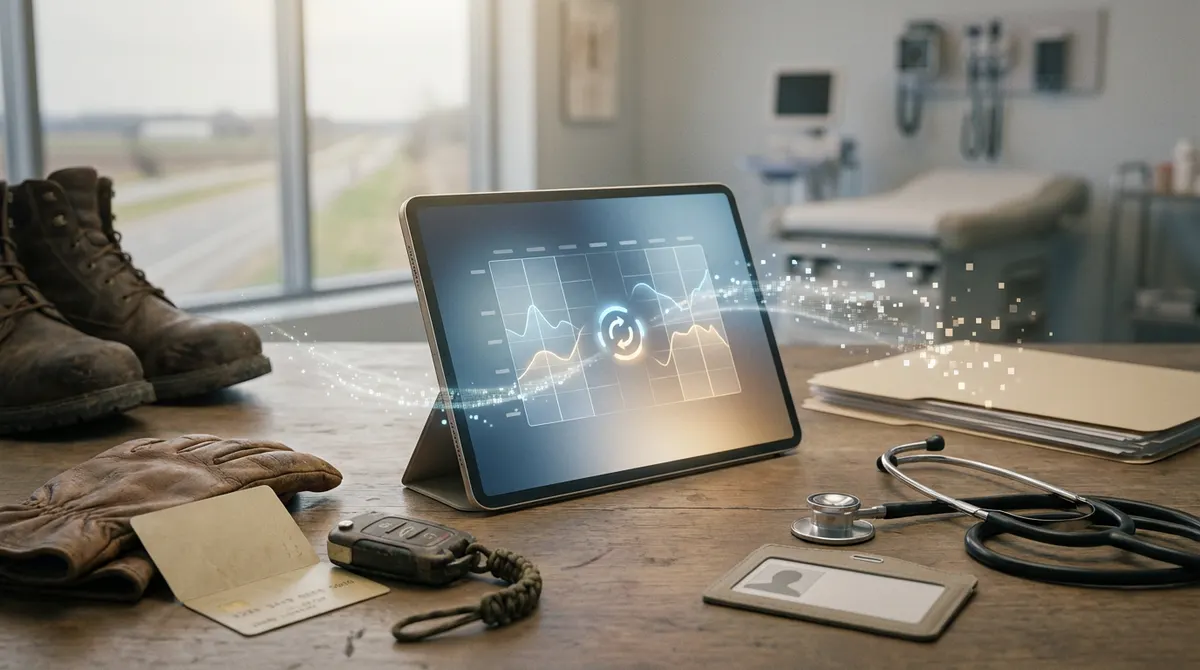
Not all online DOT physical solutions are created equal. The right choice depends on whether you are a commercial driver looking for a convenient provider or a medical examiner evaluating a practice management platform.
For Drivers: What to Look for in an Online Provider
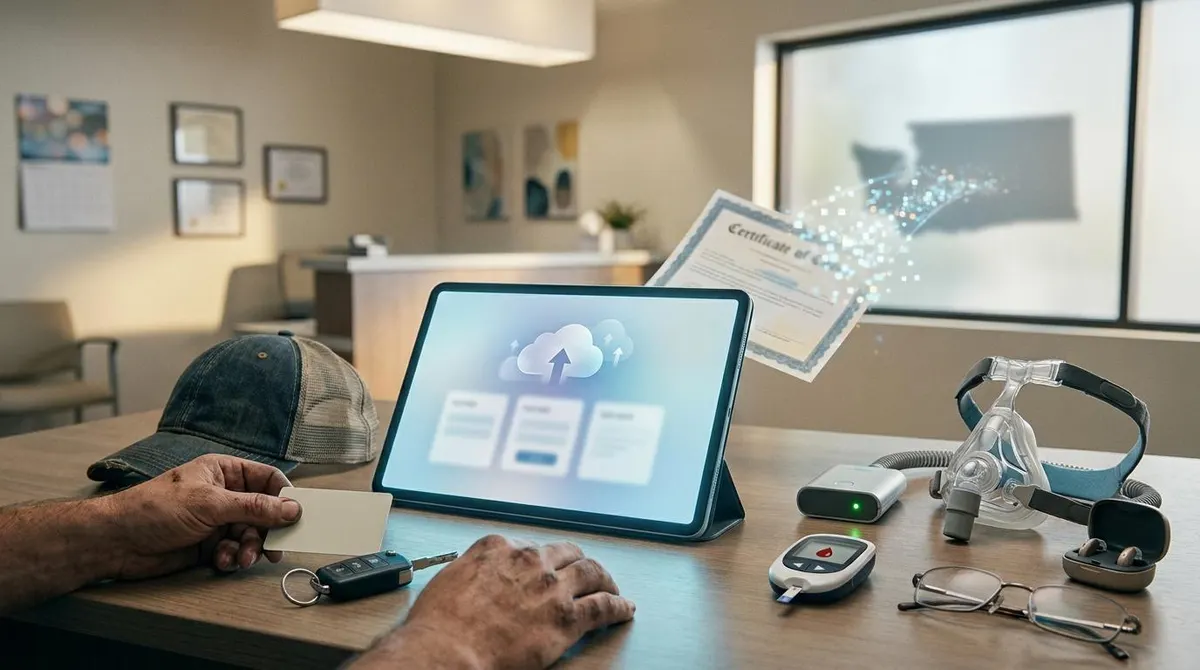
When searching for an online DOT physical provider, confirm that the examiner or clinic is listed on the FMCSA National Registry before booking. Verify that the clinic offers digital pre-screening, so you can complete your health history and upload documentation before your appointment. Confirm whether the platform supports electronic transmission of your Medical Examiner's Certificate directly to your state licensing agency under the June 2025 rule, or whether any additional steps are required. For drivers managing a chronic condition such as sleep apnea or diabetes, look for providers who have experience with those specific documentation requirements and can confirm what records to bring.
Cost is also a practical consideration. DOT physicals are generally not covered by health insurance and are paid out of pocket by the driver or reimbursed by the employer. The average cost of a DOT physical exam ranges from $50 to $150 depending on the provider type and geographic location, with urgent care and walk-in clinics typically falling in the $75 to $125 range and occupational health service providers ranging from $80 to $160. Additional tests, such as audiograms or specialist clearance reports, add to the total. Confirm pricing and accepted payment methods including FSA/HSA cards before your appointment.
If you are managing conditions such as high blood pressure, sleep apnea, or diabetes, review what documentation your examiner will need before you arrive. Being prepared reduces the risk of a deferred outcome and allows you to complete certification in a single appointment. You can also find detailed guidance on what can disqualify you from a DOT physical and how to prepare for the specific conditions most likely to affect your certification.
For Medical Examiners: Evaluating Online Platform Providers
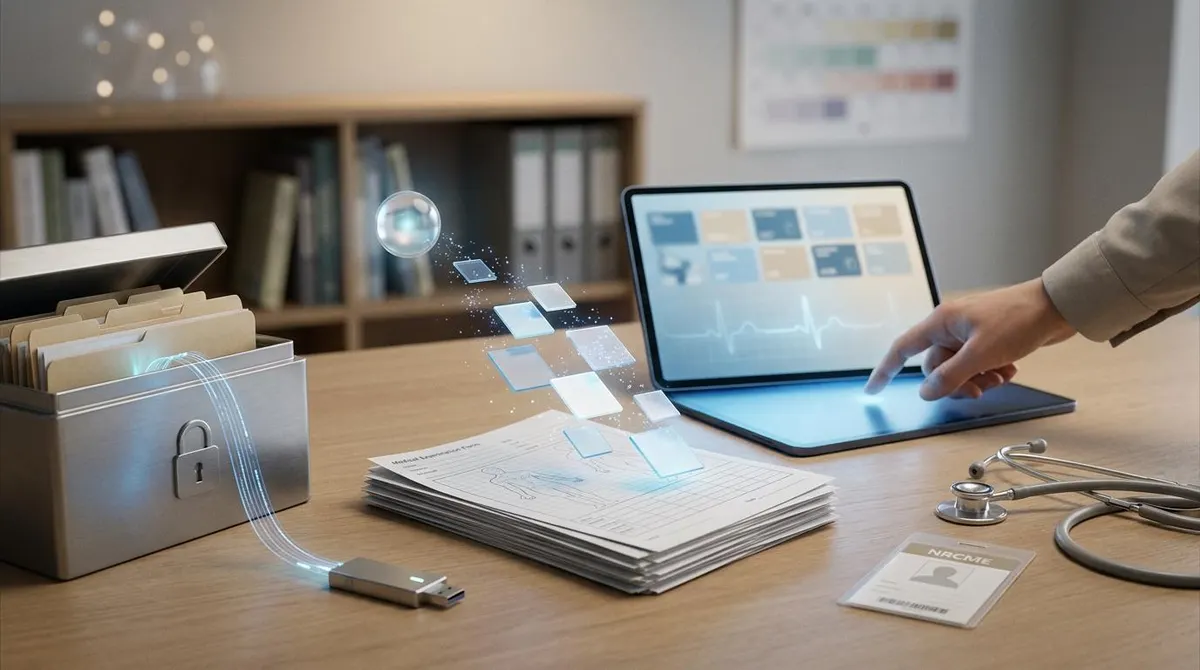
Medical examiners evaluating an online DOT physical platform should assess whether the platform integrates directly with the FMCSA National Registry submission portal, supports the MCSA-5875 digital form standard, and meets data security and privacy requirements for protected health information. Confirm that the platform stores records for the required minimum period and provides exportable audit trails.
Evaluate the scheduling and patient communication features carefully. Platforms with automated appointment reminders, digital intake forms, and pre-visit document upload capabilities reduce the administrative time per patient and lower no-show rates. An online platform or secure portal that allows drivers to submit compliance documentation before their visit, such as CPAP usage reports or specialist letters, enables examiners to prepare thoroughly and run appointments more efficiently.
KEY TAKEAWAY: For drivers, the most important selection criteria are National Registry verification, digital pre-screening support, and experience with your specific health conditions. For examiners, the priority is a platform that integrates FMCSA National Registry submission with intake, scheduling, and compliance record management.
Common Myths About Online and Digital DOT Physicals Debunked

Misunderstandings about what an online DOT physical can and cannot include are widespread. Addressing these directly helps drivers and examiners make informed decisions rather than acting on misinformation.
MYTH: You can complete a DOT physical entirely online without any in-person contact.
FACT: A fully remote DOT physical exam is not currently a compliant approach under standard FMCSA practice. The physical qualification examination requires a hands-on clinical assessment, including vision, hearing, blood pressure, urinalysis, and physical examination components, that must be conducted in person by or under the direct supervision of a Certified Medical Examiner listed on the National Registry. The "online" component refers to scheduling, pre-screening, documentation, and results reporting, not the clinical exam itself.
MYTH: The DOT physical includes a drug test.
FACT: The standard DOT physical exam does not include a drug or alcohol test. The urinalysis performed during the exam screens for protein, blood, sugar, and specific gravity to identify potential health conditions. drug testing for commercial drivers is governed by a separate FMCSA program under 49 CFR Part 382 and is conducted through a distinct chain-of-custody process. Some employers request drug testing at the same appointment as the DOT physical, but it is a separate procedure with separate documentation.
MYTH: Having sleep apnea automatically disqualifies a commercial driver.
FACT: Sleep apnea does not automatically disqualify a commercial driver. The American Academy of Sleep Medicine (AASM) and FMCSA guidance both recognise that managed sleep apnea is compatible with commercial driving. Drivers who have been diagnosed with obstructive sleep apnea and are using CPAP or PAP therapy must demonstrate adherence by providing a compliance report showing use for at least 4 hours on a minimum of 70 percent of nights over 30 consecutive days. Drivers with documented sleep apnea who are compliant with treatment and report no significant residual sleepiness or fatigue can pass the DOT physical exam. For more detail, see dumbo.health's guide on passing a DOT physical with sleep apnea.
MYTH: The Medical Examiner's Certificate is still a paper card you carry in your wallet.
FACT: As of June 23, 2025, the FMCSA's Medical Examiner's Certification Integration rule requires all certified medical examiners to submit exam results electronically. The National Registry then transmits the certification status directly to the relevant SDLA, which posts the result on the driver's Motor Vehicle Record and in the CDLIS. For CDL and CLP holders, the paper card is no longer the primary record of certification status. Drivers should confirm how their state is implementing the transition and whether they need to carry any interim documentation during a transition period.
KEY TAKEAWAY: The most harmful DOT physical myths center on three areas: the feasibility of a fully remote exam, the scope of the urinalysis, and the automatic disqualification of managed health conditions. All three are false, and understanding the facts helps drivers prepare correctly.
The Future of Online DOT Physicals: Trends and Innovations

The DOT physical certification process is continuing to evolve. Several trends are shaping where the system is headed over the next five to ten years.
Advancements in Telemedicine and Virtual Consultation Integration
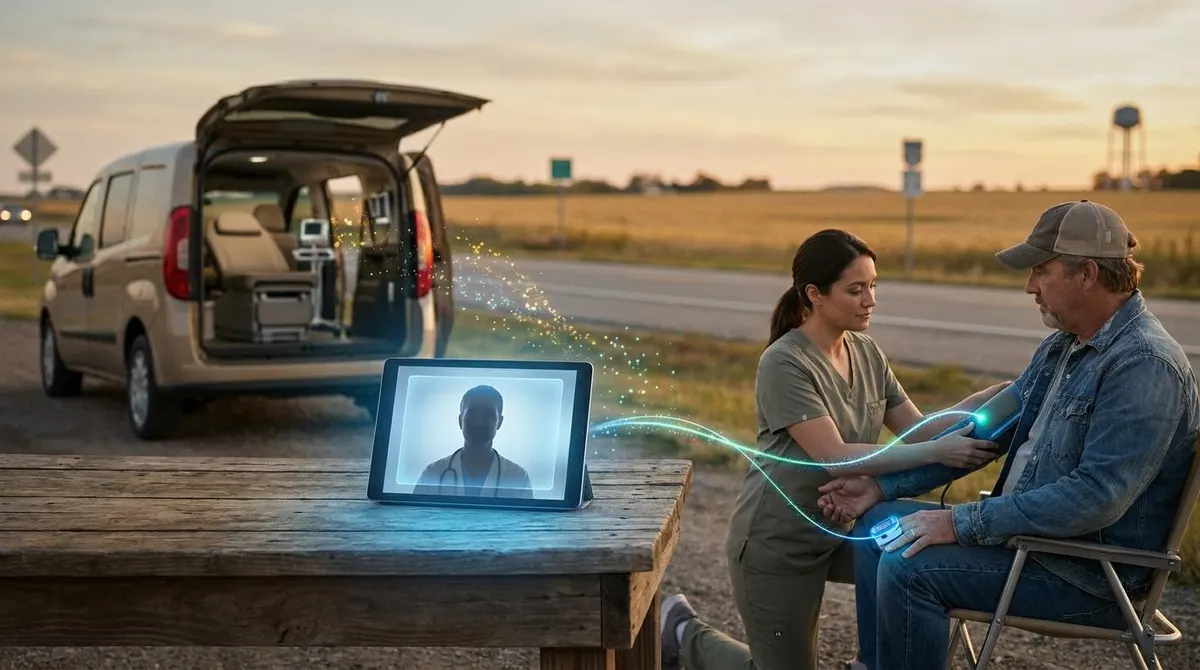
The FMCSA has confirmed that telemedicine is not prohibited under the current regulatory framework, and several occupational health platforms are developing hybrid models where a NRCME-certified provider conducts the medical history review and clinical consultation via video, while a trained clinical associate performs the physical measurements on-site and relays them in real time. This approach has the potential to increase access to certified DOT medical examiners in underserved rural areas and reduce the time commercial drivers spend away from the road for routine renewal exams. Regulatory clarity from the FMCSA on specific telemedicine standards for the DOT physical is an area to watch as telemedicine technology and state licensing frameworks continue to develop.
Enhanced Data Analytics and Predictive Health Insights

As electronic Medical Examination Reports accumulate in the FMCSA National Registry database, the potential to use aggregated, de-identified data for predictive health analytics grows. Platforms that track trends in blood pressure, BMI, and sleep apnea risk factors across a fleet of drivers can provide employers with population-level health insights that go beyond individual certification status. This type of data-driven occupational health management is already emerging in some occupational medicine platforms and is likely to become a standard feature of advanced DOT physical workflow tools.
Continued Evolution of Compliance and Reporting Technologies
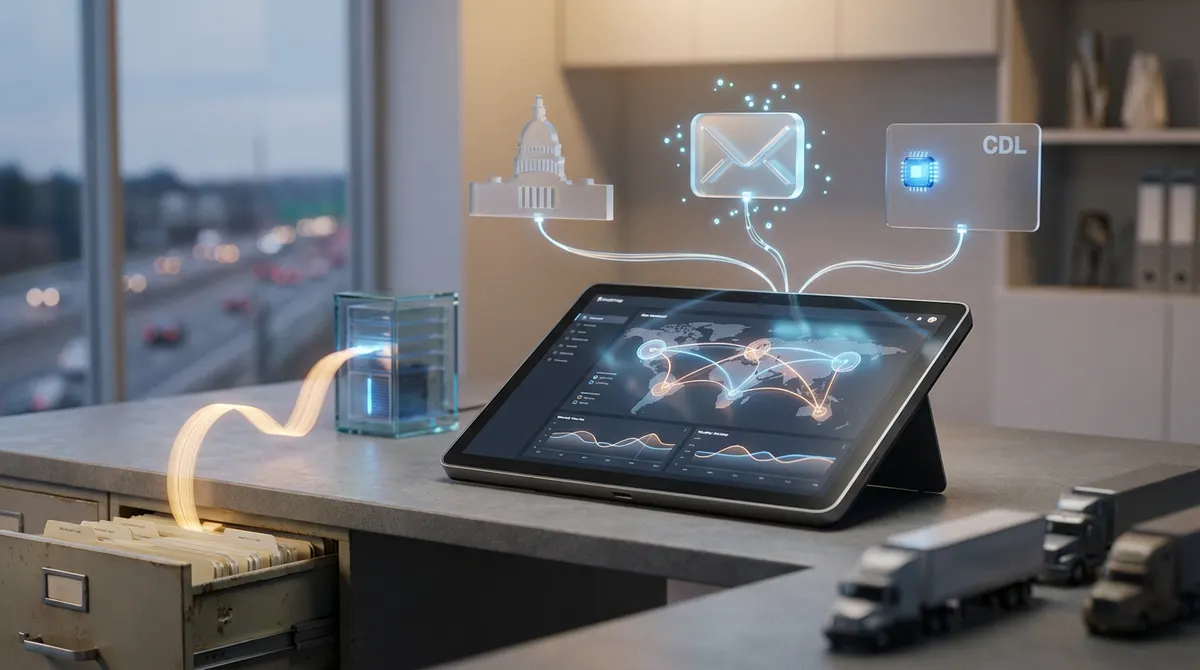
The shift to mandatory electronic submission in June 2025 is a first step, not an endpoint. Future iterations of the FMCSA's Medical Examiner's Certification Integration system are expected to include enhanced real-time reporting dashboards for state licensing agencies, improved carrier notification systems, and potentially direct CDL digital credential integration. For drivers and examiners alike, staying informed about these developments through the FMCSA website and recognised occupational health associations ensures continued compliance as the regulatory landscape evolves.
KEY TAKEAWAY: The future of DOT physical certification is moving toward greater telemedicine integration, data-driven health analytics, and more automated compliance reporting, all of which will continue to reduce the administrative friction for both commercial drivers and certified medical examiners.
Frequently Asked Questions
Can a DOT physical be done entirely online?
No. A DOT physical cannot be completed entirely online because the physical qualification examination requires a hands-on clinical assessment, including vision, hearing, blood pressure measurement, urinalysis, and a physical exam of the cardiovascular, respiratory, neurological, and musculoskeletal systems. These components must be performed in person by a Certified Medical Examiner listed on the FMCSA National Registry. However, online platforms now handle scheduling, health history intake, document upload, and electronic results submission, making the overall experience significantly more digital-friendly than it was under the paper-based system.
What is the difference between the FMCSA and the NRCME?
The Federal Motor Carrier Safety Administration (FMCSA) is the federal regulatory agency within the U.S. Department of Transportation that sets and enforces the physical qualification standards for commercial motor vehicle drivers. The National Registry of Certified Medical Examiners (NRCME) is the FMCSA-managed database of healthcare professionals who have passed the required training and certification exam to perform DOT physical qualification examinations. In practice, drivers need a provider on the NRCME list to get a valid exam, and that provider must submit results electronically through the National Registry to the state licensing system.
How long is a DOT physical valid?
A DOT physical exam is valid for up to 24 months under FMCSA rules. The maximum certification period is two years, but many drivers receive shorter certification periods depending on their health status. Common reasons for a shorter certificate include blood pressure in the Stage 1 hypertension range (140-159/90-99), which limits certification to one year, or documented obstructive sleep apnea requiring CPAP compliance, which requires annual recertification. Drivers with Stage 2 hypertension may initially receive only a three-month certificate. Your examiner determines the appropriate period based on your specific examination findings.
Can you pass a DOT physical with high blood pressure?
Yes, it is possible to pass a DOT physical with high blood pressure, but your certification period will depend on your reading. Drivers with a blood pressure below 140/90 qualify for up to a two-year certificate. Stage 1 hypertension (140-159/90-99) typically results in a one-year certificate. Stage 2 hypertension (160-179/100-109) may result in a one-time three-month certificate, with the possibility of a one-year certificate if blood pressure is controlled below 140/90 within that period. Stage 3 hypertension (180/110 or above) is disqualifying until the condition is controlled. See the full guide on passing a DOT physical with high blood pressure for more detail.
Is a sleep study required for a DOT physical?
A sleep study is not automatically required as part of a DOT physical exam. According to the FMCSA's Medical Examiner's Handbook 2024 Edition, the regulations do not include mandatory sleep apnea screening requirements. However, a medical examiner can and often does recommend a sleep study when a driver presents with risk factors such as a BMI over 40, a neck circumference of 17 inches or more for men or 15.5 inches or more for women, hypertension, type 2 diabetes, or symptoms such as witnessed apneas or excessive daytime sleepiness. The decision is made at the examiner's clinical discretion. Review the full guidance on when a sleep study is required for a DOT physical on dumbo.health.
How much does a DOT physical cost in 2025 and 2026?
A DOT physical exam costs between $50 and $150 on average, depending on the provider type and geographic location. chiropractor offices typically charge $50 to $80, urgent care and walk-in clinics range from $75 to $125, and occupational health service providers generally charge $80 to $160. DOT physicals are not covered by standard health insurance and are typically paid out of pocket, though many employers reimburse the cost. FSA and HSA cards are accepted at many clinics. If additional tests such as audiograms, ECGs, or specialist consultations are required, the total cost increases accordingly. Costs tend to be higher in major metropolitan areas than in rural regions.
What documents should I bring to my DOT physical?
Bring your CDL or CLP number, a complete list of current medications with dosages, eyeglasses or contacts if you use them, hearing aids if applicable, and documentation for any managed chronic conditions. If you have been diagnosed with obstructive sleep apnea and use a PAP device, bring a printed CPAP compliance report covering at least 30 consecutive days showing adherence on at least 70 percent of nights. For diabetes managed with insulin, bring a completed MCSA-5870 form completed by your treating physician. For cardiovascular conditions, bring any relevant specialist clearance letters. Arriving with organised documentation is the single most effective way to avoid a deferred certification outcome or a follow-up appointment.
Can I find a certified DOT medical examiner near me online?
Yes. The FMCSA maintains a searchable National Registry of Certified Medical Examiners at its website where you can search by zip code or state to find a certified DOT medical examiner near you. Most online DOT physical scheduling platforms also embed this search functionality, allowing you to filter providers in your area by availability, specialty, and languages spoken. When looking for providers in your area, always verify that the examiner is actively listed on the NRCME before booking to ensure your Medical Examiner's Certificate will be recognised by your state licensing agency.
Conclusion: The Seamless Path to DOT Physical Compliance Online
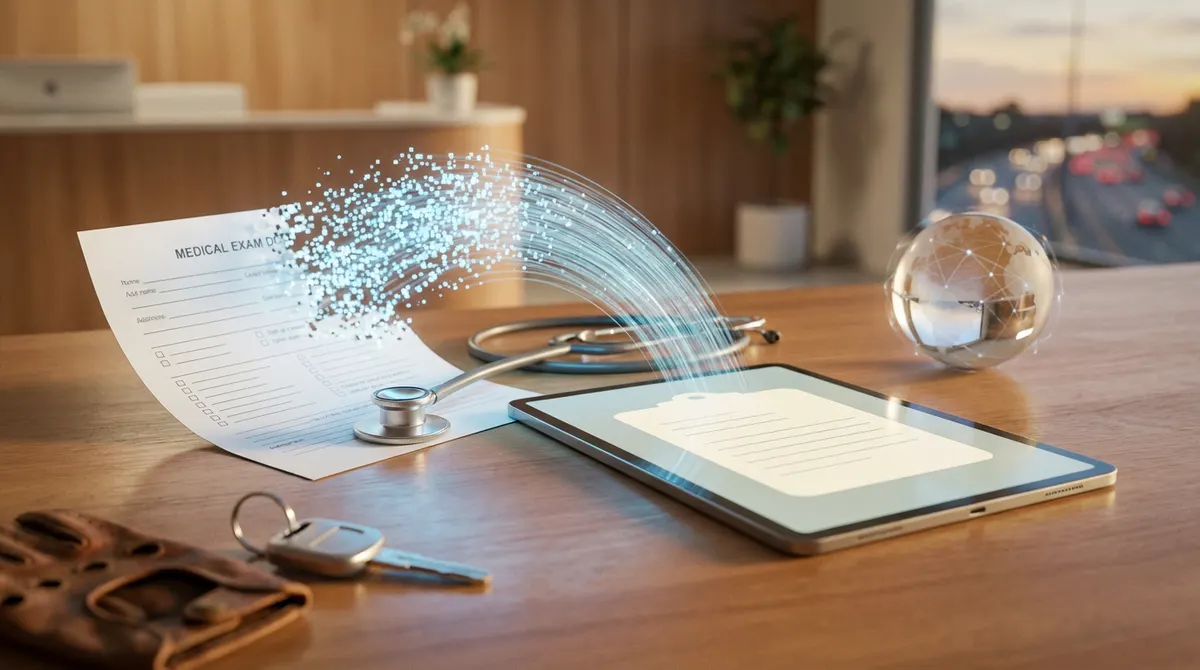
The online DOT physical represents a meaningful improvement in how commercial drivers and medical examiners navigate one of the most important safety requirements in the transportation industry. The mandatory shift to electronic certification as of June 2025 has removed the paper bottlenecks that caused compliance gaps, and digital pre-screening tools are reducing the preparation burden on drivers. At the same time, the core clinical standards set by the FMCSA remain unchanged. Vision, hearing, blood pressure, urinalysis, and a full physical examination must all still be conducted in person by a Certified Medical Examiner listed on the National Registry. The process has become smarter, not shorter.
For commercial drivers, the most important steps are knowing your health status before your exam, arriving with complete documentation, and choosing a certified provider who uses a platform built for FMCSA compliance. For medical examiners, embracing digital workflow tools is now a regulatory requirement, not an optional upgrade. If you are preparing for your next exam or exploring at-home sleep testing options that can support your DOT physical documentation, visit dumbo.health's at-home sleep test
to learn how convenient, clinically sound testing can help you arrive prepared.
Related DOT Physical Topics
- Does a DOT Physical Test for Weed or THC The Complete Guide for Commercial Drivers
- Online DOT Physical Self-Pay The Complete Guide for CDL Drivers and Owner-Operators
- DOT Physical Forms & Paperwork The Complete Guide for Commercial Drivers
- Remote DOT Physical The Complete Guide for Commercial Drivers
- Online DOT Physical Without Insurance A Complete Guide for Commercial Drivers
- Can You Get a DOT Physical in Any State The Complete Guide for Commercial Drivers
- What Happens During the DOT Physical Exam The Complete Guide for Drivers
- DOT Physical ICD-10 & Billing Codes The Complete Guide for Accurate Compliance and Reimbursement
- The Ultimate DOT Physical Guide for Commercial Drivers (2025–2026)
- Can You Get a Second Opinion on Your DOT Physical A Complete Guide for Commercial Drivers
- DOT Medical Exam Self-Pay A Complete Guide for Commercial Drivers
- Medical Examination Report (MER) – Form MCSA-5875 The Complete Guide for Commercial Drivers
- What Happens If Your DOT Physical Expires Compliance Guide for Commercial Drivers
- Navigating the Florida DOT Physical Your Essential Guide for CDL Drivers
- Home Sleep Apnea Test for Commercial Drivers The CDL Holder's Complete Guide
- DOT physical self pay guide for commercial drivers paying out of pocket
- Online DOT Exam What Drivers and Medical Examiners Need to Know
- How to Pass a DOT Physical The Complete Commercial Driver's Guide
- What are the current DOT requirements for sleep apnea testing for commercial drivers
- DOT Physical Texas The Essential Guide to Your Exam, Medical Card, and CDL Compliance
- DOT Physical Requirements A Complete Guide for CDL Drivers
- DOT Physical Insurance & Recertification The Complete Driver's Guide
- The Comprehensive Guide to Suboxone, Sleep Apnea, and FMCSA Compliance for Commercial Motor Vehicle Operators
- BMI for DOT Physical What Commercial Drivers Need to Know
- What Is the Difference Between a DOT and Non-DOT Physical
- Guide to Obtaining and Managing Your DOT Medical Card Online
- The DOT Physical Exam Ensuring You're Fit for the Road
- DOT Physical Out of Pocket What Commercial Drivers Actually Pay
- Essential 171 DOT Definitions for Commercial Drivers
- What Does DOT Stand for in a DOT Physical
- DOT Physical Duration and Validity How Long Your Medical Card Lasts
- Your Complete Guide What's Included in a DOT Physical Exam
- What Is the Urine Test for in a DOT Physical
- DOT Physical Insurance or Self Pay How to Choose the Right Payment Option for Your Exam
- DOT Physical Chiropractor Your Complete Guide to CDL Exams
- Is a DOT physical the same as a regular physical
- DOT Physical at Urgent Care What Commercial Drivers Need to Know
- What are the current FMCSA guidelines on sleep apnea for commercial drivers
- Non-DOT Physical A Comprehensive Guide to Workforce Health and Safety
- DOT Physical Cost Breakdown What Drivers Pay & Why
- DOT Physical & Drug Test What Drivers Need to Know
- Is a drug test required for a DOT physical
- What Forms Do You Need for a DOT Physical
- DOT Physical Online Cost
- Navigating Your DOT Physical with Common Medical Conditions
- Can You Fail a DOT Physical for Being Overweight
- Why DOT Sleep Tests at Home Matter for Your Career and Health
- How can drivers with sleep apnea qualify again after a failed DOT physical
- Do They Check for Hernia During a DOT Physical
- Can You Get a DOT Physical Online
- How Do You Submit Your DOT Physical to the DMV
- What Are the Requirements to Pass a DOT Physical
- New DOT Physical Requirements What Drivers MUST Know About New Updates
- Cheap DOT Physical Online
- DOT Physical Blood Pressure Requirements What Drivers Need to Know
- Can You Fail a DOT Physical for High Blood Pressure
- Is a Sleep Study Required for a DOT Physical
- What eye chart is used for a DOT physical
- Failing a DOT Physical What Every Commercial Driver Needs to Know
- DOT Physical & Alcohol Requirements
- DOT Physical Vision & Eye Requirements
- What drugs do they test for in a DOT drug test
- What Can Disqualify You From a DOT Physical
- Online CDL Physical
- Does a DOT physical include a drug test
- Can You Pass a DOT Physical with Epilepsy
- DOT Physical Self Pay Cost
- When Can Sleep Apnea Affect a DOT Physical
- Can You Pass a DOT Physical With One Eye
- Can You Pass a DOT Physical With a Pacemaker
- What Should You Bring to a DOT Physical
- Telehealth Dot Physical
- Sleep Apnea Test for CDL Drivers
- Who needs a DOT physical
- Does insurance cover a DOT physical
- Why do they measure your neck during a DOT physical
- Walk In DOT Physical Self Pay
- Are there legal requirements for drivers with sleep apnea
- DOT Physical Exam Basics
- Can You Pass a DOT Physical With a Hernia
- Same Day DOT Physical
- Virtual DOT Physical
- DOT Physical Cash Pay
- Can you fail a DOT physical because of sleep apnea
- What blood pressure do you need to pass a DOT physical
- Do They Check Your Private Parts During a DOT Physical
- Can you pass a DOT physical with sleep apnea
- What should I expect at a DOT physical
- What Does a DOT Physical Consist Of
- What happens if you fail a DOT physical due to sleep apnea
- At Home Sleep Test for Truck Drivers
- Can You Pass a DOT Physical with Diabetes
- Can You Pass a DOT Physical with High Blood Pressure
- Do You Have to Pee During a DOT Physical
- What Do They Check During a DOT Physical
- Can You Fail a DOT Physical
- What is DOT Physical
- Are There New DOT Rules or Laws on Sleep Apnea Testing
- 2026 DOT Inspection Dates
- Best Treatments for Sleep Apnea to Improve Driving Safety
Take the next step before your DOT physical
Start with the free quiz if you are unsure about your risk, or order an at-home sleep test if you have already been flagged for possible sleep apnea.
AI summary
An online DOT physical is a digitally enabled DOT medical certification workflow that combines online scheduling, digital health-history intake, pre-screening, and electronic results submission with an in-person clinical exam by a Certified Medical Examiner on the FMCSA National Registry. The June 23, 2025 FMCSA Medical Examiner’s Certification Integration rule requires examiners to submit the Medical Examination Report and Medical Examiner’s Certificate electronically to the National Registry, which transmits status to State Driver Licensing Agencies and CDLIS. The in-person exam follows 49 CFR Part 391 standards and typically includes BMI, blood pressure, vision (Snellen; 20/40 thresholds and 70-degree field per eye), hearing (forced whisper at 5 feet; audiometry if needed), urinalysis (protein, blood, glucose, specific gravity), and cardiovascular, neurological, and musculoskeletal assessment. Certification outcomes include full certification (up to 24 months), monitoring intervals (3–12 months), determination pending (follow-up within 45 days), or not qualified. Blood pressure tiering and managed conditions such as obstructive sleep apnea (CPAP compliance reporting) commonly affect duration.

Nicolas Nemeth
Co-Founder
Nico is the co-founder of Dumbo Health, a digital sleep clinic that brings the entire obstructive sleep apnea journey home. Patients skip the sleep lab and the long wait to see a specialist. Dumbo Health ships an at home test, connects patients with licensed sleep clinicians by video, and delivers CPAP or a custom oral appliance with ongoing coaching and automatic resupply in one clear subscription.
Keep reading

How Long Does a DOT Physical Take? A Complete Guide for Commercial Drivers

What Happens If You Fail a DOT Drug Test? The Complete Guide for Commercial Drivers


