Online DOT Physical Self-Pay: The Complete Guide for CDL Drivers and Owner-Operators
This guide explains how online self-pay DOT physicals work for commercial drivers who need an FMCSA Medical Examiner’s Certificate to stay legally qualified to drive. It covers who must complete a DOT physical, how to confirm a provider is listed on the FMCSA National Registry, and what online booking can and cannot do. You’ll learn typical self-pay pricing ($75 to $150), common payment options including FSA/HSA, and why self-pay can reduce delays and billing surprises. The article also breaks down what happens during the in-person exam, including blood pressure, vision, hearing, urinalysis, and physical evaluation. It outlines documentation to bring for conditions like hypertension, sleep apnea with CPAP compliance, diabetes, and heart conditions, plus renewal timing and DMV self-certification steps.
Struggling with sleep?
Find out if sleep apnea is the reason.
FDA-cleared. $149 flat. Physician-reviewed results in 48 hours.

Online DOT Physical Self-Pay: The Complete Guide for CDL Drivers and Owner-Operators

Online DOT physical self-pay is an out-of-pocket approach to completing the federally mandated medical exam that commercial drivers need to operate legally. According to the FMCSA, more than 3.5 million commercial drivers hold active Medical Examiner's Certificates in the United States, all of which require periodic renewal. This guide covers every stage of the process, from scheduling and pre-visit preparation to what happens during the in-person exam, how medical conditions are evaluated under FMCSA standards, and how to receive and maintain your DOT medical card. Whether you are a long-haul trucker, an owner-operator, or a CDL holder preparing for renewal, understanding how online self-pay works gives you practical control over your compliance timeline and costs. Everything you need to navigate this process confidently is covered below.
Why a DOT Physical Is Non-Negotiable for Commercial Drivers

DOT physical exams are a legal requirement for any commercial driver operating a vehicle in interstate commerce under FMCSA jurisdiction. Without a valid Medical Examiner's Certificate, also known as a DOT medical card, you cannot legally operate a commercial motor vehicle on public roads.
The Federal Motor Carrier Safety Administration mandates that commercial drivers meet specific health and fitness standards before they are permitted to drive. These standards exist to protect both drivers and the general public, given that fully loaded commercial vehicles can weigh up to 80,000 pounds. The Department of Transportation treats DOT physical compliance as a cornerstone of road safety policy for exactly this reason.
For owner-operators and independent drivers, the financial stakes of non-compliance are especially high. Operating without a current med card can result in out-of-service orders, significant fines, and loss of operating authority. Many drivers in this position choose to pay for their exam directly rather than rely on employer-arranged scheduling, which is where the self-pay model becomes the most practical path forward.
Many drivers find that keeping their DOT physical up to date is one of the most straightforward ways to protect their livelihood, their safety record, and their ability to continue working. Booking DOT physical exams through an online platform makes it easier than ever to stay ahead of expiration dates and avoid costly gaps in certification.
Not sure if sleep apnea applies to you?
Take our 2-minute sleep risk quiz to see whether sleep apnea could affect your DOT physical. No account required.
DID YOU KNOW: According to the FMCSA, drivers certified with certain manageable conditions may receive shorter certification periods, sometimes as brief as one year or less, requiring more frequent DOT physical exams to confirm ongoing health compliance.
KEY TAKEAWAY: A valid DOT medical card is a legal requirement for commercial drivers, and failure to maintain one can result in immediate loss of operating privileges.
Understanding why the exam is required is the foundation, but knowing how the process actually works, including the online options now available, is what gives you a practical edge going into your appointment.
What Is a DOT Physical and Who Is Required to Get One?

A DOT physical exam is a standardised medical evaluation conducted by a certified medical examiner listed on the National Registry of Certified Medical Examiners. The exam assesses whether a commercial driver meets the minimum health standards set by the FMCSA to safely operate a commercial motor vehicle.
The FMCSA requires a DOT physical for any driver who operates a commercial vehicle in interstate commerce that meets one or more of the following criteria:
Weighs more than 10,001 pounds, including the load
Is designed or used to transport more than 8 passengers for compensation
Is used to transport hazardous materials in quantities requiring placarding
CDL drivers operating in intrastate commerce may also be subject to DOT physical requirements depending on state law. If you hold a Commercial Driver License and operate commercial vehicles professionally, it is almost certain that you need a current medical certificate on file with your state DMV.
The physical examination evaluates multiple body systems to confirm that a driver can manage the demands of operating commercial vehicles safely. Certified medical examiners assess vision, hearing, cardiovascular health, blood pressure, neurological function, and overall physical fitness during each appointment.
Certified medical examiners must be actively listed on the National Registry of Certified Medical Examiners maintained by the FMCSA. This registry ensures that only qualified healthcare professionals, including physicians, physician assistants, advanced practice registered nurses, doctors of chiropractic, and doctors of osteopathy, are authorised to conduct DOT physical exams and issue Medical Examiner's Certificates.
A DOT physical exam conducted by a certified medical examiner produces a Medical Examiner's Certificate that is recognised by the FMCSA and valid for use across all states. The National Registry of Certified Medical Examiners is publicly searchable, and confirming your provider's listing before booking is a simple step that protects the validity of your certification.
Already diagnosed and need CPAP support?
Dumbo Health helps patients start CPAP without the usual confusion, paperwork, or upfront cost. Equipment, setup, supplies, and ongoing support are all handled in one place.
TIP: Before booking your DOT physical exam, confirm that the provider you select is actively listed on the FMCSA National Registry of Certified Medical Examiners. Using an unlisted examiner means your certification will not be valid.
KEY TAKEAWAY: A DOT physical exam must be conducted by a certified medical examiner on the FMCSA National Registry, and the exam applies to all drivers of commercial motor vehicles meeting specific weight, passenger capacity, or hazardous materials criteria.
Knowing who needs this exam and what it covers helps you walk in prepared, but the way you schedule and pay for it has changed significantly, and the online approach now available to commercial drivers deserves a closer look.
How Online Booking Makes DOT Physical Exams Easier for Busy Drivers

Online scheduling transforms the DOT physical process by allowing commercial drivers to find certified medical examiners near you, book an appointment, and complete pre-visit paperwork without ever making a phone call or visiting a clinic in advance.
Traditional scheduling for DOT physical exams often meant long waits, limited clinic hours, and incomplete paperwork at the time of the appointment. Online platforms address each of these friction points by letting drivers search for available providers in their area, compare appointment times, and complete their medical history forms digitally before arrival.
Completing your medical history and health history online before your appointment offers a measurable advantage. Drivers who arrive with accurate, thorough documentation, including information about current medications, specialist notes for managed conditions, and relevant health history, tend to have smoother appointments and faster turnaround on certification. Many providers now send automated reminders and pre-visit checklists, which helps ensure you arrive with everything the certified medical examiner needs to complete the assessment.
Digital platforms also make it easier to track your certification timeline. Knowing exactly when your med card expires means you can schedule your renewal DOT physical exam in advance rather than scrambling at the last minute. For owner-operators and independent CDL drivers, staying ahead of your expiration date is a practical way to protect both your schedule and your income.
If you are preparing for a DOT physical exam and want to understand exactly what the process involves, reviewing what the requirements are to pass a DOT physical before your appointment helps you walk in with realistic expectations and the right preparation mindset.
DID YOU KNOW: Some online DOT physical platforms allow drivers to upload specialist notes, CPAP compliance reports, and glucose records directly through a secure patient portal before the appointment, reducing the time spent in the exam room on the day.
KEY TAKEAWAY: Online booking for DOT physical exams saves time, reduces friction, and allows drivers to arrive fully prepared with their medical history and documentation completed in advance.
Efficient scheduling is only part of the picture, and understanding how the self-pay model works is equally important for drivers managing their own medical compliance costs.
Understanding the Self-Pay Model for DOT Physicals

Self-pay DOT physical services offer commercial drivers a straightforward, out-of-pocket service with transparent pricing and no insurance complications. For many drivers, paying directly is faster, more predictable, and more cost-effective than navigating employer billing or insurance reimbursement processes.
The cost of a self-pay DOT physical exam typically ranges from $75 to $150, though prices vary depending on location, clinic type, and whether any additional testing is required. urgent care and occupational health centres often sit toward the lower end of this range, while specialised mobile DOT clinics or occupational medicine providers may charge more.
One of the primary advantages of the self-pay approach is pricing transparency. When you book an out-of-pocket service, you know the cost upfront with no billing surprises, no insurance pre-authorisation delays, and no risk of a claim being denied after the fact. This predictability is particularly valuable for owner-operators who manage their own business expenses directly.
FSA/HSA cards are accepted at many DOT physical providers, which means you can often pay using pre-tax health dollars. If you are an owner-operator or self-employed driver, there may also be potential tax deductions available for medical exams required as a condition of your work, though consulting a tax professional is the right step to confirm what applies to your specific situation.
The table below compares self-pay DOT physical costs against traditional insurance billing to help you evaluate which approach suits your circumstances.
| Factor | Self-Pay DOT Physical | Insurance-Billed DOT Physical |
|---|---|---|
| Average Cost | $75 to $150 out of pocket | Varies by plan and deductible |
| Pricing Transparency | Clear upfront pricing | Subject to billing codes and adjustments |
| Turnaround Time | Usually same day | May require pre-authorisation |
| Provider Flexibility | Any FMCSA-registered examiner | Restricted to in-network providers |
| FSA/HSA Eligible | Yes, at most providers | Depends on individual plan |
| Best Suited For | Owner-operators, independent CDL drivers | Employer-sponsored programmes |
For most independent commercial drivers and owner-operators, a self-pay DOT physical is the most practical and cost-controlled option available.
KEY TAKEAWAY: Self-pay DOT physicals typically cost between $75 and $150, offer transparent upfront pricing, and can often be paid with FSA/HSA cards, making them a financially predictable choice for independent commercial drivers.
Once you understand the cost structure, knowing what actually happens during the exam helps you prepare thoroughly and avoid surprises on the day of your appointment.
What to Expect During Your In-Person DOT Physical Exam

The in-person DOT physical exam is a structured medical evaluation conducted by a certified medical examiner that cannot be completed entirely online. Understanding each component of the exam helps you arrive prepared and avoid delays in your certification.
The FMCSA's physical examination protocol requires certified medical examiners to evaluate multiple body systems. A standard DOT physical exam covers the following areas:
Blood pressure and pulse rate check to evaluate cardiovascular health
Vision test, including visual acuity, peripheral vision, and colour recognition
Hearing test to assess the ability to perceive a forced whispered voice at a minimum of five feet
Urine test to screen for underlying conditions including blood sugar levels, protein levels, and signs of kidney dysfunction
Neurological evaluation to check reflexes and identify signs of conditions that could affect driving safety
Physical examination of the head, neck, chest, abdomen, spine, and extremities
Cardiovascular and respiratory assessment to screen for heart conditions and breathing disorders
Blood pressure is one of the most closely evaluated metrics during a DOT physical exam. The FMCSA uses a staged classification system for blood pressure readings. Drivers with blood pressure below 140/90 mmHg typically qualify for a standard two-year certification. Blood pressure readings between 140/90 and 159/99 mmHg may still allow certification but can result in a shorter one-year certification period. Blood pressure between 160/100 and 179/109 mmHg may qualify a driver for a one-time three-month certificate to allow time for treatment. Blood pressure at or above 180/110 mmHg is disqualifying until blood pressure is treated and brought within acceptable limits.
High blood pressure is one of the most common reasons drivers receive a conditional certification or require follow-up before clearance. If you are managing blood pressure with medication, bringing documentation from your treating physician, including recent blood pressure readings and your medication list, helps your certified medical examiner make a fully informed assessment.
Vision and hearing screenings are assessed against specific FMCSA thresholds. Drivers must demonstrate visual acuity of at least 20/40 in each eye, with or without corrective lenses, and must pass hearing loss screening. If hearing loss is a concern, bringing your most recent audiological evaluation can expedite the review process.
You should bring the following items to your in-person DOT physical exam:
A valid photo ID
A complete list of current medications including dosages
Specialist notes or letters from treating physicians for any managed conditions
CPAP compliance report if you have diagnosed and treated sleep apnea
Glucose records and Hemoglobin A1C results if you manage diabetes
Recent blood pressure readings from your physician if elevated blood pressure is relevant
Any previous DOT medical exam documentation
If you have concerns about how specific conditions might affect your outcome, reviewing a detailed guide on what can disqualify you from a DOT physical before your appointment is a practical preparation step.
KEY TAKEAWAY: A DOT physical exam evaluates blood pressure, vision, hearing, urinalysis, and overall physical fitness against FMCSA standards, and arriving with complete documentation for any managed conditions is one of the most effective ways to support a successful outcome.
Knowing the exam components is important, but understanding how common medical conditions interact with FMCSA requirements gives you an even stronger foundation going into your appointment.
Navigating Medical Conditions Before Your DOT Physical

Having a medical condition does not automatically disqualify a driver from passing a DOT physical exam. Many conditions are fully manageable under FMCSA standards, and bringing the right specialist notes and documentation to your appointment can make a significant difference to your outcome.
The FMCSA evaluates conditions based on whether they affect the safety of commercial motor vehicle operations. Conditions that are well-managed, stable, and documented by a treating physician are frequently compatible with full or conditional certification. The key is demonstrating control through documentation, not simply disclosing a diagnosis.
Blood pressure management is one of the most common scenarios commercial drivers face. Elevated blood pressure does not necessarily mean disqualification, but it does require documentation. Drivers with treated blood pressure should bring recent blood pressure readings, their medication list, and specialist notes from a cardiologist or treating physician. This documentation helps your certified medical examiner make an assessment grounded in your actual clinical status rather than a single in-office reading.
Sleep apnea is another condition that receives significant attention during DOT physical evaluations. The FMCSA does not have a single rule that automatically disqualifies drivers with sleep apnea, but certified medical examiners are required to assess whether a driver's condition poses a safety risk. Drivers treated with CPAP or AutoPAP therapy who are compliant with usage requirements are generally well-positioned to receive certification, provided they bring a current CPAP compliance report. You can find a thorough explanation of this process in our guide on whether you can pass a DOT physical with sleep apnea.
If your examiner suspects undiagnosed sleep apnea based on risk factors such as a large neck circumference, elevated BMI, or reported symptoms, you may be referred for a sleep study before certification can proceed. According to the American Academy of Sleep Medicine, obstructive sleep apnea affects an estimated 26% of adults between the ages of 30 and 70, making it one of the most prevalent conditions encountered in DOT physical evaluations. If you are unsure whether a sleep study is required as part of your certification process, our guide on whether a sleep study is required for a DOT physical covers the criteria in full detail. If you need to complete a sleep test before your appointment, the at-home sleep test from dumbo.health is a convenient way to get the clinical data your examiner needs.
For drivers managing diabetes, glucose records and Hemoglobin A1C results are essential documentation at the time of the exam. Drivers using insulin may face additional FMCSA requirements, though the agency has established an exemption programme that allows insulin-treated diabetics to operate commercial motor vehicles under specific conditions.
Heart conditions also require careful documentation. Drivers with a history of cardiac events, arrhythmias, or similar conditions should bring specialist notes from a treating cardiologist, along with recent stress test results if applicable. The certified medical examiner will use this documentation to determine whether the condition is stable and compatible with the physical demands of commercial driving.
The Sleep Foundation notes that untreated sleep apnea is associated with increased risk of accidents and impaired daytime alertness, which underscores why examiners treat this condition as a meaningful safety consideration during DOT physical evaluations. Drivers who are proactive about treatment and documentation are consistently better positioned for successful certification.
KEY TAKEAWAY: Having a medical condition does not automatically disqualify you from a DOT physical, but arriving with complete specialist notes, current treatment records, and supporting documentation gives certified medical examiners the evidence they need to certify you.
Understanding how conditions are evaluated also means separating accurate information from the misconceptions that lead many drivers to arrive underprepared or unnecessarily anxious.
Common Myths About Online Self-Pay DOT Physicals Debunked

Many commercial drivers hold inaccurate beliefs about self-pay DOT physical exams and online booking that can lead them to delay scheduling or arrive unprepared for the in-person evaluation. Addressing these misconceptions directly helps drivers make confident, well-informed decisions.
MYTH: You can complete your entire DOT physical online. FACT: No part of the physical examination can be completed remotely. Online tools manage scheduling, pre-visit forms, and medical history collection, but the FMCSA requires all DOT physical exams to be conducted in person by a certified medical examiner. The examination, including blood pressure measurement, vision and hearing screenings, and the urine test, must happen face to face. Online platforms streamline the administrative process around the exam, but the medical evaluation itself is always an in-person appointment.
MYTH: Self-pay DOT physicals are less legitimate than employer-arranged exams. FACT: The legitimacy of DOT physical exams is determined entirely by the credentials of the medical examiner, not by who pays for the appointment. A self-pay DOT physical exam conducted by a certified medical examiner listed on the FMCSA National Registry produces exactly the same Medical Examiner's Certificate as an employer-sponsored exam. The FMCSA does not distinguish between payment methods when evaluating the validity of a certification.
MYTH: high blood pressure means you will automatically fail your DOT physical. FACT: High blood pressure does not automatically disqualify a driver from certification. The FMCSA uses a tiered blood pressure classification system that accounts for the degree of elevation. Drivers with blood pressure between 140/90 and 159/99 mmHg may receive a one-year certificate. Drivers with blood pressure between 160/100 and 179/109 mmHg may qualify for a temporary three-month certificate while beginning treatment. Only drivers with blood pressure at or above 180/110 mmHg face an immediate hold pending treatment. Many drivers with managed blood pressure conditions pass their DOT physical exams successfully with appropriate documentation in hand.
MYTH: You only need a photo ID the first time you take a DOT physical. FACT: A valid photo ID is required at every DOT physical exam, including renewals. Certified medical examiners are required to verify identity before conducting the physical examination and completing the medical examination report form. Arriving without a photo ID will typically result in the appointment being rescheduled, regardless of how many prior exams are on record.
MYTH: Online self-pay platforms are only useful for scheduling appointments. FACT: Modern online self-pay platforms offer a broader set of tools than simple booking. Many allow drivers to upload specialist notes, complete detailed health history forms, access pre-visit preparation guides, and receive automated certification renewal reminders. These features help drivers arrive better prepared and can reduce the total time spent in the exam room.
KEY TAKEAWAY: The most common myths about self-pay DOT physical exams centre on misconceptions about online capabilities, payment legitimacy, and blood pressure thresholds. Understanding the facts helps you prepare accurately and approach your appointment with confidence.
With the myths addressed, a clear picture of what happens after your exam, including receiving and maintaining your DOT medical card, completes the compliance picture.
Your DOT Medical Card: Certification, Validity, and Renewal
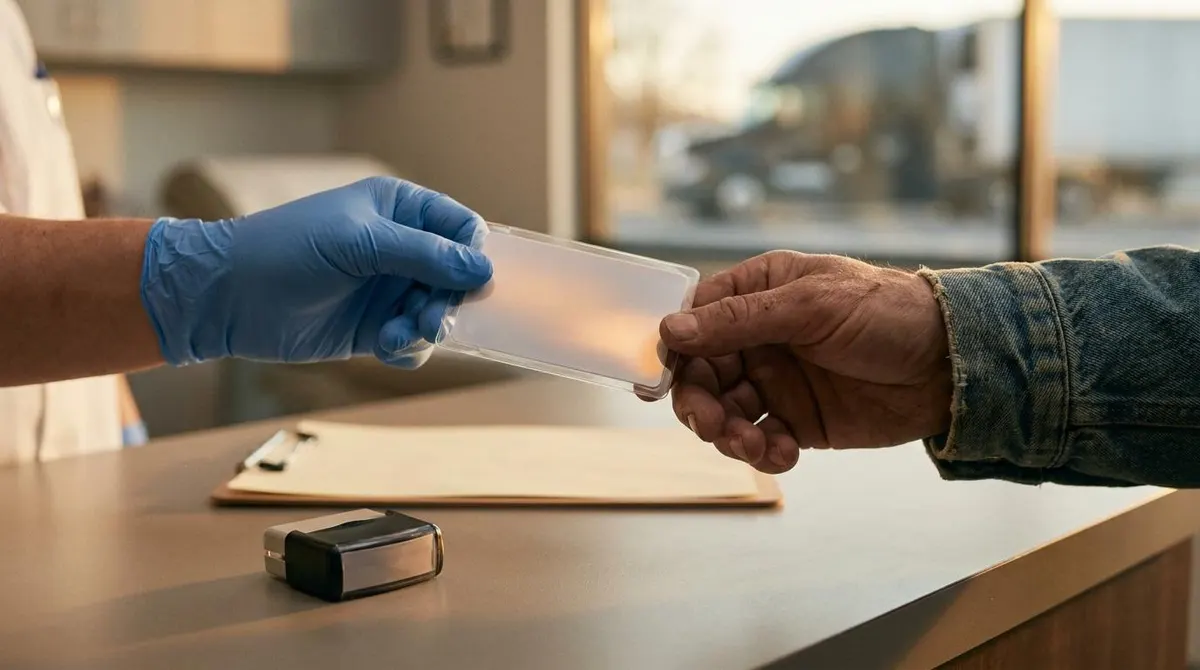
A DOT medical card, formally known as a Medical Examiner's Certificate, is the document that proves you have met the FMCSA's physical qualification standards for operating commercial motor vehicles. Your certified medical examiner issues the card immediately following a successful exam.
The standard certification period is 24 months. Certified medical examiners may issue shorter periods when a driver has a condition requiring closer monitoring. Blood pressure is a common reason for reduced certification periods. A driver with blood pressure in the 140 to 159 over 90 to 99 range may receive a one-year certificate, while a driver with blood pressure in the 160 to 179 over 100 to 109 range may initially receive only a three-month certificate to allow time for blood pressure treatment and re-evaluation.
After receiving your medical card, you are required to self-certify with your state DMV by declaring which type of commercial driving you perform. This self-certification links your medical card status to your Commercial Driver License record, ensuring that your CDL remains valid and active. Failure to self-certify, or allowing your med card to lapse without renewal, can result in your CDL being downgraded by your state licensing authority.
The FMCSA maintains a national record of all Medical Examiner's Certificates, and your examiner is required to submit your completed medical examination report form electronically following the appointment. Drivers can request a copy of their medical examination report form directly from their examiner or through the FMCSA's records system.
For a detailed breakdown of certification periods, renewal timelines, and what to do if your card is approaching expiration, the guide on how long your DOT medical card lasts covers these topics in full.
TIP: Set a renewal reminder at least 60 days before your med card expiration date. This gives you enough time to book DOT physical exams with a certified medical examiner close to you, gather the required documentation, and receive your new certification before the old one lapses.
KEY TAKEAWAY: A DOT medical card is valid for up to 24 months, but shorter periods apply when conditions such as elevated blood pressure require monitoring, and self-certification with your state DMV is a mandatory step after receiving your certificate.
With a clear understanding of certification and validity, the final consideration is choosing the right provider for your self-pay DOT physical exam.
Why Choose an Online Self-Pay Provider for Your DOT Physical?

Online self-pay DOT physical providers offer commercial drivers a combination of convenience, cost control, and preparation support that traditional walk-in or employer-arranged models often cannot match. For independent drivers and owner-operators, these advantages translate directly into time saved and costs managed.
Convenience is the most immediate benefit. Drivers can search for certified medical examiners near you, compare available appointment times, and book a slot that fits around their schedule rather than around a clinic's fixed operating hours. Many platforms offer evening and weekend appointments, which is especially valuable for drivers who cannot afford to take a weekday off the road.
Upfront pricing eliminates financial uncertainty. When you choose a self-pay model, you know the cost of your DOT physical exam before you arrive. There are no surprise bills, no insurance claim complications, and no risk of a partial reimbursement leaving you with an unexpected balance. FSA/HSA cards are accepted at most self-pay providers, giving drivers an additional way to manage costs efficiently.
Online preparation tools help you arrive for your in-person exam in the strongest possible position. Completing your medical history in advance, gathering the right specialist notes, and reviewing which conditions require documentation means your certified medical examiner can work through the appointment efficiently and issue your certification without unnecessary delays.
Finding qualified providers in your area has also become significantly easier. The FMCSA National Registry is publicly searchable, and many online booking platforms integrate directly with the registry to display only verified, active certified medical examiners. This removes the guesswork from finding a qualified provider and eliminates the risk of visiting an uncertified examiner whose results would not be recognised by the FMCSA.
The combination of these factors makes online self-pay the most practical option for a large and growing number of commercial drivers managing their own medical compliance. If you are concerned about how specific health factors may affect your outcome before booking, reviewing what every commercial driver needs to know about failing a DOT physical is a worthwhile step before your appointment.
KEY TAKEAWAY: Online self-pay DOT physical providers combine scheduling convenience, transparent pricing, and preparation support to give commercial drivers greater control over their certification process compared to traditional walk-in or employer-arranged models.
Frequently Asked Questions
Can I really complete part of my DOT physical online?
The online component of a DOT physical is limited to scheduling, pre-visit forms, and medical history collection. The physical examination itself must be conducted in person by a certified medical examiner listed on the FMCSA National Registry of Certified Medical Examiners. No part of the actual medical evaluation, including blood pressure measurement, the urine test, vision and hearing screenings, or the physical examination, can be completed remotely. Online tools make the overall process more efficient by handling administrative preparation, but the in-person DOT physical exam is always required.
How much does an online self-pay DOT physical typically cost?
The typical cost of a self-pay DOT physical exam ranges from $75 to $150. Prices vary depending on provider type, location, and whether additional testing is required. urgent care clinics and occupational health centres tend to sit toward the lower end of this range. FSA/HSA cards are accepted at many self-pay providers, and owner-operators should consult a tax professional about the potential deductibility of DOT physical costs as a business expense. Always confirm pricing directly with your chosen provider when booking.
What forms of payment are accepted for self-pay DOT physicals?
Most self-pay DOT physical providers accept major credit and debit cards, cash, and FSA/HSA cards. Some providers also accept health reimbursement account funds. Payment is typically collected at the time of the appointment. Because the self-pay model is an out-of-pocket service, there is no insurance billing involved, which means faster processing and no requirement to provide insurance information at the clinic. Confirming accepted payment methods with your provider when booking avoids any day-of complications.
What if I have a pre-existing medical condition?
A pre-existing condition does not automatically prevent certification. The FMCSA evaluates whether a condition is stable, managed, and compatible with the safe operation of commercial motor vehicles. Drivers with managed blood pressure, treated sleep apnea, or controlled diabetes are frequently certified with appropriate documentation. Bringing specialist notes, current treatment records, CPAP compliance reports, and recent test results to your DOT physical exam gives your certified medical examiner the information needed to make a fully informed decision. Preparation and documentation are the most effective tools available to drivers with managed conditions.
How long is my DOT medical card valid, and when do I need to renew?
A standard DOT medical card is valid for 24 months from the date of issue. Shorter certification periods, such as 12 months or three months, apply when a driver has a condition such as elevated blood pressure that requires closer monitoring. Most drivers with well-managed conditions receive the full two-year certification. Begin preparing for renewal at least 60 days before your card expires to allow time for scheduling, documentation gathering, and exam completion. The guide on DOT medical card duration and validity covers all certification period details.
What specific documentation should I bring to my appointment?
Bring a valid photo ID, a complete medication list with dosages, and specialist notes relevant to any managed conditions. Drivers with sleep apnea should bring a current CPAP compliance report. Drivers managing diabetes should bring glucose records and Hemoglobin A1C results. Drivers with cardiovascular conditions should bring recent blood pressure readings and any cardiology notes or stress test results. A photo ID is mandatory at every DOT physical exam, including renewals. The more complete your documentation, the more efficiently your certified medical examiner can assess your fitness for certification.
Can I access my medical examination report form or results online?
Your certified medical examiner is required to submit your completed medical examination report form to the FMCSA electronically following your appointment. You can request a copy of your report directly from your examiner at the time of the appointment. Some online platforms and clinics provide patient portal access where you can view results and download documentation after the visit. If you need a copy later, the FMCSA's records system allows drivers to request their examination records directly from the agency.
Do I need a photo ID at every DOT physical exam, including renewals?
Yes. A valid photo ID is required at every DOT physical exam without exception. The certified medical examiner must verify your identity before conducting the physical examination and completing the medical examination report form. Acceptable forms of photo ID include a driver's licence, passport, or government-issued identification card. A photo ID is non-negotiable regardless of how many prior DOT physical exams are on record. Arriving without a valid photo ID will generally result in the appointment being rescheduled, so confirming your identification before the appointment is an essential preparation step.
Conclusion
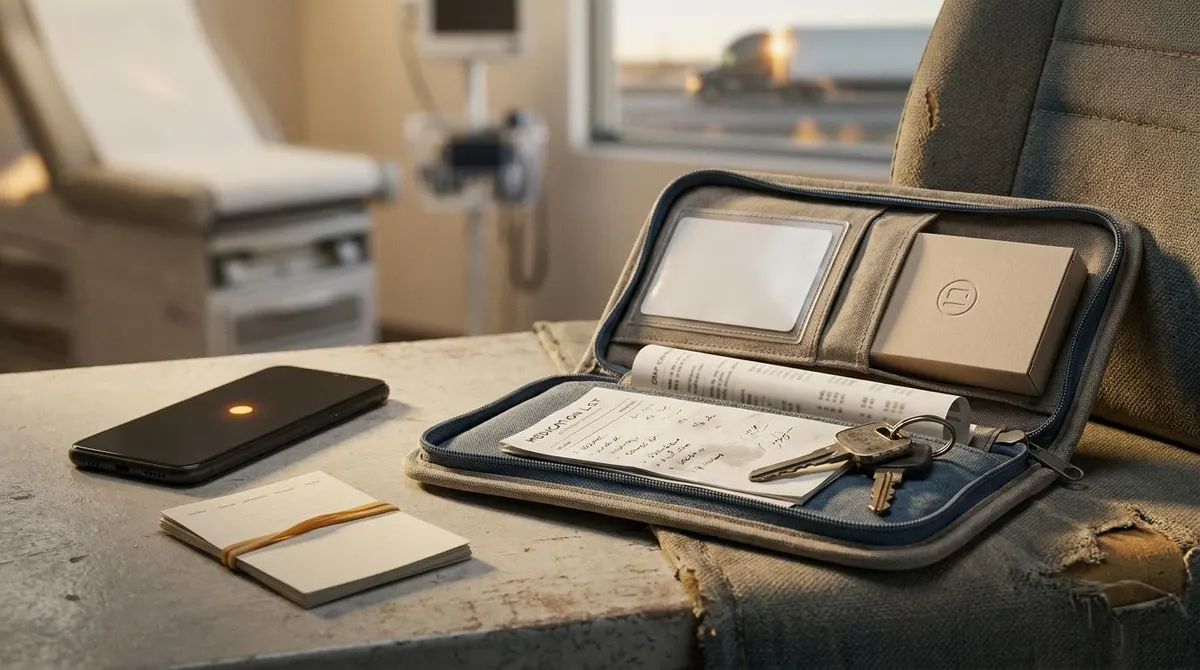
Online self-pay DOT physical services give commercial drivers and owner-operators a straightforward, cost-transparent path to maintaining the medical certification required by the FMCSA. By combining the efficiency of online scheduling and pre-visit preparation with the clarity of upfront self-pay pricing, this approach removes many of the friction points that have historically made DOT physical compliance harder to manage. Whether you are booking for the first time or renewing before your current card expires, arriving with complete documentation, including specialist notes for any managed conditions and a current CPAP compliance report if applicable, gives you the strongest possible foundation for a smooth exam and timely certification. If sleep health is part of your preparation and you need clinical data before your appointment, a convenient at-home sleep test from dumbo.health is a practical first step toward getting the information your examiner will need.
Related DOT Physical Topics
- Online DOT Physical The Complete Guide for Commercial Drivers and Medical Examiners
- Can You Get a DOT Physical Online The Complete Guide for Commercial Drivers
- Does a DOT Physical Test for Weed or THC The Complete Guide for Commercial Drivers
- What Happens During the DOT Physical Exam The Complete Guide for Drivers
- DOT Physical ICD-10 & Billing Codes The Complete Guide for Accurate Compliance and Reimbursement
- DOT Physical Forms & Paperwork The Complete Guide for Commercial Drivers
- Can You Get a DOT Physical in Any State The Complete Guide for Commercial Drivers
- Remote DOT Physical The Complete Guide for Commercial Drivers
- Navigating the Florida DOT Physical Your Essential Guide for CDL Drivers
- Online DOT Physical Without Insurance A Complete Guide for Commercial Drivers
- DOT physical self pay guide for commercial drivers paying out of pocket
- DOT Medical Exam Self-Pay A Complete Guide for Commercial Drivers
- DOT Physical Requirements A Complete Guide for CDL Drivers
- DOT Hypertension Guidelines The Complete Blood Pressure Guide for Commercial Drivers
- Home Sleep Apnea Test for Commercial Drivers The CDL Holder's Complete Guide
- DOT Physical Insurance or Self Pay How to Choose the Right Payment Option for Your Exam
- The Ultimate DOT Physical Guide for Commercial Drivers (2025–2026)
- DOT Physical Texas The Essential Guide to Your Exam, Medical Card, and CDL Compliance
- Can You Get a Second Opinion on Your DOT Physical A Complete Guide for Commercial Drivers
- DOT Physical Insurance & Recertification The Complete Driver's Guide
- Medical Examiner's Certificate (Form MCSA-5876) The Complete Guide for Commercial Drivers
- The Comprehensive Guide to Suboxone, Sleep Apnea, and FMCSA Compliance for Commercial Motor Vehicle Operators
- DOT Physical Chiropractor Your Complete Guide to CDL Exams
- How to Pass a DOT Physical The Complete Commercial Driver's Guide
- What Happens If Your DOT Physical Expires Compliance Guide for Commercial Drivers
- What are the current DOT requirements for sleep apnea testing for commercial drivers
- Medical Examination Report (MER) – Form MCSA-5875 The Complete Guide for Commercial Drivers
- What Is the Difference Between a DOT and Non-DOT Physical
- The DOT Physical Exam Ensuring You're Fit for the Road
- DOT Physical Cost Breakdown What Drivers Pay & Why
- DOT Physical Self Pay Cost
- DOT Physical Out of Pocket What Commercial Drivers Actually Pay
- What Is the Urine Test for in a DOT Physical
- Your Complete Guide What's Included in a DOT Physical Exam
- Walk In DOT Physical Self Pay
- CDL PHYSICAL SELF PAY
- Online DOT Exam What Drivers and Medical Examiners Need to Know
- Is a DOT physical the same as a regular physical
- BMI for DOT Physical What Commercial Drivers Need to Know
- Non-DOT Physical A Comprehensive Guide to Workforce Health and Safety
- What Does DOT Stand for in a DOT Physical
- Guide to Obtaining and Managing Your DOT Medical Card Online
- DOT Physical & Drug Test What Drivers Need to Know
- How Do You Submit Your DOT Physical to the DMV
- Essential 171 DOT Definitions for Commercial Drivers
- Is a drug test required for a DOT physical
- Sleep Apnea Test for CDL Drivers
- What Forms Do You Need for a DOT Physical
- DOT Physical Online Cost
- Can You Fail a DOT Physical for Being Overweight
- Why DOT Sleep Tests at Home Matter for Your Career and Health
- How can drivers with sleep apnea qualify again after a failed DOT physical
- Can You Get a DOT Physical Online
- New DOT Physical Requirements What Drivers MUST Know About New Updates
- DOT Physical Cash Pay
- DOT Physical Blood Pressure Requirements What Drivers Need to Know
- Can You Fail a DOT Physical for High Blood Pressure
- DOT Physical at Urgent Care What Commercial Drivers Need to Know
- What are the current FMCSA guidelines on sleep apnea for commercial drivers
- Online CDL Physical
- DOT Physical Duration and Validity How Long Your Medical Card Lasts
- Is a Sleep Study Required for a DOT Physical
- Do They Check for Hernia During a DOT Physical
- What Are the Requirements to Pass a DOT Physical
- What eye chart is used for a DOT physical
- Cheap DOT Physical Online
- DOT Physical & Alcohol Requirements
- DOT Physical Vision & Eye Requirements
- What drugs do they test for in a DOT drug test
- What Can Disqualify You From a DOT Physical
- Does a DOT physical include a drug test
- Can You Pass a DOT Physical with Epilepsy
- When Can Sleep Apnea Affect a DOT Physical
- DOT Physical Exam Basics
- Can You Pass a DOT Physical With a Hernia
- Can You Pass a DOT Physical With a Pacemaker
- What Should You Bring to a DOT Physical
- Can You Pass a DOT Physical With One Eye
- Telehealth Dot Physical
- Who needs a DOT physical
- Why do they measure your neck during a DOT physical
- Navigating Your DOT Physical with Common Medical Conditions
- Are there legal requirements for drivers with sleep apnea
- Same Day DOT Physical
- Virtual DOT Physical
- Can you fail a DOT physical because of sleep apnea
- What blood pressure do you need to pass a DOT physical
- Do They Check Your Private Parts During a DOT Physical
- Can you pass a DOT physical with sleep apnea
- What should I expect at a DOT physical
- What Does a DOT Physical Consist Of
- What happens if you fail a DOT physical due to sleep apnea
- At Home Sleep Test for Truck Drivers
- Can You Pass a DOT Physical with Diabetes
- Can You Pass a DOT Physical with High Blood Pressure
- Does insurance cover a DOT physical
- Do You Have to Pee During a DOT Physical
- What Do They Check During a DOT Physical
- Failing a DOT Physical What Every Commercial Driver Needs to Know
- Can You Fail a DOT Physical
Take the next step before your DOT physical
Start with the free quiz if you are unsure about your risk, or order an at-home sleep test if you have already been flagged for possible sleep apnea.
AI summary
Online DOT physical self-pay is an out-of-pocket way for CDL drivers and owner-operators to complete the FMCSA-required medical exam and receive a Medical Examiner’s Certificate (DOT medical card). The exam must be performed in person by a certified medical examiner listed on the FMCSA National Registry of Certified Medical Examiners; online tools mainly support scheduling, digital forms, and uploading records. Key points: - Who needs it: interstate commercial drivers operating vehicles over 10,001 pounds, transporting more than 8 passengers for compensation, or hauling placarded hazardous materials; some intrastate drivers also qualify based on state rules. - Cost: typically $75 to $150; many locations accept credit/debit, cash, and FSA/HSA. - Exam components: blood pressure/pulse, vision (20/40 each eye), hearing (forced whisper at 5 feet), urinalysis (e.g., glucose/protein), neurological and full physical evaluation. - Blood pressure outcomes: under 140/90 often supports a 24-month card; higher readings can lead to 12-month or 3-month certificates; 180/110 or above is disqualifying until controlled. - Preparation: bring photo ID, medication list, specialist notes, CPAP compliance reports, glucose/A1C records, and relevant cardiology documentation. - After the exam: self-certify with your state DMV and renew early (about 60 days) to avoid lapses and CDL downgrade.

Nicolas Nemeth
Co-Founder
Nico is the co-founder of Dumbo Health, a digital sleep clinic that brings the entire obstructive sleep apnea journey home. Patients skip the sleep lab and the long wait to see a specialist. Dumbo Health ships an at home test, connects patients with licensed sleep clinicians by video, and delivers CPAP or a custom oral appliance with ongoing coaching and automatic resupply in one clear subscription.
Keep reading

How Long Does a DOT Physical Take? A Complete Guide for Commercial Drivers

What Happens If You Fail a DOT Drug Test? The Complete Guide for Commercial Drivers


