Telehealth Dot Physical
This article explains what a DOT physical is and why the FMCSA requires it for commercial drivers operating in interstate commerce. It outlines who needs the exam based on vehicle weight, passenger counts, and hazardous materials transport. It breaks down what happens during the medical exam, including vision, hearing, blood pressure, and the urine test, and clarifies the role of an FMCSA-listed Certified Medical Examiner. It also shows how telehealth can support preparation, documentation, chronic condition management, and medication refills. You will learn what telehealth cannot replace and how to avoid myths about getting a medical card online.
Struggling with sleep?
Find out if sleep apnea is the reason.
FDA-cleared. $149 flat. Physician-reviewed results in 48 hours.

Navigating the Road Ahead: What is Telehealth DOT Physical?
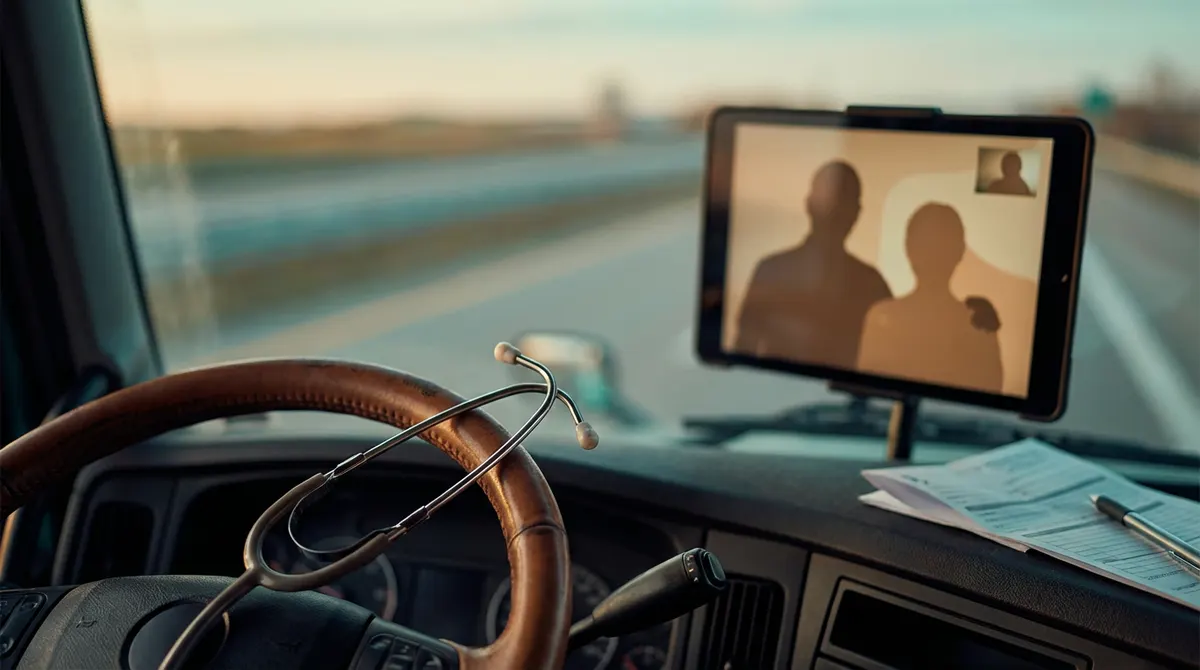
A DOT physical is a comprehensive medical examination required by the Federal Motor Carrier Safety Administration to ensure commercial drivers are healthy enough to operate large vehicles safely. According to the Federal Motor Carrier Safety Administration, this exam is mandatory for anyone operating a commercial motor vehicle in interstate commerce to protect public safety on the road. This guide covers the essential requirements of the physical, the evolving role of telehealth in driver wellness, and how to maintain your medical certification. You will also find detailed information on disqualifying conditions, the role of medical examiners, and strategies for improving your health markers before your appointment. Understanding these standards is the first step toward a long and compliant career in the transportation industry.
The Foundation of Commercial Driving Safety

A DOT physical is a specialized medical evaluation designed to verify that a commercial driver does not have any physical or mental conditions that could impair their ability to drive safely. This exam serves as the baseline for safety in the trucking and transportation sectors.
DOT Physical is a clinical assessment mandated by the Department of Transportation for commercial vehicle operators. It ensures that every driver on the highway meets strict health and safety standards.
Safety is the primary driver behind these regulations. The Federal Motor Carrier Safety Administration states that the physical demands of driving a commercial motor vehicle require high levels of alertness and physical stamina. By screening for conditions like heart disease or respiratory issues, the exam prevents medical emergencies that could lead to serious accidents. Many trucking companies prioritize these exams to mitigate risk and ensure their fleet remains operational without safety violations.
KEY TAKEAWAY: The DOT physical is a legal requirement that protects both the driver and the public by ensuring only medically fit individuals operate heavy vehicles.
Not sure if sleep apnea applies to you?
Take our 2-minute sleep risk quiz to see whether sleep apnea could affect your DOT physical. No account required.
Once you understand the safety foundation, you must determine if your specific job role requires this certification.
Who needs a DOT physical? Understanding the Requirement for Commercial Drivers
Every driver who operates a commercial vehicle in interstate commerce that meets specific weight or passenger criteria is required to pass a DOT physical. This includes drivers of vehicles weighing over 10,001 pounds or those transporting hazardous materials.
Commercial Driver is a professional who operates vehicles for business purposes, such as hauling freight or transporting passengers. They must maintain a valid medical card to keep their driving privileges.
The requirement also extends to drivers of vehicles designed to transport more than 15 passengers, or more than 8 passengers if the driver is being compensated. Even if you do not hold a Commercial Driver's License, you may still be subject to these rules depending on the vehicle type. It is essential to review the requirements to pass a DOT physical to see how these rules apply to your specific situation. Many drivers find that staying informed about these criteria helps them avoid legal issues during roadside inspections.
KEY TAKEAWAY: Any driver operating a vehicle over 10,000 pounds or carrying a significant number of passengers must possess a valid DOT medical card.
Knowing who needs the exam is only the first step; understanding the specific tests involved is equally important.
Key Components of the DOT Medical Examination
The DOT physical includes a series of specific health checks such as vision, hearing, blood pressure, and a physical examination of bodily systems. These tests are conducted to ensure you can handle the physical stressors of long-distance driving.
Medical Examination is a structured process where a healthcare professional evaluates a patient's physical and mental health. In the context of the DOT, it focuses on fitness for duty.
The examiner will check your vision to ensure you have at least 20/40 acuity in both eyes, with or without corrective lenses. They also perform a hearing test where you must be able to hear a forced whisper from five feet away. If you use Hearing aids, you are allowed to wear them during this portion of the exam. A urine test is also required, though this is used to check for sugar and protein levels rather than for drug testing. You can read more about specific checks, such as when they check for hernia or private parts, to feel more prepared.
KEY TAKEAWAY: The examination covers vision, hearing, and vital signs to confirm that a driver is physically capable of managing a commercial motor vehicle.
Already diagnosed and need CPAP support?
Dumbo Health helps patients start CPAP without the usual confusion, paperwork, or upfront cost. Equipment, setup, supplies, and ongoing support are all handled in one place.
These tests must be administered by a specific type of professional to be considered valid by the government.
The Role of the Certified Medical Examiner (CME)
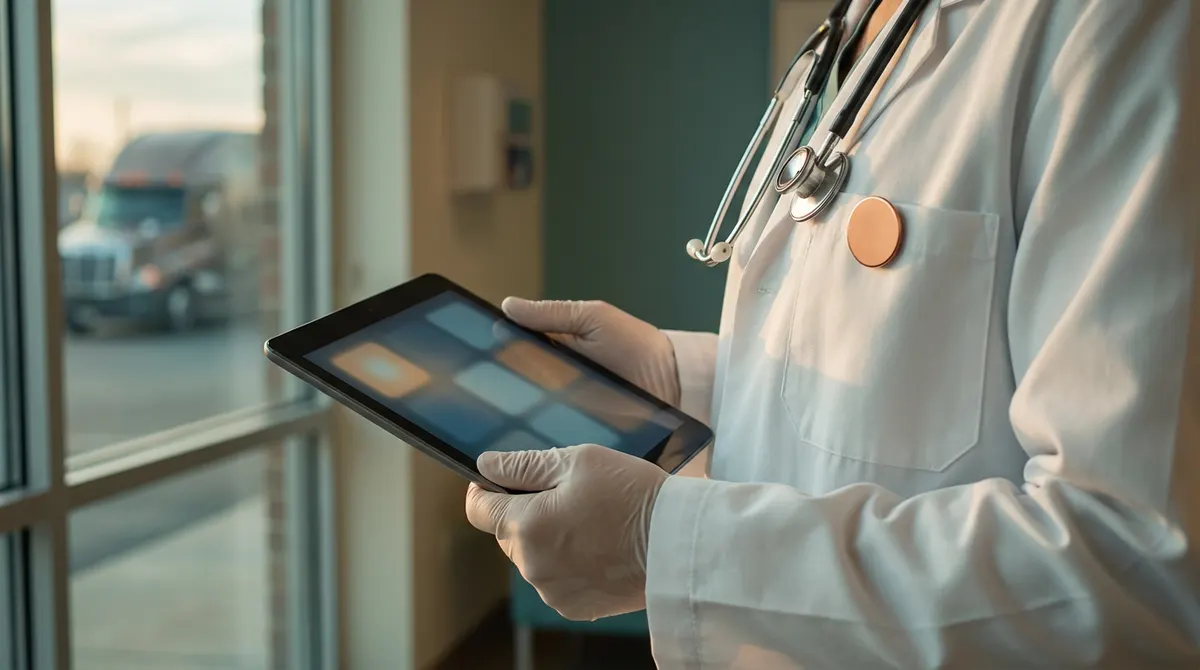
A DOT physical must be performed by a professional listed on the National Registry of Certified Medical Examiners. These providers have specific training in the physical requirements and safety regulations governing commercial drivers.
Certified Medical Examiner is a healthcare provider who has completed specialized training and testing to perform DOT physicals. They are the only individuals authorized to issue a DOT medical card.
When you look for a provider near you, you should always check the official registry to verify their credentials. The examiner will review your medical history and ask about any medications you are currently taking. They are trained to identify health risks that a general practitioner might overlook. Their goal is to ensure you can safely operate a vehicle without the risk of sudden incapacitation. If you have chronic conditions, the medical examiner will determine if you need a shorter certification period for closer monitoring.
KEY TAKEAWAY: Only an FMCSA-certified examiner can legally conduct your physical and provide the documentation needed for your license.
Advancements in healthcare are now providing drivers with new ways to manage their health before and after these exams.
Telehealth Unpacked: A Modern Solution for Driver Healthcare
Telehealth is the use of digital communication technologies to provide healthcare services remotely. For commercial drivers, this means accessing medical advice and monitoring without having to visit a traditional clinic.
Telehealth is a service that allows patients to consult with doctors via video calls, phone calls, or secure messaging. It bridges the gap between drivers on the road and medical professionals.
While a DOT physical cannot be completed entirely online, telehealth platforms offer a way to handle preparatory consultations and follow-up care. Drivers can discuss their blood pressure or medication refills with a board-certified physician from any location. The CDC notes that telehealth has become a vital tool for managing chronic diseases among mobile populations. This flexibility allows drivers to maintain their health without disrupting their delivery schedules.
KEY TAKEAWAY: Telehealth offers a convenient way for drivers to consult with healthcare professionals regarding their medical history and general wellness while on the road.
The convenience of these digital tools is particularly beneficial for those who spend most of their time away from home.
The Convenience Factor: Why Telemedicine Resonates with Truck Drivers

Telemedicine resonates with drivers because it removes the logistical hurdles of finding a medical office and parking for a large vehicle. It allows for healthcare access during mandatory rest periods or at truck stops.
Truck Drivers are professionals who manage the transportation of freight across long distances. Their demanding schedules often make it difficult to attend traditional medical appointments.
With a simple video call, a driver can talk to a Licensed physician about health concerns like fatigue or minor illnesses. This accessibility ensures that health issues are addressed immediately rather than waiting until the driver returns home. Many drivers in your area are already using these services to stay healthy and compliant. The Sleep Foundation highlights that early intervention for sleep-related concerns can significantly improve a driver's quality of life and safety performance.
TIP: Schedule a virtual wellness visit a month before your physical to identify any health markers that might need improvement.
KEY TAKEAWAY: Digital health tools provide a flexible alternative for drivers to receive medical support without the need for an in-person office visit for every concern.
Telehealth and the physical exam process often overlap in ways that benefit the driver's long-term success.
The Intersection: How Telehealth Supports the DOT Physical Journey
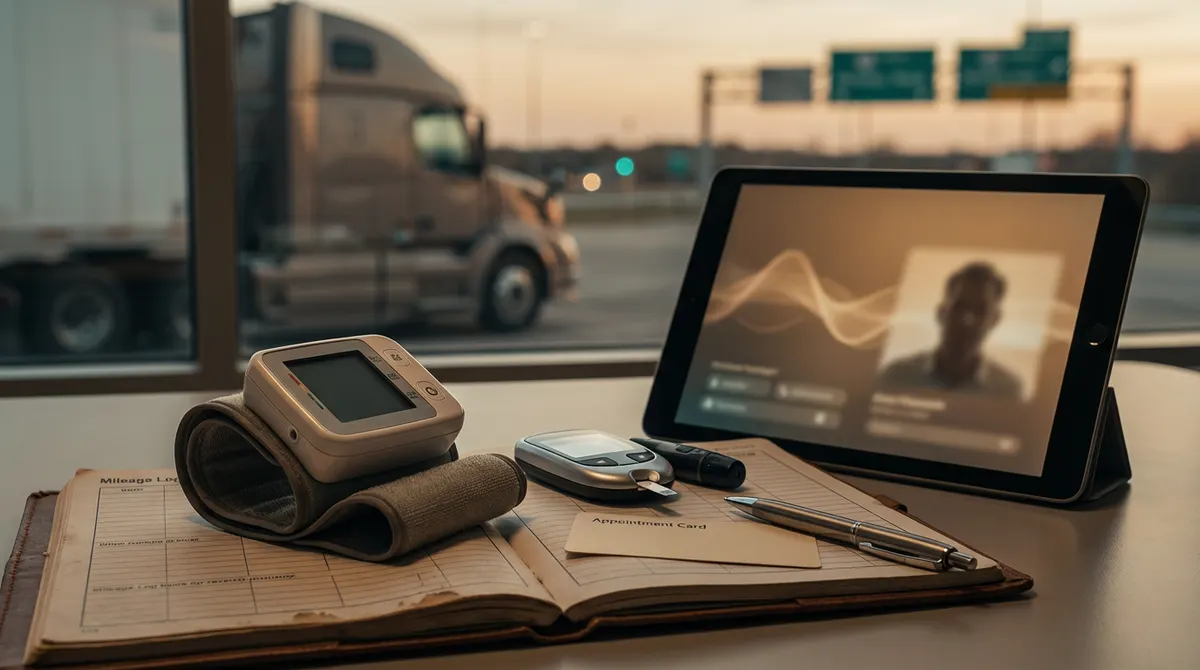
Telehealth supports the DOT physical journey by providing a platform for pre-screening and the management of conditions that could lead to a failed exam. It serves as a continuous support system between biannual physicals.
Medical History is a record of a person's past and current health conditions, surgeries, and medications. It is a critical component of the DOT certification process.
A driver can use telehealth to share their blood pressure readings or blood sugar logs with a doctor before their official exam. This proactive approach helps the driver understand where they stand in relation to FMCSA requirements. It also allows for the collection of necessary medical records that the certified medical examiner will need to see. This reduces the likelihood of being turned away or given a temporary card due to missing information.
KEY TAKEAWAY: Using digital health services before an exam ensures that a driver is fully prepared and has all necessary documentation ready for the medical examiner.
Understanding the limitations of digital tools is also necessary for any professional driver.
What Telehealth CANNOT Replace in the DOT Physical
Telehealth cannot replace the hands-on clinical tests required by the FMCSA, such as the hernia check, the neurological exam, or the urine test. The law requires a physical presence for these specific assessments.
Physical Examination is the hands-on part of a medical visit where a doctor manually evaluates the body. It is the core requirement for receiving a CDL medical card.
You must see a certified medical examiner in person to receive your final medical card. Tests for visual acuity and hearing must also be conducted using standardized equipment in a controlled environment. Drivers should be wary of any service claiming to offer a fully online medical card, as these are not legally recognized and can lead to license suspension. Understanding this distinction helps you use telehealth for its intended purpose: support and preparation.
IMPORTANT: The FMCSA does not currently allow for a 100% Virtual DOT Physical; you must visit a certified office for the hands-on portion.
KEY TAKEAWAY: While telehealth is excellent for consultation, it is not a legal replacement for the required in-person clinical exam components.
Drivers can still use these digital tools to ensure they are in the best possible shape for their in-person visit.
Leveraging Telehealth for Optimal Health Before Your DOT Physical
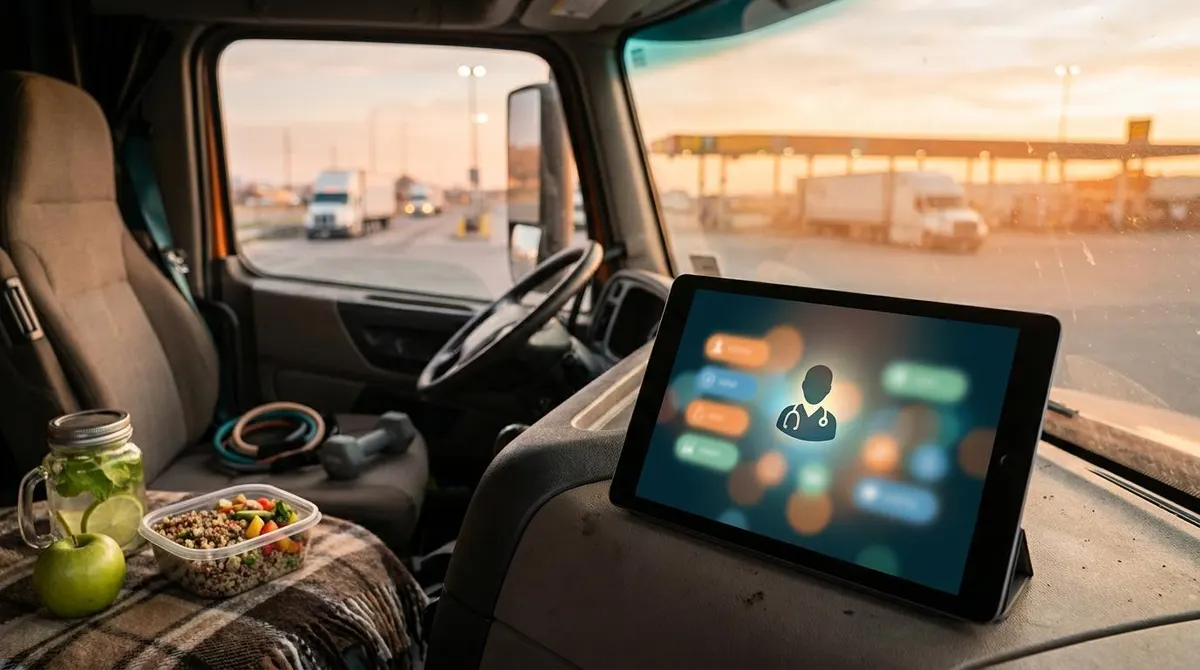
You can leverage telehealth to optimize your health by working with doctors to manage your diet and exercise while traveling. These factors are directly linked to the vital signs that determine your eligibility for a medical card.
Preventative Care refers to health services like screenings and counseling aimed at preventing disease. For drivers, it is the best way to ensure they pass their physicals every two years.
Consulting with a doctor via video can help you create a plan for healthier eating at truck terminals and suggest exercises that fit into a busy schedule. Small adjustments can lead to better blood pressure readings and a more stable heart rate. If you are concerned about your weight, you might want to read about whether you can fail for being overweight. Taking these steps early can make the difference between a two-year certification and a shorter one.
KEY TAKEAWAY: Proactive use of telehealth for lifestyle adjustments can significantly improve the health outcomes measured during a DOT physical.
Identifying and Addressing Potential Disqualifying Conditions Early
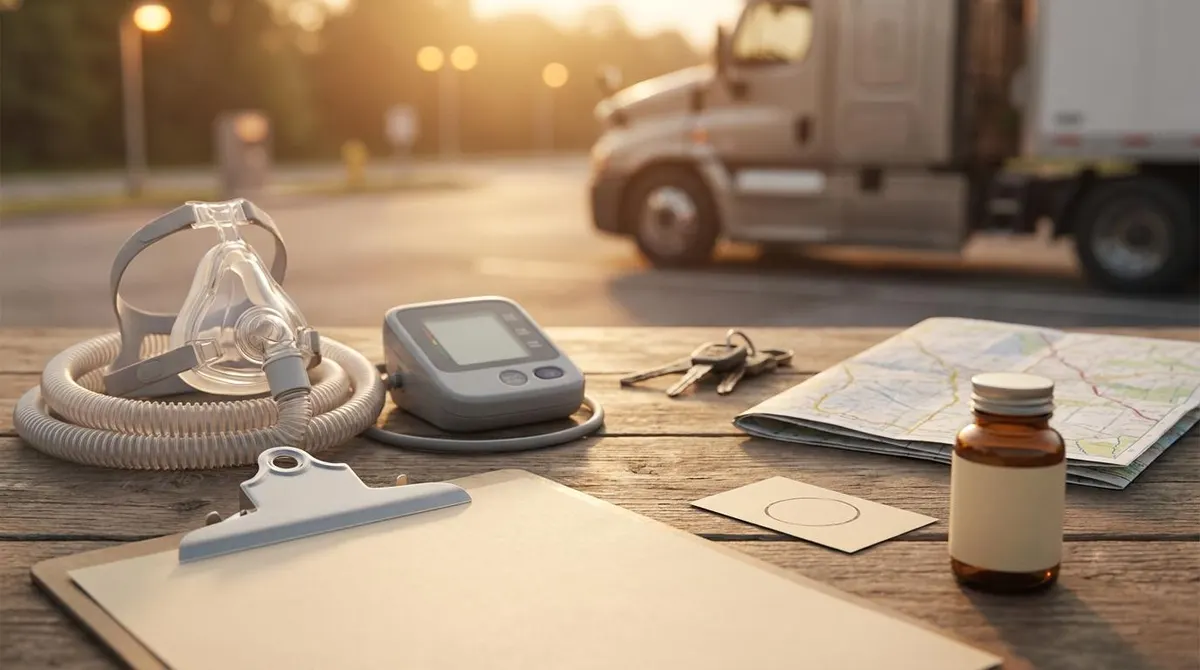
Early identification of conditions like hypertension or sleep apnea allows a driver to start treatment before their current medical card expires. This prevents gaps in employment and reduces stress during the certification process.
sleep apnea is a condition where breathing repeatedly stops and starts during sleep. It is a common concern for drivers and often requires a sleep study for clearance.
If a telehealth provider identifies a high blood pressure trend, they can prescribe medication to get it under control. This is much better than finding out your pressure is too high during the actual exam. Drivers can also use these consultations to determine if they need to undergo an at-home sleep test to rule out sleep-related disorders. Addressing these issues early shows the medical examiner that you are committed to maintaining your health and safety.
KEY TAKEAWAY: Addressing health issues through digital consultations gives drivers the time they need to qualify for their medical card without delay.
Comparison of Health Management Methods
Drivers have several options for maintaining their health and certification. The table below compares the most common methods available to commercial operators.
| Service Type | Primary Goal | Access Method | Legal for Med Card? |
|---|---|---|---|
| In-Person DOT Physical | Final Certification | Med Office / Clinic | Yes |
| Telehealth Consultation | Prep & Follow-up | Smartphone / Laptop | No |
| Mobile Health Clinics | Convenience Exam | Truck Stops | Yes |
| Primary Care Visit | Long-term Wellness | Doctor Office | No (unless certified) |
A combination of telehealth for ongoing support and an in-person visit for the final exam is the most effective way to manage your career health. Telehealth is the best fit for managing medications and chronic conditions between exams.
Strategies for Improving Health Markers: Diet, Exercise, and Preventative Care
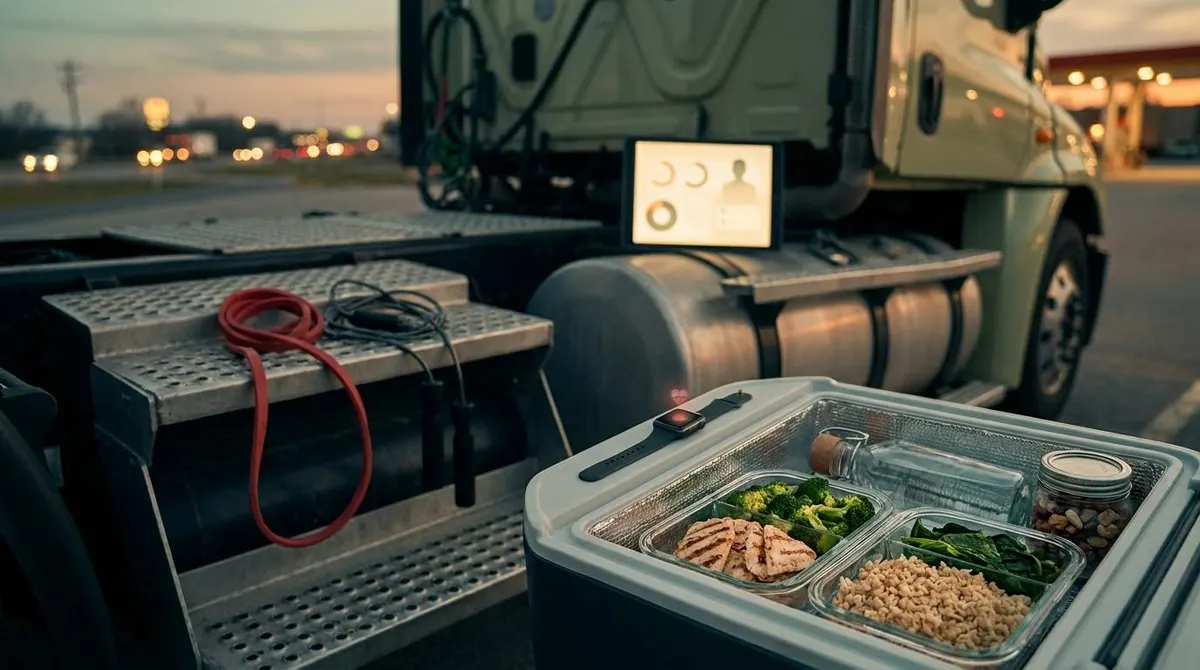
Improving health markers like blood pressure and glucose levels requires a commitment to better nutrition and regular movement. Telehealth provides the expert guidance needed to make these changes sustainable while on the road.
Chronic Conditions are long-term health issues that require ongoing management. For drivers, this includes things like high blood pressure, diabetes, and heart disease.
Many telehealth platforms offer access to specialists who understand the unique challenges of the trucking industry. They can provide tips on managing stress and getting better sleep, both of which affect your physical performance. According to the Mayo Clinic, reducing sodium intake and increasing physical activity can have a dramatic impact on cardiovascular health. Staying consistent with preventative care visits ensures that you are always ready for your next certification.
KEY TAKEAWAY: Utilizing expert advice through telehealth helps drivers overcome the logistical challenges of maintaining a healthy lifestyle while traveling.
Managing your medications correctly is another vital part of staying fit for duty.
Utilizing Telehealth for Medication Management and Refills
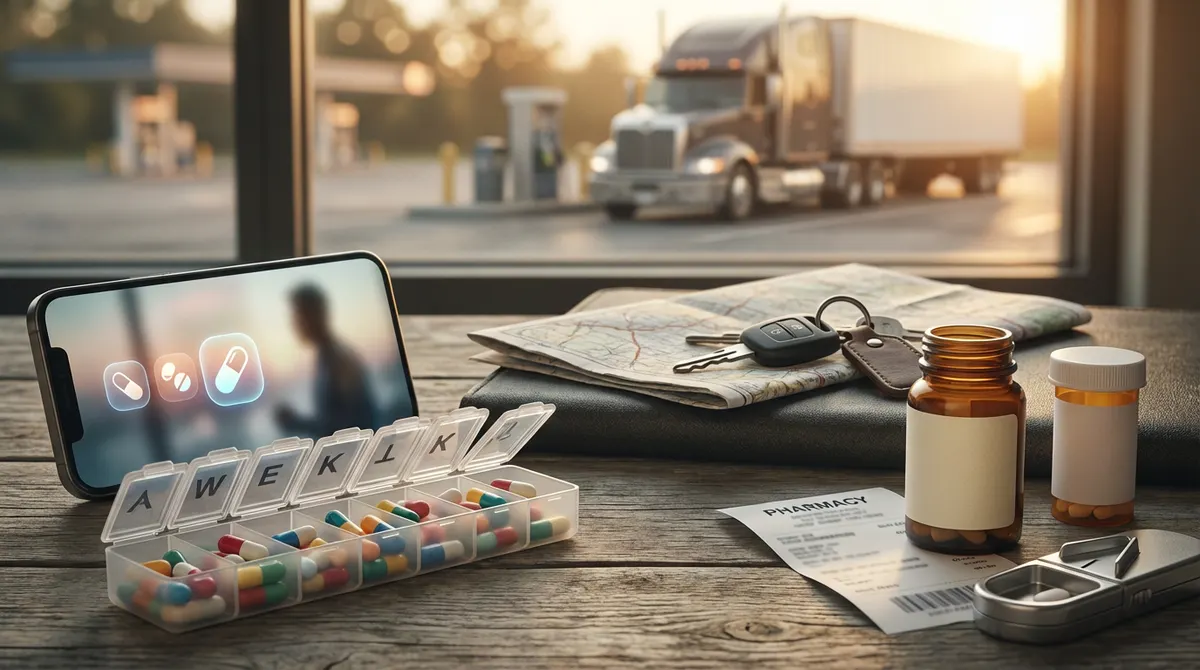
Telehealth is an excellent tool for managing medication refills, ensuring that drivers do not miss doses of vital prescriptions. This is particularly useful for those who may be thousands of miles away from their home pharmacy.
Medication Management is the process of overseeing a patient's prescriptions to ensure they are used correctly. Proper management is essential for passing the DOT exam.
A board-certified physician can review your progress via video and send refills to a pharmacy close to you. This keeps conditions like hypertension stable, which is a key requirement for passing the physical. However, drivers must ensure their medications are FMCSA-approved. For example, some may worry that certain treatments could lead to failing a DOT physical, so checking with a professional is always recommended.
KEY TAKEAWAY: Telehealth provides a reliable way for drivers to keep their chronic conditions stable through consistent medication access.
Understanding the regulations helps you navigate the complexities of the medical card system.
Understanding FMCSA Regulations and Common Waivers

The FMCSA sets the health standards that all commercial drivers must meet, but they also offer paths for those with certain manageable conditions. Understanding these regulations and the waiver process is key to maintaining your career.
FMCSA is the federal agency that regulates the trucking industry to reduce crashes, injuries, and fatalities. They define the medical standards for all commercial operators.
For some conditions, like vision or hearing impairments, a driver may apply for a waiver if they can prove they can operate safely. Recent changes have also made it easier for drivers with diabetes to be certified without a separate waiver, provided they meet specific clinical criteria. If you have questions about specific conditions, you can read about passing with epilepsy or the disqualifying conditions list.
KEY TAKEAWAY: While the rules are strict, the FMCSA provides legal pathways for many drivers with chronic conditions to remain on the road safely.
Managing your health is a long-term commitment that continues after you receive your card.
Beyond the Physical: Ongoing Health Management with Telehealth for CDL Drivers
Ongoing health management helps you stay in peak condition throughout the duration of your medical card. Telehealth allows for regular check-ins that prevent small health issues from becoming major problems.
CDL Medical Card is the official document that proves a driver has met the medical requirements of the DOT. It must be kept current to maintain a Commercial Driver's License.
By staying engaged with healthcare providers, you can monitor your health trends and make adjustments as needed. This is especially important for managing mental health and fatigue, which are critical for safe driving. Maintaining your wellness is not just about a two-year check-up; it is about ensuring you have a long and healthy career in the transportation sector. Many drivers find that this continuous care makes their next physical exam much easier to pass.
KEY TAKEAWAY: Regular health monitoring through digital tools ensures that drivers remain fit for duty and are always prepared for their next certification.
Common Myths About DOT Physicals and Telehealth Debunked

There are many misunderstandings regarding how telehealth interacts with official Department of Transportation rules. These facts help clear up confusion for drivers looking for the most convenient options.
MYTH: You can get your official DOT medical card through a standard video call without seeing a doctor in person.
FACT: The FMCSA requires an in-person physical examination by a certified examiner. While telehealth is great for consultation, the hands-on tests must be done in a clinical setting.
MYTH: If you take blood pressure medication, you will automatically fail your DOT physical.
FACT: Many drivers take medication to manage hypertension and still pass their exam. As long as your blood pressure is within the allowed range and the medication does not cause side effects, you can be certified.
MYTH: Telehealth is too expensive and is not covered by any form of insurance or payment plans.
FACT: Many telehealth services are affordable and offer out-of-pocket service options that are comparable to traditional office copays. This makes them a cost-effective choice for many professional drivers.
MYTH: You do not need to bring any medical records to your physical because the examiner can look them up online.
FACT: Medical examiners do not always have access to your private health records. You should always bring a list of medications and letters from specialists to avoid delays in your certification.
KEY TAKEAWAY: Knowing the facts about FMCSA regulations prevents drivers from being misled by inaccurate information regarding their health and licensing.
Choosing the right partners for your health needs will make the entire process much smoother.
Choosing the Right Telehealth Partner for Your DOT Needs
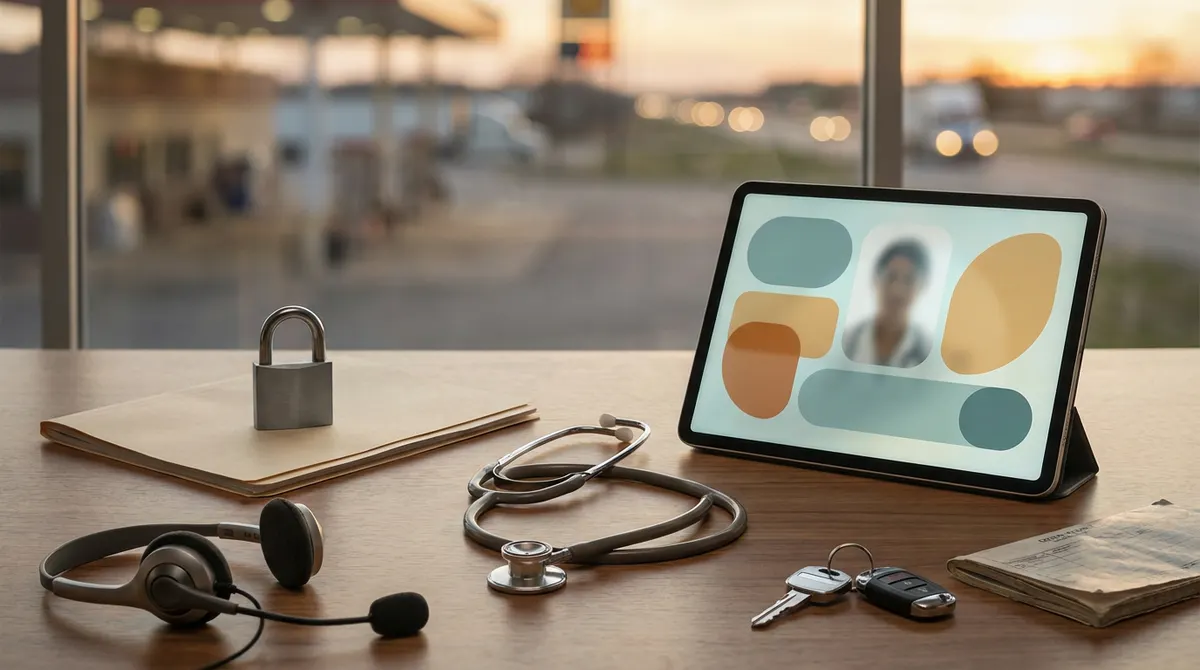
Finding the right telehealth partner involves looking for providers who understand the specific demands and regulations of the commercial driving industry. You need a platform that is accessible, secure, and expert-led.
Telehealth Platform is the software or service used to connect patients and doctors. A good platform for drivers should be easy to use on a mobile device.
When selecting a provider, ensure they offer same-day visits and have experience helping drivers prepare for DOT exams. They should be able to help you manage chronic diseases and provide the necessary documentation for your certified medical examiner. Selecting a service that understands your lifestyle will lead to better health outcomes and a more successful career. You should also look for providers in your area who can offer more personalized support if needed.
KEY TAKEAWAY: The best telehealth partner for a commercial driver is one that offers flexible, specialized care tailored to the requirements of the FMCSA.
Frequently Asked Questions
Can a dot physical be done online?
A DOT physical cannot be done entirely online because the Federal Motor Carrier Safety Administration requires an in-person assessment. A certified medical examiner must perform specific hands-on tasks, such as checking your pulse, listening to your heart and lungs, and conducting a urine test. While you cannot get your medical card via a video call, telehealth is an excellent tool for the preparation phase. You can use it to consult with a doctor about your medical history, manage medications, and ensure your health markers like blood pressure are within the required range before your scheduled in-person exam.
Is methadone disqualifying for DOT?
Methadone is generally considered a disqualifying medication for commercial drivers according to FMCSA guidelines. This is because methadone is a strong narcotic used for pain management or addiction treatment, and it can cause sedation or impaired judgment. These side effects are dangerous when operating a commercial motor vehicle. While some medications can be used with a doctor's clearance, the FMCSA specifically lists methadone as a substance that prevents a driver from being qualified for duty. It is always best to discuss any medications you are taking with a certified medical examiner or a telehealth provider before your appointment.
Can you do a physical exam on telehealth?
You can participate in a virtual wellness visit through telehealth, but this does not count as a legal DOT physical examination. A telehealth session is perfect for discussing symptoms, reviewing lab results, or getting advice on managing chronic conditions. However, the DOT exam requires a physical presence so the examiner can verify your height, weight, and perform a clinical evaluation of your eyes, ears, and physical coordination. Use telehealth as a supplemental tool to manage your health between your official biannual physicals to ensure you stay in peak condition for the road.
Can you get a dot medical card with diabetes?
Yes, it is possible to get a DOT medical card with diabetes as long as the condition is well-managed and you meet the FMCSA criteria. Drivers who use insulin no longer need a federal waiver, provided they have a stable history and their treating clinician provides the necessary documentation. You must show that you are monitoring your blood sugar and have not experienced severe hypoglycemia. Proactive health management through telehealth can help you stay on top of your glucose levels and ensure you have all the paperwork ready for the certified medical examiner.
Do I have to have letter from my doctor for DOT physical?
You will often need a letter from your specialist or primary care doctor if you have a chronic health condition like heart disease, sleep apnea, or a history of strokes. This letter should state that your condition is stable and that you are physically fit to operate a commercial vehicle. Having this documentation ready during your physical examination saves time and helps the examiner make a quick decision. Telehealth is a great way to coordinate with your doctors to get these letters written and sent to you before your appointment date.
Where can I find a DOT physical near me?
To find a DOT physical near you, the best resource is the FMCSA National Registry of Certified Medical Examiners website. This directory allows you to search for authorized providers in your area by zip code or city. Many occupational health clinics, urgent care centers, and even some specialized med centers at truck stops are listed. It is important to confirm that the provider is still active on the registry before you book your appointment. Using telehealth to prepare for this visit ensures that once you find a provider, the exam goes smoothly.
Can you pass a dot physical with high blood pressure?
You can pass a DOT physical with high blood pressure, but your certification period may be limited. If your blood pressure is between 140/90 and 159/99, you may be issued a one-year certificate. If it is higher, you may only receive a temporary three-month certificate to give you time to bring the numbers down. Managing your blood pressure through diet, exercise, and medication is the best way to ensure you receive a full two-year medical card. You can learn more by checking what blood pressure you need to pass.
Conclusion: Empowering Commercial Drivers with Telehealth-Enhanced Wellness
Maintaining your medical certification is a vital part of your career as a commercial driver, and modern tools like telehealth make this process easier than ever. While the official physical must be completed in person by a certified examiner, using digital health services for preparation and chronic care can help you stay compliant and healthy. By taking a proactive approach to your wellness, you can avoid common pitfalls and ensure that you always meet the high standards set by the Department of Transportation. To learn more about how to prepare for your next exam, consider exploring how to pass a DOT physical with high blood pressure and stay informed about your health.
Related DOT Physical Topics
- Is a DOT physical the same as a regular physical
- What Does DOT Stand for in a DOT Physical
- What Is the Difference Between a DOT and Non-DOT Physical
- Can You Get a DOT Physical in Any State The Complete Guide for Commercial Drivers
- Can You Get a DOT Physical Online The Complete Guide for Commercial Drivers
- How Do You Submit Your DOT Physical to the DMV
- Does a DOT Physical Test for Weed or THC The Complete Guide for Commercial Drivers
- What Can Disqualify You From a DOT Physical
- Does a DOT physical include a drug test
- Can You Pass a DOT Physical with Epilepsy
- DOT Physical Self Pay Cost
- Remote DOT Physical The Complete Guide for Commercial Drivers
- DOT Physical Exam Basics
- Can You Pass a DOT Physical With a Hernia
- Is a drug test required for a DOT physical
- DOT Physical Cost Breakdown What Drivers Pay & Why
- DOT Physical ICD-10 & Billing Codes The Complete Guide for Accurate Compliance and Reimbursement
- Can You Pass a DOT Physical With a Pacemaker
- Can You Pass a DOT Physical With One Eye
- DOT Physical Forms & Paperwork The Complete Guide for Commercial Drivers
- Who needs a DOT physical
- What Forms Do You Need for a DOT Physical
- DOT Physical & Alcohol Requirements
- Navigating Your DOT Physical with Common Medical Conditions
- Online DOT Physical Without Insurance A Complete Guide for Commercial Drivers
- DOT Physical Out of Pocket What Commercial Drivers Actually Pay
- Why do they measure your neck during a DOT physical
- How can drivers with sleep apnea qualify again after a failed DOT physical
- Navigating the Florida DOT Physical Your Essential Guide for CDL Drivers
- What Is the Urine Test for in a DOT Physical
- DOT Physical Online Cost
- Walk In DOT Physical Self Pay
- Online DOT Physical Self-Pay The Complete Guide for CDL Drivers and Owner-Operators
- What Should You Bring to a DOT Physical
- DOT physical self pay guide for commercial drivers paying out of pocket
- Can You Get a DOT Physical Online
- Can You Fail a DOT Physical for Being Overweight
- Your Complete Guide What's Included in a DOT Physical Exam
- New DOT Physical Requirements What Drivers MUST Know About New Updates
- DOT Physical Insurance & Recertification The Complete Driver's Guide
- DOT Physical Cash Pay
- Same Day DOT Physical
- Virtual DOT Physical
- DOT Physical Vision & Eye Requirements
- Can you fail a DOT physical because of sleep apnea
- What blood pressure do you need to pass a DOT physical
- When Can Sleep Apnea Affect a DOT Physical
- Do They Check Your Private Parts During a DOT Physical
- DOT Physical Blood Pressure Requirements What Drivers Need to Know
- DOT Physical Insurance or Self Pay How to Choose the Right Payment Option for Your Exam
- DOT Physical Chiropractor Your Complete Guide to CDL Exams
- Can You Fail a DOT Physical for High Blood Pressure
- How to Pass a DOT Physical The Complete Commercial Driver's Guide
- Can you pass a DOT physical with sleep apnea
- What should I expect at a DOT physical
- What Does a DOT Physical Consist Of
- What happens if you fail a DOT physical due to sleep apnea
- DOT Physical at Urgent Care What Commercial Drivers Need to Know
- Can You Pass a DOT Physical with Diabetes
- Can You Pass a DOT Physical with High Blood Pressure
- BMI for DOT Physical What Commercial Drivers Need to Know
- What Happens During the DOT Physical Exam The Complete Guide for Drivers
- What Happens If Your DOT Physical Expires Compliance Guide for Commercial Drivers
- Does insurance cover a DOT physical
- DOT Physical & Drug Test What Drivers Need to Know
- DOT Physical Duration and Validity How Long Your Medical Card Lasts
- The Ultimate DOT Physical Guide for Commercial Drivers (2025–2026)
- Non-DOT Physical A Comprehensive Guide to Workforce Health and Safety
- DOT Physical Texas The Essential Guide to Your Exam, Medical Card, and CDL Compliance
- DOT Physical Requirements A Complete Guide for CDL Drivers
- Is a Sleep Study Required for a DOT Physical
- What Happens If You Fail a DOT Physical Twice The Complete Guide for Commercial Drivers
- Do They Check for Hernia During a DOT Physical
- Do You Have to Pee During a DOT Physical
- What Are the Requirements to Pass a DOT Physical
- What eye chart is used for a DOT physical
- Can You Get a Second Opinion on Your DOT Physical A Complete Guide for Commercial Drivers
- What Do They Check During a DOT Physical
- Cheap DOT Physical Online
- The DOT Physical Exam Ensuring You're Fit for the Road
- Online DOT Physical The Complete Guide for Commercial Drivers and Medical Examiners
- Failing a DOT Physical What Every Commercial Driver Needs to Know
- Can You Fail a DOT Physical
- What is DOT Physical
- What drugs do they test for in a DOT drug test
- Are There New DOT Rules or Laws on Sleep Apnea Testing
- Essential 171 DOT Definitions for Commercial Drivers
- 2026 DOT Inspection Dates
- Navigating DOT Stroke Guidelines for CMV Drivers What You Need To Know
- Why DOT Sleep Tests at Home Matter for Your Career and Health
- CDL PHYSICAL SELF PAY
- DOT Hypertension Guidelines The Complete Blood Pressure Guide for Commercial Drivers
- The Ultimate DOT Preparation Checklist for Motor Carriers and Commercial Drivers
- What Are the DOT Requirements for Drivers With Sleep Apnea
- DOT Medical Exam Self-Pay A Complete Guide for Commercial Drivers
- Online DOT Exam What Drivers and Medical Examiners Need to Know
- Sleep Apnea Tests for DOT Compliance What tests are accepted
- Online CDL Physical
- What are the current DOT requirements for sleep apnea testing for commercial drivers
- DOT sleep apnea test at home
Take the next step before your DOT physical
Start with the free quiz if you are unsure about your risk, or order an at-home sleep test if you have already been flagged for possible sleep apnea.
AI summary
A telehealth DOT physical refers to using telehealth services to support the Department of Transportation (DOT) medical certification process, not to replace the required in-person exam. A DOT physical is mandated by the Federal Motor Carrier Safety Administration (FMCSA) to confirm a commercial driver is medically fit to operate a commercial motor vehicle in interstate commerce. Key points: - Who needs it: Drivers operating vehicles over 10,001 pounds, transporting hazardous materials, or carrying more than 15 passengers (or more than 8 for compensation). - What the exam includes: Vision (at least 20/40 in both eyes), hearing (forced whisper at five feet), blood pressure, physical exam, and a urine test for sugar and protein. - Who performs it: A provider listed on the National Registry of Certified Medical Examiners (Certified Medical Examiner). - What telehealth can do: Pre-visit consultations, review of medical history, blood pressure or blood sugar tracking, medication management/refills, and gathering documentation. - What telehealth cannot do: Required hands-on elements such as hernia checks, neurological exam, standardized vision/hearing testing, and urine testing. FMCSA does not allow a fully virtual DOT physical.

Nicolas Nemeth
Co-Founder
Nico is the co-founder of Dumbo Health, a digital sleep clinic that brings the entire obstructive sleep apnea journey home. Patients skip the sleep lab and the long wait to see a specialist. Dumbo Health ships an at home test, connects patients with licensed sleep clinicians by video, and delivers CPAP or a custom oral appliance with ongoing coaching and automatic resupply in one clear subscription.
Keep reading

How Long Does a DOT Physical Take? A Complete Guide for Commercial Drivers

What Happens If You Fail a DOT Drug Test? The Complete Guide for Commercial Drivers


