Why do they measure your neck during a DOT physical?
Neck circumference is measured during a DOT physical as an objective screening tool for health risks that can impair safe commercial driving. The article explains how upper-body fat around the airway can increase the likelihood of obstructive sleep apnea (OSA), which causes sleep fragmentation, daytime fatigue, and higher crash risk. It reviews commonly used risk thresholds (about 17 inches for men and 15.5 to 16 inches for women) and how examiners interpret neck size alongside BMI, blood pressure, and symptoms. It also links larger neck size to cardiometabolic risk, including hypertension, atrial fibrillation, insulin resistance, and type 2 diabetes. Readers learn what may trigger a sleep study, how DOT certification can become temporary, and practical steps like tracking measurements, managing blood pressure, and bringing prior sleep-study documentation.
Struggling with sleep?
Find out if sleep apnea is the reason.
FDA-cleared. $149 flat. Physician-reviewed results in 48 hours.

Why Do They Measure Your Neck During a DOT Physical?

Measuring neck size during a DOT physical is an essential clinical screening protocol identifying commercial drivers at high risk for obstructive sleep apnea and severe cardiovascular disease. According to the Federal Motor Carrier Safety Administration (FMCSA), utilizing anthropometric measurements provides medical examiners with highly accurate, objective data regarding a driver's physiological fitness for duty. This comprehensive clinical report examines the exact physiological mechanisms that link upper-body subcutaneous fat to dangerous respiratory collapse during sleep. The following analysis explores the federal regulatory frameworks governing driver certification, the extensive cardiometabolic implications of an enlarged neck circumference, and the step-by-step diagnostic pathways available for individuals who require further medical clearance. Detailed evidence from the National Health and Nutrition Examination Survey (NHANES) and the Framingham Heart Study contextualizes how this simple physical measurement predicts profound systemic health outcomes, empowering commercial motor vehicle operators to proactively manage their career longevity and personal well-being.
Understanding the Purpose of the DOT Physical

The primary purpose of the Department of Transportation physical examination is to verify that commercial drivers possess the baseline physiological and neurological stability required to operate commercial motor vehicles safely on public roadways. The Federal Motor Carrier Safety Administration mandates this exhaustive medical evaluation to identify and mitigate the risks associated with sudden medical incapacitation or chronic cognitive impairment while driving large, heavily loaded vehicles. Certified Medical Examiners evaluate a complex spectrum of human health systems, ranging from cardiovascular endurance and visual acuity to neurological reflex function and pulmonary health. The foundational philosophy behind the examination is purely preventative, ensuring that the individuals entrusted with operating vehicles weighing up to 80,000 pounds do not harbor undiagnosed or poorly managed medical conditions that could precipitate catastrophic accidents.
The medical qualification standards for commercial drivers have undergone continuous evolution to incorporate modern epidemiological data and rigorous clinical research. In 1999, the Motor Carrier Safety Improvement Act established the FMCSA as a distinct entity within the Department of Transportation, fundamentally shifting the agency's focus toward proactive, evidence-based safety enforcement and crash reduction. Since that legislative shift, federal medical guidelines have increasingly emphasized the management of chronic systemic diseases, particularly those subtle conditions that degrade daytime alertness, impair executive decision-making, and delay cognitive reaction times. The medical examiner functions as a critical public health gatekeeper, utilizing highly standardized screening tools to assess risk factors that might otherwise remain completely unnoticed in routine primary care environments.
IMPORTANT: The overarching objective of the DOT physical is public safety, prioritizing the identification of chronic medical conditions that may cause sudden incapacitation or severe cognitive fatigue behind the wheel.
This rigorous, preventative approach requires clinical examiners to look far beyond obvious physical disabilities or acute injuries. To build a complete and predictive physiological profile of the commercial driver, medical professionals must evaluate subtle, early-warning health markers. Anthropometric measurements, which quantify the exact size and proportion of the human body, serve as vital indicators of hidden internal disease processes. By systematically integrating these targeted measurements into the examination, the FMCSA ensures a standardized methodology for identifying vulnerable drivers before a fatal medical emergency occurs during transit.
Not sure if sleep apnea applies to you?
Take our 2-minute sleep risk quiz to see whether sleep apnea could affect your DOT physical. No account required.
KEY TAKEAWAY: The DOT physical is a federally mandated, highly structured health assessment focused on identifying progressive medical conditions that compromise a commercial driver's safe operation of a vehicle.
This preventative regulatory focus naturally necessitates the inclusion of specialized anthropometric measurements within the standard examination protocol.
Unpacking the Curiosity: Why the Neck Measurement?
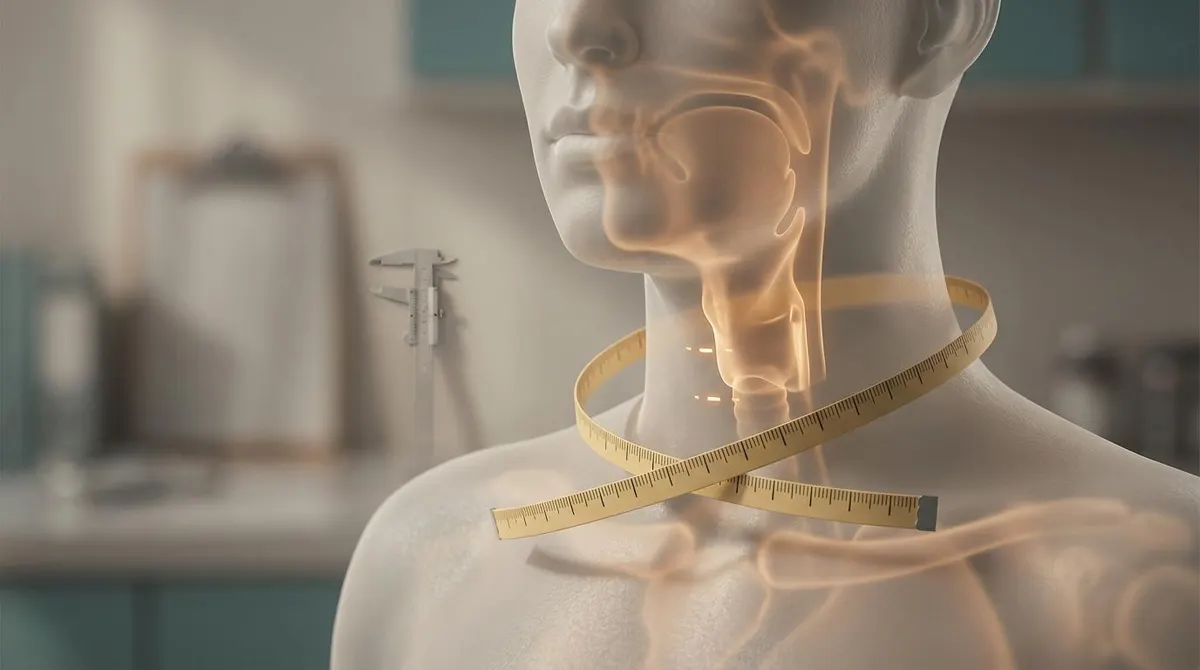
Measuring neck size during a DOT physical exam operates as a highly accurate, non-invasive clinical method for evaluating upper-body adipose tissue distribution and assessing the structural integrity of the upper respiratory airway. Anthropometry, the formal scientific study of human body measurements, utilizes precise circumferences to estimate fat deposition in specific anatomical regions. The CDC standardizes these critical body measures through the National Health and Nutrition Examination Survey (NHANES) protocols to track obesity trends and calculate cardiovascular disease risk factors across large demographic populations. Neck circumference, specifically, provides an exceptionally reliable clinical metric for quantifying localized fat deposits situated in the cervicofacial region near the pharynx, an anatomical area absolutely critical for maintaining unobstructed breathing during deep sleep.
The measurement technique is rigidly standardized within professional clinical practice to ensure absolute diagnostic accuracy and cross-examination reproducibility. According to official anthropometry procedures manuals, the measurement is typically obtained just below the laryngeal prominence, anatomically known as the Adam's apple, with the patient standing perfectly upright, shoulders relaxed, and eyes looking straight ahead. Unlike total body weight calculations or the Body Mass Index (BMI), which only provide a generalized, non-specific assessment of overall body mass, the neck circumference directly pinpoints the exact physical location of fat accumulation that mechanically influences upper airway patency. Clinical research clearly indicates that individuals presenting with a thicker neck often possess a structurally narrower airway, making it substantially more difficult for respiratory airflow to pass through the throat and into the lungs without generating turbulence.
DID YOU KNOW: Clinical studies consistently demonstrate that upper-body subcutaneous fat, accurately measured via neck circumference, acts as a unique pathogenic fat depot that independently predicts metabolic risks far better than overall body weight.
While abdominal waist circumference is also frequently utilized by physicians to assess visceral adiposity, contemporary longitudinal studies highlight that neck circumference serves as a highly practical and equally robust alternative in fast-paced clinical environments. The neck measurement is remarkably rapid, requires absolutely no disrobing by the patient, and avoids the significant anatomical variability and measurement errors often encountered when measuring a pendulous abdomen. For Certified Medical Examiners tasked with conducting a high daily volume of DOT physicals, this procedural efficiency is paramount. Integrating the neck measurement into the standard physical assessment provides examiners with immediate, quantitative data that flags potential respiratory and metabolic vulnerabilities requiring targeted clinical intervention.
KEY TAKEAWAY: neck circumference is measured because it functions as an efficient, highly accurate, and non-invasive indicator of localized fat distribution and subsequent upper airway narrowing.
The identification of this narrowed anatomical airway directly connects to the most prevalent respiratory sleep disorder evaluated during the medical exam.
The Primary Concern: Obstructive Sleep Apnea (OSA)

Obstructive sleep apnea is the primary medical pathology driving the clinical requirement for neck measurements during the DOT physical, as large cervicofacial dimensions strongly correlate with repetitive pharyngeal airway collapse during sleep. Obstructive sleep apnea is a chronic, potentially life-threatening respiratory disorder characterized by repeated, involuntary pauses in breathing, clinically known as apneas, which last for ten seconds or longer. These dangerous respiratory interruptions occur when the complex muscles of the throat relax excessively during the sleep cycle, allowing the surrounding adipose tissue to physically compress and completely obstruct the upper airway. The human body, sensing a critical drop in blood oxygen saturation, forces a brief neurological micro-arousal to restart the breathing process, severely fragmenting the natural sleep architecture and entirely preventing the restorative stages of deep sleep.
The Federal Motor Carrier Safety Administration explicitly targets the identification of obstructive sleep apnea because of the disorder's profound, debilitating impact on daytime neurological alertness. A landmark epidemiological study conducted by the University of Pennsylvania, jointly sponsored by the FMCSA and the American Transportation Research Institute, discovered that an alarming 28 percent of commercial truck drivers suffer from mild to severe sleep apnea. This exceptionally high prevalence within the commercial transportation industry presents a monumental public health challenge. The American Academy of Sleep Medicine (AASM) reports that untreated obstructive sleep apnea severely drains the healthcare system and significantly increases the statistical probability of fatal motor vehicle accidents due to overwhelming fatigue and degraded cognitive function.
Obstructive sleep apnea is a chronic nocturnal respiratory disorder involving complete or partial upper airway collapse. Obstructive sleep apnea causes intermittent hypoxia and severe sleep fragmentation. The resulting chronic sleep deprivation directly degrades daytime cognitive function and driving performance.
The mechanical physical relationship between neck size and obstructive sleep apnea is anatomically straightforward: excess fat deposits surrounding the upper airway apply relentless external pressure to the delicate pharyngeal walls. When an individual lies down in a supine position, gravity dramatically exacerbates this downward pressure, narrowing the airway further and resulting in the characteristic loud snoring, labored wheezing, and violent gasping for air intrinsically associated with the condition. Even individuals who maintain exceptional levels of cardiovascular fitness can suffer from sleep apnea if their anatomical neck structure is exceptionally broad or highly muscular, as dense muscle tissue also contributes to the physical crowding of the respiratory airway. This unavoidable anatomical reality underscores exactly why medical examiners rely heavily on objective tape measurements rather than visual estimations.
Already diagnosed and need CPAP support?
Dumbo Health helps patients start CPAP without the usual confusion, paperwork, or upfront cost. Equipment, setup, supplies, and ongoing support are all handled in one place.
KEY TAKEAWAY: The primary clinical reason medical examiners measure neck size is to accurately identify the physical risk factors associated with obstructive sleep apnea.
Understanding the exact neurological mechanics of this respiratory disorder highlights why regulatory safety bodies view it as a critical hazard for transportation professionals.
Understanding OSA and Its Dangers for Commercial Drivers
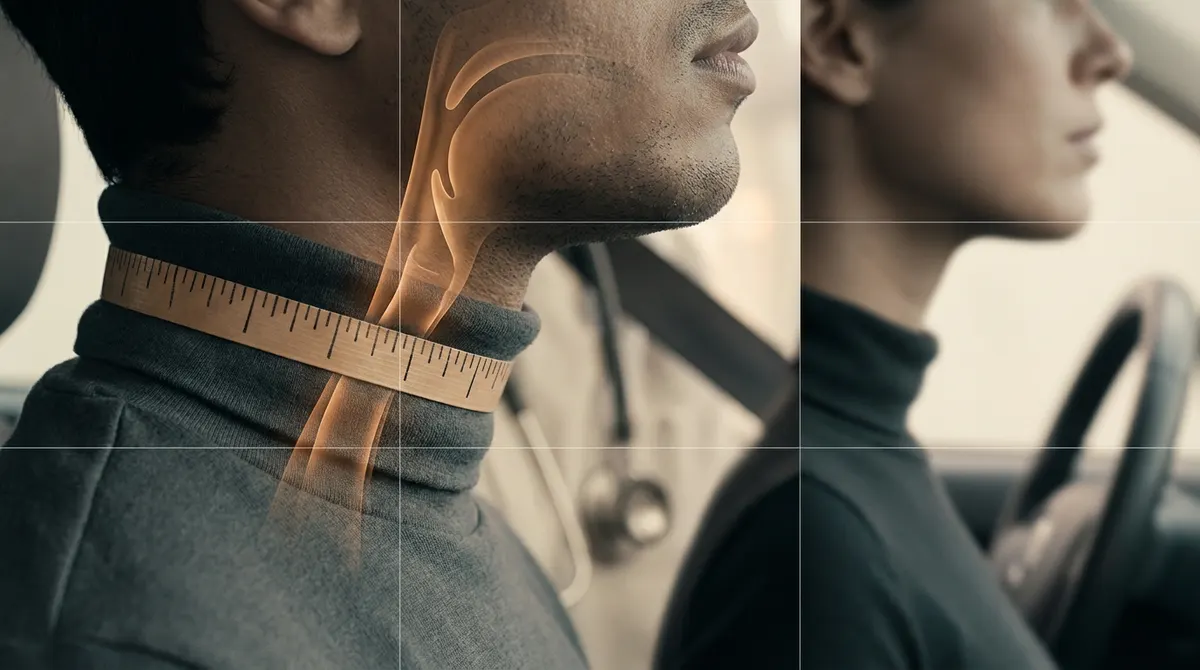
Untreated obstructive sleep apnea fundamentally impairs a commercial driver's neurological performance, reducing physical reaction times, diminishing situational awareness, and dramatically escalating the statistical likelihood of fatigue-related motor vehicle crashes. The physiological toll of experiencing up to 400 complete breathing interruptions per single night means the central nervous system is constantly shifting out of deep sleep into a lighter, highly distressed neurological state simply to maintain basic respiration. This state of chronic sleep deprivation closely mimics the severe cognitive deficits observed during acute alcohol intoxication. For individuals responsible for operating commercial vehicles weighing up to 80,000 pounds at high highway speeds, even a subtle micro-sleep event lasting three to five seconds covers a massive physical distance, leaving absolutely zero margin for error or corrective steering maneuvering.
The FMCSA and various independent Medical Expert Panels have extensively reviewed the historical accident data surrounding commercial motor vehicle operators diagnosed with obstructive sleep apnea. Rigorous safety studies consistently demonstrate that individuals operating with untreated sleep apnea possess a significantly increased risk of being involved in catastrophic fatigue-related motor vehicle crashes. The clinical symptoms of the disorder extend far beyond mere daytime tiredness; they include severe morning headaches, profound emotional irritability, sharp concentration deficits, and noticeable short-term memory problems. These compounding cognitive impairments rapidly degrade a driver's ability to anticipate traffic flow changes, respond to sudden road hazards, and maintain strict lane discipline over long, monotonous hauling hours. The insidious nature of obstructive sleep apnea is that it often goes completely unrecognized by the patient, who may mistakenly attribute their chronic exhaustion merely to the demanding, irregular lifestyle of the modern trucking industry.
TIP: Commercial drivers experiencing loud snoring, morning headaches, or unrefreshing sleep should proactively seek a clinical evaluation from a medical provider in their area to rule out sleep-disordered breathing.
Furthermore, the physical dangers of obstructive sleep apnea extend deep into long-term cardiovascular degradation. The intermittent hypoxia, defined as repeated, severe drops in blood oxygen levels, chronically triggers the sympathetic nervous system, creating a sustained state of biological fight-or-flight stress. This persistent autonomic dysregulation leads to chronic surges in both blood pressure and resting heart rate, rapidly accelerating the pathological development of systemic hypertension, cardiac arrhythmias, and coronary artery disease. For a commercial driver, experiencing a sudden cardiac event behind the steering wheel is just as catastrophic as falling asleep. The intersection of severe neurological fatigue and compounding cardiovascular risk makes the aggressive identification and medical management of obstructive sleep apnea a non-negotiable priority for highway safety regulators.
KEY TAKEAWAY: Obstructive sleep apnea severely impairs a driver's cognitive function and reaction time, creating a direct and imminent physical threat to public safety on the highways.
To systematically mitigate this widespread threat, medical professionals rely heavily on established anatomical metrics to screen large populations efficiently.
The Direct Link: Neck Circumference as a Screening Tool for OSA

Neck circumference operates as a highly sensitive, evidence-based clinical screening metric for obstructive sleep apnea, utilizing established thresholds of 17 inches for men and 15.5 to 16 inches for women to definitively identify elevated respiratory risk. Extensive epidemiological data and advanced clinical polysomnography studies have consistently validated these specific anatomical measurements as incredibly strong predictors of an elevated Apnea-Hypopnea Index (AHI). The formal Medical Expert Panel recommendations provided to the FMCSA explicitly list a large neck size as a primary physical risk factor, strongly justifying its mandatory inclusion alongside body mass index and hypertension readings in routine driver screening protocols. This precise anatomical measurement directly reflects the sheer mass of soft tissue surrounding the upper airway, which is the primary biomechanical cause of airway obstruction during the sleep cycle.
The diagnostic precision of neck circumference as a predictive clinical indicator is supported by massive comparative research studies. A comprehensive study involving over 3,900 distinct patients referred to a specialized sleep clinic demonstrated that men exhibit significantly higher frequencies and severities of sleep apnea compared to women, a clinical discrepancy heavily mediated by their naturally larger anatomical neck dimensions. Further complex data processed from Romanian sleep laboratories involving 1,046 distinct patients calculated an optimal neck circumference cutoff of 41 centimeters (approximately 16.1 inches) for determining pathology, yielding an exceptionally high positive predictive value for the respiratory disorder. The elegant simplicity of a standard measuring tape allows primary care clinicians to capture this critical data point instantly, effectively bypassing the immediate need for complex, expensive radiological imaging or MRI scans to assess airway crowding.
Various internationally recognized clinical screening algorithms prominently feature neck size as a core variable. The STOP-Bang questionnaire, a widely utilized diagnostic tool formally endorsed by organizations such as the NHS, explicitly awards high risk points for male neck circumferences measuring over 17 inches (43 cm) and female circumferences measuring over 16 inches (41 cm). Similarly, the specialized No-Apnea score and the complex NoSAS score seamlessly incorporate exact neck circumference measurements to calculate the statistical probability of a patient requiring a formal, overnight sleep study. The widespread integration of this specific measurement across diverse, globally recognized medical protocols underscores its universal clinical validity as a frontline assessment tool for respiratory sleep disorders.
KEY TAKEAWAY: neck circumference is an internationally validated screening metric that reliably predicts the physical likelihood of pharyngeal airway collapse and sleep apnea.
Once a certified medical examiner identifies an elevated risk through this objective measurement, it directly and immediately influences the administrative outcome of the physical exam.
How Untreated OSA Affects Your DOT Certification
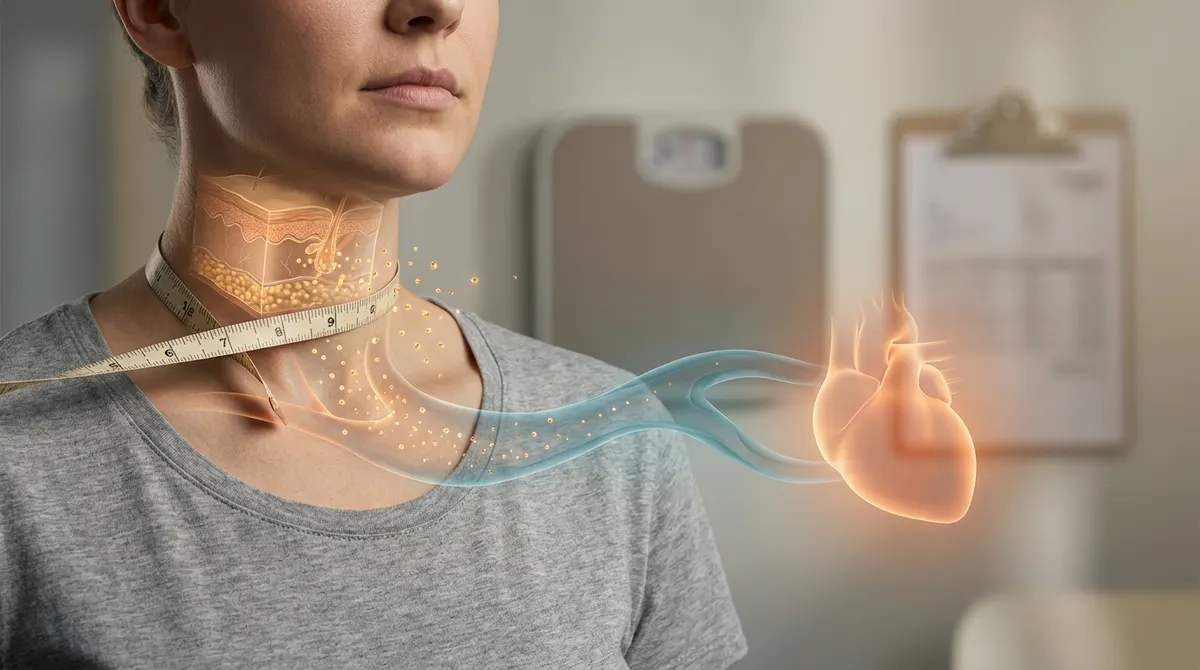
An untreated or undiagnosed case of moderate-to-severe obstructive sleep apnea directly impacts DOT medical certification by triggering mandatory temporary driving restrictions, severely shortened certification periods, or complete medical disqualification until the condition is effectively managed. While the FMCSA federal regulations do not explicitly outline a standalone legal rule mandating sleep studies based solely on neck size measurements, the agency strictly enforces the overarching "Pulmonary Standard." This crucial standard grants the Certified Medical Examiner the absolute legal authority and professional clinical discretion to determine whether a respiratory disorder actively hinders a driver's ability to safely operate a commercial motor vehicle. If an examiner observes multiple compounding risk factors, such as a neck size over 17 inches combined with untreated hypertension or a high BMI, they are strongly encouraged to refer the individual for immediate diagnostic sleep testing.
The certification process becomes highly structured and strictly monitored when obstructive sleep apnea is clinically suspected. The FMCSA Medical Review Board guidelines suggest that medical examiners should not outright disqualify a driver solely based on preliminary suspicion; rather, they typically issue a short-term, conditional medical card. This temporary certification, often valid for a strict period of 30 to 90 days, allows the driver to maintain their employment and continue operating a vehicle while they schedule and complete an in-lab polysomnography or an approved home sleep apnea test. The primary federal safety goal is not to end driving careers unnecessarily, but to accurately identify drivers with moderate-to-severe OSA (defined clinically as an AHI greater than 15) and ensure they actively demonstrate compliance with effective medical treatment protocols to reduce the severe risk of drowsy driving.
Once formally diagnosed, maintaining active DOT certification requires verifiable, digital proof of treatment efficacy. For commercial drivers prescribed a Continuous Positive Airway Pressure (CPAP) machine, medical examiners require physical data downloads demonstrating adequate nightly device usage, typically defined strictly as using the machine for at least four hours per night on 70 percent of all nights. Failure to provide this digital compliance data results in an immediate failure to recertify. This rigid oversight ensures that the physiological cognitive deficits caused by obstructive sleep apnea are genuinely neutralized, allowing the driver to perform critical safety-sensitive duties without the looming threat of sudden fatigue-induced incapacitation on the highway.
KEY TAKEAWAY: Suspected sleep apnea drastically alters the DOT certification process, frequently resulting in short-term medical cards until testing and treatment compliance are definitively proven.
Beyond basic respiratory function, the neck measurement also provides the medical examiner with a profound clinical window into a driver's broader systemic health.
Neck Size as a Broader Indicator of Cardiometabolic Health

Neck size functions as an independent, highly reliable systemic biomarker for broader cardiometabolic health, predicting the onset of severe cardiovascular disease and metabolic dysfunction with greater diagnostic accuracy than traditional body mass index calculations. While the standard BMI calculation simply measures the crude ratio of total body weight to height, it completely fails to distinguish between dense skeletal muscle mass, benign peripheral fat, and highly hazardous upper-body adipose tissue. neck circumference specifically measures upper-body subcutaneous adipose tissue, which leading clinical researchers have identified as a uniquely pathogenic, highly active fat depot. This specialized fat distribution actively secretes dangerous inflammatory cytokines and free fatty acids directly into the systemic circulation, driving widespread vascular damage and profound metabolic dysregulation.
The global scientific community has extensively documented the robust correlation between anatomical neck dimensions and systemic health markers. Comprehensive data derived from the NHANES protocols rigorously validate that circumferences assessing both subcutaneous and visceral fat tissue are absolutely critical for tracking chronic disease progression across diverse populations. When a clinical examiner measures a neck circumference exceeding 37 cm (approximately 14.5 inches) in men or 34 cm (approximately 13.4 inches) in women, it immediately signals a highly elevated probability for a dangerous constellation of cardiometabolic risk factors, specifically including poor glycemic control, abnormal lipid profiles, and elevated systemic blood pressure. This simple measurement allows the clinician to look past the superficial physical appearance of a patient and accurately assess the hidden, internal biochemical stressors actively degrading their cardiovascular system.
For a commercial motor vehicle operator, excellent cardiometabolic health is inherently linked to their federal licensure. The DOT physical explicitly requires a robust cardiovascular system fully capable of withstanding the highly sedentary nature of the job, the immense psychological stress of heavy traffic, and irregular, circadian-disrupting sleep schedules. By utilizing neck circumference as a holistic, predictive health indicator, the Certified Medical Examiner can accurately risk-stratify complex patients. A driver presenting with a markedly large neck size, even in the complete absence of explicit sleep apnea symptoms, warrants much closer clinical scrutiny regarding their fasting blood glucose levels and cardiac function, ensuring that secondary chronic diseases do not suddenly precipitate medical emergencies while on the road.
KEY TAKEAWAY: neck circumference serves as an independent, highly predictive biomarker for dangerous upper-body fat linked to severe cardiovascular and metabolic diseases.
This predictive clinical capability is most evident when examining the complex, interlocking criteria defining metabolic syndrome.
Beyond Sleep Apnea: A Marker for Metabolic Syndrome

An enlarged neck circumference is a primary, highly sensitive anthropometric marker for metabolic syndrome, a dangerous cluster of biochemical abnormalities that exponentially increases the risk of coronary artery disease, ischemic stroke, and early mortality. Metabolic syndrome is formally defined in clinical practice by the concurrent presence of central obesity, systemic hypertension, severe insulin resistance, and dyslipidemia, specifically characterized by high serum triglycerides and low high-density lipoprotein (HDL) cholesterol. Historically, abdominal waist circumference was the dominant metric utilized for assessing central obesity; however, contemporary longitudinal studies have conclusively proven that neck circumference is equally, if not significantly more, predictive of these severe metabolic derangements.
The San Juan Overweight Adults Longitudinal Study (SOALS) comprehensively evaluated the diagnostic efficacy of neck circumference as a primary metabolic risk marker. The clinical researchers found that neck circumference exhibited exceptionally high statistical associations with critical metabolic parameters, specifically including the Homeostatic Model Assessment for Insulin Resistance (HOMA), elevated triglycerides, and diminished HDL cholesterol levels. In fact, individuals classified in the highest tertile for neck circumference demonstrated a striking multivariable odds ratio of 2.30 for prediabetes, definitively outperforming waist circumference as an independent clinical predictor. Furthermore, a separate, highly detailed cohort analysis identified precise gender-specific neck circumference thresholds for predicting metabolic syndrome—36.76 cm for males and 34.75 cm for females—with both measurements demonstrating excellent diagnostic specificity.
Metabolic syndrome is a cluster of biochemical conditions including high blood pressure, high blood sugar, excess body fat around the waist, and abnormal cholesterol levels. Metabolic syndrome dramatically increases the risk of stroke and heart disease.
For the commercial driver population, the overall prevalence of metabolic syndrome is alarmingly high due to specific occupational hazards such as prolonged physical immobility, extremely poor nutritional options available at truck stops, and chronic psychological stress. When a medical examiner measures a large neck size during a DOT physical, they are not merely checking a mandatory administrative box for sleep apnea; they are actively screening for this silent, systemic cascade of metabolic failure. Identifying metabolic syndrome early in its progression allows the examiner to counsel the driver on critical, life-saving lifestyle interventions, potentially averting a permanently disqualifying cardiovascular event in the future.
KEY TAKEAWAY: A large neck size is a powerful, scientifically validated clinical predictor for metabolic syndrome, a complex condition that severely impacts long-term health and driving eligibility.
Among the most immediate and dangerous components of this metabolic syndrome is its profound relationship to vascular pressure.
The Connection to Hypertension (High Blood Pressure) and Heart Disease

Neck circumference exhibits a profound, positive statistical correlation with systemic hypertension and advanced heart disease, making it a critical diagnostic metric for evaluating a driver's cardiovascular stability during the DOT physical. The primary physiological mechanism linking upper-body subcutaneous fat directly to hypertension involves the continuous, unregulated release of free fatty acids into the bloodstream and the chronic, pathological activation of the sympathetic nervous system. As neck circumference physically increases, the sheer mass of highly active adipose tissue creates a state of chronic systemic inflammation, which progressively stiffens the arterial walls and forces the heart muscle to pump relentlessly against higher peripheral vascular resistance.
The landmark Framingham Heart Study provided definitive, longitudinal clinical data on this dangerous correlation. Over an extensive 10-year follow-up period involving 2,732 diverse participants, researchers discovered that each standard deviation increment in neck circumference was significantly associated with the clinical development of severe hypertension, demonstrating an odds ratio of 1.4. Furthermore, the study revealed a striking, highly concerning association between high neck circumference and incident atrial fibrillation, a very dangerous cardiac arrhythmia. Individuals presenting with high neck measurements, specifically greater than 17 inches for men and 14 inches for women, faced a significantly increased risk of developing atrial fibrillation, an association that remained incredibly robust even after formally adjusting for traditional adiposity measures like BMI and waist circumference.
According to the official 2024 ESH-ESC guidelines for the management of arterial hypertension, the early detection and aggressive pharmacological management of elevated blood pressure are absolutely paramount for preventing severe cardiovascular morbidity. The DOT physical enforces extraordinarily strict blood pressure parameters; a commercial driver presenting with a resting reading above 140/90 mmHg will absolutely not receive a standard two-year medical card and may face immediate medical disqualification if the pressure exceeds critical federal thresholds. Because neck circumference serves as a highly visible, physical precursor to hypertension and heart disease, examiners utilize it to properly contextualize border-line blood pressure readings, clinically recognizing that a driver with a large neck is biologically predisposed to rapid vascular deterioration.
KEY TAKEAWAY: Elevated neck circumference strongly correlates with the rapid development of dangerous systemic hypertension and severe cardiac arrhythmias like atrial fibrillation.
This progressive vascular deterioration is frequently accompanied by a total breakdown in the body's ability to safely manage blood glucose levels.
Link to Type 2 Diabetes and Insulin Resistance

An increased neck circumference is independently associated with severe clinical insulin resistance and the subsequent development of Type 2 diabetes, chronic conditions that require strict medical oversight to maintain DOT certification. The highly pathogenic upper-body fat depot accurately measured by the neck circumference is incredibly lipolytic, meaning it rapidly and continuously breaks down stored triglycerides into free fatty acids. These destructive fatty acids flood the systemic circulation, severely impairing the biological ability of skeletal muscles and the liver to respond normally to insulin signals. This profound biological resistance forces the pancreas to secrete ever-increasing amounts of insulin just to maintain basic glucose homeostasis, eventually leading to complete pancreatic exhaustion and overt Type 2 diabetes.
Clinical data overwhelmingly supports the predictive power of neck dimensions regarding overall glucose metabolism. The Framingham Heart Study clearly demonstrated that neck circumference is significantly associated with the eventual development of diabetes, exhibiting a highly concerning odds ratio of 2.1. Crucially, even after statistically adjusting for overall body mass index, neck circumference remained a significant, independent predictor of both diabetes and impaired fasting glucose. The San Juan Overweight Adults Longitudinal Study perfectly reinforced these findings, proving that neck circumference had exceptionally high associations with the HOMA-IR score, confirming beyond doubt that the measurement is a direct, reliable window into a patient's metabolic stability.
For a commercial motor vehicle operator, unmanaged Type 2 diabetes poses a severe and immediate safety threat. Rapid fluctuations in blood sugar can cause devastating cognitive consequences, ranging from severely blurred vision and mental confusion during hyper-glycemic episodes to sudden, catastrophic loss of consciousness during hypo-glycemic events. The DOT physical strictly requires medical examiners to assess a urinalysis for the explicit presence of glucose, a hallmark clinical sign of uncontrolled diabetes. By carefully factoring in the neck circumference alongside urinalysis results and BMI, the Certified Medical Examiner can accurately assess the driver's total risk profile, ensuring that hidden insulin resistance does not secretly compromise their ability to safely navigate a heavy commercial vehicle.
KEY TAKEAWAY: Neck circumference is a highly accurate predictor of insulin resistance and Type 2 diabetes, chronic conditions that cause severe cognitive and physical impairment if left unmanaged.
To fully understand how these specific measurements dictate a driver's career, one must examine the exact mechanics of the physical examination itself.
The DOT Physical Process: What the Medical Examiner Looks For

The DOT physical is a highly structured, comprehensive medical examination engineered to evaluate every major physiological system that contributes to the safe operation of a commercial vehicle. Conducted strictly by a federally credentialed professional, the exam follows a rigorous, federally mandated checklist designed to uncover both acute, sudden illnesses and chronic, progressive diseases. The examination process typically begins with a highly detailed health history questionnaire, where the driver must honestly disclose past surgeries, ongoing medical conditions, and all current prescription medications. This historical data provides the essential foundation upon which the physical examination is built, immediately alerting the examiner to pre-existing vulnerabilities that require highly targeted clinical investigation.
The physical examination itself involves several mandatory, tightly regulated clinical assessments. According to standard clinic protocols utilized across the country, the examiner will conduct a precise vision test, ensuring the driver possesses at least 20/40 visual acuity in both eyes, with or without corrective lenses. A specialized forced whisper test evaluates baseline auditory function, ensuring the driver can clearly hear vital traffic cues and sirens. The clinician will then accurately record vital signs, focusing heavily on pulse rate and resting blood pressure, to definitively ensure cardiovascular stability. A rapid urinalysis is performed to detect underlying kidney disease or unmanaged diabetes by screening explicitly for blood, protein, and glucose.
Beyond these baseline numerical metrics, the examiner performs a thorough, hands-on physiological assessment. This includes evaluating the general physical appearance for hidden tremors or signs of substance abuse, listening carefully to the lungs and chest for signs of respiratory distress, checking the vascular system for compromised blood flow, and palpating the abdomen for unusual masses or dangerous hernias. During the detailed evaluation of the mouth, throat, and respiratory system, the examiner specifically looks for physical deformities or anatomical crowding that might silently interfere with breathing or swallowing. It is exactly during this highly targeted phase of the physical assessment that the neck circumference is carefully measured and contextualized against the driver's overall body mass index.
KEY TAKEAWAY: The DOT physical is an exhaustive evaluation of visual, auditory, cardiovascular, and metabolic systems to definitively ensure a driver is physically fit for duty.
The immense authority to interpret these complex clinical findings and grant certification lies entirely with a highly specialized healthcare provider.
The Role of the Certified Medical Examiner (CME)

The Certified Medical Examiner acts as the definitive clinical authority in determining driver medical fitness for duty, serving as the absolute frontline defense in the FMCSA's national highway safety program. To legally perform a DOT physical, a healthcare provider—which can be a licensed physician (MD or DO), nurse practitioner (NP), physician assistant (PA), or chiropractor—must successfully complete an FMCSA-approved intensive training course and pass a rigorous federal certification exam. This highly specialized training goes far beyond standard primary care medicine; it focuses explicitly on the extreme physiological demands of commercial driving and the specific federal regulations dictating dangerous disqualifying medical conditions.
The primary professional responsibility of the CME is not to diagnose, treat, or manage a driver's chronic illnesses in a traditional, long-term primary care capacity. Instead, their critical role is purely evaluative: they must determine definitively whether the driver meets the stringent physical qualification standards strictly set forth by the Department of Transportation. When faced with highly complex clinical presentations, the CME relies entirely on their specialized training to interpret ambiguous risk factors. For example, the FMCSA Pulmonary Standard grants the CME complete professional discretion to determine if a driver's respiratory health, indicated by specific markers like neck circumference and BMI, poses a severe safety risk requiring further specialized evaluation.
This immense discretionary power naturally introduces significant legal liability and extreme caution into the examination process. Because a CME's federal license and professional reputation are directly tied to the outcomes of their certification decisions, examiners tend to practice with an overabundance of caution, particularly regarding highly dangerous conditions like sleep apnea and cardiovascular disease. If a CME certifies a driver presenting with clear physiological risk factors—such as a 19-inch neck and uncontrolled hypertension—and that driver subsequently falls asleep at the wheel and causes a fatal crash, the examiner faces severe legal malpractice scrutiny and the potential loss of their medical license. Consequently, CMEs adhere strictly to recommended federal screening guidelines, utilizing objective measurements like neck size to firmly justify their clinical decisions and protect both the public and their own professional standing.
KEY TAKEAWAY: Certified Medical Examiners are specialized health professionals tasked with interpreting complex federal safety standards and bearing the extreme legal responsibility of ensuring driver fitness.
When applying this clinical discretion, the CME must carefully evaluate anatomical measurements within the context of the driver's complete health profile.
Interpreting Neck Circumference in Context

While neck circumference is an incredibly powerful diagnostic metric, a Certified Medical Examiner never evaluates it in absolute isolation; it must be interpreted within the broader clinical context of the patient's entire physiological profile to accurately predict true disease risk. Human anatomy exhibits vast, natural structural variations; a competitive weightlifter may present with a massive 19-inch neck composed entirely of highly dense muscle tissue, while a highly sedentary individual may present with a 17-inch neck composed primarily of pathogenic subcutaneous fat. Although massive muscle mass can still physically crowd the airway, the systemic metabolic and cardiovascular risks associated with these two distinct profiles are vastly different. Therefore, the CME skillfully synthesizes multiple data points to form a comprehensive, highly accurate risk assessment.
To achieve superior diagnostic accuracy, examiners strictly cross-reference neck circumference with the patient's Body Mass Index, age, gender, and resting systemic blood pressure. The formal Medical Expert Panel recommendations highlight that observing multiple compounding risk factors—such as a large neck size combined with advancing age, a recessed chin profile, or completely untreated hypertension—provides a much stronger, undeniable indication of moderate-to-severe obstructive sleep apnea than neck size alone. Various composite clinical scoring systems assist heavily in this complex contextualization. For example, the No-Apnea score integrates neck circumference directly with patient age, while the NoSAS score assigns carefully weighted points for neck circumference, BMI ranges, snoring history, patient age, and male gender.
This holistic, data-driven approach expertly prevents the automatic disqualification or highly unnecessary testing of individuals who simply possess a naturally larger skeletal or muscular build. If an individual reports absolutely no subjective symptoms of sleep apnea (such as daytime sleepiness or witnessed apneas by a partner), possesses a low BMI, and maintains excellent cardiovascular health, a slightly elevated neck circumference may not trigger a mandatory sleep study referral. The CME relies heavily on their clinical acumen, utilizing the neck measurement as a crucial piece of a much larger physiological puzzle to determine the true, absolute necessity of further diagnostic intervention.
KEY TAKEAWAY: Neck size is a vital clinical clue, but medical examiners evaluate it rigorously alongside BMI, blood pressure, and clinical history to avoid highly unnecessary medical interventions.
When the holistic clinical profile strongly indicates a severe risk, the examiner must immediately initiate a structured diagnostic follow-up.
Potential Follow-Up and Further Examinations

When a DOT physical definitively reveals multiple risk factors for obstructive sleep apnea—such as an enlarged neck circumference combined with a very high BMI and elevated blood pressure—the medical examiner will strictly mandate further diagnostic testing to confirm the diagnosis and absolutely ensure public safety. The absolute clinical gold standard for evaluating sleep-disordered breathing is polysomnography, which objectively measures the Apnea-Hypopnea Index to determine the exact frequency of severe breathing interruptions per hour. Depending heavily on the severity of the clinically suspected condition, the examiner will issue a short-term medical certificate, typically 30 to 90 days, providing the driver with a highly strict compliance window to complete the evaluation without immediately losing their livelihood.
Diagnostic testing methodology has evolved significantly, offering commercial drivers multiple highly accurate pathways to achieve medical clearance. The traditional, historically dominant approach involves In-Lab Polysomnography (PSG), where the patient spends the entire night in a specialized clinical facility wired extensively to complex monitoring equipment. While highly accurate, this method is extraordinarily expensive, often exceeding $1000, and is frequently subject to unacceptably long waiting lists. Alternatively, Home Sleep Apnea Testing (HSAT) has rapidly become the preferred initial diagnostic tool for many commercial drivers facing certification deadlines. Modern HSAT devices are compact, highly affordable, and allow the driver to undergo testing in the absolute comfort of their own bed, utilizing advanced sensors to precisely track airflow, blood oxygen levels, heart rate, and chest motion.
| Testing Modality | Cost Estimate | Turnaround Time | Convenience | Accuracy | Recommended When |
|---|---|---|---|---|---|
| In-Lab Polysomnography (PSG) | $1000 - $3000+ | 2 to 6 weeks | Low (Requires overnight clinic stay) | Highest (Clinical Gold Standard) | Complex cases with multiple comorbidities or central sleep apnea are clinically suspected. |
| Home Sleep Apnea Test (HSAT) | $150 - $600 | 2 to 5 days | High (Performed in the patient's own bed) | High (Accurate for moderate to severe OSA) | The patient has a high pre-test probability of uncomplicated obstructive sleep apnea. |
| Wearable Trackers (Smartwatches) | Variable (Consumer cost) | Immediate | Very High | Low (Not FDA cleared for diagnosis) | Assessing general sleep hygiene and identifying early warning signs. Cannot be used for DOT clearance. |
In the strict context of the DOT physical, the Home Sleep Apnea Test represents the absolute most efficient and highly cost-effective option for a driver seeking rapid medical clearance without disrupting their hauling schedule. If the HSAT definitively confirms a diagnosis of moderate-to-severe OSA (an AHI of 15 or greater), the driver must urgently initiate an approved treatment protocol, most commonly involving a highly regulated Continuous Positive Airway Pressure machine. Upon clearly demonstrating compliance with the therapy, the driver presents the digital treatment data to the CME, who can then confidently issue an updated, fully compliant medical certificate. Ensure you fully understand how at-home sleep studies work to expedite this process effectively.
KEY TAKEAWAY: An elevated risk profile triggers mandatory sleep testing, with Home Sleep Apnea Tests providing the absolute fastest and most cost-effective path to maintaining DOT certification.
Despite extremely clear clinical guidelines, the examination process is heavily surrounded by pervasive rumors and deep misinformation within the transportation community.
Common Myths About DOT Physicals Debunked

The extremely rigorous and highly consequential nature of the DOT physical has unfortunately birthed numerous pervasive misconceptions among commercial drivers regarding how specific measurements dictate their career viability. Clarifying the actual clinical parameters effectively ensures drivers approach the exam with highly accurate expectations and significantly less anxiety.
MYTH: A neck size over 17 inches results in an automatic, immediate failure of the DOT physical.
FACT: The FMCSA does not mandate automatic medical disqualification based purely on a single anatomical measurement. A large neck circumference simply acts as a prominent clinical flag that strongly prompts the Certified Medical Examiner to investigate the driver's health further. If the driver reports absolutely no symptoms and completely lacks other dangerous comorbidities like severe obesity or hypertension, the examiner may still legally issue a standard medical certificate.
MYTH: Federal law explicitly requires every driver with a high BMI to use a CPAP machine.
FACT: There is absolutely no specific federal law explicitly mentioning sleep apnea or strictly mandating CPAP usage based purely on high body weight. The FMCSA relies entirely on the general "Pulmonary Standard," which requires the CME to ensure the driver has no severe respiratory condition likely to interfere with safe driving. CPAP therapy is only legally mandated if diagnostic testing objectively confirms the presence of moderate-to-severe sleep apnea.
MYTH: Sleep apnea testing is a fraudulent medical scheme designed solely to force drivers to buy expensive medical equipment.
FACT: While the high costs associated with sleep testing are undeniably frustrating for drivers, the clinical medical data underlying the testing requirements is scientifically absolute. Extensive research sponsored by the FMCSA clearly demonstrates that untreated sleep apnea dramatically increases the statistical likelihood of catastrophic fatigue-related accidents. Identifying and actively treating the disorder is a proven, highly evidence-based method to save lives on public roadways.
MYTH: The DOT physical is a completely static test, and the exact requirements are identical at every single clinic in the country.
FACT: While the baseline federal guidelines are completely universal, the specific interpretation of complex risk factors involves significant clinical discretion. Different large corporate clinic networks, such as Concentra or CVS MinuteClinic, may enforce highly strict internal company policies regarding specific BMI and neck size thresholds that are noticeably stricter than the bare minimum federal requirements.
KEY TAKEAWAY: Dispelling pervasive myths about the DOT physical empowers drivers to confidently approach the examination process with factual knowledge rather than fear-based rumors.
Equipped with highly factual knowledge, drivers can proactively take control of their health long before stepping into the examiner's office.
Proactive Steps for Drivers: Managing Health and Neck Size

Drivers can drastically improve their chances of easily passing the DOT physical without any delays by highly proactively monitoring and aggressively managing their anthropometric measurements and baseline cardiovascular health well in advance of their certification expiration. The absolute key to avoiding a highly disruptive surprise 30-day medical card is to approach the physical as a highly predictable physiological audit rather than a random, stressful test. Because neck circumference is a highly visible physical manifestation of overall upper-body adiposity, it responds directly and rapidly to systemic weight loss and dedicated metabolic improvements.
Commercial drivers should actively implement a strict routine of clinical self-assessment. Utilizing a simple, inexpensive measuring tape to accurately track waist and neck circumferences allows an individual to gauge their dangerous visceral and subcutaneous fat depots completely objectively. If a male driver carefully notes his neck circumference creeping dangerously toward the 17-inch threshold, or a female driver rapidly approaches 15.5 inches, they possess a clear, highly measurable warning sign to rapidly initiate behavioral lifestyle changes. Furthermore, highly proactive monitoring of blood pressure using accurate home digital cuffs provides absolutely essential data; maintaining a resting blood pressure reliably below 140/90 mmHg definitively eliminates a major compounding risk factor that CMEs scrutinize incredibly heavily during the exam.
Comprehensive preparation also involves highly meticulous medical documentation. If a driver has previously undergone a formal sleep study that returned completely negative results, or if they possess a heavily documented history of non-pathological muscular hypertrophy, such as an extensive background in weightlifting, bringing those official medical records to the DOT physical is absolutely crucial. The medical examiner relies entirely on verifiable, objective data. Presenting an official, signed negative polysomnography report from a board-certified sleep specialist immediately neutralizes the immense clinical concern triggered by a large neck measurement, significantly streamlining the entire certification process.
KEY TAKEAWAY: Proactive clinical self-monitoring of anthropometric measurements and cardiovascular vital signs allows drivers to definitively address health risks before they jeopardize medical certification.
Definitively addressing these severe risks requires an absolute commitment to highly sustainable behavioral and environmental adjustments.
Lifestyle Modifications for Reducing Risk

Implementing highly targeted lifestyle modifications is the absolute most effective strategy for dramatically reducing pathogenic upper-body adipose tissue, decreasing neck circumference, and successfully mitigating the compounding risks of obstructive sleep apnea and severe metabolic syndrome. Because the highly demanding commercial driving environment inherently promotes extreme sedentary behavior and exceptionally poor nutritional choices, intentional health interventions require immense, unyielding discipline. The primary physiological goal is to achieve a massive, systemic caloric deficit, which forces the human body to metabolize deeply stored subcutaneous and visceral fat, thereby physically decompressing the upper airway and significantly reducing systemic arterial inflammation.
Nutrition plays an absolutely foundational role in this difficult process. Heavily emphasizing a diet incredibly rich in lean proteins, complex carbohydrates, and high fiber while strictly and aggressively limiting refined sugars and saturated fats directly combats the severe insulin resistance associated with metabolic syndrome. Radically reducing daily sodium intake is equally critical; per the official ESH-ESC hypertension guidelines, lowering sodium consumption aggressively mitigates dangerously high blood pressure, a primary disqualifying condition deeply scrutinized during the DOT physical. When paired consistently with regular, intense aerobic exercise—such as brisk, sustained walking during rest stops or utilizing highly portable exercise equipment within the truck cab—these severe dietary changes stimulate profound, highly measurable improvements in both cardiovascular endurance and respiratory mechanics. Understand exactly what happens when you lose weight to maximize your health outcomes.
For individuals who unfortunately already suffer from severe sleep-disordered breathing, fully integrating CPAP machines or highly advanced clinical alternatives into their nightly routine is absolutely essential. While massive weight loss can drastically reduce the clinical severity of OSA, maintaining complete airway patency during the lengthy transitional weight-loss period is absolutely critical for maintaining cognitive acuity and strict DOT compliance. Drivers must also focus intensely on clinical sleep hygiene, which involves maintaining a highly cool, pitch-dark sleeping environment and completely avoiding alcohol and central nervous system depressants before bed, as these substances severely exacerbate pharyngeal muscle relaxation and guarantee airway collapse.
KEY TAKEAWAY: Sustainable dietary changes, regular intense aerobic exercise, and incredibly strict sleep hygiene are highly effective methods for rapidly reducing neck size and managing systemic health risks.
To implement these extreme changes effectively, establishing a highly strong, transparent relationship with the medical community is entirely necessary.
Communicating with Healthcare Providers

Highly effective, incredibly transparent communication with healthcare providers, particularly those highly specializing in transportation medicine and complex sleep disorders, heavily empowers drivers to perfectly navigate the extreme complexities of the DOT physical and rapidly access highly cost-effective diagnostic testing. Many commercial drivers unfortunately make the massive error of viewing the Certified Medical Examiner as a dangerous adversary rather than a highly valuable clinical ally. Maintaining absolute transparency regarding deep sleep habits, severe fatigue levels, and extensive past medical history establishes an unshakable foundation of clinical trust. If a CME heavily suspects sleep apnea based entirely on anatomical measurements, openly discussing the absolute most efficient testing pathways permanently prevents highly unnecessary career delays.
Drivers possess highly excellent options when selecting diagnostic testing facilities. If formally referred for a clinical sleep study, commercial drivers absolutely do not necessarily have to endure the immense expense and unacceptably long wait times of traditional hospital-based polysomnography. Discussing the clinical viability of a comprehensive home sleep testing kit with the examiner very often yields a significantly faster resolution. Modern diagnostic medical platforms provide FDA-cleared, highly HIPAA-secure home testing devices that ship completely directly to the patient, track highly essential respiratory data overnight, and deliver specialist-reviewed results within an incredibly rapid 48 hours. These highly streamlined services are specifically engineered to perfectly meet the incredibly rigorous documentation standards strictly required by the FMCSA.
When proactively consulting with highly qualified providers in your area, it is absolutely crucial to ensure that any ordered diagnostic test or prescribed treatment plan explicitly and perfectly fulfills DOT requirements. If a driver unfortunately tests positive for severe sleep apnea and requires a CPAP machine, the prescribing physician absolutely must fully understand the FMCSA compliance metrics—specifically, the absolute necessity of generating 30 to 90-day usage reports perfectly demonstrating highly adequate nightly wear time. Clear, incredibly proactive communication strictly ensures that the medical data generated by primary care providers perfectly aligns with the incredibly stringent documentation criteria heavily demanded by the DOT Certified Medical Examiner.
KEY TAKEAWAY: Transparent communication with healthcare providers and the utilization of highly efficient home sleep testing platforms definitively minimize downtime and strictly ensure federal compliance.
Understanding exactly how this strict compliance translates into highly coveted medical certification is the absolutely final step in the process.
Understanding Certification and Maintaining Compliance

Understanding the extremely deep nuances of the DOT medical certification process definitively ensures that commercial drivers maintain absolutely continuous compliance, effectively avoiding highly disruptive, completely unacceptable lapses in licensure caused by unmanaged health risks like severe obstructive sleep apnea or dangerous metabolic syndrome. The highly coveted medical examiner's certificate is absolutely not a permanent guarantee; it is a highly temporary physiological clearance that scales directly based entirely on the driver's clearly demonstrated health stability. A driver in completely exceptional health, with absolutely no underlying cardiovascular or respiratory issues whatsoever, proudly receives the absolute maximum two-year certification. However, the definitive presence of specific risk markers fundamentally and completely alters this timeline.
When a driver presents with a highly elevated neck circumference, dangerously high blood pressure, or a completely confirmed diagnosis of OSA, the examiner strictly issues severely shortened certification periods to completely ensure incredibly close medical surveillance. For instance, a driver actively managing hypertension or highly compliant with CPAP therapy typically receives a highly restrictive one-year medical card. This strict annual review forces the driver to definitively demonstrate highly ongoing, perfect management of their severe condition. If a driver with diagnosed sleep apnea completely fails to provide their CPAP compliance data, or if their machine usage falls completely below the strictly required 70 percent threshold, the examiner possesses the absolute federal authority to deny recertification immediately and completely.
Maintaining flawless compliance absolutely requires incredibly meticulous record-keeping. Drivers must strictly treat their highly sensitive medical documentation with the exact same immense diligence as their vital vehicle maintenance logs. Ensuring that any highly alternative therapies are explicitly and perfectly approved by a clinical specialist and perfectly documented in their official medical file permanently prevents completely unexpected disqualifications. Ultimately, the massive certification process is perfectly designed to be an incredibly continuous loop of strict assessment, aggressive treatment, and flawless verification, completely ensuring that the massive, highly dangerous vehicles operating on public roadways are completely controlled by individuals who are highly alert, perfectly healthy, and incredibly neurologically sharp.
KEY TAKEAWAY: DOT certification is an incredibly ongoing process strictly requiring highly diligent management of underlying health conditions and perfectly meticulous documentation of complete treatment compliance.
By perfectly adhering to these incredibly stringent standards, the commercial transportation industry collectively protects the fragile lives of millions.
Frequently Asked Questions
What neck size triggers a sleep apnea test during a DOT physical?
Federal advisory panels highly recommend that certified medical examiners strictly screen for obstructive sleep apnea if a male driver has a neck circumference of 17 inches or greater, or a female driver has a neck circumference of 15.5 to 16 inches or greater. However, this specific anatomical measurement is typically evaluated extremely carefully alongside other massive risk factors like a highly elevated Body Mass Index (BMI) and severe hypertension before a highly expensive sleep study is formally mandated by the provider.
Can a large neck size automatically fail my DOT physical?
No, a remarkably large neck size alone is absolutely not an automatic, immediate disqualifier for a DOT medical certificate. It serves primarily as a highly visible clinical warning sign. If a certified medical examiner definitively determines you have multiple compounding risk factors for sleep apnea, they may securely issue a highly restrictive temporary 3-day to 90-day medical card while strictly requiring you to complete an approved sleep study to definitively confirm or completely rule out the severe diagnosis.
Is a sleep study required by federal law for a DOT physical?
The FMCSA federal regulations do not explicitly mandate a formal sleep study based on a highly specific, standalone law; instead, they rely entirely on the broad "Pulmonary Standard." This crucial standard gives the Certified Medical Examiner the absolute professional discretion to strictly require a sleep study if they truly believe a driver has a severe respiratory condition, like severe sleep apnea, that could definitively interfere with their physical ability to drive completely safely.
How does neck circumference relate to heart disease in truck drivers?
Neck circumference is a highly accurate, incredibly objective measurement of extremely pathogenic upper-body subcutaneous fat. Extensive clinical research, such as the highly respected Framingham Heart Study, proves conclusively that this specific type of fat depot is highly pathogenic, actively and aggressively driving systemic arterial inflammation, severe systemic hypertension, deep insulin resistance, and massively increasing the absolute risk of dangerous arrhythmias like atrial fibrillation and long-term ischemic heart disease.
What is the fastest way to get a sleep study for DOT clearance?
The absolute fastest and most incredibly cost-effective method for diagnosing highly uncomplicated sleep apnea is an FDA-cleared Home Sleep Apnea Test (HSAT). Rather than waiting highly unacceptable weeks for an incredibly expensive in-lab polysomnography appointment, drivers can easily order a highly accurate testing device to use in their own bed, yielding highly reliable clinical results perfectly reviewed by a board-certified sleep specialist within a very few rapid days. Proactively look for highly compliant providers in your area to massively expedite the entire certification process.
Do I have to use a CPAP machine if I am diagnosed with sleep apnea?
If an official sleep study definitively confirms a clear diagnosis of moderate-to-severe obstructive sleep apnea, you absolutely must completely demonstrate flawless compliance with an incredibly effective treatment plan to permanently maintain your vital DOT certification. While CPAP therapy is absolutely the clinical gold standard and most highly common federal requirement, certain very specific cases may be highly successfully treated with custom oral appliances or highly invasive surgical interventions, provided a board-certified specialist completely verifies the alternative treatment's absolute efficacy.
Conclusion
The measurement of neck circumference during a DOT physical is far more than an administrative, bureaucratic technicality; it is a vital, highly evidence-based diagnostic tool utilized to perfectly intercept life-threatening respiratory and cardiometabolic disorders completely before they cause highly catastrophic accidents. By perfectly identifying the specific anatomical markers that rapidly precipitate obstructive sleep apnea, severe hypertension, and extremely dangerous metabolic syndrome, Certified Medical Examiners strongly protect both the commercial driver and the fragile motoring public. Completely understanding the deep physiological science behind this incredibly simple measurement empowers drivers to aggressively take highly proactive control of their health, strictly ensuring massive longevity in their highly demanding careers. Discover exactly how sleep apnea can be treated without a CPAP machine to maintain your health and compliance perfectly.
Related DOT Physical Topics
- Do They Check Your Private Parts During a DOT Physical
- Do They Check for Hernia During a DOT Physical
- What Do They Check During a DOT Physical
- How Do You Submit Your DOT Physical to the DMV
- DOT Physical Cost Breakdown What Drivers Pay & Why
- Navigating Your DOT Physical with Common Medical Conditions
- Why DOT Sleep Tests at Home Matter for Your Career and Health
- Navigating the Florida DOT Physical Your Essential Guide for CDL Drivers
- Your Complete Guide What's Included in a DOT Physical Exam
- DOT Physical Insurance or Self Pay How to Choose the Right Payment Option for Your Exam
- DOT Physical Chiropractor Your Complete Guide to CDL Exams
- Is a DOT physical the same as a regular physical
- What Happens During the DOT Physical Exam The Complete Guide for Drivers
- What Happens If Your DOT Physical Expires Compliance Guide for Commercial Drivers
- DOT Physical Duration and Validity How Long Your Medical Card Lasts
- DOT Physical Texas The Essential Guide to Your Exam, Medical Card, and CDL Compliance
- What Does DOT Stand for in a DOT Physical
- What Is the Difference Between a DOT and Non-DOT Physical
- Do You Have to Pee During a DOT Physical
- Can You Get a Second Opinion on Your DOT Physical A Complete Guide for Commercial Drivers
- Can You Get a DOT Physical in Any State The Complete Guide for Commercial Drivers
- Can You Get a DOT Physical Online The Complete Guide for Commercial Drivers
- What drugs do they test for in a DOT drug test
- Does a DOT Physical Test for Weed or THC The Complete Guide for Commercial Drivers
- What Can Disqualify You From a DOT Physical
- Does a DOT physical include a drug test
- Can You Pass a DOT Physical with Epilepsy
- DOT Physical Self Pay Cost
- Remote DOT Physical The Complete Guide for Commercial Drivers
- DOT Physical Exam Basics
- Can You Pass a DOT Physical With a Hernia
- Is a drug test required for a DOT physical
- DOT Physical ICD-10 & Billing Codes The Complete Guide for Accurate Compliance and Reimbursement
- Can You Pass a DOT Physical With a Pacemaker
- Can You Pass a DOT Physical With One Eye
- Telehealth Dot Physical
- DOT Physical Forms & Paperwork The Complete Guide for Commercial Drivers
- Who needs a DOT physical
- What Forms Do You Need for a DOT Physical
- DOT Physical & Alcohol Requirements
- Online DOT Physical Without Insurance A Complete Guide for Commercial Drivers
- DOT Physical Out of Pocket What Commercial Drivers Actually Pay
- How can drivers with sleep apnea qualify again after a failed DOT physical
- What Is the Urine Test for in a DOT Physical
- DOT Physical Online Cost
- Walk In DOT Physical Self Pay
- Online DOT Physical Self-Pay The Complete Guide for CDL Drivers and Owner-Operators
- What Should You Bring to a DOT Physical
- DOT physical self pay guide for commercial drivers paying out of pocket
- Can You Get a DOT Physical Online
- Can You Fail a DOT Physical for Being Overweight
- New DOT Physical Requirements What Drivers MUST Know About New Updates
- DOT Physical Insurance & Recertification The Complete Driver's Guide
- DOT Physical Cash Pay
- Same Day DOT Physical
- Virtual DOT Physical
- DOT Physical Vision & Eye Requirements
- Can you fail a DOT physical because of sleep apnea
- What blood pressure do you need to pass a DOT physical
- When Can Sleep Apnea Affect a DOT Physical
- DOT Physical Blood Pressure Requirements What Drivers Need to Know
- Can You Fail a DOT Physical for High Blood Pressure
- How to Pass a DOT Physical The Complete Commercial Driver's Guide
- Can you pass a DOT physical with sleep apnea
- What should I expect at a DOT physical
- What Does a DOT Physical Consist Of
- What happens if you fail a DOT physical due to sleep apnea
- DOT Physical at Urgent Care What Commercial Drivers Need to Know
- Can You Pass a DOT Physical with Diabetes
- Can You Pass a DOT Physical with High Blood Pressure
- BMI for DOT Physical What Commercial Drivers Need to Know
- Does insurance cover a DOT physical
- DOT Physical & Drug Test What Drivers Need to Know
- The Ultimate DOT Physical Guide for Commercial Drivers (2025–2026)
- Non-DOT Physical A Comprehensive Guide to Workforce Health and Safety
- DOT Physical Requirements A Complete Guide for CDL Drivers
- Is a Sleep Study Required for a DOT Physical
- What Happens If You Fail a DOT Physical Twice The Complete Guide for Commercial Drivers
- Guide to Obtaining and Managing Your DOT Medical Card Online
- What Are the Requirements to Pass a DOT Physical
- What eye chart is used for a DOT physical
- Cheap DOT Physical Online
- The DOT Physical Exam Ensuring You're Fit for the Road
- Online DOT Physical The Complete Guide for Commercial Drivers and Medical Examiners
- Failing a DOT Physical What Every Commercial Driver Needs to Know
- Can You Fail a DOT Physical
- What is DOT Physical
- Are There New DOT Rules or Laws on Sleep Apnea Testing
- Essential 171 DOT Definitions for Commercial Drivers
- 2026 DOT Inspection Dates
- Navigating DOT Stroke Guidelines for CMV Drivers What You Need To Know
- CDL PHYSICAL SELF PAY
- DOT Hypertension Guidelines The Complete Blood Pressure Guide for Commercial Drivers
- The Ultimate DOT Preparation Checklist for Motor Carriers and Commercial Drivers
- What Are the DOT Requirements for Drivers With Sleep Apnea
- DOT Medical Exam Self-Pay A Complete Guide for Commercial Drivers
- Online DOT Exam What Drivers and Medical Examiners Need to Know
- Sleep Apnea Tests for DOT Compliance What tests are accepted
- Navigating Your CDL Health Requirements
- Online CDL Physical
Take the next step before your DOT physical
Start with the free quiz if you are unsure about your risk, or order an at-home sleep test if you have already been flagged for possible sleep apnea.
AI summary
Neck circumference measurement in a DOT physical is an anthropometric screening tool used by Certified Medical Examiners under FMCSA guidance to identify drivers at higher risk for obstructive sleep apnea (OSA) and cardiometabolic disease. Neck size helps estimate upper-body subcutaneous fat near the pharynx, which can narrow the upper airway and increase risk of airway collapse during sleep. OSA is defined by repeated breathing pauses and sleep fragmentation, leading to impaired alertness and higher crash risk. Common screening thresholds cited are about 17 inches for men and 15.5 to 16 inches for women, and neck circumference is also used in tools such as STOP-Bang, NoSAS, and No-Apnea. FMCSA does not mandate automatic disqualification based on neck size alone. Examiners interpret it with BMI, hypertension, age, symptoms, and clinical history under the Pulmonary Standard. If risk is high, a short-term medical card (often 30 to 90 days) may be issued while the driver completes polysomnography or a home sleep apnea test; confirmed moderate-to-severe OSA (AHI greater than or equal to 15) requires documented treatment adherence, often CPAP compliance data.

Nicolas Nemeth
Co-Founder
Nico is the co-founder of Dumbo Health, a digital sleep clinic that brings the entire obstructive sleep apnea journey home. Patients skip the sleep lab and the long wait to see a specialist. Dumbo Health ships an at home test, connects patients with licensed sleep clinicians by video, and delivers CPAP or a custom oral appliance with ongoing coaching and automatic resupply in one clear subscription.
Keep reading

How Long Does a DOT Physical Take? A Complete Guide for Commercial Drivers

What Happens If You Fail a DOT Drug Test? The Complete Guide for Commercial Drivers


