Can You Get a DOT Physical Online? The Complete Guide for Commercial Drivers
A DOT physical is a federally required medical exam that must be completed in person with a Certified Medical Examiner listed on the FMCSA National Registry. This guide explains why telehealth cannot meet FMCSA standards for hands-on testing, including blood pressure, vision, hearing, urinalysis, and neurological assessment. It clarifies what can be done online, such as scheduling, completing the MCSA-5875 health history form, and sharing records through secure portals or cloud storage. It also outlines key documentation needs for conditions like hypertension, insulin-treated diabetes, and sleep apnea. Finally, it summarizes the 2025 shift to electronic results submission and transmission to state licensing agencies.
Struggling with sleep?
Find out if sleep apnea is the reason.
FDA-cleared. $149 flat. Physician-reviewed results in 48 hours.

Can You Get a DOT Physical Online? The Complete Guide for Commercial Drivers
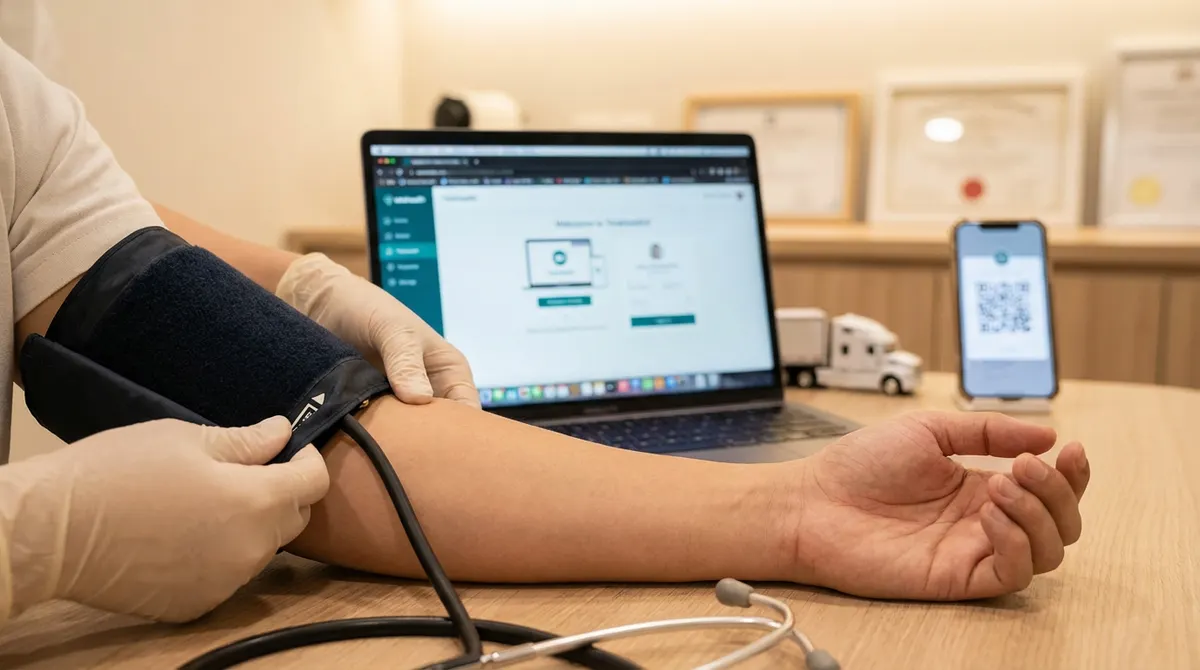
A DOT physical is a federally required, in-person medical examination that cannot be fully completed online or via telehealth, and this rule applies to every commercial driver in the United States. According to the Federal Motor Carrier Safety Administration (FMCSA), a Department of Transportation physical examination must be conducted by a licensed medical examiner listed on the National Registry who physically examines the driver in person. The exam covers a broad range of health areas, including vision, hearing, blood pressure, urinalysis, and neurological coordination, none of which can be verified through a screen. This guide explains exactly why a fully virtual DOT physical is not permitted, which parts of the process have moved online, how digital tools can speed up your appointment, and what to expect from the evolving electronic certification system introduced in 2025. If you want to understand the difference between what is genuinely digital and what still requires face-to-face attendance, this page covers everything you need to know.
The Short Answer: Why a DOT Physical Cannot Be Performed via Telehealth
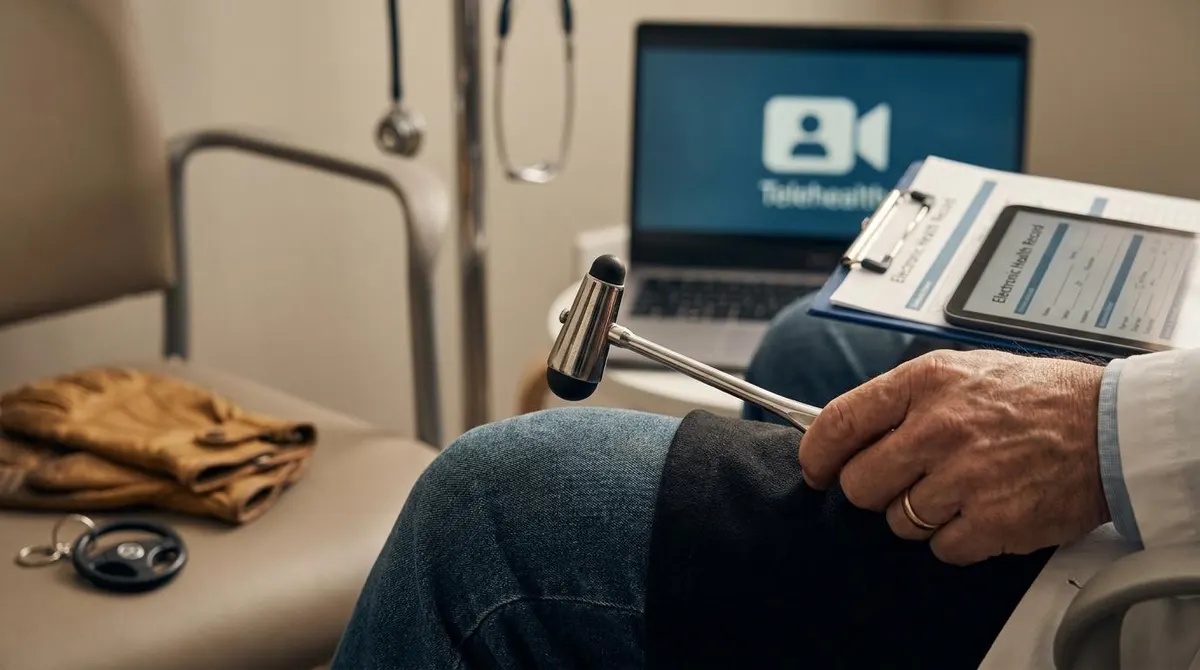
A DOT physical exam cannot be completed through telehealth or any virtual platform because federal law requires a Certified Medical Examiner to physically examine the driver. The FMCSA mandates hands-on assessments that no remote technology can replicate or substitute.
The Physical Nature of the FMCSA Requirements
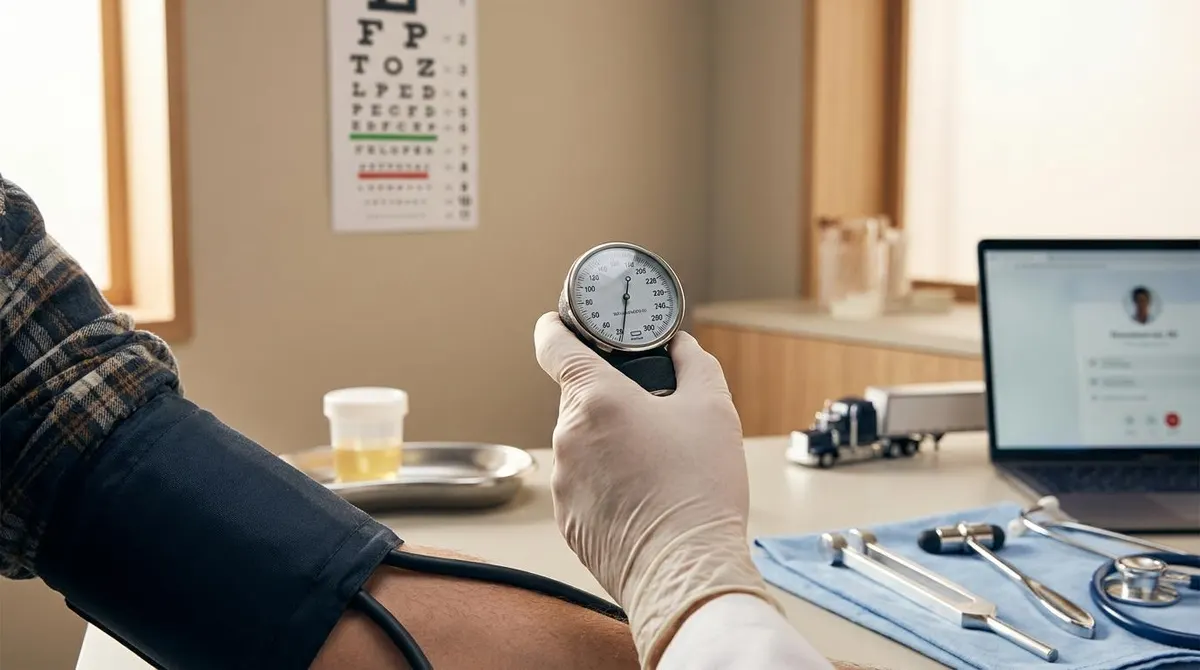
The FMCSA establishes medical qualification standards under 49 CFR Part 391.41, which require a medical examiner to directly assess a driver's physical and mental fitness to operate a commercial motor vehicle (CMV). These standards cover cardiovascular health, neurological function, vision acuity, peripheral vision, hearing, blood pressure, urinalysis, and musculoskeletal coordination. Each of these components requires the examiner to be present in the same room as the driver. A vision test conducted over video cannot confirm peripheral vision of at least 70 degrees on the horizontal meridian. A forced whisper hearing test conducted remotely cannot guarantee acoustic conditions meet the required standard of perception at five feet. Blood pressure must be measured with a calibrated instrument by the examiner, and a urine sample must be physically collected and screened on-site.
According to the FMCSA, the physical examination must include a complete review of the driver's health history and a hands-on clinical evaluation. This is an occupational medicine standard designed to protect road safety, not a simple administrative form.
Why Telehealth Apps and Virtual Visits Do Not Qualify
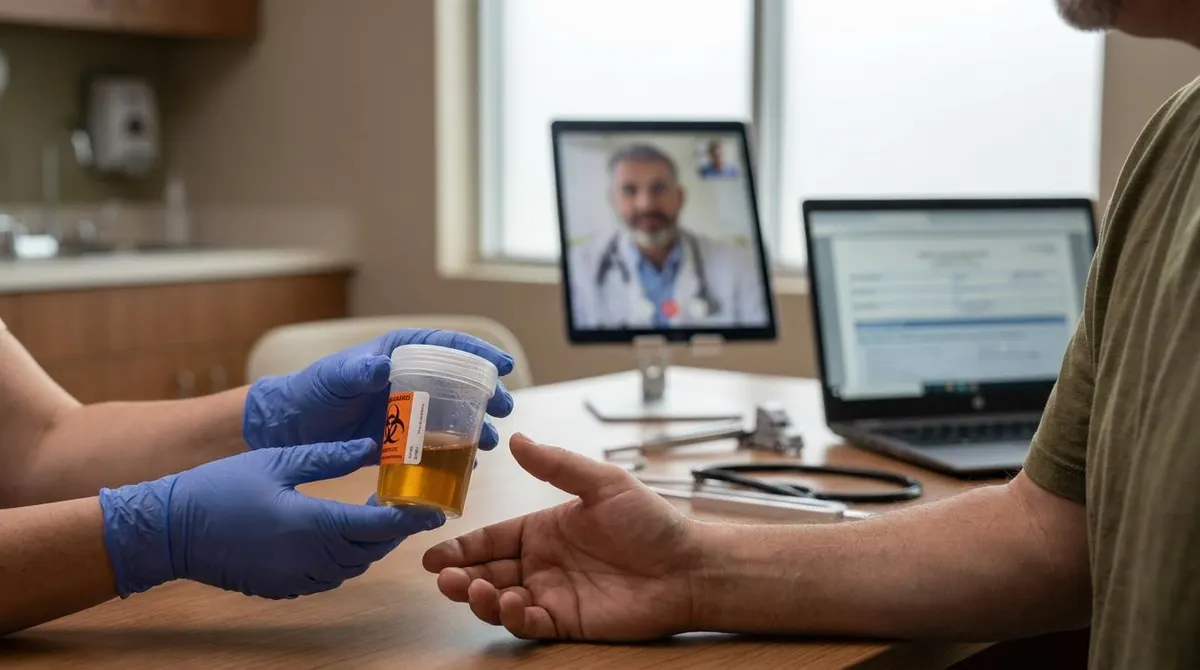
General telehealth platforms, including popular telemedicine apps, are not authorized to conduct DOT physicals. A provider completing a video consultation with a commercial driver cannot measure blood pressure with a calibrated sphygmomanometer, administer an audiometric hearing test, perform a hernia check, or evaluate neurological coordination. Even if a telehealth provider is a licensed physician, they cannot issue a valid Medical Examiner's Certificate (MEC) without conducting the federally required in-person components. Any certificate issued solely on the basis of a virtual visit is legally invalid and constitutes a fraudulent medical card.
Some websites and online services claim to offer "online DOT physicals" or instant medical certificates. These claims are misleading. What those services may legitimately provide are pre-exam consultations, document preparation assistance, or health history reviews, not a complete, federally valid DOT physical examination.
DID YOU KNOW: According to the FMCSA, since May 2014, all DOT physical examinations must be performed by medical examiners listed on the FMCSA National Registry of Certified Medical Examiners, which requires specific training, testing, and ongoing recertification.
The Role of the Certified Medical Examiner (CME)

A Certified Medical Examiner (CME) is a licensed healthcare provider, including medical doctors, doctors of osteopathy, physician assistants, advanced practice nurses, and some chiropractors, who has completed FMCSA-approved training and passed the FMCSA medical examiner certification examination. Only a CME listed on the National Registry of Certified Medical Examiners (NRCME) can issue a valid DOT Medical Examiner's Certificate. The CME is legally responsible for reviewing the driver's health history form, conducting the physical examination, interpreting the results, and making the certification decision. Because this responsibility includes clinical judgement based on direct observation, it cannot be delegated to a camera or an algorithm.
KEY TAKEAWAY: A DOT physical cannot be completed online or via telehealth because federal FMCSA regulations require a Certified Medical Examiner to conduct a hands-on physical examination, including vision, hearing, blood pressure, urinalysis, and neurological assessments that cannot be replicated remotely.
The good news is that while the exam itself must be done in person, significant parts of the process have moved online, making the overall experience faster and more convenient for commercial drivers across the country.
The "Hybrid" Reality: What Parts of the Process Are Actually Online?
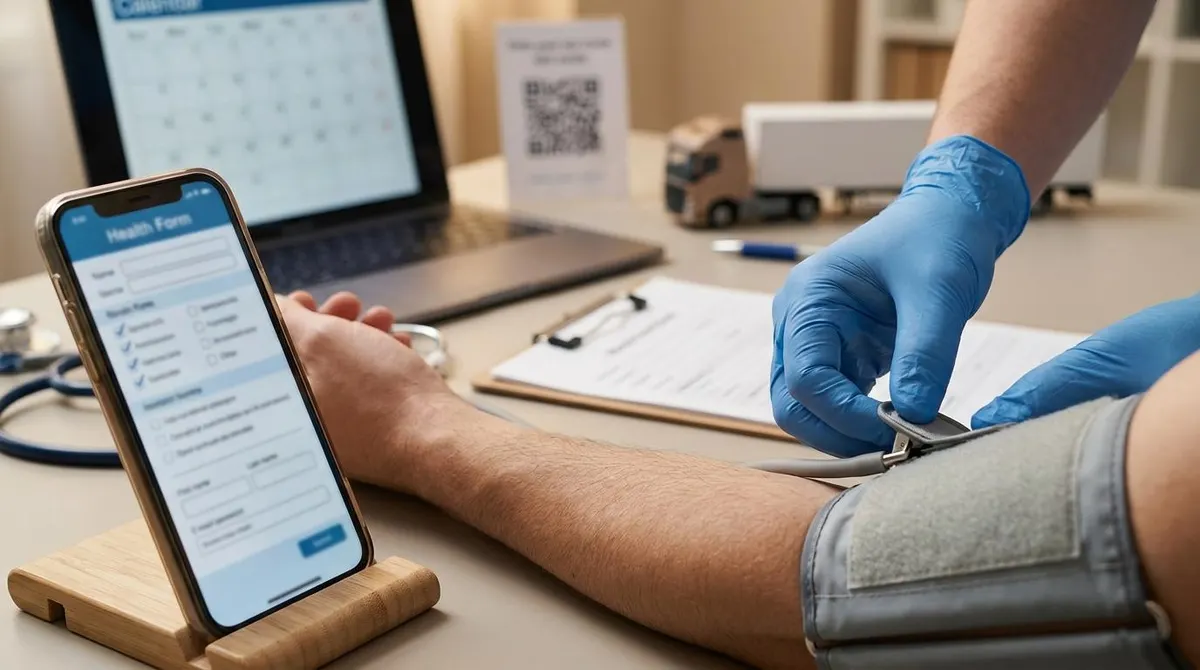
While the examination itself must be conducted in person, a meaningful portion of the DOT physical process has shifted to digital tools that reduce wait times, eliminate paperwork errors, and speed up certification.
Online Appointment Booking Systems
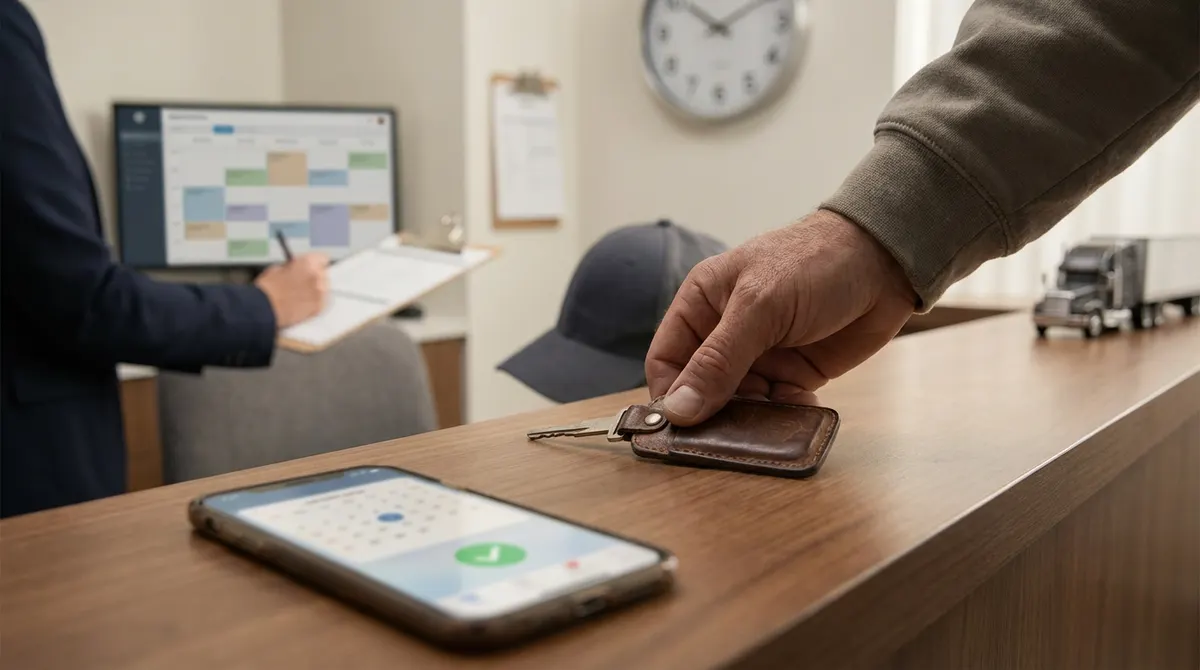
Most occupational medicine clinics and certified medical examiner offices now offer online appointment booking systems that allow drivers to schedule their DOT physical from a phone or computer, often with same-day or next-day availability. These appointment booking systems typically include intake questionnaires that collect basic demographic and contact information before the visit. Using an online booking portal means you arrive at the clinic with your appointment confirmed, your file already opened in the system, and the examiner prepared for your specific health history. This reduces administrative delays on the day of the exam and shortens overall wait times.
Digital Health History Forms and Patient Portals
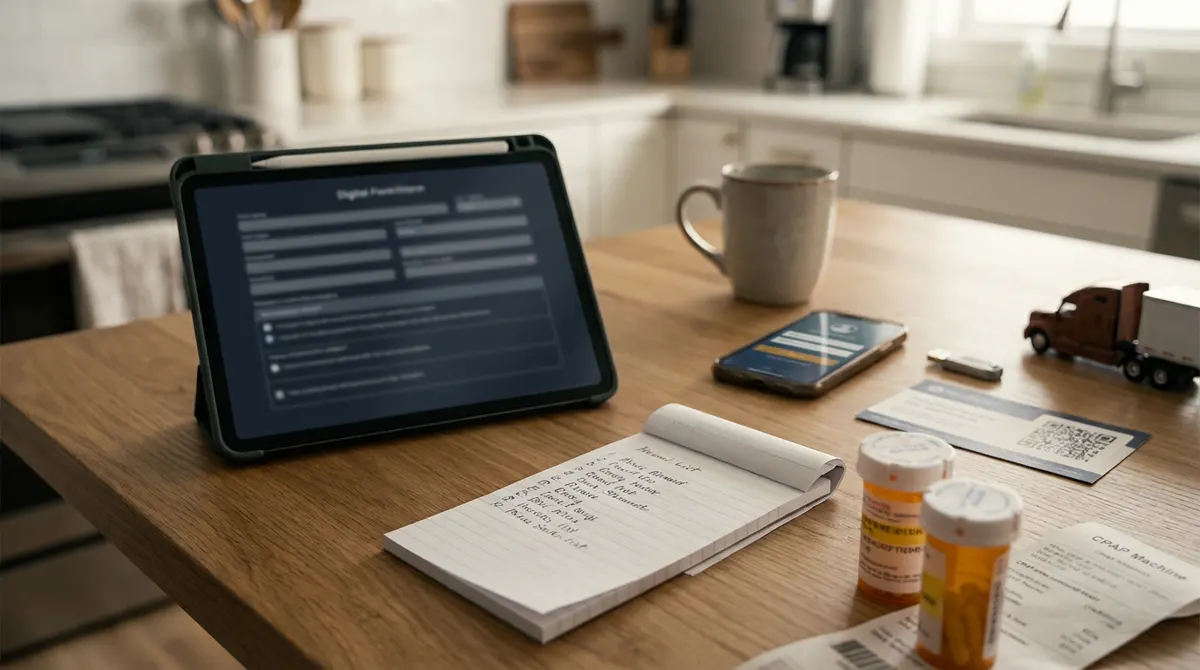
Many clinics now send the FMCSA Medical Examination Report Form (MCSA-5875) digitally in advance of the appointment. The health history review portion of this form asks about past surgeries, chronic conditions, medications, mental health, and substance use. Completing this section at home on a secure web-based platform means you have access to your full medication list, relevant dates, and supporting documents while filling out the form, rather than trying to recall everything in a clinical waiting room under time pressure. Platforms such as MedFiller offer an AI-guided online and paperless DOT physical exam software that allows medical examiners to receive completed health history forms digitally and relay results automatically to the FMCSA and NRCME.
Electronic Medical Records (EMRs) and Data Integration
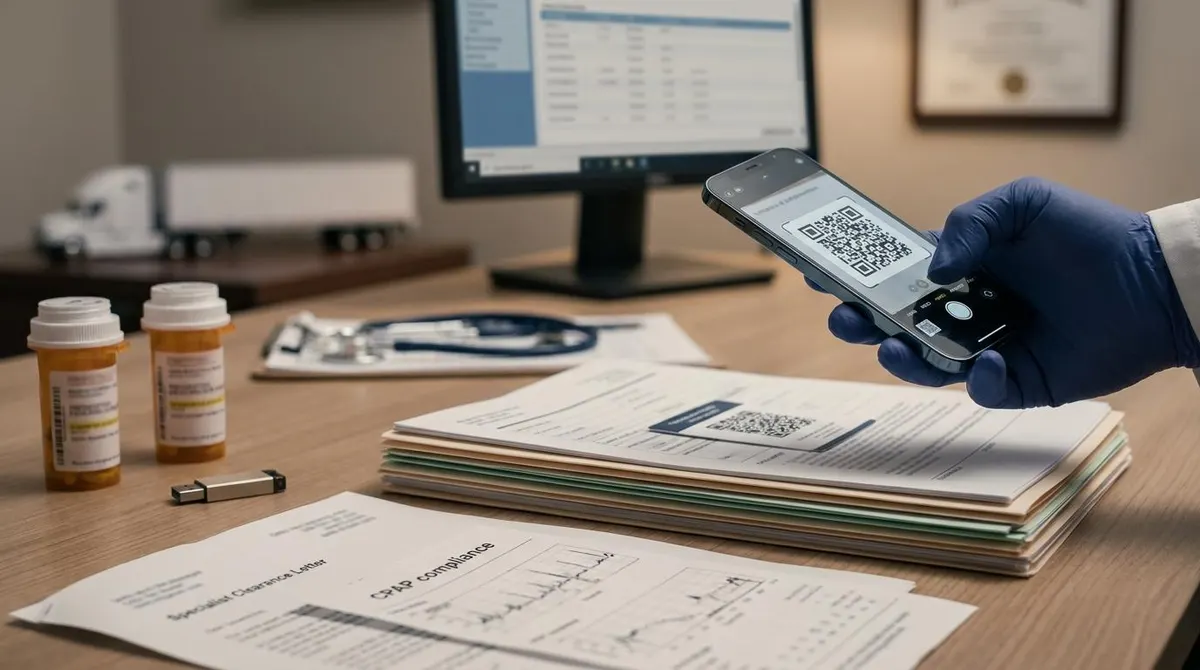
Drivers managing ongoing medical conditions such as controlled high blood pressure, insulin-treated diabetes, or sleep apnea can use digital platforms to consolidate and organize their supporting medical records before the appointment. Storing documents in cloud services such as Google Drive or Microsoft OneDrive and generating a QR code that the examiner can scan on arrival is an increasingly practical way to provide real-time access to compliance data, CPAP adherence reports, or specialist clearance letters. This digital preparation reduces the risk of a disqualifying documentation gap on the day of the exam. Clinics using third-party portal systems or ME portals increasingly request that drivers submit supporting medical documents via secure website link before the appointment.
KEY TAKEAWAY: The DOT physical itself is always in-person, but digital tools including online booking, pre-filled health history forms, and cloud-based document sharing can significantly reduce delays and help drivers arrive fully prepared.
Understanding how these digital tools fit into the broader regulatory framework requires looking at the federal infrastructure that governs who can perform DOT physicals and how results are recorded.
Understanding the Regulatory Framework: FMCSA and the NRCME

The DOT medical certification process is governed by federal regulations enforced by the Federal Motor Carrier Safety Administration, and the entire examiner certification system is managed through the National Registry of Certified Medical Examiners.
The National Registry of Certified Medical Examiners
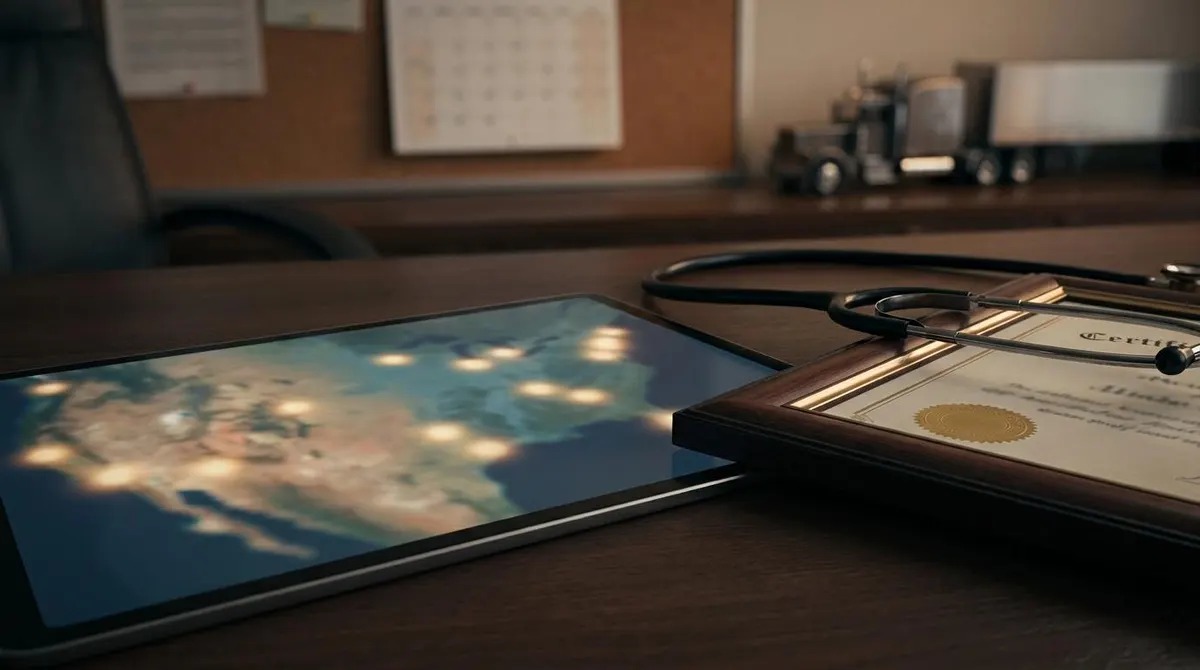
The National Registry of Certified Medical Examiners (NRCME) is a federal database maintained by the FMCSA that lists every healthcare provider who has completed the required training and passed the certification examination to perform DOT physical examinations. Since May 2014, every DOT physical must be conducted by a CME listed on this registry. The NRCME requires examiners to complete a refresher course every five years and a full recertification training course and NRCME certification examination every ten years. Examiners who fail to maintain their license information or meet continuing education requirements are removed from the active list. The registry is publicly searchable at nationalregistry.fmcsa.dot.gov, allowing drivers to find certified providers near them by city, state, or zip code.
Federal Regulations Governing Commercial Driver Safety

Under 49 CFR Part 391, the FMCSA requires that commercial motor vehicle drivers in interstate commerce comply with physical qualification requirements and be examined and certified by a medical examiner at least once every two years. Shorter certification periods of 12 months or even 3 months apply when the driver has a medical condition requiring closer monitoring, such as stage 1 hypertension (blood pressure between 140/90 and 159/99) or newly diagnosed sleep apnea. The Federal Motor Carrier Safety Administration also maintains standards for hazardous materials transport, passenger vehicle operation, and commercial vehicle weight classifications that determine which drivers are required to hold a current medical certificate.
The Importance of Physical Presence in Occupational Medicine
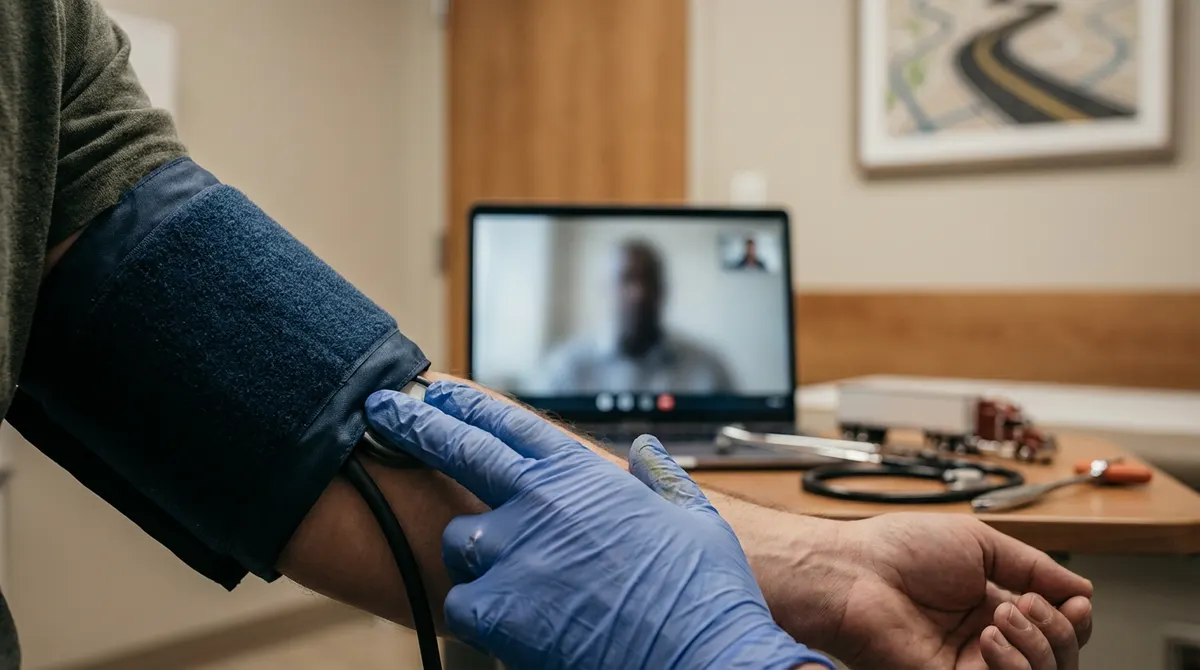
Occupational medicine practitioners who perform DOT physicals are subject to a professional and legal standard of care that requires direct patient examination. Clinicians frequently observe subtle signs of neurological impairment, cardiovascular strain, or musculoskeletal limitations during a hands-on examination that would be entirely invisible on a video call. The FMCSA's insistence on physical presence reflects decades of evidence linking undetected medical conditions in commercial drivers to increased collision risk. According to the National Highway Traffic Safety Administration (NHTSA), large truck and bus crashes result in thousands of fatalities annually in the United States, making the physical examination a critical public safety gate rather than a bureaucratic formality.
KEY TAKEAWAY: The FMCSA and NRCME together create the regulatory backbone of the DOT physical process, requiring that only trained, registered examiners conduct the in-person examination, and that results are submitted electronically within 24 hours.
With that regulatory foundation established, the practical question becomes how to use available online tools to make the in-person exam as efficient as possible.
How to Use Online Tools to Speed Up Your In-Person Exam

Preparing digitally before your appointment is one of the most practical steps a commercial driver can take to complete the DOT physical process efficiently and avoid a costly return visit for missing documentation.
Completing the Health History Review Digitally

The FMCSA Medical Examination Report Form (MCSA-5875) includes a detailed health history review section covering cardiovascular conditions, respiratory disease, neurological history, mental health, medications, and substance use. Completing this form accurately and completely before arriving at the clinic significantly reduces the time spent on paperwork during the appointment. Many certified examiners now send digital forms through their patient portal or via a secure web link to be completed in advance. Drivers should review their complete medication list, including prescription names, dosages, and the prescribing physician's contact information, before sitting down to complete the form.
Using MedFiller and Secure Web-Based Platforms for Documentation
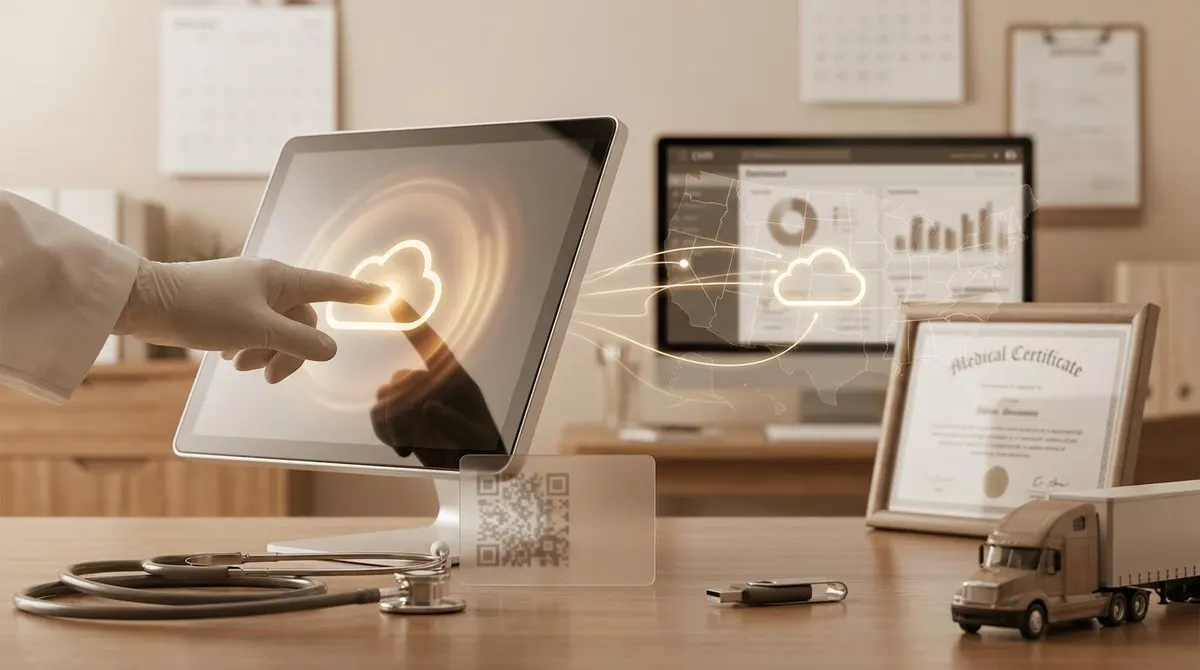
MedFiller is one example of a web-based platform specifically designed to streamline the DOT physical exam process for medical examiners and their patients. It supports online and paperless completion of DOT physical forms and integrates with existing electronic medical record systems. Similarly, the FMCSA's own ME Portal allows certified examiners to submit exam results directly to the National Registry. Drivers who use clinics connected to these systems benefit from faster result processing and near-automatic transmission of their certification status to state licensing agencies. Using a digital forms platform means both you and your examiner spend less time on administrative tasks and more time on the clinical assessment itself.
Pre-filling DOT Physical Forms to Reduce Wait Times
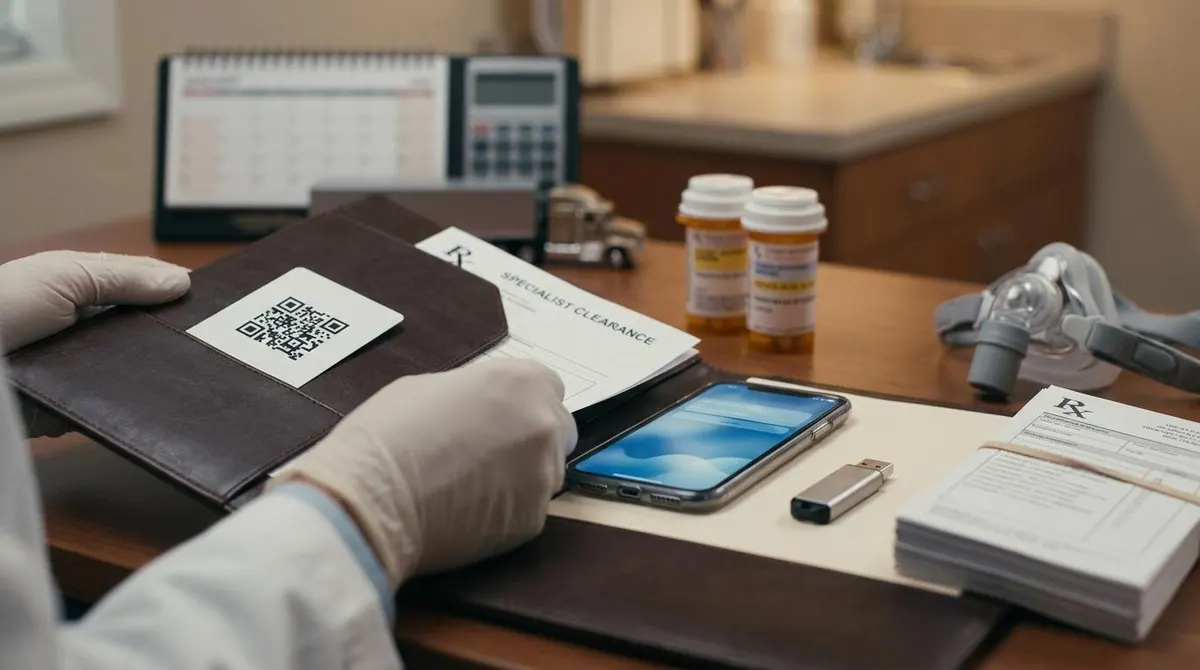
TIP: Before your DOT physical appointment, gather and digitize the following supporting documents: your complete medication list with dosages, any specialist clearance letters required for heart conditions or neurological history, a CPAP compliance report dated within 30 days if you have diagnosed sleep apnea, and a recent HbA1c result dated within 3 months if you have diabetes. Having these stored digitally in a single folder, whether on your phone, a USB drive, or accessible via QR code, means you can hand them to the examiner immediately, eliminate the risk of a disqualifying documentation gap, and avoid having to reschedule.
If you have been diagnosed with sleep apnea and are managing it with CPAP therapy, Dumbo Health's at-home sleep test and CPAP treatment plans provide a clear, affordable path to obtaining compliant CPAP data before your DOT physical. Their cash-pay model means no insurance authorization delays and transparent pricing you can plan around.
KEY TAKEAWAY: Digital preparation, including completing health history forms online, organizing medical documents in cloud storage, and using platforms like MedFiller, can meaningfully reduce your appointment time and eliminate preventable documentation failures.
Once you arrive at the clinic fully prepared, understanding exactly what the examiner will assess helps you know what to expect and how to present your health accurately.
What Happens During the In-Person Portion of the Exam?

The in-person DOT physical examination covers six core clinical areas, all of which require direct examiner involvement and cannot be assessed remotely.
Vital Signs: Blood Pressure and Pulse Rate
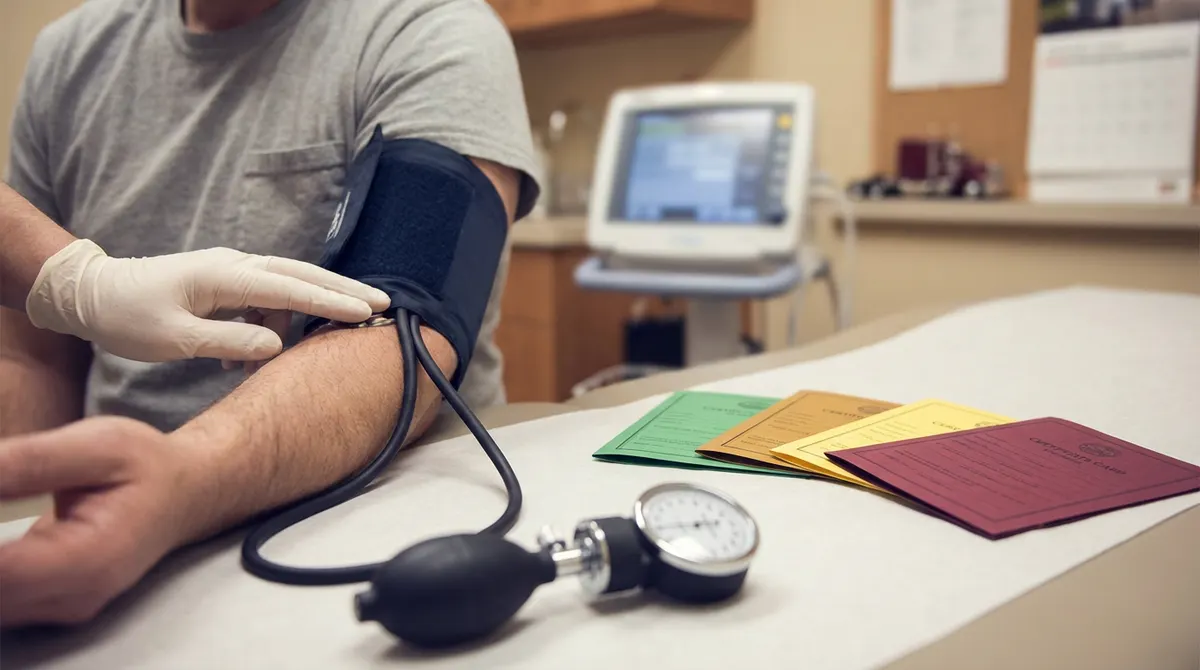
Blood pressure is one of the most consequential measurements in the DOT physical exam. According to WebMD's summary of FMCSA standards, a driver with a blood pressure reading below 140/90 mmHg qualifies for a full two-year medical certification. A reading between 140/90 and 159/99 (Stage 1 hypertension) qualifies the driver for a one-year certificate. A reading between 160/100 and 179/109 results in a three-month temporary certification while the driver seeks treatment. Any reading at or above 180/110 is disqualifying until blood pressure is brought under control and confirmed at a follow-up exam. The examiner also measures pulse rate to screen for irregular heartbeats or signs of arrhythmia that could indicate underlying cardiovascular risk.
The Vision Test and Peripheral Vision Screening
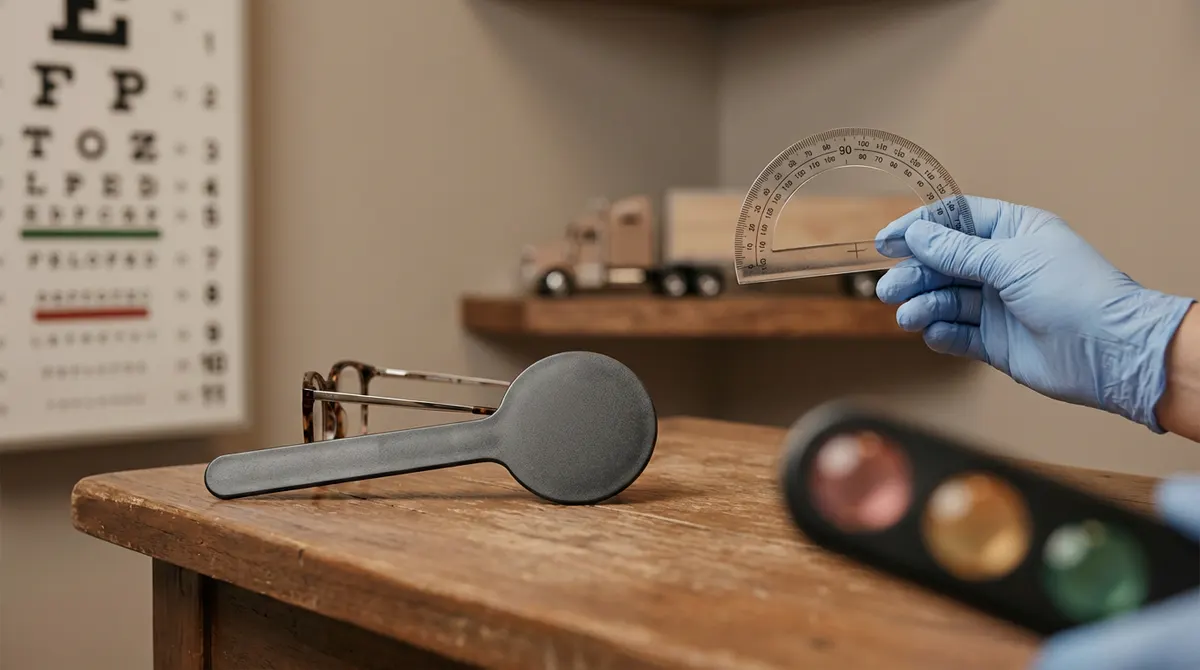
Vision requirements under FMCSA medical standards state that drivers must have at least 20/40 distant visual acuity in each eye, with or without corrective lenses, and at least 70 degrees of peripheral vision on the horizontal meridian in each eye. Drivers must also be able to distinguish between red, green, and amber traffic signal colors. The examiner uses a standard Snellen chart to assess distant visual acuity. A driver who fails the vision test without correction but meets the standard with corrective lenses is certified with a vision restriction noted on their medical card. A driver who does not meet the standard even with correction may be referred for a vision evaluation report (FMCSA Form MCSA-5871) completed by an ophthalmologist or optometrist.
Hearing Tests and Hearing Aid Requirements
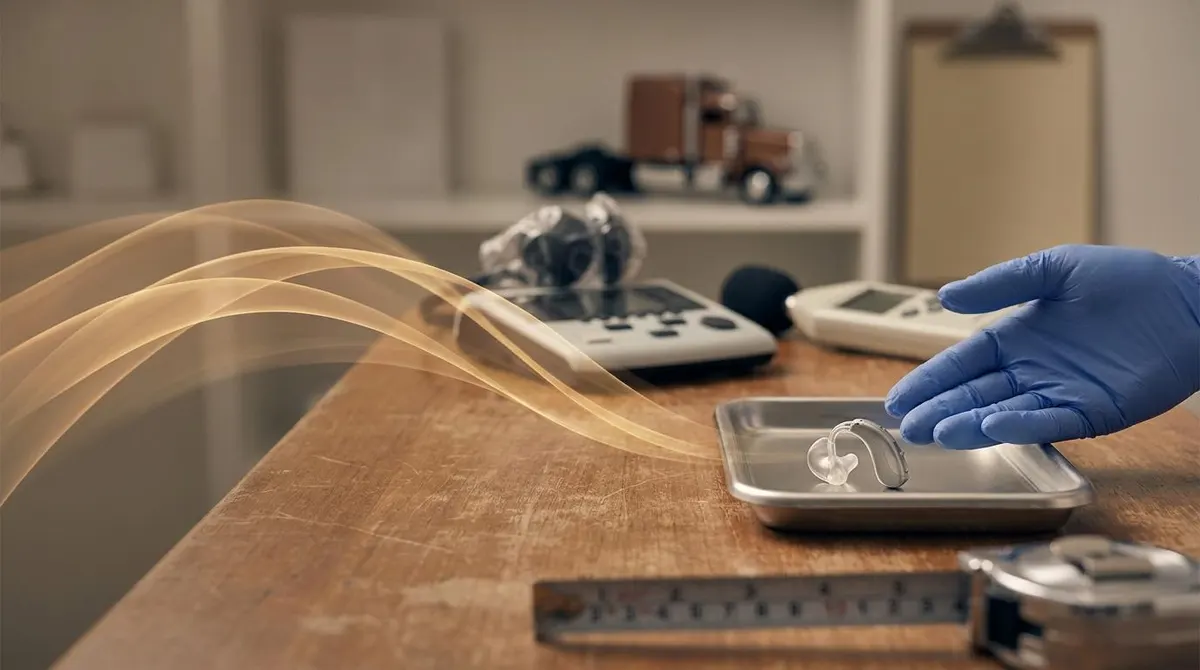
For the hearing test, the examiner uses the forced whisper method, requiring the driver to correctly perceive a whispered voice at a distance of at least five feet in the better ear, with or without a hearing aid. If the driver fails the whisper test, a formal audiometric test is required. According to Dumbo Health's guide to DOT physical exam components, the FMCSA standard requires the driver to hear an average of at least 40 decibels (dB) in each ear at 500 Hz, 1,000 Hz, and 2,000 Hz. Drivers who use a hearing aid and meet the standard with it can be certified with a hearing aid requirement noted on their medical card.
Urinalysis: What the Medical Examiner is Looking For

The DOT physical includes a urinalysis to screen for indicators of underlying health conditions, including glucose in the urine (which may signal uncontrolled diabetes), protein in the urine (which may indicate kidney disease), and blood in the urine (which may point to urinary tract infection or other conditions). IMPORTANT: The urinalysis conducted as part of the standard DOT physical is a health screening test, not a Department of Transportation drug test. A separate employer-mandated DOT drug test under 49 CFR Part 40 may also be required by your motor carrier, but it is not a component of the medical examination itself.
Physical Examination and Neurological Coordination
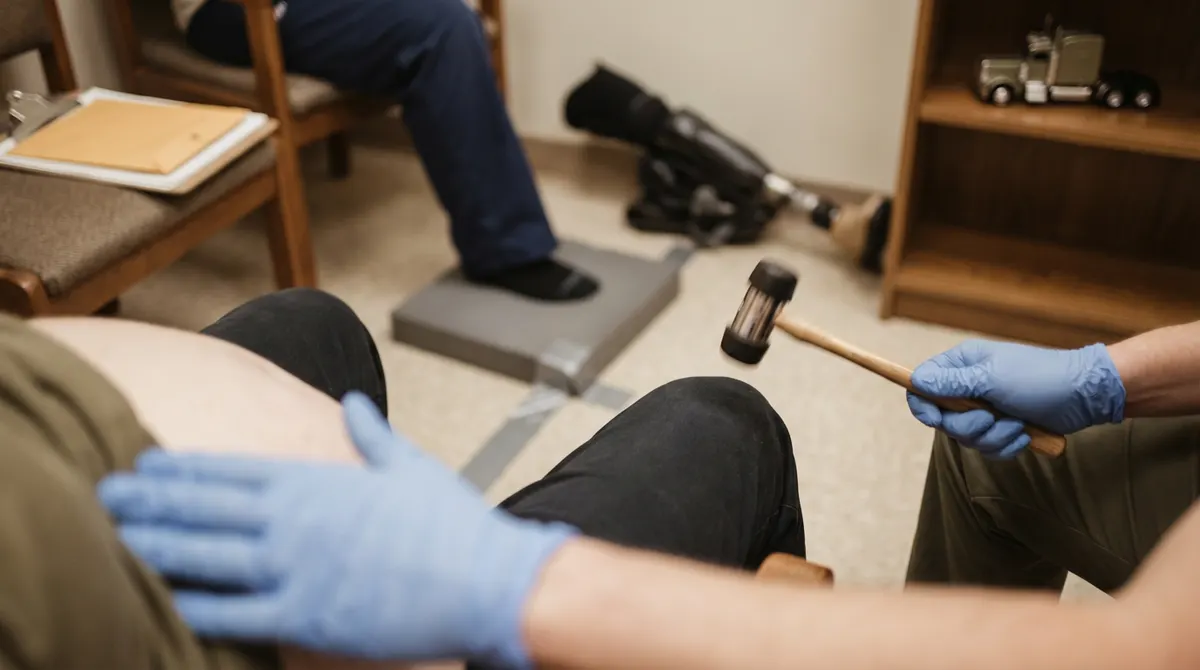
The examiner conducts a full physical examination covering the respiratory system, abdomen, extremities, and neurological function. The abdominal examination includes a check for hernia. Neurological coordination is assessed through balance, gait, and reflex testing. Drivers with a history of seizure disorders, brain injury, or neurological conditions may require a specialist clearance letter before the examiner can issue a certificate. Drivers with limb impairment may qualify with a Skills Performance Evaluation (SPE) Certificate.
KEY TAKEAWAY: The six clinical components of the in-person DOT physical, including blood pressure, vision, hearing, urinalysis, physical examination, and neurological assessment, each require hands-on examiner involvement and produce measurable, quantified results that form the basis of the medical certification decision.
Managing pre-existing medical conditions well before your appointment is the single most effective way to ensure certification without delays or disqualifying findings.
Managing Medical Conditions: Gathering Your Digital Records
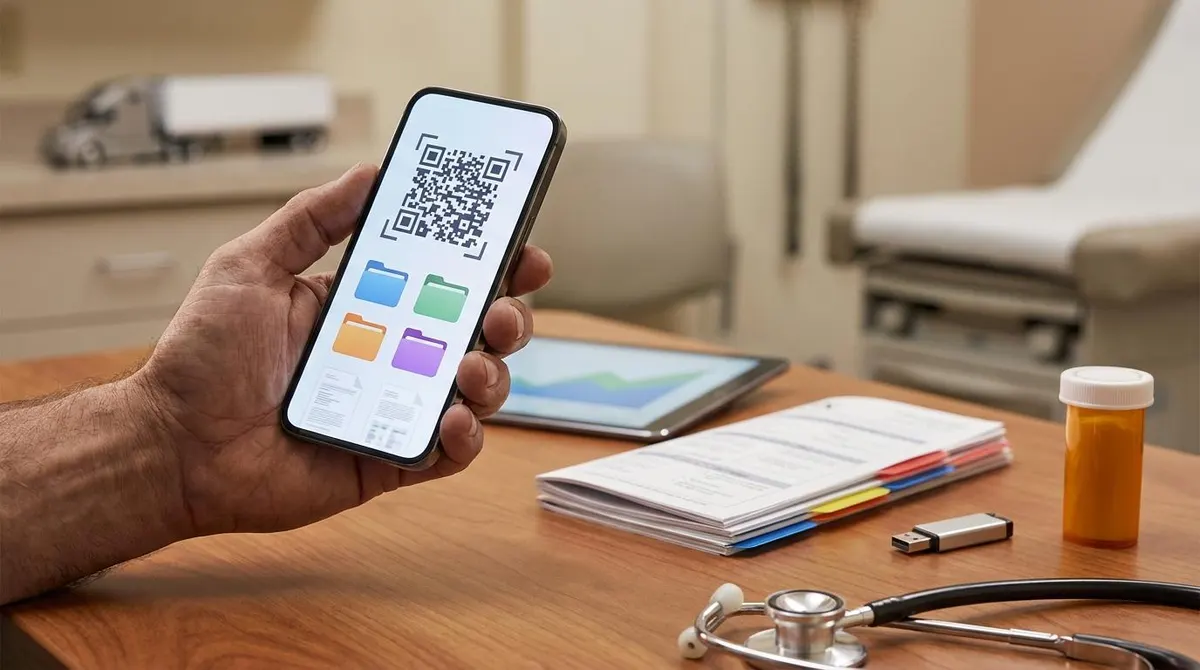
Drivers with ongoing medical conditions can prepare effectively by gathering the right documentation in digital format and bringing it to the examination.
Preparing Documentation for Insulin-Treated Diabetes

Drivers with insulin-treated diabetes mellitus (ITDM) require a federal exemption from the FMCSA to operate commercial motor vehicles in interstate commerce. The FMCSA Insulin-Treated Diabetes Mellitus Assessment Form (MCSA-5870) must be completed by the treating endocrinologist or primary care physician and submitted with the DOT physical medical history package. Required supporting documentation typically includes a recent HbA1c result dated within 3 months, a self-monitoring blood glucose log, and a treating physician's statement that the driver has not experienced a severe hypoglycemic episode in the past 12 months. Organizing these records digitally before the appointment ensures the examiner can review them without delay.
High Blood Pressure and Medication Logs
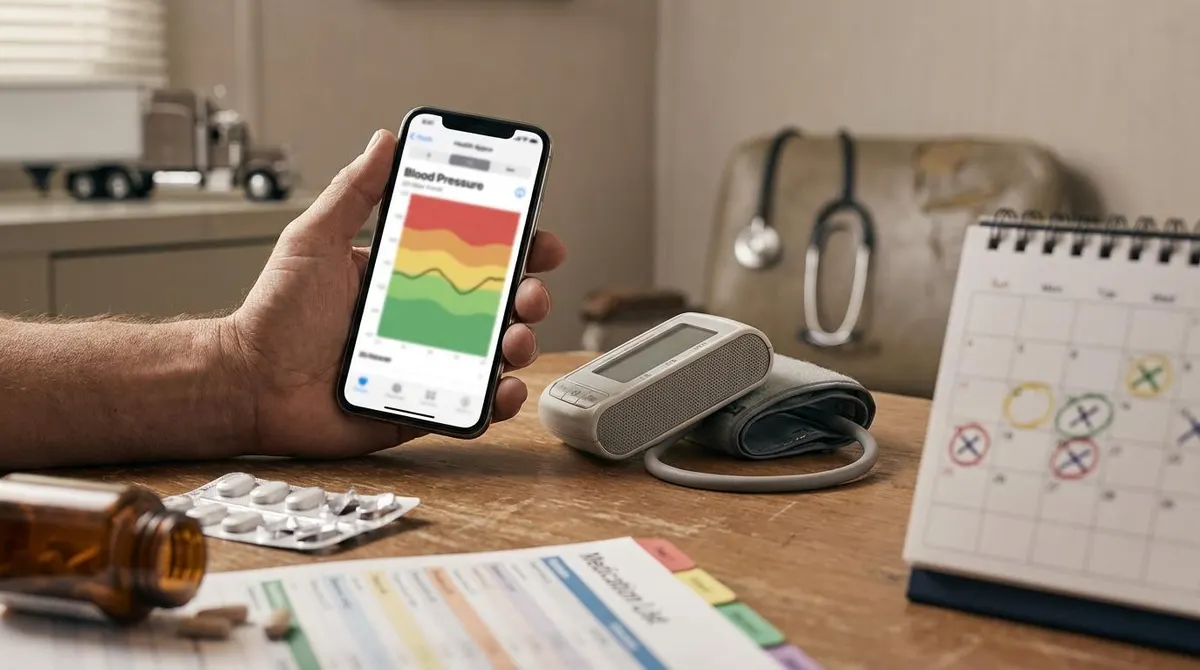
Drivers managing hypertension with medication should bring a clear record of their current prescription, dosage, and the name of the prescribing physician. If blood pressure is well controlled below 140/90 on a stable medication regimen, a two-year certificate is likely. If the driver is on a new or recently adjusted medication, the examiner may issue a shorter certificate period pending confirmation of stable control. Keeping a personal log of home blood pressure readings over the preceding 30 days, documented in a simple spreadsheet or health app, gives the examiner additional clinical context and may support a longer certification period.
Sleep Apnea Test Results and Compliance Data
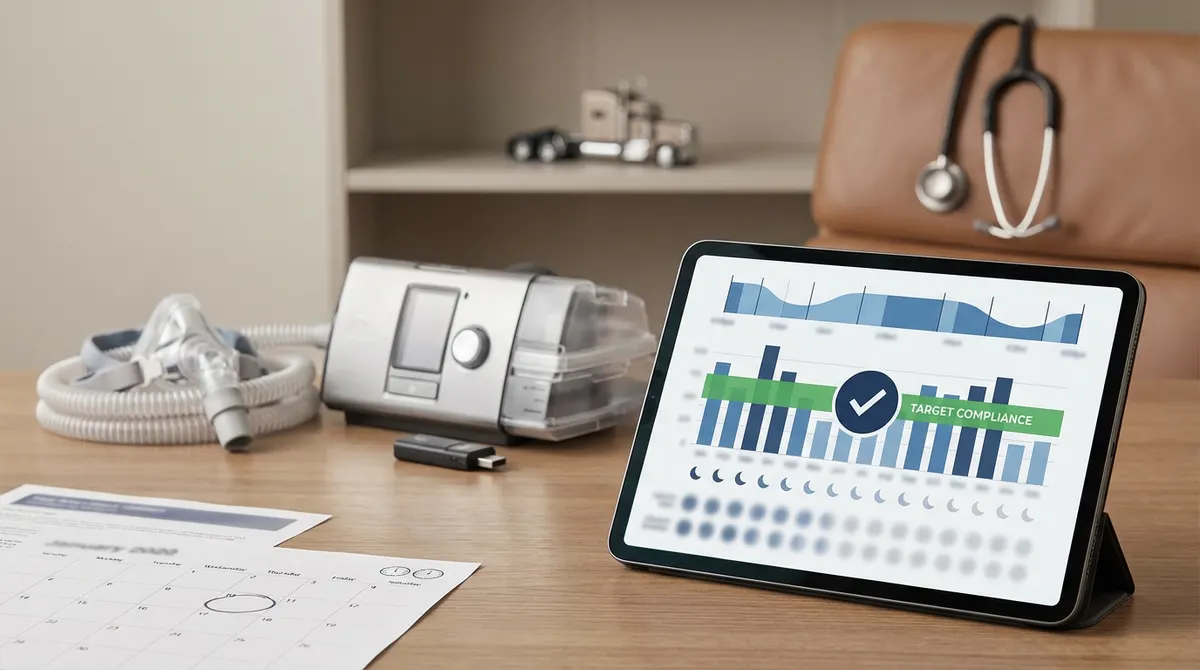
Commercial drivers with diagnosed obstructive sleep apnea (OSA) who are treated with CPAP therapy must demonstrate CPAP compliance to receive or maintain their medical certificate. According to Sleep Care Online's review of DOT requirements, drivers must prove CPAP usage for at least 4 hours per night on at least 70% of nights in the preceding 30 days. A CPAP compliance report downloaded from the machine's built-in data system or wireless monitoring platform serves as evidence of adherence. This report must be dated within 30 days of the DOT physical. Drivers with sleep apnea who are CPAP compliant are certified for 12-month periods rather than 24 months, requiring annual re-examination.
If you have not yet been tested for sleep apnea but have risk factors such as a BMI over 33, a neck circumference over 17 inches for men or 15.5 inches for women, or chronic fatigue symptoms, you can take a DOT-relevant home sleep apnea test through Dumbo Health for a transparent one-time cost of $149. The test is conducted in your own home over a single night, and treatment plans start from $59 per month with no contracts and no insurance required.
Cardiovascular and Neurological Medical History
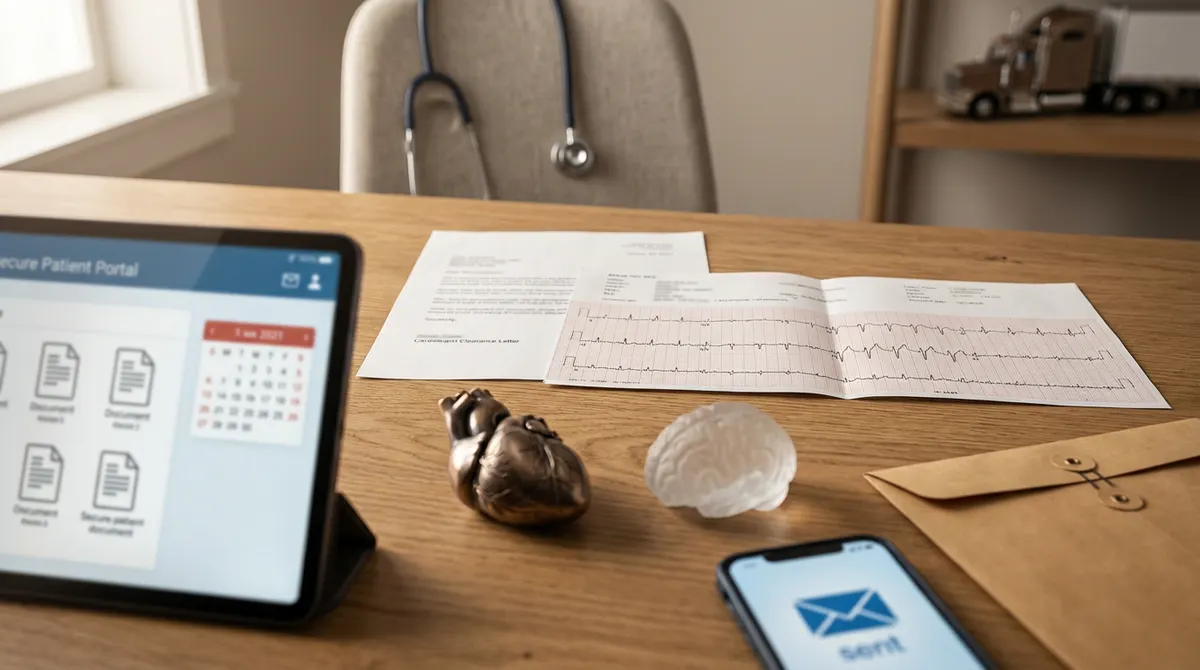
Drivers with a history of cardiac events such as myocardial infarction, stent placement, or bypass surgery must bring a current cardiologist clearance letter and the results of a stress test dated within 2 years. Neurological conditions requiring documentation include a history of stroke, TIA, brain injury, or seizure disorder. In these cases, the examiner may need a neurological examination report completed by a specialist who understands the functional demands of commercial driving. Gathering these records digitally and confirming with the specialist's office that all required forms are complete at least one week before the DOT physical appointment prevents disqualifying delays on the day of the exam.
KEY TAKEAWAY: Drivers with managed medical conditions, including hypertension, insulin-treated diabetes, sleep apnea, and cardiovascular history, can often achieve full medical certification by preparing the correct documentation in advance and presenting it to the examiner in an organized, accessible format.
Once the examination is complete, the medical certification process itself has undergone the most significant digital transformation in the history of the DOT physical system.
After the Exam: The Digital Path to Your Medical Card
The post-examination certification process is now substantially electronic, meaning the path from a completed DOT physical to an updated driver record is faster and more automated than at any previous point in the system's history.
Receiving Your Medical Examiner's Certificate (MEC)
At the conclusion of a successful DOT physical examination, the Certified Medical Examiner issues a Medical Examiner's Certificate (MEC) using FMCSA Form MCSA-5876. This certificate confirms the driver meets federal medical standards and specifies the certification period, along with any restrictions such as corrective lenses, hearing aids, or annual re-examination requirements. The certificate also states the examiner's National Registry number. Under the rules that took effect on June 23, 2025, the examiner is required to submit the examination results electronically to the FMCSA National Registry by midnight of the following calendar day. Drivers should receive their physical certificate at the time of the exam and retain it according to the current waiver provisions.
The National Registry Integration Initiative (NRII)
The National Registry Integration Initiative (NRII) is the FMCSA program designed to replace the previous paper-based medical certification process with a fully automated digital submission and transmission system. Under the NRII, Certified Medical Examiners submit DOT examination results, including any restrictions or variances, electronically to the NRCME database. The FMCSA then forwards those results electronically to the driver's State Driver Licensing Agency (SDLA). As of June 23, 2025, this electronic submission process became mandatory for all certified examiners. According to Foley, the result is that drivers in participating states no longer need to manually submit their medical card to the state licensing agency; the system handles this automatically.
How Your Results Reach the FMCSA Submission Platform
Once the examiner submits results through the ME Portal to the NRCME database, the FMCSA electronically transmits the CDL driver's medical exam results, including any variances and restrictions, to the Commercial Driver's License Information System (CDLIS) and to the driver's Motor Vehicle Record (MVR) at the state level. The automated process typically updates the driver's CDL record within a few days of the completed exam. Drivers should verify their state licensing agency is receiving transmissions correctly and check their MVR to confirm the updated certification status appears as expected.
Self-Certifying with Your State's Driver License Division

CDL holders who are subject to FMCSA medical standards must self-certify their operating category with their State Driver License Division. The four self-certification categories determine whether the driver is subject to federal physical qualification requirements: non-excepted interstate (NI), excepted interstate (EI), non-excepted intrastate (NA), and excepted intrastate (EA). Drivers in the NI category are required to maintain a current medical certificate and provide it to the state. Under the new electronic system in participating states, the state receives the certification status directly from the NRCME, but drivers should confirm their state's implementation status and maintain a paper copy as a backup during any transition period.
KEY TAKEAWAY: The NRII has transformed the post-exam certification path into a largely automated digital process, with the Medical Examiner submitting results electronically within 24 hours and the FMCSA transmitting certification status directly to state licensing agencies, reducing administrative burden for both drivers and carriers.
The timeline of this digital transformation and the key regulatory deadlines involved are important for every commercial driver and motor carrier to understand.
Important Deadlines: The Transition to Full Digital Integration
The 2025 transition to electronic medical certification represents the most significant change to the DOT physical process in decades, and understanding the regulatory timeline protects drivers and carriers from compliance gaps.
What Happened on October 12, 2025
October 12, 2025 was the original planned end date for the paper Medical Examiner's Certificate waiver that the FMCSA issued to manage the transition to electronic submission. Under the initial rule effective June 23, 2025, drivers were permitted to carry a paper copy of their medical card for up to 15 days after issuance. The FMCSA subsequently extended this waiver on August 21, 2025, allowing CDL holders and motor carriers to rely on a paper copy for up to 60 days after the certificate issuance date. According to the FMCSA's official waiver announcement, a further re-issued waiver was made effective from October 13, 2025 through January 10, 2026, reflecting ongoing state technical implementation challenges. Drivers and carriers should continue to monitor FMCSA announcements for current waiver status.
The Shift Toward Automatic Data Transfer Between FMCSA and State DMVs

Beginning June 23, 2025, the FMCSA began electronically transmitting medical exam results from the National Registry directly to each State Driver Licensing Agency's technology connection. Each SDLA is responsible for posting the results to the driver's MVR and CDLIS record. According to Wichita Falls Quality Associates, all states were required to ensure their technology connections were functioning and able to receive National Registry transmissions by the effective date. In practice, implementation timelines varied by state. Some states resolved technical issues quickly, while others required more time, which is why the FMCSA issued multiple successive waivers allowing paper certificates to remain in use during the transition period.
How "Paperless" Systems Impact Interstate vs. Intrastate Commerce

The electronic medical certification system primarily applies to CDL and Commercial Learner's Permit (CLP) holders operating in interstate commerce. For drivers operating exclusively in intrastate commerce under their state's own medical standards, the federal electronic transmission process may not apply in the same way. Intrastate drivers should consult their state's Department of Motor Vehicles or Driver License Division to confirm the applicable certification rules and whether the NRCME transmission applies to their license category. Drivers who operate across state lines or who are self-certified in the non-excepted interstate category face the most immediate impact from the federal digital integration changes.
KEY TAKEAWAY: The FMCSA's electronic medical certification system, launched June 23, 2025, automates the transmission of DOT physical results from the examiner to the NRCME and then to state licensing agencies, with multiple waiver extensions issued to manage the technical transition. Drivers should stay current with FMCSA announcements and verify their MVR regularly.
Knowing where to find a qualified examiner and how to evaluate their credentials is the most practical next step for any driver approaching a DOT physical.
Finding a Certified DOT Medical Examiner Near You
Every commercial driver subject to FMCSA medical standards must use a Certified Medical Examiner on the National Registry for their DOT physical. Finding a qualified provider near you is straightforward using the FMCSA's own search tool.
Using the NRCME Search Tool
The FMCSA National Registry search tool allows drivers to search for certified medical examiners in your area by city, state, or zip code. The Advanced Search option extends the parameters to include the examiner's National Registry number, first and last name, and business name. Results display the examiner's location, contact information, and current certification status. Drivers should always verify that the examiner's listing is active before booking an appointment, as examiners who have not completed required continuing education or who have allowed their state medical license to lapse are removed from the active list. An exam conducted by a provider not listed on the NRCME at the time of the exam produces an invalid certificate.
Choosing Between Occupational Medicine Clinics and Private Providers
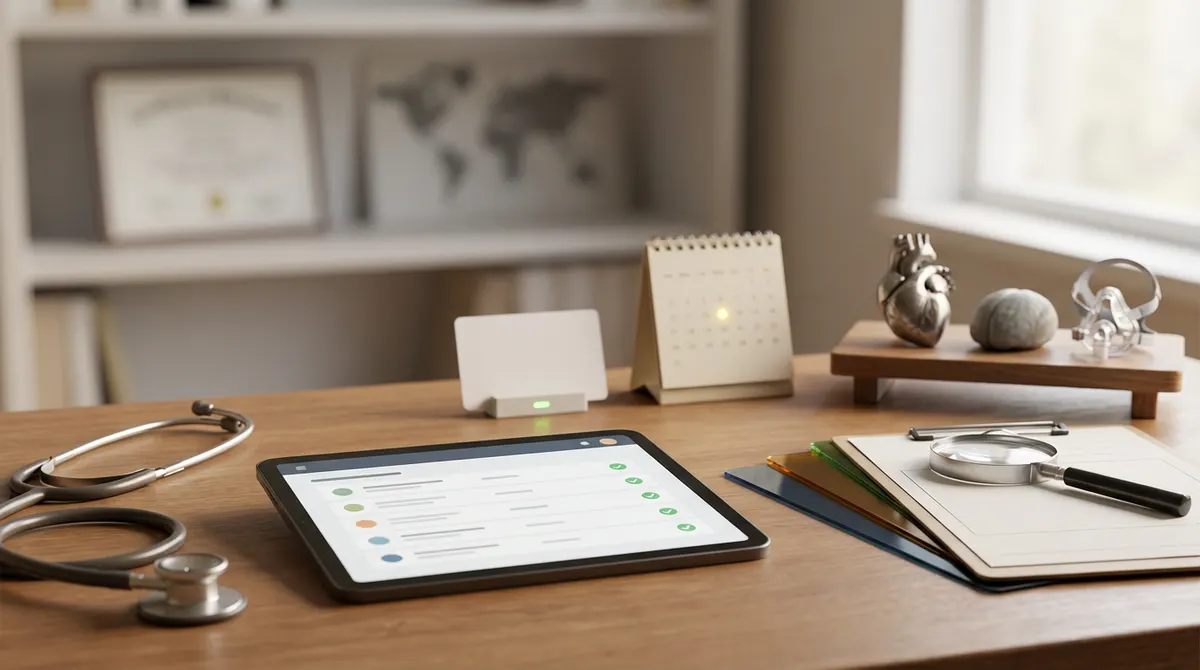
Commercial drivers have several options for finding a certified medical examiner close to you, including occupational medicine clinics, urgent care centers with certified examiners on staff, independent DOT physical providers, and hospital-based occupational health departments. Occupational medicine teams at larger health systems typically have dedicated DOT physical infrastructure, including pre-loaded digital forms, rapid urinalysis processing, and direct integration with FMCSA submission platforms. Independent private providers may offer more flexible scheduling and faster appointments. For drivers who need to complete the exam quickly or who are managing a complex medical history, a clinic with an experienced occupational medicine team and dedicated DOT physical support staff is generally the better choice.
| Provider Type | Best For | Typical Wait Time | Digital Form Support | NRCME Integration |
|---|---|---|---|---|
| Occupational Medicine Clinic | Complex medical history, managed conditions | Same day to 2 days | Usually yes | Usually yes |
| Urgent Care with CME on Staff | Quick turnaround, routine exam | Walk-in available | Varies | Varies |
| Independent DOT Physical Provider | Flexible scheduling, owner-operators | Same day possible | Varies | Yes (required) |
| Hospital Occupational Health | Drivers near major health systems | 1 to 3 days | Usually yes | Usually yes |
For most drivers in urban and suburban areas, same-day or next-day availability is standard. Drivers in rural areas may need to travel further to find a provider in their area, making the NRCME search tool an essential starting resource.
What to Look for in a Certified Medical Examiner

When selecting a certified medical examiner, look for a provider who actively uses digital forms to reduce wait time, has clear documentation requirements listed on their website, submits results electronically through the FMCSA ME Portal, and has experience with drivers who have managed chronic conditions. If you have a complex medical history involving sleep apnea, cardiovascular disease, or neurological conditions, look for a clinic with occupational medicine specialist support rather than a general practitioner who performs DOT physicals only occasionally. A provider who reviews your medical documentation before the appointment and flags any potential issues in advance is worth the extra effort to find.
KEY TAKEAWAY: Use the FMCSA National Registry search tool to find a Certified Medical Examiner near you, verify their listing is active, and choose a provider with experience in occupational medicine and digital form processing to make your appointment as efficient as possible.
Common Myths About DOT Physical Online Options Debunked

Several persistent misconceptions about online DOT physicals circulate among commercial drivers, some of which can lead to serious legal and professional consequences.
MYTH: You can complete a fully valid DOT physical online and receive a legitimate medical certificate without leaving home.
FACT: This is false. The FMCSA requires a licensed Certified Medical Examiner to conduct a hands-on physical examination that includes blood pressure measurement, vision and hearing testing, urinalysis, and neurological assessment. None of these components can be completed remotely. Any service claiming to issue a valid DOT medical certificate entirely online is operating fraudulently or misleadingly.
MYTH: A telehealth consultation with a licensed physician is enough to qualify for a DOT medical card.
FACT: A telehealth visit with a licensed physician does not constitute a DOT physical examination under FMCSA regulations, even if that physician is otherwise fully qualified to perform DOT physicals. The DOT physical must be conducted in person, and the physician must be actively listed on the National Registry of Certified Medical Examiners at the time of the examination. According to the FMCSA Medical Examiner Handbook, the examination must include direct clinical assessment.
MYTH: If you buy a DOT medical certificate online, no one will check whether it was issued by a real examiner.
FACT: This is dangerously incorrect. The FMCSA's National Registry Integration Initiative means that every valid medical certificate issued from June 23, 2025 onward is electronically linked to a specific Certified Medical Examiner's National Registry number and transmitted to the SDLA and CDLIS. Law enforcement, motor carriers, and state licensing agencies can verify the authenticity of a medical certificate instantly by cross-referencing the NRCME database. Penalties for carrying a fraudulent DOT medical card include fines ranging from thousands to tens of thousands of dollars, CDL revocation, and potential criminal charges.
MYTH: The parts of the DOT physical that can be done online count toward your medical certification.
FACT: Online tools such as pre-filled health history forms, patient portals, and document upload systems help prepare you for the exam and streamline the administrative process, but they do not contribute to the medical certification itself. The certification decision is made solely by the Certified Medical Examiner based on the in-person clinical findings documented during the examination.
MYTH: If your medical condition is well-managed, you do not need to bring documentation because the examiner will trust your verbal history.
FACT: The FMCSA Medical Examination Report Form (MCSA-5875) requires the driver to complete a detailed written health history, and the examiner is responsible for reviewing and verifying that history. For conditions such as insulin-treated diabetes, sleep apnea, and cardiovascular disease, specific supporting documentation is required as a condition of certification. Arriving without the required documents can result in a deferred examination, a disqualifying finding, or the issuance of only a 90-day temporary certificate pending documentation review.
KEY TAKEAWAY: No legitimate, federally valid DOT physical can be completed entirely online. Digital tools exist to improve efficiency and preparation but cannot substitute for the in-person examination conducted by a Certified Medical Examiner on the NRCME.
Frequently Asked Questions
Can a DOT physical be done online?
No, a DOT physical cannot be completed online. The FMCSA requires that every DOT physical be conducted by a Certified Medical Examiner listed on the National Registry of Certified Medical Examiners, who must physically examine the driver in person. The exam includes blood pressure measurement, vision and hearing testing, urinalysis, and a full physical examination, none of which can be completed remotely. While online tools can help drivers prepare health history forms and schedule appointments, the examination itself, and the medical certification decision, must happen in person at a clinic or provider office near you.
Is it valid to complete a DOT physical through an online service?
A DOT medical certificate issued solely through an online service without an in-person physical examination is not valid under federal law. Any website or service that claims to issue a fully valid DOT medical card online without requiring the driver to attend an in-person examination is either misrepresenting its services or operating fraudulently. A valid medical certificate must carry the National Registry number of a CME listed on the NRCME, be supported by a completed FMCSA Medical Examination Report Form (MCSA-5875), and have been submitted electronically to the FMCSA by the examiner within 24 hours of the exam. Drivers carrying an invalid certificate risk fines, CDL suspension, and criminal liability.
Are DOT physicals available for remote or virtual completion?
DOT physicals are not available for remote or virtual completion under current FMCSA regulations. Some clinics offer pre-exam virtual consultations to help drivers review their documentation requirements before visiting in person, but the actual examination and certification must take place at a physical clinic or provider location. Platforms such as MedFiller offer paperless documentation tools for the administrative components, and some providers allow drivers to complete the health history form digitally before arrival, but these are preparation tools rather than substitutes for the in-person exam.
What are the limitations of online DOT physicals?
The primary limitation is that no online or telehealth service can legally perform the clinical components of a DOT physical. These include measuring blood pressure with a calibrated instrument, administering the forced whisper hearing test, conducting a Snellen chart vision assessment, performing a urinalysis, or examining the driver's abdomen, musculoskeletal system, and neurological coordination. Beyond the regulatory limitation, there is also a practical public safety rationale. Commercial drivers operate heavy vehicles at highway speeds, and undetected cardiovascular, neurological, or sensory impairments represent a genuine road safety risk. The in-person examination standard exists to ensure those impairments are identified before a driver returns to the road.
How does an online DOT physical compare to an in-person exam?
There is no federally valid "online DOT physical" that can be compared to an in-person exam, because only the in-person exam produces a valid Medical Examiner's Certificate. What online tools provide are administrative efficiencies: appointment booking, digital health history forms, and document organization. These tools reduce time spent on paperwork at the clinic but do not replace any clinical component. In-person exams conducted by experienced occupational medicine providers, combined with thorough digital preparation, represent the most efficient path to completing the DOT physical process. Drivers in areas with limited provider access can use the NRCME search tool at nationalregistry.fmcsa.dot.gov to find certified examiners close to them.
How much does a DOT physical cost?
The cost of a DOT physical varies depending on the provider and location. Many occupational medicine clinics, urgent care centers, and independent DOT physical providers offer self-pay options with cash pricing, meaning no insurance is required. Typical costs range from approximately $75 to $150 for a standard DOT physical examination at walk-in or scheduled clinics. Dumbo Health's resources on DOT physical self-pay costs and cash-pay options provide current, transparent pricing guidance for drivers paying out of pocket. Costs may be higher at hospital-based occupational health facilities and lower at independent providers offering competitive cash pricing.
Do DOT physicals check for hernia?
Yes, the in-person DOT physical includes an abdominal examination that checks for hernia, among other conditions. According to the Dumbo Health guide to DOT physical components, the physical examination covers the respiratory system, abdomen including hernia assessment, extremities, and neurological function. A hernia finding does not automatically disqualify a driver, but the examiner will assess whether the condition could impair the driver's ability to safely operate a commercial motor vehicle or perform required tasks such as loading and unloading cargo.
What happens if a DOT doctor denies your physical?
If a Certified Medical Examiner determines that a driver does not meet FMCSA medical standards, the examiner will not issue a Medical Examiner's Certificate for that exam. The driver can seek a second opinion from another CME on the NRCME, but the second examiner must also conduct a full in-person examination. A second opinion cannot be obtained virtually; it still requires a physical visit to a certified provider. If a driver disagrees with a disqualifying finding, they may also apply to the FMCSA for a specific exemption in categories such as vision, insulin-treated diabetes, or limb impairment, which are reviewed on a case-by-case basis by the FMCSA Medical Programs division.
Who needs to get a DOT physical?
According to the FMCSA and WebMD's summary, a DOT physical is required for drivers who operate a commercial motor vehicle with a gross vehicle weight rating or gross combination weight rating of 10,001 pounds or more in interstate commerce, vehicles designed to transport more than 15 passengers including the driver, vehicles used to transport 8 or more passengers for compensation, or vehicles transporting hazardous materials requiring placards. Drivers in intrastate-only commerce may be subject to their state's own medical standards rather than federal FMCSA requirements, depending on the state and vehicle type. Dumbo Health's guide on who needs a DOT physical provides a detailed breakdown by vehicle type and commerce category.
How often do commercial drivers need a DOT physical?
Commercial drivers subject to FMCSA medical standards must be certified at least once every two years. A driver with a blood pressure reading below 140/90 and no disqualifying conditions can receive a full 24-month certificate. Drivers with managed conditions such as stage 1 hypertension, sleep apnea requiring CPAP compliance verification, or recently treated cardiovascular disease typically receive a 12-month certificate requiring annual re-examination. Drivers with blood pressure in the range of 160/100 to 179/109 at the time of the exam may receive a 90-day temporary certificate, after which blood pressure must be confirmed controlled before a longer certificate period is issued. Some medical conditions require re-examination every 3 months under specific monitoring protocols.
What are the medical requirements for passing a DOT physical?
To pass a DOT physical examination, a commercial driver must meet FMCSA medical standards across all assessed areas: distant visual acuity of at least 20/40 in each eye with or without correction, peripheral vision of at least 70 degrees horizontally in each eye, ability to perceive a forced whisper at 5 feet or meet audiometric standards averaging no more than 40 decibels at key frequencies, blood pressure below 140/90 mmHg for a full two-year certificate, no disqualifying use of controlled substances including methadone, no uncontrolled epilepsy, no insulin-treated diabetes without an FMCSA exemption, and no other medical condition that would impair safe CMV operation. The examiner has clinical discretion in assessing borderline findings and may impose restrictions, require follow-up documentation, or issue shorter certification periods.
Do DOT physicals include urine drug testing?
The urinalysis included in the standard DOT physical is a health screening test to detect glucose, protein, and blood in the urine, which may indicate diabetes, kidney disease, or other conditions. It is not a Department of Transportation drug test. A separate federally mandated DOT drug test, conducted under 49 CFR Part 40, may be required by your motor carrier and typically involves testing for five categories of controlled substances. These are separate requirements. The DOT drug test uses a chain-of-custody collection process and is processed at a certified SAMHSA laboratory, whereas the urinalysis during the medical exam is a point-of-care screening tool used to assess the driver's general health.
What happens if your DOT medical card expires?
If a commercial driver's medical card expires while they are still driving commercially, they are operating without a valid medical certification, which is a federal violation under 49 CFR Part 391. In CDL-holding drivers, the SDLA typically downgrades the CDL to a regular driver's license when the medical certification lapses, removing commercial driving privileges. Under the electronic certification system launched in June 2025, this downgrade can happen automatically once the NRCME transmission confirms no valid certificate is on file. To avoid a CDL downgrade, drivers should schedule their DOT physical examination before the current certificate expires, allow time for the digital submission to process, and monitor their MVR to confirm the updated certification is reflected correctly.
Conclusion
A DOT physical cannot be done online, and understanding this distinction protects your CDL, your livelihood, and everyone sharing the road with commercial drivers. Federal regulations enforced by the FMCSA require a hands-on, in-person examination by a Certified Medical Examiner listed on the National Registry, covering blood pressure, vision, hearing, urinalysis, and full physical assessment. What has genuinely changed is the administrative side of the process: digital booking, pre-filled health history forms, cloud-based document preparation, and the NRCME's automated transmission of exam results to state licensing agencies now make the overall certification experience faster and more streamlined than ever before. If sleep apnea is a concern before your next DOT physical, explore Dumbo Health's complete sleep apnea care solutions, including at-home testing and affordable CPAP plans, to stay compliant and keep your career on track.
Related DOT Physical Topics
- Can You Get a DOT Physical in Any State The Complete Guide for Commercial Drivers
- Can You Get a Second Opinion on Your DOT Physical A Complete Guide for Commercial Drivers
- Does a DOT Physical Test for Weed or THC The Complete Guide for Commercial Drivers
- What Happens If You Fail a DOT Physical Twice The Complete Guide for Commercial Drivers
- Online DOT Physical The Complete Guide for Commercial Drivers and Medical Examiners
- Remote DOT Physical The Complete Guide for Commercial Drivers
- DOT Physical Forms & Paperwork The Complete Guide for Commercial Drivers
- Online DOT Physical Without Insurance A Complete Guide for Commercial Drivers
- Online DOT Physical Self-Pay The Complete Guide for CDL Drivers and Owner-Operators
- What Happens During the DOT Physical Exam The Complete Guide for Drivers
- What Happens If You Fail a DOT Drug Test The Complete Guide for Commercial Drivers
- DOT Hypertension Guidelines The Complete Blood Pressure Guide for Commercial Drivers
- The Ultimate DOT Physical Guide for Commercial Drivers (2025–2026)
- How Long Does a DOT Physical Take A Complete Guide for Commercial Drivers
- DOT Physical ICD-10 & Billing Codes The Complete Guide for Accurate Compliance and Reimbursement
- Home Sleep Apnea Test for Commercial Drivers The CDL Holder's Complete Guide
- Medical Examiner's Certificate (Form MCSA-5876) The Complete Guide for Commercial Drivers
- Navigating the Florida DOT Physical Your Essential Guide for CDL Drivers
- DOT physical self pay guide for commercial drivers paying out of pocket
- Can You Get a DOT Physical Online
- DOT Medical Exam Self-Pay A Complete Guide for Commercial Drivers
- How to Pass a DOT Physical The Complete Commercial Driver's Guide
- What Happens If Your DOT Physical Expires Compliance Guide for Commercial Drivers
- What are the current DOT requirements for sleep apnea testing for commercial drivers
- Medical Examination Report (MER) – Form MCSA-5875 The Complete Guide for Commercial Drivers
- DOT Physical Requirements A Complete Guide for CDL Drivers
- The DOT Physical Exam Ensuring You're Fit for the Road
- Can You Fail a DOT Physical for Being Overweight
- The Ultimate DOT Preparation Checklist for Motor Carriers and Commercial Drivers
- DOT Physical Insurance & Recertification The Complete Driver's Guide
- Can You Fail a DOT Physical for High Blood Pressure
- BMI for DOT Physical What Commercial Drivers Need to Know
- How Do You Submit Your DOT Physical to the DMV
- What Can Disqualify You From a DOT Physical
- Can You Pass a DOT Physical with Epilepsy
- Essential 171 DOT Definitions for Commercial Drivers
- Can You Pass a DOT Physical With a Hernia
- Can You Pass a DOT Physical With One Eye
- Can You Pass a DOT Physical With a Pacemaker
- What Forms Do You Need for a DOT Physical
- Navigating DOT Stroke Guidelines for CMV Drivers What You Need To Know
- DOT Physical Out of Pocket What Commercial Drivers Actually Pay
- How can drivers with sleep apnea qualify again after a failed DOT physical
- What Is the Urine Test for in a DOT Physical
- Your Complete Guide What's Included in a DOT Physical Exam
- What Are the DOT Requirements for Drivers With Sleep Apnea
- Can you fail a DOT physical because of sleep apnea
- DOT Physical Insurance or Self Pay How to Choose the Right Payment Option for Your Exam
- The Comprehensive Guide to Suboxone, Sleep Apnea, and FMCSA Compliance for Commercial Motor Vehicle Operators
- DOT Physical Chiropractor Your Complete Guide to CDL Exams
- Is a DOT physical the same as a regular physical
- Can you pass a DOT physical with sleep apnea
- DOT Physical at Urgent Care What Commercial Drivers Need to Know
- Can You Pass a DOT Physical with Diabetes
- Can You Pass a DOT Physical with High Blood Pressure
- What are the current FMCSA guidelines on sleep apnea for commercial drivers
- DOT Physical Texas The Essential Guide to Your Exam, Medical Card, and CDL Compliance
- What Does DOT Stand for in a DOT Physical
- What Is the Difference Between a DOT and Non-DOT Physical
- Sleep Apnea Test at Home The Complete Guide to Home Sleep Testing for Adults
- Can You Fail a DOT Physical
- Is a drug test required for a DOT physical
- DOT Physical Cost Breakdown What Drivers Pay & Why
- DOT Physical Online Cost
- What Should You Bring to a DOT Physical
- New DOT Physical Requirements What Drivers MUST Know About New Updates
- What blood pressure do you need to pass a DOT physical
- When Can Sleep Apnea Affect a DOT Physical
- Online DOT Exam What Drivers and Medical Examiners Need to Know
- DOT Physical Blood Pressure Requirements What Drivers Need to Know
- What happens if you fail a DOT physical due to sleep apnea
- DOT Physical & Drug Test What Drivers Need to Know
- Non-DOT Physical A Comprehensive Guide to Workforce Health and Safety
- Is a Sleep Study Required for a DOT Physical
- Guide to Obtaining and Managing Your DOT Medical Card Online
- Do They Check for Hernia During a DOT Physical
- Do You Have to Pee During a DOT Physical
- What Are the Requirements to Pass a DOT Physical
- What eye chart is used for a DOT physical
- Home Sleep Apnea Test The Complete Guide to At-Home Sleep Apnea Testing
- Cheap DOT Physical Online
- At-Home Sleep Apnea Test The Complete Guide to Testing, Results, and Treatment
- Failing a DOT Physical What Every Commercial Driver Needs to Know
- Sleep Apnea Test The Complete Guide to Diagnosis, Home Testing, and What Your Results Mean
- Sleep Apnea Testing The Complete Guide to Diagnosis, Home Tests, and What Your Results Mean
- Home Sleep Test The Complete Guide to At-Home Sleep Apnea Testing
- What drugs do they test for in a DOT drug test
- Does a DOT physical include a drug test
- DOT Physical Self Pay Cost
- DOT Physical Exam Basics
- Telehealth Dot Physical
- Sleep Apnea Test for CDL Drivers
- Who needs a DOT physical
- DOT Physical & Alcohol Requirements
- Why do they measure your neck during a DOT physical
- Navigating Your DOT Physical with Common Medical Conditions
- Why DOT Sleep Tests at Home Matter for Your Career and Health
- Walk In DOT Physical Self Pay
- Are there legal requirements for drivers with sleep apnea
- DOT Physical Cash Pay
AI summary
A DOT physical is a federally required, in-person medical examination for commercial motor vehicle drivers. FMCSA rules require a Certified Medical Examiner (CME) listed on the National Registry of Certified Medical Examiners (NRCME) to physically examine the driver under 49 CFR Part 391.41. A fully online or telehealth DOT physical is not permitted because required clinical elements must be verified on site. These include blood pressure measurement with calibrated equipment, Snellen visual acuity testing and peripheral vision screening, forced-whisper hearing testing or audiometry, urinalysis (glucose, protein, blood), and a hands-on physical exam that can include hernia and neurological coordination assessment. Digital tools can still streamline the process. Drivers can use online booking, complete the Medical Examination Report form MCSA-5875 electronically, and upload or share supporting records (medication lists, clearance letters, CPAP compliance data, HbA1c results, MCSA-5870 for insulin-treated diabetes). After the exam, the Medical Examiner’s Certificate (MCSA-5876) and results are submitted electronically via FMCSA systems. Under the National Registry Integration Initiative (NRII), electronic submission became mandatory June 23, 2025, with transmission to State Driver Licensing Agencies (SDLA) and CDLIS/MVR records and temporary paper-certificate waivers during the transition.

Nicolas Nemeth
Co-Founder
Nico is the co-founder of Dumbo Health, a digital sleep clinic that brings the entire obstructive sleep apnea journey home. Patients skip the sleep lab and the long wait to see a specialist. Dumbo Health ships an at home test, connects patients with licensed sleep clinicians by video, and delivers CPAP or a custom oral appliance with ongoing coaching and automatic resupply in one clear subscription.
Keep reading

How Long Does a DOT Physical Take? A Complete Guide for Commercial Drivers

What Happens If You Fail a DOT Drug Test? The Complete Guide for Commercial Drivers


