The Comprehensive Guide to Suboxone, Sleep Apnea, and FMCSA Compliance for Commercial Motor Vehicle Operators
This guide explains how Suboxone (buprenorphine/naloxone) affects DOT medical certification for commercial motor vehicle drivers under updated FMCSA guidance. It summarizes the 2024 Medical Examiner’s Handbook shift from automatic disqualification to individualized assessment under 49 CFR 391.41. You will learn what medical examiners evaluate, including narcotic use exceptions, respiratory function risks, and mental health stability. The article details why sleep apnea screening matters for drivers on opioids, including concerns about central sleep apnea and daytime sleepiness. It outlines CPAP compliance expectations and why certification periods may be shortened. It also clarifies DOT 5-panel testing versus employer non-DOT panels and explains Clearinghouse, DataQs, and 391.47 dispute pathways.
Struggling with sleep?
Find out if sleep apnea is the reason.
FDA-cleared. $149 flat. Physician-reviewed results in 48 hours.

The Comprehensive Guide to Suboxone, Sleep Apnea, and FMCSA Compliance for Commercial Motor Vehicle Operators

The intersection of addiction recovery, sleep health, and the strict physical requirements of commercial motor vehicle (CMV) operation represents one of the most complex regulatory landscapes in the United States transportation sector. For years, the Federal Motor Carrier Safety Administration (FMCSA) maintained a rigid posture regarding the use of narcotics and opioid-based treatments, often resulting in the immediate disqualification of drivers seeking medication-assisted treatment (MAT).1 However, the release of the Medical Examiner’s Handbook 2024 Edition has formally ushered in an era of individualized assessment, acknowledging the clinical efficacy of buprenorphine—the active ingredient in Suboxone—while simultaneously heightening the scrutiny surrounding associated risks such as central sleep apnea and cognitive impairment.3 This definitive resource analyzes the current regulatory framework under 49 CFR Part 391, the pharmacological implications of MAT on driver safety, and the essential steps for maintaining compliance within the FMCSA Drug and Alcohol Clearinghouse.
Historical Context and the Regulatory Shift of 2024

To understand the current status of Suboxone in the trucking industry, one must first examine the evolution of FMCSA’s medical advisory criteria. Historically, medications like methadone and Suboxone were viewed as absolute barriers to entry for safety-sensitive roles.5 This stance was largely based on a 2006 evidence report, Schedule II Opioids and Stimulants & CMV Crash Risk and Driver Performance, which suggested that the licit use of opioids significantly increased the risk of motor vehicle crashes and negatively impacted indirect measures of driver performance.7 The FMCSA’s Medical Review Board (MRB) and the Motor Carrier Safety Advisory Committee (MCSAC) long maintained that conditions requiring chronic opioid treatment were inherently incompatible with the demands of operating heavy machinery in interstate commerce.9
A major shift occurred with the publication of the January 2024 edition of the Medical Examiner's Handbook. This document rescinded and replaced all previous versions and bulletins, including the 2015 bulletin on obstructive sleep apnea.3 For the first time, the FMCSA explicitly stated that treatment with Suboxone and other drugs containing buprenorphine and naloxone does not automatically preclude an individual from receiving a Medical Examiner’s Certificate (MEC).1 This change reflects a broader clinical recognition that stable maintenance on buprenorphine significantly reduces the risk of relapse and overdose, which are themselves major threats to public safety.4
Understanding the Physical Qualifications Under 49 CFR 391.41

The core of CMV driver eligibility is found in 49 CFR 391.41, which outlines thirteen specific physical qualification standards.13 While Suboxone use is primarily evaluated under the drug use standard, it has secondary implications for the respiratory, mental, and cardiovascular standards.
Standard (b)(12): Narcotic and Habit-Forming Drugs
This regulation is the most critical for drivers on Suboxone. It states that a person is physically qualified if they do not use any Schedule I drug, amphetamine, narcotic, or habit-forming drug.13 However, there is a vital carve-out for prescription medications. A driver may be qualified if the substance is prescribed by a licensed medical practitioner who is familiar with the driver's medical history and the specific duties of a commercial driver.13 The practitioner must provide a statement that the medication will not interfere with the driver's ability to safely operate a CMV.5
Not sure if sleep apnea applies to you?
Take our 2-minute sleep risk quiz to see whether sleep apnea could affect your DOT physical. No account required.
| Qualification Element | Standard Requirement | Impact of Suboxone |
|---|---|---|
| Schedule I Drugs | Absolute prohibition (e.g., marijuana, heroin) | Suboxone is Schedule III; not prohibited if prescribed. |
| Narcotic/Habit-Forming | Disqualifying without explicit medical exception | Requires case-by-case ME evaluation and prescriber letter. |
| Authorized Exception | Prescribing doctor confirms safety for CMV roles | Final determination remains the sole discretion of the ME. |
The role of the Certified Medical Examiner (ME) is to serve as the final arbiter of fitness for duty.12 Even if a driver’s treating physician provides a clearance letter, the ME has the authority to deny certification if they believe the driver remains a safety risk due to the underlying condition or medication side effects.1
Standard (b)(5): Respiratory Function
FMCSA guidelines prohibit the certification of any driver with an established medical history or clinical diagnosis of a respiratory dysfunction likely to interfere with the safe control of a vehicle.13 This standard is particularly relevant because buprenorphine acts as a partial opioid agonist, which can suppress the central respiratory drive.21 Even slight impairments in respiratory function under emergency conditions—where a greater oxygen supply is necessary for performance—can be considered detrimental to safety.23
Standard (b)(9): Mental and Emotional Disorders
The degree to which an individual can respond to environmental strain and emotional stress is critical for the safe operation of a CMV.25 Examiners must consider whether the use of Suboxone, which treats opioid use disorder, indicates a stable recovery or a susceptibility to emotional instability.2 Schizophrenia, affective psychoses, and severe anxiety are generally disqualifying if they interfere with safety, and the ME must evaluate whether the driver’s history of substance use presents a lingering risk of cognitive or functional impairment.25
Pharmacology and Impairment: The Case for Buprenorphine
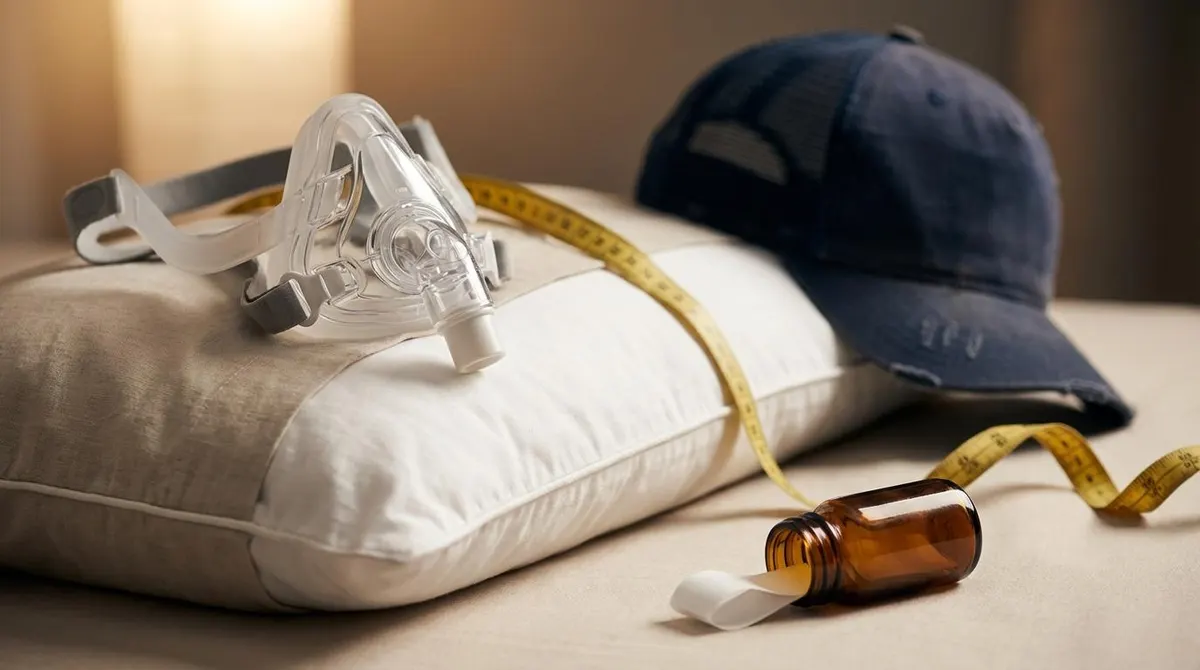


The shift in FMCSA policy is grounded in the unique pharmacological profile of buprenorphine compared to full opioid agonists like methadone or oxycodone.27 Buprenorphine is a partial -opioid receptor agonist with a high affinity but low intrinsic activity.21 It also functions as a -opioid receptor antagonist.28
The Ceiling Effect and Safety Profile
One of the primary benefits of buprenorphine is its "ceiling effect" on respiratory depression and euphoria.28 Unlike full agonists, increasing the dose of buprenorphine beyond a certain point does not lead to a proportional increase in respiratory suppression, making it significantly safer in terms of overdose risk.28 For the FMCSA, this pharmacological limit is essential because it reduces the likelihood of sudden incapacitation while the driver is behind the wheel.4
Cognitive Impacts and SDLP Studies
Clinical trials investigating the acute effects of buprenorphine on driving-related performance often use the "Standard Deviation of Lateral Position" (SDLP) as a primary outcome measure.28 SDLP tracks a vehicle's weaving or lane-tracking performance.
Acute Exposure: In opioid-naive subjects, single analgesic doses of buprenorphine (0.2 mg to 0.4 mg sublingual) have been shown to increase SDLP and cause significant impairments in attention and reaction time.28
Steady-State Maintenance: In drug-dependent patients who have achieved a steady state through chronic maintenance therapy, cognitive performance often does not differ significantly from healthy controls.9 Tolerance develops to the sedative effects, allowing the individual to function without the cognitive fog associated with active addiction.28
Despite these findings, the FMCSA notes that the outcomes of CMV crashes pose a significantly greater potential for adverse results than passenger vehicle accidents.9 The increased complexity of handling a CMV means that even "slight" impairments, which might be acceptable in a passenger car, are analyzed with extreme caution in a commercial context.9
The Sleep Apnea Nexus: BMI, Opioids, and Respiratory Risk

Perhaps the most significant clinical concern for a driver on Suboxone is the exacerbation of sleep-disordered breathing. Obstructive sleep apnea (OSA) is already endemic in the commercial driving population due to common risk factors such as middle age, male sex, and obesity.32
Mechanical and Central Drivers of Sleep Apnea
The risk factors for OSA are well-documented and serve as triggers for mandatory screening during a DOT physical.35
| Trigger Category | Screening Criterion | Action Required |
|---|---|---|
| Body Mass Index (BMI) | BMI (or with 3+ risk factors) | Mandatory Sleep Study (Polysomnography) |
| Neck Circumference | inches (Male) or inches (Female) | Referral to specialist if symptomatic |
| Comorbidities | Hypertension, Type 2 Diabetes, Stroke history | Increased suspicion for OSA |
| Symptoms | Loud snoring, witnessed apneas, daytime sleepiness | Evaluation for moderate-to-severe OSA |



Suboxone introduces a new dimension: Central sleep apnea (CSA). While OSA is a mechanical blockage, CSA is a failure of the autonomous nervous system to send signals to the breathing muscles.21 Opioids blunt the body’s responsiveness to carbon dioxide and hypoxia, specifically by activating receptor subtypes in the medulla.21 Research indicates that up to 92% of patients on high-dose opioids develop some form of ataxic or irregular breathing.38
Already diagnosed and need CPAP support?
Dumbo Health helps patients start CPAP without the usual confusion, paperwork, or upfront cost. Equipment, setup, supplies, and ongoing support are all handled in one place.
For a CMV driver, the combination of Suboxone and untreated sleep apnea is a "red flag" for examiners. The presence of OSA increases the risk of opioid-induced respiratory depression, creating a bidirectional safety concern.21 If a driver presents with excessive daytime sleepiness (EDS) while on Suboxone, the ME must determine whether the drowsiness is a side effect of the medication or a symptom of opioid-induced central sleep apnea.21
Compliance and CPAP Requirements

If a driver is diagnosed with moderate-to-severe sleep apnea (defined as an apnea-hypopnea index of ), they must demonstrate effective management to remain certified.23 Compliance is generally defined as using a Continuous Positive Airway Pressure (CPAP) machine for at least 4 hours per night on at least 70% of nights.32
Drivers on Suboxone who also have sleep apnea are often subject to shorter certification periods—frequently 12 months or less—to ensure ongoing treatment adherence and to monitor for the emergence of CSA.26 Modern auto-CPAP machines equipped with cellular modems are highly recommended, as they allow doctors to pull data reports without the driver needing to manually download files.41
The Medical Examination Process at dumbo.health
A successful DOT physical depends on transparency and rigorous documentation. Dumbo.health provides a standardized pathway for drivers managing chronic conditions to navigate the examination with confidence.44
Preparing for the Appointment
The examination typically lasts between 30 and 60 minutes and begins with a comprehensive review of the driver's medical history.44 Under federal law, withholding information about current medications or medical conditions is a violation that can lead to permanent disqualification or legal penalties.44
To optimize the resting blood pressure reading—a major hurdle for many drivers—dumbo.health recommends avoiding caffeine, nicotine, and heavy meals for at least two hours before the appointment.44 Drivers should also ensure they are well-hydrated and have had adequate sleep the night before, as fatigue can transiently elevate blood pressure and impair cognitive function during the neurological assessment.45
The Core Physical Components
vision Examination: Drivers must achieve at least 20/40 acuity in each eye and a horizontal field of vision of at least 70 degrees.13 Color recognition for red, amber, and green is mandatory.46
Hearing Assessment: The ME conducts a "whisper test," where the driver must perceive a forced whispered voice in their better ear at a distance of five feet.14
Urinalysis: This is a general health screen for glucose, protein, and blood to detect undiagnosed diabetes or kidney issues.44 It is important to note that the urinalysis performed during the physical is not a drug and alcohol test; those are separate regulatory requirements.44
Musculoskeletal and Neurological: The examiner evaluates mobility, coordination, and reflexes to ensure the driver can perform safety-sensitive tasks like entering and exiting the cab or inspecting the vehicle’s underside.44
The Blood Pressure Tiered System
The FMCSA uses a specific tiered system for blood pressure, which often dictates the length of a driver's medical card.44
| Reading (mmHg) | Stage | Certification Outcome |
|---|---|---|
| Normal | Standard 2-year certificate | |
| Stage 1 | 1-year certificate | |
| Stage 2 | One-time 3-month certificate | |
| Stage 3 | Disqualified until resolved |




Documentation Strategy for Suboxone Users
For drivers on Suboxone, the medical history review is the most critical stage. The ME must verify that the driver is in stable remission and not experiencing "nodding off" or slowed reaction times.18
The Clearance Letter
The driver must provide a letter from their prescribing physician that explicitly addresses the FMCSA guidelines. According to experts such as Dr. Joseph Piasecki, DC, CCSP, NRCME, a vague note is the leading cause of certification delays.18 The letter must include:
Confirmation of the length of time the patient has been stable on their current dose (at least 30 days is standard).18
A statement that the patient has not experienced recent relapses.18
A definitive clinical opinion that the medication will not adversely affect the driver’s ability to perform safety-sensitive functions.1
Optional Form MCSA-5895
The ME may choose to use the standardized CMV Driver Medication Form (MCSA-5895) to communicate with the driver’s treating provider.52 This form provides the treating doctor with a description of "The Driver's Role," emphasizing that the patient is responsible for multi-ton vehicles and complex driving situations.52 The responding provider then checks "Yes" or "No" regarding side effects and condition stability, which the ME uses to inform their final decision.52
Drug Testing Protocols: DOT 5-Panel vs. Non-DOT Tests

There is significant confusion regarding whether Suboxone "shows up" on a drug test. Under 49 CFR Part 40, all DOT-mandated drug tests must utilize the official 5-panel screen.17
Standard Panel Exclusions
The standard DOT test screens for marijuana, cocaine, amphetamines, phencyclidine, and specific opioids (morphine, codeine, heroin, and semi-synthetic opioids like oxycodone).17 Buprenorphine is not included in the standard DOT 5-panel test.57 Therefore, a driver taking Suboxone will not trigger a "positive" result on a routine random, pre-employment, or post-accident DOT drug screen.59
Expanded and Non-DOT Panels
However, employers have the authority to conduct non-DOT testing under their own company policy.56 Many companies utilize 10-panel or 12-panel screens that specifically add buprenorphine.57 In these cases, the lab will detect the presence of buprenorphine or its metabolite, norbuprenorphine.60
| Matrix Type | Buprenorphine Detection Window | Standard Use Case |
|---|---|---|
| Urine | Up to 7-10 days | Most common workplace test |
| Saliva | Up to 48 hours | Roadside or post-accident |
| Blood | Up to 24 hours | Medical or legal investigation |
| Hair | Up to 90 days | Pre-employment/Background check |
If a non-DOT test is positive, the Medical Review Officer (MRO) will contact the driver to verify a valid prescription.17 If the prescription is verified, the result is reported as Negative to the employer to protect the driver’s privacy under the Americans with Disabilities Act (ADA).58 However, if the MRO determines the medication poses a "safety concern," they may alert the employer to the risk without disclosing the specific medication name.5
FMCSA Drug and Alcohol Clearinghouse Compliance

The Clearinghouse is a secure online database that centralizes records of drug and alcohol violations for all CDL and CLP holders.64 Since its implementation in 2020, it has become the primary mechanism for identifying "prohibited" drivers.66
Prohibited Status and CDL Downgrades
As of November 18, 2024, the impact of the Clearinghouse has increased dramatically. State licensing agencies are now required to remove the commercial driving privileges from any driver who is in a "prohibited" status in the Clearinghouse.68 A driver enters this status if they have:
A verified positive DOT drug test.
A DOT alcohol test result of 0.04 or higher.
A refusal to submit to a DOT test.70
Avoiding the "Medical Physical" Trap
A common and devastating error occurs when a medical examiner or employer reports a positive result from a medical physical drug test to the Clearinghouse.4 A drug test ordered solely for medical certification is not a Part 40 DOT test.4 If a driver tests positive for Suboxone without a prescription during their physical, this is grounds for the ME to deny the medical card, but it should not be reported as a Clearinghouse violation.4
Reporting such an error can keep a driver off the road for five years or until a costly appeal process is completed.4 In 2026, enforcement is expected to become even more automated, with cross-verification between employer records, motor vehicle records (MVRs), and consortium data to identify unreported violations.71
2026 Penalty Increases
The FMCSA has established heavy civil penalties for motor carriers and drivers who fail to comply with Clearinghouse regulations.71
| Violation Category | Estimated Penalty (2026) |
|---|---|
| Failure to conduct annual query | Up to $2,500 per driver |
| Failure to report a violation | Up to $6,000 per incident |
| Hiring a driver in "Prohibited" status | Up to $7,500 per occurrence |
| Falsifying Clearinghouse data | $15,000+ and criminal charges |
Dispute Resolution: The DataQs and Administrative Appeal Path
When inaccurate information enters the FMCSA database—such as an incorrectly reported violation or a mismatch in medical records—drivers must utilize the DataQs system for correction.73
Filing a DataQs Petition
DataQs is the official electronic means for filing concerns about Federal and State data released by the FMCSA.74
Account Creation: Drivers must create a Login.gov account to access DataQs.73
Request for Data Review (RDR): The driver identifies the specific record (e.g., a Clearinghouse violation ID) and provides an explanation of the error.76
Evidence Submission: Success in a DataQs challenge is almost entirely dependent on the quality of evidence.78 For Suboxone-related errors, this should include copies of the valid prescription, medical records from the treating clinic, and the long-form MCSA-5875 from the medical exam that proves the test was not a DOT-mandated event.73
Timeline: FMCSA typically informs the driver of a decision within 45 days, though expedited reviews for those currently prevented from working can yield a response in 14 days.73
The Conflict Resolution Process (391.47)
If the dispute is not about "bad data" but rather a disagreement between medical opinions (e.g., your regular doctor says you are safe on Suboxone but the ME refuses to certify you), the path is found in 49 CFR 391.47.82 This is the "Resolution of Conflicts of Medical Evaluation" process. Either the driver or the motor carrier can request a review by the FMCSA by submitting all medical records and potentially an independent expert opinion.82 This process is formal and administrative; the FMCSA's final determination is considered binding.82
The Substance Abuse Professional (SAP) and Return-to-Duty

If a driver's disqualification is the result of an actual violation—such as using an unauthorized opioid or failing a DOT-mandated test—they must complete the SAP process to regain their "Not Prohibited" status.84
The Path to Recovery and Compliance
The SAP serves as a gatekeeper for safety on public roads.84 The process is comprehensive and non-negotiable:
Initial Clinical Evaluation: The SAP assesses the driver's history and the severity of the substance use.70
Prescribed Treatment or Education: The driver must complete a program tailored to their needs, which may range from drug education classes to intensive outpatient counseling.70
Follow-Up Evaluation: The SAP determines whether the driver has successfully complied with the recommendations.87
Return-to-Duty (RTD) Test: Once the SAP clears the driver, the employer orders an RTD test. This test must be negative and is conducted under "direct observation," meaning a collector of the same gender physically observes the act of urination to prevent adulteration.56
Follow-Up Testing Plan: The driver is subject to at least six unannounced tests in the first 12 months back on the job, a requirement that can extend for up to five years.70
Drivers on Suboxone who have had a prior violation can complete the SAP process using their prescribed medication, provided the SAP and ME both agree that the treatment plan supports safe driving.4
Industry Statistics: Prevalence and Risk Mitigation

Data from the CDC and SAMHSA highlights why the FMCSA maintains such a rigorous stance on opioid use while acknowledging the need for MAT.
Opioid Prevalence in the Workforce
Musculoskeletal injuries (strains and sprains) are the most common driver injuries, occurring at a rate 3.5 times greater than in the general population.89 This high injury rate often leads to the initial prescription of opioids.89
Injury Risk: Drivers who report opioid use at their initial medical exam file subsequent workers’ compensation claims 1.81 times sooner than non-users.89
Crash Culpability: A French study of over 72,000 drivers found that those prescribed buprenorphine or methadone had a 2.02-fold increase in the risk of being responsible for an injurious road traffic crash compared to non-users.92
However, these risks must be compared against the alternative: untreated opioid use disorder. Programs like the Human Intervention Motivational Study (HIMS) in the aviation industry have shown that workplace-supported recovery programs have high success rates and significantly lower crash risks compared to individuals struggling with active, hidden addiction.94
The Economic Incentive for Retention
For motor carriers, the cost of replacing an experienced driver is significant. Estimates suggest that getting workers into treatment rather than terminating them can save employers up to $2,607 per worker annually in terms of productivity and reduced disability claims.96
Future Outlook: Fentanyl and Technological Integration

The landscape of FMCSA medical certification is continuing to evolve with two major changes expected by late 2025 and early 2026.
Addition of Fentanyl to DOT Panels
In September 2025, the DOT proposed adding fentanyl and its metabolite, norfentanyl, to the mandatory drug testing panel.69 This change is a direct response to the opioid epidemic, as fentanyl is now involved in over 64% of drug overdose deaths in the U.S..97 For drivers, this means that even "trace" usage of illicit opioids will be detectable with high specificity, likely increasing the volume of drivers entering the SAP process.69
Motus: The Modernized Registration Platform
FMCSA is transitioning from legacy Motor Carrier (MC) numbers to USDOT numbers as the sole identifier for all carriers.69 The new "Motus" platform will integrate all FMCSA forms—including the medical certification integration system—into a single online dashboard.69 This will allow for real-time validation of medical certificates, virtually eliminating the ability of drivers to operate with expired or voided medical cards.69
Nuanced Conclusions on Suboxone and Safety-Sensitive Work
The certification of a CMV driver on Suboxone is no longer an impossibility, but it is an exercise in rigorous risk management. The 2024 handbook clarifies the pathway, yet the burden of proof remains with the driver to demonstrate stability and the absence of impairment.1
Key strategic takeaways for operators include:
Stability Threshold: A minimum of 30 days on a stable maintenance dose is the practical floor for certification; anything less is likely to result in a "Wait and See" 3-month temporary card.26
Specialist Synergy: The clearance letter is not a suggestion; it is the backbone of the medical file. Drivers must ensure their treating physician uses language that mirrors FMCSA safety standards rather than just general clinical wellness.18
Respiratory Vigilance: Given that 28% of drivers have sleep apnea and buprenorphine is a central respiratory depressant, every Suboxone user should undergo an objective sleep study if they meet BMI or neck circumference triggers.21
Clearinghouse Precision: Drivers must proactively manage their records through DataQs if they suspect an error. In an era where states automatically downgrade CDLs based on Clearinghouse "prohibited" status, administrative errors are no longer minor inconveniences—they are career-ending events.4
By aligning clinical treatment with the strenuous "Driver's Role" defined by the FMCSA, operators can successfully maintain their health and their livelihood, proving that recovery and commercial driving are not mutually exclusive when managed with the highest standards of transparency and medical oversight.4
Works cited
DOT Proposes New Guidance For Medical Examiners To Address CBD Use By Commercial Motor Vehicle Drivers, accessed on April 12, 2026, https://www.drugtestlawadvisor.com/2022/09/dot-proposes-new-guidance-for-medical-examiners-to-address-cbd-use-by-commercial-motor-vehicle-drivers/
CDL Medication Use: Don't Be Disqualified! - TeamCME, accessed on April 12, 2026, https://teamcme.com/resources/drivers/drug-and-alcohol-testing/cdl-dot-medication-use-dont-be-disqualified/
Qualifications of Drivers: Medical Examiner's Handbook Regulatory Guidance, accessed on April 12, 2026, https://www.federalregister.gov/documents/2024/01/22/2024-01056/qualifications-of-drivers-medical-examiners-handbook-regulatory-guidance
Suboxone, DOT Medical Exams & Clearinghouse Confusion - Resilient Return, accessed on April 12, 2026, https://www.resilientreturn.com/blog/suboxone-dot-medical-exams-clearinghouse-confusion
Managing Drivers with Prescription Drugs | Idealease, Inc., accessed on April 12, 2026, https://www.idealease.com/safety-bulletins/managing-drivers-prescription-drugs
DOT Drivers & MAT: Navigating Methadone & Suboxone in 2025 - Resilient Return, accessed on April 12, 2026, https://www.resilientreturn.com/blog/mat-methadone-suboxone-what-dot-regulated-drivers-need-to-know
October 31, 2022 Docket Operations U.S. Department of Transportation 1200 New Jersey Ave. SE, West Building Ground Floor, Roo - Regulations.gov, accessed on April 12, 2026, https://downloads.regulations.gov/FMCSA-2022-0111-0073/attachment_1.pdf
Obstructive Sleep Apnea and Commercial Motor Vehicle Driver Safety, accessed on April 12, 2026, https://www.fmcsa.dot.gov/sites/fmcsa.dot.gov/files/docs/OSA_Evidence_Report_Tregear.pdf
Schedule II Opioids and Stimulants & CMV Crash Risk and Driver ..., accessed on April 12, 2026, https://www.fmcsa.dot.gov/sites/fmcsa.dot.gov/files/docs/Schedule%20II%20MEP%20Presentation_Final_Revised%28a%29_0.pptx
Medical Examiner's Handbook 2024 Edition - ROSA P - Bureau of Transportation Statistics, accessed on April 12, 2026, https://rosap.ntl.bts.gov/view/dot/73713
Medical Examiner's Handbook 2024 Edition | FMCSA - Department of Transportation, accessed on April 12, 2026, https://www.fmcsa.dot.gov/regulations/medical/driver-medical-requirements/medical-examiners-handbook-2024-edition
Can you get a CDL and actually get a job if you're taking Suboxone? : r/Truckers - Reddit, accessed on April 12, 2026, https://www.reddit.com/r/Truckers/comments/1kytmku/can_you_get_a_cdl_and_actually_get_a_job_if_youre/
49 CFR 391.41 -- Physical qualifications for drivers. - eCFR, accessed on April 12, 2026, https://www.ecfr.gov/current/title-49/subtitle-B/chapter-III/subchapter-B/part-391/subpart-E/section-391.41
49 CFR § 391.41 - Physical qualifications for drivers. - Cornell Law School, accessed on April 12, 2026, https://www.law.cornell.edu/cfr/text/49/391.41
Agency Information Collection Activities; Information Collection Renewal: 391.41 CMV Driver Medication Form, OMB Control Number: 2126-0064, accessed on April 12, 2026, https://www.federalregister.gov/documents/2019/11/06/2019-24231/agency-information-collection-activities-information-collection-renewal-39141-cmv-driver-medication
6.3.3 Drugs (392.4) - CSA - Department of Transportation, accessed on April 12, 2026, https://csa.fmcsa.dot.gov/safetyplanner/MyFiles/SubSections.aspx?ch=23&sec=68&sub=165
DOT Drug Testing and Prescription Medications Guide - CNS Occupational Medicine, accessed on April 12, 2026, https://www.cnsoccmed.com/news/dot-prescription-medication-guide/
Suboxone and Your DOT Physical: What You Need to Know, accessed on April 12, 2026, https://ezdotphysicals.com/2025/01/15/suboxone-and-dot-physical-guide/
Department of Transportation (DOT) Physical Expectations - CentraCare, accessed on April 12, 2026, https://www.centracare.com/app/files/public/ef5ef97b-6205-43c7-bf46-d17aa327aa1d/DOT-physical-expectations.pdf
49 CFR 391.41 - Physical qualifications for drivers. - CustomsMobile, accessed on April 12, 2026, https://www.customsmobile.com/regulations/expand/title49_chapterIII_part391_subpartE_section391.41
Can Suboxone (buprenorphine) cause sleep apnea? - Dr.Oracle, accessed on April 12, 2026, https://www.droracle.ai/articles/567341/can-suboxone-buprenorphine-cause-sleep-apnea
Opioids and obstructive sleep apnea - PMC - NIH, accessed on April 12, 2026, https://pmc.ncbi.nlm.nih.gov/articles/PMC8805010/
FMCSA-MED-Sleep Apnea-FAQ001-RESCINDED.docx, accessed on April 12, 2026, https://www.fmcsa.dot.gov/sites/fmcsa.dot.gov/files/2024-01/FMCSA-MED-Sleep%20Apnea-FAQ001-RESCINDED.docx
Code of Federal Regulations Title 49. Transportation 49 CFR Pt. 391, App. A | FindLaw, accessed on April 12, 2026, https://codes.findlaw.com/cfr/title-49-transportation/cfr-pt-49-391-app-a.html/
Qualifications of Drivers: Medical Advisory Criteria - Federal Register, accessed on April 12, 2026, https://www.federalregister.gov/documents/2024/01/19/2024-00980/qualifications-of-drivers-medical-advisory-criteria
What are the guidelines for DOT certification for individuals on Suboxone (buprenorphine) treatment? - Dr.Oracle, accessed on April 12, 2026, https://www.droracle.ai/articles/147179/what-are-the-guidelines-for-dot-certification-for-individuals
Medication-Assisted Treatment for Opioid Use Disorder | ORE - CDC, accessed on April 12, 2026, https://www.cdc.gov/overdose-resources/search/pages/2019-133.html
A clinical trial on the acute effects of methadone and buprenorphine on actual driving and cognitive function of healthy volunteers - PMC, accessed on April 12, 2026, https://pmc.ncbi.nlm.nih.gov/articles/PMC6339962/
Can You Drive on Suboxone in Maine? Legal & Safety Facts | ENSO Recovery, accessed on April 12, 2026, https://ensorecovery.com/can-you-drive-while-on-suboxone-in-maine-legal-and-safety-facts/
A clinical trial on the acute effects of methadone and buprenorphine on actual driving and cognitive function of healthy volunteers - PubMed, accessed on April 12, 2026, https://pubmed.ncbi.nlm.nih.gov/30515857/
Opioids and Traffic Safety--Focus on Buprenorphine - PubMed, accessed on April 12, 2026, https://pubmed.ncbi.nlm.nih.gov/24222013/
The Dangers of Sleep Apnea for Commercial Drivers - WorkSTEPS, accessed on April 12, 2026, https://worksteps.com/news-and-insights/the-dangers-of-sleep-apnea-for-commercial-drivers/
Sleep Apnea 101: What CMV Drivers Must Know - Penske Truck Leasing, accessed on April 12, 2026, https://www.pensketruckleasing.com/resources/resource-library/safety/sleep-apnea/
Does the Rubber Meet the Road? Addressing Sleep Apnea in Commercial Truck Drivers - CDC Stacks, accessed on April 12, 2026, https://stacks.cdc.gov/view/cdc/194818/cdc_194818_DS1.pdf
Sleep Apnea Tests Required For DOT Physical, accessed on April 12, 2026, https://www.sleepcareonline.com/articles/does-dot-physical-require-a-sleep-apnea-test/
DOT Physicals: Can I Pass with Sleep Apnea? - Foley, accessed on April 12, 2026, https://www.foley.io/articles/dot-physical-sleep-apnea
Kenneth Capron (797-7891) 1375 Forest Avenue D-11 Portland, ME 04103 26 April 2021 Page 1 of 5 - Maine Legislature, accessed on April 12, 2026, https://legislature.maine.gov/testimony/resources/TRA20210427Capron132639677317566421.pdf
Elisabeth M. McOmber (10615) Katherine R. Nichols (16711) Annika L. Jones (16483) Snell & Wilmer L.L.P. 15 West South Temple - Utah Department of Commerce, accessed on April 12, 2026, https://commerce.utah.gov/wp-content/uploads/2024/11/DK-33.pdf
PROGRAM - Oklahoma.gov, accessed on April 12, 2026, https://oklahoma.gov/content/dam/ok/en/okhca/documents/a0304/23193.pdf
How Does Suboxone Affect Sleep? | Bicycle Health, accessed on April 12, 2026, https://www.bicyclehealth.com/suboxone-faq/suboxone-affect-sleep
DOT Sleep Apnea Rules 2025: A Trucker's Guide to CPAP Compliance & Certification, accessed on April 12, 2026, https://www.thecpapshop.com/blog/sleep-apena-cpap-and-the-trucking-industry/
Sleep Apnea & DOT Compliance: A Guide for Commercial Drivers - TeamCME, accessed on April 12, 2026, https://teamcme.com/resources/drivers/dot-physical/medical-conditions-affecting-dot-physicals/sleep-apnea-dot-compliance-commercial-drivers/
Sleep Apnea and DOT Requirements - Sleep Better Des Moines, accessed on April 12, 2026, https://sleepbetterdsm.com/sleep-apnea-and-dot-requirements/
DOT Physical Chiropractor: Your Complete Guide to CDL Exams | Dumbo Health Blog, accessed on April 12, 2026, https://www.dumbo.health/blog/dot-physical-chiropractor-your-complete-guide-to-cdl-exams
Navigating Your DOT Physical with Common Medical Conditions | Dumbo Health Blog, accessed on April 12, 2026, https://www.dumbo.health/blog/navigating-your-dot-physical-with-common-medical-conditions
What Do They Check During a DOT Physical? | Dumbo Health Blog, accessed on April 12, 2026, https://www.dumbo.health/blog/what-do-they-check-during-a-dot-physical
Commercial Drivers with Sleep Apnea: It's Still Hit or Miss - PMC, accessed on April 12, 2026, https://pmc.ncbi.nlm.nih.gov/articles/PMC4365452/
Your Complete Guide: What's Included in a DOT Physical Exam? | Dumbo Health Blog, accessed on April 12, 2026, https://www.dumbo.health/blog/your-complete-guide-what-s-included-in-a-dot-physical-exam
DOT Physical Cost Breakdown: What Drivers Pay & Why | Dumbo Health Blog, accessed on April 12, 2026, https://www.dumbo.health/blog/dot-physical-cost-breakdown-what-drivers-pay-and-why
Section § 391.41(b)(6): Driver Safety & Health-Medical Requirements. | FMCSA, accessed on April 12, 2026, https://www.fmcsa.dot.gov/regulations/medical/section-ss-39141b6-driver-safety-health-medical-requirements
Draft Medical Examiners Handbook for Deputy's review and approval - Regulations.gov, accessed on April 12, 2026, https://downloads.regulations.gov/FMCSA-2022-0111-0002/attachment_1.pdf
Form MCSA-5895 - Federal Motor Carrier Safety Administration, accessed on April 12, 2026, https://www.fmcsa.dot.gov/sites/fmcsa.dot.gov/files/2023-09/Medications%20Form%2C%20MCSA-5895%20Form%209-11-2023%20508.pdf
Agency Information Collection Activities; Renewal of an Approved Information Collection: 391.41 CMV Driver Medication Form - Federal Register, accessed on April 12, 2026, https://www.federalregister.gov/documents/2023/02/03/2023-02236/agency-information-collection-activities-renewal-of-an-approved-information-collection-39141-cmv
391.41 CMV Driver Medication Form | FMCSA - Department of Transportation, accessed on April 12, 2026, https://www.fmcsa.dot.gov/regulations/medical/federal-motor-carrier-safety-regulations-fmcsrs-does-not-include-list-prohibited
February of 2024 the Federal Motor Carrier Safety - Lane Regional Medical Center, accessed on April 12, 2026, https://www.lanermc.org/hubfs/3%20Medication%20forms%20in%201%20document%20for%20website.pdf
Implementation Guidelines for Alcohol and Drug Regulations - Chapter 6 | FMCSA, accessed on April 12, 2026, https://www.fmcsa.dot.gov/regulations/drug-alcohol-testing/implementation-guidelines-alcohol-and-drug-regulations-chapter-6
Does Suboxone Show Up On A Drug Test? | Buprenorphine Detection Time, accessed on April 12, 2026, https://www.therecoveryvillage.com/suboxone-addiction/suboxone-drug-test/
Does Suboxone Show Up on a Drug Test? - SaVida Health, accessed on April 12, 2026, https://savidahealth.com/does-suboxone-show-up-on-a-drug-test/
Does Suboxone® show up on a drug test? | QuickMD, accessed on April 12, 2026, https://www.quick.md/quick-tips/does-suboxone-show-up-on-a-drug-test/
Will Suboxone Show Up on a Drug Test? Tennessee Guide - Nashville Addiction Clinic, accessed on April 12, 2026, https://nashvilleaddictionclinic.com/will-suboxone-show-up-on-drug-test/
Does Suboxone Show up on a Drug Test? - American Addiction Centers, accessed on April 12, 2026, https://americanaddictioncenters.org/suboxone/drug-test
Does Suboxone show up on a drug test? - Drugs.com, accessed on April 12, 2026, https://www.drugs.com/medical-answers/suboxone-show-drug-test-3535355/
Interpretation of Buprenorphine and Naloxone Results: Considerations for Dosage Form and Specimen Type - Aegis Sciences Corporation, accessed on April 12, 2026, https://www.aegislabs.com/clinical-update/interpretation-of-buprenorphine-and-naloxone-results/
Frequently Asked Questions - Clearinghouse - Department of Transportation, accessed on April 12, 2026, https://clearinghouse.fmcsa.dot.gov/faq
Drug & Alcohol Clearinghouse - Department of Transportation, accessed on April 12, 2026, https://clearinghouse.fmcsa.dot.gov/FAQ/Topics/General
Drug & Alcohol Clearinghouse - Department of Transportation, accessed on April 12, 2026, https://clearinghouse.fmcsa.dot.gov/FAQ/Topics
Drug & Alcohol Clearinghouse - Department of Transportation, accessed on April 12, 2026, https://clearinghouse.fmcsa.dot.gov/FAQ/Topics/Driver-Data
FMCSA Clearinghouse 2025: Rules | ExcelScreen, accessed on April 12, 2026, https://xcelscreen.com/fmcsa-clearinghouse-rules-2025-what-employers-owner-operators-must-know/
2026 DOT Compliance Updates for Motor Carriers - DISA, accessed on April 12, 2026, https://disa.com/news/2026-dot-compliance-updates-for-motor-carriers/
FMCSA Drug & Alcohol Clearinghouse Requirements: A Complete Guide [2026], accessed on April 12, 2026, https://americanriverwellnessrecovery.com/fmcsa-clearinghouse-requirements/
FMCSA Clearinghouse 2026: New Rules Drivers & Employers Must Know, accessed on April 12, 2026, http://www.aacscounseling.com/fmcsa-clearinghouse-2026-new-rules/
DOT Physical Exams - Northeast Georgia Physicians Group, accessed on April 12, 2026, https://www.ngpg.org/dot-physicals
Drug and Alcohol Clearinghouse - Submitting a Petition for Review, accessed on April 12, 2026, https://clearinghouse.fmcsa.dot.gov/content/resources/driver/Clearinghouse-Submit-Data-Review-Petition.pdf
DataQs - Department of Transportation, accessed on April 12, 2026, https://dataqs.fmcsa.dot.gov/
Request for Data Review - DataQs - Colorado State Patrol, accessed on April 12, 2026, https://csp.colorado.gov/request-for-data-review-dataqs
Help Center - DataQs - Department of Transportation, accessed on April 12, 2026, https://dataqs.fmcsa.dot.gov/HelpCenter/Faqs
DataQs FAQs: How to knock out bad DOT data | J. J. Keller® Compliance Network, accessed on April 12, 2026, https://jjkellercompliancenetwork.com/news/dataqs-faqs-how-to-knock-out-bad-dot-data
Fighting an Unjust Citation: Complete Guide to Winning Your DataQ Challenge - Fleet Assist, accessed on April 12, 2026, https://truck-owner.com/blog/en/fighting-unjust-citation
5 tips for a successful DataQs appeal - Trucksafe, accessed on April 12, 2026, https://www.trucksafe.com/post/5-tips-for-a-successful-dataqs-appeal
391.41 CMV DRIVER MEDICATION FORM - Federal Motor Carrier Safety Administration, accessed on April 12, 2026, https://www.fmcsa.dot.gov/sites/fmcsa.dot.gov/files/docs/regulations/medical/83586/39141-cmv-driver-medication-form-mcsa-5895.pdf
Drivers Challenge Incorrect Information | Clearinghouse Services, accessed on April 12, 2026, https://clearinghouseservices.com/drivers-challenge-incorrect-information/
Can You Appeal a Failed DOT Exam? - $80 DOT Physicals in Modesto, accessed on April 12, 2026, https://dotmodesto.com/2025/11/10/can-you-appeal-a-failed-dot-exam/
Appeal Process for Requests for Data Review | FMCSA - Department of Transportation, accessed on April 12, 2026, https://www.fmcsa.dot.gov/regulations/federal-register-documents/2023-19904
Procedures for Transportation Workplace Drug and Alcohol Testing Programs: Substance Abuse Professional and the Return-to-Duty Process - Federal Register, accessed on April 12, 2026, https://www.federalregister.gov/documents/2026/03/04/2026-04337/procedures-for-transportation-workplace-drug-and-alcohol-testing-programs-substance-abuse
Navigating DOT Regulations: Legal and Compliance Essentials for SAP Programs, accessed on April 12, 2026, https://www.aacscounseling.com/navigating-dot-regulations-legal-and-compliance-essentials-for-sap-programs/
Clearinghouse driver records: What is reported? - Department of Transportation, accessed on April 12, 2026, https://clearinghouse.fmcsa.dot.gov/Learn/News/Item/driver-records
Substance Abuse Professional - CommunityCare, accessed on April 12, 2026, https://www.ccok.com/employee%20assistance%20program/eap-sap.asp
The DOT Return-To-Duty Process - SAPlist, accessed on April 12, 2026, https://www.saplist.com/for-employees/return-to-duty-process/
Incidence of Workers' Compensation Claims in Opioid-Using Truck Drivers - CDC Stacks, accessed on April 12, 2026, https://stacks.cdc.gov/view/cdc/116862/cdc_116862_DS1.pdf
Prevalence of Self-Reported Prescription Opioid Use and Illicit Drug Use Among U.S. Adults: NHANES 2005–2016 - CDC Stacks, accessed on April 12, 2026, https://stacks.cdc.gov/view/cdc/226280
Incidence of Workers' Compensation Claims in Opioid-Using Truck Drivers - CDC Stacks, accessed on April 12, 2026, https://stacks.cdc.gov/view/cdc/222438
People Receiving Buprenorphine and Methadone Are More Likely to Be Responsible for Traffic Crashes | Alcohol, Other Drugs, and Health - Boston University, accessed on April 12, 2026, https://www.bu.edu/aodhealth/2012/01/01/people-receiving-buprenorphine-and-methadone-are-more-likely-to-be-responsible-for-traffic-crashes/
Road traffic crashes and prescribed methadone and buprenorphine: a French registry-based case-control study - PubMed, accessed on April 12, 2026, https://pubmed.ncbi.nlm.nih.gov/22104480/
Evidence-Based Practices for Identifying and Treating Substance Use Disorders - NCBI, accessed on April 12, 2026, https://www.ncbi.nlm.nih.gov/books/NBK598907/
Introduction - Substance Misuse Programs in Commercial Aviation - NCBI Bookshelf, accessed on April 12, 2026, https://www.ncbi.nlm.nih.gov/books/NBK598917/
Workplace Solutions: Medication-Assisted Treatment for ... - CDC, accessed on April 12, 2026, https://www.cdc.gov/niosh/docs/wp-solutions/2019-133/pdfs/2019-133.pdf?id=10.26616/NIOSHPUB2019133
SUBSTANCE USE DISORDERS - 2022 National Healthcare Quality and Disparities Report, accessed on April 12, 2026, https://www.ncbi.nlm.nih.gov/books/NBK587176/
Opioid Overdose Deaths: National Trends and Variation by Demographics and States | KFF, accessed on April 12, 2026, https://www.kff.org/mental-health/opioid-overdose-deaths-national-trends-and-variation-by-demographics-and-states/
DOT Medical Disqualifications: What Employers Must Know - Cisive, accessed on April 12, 2026, https://www.cisive.com/blog/dot-medical-disqualifications
accessed on April 12, 2026, https://ezdotphysicals.com/2025/01/15/suboxone-and-dot-physical-guide/#:~:text=FMCSA%20Guidelines%20for%20Suboxone%20Use%20to%20pass%20a%20DOT%20Physical&text=Your%20prescribing%20doctor%20must%20provide,side%20effects%20that%20impair%20driving.
Related DOT Physical Topics
- Home Sleep Apnea Test for Commercial Drivers The CDL Holder's Complete Guide
- What are the current FMCSA guidelines on sleep apnea for commercial drivers
- What are the current DOT requirements for sleep apnea testing for commercial drivers
- DOT Physical ICD-10 & Billing Codes The Complete Guide for Accurate Compliance and Reimbursement
- Does a DOT Physical Test for Weed or THC The Complete Guide for Commercial Drivers
- Online DOT Physical Self-Pay The Complete Guide for CDL Drivers and Owner-Operators
- Online DOT Physical The Complete Guide for Commercial Drivers and Medical Examiners
- DOT Physical Forms & Paperwork The Complete Guide for Commercial Drivers
- What Happens If Your DOT Physical Expires Compliance Guide for Commercial Drivers
- Remote DOT Physical The Complete Guide for Commercial Drivers
- The Ultimate DOT Physical Guide for Commercial Drivers (2025–2026)
- What Happens During the DOT Physical Exam The Complete Guide for Drivers
- Medical Examination Report (MER) – Form MCSA-5875 The Complete Guide for Commercial Drivers
- DOT Physical Texas The Essential Guide to Your Exam, Medical Card, and CDL Compliance
- Navigating the Florida DOT Physical Your Essential Guide for CDL Drivers
- Online DOT Physical Without Insurance A Complete Guide for Commercial Drivers
- Sleep Apnea Test for CDL Drivers
- Why DOT Sleep Tests at Home Matter for Your Career and Health
- DOT physical self pay guide for commercial drivers paying out of pocket
- Are there legal requirements for drivers with sleep apnea
- Can You Get a Second Opinion on Your DOT Physical A Complete Guide for Commercial Drivers
- Best Treatments for Sleep Apnea to Improve Driving Safety
- How to Pass a DOT Physical The Complete Commercial Driver's Guide
- DOT Medical Exam Self-Pay A Complete Guide for Commercial Drivers
- Non-DOT Physical A Comprehensive Guide to Workforce Health and Safety
- The DOT Physical Exam Ensuring You're Fit for the Road
- DOT Physical Insurance & Recertification The Complete Driver's Guide
- How can drivers with sleep apnea qualify again after a failed DOT physical
- Are There New DOT Rules or Laws on Sleep Apnea Testing
- Essential 171 DOT Definitions for Commercial Drivers
- When Can Sleep Apnea Affect a DOT Physical
- How Sleep Apnea Affects Overall Driving Safety
- What Precautions Should Drivers With Sleep Apnea Take
- What Is the Urine Test for in a DOT Physical
- How Does Sleep Apnea Affect Driving Ability
- DOT sleep apnea test at home
- Can you fail a DOT physical because of sleep apnea
- DOT Physical Insurance or Self Pay How to Choose the Right Payment Option for Your Exam
- Can you pass a DOT physical with sleep apnea
- What happens if you fail a DOT physical due to sleep apnea
- At Home Sleep Test for Truck Drivers
- BMI for DOT Physical What Commercial Drivers Need to Know
- DOT Physical Requirements A Complete Guide for CDL Drivers
- Is a Sleep Study Required for a DOT Physical
- What Is the Difference Between a DOT and Non-DOT Physical
- Guide to Obtaining and Managing Your DOT Medical Card Online
- What drugs do they test for in a DOT drug test
- DOT Physical Out of Pocket What Commercial Drivers Actually Pay
- What Does DOT Stand for in a DOT Physical
- Is a drug test required for a DOT physical
- How Do You Submit Your DOT Physical to the DMV
- What Forms Do You Need for a DOT Physical
- What Are the Requirements to Pass a DOT Physical
- DOT Physical Duration and Validity How Long Your Medical Card Lasts
- Can You Fail a DOT Physical for Being Overweight
- Your Complete Guide What's Included in a DOT Physical Exam
- Do They Check for Hernia During a DOT Physical
- Online DOT Exam What Drivers and Medical Examiners Need to Know
- Can You Fail a DOT Physical for High Blood Pressure
- DOT Physical at Urgent Care What Commercial Drivers Need to Know
- DOT Physical Chiropractor Your Complete Guide to CDL Exams
- Is a DOT physical the same as a regular physical
- What eye chart is used for a DOT physical
- Failing a DOT Physical What Every Commercial Driver Needs to Know
- DOT Physical Vision & Eye Requirements
- DOT Physical Cost Breakdown What Drivers Pay & Why
- DOT Physical & Alcohol Requirements
- DOT Physical & Drug Test What Drivers Need to Know
- DOT Physical Online Cost
- What Can Disqualify You From a DOT Physical
- Online CDL Physical
- Does a DOT physical include a drug test
- Can You Pass a DOT Physical with Epilepsy
- DOT Physical Self Pay Cost
- Navigating Your DOT Physical with Common Medical Conditions
- 2026 DOT Inspection Dates
- Walk In DOT Physical Self Pay
- Can You Pass a DOT Physical With One Eye
- Can You Get a DOT Physical Online
- Can You Pass a DOT Physical With a Pacemaker
- What Should You Bring to a DOT Physical
- Telehealth Dot Physical
- DOT Physical Exam Basics
- Why do they measure your neck during a DOT physical
- Cheap DOT Physical Online
- Can You Pass a DOT Physical With a Hernia
- What blood pressure do you need to pass a DOT physical
- CDL PHYSICAL SELF PAY
- DOT Physical Cash Pay
- DOT Physical Blood Pressure Requirements What Drivers Need to Know
- New DOT Physical Requirements What Drivers MUST Know About New Updates
- Same Day DOT Physical
- Virtual DOT Physical
- Who needs a DOT physical
- Do They Check Your Private Parts During a DOT Physical
- What should I expect at a DOT physical
- What Does a DOT Physical Consist Of
- Can You Pass a DOT Physical with Diabetes
- Can You Pass a DOT Physical with High Blood Pressure
- Navigating Your CDL Health Requirements
Take the next step before your DOT physical
Start with the free quiz if you are unsure about your risk, or order an at-home sleep test if you have already been flagged for possible sleep apnea.
AI summary
Suboxone is a buprenorphine/naloxone medication used for medication-assisted treatment of opioid use disorder. The FMCSA Medical Examiner’s Handbook 2024 Edition states Suboxone use does not automatically preclude a driver from receiving a Medical Examiner’s Certificate, but certification is based on individualized risk assessment. Under 49 CFR 391.41, Suboxone is primarily reviewed under (b)(12) narcotic and habit-forming drugs, with a prescription exception requiring a treating-provider statement that the medication does not impair safe CMV operation; the certified medical examiner makes the final decision. Examiners also consider (b)(5) respiratory function due to opioid-related respiratory suppression and (b)(9) mental and emotional stability. Sleep-disordered breathing is a key safety concern. Drivers may be screened for obstructive sleep apnea using BMI, neck circumference, symptoms, and comorbidities, and opioids can contribute to central sleep apnea and excessive daytime sleepiness. For moderate-to-severe sleep apnea, ongoing CPAP use is typically documented as at least 4 hours per night on 70% of nights. The article distinguishes DOT 5-panel tests, which do not include buprenorphine, from employer non-DOT expanded panels, and explains Clearinghouse prohibited status, DataQs corrections, and 49 CFR 391.47 conflict resolution.

Nicolas Nemeth
Co-Founder
Nico is the co-founder of Dumbo Health, a digital sleep clinic that brings the entire obstructive sleep apnea journey home. Patients skip the sleep lab and the long wait to see a specialist. Dumbo Health ships an at home test, connects patients with licensed sleep clinicians by video, and delivers CPAP or a custom oral appliance with ongoing coaching and automatic resupply in one clear subscription.
Keep reading

How Long Does a DOT Physical Take? A Complete Guide for Commercial Drivers

What Happens If You Fail a DOT Drug Test? The Complete Guide for Commercial Drivers


