Do They Check Your Private Parts During a DOT Physical?
This article explains what people mean by “private parts” during a DOT physical and what actually happens in the exam room. It clarifies that FMCSA guidance typically points to a brief inguinal hernia check for males, not a full genital, pelvic, or prostate exam. It also breaks down the standard DOT exam components, including medical history, vital signs, vision and hearing tests, and a urine test. The urine test is described as a health screening for specific gravity, protein, blood, and sugar, not DOT drug testing. You’ll learn what can change certification outcomes and how documentation, stability, and symptoms affect decisions. Practical preparation tips focus on paperwork, medications, blood pressure, and privacy communication.
Struggling with sleep?
Find out if sleep apnea is the reason.
FDA-cleared. $149 flat. Physician-reviewed results in 48 hours.

Do They Check Your Private Parts During a DOT Physical?
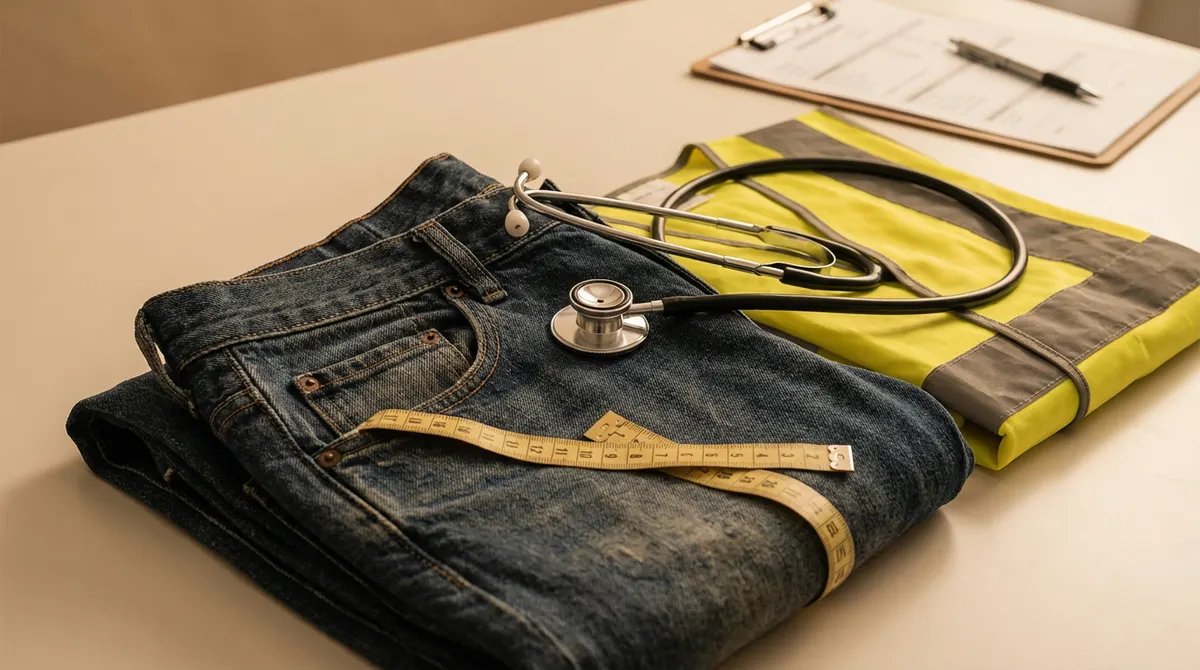
DOT physical questions about "private parts" usually mean one thing: a brief hernia check, not a full genital exam, for drivers who need a safety-focused medical clearance.
According to the Federal Motor Carrier Safety Administration (https://www.fmcsa.dot.gov/regulations/medical/driver-medical-requirements/medical-examiners-handbook-2024-edition), the DOT exam is a fitness-for-duty evaluation for interstate commercial motor vehicle drivers, and the 2024 Medical Examiner's Handbook says the physical examination should include visualization of the body and an inguinal hernia check for all males. If you drive for work, that matters because the exam is designed to identify medical conditions that could raise crash risk or lead to a medical emergency on the road. This guide explains what the DOT physical exam includes, what happens during hernia checks, what a urine test does and does not mean, what can affect medical certification, and how to show up prepared. The goal is simple: help you walk into your appointment informed, calm, and confident.
The direct answer: yes, usually a hernia check, not a full genital exam
A DOT physical exam may include a brief hernia check for male drivers, but a DOT medical exam does not typically include a routine prostate exam, pelvic exam, or invasive genital examination.
A hernia is a weakness or opening in the abdominal wall that can allow tissue to bulge outward. A hernia matters in a commercial driver because pain, sudden worsening, or limited movement may interfere with safe control of a commercial vehicle.
Not sure if sleep apnea applies to you?
Take our 2-minute sleep risk quiz to see whether sleep apnea could affect your DOT physical. No account required.
The clearest answer comes from FMCSA guidance. In the 2024 handbook, the agency says the physical examination should include visualization of the body and an inguinal hernia check for all males. That is why some drivers are asked to lower clothing briefly. The purpose is screening for a safety-relevant condition, not a general reproductive health exam. In real-world use, many patients report that this part is quick and matter-of-fact.
A DOT exam is a regulated fitness evaluation, not a full annual wellness visit. The medical examiner is looking for issues that could impair driving, lifting, climbing, or emergency response on the job. Privacy should still be respected, and you can ask the medical professional to explain each step before it happens.
IMPORTANT: A respectful medical examiner should explain the reason for any sensitive step before beginning and keep the exam as limited as possible.
KEY TAKEAWAY: A DOT physical usually involves only a brief hernia screening when genital-area exposure is needed, not a broader intimate exam.
Understanding why the exam exists makes the hernia check much easier to place in context.
What is a DOT physical and why is it required?
A DOT physical is a federally standardized medical examination used to decide whether you are physically qualified to operate a commercial motor vehicle safely.
The Department of Transportation medical program is administered by the Federal Motor Carrier Safety Administration for most interstate commercial drivers. FMCSA explains that interstate commercial motor vehicle drivers must maintain a current Medical Examiner's Certificate (https://www.fmcsa.dot.gov/regulations/medical/medical-examiners-certificate-commercial-driver-medical-certification), also called the Medical Examiner's Certificate or MEC, Form MCSA-5876, when they are found physically qualified to drive. That certificate supports compliance, public safety, and employer documentation.
The exam is tied to crash prevention. A commercial vehicle can be difficult to control if a driver develops chest symptoms, severe drowsiness, a neurological problem, uncontrolled blood pressure, or another medical emergency. That is why DOT physical requirements focus on conditions that can affect alertness, vision, hearing, movement, or judgment in interstate commerce and, in some jobs, while hauling hazardous materials.
The DOT physical exam also creates a common standard for employers, drivers, and regulators. A commercial driver's license or Commercial Driver's License holder may need this clearance before driving certain routes or job types. People looking for a certified examiner near you should use the National Registry and confirm the clinic performs the DOT Exam rather than a non-DOT physical.
KEY TAKEAWAY: The DOT physical is required because FMCSA uses it to determine whether a commercial driver can operate safely under federal standards.
Once you know the purpose, the rest of the exam becomes much less mysterious.
What happens during a standard DOT physical exam?
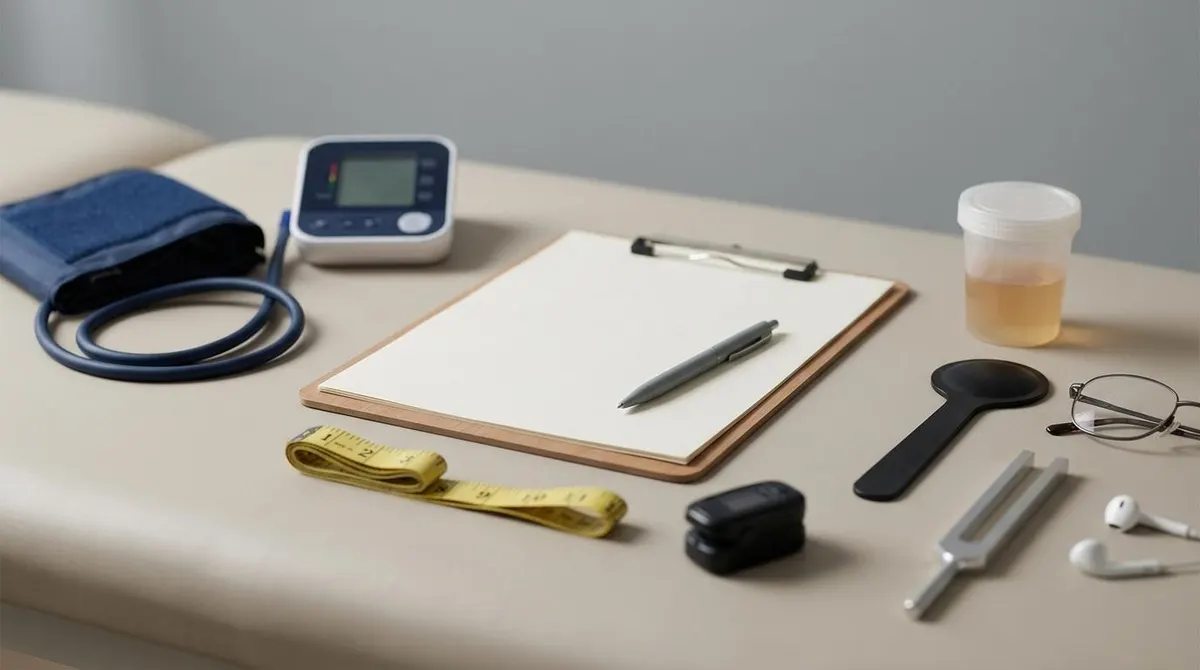
A standard DOT physical exam includes a medical history review, a vital signs check, vision and hearing tests, a urine test, and a head-to-toe physical exam focused on safety-critical function.
Already diagnosed and need CPAP support?
Dumbo Health helps patients start CPAP without the usual confusion, paperwork, or upfront cost. Equipment, setup, supplies, and ongoing support are all handled in one place.
A medical history is the record of your past and current health conditions, surgeries, symptoms, and treatments. A medical history review matters because the medical examiner uses it to spot patterns that may affect driving, medication safety, or the need for follow-up documentation.
As part of the exam, drivers complete the medical history portion of the Medical Examination Report (https://www.fmcsa.dot.gov/regulations/medical/medical-examination-report-form-commercial-driver-medical-certification), or Medical Examination Report Form MCSA-5875. The FMCSA says drivers are required to fill out this section as part of the physical. Expect questions about medical conditions, surgeries, medications, sleep problems, mental disorders, heart disease, insulin-treated diabetes mellitus, and past symptoms such as fainting or seizures. The medical examiner may also review your driver's license, Commercial Driver's License status, and any prior medical certificate paperwork.
Then comes the testing portion. A vital signs check usually includes blood pressure, pulse, height, and weight. The vision test and hearing test check whether you meet the minimum standard for safe road use. The general physical exam assesses body systems, strength, movement, and neurological function. Many clinics that offer occupational health or occupational medicine services handle these steps in a routine workflow, but a DOT medical exam follows federal standards rather than a generic employment screening.
DOT medical exam components are designed to answer one question: can this driver operate safely today, and under what limits, if any? DOT medical exam findings can lead to a 2-year card, a shorter certification period, a determination pending status, or no certification until a condition is better documented or treated.
DID YOU KNOW: FMCSA says the medical certification determination is based on history, objective physical examination data, and any additional testing the medical examiner believes is necessary.
KEY TAKEAWAY: A DOT physical exam is a structured safety exam that combines your medical history, objective testing, and a focused physical exam.
The next question is the one most drivers really want answered in plain language.
What “private parts” are examined and why?
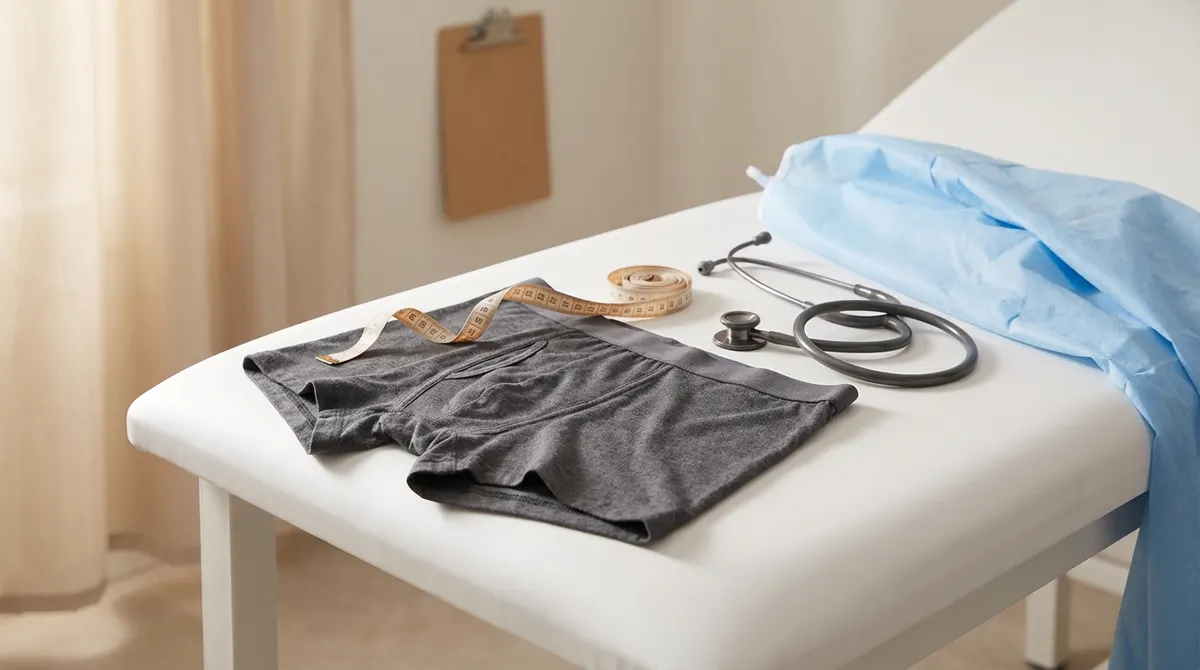
The only routinely discussed "private parts" issue in a DOT physical is the hernia test, which is done to identify a condition that could interfere with safe work and driving.
A hernia check is a brief screening exam for an inguinal hernia near the groin. A hernia test matters because a painful or enlarging hernia can make it harder to brace, lift, climb, or respond quickly in an emergency.
FMCSA's 2024 handbook is unusually direct here. The agency states that the physical examination should include an inguinal hernia check for all males. In practice, the medical examiner may ask you to stand, lower your underwear or waistband briefly, and turn your head and cough while the examiner checks for a bulge. Hernia checks are usually short, professional, and limited to screening. Hernia checks are not meant to be humiliating, and they are not performed for unrelated reproductive concerns.
The reason this exists is job function. CMV drivers may climb into the cab, secure loads, bend, and handle heavy lifting. A symptomatic hernia can worsen with strain and may create pain or sudden limitation while driving. If a hernia is found, the finding does not automatically end your certification. The medical examiner is looking at severity, symptoms, reducibility, discomfort, and whether the condition suggests a safety risk.
Many patients report that the most stressful part is uncertainty, not the exam itself. If you want the examiner to talk through each step first, say so. Clear communication often makes the encounter easier.
TIP: If you feel anxious, ask the examiner to explain the hernia check before you undress so there are no surprises.
KEY TAKEAWAY: Hernia screening is included because it can affect safe movement and control, not because DOT exams are designed as full genital exams.
Just as important is understanding what the exam does not usually include.
What a DOT physical does not usually include
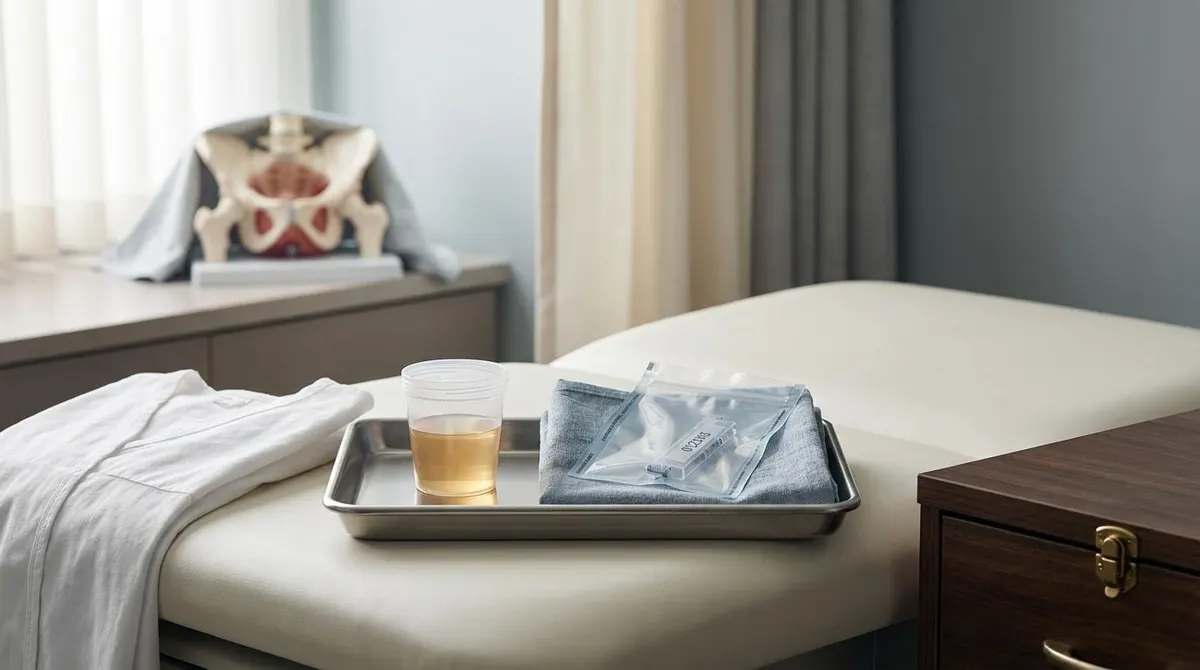
A DOT physical does not usually include a routine prostate exam, pelvic exam, or invasive genital exam, and the urine test is not the same as standard DOT drug testing.
A urine test in the DOT physical is a basic screening tool that checks for specific gravity, protein, blood, and sugar. A urine sample matters because abnormal results can point to uncontrolled blood sugar levels, kidney problems, or other medical conditions that need follow-up.
FMCSA's handbook says urinalysis in the physical qualification exam records the numerical readings for specific gravity, protein, blood, and sugar. The same handbook explains that DOT-regulated drug testing for CLP and CDL drivers is separate and is not part of the physical qualification examination, although a separate pre-employment process may happen the same day. FMCSA also says the medical examiner must complete the physical examination first before collecting a Part 382 controlled substances urine specimen when both are ordered together.
That distinction matters because many drivers hear "urine sample" and assume automatic drug testing. The physical's urine test is there to flag possible diabetes, uncontrolled high blood pressure, renal disease, or related concerns. A separate drug test follows different rules. If you are asking whether amphetamines, marijuana, cocaine, or other drugs are tested as part of the DOT physical itself, the answer is no in the ordinary medical-certification workflow, though employers may require separate drug testing.
| Exam component | Usually part of DOT physical | What it is for | What it is not |
|---|---|---|---|
| Urine test | Yes | Screens for protein, blood, sugar, specific gravity | Not the standard DOT drug test by itself |
| Hernia check | Often, for males | Screens for hernia risk and function | Not a full genital exam |
| Prostate exam | No, not routine | Not part of standard certification | Not required in ordinary DOT physical requirements |
| Pelvic exam | No, not routine | Not part of standard certification | Not a standard DOT medical exam step |
| Blood test | No, not routine | May be ordered separately if needed | Not a routine element of every exam |
For most drivers, the best way to avoid confusion is to ask whether the clinic visit includes only the DOT medical examination, or both the medical exam and employer drug testing. If you also have risk factors for sleep apnea, review what sleep apnea is (https://www.dumbo.health/blog/what-is-sleep-apnea) before your visit so you understand why fatigue questions may come up.
KEY TAKEAWAY: A DOT urine test checks health markers, while regulated drug testing is a separate process even if it happens on the same day.
Knowing the limits of the exam makes it easier to protect your privacy without misunderstanding the rules.
Your privacy, rights, and professionalism during the examination

You should expect privacy, professionalism, and clear communication during a DOT physical, even when the exam includes a sensitive step such as a hernia check.
A medical examiner is a licensed clinician approved to perform FMCSA qualification exams. An FMCSA-certified medical examiner matters because interstate drivers generally must be examined by someone listed on the National Registry.
FMCSA says the Medical Examiner's Handbook 2024 Edition is guidance for medical examiners listed on the National Registry of Certified Medical Examiners who perform physical qualification examinations of interstate commercial motor vehicle drivers. That means there is an expected professional standard. A respectful examiner should explain what will happen, limit exposure, and conduct the exam efficiently. If something feels unclear, you have the right to ask what is being checked and why.
Drivers also have a right to a copy of the FMCSA medical examination report if requested. The 2024 handbook states that the right to a copy of the Medical Examination Report Form, MCSA-5875, belongs to the individual examined, even if the employer paid for the visit. That can be helpful if you need to review findings with a primary care provider or bring paperwork to a follow-up.
Chaperones are not routine for hernia screening, but communication matters. If you have a trauma history, cultural concern, or simply want another person present as a witness, say so before the physical exam starts. Drivers searching for providers in your area can also ask the clinic about process, room privacy, and whether both male and female medical professional staff are available.
KEY TAKEAWAY: You can expect a professional, limited exam and you can ask questions, request clarity, and seek documentation of your visit.
The next step is making sure you show up prepared enough to avoid preventable delays.
How to prepare for your DOT physical and avoid delays
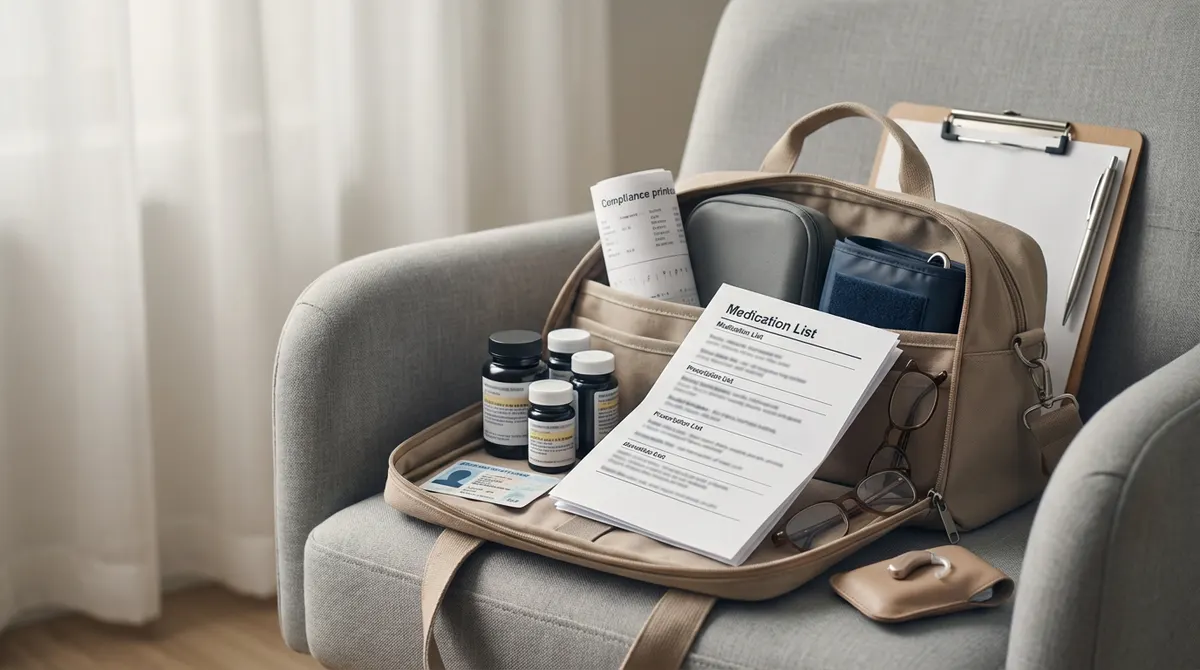
The most effective way to prepare for a DOT physical is to bring accurate medical information, show stability for chronic conditions, and know which documents support safe certification.
Preparation starts with paperwork. Bring your driver's license, glasses or contacts, hearing aid if you use one, medication list, specialist letters when relevant, and any prior medical certificate documents. If you have diabetes, bring blood sugar recording logs and recent A1c results when requested. If you use a CPAP machine for sleep apnea, bring compliance data if your examiner asks for it. Drivers who want a fuller overview of at-home evaluation can review how at-home sleep studies work (https://www.dumbo.health/blog/how-do-at-home-sleep-studies-work) and sleep apnea symptoms to look out for (https://www.dumbo.health/blog/9-most-common-sleep-apnea-symptoms-to-look-out-for).
Blood pressure is one of the most common reasons for short-term certification. High blood pressure can lead to repeat visits, especially if the reading is elevated from stress, nicotine, caffeine, or poor sleep. Try to arrive early, avoid stimulants right before a scheduled appointment, and take prescribed medications consistently unless your clinician has told you otherwise. If your hearing aid or corrective lenses help you meet standards, bring them. FMCSA guidance allows qualification with a hearing aid if the standard is met while wearing it, and the certificate can note that requirement.
DOT certification decisions often turn on documentation, not surprises. If you have heart disease, mental disorders treated with medication, insulin-treated diabetes mellitus, or another ongoing issue, the medical examiner may want records showing that the condition is stable and that treatment does not impair safe driving. If you are not sure what applies, call the clinic before the appointment rather than guessing.
TIP: Bring every medication bottle or a printed medication list to reduce errors in the medical history review.
KEY TAKEAWAY: The smoother your documentation, the more likely your DOT physical will stay focused on certification instead of delays.
Once preparation is clear, it helps to know what findings can change the certification outcome.
What can affect certification, disqualify a driver, or require follow-up?
A DOT physical can lead to full certification, short-term certification, pending determination, or no card at all depending on whether your medical conditions meet FMCSA safety standards.
Medical certification is the official decision that you do or do not meet the physical qualification standard to drive. A medical certificate matters because without it, many interstate commercial driver roles cannot legally continue.
Not every abnormality is disqualifying. FMCSA guidance says medical examiners should document abnormal findings even when they do not preclude certification. Some issues simply require monitoring, shorter certification periods, or more records from a treating clinician. Common concerns include uncontrolled blood pressure, poorly explained loss of consciousness, severe vision or hearing deficits, medication side effects, and unresolved symptoms that could lead to a medical emergency behind the wheel.
Sleep apnea is a good example of nuance that generic articles often miss. FMCSA notes that obstructive sleep apnea can impair sleep quality and contribute to daytime sleepiness in commercial motor vehicle drivers. The agency also explains that once sleep apnea is successfully treated, a driver may regain medically qualified status. If this topic applies to you, dumbo.health's guide to sleep apnea and weight loss (https://www.dumbo.health/blog/sleep-apnea-and-weight-loss-what-really-happens-when-you-lose-weight) and its review of whether CPAP is covered by insurance (https://www.dumbo.health/blog/is-cpap-covered-by-insurance) can help you plan next steps.
Untreated sleep apnea can raise the risk of high blood pressure, diabetes, heart disease, and stroke, according to the National Heart, Lung, and Blood Institute (https://www.nhlbi.nih.gov/health/sleep-apnea/causes). Sleep apnea matters in DOT certification because daytime sleepiness and cardiovascular risk can directly affect safe driving.
The key difference between a disqualifying condition and a manageable condition is often control, treatment response, and documentation. A hernia itself may not fail you. A painful hernia that interferes with movement may. A medication itself may not disqualify you. Sedation, slowed reflexes, or an unstable underlying diagnosis might.
KEY TAKEAWAY: Certification decisions depend on functional safety risk, stability, and documentation more than on a diagnosis name alone.
That brings up the myths that make many drivers fear the exam more than they need to.
Common myths about DOT physicals debunked

DOT physical myths often mix up employer screening, general medical care, and FMCSA certification rules, which creates unnecessary fear for drivers.
MYTH: You always have to fully undress for a DOT physical.
FACT: Most drivers do not undergo a full undressing process. The medical examiner may need limited exposure for a hernia test, but the purpose is targeted screening, not a general intimate exam. Professional clinics usually keep exposure brief and only to the extent needed.
MYTH: Every urine sample in a DOT exam is a drug test.
FACT: FMCSA distinguishes the urinalysis used in the physical from DOT-regulated drug testing for CDL and CLP drivers. The physical's urine test looks for protein, blood, sugar, and specific gravity. Separate drug testing may happen at the same visit, but it follows different rules.
MYTH: A hernia automatically means you fail.
FACT: A hernia finding does not automatically end medical certification. The medical examiner considers symptoms, safety impact, and whether further evaluation or treatment is needed. Some drivers are certified, while others may need follow-up first.
MYTH: Women get the same kind of groin hernia screening described for men.
FACT: FMCSA's 2024 handbook specifically says the physical examination should include an inguinal hernia check for all males. Female drivers are still examined for fitness to drive, but routine pelvic exams are not standard DOT certification steps.
DID YOU KNOW: FMCSA says medical examiners should complete the entire medical examination even if they identify a potentially disqualifying condition early in the visit.
KEY TAKEAWAY: Most DOT exam fears come from mixing up separate tests and overestimating how invasive the certification exam really is.
With the myths cleared up, the most practical questions are the ones drivers ask right before an appointment.
Frequently Asked Questions
Do you have to pull your pants down for a DOT physical?
Sometimes, but usually only briefly for a hernia check. In a standard DOT physical, the part most drivers mean by "pull your pants down" is limited groin exposure so the medical examiner can check for an inguinal hernia. FMCSA guidance specifically mentions an inguinal hernia check for all males. This is not the same as a full genital exam, and many clinics keep the step short and professional. If you want to know exactly what your clinic does, ask before the exam starts.
Is a drug test part of the DOT physical?
Not usually as part of the medical certification exam itself. The DOT physical includes a urine test that checks health markers such as blood, protein, sugar, and specific gravity. FMCSA says regulated drug testing for CDL or CLP drivers is separate from the physical qualification examination, even if an employer schedules both together. If the same clinic is doing both, the examiner should complete the physical exam first before collecting the separate controlled-substances urine sample for employer testing.
What happens if the examiner finds a hernia?
Finding a hernia does not automatically mean the end of certification. The medical examiner will consider whether the hernia causes pain, limits movement, creates a risk during heavy lifting, or could interfere with safe control of a commercial motor vehicle. Some drivers can still receive a medical certificate, while others may need more evaluation or treatment first. The key issue is functional safety risk, not just the word "hernia" on its own.
Can a hernia cause you to fail a DOT physical?
Yes, a hernia can affect the outcome, but only when it appears likely to interfere with safe driving or job function. A small, asymptomatic hernia may be handled very differently from a painful or enlarging hernia that limits movement. FMCSA guidance specifically notes that a hernia may require further evaluation if it causes discomfort or might interfere with safe operation of a CMV. The examiner's job is to assess risk, not to fail drivers automatically.
Do women have a “private parts” exam during a DOT physical?
Routine pelvic exams are not a standard part of DOT certification. The DOT medical exam is a safety-focused physical exam, not a general gynecologic visit. Female drivers should still expect a medical history review, blood pressure check, vision and hearing tests, urine sample, and general physical exam. If you are looking for a certified examiner close to you, ask the clinic to explain the process ahead of time so you know what to expect and can raise any privacy concerns early.
What will disqualify you from a DOT physical?
There is no single short list that applies to every driver because certification depends on whether a condition creates a safety risk and whether it is controlled. Uncontrolled high blood pressure, severe untreated sleep apnea, certain neurological issues, concerning medication effects, serious vision or hearing deficits, or other unstable medical conditions can all lead to denial or delayed certification. In many cases, follow-up records, treatment, or a waiver or exemption process can change the outcome. The medical examiner makes the final certification decision based on FMCSA standards.
Is methadone automatically disqualifying for DOT medical certification?
Methadone is not assessed by name alone. The medical examiner evaluates the underlying condition, the medication's stability, side effects, and whether safe commercial driving is affected. FMCSA guidance emphasizes functional safety, medication effects, and information from treating providers rather than simplistic medication lists alone. Because this area can be complex, drivers taking methadone or other scheduled medications should bring a detailed prescribing-clinician letter to the exam and confirm the clinic's documentation preferences before the visit.
Can sleep apnea affect your DOT physical even if the visit is about something else?
Yes. sleep apnea can matter because it may cause daytime sleepiness and is linked to high blood pressure and cardiovascular risk. FMCSA has published specific information on obstructive sleep apnea in commercial motor vehicle drivers, and the agency notes that treatment can restore medically qualified status in many cases. If you snore loudly, feel sleepy while driving, or have resistant hypertension, the examiner may ask follow-up questions. Drivers who need evaluation can look for providers near you and start with sleep-focused educational resources before the next certification visit.
Conclusion
A DOT physical is a safety exam, not a surprise intimate exam. For most male drivers, the sensitive part is a brief hernia check done to assess function and risk, while routine prostate and pelvic exams are not standard parts of certification. The best way to reduce stress is to show up informed, bring complete records, and ask direct questions if anything feels unclear. If sleep apnea, fatigue, or CPAP use could affect your next certification, start with dumbo.health's guide to how sleep apnea works and why it matters for treatment (https://www.dumbo.health/blog/what-is-sleep-apnea) so you can prepare for the medical history conversation with more confidence.
Related DOT Physical Topics
- Why do they measure your neck during a DOT physical
- Do They Check for Hernia During a DOT Physical
- What Do They Check During a DOT Physical
- What Happens If Your DOT Physical Expires Compliance Guide for Commercial Drivers
- Navigating Your DOT Physical with Common Medical Conditions
- Navigating the Florida DOT Physical Your Essential Guide for CDL Drivers
- What Does DOT Stand for in a DOT Physical
- How Do You Submit Your DOT Physical to the DMV
- DOT Physical Duration and Validity How Long Your Medical Card Lasts
- Your Complete Guide What's Included in a DOT Physical Exam
- Can You Get a Second Opinion on Your DOT Physical A Complete Guide for Commercial Drivers
- DOT Physical Insurance or Self Pay How to Choose the Right Payment Option for Your Exam
- DOT Physical Chiropractor Your Complete Guide to CDL Exams
- Is a DOT physical the same as a regular physical
- What Happens During the DOT Physical Exam The Complete Guide for Drivers
- DOT Physical Texas The Essential Guide to Your Exam, Medical Card, and CDL Compliance
- What Is the Difference Between a DOT and Non-DOT Physical
- Do You Have to Pee During a DOT Physical
- What drugs do they test for in a DOT drug test
- DOT Physical Online Cost
- Does a DOT Physical Test for Weed or THC The Complete Guide for Commercial Drivers
- DOT Physical Vision & Eye Requirements
- What Can Disqualify You From a DOT Physical
- How can drivers with sleep apnea qualify again after a failed DOT physical
- Does a DOT physical include a drug test
- The Ultimate DOT Physical Guide for Commercial Drivers (2025–2026)
- Can You Pass a DOT Physical with Epilepsy
- DOT Physical Self Pay Cost
- Remote DOT Physical The Complete Guide for Commercial Drivers
- DOT Physical Out of Pocket What Commercial Drivers Actually Pay
- When Can Sleep Apnea Affect a DOT Physical
- Walk In DOT Physical Self Pay
- Is a drug test required for a DOT physical
- DOT Physical Cost Breakdown What Drivers Pay & Why
- Can You Get a DOT Physical Online
- Can You Pass a DOT Physical With One Eye
- Can You Pass a DOT Physical With a Pacemaker
- What Should You Bring to a DOT Physical
- Telehealth Dot Physical
- DOT Physical Forms & Paperwork The Complete Guide for Commercial Drivers
- What Forms Do You Need for a DOT Physical
- DOT Physical Exam Basics
- Does insurance cover a DOT physical
- DOT Physical & Alcohol Requirements
- What Are the Requirements to Pass a DOT Physical
- DOT Physical Insurance & Recertification The Complete Driver's Guide
- DOT Physical ICD-10 & Billing Codes The Complete Guide for Accurate Compliance and Reimbursement
- Can You Fail a DOT Physical for Being Overweight
- Online DOT Physical Without Insurance A Complete Guide for Commercial Drivers
- Why DOT Sleep Tests at Home Matter for Your Career and Health
- Cheap DOT Physical Online
- What Is the Urine Test for in a DOT Physical
- Can You Pass a DOT Physical With a Hernia
- What blood pressure do you need to pass a DOT physical
- Online DOT Physical Self-Pay The Complete Guide for CDL Drivers and Owner-Operators
- DOT physical self pay guide for commercial drivers paying out of pocket
- DOT Physical Cash Pay
- DOT Physical Blood Pressure Requirements What Drivers Need to Know
- New DOT Physical Requirements What Drivers MUST Know About New Updates
- Can You Fail a DOT Physical for High Blood Pressure
- Same Day DOT Physical
- Virtual DOT Physical
- Who needs a DOT physical
- Can you fail a DOT physical because of sleep apnea
- Online DOT Physical The Complete Guide for Commercial Drivers and Medical Examiners
- How to Pass a DOT Physical The Complete Commercial Driver's Guide
- DOT Physical at Urgent Care What Commercial Drivers Need to Know
- Can you pass a DOT physical with sleep apnea
- What should I expect at a DOT physical
- What Does a DOT Physical Consist Of
- What happens if you fail a DOT physical due to sleep apnea
- Can You Pass a DOT Physical with Diabetes
- Can You Pass a DOT Physical with High Blood Pressure
- BMI for DOT Physical What Commercial Drivers Need to Know
- DOT Physical & Drug Test What Drivers Need to Know
- Non-DOT Physical A Comprehensive Guide to Workforce Health and Safety
- DOT Physical Requirements A Complete Guide for CDL Drivers
- Is a Sleep Study Required for a DOT Physical
- Guide to Obtaining and Managing Your DOT Medical Card Online
- What eye chart is used for a DOT physical
- The DOT Physical Exam Ensuring You're Fit for the Road
- Failing a DOT Physical What Every Commercial Driver Needs to Know
- Can You Fail a DOT Physical
- What is DOT Physical
- Online CDL Physical
- Are There New DOT Rules or Laws on Sleep Apnea Testing
- Essential 171 DOT Definitions for Commercial Drivers
- 2026 DOT Inspection Dates
- Online DOT Exam What Drivers and Medical Examiners Need to Know
- CDL PHYSICAL SELF PAY
- DOT sleep apnea test at home
- DOT Medical Exam Self-Pay A Complete Guide for Commercial Drivers
- Navigating Your CDL Health Requirements
- What are the current DOT requirements for sleep apnea testing for commercial drivers
- Expected 2027 DOT Inspection Dates
- How Sleep Apnea Affects Overall Driving Safety
- Best Treatments for Sleep Apnea to Improve Driving Safety
- Home Sleep Apnea Test for Commercial Drivers The CDL Holder's Complete Guide
- Sleep Apnea Test for CDL Drivers
- What Precautions Should Drivers With Sleep Apnea Take
Take the next step before your DOT physical
Start with the free quiz if you are unsure about your risk, or order an at-home sleep test if you have already been flagged for possible sleep apnea.
AI summary
A DOT physical is a federally standardized fitness-for-duty exam used by the Federal Motor Carrier Safety Administration (FMCSA) to determine whether an interstate commercial motor vehicle driver meets medical qualification standards. FMCSA’s 2024 Medical Examiner’s Handbook states the physical exam should include visualization of the body and an inguinal hernia check for all males. In practice, this may involve brief lowering of the waistband/underwear and coughing while the examiner screens for a bulge. This is a targeted safety screening, not a routine genital, pelvic, or prostate exam. A standard DOT physical also includes a medical history review (Medical Examination Report Form MCSA-5875), vital signs (including blood pressure), vision and hearing testing, and a urinalysis. The DOT urinalysis records specific gravity, protein, blood, and sugar to flag issues such as diabetes or kidney concerns. DOT-regulated drug testing under Part 382 is separate, even if scheduled the same day. Certification outcomes can include a 2-year card, shorter certification, pending determination, or no certification depending on functional safety risk, condition control, and documentation.

Nicolas Nemeth
Co-Founder
Nico is the co-founder of Dumbo Health, a digital sleep clinic that brings the entire obstructive sleep apnea journey home. Patients skip the sleep lab and the long wait to see a specialist. Dumbo Health ships an at home test, connects patients with licensed sleep clinicians by video, and delivers CPAP or a custom oral appliance with ongoing coaching and automatic resupply in one clear subscription.
Keep reading

How Long Does a DOT Physical Take? A Complete Guide for Commercial Drivers

What Happens If You Fail a DOT Drug Test? The Complete Guide for Commercial Drivers


