DOT Physical Blood Pressure Requirements: What Drivers Need to Know
This guide explains how blood pressure is evaluated during the DOT physical and why the FMCSA requires it for commercial motor vehicle safety. It defines systolic and diastolic readings and outlines common blood pressure categories, from normal to hypertensive crisis. You will learn the key FMCSA thresholds, including what readings can qualify you for a two-year card, trigger short-term certification, or cause disqualification. It also walks through how the Certified Medical Examiner measures blood pressure and how to reduce white coat syndrome effects. Practical short- and long-term steps cover diet, sleep, stress, activity, and home monitoring. It clarifies how blood pressure medication, stability, side effects, and documentation can affect certification.
Struggling with sleep?
Find out if sleep apnea is the reason.
FDA-cleared. $149 flat. Physician-reviewed results in 48 hours.

DOT Physical Blood Pressure Requirements: What Drivers Need to Know
DOT Physical Blood Pressure Requirements: Your Roadmap to Compliance and Well-being
For commercial drivers, the DOT Physical exam isn't just a bureaucratic hurdle; it's a critical checkpoint for ensuring road safety and maintaining your livelihood. Among the many components of this vital examination, blood pressure requirements often cause the most anxiety. Navigating the Federal Motor Carrier Safety Administration's (FMCSA) regulations regarding blood pressure can feel complex, but understanding the "why" behind these rules, the specific thresholds, and actionable strategies for management can transform this potentially stressful event into an opportunity for proactive health management.
This article aims to cut through the confusion, providing commercial drivers with a clear, comprehensive guide to DOT physical blood pressure requirements. We'll delve into the fundamental concepts of blood pressure, demystify the FMCSA's guidelines, explain what to expect during the examination, and offer practical strategies for managing your blood pressure effectively. Whether you're preparing for your next physical or looking to maintain your health for a long and successful career, this guide is your essential resource.
The Crucial Role of Blood Pressure for Commercial Driver Safety
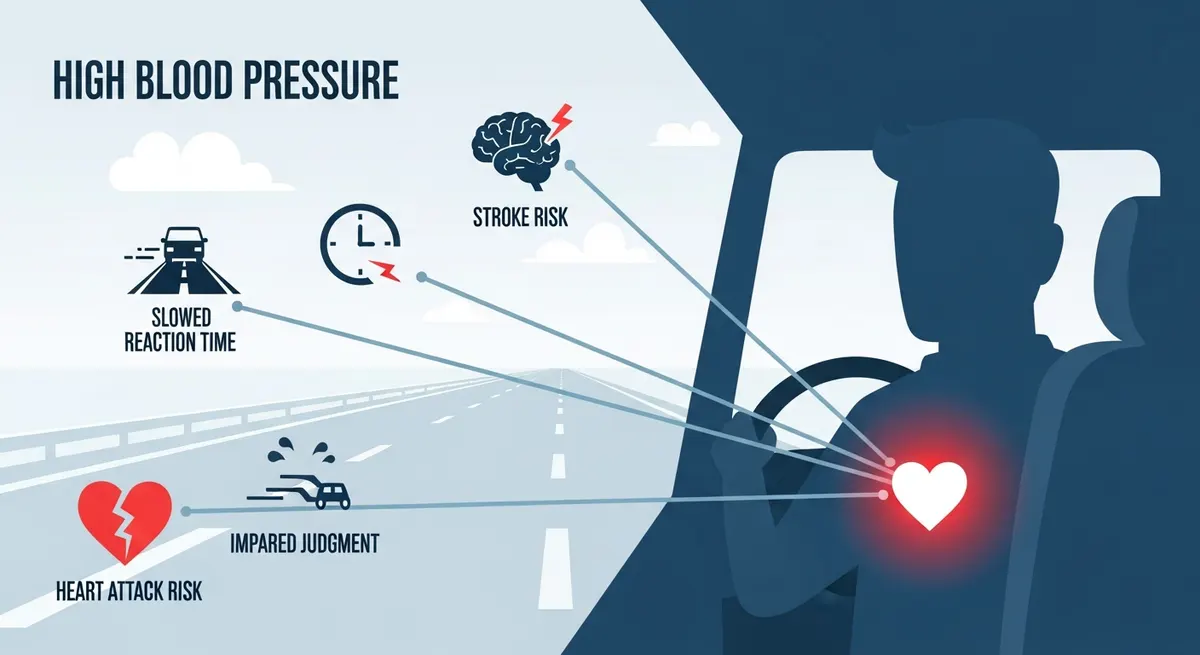
Uncontrolled high blood pressure can lead to sudden and severe health events, directly impacting a driver's ability to operate a commercial vehicle safely.
The ability to safely operate a Commercial Motor Vehicle (CMV) hinges on a driver’s overall health. high blood pressure, or hypertension, is a silent condition that can have profound and dangerous consequences, significantly impacting a driver's ability to perform their duties safely. Uncontrolled hypertension can lead to sudden incapacitation, impair judgment, slow reaction times, and increase the risk of catastrophic events like heart attacks and strokes. Given that approximately 3.06 million truck drivers were employed in the U.S. in 2024, the collective safety impact of this condition across the industry is substantial. The Department of Transportation (DOT), through the FMCSA, mandates blood pressure checks as part of the DOT physical exam precisely because elevated readings are a significant indicator of underlying health risks that could jeopardize road safety. For a sector where Cardiovascular disease mortality is 27% higher in truck drivers than average workers, understanding and managing blood pressure is not just about passing an exam; it's about safeguarding lives.
What This Guide Will Cover
This guide will equip you with the knowledge to navigate DOT blood pressure requirements with confidence. We will cover:
Not sure if sleep apnea applies to you?
Take our 2-minute sleep risk quiz to see whether sleep apnea could affect your DOT physical. No account required.
- The Fundamentals: A clear explanation of what blood pressure is and why the FMCSA places such importance on it for commercial drivers.
- FMCSA Thresholds: The specific blood pressure limits for medical certification and how different readings affect the duration of your medical card.
- The Examination Process: What to expect during the blood pressure check at your DOT physical, including the role of the medical examiner and how to manage common issues like "white coat syndrome."
- Hypertension Management: How different stages of hypertension are addressed by the FMCSA and the implications for certification.
- Actionable Strategies: Practical, evidence-based advice for managing and lowering your blood pressure, both in the short-term and for long-term health.
- Medication Guidance: How taking blood pressure medication impacts your certification and what you need to know to comply.
- Long-Term Health: The importance of proactive health management for a sustainable career in commercial driving.
Understanding Blood Pressure: The Core Concepts for CMV Drivers
To understand the FMCSA's requirements, it's essential to grasp the basics of blood pressure. It's the force of blood pushing against the walls of your arteries as your heart pumps it around your body. This force is measured in millimeters of mercury (mm Hg) and is expressed as two numbers.
What Are Systolic and Diastolic Blood Pressure Readings?
Your blood pressure reading consists of two numbers:
- Systolic Pressure (the top number): This measures the pressure in your arteries when your heart beats and pumps blood.
- Diastolic Pressure (the bottom number): This measures the pressure in your arteries when your heart rests between beats.
For example, a reading of 120/80 mm Hg means your systolic pressure is 120 mm Hg and your diastolic pressure is 80 mm Hg.
Why the FMCSA Prioritizes Blood Pressure for Commercial Drivers
The FMCSA's focus on blood pressure stems directly from its commitment to public and driver safety. High blood pressure is a significant risk factor for serious medical conditions that can suddenly impair a driver's ability to operate a CMV safely. These conditions include:
- Heart Attack: Weakened heart muscle or blocked arteries can lead to a heart attack, causing chest pain, shortness of breath, and potential incapacitation.
- Stroke: High blood pressure is the leading cause of stroke, which occurs when blood flow to the brain is interrupted. Strokes can cause paralysis, speech difficulties, and cognitive impairment.
- Kidney Disease: Chronic high blood pressure can damage the kidneys over time.
- Vision Problems: Hypertension can affect the blood vessels in the eyes, potentially leading to vision loss, which is critical for drivers.
Given that an estimated 26% of drivers have Obstructive sleep apnea (OSA), a condition often linked to hypertension, and truck drivers are twice as likely to be obese compared to other workers, proactive management of blood pressure is paramount for mitigating these risks. This proactive approach also addresses the 68% of commercial drivers who report stress negatively impacts their driving.
Blood Pressure Categories: Normal, Elevated, and Hypertension
While health organizations define blood pressure categories, the FMCSA uses these categories to determine medical certification. Generally, readings are classified as follows:
- Normal Blood Pressure: Less than 120/80 mm Hg. This indicates a healthy state.
- Elevated Blood Pressure: Systolic between 120-129 mm Hg and diastolic less than 80 mm Hg. This suggests a risk of developing hypertension.
- Hypertension Stage 1: Systolic between 130-139 mm Hg or diastolic between 80-89 mm Hg. This stage requires monitoring and lifestyle changes.
- Hypertension Stage 2: Systolic 140 mm Hg or higher or diastolic 90 mm Hg or higher. This indicates a higher risk and usually requires medical intervention.
- Hypertensive Crisis: Systolic higher than 180 mm Hg and/or diastolic higher than 120 mm Hg. This is a medical emergency.
The FMCSA's regulations are specifically designed to ensure drivers do not fall into categories that pose an immediate safety risk.
The FMCSA's Specific Blood Pressure Requirements for Your DOT Physical
The FMCSA outlines clear blood pressure thresholds that Certified Medical Examiners (CMEs) must assess during the DOT physical. These requirements are not arbitrary; they are directly linked to the driver's ability to safely operate a CMV over a specific period.
Key Blood Pressure Thresholds for DOT Medical Certification
The FMCSA's guidelines for blood pressure are critical for determining the length of your medical examiner's certificate. The benchmark many drivers aim for is below 140/90 mm Hg.
- Readings Below 140/90 mm Hg: If your blood pressure is consistently below 140/90 mm Hg, you generally qualify for a full two-year medical certification, provided you meet all other medical requirements. This is the ideal outcome for most commercial drivers seeking to maintain their license without frequent re-examinations based solely on blood pressure. The FMCSA's stipulations for a two-year medical certification are generally met when blood pressure remains less than 140/90 mm Hg.
- Readings Between 140/90 mm Hg and 159/99 mm Hg: If your blood pressure is within this range, you may be granted a temporary medical certificate, typically for a period of 3 to 6 months. This allows you to continue driving while you work with your treating physician to lower your blood pressure. During this period, you are expected to seek treatment and demonstrate that your blood pressure is under control.
- Readings Between 160/100 mm Hg and 179/109 mm Hg: If your blood pressure falls into this range, you may receive a certification that is valid for only 3 months. This is a more serious indication of hypertension that requires immediate medical attention and a clear plan for management. The goal is to bring the readings down to a manageable level within this short window to avoid further restrictions.
- Readings of 180/110 mm Hg or Higher: A blood pressure reading of 180/110 mm Hg or higher typically results in immediate disqualification. This level of hypertension indicates a severe and potentially life-threatening condition that poses an unacceptable risk to road safety. Drivers in this situation will need to demonstrate significant improvement and stabilization of their blood pressure through medical intervention before they can be considered for certification.
It's crucial to remember that these are general guidelines. The CME will consider your overall health, medical history, and the effectiveness of any treatment plan in place.
How Your Blood Pressure Readings Impact Certification Duration:
The duration of your medical certificate is directly tied to your blood pressure readings during the DOT physical exam.
- 1-Year Certification: Drivers with blood pressure readings that fall into the Hypertension Stage 1 range (130-139/80-89 mm Hg) might receive a one-year certification if they are actively managing their condition or if other factors warrant closer monitoring. This also applies to drivers who are taking medication to control their blood pressure, as many CMEs will limit the certification to one year when medication is involved to ensure ongoing stability.
- 3-Month Certification: As mentioned, readings between 140/90 mm Hg and 159/99 mm Hg can result in a 3-month certification. This is a crucial period for drivers to actively engage in treatment and demonstrate progress towards lowering their blood pressure. The intent is to allow drivers to seek and adhere to treatment plans without immediate career interruption, provided they show commitment to improvement.
- "Pass with Exception" Certifications: For some drivers, particularly those with Stage 1 or Stage 2 hypertension who are well-managed on medication, the CME may issue a certification with specific conditions. This could involve requiring more frequent follow-up examinations, home blood pressure monitoring logs, or a letter from their treating physician detailing their management plan. These "exceptions" allow drivers to continue working while ensuring their health is carefully monitored.
The average age of a truck driver is 47, older than the total U.S. workforce average age of 42, meaning chronic conditions like hypertension are more prevalent and require careful management for career longevity.
Already diagnosed and need CPAP support?
Dumbo Health helps patients start CPAP without the usual confusion, paperwork, or upfront cost. Equipment, setup, supplies, and ongoing support are all handled in one place.
Based on the text provided, here is a summary of how blood pressure readings and management influence the duration of a DOT medical certification.Impact of Blood Pressure on DOT Certification Duration
The duration of a driver's medical certificate is directly tied to their blood pressure readings at the time of the exam and how well the condition is managed.
| Certification Duration | Triggering BP Readings or Conditions | Key Details and Purpose |
|---|---|---|
| 1-Year Certification | • Hypertension Stage 1 range (130-139 systolic / 80-89 diastolic).• OR Any driver taking medication to control blood pressure. | Used for drivers actively managing the condition or needing closer monitoring. CMEs often limit certification to one year when medication is involved to ensure ongoing stability. |
| 3-Month Certification | • Readings between 140/90 mm Hg and 159/99 mm Hg. | A "crucial period" designed to allow drivers to seek treatment and demonstrate progress toward lowering blood pressure without immediate career interruption, provided they show commitment to improvement. |
| "Pass with Exception" | • Stage 1 or Stage 2 hypertension that is well-managed on medication. | Allows continued work but requires specific conditions for careful monitoring, such as more frequent follow-up exams, home blood pressure monitoring logs, or letters from a treating physician detailing the management plan. |
What to Expect During the Blood Pressure Check at Your DOT Physical Exam
The blood pressure check is a standard part of the DOT physical exam. Understanding the process can help alleviate any anxiety you might feel.
The Measurement Process: Tools and Techniques (sphygmomanometer)
The Certified Medical Examiner (CME) will use a device called a sphygmomanometer to measure your blood pressure. This typically involves:
- Resting Period: You will be asked to sit quietly for at least five minutes before the reading is taken. This helps ensure the measurement is accurate and not influenced by recent activity or stress.
- Cuff Placement: An inflatable cuff will be wrapped snugly around your upper arm. The size of the cuff is important for accurate readings; too small a cuff can falsely elevate the reading.
- Inflation and Deflation: The cuff will be inflated to temporarily stop blood flow in your artery. As the air slowly escapes, the CME listens with a stethoscope for the return of blood flow, noting the systolic pressure. As the pressure continues to drop, they listen for the point at which the blood flow becomes smooth, indicating the diastolic pressure.
- Multiple Readings: Often, the CME will take two or three readings, several minutes apart, to ensure consistency and accuracy. If the initial reading is elevated, they may take further readings after a short break.
It's important to remain calm and breathe normally during the procedure. Avoid crossing your legs or talking, as these can affect the reading.
The Role of the Certified Medical Examiner (CME) in Assessment
The Certified Medical Examiner (CME) is a licensed healthcare professional (MD, DO, DC, NP, PA) who is trained and certified to perform DOT physical examinations. They are not just taking numbers; they are assessing your overall health and determining if you meet the FMCSA’s stringent medical standards.
- Assessing Your Health: The CME will review your medical history, ask about any current health conditions, and inquire about any medications you are taking.
- Interpreting Readings: They will interpret your blood pressure readings in the context of your overall health profile. A slightly elevated reading might be less concerning if you are otherwise healthy and have a plan to manage it.
- Making a Recommendation: Based on the examination and the blood pressure readings, the CME will make a recommendation for your medical certification. They will either certify you for the standard duration (usually two years), certify you for a shorter period with conditions, or not certify you if you do not meet the standards.
- Providing Guidance: The CME can offer guidance on what steps you need to take to improve your blood pressure and meet the requirements for certification.
Addressing "White Coat Syndrome": Strategies for Accurate Readings
"White coat syndrome" refers to the phenomenon where individuals experience elevated blood pressure readings in a medical setting due to anxiety or stress. This is common among commercial drivers preparing for their DOT physical. Here are strategies to mitigate its impact:
- Pre-Exam Preparation:
- Practice Deep Breathing: Before your appointment, practice slow, deep breathing exercises to calm your nervous system.
- Avoid Stimulants: Refrain from consuming caffeine, nicotine, or large meals for at least 30 minutes before your exam.
- Arrive Early: Give yourself ample time to relax and settle before your appointment.
- During the Exam:
- Communicate Your Concerns: Inform the CME that you tend to experience "white coat syndrome." They may be more accommodating and take multiple readings.
- Focus on Relaxation: Consciously try to relax your body, uncross your legs, and breathe naturally.
- Home Monitoring: Bring a log of your home blood pressure readings to show the CME your typical pressure outside the clinical setting. This can be invaluable evidence if your clinic readings are elevated.
- Long-Term Management:
- Consistent Home Monitoring: Regularly check your blood pressure at home using a reliable device. This provides a more accurate picture of your day-to-day pressure.
- Follow Up with Your Doctor: If you consistently experience elevated readings, consult your regular doctor for diagnosis and treatment.
Demonstrating a commitment to managing your blood pressure through consistent home monitoring and following medical advice can significantly help in the certification process, even if initial readings are borderline.
Navigating Hypertension Stages and Certification Outcomes
The FMCSA's approach to hypertension management is tiered, recognizing that drivers can fall into different stages of the condition, each with specific requirements for certification.
Stage 1 Hypertension: Requirements and Certification Implications
For drivers diagnosed with Stage 1 Hypertension (systolic 130-139 mm Hg or diastolic 80-89 mm Hg), the requirements for medical certification typically involve a commitment to management and monitoring.
- Initial Certification: A driver with Stage 1 hypertension might receive a one-year medical certificate. This duration allows for a period of assessment and adjustment of treatment.
- Management Plan: The CME will likely require documentation that the driver is actively managing their blood pressure, usually through lifestyle changes or medication, under the care of a treating physician.
- Follow-up Examinations: More frequent re-examinations, perhaps every six months or annually instead of the standard two years, might be mandated to ensure blood pressure remains controlled.
- Medication Considerations: If medication is prescribed, the driver must adhere strictly to the regimen. The medication's effectiveness and potential side effects will be considered by the CME.
The aim is to ensure that drivers with Stage 1 hypertension are not a significant safety risk and are taking necessary steps to prevent progression to more severe stages. An education program that improved control of blood pressure among commercial drivers, decreasing uncontrolled hypertension from 26.1% to 17.2%, demonstrates the efficacy of targeted interventions for this group.
Stage 2 Hypertension: Requirements, Temporary Certifications, and Management
Stage 2 Hypertension (systolic 140 mm Hg or higher or diastolic 90 mm Hg or higher) presents a more significant challenge for certification.
- Temporary Certification: Drivers with Stage 2 hypertension may be issued a temporary medical certificate, typically valid for no more than 90 days. This short duration underscores the urgency of bringing blood pressure under control.
- Required Treatment: During this 90-day period, the driver must actively engage in a treatment plan prescribed by their physician. This usually involves a combination of medication and significant lifestyle changes.
- Demonstrating Stability: To regain certification, the driver must demonstrate that their blood pressure has been consistently maintained within acceptable limits (generally below 140/90 mm Hg) for a sustained period, often verified through a physician's letter and documented readings.
- Potential for Longer-Term Monitoring: If the driver successfully manages their Stage 2 hypertension, they may be granted a one-year medical certificate, but with the expectation of more frequent medical evaluations and ongoing medication management.
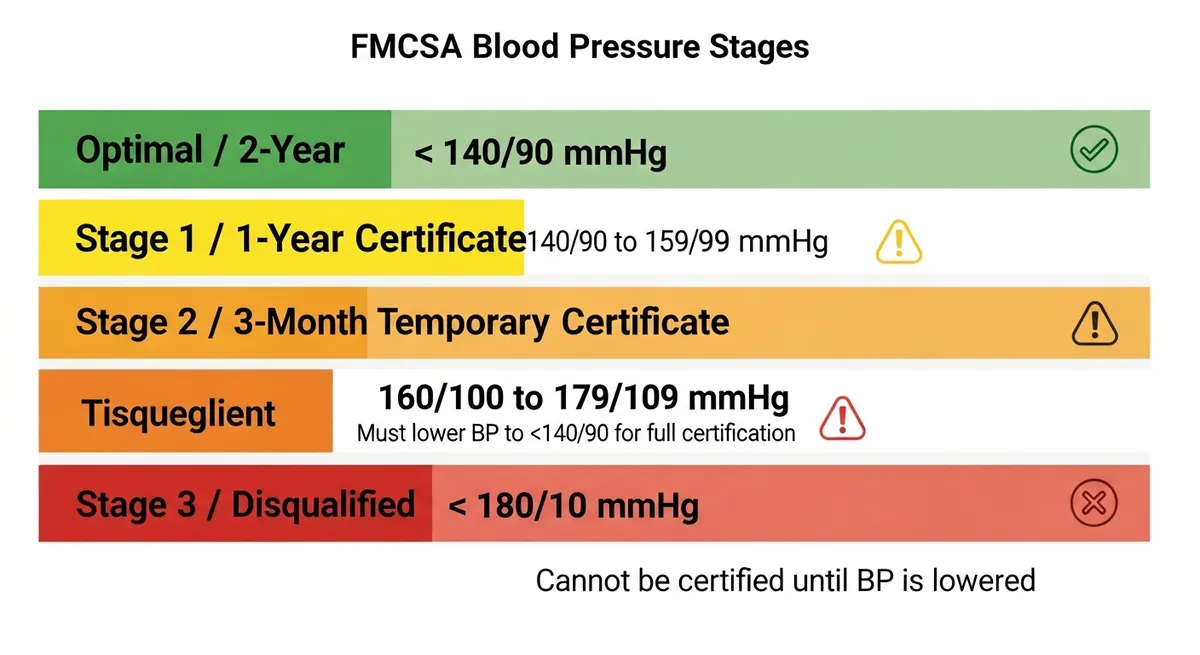
Your blood pressure reading directly determines the duration of your DOT medical certificate.
This stricter approach is due to the increased risk of stroke, heart attack, and other cardiovascular events associated with this stage of hypertension.
Stage 3 Hypertension: Understanding Immediate Disqualification and Long-Term Strategies
Stage 3 Hypertension, characterized by readings of 180/110 mm Hg or higher, is considered a hypertensive crisis and almost always leads to immediate disqualification.
- Immediate Disqualification: At this level, the risk of sudden incapacitation or a severe medical event is unacceptably high. The CME is generally required to disqualify the driver immediately.
- Urgent Medical Intervention: Drivers experiencing readings in this range require immediate medical attention to stabilize their condition and prevent severe health consequences.
- Long-Term Strategy for Recertification: To be considered for recertification, a driver must undergo extensive medical evaluation and treatment. They will need to demonstrate significant and sustained control of their blood pressure over an extended period, often many months, under strict medical supervision. This may involve a specialized management plan from a cardiologist or hypertension specialist.
- Documentation is Key: Extensive documentation from healthcare providers detailing the diagnosis, treatment, and the sustained stability of blood pressure will be required for any future consideration of medical certification.
For drivers facing Stage 3 hypertension, the focus shifts from simply passing the DOT physical to a critical health imperative, with recertification being a long-term goal contingent on significant health improvement.
Importance of Follow-up and Recheck Examinations for Maintaining Your Medical Card
For drivers with any level of controlled hypertension, or those who have had elevated readings in the past, regular follow-up and recheck examinations are not optional – they are essential for maintaining your medical card.
- Ensuring Continued Compliance: The FMCSA requires that commercial drivers remain medically fit to operate CMVs throughout their certification period. Regular check-ups ensure that blood pressure remains within the acceptable limits.
- Demonstrating Responsibility: Adhering to a schedule of follow-up appointments with your physician and the CME demonstrates your commitment to managing your health and your responsibilities as a professional driver.
- Preventing Future Issues: Early detection of any upward trends in blood pressure allows for timely adjustments to treatment plans, preventing the condition from worsening and potentially leading to disqualification.
- Documenting Progress: Records from follow-up visits serve as crucial documentation for your CME, proving that you are actively managing your health and are not a risk to public safety.
The FMCSA’s regulations are designed to promote long-term health and safety, and consistent engagement with healthcare providers is a cornerstone of this effort.
Actionable Strategies to Manage and Lower Your Blood Pressure
Effectively managing blood pressure is crucial for both passing your DOT physical and for your overall health and longevity as a commercial driver. Both immediate preparation and long-term lifestyle changes play a vital role.
Immediate & Short-Term Tips Before Your DOT Physical
If your DOT physical is approaching and you're concerned about your blood pressure, some immediate steps can help:
- Stress Reduction: Practice relaxation techniques like deep breathing, meditation, or mindfulness for 10-15 minutes daily. Reducing stress can have a noticeable impact on blood pressure.
- Dietary Adjustments:
- Reduce Sodium Intake: Avoid processed foods, fast food, and excessive salt. Opt for fresh fruits, vegetables, and lean proteins.
- Increase Potassium Intake: Foods rich in potassium, like bananas, spinach, and sweet potatoes, can help balance sodium levels.
- Limit Alcohol: Moderate your alcohol consumption, as excessive intake can raise blood pressure.
- Hydration: Drink plenty of water throughout the day. Dehydration can affect blood pressure readings.
- Get Enough Sleep: Aim for 7-9 hours of quality sleep per night. Poor sleep can contribute to elevated blood pressure.
- Avoid Stimulants: Skip caffeine and nicotine on the day of your physical and in the hours leading up to it.
- Light Exercise: A short, brisk walk on the morning of your exam can help, but avoid strenuous exercise immediately beforehand.
- Accurate Home Monitoring: If you have a home blood pressure monitor, use it consistently in the week(s) leading up to your exam. Record your readings and bring this log to your appointment. This can be invaluable evidence of your baseline pressure.
These short-term adjustments can help ensure your readings are as accurate and favorable as possible on the day of your exam.
Long-Term Lifestyle Changes for Sustained Blood Pressure Control
Sustainable blood pressure management requires consistent lifestyle changes. These are not just about passing a test; they are about investing in your long-term health and career.
- Adopt a Heart-Healthy Diet:
- DASH Diet: The Dietary Approaches to Stop Hypertension (DASH) diet is specifically designed to lower blood pressure. It emphasizes fruits, vegetables, whole grains, lean proteins, and low-fat dairy while limiting saturated and total fat, cholesterol, and red meat.
- Limit Processed Foods: These are often high in sodium, unhealthy fats, and added sugars.
- Focus on Whole Foods: Incorporate plenty of fiber-rich foods, which are beneficial for overall cardiovascular health.
- Regular Physical Activity:
- Aerobic Exercise: Aim for at least 150 minutes of moderate-intensity aerobic activity per week (e.g., brisk walking, cycling, swimming). This strengthens your heart and improves circulation.
- Strength Training: Incorporate muscle-strengthening activities at least two days a week.
- Maintain a Healthy Weight:
- Weight Loss: Losing even a small amount of weight (5-10% of body weight) can significantly lower blood pressure. Truck drivers are twice as likely to be obese compared to other workers, making weight management a critical focus.
- Balanced Nutrition and Exercise: Combine a healthy diet with regular physical activity for sustainable weight management.
- Effective Stress Management:
- Identify Stressors: Recognize what triggers your stress and develop coping mechanisms.
- Relaxation Techniques: Incorporate activities like yoga, tai chi, deep breathing exercises, or spending time in nature into your routine.
- Time Management: Better organization and planning can reduce feelings of overwhelm.
- Adequate Sleep: Prioritize consistent, quality sleep. Poor sleep quality is linked to higher blood pressure and can exacerbate stress.
- Quit Smoking: Smoking damages blood vessels and significantly increases the risk of heart disease and stroke. Quitting is one of the most impactful steps you can take for your cardiovascular health.
- Limit Alcohol Consumption: Adhere to recommended limits (up to one drink per day for women and up to two drinks per day for men).
Implementing these long-term strategies will not only help you pass your DOT physical but will also contribute to a healthier, longer, and more fulfilling career.
Blood Pressure Medication and Your DOT Physical Certification
For many drivers, medication is a necessary component of managing hypertension. The FMCSA permits drivers to operate CMVs while taking blood pressure medication, provided certain conditions are met. Understanding these conditions is key to maintaining your certification.
Open Communication with Your Treating Physician and Medical Examiners
The cornerstone of managing hypertension with medication for DOT physical compliance is open and honest communication.
- With Your Treating Physician: Clearly explain to your doctor that you are a commercial driver and need to meet FMCSA medical standards. This will help them prescribe medications that are effective and well-tolerated, while also considering their impact on your driving ability. They can also provide the necessary documentation to the CME.
- With the Certified Medical Examiner (CME): Be upfront with the CME about all medications you are taking, including dosages and frequency. Provide any letters or documentation from your treating physician detailing your diagnosis, treatment plan, and their assessment of your ability to drive safely. This transparency is crucial for the CME to make an informed decision about your certification.
Common Antihypertensive Drug Therapy Classes and Their Role in Certification:
Various classes of medications are used to treat hypertension. CMEs are familiar with these and will assess your stability on them.
- Diuretics: These medications help your body eliminate excess sodium and water. They are generally well-tolerated and do not typically pose an issue for certification if effective.
- Beta-Blockers: These reduce heart rate and the force of heart contractions. Some beta-blockers can cause fatigue or dizziness, which the CME will consider. However, many are acceptable for certification.
- ACE Inhibitors (Angiotensin-Converting Enzyme Inhibitors): These relax blood vessels. They are commonly prescribed and generally do not impede certification.
- ARBs (Angiotensin II Receptor Blockers): Similar to ACE inhibitors, these also relax blood vessels.
- Calcium Channel Blockers: These relax blood vessels and slow heart rate. They are usually acceptable for certification.
The key is that the medication must be effectively controlling your blood pressure without causing side effects that impair your driving ability, such as excessive dizziness, drowsiness, or blurred vision.
The Importance of Medication Adherence and Stability Periods for Medical Certification
Simply taking medication is not enough; consistent adherence and a period of stability are vital for DOT medical certification.
- Medication Adherence: The CME needs to be confident that you are taking your prescribed medication regularly and as directed. Inconsistent use can lead to fluctuating blood pressure, making you a safety risk. Bring documentation from your doctor that confirms your adherence.
- Stability Period: The FMCSA generally requires that a driver's blood pressure be stable on a given medication regimen for a specific period before they can be certified. This period is often at least one month, but it can be longer depending on the medication and the individual's health status. A driver who has recently started a new medication or had a dosage change may receive a shorter certification period (e.g., 3-6 months) to allow for this stability to be established.
- No Sedating Side Effects: It is critical that the medication does not cause side effects that would impair your ability to drive safely. If a medication causes drowsiness or other cognitive impairments, you may not be certified.
Documenting Your Medication History for the Certified Medical Examiner
Thorough documentation is your best ally when taking blood pressure medication for a DOT physical.
- Physician's Letter: Obtain a detailed letter from your treating physician. This letter should include:
- Your diagnosis of hypertension.
- The names of all medications you are taking, including dosages.
- Confirmation of your medication adherence.
- Their assessment that your blood pressure is well-controlled and that you can safely operate a CMV while on this regimen.
- Information on any potential side effects and how they are managed.
- Medication List: Keep a current, accurate list of all your medications, including over-the-counter drugs and supplements, to present to the CME.
- Prescription Bottles: Bringing your medication bottles can also be helpful as supplementary evidence.
By providing comprehensive documentation, you empower the CME to make a well-informed decision, increasing your chances of receiving the appropriate medical certification.
Beyond the Physical: Proactive Blood Pressure Management for a Long Career
The DOT physical is a snapshot in time, but maintaining your health is a continuous journey. Proactive blood pressure management is not just about passing an exam; it's about ensuring a long, healthy, and successful career as a commercial driver. The statistics underscore the importance of this focus: Cardiovascular disease mortality is 27% higher in truck drivers than average workers, and 61% of truck drivers report having at least one chronic health condition.
Recognizing Warning Signs and Seeking Prompt Medical Attention
Your body will often provide subtle signals that your blood pressure may be elevated or that your health is at risk. Recognizing these warning signs and seeking prompt medical attention can prevent serious complications and ensure you address issues before they impact your certification.
- Common Symptoms: While high blood pressure is often silent, some individuals may experience symptoms such as severe headaches, nosebleeds, shortness of breath, dizziness, chest pain, visual changes, or irregular heartbeat. If you experience any of these, consult your doctor immediately.
- Regular Check-ups: Don't wait for your DOT physical to check your blood pressure. Schedule regular check-ups with your primary care physician, especially if you have risk factors or a history of hypertension.
- Home Monitoring: As mentioned, using a home blood pressure monitor provides invaluable data. Track your readings and discuss any concerning trends with your doctor.
- Interconnected Health: Be aware that other conditions can affect blood pressure. For instance, an estimated 26% of drivers have Obstructive Sleep Apnea (OSA), which is strongly linked to hypertension and can worsen cardiovascular health. Addressing sleep apnea concurrently with hypertension is crucial.
Commitment to Blood Pressure Control for Continued Eligibility
The trucking industry relies on drivers who are not only skilled but also consistently healthy and safe. A commitment to managing your blood pressure is a commitment to your career's longevity.
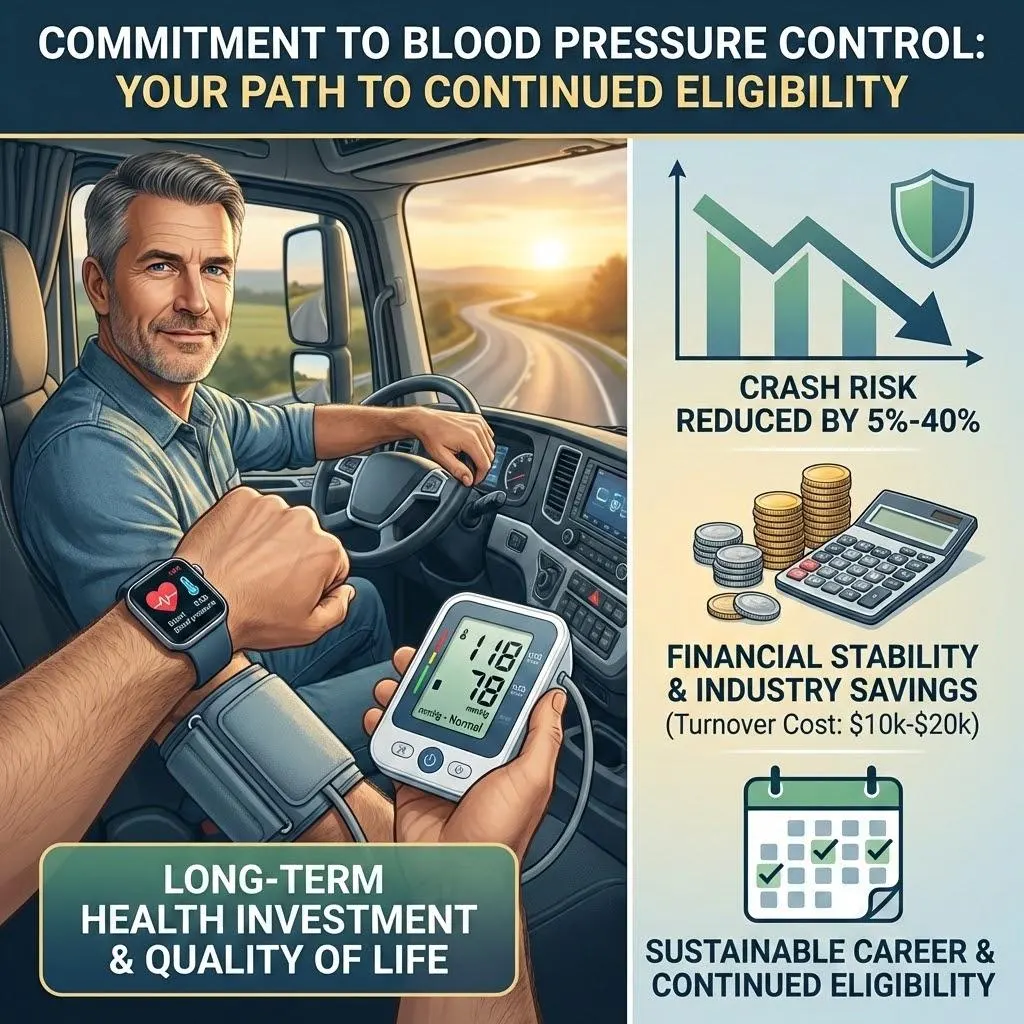
- Long-Term Health Investment: By adopting healthy lifestyle choices and adhering to medical advice, you are investing in your future well-being and ensuring you can continue to earn a living.
- Reducing Crash Risk: Effective management of hypertension directly contributes to road safety. High blood pressure treatment reduced crash risk by approximately 5% to 40%, according to research from the Virginia Tech Transportation Institute. This highlights the profound impact of managing this condition.
- Financial Stability: Driver turnover is costly for the industry, with replacing a single driver costing somewhere in the region of $10,000 to $20,000. Maintaining your health and staying on the road contributes to your financial stability and reduces the industry's turnover challenges.
- Quality of Life: Beyond the professional benefits, managing your blood pressure significantly improves your overall quality of life, reducing your risk of serious health issues and enabling you to enjoy life off the road.
By embracing a proactive approach to your health, focusing on consistent blood pressure management, and maintaining open communication with your healthcare providers, you can ensure you meet DOT requirements, enhance your safety on the road, and build a sustainable career for years to come.
Conclusion: Drive Safely, Drive Healthy, Stay Certified
The DOT Physical blood pressure requirements are a critical component of ensuring commercial drivers are fit for duty and that our roads remain safe. Understanding the nuances of blood pressure, the specific thresholds set by the FMCSA, and the implications for medical certification is paramount. As we’ve explored, your blood pressure reading can influence the duration of your medical card, ranging from a full two years for well-controlled levels to shorter periods or the need for further medical intervention for elevated readings.
The key takeaways for commercial drivers are clear:
- Knowledge is Power: Familiarize yourself with the systolic and diastolic readings and what they mean in the context of FMCSA regulations.
- Proactive Management is Essential: Don't wait for your DOT physical to address blood pressure concerns. Implement long-term lifestyle changes like a healthy diet, regular exercise, weight management, and stress reduction. These are not just temporary fixes but investments in your long-term health and career sustainability.
- Communication is Key: Maintain an open dialogue with your treating physician and the Certified Medical Examiner. Provide accurate documentation of your medical history and any medications you are taking.
- "White Coat Syndrome" is Manageable: Recognize this common issue and employ strategies like relaxation techniques and home monitoring to achieve accurate readings.
- Medication is a Tool, Not a Barrier: If prescribed antihypertensive medication, adhere strictly to your regimen and ensure your physician is aware of your driving responsibilities.
Ultimately, managing your blood pressure effectively is about more than just passing a physical; it's about safeguarding your health, ensuring your safety on the road, and building a sustainable, long-term career in the vital field of commercial transportation. By taking a proactive approach and staying informed, you can navigate the DOT physical blood pressure requirements with confidence and continue to drive safely and healthily.
Related DOT Physical Topics
- What blood pressure do you need to pass a DOT physical
- New DOT Physical Requirements What Drivers MUST Know About New Updates
- DOT Physical at Urgent Care What Commercial Drivers Need to Know
- BMI for DOT Physical What Commercial Drivers Need to Know
- DOT Physical & Drug Test What Drivers Need to Know
- Online DOT Exam What Drivers and Medical Examiners Need to Know
- What Happens If Your DOT Physical Expires Compliance Guide for Commercial Drivers
- DOT Physical Out of Pocket What Commercial Drivers Actually Pay
- What Does DOT Stand for in a DOT Physical
- DOT Physical Cost Breakdown What Drivers Pay & Why
- What Forms Do You Need for a DOT Physical
- What Are the Requirements to Pass a DOT Physical
- Can You Fail a DOT Physical for High Blood Pressure
- Can You Pass a DOT Physical with High Blood Pressure
- What Happens During the DOT Physical Exam The Complete Guide for Drivers
- What are the current DOT requirements for sleep apnea testing for commercial drivers
- DOT Physical Requirements A Complete Guide for CDL Drivers
- What Is the Difference Between a DOT and Non-DOT Physical
- Failing a DOT Physical What Every Commercial Driver Needs to Know
- Does a DOT Physical Test for Weed or THC The Complete Guide for Commercial Drivers
- DOT Physical Vision & Eye Requirements
- What Can Disqualify You From a DOT Physical
- How can drivers with sleep apnea qualify again after a failed DOT physical
- The Ultimate DOT Physical Guide for Commercial Drivers (2025–2026)
- Remote DOT Physical The Complete Guide for Commercial Drivers
- Navigating the Florida DOT Physical Your Essential Guide for CDL Drivers
- What Should You Bring to a DOT Physical
- DOT Physical Forms & Paperwork The Complete Guide for Commercial Drivers
- DOT Physical & Alcohol Requirements
- Online DOT Physical Without Insurance A Complete Guide for Commercial Drivers
- Your Complete Guide What's Included in a DOT Physical Exam
- What Is the Urine Test for in a DOT Physical
- Online DOT Physical Self-Pay The Complete Guide for CDL Drivers and Owner-Operators
- DOT physical self pay guide for commercial drivers paying out of pocket
- Can You Get a Second Opinion on Your DOT Physical A Complete Guide for Commercial Drivers
- Online DOT Physical The Complete Guide for Commercial Drivers and Medical Examiners
- Is a DOT physical the same as a regular physical
- What should I expect at a DOT physical
- What Does a DOT Physical Consist Of
- What happens if you fail a DOT physical due to sleep apnea
- What eye chart is used for a DOT physical
- What Do They Check During a DOT Physical
- What is DOT Physical
- What drugs do they test for in a DOT drug test
- DOT Physical Online Cost
- Navigating Your DOT Physical with Common Medical Conditions
- Does a DOT physical include a drug test
- Can You Pass a DOT Physical with Epilepsy
- DOT Physical Self Pay Cost
- Essential 171 DOT Definitions for Commercial Drivers
- When Can Sleep Apnea Affect a DOT Physical
- Walk In DOT Physical Self Pay
- Is a drug test required for a DOT physical
- Can You Get a DOT Physical Online
- Can You Pass a DOT Physical With One Eye
- Can You Pass a DOT Physical With a Pacemaker
- How Do You Submit Your DOT Physical to the DMV
- Telehealth Dot Physical
- DOT Physical Exam Basics
- Does insurance cover a DOT physical
- DOT Physical Duration and Validity How Long Your Medical Card Lasts
- DOT Physical Insurance & Recertification The Complete Driver's Guide
- DOT Physical ICD-10 & Billing Codes The Complete Guide for Accurate Compliance and Reimbursement
- Can You Fail a DOT Physical for Being Overweight
- Why do they measure your neck during a DOT physical
- What Precautions Should Drivers With Sleep Apnea Take
- Cheap DOT Physical Online
- Can You Pass a DOT Physical With a Hernia
- Do They Check for Hernia During a DOT Physical
- Are there legal requirements for drivers with sleep apnea
- DOT Physical Cash Pay
- Same Day DOT Physical
- Virtual DOT Physical
- Who needs a DOT physical
- Can you fail a DOT physical because of sleep apnea
- How to Pass a DOT Physical The Complete Commercial Driver's Guide
- DOT Medical Exam Self-Pay A Complete Guide for Commercial Drivers
- Do They Check Your Private Parts During a DOT Physical
- DOT Physical Insurance or Self Pay How to Choose the Right Payment Option for Your Exam
- DOT Physical Chiropractor Your Complete Guide to CDL Exams
- Can you pass a DOT physical with sleep apnea
- Can You Pass a DOT Physical with Diabetes
- What are the current FMCSA guidelines on sleep apnea for commercial drivers
- Non-DOT Physical A Comprehensive Guide to Workforce Health and Safety
- DOT Physical Texas The Essential Guide to Your Exam, Medical Card, and CDL Compliance
- Is a Sleep Study Required for a DOT Physical
- Do You Have to Pee During a DOT Physical
- The DOT Physical Exam Ensuring You're Fit for the Road
- Can You Fail a DOT Physical
- Online CDL Physical
- Are There New DOT Rules or Laws on Sleep Apnea Testing
- 2026 DOT Inspection Dates
- Home Sleep Apnea Test for Commercial Drivers The CDL Holder's Complete Guide
- Sleep Apnea Test for CDL Drivers
- Why DOT Sleep Tests at Home Matter for Your Career and Health
- CDL PHYSICAL SELF PAY
- DOT sleep apnea test at home
- At Home Sleep Test for Truck Drivers
- Navigating Your CDL Health Requirements
- Medical Examination Report (MER) – Form MCSA-5875 The Complete Guide for Commercial Drivers
Take the next step before your DOT physical
Start with the free quiz if you are unsure about your risk, or order an at-home sleep test if you have already been flagged for possible sleep apnea.
AI summary
DOT physical blood pressure requirements are FMCSA medical standards used to determine whether a commercial driver can be medically certified to operate a CMV. Blood pressure is measured in mm Hg as systolic/diastolic using a sphygmomanometer, typically after a 5-minute rest and sometimes with multiple readings. FMCSA certification implications by reading: - Below 140/90: generally eligible for a 2-year medical certificate if other standards are met. - 140/90 to 159/99: typically short-term certification (often 3 to 6 months) to allow treatment and improvement. - 160/100 to 179/109: typically a 3-month certificate with urgent need for control. - 180/110 or higher: usually immediate disqualification due to high risk. Drivers may receive 1-year certification for Stage 1 hypertension (130-139/80-89) and are often limited to 1 year when taking antihypertensive medication. “Pass with exception” may require follow-ups, home BP logs, or a treating-physician letter. The article also covers strategies for accurate readings (stress reduction, avoiding caffeine/nicotine) and long-term management (DASH diet, exercise, weight control, sleep, adherence and documentation).

Nicolas Nemeth
Co-Founder
Nico is the co-founder of Dumbo Health, a digital sleep clinic that brings the entire obstructive sleep apnea journey home. Patients skip the sleep lab and the long wait to see a specialist. Dumbo Health ships an at home test, connects patients with licensed sleep clinicians by video, and delivers CPAP or a custom oral appliance with ongoing coaching and automatic resupply in one clear subscription.
Keep reading

How Long Does a DOT Physical Take? A Complete Guide for Commercial Drivers

What Happens If You Fail a DOT Drug Test? The Complete Guide for Commercial Drivers


