Can You Fail a DOT Physical for High Blood Pressure?
This article explains how high blood pressure affects DOT physical certification under FMCSA guidance for commercial drivers. It breaks down the key cutoff of 140/90 and the FMCSA stages used at the exam, including what typically happens at Stage 1, Stage 2, and Stage 3 hypertension. It clarifies that “failing” often means a shorter medical card, a one-time 3-month certificate, or a delay until blood pressure is controlled, not a permanent loss of CDL eligibility. You’ll learn how medical examiners evaluate the full safety picture, including medications, side effects, and related conditions like sleep apnea. It also covers practical steps to improve readings, what to expect during the exam, and what documentation to bring for re-evaluation.
Struggling with sleep?
Find out if sleep apnea is the reason.
FDA-cleared. $149 flat. Physician-reviewed results in 48 hours.

Can You Fail a DOT Physical for High Blood Pressure?

A DOT Physical can be affected by high blood pressure when the reading falls above FMCSA certification thresholds for commercial drivers. According to the FMCSA, certification length depends on the blood pressure category at the exam, and very high readings can lead to only temporary certification or no certification until the condition is controlled. This matters because the exam is designed to reduce crash risk, not simply to record a number. This guide explains the blood pressure rules, what "fail" really means, how medical examiners make decisions, and what you can do before and after the exam. Keep reading to understand how to protect both your health and your CDL future. (FMCSA)
The Critical Link Between blood pressure and Your CDL
High blood pressure can affect your ability to pass a DOT physical exam because the FMCSA treats uncontrolled hypertension as a safety risk for commercial motor vehicle operators. The key issue is not the label alone, but whether your blood pressure levels are controlled well enough for safe driving. (FMCSA)
Blood pressure is the force of blood moving through your arteries. Systolic pressure is the top number and measures pressure when the heart beats. Diastolic pressure is the bottom number and measures pressure between beats. For commercial drivers, these readings matter because poorly controlled hypertension can increase the risk of stroke, heart attack, and other sudden events that could impair driver safety on the road. Mayo Clinic states that untreated high blood pressure raises the risk of heart attack, stroke, and other serious problems. (Mayo Clinic)
The Department of Transportation medical process exists to determine whether you can safely operate a commercial vehicle in the United States. The Federal Motor Carrier Safety Administration sets the medical framework, and certified medical examiners apply those rules during the medical examination. The goal is not to punish drivers with a medical condition. The goal is to reduce risk for you, your passengers, other road users, and the companies that rely on fleet compliance. (FMCSA)
Not sure if sleep apnea applies to you?
Take our 2-minute sleep risk quiz to see whether sleep apnea could affect your DOT physical. No account required.
Many patients report feeling anxious because they assume one high reading means an automatic failure. In real-world use, that is not always how the process works. A high number may lead to a shorter medical certificate, a one-time temporary certification, or a pause until follow-up treatment shows better blood pressure control.
DID YOU KNOW: FMCSA guidance allows a driver with blood pressure below 140/90 to be certified for up to 2 years, while higher categories usually require shorter certification. (FMCSA)
KEY TAKEAWAY: High blood pressure matters in a DOT physical because uncontrolled hypertension can shorten, limit, or delay your medical certification.
To understand what can happen at the exam, you first need to know the specific numbers that matter.
DOT Blood Pressure requirements: The Numbers That Matter
DOT blood pressure requirements are based on specific blood pressure readings, not guesswork. FMCSA guidance ties certification periods to defined hypertension stages and whether the reading is controlled at the time of the physical examination. (FMCSA)
The most important threshold is 140/90. According to FMCSA guidance, a CMV driver with blood pressure below 140/90 may be certified for up to 2 years. A driver on treatment for hypertension should generally be certified at least annually rather than for a full 2-year period. That means blood pressure medication does not automatically block certification, but it does affect the certification timeline and follow-up expectations. (FMCSA)
The FMCSA framework uses hypertension stages that differ slightly from broader consumer health categories. In FMCSA certification guidance:
Stage 1 Hypertension is 140 to 159 systolic or 90 to 99 diastolic.
Stage 2 Hypertension is 160 to 179 systolic or 100 to 109 diastolic.
Stage 3 Hypertension is 180/110 or higher.
These exam thresholds are directly tied to certification outcomes in the DOT physical exam process. (FMCSA)
Already diagnosed and need CPAP support?
Dumbo Health helps patients start CPAP without the usual confusion, paperwork, or upfront cost. Equipment, setup, supplies, and ongoing support are all handled in one place.
| Blood pressure category for DOT | Blood pressure readings | Typical FMCSA outcome |
|---|---|---|
| Normal for full certification | Less than 140/90 | Up to 2-year medical certificate |
| Stage 1 Hypertension | 140-159 / 90-99 | Usually 1-year certification |
| Stage 2 Hypertension | 160-179 / 100-109 | One-time 3-month certification |
| Stage 3 Hypertension | 180/110 or higher | Disqualified until blood pressure is controlled |
For the most common use case, the best outcome is to arrive with blood pressure below 140/90 and documentation ready if you take blood pressure medication. If you are already being treated, stable control and good medication adherence give you the best chance of avoiding delays.
Blood pressure categories used for general health counseling from the NHLBI and American Heart Association can look different from DOT categories. DOT certification follows FMCSA medical guidance, so the examiner focuses on the FMCSA thresholds when deciding whether to issue a medical card. (NHLBI, NIH)
KEY TAKEAWAY: The blood pressure limit that matters most for a full DOT medical card is below 140/90, while higher stages lead to shorter certification or disqualification.
Once you know the numbers, the next question is what "failing" actually looks like in practice.
What "Failing" a DOT Physical for High Blood Pressure Really Means
failing a DOT physical for high blood pressure does not always mean a permanent loss of certification. In many cases, it means you are not medically qualified on that exam date until your blood pressure readings improve or follow-up requirements are met. (FMCSA)
A driver with Stage 1 Hypertension can often still receive a 1-year medical certificate. A driver with Stage 2 Hypertension may receive a one-time 3-month certificate to lower the reading to 140/90 or below. A driver with Stage 3 Hypertension is generally disqualified until the blood pressure is controlled. If treatment becomes effective and well tolerated, the driver may later qualify for a shorter certification period, usually with annual review. (FMCSA)
This is why the word fail can be misleading. Some people are not denied forever. Instead, they leave without full DOT Certification because the medical examiner needs proof that the condition is safe and controlled. The examiner may also consider medical history, symptoms, medication side effects, and whether another related medical condition such as heart disease, blood sugar problems, or sleep apnea raises overall risk. (FMCSA)
Medical certification is a safety decision, not a reward for one good number. If your blood pressure spikes because of stress, poor sleep, nicotine, caffeine, or white coat syndrome, the examiner still has to judge whether the reading reflects a real operational risk. Clinicians frequently observe that anxiety can temporarily raise blood pressure, but the examiner must still document the actual result recorded during the physical exam.
IMPORTANT: Blood pressure of 180/120 or higher can be a medical emergency in general medical care, especially if chest pain, shortness of breath, or stroke symptoms are present. Seek urgent care rather than focusing only on the medical card. (Mayo Clinic)
KEY TAKEAWAY: "Failing" often means a delay, temporary certificate, or need for follow-up, but Stage 3 Hypertension usually stops certification until control is documented.
That leads directly to the question of how medical examiners actually make the decision.
How the Medical Examiner Decides

A Medical Examiner decides DOT qualification by reviewing your blood pressure, medical history questionnaire, symptoms, medications, and the overall safety picture. A single reading matters, but the Medical Examiner's judgment is broader than one number alone. (FMCSA)
The examiner starts with your medical history, including past hypertension, heart disease, kidney disease, sleep apnea, diabetes, medication use, and prior medical certificates. The physical examination then includes a blood pressure check, pulse, vision requirements, hearing review, and other basic safety-related screening elements. FMCSA Form MCSA-5875 specifically documents the exam and whether the driver meets standards under 49 CFR 391.41. (FMCSA)
The Medical Examiner also evaluates whether treatment is working and whether side effects could impair safe driving. For example, some antihypertensive drug therapy may cause dizziness or fatigue in some individuals. That does not mean treatment prevents certification. It means medication management and documentation matter. If your treating physician has adjusted your blood pressure medication recently, bring updated medical reports or medication lists to support the examiner's review.
A Certified Medical Examiner may ask whether your reading is typical, whether you monitor at home, and whether you have a treating physician or general physicians who manage the condition. A portable blood pressure monitor or home blood pressure monitor log can help show a pattern, though the examiner still relies on exam-day findings and official documentation.
If you are looking for a provider near you, choose a clinic familiar with DOT physical exam standards rather than a general urgent care office that rarely handles certification examinations. Experience with FMCSA paperwork can reduce confusion and unnecessary repeat visits.
TIP: Bring your medication list, recent medical records, and any note from your treating physician if you have known hypertension.
KEY TAKEAWAY: The examiner looks at the full medical examination, including control, treatment, side effects, and supporting records, not just the cuff reading alone.
Before the exam, there are several practical ways to improve your chances of a smooth result.
How to Lower Blood Pressure Before a DOT Physical
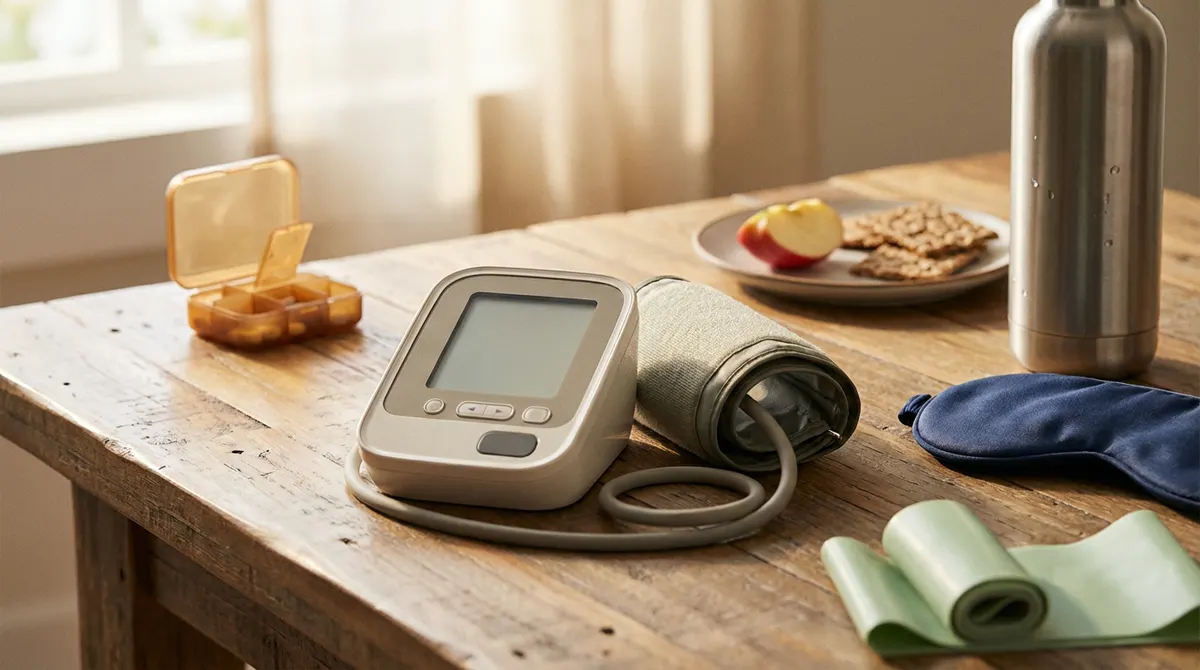
The most effective way to lower blood pressure before a DOT Physical is to control it consistently through treatment, sleep, stress management, and practical pre-exam preparation. Quick fixes are less reliable than steady blood pressure control. (Mayo Clinic)
Long-term strategies matter most. Research and clinical guidance consistently support reducing sodium intake, maintaining a healthy weight, staying active, taking prescribed medication, and limiting smoking and excess alcohol. According to Mayo Clinic, healthy lifestyle habits and proper treatment reduce cardiovascular risk from hypertension. Medication adherence is especially important if you already know you have high blood pressure. Skipping doses before the exam can make the reading worse, not better. (Mayo Clinic)
Short-term preparation also helps. Get enough sleep the night before, avoid heavy nicotine and large amounts of caffeine shortly before the blood pressure check, stay hydrated, and arrive early enough to sit calmly for a few minutes. Deep breathing and other mindfulness techniques may help if you tend to get nervous during medical certification examinations. People who undergo this exam often find that rushing in from traffic or a truck stop can produce a worse reading than expected.
White coat syndrome is real, but it does not excuse a very high exam result. If you know anxiety affects you, track readings at home for several days, use a blood pressure monitor correctly, and bring the log. A calm repeat measurement in the office may help the examiner decide whether the first number reflects temporary stress or poor blood pressure control.
Mid-page CTA: If sleep quality or fatigue may be affecting your blood pressure and daytime alertness, review dumbo.health's guide to at-home sleep studies and learn when further testing may help.
Some drivers ask about beet juice, resistance bands, or other fast tactics. Lifestyle changes can support lower blood pressure over time, but they should not replace prescribed care or honest documentation.
KEY TAKEAWAY: The best way to lower blood pressure for DOT certification is steady treatment, smart pre-exam habits, and strong medication adherence.
Preparation is easier when you know exactly what happens during the exam itself.
What to Expect During the DOT Physical Exam
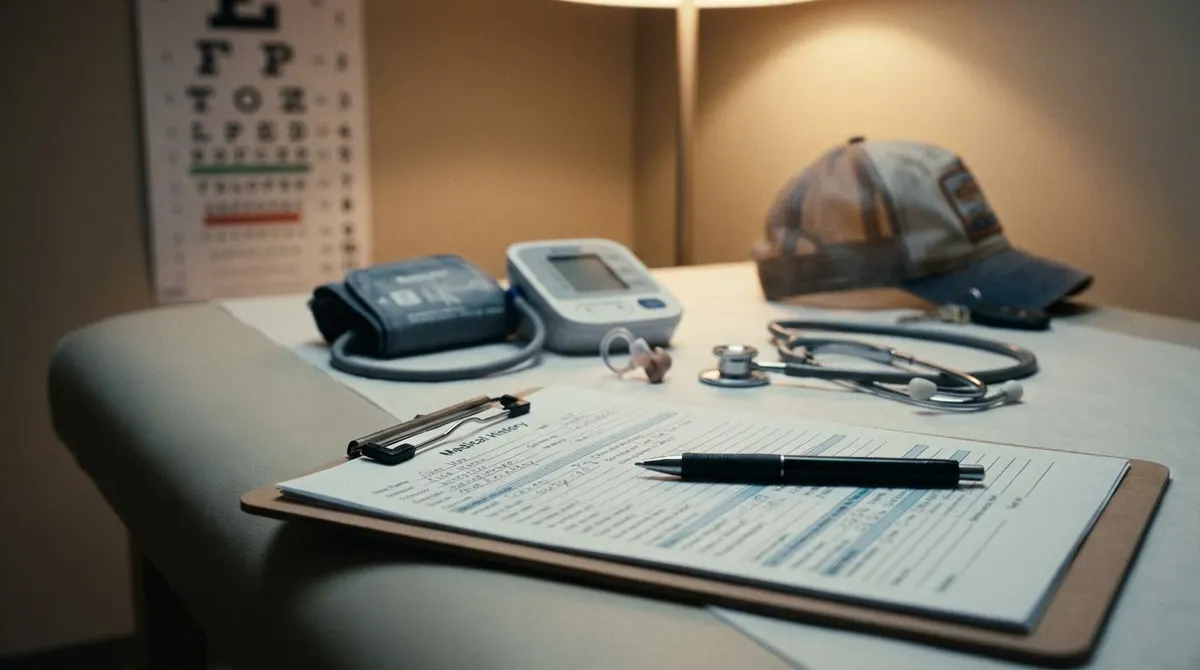
A DOT physical exam includes a medical history questionnaire, blood pressure check, vision and hearing screening, and a physical assessment focused on safe driving ability. The process is straightforward, but preparation can make it smoother. (FMCSA)
The exam usually begins with forms covering your medical history, medications, surgeries, symptoms, and past diagnoses. This part matters because the examiner uses it to assess whether any medical condition could affect operation of a commercial motor vehicle. Be honest. Hiding blood pressure medication, past medical reports, or other diagnoses can create bigger problems later if records do not match.
After that, the clinic records vital signs, including blood pressure readings. The examiner may repeat the blood pressure check if the first result is unexpectedly high, especially if anxiety or recent activity could have affected it. The physical examination also covers vision requirements, hearing, general cardiovascular review, and other functional checks linked to Federal Motor Carrier Safety Regulations. The goal is to confirm that you can safely perform the job, not to deliver comprehensive primary care. (FMCSA)
A DOT physical is a certification screening for commercial drivers. A DOT physical is not the same as a full diagnostic workup. A DOT physical focuses on whether you meet the medical standards to operate a commercial vehicle safely.
Many drivers also worry about whether certain clinics are stricter than others. In reality, certified medical examiners are bound by the same FMCSA rules. The better question is whether the provider explains the standards clearly and documents the outcome correctly.
KEY TAKEAWAY: Expect a structured DOT physical exam with forms, vitals, and a safety-focused physical examination centered on safe driving.
If your numbers come back high, the next steps depend on the stage and the examiner's findings.
If Your Blood Pressure Is High: Next Steps and Re-evaluation
If your blood pressure is high during the DOT exam, the next step is usually retesting, treatment, documentation, or a shorter certification window based on FMCSA stage rules. The correct response depends on how high the reading is. (FMCSA)
With Stage 1 Hypertension, you may still receive a 1-year medical card. With Stage 2 Hypertension, you may receive a one-time 3-month certificate so you can lower the number and return for re-evaluation. With Stage 3 Hypertension, you are generally not certified until the blood pressure falls to 140/90 or below. Once controlled, certification can resume, usually with more frequent follow-up. (FMCSA)
Documentation can make a major difference. A letter from your treating physician should explain diagnosis, treatment, medication management, whether side effects are present, and whether your condition is controlled. Recent blood pressure readings, medical records, and medication changes may also help the examiner assess readiness for a subsequent medical evaluation. If you had a temporary spike due to white coat syndrome, a documented home log may provide useful context, though the examiner still makes the final decision.
Can you pass a physical with high blood pressure? Yes, many commercial drivers can, but the answer depends on the category and whether the pressure is controlled. Can you be a truck driver if you have high blood pressure? Yes, if treatment is effective and the reading falls within FMCSA certification guidance. That is the nuance many online discussions miss.
For drivers searching for DOT medical card options close to you, it is often worth calling ahead and asking what documentation the clinic prefers for hypertension follow-up.
IMPORTANT: A new certification visit is smoother when you bring updated medical reports rather than relying on memory alone.
KEY TAKEAWAY: High blood pressure at the exam does not always end your driving career, but re-evaluation usually requires better control and better paperwork.
That practical reality leads to a bigger point about long-term career protection.
Long-Term Health and Career Sustainability for CMV Drivers

Long-term health matters because DOT compliance is easier when blood pressure control becomes part of your regular routine. Protecting your medical certification and protecting your health are the same job. (Mayo Clinic)
Commercial driving can make healthy routines difficult. Irregular schedules, limited food choices, poor sleep, prolonged sitting, and chronic stress all work against blood pressure control. That is why many CMV drivers benefit from simple systems such as regular refill reminders, a portable blood pressure monitor, planned meal choices, walking breaks, and consistent follow-up with a treating physician. Those systems are often more effective than relying on willpower alone.
High blood pressure is often part of a bigger risk pattern. High blood pressure may coexist with sleep apnea, obesity, diabetes, or heart disease. According to Mayo Clinic, uncontrolled hypertension can contribute to serious cardiovascular outcomes, including heart attack and stroke. That is one reason the FMCSA treats blood pressure guidelines seriously during medical certification. (Mayo Clinic)
If snoring, daytime fatigue, or poor sleep may be contributing to your long-term health, dumbo.health offers practical education on sleep apnea symptoms, what sleep apnea is, and high blood pressure concerns. The right next step is often education first, then testing if symptoms suggest a real issue.
KEY TAKEAWAY: Long-term blood pressure control protects your medical card, your driving income, and your overall well-being.
Before wrapping up, it helps to clear up a few myths that cause unnecessary panic.
Common Myths About DOT Physicals and High Blood Pressure Debunked

High blood pressure myths cause drivers to delay care, hide medications, or misunderstand the certification process. The reality is more practical and more manageable than many rumors suggest. (FMCSA)
MYTH: Any high blood pressure reading means you automatically fail the exam.
FACT: FMCSA guidance does not treat every elevated reading the same. Stage 1 Hypertension can still allow a 1-year medical certificate, and Stage 2 Hypertension may allow a one-time 3-month certificate. The outcome depends on the actual blood pressure readings and the examiner's review. (FMCSA)
MYTH: Taking blood pressure medication hurts your chances of certification.
FACT: FMCSA does not disqualify you simply because you use blood pressure medication. The main question is whether the treatment is effective, well tolerated, and consistent with safe operation of a commercial motor vehicle. Controlled hypertension is generally viewed more favorably than untreated hypertension. (FMCSA)
MYTH: You should avoid mentioning blood pressure medication at the exam.
FACT: Hiding medication is a bad idea. The medical history questionnaire and medical examination are built around accurate disclosure. Honest reporting helps the Medical Examiner assess medication adherence, side effects, and whether the condition is stable. (FMCSA)
MYTH: White coat syndrome guarantees a pass if you say you were nervous.
FACT: White coat syndrome may explain a temporary rise, but the examiner still has to base the certification decision on documented findings. Home logs and physician documentation may help provide context, but they do not erase dangerously high exam numbers. (Mayo Clinic)
KEY TAKEAWAY: Most fears about blood pressure and DOT certification come from half-true rumors, not FMCSA guidance.
With the myths cleared up, the final section answers the search questions drivers ask most often.
Frequently Asked Questions
What blood pressure will fail a DOT Physical?
A DOT Physical is most likely to stop certification when your reading reaches Stage 3 Hypertension under FMCSA guidance, which is 180/110 or higher. At that level, the driver is generally disqualified until the blood pressure is reduced to 140/90 or below. Lower categories may still allow limited certification, such as a 1-year medical certificate for Stage 1 Hypertension or a one-time 3-month certificate for Stage 2 Hypertension. The exact result depends on the Medical Examiner's review of your full medical condition and supporting records. (FMCSA)
Can you pass a physical with high blood pressure?
Yes, you can pass a DOT physical with high blood pressure if the reading falls within a category that FMCSA still allows for certification. Stage 1 Hypertension often permits a 1-year medical card, and Stage 2 Hypertension may permit a one-time 3-month certificate while you bring the pressure down. The bigger issue is control, not simply diagnosis. If treatment works, side effects are tolerable, and your blood pressure readings improve, many commercial drivers remain medically qualified. (FMCSA)
Can you be a truck driver if you have high blood pressure?
Yes, many people with high blood pressure can still be truck drivers in the United States. The Federal Motor Carrier Safety Administration does not ban all drivers with hypertension. Instead, FMCSA requires that the condition be controlled well enough for safe driving and appropriate medical certification. If you follow treatment, maintain medication adherence, and keep your blood pressure below the relevant threshold, you may still qualify for a Medical Examiner's Certificate and continue working legally. (FMCSA)
How can you lower blood pressure to pass a DOT Physical?
The most reliable approach is to lower blood pressure before the exam through consistent treatment, not last-minute tricks. Take prescribed blood pressure medication as directed, reduce sodium intake, sleep well, avoid nicotine and excess caffeine right before the visit, and arrive early enough to rest before the blood pressure check. Deep breathing may help if anxiety raises your readings. Many patients also benefit from checking levels at home with a blood pressure monitor and bringing the log to the exam. (Mayo Clinic)
Should you tell the examiner that you take blood pressure medication?
Yes, you should disclose all blood pressure medication during the DOT medical examination. The medical history questionnaire is designed to capture current treatment, and honest disclosure helps the examiner assess whether the condition is stable and whether side effects could affect safe driving. Hiding medication can create inconsistencies in your medical records and may complicate your certification. Bring the prescription list, dose information, and any recent note from your treating physician to make the review easier. (FMCSA)
What happens if your blood pressure is high because of white coat syndrome?
White coat syndrome can raise your blood pressure at the clinic even if home readings are lower, but it does not automatically override the exam result. A Medical Examiner may repeat the measurement or consider your documented home readings and physician records as context. Still, the examiner must make a decision based on safety and documented evidence. If you know this happens to you, bring a home blood pressure log and arrive early so you can sit quietly before the physical exam begins. (Mayo Clinic)
What documents should you bring if you have hypertension?
Bring a current medication list, recent medical records, recent blood pressure readings, and any note from your treating physician explaining diagnosis, treatment, and control. If medication was adjusted recently, include that information as well. This documentation can help the Medical Examiner understand whether the condition is stable and whether a shorter certification, recheck, or full medical certificate is appropriate. Drivers looking for providers in your area should also ask ahead of time what paperwork the clinic prefers. (FMCSA)
Can sleep apnea affect blood pressure and DOT certification?
Yes, sleep apnea can matter because poor sleep and untreated sleep-disordered breathing may contribute to blood pressure problems and daytime safety concerns. FMCSA examiners often look at the total risk picture rather than one issue in isolation. If fatigue, loud snoring, or witnessed breathing pauses are part of your history, it may be worth reviewing dumbo.health's education on obstructive sleep apnea in adults or at-home sleep study equipment to understand possible next steps. (FMCSA)
Conclusion
Yes, you can fail a DOT Physical for high blood pressure, but in many cases the outcome is a temporary limitation rather than a permanent end to your career. FMCSA decisions depend on your exact blood pressure readings, treatment status, symptoms, and whether the condition is controlled well enough for safe driving. The smartest approach is to treat blood pressure control as an ongoing part of career management, not just an exam-day concern. For a practical next step, review dumbo.health's guide to high blood pressure and use it to prepare for your next medical certification visit.
Related DOT Physical Topics
- Can You Pass a DOT Physical with High Blood Pressure
- Can You Fail a DOT Physical for Being Overweight
- What blood pressure do you need to pass a DOT physical
- Can You Get a Second Opinion on Your DOT Physical A Complete Guide for Commercial Drivers
- Can you fail a DOT physical because of sleep apnea
- Can You Fail a DOT Physical
- Does a DOT Physical Test for Weed or THC The Complete Guide for Commercial Drivers
- What Can Disqualify You From a DOT Physical
- Can You Pass a DOT Physical with Epilepsy
- What Does DOT Stand for in a DOT Physical
- Can You Get a DOT Physical Online
- Can You Pass a DOT Physical With One Eye
- Can You Pass a DOT Physical With a Pacemaker
- What Forms Do You Need for a DOT Physical
- Can You Pass a DOT Physical With a Hernia
- DOT Physical Blood Pressure Requirements What Drivers Need to Know
- Can you pass a DOT physical with sleep apnea
- What happens if you fail a DOT physical due to sleep apnea
- Can You Pass a DOT Physical with Diabetes
- The DOT Physical Exam Ensuring You're Fit for the Road
- What Happens If Your DOT Physical Expires Compliance Guide for Commercial Drivers
- How can drivers with sleep apnea qualify again after a failed DOT physical
- The Ultimate DOT Physical Guide for Commercial Drivers (2025–2026)
- Remote DOT Physical The Complete Guide for Commercial Drivers
- Navigating the Florida DOT Physical Your Essential Guide for CDL Drivers
- When Can Sleep Apnea Affect a DOT Physical
- Is a drug test required for a DOT physical
- What Should You Bring to a DOT Physical
- How Do You Submit Your DOT Physical to the DMV
- DOT Physical Forms & Paperwork The Complete Guide for Commercial Drivers
- DOT Physical ICD-10 & Billing Codes The Complete Guide for Accurate Compliance and Reimbursement
- Online DOT Physical Without Insurance A Complete Guide for Commercial Drivers
- What Is the Urine Test for in a DOT Physical
- Do They Check for Hernia During a DOT Physical
- Online DOT Physical Self-Pay The Complete Guide for CDL Drivers and Owner-Operators
- DOT physical self pay guide for commercial drivers paying out of pocket
- Online DOT Physical The Complete Guide for Commercial Drivers and Medical Examiners
- DOT Physical Insurance or Self Pay How to Choose the Right Payment Option for Your Exam
- Is a DOT physical the same as a regular physical
- BMI for DOT Physical What Commercial Drivers Need to Know
- What Happens During the DOT Physical Exam The Complete Guide for Drivers
- What are the current DOT requirements for sleep apnea testing for commercial drivers
- DOT Physical Requirements A Complete Guide for CDL Drivers
- Is a Sleep Study Required for a DOT Physical
- What Is the Difference Between a DOT and Non-DOT Physical
- Do You Have to Pee During a DOT Physical
- What eye chart is used for a DOT physical
- What drugs do they test for in a DOT drug test
- DOT Physical Online Cost
- DOT Physical Vision & Eye Requirements
- Navigating Your DOT Physical with Common Medical Conditions
- Does a DOT physical include a drug test
- DOT Physical Self Pay Cost
- DOT Physical Out of Pocket What Commercial Drivers Actually Pay
- Essential 171 DOT Definitions for Commercial Drivers
- Walk In DOT Physical Self Pay
- DOT Physical Cost Breakdown What Drivers Pay & Why
- Telehealth Dot Physical
- DOT Physical Exam Basics
- Does insurance cover a DOT physical
- DOT Physical Duration and Validity How Long Your Medical Card Lasts
- DOT Physical & Alcohol Requirements
- What Are the Requirements to Pass a DOT Physical
- DOT Physical Insurance & Recertification The Complete Driver's Guide
- Why do they measure your neck during a DOT physical
- Your Complete Guide What's Included in a DOT Physical Exam
- Why DOT Sleep Tests at Home Matter for Your Career and Health
- Cheap DOT Physical Online
- DOT Physical Cash Pay
- New DOT Physical Requirements What Drivers MUST Know About New Updates
- Same Day DOT Physical
- Virtual DOT Physical
- Who needs a DOT physical
- How to Pass a DOT Physical The Complete Commercial Driver's Guide
- DOT Medical Exam Self-Pay A Complete Guide for Commercial Drivers
- DOT Physical at Urgent Care What Commercial Drivers Need to Know
- Do They Check Your Private Parts During a DOT Physical
- DOT Physical Chiropractor Your Complete Guide to CDL Exams
- What should I expect at a DOT physical
- What Does a DOT Physical Consist Of
- DOT Physical & Drug Test What Drivers Need to Know
- Non-DOT Physical A Comprehensive Guide to Workforce Health and Safety
- DOT Physical Texas The Essential Guide to Your Exam, Medical Card, and CDL Compliance
- What Do They Check During a DOT Physical
- Failing a DOT Physical What Every Commercial Driver Needs to Know
- What is DOT Physical
- Online CDL Physical
- Are There New DOT Rules or Laws on Sleep Apnea Testing
- 2026 DOT Inspection Dates
- Best Treatments for Sleep Apnea to Improve Driving Safety
- Home Sleep Apnea Test for Commercial Drivers The CDL Holder's Complete Guide
- Sleep Apnea Test for CDL Drivers
- Are there legal requirements for drivers with sleep apnea
- Online DOT Exam What Drivers and Medical Examiners Need to Know
- CDL PHYSICAL SELF PAY
- DOT sleep apnea test at home
- The Comprehensive Guide to Suboxone, Sleep Apnea, and FMCSA Compliance for Commercial Motor Vehicle Operators
- At Home Sleep Test for Truck Drivers
- What are the current FMCSA guidelines on sleep apnea for commercial drivers
- Medical Examination Report (MER) – Form MCSA-5875 The Complete Guide for Commercial Drivers
Take the next step before your DOT physical
Start with the free quiz if you are unsure about your risk, or order an at-home sleep test if you have already been flagged for possible sleep apnea.
AI summary
A DOT physical evaluates whether a commercial motor vehicle driver meets FMCSA medical standards for safe driving. Blood pressure is a key metric because uncontrolled hypertension increases risk of stroke or heart attack. FMCSA guidance ties certification length to exam-day blood pressure. The main threshold is below 140/90, which may qualify for up to a 2-year medical certificate; drivers on hypertension treatment are generally certified at least annually. Stage 1 hypertension is 140–159 systolic or 90–99 diastolic and commonly results in a 1-year certificate. Stage 2 is 160–179 or 100–109 and may allow a one-time 3-month certificate for follow-up. Stage 3 is 180/110 or higher and typically results in disqualification until blood pressure is controlled to 140/90 or below. Medical examiners review the full history, medications, side effects, and comorbidities such as sleep apnea. Preparation includes medication adherence, sleep, limiting nicotine and caffeine before the visit, home blood pressure logs, and bringing medical records and a medication list.

Nicolas Nemeth
Co-Founder
Nico is the co-founder of Dumbo Health, a digital sleep clinic that brings the entire obstructive sleep apnea journey home. Patients skip the sleep lab and the long wait to see a specialist. Dumbo Health ships an at home test, connects patients with licensed sleep clinicians by video, and delivers CPAP or a custom oral appliance with ongoing coaching and automatic resupply in one clear subscription.
Keep reading

How Long Does a DOT Physical Take? A Complete Guide for Commercial Drivers

What Happens If You Fail a DOT Drug Test? The Complete Guide for Commercial Drivers


