BMI for DOT Physical: What Commercial Drivers Need to Know
BMI in a DOT physical is used as a screening tool to flag health risks that could affect safe commercial driving, not as an automatic pass or fail number. The article explains how Certified Medical Examiners follow FMCSA guidance to assess the whole driver, including symptoms and medical history. It reviews CDC BMI categories and why BMI can be misleading in some cases, such as muscle gain. The main concern with high BMI is related conditions like obstructive sleep apnea, hypertension, and Type 2 diabetes. You will learn when a sleep apnea test or sleep study may be recommended and how certification can be time-limited for monitoring. Practical preparation tips include bringing medication lists, recent readings, and CPAP compliance data when applicable.
Struggling with sleep?
Find out if sleep apnea is the reason.
FDA-cleared. $149 flat. Physician-reviewed results in 48 hours.

BMI for DOT Physical: What Commercial Drivers Need to Know

BMI for DOT physical is a screening factor that helps identify health risks relevant to safe commercial driving. The Federal Motor Carrier Safety Administration explains that certified medical examiners assess the whole driver during the DOT physical exam, and the CDC defines BMI as a screening measure rather than a diagnosis. If your Body Mass Index is high, the main concern is whether related medical conditions such as obstructive sleep apnea, high blood pressure, or Type 2 diabetes could affect alertness, judgment, or safe driving. This page explains what BMI means, how it is used in the physical exam, when a sleep apnea test or sleep study may be recommended, and how you can protect your medical card and career. It also clears up common myths that cause unnecessary panic before a DOT physical. By the end, you will know what examiners actually look for and what steps matter most. (FMCSA)
Understanding the DOT Physical: Ensuring Commercial Driver Safety

A DOT physical is a medical examination used to determine whether commercial drivers can safely perform the job. The DOT physical exam focuses on medical standards that affect the safe operation of a commercial motor vehicle. (FMCSA)
The Department of Transportation is the broader federal department, while the Federal Motor Carrier Safety Administration sets the physical health standards used for interstate driver qualification. The FMCSA states that the Medical Examiner’s Handbook is designed for medical examiners who perform physical qualification examinations of interstate commercial motor vehicle drivers. That framework matters because the exam is not about appearance or weight alone. It is about whether a driver can safely operate a commercial vehicle without a condition creating unreasonable risk. (FMCSA)
A DOT physical exam usually includes review of medical history, blood pressure, urine testing, vision test, hearing test, medications, and a full physical examination. The FMCSA handbook also makes clear that DOT regulated drug and alcohol testing is separate from the physical qualification examination, even if a drug test or drug screening happens during the same visit for employer reasons. For many commercial truck driver roles, passing this exam is necessary to maintain medical certification and continue operating a commercial motor vehicle legally. (FMCSA)
KEY TAKEAWAY: The DOT physical is a safety-based medical examination for commercial drivers, not a simple weight check.
Not sure if sleep apnea applies to you?
Take our 2-minute sleep risk quiz to see whether sleep apnea could affect your DOT physical. No account required.
To understand where BMI fits, you first need to know what Body Mass Index actually measures.
What is a DOT Physical?

A DOT physical is the required health screening used to determine whether you meet federal driver medical standards. A DOT physical exam helps protect both the driver and the public by identifying conditions that may impair safe driving. (FMCSA)
The physical exam applies to many drivers who operate a commercial motor vehicle in interstate commerce. The FMCSA explains that the examination is tied to physical qualification standards under federal regulation and is performed by a Medical Examiner listed on the National Registry. In practical terms, the exam determines whether you can do the work safely now, whether you need follow-up, or whether a condition must be evaluated before certification can continue. (FMCSA)
People who undergo this exam often find that the process is broader than expected. The physical examination is not limited to one symptom, one diagnosis, or one body measurement. The examiner reviews the full picture, including medical conditions, treatment status, medication side effects, and functional safety on the road. (FMCSA)
KEY TAKEAWAY: A DOT physical is a full safety review that looks at overall driving fitness, not one isolated measurement.
That broader purpose explains why FMCSA places such importance on standardized medical decision-making.
The FMCSA's Mandate: Safety Through Health Standards

The FMCSA uses health standards to reduce safety risks in commercial driving. The agency’s medical rules are designed to identify conditions that could interfere with alertness, judgment, endurance, or control of a commercial vehicle. (FMCSA)
According to the FMCSA, the handbook provides guidance for medical examiners applying the physical qualification standards and considering best medical practices. The goal is not to punish drivers with health issues. The goal is to determine whether those issues are stable, treated, and compatible with safe driving. This distinction is critical for high BMI cases because Body Mass Index is only meaningful when it points to conditions that may matter on the road. (FMCSA)
The Federal Motor Carrier Safety Administration also allows flexibility in certification length. The handbook notes that medical certification may be issued for up to 24 months, but shorter periods may be used when closer monitoring is appropriate. That is why two drivers with similar weight or similar BMI can receive different outcomes depending on symptoms, treatment, and overall risk. (FMCSA)
KEY TAKEAWAY: FMCSA medical standards focus on practical safety risk, which is why BMI only matters in context.
The next question is who actually needs this exam and why BMI conversations come up so often.
Who Needs a DOT Physical and Why?
Many commercial drivers need a DOT physical because federal law requires medical qualification for safety-sensitive driving work. The requirement exists because operating a commercial motor vehicle can involve long hours, heavy vehicles, and higher public safety stakes. (FMCSA)
Already diagnosed and need CPAP support?
Dumbo Health helps patients start CPAP without the usual confusion, paperwork, or upfront cost. Equipment, setup, supplies, and ongoing support are all handled in one place.
The exam is generally relevant for drivers operating certain interstate commercial motor vehicle roles, including vehicles over the federal weight threshold, vehicles carrying certain passenger counts, and vehicles transporting hazardous materials requiring placards. This matters because many drivers asking about BMI for DOT physical are trying to protect a Class A CDL, a job, or future job offers tied to continued certification. A current driver’s license alone does not replace the need for valid medical certification where FMCSA rules apply. (FMCSA)
For long-haul truck drivers, the exam matters even more because fatigue, untreated sleep disorder symptoms, and cardiovascular strain can become safety issues over long driving periods. Many commercial drivers worry about body size, but the more accurate concern is whether weight-related health issues affect function, sleep quality, blood pressure requirements, or treatment stability. (FMCSA)
KEY TAKEAWAY: Drivers need a DOT physical because federal safety rules require proof that medical conditions will not compromise safe driving.
That makes the examiner’s role especially important.
The Role of the Certified Medical Examiner (CME)

A Certified Medical Examiner is the professional authorized to perform the DOT physical and decide whether you meet the medical standards. The Certified Medical Examiner reviews your physical health, medical history, and functional risk rather than relying on one number alone. (FMCSA)
The FMCSA states that the handbook is intended for medical examiners listed on the National Registry of Certified Medical Examiners. This means the Medical Examiner is expected to apply federal rules and medical judgment together. For BMI-related cases, that usually involves looking for linked problems such as Sleep Apnea, high blood pressure, blood sugar issues, cardiovascular health concerns, or reduced respiratory function. (FMCSA)
A Medical Examiner does not simply ask whether you are overweight. A Medical Examiner asks whether a condition is likely to interfere with operating a commercial motor vehicle safely. That is why the same BMI can lead to different decisions depending on fatigue symptoms, treatment compliance, and the rest of the medical examination. (FMCSA)
KEY TAKEAWAY: A Certified Medical Examiner makes a holistic safety judgment, which is why BMI is never the only factor.
Now it helps to define BMI itself before looking at how examiners use it.
Body Mass Index (BMI): A Key Health Indicator for Commercial Drivers
Body Mass Index is a quick screening tool that compares weight to height. In a DOT physical, Body Mass Index matters because it can point to health indicators linked to safety-sensitive medical conditions. (CDC)
The CDC states that BMI is a calculated measure of body weight relative to height and that it is a screening measure rather than a diagnosis. That matters for commercial drivers because a high Body Mass Index does not automatically mean poor health, yet it can signal elevated risk for sleep disorder symptoms, metabolic health problems, or cardiovascular strain. Examiners use BMI as part of the physical exam because it helps identify who may need more questions or further evaluation. (CDC)
Body Mass Index becomes more relevant when it appears with other red flags. A commercial truck driver with a higher BMI plus high blood pressure, loud snoring, or daytime fatigue presents a different safety picture than a truck driver with a similar BMI but no symptoms and strong overall health and wellness. That distinction is central to understanding the DOT physical exam. (FMCSA)
KEY TAKEAWAY: Body Mass Index is a useful screening indicator for drivers, but it only has meaning when it is connected to real medical risk.
That raises the practical question most drivers ask first.
What Exactly is BMI? (Body Mass Index, weight, ft/in, Metric, BMI Calculator)

BMI is a formula that uses your weight and height to produce a screening number. BMI can be calculated using pounds and feet and inches or metric units, and a BMI Calculator simply automates that math. (CDC)
The CDC explains that BMI is calculated from body weight relative to height. In metric terms, BMI uses kilograms divided by meters squared. In everyday U.S. use, a BMI Calculator converts feet, inches, and pounds into the same result. The value is not a diagnosis, but it is widely used during the physical exam because it gives the examiner a quick reference point. (CDC)
BMI also has limitations. A driver with significant muscle gains from weight training may have a higher Body Mass Index despite better metabolic health than the number suggests. That is why BMI should be considered alongside blood pressure, blood sugar, cholesterol levels, medical history, and other medical tests instead of being treated as a verdict by itself. (CDC)
| Example measure | Meaning |
|---|---|
| Height in ft/in or metric | Used with weight to calculate BMI |
| Weight | Combined with height to estimate BMI category |
| BMI Calculator result | Screening number, not a diagnosis |
| Clinical interpretation | Must be combined with symptoms and medical conditions |
For most drivers, the best use of a BMI Calculator is not to predict failure. The best use is to understand whether related conditions deserve attention before the DOT exam.
KEY TAKEAWAY: BMI is a height and weight screening formula, and its usefulness depends on how it is interpreted with the rest of your health data.
Once you know the formula, the next step is understanding the categories.
How BMI Categories are Defined (underweight, normal, overweight category, obesity)

BMI categories are standardized ranges used to classify weight status in adults. The CDC defines underweight as below 18.5, healthy weight as 18.5 to less than 25, overweight category as 25 to less than 30, and obesity as 30 or greater. (CDC)
The CDC also subdivides obesity into Class 1 at 30 to less than 35, Class 2 at 35 to less than 40, and Class 3 at 40 or greater. These numbers help explain why drivers often ask whether there is a passing BMI for DOT physical. The answer is still no, because the categories describe screening status, not a federal pass or fail threshold. (CDC)
The classification does matter for conversation with the examiner. A higher category may prompt more attention to sleep disorder symptoms, blood pressure, respiratory function, and metabolic health. Many patients report that hearing the word obesity feels like a judgment, but in this setting it functions mainly as a medical screening label tied to risk assessment. (CDC)
KEY TAKEAWAY: BMI categories help organize risk, but they do not create an automatic certification decision.
The key issue is how FMCSA uses those categories in the real world.
The FMCSA's View: Why BMI Matters in the DOT Physical (health indicators, risk, screening)

FMCSA uses BMI as a screening signal because it can point to risks that affect safe driving. The agency does not treat BMI as a standalone diagnosis or automatic disqualification. (FMCSA)
The FMCSA handbook explains that examiners should consider multiple risk factors for obstructive sleep apnea, including obesity or high BMI, large neck size, loud snoring, witnessed apneas, self-reported sleepiness during wake periods, hypertension, cardiovascular disease, stroke history, and diabetes. That makes BMI important because it can be one of the first visible health indicators suggesting a pattern that deserves further review. The key difference between BMI and disqualification is that BMI is a clue, while disqualification depends on whether an untreated or unstable condition creates safety risk. (FMCSA)
This is where many online summaries get the topic wrong. A driver with elevated Body Mass Index but stable health may still receive certification. A driver with a lower BMI but severe untreated sleep disorder symptoms may face greater concern because the FMCSA’s view is rooted in function and safety rather than body size alone. (FMCSA)
KEY TAKEAWAY: FMCSA cares about what BMI may signal, not about punishing a driver for the number itself.
That makes the next misconception especially important to address directly.
BMI is Not a Standalone Disqualification (clarifying common misconceptions)

BMI alone does not disqualify you from a DOT physical. A high Body Mass Index becomes relevant only when it suggests a condition that could impair safe commercial driving. (FMCSA)
The CDC states that BMI is a screening measure and should be considered with other factors when assessing health. The FMCSA handbook follows the same practical logic by asking examiners to assess the whole risk profile. This means a high BMI without dangerous symptoms, untreated illness, or poor functional status is not the same as a high BMI combined with Sleep Apnea, high blood pressure, heart disease, or uncontrolled blood sugar. (CDC)
A common driver fear is that obesity by itself means the medical card is gone. In practice, many drivers are certified with high BMI when related medical conditions are managed, documented, and stable. If you want the broader disqualification picture, Dumbo Health’s guide on what can disqualify you from a DOT physical explains the full list of concerns.
KEY TAKEAWAY: BMI by itself does not fail a DOT physical, because certification decisions depend on broader safety risk.
The main related risk that examiners watch for is obstructive sleep apnea.
High BMI and Associated Medical Conditions: Deep Dive into DOT Physical Concerns

High BMI matters mainly because it can travel with other medical conditions that affect safe driving. The DOT physical becomes more detailed when BMI is paired with symptoms or diagnoses that increase fatigue, cardiovascular strain, or impaired alertness. (FMCSA)
The most important concerns usually include Sleep Apnea, high blood pressure, Type 2 diabetes, impaired respiratory function, and broader cardiovascular health problems. These are the conditions most likely to affect reaction time, stamina, or sustained attention during long drives. A physical exam that begins with height and weight can therefore expand into questions about snoring, sleep study history, blood sugar, medications, and recent medical tests. (FMCSA)
This is also why the DOT physical exam often feels more invasive than drivers expect. The examiner is not trying to judge weight. The examiner is trying to determine whether weight-related health issues are stable enough for safe certification and whether additional follow-up is needed before medical certification can be issued or renewed. (FMCSA)
KEY TAKEAWAY: High BMI becomes important when it overlaps with conditions that can impair alertness, breathing, or cardiovascular stability.
The most important of those conditions is obstructive sleep apnea.
Obstructive Sleep Apnea (OSA): The Primary High-Risk Condition

Obstructive Sleep Apnea is the main BMI-related condition that raises concern during a DOT physical. Obstructive Sleep Apnea matters because untreated breathing interruptions during sleep can lead to daytime sleepiness and unsafe driving. (NHLBI, NIH)
The NIH’s National Heart, Lung, and Blood Institute explains that obstructive sleep apnea happens when the upper airway becomes blocked many times during sleep and that obesity can increase risk. The FMCSA handbook tells examiners to look for multiple risk factors such as high BMI, Neck size, Loud snoring, Witnessed apneas, daytime sleepiness, hypertension, and diabetes. This means a sleep disorder concern is usually based on a pattern, not one isolated number. (NHLBI, NIH)
Sleep Apnea is especially relevant for long-haul truck drivers because alertness over many hours is central to road safety. Sleep Apnea in commercial drivers can reduce sleep quality, increase daytime fatigue, and complicate blood pressure control. Sleep Apnea in commercial drivers is a safety issue first and a paperwork issue second. (NHLBI, NIH)
KEY TAKEAWAY: High BMI raises concern mainly because it can signal obstructive sleep apnea, which directly affects driver alertness and safety.
sleep apnea is the main issue, but it is not the only weight-related concern.
Other Weight-Related Health Issues (Hypothyroidism, respiratory function, medical conditions)

High BMI can also point to other weight-related health issues that matter in a DOT physical. These include reduced respiratory function, high blood pressure, Type 2 diabetes, heart disease risk, and sometimes conditions such as hypothyroidism that affect weight and energy. (FMCSA)
The FMCSA handbook highlights hypertension, cardiovascular disease, stroke history, and diabetes as part of the broader risk picture that may overlap with OSA. In practice, commercial drivers with higher BMI may also be asked about cholesterol levels, blood sugar, exercise tolerance, medication side effects, and recent medical tests. These questions are not separate from BMI. They are the reason BMI matters as a screening tool in the first place. (FMCSA)
Medical conditions related to weight do not guarantee failure. What matters is whether those medical conditions are untreated, unstable, or functionally impairing. Clinicians frequently observe that drivers do better when they arrive with documentation showing their blood pressure, blood sugar, and treatment plan are under control. (FMCSA)
KEY TAKEAWAY: Weight-related health issues matter when they affect breathing, cardiovascular stability, or day-to-day driving safety.
That brings us to what the actual exam looks like when BMI is part of the discussion.
The DOT Physical Examination: What to Expect When BMI is a Factor

When BMI is a factor, the DOT physical usually involves more detailed questions rather than a different exam. The physical examination still follows the standard FMCSA structure, but the examiner may pay closer attention to sleep symptoms, blood pressure, and linked medical conditions. (FMCSA)
The FMCSA handbook makes clear that the examiner should complete the full examination even if a possible disqualifying issue appears early. That means your DOT physical exam may still include blood pressure, hearing test, vision test, urinalysis, medication review, and general physical examination findings even if the discussion quickly turns to Sleep Apnea or obesity-related risk. It also means you should prepare for a full evaluation instead of assuming the visit ends at the first concern. (FMCSA)
People who undergo this exam often find that preparation reduces anxiety. If you know BMI may prompt questions, bring the documents that help answer them. Clear records usually matter more than trying to downplay symptoms. (FMCSA)
KEY TAKEAWAY: A higher BMI usually changes the depth of evaluation, not the basic structure of the DOT physical.
The first place that added depth shows up is in the medical history review.
Comprehensive Medical History Review (medical history, prescriptions, surgeries, medications, medical conditions)

Medical history review is one of the most important parts of the DOT physical when BMI is elevated. A detailed medical history helps the examiner understand whether weight-related risks are active, treated, or safely controlled. (FMCSA)
You should expect questions about prescriptions, surgeries, medications, prior diagnoses, sleep disorder history, and current symptoms. The examiner may ask about medical conditions such as high blood pressure, Type 2 diabetes, heart disease, or thyroid disorders because these conditions often shape the final certification decision more than BMI alone. Medication side effects also matter, especially if a treatment affects alertness, blood sugar stability, or blood pressure. (FMCSA)
This is the stage where preparation pays off. Bring medication lists, blood pressure logs, specialist notes, and recent medical tests if you have them. Drivers who arrive with organized information often make it easier for the examiner to issue a fair and timely decision. (FMCSA)
KEY TAKEAWAY: Your medical history often determines how a high BMI is interpreted during the DOT physical.
The next major issue is whether the examiner believes sleep apnea evaluation is warranted.
The Sleep Apnea Evaluation: When and Why it's Recommended (sleep apnea test, sleep study, At-Home Sleep Apnea Test, Sleep Lab)

A sleep apnea test is usually recommended when high BMI appears with symptoms or other OSA risk factors. A sleep study is not triggered by BMI alone, but BMI can be one reason the examiner looks more closely at your sleep disorder risk. (FMCSA)
The FMCSA handbook tells examiners to consider multiple factors such as obesity, Neck size, Loud snoring, Witnessed apneas, hypertension, daytime sleepiness, and diabetes. The American Academy of Sleep Medicine states that a home sleep apnea test is an alternative to polysomnography for uncomplicated adults with signs and symptoms suggesting increased risk of moderate to severe OSA. That means some drivers may be appropriate for an At-Home Sleep Apnea Test, while others may need a Sleep Lab evaluation based on complexity. (FMCSA)
| Option | Best for | Convenience | Turnaround time | Recommended when |
|---|---|---|---|---|
| At-Home Sleep Apnea Test | Straightforward suspected OSA | High | Often faster | High BMI plus snoring or daytime sleepiness without complex medical issues |
| Sleep Lab study | More complex cases | Lower | Often slower | Mixed symptoms, unclear diagnosis, or more complicated medical history |
| No immediate sleep study | Low overall risk | Highest | Immediate | BMI is elevated but no meaningful symptom pattern is present |
If you need a next step after the DOT exam, Dumbo Health’s at-home sleep test may be useful when you want to find a provider near you and move quickly through follow-up.
KEY TAKEAWAY: sleep apnea evaluation is recommended when BMI is part of a larger pattern of symptoms or risk factors, not when BMI is the only issue.
Once testing is considered, the real decision comes down to examiner judgment.
The Certified Medical Examiner's Decision: A Holistic Assessment (Medical Examiner, Certified Medical Examiner, medical certification, risk)

The examiner’s final decision is based on overall risk and functional safety, not a single measurement. A Certified Medical Examiner uses the full physical examination, history, and supporting records to decide whether medical certification is appropriate. (FMCSA)
The FMCSA handbook explains that certification may be issued for up to 24 months, while shorter certification periods can be used when a driver needs closer monitoring. This is why a driver may receive full certification, time-limited certification, or a request for additional information after the same type of physical exam. In high BMI cases, the biggest questions are usually whether symptoms are controlled, whether medical conditions are stable, and whether treatment has reduced risk enough for safe driving. (FMCSA)
For drivers with diagnosed Sleep Apnea, treatment documentation can be especially important. The FMCSA says the examiner should consider whether treatment has been shown to be adequate, effective, safe, and stable. That is where compliance data, a compliance report, and specialist follow-up can make a practical difference. (FMCSA)
KEY TAKEAWAY: The final DOT decision is holistic and depends on stability, treatment, and real-world safety risk.
The strongest strategy is to manage risk before the exam rather than react to it at the last minute.
Proactive Management: Maintaining Your Health and DOT Medical Card with High BMI
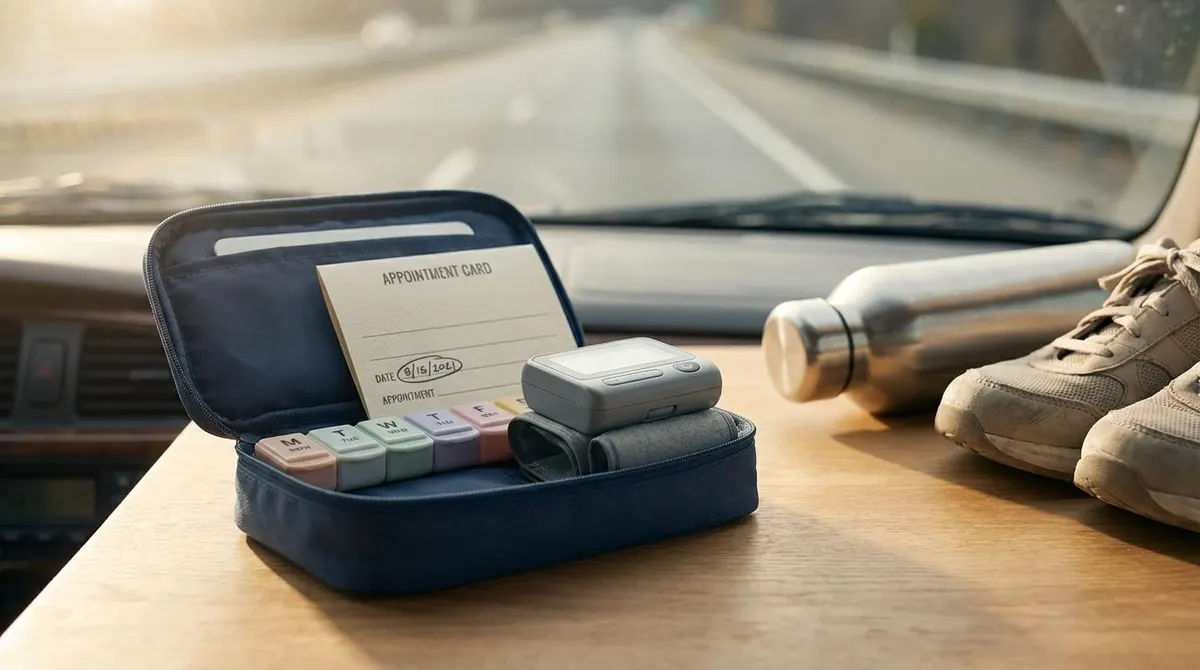
The best way to keep your medical card with a high BMI is to manage the related health risks before the DOT physical. Proactive management improves both your long-term Driver Health and your chances of smoother medical certification. (FMCSA)
A high Body Mass Index does not automatically threaten your career. Untreated symptoms, poor follow-up, and lack of documentation are usually more damaging than the number itself. Commercial drivers who stay ahead of sleep disorder symptoms, blood pressure issues, and diabetes management are often in a much stronger position when renewal time comes. (FMCSA)
Health management also matters for career longevity. Trucking puts pressure on sleep, meal timing, activity level, and consistent follow-up. Small repeatable improvements are often more useful than short bursts of extreme effort before the DOT exam. (FMCSA)
KEY TAKEAWAY: A high BMI is most manageable when you address the associated risks early and document the progress clearly.
That starts with routine care outside the exam room.
Prioritizing Overall Health and Wellness (health and wellness, regular check-ups, primary physician)

Regular care is one of the most effective ways to reduce BMI-related DOT risk. Health and wellness habits help identify problems before they become certification obstacles. (FMCSA)
A primary physician can help track trends in blood pressure, blood sugar, cholesterol levels, medication effects, and overall metabolic health. Regular check-ups matter because the DOT physical is not designed to become your only health review of the year. It is easier to manage weight-related health issues when you already know your current numbers and treatment status before the appointment. (FMCSA)
Many patients report that the most stressful part of the DOT physical is uncertainty. Consistent care reduces that uncertainty. When you already know your readings, treatment plan, and follow-up needs, the physical exam becomes less about surprises and more about documentation. (FMCSA)
KEY TAKEAWAY: Regular check-ups and a good relationship with your primary physician make DOT certification easier to navigate.
The next step is building realistic weight management habits that fit driver life.
Effective Weight Management Strategies for Drivers (exercise, balanced diet, weight training, aerobic exercise, muscle gains, sodium intake)
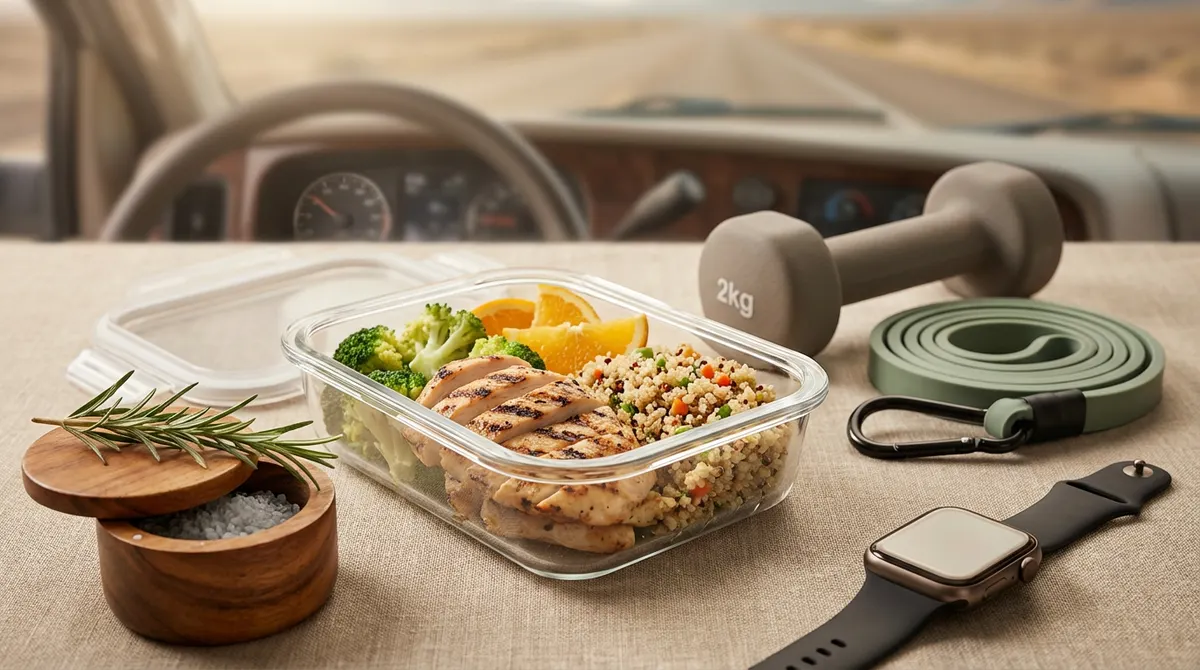
The most effective weight management plan for drivers is the one you can sustain on the road. A balanced diet, aerobic exercise, lower sodium intake, and realistic routines usually matter more than aggressive short-term dieting. (FMCSA)
For commercial drivers, exercise often has to be practical rather than ideal. Short walking breaks, bodyweight sessions, resistance bands, and structured aerobic exercise during stops can improve energy and metabolic health. Weight training can also help preserve strength and support long-term health, though muscle gains may change BMI without telling the whole story. That is another reason Body Mass Index should never be treated as a complete diagnosis. (CDC)
Nutrition matters just as much. Reducing sodium intake may help with blood pressure, and a more balanced diet can support blood sugar control and cardiovascular health. The goal is not perfection before the DOT exam. The goal is measurable improvement that supports safer driving and better long-term outcomes. (FMCSA)
KEY TAKEAWAY: Sustainable exercise and nutrition habits help reduce the BMI-related risks that actually matter in a DOT physical.
When sleep apnea is already diagnosed, the focus shifts from suspicion to documented treatment.
Managing Diagnosed Sleep Apnea (Treatment, CPAP, CPAP machine, Positive Airway Pressure, Continuous Positive Airway Pressure, oral appliances)
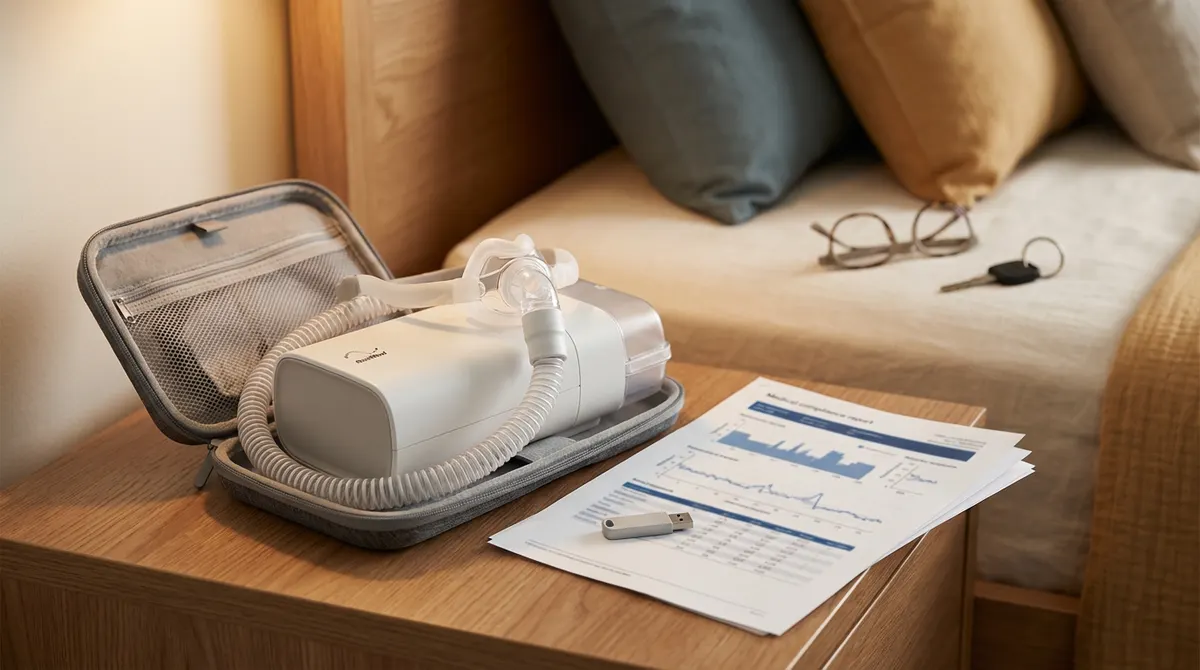
Diagnosed Sleep Apnea is often manageable in the DOT process when treatment is effective and documented. The core issue is not the diagnosis itself but whether the treatment reduces safety risk. (FMCSA)
The NIH states that common sleep apnea treatments include Continuous Positive Airway Pressure devices and lifestyle changes. In DOT practice, a CPAP machine can be useful because it often produces compliance data showing regular use. Positive Airway Pressure therapy may support continued medical certification when symptoms improve and documentation confirms adherence. Oral appliances may also be considered in selected cases through proper clinical management, though the examiner will still focus on whether treatment is safe, effective, and stable. (NHLBI, NIH)
If you want a more detailed condition-specific guide, Dumbo Health’s article on can you pass a DOT physical with sleep apnea explains how treatment and documentation affect the outcome.
KEY TAKEAWAY: Treated sleep apnea is usually far less threatening to certification than untreated Sleep Apnea.
Beyond sleep apnea, chronic condition control also shapes the final decision.
Controlling Chronic Conditions (Type 2 diabetes, Hypertension, medications, compliance data)
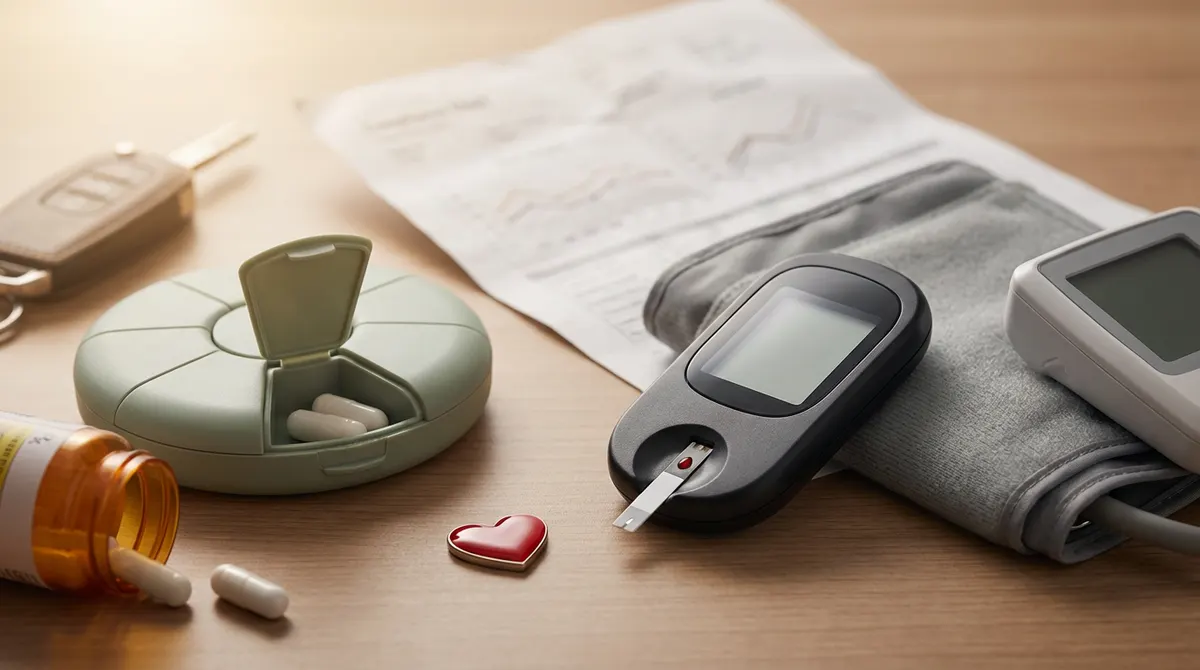
Controlled chronic conditions are much easier to certify than uncontrolled ones. Type 2 diabetes, hypertension, and medication side effects matter because they can directly affect safe driving performance. (FMCSA)
The FMCSA handbook includes clear blood pressure requirements used in certification decisions. A driver with blood pressure under 140/90 is generally in the best position, while higher stages may trigger shorter certification periods or require treatment before qualification. That is why high blood pressure and high BMI often appear together in driver questions. The practical issue is whether the condition is controlled, tolerated, and documented. (FMCSA)
The same principle applies to blood sugar control and diabetes treatment. Bring medication lists, recent readings, and any compliance data that shows stable care. When the examiner can see evidence of control rather than uncertainty, the decision process is usually more straightforward. (FMCSA)
KEY TAKEAWAY: Controlled diabetes and blood pressure support certification, while uncontrolled chronic conditions create the real risk.
That leads directly into how shorter or conditional certification works.
Navigating the Certification Process and Sustaining Your Trucking Career

The certification process is designed to match your medical status, not just your paperwork deadline. Some drivers receive full certification, while others receive shorter certification so the examiner can reassess progress later. (FMCSA)
This matters for sustaining a trucking career because many BMI-related issues are manageable over time. A shorter certificate is not always a sign of failure. In many cases, it is a structured way to keep you working while the examiner verifies that treatment, follow-up, or additional medical tests support continued safe driving. (FMCSA)
Drivers who understand the process usually make better decisions after the physical exam. Instead of panicking at a request for records or follow-up, they focus on completing the requested steps and maintaining documentation for the next review. That approach protects both your driver’s license status and your ability to keep operating as a commercial truck driver. (FMCSA)
KEY TAKEAWAY: The certification process often allows room for follow-up and improvement, which can help protect your long-term trucking career.
A common version of that follow-up is conditional certification.
Understanding Conditional Medical Certification (medical card, medical certification, driver's license)

Conditional medical certification usually means the examiner is allowing time-limited certification while monitoring a condition more closely. Your medical card may still be issued, but for a shorter duration tied to follow-up needs. (FMCSA)
This approach is common when a driver has manageable risk that still needs verification, such as newly treated high blood pressure, ongoing sleep apnea evaluation, or recently stabilized medications. The FMCSA handbook allows medical certification for less than the maximum period when closer oversight is appropriate. That can help a driver keep working while demonstrating treatment progress and protecting the driver’s license tied to the job. (FMCSA)
Shorter certification should be viewed as a management tool rather than a penalty. In many real-world cases, it is the bridge between initial concern and longer-term renewal once records, medical tests, or treatment response are clearer. (FMCSA)
KEY TAKEAWAY: Conditional certification can help you keep your medical card while proving that a BMI-related risk is being managed safely.
The bigger danger is not a high BMI by itself but an untreated condition or missing follow-up.
Avoiding Disqualification: Untreated Conditions and Lack of Compliance (disqualification, medical conditions, Regulations, Safety)
Disqualification risk usually comes from untreated or poorly controlled medical conditions, not from BMI alone. The FMCSA’s Regulations focus on safety, which means lack of treatment or lack of compliance is often more serious than the initial diagnosis. (FMCSA)
This is especially true for Sleep Apnea, high blood pressure, and diabetes. If an examiner believes symptoms remain uncontrolled or that treatment has not been shown to be effective, the concern is whether you can safely maintain alertness and judgment while operating a commercial motor vehicle. Compliance data, compliance report records, and follow-up medical tests help reduce that uncertainty. (FMCSA)
Drivers often fear the label more than the untreated condition. In practice, disqualification risk rises when a driver ignores symptoms, skips evaluation, or cannot show that treatment is working. That is why documented follow-through is one of the most valuable parts of the DOT process. (FMCSA)
KEY TAKEAWAY: Untreated conditions and missing compliance matter far more than BMI itself when examiners assess disqualification risk.
The best response is strong preparation before the appointment.
Preparing for Your DOT Physical: A Checklist for Success (DOT physical exam, medical history, medical tests, information)

The best preparation for a DOT physical exam is organized documentation and honest symptom reporting. Preparation helps the examiner make a faster, more accurate decision using complete information. (FMCSA)
Bring your medical history, prescriptions, surgery history, specialist notes, and recent medical tests related to blood pressure, blood sugar, or sleep apnea treatment. If you use a hearing aid, bring the hearing aid to the visit because the hearing test is part of the physical exam. If you wear corrective lenses, bring them for the vision test. If you are using a CPAP machine, bring the compliance report or compliance data if available. (FMCSA)
A practical checklist can include:
Medication list with doses
Recent blood pressure readings
diabetes records if relevant
sleep study results if completed
CPAP machine compliance data
Corrective lenses for the vision test
Hearing aid for the hearing test
Any specialist letters or follow-up information
Drivers trying to find a provider close to you or providers in your area should prioritize National Registry examiners who regularly handle DOT paperwork, because familiarity with the process often reduces unnecessary delays.
KEY TAKEAWAY: Strong preparation means bringing the documents and devices that help the examiner verify safety quickly and fairly.
The bigger goal is not just passing once but staying healthy enough to keep driving for years.
Long-Term Health for Career Longevity (commercial drivers, truck driver, trucking, Driver Health)

Long-term health is one of the best career strategies in trucking. Commercial drivers who manage sleep, blood pressure, diet, and follow-up care are better positioned to sustain both safety and earning power over time. (FMCSA)
Driver Health affects more than certification. It shapes energy, concentration, recovery, and the ability to keep working consistently. A truck driver who treats BMI as an early warning sign rather than a punishment can often make changes that improve both short-term DOT outcomes and long-term quality of life. (CDC)
Many patients report that the DOT exam becomes less stressful after the first well-documented cycle. Once you understand your numbers, keep up with regular care, and respond quickly to new symptoms, the process becomes more predictable. That is good for safety, confidence, and career stability in trucking. (FMCSA)
KEY TAKEAWAY: Long-term driver health is the most reliable way to protect both DOT certification and career longevity.
A few persistent myths still confuse drivers, so it is worth correcting them directly.
Common Myths About BMI for DOT Physicals Debunked

BMI myths cause unnecessary fear because they confuse screening with automatic failure. The real DOT process is more nuanced and more focused on safety than most drivers expect. (FMCSA)
MYTH: There is a single passing BMI for every DOT physical.
FACT: The FMCSA does not set a universal passing BMI in the handbook. The examiner considers BMI along with symptoms, sleep disorder risk, blood pressure, diabetes, and other medical conditions before making a certification decision. (FMCSA)
MYTH: A BMI over 30 automatically means failure.
FACT: The CDC defines obesity as BMI of 30 or greater, but the CDC also states that BMI is a screening measure. In a DOT physical, that means the number may trigger more questions, not automatic disqualification. (CDC)
MYTH: If the examiner mentions sleep apnea, your career is over.
FACT: The FMCSA focuses on whether treatment is adequate, effective, safe, and stable. Treated sleep apnea with strong compliance data is often easier to certify than untreated symptoms that remain unexplained. (FMCSA)
MYTH: The DOT physical always includes a drug test.
FACT: The FMCSA states that DOT regulated drug testing is separate from the physical qualification examination. A drug test may happen at the same clinic visit, but it is not the same part of the process. (FMCSA)
KEY TAKEAWAY: Most fears about BMI come from myths, while the real DOT standard is based on total risk, symptoms, and treatment status.
With the myths cleared up, the remaining practical questions are easier to answer.
Frequently Asked Questions
What is a passing BMI for DOT physical?
There is no official passing BMI for DOT physical certification. The FMCSA does not publish a single BMI cutoff that automatically passes or fails a driver. Instead, the examiner looks at whether a high Body Mass Index is associated with medical conditions such as Sleep Apnea, high blood pressure, or Type 2 diabetes that could affect safe driving. BMI is best understood as a screening clue. The real question is whether related risks are controlled, documented, and compatible with safe operation of a commercial motor vehicle. (FMCSA)
What is considered overweight for a DOT physical?
For adults, the CDC defines overweight as BMI 25 to less than 30 and obesity as 30 or greater. Those ranges are often discussed during a DOT physical because height and weight are recorded during the exam. However, being in the overweight category is not a federal reason for automatic failure. The examiner still considers symptoms, blood pressure, metabolic health, and other medical conditions before deciding whether medical certification is appropriate. (CDC)
Will a high BMI automatically trigger a sleep apnea test?
A high BMI alone does not automatically trigger a sleep apnea test. The FMCSA handbook tells examiners to look for multiple risk factors such as loud snoring, witnessed apneas, daytime sleepiness, large Neck size, hypertension, and diabetes in addition to obesity or high BMI. When those factors cluster together, a sleep study becomes more likely. When BMI is elevated but symptoms are limited and the rest of the risk picture is reassuring, a sleep study may not be recommended right away. (FMCSA)
Can I pass a DOT physical if I have sleep apnea and use a CPAP machine?
Yes, many drivers pass a DOT physical with diagnosed sleep apnea when treatment is effective and documented. The FMCSA says the examiner should consider whether treatment is adequate, effective, safe, and stable. A CPAP machine can help because it often provides compliance data that shows regular use. If symptoms are controlled and the records are clear, treated sleep apnea is often much less concerning than suspected but untreated sleep apnea. You can also review Dumbo Health’s article on is a sleep study required for a DOT physical for more detail.
What should I bring to a DOT physical if BMI or sleep apnea may be an issue?
Bring your medication list, recent medical history, specialist notes, and any medical tests related to blood pressure, diabetes, or sleep evaluation. If you completed a sleep study, bring the results. If you use a CPAP machine, bring compliance data or a compliance report. You should also bring any corrective lenses and a hearing aid if you use one, because both the vision test and hearing test are standard parts of the physical exam. This kind of preparation is especially helpful when you are trying to find a provider near you and want to avoid delays. (FMCSA)
Does the DOT physical include a drug test or drug screening?
The DOT physical itself is separate from regulated drug testing. The FMCSA states that DOT drug and alcohol testing for CDL or CLP holders is distinct from the physical qualification examination. Some employers schedule both on the same day, which is why drivers often confuse them. If your employer set up the appointment, ask ahead of time whether the visit includes only the physical exam or whether it also includes a separate drug test or drug screening requirement. (FMCSA)
Can weight training or muscle gains make BMI misleading in a DOT exam?
Yes, weight training and muscle gains can make BMI less precise because BMI does not distinguish muscle from fat. The CDC describes BMI as a screening measure, which means it should be interpreted with other health information. In the DOT setting, that matters because a stronger driver with a higher BMI may still have better blood pressure, better metabolic health, and fewer risk factors than a driver with a lower BMI but more concerning symptoms. The examiner looks at the full picture rather than the BMI number alone. (CDC)
Can high blood pressure and BMI together affect my medical card?
Yes, high blood pressure and high BMI together can affect your medical card because that combination may raise concern about cardiovascular health and sleep apnea risk. The FMCSA uses blood pressure requirements as part of certification decisions, and higher readings can lead to shorter certification periods or the need for treatment before full qualification. When BMI and blood pressure rise together, it becomes even more important to bring recent readings, treatment notes, and proof of stability to the exam. Dumbo Health also explains what blood pressure do you need to pass a DOT physical.
Conclusion

BMI for DOT physical decisions should be viewed as an early warning signal, not a final verdict. A higher Body Mass Index may lead to closer questions about Sleep Apnea, high blood pressure, blood sugar, respiratory function, and other medical conditions, but the real issue is whether those risks are treated and stable enough for safe driving. The strongest approach is simple: know your numbers, manage symptoms early, and bring documentation that supports your case. If you want a next step focused on overall pass criteria, see Dumbo Health’s guide to what are the requirements to pass a DOT physical.
Related DOT Physical Topics
- DOT Physical at Urgent Care What Commercial Drivers Need to Know
- Does a DOT Physical Test for Weed or THC The Complete Guide for Commercial Drivers
- DOT Physical Blood Pressure Requirements What Drivers Need to Know
- DOT Physical & Drug Test What Drivers Need to Know
- What are the current DOT requirements for sleep apnea testing for commercial drivers
- Remote DOT Physical The Complete Guide for Commercial Drivers
- DOT Physical Out of Pocket What Commercial Drivers Actually Pay
- The Ultimate DOT Physical Guide for Commercial Drivers (2025–2026)
- What Does DOT Stand for in a DOT Physical
- DOT Physical Forms & Paperwork The Complete Guide for Commercial Drivers
- What Forms Do You Need for a DOT Physical
- Online DOT Physical Without Insurance A Complete Guide for Commercial Drivers
- DOT physical self pay guide for commercial drivers paying out of pocket
- Online DOT Exam What Drivers and Medical Examiners Need to Know
- New DOT Physical Requirements What Drivers MUST Know About New Updates
- Can You Get a Second Opinion on Your DOT Physical A Complete Guide for Commercial Drivers
- Online DOT Physical The Complete Guide for Commercial Drivers and Medical Examiners
- What Happens During the DOT Physical Exam The Complete Guide for Drivers
- Failing a DOT Physical What Every Commercial Driver Needs to Know
- Essential 171 DOT Definitions for Commercial Drivers
- Navigating the Florida DOT Physical Your Essential Guide for CDL Drivers
- DOT Physical Cost Breakdown What Drivers Pay & Why
- What Is the Urine Test for in a DOT Physical
- What blood pressure do you need to pass a DOT physical
- Online DOT Physical Self-Pay The Complete Guide for CDL Drivers and Owner-Operators
- DOT Medical Exam Self-Pay A Complete Guide for Commercial Drivers
- What are the current FMCSA guidelines on sleep apnea for commercial drivers
- DOT Physical Requirements A Complete Guide for CDL Drivers
- What Is the Difference Between a DOT and Non-DOT Physical
- What eye chart is used for a DOT physical
- What drugs do they test for in a DOT drug test
- How can drivers with sleep apnea qualify again after a failed DOT physical
- What Can Disqualify You From a DOT Physical
- What Should You Bring to a DOT Physical
- Home Sleep Apnea Test for Commercial Drivers The CDL Holder's Complete Guide
- What Are the Requirements to Pass a DOT Physical
- Can You Fail a DOT Physical for Being Overweight
- Your Complete Guide What's Included in a DOT Physical Exam
- Do They Check for Hernia During a DOT Physical
- Is a drug test required for a DOT physical
- Can You Fail a DOT Physical for High Blood Pressure
- How to Pass a DOT Physical The Complete Commercial Driver's Guide
- DOT Physical ICD-10 & Billing Codes The Complete Guide for Accurate Compliance and Reimbursement
- DOT Physical Insurance or Self Pay How to Choose the Right Payment Option for Your Exam
- Is a DOT physical the same as a regular physical
- What should I expect at a DOT physical
- What Does a DOT Physical Consist Of
- What happens if you fail a DOT physical due to sleep apnea
- Medical Examination Report (MER) – Form MCSA-5875 The Complete Guide for Commercial Drivers
- Is a Sleep Study Required for a DOT Physical
- What Do They Check During a DOT Physical
- The DOT Physical Exam Ensuring You're Fit for the Road
- What is DOT Physical
- DOT Physical Online Cost
- Does a DOT physical include a drug test
- Can You Pass a DOT Physical with Epilepsy
- DOT Physical Vision & Eye Requirements
- DOT Physical Self Pay Cost
- Navigating Your DOT Physical with Common Medical Conditions
- When Can Sleep Apnea Affect a DOT Physical
- Can You Get a DOT Physical Online
- Walk In DOT Physical Self Pay
- Can You Pass a DOT Physical With a Pacemaker
- Telehealth Dot Physical
- Can You Pass a DOT Physical With One Eye
- DOT Physical Exam Basics
- DOT Physical & Alcohol Requirements
- DOT Physical Duration and Validity How Long Your Medical Card Lasts
- DOT Physical Insurance & Recertification The Complete Driver's Guide
- Why do they measure your neck during a DOT physical
- Why DOT Sleep Tests at Home Matter for Your Career and Health
- Can You Pass a DOT Physical With a Hernia
- Cheap DOT Physical Online
- Are there legal requirements for drivers with sleep apnea
- DOT Physical Cash Pay
- How Do You Submit Your DOT Physical to the DMV
- Same Day DOT Physical
- Virtual DOT Physical
- Who needs a DOT physical
- Can you fail a DOT physical because of sleep apnea
- Do They Check Your Private Parts During a DOT Physical
- Sleep Apnea Test for CDL Drivers
- DOT Physical Chiropractor Your Complete Guide to CDL Exams
- The Comprehensive Guide to Suboxone, Sleep Apnea, and FMCSA Compliance for Commercial Motor Vehicle Operators
- Can you pass a DOT physical with sleep apnea
- At Home Sleep Test for Truck Drivers
- What Precautions Should Drivers With Sleep Apnea Take
- Can You Pass a DOT Physical with Diabetes
- Can You Pass a DOT Physical with High Blood Pressure
- Non-DOT Physical A Comprehensive Guide to Workforce Health and Safety
- DOT Physical Texas The Essential Guide to Your Exam, Medical Card, and CDL Compliance
- Do You Have to Pee During a DOT Physical
- Can You Fail a DOT Physical
- Online CDL Physical
- Are There New DOT Rules or Laws on Sleep Apnea Testing
- 2026 DOT Inspection Dates
- CDL PHYSICAL SELF PAY
- DOT sleep apnea test at home
- Best Treatments for Sleep Apnea to Improve Driving Safety
- Guide to Obtaining and Managing Your DOT Medical Card Online
Take the next step before your DOT physical
Start with the free quiz if you are unsure about your risk, or order an at-home sleep test if you have already been flagged for possible sleep apnea.
AI summary
Body mass index (BMI) in a DOT physical is a screening measure used to identify health risks that could impair safe commercial driving. The FMCSA instructs Certified Medical Examiners (CMEs) to evaluate the whole driver, not weight alone, and the CDC notes BMI is not a diagnosis. Key points: - There is no official passing BMI cutoff for DOT certification. - CDC adult BMI categories: underweight <18.5; healthy 18.5 to <25; overweight 25 to <30; obesity 30+ (Class 1: 30 to <35, Class 2: 35 to <40, Class 3: 40+). - BMI matters mainly when paired with risk factors for obstructive sleep apnea (OSA) and other conditions: loud snoring, witnessed apneas, daytime sleepiness, large neck size, hypertension, cardiovascular disease, stroke history, and diabetes. - Higher BMI can lead to deeper questioning, possible sleep apnea testing (home sleep apnea test or sleep lab study), and sometimes shorter certification periods for monitoring. - Preparation focuses on documentation: medication list, blood pressure and blood sugar records, sleep study results, and CPAP compliance reports when applicable.

Nicolas Nemeth
Co-Founder
Nico is the co-founder of Dumbo Health, a digital sleep clinic that brings the entire obstructive sleep apnea journey home. Patients skip the sleep lab and the long wait to see a specialist. Dumbo Health ships an at home test, connects patients with licensed sleep clinicians by video, and delivers CPAP or a custom oral appliance with ongoing coaching and automatic resupply in one clear subscription.
Keep reading

How Long Does a DOT Physical Take? A Complete Guide for Commercial Drivers

What Happens If You Fail a DOT Drug Test? The Complete Guide for Commercial Drivers


