CDL PHYSICAL SELF PAY
This guide explains how commercial drivers can pay out of pocket for a DOT physical to keep a valid Medical Examiner’s Certificate. It outlines why self-pay is common for owner-operators, independent contractors, and drivers between jobs, including benefits like scheduling control and privacy. You’ll learn typical pricing (often 75–150 dollars) and what a standard fee usually includes. The article reviews key pass criteria such as vision (20/40), peripheral vision (70 degrees), hearing (forced whisper at five feet), and blood pressure (generally under 140/90 for a two-year card). It also covers required documentation for conditions like sleep apnea, diabetes, and cardiac issues. Practical prep tips and how to find a National Registry certified examiner are included.
Struggling with sleep?
Find out if sleep apnea is the reason.
FDA-cleared. $149 flat. Physician-reviewed results in 48 hours.

CDL PHYSICAL SELF PAY

CDL physical self pay is an out-of-pocket payment method that allows commercial drivers to obtain their DOT medical certification independently of an employer-sponsored program. According to the FMCSA, drivers are responsible for maintaining a valid Medical Examiner's Certificate to operate a commercial motor vehicle legally, regardless of who pays for the exam. This comprehensive guide explores why self-payment is often the most flexible choice for owner-operators and independent contractors. We detail current pricing, preparation strategies, and the specific medical criteria required to secure your card. From blood pressure thresholds to vision standards, understanding the out-of-pocket process helps ensure your career stays on track. Follow these steps to find a qualified provider near you and navigate the certification process with confidence.
What is a DOT Physical and Why is it Essential for Commercial Drivers?

A DOT physical is a mandatory health assessment required by the Department of Transportation to ensure that operators of a commercial motor vehicle can safely handle the physical demands of the job. This medical exam visit focuses on detecting physical, mental, or emotional issues that could impact a driver's ability to operate a vehicle safely.
The Federal Motor Carrier Safety Administration (FMCSA) mandates that all commercial drivers must pass this exam at least every 24 months. For some drivers with manageable health conditions, the certification period may be shorter to allow for more frequent monitoring. Completing your DOT physical exam ensures that you meet the federal safety standards required for the public and your own well-being on the road.
A DOT physical exam is a specialized medical evaluation performed by a certified medical examiner to verify a driver's fitness for duty. This process is critical because it identifies potential risks such as sudden incapacitation or chronic fatigue that could lead to accidents.
KEY TAKEAWAY: The DOT physical is a federally required safety check that protects both the driver and the public by ensuring medical fitness for operating heavy equipment.
Not sure if sleep apnea applies to you?
Take our 2-minute sleep risk quiz to see whether sleep apnea could affect your DOT physical. No account required.
Understanding the purpose of the physical exam helps clarify why many professionals choose to manage the process themselves.
The Self-Pay Advantage: Why Many CDL Drivers Choose Out-of-Pocket Payment

Choosing to pay for your own certification provides immediate autonomy over your schedule and the specific medical provider you select for your physical exam. While some large carriers provide internal clinics, many drivers prefer the privacy and convenience of choosing a clinic in your area that fits their personal needs.
Owner-Operators and Independent Contractors: Direct Financial Responsibility
Owner-operators function as their own small businesses and are therefore directly responsible for all compliance costs, including CDL Medical Exams. Since these individuals do not have a corporate safety department to schedule their visits, they must seek out a Federally Certified DOT/CDL Medical Exam Center on their own. For these professionals, the ability to use FSA/HSA cards is a significant benefit, as it allows them to use pre-tax dollars for necessary medical expenses. Managing these costs directly ensures there is no lapse in the ability to operate a commercial motor vehicle.
Drivers Without Employer-Sponsored Coverage or Between Jobs
If you are currently transitioning between companies or working as a freelance driver, you may not have access to employer-funded medical exams. In these scenarios, opting for an out-of-pocket service is the only way to keep your Drivers License and medical card current. Many providers offer transparent pricing for those without insurance coverage. Staying proactive with your certification during employment gaps prevents the administrative headache of a downgraded license.
Renewing Your Medical Card Out-of-Pocket
Drivers often choose self-pay for Renewal Exams to avoid the wait times associated with company-mandated clinics. By paying directly, you can often secure a medical exam visit much faster, ensuring your Medical Examiner's Certificate does not expire. This flexibility is vital for maintaining an active status on the National Registry of Certified Medical Examiners. Many drivers find that a local urgent care provides a more streamlined experience than a corporate health facility.
The Practicality and Flexibility of Self-Payment
Self-payment allows you to select a provider that you trust or one that is conveniently located close to you. This is particularly helpful for drivers who spend long periods on the road and need to find a clinic in a specific region. Being able to walk into a clinic and pay directly simplifies the logistics of maintaining a CDL medical card. It also ensures that your medical history remains between you and the examiner unless you choose to share it.
KEY TAKEAWAY: Self-paying for your medical exam offers unmatched flexibility and control, which is essential for independent contractors and drivers in career transitions.
With the advantages of self-payment clear, the next logical step is understanding what you should expect to pay for DOT physicals.
Understanding the Costs: A Self-Pay Driver's Guide to CDL Physical Pricing

The cost of a self-paid DOT physical typically ranges between 75 and 150 dollars, depending on the clinic's location and the complexity of the medical review. While prices vary, most independent clinics and urgent care centers offer a flat fee for the standard physical exam components.
What is the Average Self-Pay Cost for a DOT Physical?
Most drivers find that the standard rate for a DOT physical exam at a reputable clinic is approximately 100 dollars. This price usually covers the basic physical examination, the urine test for glucose and protein, and the completion of the required federal paperwork. If you are looking for a provider in your area, it is wise to call ahead and confirm their current self-pay rate. Some locations might offer discounts for union members or returning drivers.
Factors Influencing Self-Pay Pricing
Location plays a major role in how much you will pay for your exam. For example, a clinic in a high-cost urban area like Villa Park may charge more than a rural provider. Additionally, the type of facility matters; a specialized CDL Medical Exams center might have different pricing than a general urgent care. Some providers include the cost of the electronic transmission of your results to the National Registry within their base fee, while others may add it as an extra charge.
What's Included in Your Standard Self-Pay Fee?
A standard self-pay fee typically includes the vision test, hearing screening, blood pressure check, and a review of your health history. The Medical Examiner will also perform a physical exam to check for things like neurological function and respiratory function. The fee also covers the issuance of the Medical Examiner's Certificate if you pass the requirements. It is important to ask if the clinic includes the cost of the basic urine test, as this is a mandatory part of the FMCSA requirements.
Already diagnosed and need CPAP support?
Dumbo Health helps patients start CPAP without the usual confusion, paperwork, or upfront cost. Equipment, setup, supplies, and ongoing support are all handled in one place.
Potential Hidden Costs to Watch Out For as a Sayer
While the base exam has a set price, additional tests may incur extra fees. For instance, if the examiner requires an ECHO cardiogram or a Stress test due to your medical history, these will cost extra. Similarly, if you need a drug and alcohol test for a specific job requirement, this is almost always a separate charge from the physical itself. Some clinics may also charge small retesting fees if you fail a blood pressure check and need to return a few days later for a follow-up.
Leveraging FSA/HSA Cards for Your CDL Physical
You can often use FSA/HSA cards to pay for your DOT physical, which can save you money by using pre-tax income. Since the DOT physical is a federally mandated medical requirement for your profession, most health savings account administrators recognize it as a qualified medical expense. Using FSA/HSA cards at a clinic in Des Plaines or other regions is a smart financial move for savvy CDL drivers. Always keep your receipt in case your account administrator requires proof of the medical nature of the visit.
DID YOU KNOW: According to the IRS, qualifying medical expenses include those for the diagnosis, cure, mitigation, or treatment of disease, which typically includes the DOT physical for commercial operators.
The following table compares payment structures for commercial motor vehicle operators.
| Payment Feature | Employer-Paid | Self-Pay (Out-of-Pocket) |
|---|---|---|
| Provider Choice | Restricted to company clinic | Total freedom of choice |
| Scheduling | Often controlled by safety dept | You choose the time/date |
| Average Cost | 0 dollars (covered by company) | 75 to 150 dollars |
| FSA/HSA Use | Not applicable | Fully supported |
| Data Privacy | Results shared with employer | Results are private to you |
The self-pay option provides drivers with the most control over where and when they receive their certification.
KEY TAKEAWAY: Standard self-pay costs are generally affordable, and using FSA/HSA cards can further reduce the financial impact of maintaining your certification.
Once you have budgeted for the exam, it is important to understand why insurance is rarely an option.
Does Health Insurance Cover DOT Physicals? Why Self-Pay is Often Necessary
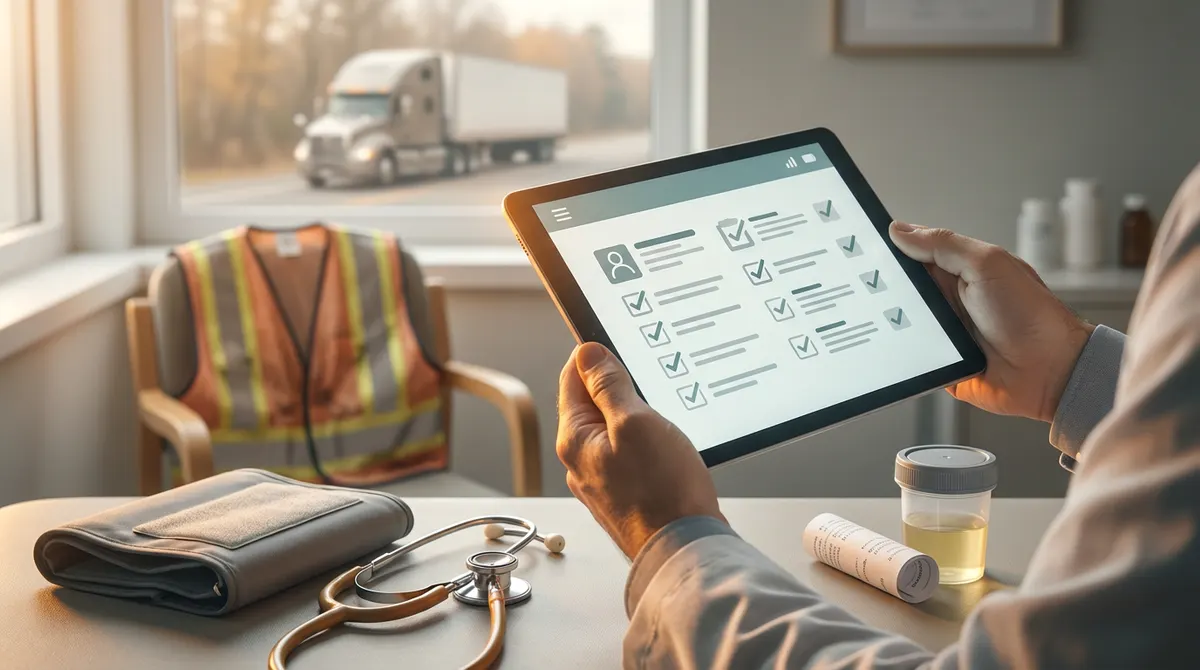
Most private health insurance plans do not cover DOT physicals because they are classified as administrative or employment-related exams rather than preventative care. Insurance companies generally prioritize diagnostic visits for illness or routine wellness checks that follow specific clinical guidelines.
Because the DOT physical is a regulatory requirement for a commercial vehicle operator, it falls outside the scope of traditional health coverage. This is why clinics like Alamo City Urgent Care usually require payment at the time of service. Even if your insurance covers a yearly wellness exam, that exam does not include the specific FMCSA forms or the National Registry reporting required for your medical card.
TIP: Do not assume your insurance will cover the visit; always verify with the clinic and your insurer beforehand to avoid unexpected bills.
KEY TAKEAWAY: Insurance rarely covers DOT physicals because they are administrative requirements, making self-payment the standard for most independent drivers.
Knowing that you will likely be paying out-of-pocket, you should prepare for exactly what happens during the medical exam visit.
The CDL Physical Exam: What Your Self-Pay Covers During Your Visit

Your self-pay fee ensures a comprehensive evaluation of your physical health as it relates to the safe operation of commercial motor vehicles. The examiner follows a strict protocol set by the Federal Motor Carrier Safety Administration to determine if you are fit for duty.
Medical History Review: A Comprehensive Look at Your Health
The process begins with a detailed review of your medical history. You will be asked about past surgeries, chronic conditions like heart disease or epilepsy, and any medications you are currently taking. It is vital to be honest here, as omitting information can lead to the revocation of your medical card later. The examiner will look specifically for any history of neurological function issues or cardiovascular health problems that could pose a risk on the road.
Comprehensive Physical Examination: Assessing Overall Health
During the physical exam, the Medical Examiner will check your general appearance for signs of fatigue or illness. They will listen to your heart and lungs to ensure proper respiratory function and look for any physical abnormalities. The examiner also checks for hernias and assesses your musculoskeletal system to ensure you can safely enter and exit a commercial vehicle. This part of the exam is a head-to-toe assessment of your current physical state.
Vision and Hearing Screenings: Crucial for Road Safety
The vision test is one of the most critical components of the exam. You must have at least 20/40 visual acuity in each eye, with or without corrective lenses. The examiner will also check your peripheral vision to ensure you have at least a 70-degree field of vision in each eye. Following this, a hearing screening or hearing test is performed; you must be able to perceive a forced whisper at a distance of five feet or more.
Blood Pressure and Pulse Check: Monitoring Cardiovascular Health
Your blood pressure must be under control to pass the exam. Specifically, a reading below 140/90 is generally required for a full two-year certification. If your blood pressure is higher, you may only receive a short-term certificate while you work to lower it. The examiner also checks your pulse to identify any irregular heart rhythms that might require further investigation by a specialist.
Urinalysis: Detecting Underlying Health Issues
A urine test is mandatory for every DOT physical. This is not a drug test, but rather a screening for blood sugar, protein, and blood in the urine. High levels of glucose can indicate undiagnosed diabetes, while protein may suggest kidney issues. If the urine test shows high sugar, the examiner may request a Hemoglobin A1C test to determine how well your blood sugar has been managed over time.
Discussion of Medical Conditions and Required Documentation
If you have existing conditions like sleep apnea, you must provide a CPAP compliance report showing you use your CPAP machine as prescribed. Drivers with heart conditions may need to provide specialist notes or results from a recent Stress test. The self-pay fee includes the examiner’s time to review these documents and determine if you meet the federal safety standards for hazardous materials transporters or general freight haulers.
KEY TAKEAWAY: Your self-pay fee covers a multi-point health check including vision, hearing, blood pressure, and a urinalysis to ensure you can safely operate a motor vehicle.
Preparation is the key to ensuring these medical checks go smoothly on the day of your appointment.
Preparing for Your Self-Paid CDL Physical: Maximize Your Chances of Passing
Proper preparation can be the difference between a two-year card and a temporary disqualification. Taking simple steps before you arrive at a clinic in Villa Park or your local area can help you stay relaxed and ensure your numbers are within the required ranges.
Gather Essential Documents and Information (DOT Physical Checklist)
Using a DOT Physical Checklist is the best way to ensure you do not forget anything important. You must bring a valid photo ID, such as your Drivers License, to verify your identity. If you use glasses, contacts, or hearing aids, bring them to the exam for the vision and hearing screenings. Additionally, have a complete list of your medications, including dosages and the names of the prescribing doctors, ready for the examiner to review.
Be Honest and Thorough About Your Medical History
Honesty regarding your health history is not just about ethics; it is about safety. If you have a history of seizures or have been prescribed insulin for diabetes, you must disclose this. Modern regulations allow many drivers with these conditions to work, but they may require specific specialist notes or waivers. Providing these documents upfront saves time and prevents your certification from being delayed while the clinic waits for records.
Practical Tips for a Smooth Exam Day
To ensure the best results, avoid heavy caffeine or nicotine intake for at least two hours before your blood pressure check. Drink plenty of water so you are ready for the urine test, but avoid sugary drinks that could spike your blood sugar. If you use a CPAP machine, ensure you have a printed report showing at least 70 percent usage over the last 30 days. Arriving 15 minutes early to the clinic allows you to fill out paperwork without feeling rushed, which can help keep your heart rate steady.
IMPORTANT: Always bring your most recent Medical Examiner's Certificate to your appointment so the new examiner can review your previous certification status.
KEY TAKEAWAY: Coming prepared with a photo ID, medication lists, and necessary medical records is the most effective way to ensure a fast and successful exam.
Even with the best preparation, some drivers may face challenges during the exam.
Common Myths About Sleep Apnea Debunked

MYTH: You will automatically fail the physical if you have a thick neck.
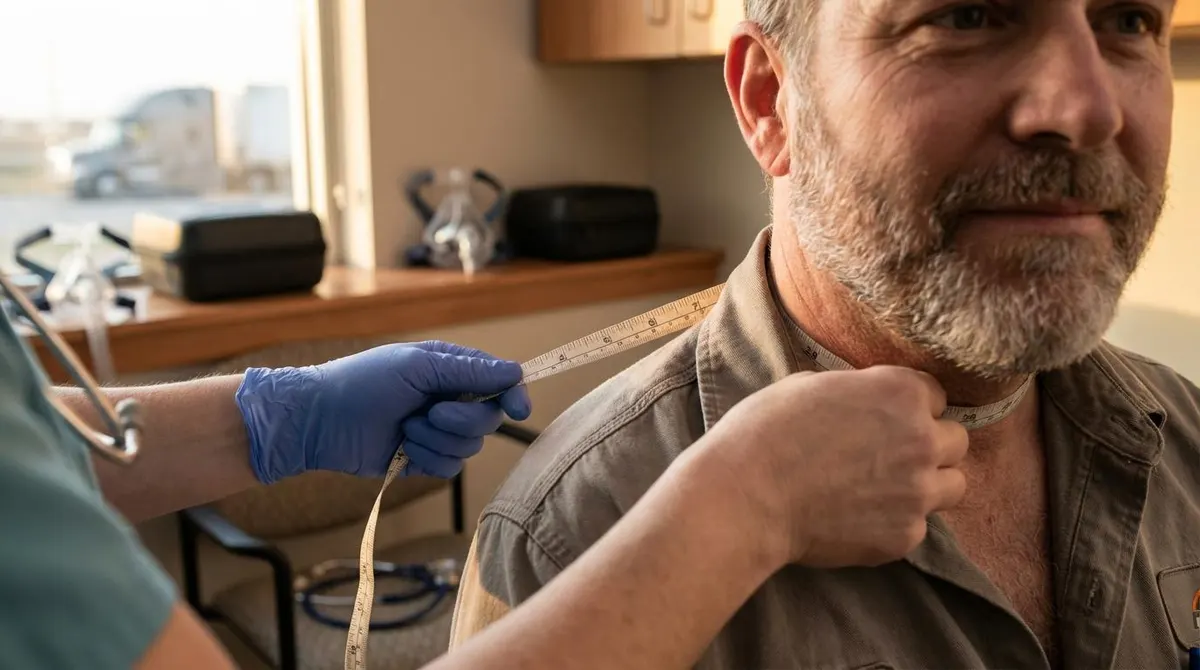
FACT: While a large neck size is a risk factor that may trigger a screening, it is not an automatic disqualification. According to the Sleep Foundation, examiners look at a combination of BMI, neck circumference, and symptoms like daytime sleepiness to determine if a sleep study is necessary. Drivers can learn more about why they measure your neck to understand the clinical reasoning behind the check.
MYTH: A sleep apnea diagnosis means you can no longer drive.
FACT: Most drivers with sleep apnea can continue to work as long as their condition is treated and they remain compliant with therapy. The FMCSA allows drivers to maintain their certification provided they show proof of CPAP machine usage, typically through a data report.
MYTH: You must stay overnight in a lab to get tested for sleep apnea.
FACT: Many drivers now use an at-home sleep test which is a convenient and cost-effective way to screen for the condition. These tests allow you to collect data in your own bed, and the results are reviewed by a qualified professional to determine if treatment is needed.
MYTH: Only older or overweight drivers have to worry about sleep apnea.
FACT: While weight is a factor, the Mayo Clinic notes that sleep apnea can affect people of all ages and body types due to physical airway structure. High blood pressure and chronic fatigue are often better indicators of the condition than weight alone.
KEY TAKEAWAY: sleep apnea is a manageable condition that does not end a driving career, especially with the availability of convenient testing and treatment options.
Understanding these myths helps clarify what might happen if the medical examiner identifies a potential issue.
Understanding Disqualifying Conditions and Waivers

Not every medical issue results in a permanent no during your certification attempt. Many conditions that once disqualified drivers can now be managed through the FMCSA waiver and exemption programs. Understanding these rules can help you navigate a difficult diagnosis without losing your livelihood.
The FMCSA provides specific pathways for drivers with vision, hearing, or seizure disorders. For example, if you do not meet the standard vision requirements, you may apply for a Federal Vision Exemption. This requires a thorough exam by an ophthalmologist and proof of a safe driving record. Similarly, drivers who use insulin for diabetes can now be certified if they meet certain monitoring requirements and provide glucose records to their medical examiner.
If you are concerned about a specific condition, you can read about failing a DOT physical to understand the next steps and how to appeal or rectify the situation. In many cases, a failed exam is actually a pending status while you gather more medical evidence or start a treatment plan.
KEY TAKEAWAY: Many medical conditions are not automatic career enders; federal waivers and exemptions exist to help qualified drivers stay on the road safely.
A key part of this process is ensuring your examiner is properly qualified to make these assessments.
The Importance of a Federally Certified Medical Examiner

Every DOT physical must be performed by a provider listed on the National Registry of Certified Medical Examiners. This ensures that the professional has been specifically trained on the federal physical qualifications and standards for commercial motor vehicles.
A certified examiner understands the unique stressors of the trucking industry and knows how to apply the law fairly. When you choose a provider near you, always verify their credentials on the FMCSA website. Whether you visit a large clinic like MainStreet Family Care or a small private practice, their presence on the National Registry is the only thing that makes your certificate legal.
DID YOU KNOW: As of 2024, there are over 70,000 active medical examiners on the National Registry providing services to CDL drivers across the United States.
KEY TAKEAWAY: Only a medical examiner who is federally certified and listed on the National Registry can provide a valid DOT medical certificate.
Once the exam is over, you need to know how to handle the results and maintain your card.
After the Exam: Understanding Results and Obtaining Your Medical Card

Once the physical exam is complete, the examiner will determine your certification status. Depending on your health, you will receive one of several outcomes that dictate how long you can legally drive.
Receiving Your Medical Examiner's Certificate
If you meet all the health standards, the examiner will issue you a Medical Examiner's Certificate (Form MCSA-5876). This is the small card you must carry with you whenever you are operating a commercial vehicle. The examiner will also electronically submit your results to the FMCSA. It is your responsibility to provide a copy of this certificate to your state's Driver's Licensing agency to ensure your CDL remains in good standing.
What Happens if You Don't Pass?
If you do not meet the standards, the examiner may disqualify you or put your application in a pending status. Disqualification happens for serious issues like uncontrolled seizures or severe vision loss. However, many drivers receive a temporarily disqualified status, which gives them time to fix an issue like high blood pressure. Once the medical issue is resolved, you can return for a medical exam visit to be cleared for duty.
Understanding Your CDL Medical Card and Its Validity
Most healthy drivers receive a card valid for two years. However, if you have a condition like high blood pressure or diabetes, your card might only be valid for one year, six months, or even three months. It is vital to track your medical card duration so you can schedule your next appointment before the current one expires. Driving with an expired medical card can lead to heavy fines and the suspension of your commercial license.
Renewal Exams: Planning for Future Self-Pay Physicals
Planning for your next exam should start several months before your current card expires. This gives you time to manage any health issues that might have cropped up and ensures you can find a provider in your area with an available appointment. Many drivers keep a folder with their specialist notes and CPAP reports ready to go, making the renewal process much faster and less stressful.
KEY TAKEAWAY: Successfully completing the exam results in a Medical Examiner's Certificate, which must be kept current and shared with your state licensing agency.
Finding the right place to get this done is the final step in the process.
Finding a Federally Certified Medical Examiner for Your Self-Pay Physical

Finding a provider for a CDL physical self pay is straightforward if you know where to look. There are thousands of clinics across the country, from large urgent care chains to independent practitioners in your area.
Using the FMCSA National Registry to Locate Providers
The best tool for finding a provider is the FMCSA National Registry website. You can search by zip code to find all certified examiners close to you. This tool is free and ensures that any provider you choose is legally authorized to perform your exam. It also lists the provider's contact information, making it easy to call and compare self-pay rates.
Benefits of Urgent Care for Self-Pay Physicals
Urgent care centers are a popular choice for self-paying drivers because they often offer walk-in appointments and extended hours. Centers like Alamo City Urgent Care are accustomed to the paperwork required for DOT physicals and can often provide on-site lab testing for the urine test. This convenience is a major benefit for drivers who need a quick turnaround to get back on the road.
What to Ask When Calling Providers for a Self-Pay Physical
When you call a clinic, be specific about what you need. Ask for their current self-pay DOT physical rate and confirm that the examiner is currently active on the National Registry. You should also ask if the fee includes the urinalysis and the electronic filing of your results. If you have a specific condition, like sleep apnea, ask if they require a specific format for your CPAP compliance report.
TIP: Always confirm the total price over the phone to ensure there are no surprise fees for administrative processing when you arrive at the clinic.
KEY TAKEAWAY: Using the National Registry and calling local urgent care centers are the most efficient ways to find a certified examiner and a fair self-pay price.
Frequently Asked Questions
Can I pay for my own DOT physical?
You can absolutely pay for your own DOT physical if your employer does not provide one. This practice is standard for owner-operators, independent contractors, and those who are currently between jobs. Paying for the exam yourself gives you the freedom to choose any certified medical examiner from the National Registry, allowing you to find a provider near you that offers the best price and convenience. Many drivers prefer this method as it keeps their medical information private from employers and allows them to manage their own certification schedule without corporate interference.
How much do DOT physicals cost at CVS?
CVS MinuteClinic offers DOT physicals at many of their locations, and the self-pay price typically ranges from 100 to 130 dollars. This price generally includes the physical exam and the required urinalysis. However, it is important to check the CVS website or call the specific location in your area to confirm they have a certified medical examiner on staff at the time of your visit. Not all MinuteClinic locations have a provider who is listed on the National Registry, so verifying this before you arrive is essential to ensure your certificate will be valid.
How much is a DOT physical for a CDL?
The cost for a CDL physical exam usually falls between 75 and 150 dollars for most drivers. Most independent clinics and urgent care centers charge a flat fee of around 100 dollars for self-paying drivers. This fee covers the standard medical history review, vision and hearing screenings, blood pressure check, and basic urine test. Some specialized clinics may charge more if they include additional services like drug testing or if you require extensive reviews of specialist notes for pre-existing conditions. Always ask for a clear breakdown of costs before your appointment.
How much is a DOT physical in GA?
In Georgia, the cost of a DOT physical is consistent with national averages, typically ranging from 85 to 125 dollars. Major cities like Atlanta may have slightly higher prices due to overhead, while providers in more rural areas might offer more competitive rates. Drivers in GA can use the National Registry to find providers close to you and call for specific self-pay quotes. Many urgent care centers across the state provide these exams with transparent pricing for commercial drivers.
Do you pay for your own DOT physical?
Whether you pay for your own physical depends on your employment situation and the company's policy. If you are an owner-operator or an independent contractor, you are responsible for the cost. If you work for a large carrier, they may pay for it or provide a clinic for you. However, even company drivers sometimes choose to pay out-of-pocket to see a specific doctor or to get the exam done on their own time. Using FSA/HSA cards is a popular way to manage these costs using pre-tax funds.
How do I get a DOT physical for a CLP?
To get a DOT physical for a Commercial Learner's Permit (CLP), you must follow the same process as a licensed CDL driver. You need to find a certified medical examiner on the National Registry and schedule an appointment close to you. You will need to bring a valid photo ID and pass the vision, hearing, and physical health standards. Once you pass, you will receive a Medical Examiner's Certificate, which you must take to your state's motor vehicle department to apply for your CLP.
Is there a free or low-cost DOT physical near me?
Free DOT physicals are rare unless provided by an employer or a specific union program. However, you can find low-cost options by comparing prices at different urgent care centers and independent clinics in your area. Some community health centers may offer sliding-scale fees, but they must still have a certified medical examiner on staff. The most reliable way to find an affordable exam is to use the National Registry to list providers in Villa Park or your specific region and call them directly to ask about their lowest self-pay rates.
Conclusion
Taking control of your CDL certification process is crucial for career longevity and professional independence. By choosing a CDL physical self pay option, you ensure that your medical status remains your own responsibility, providing you with the flexibility to choose the best providers in your area. Managing your own costs, staying ahead of renewal dates, and keeping a close eye on your health are the best ways to ensure you remain compliant with FMCSA regulations. Whether you are an owner-operator or transitioning to a new role, being proactive about your medical fitness protects your livelihood. If you are worried about your upcoming visit, you can read about what can disqualify you from a DOT physical to be better prepared.
Related DOT Physical Topics
- Online DOT Physical Self-Pay The Complete Guide for CDL Drivers and Owner-Operators
- DOT Physical Self Pay Cost
- Walk In DOT Physical Self Pay
- DOT physical self pay guide for commercial drivers paying out of pocket
- DOT Physical Insurance or Self Pay How to Choose the Right Payment Option for Your Exam
- DOT Physical Out of Pocket What Commercial Drivers Actually Pay
- Navigating the Florida DOT Physical Your Essential Guide for CDL Drivers
- DOT Physical Cost Breakdown What Drivers Pay & Why
- DOT Physical Cash Pay
- DOT Medical Exam Self-Pay A Complete Guide for Commercial Drivers
- DOT Physical Chiropractor Your Complete Guide to CDL Exams
- Is a DOT physical the same as a regular physical
- Online CDL Physical
- DOT Physical Texas The Essential Guide to Your Exam, Medical Card, and CDL Compliance
- DOT Physical Requirements A Complete Guide for CDL Drivers
- Can You Get a DOT Physical in Any State The Complete Guide for Commercial Drivers
- Can You Get a DOT Physical Online The Complete Guide for Commercial Drivers
- Does a DOT Physical Test for Weed or THC The Complete Guide for Commercial Drivers
- What Can Disqualify You From a DOT Physical
- Does a DOT physical include a drug test
- Can You Pass a DOT Physical with Epilepsy
- Remote DOT Physical The Complete Guide for Commercial Drivers
- When Can Sleep Apnea Affect a DOT Physical
- Is a drug test required for a DOT physical
- Can You Pass a DOT Physical With a Pacemaker
- What Should You Bring to a DOT Physical
- Can You Pass a DOT Physical With One Eye
- Home Sleep Apnea Test for Commercial Drivers The CDL Holder's Complete Guide
- Telehealth Dot Physical
- DOT Physical Forms & Paperwork The Complete Guide for Commercial Drivers
- Sleep Apnea Test for CDL Drivers
- Who needs a DOT physical
- What Forms Do You Need for a DOT Physical
- DOT Physical & Alcohol Requirements
- DOT Physical Online Cost
- DOT Physical Vision & Eye Requirements
- DOT Physical ICD-10 & Billing Codes The Complete Guide for Accurate Compliance and Reimbursement
- Navigating Your DOT Physical with Common Medical Conditions
- Online DOT Physical Without Insurance A Complete Guide for Commercial Drivers
- Can You Fail a DOT Physical for Being Overweight
- Why do they measure your neck during a DOT physical
- How can drivers with sleep apnea qualify again after a failed DOT physical
- Your Complete Guide What's Included in a DOT Physical Exam
- What Is the Urine Test for in a DOT Physical
- Can You Get a DOT Physical Online
- How Do You Submit Your DOT Physical to the DMV
- New DOT Physical Requirements What Drivers MUST Know About New Updates
- DOT Physical Exam Basics
- DOT Physical Insurance & Recertification The Complete Driver's Guide
- Can You Pass a DOT Physical With a Hernia
- Same Day DOT Physical
- Virtual DOT Physical
- Can you fail a DOT physical because of sleep apnea
- What blood pressure do you need to pass a DOT physical
- Do They Check Your Private Parts During a DOT Physical
- DOT Physical Blood Pressure Requirements What Drivers Need to Know
- Can You Fail a DOT Physical for High Blood Pressure
- How to Pass a DOT Physical The Complete Commercial Driver's Guide
- Can you pass a DOT physical with sleep apnea
- What should I expect at a DOT physical
- What Does a DOT Physical Consist Of
- What happens if you fail a DOT physical due to sleep apnea
- DOT Physical at Urgent Care What Commercial Drivers Need to Know
- Can You Pass a DOT Physical with Diabetes
- Can You Pass a DOT Physical with High Blood Pressure
- BMI for DOT Physical What Commercial Drivers Need to Know
- What Happens During the DOT Physical Exam The Complete Guide for Drivers
- Navigating Your CDL Health Requirements
- What Happens If Your DOT Physical Expires Compliance Guide for Commercial Drivers
- Does insurance cover a DOT physical
- DOT Physical & Drug Test What Drivers Need to Know
- DOT Physical Duration and Validity How Long Your Medical Card Lasts
- The Ultimate DOT Physical Guide for Commercial Drivers (2025–2026)
- Non-DOT Physical A Comprehensive Guide to Workforce Health and Safety
- Is a Sleep Study Required for a DOT Physical
- What Does DOT Stand for in a DOT Physical
- What Is the Difference Between a DOT and Non-DOT Physical
- Do They Check for Hernia During a DOT Physical
- Do You Have to Pee During a DOT Physical
- What Are the Requirements to Pass a DOT Physical
- What eye chart is used for a DOT physical
- Can You Get a Second Opinion on Your DOT Physical A Complete Guide for Commercial Drivers
- What Do They Check During a DOT Physical
- Cheap DOT Physical Online
- The DOT Physical Exam Ensuring You're Fit for the Road
- Online DOT Physical The Complete Guide for Commercial Drivers and Medical Examiners
- Failing a DOT Physical What Every Commercial Driver Needs to Know
- Can You Fail a DOT Physical
- What is DOT Physical
- What drugs do they test for in a DOT drug test
- Medical Examiner's Certificate (Form MCSA-5876) The Complete Guide for Commercial Drivers
- Are There New DOT Rules or Laws on Sleep Apnea Testing
- Essential 171 DOT Definitions for Commercial Drivers
- 2026 DOT Inspection Dates
- How Sleep Apnea Affects Overall Driving Safety
- Best Treatments for Sleep Apnea to Improve Driving Safety
- Why DOT Sleep Tests at Home Matter for Your Career and Health
- What Precautions Should Drivers With Sleep Apnea Take
- Are there legal requirements for drivers with sleep apnea
- Online DOT Exam What Drivers and Medical Examiners Need to Know
Take the next step before your DOT physical
Start with the free quiz if you are unsure about your risk, or order an at-home sleep test if you have already been flagged for possible sleep apnea.
AI summary
CDL physical self pay is paying out of pocket for a DOT physical to obtain or renew an FMCSA-required Medical Examiner’s Certificate. A DOT physical is a federally required safety exam for commercial motor vehicle drivers and is typically required at least every 24 months, with shorter certification periods possible for certain health conditions. Self-pay is common for owner-operators, independent contractors, and drivers between jobs because it allows provider choice, faster scheduling, and more privacy than employer clinics. Typical self-pay pricing is about 75 to 150 dollars, often around 100 dollars, usually covering the exam, basic urinalysis, and required paperwork; extra testing (for example stress tests or echocardiograms) may add costs. Health insurance often does not cover DOT physicals because they are administrative or employment-related. Key exam components include medical history review, physical exam, vision and hearing screening, blood pressure and pulse, and urinalysis (glucose, protein, blood). Standards cited include 20/40 visual acuity per eye, 70-degree field of vision per eye, forced whisper at five feet, and blood pressure generally below 140/90 for a two-year card. Drivers with sleep apnea may need CPAP compliance reports, and some conditions may qualify for FMCSA waivers or exemptions. Only National Registry of Certified Medical Examiners providers can issue a valid certificate (Form MCSA-5876).

Nicolas Nemeth
Co-Founder
Nico is the co-founder of Dumbo Health, a digital sleep clinic that brings the entire obstructive sleep apnea journey home. Patients skip the sleep lab and the long wait to see a specialist. Dumbo Health ships an at home test, connects patients with licensed sleep clinicians by video, and delivers CPAP or a custom oral appliance with ongoing coaching and automatic resupply in one clear subscription.
Keep reading

How Long Does a DOT Physical Take? A Complete Guide for Commercial Drivers

What Happens If You Fail a DOT Drug Test? The Complete Guide for Commercial Drivers


