Can I Get a CPAP Machine After a Home Sleep Apnea Test?
A home sleep apnea test can qualify you for CPAP therapy when results confirm obstructive sleep apnea and a physician reviews the data. The article explains what the test measures, including airflow, oxygen saturation, and respiratory effort, and how these signals are used to calculate the Apnea-Hypopnea Index (AHI). It outlines AHI severity ranges and why AHI of 5 or higher often supports treatment. You will learn the required prescription steps, who can prescribe, and why CPAP machines are FDA Class II devices. It also covers equipment choices (CPAP, APAP, BiPAP) and mask fitting tips that affect adherence. The guide compares insurance rules, compliance requirements, and cash-pay timelines, plus when in-lab polysomnography is needed.
Struggling with sleep?
Find out if sleep apnea is the reason.
FDA-cleared. $149 flat. Physician-reviewed results in 48 hours.

Can I Get a CPAP Machine After a Home Sleep Apnea Test?
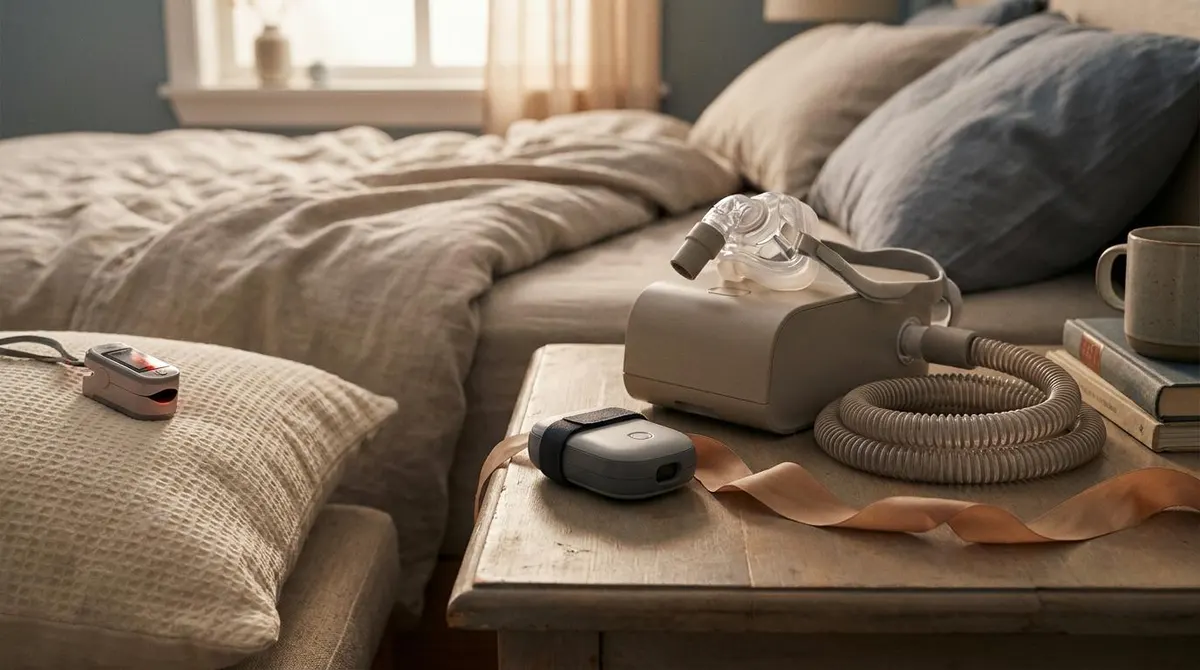
Can I get a CPAP machine after a home sleep apnea test? Yes, a home sleep apnea test can lead directly to a CPAP prescription if the results confirm obstructive sleep apnea. According to the American Academy of Sleep Medicine, home sleep apnea tests are a validated diagnostic pathway for moderate to severe obstructive sleep apnea in adults without significant comorbidities. This article is for anyone considering a home sleep test, whether you are a commercial driver facing DOT requirements, a person experiencing chronic snoring and daytime fatigue, or a patient looking for a faster, more affordable route to diagnosis and treatment. You will learn exactly how the process works from test to CPAP therapy, what your results mean, how prescriptions are issued, which CPAP equipment options exist, what insurance and self-pay pathways look like, and where limitations apply. Understanding this full pathway puts you in control of your next step.
Quick Answer
A home sleep apnea test can qualify you for a CPAP machine. If the test results show an Apnea-Hypopnea Index of 5 or higher and your physician confirms obstructive sleep apnea, a CPAP prescription can be issued without needing an in-lab sleep study. You then select equipment, get fitted for a mask, and begin therapy. The entire process from testing to treatment can take as little as one to two weeks. dumbo.health offers the full pathway, from a $149 home sleep test to physician-reviewed results and CPAP therapy starting at $59 per month.
Key Takeaways
- A home sleep apnea test is a clinically validated way to diagnose obstructive sleep apnea and qualify for CPAP therapy without visiting a sleep lab facility.
- Your Apnea-Hypopnea Index score determines whether you receive a CPAP prescription; an AHI of 5 or more events per hour indicates sleep apnea.
- A physician must review your home sleep test results and issue a CPAP prescription before you can purchase or receive a CPAP machine.
- dumbo.health provides a home sleep test for $149 and CPAP therapy with equipment starting at $59 per month with no insurance required and no contracts.
- Not all patients qualify for home testing; those with significant cardiac, pulmonary, or neurological conditions may need in-lab polysomnography.
- CPAP adherence matters clinically and for insurance compliance, with most guidelines requiring at least 4 hours of use per night on 70% of nights over a 30-day period.
What a Home Sleep Apnea Test Actually Measures
A home sleep apnea test is a portable diagnostic device that records your breathing, oxygen levels, airflow, and respiratory effort while you sleep in your own bed. Unlike in-lab polysomnography, which monitors brain waves, eye movements, and muscle activity across dozens of channels, a home sleep test focuses specifically on sleep-related breathing disorders.
How the Sensors Work
Most home sleep test devices use between four and seven sensors. A nasal cannula measures airflow through your nose and mouth. A pulse oximeter clips to your finger and tracks blood oxygen saturation levels throughout the night. A chest belt or sensor detects respiratory effort, recording how hard your body works to breathe. Some devices also include an accelerometer to determine body position and a microphone to record snoring intensity.
The data captured by these sensors allows a physician to calculate your Apnea-Hypopnea Index, which counts the number of times per hour your breathing partially or fully stops during sleep. The AHI is the primary metric used to diagnose obstructive sleep apnea and determine treatment eligibility.
Home Sleep Test vs. In-Lab Polysomnography
Home sleep apnea testing and in-lab polysomnography serve different clinical purposes. Understanding which test you need helps you avoid unnecessary delays and costs.
Setting
- Home Sleep Apnea Test: Your own bed at home
- Polysomnography: Sleep lab facility or hospital
Cost
- Home Sleep Apnea Test: Typically $149 to $500
- Polysomnography: Often $1,000 to $3,000 or more
Channels Monitored
- Home Sleep Apnea Test: 4 to 7 channels focused on breathing
- Polysomnography: 16 or more channels including brain activity
Convenience
- Home Sleep Apnea Test: High, no travel or overnight facility stay
- Polysomnography: Lower, requires scheduling and overnight stay
Best For
- Home Sleep Apnea Test: Adults with suspected moderate to severe obstructive sleep apnea
- Polysomnography: Complex cases, central sleep apnea, or when home test results are inconclusive
For most adults with classic symptoms of obstructive sleep apnea such as loud snoring, witnessed breathing pauses, and excessive daytime sleepiness, a home sleep test provides sufficient diagnostic data. dumbo.health offers an at-home sleep test for $149 with no insurance required, making it one of the most accessible entry points to diagnosis.
DID YOU KNOW: According to the Sleep Foundation, an estimated 80% of moderate to severe obstructive sleep apnea cases remain undiagnosed in the general population, partly because many people assume a sleep lab visit is the only testing option.
KEY TAKEAWAY: A home sleep apnea test measures airflow, oxygen levels, and respiratory effort to calculate your AHI, which is the score that determines whether you qualify for a CPAP machine.
Understanding what your test measures is the first step, but knowing what your results actually mean is what moves you toward treatment.
Understanding Your Home Sleep Test Results
Your home sleep test results center on one number: the Apnea-Hypopnea Index. The AHI measures how many times per hour your breathing stops (apnea) or becomes significantly reduced (hypopnea) during sleep. This single metric drives your diagnosis, your prescription, and your treatment pathway.
AHI Score Ranges and What They Mean
The apnea hypopnea index uses standardized thresholds established by the American Academy of Sleep Medicine to classify severity:
- AHI below 5: Normal, no significant sleep apnea
- AHI 5 to 14: Mild obstructive sleep apnea
- AHI 15 to 29: Moderate obstructive sleep apnea
- AHI 30 or higher: Severe obstructive sleep apnea
A physician reviews the raw data from your home sleep test to confirm the AHI calculation and check for data quality issues such as sensor displacement or insufficient recording time. The National Heart, Lung, and Blood Institute notes that obstructive sleep apnea is the most common sleep-related breathing disorder, and accurate AHI scoring is essential for appropriate treatment planning.
What Else Appears in Your Results
Beyond the AHI, your results typically include oxygen desaturation index (how often your blood oxygen drops by 3% or more), minimum oxygen saturation levels during the night, total recording time, average heart rate, and time spent in different body positions. Oxygen levels that repeatedly drop below 90% indicate more severe physiological stress and often strengthen the case for starting CPAP therapy promptly.
When you complete a home sleep test through dumbo.health, a physician interprets your results as part of the Essentials Plan at $59 per month. This physician interpretation is not an automated algorithm. A licensed sleep medicine provider reviews your data and generates a clinical report.
IMPORTANT: A home sleep test result alone does not constitute a diagnosis. A qualified physician or sleep specialist must review the data and confirm the diagnosis before any prescription can be issued.
KEY TAKEAWAY: Your AHI score is the primary number that determines whether you have sleep apnea and what treatment you qualify for, with an AHI of 5 or higher indicating some degree of obstructive sleep apnea.
Once your results are reviewed and your diagnosis confirmed, the next question is how you actually get a CPAP prescription.
How You Get a CPAP Prescription After a Home Sleep Test
A CPAP prescription is a legal requirement before you can purchase or receive a CPAP machine. The prescription is issued by a physician or qualified medical professional after reviewing your home sleep test results and confirming a diagnosis of obstructive sleep apnea.
The Prescription Process Step by Step
1. Complete your home sleep test by wearing the device for one full night of sleep, following the instructions for sensor placement and device activation.
2. Return or upload your test data so the results can be processed and scored by qualified clinical staff.
3. A physician reviews your results, calculates your AHI, and determines whether you meet the diagnostic criteria for obstructive sleep apnea.
4. If your AHI is 5 or higher and symptoms support the diagnosis, the physician issues a CPAP prescription specifying the type of positive airway pressure therapy recommended.
5. Your prescription includes recommended pressure settings or a pressure range, which guides equipment selection and initial setup.
6. Order your CPAP equipment through a provider like dumbo.health, a durable medical equipment supplier, or your sleep center.
7. Receive your CPAP machine, get fitted for the correct mask type, and begin therapy under clinical guidance.
After completing these steps, most patients can begin CPAP therapy within one to two weeks of their home sleep test night. dumbo.health compresses this timeline by handling testing, physician review, prescription, and equipment delivery through a single coordinated pathway.
Who Can Write a CPAP Prescription
A CPAP prescription can be written by any licensed physician, including your primary care doctor, a sleep specialist, or a medical doctor conducting a telehealth consultation. You do not necessarily need to see a dedicated sleep medicine specialist, though complex cases may benefit from one.
The FDA classifies CPAP machines as Class II medical devices, which means they require a prescription for purchase in the United States. No legitimate supplier will sell you a CPAP machine without a valid prescription, regardless of whether you pay cash or use insurance.
KEY TAKEAWAY: A physician must review your home sleep test results and issue a CPAP prescription before you can obtain a machine, and this process can be completed entirely through telehealth.
With prescription in hand, the next decision is choosing the right CPAP equipment for your needs.
Choosing the Right CPAP Machine and Equipment
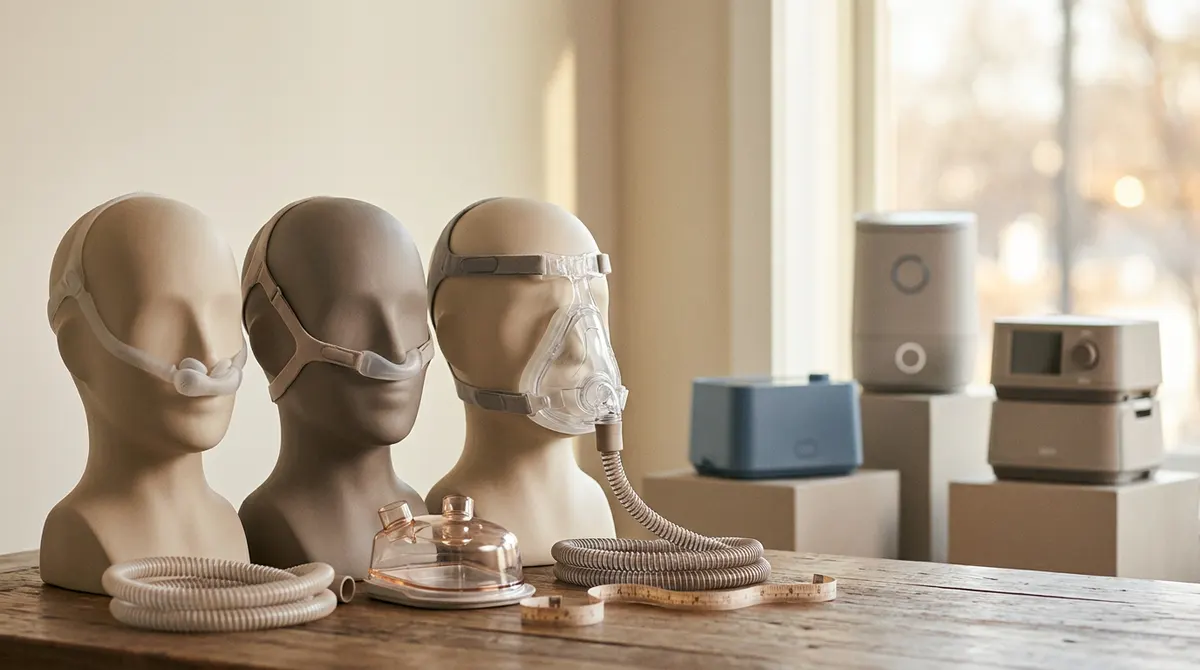
CPAP therapy requires three core components: a positive airway pressure machine, a mask, and connecting tubing. The right combination depends on your prescription, your breathing patterns, your comfort preferences, and your sleep position.
Types of PAP Machines
Not all positive airway pressure devices work the same way. Your physician or sleep specialist will recommend one of three main types based on your diagnosis and pressure needs.
A standard CPAP machine delivers a single fixed pressure throughout the night. This is the most common starting point for patients with straightforward obstructive sleep apnea. The pressure setting is determined by your physician based on your AHI and, in some cases, titration data.
An Auto CPAP (also called APAP) machine automatically adjusts pressure throughout the night within a prescribed range. APAP machines respond to real-time changes in airway resistance, increasing pressure when apneas or hypopneas are detected and decreasing it during stable breathing. Many patients find APAP more comfortable because the pressure is not constantly at the maximum setting.
A BiPAP machine delivers two different pressures: a higher pressure during inhalation and a lower pressure during exhalation. BiPAP is typically prescribed for patients who cannot tolerate high fixed pressures, patients with central sleep apnea, or those with concurrent conditions such as heart failure or chronic respiratory disease. BiPAP ASV (adaptive servo-ventilation) is a specialized variant used for complex sleep-related breathing disorders.
Mask Types and Fitting
Mask selection significantly affects adherence. A poorly fitting mask causes air leaks, skin irritation, and disrupted sleep, which leads many patients to abandon CPAP therapy prematurely. The three main mask types are:
- Nasal mask: Covers the nose only. Suitable for patients who breathe primarily through their nose and sleep in various positions. The most commonly prescribed first mask type.
- Full-face mask: Covers both the nose and mouth. Recommended for mouth breathers or patients who experience significant nasal congestion.
- Nasal pillows: Small cushions that sit at the nostril openings. Preferred by patients who feel claustrophobic with larger masks or who sleep on their side or stomach.
Proper mask fitting is essential. Many providers offer a mask exchange program that allows you to try a different mask type or size within a set period if the initial fit is not working. dumbo.health includes CPAP therapy and equipment in its monthly plans, with the Premium Plan at $89 per month adding a dedicated sleep coach who can help troubleshoot mask fitting and comfort issues.
Additional CPAP Supplies and Accessories
Beyond the machine and mask, several accessories improve comfort and therapy effectiveness:
- Humidifier: Most modern CPAP machines include an integrated heated humidifier with water chambers that add moisture to the airflow, reducing dryness and nasal irritation.
- Heated hoses: Tubing with built-in heating elements that prevent condensation (commonly called "rainout") from collecting in the tube.
- Mask parts: Replacement cushions, headgear straps, and chin straps that maintain a proper seal over time.
- Tubing: Standard or slim tubing that connects the machine to the mask.
CPAP supplies need regular replacement. Mask cushions typically require replacement every one to three months, and tubing every three to six months, depending on use and cleaning practices.
TIP: When selecting your first CPAP machine, ask your provider whether an Auto CPAP with a pressure ramp feature is appropriate. The pressure ramp gradually increases airflow from a lower starting point as you fall asleep, making the initial experience more comfortable.
KEY TAKEAWAY: Your CPAP machine type, mask type, and accessories should be matched to your prescription, breathing pattern, and comfort preferences, and getting the right fit early is the single biggest factor in long-term adherence.
Equipment selection is only part of the picture. Understanding how insurance and self-pay options work determines what you actually pay.
Insurance, Self-Pay, and the Real Cost of CPAP Therapy
CPAP therapy costs vary widely depending on whether you use insurance, pay out of pocket, or choose a bundled care plan. Understanding all three pathways helps you avoid surprise bills and unnecessary delays.
Insurance Coverage for CPAP After a Home Sleep Test
Most private insurance providers and the Centers for Medicare and Medicaid cover CPAP machines and supplies when a qualifying diagnosis is documented with proper ICD-10 codes. The standard ICD-10 code for obstructive sleep apnea is G47.33, and insurance billing requires both the diagnostic code and a valid CPAP prescription.
However, insurance coverage comes with conditions. Many insurance providers require prior authorization before approving equipment. Some insurers mandate that the home sleep test be performed by an in-network provider or that the AHI meet specific thresholds, often requiring an AHI of 15 or higher, or an AHI of 5 to 14 only when accompanied by documented symptoms. Medicare specifically requires compliance data showing you use the CPAP for at least 4 hours per night on at least 70% of nights during the first 90 days. Failure to meet this compliance threshold can result in the insurer reclaiming the equipment.
Insurance claims for CPAP equipment frequently involve copays, deductibles, and rental periods. Some insurers rent the machine to you for 10 to 13 months before you own it outright, during which you must demonstrate ongoing adherence. The total out-of-pocket cost through insurance can range from $200 to $1,000 or more depending on your plan's deductible and coverage tier.
Self-Pay and Cash-Pay Options
Self-pay eliminates prior authorizations, insurance claim paperwork, compliance monitoring tied to equipment ownership, and the risk of surprise bills. For patients without insurance or those who want a simpler path, cash-pay pricing is often competitive with or lower than the total out-of-pocket cost through insurance after factoring in deductibles and rental periods.
dumbo.health operates as a cash-pay service with transparent pricing patients can plan around. The home sleep test costs $149 as a one-time purchase. Monthly care plans that include physician interpretation, CPAP therapy, and equipment start at $59 per month for the Essentials Plan, $89 per month for the Premium Plan, and $129 per month for the Elite Plan. No contracts are required, and you can cancel anytime.
Cost Comparison: Insurance vs. Self-Pay vs. dumbo.health
Upfront Equipment Cost
- Insurance: $0 to $500 depending on deductible and copay
- Traditional Self-Pay: $500 to $2,000 for machine purchase
- dumbo.health: $0 upfront for equipment (included in monthly plan)
Monthly Cost
- Insurance: Copay plus rental fees, typically $30 to $100 per month during rental
- Traditional Self-Pay: $0 after purchase, but no included clinical support
- dumbo.health: $59 to $129 per month including equipment, physician review, and care
Prior Authorization Required
- Insurance: Yes, often with delays
- Traditional Self-Pay: No
- dumbo.health: No
Compliance Monitoring Tied to Ownership
- Insurance: Yes, especially Medicare
- Traditional Self-Pay: No
- dumbo.health: Monitoring included for your benefit, not tied to equipment ownership
Included Clinical Support
- Insurance: Varies by provider network
- Traditional Self-Pay: Typically none
- dumbo.health: Physician interpretation, follow-up care, and sleep coaching (Premium and Elite)
For many patients, the simplicity and predictability of a bundled plan through dumbo.health eliminates the most frustrating barriers to starting treatment. There are no insurance billing surprises, no third-party network restrictions, and no gaps in clinical support.
KEY TAKEAWAY: Insurance can cover CPAP therapy but often involves prior authorization, compliance requirements, and rental periods, while self-pay through dumbo.health offers predictable pricing starting at $59 per month with no contracts and no insurance needed.
Cost and coverage are important, but you also need to understand the step-by-step process of actually getting started with CPAP after your test.
How to Go From Home Sleep Test to CPAP Therapy
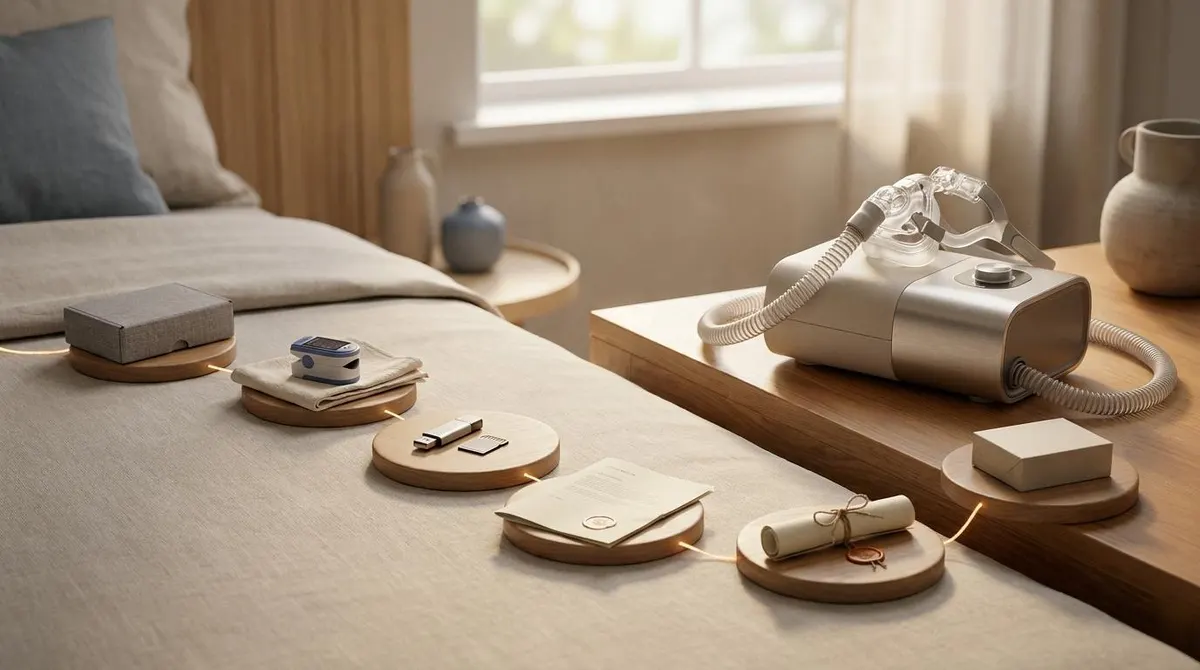
Starting CPAP therapy after a home sleep test follows a clear sequence. Each step builds on the previous one, and the entire process can be completed without visiting a sleep lab facility or making multiple in-person appointments.
Step-by-Step Process: Home Sleep Test to CPAP
1. Take the free sleep assessment at dumbo.health or consult your doctor to determine whether a home sleep test is appropriate based on your symptoms and medical history.
2. Order and receive your home sleep test kit. The dumbo.health Home Sleep Study Kit ships directly to your address and includes all sensors needed for one night of testing.
3. Wear the device for one full night following the provided instructions for sensor placement on your finger, chest, and nasal area.
4. Return or upload your sleep data. dumbo.health processes the data and routes it to a licensed physician for interpretation.
5. Receive your results and diagnosis. Your physician reviews your Apnea-Hypopnea Index, oxygen desaturation data, and overall sleep patterns to confirm or rule out obstructive sleep apnea.
6. If diagnosed with sleep apnea, your physician issues a CPAP prescription with recommended pressure settings or a pressure range for an Auto CPAP device.
7. Select your CPAP therapy plan and receive your PAP machine, mask, tubing, and accessories.
8. Begin CPAP therapy with follow-up support, including adherence monitoring and adjustments to pressure settings or mask fit as needed.
Most patients who complete testing through dumbo.health move from test night to active CPAP therapy within 7 to 14 days. This compressed timeline matters because untreated obstructive sleep apnea carries cumulative health risks. The Mayo Clinic notes that untreated sleep apnea is associated with increased risk of high blood pressure, heart failure, cardiovascular disease, type 2 diabetes, and daytime accidents.
KEY TAKEAWAY: The path from home sleep test to active CPAP therapy involves seven to eight clear steps and can be completed in as little as one to two weeks when using an integrated provider like dumbo.health.
Knowing the process is important, but real-world scenarios show how different people navigate it.
Real-World Scenarios: Getting a CPAP After a Home Sleep Test
Different people arrive at CPAP therapy through different circumstances. These scenarios illustrate how the home sleep test pathway applies across common situations.
Common Scenarios
Scenario 1: A 48-year-old long-haul truck driver has a BMI of 36 and a neck circumference of 18 inches. During a DOT physical, the examiner flags concerns about obstructive sleep apnea and requires a sleep test before issuing a medical certificate. The driver does not have health insurance through an employer. He orders a home sleep test from dumbo.health for $149, completes the test at home between routes, and receives results showing an AHI of 28, indicating moderate sleep apnea. A dumbo.health physician issues a CPAP prescription, and the driver enrolls in the Essentials Plan at $59 per month to receive his CPAP machine and begin treatment. His compliance data is shared with his DOT examiner, and he receives his medical certificate at his follow-up appointment. The entire process takes 10 days.
Scenario 2: A 55-year-old office worker has experienced loud snoring, morning headaches, and excessive daytime sleepiness for over two years. Her sleep partner reports witnessing breathing pauses during the night. She has insurance but faces a $2,500 deductible and does not want to wait three weeks for an in-lab polysomnography appointment at a sleep center near her. She completes a home sleep apnea test, receives an AHI of 19, and her primary care doctor writes a CPAP prescription. She compares the cost of renting a CPAP through her insurance (which would apply to her deductible) versus paying cash through a monthly plan. She chooses the Premium Plan at $89 per month because it includes a dedicated sleep coach and advanced adherence monitoring, which helps her adjust to therapy during the first critical weeks.
Scenario 3: A 34-year-old man scores 14 on the Epworth Sleepiness Scale, which indicates significant daytime sleepiness. His physician orders a home sleep test, but his results show an AHI of 3, which is below the diagnostic threshold for sleep apnea. His physician does not issue a CPAP prescription. Instead, the physician recommends improving sleep hygiene, evaluating for other sleep disorders, and considering an in-lab polysomnography to assess for conditions that a home test cannot detect, such as central sleep apnea or periodic limb movement disorder. This scenario illustrates that a home sleep test does not always lead to CPAP, and that is a feature of the diagnostic process, not a failure.
These scenarios highlight three important realities: home sleep testing works well for straightforward obstructive sleep apnea cases, the results can be turned around quickly through integrated providers, and normal results are a valid and important outcome.
KEY TAKEAWAY: The home sleep test to CPAP pathway works efficiently for most people with suspected obstructive sleep apnea, but results that do not show apnea are equally important and may point toward other conditions that need different evaluation.
Not every patient is a candidate for home testing, and understanding those boundaries protects your health and your time.
Limitations and When a Home Sleep Test May Not Be Enough
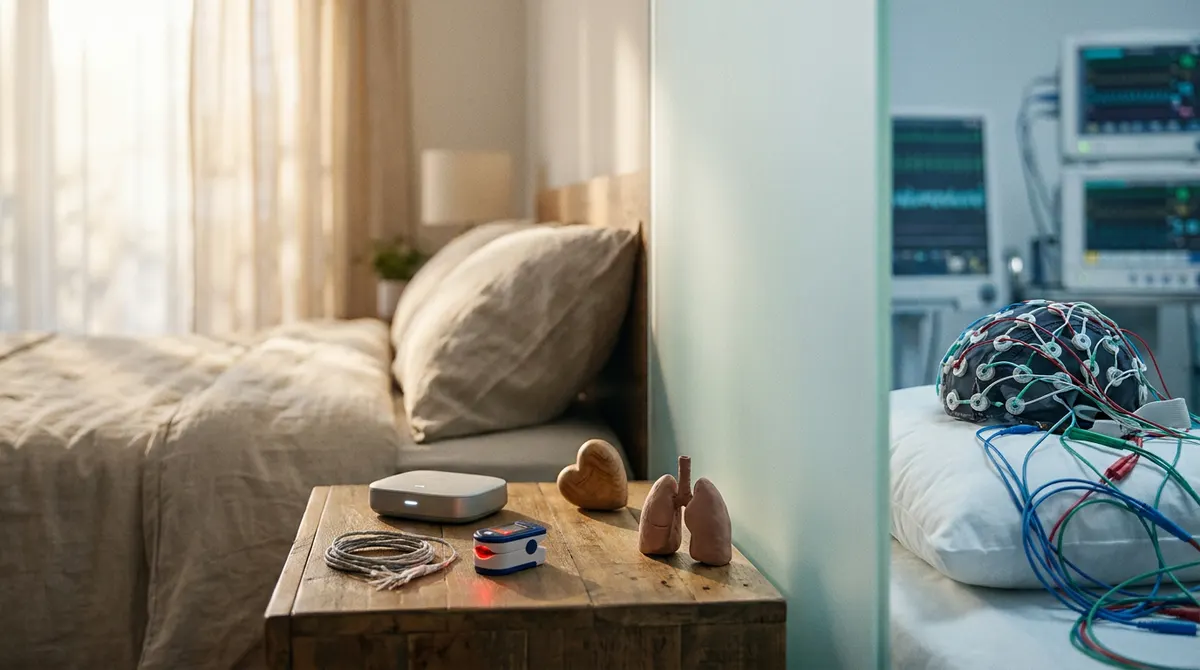
A home sleep apnea test is not appropriate for every patient. Certain clinical situations require in-lab polysomnography, and understanding these limitations prevents misdiagnosis and delayed treatment.
When Home Testing Falls Short
Home sleep tests are designed to detect obstructive sleep apnea. They do not reliably detect central sleep apnea, a condition where the brain fails to send proper signals to the muscles that control breathing. Central sleep apnea requires monitoring of brain activity through electroencephalography, which is only available during in-lab polysomnography.
Patients with significant comorbidities such as heart failure, chronic obstructive pulmonary disease, neuromuscular disease, or a history of stroke may produce home sleep test data that is difficult to interpret or that underestimates the severity of their condition. The American Academy of Sleep Medicine recommends in-lab testing for these populations.
Home sleep tests can also underestimate AHI in some patients. Because the device records total recording time rather than actual sleep time (it cannot detect when you are awake), the AHI may appear lower than it would in a controlled lab environment where sleep and wake states are precisely measured. If your symptoms strongly suggest sleep apnea but your home test AHI is borderline or normal, your physician may recommend in-lab polysomnography or in-lab titration studies to get a more accurate picture.
Specific Limitations to Be Aware Of
- A home sleep test cannot diagnose central sleep apnea, periodic limb movement disorder, narcolepsy, or other non-respiratory sleep disorders.
- If you have severe insomnia or frequently wake during the night, the test may not capture enough usable data from a single night.
- The accuracy of home testing depends on correct sensor placement. If a sensor detaches during the night, the data may be incomplete and the test may need to be repeated.
- Home sleep tests are validated for adults. Pediatric sleep apnea testing typically requires in-lab polysomnography.
- Some insurance providers still require in-lab polysomnography before approving CPAP equipment, though this requirement has become less common as home sleep apnea testing has gained clinical acceptance.
dumbo.health addresses several of these limitations by providing physician oversight of all results. If your home sleep test data is inconclusive or suggests a condition beyond obstructive sleep apnea, the reviewing physician can recommend next steps, including referral for in-lab polysomnography or a telehealth consultation to discuss alternative testing and treatment options.
IMPORTANT: A negative or inconclusive home sleep test does not mean you do not have a sleep disorder. It means the specific test did not detect obstructive sleep apnea, and further evaluation may be warranted.
KEY TAKEAWAY: Home sleep tests are highly effective for diagnosing obstructive sleep apnea in most adults, but they cannot detect central sleep apnea or non-respiratory sleep disorders, and inconclusive results should always be followed up with a physician.
Knowing the limitations of testing leads naturally to understanding the full range of treatment options available after diagnosis.
Treatment Options Beyond CPAP
CPAP therapy is the most widely prescribed treatment for obstructive sleep apnea, but it is not the only option. A complete understanding of treatment options helps you make an informed decision, especially if CPAP is not tolerable or appropriate for your situation.
CPAP Therapy as First-Line Treatment
Positive airway pressure therapy remains the gold standard for moderate to severe obstructive sleep apnea. CPAP works by delivering a continuous stream of pressurized air through a mask, which holds the airway open during sleep and prevents the collapses that cause apnea and hypopnea events. According to the NIH, CPAP is the most effective non-surgical treatment for obstructive sleep apnea when used consistently.
Effectiveness depends on adherence. Studies show that patients who use CPAP for at least 4 hours per night experience significant reductions in daytime sleepiness, blood pressure, and cardiovascular risk. The CDC highlights that adults need 7 or more hours of sleep per night, and CPAP therapy helps ensure that the sleep you get is restorative rather than fragmented by repeated breathing interruptions.
Oral Appliance Therapy
Oral appliance therapy uses a custom-fitted dental device that repositions the lower jaw forward during sleep to keep the airway open. Oral appliances are typically prescribed for mild to moderate obstructive sleep apnea or for patients who cannot tolerate CPAP. The American Academy of Sleep Medicine recognizes oral appliance therapy as a viable alternative when CPAP adherence is poor. A dentist trained in sleep medicine or dental equipment for sleep disorders fits the appliance and adjusts it over time.
Surgery
Surgical treatment options for sleep apnea include uvulopalatopharyngoplasty (removal of excess tissue in the throat), maxillomandibular advancement (repositioning the jaw), and hypoglossal nerve stimulation (an implantable device marketed under the brand name Inspire that stimulates the nerve controlling tongue movement to prevent airway collapse). Surgery is generally considered when CPAP and oral appliance therapy have failed or are not tolerable, and candidacy depends on the specific anatomical cause of the airway obstruction. An ENT doctor or sleep surgeon evaluates surgical options.
Positional Therapy and Lifestyle Modifications
For patients with positional obstructive sleep apnea, where events occur primarily when sleeping on the back, positional therapy devices can help by encouraging side sleeping. Weight loss is another significant factor. Research cited by the Sleep Foundation indicates that a 10% reduction in body weight can meaningfully reduce AHI in overweight or obese patients. Improving overall sleep hygiene, including maintaining a consistent sleep schedule, avoiding alcohol before bed, and optimizing the sleep environment, supports any primary treatment.
Desensitization Techniques for CPAP Adjustment
Some patients struggle with the sensation of pressurized air or the feeling of wearing a mask. Desensitization techniques involve gradually increasing the time you wear the CPAP mask, starting during waking hours while watching television or reading, then progressing to wearing it during naps, and finally using it for full nights. Sleep coaches, like those included in the dumbo.health Premium Plan, can guide patients through this adjustment process and help troubleshoot specific discomfort issues before the patient considers abandoning therapy.
KEY TAKEAWAY: CPAP is the first-line treatment for moderate to severe obstructive sleep apnea, but oral appliance therapy, surgery, positional therapy, and lifestyle changes are alternative or complementary options depending on severity and tolerance.
With all treatment options in view, it is important to separate fact from fiction about the entire process.
Common Myths About Getting a CPAP After a Home Sleep Test
Misinformation about home sleep testing and CPAP therapy creates unnecessary barriers for people who need treatment. These are the most common myths and the facts that correct them.
MYTH: A home sleep test is not accurate enough to qualify you for a CPAP machine.
FACT: Home sleep apnea tests are clinically validated by the American Academy of Sleep Medicine for diagnosing obstructive sleep apnea in adults with a moderate to high pretest probability. While they measure fewer channels than in-lab polysomnography, they accurately detect the airflow interruptions, oxygen desaturation, and respiratory effort patterns needed to calculate an AHI and justify a CPAP prescription. Multiple peer-reviewed studies available through PubMed confirm that home sleep tests have strong sensitivity and specificity for moderate to severe obstructive sleep apnea.
MYTH: You need to visit a sleep lab facility and complete an overnight polysomnography before you can get a CPAP.
FACT: In-lab sleep studies are not required for all patients. Current clinical guidelines allow physicians to diagnose obstructive sleep apnea and prescribe CPAP based on home sleep test results alone when the clinical picture is straightforward. In-lab polysomnography is reserved for complex cases, inconclusive home test results, or when central sleep apnea or other non-respiratory sleep disorders are suspected.
MYTH: You can buy a CPAP machine online without a prescription.
FACT: FDA regulations classify CPAP machines as Class II prescription medical devices. Any legitimate retailer or provider, whether online or in-person, requires a valid prescription before selling or shipping a CPAP machine. Websites or sellers offering CPAP machines without a prescription are operating outside FDA guidelines. dumbo.health includes the physician review and prescription process within its care pathway, so you do not need to obtain a separate prescription elsewhere.
MYTH: If you use a CPAP machine, you have to use it for the rest of your life with no exceptions.
FACT: CPAP therapy is typically ongoing for as long as obstructive sleep apnea is present, but treatment needs can change. Significant weight loss, surgical intervention, or changes in underlying health conditions can reduce or eliminate the need for CPAP in some patients. Regular follow-up with your physician or sleep specialist allows for periodic reassessment. Some patients transition from CPAP to oral appliance therapy or other treatments based on updated testing.
MYTH: Insurance always covers the full cost of a CPAP machine after a home sleep test.
FACT: Insurance coverage for CPAP varies widely. Many plans require prior authorization, in-network providers, specific AHI thresholds, and documented compliance during a trial period. Copays, deductibles, and rental structures mean that out-of-pocket costs through insurance can still be substantial. Self-pay options like dumbo.health offer transparent pricing with no insurance required, no prior authorizations, and no surprise bills.
KEY TAKEAWAY: Home sleep tests are clinically valid for CPAP qualification, a prescription is legally required for any CPAP purchase, and both insurance and self-pay pathways have tradeoffs that patients should evaluate before choosing.
Now that common misconceptions are cleared up, here is what to prepare before you begin testing.
Preparing for Your Home Sleep Test: What to Know Before Test Night
Proper preparation for your home sleep test maximizes data quality and reduces the chance of needing a repeat test. Most preparation failures stem from simple oversights that are easy to avoid.
Pre-Test Checklist
- Confirm with your physician or provider that a home sleep test is appropriate for your symptoms and medical history
- Complete the free sleep assessment at dumbo.health if you have not yet been evaluated
- Avoid alcohol for at least 24 hours before test night, as alcohol relaxes airway muscles and can skew results
- Avoid caffeine after noon on test day to help you fall asleep at a normal time
- Do not take sleep medications unless specifically instructed by your doctor, as sedatives can alter respiratory patterns
- Shower before applying sensors to remove oils and lotions from your skin, which helps sensors adhere properly
- Charge the device if it requires charging, or confirm battery status before bedtime
- Read all instructions that come with your home sleep study kit before the test night, not during it
- Sleep in your normal bed and follow your normal bedtime routine to capture your typical sleep patterns
- Keep your phone or alarm set for the morning so you remove the device after a full night of recording
Following this checklist helps ensure your test captures a representative night of sleep data. Clinicians frequently observe that the most common reason for repeat testing is sensor displacement during the night, which is usually preventable with proper skin preparation and secure placement.
KEY TAKEAWAY: Preparing properly for your home sleep test takes minimal effort but significantly reduces the chance of incomplete data and the need for a costly repeat test.
With preparation covered, understanding how to maintain CPAP therapy over time is what separates short-term attempts from long-term health improvement.
Making CPAP Therapy Work Long-Term
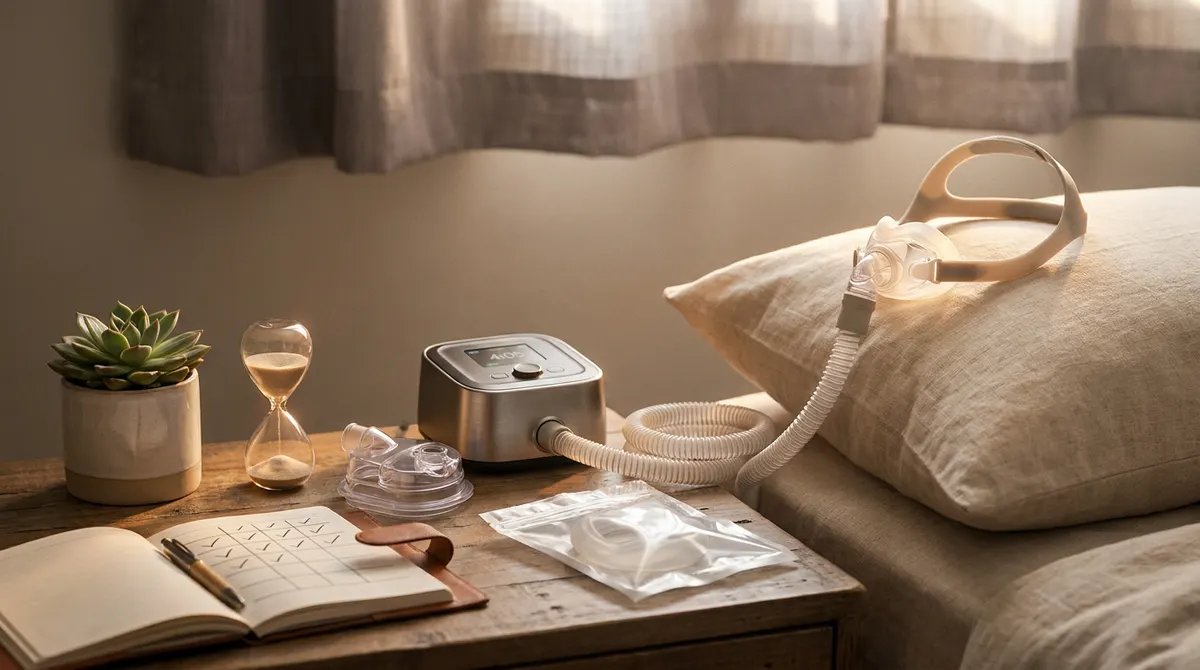
Long-term CPAP adherence is the factor that determines whether therapy actually improves your health. Starting CPAP is straightforward. Staying on it requires attention to comfort, routine, and support.
Why Adherence Matters
The clinical benefits of CPAP therapy are dose-dependent. According to the NIH, patients who use CPAP for fewer than 4 hours per night receive significantly less benefit than those who use it consistently. The threshold most commonly cited in clinical literature and by insurance compliance standards is 4 hours per night on at least 70% of nights over a 30-day period.
Consistent CPAP use has been shown to reduce daytime sleepiness, lower blood pressure, decrease the risk of cardiovascular events, and improve cognitive function. For commercial drivers, adherence is also tied to medical certification. Without documented compliance data, a DOT examiner may not issue or renew a medical certificate.
Common Barriers and How to Overcome Them
The most frequently reported barriers to CPAP adherence are mask discomfort, air leaks, nasal dryness, pressure intolerance, and the psychological adjustment to sleeping with a device. Each of these has a practical solution:
- Mask discomfort: Try a different mask type or size. A nasal mask may work better than a full-face mask or vice versa. Mask fitting should be reassessed if discomfort persists beyond the first week.
- Air leaks: Tighten the headgear gradually and check mask parts for wear. Replacing cushions every one to three months prevents degradation of the seal.
- Nasal dryness: Use the heated humidifier built into your CPAP machine and consider heated hoses to maintain moisture levels.
- Pressure intolerance: Ask your physician about using the pressure ramp feature, which starts at a lower pressure and gradually increases. Switching to an Auto CPAP that adjusts dynamically may also help.
- Psychological adjustment: Desensitization techniques, such as wearing the mask during short waking periods before progressing to full nights, can ease the transition.
The dumbo.health Premium Plan at $89 per month includes a dedicated sleep coach who provides personalized guidance through these early adjustment challenges. Advanced adherence monitoring tracks your nightly usage and flags potential issues before they become reasons to quit therapy.
Obstructive sleep apnea is a chronic condition for most patients. CPAP therapy does not cure the underlying airway anatomy, but it effectively manages the symptoms and the associated health risks every night it is used. Treating sleep apnea as an ongoing part of your health routine, similar to managing blood pressure or blood sugar, leads to the best outcomes.
KEY TAKEAWAY: CPAP adherence of at least 4 hours per night on 70% of nights produces the most significant health benefits, and early support from a sleep coach or clinical team dramatically improves the likelihood of long-term success.
Conclusion
Getting a CPAP machine after a home sleep apnea test is a well-established, clinically supported process. A single night of home testing provides the data a physician needs to diagnose obstructive sleep apnea and issue a CPAP prescription. From there, selecting the right machine, mask, and care plan determines how effectively therapy works and how long you stick with it. The entire pathway, from test to treatment, does not need to involve sleep lab visits, insurance delays, or unpredictable costs. dumbo.health offers a complete sleep apnea care solution that starts with a $149 home sleep test and includes CPAP therapy with physician oversight from $59 per month, with no insurance required and no contracts. If you are ready to find out whether you qualify, the first step takes less than five minutes.
Frequently Asked Questions About Getting a CPAP Machine After a Home Sleep Apnea Test
Can I get a CPAP machine after a home sleep apnea test?
Yes, a home sleep apnea test can lead directly to a CPAP prescription and CPAP therapy if the results support a diagnosis of obstructive sleep apnea. After a physician interprets your home sleep apnea test results and confirms a diagnosis, they can issue a prescription for a CPAP machine. You do not need to complete an in-lab sleep study to qualify for CPAP therapy in most cases. A healthcare professional will review your apnea-hypopnea index, oxygen levels, and breathing patterns before prescribing the appropriate treatment. At-home sleep apnea testing through dumbo.health includes physician interpretation and a report as part of ongoing care plans.
Do you need a prescription for a CPAP machine?
Yes, a CPAP machine requires a valid prescription in the United States. The FDA classifies CPAP machines as Class II medical devices, which means they must be prescribed by a licensed healthcare professional. A prescription is required whether you purchase from an online retailer, a durable medical equipment supplier, or a sleep center. The prescription specifies your pressure settings, mask type, and whether a CPAP, APAP, or BiPAP machine is appropriate for your breathing patterns. A physician, sleep specialist, or other qualified medical professional can issue a CPAP prescription following a confirmed sleep apnea diagnosis from a home sleep apnea test or polysomnography.
Who can write a CPAP prescription?
A CPAP prescription can be written by a licensed medical doctor, a sleep specialist, a pulmonologist, a neurologist, or in many cases a nurse practitioner or physician assistant working within their scope of practice. The prescribing clinician must review your sleep test results, confirm a diagnosis of a sleep-related breathing disorder, and determine appropriate pressure settings before issuing the prescription. Telehealth consultations have made it easier for patients to connect with a physician who can review home sleep apnea test results and issue a prescription without requiring an in-person visit. A healthcare professional is always responsible for the final prescribing decision.
What must be included on a CPAP prescription?
A valid CPAP prescription typically includes your name, the date, a diagnosis code such as the ICD-10 code for obstructive sleep apnea, the type of PAP machine prescribed, the prescribed pressure settings or pressure range, the mask type, and the prescribing physician's details and signature. Some prescriptions also specify whether a humidifier, heated hose, or specific CPAP supplies are required. Your durable medical equipment supplier or online CPAP retailer will require a copy of this prescription before completing your order. A healthcare professional can clarify what your specific prescription includes.
What is the difference between CPAP, APAP, and BiPAP therapy?
CPAP delivers a single fixed pressure continuously to keep the airway open during sleep. APAP, also called auto CPAP or automatic positive airway pressure, adjusts pressure automatically throughout the night based on your breathing patterns, which can improve comfort for some patients. BiPAP, or bilevel positive airway pressure, delivers two separate pressure levels, one for inhalation and a lower one for exhalation, and is often prescribed for patients with central sleep apnea, heart failure, or those who cannot tolerate standard CPAP therapy. According to the American Academy of Sleep Medicine, the appropriate PAP machine type depends on your diagnosis, apnea-hypopnea index, and breathing profile. A sleep physician will determine which machine is right for you.
Can I buy a CPAP machine without a sleep study?
You cannot legally purchase a prescription-required CPAP machine in the United States without a valid prescription, and a prescription requires a confirmed sleep apnea diagnosis. However, a home sleep apnea test is a recognised and clinically accepted way to obtain that diagnosis without spending a night in a sleep lab facility. The American Academy of Sleep Medicine recognises home sleep apnea testing as an appropriate diagnostic pathway for adults with a high likelihood of moderate-to-severe obstructive sleep apnea. Completing an at-home sleep test is often the most direct route from suspecting sleep apnea to receiving a CPAP prescription. You can get an at-home sleep test through dumbo.health for a one-time cost of $149 with no insurance required.
Can I buy a CPAP machine without insurance?
Yes, CPAP machines can be purchased without insurance through online CPAP retailers, durable medical equipment suppliers, and care platforms that offer cash-pay options. You will still need a valid CPAP prescription. Insurance coverage for CPAP typically involves prior authorizations, compliance monitoring requirements, and ongoing documentation, which some patients find burdensome. Cash-pay options can offer more flexibility and faster access to equipment. dumbo.health monthly plans include CPAP therapy and equipment starting at $59 per month with no insurance required, no prior authorizations, and no surprise bills. A healthcare professional should still guide your treatment decisions regardless of how you pay.
How long is a CPAP prescription valid?
A CPAP prescription is generally valid for one year in the United States, though this can vary by state and by the prescribing physician's instructions. After the prescription expires, you typically need a follow-up consultation with a healthcare professional to renew it. In some cases, a new sleep study may be requested if your symptoms have changed significantly or if your treatment is not effectively controlling your apnea-hypopnea index. It is worth confirming the validity period with your prescribing physician and your equipment supplier, as requirements can differ between providers and insurance arrangements.
Do I need a new sleep study to renew my CPAP prescription or get a new CPAP machine?
Not always. In many cases, a follow-up consultation with your physician or sleep specialist is sufficient to renew a CPAP prescription, provided your current treatment is working and your symptoms have remained stable. A new sleep test may be recommended if your weight has changed significantly, if your symptoms have worsened, or if your compliance data suggests your current pressure settings are no longer controlling your apnea effectively. A certified medical professional will assess whether a new study is needed before renewing your prescription or upgrading your equipment.
Are CPAP prescriptions valid in all states?
A CPAP prescription issued by a licensed US healthcare professional is generally accepted by CPAP suppliers across all states. However, telehealth prescribing rules vary by state, and some states impose restrictions on prescribing across state lines. If you receive a home sleep apnea test and physician consultation through a telehealth platform, confirm that the prescribing physician is licensed in your state. A healthcare professional can clarify any state-specific requirements that may apply to your situation.
What if my CPAP prescription has expired?
If your CPAP prescription has expired, you will need to schedule a follow-up consultation with a qualified healthcare professional to obtain a renewed prescription. Most CPAP equipment suppliers will not process orders for prescription-required devices without a current, valid prescription. Do not attempt to adjust your CPAP pressure settings without clinical guidance, as incorrect pressure can reduce treatment effectiveness or cause discomfort. A physician or sleep specialist can review your current compliance data, reassess your symptoms, and issue an updated prescription.
Do CPAP masks require a separate prescription?
In most cases, yes. CPAP masks are classified as prescription medical devices in the United States, which means you typically need a prescription that specifies the appropriate mask type, such as a full-face mask, nasal mask, or nasal pillow. Some suppliers include mask specifications within the overall CPAP prescription, while others require a separate document. Check with your equipment supplier to confirm what documentation they require before ordering replacement masks or trying a different mask type.
What happens during CPAP mask fitting and setup?
During CPAP mask fitting, a healthcare professional or trained equipment specialist helps you select a mask type that fits your face shape, breathing style, and comfort preferences. They will check for air leaks, adjust the headgear, and confirm the seal is adequate. Setup typically includes configuring the CPAP machine pressure settings, explaining how to use the humidifier and water chambers, and demonstrating how to clean the mask, tubing, and filters. A proper fit is important because a poorly fitting mask can cause discomfort, air leaks, skin irritation, and reduced treatment effectiveness. Your care team can guide you through adjustments during the initial period.
What is a PAP-Nap session and why is it helpful?
A PAP-Nap is a short, supervised daytime session in which a patient tries CPAP or another PAP machine while awake or lightly sleeping in a clinical setting. It is used to help patients who feel anxious or uncomfortable about CPAP therapy become familiar with the device before using it overnight. During a PAP-Nap, a sleep professional can adjust pressure settings, try different mask types, and use desensitization techniques to improve comfort and build confidence. Not all care providers offer PAP-Nap sessions, so ask your sleep physician or care team whether this option is available if you are concerned about tolerating CPAP.
What if I cannot tolerate CPAP therapy?
CPAP intolerance is a recognised challenge. If you cannot tolerate CPAP therapy, a healthcare professional may consider alternative options such as APAP, which automatically adjusts pressure and can feel more comfortable, or BiPAP, which uses lower pressure on exhalation and may suit patients who struggle with breathing out against CPAP pressure. Other treatment options for obstructive sleep apnea include oral appliance therapy, which involves a custom dental device fitted by a qualified provider, upper airway surgery in selected cases, and positional therapy for mild positional sleep apnea. The Mayo Clinic notes that treatment choice depends on the severity of your apnea, your anatomy, and your tolerance for different therapies. A sleep specialist can review your options.
What sleep apnea treatment options are available besides CPAP?
Beyond CPAP therapy, treatment options for obstructive sleep apnea may include APAP machines, BiPAP devices, oral appliance therapy fitted by a dentist with sleep medicine training, positional therapy, upper airway surgery, hypoglossal nerve stimulation devices such as Inspire for eligible patients, and weight management interventions in appropriate cases. Central sleep apnea may require different treatment approaches, including BiPAP ASV, which is adaptive servo-ventilation. The right treatment depends on your diagnosis, apnea severity, anatomy, other medical conditions, and personal preferences. A sleep physician or sleep specialist can help you understand your options based on your specific test results and clinical picture.
What is the apnea-hypopnea index and why does it matter?
The apnea-hypopnea index, or AHI, is the number of apneas and hypopneas, meaning complete and partial breathing interruptions, recorded per hour of sleep. It is the primary measure used to classify sleep apnea severity. According to the American Academy of Sleep Medicine, an AHI of fewer than 5 events per hour is generally considered normal in adults, 5 to 14 events per hour is mild sleep apnea, 15 to 29 events per hour is moderate, and 30 or more events per hour is severe. Your AHI influences whether a CPAP prescription is appropriate, what pressure settings are recommended, and whether your treatment is working over time. Ongoing compliance monitoring tracks whether your AHI remains controlled during CPAP therapy.
What symptoms suggest I might need a sleep apnea test?
Common symptoms that may indicate obstructive sleep apnea include loud snoring, observed pauses in breathing during sleep, waking up gasping for air, excessive daytime sleepiness, morning headaches, difficulty concentrating, irritability, and a dry mouth or sore throat on waking. The STOP questionnaire, used in clinical screening, asks whether you snore loudly, feel tired during the day, have been observed stopping breathing during sleep, and whether you have high blood pressure. The Epworth Sleepiness Scale is another tool used to assess daytime sleepiness levels. If you or a bed partner notice several of these signs, speaking with a healthcare professional about whether a home sleep apnea test is appropriate is a reasonable first step. You can take a free sleep assessment to help evaluate your situation.
What is obstructive sleep apnea and how is it different from central sleep apnea?
Obstructive sleep apnea occurs when the upper airway repeatedly collapses or becomes blocked during sleep, causing breathing interruptions. It is the most common form of sleep apnea. Central sleep apnea is less common and occurs when the brain fails to send the appropriate signals to the muscles that control breathing, rather than a physical airway obstruction. Complex sleep apnea syndrome, also called treatment-emergent central sleep apnea, involves elements of both. The distinction matters because CPAP therapy is most effective for obstructive sleep apnea, while central sleep apnea often requires different PAP therapy such as BiPAP ASV or additional medical investigation. A physician will interpret your sleep test results to determine which type of sleep apnea is present.
Why do some people develop sleep apnea?
Sleep apnea develops due to a combination of anatomical, physiological, and lifestyle factors. Common contributors to obstructive sleep apnea include excess weight or obesity, which increases soft tissue around the airway, enlarged tonsils or adenoids, a recessed jaw, nasal congestion, alcohol use before sleep, and sleeping on your back. The NHLBI notes that age, male sex, family history, and certain medical conditions such as hypothyroidism and heart failure are also associated with increased risk. Central sleep apnea is more commonly linked to neurological conditions, heart failure, or the use of certain medications. A clinician can review your individual risk factors after a diagnosis is confirmed.
How does CPAP compliance data help manage my treatment?
Most modern CPAP machines record usage data including hours of use per night, AHI during therapy, mask leak rates, and pressure levels. This compliance data helps your care team assess whether you are using CPAP consistently, whether your current settings are effectively reducing breathing interruptions, and whether mask leaks or discomfort are affecting your therapy. Consistent nightly use, typically defined as at least four hours per night for most nights in Medicare and insurance contexts, is often required to maintain access to covered equipment. Regular compliance data review with a clinician or sleep coach helps catch problems early and supports better long-term outcomes. dumbo.health Premium and Elite plans include advanced adherence monitoring and dedicated sleep coach support.
How often should I have a follow-up with my doctor after starting CPAP?
Follow-up frequency after starting CPAP therapy varies depending on your provider's protocol, your compliance data, and how well you are tolerating treatment. A common approach involves a check-in within the first one to four weeks to address early mask fitting issues, pressure tolerance, and compliance, followed by a review at around three months. Ongoing annual reviews are typical for stable patients. If your symptoms return, your AHI rises in your compliance data, or your weight changes significantly, an earlier review is recommended. Ask your prescribing physician what their specific aftercare protocol involves and how frequently they recommend follow-up titrations or pressure adjustments.
Will I be able to choose my own CPAP machine and mask?
In many cases, yes, though the options available to you depend on your prescription, your equipment supplier, and your insurance arrangements if applicable. Your prescription specifies the type of PAP machine and the pressure parameters, but it may allow flexibility in brand and model. Mask choice is also often flexible within the prescribed mask type, such as full-face, nasal, or nasal pillow designs. Some insurance plans restrict equipment to specific suppliers or brands within their networks. Cash-pay pathways generally offer more flexibility. Discuss your preferences with your prescribing physician and equipment supplier before your order is finalised.
How often should I replace my CPAP mask, tubing, and filters?
Replacement schedules for CPAP supplies vary by component and by manufacturer guidance. As a general guideline, mask cushions are typically replaced every one to three months, full mask frames every three to six months, CPAP tubing every three months, and machine filters monthly for disposable filters or every six months for non-disposable filters. Heated hoses and water chambers for humidifiers also have recommended replacement intervals. Regular replacement helps maintain hygiene, prevent air leaks from worn cushions, and keep airflow consistent. Your care team or equipment supplier can advise on the replacement schedule appropriate for your specific equipment.
How should I clean and care for my CPAP equipment?
Daily cleaning of the CPAP mask and cushion with mild soap and warm water helps prevent bacteria, mould, and skin irritation. The water chamber for the humidifier should also be rinsed and dried daily and cleaned thoroughly with soap and water weekly. CPAP tubing should be washed weekly and allowed to air dry completely before use. Machine filters should be checked and cleaned or replaced according to the manufacturer's schedule. Never use bleach, alcohol wipes, or scented cleaning agents on CPAP components, as these can damage materials and cause skin reactions. Your equipment supplier or care team can provide cleaning guidance specific to your machine and mask parts.
Does Medicare cover CPAP machines?
Medicare Part B may cover CPAP machines and related equipment if you have a documented obstructive sleep apnea diagnosis supported by a qualifying sleep study and meet specific usage requirements. Coverage is subject to compliance monitoring, meaning Medicare typically requires evidence that you are using CPAP for a minimum number of hours per night to continue coverage. In-lab polysomnography is the traditional qualifying study, though coverage rules for home sleep apnea tests under Medicare have evolved over time. For the most current Medicare coverage criteria, the Centers for Medicare and Medicaid Services provides detailed local coverage determination information. A healthcare professional or DME supplier can help you understand what documentation Medicare requires.
How much does a home sleep apnea test cost if I pay out of pocket?
The cost of a home sleep apnea test paid out of pocket varies by provider, but cash-pay options have made testing more accessible. dumbo.health offers a home sleep apnea test for a one-time cost of $149, which includes the at-home testing device and one night of testing. This is separate from monthly care plans. Monthly plans covering physician interpretation, CPAP therapy, equipment, and adherence follow-up start at $59 per month. There are no contracts, no insurance requirements, and no prior authorizations. For more detail on sleep apnea care solutions and what each plan includes, you can compare options directly.
Do I need to spend a night in a sleep lab to get a CPAP prescription?
No, in many cases you do not need to spend a night in a sleep lab to receive a sleep apnea diagnosis and CPAP prescription. Home sleep apnea testing is a clinically validated alternative for adults who are likely to have moderate-to-severe obstructive sleep apnea and who do not have significant complicating conditions such as severe heart failure, neuromuscular disease, or suspected central sleep apnea. The American Academy of Sleep Medicine supports the use of home sleep apnea tests in appropriate clinical contexts. If your home sleep test results are inconclusive or suggest a more complex sleep disorder, a physician may recommend in-lab polysomnography as a follow-up step.
Where is the best place to buy a CPAP machine?
CPAP machines can be purchased through online CPAP retailers, durable medical equipment suppliers, sleep centers, hospitals, and integrated care platforms. Each option has trade-offs in terms of price, support, and flexibility. Online retailers often offer lower prices and broader selection, but may provide less hands-on fitting support. Sleep centers and DME suppliers typically offer more personalised fitting and follow-up but may involve insurance billing, prior authorizations, and limited equipment choices. Cash-pay platforms can offer transparent pricing with included physician review and adherence support. Regardless of where you purchase, you will need a valid CPAP prescription from a licensed healthcare professional. Learn about CPAP treatment options available through dumbo.health.
How can I find a sleep specialist near me?
You can find a sleep specialist in your area by asking your primary care physician for a referral, searching the American Academy of Sleep Medicine's online directory of accredited sleep centers, or using a telehealth platform that connects you with board-certified sleep physicians remotely. Telehealth sleep consultations have expanded significantly, which means you may not need to visit a sleep center in person, particularly for home sleep apnea test review and CPAP prescription issuance. If you have access challenges, geography limitations, or prefer cash-pay options, telehealth-based sleep apnea care can provide access to qualified physicians without requiring you to be near a specialised sleep lab facility.
What should I ask my doctor after receiving a sleep apnea diagnosis?
After a sleep apnea diagnosis, useful questions to ask your healthcare professional include: What type of sleep apnea do I have and how severe is it? What treatment is recommended for my specific diagnosis? Will I be using a CPAP, APAP, or BiPAP machine? Can I choose my own mask and equipment? What is the aftercare protocol and how often will we review my compliance data? What are my options if I cannot tolerate CPAP therapy? How will my results be communicated to my other providers? What does my prescription specify and how long is it valid? Having clear answers to these questions helps you start treatment with confidence and realistic expectations.
How does ongoing CPAP care and adherence support work?
Ongoing CPAP care involves regular review of your compliance data, pressure effectiveness, mask fit, and symptom control. A sleep physician or sleep coach can help you identify problems such as rising AHI values, mask leaks, or low nightly usage hours before they become significant. Adherence monitoring has become an important part of modern sleep apnea management because consistent CPAP use is associated with better outcomes for daytime sleepiness, cardiovascular health, and quality of life, according to the Sleep Foundation. dumbo.health Premium and Elite monthly plans include dedicated sleep coach support, advanced adherence monitoring, and priority results turnaround to help patients stay on track with treatment over time. Explore sleep apnea care solutions to compare what each plan includes.
Is a home sleep apnea test accurate enough to support a CPAP prescription?
A home sleep apnea test is accurate for diagnosing obstructive sleep apnea in adults who are likely to have moderate-to-severe disease and do not have significant complicating conditions. Home sleep apnea testing measures airflow, respiratory effort, oxygen saturation, and sometimes body position and snoring. It does not measure brain activity or sleep stages the way polysomnography does, which means it can underestimate AHI in some patients. The American Academy of Sleep Medicine considers home sleep apnea testing a valid diagnostic tool in appropriate clinical contexts. If results are borderline or inconclusive, a physician may recommend in-lab polysomnography. A qualified clinician interprets the results and determines whether they are sufficient to support a CPAP prescription.
Can commercial drivers use a home sleep apnea test for DOT sleep apnea evaluation?
Commercial drivers who are referred for sleep apnea evaluation as part of their DOT physical process may use a home sleep apnea test as a diagnostic step in many cases. A certified medical examiner evaluates whether a driver's sleep apnea risk warrants testing, and the resulting diagnosis and treatment documentation can factor into DOT medical certification decisions. It is important to understand that dumbo.health can support testing and care documentation for commercial drivers, but a certified medical examiner makes all DOT certification decisions. Drivers should confirm with their medical examiner what documentation is required. For more detail, see the home sleep apnea test for commercial drivers guide.
Related Home Sleep Apnea Test Topics
- CPAP Test at Home The Complete Guide to Home Sleep Apnea Testing and Treatment
- At Home Sleep Apnea Test with Ring How Ring-Based Sleep Testing Works and Whether It Can Diagnose Sleep Apnea
- Sleep Test to CPAP How Sleep Apnea Testing Leads to Treatment
- How Do You Get a Home Sleep Apnea Test The Complete Guide to At-Home Sleep Testing
- Home Sleep Apnea Test Ring How Ring-Based Sleep Testing Works for Sleep Apnea Detection
- How to Get a Sleep Apnea Test at Home The Complete Guide to Home Sleep Testing
- Can You Test for Sleep Apnea at Home A Complete Guide to Home Sleep Testing
- Home Sleep Apnea Test The Complete Guide to At-Home Sleep Apnea Testing
- At-Home Sleep Apnea Test The Complete Guide to Testing, Results, and Treatment
- How to Get Tested for Sleep Apnea The Complete Guide to Diagnosis, Sleep Studies, and Treatment
- Home Sleep Apnea Testing The Complete Guide to Diagnosing Sleep Apnea at Home
- Best Home Sleep Apnea Test A Clinical Guide to Choosing the Right At-Home Sleep Study
- How Is a Home Sleep Apnea Test Done A Complete Guide to At-Home Sleep Testing
- Home Sleep Apnea Test ICD-10 Codes The Complete Coding and Diagnostic Guide for Sleep Apnea Testing
- Sleep Apnea Test at Home The Complete Guide to Home Sleep Testing for Adults
- How Does a Home Sleep Apnea Test Work A Complete Guide to At-Home Sleep Testing
- Home Sleep Test The Complete Guide to At-Home Sleep Apnea Testing
- Home Sleep Apnea Test Near Me How to Get Tested Without a Sleep Lab Visit
- What Is a Home Sleep Apnea Test How At-Home Sleep Testing Works, What It Measures, and Who Needs One
- Sleep Test at Home The Complete Guide to Home Sleep Apnea Testing
- Sleep Apnea Sleep Study The Complete Guide to Testing, Diagnosis, and Treatment
- Obstructive Sleep Apnea Sleep Study The Complete Guide to Diagnosis, Testing, and Treatment
- Sleep Apnea Testing at Home The Complete Guide to Home Sleep Tests, Devices, and Results
- Sleep Apnea Diagnosis at Home The Complete Guide to Home Sleep Testing
- Can a Sleep Study Diagnose Sleep Apnea and Other Sleep Disorders
- Where Can I Buy a Home Sleep Apnea Test Without a Prescription
- Can Dentists Prescribe a Home Sleep Apnea Test What You Need to Know
- What Happens After a Home Sleep Apnea Test Results, Diagnosis, and Next Steps
- Sleep Apnea Test at Home with Insurance What Your Plan Actually Covers and How to Get Tested
- FDA Approved Home Sleep Apnea Test What Devices Are Cleared, How They Work, and How to Get Tested
- Home Sleep Apnea Test FSA Eligible How to Use Your Flexible Spending Account for Sleep Testing
- At-Home Sleep Apnea Test FSA How to Use Your Flexible Spending Account for Sleep Testing
- At Home Sleep Apnea Test HSA How to Use Your Health Savings Account for Sleep Testing
- Home Sleep Apnea Test CPT Code Complete Coding and Billing Guide for Sleep Studies
- CPT for Home Sleep Apnea Test Complete Coding and Billing Guide for Sleep Study Providers
- Can My Doctor Prescribe a Home Sleep Apnea Test What You Need to Know
- Home Sleep Apnea Test for Children What Parents Need to Know About Pediatric Sleep Testing
- Home Sleep Apnea Test for Kids What Parents Need to Know About Pediatric Sleep Testing
- Kids at Home Sleep Apnea Test What Parents Need to Know About Pediatric Sleep Testing
- At-Home Sleep Apnea Test for Toddlers What Parents Need to Know About Pediatric Sleep Testing
- Home Sleep Apnea Test Indications Who Qualifies and When At-Home Testing Is Clinically Appropriate
- Can a Home Sleep Apnea Test Be Wrong Accuracy, False Negatives, and What to Do Next
- How Long Does a Home Sleep Apnea Test Take What to Expect Before, During, and After Testing
- Home Sleep Testing Companies A Complete Guide to At-Home Sleep Apnea Diagnosis
- CPAP Test What It Is, How It Works, and What Your Results Mean
- Home Sleep Apnea Test Cost What You Actually Pay With and Without Insurance
- Can Sleep Apnea Be Diagnosed Without a Sleep Study
- At Home Sleep Study for Sleep Apnea The Complete Guide to Testing in Your Own Bed
- Sleep Study Test for Sleep Apnea The Complete Guide to Diagnosis, Testing Types, and Next Steps
- Sleep Study for Sleep Apnea What the Test Measures, How It Works, and What Your Results Mean
- Top-Rated Home Sleep Apnea Test Kits Available in the US
- Does Insurance Cover a Home Sleep Apnea Test What You Actually Pay
- Does Medicare Cover a Home Sleep Apnea Test What Beneficiaries Need to Know
- How Do Home Sleep Apnea Tests Compare to In-Lab Sleep Studies
- What Is the Cost of a Sleep Apnea Test at Home
- Where Can I Get a Take-Home Sleep Study Kit
- Average Cost of a Home Sleep Apnea Test Kit Shipped in the US
- Do I Need a Prescription for a Home Sleep Apnea Test Device
- Home Sleep Apnea Test FDA Approved What Devices Are Cleared and How They Work
- At-Home Sleep Apnea Test Covered by Medicaid What You Need to Know Before Getting Tested
- Polysomnography at Home How Home Sleep Testing Compares to In-Lab Sleep Studies
- Home Sleep Apnea Test Medicaid Coverage What Patients Need to Know
- Sleep Apnea Test at Home DOT Approved Options for Commercial Drivers
- Sleep Apnea Test Near Me How to Find Local and At-Home Testing Options
- At-Home Sleep Apnea Test DOT Approved The Complete Guide for Commercial Drivers
- CPT Code for Home Sleep Apnea Test The Complete Coding and Billing Guide
- Home Sleep Apnea Test CPT Codes A Complete Guide to Billing, Coding, and Reimbursement
- CPT Code for Home Sleep Apnea Test Complete Billing and Coding Guide
- Do You Need a Prescription for a Home Sleep Apnea Test
- At Home Sleep Apnea Test for VA Disability The Complete Guide for Veterans
- At-Home Sleep Apnea Test for VA The Complete Guide for Veterans
- What Does a Home Sleep Apnea Test Consist Of Sensors, Equipment, and What to Expect
- Does a Home Sleep Apnea Test Measure Apneas What the Device Actually Records
- Pediatric Home Sleep Apnea Test A Complete Guide for Parents and Providers
- Home Sleep Apnea Test Contraindications When an HSAT Is Not the Right Choice
- Home Sleep Apnea Test Guidelines Clinical Standards, Eligibility, and What Every Patient Should Know
- Home Sleep Apnea Test Parameters What Every Measurement Means and Why It Matters
- Sleep Apnea Diagnosis How Sleep Apnea Is Detected, Tested, and Confirmed
- Home Sleep Apnea Test Questionnaire Screening Tools, Risk Scores, and What Happens Next
- Sleep Apnea Test The Complete Guide to Diagnosis, Home Testing, and What Your Results Mean
- Home Sleep Testing The Complete Guide to Diagnosing Sleep Apnea From Your Own Bed
- Home Sleep Apnea Test False Negative Why It Happens and What to Do Next
- Sleep Apnea Checker How to Screen for Sleep Apnea and What Your Results Mean
- How Much Does a Home Sleep Apnea Test Cost Complete Pricing Breakdown for Self-Pay and Insured Patients
- What Is the Best At-Home Sleep Apnea Test A Clinical Comparison of Devices, Accuracy, and Cost
- Best At Home Sleep Apnea Test A Clinical Comparison
- Does Anyone Ever Pass a Sleep Apnea Test What Normal Results Actually Look Like
- How Does a Sleep Study Diagnose Sleep Apnea
- Sleep Study for Sleep Apnea What Happens, What It Measures, and What Your Results Mean
- What to Expect During a Sleep Study for Sleep Apnea
- Which Companies Offer Home Sleep Apnea Testing Services with Fast Results
- Home Sleep Test Cost What You Actually Pay With and Without Insurance
- Apnea Monitor The Complete Guide to Breathing Monitors for Sleep Apnea and Infant Care
- Are Home Sleep Apnea Tests Accurate What the Evidence Actually Shows
- Are Home Sleep Apnea Tests Reliable Clinical Evidence, Accuracy, and What the Data Actually Shows
- HSAT The Complete Guide to Home Sleep Apnea Testing
- Sleep Apnea Testing The Complete Guide to Diagnosis, Home Tests, and What Your Results Mean
- Sleep Apnea Testing Near Me How to Find the Right Test, Provider, and Path to Diagnosis
- Do At-Home Sleep Apnea Tests Work Clinical Accuracy, Limitations, and What the Evidence Shows
- Are Sleep Studies Covered by Insurance What You Actually Pay for Sleep Apnea Testing
AI summary
A home sleep apnea test (HSAT) is a portable sleep study that measures breathing signals at home to evaluate obstructive sleep apnea (OSA). It records airflow, oxygen saturation, and respiratory effort using sensors such as a nasal cannula, pulse oximeter, and chest belt, then supports calculation of the Apnea-Hypopnea Index (AHI). Key points: - CPAP eligibility: An AHI of 5 or higher can indicate OSA; severity is commonly categorized as 5–14 mild, 15–29 moderate, and 30+ severe. - Prescription requirement: A licensed clinician must review HSAT data and issue a CPAP prescription; CPAP devices are FDA Class II and cannot be sold legally without a prescription. - Care pathway: Typical steps include testing, data upload/return, physician interpretation, prescription with pressure settings or a range, equipment selection, mask fitting, and therapy start, often within 1–2 weeks. - Equipment: Options include fixed-pressure CPAP, auto-adjusting APAP, and BiPAP (including ASV for complex cases). - Constraints: HSAT may be inappropriate with significant comorbidities or suspected central sleep apnea; in-lab polysomnography may be needed if results are inconclusive. - Adherence: Common compliance thresholds reference at least 4 hours/night on 70% of nights over 30 days.

Nicolas Nemeth
Co-Founder
Nico is the co-founder of Dumbo Health, a digital sleep clinic that brings the entire obstructive sleep apnea journey home. Patients skip the sleep lab and the long wait to see a specialist. Dumbo Health ships an at home test, connects patients with licensed sleep clinicians by video, and delivers CPAP or a custom oral appliance with ongoing coaching and automatic resupply in one clear subscription.
Keep reading

VA At Home Sleep Apnea Test: The Complete Guide for Veterans

Home Sleep Apnea Test App: What Works, What Doesn't, and How to Get a Real Diagnosis


