At-Home Sleep Apnea Test for Toddlers: What Parents Need to Know About Pediatric Sleep Testing
Parents often look for at-home options when a toddler snores, gasps, or has paused breathing, but standard home sleep apnea tests are not validated for children. This article explains why the American Academy of Sleep Medicine recommends in-lab polysomnography as the diagnostic gold standard for pediatric obstructive sleep apnea. It outlines toddler-specific symptoms, causes such as enlarged tonsils and adenoids, and pediatric AHI thresholds. It compares in-lab testing with emerging home screening tools like overnight pulse oximetry and home respiratory polygraphy, including McGill Oximetry Score limitations. You will learn practical steps to prepare, how to navigate referrals and wait times, and why false negatives can occur. It also reviews common myths and summarizes typical treatments after diagnosis.
Struggling with sleep?
Find out if sleep apnea is the reason.
FDA-cleared. $149 flat. Physician-reviewed results in 48 hours.

At-Home Sleep Apnea Test for Toddlers: What Parents Need to Know About Pediatric Sleep Testing
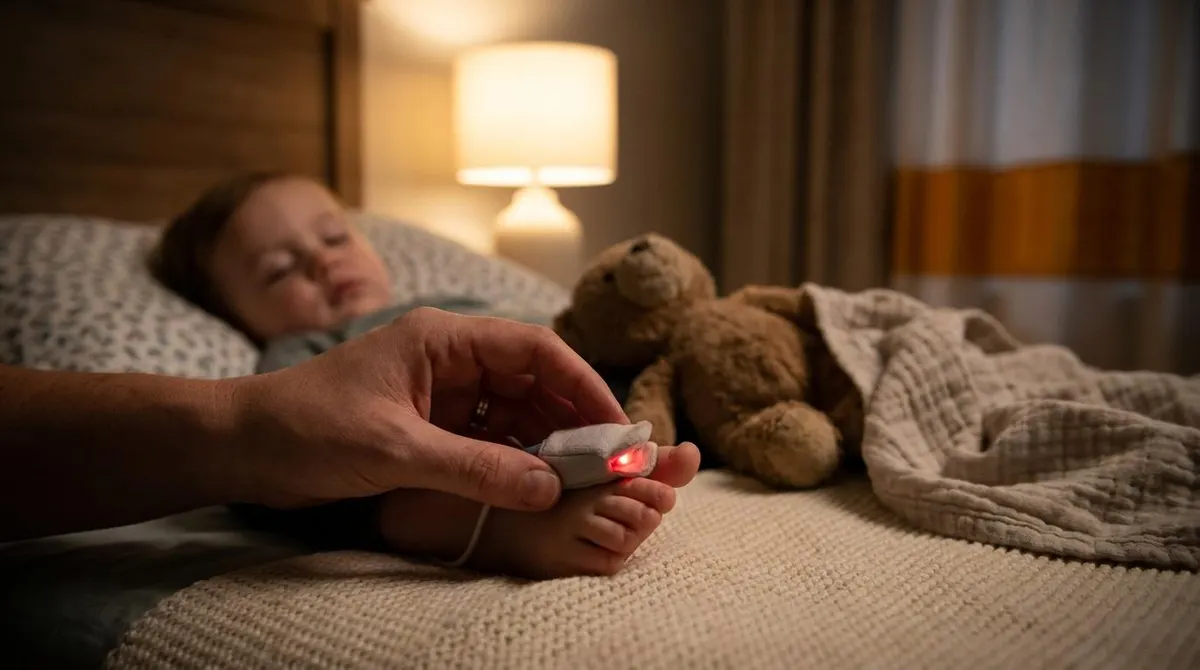
at-home sleep apnea test for toddler options are limited because the American Academy of Sleep Medicine does not currently recommend home sleep apnea testing (HSAT) as a standalone diagnostic tool for children under 18. According to the American Academy of Sleep Medicine, in-lab polysomnography remains the gold standard for diagnosing pediatric obstructive sleep apnea. This article is for parents and caregivers who have noticed snoring, paused breathing, or restless sleep in their toddler and want to understand what testing options exist, how pediatric sleep testing works, which at-home tools show clinical promise, and when a sleep center visit is necessary. Whether your child snores occasionally or struggles to breathe every night, understanding the testing landscape helps you take the right next step.
Quick Answer
At-home sleep apnea tests are not validated as a primary diagnostic tool for toddlers. The American Academy of Sleep Medicine recommends in-lab polysomnography for diagnosing obstructive sleep apnea in children. However, emerging home-based tools such as home respiratory polygraphy and pulse oximetry are being studied in pediatric settings and may play a screening role under physician supervision. Parents concerned about sleep-disordered breathing in a toddler should consult a pediatric sleep specialist. For adults and older individuals needing sleep apnea testing, dumbo.health offers a home sleep test for $149 with physician interpretation available through monthly care plans.
Key Takeaways
- The American Academy of Sleep Medicine considers in-lab polysomnography the gold standard for diagnosing sleep apnea in children, including toddlers.
- Home sleep apnea tests (HSATs) designed for adults are not validated for pediatric use and may miss critical data such as brain waves, sleep stages, and body position in young children.
- Pediatric obstructive sleep apnea affects an estimated 1 to 5 percent of children, with peak prevalence between ages 2 and 8, according to the American Academy of Sleep Medicine.
- Emerging pediatric home testing tools such as home respiratory polygraphy and oximetry screening show promise but require physician oversight and are not yet considered standalone diagnostic methods for toddlers.
- Untreated sleep apnea in toddlers can affect growth, behavior, cognitive development, and heart health, making early diagnosis critical.
- For adults or family members who need their own sleep apnea testing, dumbo.health provides a $149 at-home sleep test with no insurance required and monthly care plans starting at $59 per month.
What Is Sleep Apnea in Toddlers?
Sleep apnea in toddlers is a condition where a child repeatedly stops breathing or experiences reduced airflow during sleep. The most common form in young children is obstructive sleep apnea (OSA), caused by partial or complete blockage of the upper airway during sleep. Central sleep apnea, where the brain temporarily fails to send proper signals to the muscles controlling respiration, is less common but can also occur in pediatric patients.
How Pediatric OSA Differs from Adult Sleep Apnea
Pediatric obstructive sleep apnea differs from adult sleep apnea in several clinically significant ways. In toddlers, the most frequent cause of airway obstruction is enlarged tonsils and adenoids rather than excess body weight, which is the primary driver in adults. The apnea-hypopnea index (AHI) threshold for diagnosis also differs. According to the American Academy of Sleep Medicine, an obstructive apnea-hypopnea index of 1 or more events per hour is considered abnormal in children, while the adult threshold is 5 or more events per hour.
Children with sleep apnea often present with different symptoms than adults. Where adults commonly report daytime sleepiness, toddlers may show hyperactivity, behavioral problems, irritability, or failure to thrive. Snoring is a hallmark symptom, but not all toddlers who snore have sleep apnea, and not all toddlers with sleep apnea snore loudly.
DID YOU KNOW: According to the American Academy of Sleep Medicine, primary snoring without apneas occurs in up to 12 percent of children, while clinically significant pediatric OSA affects approximately 1 to 5 percent of the pediatric population.
Common Symptoms and Warning Signs
Parents and caregivers should watch for specific signs of sleep-disordered breathing in toddlers. These include loud or habitual snoring sounds, observed pauses in breathing during sleep, gasping or choking during sleep, mouth breathing, restless sleep with frequent position changes, night sweats, bedwetting beyond the expected age, and morning headaches. Daytime signs may include difficulty concentrating, behavioral issues, irritability, and slower growth compared to peers.
A pediatric sleep specialist or your child's physician may begin evaluation with a physical exam of the airway, tonsils, and adenoids, combined with detailed history-taking from caregivers.
KEY TAKEAWAY: Pediatric obstructive sleep apnea is diagnosed at a lower threshold than adult sleep apnea, most commonly results from enlarged tonsils and adenoids, and requires different diagnostic approaches than adult testing.
Understanding what causes sleep apnea in toddlers helps explain why standard adult home sleep tests fall short for this age group.
Why Standard Home Sleep Apnea Tests Are Not Recommended for Toddlers
Standard home sleep apnea tests (HSATs) are not validated for diagnosing sleep apnea in toddlers because they lack the data channels and monitoring capabilities required for accurate pediatric diagnosis. The American Academy of Sleep Medicine explicitly states that HSATs are not appropriate for patients under 18 years of age.
What Adult HSATs Measure and What They Miss
Most adult home sleep apnea tests are type 3 devices that measure airflow (typically via nasal cannula or nasal pressure transducer), respiratory effort (via respiratory band), oxygen saturation (via oximetry sensor), and heart rate. Some devices like the WatchPAT also measure peripheral arterial tone. These measurements are sufficient for diagnosing obstructive sleep apnea in uncomplicated adult patients.
However, adult HSATs do not measure brain waves, brain activity patterns, or sleep stages via electroencephalogram (EEG). They also do not monitor leg movements, body position (in most type 3 devices), or the nuanced respiratory patterns that characterize pediatric sleep-disordered breathing. Without electroencephalography data, the device cannot confirm whether the child is actually asleep, which directly affects the accuracy of the apnea-hypopnea index calculation.
Clinical Limitations Specific to Toddlers
Toddlers present unique challenges that make standard home testing unreliable. Small children move frequently during sleep, increasing the risk of sensor loss and signal artifact. A nasal cannula or nasal flow signal sensor that fits an adult will not fit securely on a toddler. The sensitivity and specificity of adult HSAT algorithms have not been validated against pediatric polysomnograms, meaning the scoring algorithms may misinterpret or miss apneas entirely.
Additionally, toddlers cannot follow instructions or self-apply equipment, which means a caregiver must manage all sensor placement and troubleshooting. If a sensor comes loose at 2 a.m., the caregiver must recognize the problem and reattach it correctly to maintain an artifact-free signal. This is a significant practical barrier that reduces data quality in home testing for young children.
What the Research Shows
A growing body of research has examined whether home respiratory polygraphy and home-based portable monitoring can approximate in-lab results for children. Some studies in older children (typically ages 5 and above) have shown acceptable correlation between home RPs and in-lab polysomnography for moderate to severe OSA. However, sensitivity drops significantly for mild OSA, and most studies have not included toddlers specifically. The respiratory disturbance index and obstructive apnea-hypopnea index measured by home devices tend to underestimate disease severity in pediatric patients compared to full polysomnography.
IMPORTANT: No home sleep apnea test currently available has regulatory clearance or clinical validation specifically for use in toddlers as a standalone diagnostic tool.
KEY TAKEAWAY: Standard adult home sleep apnea tests lack the sensors, algorithms, and physical design needed for accurate diagnosis in toddlers, and the American Academy of Sleep Medicine does not recommend them for patients under 18.
Given these limitations, in-lab polysomnography remains the primary diagnostic method for toddlers with suspected sleep apnea.
In-Lab Polysomnography: The Gold Standard for Toddlers
In-lab polysomnography is the most accurate and comprehensive method for diagnosing sleep apnea in toddlers. It is the only testing method the American Academy of Sleep Medicine endorses as a standalone diagnostic tool for pediatric sleep-disordered breathing.
What Happens During a Pediatric Sleep Study
A pediatric polysomnography, sometimes called a pediatric sleep study, takes place overnight at a sleep center or hospital sleep lab. The child sleeps in a monitored room while a sleep technologist records multiple physiological parameters. These include brain waves via electroencephalogram, eye movements, muscle activity, heart rate, breathing effort via respiratory bands, airflow via nasal pressure transducer, oxygen saturation via SpO2 sensor, body position, and leg movements.
The CHOP Main Hospital Sleep Lab and similar pediatric-specialized facilities design their rooms to be child-friendly, allowing a parent or caregiver to stay overnight in the same room. The sleep technologist monitors tracings in real time and can intervene if equipment shifts or if the child becomes distressed.
How Pediatric Polysomnography Differs from Adult Studies
Pediatric polysomnograms use different scoring criteria than adult studies. The American Academy of Sleep Medicine pediatric scoring rules define an obstructive apnea as a reduction in airflow by 90 percent or more for at least two respiratory cycles, compared to the adult standard of 10 seconds. This distinction matters because toddlers breathe at a faster rate, and applying adult duration criteria would miss significant events.
Sleep stages are also interpreted differently in young children. Brain wave patterns in toddlers differ from adult patterns, and pediatric sleep specialists are trained to recognize age-appropriate variations in brain activity patterns and sleep architecture.
What to Expect: Before, During, and After the Study
Preparation helps reduce anxiety for both the child and caregiver. Most sleep centers recommend maintaining the child's normal bedtime routine and bringing familiar comfort items. Arrive at the sleep center in the evening, typically around 7 to 8 p.m. The sleep technologist applies sensors using gentle adhesive and elastic bands.
During the night, the child sleeps as normally as possible while data is recorded. In the morning, sensors are removed and the family goes home. A sleep medicine specialist reviews the data over the following days, and results are typically available within 1 to 2 weeks. The physician then discusses findings and treatment recommendations with the family.
DID YOU KNOW: A full pediatric polysomnography records over 20 distinct physiological channels simultaneously, providing a level of diagnostic detail that no current home testing device can replicate for toddlers.
KEY TAKEAWAY: In-lab polysomnography provides the most comprehensive and accurate diagnosis for toddlers with suspected sleep apnea, using pediatric-specific scoring criteria and continuous technologist monitoring.
While in-lab testing is the standard, emerging home-based tools are beginning to offer supplementary data in certain pediatric scenarios.
Emerging Home-Based Sleep Testing Tools for Children
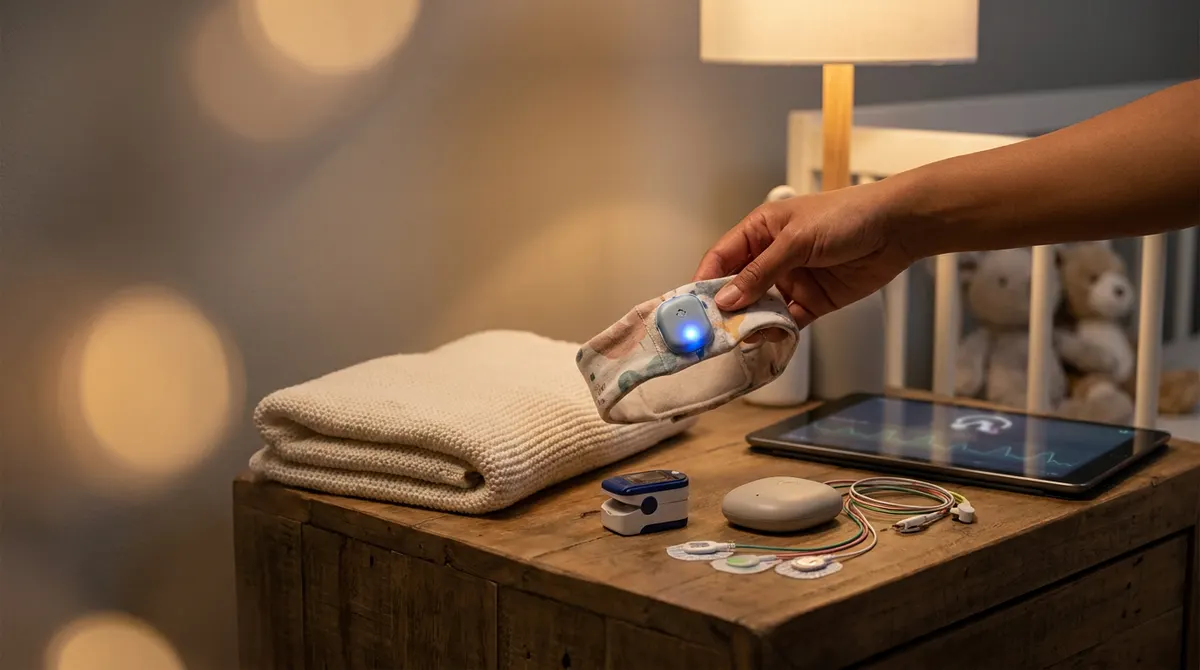
Emerging home-based pediatric sleep testing tools are showing clinical promise as screening or adjunctive tools, though none have replaced in-lab polysomnography for definitive diagnosis in toddlers. These devices aim to reduce wait times for sleep center appointments, which can extend several months in many areas.
Overnight Pulse Oximetry Screening
Overnight pulse oximetry is one of the simplest home screening approaches for pediatric sleep-disordered breathing. It involves placing an oximetry sensor on the child's finger or toe to continuously measure oxygen saturation (SpO2) and heart rate throughout the night. The data is then analyzed for patterns of oxygen desaturation that suggest obstructive events.
The McGill Oximetry Score is a validated scoring system used to interpret overnight oximetry data in children. A positive McGill Oximetry Score has high specificity for moderate to severe pediatric OSA, meaning a positive result strongly suggests the condition is present. However, a negative result does not rule out sleep apnea, because mild OSA may not cause significant oxygen desaturation. The Oxygen Desaturation Index (ODI), which counts the number of times oxygen levels drop by 3 percent or more per hour, provides additional insight into Hypoxic Burden.
Home Respiratory Polygraphy in Pediatric Settings
Home respiratory polygraphy (home RPs) uses a portable device that typically records airflow, respiratory effort, oxygen saturation, heart rate, and sometimes body position. These type 3 devices are more comprehensive than pulse oximetry alone but still lack the electroencephalography channels found in full polysomnography.
Research from pediatric sleep centers has shown that home RPs can detect moderate to severe OSA in school-age children with reasonable accuracy. However, data from in-hospital RPs compared to home RPs shows higher signal loss rates in the home environment, particularly in younger children. Sensor loss from movement, sensor adaptor issues, and difficulty maintaining a nasal cannula through the night reduce the amount of artifact-free signal available for scoring.
Innovative Pediatric-Specific Devices
Several research groups and companies are developing devices with Child-First Design principles. The Gabi Band, for example, is a chest-worn respiratory band designed specifically for pediatric use that monitors breathing rate, breathing effort, heart rate changes, and body position without requiring nasal sensors. While still in research phases, devices like this aim to improve participation rates and reduce signal artifact in young children.
The hinlab Home Sleep Test (marketed as the hinlab device) is another emerging tool that combines multiple sensor channels into a more compact form factor. Some pediatric Research Institute teams are evaluating whether such devices can generate reliable data in younger populations when combined with telemonitoring and caregiver-supported setup.
PediarityTM is a pediatric-focused platform that integrates Clinical Report Insights from home-based data collection with physician review. It uses questionnaires and the Sleep Clinical Score alongside objective data from home testing to provide a more complete clinical picture when in-lab testing is delayed or unavailable.
Structured Comparison: In-Lab Polysomnography vs. Home-Based Screening Tools for Toddlers
The following comparison highlights key differences between the gold standard and emerging home tools for pediatric sleep testing.
Channels Monitored
- In-Lab Polysomnography: 20 or more, including EEG, EMG, EOG, airflow, SpO2, heart rate, respiratory effort, leg movements, body position
- Home Pulse Oximetry: 2 (SpO2 and heart rate only)
- Home Respiratory Polygraphy: 4 to 7, typically airflow, SpO2, heart rate, respiratory effort, sometimes body position
Sleep Stage Identification
- In-Lab Polysomnography: Yes, through electroencephalogram
- Home Pulse Oximetry: No
- Home Respiratory Polygraphy: No
Validated for Toddlers
- In-Lab Polysomnography: Yes, gold standard per AASM
- Home Pulse Oximetry: Screening use only, not standalone diagnostic
- Home Respiratory Polygraphy: Limited validation in children over 5; minimal data for toddlers
Technologist Supervision
- In-Lab Polysomnography: Yes, real-time monitoring throughout the night
- Home Pulse Oximetry: No, caregiver manages device
- Home Respiratory Polygraphy: No, caregiver manages device
Sensitivity for Mild OSA
- In-Lab Polysomnography: High
- Home Pulse Oximetry: Low
- Home Respiratory Polygraphy: Moderate in older children, uncertain in toddlers
Cost Range
- In-Lab polysomnography: Often $1,000 to $3,000 or more depending on the facility and insurance
- Home Pulse Oximetry: $50 to $200 for device rental
- Home Respiratory Polygraphy: $150 to $500 depending on the provider
Convenience
- In-Lab Polysomnography: Low, requires overnight stay at a sleep center
- Home Pulse Oximetry: High, performed in the child's own bed
- Home Respiratory Polygraphy: High, performed at home
For toddlers, in-lab polysomnography remains the most reliable option. Home-based tools may serve as preliminary screening when wait times for a sleep center are long, but a normal home screening result does not rule out sleep apnea in a young child.
KEY TAKEAWAY: Emerging home-based tools like pulse oximetry and home respiratory polygraphy can provide useful screening data for pediatric sleep-disordered breathing, but they are not validated replacements for in-lab polysomnography in toddlers.
Knowing which tools exist is valuable, but understanding the step-by-step process for getting your toddler tested is equally important.
How to Get Your Toddler Tested for Sleep Apnea: A Step-by-Step Guide
Getting a toddler evaluated for sleep apnea involves a structured process that begins with recognizing symptoms and ends with a definitive diagnosis from a qualified provider.
Step-by-Step Process for Pediatric Sleep Apnea Evaluation
1. Track and document symptoms at home for at least two weeks, noting snoring frequency, pauses in breathing, mouth breathing, restless sleep, and any daytime behavioral changes. Video recording your toddler sleeping can provide valuable evidence for the physician.
2. Schedule an appointment with your child's pediatrician or primary care provider. Bring your symptom diary and any sleep videos. The physician will perform a physical exam focusing on the airway, tonsils, and adenoids to assess for visible obstruction.
3. Obtain a referral to a pediatric sleep specialist or a sleep medicine specialist with pediatric experience. General sleep labs that primarily serve adults may not have the pediatric expertise or equipment needed for accurate toddler testing.
4. Complete any screening questionnaires or pre-visit assessments provided by the sleep center. Some centers use validated tools to help stratify risk before scheduling a full sleep study.
5. Attend the overnight in-lab polysomnography at the designated sleep center. Bring comfort items, follow the child's usual bedtime routine, and plan for one parent or caregiver to stay in the room overnight.
6. Review results with the pediatric sleep specialist, who will explain the apnea-hypopnea index score, oxygen levels during sleep, and any other findings from the study. Based on results, the medical team will recommend a treatment plan.
After completing these steps, you will have a definitive diagnosis and a clear treatment pathway. The entire process from initial concern to diagnosis typically takes 4 to 12 weeks depending on referral wait times and sleep center availability in your area.
Checklist: What to Prepare Before Your Toddler's Sleep Study
- Two-week symptom diary documenting snoring, breathing pauses, and sleep behavior
- Video recordings of your toddler sleeping (at least 2 to 3 nights)
- List of all current medications and any known allergies
- Comfort items from home such as a favorite blanket, stuffed animal, or pajamas
- Your child's usual bedtime snack or bottle
- Insurance information or self-pay documentation if applicable
- Contact information for your referring physician
- List of questions for the sleep technologist and physician
- Charged phone or device for entertainment during evening setup
IMPORTANT: Ask the sleep center in advance whether they have pediatric-specific equipment and staff experienced with toddler-age patients. Not all sleep labs are equipped for very young children.
KEY TAKEAWAY: The pediatric sleep apnea evaluation process starts with symptom documentation and a pediatrician visit, followed by a referral to a pediatric sleep specialist and an overnight in-lab polysomnography.
Once you understand the testing pathway, it helps to consider the real-world scenarios families face when navigating this process.
Real-World Scenarios: When Families Seek Pediatric Sleep Apnea Testing
Real-world testing scenarios illustrate how different families encounter and navigate the pediatric sleep apnea evaluation process. These examples reflect common situations that pediatric sleep specialists see in clinical practice.
Common Scenarios
Scenario 1: A 3-Year-Old with Chronic Loud Snoring
A 3-year-old boy has snored loudly every night since age 18 months. His parents initially assumed the snoring was normal. At a routine well-child visit, the pediatrician noticed enlarged tonsils during a physical exam and asked about sleep quality. The parents described frequent nighttime awakenings, mouth breathing, and increasing irritability during the day. The pediatrician referred the family to a pediatric sleep specialist, who ordered an in-lab polysomnography. The sleep study revealed an obstructive apnea-hypopnea index of 8 events per hour with oxygen desaturation to 85 percent, confirming moderate pediatric OSA. The medical team recommended adenotonsillectomy as the first-line treatment.
Scenario 2: A 2-Year-Old with Down Syndrome and Suspected Sleep-Disordered Breathing
A 2-year-old girl with Down syndrome is referred by her developmental pediatrician for a sleep evaluation. Children with Down syndrome have a higher prevalence of obstructive sleep apnea due to anatomical differences including a smaller airway and relatively large tongue. Her caregivers report restless sleep, sweating, and periodic pauses in breathing. Because of her complex medical history, the sleep medicine specialist schedules an in-lab polysomnography at a children's hospital with pediatric sleep specialists experienced in neuromuscular and craniofacial conditions. The family lives 90 miles from the nearest pediatric sleep center, requiring an overnight hotel stay. The study confirms severe OSA with an AHI of 15. Treatment options discussed include adenotonsillectomy and, if residual OSA persists, continuous positive airway pressure (CPAP) therapy.
Scenario 3: A Parent Considering Home Testing After Long Wait Times
The parents of a 4-year-old who snores nightly are told the nearest pediatric sleep center has a 4-month wait for a polysomnography appointment. Frustrated by the delay, one parent researches at-home sleep tests online and considers ordering an adult HSAT. Their pediatrician advises against using an adult device, explaining that the sensitivity for detecting mild pediatric OSA is too low and the equipment is not designed for young children. Instead, the physician orders overnight pulse oximetry as a preliminary screening tool. The oximetry results show a positive McGill Oximetry Score, which strengthens the case for expediting the in-lab study. The sleep center moves the appointment up based on the screening results.
These scenarios highlight a recurring theme: while home-based screening tools can help triage urgent cases, definitive pediatric diagnosis still relies on in-lab testing with age-appropriate equipment and scoring criteria.
While these examples focus on toddlers, many parents going through the pediatric sleep apnea process also discover they have unaddressed sleep apnea symptoms themselves. For adults in the family who suspect sleep apnea, dumbo.health offers a straightforward at-home sleep test for $149 with no insurance required and no prior authorization needed. The process is designed for convenience, with physician interpretation included in monthly care plans starting at $59 per month.
KEY TAKEAWAY: Pediatric sleep apnea testing scenarios vary widely, but the consistent recommendation across clinical situations is that toddlers require in-lab polysomnography for accurate diagnosis, with home-based tools serving only as preliminary screening aids.
Understanding common scenarios also means recognizing the specific limitations and risks involved in pediatric sleep testing.
Limitations and Risks of Pediatric Sleep Apnea Testing
No diagnostic approach is without limitations. Being aware of these helps parents make informed decisions and set realistic expectations.
Limited Availability of Pediatric Sleep Centers
One of the most significant barriers to timely diagnosis is the limited number of pediatric-specialized sleep labs. Many communities do not have a nearby sleep center with pediatric sleep specialists on staff. According to the American Academy of Sleep Medicine, the demand for pediatric sleep studies often exceeds capacity, leading to wait times of weeks or months. Families in rural areas may need to travel considerable distances to find a provider with appropriate pediatric expertise.
First-Night Effect in Toddlers
The "first-night effect" describes the phenomenon where a patient sleeps differently in an unfamiliar environment than they would at home. Toddlers are particularly susceptible to this effect. The unfamiliar sleep center environment, attached sensors, and presence of monitoring equipment can cause disrupted sleep, extended sleep latency, or refusal to sleep at all. In some cases, the study may need to be repeated if insufficient data is captured. Clinicians frequently observe that younger children are more likely to remove sensors during the night, leading to signal loss and incomplete data.
Home Testing Accuracy Concerns for Young Children
As discussed earlier, home sleep apnea tests designed for adults have not been validated for toddlers. Even emerging pediatric home tools have limitations. Home respiratory polygraphy devices have lower sensitivity for mild OSA compared to polysomnography. The absence of electroencephalogram channels means these devices cannot distinguish between sleep and wakefulness, potentially inflating or deflating the calculated apnea-hypopnea index. Signal artifact from movement is more common in home recordings without a sleep technologist present to adjust equipment.
Risk of False Negatives
A false negative result occurs when a test indicates no sleep apnea is present when the child actually has the condition. This risk is higher with home screening tools. A normal overnight oximetry result does not exclude mild or even moderate OSA, because not all obstructive events produce measurable oxygen desaturation. Parents who receive a normal home screening result but continue to observe concerning symptoms should still pursue in-lab testing.
Cost and Insurance Barriers
Pediatric polysomnography costs can range from $1,000 to $3,000 or more, depending on the facility and geographic region. Insurance coverage varies, and some families face prior authorization requirements, high deductibles, or out-of-network costs for specialized pediatric sleep centers. Medicare does not apply to pediatric patients, and Medicaid coverage varies by state. These financial barriers can delay diagnosis and treatment.
dumbo.health does not currently offer pediatric sleep testing, but for adult family members who need their own sleep evaluation, the platform removes common access barriers. dumbo.health operates on a cash-pay model with no insurance required, no prior authorizations, and no surprise bills. The home sleep test costs $149 as a one-time fee, and ongoing care plans start at $59 per month with no contracts.
TIP: If your toddler's sleep study is delayed due to wait times, ask the referring physician whether overnight pulse oximetry screening could help prioritize your child's case at the sleep center.
KEY TAKEAWAY: Key limitations of pediatric sleep apnea testing include limited access to pediatric sleep centers, the first-night effect in young children, low sensitivity of home tools for mild OSA, and cost or insurance barriers that can delay diagnosis.
Beyond the practical limitations, several persistent myths can also delay parents from seeking appropriate testing for their toddler.
Common Myths About Toddler Sleep Apnea Debunked
MYTH: All children who snore have sleep apnea.
FACT: Habitual snoring is common in children, affecting up to 12 percent of the pediatric population according to the American Academy of Sleep Medicine. However, only about 1 to 5 percent of children have clinically significant obstructive sleep apnea. Snoring alone, without associated apneas, oxygen desaturation, or daytime symptoms, is classified as primary snoring and may not require treatment. A sleep study is the only way to differentiate primary snoring from obstructive sleep apnea.
MYTH: You can diagnose toddler sleep apnea with an at-home sleep test purchased online.
FACT: Consumer-grade and adult home sleep apnea tests are not validated for children, especially toddlers. These devices lack the electroencephalogram channels needed to confirm sleep versus wakefulness, use scoring algorithms calibrated for adult respiratory patterns, and are physically designed for adult anatomy. The American Academy of Sleep Medicine recommends in-lab polysomnography as the diagnostic standard for children. Using an adult at-home sleep test on a toddler can produce inaccurate results that either miss the diagnosis or provide false reassurance.
MYTH: Children grow out of sleep apnea, so testing is unnecessary.
FACT: While some children with mild OSA related to enlarged tonsils and adenoids may experience improvement as the airway grows, many do not. Untreated pediatric OSA is associated with neurocognitive impairment, behavioral problems, cardiovascular effects including elevated blood pressure, and growth delays. The NIH notes that early identification and treatment of sleep-disordered breathing in children can prevent long-term health consequences. Waiting without evaluation carries real risk.
MYTH: If my toddler sleeps through the night, they cannot have sleep apnea.
FACT: Many toddlers with sleep apnea do not fully wake during obstructive events. The apneas cause brief arousals that fragment sleep architecture without producing obvious awakenings that parents would notice. A toddler may appear to sleep through the night while actually experiencing dozens of micro-arousals that prevent restorative sleep. Daytime signs like irritability, hyperactivity, or difficulty concentrating often indicate disrupted sleep quality even when nighttime sleep duration appears adequate.
MYTH: sleep apnea testing for toddlers is too invasive and traumatic.
FACT: Modern pediatric sleep labs are specifically designed to minimize stress for young patients. Sleep technologists experienced in pediatric settings use child-friendly approaches, allow parents to stay in the room, and apply sensors with gentle adhesives. While some children may initially resist the sensors, most pediatric sleep specialists report that the majority of toddlers adapt and produce diagnostic-quality data. The benefits of accurate diagnosis far outweigh the temporary discomfort of a single overnight study.
KEY TAKEAWAY: Common myths about toddler sleep apnea often lead to delayed testing or reliance on inappropriate tools, but evidence-based facts from the American Academy of Sleep Medicine and NIH support early evaluation through proper pediatric polysomnography.
With myths addressed, understanding the treatment options that follow a positive diagnosis helps parents prepare for what comes after testing.
Treatment Options After a Toddler Is Diagnosed with Sleep Apnea
Adenotonsillectomy is the first-line treatment for most toddlers diagnosed with obstructive sleep apnea caused by enlarged tonsils and adenoids. This surgical procedure removes the tonsils and adenoid tissue that are blocking the airway during sleep.
Adenotonsillectomy
According to the American Academy of Sleep Medicine, adenotonsillectomy resolves OSA in approximately 75 to 80 percent of otherwise healthy children. The procedure is typically performed as an outpatient surgery, and most children recover within 1 to 2 weeks. A follow-up sleep study is often recommended 6 to 8 weeks after surgery to confirm that the apnea-hypopnea index has normalized, especially in children with severe OSA, obesity, or underlying conditions such as Down syndrome or neuromuscular disease.
CPAP Therapy for Pediatric Patients
When adenotonsillectomy does not fully resolve OSA, or when surgery is not appropriate due to the child's medical history, continuous positive airway pressure (CPAP) therapy may be prescribed. CPAP delivers a steady stream of air through a mask to keep the airway open during sleep. Pediatric CPAP masks are available in smaller sizes designed for young children. Bilevel positive airway pressure (BiPAP) may be used for children with neuromuscular disease or nocturnal hypoventilation who need variable pressure support.
Adherence to CPAP therapy in young children requires significant caregiver involvement and ongoing support from the medical team. Many pediatric sleep centers provide desensitization programs to help toddlers gradually adjust to wearing the mask.
For adults in the household who are prescribed CPAP after their own sleep apnea diagnosis, dumbo.health provides CPAP therapy and equipment through monthly plans starting at $59 per month, with no contracts and the option to cancel anytime. The Premium Plan at $89 per month includes a dedicated sleep coach who can help with adherence challenges.
Medical Management and Lifestyle Modifications
For mild pediatric OSA, or as an adjunctive approach alongside other treatments, physicians may recommend medical management. Options include nasal steroids such as fluticasone to reduce nasal inflammation and montelukast, a leukotriene receptor antagonist that may reduce adenoid and tonsillar lymphoid tissue size. Reducing exposure to airway irritants such as tobacco smoke and allergens can also improve symptoms.
In older children with obesity-related OSA, weight management is an important component of treatment. In rare and severe cases involving adolescents, weight-loss surgery may be considered as part of a comprehensive treatment plan. Oral appliances designed to reposition the jaw may be used in specific situations for older children, though this approach is less common in toddlers.
KEY TAKEAWAY: Adenotonsillectomy is the most effective first-line treatment for toddler OSA caused by enlarged tonsils and adenoids, with CPAP therapy and medical management available as secondary options when surgery is insufficient or not appropriate.
The treatment landscape connects directly to the importance of involving the right specialists and understanding when to seek further care.
When to See a Specialist and How to Find the Right Provider
Parents should seek a referral to a pediatric sleep specialist if their toddler shows persistent snoring, observed breathing pauses, or symptoms of sleep-disordered breathing that do not improve with initial interventions. Early referral is especially important for children with risk factors such as obesity, craniofacial abnormalities, Down syndrome, or neuromuscular disease.
Finding Pediatric Sleep Specialists Near You
Not every sleep medicine specialist has pediatric training. When looking for a provider in your area, verify that the physician is board-certified in sleep medicine and has specific experience with pediatric patients. The American Academy of Sleep Medicine maintains a directory of accredited sleep centers, which can help families find a qualified sleep center close to them.
Ask your child's pediatrician for a referral to a provider who regularly performs pediatric polysomnograms. Community hospitals with general sleep labs may not have the specialized equipment or technologist training required for accurate toddler testing. Pediatric-specialized facilities typically employ sleep technologists trained in applying sensors to young children and interpreting pediatric tracings.
Questions to Ask Before Scheduling
Before booking a sleep study, ask the sleep center:
- Does your facility perform pediatric polysomnograms for children under age 5?
- Do you have sleep technologists experienced with toddler-age patients?
- Can a parent or caregiver stay overnight in the room?
- What is the typical wait time for a pediatric sleep study appointment?
- How long does it take to receive results and physician interpretation?
- Does your center use pediatric-specific scoring criteria for brain wave patterns and respiratory events?
These questions help ensure your child receives testing in an appropriate pediatric setting with staff trained to handle the unique challenges of toddler sleep studies.
Pediatric sleep apnea testing for toddlers is the focus of this article. However, sleep apnea is often a family concern. Many parents discover their own sleep apnea risk while researching their child's symptoms. Adults who suspect they may have sleep apnea can complete a free sleep assessmentthrough dumbo.health to determine whether testing is appropriate. The assessment takes minutes, and if testing is recommended, the home sleep test can be ordered online for $149 with results reviewed by a physician.
KEY TAKEAWAY: Finding a pediatric sleep specialist with experience testing toddlers is critical for accurate diagnosis, and parents should confirm that the sleep center has age-appropriate equipment, trained technologists, and pediatric scoring expertise before scheduling.
Conclusion
Diagnosing sleep apnea in a toddler requires the right testing approach, and for young children, that means in-lab polysomnography under the care of a pediatric sleep specialist. While home-based screening tools are evolving, none are validated to replace the diagnostic accuracy of a supervised overnight sleep study for toddlers. Parents who notice persistent snoring, breathing pauses, or behavioral changes in their child should act early by documenting symptoms and seeking a referral. Early diagnosis leads to effective treatment, most often adenotonsillectomy, that can meaningfully improve a child's sleep, growth, and development. For adult family members concerned about their own sleep apnea, dumbo.health offers sleep apnea care solutions with a $149 home sleep test, no insurance required, and monthly care plans starting at $59 per month with no contracts.
Frequently Asked Questions About At-Home Sleep Apnea Testing for Toddlers and Children
What is an at-home sleep apnea test for children?
An at-home sleep apnea test (also called a home sleep apnea test or HSAT) is a portable monitoring device a child wears overnight in their own home to record breathing patterns, oxygen levels, heart rate, and airflow. Unlike an in-lab polysomnography, the child sleeps in their own bed rather than a sleep center. While this approach is well-established in adults, its use in children, especially toddlers, remains an evolving area of pediatric sleep medicine that requires careful clinical judgment.
Is home sleep testing appropriate for toddlers?
Home sleep testing in toddlers is generally not recommended as a standard first step. According to research published in the Journal of Clinical Sleep Medicine, the youngest participants in home sleep studies consistently showed the poorest data quality. Young children are more likely to dislodge sensors, produce signal artifact, and generate unusable data. A pediatric sleep specialist can help determine whether an at-home sleep test or an in-lab overnight sleep study is more appropriate for a toddler based on age, symptoms, and clinical circumstances.
What do the current guidelines say about using HSAT in children?
The American Academy of Sleep Medicine has not formally recommended home sleep apnea tests for routine use in children. In-lab polysomnography remains the gold standard for diagnosing pediatric obstructive sleep apnea. Guidelines acknowledge that portable monitoring devices may have a role in resource-limited settings or specific clinical scenarios, but they emphasise that clinical judgment, thorough history-taking, and careful patient follow-up remain essential when evaluating children for sleep-disordered breathing.
Are any home sleep apnea test devices FDA-approved for use in children?
A small number of home sleep apnea test devices have received FDA clearance for use in pediatric populations, but the American Academy of Sleep Medicine has not recommended any of these products for routine pediatric diagnosis. Devices that have been studied in children include certain type 3 portable monitoring devices and tools such as the WatchPAT and the NOX-T3 Portable Sleep Monitor. A pediatric sleep specialist or physician should determine whether a specific device is appropriate for a child based on age, size, clinical presentation, and available local resources.
Why is detecting sleep disorders in children early important?
Early detection of sleep-disordered breathing in children matters because untreated pediatric obstructive sleep apnea can affect cognitive development, attention, learning, and behaviour. The American Academy of Sleep Medicine explains that children with untreated OSA may experience disrupted sleep architecture, reduced oxygen saturation, and cardiovascular strain. Identifying and treating conditions such as enlarged tonsils or adenoids early can reduce these risks. If you notice signs such as snoring, witnessed breathing pauses, or daytime attention difficulties in your child, a healthcare professional should evaluate them promptly.
What are the signs that a child may have obstructive sleep apnea?
Common signs that a child may have sleep apnea include loud or frequent snoring, witnessed breathing pauses during sleep, restless sleep, mouth breathing, bedwetting, difficulty waking, morning headaches, and daytime attention or learning difficulties. A family history of obstructive sleep apnea can also increase a child's risk. These symptoms do not confirm a diagnosis on their own. A qualified healthcare professional should conduct a physical exam and review the child's full history before any testing or treatment decisions are made.
How does an at-home sleep study work for a child?
In a home sleep study, a caregiver attaches a small set of sensors to the child before sleep. These typically include an oximetry sensor to measure blood oxygen levels and oxygen desaturation, a nasal cannula or nasal pressure transducer to capture airflow, a respiratory band to measure breathing effort, and sometimes a pulse oximeter for heart rate. The device records data overnight. A physician or sleep medicine specialist then interprets the results to calculate measurements such as the apnea-hypopnea index or respiratory disturbance index.
What does a home sleep apnea test measure in children?
A home sleep apnea test typically measures airflow, breathing effort, oxygen saturation (SpO2), heart rate changes, body position, and respiratory effort. Some devices can also track breathing rate and snoring sounds. However, home sleep tests generally cannot measure brain wave patterns, sleep stages, electroencephalogram (EEG) tracings, or leg movements, all of which are captured in a full in-lab polysomnography. This limitation is especially relevant in children, where nocturnal hypoventilation, central sleep apnea, and neuromuscular disease may need assessment beyond what a type 3 device can provide.
What are the limitations of home sleep apnea testing in children?
Home sleep testing in children has several important limitations. Children, particularly toddlers and younger school-age children, are more likely to remove sensors during the night, causing signal loss or artifact-free signal gaps that make results uninterpretable. Home tests cannot measure brain activity patterns, sleep stages, or leg movements. They may underestimate the severity of sleep-disordered breathing compared to in-lab polysomnography. Central sleep apnea and nocturnal hypoventilation may be missed entirely. A failed or negative home study does not rule out sleep apnea in a child, and a physician should decide the next step.
Can a home sleep test detect central sleep apnea in children?
Home sleep apnea tests are primarily designed to detect obstructive apnea events and measure oxygen saturation, airflow, and breathing effort. They are generally not reliable tools for diagnosing central sleep apnea in children. Central sleep apnea involves the absence of breathing effort rather than a blocked airway, and distinguishing it from obstructive events often requires in-lab polysomnography with full electroencephalogram and respiratory monitoring. Children who are suspected of having central sleep apnea, neuromuscular disease, or complex breathing disorders are typically better evaluated in a sleep lab setting.
How accurate are home sleep apnea tests for children?
Accuracy varies depending on device type, child age, and data quality. Research comparing home sleep apnea tests to in-lab polysomnography in children has shown that home studies can undercount apnea events, partly because portable devices cannot confirm whether a child is actually asleep when a sensor is recording. The apnea-hypopnea index or respiratory event index derived from a home study may not be equivalent to the AHI calculated from polysomnography. Proportional bias, a tendency for measurement differences to increase at higher apnea severity levels, has been identified as a concern in pediatric HSAT data.
What does proportional bias mean in pediatric home sleep testing?
Proportional bias in home sleep testing means that the difference between a home device's measurements and the measurements from a full in-lab polysomnography tends to grow larger as the severity of a child's sleep apnea increases. In practical terms, this means a home sleep test may be reasonably close to in-lab results for mild cases, but may increasingly underestimate the true severity of obstructive sleep apnea in children with more severe disease. This is one reason why clinicians must interpret home test results carefully rather than relying on a number alone to guide treatment decisions.
What happens if a child's home sleep test results are unclear or uninterpretable?
If a child's home sleep apnea test produces unclear, low-quality, or uninterpretable data due to sensor loss or signal artifact, the physician has several options. They may recommend repeating the home study, proceeding directly to an in-lab overnight sleep study, or making a clinical decision based on symptom severity and physical examination findings. As one pediatric sleep specialist noted in published discussion, repeated failed home studies eventually reach a point where in-lab testing becomes necessary. A healthcare professional should determine the appropriate next step based on the individual child's clinical picture.
When might a physician consider an at-home sleep test for a child?
A physician might consider an at-home sleep test for a child in specific clinical scenarios, particularly when in-lab sleep testing is unavailable or access is significantly delayed. An older adolescent who presents with symptoms strongly suggestive of obstructive sleep apnea, without other complicating factors, may be a reasonable candidate. A child with neurodevelopmental differences who would have significant difficulty tolerating an overnight sleep lab environment may also be considered. However, even in these situations, a clinician must carefully consider what action will follow if the home test result is negative or uninterpretable.
Are enlarged tonsils and adenoids related to sleep apnea in children?
Yes. Enlarged tonsils and adenoids are among the most common causes of obstructive sleep apnea in children. When tonsil and adenoid tissue blocks the upper airway during sleep, it can cause repeated breathing interruptions, reduced oxygen saturation, and fragmented sleep. Adenotonsillectomy, the surgical removal of the tonsils and adenoids, is a frequently considered treatment for pediatric OSA related to airway obstruction. Some surgeons may request a positive sleep test before recommending this procedure. A pediatric sleep specialist or ENT physician can help determine whether testing and surgery are appropriate for a specific child.
How can caregivers improve the quality of a child's home sleep study?
Caregivers can improve data quality by ensuring sensors are placed correctly following device instructions, keeping the child calm and settled before attaching the equipment, and making sure the child is tired enough to fall asleep naturally. Keeping the room comfortable and minimising disturbances during the night can also reduce sensor displacement. Some home sleep testing programs offer remote telemonitoring support or guidance from a sleep technologist to help caregivers through the process. Despite these steps, sensor loss and signal artifact remain more common in young children than in adults or adolescents.
Should a child have an in-lab sleep study instead of a home test?
In-lab polysomnography remains the recommended standard for diagnosing sleep apnea and other sleep disorders in children. A full in-lab study measures brain waves via electroencephalogram, breathing effort, airflow, oxygen saturation, body position, and leg movements simultaneously, providing a more complete picture than most home devices. Home sleep testing may be considered when lab access is unavailable or clinically impractical, but it should not replace lab-based testing when concerns about diagnostic accuracy, severity assessment, or complex sleep disorders exist. A pediatric sleep specialist can help determine which approach is most appropriate.
Is in-lab polysomnography always available for children?
Access to pediatric sleep labs varies significantly by location. In some regions, wait times for in-lab polysomnography can be extended, which has contributed to interest in home sleep testing as an alternative pathway. When access to a sleep center is limited, a physician may weigh the delay involved in waiting for lab testing against the limitations of a home study. However, the inability to access a sleep lab quickly does not automatically make home testing appropriate. A clinician's judgment about the child's specific symptoms, risk factors, and urgency of diagnosis should guide the decision.
What other treatments are available for pediatric obstructive sleep apnea besides surgery?
Treatment for pediatric obstructive sleep apnea depends on the underlying cause and severity. Options beyond adenotonsillectomy may include continuous positive airway pressure (CPAP) therapy, nasal steroids such as fluticasone, medications such as montelukast, weight management support including weight-loss surgery in appropriate older adolescents, oral appliances, and reduction of airway irritants. Bilevel positive airway pressure may be considered for children with more complex breathing disorders or neuromuscular disease. A physician or pediatric sleep specialist should evaluate which treatment options are appropriate for a specific child's clinical situation.
How do parents typically feel about home sleep testing for their children?
Parent and caregiver attitudes toward home sleep testing for children vary. Some families appreciate the convenience of testing in a familiar environment, which can reduce anxiety for children who would struggle in a sleep lab setting. Others express concern about whether they will apply sensors correctly or whether the results will be reliable. Research in this area is still developing. A physician should discuss the process clearly with caregivers before home testing, including how to handle sensor problems during the night and what will happen if the study cannot be completed successfully.
Can carbon dioxide levels be measured during a home sleep study?
Standard type 3 home sleep apnea test devices typically do not measure carbon dioxide levels. Monitoring nocturnal carbon dioxide is important for detecting nocturnal hypoventilation, which can be a significant concern in children with neuromuscular disease or complex respiratory conditions. End-tidal carbon dioxide or transcutaneous carbon dioxide monitoring is generally only available in a full in-lab polysomnography setting. This is one reason why children with suspected hypoventilation or neuromuscular disease are typically not good candidates for home sleep testing and should be evaluated with full in-lab polysomnography.
How much does a home sleep apnea test cost?
The cost of a home sleep apnea test varies depending on the provider and whether insurance is accepted. For adults seeking transparent cash-pay options, dumbo.health offers a home sleep test at a one-time cost of $149, with no insurance required, no prior authorizations, and no surprise bills. Pediatric home sleep testing costs may differ depending on the device used, the supervising provider, and the clinical setting. Caregivers should confirm with their child's physician or sleep center whether a specific home test is available and what costs to expect.
Does insurance cover home sleep apnea testing for children?
Insurance coverage for home sleep apnea testing in children is inconsistent. Some plans may cover in-lab polysomnography under a referral, but coverage for pediatric home sleep tests varies by insurer, plan type, and whether the device is approved for pediatric use. Medicare generally covers home sleep testing for adults with suspected obstructive sleep apnea but coverage rules may not extend to pediatric populations. Families should verify coverage with their insurer and their child's physician before choosing between home testing and an in-lab study to avoid unexpected costs.
Who should not take a home sleep apnea test?
Home sleep apnea tests are generally not appropriate for young children, including toddlers, due to high rates of signal loss and poor data quality in younger age groups. They are also not suitable for children with suspected central sleep apnea, nocturnal hypoventilation, neuromuscular disease, or complex medical conditions that require full brain activity monitoring during sleep. Children who have had multiple failed home sleep studies should typically proceed to in-lab polysomnography. As the American Academy of Sleep Medicine notes, clinical guidelines do not currently support routine home sleep testing in pediatric populations.
What questions should I ask a doctor before pursuing a home sleep study for my child?
Before pursuing a home sleep study for a child, useful questions to ask the physician include: Is my child a suitable candidate for home testing given their age and symptoms? What happens if the test fails or produces unclear data? Will a negative home result rule out sleep apnea? What is the next step if the result is negative or uninterpretable? Is there a local sleep lab available, and how long is the wait? Are there clinical or anatomical factors such as enlarged tonsils that make in-lab testing more important? A healthcare professional familiar with the child's history is best placed to answer these questions.
What is the apnea-hypopnea index and why does it matter in children?
The apnea-hypopnea index (AHI) is a measure of the average number of apnea and hypopnea events per hour of sleep. In children, an AHI above one event per hour is generally considered abnormal, which is a lower threshold than the adult standard. Home sleep apnea tests calculate a related measure called the respiratory event index (REI) because they cannot confirm actual sleep time. The REI may underestimate true AHI severity in children. Physicians must consider this difference carefully when interpreting results from portable monitoring devices and comparing them to findings from in-lab polysomnography.
Where can I find a pediatric sleep specialist or sleep lab near me?
A pediatric sleep specialist can be found through referrals from a primary care physician or paediatrician, children's hospital networks, or directories maintained by organisations such as the American Academy of Sleep Medicine, which provides a searchable tool to locate accredited sleep centers and providers in your area. If access to a pediatric sleep lab is limited in your area, your child's physician can help determine whether home sleep testing might be a reasonable option while awaiting a lab appointment, or whether the clinical urgency requires a faster path to formal evaluation.
Is it ever appropriate to make a clinical diagnosis of sleep apnea in a child without a formal sleep test?
In some cases, the clinical evidence for obstructive sleep apnea in a child may be strong enough that a physician considers treatment without waiting for a formal sleep study. A child with significantly enlarged tonsils, frequent witnessed apnea events, and clear daytime symptoms may present a clinical picture that prompts earlier intervention. However, it is important to note that clinical impression alone can be inaccurate, and a formal sleep test, whether home-based or in-lab, generally provides important information for guiding treatment decisions. A qualified physician should make this judgment based on the individual child's circumstances.
Related Home Sleep Apnea Test Topics
- Home Sleep Apnea Test for Children What Parents Need to Know About Pediatric Sleep Testing
- Home Sleep Apnea Test for Kids What Parents Need to Know About Pediatric Sleep Testing
- Kids at Home Sleep Apnea Test What Parents Need to Know About Pediatric Sleep Testing
- Home Sleep Apnea Test Ring How Ring-Based Sleep Testing Works for Sleep Apnea Detection
- What Is a Home Sleep Apnea Test How At-Home Sleep Testing Works, What It Measures, and Who Needs One
- At Home Sleep Apnea Test with Ring How Ring-Based Sleep Testing Works and Whether It Can Diagnose Sleep Apnea
- Sleep Apnea Test at Home The Complete Guide to Home Sleep Testing for Adults
- Can You Test for Sleep Apnea at Home A Complete Guide to Home Sleep Testing
- How Do You Get a Home Sleep Apnea Test The Complete Guide to At-Home Sleep Testing
- Sleep Study for Sleep Apnea What Happens, What It Measures, and What Your Results Mean
- Sleep Study for Sleep Apnea What the Test Measures, How It Works, and What Your Results Mean
- How to Get a Sleep Apnea Test at Home The Complete Guide to Home Sleep Testing
- Home Sleep Apnea Test FSA Eligible How to Use Your Flexible Spending Account for Sleep Testing
- How Is a Home Sleep Apnea Test Done A Complete Guide to At-Home Sleep Testing
- At-Home Sleep Apnea Test FSA How to Use Your Flexible Spending Account for Sleep Testing
- At Home Sleep Apnea Test HSA How to Use Your Health Savings Account for Sleep Testing
- How Does a Home Sleep Apnea Test Work A Complete Guide to At-Home Sleep Testing
- Pediatric Home Sleep Apnea Test A Complete Guide for Parents and Providers
- Home Sleep Test The Complete Guide to At-Home Sleep Apnea Testing
- Sleep Test at Home The Complete Guide to Home Sleep Apnea Testing
- CPT for Home Sleep Apnea Test Complete Coding and Billing Guide for Sleep Study Providers
- Sleep Apnea Testing at Home The Complete Guide to Home Sleep Tests, Devices, and Results
- Sleep Apnea Diagnosis at Home The Complete Guide to Home Sleep Testing
- Best Home Sleep Apnea Test A Clinical Guide to Choosing the Right At-Home Sleep Study
- At Home Sleep Study for Sleep Apnea The Complete Guide to Testing in Your Own Bed
- Sleep Study Test for Sleep Apnea The Complete Guide to Diagnosis, Testing Types, and Next Steps
- Disadvantages of Home Sleep Testing What Patients and Providers Need to Know
- Sleep Apnea Test The Complete Guide to Diagnosis, Home Testing, and What Your Results Mean
- Home Sleep Testing Companies A Complete Guide to At-Home Sleep Apnea Diagnosis
- Home Sleep Apnea Test ICD-10 Codes The Complete Coding and Diagnostic Guide for Sleep Apnea Testing
- Home Sleep Apnea Test The Complete Guide to At-Home Sleep Apnea Testing
- Sleep Test to CPAP How Sleep Apnea Testing Leads to Treatment
- What to Expect During a Sleep Study for Sleep Apnea
- What Happens After a Home Sleep Apnea Test Results, Diagnosis, and Next Steps
- Polysomnography at Home How Home Sleep Testing Compares to In-Lab Sleep Studies
- Home Sleep Testing The Complete Guide to Diagnosing Sleep Apnea From Your Own Bed
- Sleep Apnea Testing The Complete Guide to Diagnosis, Home Tests, and What Your Results Mean
- Home Sleep Apnea Testing The Complete Guide to Diagnosing Sleep Apnea at Home
- Does Medicare Cover a Home Sleep Apnea Test What Beneficiaries Need to Know
- Can Dentists Prescribe a Home Sleep Apnea Test What You Need to Know
- At-Home Sleep Apnea Test Covered by Medicaid What You Need to Know Before Getting Tested
- Home Sleep Apnea Test Medicaid Coverage What Patients Need to Know
- Can My Doctor Prescribe a Home Sleep Apnea Test What You Need to Know
- Sleep Apnea Sleep Study The Complete Guide to Testing, Diagnosis, and Treatment
- Can a Sleep Study Diagnose Sleep Apnea and Other Sleep Disorders
- Obstructive Sleep Apnea Sleep Study The Complete Guide to Diagnosis, Testing, and Treatment
- Sleep Test What It Measures, How It Works, and What Your Results Mean
- Home Sleep Test Cost What You Actually Pay With and Without Insurance
- Sleep Apnea Diagnosis How Sleep Apnea Is Detected, Tested, and Confirmed
- How to Get Tested for Sleep Apnea The Complete Guide to Diagnosis, Sleep Studies, and Treatment
- Sleep Apnea Testing Near Me How to Find the Right Test, Provider, and Path to Diagnosis
- Do I Need a Prescription for a Home Sleep Apnea Test Device
- Home Sleep Apnea Test CPT Code Complete Coding and Billing Guide for Sleep Studies
- Do You Need a Prescription for a Home Sleep Apnea Test
- At Home Sleep Apnea Test for VA Disability The Complete Guide for Veterans
- At-Home Sleep Apnea Test for VA The Complete Guide for Veterans
- What Does a Home Sleep Apnea Test Consist Of Sensors, Equipment, and What to Expect
- CPAP Test at Home The Complete Guide to Home Sleep Apnea Testing and Treatment
- Home Sleep Apnea Test Indications Who Qualifies and When At-Home Testing Is Clinically Appropriate
- Home Sleep Apnea Test Guidelines Clinical Standards, Eligibility, and What Every Patient Should Know
- Are Sleep Studies Covered by Insurance What You Actually Pay for Sleep Apnea Testing
- How Long Does a Home Sleep Apnea Test Take What to Expect Before, During, and After Testing
- Sleep Apnea Checker How to Screen for Sleep Apnea and What Your Results Mean
- How Does a Sleep Study Diagnose Sleep Apnea
- Can Sleep Apnea Be Diagnosed Without a Sleep Study
- Sleep Study Apnea Hypopnea Index What Your AHI Score Means and Why It Matters
- Home Sleep Apnea Test Cost What You Actually Pay With and Without Insurance
- At-Home Sleep Apnea Test The Complete Guide to Testing, Results, and Treatment
- Does Insurance Cover a Home Sleep Apnea Test What You Actually Pay
- What Is the Cost of a Sleep Apnea Test at Home
- Sleep Apnea Test at Home with Insurance What Your Plan Actually Covers and How to Get Tested
- Home Sleep Apnea Test FDA Approved What Devices Are Cleared and How They Work
- Sleep Apnea Test at Home DOT Approved Options for Commercial Drivers
- Sleep Apnea Test Near Me How to Find Local and At-Home Testing Options
- CPT Code for Home Sleep Apnea Test The Complete Coding and Billing Guide
- Does a Home Sleep Apnea Test Measure Apneas What the Device Actually Records
- Home Sleep Apnea Test Near Me How to Get Tested Without a Sleep Lab Visit
- Home Sleep Apnea Test Parameters What Every Measurement Means and Why It Matters
- Can a Home Sleep Apnea Test Be Wrong Accuracy, False Negatives, and What to Do Next
- Home Sleep Apnea Test Questionnaire Screening Tools, Risk Scores, and What Happens Next
- Home Sleep Apnea Test False Negative Why It Happens and What to Do Next
- FDA Approved Home Sleep Apnea Test What Devices Are Cleared, How They Work, and How to Get Tested
- At-Home Sleep Apnea Test DOT Approved The Complete Guide for Commercial Drivers
- How Much Does a Home Sleep Apnea Test Cost Complete Pricing Breakdown for Self-Pay and Insured Patients
- What Is the Best At-Home Sleep Apnea Test A Clinical Comparison of Devices, Accuracy, and Cost
- CPT Code for Home Sleep Apnea Test Complete Billing and Coding Guide
- Where Can I Get a Take-Home Sleep Study Kit
- Does Anyone Ever Pass a Sleep Apnea Test What Normal Results Actually Look Like
- Can I Get a CPAP Machine After a Home Sleep Apnea Test
- Top-Rated Home Sleep Apnea Test Kits Available in the US
- Where Can I Buy a Home Sleep Apnea Test Without a Prescription
- How Do Home Sleep Apnea Tests Compare to In-Lab Sleep Studies
- Which Companies Offer Home Sleep Apnea Testing Services with Fast Results
- Average Cost of a Home Sleep Apnea Test Kit Shipped in the US
- Cost of Sleep Apnea Testing What You Will Actually Pay
- Apnea Monitor The Complete Guide to Breathing Monitors for Sleep Apnea and Infant Care
- Are Home Sleep Apnea Tests Accurate What the Evidence Actually Shows
- Are Home Sleep Apnea Tests Reliable Clinical Evidence, Accuracy, and What the Data Actually Shows
- Home Sleep Apnea Test Contraindications When an HSAT Is Not the Right Choice
- HSAT The Complete Guide to Home Sleep Apnea Testing
AI summary
Pediatric sleep apnea testing evaluates sleep-disordered breathing in young children, most commonly obstructive sleep apnea (OSA). For toddlers, the American Academy of Sleep Medicine states that home sleep apnea testing (HSAT) is not appropriate as a standalone diagnostic tool; in-lab polysomnography is the gold standard. Key points: - Pediatric OSA often relates to enlarged tonsils and adenoids. Symptoms include habitual snoring, witnessed pauses, gasping, mouth breathing, restless sleep, night sweats, bedwetting, morning headaches, irritability, hyperactivity, and poor growth. - Diagnosis thresholds differ: an obstructive apnea-hypopnea index (AHI) of 1 or more events per hour is abnormal in children. - Adult type 3 HSAT devices measure airflow, effort, SpO2, and heart rate but typically lack EEG sleep staging; toddler movement and poor sensor fit increase artifact and false negatives. - Emerging home tools (overnight pulse oximetry, home respiratory polygraphy) may support screening. McGill Oximetry Score can be specific for moderate to severe OSA, but a normal result does not rule out mild disease. - Workup typically includes symptom tracking, pediatrician exam of airway/tonsils/adenoids, referral to a pediatric sleep specialist, overnight lab study, then treatment planning (often adenotonsillectomy; CPAP or medical therapy when needed).

Nicolas Nemeth
Co-Founder
Nico is the co-founder of Dumbo Health, a digital sleep clinic that brings the entire obstructive sleep apnea journey home. Patients skip the sleep lab and the long wait to see a specialist. Dumbo Health ships an at home test, connects patients with licensed sleep clinicians by video, and delivers CPAP or a custom oral appliance with ongoing coaching and automatic resupply in one clear subscription.
Keep reading

VA At Home Sleep Apnea Test: The Complete Guide for Veterans

Home Sleep Apnea Test App: What Works, What Doesn't, and How to Get a Real Diagnosis


