CPT for Home Sleep Apnea Test: Complete Coding and Billing Guide for Sleep Study Providers
This guide explains how to code and bill unattended home sleep apnea testing based on what the portable monitor records. It breaks down CPT 95800, 95801, and 95806 by channels and parameters such as airflow, oxygen saturation, heart rate, respiratory effort, and sleep time or staging. It clarifies that Medicare requires HCPCS G0398, G0399, or G0400 instead of CPT and outlines when Type II, Type III, and Type IV devices apply. It reviews ICD-10-CM diagnosis codes used to establish medical necessity, including G47.33 and R06.83, and why LCD rules matter. It walks through a step-by-step billing workflow from order to interpretation to claim submission. It also highlights common denial triggers, Correct Coding Initiative issues, reimbursement ranges, patient eligibility criteria, and when in-lab polysomnography is more appropriate.
Struggling with sleep?
Find out if sleep apnea is the reason.
FDA-cleared. $149 flat. Physician-reviewed results in 48 hours.

CPT for Home Sleep Apnea Test: Complete Coding and Billing Guide for Sleep Study Providers
The CPT for home sleep apnea test falls within the code range 95800 to 95806, with the specific code determined by which physiological parameters the device records during the unattended study. The American Medical Association maintains these CPT codes as part of the broader CPT code set used across all medical billing in the United States. According to the American Academy of Sleep Medicine, home sleep apnea testing has become the frontline diagnostic approach for adults with suspected obstructive sleep apnea, making accurate coding essential for providers, billing teams, and sleep centers. This guide covers the specific CPT codes, HCPCS alternatives for Medicare, ICD-10-CM diagnosis code requirements, reimbursement pathways, and common billing errors. Whether you run a sleep medicine practice, work in medical billing, or manage a DME MAC relationship, the details here will help you code home sleep apnea tests correctly.
Quick Answer
The CPT codes for home sleep apnea testing are 95800, 95801, and 95806. Code selection depends on the number of channels and parameters recorded, including airflow, oxygen saturation, heart rate, respiratory effort, and sleep staging. Medicare uses HCPCS codes G0398, G0399, and G0400 instead of CPT codes for home sleep study claims. The correct ICD-10-CM diagnosis code must accompany each claim to establish medical necessity. dumbo.health offers home sleep apnea testing for $149 with no insurance billing complexity.
Key Takeaways
- CPT code 95800 covers unattended sleep studies recording sleep time, heart rate, oxygen saturation, and respiratory analysis, making it the most comprehensive home sleep test code
- CPT code 95806 covers studies recording heart rate, oxygen saturation, and respiratory airflow without sleep staging
- Medicare requires HCPCS Code range G0398-G0400 instead of CPT codes 95800 to 95806 for home sleep apnea test claims processing
- Medical necessity must be supported by an ICD-10-CM diagnosis code such as G47.33 for obstructive sleep apnea or R06.83 for snoring
- The Correct Coding Initiative applies to sleep study billing, and incorrect modifier use or code bundling triggers claim denials
- dumbo.health provides a home sleep test for $149 with no insurance required, no prior authorizations, and no CPT coding burden for patients who self-pay
Understanding CPT Codes for Sleep Studies
CPT codes are standardized numeric codes published by the American Medical Association that identify specific medical services for billing and reimbursement purposes. Within sleep medicine, the CPT code set includes separate codes for attended polysomnography performed in sleep centers and unattended home sleep apnea testing performed in the patient's own bed.
Home sleep apnea testing uses portable monitors rather than full polysomnography equipment. The distinction matters for coding because the number and type of physiological channels recorded during the study determines which CPT code applies. Providers who select the wrong code risk claim denials, audits, or reduced reimbursement.
The American Academy of Sleep Medicine classifies portable monitors into four types. Type II monitors record the most channels, including electroencephalogram data for sleep staging. Type III monitors record at least four channels including airflow, respiratory effort, oxygen saturation, and heart rate. Type IV monitors record only one or two channels such as oxygen saturation alone. The monitor type directly maps to the correct CPT code.
A CPT code is a five-digit numeric identifier from the American Medical Association's CPT code set that describes a medical, surgical, or diagnostic service for insurance claims processing. Accurate CPT coding for home sleep apnea tests prevents claim rejections and ensures proper reimbursement.
KEY TAKEAWAY: The specific CPT code for a home sleep apnea test depends on the number of recorded channels and physiological parameters, not simply on the diagnosis or referral reason.
Understanding which monitor type your practice uses is the first step toward selecting the correct code, which the next section breaks down in detail.
CPT Code 95800, 95801, and 95806 Explained
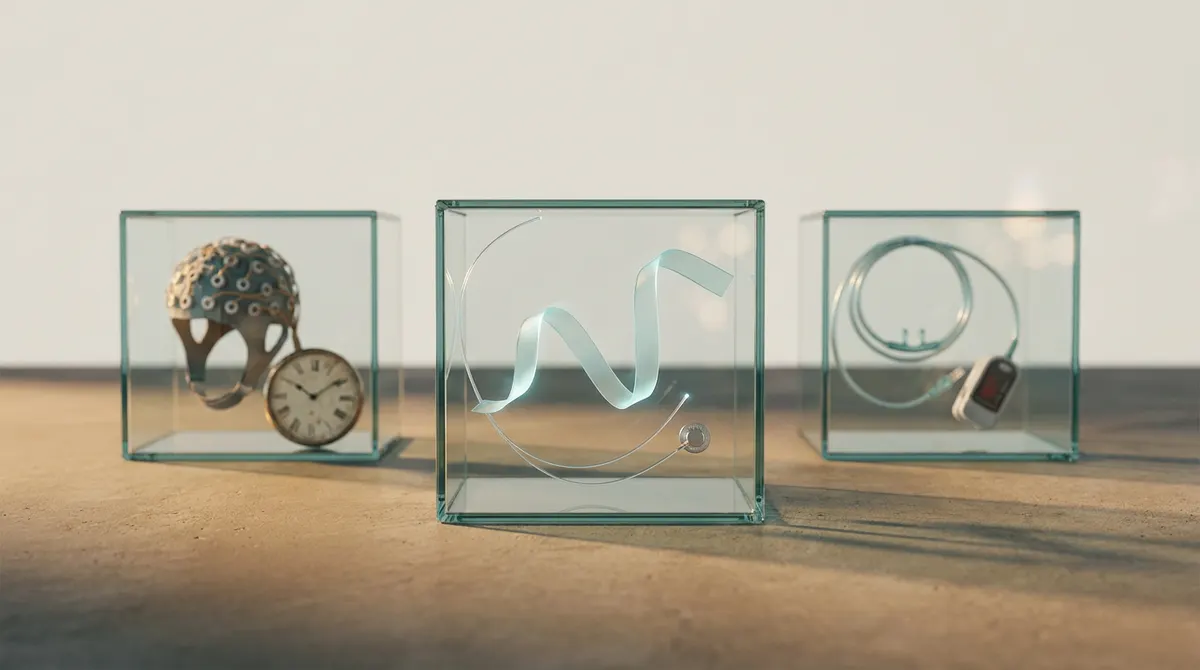
CPT code 95800 is the most comprehensive code for unattended home sleep apnea testing, covering studies that simultaneously record sleep time, heart rate, oxygen saturation, and respiratory analysis. The three primary codes differ based on which parameters the portable monitor captures during the test night.
CPT Code 95800
CPT code 95800 describes an unattended sleep study with simultaneous recording of heart rate, oxygen saturation, respiratory analysis (by airflow or peripheral arterial tone), and sleep time measurement. This code applies to Type II portable monitors and certain advanced Type III devices that include actigraphy or peripheral arterial tone technology for sleep staging. The WatchPat device, which uses peripheral arterial tone to estimate sleep stages, typically falls under this code.
CPT Code 95801
CPT code 95801 covers an unattended sleep study recording heart rate, oxygen saturation, and respiratory analysis by airflow or peripheral arterial tone, but without sleep time measurement. This code is less commonly used in clinical practice because most current Type III portable monitors include at least basic sleep time estimation. When a device records respiratory effort, airflow, oxygen saturation, and heart rate but lacks any sleep staging or sleep time channel, 95801 applies.
CPT Code 95806
CPT code 95806 describes an unattended sleep study with simultaneous recording of heart rate, oxygen saturation, and respiratory airflow. This code typically applies to standard Type III home sleep test devices that record at least respiratory airflow, oxygen saturation, and heart rate or pulse. Many commonly used home sleep apnea test devices, including those recording nasal airflow with a cannula, pulse oximetry, and respiratory movement via chest belts, fall under this code.
Comparison of Home Sleep Test CPT Codes
The following comparison clarifies how these three codes differ across key attributes.
Parameters Recorded
- CPT 95800: Heart rate, oxygen saturation, respiratory analysis, and sleep time
- CPT 95801: Heart rate, oxygen saturation, and respiratory analysis (no sleep time)
- CPT 95806: Heart rate, oxygen saturation, and respiratory airflow
Typical Monitor Type
- CPT 95800: Type II portable monitor or advanced Type III with peripheral arterial tone (such as WatchPat)
- CPT 95801: Type III portable monitor without sleep time recording
- CPT 95806: Standard Type III portable monitor
Sleep Staging Included
- CPT 95800: Yes (via electroencephalogram or peripheral arterial tone surrogate)
- CPT 95801: No
- CPT 95806: No
Common Use
- CPT 95800: Less common; used with advanced devices
- CPT 95801: Least common
- CPT 95806: Most frequently billed home sleep apnea test code
For most sleep medicine practices using standard Type III home sleep test devices, CPT code 95806 is the correct and most commonly billed code for home sleep apnea testing.
DID YOU KNOW: According to the American Academy of Sleep Medicine, Type III portable monitors recording at least four channels are the recommended minimum for diagnosing obstructive sleep apnea in adults with a high pretest probability.
KEY TAKEAWAY: CPT code 95806 is the most widely used code for standard home sleep apnea tests, while 95800 applies to devices that also record sleep time or sleep architecture through peripheral arterial tone or electroencephalogram channels.
Beyond CPT codes, Medicare and some payers require a parallel set of HCPCS codes for home sleep testing claims, which the next section explains.
HCPCS Codes G0398, G0399, and G0400 for Medicare Home Sleep Tests
Medicare does not accept CPT codes 95800 through 95806 for home sleep apnea testing claims. Instead, Medicare requires HCPCS Level II codes G0398, G0399, and G0400, which were created specifically for home sleep test claims processing through Medicare Administrative Contractor systems.
HCPCS stands for Healthcare Common Procedure Coding System, and HCPCS Level II codes supplement the CPT code set for services that Medicare processes differently. The HCPCS code for a home sleep apnea test under Medicare depends on the same channel and parameter criteria as the CPT equivalents, but uses the G-code format required by CMS guidelines.
HCPCS Code G0398
G0398 covers a home sleep test or a portable home sleep test with a Type II portable monitor. This code parallels CPT 95800 in scope and applies when the device records sleep staging along with respiratory and cardiac parameters.
HCPCS Code G0399
G0399 covers a home sleep test with a Type III portable monitor. This is the Medicare equivalent of CPT 95806 and is the most commonly billed HCPCS code for home sleep apnea testing under Medicare. The device must record at least four channels including airflow, respiratory movement, oxygen saturation, and heart rate.
HCPCS Code G0400
G0400 covers a home sleep test with a Type IV portable monitor. Type IV monitors record fewer channels, typically only one or two parameters such as oxygen saturation alone. Medicare coverage for G0400 is more limited, and many Medicare Administrative Contractors do not reimburse this code for obstructive sleep apnea diagnosis because the data is considered insufficient for a definitive diagnostic test.
Medicare vs Commercial Payer Code Selection
- Medicare Claims: Use HCPCS Code range G0398-G0400
- Commercial Insurance Claims: Use CPT codes 95800, 95801, or 95806
- Self-Pay Patients: No coding required for patient billing; provider may still document using CPT codes for medical records
IMPORTANT: Submitting CPT codes 95800 through 95806 on a Medicare claim instead of the correct HCPCS code will result in automatic claim denial. Always verify whether the patient's coverage routes through a Medicare Administrative Contractor before selecting codes.
For self-pay patients, the coding complexity disappears entirely. dumbo.health offers a home sleep test for $149 with no insurance filing, no HCPCS code requirements, and no prior authorization process. Patients order directly and receive the device at home.
KEY TAKEAWAY: Medicare home sleep apnea test claims require HCPCS codes G0398 through G0400, not CPT codes, and submitting the wrong code set is one of the most common causes of Medicare sleep study claim denials.
Correct coding is only half the equation. The next section covers the ICD-10-CM diagnosis codes that establish medical necessity for the test.
ICD-10-CM Diagnosis Codes That Support Medical Necessity
Every home sleep apnea test claim requires at least one ICD-10-CM diagnosis code that establishes medical necessity for the study. Without a qualifying diagnosis code, payers will deny the claim regardless of whether the correct CPT or HCPCS code was used.
ICD-10-CM stands for International Classification of Disease, 10th Revision, Clinical Modification. It replaced the older ICD-9 Code system in 2015 and provides far more specific diagnostic categories. The World Health Organization maintains the base International Classification of Disease system, while the U.S. version adds clinical detail for medical billing purposes.
Primary ICD-10-CM Codes for Home Sleep Apnea Testing
The following ICD-10-CM diagnosis codes most commonly support medical necessity for home sleep apnea testing:
- G47.33: Obstructive sleep apnea (the most frequently used code when testing confirms or is ordered to evaluate suspected OSA)
- G47.30: Sleep apnea, unspecified (used when the specific type has not yet been determined)
- R06.83: Snoring (supports testing when snoring is a primary presenting symptom)
- G47.9: Sleep disorder, unspecified (less specific; some payers may reject this as insufficient)
- R06.00: Dyspnea, unspecified (may support testing in some clinical contexts)
- E66.01: Morbid obesity due to excess calories (may be used as a secondary code supporting medical necessity when BMI exceeds 40)
Secondary ICD-10 Codes That Strengthen Claims
Clinicians frequently observe that pairing a primary sleep-related ICD-10 Code with relevant comorbidity codes strengthens medical necessity documentation. Common supporting codes include:
- I10: Essential hypertension
- E11.9: Type 2 diabetes mellitus without complications
- G47.11: Idiopathic hypersomnia with long sleep time
- G47.419: Narcolepsy without cataplexy (when narcolepsy is in the differential)
- G47.00: Insomnia, unspecified (when insomnia is a co-occurring complaint)
- G25.81: Restless legs syndrome
The ICD-10-CM diagnosis code must reflect the documented clinical reason for ordering the home sleep apnea test. A Local Coverage Determination published by each Medicare Administrative Contractor specifies which diagnosis codes are considered covered indications for home sleep testing in that jurisdiction.
TIP: Before submitting a home sleep apnea test claim, check the applicable Local Coverage Determination and its associated Billing and Coding Article for the most current list of covered ICD-10 codes. Local Coverage Determinations vary by DME MAC region and are updated through CR Transmittals.
KEY TAKEAWAY: The ICD-10-CM diagnosis code G47.33 for obstructive sleep apnea is the strongest primary code for home sleep apnea test claims, but the specific clinical presentation and Local Coverage Determination requirements dictate which codes are acceptable.
With diagnosis coding established, the billing process involves several additional steps and potential pitfalls, which the next section addresses.
Step-by-Step Billing Process for Home Sleep Apnea Tests
Billing a home sleep apnea test correctly requires following a specific sequence from order documentation through claims submission. Missing any step increases the risk of denial or delayed reimbursement.
How to Bill a Home Sleep Apnea Test
1. Obtain a signed physician order that documents the clinical indication for the home sleep apnea test, including relevant symptoms such as observed apneas, excessive daytime sleepiness, or loud habitual snoring, along with the patient's BMI if elevated.
2. Verify the patient's insurance coverage and determine whether the payer requires CPT codes (commercial insurance) or HCPCS codes (Medicare). Check the patient's Beneficiary card details if Medicare is the primary payer.
3. Confirm medical necessity by matching the patient's documented condition to a qualifying ICD-10-CM diagnosis code from the applicable Local Coverage Determination or payer policy.
4. Issue the appropriate portable monitor (Type II, Type III, or Type IV) and document the device type and number of channels recorded, as this determines the correct CPT or HCPCS code.
5. After the patient completes the test night, retrieve the device and have a qualified sleep medicine physician or technologist perform the scoring and interpretation. The physician interpretation generates a separate billable service in some payer systems.
6. Select the correct procedure code based on the device type and parameters recorded. For most standard Type III devices, this is CPT 95806 for commercial payers or HCPCS G0399 for Medicare.
7. Submit the claim with the correct procedure code, the supporting ICD-10-CM diagnosis code, and all required documentation including the physician interpretation report and the original order.
After submission, monitor the claim through your claims processing systems for any requests for additional information, denials, or adjustments. Most payers process home sleep test claims within 30 to 45 days. Medicare claims processing through the DME MAC typically follows the timelines specified in the Medicare Benefit Policy Manual.
For practices seeking to reduce billing overhead, offering a self-pay home sleep test option alongside insurance billing simplifies the workflow considerably. dumbo.health provides the home sleep test device, physician interpretation, and ongoing CPAP therapy through transparent monthly plans starting at $59 per month, eliminating the entire claims processing burden for patients who prefer to pay directly.
KEY TAKEAWAY: Accurate home sleep apnea test billing requires matching the device type to the correct CPT or HCPCS code, pairing it with a qualifying ICD-10-CM diagnosis code, and following the payer-specific claims submission process from order to interpretation.
Even with correct procedures in place, several common coding errors cause claim denials, which the next section identifies.
Common Billing Errors and How to Avoid Them
The most frequent home sleep apnea test billing error is submitting CPT codes on Medicare claims instead of the required HCPCS codes. This single mistake accounts for a significant share of sleep study claim denials across Medicare Administrative Contractor regions.
Mismatched Code Set for the Payer
Submitting CPT code 95806 to Medicare instead of HCPCS code G0399 triggers an automatic denial because Medicare claims processing systems do not recognize CPT sleep study codes for home testing. The reverse also applies: some commercial health insurance providers do not accept HCPCS G-codes. Always verify the payer's required code set before submission.
Incorrect Monitor Type to Code Mapping
Billing CPT 95800 when the device used was a standard Type III monitor without sleep staging capability is an overcoding error. The Correct Coding Initiative flags code pairs that do not align with documented services. Each claim must reflect the actual channels recorded, not the most comprehensive code available.
Missing or Non-Qualifying Diagnosis Codes
Submitting a home sleep test claim without an ICD-10-CM diagnosis code that appears on the payer's covered indications list results in a medical necessity denial. Using an outdated ICD-9 Code instead of the current ICD-10 equivalent also triggers rejection. Confirm that the ICD-10-CM diagnosis code version matches the current code set year before submission.
Failing to Document the Ordering Physician's Clinical Rationale
Many payers require documentation showing why the physician ordered a home sleep apnea test rather than in-lab polysomnography. The clinical rationale should reference the patient's risk profile, symptom history, and the appropriateness of an unattended study. Without this documentation, retrospective audits can result in claim reversals.
Unbundling or Double-Billing Interpretation Services
Some practices incorrectly bill the technical component and the professional interpretation as separate claims when the payer expects a global code. Others fail to bill the interpretation at all, leaving reimbursement on the table. Check whether your payer requires global billing or component billing for home sleep apnea test services.
DID YOU KNOW: According to CMS guidelines, the Correct Coding Initiative edits are updated quarterly, meaning code pair restrictions for sleep studies can change within a single calendar year. Billing teams should review Correct Coding Initiative updates at least every quarter.
KEY TAKEAWAY: Most home sleep apnea test claim denials result from using the wrong code set for the payer, mismatching the monitor type to the CPT code, or submitting a non-qualifying ICD-10-CM diagnosis code.
Understanding these errors helps prevent revenue loss, but reimbursement rates also vary significantly depending on the payer and setting, as the next section details.
Reimbursement Rates and Payer Considerations
Reimbursement for home sleep apnea testing varies by payer, geographic region, and code billed. Medicare Part B Payments for HCPCS codes G0398 through G0400 are published in the Medicare Physician Fee Schedule and typically range from approximately $55 to $235 depending on the code, component billed, and locality adjustment.
Medicare Reimbursement
Medicare reimburses home sleep apnea tests under Part B Payments when the test is ordered by a qualifying provider and meets the Local Coverage Determination criteria. Reimbursement rates for G0399, the most common Medicare home sleep test code, have generally ranged between $100 and $200 for the global service in recent fee schedules, though exact amounts depend on the geographic locality and whether the claim reflects the technical component, professional component, or both.
The Medicare Benefit Policy Manual specifies that coverage for home sleep testing applies when the test is used to diagnose obstructive sleep apnea in beneficiaries who meet specific clinical criteria. The DME MAC processes claims for equipment furnished to beneficiaries, while the Medicare Administrative Contractor for the ordering provider processes the professional interpretation component.
Commercial Insurance Reimbursement
Commercial health insurance providers set their own reimbursement rates for CPT codes 95800, 95801, and 95806. Rates vary widely, often ranging from $150 to $500 or more for the global service depending on the contracted rate between the provider and the insurance plan. Prior authorization requirements also vary by payer, and some commercial plans require documentation of symptoms meeting specific medical necessity thresholds before approving a home sleep apnea test.
Self-Pay as an Alternative Pathway
Many patients report frustration with the prior authorization process, which can delay testing by days or weeks. For patients who prefer to avoid insurance delays entirely, self-pay home sleep testing provides a faster and often less expensive pathway. dumbo.health offers the complete home sleep apnea test for $149, which includes the device and one night of testing with no insurance filing, no prior authorization, and no surprise bills. Physician interpretation and ongoing treatment are available through monthly plans starting at $59 per month.
Reimbursement by Billing Pathway
- Medicare (G0399 global): Approximately $100 to $200 depending on locality
- Commercial Insurance (95806 global): Approximately $150 to $500 depending on contract
- Self-Pay through dumbo.health: $149 one-time for the home sleep test device and test night
For patients weighing their options, the self-pay route through dumbo.health eliminates coding uncertainty and provides a fixed, transparent price that patients can plan around.
KEY TAKEAWAY: Medicare and commercial insurance reimbursement for home sleep apnea tests varies by code, region, and payer contract, while self-pay options like the $149 home sleep test from dumbo.health offer cost certainty without billing complexity.
Reimbursement discussions inevitably lead to questions about which patients qualify for testing in the first place, which ties directly to clinical criteria and coding guidelines.
Who Qualifies for a Home Sleep Apnea Test and When It May Not Work
Home sleep apnea testing is appropriate for adults with a moderate to high pretest probability of obstructive sleep apnea based on clinical signs and symptoms. It is not appropriate for every patient with a sleep complaint, and certain conditions require in-lab polysomnography instead.
Clinical Criteria for Home Sleep Apnea Testing
The American Academy of Sleep Medicine recommends home sleep apnea testing for adults who present with signs and symptoms suggesting moderate to severe obstructive sleep apnea, such as witnessed apneas, loud habitual snoring, excessive daytime sleepiness, and elevated BMI. According to the American Academy of Sleep Medicine clinical guidelines, patients without significant comorbid sleep disorders or cardiopulmonary disease are the best candidates for unattended testing.
The ordering physician must document these clinical indicators to support the ICD-10-CM diagnosis code on the claim and establish medical necessity under the applicable policy.
Checklist: Confirming Patient Eligibility for Home Sleep Apnea Testing
- Patient is 18 years or older
- Clinical presentation suggests moderate to high probability of obstructive sleep apnea
- Patient reports at least two cardinal symptoms: loud snoring, witnessed apneas, or excessive daytime sleepiness
- No suspected comorbid sleep disorder requiring attended polysomnography (such as narcolepsy, REM sleep behavior disorder, or significant periodic limb movement disorder)
- No significant unstable cardiopulmonary disease (such as decompensated heart failure or severe COPD with hypoxemia)
- Patient is cognitively and physically able to apply and wear the portable monitor at home without a technologist present
- Ordering physician has documented clinical rationale for home testing over in-lab polysomnography
- Applicable Local Coverage Determination criteria have been reviewed and the patient's diagnosis qualifies
- If self-pay is preferred, the patient can order directly through dumbo.health for $149
Limitations and When Home Sleep Testing May Not Be Appropriate
Home sleep apnea testing has important limitations that providers, billing teams, and patients should understand:
First, home sleep tests cannot diagnose non-respiratory sleep disorders. Conditions such as narcolepsy, restless legs syndrome, REM sleep behavior disorder, insomnia disorder, and sleep-related movement disorders require polysomnography or sleep latency testing to evaluate. The channels recorded by a Type III portable monitor do not include electroencephalogram data, so sleep architecture and sleep staging are not assessed. Patients with suspected hypersomnia or narcolepsy need in-lab evaluation.
Second, home sleep tests may underestimate the severity of obstructive sleep apnea. Because total sleep time is estimated rather than measured by electroencephalogram, the apnea-hypopnea index calculated from a home study may be lower than what polysomnography would show. According to the American Thoracic Society and the American College of Chest Physicians, a negative or inconclusive home sleep test in a patient with high clinical suspicion should be followed by in-lab polysomnography.
Third, patients with significant comorbid conditions may not be appropriate candidates. Patients with congestive heart failure, chronic opioid use, severe COPD with hypoxemia, or suspected central sleep apnea syndromes need attended polysomnography for accurate diagnosis. The physiological complexity of these conditions exceeds what a portable monitor can capture.
Fourth, technical failures can occur. Sensor displacement, insufficient recording time, or device malfunction during the test night may result in an uninterpretable study. When a home sleep test fails technically, repeat testing or in-lab polysomnography is required, and the failed study may or may not be reimbursable depending on the payer's policy.
dumbo.health addresses the technical failure concern by including clear setup instructions and providing support for patients during the process. If a study is uninterpretable, the clinical team guides the patient through next steps, which may include a repeat test or a referral for in-lab polysomnography when clinically indicated.
KEY TAKEAWAY: Home sleep apnea testing works well for adults with a high probability of obstructive sleep apnea and no significant comorbid sleep disorders, but it cannot replace polysomnography for complex cases involving narcolepsy, REM sleep behavior disorder, central sleep apnea, or unstable cardiopulmonary disease.
Knowing who qualifies and who does not leads naturally to practical scenarios that illustrate how coding, testing, and billing decisions play out in real clinical workflows.
Real-World Coding and Testing Scenarios
Understanding how CPT and HCPCS codes apply in practice is easier with concrete scenarios. The following examples reflect common situations encountered in sleep medicine practices, primary care referral workflows, and self-pay pathways.
Common Scenarios
Scenario 1: A 48-year-old commercial truck driver with a BMI of 37 presents for a DOT physical. The examining provider documents loud habitual snoring, an Epworth Sleepiness Scale score of 14, and a neck circumference of 18 inches. The provider orders a home sleep apnea test using a standard Type III portable monitor that records nasal airflow, respiratory effort via chest and abdominal belts, pulse oximetry for oxygen saturation, and heart rate. The billing team submits CPT 95806 to the driver's commercial insurance carrier with ICD-10-CM code G47.30 (sleep apnea, unspecified) as the primary diagnosis, since the study has not yet confirmed the type. After the study confirms an AHI of 22 events per hour, the diagnosis code is updated to G47.33 (obstructive sleep apnea) for follow-up CPAP therapy claims.
Scenario 2: A 63-year-old Medicare beneficiary is referred by a primary care physician for suspected obstructive sleep apnea. The patient reports witnessed apneas and excessive daytime sleepiness. The sleep center issues a Type III portable monitor and performs the study at the patient's home. The billing team submits HCPCS code G0399, not CPT 95806, because the patient is covered under Medicare. The primary ICD-10-CM diagnosis code is R06.83 (snoring) paired with G47.30 as a secondary code. The claim is processed through the regional DME MAC for the technical component and the Medicare Administrative Contractor for the physician interpretation.
Scenario 3: A 34-year-old owner-operator without health insurance finds a provider near them who offers home sleep testing, but the quoted price of $400 to $600 out of pocket feels steep. After researching options, the driver orders a home sleep test through dumbo.health for $149. The test arrives by mail, the driver completes the one-night recording at home, and the device is returned. A board-certified sleep physician interprets the study. The results show moderate obstructive sleep apnea with an AHI of 18. The driver enrolls in the dumbo.health Essentials Plan at $59 per month to receive CPAP therapy, equipment, and follow-up care with no contracts and the ability to cancel anytime. No CPT coding, no insurance claims, and no prior authorization delays.
These scenarios show how the same clinical question, whether a patient has obstructive sleep apnea, can follow different coding and payment pathways depending on the payer, monitor type, and patient preference.
Home sleep apnea testing through dumbo.health provides the same diagnostic information as an insurance-billed home sleep test while eliminating every step related to CPT codes, HCPCS codes, prior authorizations, and claims processing for the patient. The $149 home sleep test and monthly care plans cover physician interpretation, CPAP equipment, and ongoing adherence monitoring.
KEY TAKEAWAY: The correct CPT or HCPCS code for a home sleep apnea test depends on the payer type and the monitor used, while self-pay pathways through dumbo.health eliminate coding complexity entirely.
With the practical scenarios established, it is worth addressing several persistent misconceptions about home sleep test coding and coverage.
Common Myths About Home Sleep Apnea Test CPT Codes Debunked

MYTH: There is one universal CPT code for all home sleep apnea tests.
FACT: There are three distinct CPT codes (95800, 95801, and 95806) for home sleep apnea testing, each defined by the specific channels and parameters the portable monitor records. Code 95806 is the most commonly used for standard Type III devices, but using the wrong code for the device type can trigger a Correct Coding Initiative edit or claim denial. The American Medical Association publishes updated code descriptions annually, and billing teams should verify the current CPT code set definitions each year.
MYTH: Medicare accepts the same CPT codes as commercial insurance for home sleep tests.
FACT: Medicare does not accept CPT codes 95800 through 95806 for home sleep apnea test claims. Medicare requires HCPCS Level II codes G0398, G0399, or G0400. This is one of the most common billing errors in sleep medicine. Submitting CPT codes on a Medicare claim results in automatic denial through the Medicare Administrative Contractor claims processing systems. CMS guidelines specify the HCPCS code requirement in the applicable Local Coverage Determination and associated Billing and Coding Article.
MYTH: Any sleep complaint qualifies a patient for a home sleep apnea test under insurance.
FACT: Payers require documented medical necessity, which means the ordering physician must provide an ICD-10-CM diagnosis code that matches the covered indications in the payer's policy. Conditions such as insomnia alone, restless leg syndrome without suspected apnea, or general fatigue without apnea-related symptoms typically do not meet coverage criteria for a home sleep apnea test. According to the American Academy of Sleep Medicine, home sleep testing is specifically indicated for adults with a moderate to high pretest probability of obstructive sleep apnea, not for screening the general population.
MYTH: Self-pay patients still need CPT codes assigned to their test.
FACT: When a patient pays out of pocket, no insurance claim is submitted, and no CPT or HCPCS code is required for billing purposes. The provider may document a CPT code in the medical record for clinical tracking, but the patient faces no coding requirements. Services like the dumbo.health home sleep test are designed specifically for self-pay access at $149, with no coding, no insurance, and no prior authorization.
MYTH: A Type IV portable monitor that records only pulse oximetry is sufficient for diagnosing obstructive sleep apnea under most payer policies.
FACT: Most payers, including Medicare, do not consider a Type IV monitor recording only one or two channels to be sufficient for diagnosing obstructive sleep apnea. The American Academy of Sleep Medicine and the American College of Chest Physicians recommend a minimum of four recorded channels for adequate respiratory analysis. Medicare reimbursement for HCPCS code G0400 (Type IV) is limited, and many Medicare Administrative Contractors do not cover it for OSA diagnosis. The American Academy of Neurology has similarly endorsed multi-channel home testing over single-channel oximetry for diagnostic accuracy.
KEY TAKEAWAY: Accurate CPT and HCPCS code selection requires matching the code to both the payer type and the portable monitor's recorded channels, and common misconceptions about universal codes or Medicare acceptance of CPT codes lead to preventable claim denials.
These myths highlight why coding education is critical, but they also underscore why many patients and small practices are choosing simpler alternatives.
Self-Pay Home Sleep Testing as a Billing Alternative
Self-pay home sleep testing eliminates every coding, authorization, and claims processing step described in this article. For patients without insurance, with high-deductible plans, or who simply want faster access to testing, paying out of pocket is often the most straightforward path.
The traditional insurance pathway for a home sleep apnea test involves physician referral, prior authorization (which can take 3 to 14 days), device issuance, study completion, interpretation, CPT or HCPCS code selection, ICD-10-CM code pairing, claim submission, and reimbursement processing that may take 30 to 60 days. Each step introduces potential delays, denials, or administrative costs.
dumbo.health was built to bypass this complexity. The home sleep test costs $149 as a one-time payment. Patients order online, receive the device at home, complete one night of testing, and return the device. A board-certified physician reviews the results. If obstructive sleep apnea is diagnosed, patients can start treatment immediately through one of three monthly plans.
The Essentials Plan at $59 per month includes physician interpretation, CPAP therapy with equipment, standard follow-up care, and updates to the referring provider. The Premium Plan at $89 per month adds a dedicated sleep coach, advanced CPAP adherence monitoring, and priority results turnaround. The Elite Plan at $129 per month adds concierge clinical support, direct physician messaging, and custom reporting for practices. All plans operate with no contracts and the ability to cancel anytime.
For healthcare providers who want to offer their patients a simple testing and treatment pathway without absorbing the billing complexity, referring patients to dumbo.health sleep apnea care solutions creates a clear handoff that keeps the patient connected to ongoing care.
Not sure if testing is the right next step? The free sleep assessment at dumbo.health helps patients determine whether a home sleep apnea test is appropriate based on their symptoms and risk factors.
KEY TAKEAWAY: Self-pay home sleep apnea testing through dumbo.health costs $149 with no insurance, no CPT coding, no prior authorization, and no surprise bills, making it the fastest path from symptoms to diagnosis for patients who want to avoid the claims process.
Conclusion
Correctly coding a home sleep apnea test requires matching the portable monitor type to the right CPT code (95800, 95801, or 95806 for commercial payers) or HCPCS code (G0398, G0399, or G0400 for Medicare), then pairing the procedure code with a qualifying ICD-10-CM diagnosis code that establishes medical necessity. Each step in the billing process carries denial risk when details are mismatched. For patients who want to skip the coding complexity entirely, dumbo.health offers a home sleep apnea test for $149 with no insurance required, no prior authorization, and monthly care plans starting at $59 per month with no contracts. Whether you are a billing professional refining your coding accuracy or a patient looking for the simplest path to diagnosis and treatment, getting the process right matters.
Frequently Asked Questions About CPT Codes for Home Sleep Apnea Tests
What is a home sleep apnea test and how does it differ from an in-lab sleep study?
A home sleep apnea test (HSAT) is a diagnostic test that measures breathing patterns, oxygen saturation, airflow, respiratory effort, and heart rate while a patient sleeps at home. Unlike polysomnography, which is performed in a sleep center and records additional channels including electroencephalogram (EEG) signals and full sleep staging, an HSAT uses a portable monitor with a reduced number of sensors. The American Academy of Sleep Medicine recognizes HSATs as a clinically appropriate option for diagnosing moderate-to-severe obstructive sleep apnea in adults without significant comorbidities. A healthcare professional can determine which test type is appropriate for your situation.
What CPT codes are used for home sleep apnea testing?
The CPT codes most commonly used for home sleep apnea testing depend on the type of portable monitor used. Type II portable monitors, which record at least seven channels including EEG and sleep staging, are typically billed under CPT 95800. Type III portable monitors, which record airflow, respiratory movement, oxygen saturation, and heart rate using at least four channels, are typically billed under CPT 95806. Type IV portable monitors, which record fewer than four channels such as peripheral arterial tone or oxygen saturation only, are generally billed under CPT 95803 or similar codes. The American Medical Association maintains the CPT code set, and the correct code depends on the specific device and channels recorded.
What HCPCS codes are used for home sleep testing under Medicare?
Medicare uses HCPCS Level II codes rather than standard CPT codes for home sleep testing in some billing contexts. The HCPCS code range G0398 to G0400 covers home sleep testing under Medicare. G0398 applies to Type II portable monitor studies, G0399 applies to Type III portable monitor studies, and G0400 applies to Type IV portable monitor studies. These codes are used when billing Medicare Part B for the technical component of home sleep testing. The Centers for Medicare and Medicaid Services (CMS) maintains the relevant billing and coding article, and Medicare Administrative Contractors (MACs) may apply Local Coverage Determinations that affect coverage in specific states.
How do I find out whether a specific CPT code for home sleep testing is covered in my state?
Coverage for home sleep apnea test CPT codes can vary by state and by Medicare Administrative Contractor jurisdiction. To find out whether a specific code is covered, search the CMS Medicare Coverage Database for the relevant Local Coverage Determination (LCD) or Billing and Coding Article that applies to sleep studies in your region. Each MAC publishes its own coverage policies, and the applicable LCD will define which CPT and HCPCS codes are covered, what diagnosis codes are required, and whether prior authorization applies. The CMS Billing and Coding Article for polysomnography and sleep studies is a key reference for understanding Medicare's position on sleep medicine coding.
What ICD-10-CM diagnosis codes support medical necessity for a home sleep apnea test?
Medical necessity for a home sleep apnea test is typically supported by ICD-10-CM diagnosis codes that reflect obstructive sleep apnea, sleep-disordered breathing, or related conditions. Commonly used codes include G47.33 for obstructive sleep apnea in adults and G47.30 for unspecified sleep apnea. Other relevant codes may cover hypersomnia, narcolepsy, insomnia, restless legs syndrome, and REM sleep behavior disorder. The specific ICD-10-CM diagnosis code required will depend on the payer's Local Coverage Determination or coverage policy. A healthcare professional should document the clinical indication clearly to support the claim.
Does Medicare cover home sleep apnea testing?
Medicare Part B covers home sleep apnea testing when it meets medical necessity criteria established through the relevant Local Coverage Determination. Coverage generally applies to adult beneficiaries with a clinical suspicion of obstructive sleep apnea who do not have comorbidities that require in-lab polysomnography. The test must be ordered by a treating physician, and results must be interpreted by a qualified provider. Billing is typically submitted using HCPCS codes G0398, G0399, or G0400, depending on the monitor type. Medicare may apply deductibles and coinsurance to the allowable amount. If a claim is denied, the explanation of benefits will include the reason and instructions for appeal.
What should I do if my Medicare home sleep test claim is denied?
If a Medicare claim for a home sleep apnea test is denied, review the explanation of benefits or remittance advice to identify the denial reason. Common reasons include insufficient documentation of medical necessity, incorrect CPT or HCPCS codes, missing ICD-10-CM diagnosis codes, or failure to meet the conditions of the applicable Local Coverage Determination. You can appeal the denial through Medicare's standard appeals process, which begins with a redetermination request submitted to the Medicare Administrative Contractor. Ensuring that the ordering provider's documentation clearly supports medical necessity before resubmitting will strengthen the appeal. CMS guidance on the appeals process is available through the Medicare Benefit Policy Manual.
Does home sleep testing require prior authorization?
Prior authorization requirements for home sleep apnea testing vary by health insurance provider and payer. Some commercial insurers require prior authorization before a home sleep test is covered, while others do not. Medicare generally does not require prior authorization for home sleep testing when medical necessity criteria are met, but individual Medicare Advantage plans may have their own requirements. If you are working with a commercial payer, reviewing the payer's benefit policy or contacting the plan directly will clarify whether prior authorization is needed before ordering a home sleep test for a patient.
Are there comorbidities that affect a patient's eligibility for home sleep apnea testing?
Yes. Certain comorbidities may limit a patient's clinical suitability for home sleep apnea testing and may require in-lab polysomnography instead. Conditions that commonly require in-lab testing include moderate-to-severe chronic obstructive pulmonary disease, congestive heart failure, neuromuscular disease, and suspected central sleep apnea or complex sleep-disordered breathing. The American Academy of Sleep Medicine recommends that HSATs be used in patients with a high pretest probability of obstructive sleep apnea who do not have significant comorbidities that could affect test accuracy or safety. A qualified healthcare professional should evaluate comorbidities before selecting the appropriate diagnostic test.
Are there provider qualifications that affect who can bill for home sleep apnea testing?
Some payers require that home sleep apnea testing be ordered, supervised, or interpreted by a physician with specific qualifications in sleep medicine. Board certification requirements vary by payer and by Local Coverage Determination. For Medicare billing, the interpreting provider must meet the relevant coverage criteria outlined in the applicable LCD. Commercial insurers may require that tests be ordered or interpreted by a sleep specialist or by a provider affiliated with an accredited sleep center. Providers should review the specific requirements of each payer before billing for the professional component of a home sleep apnea test.
What is the difference between the technical component and the professional component when billing for a home sleep test?
When billing for a home sleep apnea test, the technical component covers the cost of the equipment, recording, and data acquisition, while the professional component covers the physician's interpretation of the study and the resulting report. Some billing arrangements separate these components using the TC and 26 modifiers. The allowable amount for each component depends on the payer's fee schedule and the applicable CPT or HCPCS code. In some settings, a single provider or entity bills for both components under a global billing arrangement. Understanding the billing structure is important for accurate claims submission and for avoiding Correct Coding Initiative issues.
What is the allowable reimbursement amount for home sleep apnea testing?
The allowable reimbursement amount for home sleep apnea testing depends on the payer, the applicable CPT or HCPCS code, the geographic payment locality, and whether the technical and professional components are billed separately or together. Medicare Part B publishes fee schedule amounts that can be looked up through the CMS Physician Fee Schedule tool. Commercial payer allowable amounts are set by individual contracts and benefit policies. Because reimbursement rates vary significantly, providers should verify the allowable amount with each payer before submitting claims for home sleep testing services.
Is home sleep apnea testing subject to deductibles or coinsurance?
For most insured patients, home sleep apnea testing is subject to the same deductible and coinsurance rules that apply to other outpatient diagnostic services under the plan. Under Medicare Part B, beneficiaries are typically responsible for the Part B deductible and 20 percent coinsurance after Medicare pays its portion. Commercial plan cost-sharing varies depending on the specific benefit design. Patients should contact their insurer or review their explanation of benefits to understand their out-of-pocket responsibility before scheduling a home sleep test.
What is the place of service code for home sleep apnea testing?
Home sleep apnea testing is typically billed using Place of Service code 12, which indicates the patient's home as the location where the service was provided. This reflects the fact that the patient wears the portable monitoring device at home overnight rather than receiving care in a clinic or hospital setting. Using the correct place of service code is important for accurate claims processing, as some CPT and HCPCS codes have different reimbursement rates depending on the setting in which the service is delivered.
What types of portable monitors are used for home sleep apnea testing?
Home sleep apnea tests use portable monitors that are classified by the number of channels they record. Type II portable monitors record at least seven channels, including EEG, and are capable of full sleep staging. Type III portable monitors record at least four channels, including airflow, respiratory movement, oxygen saturation, and heart rate, and are the most commonly used devices for diagnosing obstructive sleep apnea at home. Type IV portable monitors record fewer than four channels, often measuring only oxygen saturation or peripheral arterial tone. Devices such as the WatchPAT and SleepView Monitor are examples of commercially available portable monitoring solutions used in home sleep apnea testing.
How accurate is a home sleep apnea test compared to in-lab polysomnography?
Home sleep apnea tests are considered clinically accurate for diagnosing moderate-to-severe obstructive sleep apnea in appropriate candidates, according to the American Academy of Sleep Medicine. However, HSATs have limitations. Because they do not record full sleep staging or a complete set of physiological channels, they may underestimate the severity of sleep apnea by calculating the apnea-hypopnea index based on recording time rather than actual sleep time. A negative or inconclusive home sleep test result in a patient with strong clinical suspicion for sleep apnea may warrant follow-up with in-lab polysomnography. A healthcare professional should interpret results in the context of the full clinical picture.
When is an in-lab sleep study required instead of a home sleep apnea test?
An in-lab sleep study, or polysomnography, is typically required when a patient has comorbidities that make home sleep testing inappropriate, when a home sleep test produces a negative result despite strong clinical suspicion, or when the suspected diagnosis involves conditions other than obstructive sleep apnea. Conditions such as narcolepsy, REM sleep behavior disorder, periodic limb movement disorder, and central sleep apnea generally require in-lab testing that includes full sleep staging via electroencephalogram and a broader set of recorded channels. Sleep latency testing, which measures how quickly a patient falls asleep during the day, must also be performed in a laboratory setting.
What sleep disorders can be evaluated using sleep medicine CPT codes?
Sleep medicine CPT codes cover a range of diagnostic services for conditions including obstructive sleep apnea, central sleep apnea, hypersomnia, narcolepsy, insomnia, restless legs syndrome, REM sleep behavior disorder, and other sleep disorders classified under the International Classification of Diseases. The appropriate CPT code depends on the type of test performed and the channels recorded. Polysomnography codes cover full in-lab studies with sleep staging, while home sleep testing codes cover portable monitoring without complete sleep architecture recording. Coding guidelines from the American Medical Association and guidance from the American Academy of Sleep Medicine should be consulted when selecting codes for specific clinical scenarios.
Can a home sleep apnea test be used to qualify a patient for CPAP therapy?
Yes. A home sleep apnea test that demonstrates obstructive sleep apnea of sufficient severity can support a patient's qualification for CPAP therapy. Under Medicare coverage guidelines, a positive home sleep test that shows an apnea-hypopnea index meeting the required threshold can support an initial CPAP trial. Ongoing CPAP coverage under Medicare also requires documented adherence within the first 90 days of therapy. Coding for CPAP equipment uses separate HCPCS codes for the device and supplies. A healthcare professional must review the test results and confirm the diagnosis before initiating CPAP treatment.
How does dumbo.health support home sleep apnea testing without insurance?
dumbo.health offers a $149 one-time home sleep apnea test with transparent cash-pay pricing, no insurance required, no prior authorizations, and no surprise bills. The test is completed at home overnight using a portable monitoring device, and results are reviewed by a physician who provides an interpretation and report. For patients who need ongoing care, monthly plans start at $59 per month and cover physician review, CPAP therapy and equipment, and adherence follow-up. This can be a practical option for patients who face insurance barriers, high deductibles, or prior authorization delays. You can explore at-home sleep testing options directly on the dumbo.health website.
What is included in a home sleep apnea test physician report?
A physician interpretation report for a home sleep apnea test summarizes the recorded data and provides a clinical interpretation of the findings. It typically includes the apnea-hypopnea index, oxygen saturation levels, recorded airflow, respiratory effort data, and any significant events observed during the study. The report will indicate whether the findings are consistent with obstructive sleep apnea and, if so, the estimated severity. This report is used to support treatment decisions, CPAP prescription, and, where relevant, documentation for ongoing care or provider updates. A qualified physician must sign and attest to the interpretation for it to be used in clinical and billing contexts.
How does ongoing CPAP care and adherence monitoring work after a home sleep test?
After a positive home sleep apnea test, treatment typically begins with CPAP therapy. Ongoing care involves monitoring CPAP adherence, reviewing usage data, adjusting therapy settings if needed, and following up with the patient to support consistent use. CPAP adherence is important both for health outcomes and, under Medicare, for continued coverage of CPAP equipment. Many CPAP devices record nightly usage data that can be reviewed remotely by a care team. dumbo.health monthly plans include physician review, CPAP equipment, and adherence follow-up, with the Premium plan adding a dedicated sleep coach and advanced adherence monitoring. You can review CPAP care plan options to understand what ongoing treatment support includes.
What should commercial drivers know about home sleep apnea testing and DOT requirements?
Commercial drivers who are referred for sleep apnea evaluation as part of the DOT medical certification process may be able to complete a home sleep apnea test rather than an in-lab study, depending on their clinical presentation and the certified medical examiner's guidance. A positive test result combined with documented CPAP adherence may support ongoing DOT medical certification, but the certified medical examiner makes all DOT certification decisions. dumbo.health can support testing, physician interpretation, and documentation for commercial drivers, but it does not guarantee DOT certification or medical clearance. Drivers seeking more information about the DOT physical process can review the complete guide to DOT sleep apnea testing at home for a detailed overview.
How do I get started with a home sleep apnea test if I do not have insurance?
If you do not have insurance or want to avoid insurance complexity, you can access a home sleep apnea test directly through a cash-pay provider. dumbo.health offers a $149 at-home sleep test with no insurance required and no prior authorization needed. After completing the test at home overnight, a physician reviews your results and provides a report. If treatment is needed, monthly care plans cover CPAP therapy, equipment, and follow-up support with no contracts and the ability to cancel anytime. Taking a free sleep assessment is a simple first step to determine whether at-home sleep testing may be appropriate for your situation.
Related Home Sleep Apnea Test Topics
- Home Sleep Apnea Test CPT Code Complete Coding and Billing Guide for Sleep Studies
- CPT Code for Home Sleep Apnea Test The Complete Coding and Billing Guide
- CPT Code for Home Sleep Apnea Test Complete Billing and Coding Guide
- Home Sleep Apnea Test ICD-10 Codes The Complete Coding and Diagnostic Guide for Sleep Apnea Testing
- Home Sleep Apnea Test CPT Codes A Complete Guide to Billing, Coding, and Reimbursement
- Sleep Study Test for Sleep Apnea The Complete Guide to Diagnosis, Testing Types, and Next Steps
- Sleep Apnea Test at Home The Complete Guide to Home Sleep Testing for Adults
- Can You Test for Sleep Apnea at Home A Complete Guide to Home Sleep Testing
- Sleep Apnea Testing at Home The Complete Guide to Home Sleep Tests, Devices, and Results
- Best Home Sleep Apnea Test A Clinical Guide to Choosing the Right At-Home Sleep Study
- How Do You Get a Home Sleep Apnea Test The Complete Guide to At-Home Sleep Testing
- At Home Sleep Study for Sleep Apnea The Complete Guide to Testing in Your Own Bed
- At Home Sleep Apnea Test with Ring How Ring-Based Sleep Testing Works and Whether It Can Diagnose Sleep Apnea
- How to Get a Sleep Apnea Test at Home The Complete Guide to Home Sleep Testing
- Home Sleep Apnea Test Ring How Ring-Based Sleep Testing Works for Sleep Apnea Detection
- How Is a Home Sleep Apnea Test Done A Complete Guide to At-Home Sleep Testing
- How Does a Home Sleep Apnea Test Work A Complete Guide to At-Home Sleep Testing
- Home Sleep Test The Complete Guide to At-Home Sleep Apnea Testing
- Sleep Test at Home The Complete Guide to Home Sleep Apnea Testing
- Sleep Apnea Diagnosis at Home The Complete Guide to Home Sleep Testing
- Sleep Apnea Sleep Study The Complete Guide to Testing, Diagnosis, and Treatment
- Obstructive Sleep Apnea Sleep Study The Complete Guide to Diagnosis, Testing, and Treatment
- Sleep Study for Sleep Apnea What the Test Measures, How It Works, and What Your Results Mean
- What Is a Home Sleep Apnea Test How At-Home Sleep Testing Works, What It Measures, and Who Needs One
- Sleep Apnea Test The Complete Guide to Diagnosis, Home Testing, and What Your Results Mean
- How to Get Tested for Sleep Apnea The Complete Guide to Diagnosis, Sleep Studies, and Treatment
- Home Sleep Testing Companies A Complete Guide to At-Home Sleep Apnea Diagnosis
- Pediatric Home Sleep Apnea Test A Complete Guide for Parents and Providers
- Home Sleep Apnea Test The Complete Guide to At-Home Sleep Apnea Testing
- Sleep Study for Sleep Apnea What Happens, What It Measures, and What Your Results Mean
- Can a Sleep Study Diagnose Sleep Apnea and Other Sleep Disorders
- Home Sleep Apnea Test FSA Eligible How to Use Your Flexible Spending Account for Sleep Testing
- At-Home Sleep Apnea Test FSA How to Use Your Flexible Spending Account for Sleep Testing
- At Home Sleep Apnea Test HSA How to Use Your Health Savings Account for Sleep Testing
- Home Sleep Apnea Test for Children What Parents Need to Know About Pediatric Sleep Testing
- Home Sleep Apnea Test for Kids What Parents Need to Know About Pediatric Sleep Testing
- At-Home Sleep Apnea Test for Toddlers What Parents Need to Know About Pediatric Sleep Testing
- Home Sleep Testing The Complete Guide to Diagnosing Sleep Apnea From Your Own Bed
- Sleep Apnea Testing The Complete Guide to Diagnosis, Home Tests, and What Your Results Mean
- Home Sleep Apnea Testing The Complete Guide to Diagnosing Sleep Apnea at Home
- At Home Sleep Apnea Test for VA Disability The Complete Guide for Veterans
- At-Home Sleep Apnea Test for VA The Complete Guide for Veterans
- CPAP Test at Home The Complete Guide to Home Sleep Apnea Testing and Treatment
- What to Expect During a Sleep Study for Sleep Apnea
- What Happens After a Home Sleep Apnea Test Results, Diagnosis, and Next Steps
- Kids at Home Sleep Apnea Test What Parents Need to Know About Pediatric Sleep Testing
- Sleep Apnea Diagnosis How Sleep Apnea Is Detected, Tested, and Confirmed
- At-Home Sleep Apnea Test The Complete Guide to Testing, Results, and Treatment
- At-Home Sleep Apnea Test DOT Approved The Complete Guide for Commercial Drivers
- Apnea Monitor The Complete Guide to Breathing Monitors for Sleep Apnea and Infant Care
- How Much Does a Home Sleep Apnea Test Cost Complete Pricing Breakdown for Self-Pay and Insured Patients
- How Does a Sleep Study Diagnose Sleep Apnea
- Can Sleep Apnea Be Diagnosed Without a Sleep Study
- Sleep Test to CPAP How Sleep Apnea Testing Leads to Treatment
- Sleep Study Apnea Hypopnea Index What Your AHI Score Means and Why It Matters
- Home Sleep Test Cost What You Actually Pay With and Without Insurance
- Polysomnography at Home How Home Sleep Testing Compares to In-Lab Sleep Studies
- Disadvantages of Home Sleep Testing What Patients and Providers Need to Know
- Sleep Apnea Testing Near Me How to Find the Right Test, Provider, and Path to Diagnosis
- Home Sleep Apnea Test Indications Who Qualifies and When At-Home Testing Is Clinically Appropriate
- Sleep Apnea Checker How to Screen for Sleep Apnea and What Your Results Mean
- Sleep Test What It Measures, How It Works, and What Your Results Mean
- Where Can I Get a Take-Home Sleep Study Kit
- Home Sleep Apnea Test Cost What You Actually Pay With and Without Insurance
- Do I Need a Prescription for a Home Sleep Apnea Test Device
- Sleep Apnea Test at Home with Insurance What Your Plan Actually Covers and How to Get Tested
- Home Sleep Apnea Test FDA Approved What Devices Are Cleared and How They Work
- Sleep Apnea Test at Home DOT Approved Options for Commercial Drivers
- Sleep Apnea Test Near Me How to Find Local and At-Home Testing Options
- Do You Need a Prescription for a Home Sleep Apnea Test
- What Does a Home Sleep Apnea Test Consist Of Sensors, Equipment, and What to Expect
- Home Sleep Apnea Test Near Me How to Get Tested Without a Sleep Lab Visit
- Home Sleep Apnea Test Guidelines Clinical Standards, Eligibility, and What Every Patient Should Know
- HSAT The Complete Guide to Home Sleep Apnea Testing
- Home Sleep Apnea Test Parameters What Every Measurement Means and Why It Matters
- Can a Home Sleep Apnea Test Be Wrong Accuracy, False Negatives, and What to Do Next
- Home Sleep Apnea Test Questionnaire Screening Tools, Risk Scores, and What Happens Next
- Home Sleep Apnea Test False Negative Why It Happens and What to Do Next
- FDA Approved Home Sleep Apnea Test What Devices Are Cleared, How They Work, and How to Get Tested
- How Long Does a Home Sleep Apnea Test Take What to Expect Before, During, and After Testing
- What Is the Best At-Home Sleep Apnea Test A Clinical Comparison of Devices, Accuracy, and Cost
- Can I Get a CPAP Machine After a Home Sleep Apnea Test
- Top-Rated Home Sleep Apnea Test Kits Available in the US
- Does Insurance Cover a Home Sleep Apnea Test What You Actually Pay
- Where Can I Buy a Home Sleep Apnea Test Without a Prescription
- Does Medicare Cover a Home Sleep Apnea Test What Beneficiaries Need to Know
- How Do Home Sleep Apnea Tests Compare to In-Lab Sleep Studies
- Can Dentists Prescribe a Home Sleep Apnea Test What You Need to Know
- What Is the Cost of a Sleep Apnea Test at Home
- Average Cost of a Home Sleep Apnea Test Kit Shipped in the US
- At-Home Sleep Apnea Test Covered by Medicaid What You Need to Know Before Getting Tested
- Home Sleep Apnea Test Medicaid Coverage What Patients Need to Know
- Can My Doctor Prescribe a Home Sleep Apnea Test What You Need to Know
- Are Home Sleep Apnea Tests Reliable Clinical Evidence, Accuracy, and What the Data Actually Shows
- Does a Home Sleep Apnea Test Measure Apneas What the Device Actually Records
- Home Sleep Apnea Test Contraindications When an HSAT Is Not the Right Choice
- Do At-Home Sleep Apnea Tests Work Clinical Accuracy, Limitations, and What the Evidence Shows
- Are Sleep Studies Covered by Insurance What You Actually Pay for Sleep Apnea Testing
- Best At Home Sleep Apnea Test A Clinical Comparison
- Does Anyone Ever Pass a Sleep Apnea Test What Normal Results Actually Look Like
AI summary
Home sleep apnea testing (HSAT) is an unattended sleep study using a portable monitor to evaluate suspected obstructive sleep apnea. Procedure code selection depends on the channels and physiological parameters recorded, not the referral reason. Key CPT codes for commercial claims are 95800, 95801, and 95806. CPT 95800 includes sleep time plus heart rate, oxygen saturation, and respiratory analysis (airflow or peripheral arterial tone) and is associated with Type II or advanced Type III devices (e.g., WatchPAT). CPT 95801 includes heart rate, oxygen saturation, and respiratory analysis without sleep time. CPT 95806 includes heart rate, oxygen saturation, and respiratory airflow and is most commonly used for standard Type III monitors. Medicare does not accept these CPT codes for HSAT claims and instead requires HCPCS G0398 (Type II), G0399 (Type III), or G0400 (Type IV), with more limited coverage for G0400. Claims must include a qualifying ICD-10-CM diagnosis code (e.g., G47.33 obstructive sleep apnea, G47.30, R06.83 snoring) and align with Local Coverage Determination policies. Common denial causes include wrong code set for payer, monitor-to-code mismatches, missing medical necessity documentation, and Correct Coding Initiative or modifier issues.

Nicolas Nemeth
Co-Founder
Nico is the co-founder of Dumbo Health, a digital sleep clinic that brings the entire obstructive sleep apnea journey home. Patients skip the sleep lab and the long wait to see a specialist. Dumbo Health ships an at home test, connects patients with licensed sleep clinicians by video, and delivers CPAP or a custom oral appliance with ongoing coaching and automatic resupply in one clear subscription.
Keep reading

VA At Home Sleep Apnea Test: The Complete Guide for Veterans

Home Sleep Apnea Test App: What Works, What Doesn't, and How to Get a Real Diagnosis


