Home Sleep Apnea Test Questionnaire: Screening Tools, Risk Scores, and What Happens Next
This article explains how home sleep apnea screening questionnaires help estimate risk for obstructive sleep apnea before you do a diagnostic sleep study. It breaks down the STOP-Bang Questionnaire (8 yes-or-no items) and the Epworth Sleepiness Scale (daytime sleepiness scoring) and shows how to interpret common cutoffs. It clarifies that screening scores cannot diagnose sleep apnea and that confirmation requires a home sleep apnea test (HSAT) or in-lab polysomnography to measure the Apnea Hypopnea Index (AHI). You will learn when HSAT is appropriate versus when polysomnography is needed for complex cases. It also covers symptoms, red flags, common myths, and how to prepare for an accurate home test. Finally, it outlines treatment pathways after diagnosis, including CPAP, oral appliances, and lifestyle changes.
Struggling with sleep?
Find out if sleep apnea is the reason.
FDA-cleared. $149 flat. Physician-reviewed results in 48 hours.

Home Sleep Apnea Test Questionnaire: Screening Tools, Risk Scores, and What Happens Next
A home sleep apnea test questionnaire is a validated screening tool that helps identify whether you are at risk for obstructive sleep apnea before undergoing a diagnostic sleep study. According to the American Academy of Sleep Medicine, screening questionnaires like the STOP-Bang Questionnaire and the Epworth Sleepiness Scale are recommended as first-line tools to stratify sleep apnea risk in adults. This article is for anyone who snores, experiences daytime sleepiness, or has been told they may need a sleep test. It covers the most widely used questionnaires, how scoring works, what your results mean, and the steps that follow a high-risk screening result. Whether you are a commercial driver, a patient with cardiovascular concerns, or simply trying to understand your sleep health, the information here will help you make a confident, informed next move.
Quick Answer
A home sleep apnea test questionnaire is a short, validated screening tool that measures your risk for obstructive sleep apnea by scoring symptoms such as snoring, witnessed breathing pauses, daytime sleepiness, and physical risk factors like neck circumference and blood pressure. A high score does not diagnose sleep apnea but indicates you should proceed to a diagnostic home sleep test or polysomnography. dumbo.health offers a complete at-home sleep test for $149 with physician interpretation included in monthly care plans.
Key Takeaways
- The STOP-Bang Questionnaire is the most widely validated sleep apnea screening tool, using 8 yes-or-no questions to classify risk as low, intermediate, or high.
- An Epworth Sleepiness Scale score above 10 suggests excessive daytime sleepiness that warrants further evaluation for sleep-disordered breathing.
- Screening questionnaires do not diagnose sleep apnea. A diagnostic home sleep test or polysomnography is required to confirm the condition and measure the Apnea Hypopnea Index.
- A neck circumference above 40 cm (approximately 16 inches) is a significant independent risk factor for obstructive sleep apnea.
- dumbo.health provides a home sleep test for $149 with no insurance required, plus monthly care plans starting at $59 per month that include physician interpretation, CPAP therapy, and follow-up care.
- Untreated obstructive sleep apnea increases the risk of heart disease, heart failure, high blood pressure, and motor vehicle accidents, making early screening essential.
What Is a Home Sleep Apnea Test Questionnaire and Why Does It Matter
A home sleep apnea test questionnaire is a standardized set of questions designed to estimate your likelihood of having obstructive sleep apnea before you undergo a diagnostic sleep study. These questionnaires evaluate symptoms, physical characteristics, and medical history to produce a risk score.
Sleep apnea affects an estimated 936 million adults worldwide, according to a 2019 Lancet Respiratory Medicine study, yet the vast majority remain undiagnosed. The gap between prevalence and diagnosis exists partly because many people do not recognize their own symptoms. Loud snoring, gasping or choking during sleep, and excessive daytime sleepiness are often normalized or attributed to stress, insomnia, or aging.
Screening questionnaires close this gap by providing a structured, repeatable method for identifying who should proceed to testing. A physician, sleep practitioner, or even you yourself can complete most of these questionnaires in under five minutes. The results do not replace a diagnostic sleep test, but they do determine the urgency and appropriateness of ordering one.
For patients considering a home sleep apnea test, the questionnaire is the gateway. It helps clinicians decide whether a home sleep test (also called an HSAT) is appropriate or whether a full in-lab polysomnography is needed instead.
DID YOU KNOW: According to the AASM, approximately 80 percent of moderate to severe obstructive sleep apnea cases remain undiagnosed, making screening questionnaires one of the most cost-effective tools for early identification.
KEY TAKEAWAY: A home sleep apnea test questionnaire is a rapid screening tool that identifies whether you need a diagnostic sleep study, not a diagnosis itself.
Understanding what these questionnaires actually measure requires a closer look at the two most commonly used tools.
The STOP-Bang Questionnaire Explained
The STOP-Bang Questionnaire is the most widely validated screening tool for obstructive sleep apnea in clinical practice. Developed at the University Health Network in Toronto, it uses eight yes-or-no questions to assign a cumulative risk score.
What STOP-BANG Stands For
Each letter in STOP-BANG corresponds to a specific risk factor:
- S (Snoring): Do you snore loudly, loud enough to be heard through closed doors?
- T (Tired): Do you often feel tired, fatigued, or sleepy during the daytime?
- O (Observed): Has anyone observed you stop breathing or choke during sleep?
- P (Pressure): Have you been treated for high blood pressure?
- B (BMI): Is your body mass index above 35?
- A (Age): Are you older than 50?
- N (Neck): Is your neck circumference greater than 40 cm (approximately 16 inches)?
- G (Gender): Are you male?
How to Score the STOP-Bang Questionnaire
Each "yes" answer scores one point. The total score ranges from 0 to 8.
- 0 to 2: Low risk for obstructive sleep apnea
- 3 to 4: Intermediate risk
- 5 to 8: High risk
A score of 5 or higher has a sensitivity exceeding 90 percent for detecting moderate to severe obstructive sleep apnea, according to research published in the British Journal of Anaesthesia. This means the questionnaire correctly identifies the vast majority of people who actually have clinically significant disease.
Why Neck Size and Blood Pressure Matter
Neck circumference is one of the strongest physical predictors of obstructive sleep apnea because a larger neck often correlates with increased soft tissue in the airway and throat. When you fall asleep and muscle tone decreases, this excess tissue is more likely to collapse and obstruct airflow.
Blood pressure is included because obstructive sleep apnea causes repeated oxygen drops during sleep. These drops trigger sympathetic nervous system activation, which raises heart rate and blood pressure. The relationship is bidirectional: hypertension increases sleep apnea risk, and untreated sleep apnea worsens hypertension. The CDC notes that sleep apnea is one of the most common identifiable causes of resistant high blood pressure.
IMPORTANT: A high STOP-Bang score does not confirm you have sleep apnea. It indicates that a diagnostic test is strongly recommended. The only way to confirm obstructive sleep apnea and determine its severity is through a measured Apnea Hypopnea Index obtained during a home sleep test or polysomnography.
KEY TAKEAWAY: The STOP-Bang Questionnaire is an 8-question screening tool where a score of 5 or higher indicates high risk for obstructive sleep apnea and warrants a diagnostic sleep study.
The STOP-Bang focuses primarily on physical and observational risk factors, but another widely used questionnaire measures the functional impact of sleepiness.
The Epworth Sleepiness Scale and Other Screening Tools
The Epworth Sleepiness Scale measures your likelihood of dozing off during common daytime activities, providing a quantified assessment of excessive sleepiness that may signal sleep-disordered breathing or other sleep disorders.
How the Epworth Sleepiness Scale Works
The Epworth Sleepiness Scale asks you to rate your chance of falling asleep in eight different situations on a scale of 0 to 3:
- 0: Would never doze
- 1: Slight chance of dozing
- 2: Moderate chance of dozing
- 3: High chance of dozing
Situations include sitting and reading, watching television, sitting inactive in a public place, being a passenger in a car for an hour, lying down to rest in the afternoon, sitting and talking to someone, sitting quietly after lunch without alcohol, and sitting in a car while stopped in traffic.
The total score ranges from 0 to 24. A score of 0 to 10 is considered normal. A score above 10 indicates excessive daytime sleepiness. A score above 15 suggests severe sleepiness that significantly impairs daily functioning.
How Epworth Differs from STOP-Bang
The STOP-Bang Questionnaire and the Epworth Sleepiness Scale serve different purposes and are often used together for a more complete clinical picture.
Primary Purpose
- STOP-Bang Questionnaire: Estimates the probability of having obstructive sleep apnea based on symptoms and physical risk factors
- Epworth Sleepiness Scale: Measures the severity of daytime sleepiness regardless of the underlying cause
What It Screens For
- STOP-Bang Questionnaire: Obstructive sleep apnea risk specifically
- Epworth Sleepiness Scale: Excessive sleepiness, which may result from sleep apnea, insomnia, narcolepsy, circadian rhythm sleep disorders, or other conditions
Score Interpretation
- STOP-Bang Questionnaire: 0 to 2 is low risk, 3 to 4 intermediate, 5 to 8 high risk for obstructive sleep apnea
- Epworth Sleepiness Scale: 0 to 10 is normal sleepiness, above 10 is excessive, above 15 is severe
Best Used When
- STOP-Bang Questionnaire: Determining whether to order a diagnostic sleep test
- Epworth Sleepiness Scale: Quantifying how sleepiness affects daily life and monitoring treatment response over time
Clinicians frequently use both questionnaires together. A patient with a STOP-Bang score of 6 and an Epworth score of 14, for example, presents a compelling case for urgent sleep apnea testing.
Other Screening Questionnaires
Beyond STOP-Bang and Epworth, several other questionnaires exist:
- Berlin Questionnaire: Categorizes patients into high or low risk based on snoring behavior, daytime sleepiness, and the presence of high blood pressure or obesity. It is commonly used in primary care settings.
- NoSAS Score: A newer tool that incorporates neck circumference, obesity, snoring, age, and gender. It has shown strong predictive performance in European validation studies.
- GOAL Questionnaire: Focuses on symptoms relevant to clinical outcomes and is used in some sleep clinic settings.
Most sleep practitioners and providers in your area will use the STOP-Bang Questionnaire as the default screening tool because of its extensive validation across diverse populations.
KEY TAKEAWAY: The Epworth Sleepiness Scale quantifies how sleepiness affects your daily life, while the STOP-Bang Questionnaire estimates your risk of actually having obstructive sleep apnea, and using both together gives the most complete screening picture.
Knowing your questionnaire scores is only useful if you understand what happens after the screening.
What Your Questionnaire Results Mean for Next Steps
A high-risk questionnaire result means you should proceed to a diagnostic sleep test. The questionnaire itself cannot tell you whether you have sleep apnea or how severe it is. Only a measured Apnea Hypopnea Index from a sleep test can do that.
Understanding the Apnea Hypopnea Index
The Apnea Hypopnea Index is the number of apnea events (complete breathing cessation) and hypopnea events (partial airway obstruction with oxygen drops) per hour of sleep. The AASM classifies severity as follows:
- AHI below 5: Normal
- AHI 5 to 14: Mild obstructive sleep apnea
- AHI 15 to 29: Moderate obstructive sleep apnea
- AHI 30 or above: Severe obstructive sleep apnea
A home sleep apnea test records airflow, breathing effort, oxygen saturation, and heart rate to calculate this index. The data is then reviewed by a physician who generates a sleep report with the diagnosis and severity classification.
When a Home Sleep Test Is Appropriate
A home sleep test is appropriate when the clinical suspicion is specifically for obstructive sleep apnea in adults without significant comorbidities. The AASM recommends HSAT for patients who have a high pretest probability of moderate to severe obstructive sleep apnea, which is exactly what a high STOP-Bang score indicates.
Home sleep apnea testing is not appropriate when the clinician suspects central sleep apnea, narcolepsy, circadian rhythm sleep disorders, restless legs syndrome, or other complex sleep disorders. In those cases, a full in-lab polysomnography is required because it records brain waves, sleep architecture, and limb movements that a home device does not capture.
When to Choose Polysomnography Instead
Polysomnography is the gold-standard sleep study performed in a sleep lab or sleep clinic under nursing supervision. It measures brain waves, eye movements, muscle activity, heart rate, breathing effort, airflow, and oxygen levels simultaneously. It is necessary when:
- Central sleep apnea is suspected (common in patients with heart failure)
- The patient has significant medical conditions such as severe heart disease or neuromuscular disorders
- A previous home sleep test was negative but clinical suspicion remains high
- The physician needs to evaluate sleep architecture, restless legs, or other non-respiratory sleep disorders
For the majority of patients who screen positive on a STOP-Bang Questionnaire, a home sleep test is the fastest, most convenient, and most cost-effective path to diagnosis. dumbo.health offers an at-home sleep test for $149 with no insurance or prior authorization required, making it accessible for patients who want to move quickly from screening to diagnosis.
KEY TAKEAWAY: A high questionnaire score means you need a diagnostic sleep test to measure your Apnea Hypopnea Index, and a home sleep test is the recommended pathway for most adults with suspected obstructive sleep apnea.
Understanding the testing pathway leads to the practical question of how to actually complete the process from screening to diagnosis.
How to Go from Questionnaire to Diagnosis: Step by Step
Moving from a screening questionnaire to a confirmed diagnosis follows a clear clinical pathway. The process can be completed in as little as one to two weeks when using a direct-access home sleep testing service.
The Complete Screening-to-Diagnosis Process
1. Complete a validated screening questionnaire such as the STOP-Bang Questionnaire or Epworth Sleepiness Scale. You can do this with your physician, through a telehealth visit, or by taking the free sleep assessment at dumbo.health.
2. Review your score with a clinician or sleep practitioner. A STOP-Bang score of 3 or higher warrants further evaluation. A score of 5 or higher strongly indicates the need for a diagnostic sleep test.
3. Order a home sleep apnea test. dumbo.health ships an at-home sleep test device directly to you for $149 with no insurance required and no prior authorization.
4. Wear the device for one night in your own bed. The device measures airflow, breathing effort, oxygen levels, and heart rate while you sleep in your normal sleep environment.
5. Return the device and wait for physician interpretation. A board-reviewed sleep report is generated that includes your Apnea Hypopnea Index and severity classification.
6. Receive your diagnosis and treatment recommendation. If obstructive sleep apnea is confirmed, your physician or dumbo.health care team will discuss treatment options including CPAP therapy, oral appliances, or lifestyle changes.
7. Begin treatment if indicated. dumbo.health monthly plans start at $59 per month and include CPAP therapy, equipment, and ongoing physician follow-up with no contracts.
Completing this process removes the uncertainty that a questionnaire alone cannot resolve and gives you a definitive answer about whether you have obstructive sleep apnea.
KEY TAKEAWAY: The path from questionnaire to diagnosis involves seven clear steps, from completing the screening to receiving your Apnea Hypopnea Index and starting treatment, and can be done in one to two weeks through a direct-access service like dumbo.health.
Before you start the screening process, it helps to know what symptoms and risk factors the questionnaires are actually measuring.
Symptoms and Risk Factors That Trigger a Positive Screening
The symptoms and risk factors evaluated by sleep apnea screening questionnaires correspond to known clinical markers of obstructive sleep apnea. Recognizing these in yourself is the first step toward taking the questionnaire seriously.
Primary Symptoms of Obstructive Sleep Apnea
Obstructive sleep apnea occurs when the muscles in the throat and airway relax excessively during sleep, causing repeated partial or complete airway obstruction. The most common symptoms of OSA include:
- Loud snoring, particularly snoring loud enough to disturb a bed partner or be heard through walls
- Witnessed apneas: someone observes you stop breathing during sleep
- Gasping or choking episodes that wake you from sleep
- Excessive daytime sleepiness despite what seems like adequate sleep duration
- Morning headaches caused by overnight oxygen drops and elevated carbon dioxide
- Brain fog, difficulty concentrating, and memory problems during waking hours
- Unrefreshing sleep regardless of hours spent in bed
- Nocturia (waking frequently to urinate at night)
- Irritability and mood changes
The National Heart, Lung, and Blood Institute states that obstructive sleep apnea is the most common type of sleep-disordered breathing, accounting for the vast majority of diagnosed cases. Central sleep apnea, which involves the brain failing to send proper breathing signals rather than physical airway obstruction, is far less common and typically associated with heart failure, stroke, or narcotic medication use.
Physical and Medical Risk Factors
Beyond symptoms, questionnaires assess physical characteristics and medical conditions that increase sleep apnea probability:
- Neck circumference above 40 cm (16 inches) for men or 38 cm (15 inches) for women
- BMI above 30 (obesity) or above 35 (severe obesity)
- Age over 50
- Male gender (though postmenopausal women have risk levels approaching those of men, likely related to hormonal changes)
- High blood pressure, especially resistant hypertension
- History of heart disease or heart failure
- Type 2 diabetes
- Family history of sleep apnea
- Anatomical factors such as a narrow airway, large tonsils, or recessed jaw
Red Flags That Require Urgent Evaluation
Certain combinations of symptoms represent red flags that should prompt immediate screening and testing rather than watchful waiting:
- Observed apneas combined with excessive daytime sleepiness in a commercial driver
- Gasping or choking episodes combined with uncontrolled high blood pressure
- Severe snoring in a patient with heart failure or recent stroke
- Epworth Sleepiness Scale score above 15 in anyone who drives or operates heavy machinery
- A STOP-Bang score of 5 or higher in a patient with existing cardiovascular disease
TIP: If you recognize three or more of these symptoms in yourself, completing a STOP-Bang Questionnaire takes less than two minutes and can clarify whether you need a sleep test.
KEY TAKEAWAY: The symptoms and risk factors measured by screening questionnaires are clinically validated markers of obstructive sleep apnea, and the presence of multiple red flags should prompt immediate diagnostic testing rather than monitoring.
Recognizing risk factors is essential, but some patients fall into categories where standard questionnaire-based screening has known limitations.
Limitations, Risks, and When Screening Questionnaires May Not Work
Screening questionnaires are valuable tools, but they are imperfect. Understanding their limitations prevents false reassurance from a low score and avoids unnecessary alarm from a high one.
Limitation 1: Questionnaires Cannot Diagnose Sleep Apnea
No questionnaire replaces a diagnostic sleep study. A STOP-Bang score of 7 means you are very likely to have obstructive sleep apnea, but it cannot tell you your Apnea Hypopnea Index, your oxygen drop severity, or whether you have central sleep apnea rather than obstructive. Diagnosis requires objective sleep data from a home sleep test or polysomnography.
Limitation 2: False Negatives in Women and Younger Adults
The STOP-Bang Questionnaire was originally validated predominantly in middle-aged men undergoing preoperative screening. Its sensitivity is lower in women and younger adults. Women with obstructive sleep apnea are more likely to report insomnia, fatigue, and mood disturbance rather than classic loud snoring and witnessed apneas. This means a woman with clinically significant sleep apnea may score only 2 on the STOP-Bang Questionnaire and be incorrectly classified as low risk.
Clinicians should consider using supplemental tools like the Epworth Sleepiness Scale or clinical judgment when screening women or patients under 50 who present with atypical symptoms.
Limitation 3: Self-Report Bias
Many questionnaire items depend on self-reported symptoms. Patients who sleep alone may not know whether they snore loudly or stop breathing during sleep. This missing information can lower the score and underestimate risk. Sleep Tracker Data from consumer wearable devices can sometimes provide supporting evidence, but consumer devices are not validated for diagnosing sleep apnea.
Limitation 4: Comorbid Sleep Disorders Can Confound Results
A patient with restless legs syndrome, narcolepsy, or circadian rhythm sleep disorders may have excessive daytime sleepiness and poor sleep quality that inflate their Epworth score without having obstructive sleep apnea. Conversely, a patient with both insomnia and sleep apnea may attribute their symptoms entirely to insomnia and underreport apnea-related symptoms on the questionnaire.
Limitation 5: The Questionnaire Does Not Capture Severity
A STOP-Bang score of 5 and a score of 8 both indicate "high risk," but they do not differentiate between someone with mild and someone with severe obstructive sleep apnea. Treatment decisions, including whether CPAP therapy is needed versus lifestyle changes alone, depend on the measured AHI, which only a sleep test provides.
How dumbo.health Addresses These Limitations
dumbo.health pairs screening with accessible diagnostic testing. If you score in the intermediate or high-risk range on a questionnaire, you can proceed directly to a $149 home sleep test without insurance barriers or prior authorization delays. The results are interpreted by a physician, which means clinical judgment supplements the questionnaire data. For patients whose home sleep test is inconclusive or who may have central sleep apnea or other complex sleep disorders, the dumbo.health care team can recommend a polysomnography referral near you.
KEY TAKEAWAY: Screening questionnaires have real limitations including reduced accuracy in women, self-report bias, and inability to measure severity, which is why a positive screen should always be followed by a diagnostic sleep test.
Knowing the limitations helps you approach the process with realistic expectations, but seeing how it works in real situations makes the pathway more concrete.
Real-World Screening Scenarios
Sleep apnea screening questionnaires are used across a wide range of clinical situations. The following scenarios illustrate how different patients move through the screening-to-diagnosis pathway.
Scenario 1: A 48-Year-Old Commercial Truck Driver
A 48-year-old male owner-operator with a BMI of 34 and a neck circumference of 44 cm (17.3 inches) is flagged during a DOT physical. His physician notes loud snoring reported by his wife and a blood pressure reading of 148/92 mmHg. His STOP-Bang score is 6 out of 8 (yes for snoring, tired, observed apneas, pressure, BMI, and neck). His physician recommends an immediate home sleep test.
Rather than waiting weeks for a sleep clinic appointment, he orders an at-home sleep apnea test through dumbo.health for $149. His sleep report returns an AHI of 28, confirming moderate obstructive sleep apnea. He enrolls in the dumbo.health Essentials Plan at $59 per month to receive CPAP therapy and equipment with no contract, keeping his CDL certification on track.
Scenario 2: A 55-Year-Old Woman With Fatigue and Insomnia
A 55-year-old postmenopausal woman reports chronic fatigue, difficulty concentrating, and brain fog to her primary care provider. She does not report loud snoring. Her BMI is 29 and her neck circumference is 37 cm. Her STOP-Bang score is only 2 (yes for tired and age), which classifies her as low risk.
However, her Epworth Sleepiness Scale score is 13, indicating excessive daytime sleepiness. Her physician, recognizing that postmenopausal women often present with atypical symptoms of OSA, orders a home sleep test despite the low STOP-Bang score. Her AHI comes back at 18, confirming moderate obstructive sleep apnea. This scenario illustrates why clinicians should not rely on a single questionnaire and why the Epworth Sleepiness Scale provides a valuable second data point.
Scenario 3: A 35-Year-Old With GERD and Disrupted Sleep
A 35-year-old male with a BMI of 31 reports frequent nighttime awakening, morning headaches, and worsening GERD symptoms. He assumed his sleep problems were caused by acid reflux and stress. His STOP-Bang score is 4 (yes for BMI, snoring, observed apneas reported by a roommate, and pressure). At his provider's recommendation, he completes a home sleep test.
His AHI is 12, indicating mild obstructive sleep apnea. His physician discusses lifestyle changes including weight management, sleep position modification using a cervical pillow, and elevation of the head of the bed for GERD. A trial of CPAP therapy is considered given the overlap between his sleep-disordered breathing and reflux symptoms.
These three scenarios demonstrate that questionnaire-based screening identifies candidates across different demographics, symptom profiles, and risk levels. The common thread is that the questionnaire pointed toward the need for objective testing, which ultimately provided the actionable diagnosis.
KEY TAKEAWAY: Real-world screening scenarios show that the STOP-Bang Questionnaire and Epworth Sleepiness Scale identify a wide range of at-risk patients, but the diagnosis always comes from the sleep test, not the questionnaire.
Understanding how screening works in practice helps, but persistent myths about sleep apnea testing continue to prevent people from taking that first step.
Common Myths About Sleep Apnea Screening Debunked
MYTH: If I do not snore, I do not have sleep apnea.
FACT: Snoring is the most recognizable symptom of obstructive sleep apnea, but not everyone with sleep apnea snores. According to the Sleep Foundation, some patients present primarily with excessive daytime sleepiness, morning headaches, or cognitive impairment. Women in particular are more likely to report insomnia and fatigue rather than loud snoring. Relying on snoring alone as a screening criterion misses a significant portion of cases.
MYTH: A low score on the STOP-Bang Questionnaire means I definitely do not have sleep apnea.
FACT: A low STOP-Bang score means your statistical risk is lower, not that sleep apnea is impossible. The STOP-Bang Questionnaire has a specificity of roughly 40 to 50 percent for moderate to severe disease, meaning it generates some false negatives. If you have persistent symptoms such as excessive sleepiness, witnessed breathing pauses, or oxygen drops noted on a pulse oximeter, a physician may still recommend a sleep test regardless of your questionnaire score.
MYTH: Home sleep tests are less accurate than sleep lab studies.
FACT: For diagnosing obstructive sleep apnea in adults with a high pretest probability, the AASM considers home sleep apnea testing an acceptable alternative to polysomnography. Home devices measure airflow, breathing effort, oxygen saturation, and heart rate with clinically validated accuracy. The primary limitation is that home tests may underestimate the AHI compared to polysomnography because they measure recording time rather than actual sleep time. This means a negative or borderline home sleep test in a symptomatic patient should be followed by polysomnography rather than dismissed.
MYTH: Only overweight men get sleep apnea.
FACT: While obesity and male gender are significant risk factors, obstructive sleep apnea occurs in people of all body types and genders. The National Heart, Lung, and Blood Institute notes that anatomical features such as a narrow airway, enlarged tonsils, or a recessed jaw can cause sleep apnea in people with a normal BMI. Hormonal changes during menopause increase risk in women. Children can also develop sleep apnea, typically related to enlarged adenoids or tonsils.
MYTH: Sleep apnea is just snoring and is not a serious medical condition.
FACT: Untreated obstructive sleep apnea is associated with a significantly increased risk of heart disease, heart failure, stroke, type 2 diabetes, and motor vehicle accidents. According to the National Highway Traffic Safety Administration, drowsy driving causes an estimated 100,000 police-reported crashes annually in the United States. Mayo Clinic explains that the repeated oxygen drops caused by sleep apnea place chronic stress on the cardiovascular system, making early diagnosis and treatment a medical priority rather than a lifestyle preference.
KEY TAKEAWAY: Myths about sleep apnea screening prevent timely diagnosis, and understanding the facts about who gets sleep apnea, what questionnaires can and cannot do, and how accurate home tests are helps people move from uncertainty to action.
With myths cleared, the next step is preparing properly if you decide to move forward with a home sleep test.
How to Prepare for a Home Sleep Apnea Test
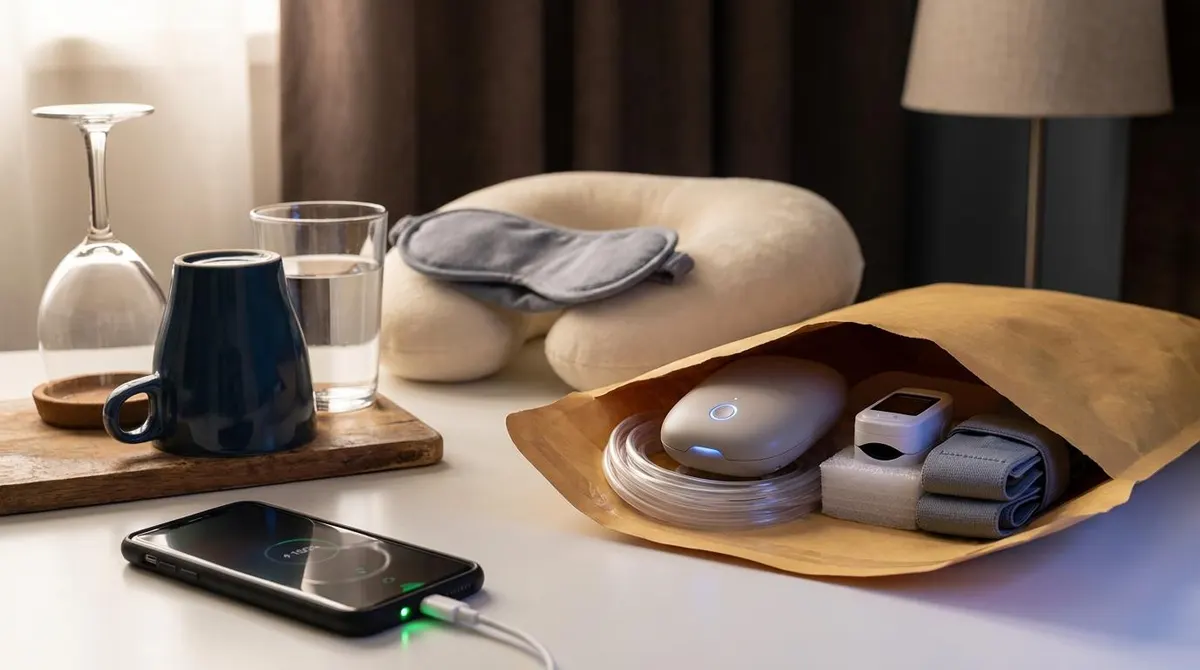
Proper preparation ensures your home sleep test captures accurate sleep data and produces a reliable Apnea Hypopnea Index.
Pre-Test Preparation Checklist
- Confirm your STOP-Bang score or Epworth Sleepiness Scale result with your physician or through the dumbo.health sleep assessment
- Order your home sleep test device and ensure it arrives with clear setup instructions
- Avoid alcohol for at least 24 hours before the test night, as alcohol relaxes airway muscles and can artificially worsen results
- Avoid caffeine after noon on the test day to support falling asleep at your normal time
- Skip daytime naps on the test day to increase your likelihood of sleeping through the test night
- Follow your normal sleep routine, including your usual sleep position, bedtime, and sleep environment
- Ensure your bedroom is comfortable with appropriate temperature, darkness, and minimal noise (blackout curtains and reducing screen exposure help)
- If you take sleep medications or any narcotic medication, discuss with your physician whether to take them on the test night, as these can affect breathing effort and airway reflexes
- Ensure the rechargeable device is fully charged or that the battery indicator shows adequate power
- Verify that you understand how to attach all sensors, including the nasal cannula for airflow, the finger oximeter for oxygen levels, and any chest belts for breathing effort
- Keep your phone nearby if the device uses a companion app for monitoring
- Set a plan to return the device promptly after testing to avoid delays in receiving your sleep report
Optimizing Your Sleep Environment
Your sleep environment directly affects test quality. The goal is to replicate your normal sleeping conditions as closely as possible because the test needs to capture what typically happens during your sleep.
Maintain your usual sleep position. If you normally sleep on your back, do not switch to your side for the test, even though side sleeping may reduce snoring. The test needs to measure your actual breathing patterns.
Avoid using an air purifier or fan positioned directly on your face, as this can interfere with the nasal cannula readings. Keep the room at a comfortable temperature. Using a cervical pillow is fine if that is your normal pillow.
IMPORTANT: Do not skip any sensor during setup. The most common reason for an unreadable home sleep test is a displaced finger oximeter or nasal cannula. If a sensor comes loose during the night, the device may not record enough data for a valid Apnea Hypopnea Index calculation.
KEY TAKEAWAY: Preparing for a home sleep test involves following your normal sleep routine, avoiding alcohol and late caffeine, properly setting up all sensors, and ensuring the device is charged, which together maximize the likelihood of a valid, interpretable result.
Preparation sets the stage, but understanding what treatments follow a confirmed diagnosis helps you see the full picture before you even take the test.
Treatment Pathways After Diagnosis
CPAP therapy is the first-line treatment for moderate to severe obstructive sleep apnea, but the right treatment depends on your Apnea Hypopnea Index, symptom severity, and personal circumstances. A confirmed diagnosis from a home sleep test or polysomnography unlocks several evidence-based treatment options.
CPAP Therapy
CPAP (continuous positive airway pressure) delivers a steady stream of air through a mask to keep the airway open during sleep. According to the AASM, CPAP is the standard treatment for obstructive sleep apnea with an AHI of 15 or higher, and it is also recommended for mild cases (AHI 5 to 14) when accompanied by significant symptoms or cardiovascular risk.
A CPAP prescription requires a confirmed diagnosis. Once prescribed, CPAP machines and masks are available through sleep care providers. dumbo.health includes CPAP therapy and equipment in all monthly care plans, starting at $59 per month with the Essentials Plan. The Premium Plan at $89 per month adds a dedicated sleep coach and advanced adherence monitoring, which research suggests improves long-term patient compliance.
Patient compliance is the primary challenge with CPAP therapy. The Sleep Foundation reports that approximately 50 percent of patients prescribed CPAP discontinue use within the first year. Access to ongoing support, mask fitting adjustments, and adherence monitoring significantly improves outcomes. dumbo.health addresses this directly through its tiered care plans that include follow-up care, and the Elite Plan at $129 per month offers direct physician messaging and concierge clinical support.
Oral Appliances and Dental Devices
Oral appliances, also known as mandibular advancement devices or dental devices, work by repositioning the lower jaw forward to enlarge the airway during sleep. The AASM recommends oral appliances for patients with mild to moderate obstructive sleep apnea who cannot tolerate CPAP. These devices require fitting by a dentist trained in sleep medicine and may need ENT evaluation in some cases.
Lifestyle Changes
Lifestyle changes play an important role in managing obstructive sleep apnea, particularly in mild cases:
- Weight loss: A 10 percent reduction in body weight can reduce the AHI by approximately 26 percent, according to research cited by the National Institutes of Health
- Sleep position: Sleeping on your side rather than your back reduces airway collapse in many patients
- Alcohol avoidance: Alcohol relaxes the throat muscles and worsens obstructive events
- Smoking cessation: Smoking increases upper airway inflammation and fluid retention
- Sleep hygiene: Maintaining a consistent sleep routine, optimizing the sleep environment, and managing stress all support better sleep quality
BiPAP and Advanced Positive Airway Pressure
BiPAP (bilevel positive airway pressure) provides different pressure levels for inhalation and exhalation. It is typically reserved for patients who cannot tolerate standard CPAP, patients with central sleep apnea, or those with coexisting conditions like obesity hypoventilation syndrome or heart failure.
Surgery
Surgery for obstructive sleep apnea is generally considered when CPAP and oral appliances have failed or when a clear anatomical obstruction exists. Surgical options include uvulopalatopharyngoplasty (UPPP), maxillomandibular advancement, and hypoglossal nerve stimulation. According to the National Institute for Health and Care Excellence, surgery should only be considered after other treatments have been attempted.
Supplementary Approaches
Some patients explore supplementary approaches alongside primary treatment:
- Magnesium, specifically magnesium glycinate, is sometimes discussed for its potential role in muscle relaxation and sleep quality, though evidence for its effect on sleep apnea specifically is limited
- Monitoring biomarkers such as ferritin and thyroid tests can help identify contributing medical conditions such as thyroid dysfunction or iron deficiency that may worsen fatigue and sleep quality independently of sleep apnea
dumbo.health's sleep apnea care solutions are designed to cover the full treatment pathway from diagnosis through ongoing CPAP management. Updates are sent to your referring provider, keeping your entire care team informed.
KEY TAKEAWAY: CPAP is the gold-standard treatment for moderate to severe obstructive sleep apnea, but the right approach depends on your AHI and symptoms, and options range from CPAP and oral appliances to lifestyle changes and surgery.
Treatment options become clearer with a diagnosis in hand, but choosing between testing settings is another decision point worth understanding.
Home Sleep Test vs. Polysomnography: Choosing the Right Test
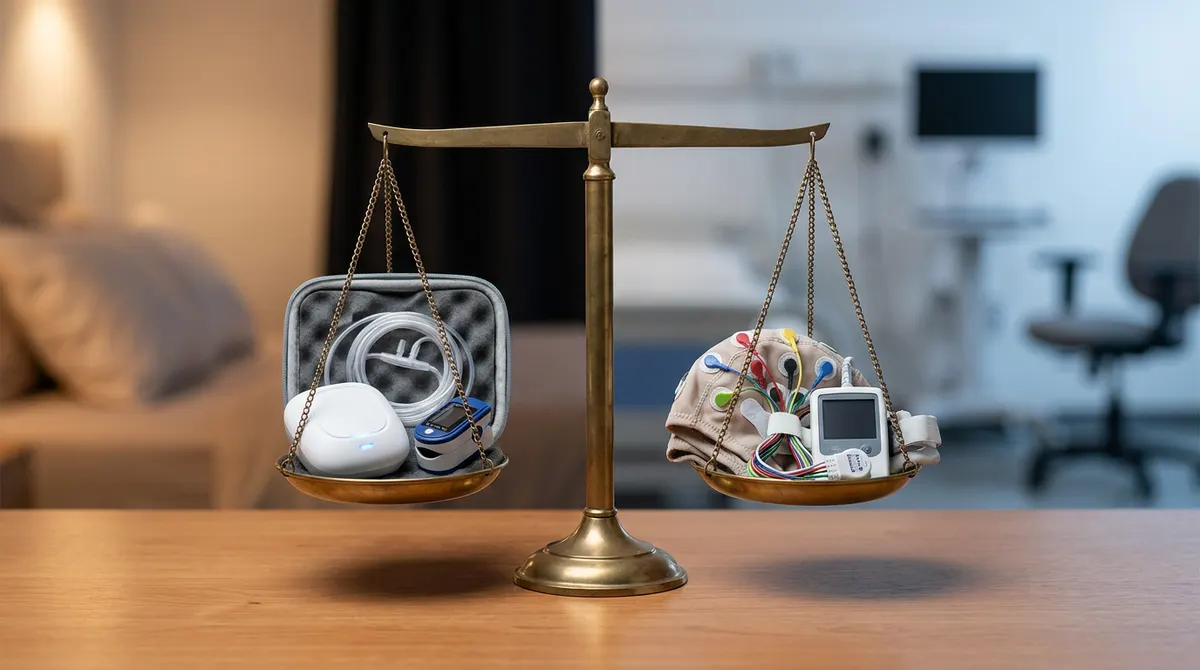
The right sleep test depends on what your physician suspects, your medical history, and how quickly you need results. For most adults with a high STOP-Bang score and suspected obstructive sleep apnea, a home sleep test is the recommended starting point.
Setting
- Home Sleep Apnea Test: Your own bed at home
- Polysomnography: Sleep lab or sleep clinic with nursing supervision
What Is Measured
- Home Sleep Apnea Test: Airflow, breathing effort, oxygen saturation, heart rate
- Polysomnography: Everything above plus brain waves, sleep architecture, eye movements, limb movements, body position
Channels Recorded
- Home Sleep Apnea Test: Typically 4 to 7 channels
- Polysomnography: Typically 16 or more channels
Cost
- Home Sleep Apnea Test: Lower, typically $149 to $500 (dumbo.health offers it for $149)
- Polysomnography: Higher, often $1,000 to $3,000 or more depending on location and insurance
Convenience
- Home Sleep Apnea Test: High, no travel required, sleep in your normal environment
- Polysomnography: Lower, requires scheduling, travel to a sleep clinic, and an overnight stay
Turnaround Time
- Home Sleep Apnea Test: Results typically available within days
- Polysomnography: Results may take one to three weeks depending on the facility
Best For
- Home Sleep Apnea Test: Adults with high pretest probability of obstructive sleep apnea, no significant comorbidities
- Polysomnography: Suspected central sleep apnea, complex sleep disorders, narcolepsy, restless legs syndrome, or when a home test is inconclusive
Insurance Requirements
- Home Sleep Apnea Test: Often available without insurance through cash-pay services like dumbo.health
- Polysomnography: Usually requires insurance pre-authorization and physician referral
For most people who have completed a screening questionnaire and scored in the intermediate or high-risk range, a home sleep test provides the data needed for diagnosis without the cost, scheduling delays, and inconvenience of polysomnography. Devices used for home sleep apnea testing, including options like the NightOwl, PranaQ, and TipTraQ, have been validated for detecting obstructive sleep apnea with clinically acceptable accuracy.
Sleep tracking technology from consumer wearables can provide useful supplementary Sleep Tracker Data such as estimated sleep duration and heart rate trends, but these devices are not FDA-cleared for diagnosing sleep apnea and should not replace validated medical testing.
KEY TAKEAWAY: A home sleep test is the recommended first-line diagnostic tool for most adults with suspected obstructive sleep apnea, while polysomnography is reserved for complex cases, suspected central sleep apnea, or inconclusive home test results.
Choosing the right test closes the diagnostic loop, but the broader context of sleep health is worth understanding to make the most of your results.
The Connection Between Sleep Apnea and Overall Health
Untreated obstructive sleep apnea affects far more than sleep quality. The repeated oxygen drops and fragmented sleep architecture caused by apnea events create a cascade of physiological consequences that extend to cardiovascular, metabolic, neurological, and psychological health.
Cardiovascular Impact
The NIH reports that obstructive sleep apnea is an independent risk factor for hypertension, coronary artery disease, heart failure, atrial fibrillation, and stroke. Each apnea event triggers a drop in blood oxygen, followed by a surge in sympathetic nervous system activity that raises blood pressure and heart rate. Over time, this nightly pattern leads to sustained daytime hypertension, vascular inflammation, and increased cardiac workload.
The vagus nerve, which plays a central role in regulating heart rate and inflammatory responses, is disrupted by the repeated arousals associated with sleep-disordered breathing. This disruption contributes to autonomic imbalance, which is a recognized pathway to cardiovascular disease.
Metabolic and Cognitive Effects
Sleep apnea is closely linked to insulin resistance, type 2 diabetes, and weight gain. The fragmented sleep and oxygen drops impair glucose metabolism and increase appetite-regulating hormones that promote overeating. The relationship is bidirectional: obesity worsens sleep apnea, and sleep apnea promotes metabolic dysfunction that makes weight loss more difficult.
Cognitively, untreated sleep apnea is associated with impaired concentration, memory deficits, and brain fog. The Sleep Foundation notes that chronic sleep fragmentation reduces the time spent in restorative slow-wave sleep and REM sleep, both of which are critical for memory consolidation and cognitive function. Over time, untreated sleep apnea may increase the risk of neurodegenerative conditions, though research in this area is ongoing.
Impact on Mental Health
Sleep apnea increases the risk of depression, anxiety, and irritability. Patients often report that treatment with CPAP or other positive airway pressure therapy leads to significant improvements in mood and energy within weeks of consistent use. Monitoring sleep health over time, including tracking adherence and symptom resolution, is an important part of long-term management.
Obstructive sleep apnea is a systemic condition with consequences that extend well beyond snoring. The Apnea Hypopnea Index measured during a home sleep test quantifies the severity of these nightly breathing disruptions. The higher the AHI, the greater the physiological burden on the body. Early detection through screening questionnaires and
Frequently Asked Questions About Home Sleep Apnea Test Questionnaire
What is a home sleep apnea test questionnaire?
A home sleep apnea test questionnaire is a short screening tool designed to identify symptoms and risk factors associated with obstructive sleep apnea (OSA) before formal testing. Common examples include the STOP-Bang Questionnaire, which asks about snoring, tiredness, observed breathing pauses, blood pressure, body mass index, age, neck circumference, and gender. The Epworth Sleepiness Scale is another widely used tool that measures daytime sleepiness. These questionnaires do not diagnose sleep apnea but help clinicians and patients decide whether a home sleep apnea test or further evaluation is appropriate.
What is obstructive sleep apnea, and why does it matter?
Obstructive sleep apnea is a sleep disorder in which the upper airway repeatedly collapses during sleep, causing breathing interruptions that reduce oxygen levels and fragment sleep. According to the American Academy of Sleep Medicine, OSA is one of the most common sleep-disordered breathing conditions and is associated with increased risk of high blood pressure, heart disease, heart failure, and excessive daytime sleepiness. Many people with OSA are unaware they have it. A home sleep apnea test questionnaire helps surface symptoms that may otherwise go unrecognised, such as loud snoring, gasping or choking during sleep, and morning fatigue.
Who should consider taking a sleep apnea screening questionnaire?
Anyone experiencing symptoms that may suggest sleep-disordered breathing should consider completing a sleep apnea screening questionnaire. Common symptoms include loud snoring, waking up gasping or choking, restless sleep, morning headaches, daytime fatigue, brain fog, or difficulty concentrating. People with risk factors such as obesity, a large neck circumference, high blood pressure, or a history of heart disease are at elevated risk, according to the American Academy of Sleep Medicine. A healthcare professional can help determine whether formal sleep apnea testing is appropriate based on questionnaire results and clinical history.
How accurate is a sleep apnea questionnaire at predicting OSA?
Sleep apnea questionnaires are screening tools, not diagnostic instruments. The STOP-Bang Questionnaire has been widely studied and shows reasonable sensitivity for identifying patients at moderate to high risk of obstructive sleep apnea, particularly in clinical and pre-operative settings. However, a questionnaire cannot measure oxygen saturation, airflow, breathing effort, or the apnea-hypopnea index. A home sleep apnea test (HSAT) or in-lab polysomnography is required to confirm a diagnosis. A healthcare professional should review questionnaire results and recommend the appropriate next step.
What screening tools are commonly used in sleep apnea assessment?
The most commonly used screening tools for obstructive sleep apnea include the STOP-Bang Questionnaire, which evaluates snoring, tiredness, observed apneas, blood pressure, body mass index, age, neck circumference, and sex. The Epworth Sleepiness Scale assesses daytime sleepiness by asking how likely a person is to fall asleep in everyday situations such as sitting quietly or watching television. Some assessments also include questions about sleep quality, sleep architecture disruption, restless legs, and breathing during sleep. These tools are used together to build a clearer picture of a patient's sleep health before formal testing is recommended.
What does my sleep apnea questionnaire score mean?
A higher score on a sleep apnea screening questionnaire generally indicates a greater likelihood of obstructive sleep apnea, but a score alone does not confirm a diagnosis. On the STOP-Bang Questionnaire, a score of three or more out of eight is typically associated with moderate to high risk. On the Epworth Sleepiness Scale, a score above ten may suggest excessive daytime sleepiness that warrants investigation. Questionnaire results should always be reviewed in the context of symptoms, medical history, and risk factors by a qualified healthcare professional who can advise on whether a home sleep apnea test or further evaluation is needed.
How do you test for sleep apnea at home?
A home sleep apnea test (HSAT) uses a portable monitoring device worn during sleep to measure airflow, breathing effort, oxygen saturation, and heart rate. Unlike in-lab polysomnography, which also records brain waves and full sleep architecture, a home sleep test focuses specifically on breathing-related data. The device is worn for one night at home and then returned or sent back for physician interpretation. The at-home sleep test from dumbo.health costs $149 as a one-time purchase and includes the device and one night of testing, with transparent cash-pay pricing and no insurance required.
What is the difference between a home sleep apnea test and a polysomnography sleep study?
A home sleep apnea test (HSAT) is a simplified, portable study that measures breathing-related signals such as airflow, oxygen saturation, and breathing effort during sleep at home. Polysomnography is a comprehensive in-lab sleep study that records brain waves, eye movements, muscle activity, heart rate, breathing, and oxygen levels simultaneously. The American Academy of Sleep Medicine explains that polysomnography remains the gold standard for diagnosing complex sleep disorders including central sleep apnea, narcolepsy, restless legs syndrome, and circadian rhythm sleep disorders. A physician will recommend the appropriate test based on symptoms, questionnaire results, and clinical history.
Can I use a home sleep apnea test to get a diagnosis?
A home sleep apnea test can provide the data a physician needs to diagnose obstructive sleep apnea in adults who are at moderate to high risk and do not have significant comorbidities. The test records breathing data that is then interpreted by a physician to calculate the apnea-hypopnea index and assess oxygen drops. However, a home sleep test cannot diagnose central sleep apnea, narcolepsy, restless legs syndrome, or complex sleep-disordered breathing, and some patients may need an in-lab study. A healthcare professional should review your results and determine whether your HSAT findings support a clinical diagnosis and treatment plan.
What symptoms might suggest I have obstructive sleep apnea?
Common symptoms that may suggest obstructive sleep apnea include loud snoring, gasping or choking during sleep, observed breathing pauses, restless sleep, waking unrefreshed, excessive daytime sleepiness, morning headaches, difficulty concentrating, and brain fog. Some people also experience dry mouth, mood changes, or a reduced ability to tolerate exercise. According to the NHS, symptoms in adults often include feeling very tired during the day and being told by a partner that you stop breathing briefly during sleep. If you recognise several of these symptoms, completing a sleep apnea questionnaire and speaking with a healthcare professional is a reasonable first step.
How likely am I to fall asleep in everyday situations, and what does this mean for sleep apnea?
The Epworth Sleepiness Scale asks about the likelihood of dozing in everyday situations such as sitting quietly after lunch, watching television, reading, or travelling as a passenger. A high probability of falling asleep in these situations may indicate excessive daytime sleepiness, which is a recognised symptom of obstructive sleep apnea. Daytime sleepiness related to OSA occurs because repeated breathing interruptions during the night prevent restorative sleep. This level of sleepiness can affect concentration, work performance, driving safety, and overall quality of life. If you experience this regularly, a sleep assessment and home sleep apnea test may be worth discussing with a healthcare professional.
Have you been told that your breathing stops briefly during sleep?
Being told by a partner or family member that your breathing stops briefly during sleep is one of the most significant warning signs of obstructive sleep apnea. These observed pauses, sometimes followed by gasping or choking, occur when the airway collapses and airflow is interrupted. According to the Sleep Foundation, witnessed apneas are among the most reliable indicators that formal sleep apnea testing is appropriate. If someone has noticed this pattern in your sleep, this is an important symptom to report when completing a sleep apnea questionnaire or speaking with a clinician about whether a home sleep apnea test is indicated.
Do morning headaches or dry mouth suggest sleep apnea?
Morning headaches and dry mouth can both be associated with obstructive sleep apnea, although they are not exclusive to it. Morning headaches may occur because repeated breathing interruptions during the night cause brief drops in oxygen levels, which can cause blood vessels in the brain to dilate. Dry mouth is common when a person snores heavily or breathes through their mouth during sleep. These symptoms, particularly when combined with snoring, daytime fatigue, or restless sleep, may indicate that a sleep apnea assessment is worth pursuing. A healthcare professional can help evaluate whether these symptoms are related to a sleep disorder.
Does fatigue or low energy that is worse in the morning suggest a sleep problem?
Fatigue or low energy that is consistently worse in the morning, rather than improving after what feels like a full night of sleep, is a recognised symptom pattern in obstructive sleep apnea and other sleep disorders. Because OSA fragments sleep through repeated breathing interruptions, the body does not progress normally through restorative sleep stages, leaving many patients feeling unrefreshed on waking. This pattern differs from general tiredness related to lifestyle factors. If you regularly feel worse in the morning despite sleeping for seven or more hours, completing a sleep apnea questionnaire and considering a home sleep apnea test may be a useful first step.
What should I do after completing a sleep apnea questionnaire based on my score?
After completing a sleep apnea questionnaire, your next step depends on your score and symptoms. A low score with minimal symptoms may not require immediate action, but ongoing symptoms should always be discussed with a healthcare professional. A moderate or high score suggests that further evaluation is appropriate. This typically involves a home sleep apnea test or a referral for an in-lab sleep study, depending on your clinical history. If you prefer a convenient, cash-pay option, dumbo.health offers an at-home sleep test for $149 with physician interpretation and transparent pricing. A healthcare professional should guide treatment decisions based on your results.
When should I contact my doctor about possible sleep apnea?
You should speak with a healthcare professional if you experience several recognised symptoms of obstructive sleep apnea, including loud snoring, observed breathing pauses, gasping during sleep, persistent morning headaches, excessive daytime sleepiness, or unexplained fatigue. People with risk factors such as obesity, high blood pressure, a large neck circumference, or a history of heart disease should also seek evaluation. If symptoms are severe or include chest pain, significant breathing difficulty, or sudden waking with a sensation of choking, seek medical care promptly. A sleep apnea questionnaire is a useful first step, but a clinician should review your results and recommend appropriate testing.
How does a home sleep apnea test protect my personal health data?
Reputable home sleep apnea test providers follow established data protection practices in line with applicable healthcare privacy regulations. When choosing a provider, it is important to confirm how your health data, including sleep test results and physician reports, is stored, shared, and protected. At dumbo.health, the platform is designed to support transparent, patient-centred care with clear communication about how your information is handled. Always review the privacy policy of any sleep testing service before completing a questionnaire or submitting personal health information, and ensure the provider uses secure data handling for sensitive medical data.
How much does a home sleep apnea test cost, and do I need insurance?
A home sleep apnea test at dumbo.health costs $149 as a one-time, cash-pay purchase. This includes the at-home testing device and one night of testing. No insurance is required, there are no prior authorizations, and there are no surprise bills. Ongoing care, including physician interpretation of your results, CPAP therapy, equipment, and adherence follow-up, is available through monthly plans starting at $59 per month with no contracts and the option to cancel anytime. Transparent pricing means you can plan your sleep apnea testing and care without unexpected costs. Explore sleep apnea care options to find the right plan for your situation.
What happens after my home sleep apnea test results are ready?
After your home sleep apnea test is complete and the device is returned, a physician reviews the sleep data and generates a clinical report. This report includes the apnea-hypopnea index, oxygen saturation levels, and other breathing metrics used to assess sleep-disordered breathing. If obstructive sleep apnea is identified, your physician may recommend CPAP therapy or another treatment depending on severity. At dumbo.health, monthly plans include physician interpretation, a clinical report, CPAP therapy and equipment, and adherence follow-up. Updates can also be sent to a referring provider. A healthcare professional should guide all treatment decisions based on your individual results.
What is CPAP therapy, and how does it treat sleep apnea?
CPAP, or continuous positive airway pressure, is the most commonly prescribed treatment for moderate to severe obstructive sleep apnea. A CPAP machine delivers a continuous stream of pressurised air through a mask worn during sleep, keeping the airway open and preventing the breathing interruptions that characterise OSA. According to the NIH,consistent CPAP use can reduce daytime sleepiness, lower blood pressure, and improve sleep quality in patients with OSA. CPAP adherence, meaning using the device consistently for the recommended number of hours per night, is essential for effective treatment. A clinician should determine whether CPAP is appropriate based on your test results. Learn more about CPAP therapy and equipment at dumbo.health.
Can a home sleep apnea test be used by commercial drivers or CDL holders?
Commercial drivers and CDL holders can use a home sleep apnea test to evaluate symptoms of obstructive sleep apnea, but it is important to understand how results relate to DOT certification. The FMCSA does not currently mandate a specific sleep apnea testing protocol, but certified medical examiners may refer drivers for sleep apnea evaluation based on symptoms, body mass index, neck circumference, or blood pressure findings during a DOT physical. A home sleep apnea test can support this evaluation process. However, a certified medical examiner makes all DOT certification decisions, and dumbo.health cannot guarantee medical clearance or DOT certification. Learn more about DOT sleep apnea testing at home.
Are there sleep apnea testing options for truck drivers near me?
Commercial truck drivers can access home sleep apnea testing without travelling to a sleep clinic or lab. At-home sleep apnea testing allows drivers to complete the test during a rest period in their own environment. dumbo.health offers at-home sleep testing with transparent cash-pay pricing, physician interpretation, and documentation support that can be shared with providers in your area or a referring certified medical examiner. This removes barriers such as long wait times, geographic limitations, and insurance requirements that can delay testing and care for drivers who work irregular schedules. Find out more about home sleep testing for truck drivers.
Can lifestyle changes such as diet and exercise improve sleep apnea?
Lifestyle changes can support sleep apnea management but are unlikely to resolve moderate to severe obstructive sleep apnea on their own without clinical treatment. Weight loss can reduce the severity of OSA in some patients because excess weight around the neck and throat contributes to airway narrowing. Regular exercise, improved sleep hygiene, consistent sleep routines, and avoiding alcohol before bed can also support better sleep quality. However, lifestyle changes should be considered alongside, not instead of, clinician-guided evaluation and treatment. A healthcare professional can advise on how lifestyle factors interact with your specific sleep apnea severity and treatment plan.
Can a primary care physician diagnose and treat sleep apnea?
A primary care physician can play an important role in identifying sleep apnea risk, reviewing questionnaire results, referring patients for home sleep testing or polysomnography, and managing ongoing care. However, diagnosis requires interpretation of sleep test data, typically by a physician with experience in sleep medicine or respiratory medicine. Treatment decisions, including CPAP prescriptions, equipment selection, and adherence follow-up, may involve a sleep physician, respiratory specialist, or clinician with relevant expertise. Some primary care physicians work closely with sleep medicine platforms to coordinate testing and care. A qualified clinician should always guide diagnosis and treatment decisions.
Is it safe to take melatonin or sleep medications for sleep apnea symptoms?
Melatonin supplements and sleep medications do not treat the underlying cause of obstructive sleep apnea and should not be used as a substitute for clinician-guided evaluation and treatment. Some sleep medications, particularly those with sedative properties, may worsen OSA by relaxing airway muscles and reducing airway reflexes during sleep. Narcotic medications and benzodiazepines carry particular risks in patients with undiagnosed or untreated sleep apnea. Melatonin is generally considered lower risk, but evidence for its benefit in OSA is limited. Always discuss sleep medication use with a healthcare professional, particularly if you have symptoms of sleep-disordered breathing or a suspected sleep disorder.
What is the first step if I think I might have sleep apnea?
If you think you might have sleep apnea, a practical first step is completing a validated screening questionnaire such as the STOP-Bang or Epworth Sleepiness Scale to assess your risk level. If your score or symptoms suggest elevated risk, the next step is speaking with a healthcare professional who can advise on whether a home sleep apnea test or in-lab sleep study is appropriate. dumbo.health offers a free sleep assessment to help you decide whether at-home sleep apnea testing may be a reasonable next step. Start with a free sleep assessment to begin the process with transparent pricing and no insurance required.
Related Home Sleep Apnea Test Topics
- What Is a Home Sleep Apnea Test How At-Home Sleep Testing Works, What It Measures, and Who Needs One
- Sleep Study for Sleep Apnea What Happens, What It Measures, and What Your Results Mean
- What Happens After a Home Sleep Apnea Test Results, Diagnosis, and Next Steps
- At Home Sleep Apnea Test with Ring How Ring-Based Sleep Testing Works and Whether It Can Diagnose Sleep Apnea
- Home Sleep Apnea Test False Negative Why It Happens and What to Do Next
- Sleep Study for Sleep Apnea What the Test Measures, How It Works, and What Your Results Mean
- Home Sleep Apnea Test Ring How Ring-Based Sleep Testing Works for Sleep Apnea Detection
- Home Sleep Apnea Test ICD-10 Codes The Complete Coding and Diagnostic Guide for Sleep Apnea Testing
- What Does a Home Sleep Apnea Test Consist Of Sensors, Equipment, and What to Expect
- Can a Home Sleep Apnea Test Be Wrong Accuracy, False Negatives, and What to Do Next
- Home Sleep Apnea Test The Complete Guide to At-Home Sleep Apnea Testing
- Sleep Apnea Testing at Home The Complete Guide to Home Sleep Tests, Devices, and Results
- Home Sleep Apnea Testing The Complete Guide to Diagnosing Sleep Apnea at Home
- Home Sleep Apnea Test Cost What You Actually Pay With and Without Insurance
- Best Home Sleep Apnea Test A Clinical Guide to Choosing the Right At-Home Sleep Study
- How Do You Get a Home Sleep Apnea Test The Complete Guide to At-Home Sleep Testing
- Sleep Study Test for Sleep Apnea The Complete Guide to Diagnosis, Testing Types, and Next Steps
- Sleep Apnea Test at Home with Insurance What Your Plan Actually Covers and How to Get Tested
- Home Sleep Apnea Test FDA Approved What Devices Are Cleared and How They Work
- How to Get a Sleep Apnea Test at Home The Complete Guide to Home Sleep Testing
- How Is a Home Sleep Apnea Test Done A Complete Guide to At-Home Sleep Testing
- Home Sleep Apnea Test CPT Code Complete Coding and Billing Guide for Sleep Studies
- Home Sleep Apnea Test for Children What Parents Need to Know About Pediatric Sleep Testing
- Sleep Apnea Test at Home The Complete Guide to Home Sleep Testing for Adults
- How Does a Home Sleep Apnea Test Work A Complete Guide to At-Home Sleep Testing
- Home Sleep Apnea Test for Kids What Parents Need to Know About Pediatric Sleep Testing
- Kids at Home Sleep Apnea Test What Parents Need to Know About Pediatric Sleep Testing
- CPAP Test at Home The Complete Guide to Home Sleep Apnea Testing and Treatment
- At-Home Sleep Apnea Test for Toddlers What Parents Need to Know About Pediatric Sleep Testing
- Home Sleep Test The Complete Guide to At-Home Sleep Apnea Testing
- Can You Test for Sleep Apnea at Home A Complete Guide to Home Sleep Testing
- Home Sleep Apnea Test Indications Who Qualifies and When At-Home Testing Is Clinically Appropriate
- Home Sleep Apnea Test Guidelines Clinical Standards, Eligibility, and What Every Patient Should Know
- Home Sleep Apnea Test Parameters What Every Measurement Means and Why It Matters
- Sleep Apnea Test The Complete Guide to Diagnosis, Home Testing, and What Your Results Mean
- FDA Approved Home Sleep Apnea Test What Devices Are Cleared, How They Work, and How to Get Tested
- How Long Does a Home Sleep Apnea Test Take What to Expect Before, During, and After Testing
- Sleep Apnea Checker How to Screen for Sleep Apnea and What Your Results Mean
- What Is the Best At-Home Sleep Apnea Test A Clinical Comparison of Devices, Accuracy, and Cost
- Sleep Test at Home The Complete Guide to Home Sleep Apnea Testing
- CPT for Home Sleep Apnea Test Complete Coding and Billing Guide for Sleep Study Providers
- Sleep Apnea Diagnosis at Home The Complete Guide to Home Sleep Testing
- At-Home Sleep Apnea Test The Complete Guide to Testing, Results, and Treatment
- Can a Sleep Study Diagnose Sleep Apnea and Other Sleep Disorders
- Does Insurance Cover a Home Sleep Apnea Test What You Actually Pay
- Does Medicare Cover a Home Sleep Apnea Test What Beneficiaries Need to Know
- Can Dentists Prescribe a Home Sleep Apnea Test What You Need to Know
- What Is the Cost of a Sleep Apnea Test at Home
- Sleep Test What It Measures, How It Works, and What Your Results Mean
- Home Sleep Test Cost What You Actually Pay With and Without Insurance
- At-Home Sleep Apnea Test Covered by Medicaid What You Need to Know Before Getting Tested
- Home Sleep Apnea Test Medicaid Coverage What Patients Need to Know
- Home Sleep Apnea Test FSA Eligible How to Use Your Flexible Spending Account for Sleep Testing
- At-Home Sleep Apnea Test FSA How to Use Your Flexible Spending Account for Sleep Testing
- Sleep Apnea Test Near Me How to Find Local and At-Home Testing Options
- At Home Sleep Apnea Test HSA How to Use Your Health Savings Account for Sleep Testing
- CPT Code for Home Sleep Apnea Test The Complete Coding and Billing Guide
- Can My Doctor Prescribe a Home Sleep Apnea Test What You Need to Know
- Are Home Sleep Apnea Tests Reliable Clinical Evidence, Accuracy, and What the Data Actually Shows
- Does a Home Sleep Apnea Test Measure Apneas What the Device Actually Records
- Pediatric Home Sleep Apnea Test A Complete Guide for Parents and Providers
- Home Sleep Apnea Test Near Me How to Get Tested Without a Sleep Lab Visit
- Sleep Apnea Diagnosis How Sleep Apnea Is Detected, Tested, and Confirmed
- Sleep Apnea Testing The Complete Guide to Diagnosis, Home Tests, and What Your Results Mean
- Do At-Home Sleep Apnea Tests Work Clinical Accuracy, Limitations, and What the Evidence Shows
- Home Sleep Apnea Test CPT Codes A Complete Guide to Billing, Coding, and Reimbursement
- How Much Does a Home Sleep Apnea Test Cost Complete Pricing Breakdown for Self-Pay and Insured Patients
- CPT Code for Home Sleep Apnea Test Complete Billing and Coding Guide
- Home Sleep Testing Companies A Complete Guide to At-Home Sleep Apnea Diagnosis
- Does Anyone Ever Pass a Sleep Apnea Test What Normal Results Actually Look Like
- Can I Get a CPAP Machine After a Home Sleep Apnea Test
- CPAP Test What It Is, How It Works, and What Your Results Mean
- Sleep Apnea Sleep Study The Complete Guide to Testing, Diagnosis, and Treatment
- Sleep Test to CPAP How Sleep Apnea Testing Leads to Treatment
- Obstructive Sleep Apnea Sleep Study The Complete Guide to Diagnosis, Testing, and Treatment
- At Home Sleep Study for Sleep Apnea The Complete Guide to Testing in Your Own Bed
- What to Expect During a Sleep Study for Sleep Apnea
- Sleep Study Apnea Hypopnea Index What Your AHI Score Means and Why It Matters
- Top-Rated Home Sleep Apnea Test Kits Available in the US
- Where Can I Buy a Home Sleep Apnea Test Without a Prescription
- How Do Home Sleep Apnea Tests Compare to In-Lab Sleep Studies
- Average Cost of a Home Sleep Apnea Test Kit Shipped in the US
- Do I Need a Prescription for a Home Sleep Apnea Test Device
- Polysomnography at Home How Home Sleep Testing Compares to In-Lab Sleep Studies
- Sleep Apnea Test at Home DOT Approved Options for Commercial Drivers
- Apnea Monitor The Complete Guide to Breathing Monitors for Sleep Apnea and Infant Care
- Do You Need a Prescription for a Home Sleep Apnea Test
- At Home Sleep Apnea Test for VA Disability The Complete Guide for Veterans
- Are Home Sleep Apnea Tests Accurate What the Evidence Actually Shows
- At-Home Sleep Apnea Test for VA The Complete Guide for Veterans
- Home Sleep Apnea Test Contraindications When an HSAT Is Not the Right Choice
- Disadvantages of Home Sleep Testing What Patients and Providers Need to Know
- Home Sleep Testing The Complete Guide to Diagnosing Sleep Apnea From Your Own Bed
- How to Get Tested for Sleep Apnea The Complete Guide to Diagnosis, Sleep Studies, and Treatment
- Sleep Apnea Testing Near Me How to Find the Right Test, Provider, and Path to Diagnosis
- Are Sleep Studies Covered by Insurance What You Actually Pay for Sleep Apnea Testing
- At-Home Sleep Apnea Test DOT Approved The Complete Guide for Commercial Drivers
- Best At Home Sleep Apnea Test A Clinical Comparison
- How Does a Sleep Study Diagnose Sleep Apnea
- Can Sleep Apnea Be Diagnosed Without a Sleep Study
AI summary
A home sleep apnea test questionnaire is a validated screening tool that estimates risk for obstructive sleep apnea (OSA) before diagnostic testing. The most common tools are the STOP-Bang Questionnaire and the Epworth Sleepiness Scale. STOP-Bang uses 8 yes/no factors: snoring, tiredness, observed apneas, high blood pressure, BMI greater than 35, age over 50, neck circumference over 40 cm, and male gender. Scores classify risk as 0–2 low, 3–4 intermediate, and 5–8 high; a high score indicates the need for diagnostic testing. Epworth quantifies daytime sleepiness across 8 situations (0–24 total). Scores above 10 suggest excessive sleepiness; above 15 suggests severe impairment. Questionnaires do not diagnose OSA or measure severity. Diagnosis requires a home sleep apnea test (HSAT) or in-lab polysomnography to calculate the Apnea Hypopnea Index (AHI): under 5 normal, 5–14 mild, 15–29 moderate, 30 or higher severe. HSAT is best for adults with suspected OSA and no significant comorbidities; polysomnography is needed for suspected central sleep apnea or complex sleep disorders.

Nicolas Nemeth
Co-Founder
Nico is the co-founder of Dumbo Health, a digital sleep clinic that brings the entire obstructive sleep apnea journey home. Patients skip the sleep lab and the long wait to see a specialist. Dumbo Health ships an at home test, connects patients with licensed sleep clinicians by video, and delivers CPAP or a custom oral appliance with ongoing coaching and automatic resupply in one clear subscription.
Keep reading

VA At Home Sleep Apnea Test: The Complete Guide for Veterans

Home Sleep Apnea Test App: What Works, What Doesn't, and How to Get a Real Diagnosis


