Home Sleep Apnea Test Contraindications: When an HSAT Is Not the Right Choice
This article explains when a home sleep apnea test (HSAT) is not appropriate and when an in-lab polysomnography is the safer, more accurate option. It reviews the American Academy of Sleep Medicine guidance that HSATs are validated for adults with moderate to high pretest probability of obstructive sleep apnea only. Key contraindications include suspected central sleep apnea, severe COPD, NYHA Class III to IV heart failure, neuromuscular disease, and suspected non-OSA sleep disorders requiring sleep staging. It also covers practical barriers such as cognitive impairment, physical limitations, unstable sleep environments, and pediatric age. You will learn why HSATs can underestimate AHI and what to do after a negative or inconclusive result.
Struggling with sleep?
Find out if sleep apnea is the reason.
FDA-cleared. $149 flat. Physician-reviewed results in 48 hours.

Home Sleep Apnea Test Contraindications: When an HSAT Is Not the Right Choice
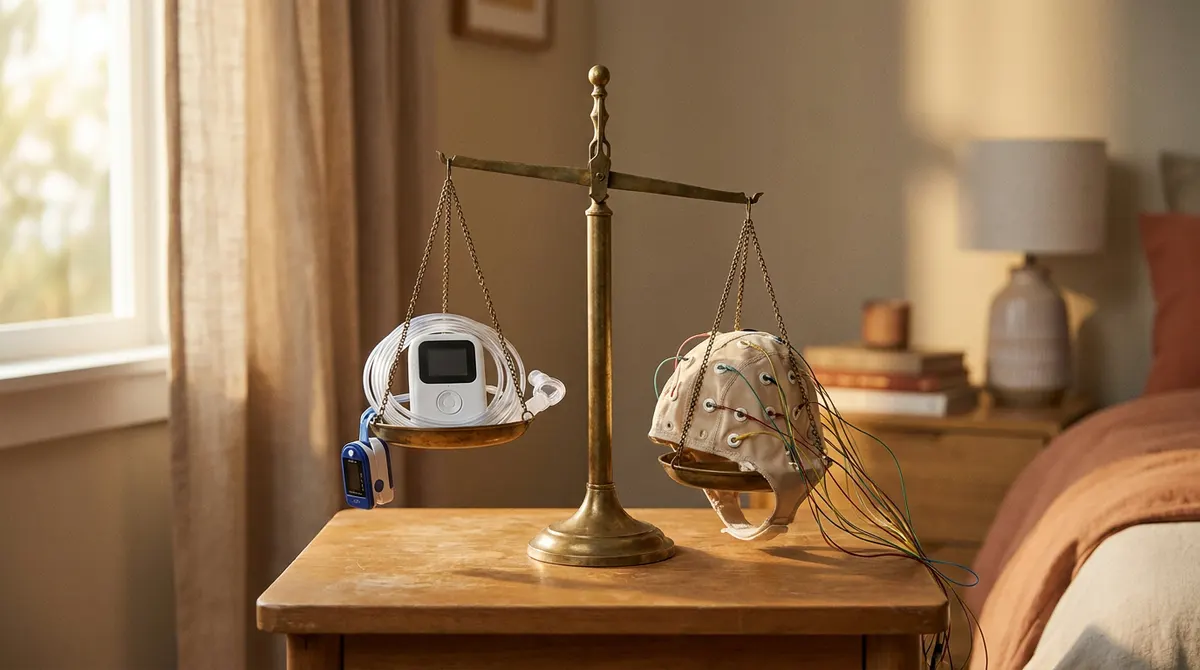
home sleep apnea test contraindications include suspected central sleep apnea, severe cardiopulmonary disease, cognitive impairment, and the need for comprehensive sleep staging that only in-lab polysomnography can provide. The American Academy of Sleep Medicine specifies that HSATs are validated for diagnosing obstructive sleep apnea in adults with a moderate to high pretest probability, but not for all patients or all sleep disorders. This article is for commercial drivers, adults experiencing sleep-disordered breathing symptoms, and healthcare providers who need to understand when a home sleep test is appropriate and when it is not. You will learn the specific medical conditions, patient factors, and clinical scenarios that make an HSAT unsuitable, as well as how to determine the right testing pathway. Understanding these contraindications helps you avoid wasted time, inaccurate results, and delayed treatment.
Quick Answer
Home sleep apnea test contraindications are clinical conditions or patient factors that make an HSAT unreliable or unsafe for diagnosing sleep apnea. These include central sleep apnea, severe COPD, congestive heart failure, neuromuscular disease, cognitive impairment, and the need for full sleep staging. When contraindications are present, in-lab polysomnography is recommended instead. For adults with a high pretest probability of obstructive sleep apnea and no contraindications, dumbo.health provides a home sleep test for $149 with physician interpretation available through ongoing care plans.
Key Takeaways
- Home sleep apnea tests are validated only for adults with suspected obstructive sleep apnea and a moderate to high pretest probability, not for all sleep disorders
- The AASM lists central sleep apnea, severe cardiopulmonary disease, neuromuscular disorders, and the need for comprehensive sleep staging as key contraindications for HSATs
- HSATs can underestimate severity because they measure recording time rather than true sleep time, which may produce a falsely low Apnea-Hypopnea Index
- Medicare requires in-lab polysomnography for diagnosing central sleep apnea and certain complex sleep-related breathing disorders under its National Coverage Determination
- Patients with cognitive impairment or physical limitations that prevent proper device setup are not candidates for unsupervised home testing
- dumbo.health offers a $149 home sleep test with no insurance required, plus monthly care plans starting at $59 per month for physician interpretation and CPAP therapy
What Is a Home Sleep Apnea Test and How Does It Work
A home sleep apnea test is a portable diagnostic device that records breathing, airflow, blood oxygen levels, and heart rate while you sleep in your own bed. HSATs are classified as Type III or Type IV sleep testing devices and are designed to confirm or rule out obstructive sleep apnea in patients who meet specific clinical criteria.
How HSAT Devices Measure Sleep Apnea
Type III sleep testing devices typically record four to seven channels of data. These channels include respiratory airflow, respiratory effort using Respiratory Inductance Plethysmography, pulse oximetry for oxygen saturation, and heart rate via a cardiac signal. Some devices like the Watch-PAT100 use peripheral arterial tonometry to detect respiratory events by measuring peripheral arterial tone changes in the finger.
Type IV sleep testing devices are simpler. They may record only one or two channels, such as a pulse oximeter measuring blood oxygenation or a single airflow sensor. While more convenient, Type IV devices have reduced diagnostic accuracy compared to Type III devices or in-lab polysomnography.
Unlike a full in-lab sleep study, HSATs do not include an electroencephalogram for brain waves, an Electromyogram for muscle activity, or electrodes for sleep staging. This means HSATs cannot determine whether you are actually asleep, which directly affects how the Apnea-Hypopnea Index is calculated.
The Difference Between Recording Time and Sleep Time
One of the most clinically significant limitations of home sleep testing is that HSATs calculate the Apnea-Hypopnea Index based on total recording time, not total sleep time. In-lab polysomnography uses electroencephalogram data to identify exactly when you fall asleep and wake up. HSATs lack this capability.
This distinction matters because if you spend eight hours with the device on but only sleep for five hours, the respiratory events are spread across eight hours instead of five. The result is a lower AHI, which may underestimate the severity of your obstructive sleep apnea. According to the American Academy of Sleep Medicine, this is one reason HSATs can produce false-negative results.
DID YOU KNOW: The AASM estimates that HSATs may underestimate the AHI by 10 to 20 percent compared to in-lab polysomnography due to the recording time versus sleep time calculation difference.
KEY TAKEAWAY: Home sleep apnea tests record breathing, airflow, oxygen saturation, and heart rate but cannot measure brain waves or confirm sleep staging, which limits their diagnostic accuracy in certain patients.
Understanding what HSATs can and cannot measure is the foundation for recognizing when they should not be used.
Clinical Contraindications for Home Sleep Apnea Testing
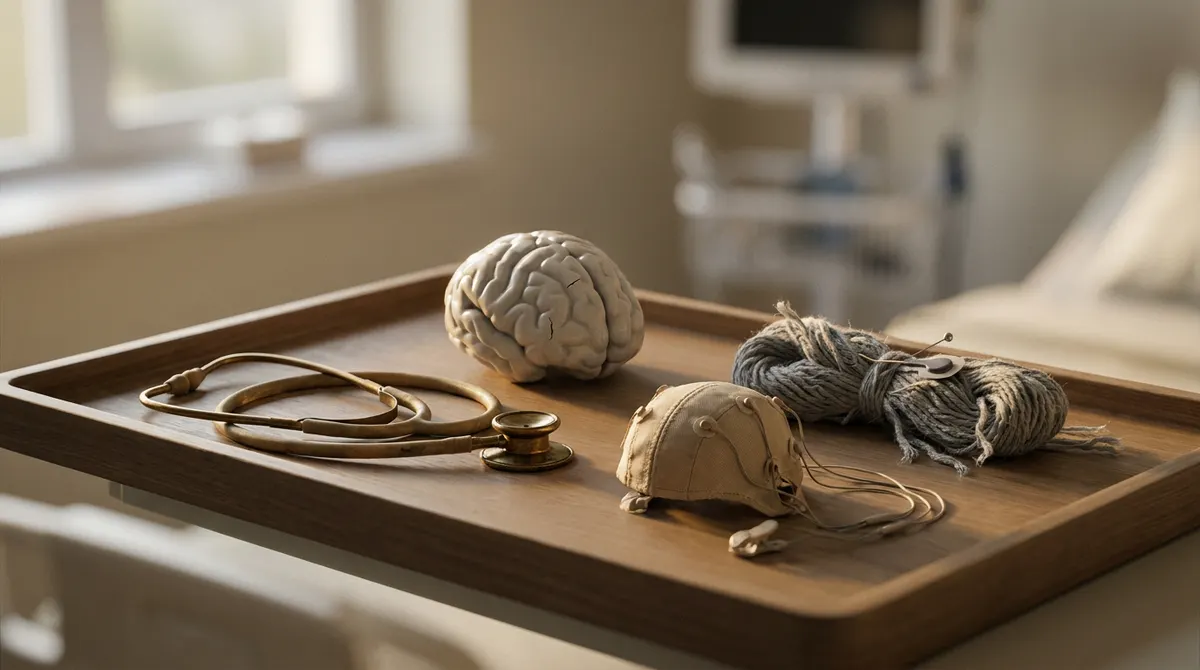
HSATs are contraindicated when a patient has medical conditions that reduce the test's reliability, require continuous clinical monitoring, or involve sleep disorders beyond obstructive sleep apnea. The AASM and Medicare guidelines both specify conditions where in-lab polysomnography must be used instead.
Central Sleep Apnea
Central sleep apnea occurs when the brain fails to send proper signals to the muscles that control breathing, rather than a physical airway obstruction. According to the National Heart, Lung, and Blood Institute, central sleep apnea accounts for a smaller but clinically significant portion of sleep-disordered breathing cases.
HSATs are not designed to differentiate central sleep apnea from obstructive sleep apnea. Type III devices measure airflow and respiratory effort, but they lack the electroencephalogram and detailed respiratory event classification that polysomnography provides. If a patient has risk factors for central sleep apnea, such as congestive heart failure, opioid use, or a history of stroke, an in-lab sleep study is required for accurate diagnosis.
Severe Cardiopulmonary Disease
Patients with severe chronic obstructive pulmonary disease, congestive heart failure classified as New York Heart Association Class III or IV, or other significant cardiopulmonary conditions are not appropriate candidates for home sleep testing. These conditions can cause oxygen desaturation patterns that mimic or mask obstructive sleep apnea events.
A patient with severe COPD and a low FEV1 or reduced FEV1/FVC ratio on a pulmonary function test may experience nocturnal hypoxemia unrelated to apnea events. Without continuous monitoring from a sleep technologist, these overlapping respiratory patterns make HSAT data unreliable. Mayo Clinic notes that overlap syndrome, where COPD and obstructive sleep apnea coexist, requires in-lab evaluation to distinguish between causes of oxygen desaturation.
Neuromuscular Disorders
Neuromuscular conditions such as amyotrophic lateral sclerosis, myasthenia gravis, and muscular dystrophy affect respiratory muscle function. These disorders can cause hypoventilation during sleep that is distinct from obstructive sleep apnea. HSATs are not validated for detecting hypoventilation or differentiating it from obstructive events, making in-lab polysomnography necessary for safe and accurate diagnosis.
Other Sleep Disorders Requiring Full Polysomnography
When a sleep medicine physician suspects a sleep disorder other than obstructive sleep apnea, an HSAT is not sufficient. Conditions such as narcolepsy, periodic limb movement disorder, REM sleep behavior disorder, and parasomnias require full Type I Polysomnography with electroencephalogram, Electromyogram, electrooculogram, and video monitoring. HSATs cannot detect movement analysis patterns, sleep staging abnormalities, or brain wave activity associated with these disorders.
IMPORTANT: If your provider suspects any sleep disorder beyond straightforward obstructive sleep apnea, a home sleep test will not provide the data needed for accurate diagnosis.
KEY TAKEAWAY: Central sleep apnea, severe cardiopulmonary disease, neuromuscular disorders, and suspected non-obstructive sleep disorders are primary clinical contraindications for home sleep apnea testing.
Beyond medical conditions, patient-specific factors also determine whether an HSAT will produce reliable results.
Patient Factors That Make Home Sleep Testing Inappropriate
Even when obstructive sleep apnea is the suspected diagnosis, certain patient characteristics can prevent an HSAT from being completed accurately or safely. These factors relate to the patient's ability to use the device, the sleep environment, and the clinical context of the referral.
Cognitive Impairment
Home sleep testing requires the patient to independently set up the device, attach sensors correctly, and follow written or video instructions without direct supervision from a sleep technologist. Patients with cognitive impairment from dementia, traumatic brain injury, developmental disabilities, or severe psychiatric conditions may not be able to complete these steps reliably.
If sensors are placed incorrectly or the device is not activated properly, the raw data will be unusable or misleading. In these cases, an attended in-lab sleep study provides the necessary supervision. A sleep technologist monitors sensor placement, adjusts equipment throughout the night, and ensures data quality in real time.
Physical Limitations
Patients with significant physical limitations that prevent them from attaching nasal cannulas, finger pulse oximeters, or respiratory effort belts may not be able to use home sleep testing equipment. Conditions such as severe arthritis, upper extremity paralysis, or tremors can make sensor attachment impractical without assistance.
Inadequate Sleep Environment
HSATs depend on the patient sleeping in a reasonably controlled environment. Patients who are homeless, living in environments with extreme noise, or who cannot maintain a stable sleep environment may produce unreliable results. Sleep monitoring accuracy depends on the patient remaining relatively still in bed and actually attempting to sleep during the recording period.
Pediatric Patients
The American Academy of Sleep Medicine does not recommend HSATs for diagnosing obstructive sleep apnea in children. Pediatric patients require in-lab polysomnography with age-appropriate scoring criteria and direct supervision. The physiology of pediatric sleep-disordered breathing differs from adult obstructive sleep apnea, and pediatric diagnostic thresholds are significantly lower.
Checklist: Is an HSAT Right for You
Before ordering a home sleep test, verify that you meet these criteria:
- You are an adult aged 18 or older
- Your provider suspects obstructive sleep apnea based on symptoms such as loud snoring, witnessed apneas, or excessive daytime sleepiness
- You have a moderate to high pretest probability on a validated sleep questionnaire such as the Epworth Sleepiness Scale or STOP-BANG
- You do not have a history of central sleep apnea, stroke, congestive heart failure, or opioid use
- You do not have severe COPD or a known neuromuscular disorder
- You can independently attach sensors and follow device instructions
- You have a stable sleep environment where you can sleep for at least 6 hours
- You are not being evaluated for narcolepsy, periodic limb movements, parasomnia, or other non-apnea sleep disorders
- You have reviewed your testing options with a provider or completed the free sleep assessment at dumbo.health
- You understand that a negative or inconclusive HSAT result may require follow-up with in-lab polysomnography
KEY TAKEAWAY: Cognitive impairment, physical limitations that prevent sensor use, unstable sleep environments, and pediatric age are patient-level contraindications for home sleep apnea testing.
Even when an HSAT is appropriate, the results must be interpreted within the context of its known diagnostic limitations.
Diagnostic Limitations of HSATs Compared to Polysomnography
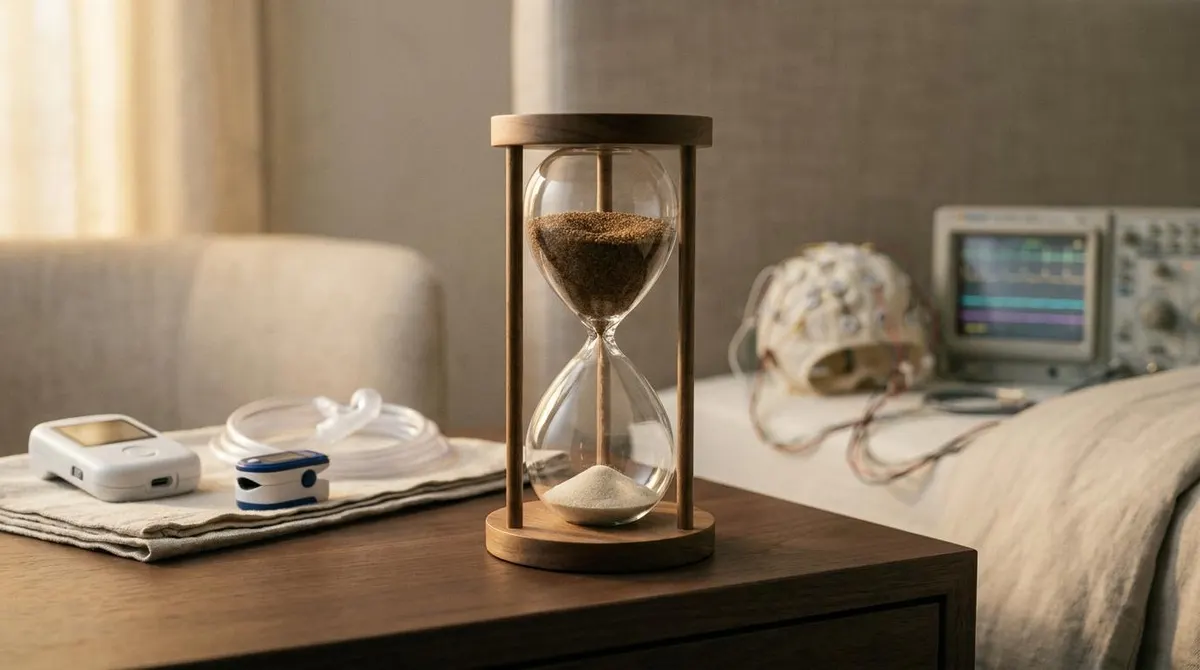
HSATs have lower diagnostic accuracy than Type I Polysomnography, particularly in patients with mild obstructive sleep apnea or significant comorbid conditions. Understanding these limitations helps patients and providers make informed decisions about which test to order.
Home sleep apnea tests are screening-level tools. They are highly effective at confirming moderate to severe obstructive sleep apnea in patients with a high pretest probability, but they can miss milder cases and cannot provide the comprehensive data that polysomnography delivers.
Structured Comparison: Home Sleep Test vs. In-Lab Polysomnography
The following comparison highlights key differences that affect when each test is appropriate.
Setting
- Home Sleep Apnea Test: Patient's own bed at home
- Polysomnography: Sleep laboratory or sleep clinic facility
Channels Recorded
- Home Sleep Apnea Test: 4 to 7 channels (airflow, respiratory effort, pulse oximetry, heart rate, snore detection)
- Polysomnography: 16 or more channels (electroencephalogram, Electromyogram, electrooculogram, airflow, respiratory effort, pulse oximetry, heart rate, body position, limb movements, video)
Sleep Staging Capability
- Home Sleep Apnea Test: Not available (no brain wave monitoring)
- Polysomnography: Full sleep staging with electroencephalogram
AHI Calculation Basis
- Home Sleep Apnea Test: Total recording time
- Polysomnography: Total sleep time
Central Sleep Apnea Detection
- home sleep apnea test: Not reliable
- polysomnography: Reliable with full respiratory event classification
Technologist Supervision
- Home Sleep Apnea Test: None (unattended)
- Polysomnography: Continuous real-time monitoring by a sleep technologist
Cost
- Home Sleep Apnea Test: Typically $149 to $500 (dumbo.health offers it for $149)
- Polysomnography: Often $1,000 to $3,000 or more
Convenience
- Home Sleep Apnea Test: High, completed at home with no travel
- Polysomnography: Requires overnight stay at a sleep lab facility
For patients who meet the clinical criteria for HSAT, the home test offers significant advantages in cost, convenience, and accessibility. dumbo.health provides a home sleep test for $149 with no insurance required, no prior authorizations, and no surprise bills. If your clinical profile is straightforward, meaning you are an adult with high suspicion of obstructive sleep apnea and no significant comorbidities, an HSAT is the most practical starting point.
When HSAT Results Are Inconclusive
According to AASM criteria, a negative or inconclusive HSAT result in a patient with a high pretest probability of obstructive sleep apnea should be followed up with in-lab polysomnography. The AASM recommends against using a negative HSAT alone to rule out obstructive sleep apnea when clinical suspicion remains high.
This is an important nuance that many generic health resources overlook. An HSAT can confirm obstructive sleep apnea, but it cannot reliably exclude it. If your HSAT shows a normal or borderline Apnea-Hypopnea Index but you continue to experience loud snoring, excessive daytime sleepiness, or witnessed breathing pauses, your sleep medicine physician should recommend follow-up testing.
KEY TAKEAWAY: HSATs are effective at confirming moderate to severe obstructive sleep apnea, but a negative result does not rule out the condition; follow-up polysomnography may be needed when clinical suspicion remains high.
Knowing the diagnostic boundaries of HSATs leads directly to understanding how insurance and Medicare coverage interact with these testing rules.
Medicare and Insurance Rules for Home Sleep Apnea Testing
Medicare covers home sleep apnea testing under its National Coverage Determination, but only for diagnosing obstructive sleep apnea. Central sleep apnea, complex sleep apnea syndrome, and other sleep-related breathing disorders require in-lab polysomnography for Medicare reimbursement.
Medicare Coverage Requirements
The Medicare National Coverage Determination specifies that HSATs must be Type II, Type III, or Type IV devices to qualify for coverage. Medicare requires that the device record a minimum set of physiological parameters, and the test results must be interpreted by a physician trained in sleep medicine.
For the Medicare population, a positive HSAT showing an AHI of 15 or greater, or an AHI of 5 to 14 with documented symptoms such as excessive daytime sleepiness, impaired cognition, or hypertension, qualifies the patient for CPAP therapy coverage. Medicare contractors may have additional local coverage determinations that affect which devices and providers are covered in your area.
Insurance Barriers and the Self-Pay Alternative
Many patients experience delays due to prior authorization requirements from their insurance company. According to the American Sleep Apnea Association, insurance-related delays for sleep apnea diagnosis and treatment can extend the process by weeks to months, during which time the patient remains untreated.
These delays are particularly problematic for commercial drivers who need timely diagnosis to maintain their CDL certification. dumbo.health eliminates insurance barriers by operating as a cash-pay only platform. The home sleep test costs $149, and ongoing care through monthly plans starts at $59 per month for the Essentials Plan. There are no prior authorizations, no insurance company negotiations, and no surprise bills. The Premium Plan at $89 per month includes a dedicated sleep coach and advanced adherence monitoring, which is valuable for drivers who need to document CPAP compliance.
Private Payer Advocacy Considerations
Some patients pursue Private Payer Advocacy when their insurance company denies coverage for home sleep testing or requires in-lab polysomnography instead. While advocacy can be effective, it adds time and complexity. For patients who need a fast, transparent pathway to diagnosis and treatment, the self-pay model removes the administrative burden entirely.
KEY TAKEAWAY: Medicare covers HSATs for obstructive sleep apnea under specific conditions, but insurance barriers frequently delay diagnosis; dumbo.health offers a $149 self-pay home sleep test with no authorization required.
With the administrative landscape clear, the next step is understanding the clinical pathway that follows an HSAT.
What Happens After a Home Sleep Apnea Test
A completed home sleep test is only useful if the raw data is interpreted by a qualified physician and translated into a treatment plan. The post-test pathway determines whether you move to CPAP therapy, alternative treatment, or further diagnostic testing.
Step-by-Step Process: From Testing to Treatment Through dumbo.health
1. Complete the free sleep assessment at dumbo.health to determine whether an HSAT is appropriate for your symptoms and medical history.
2. Order the home sleep test for $149 through dumbo.health. The device ships directly to your home.
3. Follow the included instructions to attach the sensors before your normal bedtime. Record one full night of sleep.
4. Return the device using the prepaid shipping materials included in your kit.
5. Choose a monthly care plan. The Essentials Plan at $59 per month covers physician interpretation, a detailed report, CPAP therapy with equipment, and standard follow-up care.
6. Receive your physician interpretation and Apnea-Hypopnea Index results. Updates are sent to your referring provider if applicable.
7. If diagnosed with obstructive sleep apnea, begin CPAP therapy. Your CPAP machine and mask are included in the monthly plan.
8. Continue monthly adherence monitoring and follow-up through your chosen plan. Cancel anytime with no contracts.
After completing these steps, you have a documented diagnosis, an active treatment pathway, and ongoing clinical support without the delays of traditional insurance-based care.
Interpretation and the Apnea-Hypopnea Index
The Apnea-Hypopnea Index is the primary metric used to classify obstructive sleep apnea severity. According to the American Academy of Sleep Medicine, AHI thresholds are defined as follows:
- Normal: fewer than 5 events per hour
- Mild obstructive sleep apnea: 5 to 14 events per hour
- Moderate obstructive sleep apnea: 15 to 29 events per hour
- Severe obstructive sleep apnea: 30 or more events per hour
These thresholds directly determine treatment eligibility and are used by sleep medicine physicians, Medicare, and insurance providers to authorize CPAP therapy or alternative treatments such as oral appliances or surgery.
Treatment Options Based on Severity
Mild obstructive sleep apnea may be managed with positional therapy, lifestyle modifications, or oral appliances. Moderate to severe obstructive sleep apnea is most commonly treated with CPAP therapy. An auto CPAP machine adjusts pressure automatically based on detected respiratory events, which many patients prefer over fixed-pressure devices.
dumbo.health includes CPAP therapy and equipment in all monthly plans. The Essentials Plan at $59 per month provides the CPAP machine, mask, and standard follow-up. The Premium Plan at $89 per month adds a dedicated sleep coach and advanced adherence monitoring, which is particularly relevant for CDL holders who must demonstrate CPAP compliance to maintain certification.
KEY TAKEAWAY: After a home sleep test, physician interpretation of the Apnea-Hypopnea Index determines diagnosis severity and treatment pathway, with CPAP therapy being the standard treatment for moderate to severe obstructive sleep apnea.
Clinical outcomes depend not just on diagnosis but on how well treatment is matched to the individual patient's profile.
Real-World Scenarios: When HSATs Work and When They Do Not
Concrete examples illustrate how home sleep apnea test contraindications play out in clinical practice. These scenarios reflect common patient profiles encountered by sleep medicine physicians and DOT examiners.
Scenario 1: A 48-Year-Old Long-Haul Truck Driver With High OSA Probability
A 48-year-old male owner-operator with a BMI of 36, a neck circumference of 18 inches, loud snoring reported by his partner, and an Epworth Sleepiness Scale score of 14 is referred for sleep apnea testing during a DOT physical exam. He has no history of heart failure, COPD, stroke, or neuromuscular disease. His only medical conditions are hypertension controlled with medication and mild gastric reflux.
This patient is an ideal HSAT candidate. He has a high pretest probability of obstructive sleep apnea, no contraindications, and a straightforward clinical profile. He orders a home sleep test through dumbo.health for $149, completes the test at home, and receives his results through the Essentials Plan. His AHI is 28, confirming moderate obstructive sleep apnea. He begins CPAP therapy through the same plan and documents compliance for his DOT certification.
Scenario 2: A 62-Year-Old Retiree With Congestive Heart Failure
A 62-year-old female with New York Heart Association Class III congestive heart failure, a reduced ejection fraction, and Cheyne-Stokes breathing pattern during sleep presents with excessive daytime sleepiness. Her cardiologist suspects central sleep apnea contributing to her symptoms.
This patient is not a candidate for home sleep testing. Her congestive heart failure and suspected central sleep apnea are direct contraindications per AASM criteria. She requires in-lab Type I Polysomnography with continuous monitoring by a sleep technologist. The polysomnography will include electroencephalogram, detailed respiratory event classification, and cardiac monitoring to differentiate central from obstructive events.
Scenario 3: A 55-Year-Old Commercial Driver With Mild Symptoms and an Inconclusive HSAT
A 55-year-old male regional delivery driver with a BMI of 30 and occasional snoring completes a home sleep test. His HSAT shows an AHI of 4, just below the diagnostic threshold. However, he reports persistent morning headaches, frequent nocturnal awakenings, and an Epworth Sleepiness Scale score of 12.
Despite the normal HSAT result, his clinical symptoms suggest obstructive sleep apnea. His sleep medicine physician recommends follow-up with in-lab polysomnography, which reveals an AHI of 11 when calculated using total sleep time rather than total recording time. He is diagnosed with mild obstructive sleep apnea and begins treatment. This scenario demonstrates why a negative HSAT does not definitively rule out obstructive sleep apnea and why follow-up testing is essential when symptoms persist.
KEY TAKEAWAY: HSATs are appropriate for straightforward, high-probability obstructive sleep apnea cases but must be avoided or followed up when clinical complexity, comorbidities, or inconclusive results are present.
These scenarios highlight the importance of understanding what myths and misconceptions surround home sleep testing.
Common Myths About Home Sleep Apnea Tests Debunked
MYTH: A home sleep apnea test can diagnose any type of sleep disorder.
FACT: HSATs are validated only for diagnosing obstructive sleep apnea in adults with a moderate to high pretest probability. The American Academy of Sleep Medicine confirms that HSATs cannot diagnose central sleep apnea, narcolepsy, periodic limb movement disorder, REM sleep behavior disorder, or other complex sleep disorders. These conditions require in-lab polysomnography with electroencephalogram, Electromyogram, and direct supervision by a sleep technologist.
MYTH: If your home sleep test result is normal, you definitely do not have sleep apnea.
FACT: A negative HSAT result does not conclusively rule out obstructive sleep apnea. Because HSATs calculate the Apnea-Hypopnea Index based on recording time rather than actual sleep time, they can produce falsely low AHI values. The AASM recommends follow-up polysomnography when a patient with high clinical suspicion receives a negative HSAT result. According to published estimates, HSATs can underestimate the AHI by 10 to 20 percent compared to in-lab studies.
MYTH: Home sleep tests are less accurate, so they are not worth doing.
FACT: For the right patient population, HSATs have strong diagnostic accuracy. A meta-analysis referenced by the Sleep Foundation indicates that Type III devices demonstrate sensitivity above 85 percent and specificity above 80 percent for moderate to severe obstructive sleep apnea when used in appropriate patients. The issue is not that HSATs are inherently inaccurate; it is that they are sometimes used for patients who do not meet the clinical criteria, leading to unreliable results.
MYTH: You need insurance to get a home sleep apnea test.
FACT: Insurance is not required for home sleep testing. dumbo.health offers a home sleep apnea test for $149 with no insurance, no prior authorizations, and no surprise bills. Self-pay testing removes the administrative delays that frequently postpone diagnosis and treatment, particularly for commercial drivers and uninsured adults.
MYTH: CPAP therapy is the only treatment option after a positive sleep apnea diagnosis.
FACT: While CPAP therapy is the most common and effective treatment for moderate to severe obstructive sleep apnea, alternatives exist. Oral appliances, positional therapy, weight management, and surgery are options depending on severity and patient factors. The treatment pathway should be determined by a sleep medicine physician based on the AHI, symptom severity, and individual health profile. dumbo.health includes CPAP therapy and equipment in all care plans, but the physician interpretation process considers the full range of appropriate options.
KEY TAKEAWAY: HSATs are highly effective for their intended purpose but are frequently misunderstood; knowing the facts about their scope, accuracy, and limitations helps patients and providers choose the right diagnostic path.
A clear understanding of myths versus facts supports better decision-making from the initial assessment through treatment.
Limitations and Risks of Relying on a Home Sleep Test
No diagnostic test is perfect, and HSATs carry specific limitations that both patients and providers must weigh before proceeding. Acknowledging these limitations does not diminish the value of home sleep testing; it ensures the test is used where it performs best.
Limitation 1: Inability to Detect Non-Obstructive Sleep Disorders
HSATs measure airflow, respiratory effort, oxygen saturation, and heart rate. They do not measure brain waves, eye movements, or leg movements. This means conditions such as narcolepsy, periodic limb movement disorder, and REM sleep behavior disorder will be completely missed by an HSAT. If you have symptoms such as sleep paralysis, acting out dreams, or rhythmic leg jerking during sleep, an in-lab sleep study with a full electroencephalogram and Electromyogram is necessary.
Limitation 2: Data Loss From Sensor Displacement
Because home sleep tests are unattended, there is a risk that sensors will become displaced during the night. If a nasal cannula falls off, or the pulse oximeter loosens, portions of the recording will be unusable. According to the AASM, approximately 10 to 15 percent of home sleep tests produce insufficient data and need to be repeated. In-facility sleep tests avoid this problem because a sleep technologist reattaches sensors in real time.
dumbo.health mitigates this risk by providing clear instructions with the home sleep test device and including physician interpretation in every care plan. If a test is inconclusive, your care team can help you determine the next step, whether that is a retest or a referral for in-lab polysomnography.
Limitation 3: Underestimation of Severity in Mild Cases
As discussed earlier, the AHI calculation based on recording time rather than sleep time means that patients with mild obstructive sleep apnea may receive a falsely normal result. This is the most clinically consequential limitation for patients hovering near the diagnostic threshold of 5 events per hour. For patients with moderate to severe obstructive sleep apnea, this recording-time effect is less likely to change the overall diagnostic category.
Limitation 4: No Real-Time Safety Monitoring
Patients with severe oxygen desaturation concerns or unstable cardiopulmonary conditions require real-time monitoring during sleep. If oxygen levels drop dangerously low during the night, a sleep technologist in a sleep lab facility can intervene immediately. HSATs offer no such safety net, which is why severe oxygen desaturation risk is a contraindication.
Limitation 5: Not Validated for Pediatric Use
The AASM does not recommend HSATs for children. Pediatric obstructive sleep apnea has different diagnostic criteria, and children require in-lab supervision for safe and accurate testing. Parents seeking evaluation for a child's snoring or sleep-disordered breathing should consult a pediatric sleep specialist and plan for in-lab polysomnography.
TIP: If you are uncertain whether an HSAT is appropriate for your situation, completing a clinical sleep questionnaire such as the Epworth Sleepiness Scale and discussing your medical history with a provider can help determine the right testing pathway. You can also take the free sleep assessment at dumbo.health to get started.
KEY TAKEAWAY: HSATs carry real limitations including data loss risk, inability to detect non-obstructive disorders, potential severity underestimation, no real-time safety monitoring, and exclusion of pediatric patients; recognizing these ensures the test is used appropriately.
With a complete picture of when HSATs should and should not be used, you can make an informed testing decision.
How to Decide Between a Home Sleep Test and In-Lab Polysomnography
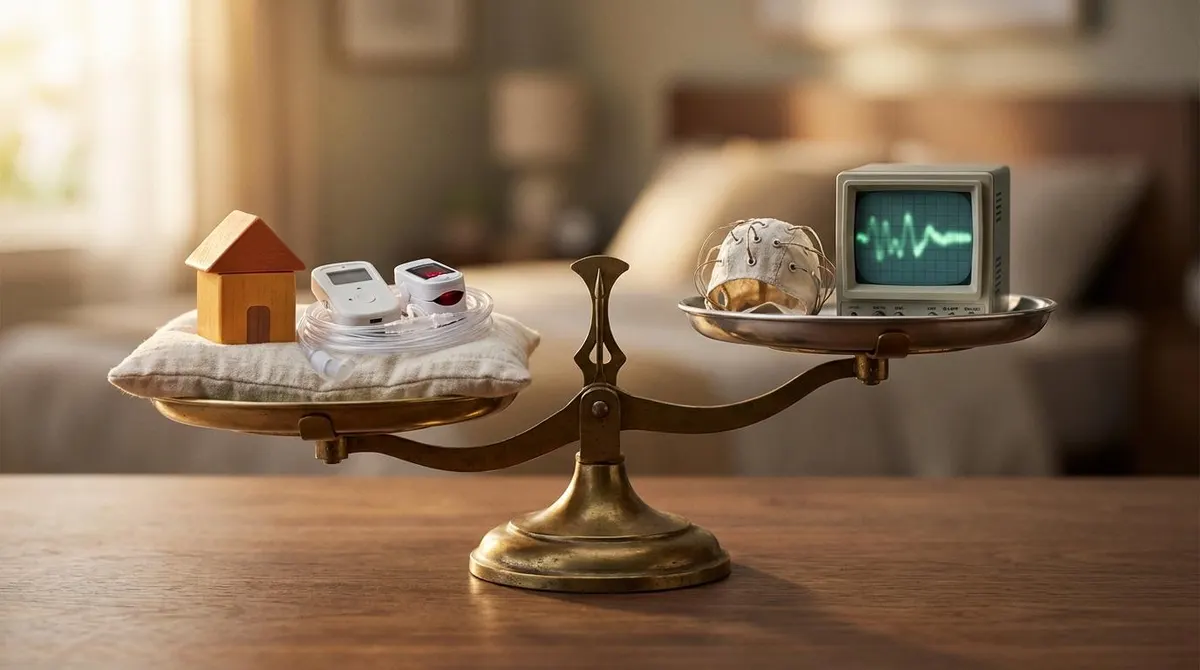
The decision between a home sleep test and in-lab polysomnography depends on your pretest probability of obstructive sleep apnea, the presence of comorbid conditions, and whether your provider suspects a sleep disorder beyond OSA.
Decision Framework for Patients and Providers
If you answer yes to all of the following, an HSAT is likely appropriate:
- You are an adult with symptoms of obstructive sleep apnea such as loud snoring, daytime sleepiness, or witnessed apneas
- Your Epworth Sleepiness Scale score or STOP-BANG score indicates moderate to high risk
- You have no history of heart failure, stroke, neuromuscular disease, or chronic opioid use
- You do not have severe COPD or other significant pulmonary disease
- You are not being evaluated for narcolepsy, parasomnia, or periodic limb movement disorder
- You can independently set up and wear the testing device
If any of those criteria are not met, in-lab polysomnography is the safer and more accurate choice. Your sleep medicine physician or referring provider should make the final determination based on your full clinical picture.
Clinicians frequently observe that patients who are good candidates for HSATs but are unaware the option exists end up on long wait lists for sleep lab appointments. In many areas, sleep centers have limited capacity, and wait times of four to six weeks or longer are common. For patients near you who meet HSAT criteria, the home sleep test offers faster access to diagnosis and treatment.
dumbo.health provides a complete sleep apnea care pathway that begins with the $149 home sleep test and continues through physician interpretation, CPAP therapy, and ongoing adherence monitoring. The entire process operates without insurance, making it accessible to patients who cannot afford delays.
KEY TAKEAWAY: Choose a home sleep test when you have straightforward, high-probability obstructive sleep apnea with no significant comorbidities; choose in-lab polysomnography when clinical complexity, non-OSA disorders, or safety concerns are present.
Making the right testing decision is the first step toward effective, lasting treatment.
Conclusion
Home sleep apnea test contraindications exist for important clinical reasons. Central sleep apnea, severe cardiopulmonary disease, neuromuscular disorders, cognitive impairment, and the need for comprehensive sleep staging all make in-lab polysomnography the safer and more accurate choice. For adults with a high pretest probability of obstructive sleep apnea and no contraindications, an HSAT is a reliable, convenient, and cost-effective diagnostic tool.
If you meet the criteria for home sleep testing, dumbo.health offers a straightforward path to diagnosis and treatment. The home sleep test costs $149 with no insurance required, and monthly care plans starting at $59 per month include physician interpretation, CPAP therapy, and ongoing follow-up. No contracts, no surprise bills, cancel anytime. Getting tested is the most important step toward protecting your health and, for commercial drivers, your career.
Frequently Asked Questions About Home Sleep Apnea Test Contraindications
What is a home sleep apnea test and how does it work?
A home sleep apnea test (HSAT) is a portable diagnostic tool used to evaluate obstructive sleep apnea in your own home rather than in a sleep lab facility. The device typically measures airflow, respiratory effort, oxygen saturation, heart rate, and sometimes snoring and body position during a single night of sleep. You wear the sensors as instructed, sleep in your normal environment, and return the device for physician interpretation. According to the American Academy of Sleep Medicine, HSATs are appropriate for adults with a high pre-test probability of moderate to severe obstructive sleep apnea.
What does a home sleep apnea test measure?
A home sleep apnea test measures several key signals related to sleep-disordered breathing. Most Type III and Type IV devices record respiratory airflow, breathing effort, blood oxygen levels, heart rate, and oxygen desaturation events. More advanced devices may also capture respiratory sounds, peripheral arterial tone, or actigraphy for movement analysis. The recorded raw data is used to calculate the apnea-hypopnea index, which reflects the number of apnea and hypopnea events per hour of sleep. A sleep medicine physician then interprets the data and produces a clinical report. Home sleep tests do not capture brain waves, sleep staging, or the full electroencephalogram data that in-lab polysomnography provides.
Who should not take a home sleep apnea test?
Certain medical and clinical conditions make a home sleep apnea test inappropriate or unreliable. Patients who should generally avoid HSATs include those with significant cardiopulmonary disease, suspected central sleep apnea, heart failure classified under New York Heart Association criteria, severe chronic obstructive pulmonary disease or low FEV1/FVC ratios, neuromuscular disorders, or cognitive impairment that would prevent proper device use. Patients with hypertension that is difficult to control, prior stroke, or complex sleep-related breathing disorders beyond obstructive sleep apnea are also typically better served by attended in-lab polysomnography. A healthcare professional can help determine whether at-home sleep testing is appropriate for your specific medical conditions.
What are the contraindications for a home sleep apnea test?
The main contraindications for a home sleep apnea test fall into three categories: medical complexity, suspected non-OSA sleep disorders, and practical limitations. Medical contraindications include moderate to severe heart failure, significant pulmonary disease with reduced FEV1, suspected central sleep apnea, neuromuscular disease affecting breathing, and prior complex cardiovascular events. Suspected non-OSA disorders such as restless leg syndrome, parasomnias, or narcolepsy require full in-lab polysomnography for accurate diagnosis. Practical contraindications include cognitive impairment or physical limitations that prevent correct sensor placement and device operation. The American Academy of Sleep Medicine recommends that clinicians use clinical judgment when selecting patients for unattended home sleep testing.
What is the difference between a home sleep apnea test and polysomnography?
A home sleep apnea test is an unattended portable study conducted in the patient's home, while polysomnography (PSP) is an attended, in-facility sleep study supervised by a sleep technologist. Polysomnography records brain waves via electroencephalogram, eye movements, muscle activity via electromyogram, cardiac signals, respiratory airflow, respiratory effort, oxygen saturation, and movement analysis. Home sleep tests collect a more limited data set, typically respiratory airflow, breathing effort, oxygen saturation, and heart rate, and do not capture sleep staging. Because HSATs cannot detect arousals or distinguish sleep stages, they may underestimate apnea severity. In-lab Type I polysomnography remains the gold standard for diagnosing complex sleep-disordered breathing and evaluating patients who do not meet HSAT criteria.
How accurate are home sleep apnea tests?
Home sleep apnea tests are considered clinically accurate for diagnosing moderate to severe obstructive sleep apnea in patients without significant comorbidities. Studies reviewed by the American Academy of Sleep Medicine indicate that Type III portable monitoring devices demonstrate reasonable sensitivity and specificity when used in appropriate patient populations. However, because HSATs do not measure sleep staging, they calculate the apnea-hypopnea index based on recording time rather than confirmed sleep time, which can result in underestimation of OSA severity. False negative results are more likely in patients with mild OSA or complex medical conditions. A negative or inconclusive home sleep test in a patient with persistent symptoms should prompt referral for attended in-lab polysomnography.
What sleep disorders can a home sleep test detect or not detect?
A home sleep apnea test is designed specifically to detect obstructive sleep apnea and quantify the apnea-hypopnea index. It can identify oxygen desaturation events, breathing interruptions, and respiratory effort patterns consistent with obstructive sleep apnea. However, HSATs cannot reliably diagnose central sleep apnea, complex sleep apnea, parasomnias, narcolepsy, periodic limb movement disorder, restless leg syndrome, or other sleep-related breathing disorders that require full sleep staging data. Patients suspected of having conditions beyond obstructive sleep apnea should be evaluated with attended polysomnography at a sleep lab facility rather than an unattended home study.
When is an in-lab sleep study required instead of a home test?
An in-lab sleep study is required when clinical complexity exceeds what a home sleep apnea test can reliably assess. The American Academy of Sleep Medicine recommends attended polysomnography for patients with suspected central sleep apnea, significant cardiopulmonary disease, neuromuscular disorders, complex sleep-disordered breathing, prior airway surgery, or when a home sleep test produces a technically inadequate or negative result that conflicts with clinical symptoms. Children are also routinely evaluated with in-lab polysomnography rather than home sleep testing. If your home sleep test results do not match your symptoms or your clinician has clinical concerns, a sleep specialist can determine whether further in-facility diagnostic testing is appropriate.
Can a home sleep apnea test produce a false negative result?
Yes, a home sleep apnea test can produce a false negative result. Because HSATs calculate the apnea-hypopnea index using recording time rather than confirmed total sleep time, the measured index may appear lower than the patient's true severity. Patients with mild obstructive sleep apnea are particularly susceptible to false negative results. Additionally, patients may sleep differently in their home environment on a test night due to anxiety or awareness of the device, which can affect breathing patterns. If you complete a home sleep study but still experience symptoms such as daytime sleepiness, loud snoring, morning headaches, or repeated waking, a healthcare professional may recommend repeating the test or proceeding to in-lab polysomnography.
What symptoms suggest I should be evaluated for sleep apnea?
Common symptoms that may indicate obstructive sleep apnea include loud or disruptive snoring, waking repeatedly during the night, waking with a dry mouth, sore throat, or headache, feeling unrefreshed after a full night of sleep, and excessive daytime sleepiness. Bed partners sometimes report witnessed breathing pauses or gasping. The Epworth Sleepiness Scale is a commonly used sleep questionnaire that clinicians use to quantify daytime sleepiness as part of a pre-test assessment. These symptoms do not confirm a diagnosis on their own. A healthcare professional can help determine whether sleep testing is appropriate based on your symptoms, risk factors, and medical history. You can also take a free sleep assessment as a first step.
Does hypertension or heart disease affect whether I can use a home sleep test?
Yes, cardiovascular conditions can affect whether a home sleep apnea test is appropriate. Patients with uncontrolled hypertension, significant heart failure, complex arrhythmias, or prior major cardiovascular events are generally considered higher risk for unattended home sleep testing. These conditions may both increase sleep apnea risk and reduce the reliability of home sleep test data. The NHLBI notes a well-established association between obstructive sleep apnea and hypertension and cardiovascular disease. Clinicians evaluating patients with these comorbidities often prefer attended in-lab polysomnography to obtain more complete physiological data including cardiac signal monitoring, sleep staging, and supervised respiratory monitoring. A sleep medicine physician or sleep specialist can advise on the most appropriate diagnostic approach.
Can patients with suspected central sleep apnea use a home sleep test?
No. Suspected central sleep apnea is a contraindication for home sleep apnea testing. Central sleep apnea involves a failure of the brain's respiratory drive rather than a physical airway obstruction, and its diagnosis requires detailed assessment of respiratory effort patterns, sleep staging, and sometimes cardiac monitoring that home sleep tests cannot provide. A standard HSAT device cannot reliably distinguish between obstructive and central events. Patients with heart failure, prior stroke, opioid use, or other risk factors for central sleep apnea should be referred for attended in-lab polysomnography. A sleep medicine physician can determine the appropriate testing pathway based on clinical presentation.
What are the different types of portable sleep monitoring devices?
Portable sleep monitoring devices are classified by the American Academy of Sleep Medicine into four types based on the channels they record. Type I is full attended in-lab polysomnography. Type II devices are comprehensive portable monitors recording at least seven channels including brain waves, eye movement, and respiratory signals. Type III devices, commonly used for home sleep apnea testing, record a minimum of four channels including respiratory airflow, respiratory effort, oxygen saturation, and heart rate. Type IV devices record only one or two channels such as pulse oximetry or peripheral arterial tonometry. Most clinical HSATs use Type III monitoring. Type II and Type III sleep testing devices have the strongest evidence base for diagnosing obstructive sleep apnea outside of a sleep lab facility.
How is the apnea-hypopnea index calculated from a home sleep test?
The apnea-hypopnea index (AHI) represents the number of apnea and hypopnea events per hour of sleep. During a home sleep apnea test, the device records respiratory airflow, breathing effort, and oxygen desaturation data across the recording period. Because HSATs do not capture brain wave activity or confirmed sleep staging, the AHI is typically calculated using total recording time rather than confirmed sleep time. This can result in a lower AHI than would be obtained from polysomnography for the same patient. The raw data is reviewed and interpreted by a sleep medicine physician using AASM criteria to produce a clinical report. Clinicians apply this result alongside clinical symptoms and the patient's full medical history.
What are the benefits of at-home sleep testing compared to in-lab testing?
At-home sleep apnea testing offers several practical advantages over in-lab polysomnography for appropriate patients. Home sleep tests allow testing in a familiar sleep environment, which many patients find more comfortable and representative of their typical sleep. They are generally more convenient, lower in cost, and faster to access than attended sleep lab studies. HSATs eliminate the need to sleep in a facility setting with electrodes and equipment attached by a sleep technologist. For patients with a high pre-test probability of moderate to severe obstructive sleep apnea and no significant comorbidities, the American Academy of Sleep Medicine supports the use of home sleep apnea testing as a clinically valid diagnostic pathway. Learn more about at-home sleep testing and whether it may be suitable for you.
How much does a home sleep apnea test cost?
Home sleep apnea test costs vary depending on the provider and whether insurance is involved. At dumbo.health, a home sleep apnea test is priced at $149 as a transparent one-time cash-pay cost, with no insurance required, no prior authorizations, and no surprise bills. This includes the at-home sleep test device and one night of testing. Physician interpretation and ongoing care such as CPAP therapy, equipment, and adherence follow-up are covered separately through monthly plans starting at $59 per month. For patients without insurance or those who want predictable pricing, cash-pay home sleep testing can be a more accessible and transparent option than traditional insurance-based pathways.
Does insurance or Medicare cover a home sleep apnea test?
Insurance coverage for home sleep apnea testing depends on the insurer, the patient's clinical presentation, and documentation of medical necessity. Medicare covers home sleep apnea testing under its National Coverage Determination when the patient meets specific clinical criteria for suspected obstructive sleep apnea. Medicare contractors may have local coverage policies that affect which device types are reimbursable. Private payer policies vary and may require prior authorization, specific device types, or physician referral. Patients who prefer to avoid insurance complexity can access home sleep testing as a cash-pay service. dumbo.health offers transparent cash-pay pricing with no insurance required and no prior authorizations, which may suit patients who want predictable costs and faster access to testing.
How many times can I take a home sleep apnea test?
There is no fixed limit on how many times a patient can take a home sleep apnea test, but repeat testing is typically guided by clinical need. A second home sleep test may be recommended if the first produces a technically inadequate result, an inconclusive apnea-hypopnea index, or a result that is inconsistent with the patient's clinical symptoms. Insurance and Medicare coverage for repeat testing is subject to their respective National Coverage Determination and local coverage policies. A sleep medicine physician or healthcare professional can advise on whether a repeat study or escalation to in-lab polysomnography is appropriate based on your specific situation and results.
Do commercial drivers and CDL holders need a sleep apnea evaluation?
Commercial drivers with a CDL are required to meet medical fitness standards under FMCSA regulations, and sleep apnea can be a relevant factor in medical certification decisions. The FMCSA does not mandate sleep apnea testing for all commercial drivers, but certified medical examiners are required to assess drivers for conditions that may impair safe operation of a commercial motor vehicle, which includes untreated obstructive sleep apnea. Drivers referred for sleep apnea evaluation may be able to use a home sleep apnea test as part of that process. dumbo.health can support testing and care documentation for commercial drivers, but the certified medical examiner makes DOT certification decisions independently. You can read more in our guide to home sleep testing for CDL drivers.
Can a home sleep test be used to support DOT medical certification for commercial drivers?
A home sleep apnea test may be accepted as part of the sleep apnea evaluation process for commercial drivers, but the decision rests entirely with the certified medical examiner conducting the DOT physical. The FMCSA does not specify a single required testing method for obstructive sleep apnea evaluation. A certified medical examiner may consider a driver's symptoms, risk factors, body mass index, Epworth Sleepiness Scale score, test results, and CPAP treatment adherence when making their medical certification determination. dumbo.health can support testing, physician interpretation, and care documentation, but it does not guarantee DOT certification or medical clearance. A healthcare professional familiar with DOT requirements can help guide you through the appropriate evaluation process.
What happens after a home sleep apnea test confirms obstructive sleep apnea?
If a home sleep apnea test confirms obstructive sleep apnea, the next step is typically a treatment consultation with a sleep medicine physician or qualified healthcare professional. CPAP therapy is the most commonly recommended first-line treatment for moderate to severe obstructive sleep apnea, according to the American Academy of Sleep Medicine. Treatment may also include oral appliances, positional therapy, or in some cases surgical evaluation depending on clinical findings. Ongoing CPAP adherence monitoring is important both for treatment efficacy and, for commercial drivers, for demonstrating compliance to a certified medical examiner. dumbo.health monthly plans can support physician interpretation, CPAP therapy and equipment, and adherence follow-up. Explore CPAP therapy and care options to learn what ongoing treatment may involve.
What is CPAP therapy and why does adherence matter?
CPAP, or continuous positive airway pressure, is the standard treatment for obstructive sleep apnea. A CPAP machine delivers a continuous stream of air through a mask to keep the upper airway open during sleep, preventing apnea and hypopnea events. CPAP adherence refers to how consistently and for how long a patient uses the device each night. The American Academy of Sleep Medicine defines adequate CPAP adherence as using the device for at least four hours per night on 70 percent of nights over a 30-day period. Poor adherence reduces treatment efficacy and, for commercial drivers, may affect a certified medical examiner's assessment of fitness for duty. Regular adherence monitoring and sleep coaching can help patients maintain consistent CPAP use.
Can I find home sleep apnea testing options near me?
Home sleep apnea testing removes the need to travel to a sleep lab facility because the test is conducted in your own home. Testing providers, sleep clinics, and telehealth platforms that offer home sleep apnea test services are available across the United States. If you are looking for providers in your area, many sleep medicine practices and primary care physicians can issue referrals for home sleep testing. dumbo.health offers at-home sleep apnea testing as a fully remote cash-pay option with no insurance required, making it accessible regardless of your location. You can get started with an at-home sleep test or take a free sleep assessment to determine whether home testing may be appropriate for you.
Is a home sleep apnea test safe to use?
Home sleep apnea testing is generally considered safe for appropriate patients. The devices are non-invasive and typically involve wearing a small sensor on the finger for pulse oximetry, a nasal cannula or thermal sensor for respiratory airflow, and a chest belt or respiratory inductance plethysmography sensor for breathing effort. There is no radiation and no invasive procedure involved. Safety concerns are primarily clinical rather than device-related: using a home sleep test in an inappropriate patient, such as someone with suspected central sleep apnea or severe cardiopulmonary disease, risks producing inaccurate results and delaying proper diagnosis and treatment. A healthcare professional can confirm whether home sleep testing is clinically safe and appropriate for your specific medical conditions.
When should I speak with a healthcare professional rather than starting with a home test?
You should speak with a healthcare professional before pursuing a home sleep apnea test if you have significant heart disease, heart failure, severe lung disease, or a prior stroke, if you suspect a sleep disorder other than obstructive sleep apnea, or if you have complex medical conditions that may affect test accuracy. You should seek urgent medical care if you experience chest pain, severe shortness of breath, or other acute symptoms. A healthcare professional can help determine whether a home sleep test, in-lab polysomnography, or another diagnostic pathway is most appropriate for your situation. dumbo.health can support testing and care access, but it is not a substitute for clinical evaluation and does not replace your personal physician.
Related Home Sleep Apnea Test Topics
- Best Home Sleep Apnea Test A Clinical Guide to Choosing the Right At-Home Sleep Study
- Home Sleep Apnea Test The Complete Guide to At-Home Sleep Apnea Testing
- What Is the Cost of a Sleep Apnea Test at Home
- Average Cost of a Home Sleep Apnea Test Kit Shipped in the US
- Home Sleep Apnea Test FSA Eligible How to Use Your Flexible Spending Account for Sleep Testing
- At-Home Sleep Apnea Test FSA How to Use Your Flexible Spending Account for Sleep Testing
- At Home Sleep Apnea Test HSA How to Use Your Health Savings Account for Sleep Testing
- HSAT The Complete Guide to Home Sleep Apnea Testing
- What Is the Best At-Home Sleep Apnea Test A Clinical Comparison of Devices, Accuracy, and Cost
- Home Sleep Apnea Testing The Complete Guide to Diagnosing Sleep Apnea at Home
- How Do You Get a Home Sleep Apnea Test The Complete Guide to At-Home Sleep Testing
- At Home Sleep Apnea Test with Ring How Ring-Based Sleep Testing Works and Whether It Can Diagnose Sleep Apnea
- How to Get a Sleep Apnea Test at Home The Complete Guide to Home Sleep Testing
- Home Sleep Apnea Test Ring How Ring-Based Sleep Testing Works for Sleep Apnea Detection
- Home Sleep Apnea Test ICD-10 Codes The Complete Coding and Diagnostic Guide for Sleep Apnea Testing
- Sleep Apnea Test at Home The Complete Guide to Home Sleep Testing for Adults
- Home Sleep Test The Complete Guide to At-Home Sleep Apnea Testing
- Sleep Test at Home The Complete Guide to Home Sleep Apnea Testing
- Home Sleep Apnea Test Cost What You Actually Pay With and Without Insurance
- Does Insurance Cover a Home Sleep Apnea Test What You Actually Pay
- Does Medicare Cover a Home Sleep Apnea Test What Beneficiaries Need to Know
- Sleep Apnea Test at Home with Insurance What Your Plan Actually Covers and How to Get Tested
- At-Home Sleep Apnea Test Covered by Medicaid What You Need to Know Before Getting Tested
- Home Sleep Apnea Test Medicaid Coverage What Patients Need to Know
- How Much Does a Home Sleep Apnea Test Cost Complete Pricing Breakdown for Self-Pay and Insured Patients
- Sleep Apnea Testing at Home The Complete Guide to Home Sleep Tests, Devices, and Results
- Sleep Apnea Diagnosis at Home The Complete Guide to Home Sleep Testing
- How Is a Home Sleep Apnea Test Done A Complete Guide to At-Home Sleep Testing
- How Does a Home Sleep Apnea Test Work A Complete Guide to At-Home Sleep Testing
- CPAP Test at Home The Complete Guide to Home Sleep Apnea Testing and Treatment
- Can You Test for Sleep Apnea at Home A Complete Guide to Home Sleep Testing
- Home Sleep Apnea Test Indications Who Qualifies and When At-Home Testing Is Clinically Appropriate
- What Is a Home Sleep Apnea Test How At-Home Sleep Testing Works, What It Measures, and Who Needs One
- Home Sleep Test Cost What You Actually Pay With and Without Insurance
- Are Sleep Studies Covered by Insurance What You Actually Pay for Sleep Apnea Testing
- At-Home Sleep Apnea Test The Complete Guide to Testing, Results, and Treatment
- At Home Sleep Study for Sleep Apnea The Complete Guide to Testing in Your Own Bed
- Sleep Study Test for Sleep Apnea The Complete Guide to Diagnosis, Testing Types, and Next Steps
- Sleep Study for Sleep Apnea What the Test Measures, How It Works, and What Your Results Mean
- Top-Rated Home Sleep Apnea Test Kits Available in the US
- Home Sleep Apnea Test CPT Code Complete Coding and Billing Guide for Sleep Studies
- CPT Code for Home Sleep Apnea Test The Complete Coding and Billing Guide
- At Home Sleep Apnea Test for VA Disability The Complete Guide for Veterans
- At-Home Sleep Apnea Test for VA The Complete Guide for Veterans
- Home Sleep Apnea Test for Children What Parents Need to Know About Pediatric Sleep Testing
- Home Sleep Apnea Test for Kids What Parents Need to Know About Pediatric Sleep Testing
- Kids at Home Sleep Apnea Test What Parents Need to Know About Pediatric Sleep Testing
- Does a Home Sleep Apnea Test Measure Apneas What the Device Actually Records
- At-Home Sleep Apnea Test for Toddlers What Parents Need to Know About Pediatric Sleep Testing
- Home Sleep Apnea Test Near Me How to Get Tested Without a Sleep Lab Visit
- Sleep Apnea Test The Complete Guide to Diagnosis, Home Testing, and What Your Results Mean
- Home Sleep Testing The Complete Guide to Diagnosing Sleep Apnea From Your Own Bed
- Sleep Apnea Testing Near Me How to Find the Right Test, Provider, and Path to Diagnosis
- At-Home Sleep Apnea Test DOT Approved The Complete Guide for Commercial Drivers
- Home Sleep Testing Companies A Complete Guide to At-Home Sleep Apnea Diagnosis
- CPT for Home Sleep Apnea Test Complete Coding and Billing Guide for Sleep Study Providers
- Cost of Sleep Apnea Testing What You Will Actually Pay
- Can I Get a CPAP Machine After a Home Sleep Apnea Test
- Sleep Apnea Sleep Study The Complete Guide to Testing, Diagnosis, and Treatment
- Sleep Test to CPAP How Sleep Apnea Testing Leads to Treatment
- Can a Sleep Study Diagnose Sleep Apnea and Other Sleep Disorders
- Obstructive Sleep Apnea Sleep Study The Complete Guide to Diagnosis, Testing, and Treatment
- Where Can I Buy a Home Sleep Apnea Test Without a Prescription
- How Do Home Sleep Apnea Tests Compare to In-Lab Sleep Studies
- Can Dentists Prescribe a Home Sleep Apnea Test What You Need to Know
- What Happens After a Home Sleep Apnea Test Results, Diagnosis, and Next Steps
- Do I Need a Prescription for a Home Sleep Apnea Test Device
- Home Sleep Apnea Test FDA Approved What Devices Are Cleared and How They Work
- Polysomnography at Home How Home Sleep Testing Compares to In-Lab Sleep Studies
- Sleep Apnea Test at Home DOT Approved Options for Commercial Drivers
- Sleep Apnea Test Near Me How to Find Local and At-Home Testing Options
- Apnea Monitor The Complete Guide to Breathing Monitors for Sleep Apnea and Infant Care
- Do You Need a Prescription for a Home Sleep Apnea Test
- Can My Doctor Prescribe a Home Sleep Apnea Test What You Need to Know
- Are Home Sleep Apnea Tests Accurate What the Evidence Actually Shows
- Are Home Sleep Apnea Tests Reliable Clinical Evidence, Accuracy, and What the Data Actually Shows
- What Does a Home Sleep Apnea Test Consist Of Sensors, Equipment, and What to Expect
- Pediatric Home Sleep Apnea Test A Complete Guide for Parents and Providers
- Home Sleep Apnea Test Guidelines Clinical Standards, Eligibility, and What Every Patient Should Know
- Home Sleep Apnea Test Parameters What Every Measurement Means and Why It Matters
- Sleep Apnea Diagnosis How Sleep Apnea Is Detected, Tested, and Confirmed
- Can a Home Sleep Apnea Test Be Wrong Accuracy, False Negatives, and What to Do Next
- Home Sleep Apnea Test Questionnaire Screening Tools, Risk Scores, and What Happens Next
- Home Sleep Apnea Test False Negative Why It Happens and What to Do Next
- Sleep Apnea Testing The Complete Guide to Diagnosis, Home Tests, and What Your Results Mean
- FDA Approved Home Sleep Apnea Test What Devices Are Cleared, How They Work, and How to Get Tested
- How to Get Tested for Sleep Apnea The Complete Guide to Diagnosis, Sleep Studies, and Treatment
- Do At-Home Sleep Apnea Tests Work Clinical Accuracy, Limitations, and What the Evidence Shows
- How Long Does a Home Sleep Apnea Test Take What to Expect Before, During, and After Testing
- Home Sleep Apnea Test CPT Codes A Complete Guide to Billing, Coding, and Reimbursement
- Sleep Apnea Checker How to Screen for Sleep Apnea and What Your Results Mean
- CPT Code for Home Sleep Apnea Test Complete Billing and Coding Guide
- Best At Home Sleep Apnea Test A Clinical Comparison
- Does Anyone Ever Pass a Sleep Apnea Test What Normal Results Actually Look Like
- How Does a Sleep Study Diagnose Sleep Apnea
- Sleep Study for Sleep Apnea What Happens, What It Measures, and What Your Results Mean
- Can Sleep Apnea Be Diagnosed Without a Sleep Study
- What to Expect During a Sleep Study for Sleep Apnea
- Which Companies Offer Home Sleep Apnea Testing Services with Fast Results
- Sleep Study Apnea Hypopnea Index What Your AHI Score Means and Why It Matters
AI summary
Home sleep apnea test (HSAT) contraindications are medical conditions or patient factors that make unattended home testing unreliable or unsafe for diagnosing sleep apnea. HSATs (Type III or Type IV devices) record airflow, respiratory effort, oxygen saturation, and heart rate, but they do not measure EEG-based sleep staging. HSAT is intended for adults with suspected obstructive sleep apnea (OSA) and moderate to high pretest probability (often assessed with STOP-BANG or the Epworth Sleepiness Scale). Major contraindications include suspected central sleep apnea, severe chronic obstructive pulmonary disease, congestive heart failure (NYHA Class III or IV), neuromuscular disorders (ALS, myasthenia gravis, muscular dystrophy), and evaluation for non-OSA sleep disorders such as narcolepsy, parasomnias, periodic limb movement disorder, or REM sleep behavior disorder. HSAT can underestimate severity because AHI is calculated using total recording time rather than total sleep time, with AASM estimates of 10 to 20 percent underestimation. A negative or inconclusive HSAT in a high-suspicion patient should be followed by in-lab polysomnography. Medicare coverage allows HSAT for OSA but requires in-lab testing for central and complex sleep-related breathing disorders.

Nicolas Nemeth
Co-Founder
Nico is the co-founder of Dumbo Health, a digital sleep clinic that brings the entire obstructive sleep apnea journey home. Patients skip the sleep lab and the long wait to see a specialist. Dumbo Health ships an at home test, connects patients with licensed sleep clinicians by video, and delivers CPAP or a custom oral appliance with ongoing coaching and automatic resupply in one clear subscription.
Keep reading

VA At Home Sleep Apnea Test: The Complete Guide for Veterans

Home Sleep Apnea Test App: What Works, What Doesn't, and How to Get a Real Diagnosis


