At-Home Sleep Apnea Test Covered by Medicaid: What You Need to Know Before Getting Tested
This guide explains when Medicaid may pay for a home sleep apnea test (HSAT) and why coverage varies by state Medicaid plan and managed care organization. It outlines what typically triggers approval, including a physician referral, documented medical necessity, and in-network testing. You will learn which device types are commonly used (Type III and Type IV) and when an in-lab polysomnography may be required instead. It walks through prior authorization, CPT code questions to ask, and common denial reasons such as missing documentation or network restrictions. The article also summarizes what results mean, including AHI, oxygen desaturation index, and RDI. If coverage is delayed or unavailable, it reviews self-pay testing and follow-up options.
Struggling with sleep?
Find out if sleep apnea is the reason.
FDA-cleared. $149 flat. Physician-reviewed results in 48 hours.

At-Home Sleep Apnea Test Covered by Medicaid: What You Need to Know Before Getting Tested
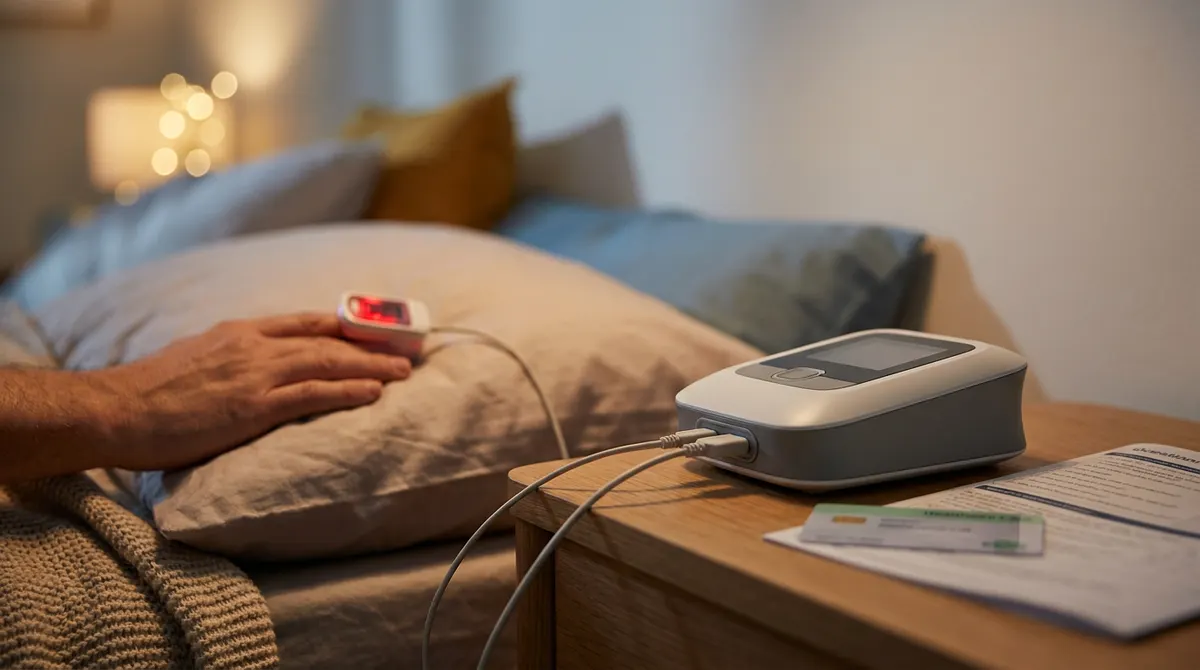
At-home sleep apnea test covered by Medicaid is possible in most states, but coverage depends on your specific state plan, medical necessity documentation, and whether your provider is in-network. According to the American Academy of Sleep Medicine, home sleep apnea testing (HSAT) is a validated diagnostic method for obstructive sleep apnea in adults with a high pretest probability. This article is for Medicaid enrollees, commercial drivers, and anyone exploring whether their state Medicaid program will pay for a home sleep test. You will learn how Medicaid coverage works state by state, what types of sleep tests qualify, how to navigate prior authorization, and what to do if your claim is denied or your plan does not cover HSAT. If you need a straightforward path to testing without insurance barriers, this guide also covers affordable self-pay alternatives.
Quick Answer
Medicaid covers at-home sleep apnea tests in many states when a doctor documents medical necessity and the test is ordered by a qualified provider. Coverage rules, prior authorization requirements, and approved device types vary by state Medicaid plan and managed care organization. Not all states cover home sleep apnea testing equally, and some require an in-lab sleep study first. If your Medicaid plan does not cover HSAT or delays are a concern, dumbo.health offers a home sleep test for $149 with no insurance or prior authorization required.
Key Takeaways
- Medicaid is a state-administered program, so coverage for home sleep apnea tests varies significantly depending on where you live and which managed care provider you are enrolled with.
- Most state Medicaid plans require a physician referral and documented medical necessity before approving a home sleep test.
- Home sleep apnea tests typically use Type III or Type IV sleep testing devices that measure airflow, oximetry, heart rate, and respiratory effort.
- Prior authorization is required in many states, and failing to obtain it can result in claim denial and unexpected out-of-pocket costs.
- If Medicaid does not cover your test or the approval process creates delays, dumbo.health provides a $149 home sleep test with no insurance, no prior authorization, and no surprise bills.
- CPAP therapy and ongoing treatment may also require separate Medicaid approval, with deductible and copay rules differing by state.
How Medicaid Coverage for Sleep Apnea Testing Works
Medicaid covers sleep apnea diagnosis and treatment as a medical benefit in most states, but the specifics depend entirely on your state's Medicaid plan. Unlike Medicare, which operates under a single National Coverage Determination for sleep testing, Medicaid is jointly funded by federal and state governments, with each state setting its own rules for covered services, eligible device types, and provider qualifications.
Federal vs. State Medicaid Rules
At the federal level, Medicaid requires states to cover certain mandatory benefits, but sleep testing falls under optional diagnostic services that states can choose to include or exclude. Most states do include coverage for sleep studies because untreated obstructive sleep apnea (OSA) is linked to hypertension, cardiovascular events, and higher long-term healthcare costs. The CDC reports that an estimated 30 million adults in the United States have obstructive sleep apnea, yet roughly 80 percent remain undiagnosed.
Each state determines whether it covers home sleep apnea testing specifically or only in-lab polysomnography. Some states cover both. Others restrict home sleep testing to certain managed care plans or require that patients meet specific clinical thresholds before approval.
Medicaid Managed Care Providers and Coverage Variation
Most Medicaid enrollees receive their benefits through Medicaid managed care providers rather than traditional fee-for-service Medicaid. Managed care organizations such as MetroPlusHealth and similar regional plans may have their own prior authorization processes, in-network provider lists, and approved device requirements. This means two people in the same state could have different coverage for the same home sleep test depending on which managed care plan they belong to.
Insurance verification is essential before scheduling any sleep study. Contact your Medicaid managed care plan directly and ask whether home sleep apnea testing is a covered benefit, which CPT codes are approved (such as CPT code 95800 or 95800TC), and whether prior authorization is needed.
KEY TAKEAWAY: Medicaid coverage for home sleep apnea tests is not uniform across the country. Your specific state plan, managed care organization, and clinical documentation determine whether testing is covered and at what cost.
Understanding how coverage works is the first step. Next, you need to know which types of sleep tests Medicaid programs actually approve.
Types of Sleep Tests and Which Ones Medicaid Typically Covers
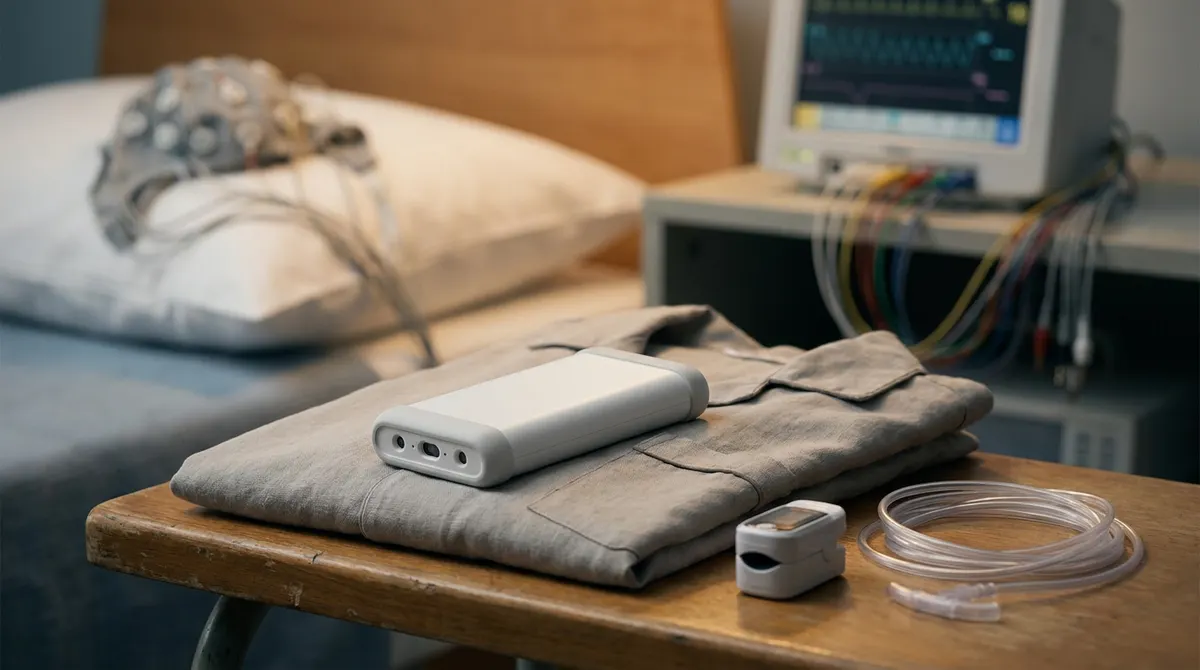
Home sleep apnea tests and in-lab sleep studies are the two primary diagnostic pathways for obstructive sleep apnea, but they use different devices, measure different data points, and carry different Medicaid approval requirements.
Home Sleep Apnea Test (HSAT)
A Home Sleep Apnea Test is a portable sleep study conducted in your own bed using a device that records airflow, blood oxygen levels, respiratory effort, and heart rate. Most home sleep tests use Type III sleep testing devices, which measure at least four channels of data including oximetry, airflow, and respiratory effort. Some use Type IV sleep testing devices, which typically measure fewer channels such as oximetry alone or oximetry combined with peripheral arterial tone.
The WatchPAT ONE and Watch-PAT100 are FDA Approved Type III and Type IV devices that use peripheral arterial tone and a photoplethysmography sensor to measure oxygenation, sleep data, and respiratory disturbance index. These devices are widely used in home sleep testing programs because they are single-use, disposable, and require minimal patient setup.
HSAT is most accurate for patients with a high clinical suspicion of moderate to severe obstructive sleep apnea. The American Academy of Sleep Medicine recommends HSAT for adults who do not have significant comorbid sleep disorders, cardiopulmonary disease, or neuromuscular conditions that could affect test accuracy.
In-Lab Sleep Study (Polysomnography)
Polysomnography, also called a Type I sleep study or Type I Polysomnography, is conducted overnight in a sleep lab facility under the supervision of a sleep technologist. It measures a broader range of data including brain activity, eye movement, muscle tone, airflow, oximetry, heart rate, and leg movements. A sleep laboratory provides the most comprehensive diagnostic testing for sleep disorders, but it requires an overnight stay at a sleep clinic or hospital facility.
Medicaid programs in most states cover in-lab polysomnography when medical necessity is documented. Some states require that patients undergo in-lab testing before authorizing CPAP therapy, while others accept HSAT results for treatment authorization.
Type II and Type III Sleep Testing Devices
Type II sleep testing devices are portable but measure nearly as many channels as full polysomnography, including EEG data. They are less commonly used in home settings due to complexity. Type III sleep testing devices are the most common home sleep apnea test format and the type most frequently covered by Medicaid when home testing is an approved benefit.
Structured Comparison: HSAT vs. In-Lab Polysomnography
Setting
- Home Sleep Apnea Test: Your own bed at home
- In-Lab Sleep Study: Sleep lab facility or hospital
Cost Without Insurance
- Home Sleep Apnea Test: Typically $149 to $500
- In-Lab Sleep Study: Often $1,000 to $3,000 or more
Channels Measured
- Home Sleep Apnea Test: 4 to 7 (airflow, oximetry, heart rate, respiratory effort)
- In-Lab Sleep Study: 12 or more (includes EEG, EMG, EOG, and additional sensors)
Supervised by Sleep Technologist
- Home Sleep Apnea Test: No
- In-Lab Sleep Study: Yes
Diagnostic Accuracy for OSA
- Home Sleep Apnea Test: High for moderate to severe OSA in appropriate candidates
- In-Lab Sleep Study: Gold standard for all severity levels and complex cases
Medicaid Coverage Likelihood
- Home Sleep Apnea Test: Varies by state; some states cover it, others do not
- In-Lab Sleep Study: Covered in most states with medical necessity documentation
For most Medicaid enrollees with suspected moderate to severe obstructive sleep apnea and no complex comorbidities, a home sleep apnea test is the most practical starting point. If your state Medicaid plan covers HSAT, it avoids the scheduling delays and higher costs associated with in-lab studies. dumbo.health offers a home sleep test for $149 that uses clinically validated equipment and includes the test device and one night of testing, making it a reliable option if Medicaid does not cover your test or delays become a barrier.
KEY TAKEAWAY: Type III home sleep testing devices are the most commonly covered HSAT format under Medicaid, but not all states approve them, and some require in-lab polysomnography for initial diagnosis or CPAP authorization.
Knowing which test types exist is important, but the practical question most people face is how to get Medicaid to actually approve the test. The next section walks through that process.
How to Get Medicaid to Cover Your Home Sleep Apnea Test
Getting Medicaid to cover a home sleep apnea test requires documentation, provider coordination, and familiarity with your state's approval process. Skipping any step can result in a denied claim and unexpected out-of-pocket costs.
Step-by-Step Process for Medicaid Approval
1. Schedule an appointment with your primary care doctor or a sleep specialist and describe your symptoms, including snoring, witnessed breathing pauses, daytime sleepiness, and any relevant medical history such as hypertension or a BMI above 30.
2. Ask your doctor to complete a sleep questionnaire such as the Epworth Sleepiness Scale, which scores your daytime sleepiness on a 0 to 24 scale. A score of 10 or above typically supports clinical suspicion of a sleep disorder.
3. Request that your doctor submit a referral for a home sleep apnea test to your Medicaid managed care plan, including documentation of medical necessity, your Epworth Sleepiness Scale score, and physical exam findings such as neck circumference, BMI, and airway assessment.
4. Contact your Medicaid managed care provider to confirm whether prior authorization is required. Ask for the specific CPT code that will be billed (CPT code 95800 is commonly used for home sleep apnea testing) and whether your provider is in-network.
5. Once authorized, schedule your home sleep test through an approved provider. Confirm that the device type (such as a Type III sleep testing device) is covered under your plan and that interpretation by a board-certified sleep medicine physician is included.
6. Complete the home sleep test according to the device instructions, typically wearing a sensor on your finger, a nasal cannula for airflow measurement, and a chest belt for respiratory effort. Return the device or discard it if using a single-use model like the WatchPAT ONE.
7. Wait for physician interpretation of your sleep data, including your Apnea-Hypopnea Index (AHI), oxygen desaturation events, and respiratory disturbance index. Results are typically available within 5 to 10 business days depending on your provider.
After completing these steps, your doctor will review the results and discuss treatment options based on your diagnosis. If your AHI is 5 or above with symptoms, or 15 or above regardless of symptoms, you likely meet diagnostic criteria for obstructive sleep apnea under AASM criteria.
DID YOU KNOW: The Apnea-Hypopnea Index measures the number of apnea and hypopnea events per hour of sleep. An AHI of 5 to 14 indicates mild OSA, 15 to 29 indicates moderate OSA, and 30 or above indicates severe OSA according to the American Academy of Sleep Medicine.
Checklist: What You Need Before Requesting Medicaid Coverage
- Documented symptoms of obstructive sleep apnea (snoring, witnessed apneas, excessive daytime sleepiness)
- Completed Epworth Sleepiness Scale or equivalent sleep questionnaire
- Physical exam findings including BMI, neck circumference, and airway assessment
- Referral from a primary care doctor or sleep specialist
- Confirmation of prior authorization requirements from your Medicaid managed care plan
- Insurance verification confirming HSAT is a covered benefit under your specific plan
- Confirmation that your provider and the testing facility or equipment supplier are in-network
- Understanding of any deductible or copay obligations under your Medicaid plan
KEY TAKEAWAY: Medicaid approval for home sleep apnea testing requires a documented clinical pathway including a physician referral, medical necessity documentation, and prior authorization in most states.
Even with careful preparation, Medicaid coverage is not guaranteed for every enrollee. The next section explains when Medicaid may not cover your test and what alternatives exist.
When Medicaid May Not Cover a Home Sleep Apnea Test
Medicaid does not cover home sleep apnea testing in every situation, and understanding the limitations upfront prevents delays, denied claims, and unexpected bills.
State-Level Coverage Gaps
Some state Medicaid programs do not include home sleep apnea testing as a covered benefit. These states may only cover in-lab polysomnography, or they may restrict home sleep testing to specific managed care plans. Because Medicaid rules change periodically, a benefit that was unavailable last year may now be covered, or vice versa. Always verify current coverage before scheduling a test.
Clinical Exclusions
The American Academy of Sleep Medicine recommends against using HSAT for patients with significant comorbid conditions including congestive heart failure, chronic obstructive pulmonary disease, central sleep apnea, or neuromuscular disorders. If you have any of these conditions, your Medicaid plan will likely require in-lab polysomnography instead of a home sleep test. Diagnostic accuracy drops when HSAT is used in patients with complex sleep disorders because the device cannot distinguish between obstructive and central apnea events.
Prior Authorization Denials
If your doctor does not provide sufficient documentation of medical necessity, your prior authorization request may be denied. Common reasons for denial include incomplete symptom documentation, missing sleep questionnaire scores, and failure to demonstrate that the patient has a high pretest probability of OSA. Many patients experience frustrating delays when prior authorization requests are returned for additional information.
Network Restrictions
Medicaid managed care plans typically require that sleep testing be ordered by an in-network provider and performed using equipment supplied by an approved vendor. Using an out-of-network provider or non-approved device can result in full denial of coverage. In areas with limited sleep medicine specialists, finding an in-network provider near you may be difficult.
How dumbo.health Helps When Medicaid Falls Short
When Medicaid does not cover home sleep apnea testing, creates excessive delays, or denies your prior authorization, self-pay testing through dumbo.health eliminates the insurance barrier entirely. The dumbo.health home sleep test costs $149 with no insurance required, no prior authorization, and no surprise bills. Monthly care plans starting at $59 per month cover physician interpretation, CPAP therapy and equipment, and follow-up care with no contracts and cancel-anytime flexibility. This is particularly useful for patients who cannot afford to wait weeks for Medicaid approval when they have symptoms affecting their health and, in the case of commercial drivers, their ability to maintain CDL certification.
IMPORTANT: A denied Medicaid claim does not mean you do not need testing. If you have symptoms of obstructive sleep apnea, pursuing diagnosis through a self-pay pathway is medically and financially sound given that untreated OSA increases the risk of hypertension, cardiovascular events, and motor vehicle accidents.
KEY TAKEAWAY: Medicaid may not cover home sleep apnea testing due to state-level policy gaps, clinical exclusions, prior authorization denials, or network restrictions. Self-pay options like dumbo.health provide an immediate alternative when insurance creates barriers.
Beyond knowing when coverage may fail, it helps to see how different people navigate this process in practice. The next section presents real-world scenarios.
Real-World Scenarios: How Medicaid Enrollees Navigate Sleep Apnea Testing
Understanding how different patients approach Medicaid-covered sleep testing illustrates the practical challenges and solutions that exist across different situations.
Common Scenarios
A 48-year-old Medicaid enrollee in Texas reports loud snoring, morning headaches, and an Epworth Sleepiness Scale score of 14. Her primary care doctor submits a referral for a home sleep apnea test through her managed care plan. The plan requires prior authorization, which is approved within 7 business days. She receives a Type III portable monitoring device, completes the test at home, and her results show an AHI of 22, confirming moderate obstructive sleep apnea. Her Medicaid plan then authorizes CPAP therapy. Total out-of-pocket cost: $0 after Medicaid coverage.
A 55-year-old owner-operator in Ohio needs a DOT physical and is flagged for sleep apnea screening due to a BMI of 38 and a neck circumference of 18 inches. His Medicaid plan does not cover home sleep apnea testing and only authorizes in-lab polysomnography. The earliest available appointment at an in-network sleep lab is 6 weeks out, which puts his CDL certification timeline at risk. He orders a home sleep test through dumbo.health for $149, receives results within days, and starts CPAP therapy through the dumbo.health Essentials Plan at $59 per month while waiting for his Medicaid in-lab study to be scheduled. This allows him to begin treatment immediately and present documentation at his DOT physical.
A 34-year-old Medicaid enrollee in New York is enrolled in MetroPlusHealth, a Medicaid managed care provider. She contacts MetroPlusHealth to verify coverage for a home sleep study and learns that HSAT is covered with prior authorization when ordered by an in-network sleep specialist. She obtains a referral from her primary care doctor to a sleep medicine physician in her area, who orders a home sleep test using a WatchPAT ONE device. Her results show an AHI of 8 with oxygen desaturation events, indicating mild OSA. Her sleep specialist recommends positional therapy and follow-up testing in 6 months rather than immediate CPAP therapy.
These scenarios show that outcomes vary widely depending on the state, managed care plan, clinical findings, and the urgency of the patient's situation. When Medicaid coverage creates timing problems, a self-pay pathway through dumbo.health provides an immediate bridge to diagnosis and treatment without sacrificing clinical quality.
KEY TAKEAWAY: Real-world Medicaid coverage experiences range from seamless approval to multi-week delays, and having a self-pay backup plan can prevent gaps in diagnosis and treatment.
With real-world context established, the next step is understanding the difference between Medicaid and Medicare coverage, since many people confuse the two programs.
Medicaid vs. Medicare Coverage for Home Sleep Apnea Tests
Medicaid and Medicare both provide coverage for sleep apnea diagnosis and treatment, but they operate under different rules, eligibility criteria, and approval processes. Confusing the two programs is common and can lead to incorrect assumptions about what your plan covers.
How Medicare Covers Sleep Testing
Medicare Part B covers home sleep apnea testing and in-lab polysomnography under a National Coverage Determination (NCD) that specifies clinical criteria for coverage. The Medicare-approved amount for home sleep testing is set nationally, and Medicare typically covers 80 percent of the approved amount after the patient meets their annual deductible. Medicare contractors in each region may have additional local coverage determinations that affect which devices and providers are approved.
For the Medicare population, home sleep apnea testing is covered when ordered by a treating physician and performed using an approved device. Medicare also covers a 3-month CPAP trial period, after which the patient must demonstrate adherence (at least 4 hours per night on 70 percent of nights during a 30-day period) to continue receiving CPAP equipment coverage.
How Medicaid Coverage Differs
Medicaid does not have a single national coverage determination for sleep testing. Each state sets its own rules. Some states model their sleep testing coverage after Medicare guidelines, while others have more restrictive or more generous policies. Medicaid deductible requirements are generally lower than Medicare, and many Medicaid enrollees have no deductible or copay for covered diagnostic services.
Medicaid managed care plans may also cover services that traditional fee-for-service Medicaid does not, or vice versa. This creates additional variability that does not exist in the Medicare system.
Structured Comparison: Medicaid vs. Medicare for Home Sleep Testing
Eligibility
- Medicaid: Based on income and state residency; varies by state
- Medicare: Primarily age 65 and older, or qualifying disability
National Coverage Standard
- Medicaid: No single national policy; state by state
- Medicare: National Coverage Determination applies nationwide
Prior Authorization Required
- Medicaid: Usually required through managed care plans
- Medicare: Not typically required for HSAT, but documentation of medical necessity is needed
Patient Cost Sharing
- Medicaid: Often $0 or very low copay depending on state
- Medicare: 20 percent of Medicare-approved amount after deductible
CPAP Coverage After Diagnosis
- Medicaid: Covered in most states with separate authorization
- Medicare: Covered with mandatory 3-month adherence trial
Approved Device Types
- Medicaid: Varies by state; often Type III devices
- Medicare: Type II, Type III, and Type IV devices per NCD guidelines
For Medicaid enrollees, the lack of a national standard means you cannot assume your coverage matches what Medicare patients receive. Always verify with your specific plan. If coverage is unavailable or creates delays, dumbo.health's $149 home sleep test and monthly care plans provide an alternative that does not require insurance from either program.
KEY TAKEAWAY: Medicare operates under a national coverage determination for sleep testing while Medicaid coverage is state-specific, making verification with your individual plan essential before scheduling any test.
Understanding the cost picture fully requires looking at what happens after diagnosis. The next section covers treatment costs and how Medicaid handles CPAP and other therapies.
Treatment After Diagnosis: What Medicaid Covers for CPAP and Other Options
A positive sleep apnea diagnosis is only the beginning. Treatment for obstructive sleep apnea typically involves CPAP therapy, and Medicaid coverage for CPAP equipment, masks, and ongoing care varies as much as coverage for the initial test.
CPAP Therapy Coverage Under Medicaid
CPAP therapy is the first-line treatment for moderate to severe obstructive sleep apnea. A CPAP machine delivers continuous positive airway pressure through a mask to keep your airway open during sleep. According to the National Heart, Lung, and Blood Institute, CPAP therapy reduces the Apnea-Hypopnea Index, improves oxygen saturation during sleep, and decreases daytime sleepiness when used consistently.
Most state Medicaid programs cover CPAP machines, masks, and supplies as durable medical equipment when prescribed by a doctor following a documented sleep apnea diagnosis. However, coverage details differ. Some states require that the CPAP machine be rented for a trial period before purchase authorization. Others may only cover basic CPAP rather than auto CPAP or Bilevel-PAP devices unless medical necessity for the advanced device is demonstrated.
Other Treatment Options Medicaid May Cover
- Oral appliances: Some Medicaid plans cover custom oral appliances for patients with mild to moderate OSA who cannot tolerate CPAP. These require dental impressions and fitting by a qualified provider. Coverage for oral appliances is less common than CPAP coverage under Medicaid.
- Surgery: Surgical treatment options such as uvulopalatopharyngoplasty are covered by Medicaid in some states for patients who fail CPAP therapy. Surgery is typically considered a last-resort treatment option.
- Positional therapy and lifestyle modifications: These are generally recommended as adjunct treatments and do not require separate Medicaid authorization.
The Cost Gap Between Medicaid Coverage and Actual Needs
Even when Medicaid covers CPAP therapy, patients often face practical gaps. Replacement mask supplies may be delayed. Equipment upgrades from basic CPAP to auto CPAP may require additional authorization. Follow-up appointments with a sleep specialist may have long wait times, leaving patients without adequate ongoing care or adherence monitoring.
dumbo.health addresses these gaps directly. The Essentials Plan at $59 per month includes physician interpretation, CPAP therapy and equipment, standard follow-up care, and updates sent to your referring provider. The Premium Plan at $89 per month adds a dedicated sleep coach from a licensed care team, advanced adherence monitoring, and priority results turnaround. No contracts, no insurance required, and you can cancel anytime. For patients whose Medicaid plan covers the initial diagnosis but provides inadequate ongoing care, dumbo.health's CPAP treatment program fills the gap with transparent, predictable pricing.
TIP: Even if Medicaid covers your CPAP machine, ask your managed care plan specifically about replacement supplies (masks, tubing, filters) and how frequently replacements are authorized. Many patients find that replacement schedules do not match actual wear timelines.
KEY TAKEAWAY: Medicaid covers CPAP therapy in most states, but practical gaps in equipment replacement, follow-up care, and device upgrades mean many patients benefit from supplemental self-pay care programs like those offered by dumbo.health.
Cost is a primary concern for anyone navigating sleep apnea care. The next section breaks down what you might pay out of pocket even with Medicaid coverage.
Out-of-Pocket Costs for Sleep Apnea Testing and Treatment With Medicaid

Medicaid enrollees often pay little or nothing for covered services, but out-of-pocket costs can still arise in specific situations. Understanding where costs appear helps you plan and avoid surprises.
When Medicaid Enrollees May Face Costs
- Non-covered services: If your state Medicaid plan does not cover home sleep apnea testing, the full cost falls on you.
- Out-of-network providers: Using a provider or equipment supplier outside your managed care network can result in full charges with no Medicaid reimbursement.
- Copays and cost-sharing: Some Medicaid plans include small copays for diagnostic services or durable medical equipment. The NIH notes that Medicaid cost-sharing amounts are generally modest, but they do exist in some states.
- Denied claims: If prior authorization is not obtained or documentation is insufficient, a claim denial shifts the cost to the patient.
- Supplemental services: Sleep coaching, advanced adherence monitoring, and concierge clinical support are not typically covered by Medicaid.
Cost Comparison: Medicaid vs. Self-Pay Through dumbo.health
Home Sleep Test Cost
- Medicaid (covered state): $0 to minimal copay
- Medicaid (non-covered state): $200 to $500 through other providers
- dumbo.health: $149 (one-time, no insurance needed)
Monthly CPAP Treatment
- Medicaid (covered state): $0 to minimal copay for equipment; limited follow-up
- Medicaid (non-covered state or gap in coverage): Variable; potentially hundreds per month
- dumbo.health Essentials Plan: $59 per month (CPAP therapy, equipment, physician review, follow-up)
Sleep Coaching and Adherence Monitoring
- Medicaid: Rarely covered
- dumbo.health Premium Plan: $89 per month (includes dedicated sleep coach and advanced monitoring)
Concierge Clinical Support
- Medicaid: Not available
- dumbo.health Elite Plan: $129 per month (includes direct physician messaging and custom reporting)
For many Medicaid enrollees, the most cost-effective path is using Medicaid for covered services and supplementing with dumbo.health for services Medicaid does not provide, particularly ongoing care coordination, adherence monitoring, and rapid access to testing when delays would compromise health or employment.
KEY TAKEAWAY: Medicaid out-of-pocket costs for sleep apnea care are generally low when services are covered, but gaps in coverage, network restrictions, and non-covered services can create unexpected expenses that self-pay plans are designed to address.
Beyond cost, many people hold misconceptions about sleep apnea testing and insurance coverage that prevent them from seeking care. The next section addresses the most common myths.
Common Myths About Sleep Apnea Testing and Medicaid Coverage Debunked
MYTH: Medicaid does not cover any type of sleep apnea testing.
FACT: Most state Medicaid programs cover sleep apnea diagnosis through either in-lab polysomnography or home sleep apnea testing. The Centers for Medicare and Medicaid Services oversees Medicaid at the federal level, and while each state administers its own program, diagnostic testing for medically necessary conditions including obstructive sleep apnea is covered in the majority of states. The specific type of test covered varies by state and plan.
MYTH: Home sleep tests are not accurate enough for a real diagnosis.
FACT: Home sleep apnea tests using Type III sleep testing devices have strong diagnostic accuracy for moderate to severe obstructive sleep apnea in appropriate candidates. The American Academy of Sleep Medicine endorses HSAT as a valid diagnostic tool when used for adults with a high pretest probability of OSA and without significant comorbid conditions. Studies published on PubMed show that Type III devices demonstrate sensitivity above 85 percent and specificity above 80 percent for detecting moderate to severe OSA when compared to in-lab polysomnography.
MYTH: You need to see a sleep specialist before you can get any sleep testing done.
FACT: Many Medicaid managed care plans allow primary care doctors to order home sleep apnea tests without a separate referral to a sleep specialist, although some plans do require specialist involvement. The referral process varies by state and managed care organization. If you want to bypass the referral process entirely, dumbo.health offers a free sleep assessment that can help you determine whether testing is appropriate for your symptoms.
MYTH: If Medicaid denies your sleep test, you have no other options.
FACT: A Medicaid denial does not eliminate your options. You can appeal the denial through your managed care plan's grievance process, request an in-lab study if HSAT was denied, or pursue self-pay testing. dumbo.health's home sleep test is $149 with no insurance verification, no prior authorization, and no waiting period. Monthly treatment plans start at $59 per month with no contracts.
MYTH: CPAP is the only treatment for sleep apnea.
FACT: While CPAP therapy is the gold standard for moderate to severe OSA, treatment options include oral appliances, positional therapy, weight management, and in some cases, surgery. The best treatment depends on severity, anatomy, patient preference, and adherence likelihood. A sleep medicine physician can help determine the most appropriate pathway based on your sleep data and clinical outcomes.
KEY TAKEAWAY: Misconceptions about Medicaid coverage and sleep apnea testing accuracy prevent many eligible patients from pursuing diagnosis. Verifying coverage with your specific plan and knowing your self-pay options removes unnecessary barriers.
These myths often overlap with another area of confusion: how Medicaid coverage works for specific populations like commercial drivers. The next section addresses special considerations.
Special Considerations for Commercial Drivers on Medicaid

Commercial drivers with CDL certification face unique pressure to diagnose and treat sleep apnea quickly because untreated OSA can affect medical certification under FMCSA regulations. Medicaid coverage timelines do not always align with DOT physical deadlines.
Why Timing Matters for CDL Holders
The FMCSA does not mandate universal sleep apnea testing for all commercial drivers, but certified medical examiners can require a sleep study based on clinical indicators such as BMI above 35, neck circumference above 17 inches in men or 16 inches in women, observed snoring, and a medical history that includes hypertension. When a sleep study is required, the driver typically has a limited window to complete testing and provide results before certification is issued or renewed.
Medicaid prior authorization processes that take weeks to complete can create a direct conflict with DOT physical timelines. An in-lab study at a sleep lab facility with limited appointment availability compounds the delay. For CDL holders on Medicaid, this is not just an inconvenience. It is a career-threatening gap.
How dumbo.health Serves Commercial Drivers
dumbo.health provides sleep apnea care solutions designed for people who need fast, affordable, and clinically validated testing without insurance delays. A driver flagged for sleep testing during a DOT physical can order a home sleep test for $149, complete it at home within days, and receive physician interpretation through a monthly care plan. The Premium Plan at $89 per month includes priority results turnaround, which is critical for drivers working against certification deadlines.
For CDL holders who also carry Medicaid, using dumbo.health as the primary testing pathway and submitting results to their DOT medical examiner is often faster than waiting for Medicaid authorization. Many patients report that the self-pay pathway allows them to return to work weeks sooner than the insurance-based pathway would have permitted.
Home sleep apnea testing through dumbo.health measures the same clinical parameters as Medicaid-covered HSAT, including the Apnea-Hypopnea Index, oxygen desaturation index, respiratory disturbance index, and total recording time. Results are interpreted by a physician and include a formal report suitable for clinical and regulatory purposes.
KEY TAKEAWAY: CDL holders on Medicaid often face timing conflicts between insurance approval processes and DOT physical deadlines. Self-pay testing through dumbo.health resolves this conflict with fast, affordable, clinically validated results.
Whether you are a commercial driver or not, understanding the clinical metrics in your sleep test results helps you make informed decisions about treatment. The next section explains what your results mean.
Understanding Your Home Sleep Test Results
Home sleep test results contain several clinical metrics that determine whether you have obstructive sleep apnea and how severe it is. Knowing what these numbers mean helps you participate actively in treatment decisions.
Apnea-Hypopnea Index (AHI)
The Apnea-Hypopnea Index is the primary metric used to diagnose and classify OSA severity. AHI measures the average number of apnea (complete airflow cessation) and hypopnea (partial airflow reduction) events per hour of recorded sleep time. According to AASM criteria:
- AHI below 5: Normal (no significant sleep apnea)
- AHI 5 to 14: Mild obstructive sleep apnea
- AHI 15 to 29: Moderate obstructive sleep apnea
- AHI 30 or above: Severe obstructive sleep apnea
Oxygen Desaturation Index
The oxygen desaturation index measures how many times per hour your blood oxygen levels drop by 3 percent or more from baseline. Frequent oxygen desaturation events are associated with increased cardiovascular risk. The Mayo Clinic notes that repeated drops in blood oxygenation during sleep can contribute to hypertension, arrhythmias, and other cardiovascular events over time.
Respiratory Disturbance Index
The respiratory disturbance index (RDI) is a broader metric than AHI. It includes apneas, hypopneas, and respiratory effort-related arousals (RERAs). Some sleep testing devices report RDI instead of or in addition to AHI. An elevated RDI even with a borderline AHI may support a diagnosis of OSAHS (obstructive sleep apnea-hypopnea syndrome).
Oxygen Saturation Baseline and Nadir
Your sleep test report will include your baseline oxygen saturation (typically 94 to 99 percent in healthy adults) and your lowest recorded oxygen level (nadir) during the test. An oxygen saturation nadir below 88 percent is clinically significant and may influence treatment urgency and the type of positive airway pressure device prescribed.
Sleep data from home sleep testing is reviewed by a physician who provides interpretation and a formal diagnosis. Through dumbo.health, physician interpretation is included in all monthly care plans. The dumbo.health sleep apnea care program ensures that your results are reviewed by a qualified sleep medicine provider and that treatment recommendations are tailored to your specific findings.
KEY TAKEAWAY: Your home sleep test results include AHI, oxygen desaturation index, respiratory disturbance index, and oxygen saturation data, all of which determine your diagnosis and guide your treatment pathway.
With a clear understanding of results, the final consideration is whether telehealth and virtual care can support your sleep apnea journey through Medicaid or self-pay channels.
Telehealth, Virtual Visits, and the Future of Sleep Apnea Care
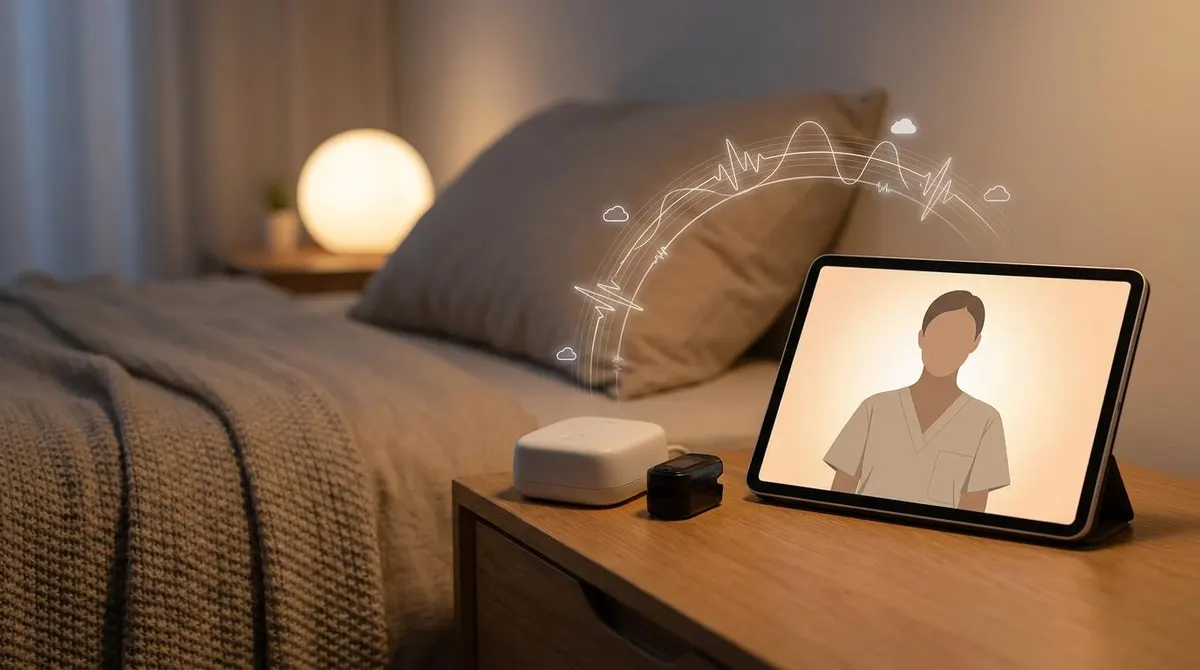
Telemedicine has expanded access to sleep medicine for patients who live far from a sleep clinic or face scheduling barriers. Virtual visits with sleep specialists are now covered by many Medicaid plans and offer a convenient way to receive ongoing care.
How Virtual Visits Work for Sleep Apnea Care
A virtual screening or telemedicine consultation allows a sleep specialist to review your symptoms, medical history, and sleep test results through a secure video or phone appointment. The provider can order a home sleep apnea test, interpret results, prescribe CPAP therapy, and conduct follow-up assessments without requiring an in-person visit. According to the Sleep Foundation, telehealth for sleep medicine has been associated with comparable clinical outcomes to in-person care for uncomplicated obstructive sleep apnea.
Medicaid Coverage for Telehealth Sleep Visits
Most state Medicaid programs expanded telehealth coverage significantly after 2020, and many have retained these expansions as permanent policy. Virtual visits for sleep medicine diagnosis and follow-up are now covered in numerous states, though coverage varies. Some Medicaid managed care plans require that the initial evaluation be in-person, while subsequent follow-up visits can be conducted via telemedicine.
dumbo.health's Digital Care Model
dumbo.health uses digital visits and virtual care as core components of its sleep apnea care solutions. Patients can complete their entire sleep journey from assessment through ongoing care without visiting a physical facility. The free sleep assessment at dumbo.health helps determine whether home sleep testing is appropriate for your symptoms, and all care plan levels include physician review and treatment management through a digital platform.
The Premium Plan at $89 per month includes a dedicated sleep coach and advanced adherence monitoring, which is the type of ongoing care that many Medicaid plans do not provide at all. The Elite Plan at $129 per month adds direct physician messaging and concierge clinical support for patients who want the highest level of access.
Patient Access to sleep medicine remains a significant barrier in rural areas and underserved communities. Providers in your area may have limited availability, long wait times, or no sleep medicine specialists at all. Virtual care through platforms like dumbo.health eliminates geographic barriers and ensures that every patient has access to expert sleep apnea care regardless of location.
KEY TAKEAWAY: Telehealth expands access to sleep apnea diagnosis and treatment for Medicaid enrollees and self-pay patients alike, and digital care platforms like dumbo.health provide a complete virtual sleep journey from testing through ongoing CPAP management.
Knowing all the pathways available to you is the final piece of the puzzle. The conclusion below summarizes what matters most.
Conclusion
Medicaid coverage for at-home sleep apnea testing is available in many states but depends on your specific plan, managed care provider, and whether your doctor documents medical necessity. The approval process requires coordination between your physician, your Medicaid managed care organization, and an in-network testing provider. When coverage exists and the process works smoothly, Medicaid can cover your home sleep test and subsequent CPAP therapy at little or no cost to you.
When Medicaid creates barriers through coverage gaps, prior authorization delays, or network restrictions, self-pay testing provides an immediate, affordable alternative. dumbo.health offers a home sleep test for $149 with no insurance required and no prior authorization, plus monthly care plans starting at $59 per month that include CPAP therapy, physician review, and follow-up care with no contracts and cancel-anytime flexibility. Whether you use Medicaid, self-pay, or both, the most important step is getting tested and starting treatment before untreated sleep apnea affects your health, safety, or livelihood.
Frequently Asked Questions About At-Home Sleep Apnea Tests Covered by Medicaid
Does Medicaid cover at-home sleep apnea tests?
Medicaid coverage for at-home sleep apnea tests varies by state and plan. Many state Medicaid programs cover home sleep apnea testing (HSAT) when a physician determines it is medically necessary for diagnosing obstructive sleep apnea. Coverage policies differ across standard Medicaid, Medicaid Managed Care plans, and waiver programs, so it is important to contact your specific plan directly to confirm what is covered, whether a referral is required, and what out-of-pocket costs may apply. A healthcare professional can help determine whether testing is appropriate for your situation.
What is a home sleep apnea test and how does it work?
A home sleep apnea test (HSAT) is a portable diagnostic tool used to evaluate whether a person has obstructive sleep apnea (OSA). The test is completed at home during a normal sleep night. The device typically records data such as airflow, oxygen saturation, respiratory effort, and heart rate. A sleep physician or qualified provider then interprets the recorded sleep data and produces a diagnostic report. The American Academy of Sleep Medicine recognises HSAT as a clinically appropriate option for adults with a high probability of moderate-to-severe obstructive sleep apnea who do not have significant complicating conditions.
What types of home sleep testing devices are used to diagnose sleep apnea?
Home sleep testing devices are classified into types based on the number of channels they record. Type II devices are portable versions of full polysomnography. Type III devices measure airflow, respiratory effort, oxygen saturation, and heart rate and are the most commonly used for home sleep apnea testing. Type IV devices typically measure only one or two channels, such as oximetry alone. The Centers for Medicare and Medicaid Services (CMS) have evaluated evidence for unattended out-of-facility sleep testing and recognise Type II and Type III sleep testing devices as appropriate for diagnosing OSA when supervised by a qualified provider.
Does Medicare cover home sleep apnea testing?
Medicare Part B covers home sleep apnea testing for patients who meet specific clinical criteria under the National Coverage Determination for sleep testing. Coverage generally applies when a physician orders the test based on clinical evaluation, the patient shows signs and symptoms of obstructive sleep apnea, and the testing is performed using an approved device such as a Type II, Type III, or Type IV sleep testing device. Medicare pays the Medicare-approved amount for covered services, and patients may be responsible for the deductible and any applicable coinsurance. A qualified healthcare professional can advise whether you meet the criteria for covered testing.
Is a home sleep apnea test as reliable as an in-lab sleep study?
A home sleep apnea test is considered clinically reliable for diagnosing obstructive sleep apnea in adults who are likely to have moderate-to-severe OSA and do not have significant complicating conditions such as heart failure, chronic lung disease, or neuromuscular disorders. The American Academy of Sleep Medicine states that HSAT can accurately identify patients with OSA who are likely to benefit from CPAP therapy. However, home sleep tests typically record fewer channels than in-lab polysomnography and may underestimate the severity of sleep apnea in some cases. When an HSAT produces inconclusive results, a provider may recommend a full in-lab sleep study.
When is an in-lab sleep study required instead of a home sleep test?
An in-lab sleep study, also called Type I polysomnography, is conducted at a sleep lab facility under the supervision of a sleep technologist. It records a broader range of data including brain activity, eye movements, muscle activity, oxygen saturation, airflow, and respiratory effort. A sleep specialist may recommend in-lab polysomnography when a patient has complex medical conditions, when a home sleep test produces inconclusive results, or when a condition other than obstructive sleep apnea is suspected. Medicaid and Medicare may have separate coverage criteria for in-lab testing compared to home sleep apnea testing.
What are the common signs and symptoms of obstructive sleep apnea?
Common signs of obstructive sleep apnea include loud or chronic snoring, observed pauses in breathing during sleep, waking up gasping or choking, excessive daytime sleepiness, morning headaches, difficulty concentrating, and irritability. The Epworth Sleepiness Scale is a widely used questionnaire that helps clinicians assess daytime sleepiness as part of a sleep apnea evaluation. According to the Mayo Clinic, untreated OSA is associated with increased risk of high blood pressure, cardiovascular events, and metabolic disorders. If you recognise these signs, a healthcare professional can help determine whether a sleep study or sleep assessment is appropriate.
How dangerous is untreated sleep apnea to your health?
Untreated obstructive sleep apnea is associated with serious health risks. According to the National Heart, Lung, and Blood Institute (NHLBI), OSA is linked to hypertension, heart disease, stroke, type 2 diabetes, and impaired daytime function. Repeated oxygen desaturation events during sleep stress the cardiovascular system over time. The severity of these risks is generally related to the frequency and depth of breathing interruptions, measured by the apnea-hypopnea index (AHI). Patients who are diagnosed and treated with CPAP therapy or other treatment options may see improvements in blood oxygen levels, daytime alertness, and cardiovascular risk factors, though individual outcomes vary and should be discussed with a clinician.
What is the apnea-hypopnea index and why does it matter?
The apnea-hypopnea index (AHI) is the primary measure used to assess the severity of obstructive sleep apnea. It represents the average number of apnea and hypopnea events per hour of sleep. An AHI of fewer than five events per hour is generally considered normal in adults. An AHI of five to fourteen indicates mild OSA, fifteen to twenty-nine indicates moderate OSA, and thirty or more indicates severe OSA. The AHI recorded during a home sleep apnea test or polysomnography guides diagnosis and treatment decisions, including whether CPAP therapy or other treatment options are recommended.
Does Medicaid cover CPAP therapy and equipment?
Most state Medicaid programs cover CPAP machines, CPAP masks, and related medical equipment when a physician documents a diagnosis of obstructive sleep apnea supported by qualifying sleep testing results. Coverage conditions, equipment allowances, and prior authorisation requirements differ by state Medicaid program and Medicaid Managed Care plan. Some plans require documented CPAP adherence data before continuing to cover equipment. Patients should confirm coverage details with their Medicaid plan and work with their prescribing provider to ensure documentation requirements are met. A healthcare professional can advise on the steps needed to access covered CPAP therapy through Medicaid.
What does CPAP adherence mean and why does it matter for coverage?
CPAP adherence refers to how consistently a patient uses their CPAP machine during sleep. Many insurance programs, including Medicaid and Medicare, require patients to demonstrate adequate adherence before continuing to cover CPAP equipment. The standard definition of adequate adherence used by many payers is CPAP use for at least four hours per night on seventy percent of nights over a consecutive thirty-day period. Adherence data is typically recorded by the CPAP machine and reviewed by the prescribing provider. Poor adherence can affect both treatment effectiveness and ongoing equipment coverage. Ongoing CPAP care support that includes adherence monitoring can help patients maintain consistent therapy.
What are the treatment options for obstructive sleep apnea?
The most common treatment for obstructive sleep apnea is continuous positive airway pressure therapy, known as CPAP. CPAP delivers pressurised air through a mask to keep the airway open during sleep. Auto CPAP and Bilevel-PAP devices are used in some cases depending on patient need. Other treatment options include oral appliances such as mandibular advancement devices fitted using dental impressions, positional therapy, weight management, and in some cases surgery. The appropriate treatment depends on the severity of OSA, the patient's medical history, and other individual factors. A qualified sleep medicine provider or physician should guide treatment selection.
Can I get a home sleep apnea test without insurance?
Yes. Patients who do not have insurance, prefer not to use insurance, or want to avoid prior authorization delays can access home sleep apnea testing through cash-pay options. dumbo.health offers a home sleep apnea test for a flat $149 one-time fee with no insurance required, no prior authorizations, and no surprise bills. The cost covers the at-home sleep test device and one night of testing. Physician interpretation and a diagnostic report are available through monthly plans starting at $59 per month, which can also include CPAP therapy, equipment, and adherence follow-up. No contracts are required and plans can be cancelled at any time.
How much does a home sleep test cost with insurance?
When a home sleep apnea test is covered by insurance, patients typically pay the deductible, coinsurance, or a copay depending on their plan terms and whether the provider is in-network. Out-of-pocket costs can range from nothing to several hundred dollars depending on the plan, remaining deductible, and whether the provider accepts assignment. Patients should contact their insurer to confirm coverage, obtain prior authorisation if required, and ask about expected out-of-pocket costs before testing. For those who prefer predictable pricing without insurance complexity, cash-pay options like dumbo.health offer transparent flat-fee pricing with no unexpected charges.
How much does a home sleep apnea test cost without insurance?
Without insurance, the cost of a home sleep apnea test typically ranges from around $150 to several hundred dollars depending on the provider and what is included. Physician interpretation, diagnostic reporting, and follow-up care are often priced separately. dumbo.health offers a $149 one-time home sleep test fee that covers the device and one test night. Ongoing care including physician interpretation, CPAP therapy, equipment, and adherence support is available through monthly plans starting at $59 per month, all with transparent cash-pay pricing and no insurance required. You can explore sleep apnea care solutions to compare what each plan includes.
Do I need a referral to get a home sleep apnea test?
Referral requirements for home sleep apnea testing depend on your insurance plan or care pathway. Many insurance and Medicaid plans require a physician referral or prior authorisation before covering a home sleep test. Some telehealth and cash-pay providers can connect patients with a qualified physician for evaluation without requiring a separate referral from a primary care doctor. If you are unsure whether you need a referral, contacting your insurer or Medicaid plan directly is the most reliable way to confirm requirements before proceeding with testing.
What is out-of-center sleep testing?
Out-of-center sleep testing (OCST) is the formal term used by sleep medicine and payer organisations to describe sleep diagnostic testing performed outside of a supervised sleep lab facility. Home sleep apnea testing is the most common form of out-of-center sleep testing. OCST typically uses portable monitoring devices classified as Type II, Type III, or Type IV depending on the channels recorded. The American Academy of Sleep Medicine has established AASM criteria for the appropriate use of out-of-center sleep testing, and the Centers for Medicare and Medicaid Services have issued National Coverage Determination guidance for its use in diagnosing obstructive sleep apnea.
What is polysomnography and how is it different from a home sleep test?
Polysomnography is a comprehensive sleep study conducted in a sleep lab facility under the supervision of a sleep technologist. It is classified as a Type I study and records brain wave activity, eye movements, muscle tone, heart rate, oxygen saturation, airflow, and respiratory effort simultaneously. A home sleep apnea test records a smaller set of channels, typically focused on airflow, oxygen saturation, respiratory effort, and heart rate. Polysomnography provides more detailed data and is considered the diagnostic gold standard for sleep disorders, but home sleep testing is considered clinically appropriate for most adults with a high likelihood of obstructive sleep apnea who do not have complicating conditions.
What is the difference between obstructive sleep apnea and other sleep disorders?
Obstructive sleep apnea (OSA) is caused by repeated physical collapse of the upper airway during sleep, leading to partial or complete breathing interruptions. Central sleep apnea involves the brain failing to send proper signals to the breathing muscles and does not involve an airway obstruction. Complex or mixed sleep apnea involves features of both types. Other sleep disorders such as insomnia, restless leg syndrome, narcolepsy, and circadian rhythm disorders have different causes and diagnostic criteria. Home sleep apnea testing is specifically designed to identify obstructive sleep apnea and is not used to diagnose the full range of sleep disorders. A sleep specialist can determine which condition may be present based on symptoms and testing results.
How do I know if I need a home sleep apnea test?
You may benefit from a home sleep apnea test if you experience loud or regular snoring, observed pauses in breathing during sleep, waking up gasping, persistent daytime sleepiness, or morning headaches. Risk factors for obstructive sleep apnea include excess body weight, a large neck circumference, hypertension, being male, and being over the age of forty, though OSA can affect people of all ages and body types. A sleep questionnaire such as the Epworth Sleepiness Scale is sometimes used as part of an initial assessment. A healthcare professional can review your symptoms, medical history, and risk factors to determine whether sleep apnea testing is appropriate. You can also start with a free sleep assessment to help guide your next step.
Can allergies cause or be confused with sleep apnea?
Allergies can contribute to nasal congestion and upper airway inflammation, which may worsen snoring or breathing difficulties during sleep. However, allergies alone do not cause obstructive sleep apnea, and not everyone with snoring or nasal congestion has sleep apnea. The two conditions can occur together and share some overlapping symptoms, including disrupted sleep and daytime fatigue. If you are unsure whether your symptoms are related to allergies, sleep apnea, or both, a healthcare professional can help evaluate your symptoms and determine whether a sleep study or further testing is appropriate.
Can sleep apnea be diagnosed using pulse oximetry alone?
Pulse oximetry measures blood oxygen saturation and can detect oxygen desaturation events associated with sleep apnea, but oximetry alone is classified as a Type IV sleep testing device and is generally considered insufficient for a definitive diagnosis of obstructive sleep apnea. Oximetry does not capture airflow, respiratory effort, or other channels needed for a complete sleep apnea evaluation. The Centers for Medicare and Medicaid Services have noted limitations in the diagnostic accuracy of single-channel oximetry for OSA diagnosis. Most clinical guidelines recommend at minimum a Type III home sleep testing device, which includes airflow and respiratory effort measurements alongside oxygen saturation monitoring.
How many nights do I need to complete a home sleep apnea test?
Most home sleep apnea tests require only one night of testing to collect sufficient data for a physician to interpret. Some providers may request a second night of recording if the first night produces inadequate data due to device displacement or insufficient sleep time. A single-night test is generally considered adequate for identifying obstructive sleep apnea in most adult patients. Following the device setup instructions carefully helps ensure the test night produces usable sleep data. Your testing provider will advise you on what to do if the data is inconclusive.
Can I view my home sleep test results?
Many home sleep testing providers give patients access to their sleep data and results, either through an online portal, a mobile app, or a written report from the interpreting physician. The results typically include the apnea-hypopnea index, oxygen saturation readings, respiratory disturbance index, and a clinical interpretation with recommendations. Patients should always receive a physician interpretation report that explains findings in the context of their symptoms and medical history. If you have questions about your results, a sleep medicine provider can help you understand what the data means and what treatment options may be appropriate.
What happens after a home sleep apnea test confirms obstructive sleep apnea?
If a home sleep apnea test confirms a diagnosis of obstructive sleep apnea, the next step is typically a treatment discussion with a qualified physician or sleep medicine provider. The most common first-line treatment is CPAP therapy. The prescribing physician will recommend an appropriate therapy device, pressure settings, and mask type based on your diagnosis and medical history. Follow-up care and adherence monitoring are important parts of ongoing sleep apnea management. dumbo.health monthly plans include CPAP therapy and equipment, physician interpretation, and adherence follow-up starting at $59 per month, with no contracts and the ability to cancel at any time.
Do commercial drivers need a sleep apnea test for their DOT physical?
The Federal Motor Carrier Safety Administration (FMCSA) does not have a universal mandatory sleep apnea testing requirement for all commercial drivers, but certified medical examiners are required to evaluate drivers for conditions that may impair safe driving, including obstructive sleep apnea. A medical examiner may refer a driver for sleep apnea testing based on symptoms, risk factors such as body mass index, neck circumference, or hypertension, or clinical judgment during the DOT physical examination. Drivers who are referred for testing and diagnosed with OSA may need to demonstrate CPAP adherence before a medical examiner will issue or renew a medical certificate. You can read more in the complete guide to at-home sleep tests for commercial drivers.
Can a certified medical examiner require a CDL driver to get a sleep apnea test?
Yes. A certified medical examiner has the authority to require a commercial driver to undergo sleep apnea evaluation before issuing or renewing a DOT medical certificate. This decision is based on the examiner's clinical assessment of the driver's symptoms, medical history, physical examination findings, and risk factors for obstructive sleep apnea. The FMCSA states that medical examiners must determine whether a driver meets the physical qualification standards for commercial vehicle operation. dumbo.health can support testing and care documentation for commercial drivers, but it is the certified medical examiner, not dumbo.health, who makes DOT certification decisions. Learn more about DOT sleep apnea testing at home for CDL drivers.
Is telemedicine available for sleep apnea diagnosis and treatment?
Telemedicine has expanded access to sleep apnea evaluation, diagnosis, and ongoing care. Many providers now offer virtual visits for initial consultations, sleep questionnaire review, home sleep test ordering, results interpretation, and CPAP management. The combination of home sleep apnea testing and telemedicine-based physician review allows patients to complete diagnosis and initiate treatment without visiting a sleep clinic or sleep lab in many cases. Patients should confirm that their telemedicine sleep provider includes qualified physician interpretation and meets the clinical standards required for their insurance, Medicaid, or DOT documentation needs.
What is the difference between Medicaid and Medicaid Managed Care for sleep apnea coverage?
Standard Medicaid is administered directly by the state and follows state-specific coverage policies. Medicaid Managed Care involves private health plans contracted by the state to deliver Medicaid benefits, and each Medicaid Managed Care plan may have its own prior authorisation requirements, in-network provider lists, and coverage criteria for home sleep apnea testing, in-lab polysomnography, and CPAP equipment. Coverage for sleep apnea testing and treatment under Medicaid Managed Care can vary even within the same state depending on which plan a patient is enrolled in. Patients should contact their specific Medicaid Managed Care plan to confirm coverage before scheduling a sleep study or ordering equipment.
Related Home Sleep Apnea Test Topics
- Home Sleep Apnea Test Medicaid Coverage What Patients Need to Know
- Does Medicare Cover a Home Sleep Apnea Test What Beneficiaries Need to Know
- Home Sleep Apnea Test Cost What You Actually Pay With and Without Insurance
- Does Insurance Cover a Home Sleep Apnea Test What You Actually Pay
- Sleep Apnea Test at Home with Insurance What Your Plan Actually Covers and How to Get Tested
- Are Sleep Studies Covered by Insurance What You Actually Pay for Sleep Apnea Testing
- Can Dentists Prescribe a Home Sleep Apnea Test What You Need to Know
- Can My Doctor Prescribe a Home Sleep Apnea Test What You Need to Know
- Home Sleep Apnea Test for Children What Parents Need to Know About Pediatric Sleep Testing
- Home Sleep Apnea Test for Kids What Parents Need to Know About Pediatric Sleep Testing
- Kids at Home Sleep Apnea Test What Parents Need to Know About Pediatric Sleep Testing
- At-Home Sleep Apnea Test for Toddlers What Parents Need to Know About Pediatric Sleep Testing
- What Is a Home Sleep Apnea Test How At-Home Sleep Testing Works, What It Measures, and Who Needs One
- What Is the Cost of a Sleep Apnea Test at Home
- Home Sleep Test Cost What You Actually Pay With and Without Insurance
- Home Sleep Apnea Test FSA Eligible How to Use Your Flexible Spending Account for Sleep Testing
- At-Home Sleep Apnea Test FSA How to Use Your Flexible Spending Account for Sleep Testing
- At Home Sleep Apnea Test HSA How to Use Your Health Savings Account for Sleep Testing
- What Is the Best At-Home Sleep Apnea Test A Clinical Comparison of Devices, Accuracy, and Cost
- How Do You Get a Home Sleep Apnea Test The Complete Guide to At-Home Sleep Testing
- At Home Sleep Apnea Test with Ring How Ring-Based Sleep Testing Works and Whether It Can Diagnose Sleep Apnea
- Home Sleep Apnea Test Ring How Ring-Based Sleep Testing Works for Sleep Apnea Detection
- Can You Test for Sleep Apnea at Home A Complete Guide to Home Sleep Testing
- Home Sleep Apnea Test The Complete Guide to At-Home Sleep Apnea Testing
- Average Cost of a Home Sleep Apnea Test Kit Shipped in the US
- Cost of Sleep Apnea Testing What You Will Actually Pay
- Home Sleep Apnea Test Contraindications When an HSAT Is Not the Right Choice
- How Much Does a Home Sleep Apnea Test Cost Complete Pricing Breakdown for Self-Pay and Insured Patients
- Home Sleep Apnea Testing The Complete Guide to Diagnosing Sleep Apnea at Home
- Best Home Sleep Apnea Test A Clinical Guide to Choosing the Right At-Home Sleep Study
- Sleep Study for Sleep Apnea What Happens, What It Measures, and What Your Results Mean
- Sleep Study for Sleep Apnea What the Test Measures, How It Works, and What Your Results Mean
- FDA Approved Home Sleep Apnea Test What Devices Are Cleared, How They Work, and How to Get Tested
- How to Get a Sleep Apnea Test at Home The Complete Guide to Home Sleep Testing
- How Is a Home Sleep Apnea Test Done A Complete Guide to At-Home Sleep Testing
- Do You Need a Prescription for a Home Sleep Apnea Test
- Home Sleep Apnea Test ICD-10 Codes The Complete Coding and Diagnostic Guide for Sleep Apnea Testing
- Sleep Apnea Test at Home The Complete Guide to Home Sleep Testing for Adults
- How Does a Home Sleep Apnea Test Work A Complete Guide to At-Home Sleep Testing
- What Does a Home Sleep Apnea Test Consist Of Sensors, Equipment, and What to Expect
- Home Sleep Test The Complete Guide to At-Home Sleep Apnea Testing
- Home Sleep Apnea Test Near Me How to Get Tested Without a Sleep Lab Visit
- Home Sleep Apnea Test Guidelines Clinical Standards, Eligibility, and What Every Patient Should Know
- How Long Does a Home Sleep Apnea Test Take What to Expect Before, During, and After Testing
- Sleep Test at Home The Complete Guide to Home Sleep Apnea Testing
- HSAT The Complete Guide to Home Sleep Apnea Testing
- Sleep Apnea Testing at Home The Complete Guide to Home Sleep Tests, Devices, and Results
- Sleep Apnea Diagnosis at Home The Complete Guide to Home Sleep Testing
- What Happens After a Home Sleep Apnea Test Results, Diagnosis, and Next Steps
- Do I Need a Prescription for a Home Sleep Apnea Test Device
- Home Sleep Apnea Test FDA Approved What Devices Are Cleared and How They Work
- Home Sleep Apnea Test CPT Code Complete Coding and Billing Guide for Sleep Studies
- CPT for Home Sleep Apnea Test Complete Coding and Billing Guide for Sleep Study Providers
- Does a Home Sleep Apnea Test Measure Apneas What the Device Actually Records
- CPAP Test at Home The Complete Guide to Home Sleep Apnea Testing and Treatment
- Home Sleep Apnea Test Indications Who Qualifies and When At-Home Testing Is Clinically Appropriate
- Disadvantages of Home Sleep Testing What Patients and Providers Need to Know
- Home Sleep Apnea Test Parameters What Every Measurement Means and Why It Matters
- Sleep Apnea Diagnosis How Sleep Apnea Is Detected, Tested, and Confirmed
- Can a Home Sleep Apnea Test Be Wrong Accuracy, False Negatives, and What to Do Next
- Home Sleep Apnea Test Questionnaire Screening Tools, Risk Scores, and What Happens Next
- Sleep Apnea Test The Complete Guide to Diagnosis, Home Testing, and What Your Results Mean
- Home Sleep Apnea Test False Negative Why It Happens and What to Do Next
- Sleep Apnea Checker How to Screen for Sleep Apnea and What Your Results Mean
- Home Sleep Testing Companies A Complete Guide to At-Home Sleep Apnea Diagnosis
- Does Anyone Ever Pass a Sleep Apnea Test What Normal Results Actually Look Like
- Can I Get a CPAP Machine After a Home Sleep Apnea Test
- At-Home Sleep Apnea Test The Complete Guide to Testing, Results, and Treatment
- Sleep Test to CPAP How Sleep Apnea Testing Leads to Treatment
- Can a Sleep Study Diagnose Sleep Apnea and Other Sleep Disorders
- At Home Sleep Study for Sleep Apnea The Complete Guide to Testing in Your Own Bed
- What to Expect During a Sleep Study for Sleep Apnea
- Sleep Study Test for Sleep Apnea The Complete Guide to Diagnosis, Testing Types, and Next Steps
- Top-Rated Home Sleep Apnea Test Kits Available in the US
- Where Can I Buy a Home Sleep Apnea Test Without a Prescription
- How Do Home Sleep Apnea Tests Compare to In-Lab Sleep Studies
- Sleep Test What It Measures, How It Works, and What Your Results Mean
- Polysomnography at Home How Home Sleep Testing Compares to In-Lab Sleep Studies
- Sleep Apnea Test at Home DOT Approved Options for Commercial Drivers
- Sleep Apnea Test Near Me How to Find Local and At-Home Testing Options
- At-Home Sleep Apnea Test DOT Approved The Complete Guide for Commercial Drivers
- CPT Code for Home Sleep Apnea Test The Complete Coding and Billing Guide
- Home Sleep Apnea Test CPT Codes A Complete Guide to Billing, Coding, and Reimbursement
- CPT Code for Home Sleep Apnea Test Complete Billing and Coding Guide
- At Home Sleep Apnea Test for VA Disability The Complete Guide for Veterans
- Are Home Sleep Apnea Tests Accurate What the Evidence Actually Shows
- At-Home Sleep Apnea Test for VA The Complete Guide for Veterans
- Are Home Sleep Apnea Tests Reliable Clinical Evidence, Accuracy, and What the Data Actually Shows
- Pediatric Home Sleep Apnea Test A Complete Guide for Parents and Providers
- Home Sleep Testing The Complete Guide to Diagnosing Sleep Apnea From Your Own Bed
- Sleep Apnea Testing The Complete Guide to Diagnosis, Home Tests, and What Your Results Mean
- How to Get Tested for Sleep Apnea The Complete Guide to Diagnosis, Sleep Studies, and Treatment
- Do At-Home Sleep Apnea Tests Work Clinical Accuracy, Limitations, and What the Evidence Shows
- Best At Home Sleep Apnea Test A Clinical Comparison
- How Does a Sleep Study Diagnose Sleep Apnea
- Can Sleep Apnea Be Diagnosed Without a Sleep Study
- CPAP Test What It Is, How It Works, and What Your Results Mean
- Sleep Apnea Sleep Study The Complete Guide to Testing, Diagnosis, and Treatment
- Obstructive Sleep Apnea Sleep Study The Complete Guide to Diagnosis, Testing, and Treatment
- Sleep Study Apnea Hypopnea Index What Your AHI Score Means and Why It Matters
AI summary
Home sleep apnea testing (HSAT) is a portable sleep study used to diagnose obstructive sleep apnea (OSA) at home by measuring airflow, oxygen saturation (oximetry), respiratory effort, and heart rate. Medicaid may cover HSAT in many states, but coverage is state-specific and can differ by Medicaid managed care plan. Coverage commonly depends on a physician referral, documented medical necessity, in-network ordering and testing, and prior authorization. Plans may request CPT code confirmation (often 95800 or 95800TC) and may limit approved device types, most commonly Type III devices; some plans require in-lab polysomnography (Type I) first. HSAT is recommended by the American Academy of Sleep Medicine for adults with high pretest probability of moderate to severe OSA and without significant comorbid conditions such as congestive heart failure, COPD, central sleep apnea, or neuromuscular disease. Results commonly include Apnea-Hypopnea Index (AHI), oxygen desaturation index, respiratory disturbance index (RDI), and oxygen saturation nadir. Medicaid coverage for CPAP and supplies varies and may require separate authorization.

Nicolas Nemeth
Co-Founder
Nico is the co-founder of Dumbo Health, a digital sleep clinic that brings the entire obstructive sleep apnea journey home. Patients skip the sleep lab and the long wait to see a specialist. Dumbo Health ships an at home test, connects patients with licensed sleep clinicians by video, and delivers CPAP or a custom oral appliance with ongoing coaching and automatic resupply in one clear subscription.
Keep reading

VA At Home Sleep Apnea Test: The Complete Guide for Veterans

Home Sleep Apnea Test App: What Works, What Doesn't, and How to Get a Real Diagnosis


